Pizza
Basil Pesto Recipe (with tips & tricks!)
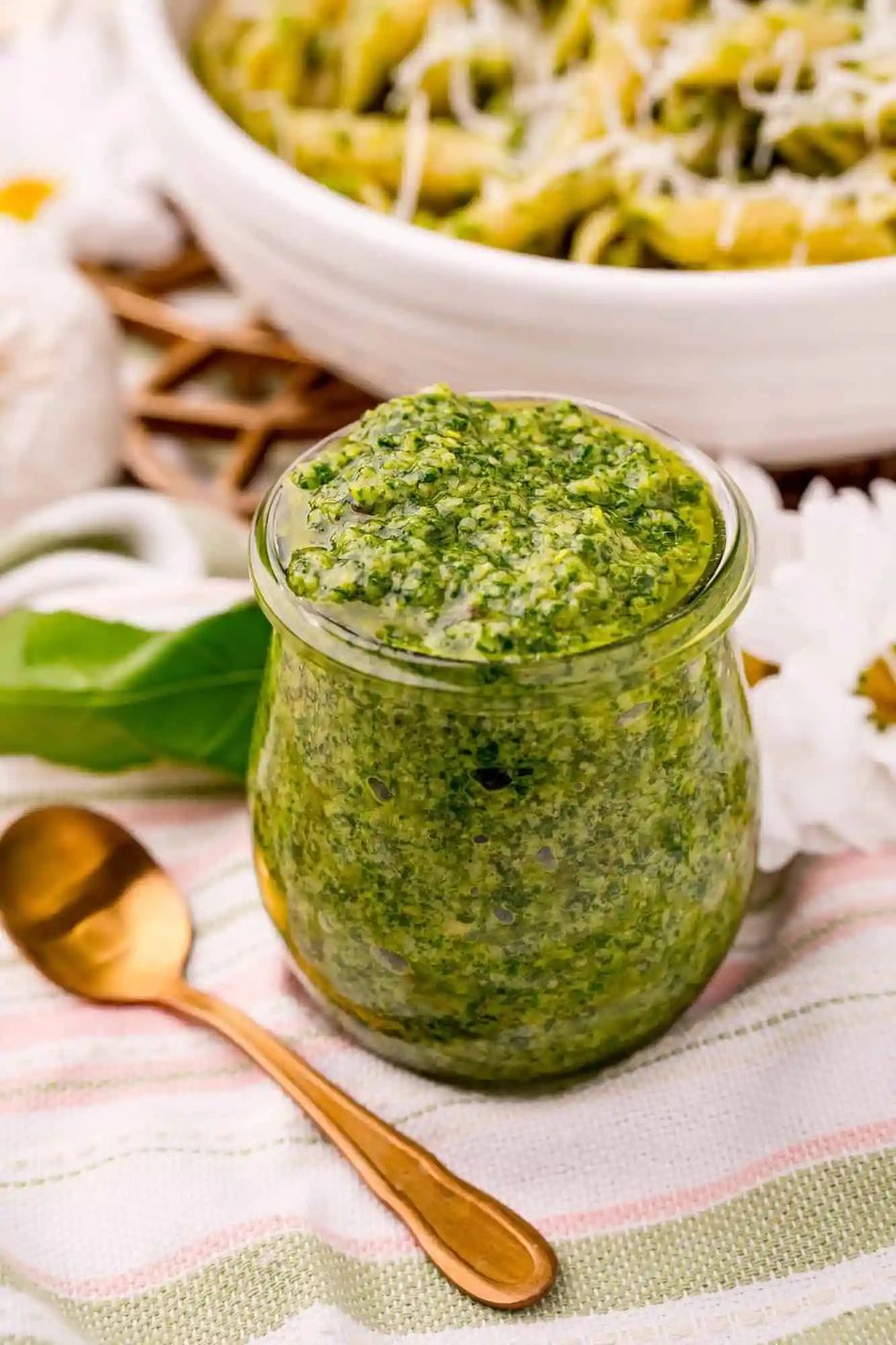
A classic and flavorful basil pesto recipe – it's straightforward to mix and adds so much deliciousness to pasta, pizza, eggs, sandwiches and more.
At a glance
What stands out: This classic and flavorful basil pesto recipe is straightforward to mix and adds so much deliciousness to pasta, pizza, eggs, sandwiches and more. You’ll find yourself adding it to everything!
How long it takes: 15 minutes
Equipment you’ll need: food processor
Servings: Makes two cups
From-scratch Pesto
Vibrant green basil pesto, rich and rich, is surprisingly straightforward to mix. Do you have an abundance of basil in your garden? This is the recipe for you!
Why buy pricey little jars of gourmet pesto? We guarantee that once you make your own authentic Italian pesto, you’ll never go back. This leprechaun green sauce adds treasure to everything you combine it with.
You’re probably already convinced that you need pesto. Let’s get going on making our own!
What goes in
- Basil: You’ll need lots of fresh basil, four cups of it, loosely packed. If you have a good harvest of basil that you need to use up before the cold comes, this is your recipe. Keep reading if you don’t have quite enough basil. We have some great ideas for you.
- Garlic: This recipe calls for eight cloves of garlic which makes a pretty garlicky pesto, but good news! You can easily adjust it to your taste. Peel the garlic but don’t bother chopping or mincing it. It’s all going in the food processor.
- Parmesan Cheese: Finely shredded Parmesan cheese adds body, texture, and of course, taste to the pesto, along with a bit of protein, too.
- Pine Nuts: These little gems give the pesto substance. Don’t you just love pine nuts? Did you know they are nuts from pine trees, hidden in the pinecones? Cool, huh? For added flavor, toast the pine nuts first.
- Olive Oil: Good quality extra virgin olive oil shines here. Don’t skimp with cheap flavorless olive oil.
- Salt and Pepper, for seasoning your pesto. Keep in mind that the Parmesan cheese adds some salt, so start with less and add more after you taste it.
How it comes together
Prep the basil. Remove the leaves from the large stems. Don’t worry about the small stems, they are fine. Wash thoroughly in cold water and spin dry with a salad spinner. Remove as much water as you can. You don’t want to water down the pesto.
Process the pesto ingredients. Add the basil to the bowl of the food processor (it’s okay if you kinda pack it in there), along with the garlic cloves, cheese, and pine nuts. Add salt and pepper and process until the mixture is mostly smooth.
Add olive oil to the mixture. Next, slowly add the olive oil through the chute while the food processor is running. When the mixture looks fairly smooth and creamy, it’s ready. You may not need all of the oil or you may need to add more. It’s a matter of personal preference.
Serve or store for later. Uncover the food processor and remove the blade. Use a rubber scraper to get every bit of that green treasure into a bowl or jar.
How to serve pesto with pasta
Simply cook as much pasta as you need, drain, toss it with the pesto, and serve. Generally, you’ll need about half cup of pesto per pound of pasta. Keep reading for more ways to use pesto.
Ways to change it
There are lots of ways to customize your pesto depending on your dietary needs or taste preferences. Below are some common adaptations and tips.
Garlic (more or less)
Adjust the amount of garlic to your preference. Feel free to use less garlic or even omit it entirely. Let’s be honest, sometimes pesto can be garlicky. If you don’t want to breathe hot-garlicky-fire the rest of the day, mild pesto made with less (or no) garlic lets you taste the gloriously toasted pine nuts, the Parmesan cheese, your good extra virgin olive oil, and, of course, basil. If you happen to be crazy about garlic, you can go the opposite direction and add extra garlic to your pesto!
If you don’t have enough basil
Substitute spinach (or another tender leafy green) for some of the basil. This is one of our favorite tips. You don’t have to use 100% basil.
There are two reasons for doing this. One is obvious: You don’t have quite enough basil in your garden to make this pesto recipe, or it’s too expensive to buy. Add spinach to make up the difference. The other reason? Spinach can tame the flavor a bit so your pesto is just a bit milder. Just as nutritious, just as rich, just as beautiful!
Love this idea? Try arugula pesto, too!
Pesto with herbs other than basil
Parsley or cilantro can be added to your pesto in place of some of the basil. If you like dill, try adding a bit of that. Experiment with different herbs and see what you like. We love the the flavor of this cilantro pesto, which is made with cilantro and parsley. Salsa verde or chimichurri are two more examples of green sauces made without basil.
Pesto without pine nuts
Use another type of nut. If you don’t want to spend the money or can’t find pine nuts, make your pesto with walnuts, almonds, sunflower seeds, pepitas, or pistachios. The flavor and texture of your pesto will differ slightly.
Make it nut-free. Another option is to leave out the nuts. Since our family has nut allergies, we usually skip the nuts and the pesto is still rich.
Dairy-free pesto
To make this recipe dairy-free, omit the Parmesan cheese. If you like, add 3 to 4 tablespoons of nutritional yeast for a more buttery flavor. By making it without cheese, your pesto will also be vegan, Whole30, and keto-friendly and still be flavorful. Our cilantro pesto is made raw cashews instead of Parmesan.
Large or small batch pesto
You can easily make a half batch, a quarter batch, or a double batch of pesto. The recipe is straightforward to adjust.
Keeping leftovers
Refrigerate: From-scratch pesto can be stored in the refrigerator in a tightly covered container for up to five days.
Freeze: Frozen pesto will keep for up to a year. Make a bunch, use up that basil, and freeze it for later. You’ll be so glad you did when it’s the middle of winter and you’re just dying for a fresh taste of summer.
How to freeze pesto
Freeze in snack-size zip-top bags (2 tablespoons in each), flatten, removing any excess air, seal, and then place all the little bags in a gallon-sized freezer bag or freezer container.
Freeze in ice cube trays. Once the pesto has frozen, pop it out into a large freezer bag. Silicone ice cube trays make it straightforward to pop out the frozen cubes of pesto.
Freeze in a jar. Make sure you leave a little head room in the jar (fill it to a half inch or so from the top) so there’s room for expansion. Put the jar in a secure place in your freezer so it doesn’t break.
Silicone Ice Cube Trays
Not only for ice, these ice cube trays work great for freezing basil pesto. Once it’s frozen, you can pop them out into an airtight container or bag.
Buy it on AmazonUsing frozen pesto
To use, thaw the pesto in the refrigerator overnight or on the counter for a few hours. If you’re using it in soup or spaghetti sauce, just drop the frozen pesto in. It will thaw out quickly.
Don’t need 2 tablespoons? Crack off the amount you need, reseal the bag, and return it to the freezer.
- Yield: 32
- Prep: 15 minutes
- Total: 15 minutes
Ingredients
- 4 cups fresh basil, loosely packed, washed and dried
- 8 cloves garlic, or to taste
- ½ cup finely shredded Parmesan cheese
- ½ cup pine nuts
- 1 teaspoon kosher salt, or to taste
- ½ teaspoon coarse ground black pepper, or to taste
- ¾ cup olive oil
- pasta, for serving, optional
Method
- Add basil, garlic, cheese, nuts, salt, and pepper to a food processor and process until mostly smooth.
- With the processor running, slowly add the oil through the chute until desired consistency is reached. More or less oil may be needed.
- To serve with pasta: Cook 16 ounces of pasta (any kind) to al dente, drain, reserving ½ cup of cooking water. Toss pasta with ½ cup pesto, adding cooking water as needed to loosen the sauce.
Notes
Yield: Recipe makes about 2 cups of pesto. The recipe can easily be made in a half or quarter batch, or a double batch. Nutrition information below is calculated for 1 tablespoon of pesto.
Storage/freezing: Store pesto in a covered container in the refrigerator for up to 5 days. Freeze pesto in snack size bags or ice cube trays. When frozen, store in freezer bag or container for up to one year.
Variations: Omit nuts or substitute another type of nut. Omit cheese for vegan pesto. Replace some (or all) of the basil with tender greens such as spinach, or other herbs such as parsley or cilantro (try our cilantro pesto or nut-free arugula pesto ).