Dressings
Toast Pine Nuts – Three Methods
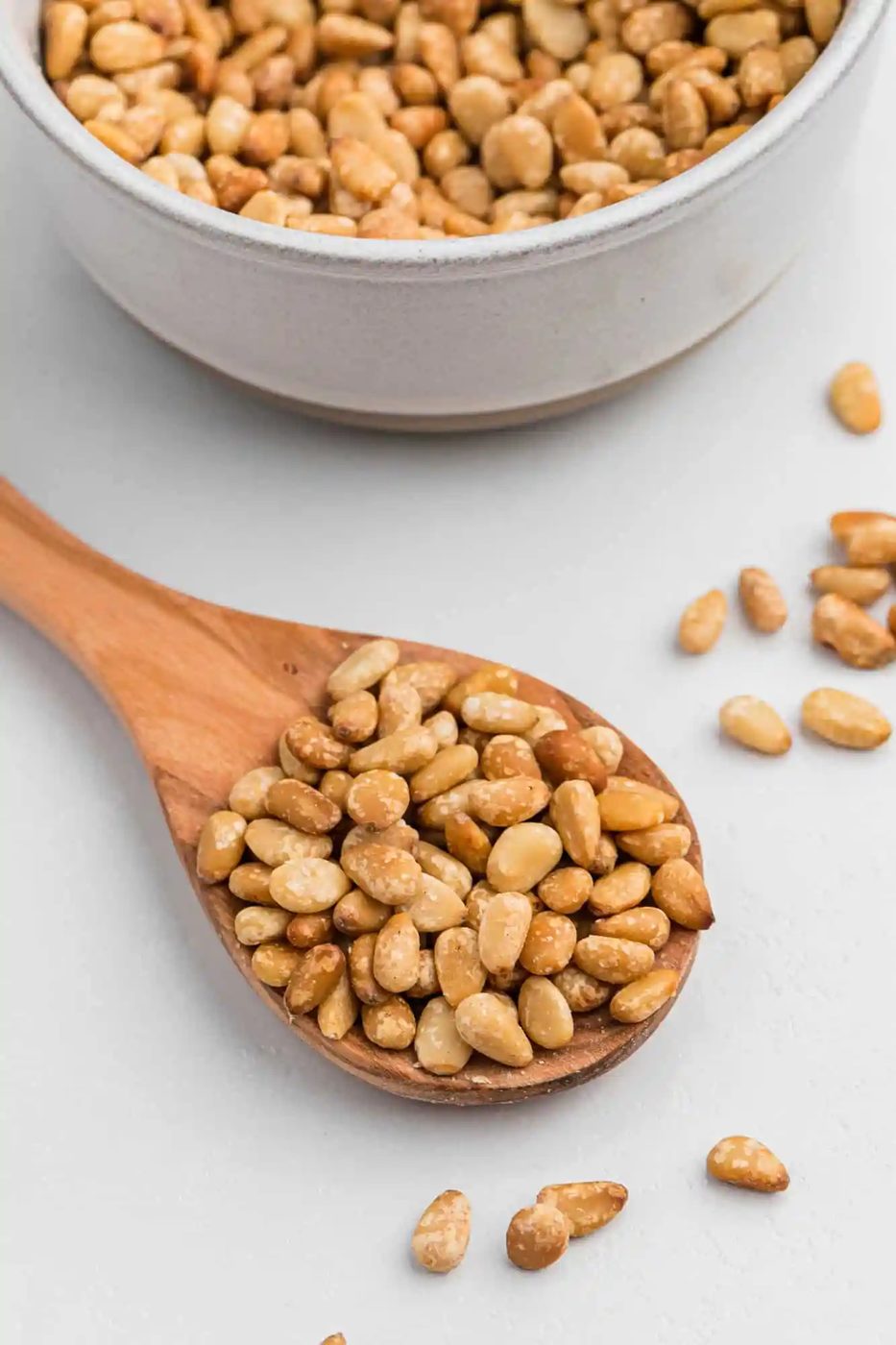
Learning how to toast pine nuts is an essential skill you'll want in your cooking tool box. Choose which straightforward method works best for your recipe.
At a glance
What stands out: Learning how to toast pine nuts is an essential skill you’ll want in your cooking tool box. Toasting the pine nuts enhances their flavor! Choose which straightforward method works best for you.
How long it takes: depending on the method you choose, 5 to 10 minutes
Equipment you’ll need: a small skillet, microwave-safe plate OR small rimmed baking pan
Servings: makes a half cup, or more if you choose
Whether you call them pine nuts, pignoli, pine kernels, or piñon,evenly toasted pine nuts are a magical thing, aren’t they? We don’t get to experience their beauty and deliciousness as much as we'd like to since our kids have tree nut allergies but it makes them that much more of a treat for us.
Let’s be real, they’re already a bit of a treat given their price tag, but oh are they worth it! Their presence can elevate even the most simple dish and their flavor cannot be replicated by any other ingredient. Not only that, they’re good for you, too.
Toasted pine nuts are especially great on salads (try them on this spring orzo salad) or sprinkled on top of a creamy pasta recipe. They’re also fantastic on top of hummus. Toasting your pine nuts will greatly enhance the flavor of your from-scratch pesto. Try it, you’ll see.
BUT in case you don’t know how to toast pine nuts, we're here to help. We're going to cover three methods in this post and they’re all straightforward!
Jason Said:
“Thank you the kitchen, that was helpful… we used the stovetop method, and they turned out great! And they smell fantastic.”
See More Reader ReviewsCooking Tip
These three methods work well for most nuts and seeds. All nuts and seeds taste so much better when they are lightly roasted/toasted.
How To Toast Pine Nuts
You can toast pine nuts in a skillet on the stove, in the microwave, or in your oven (or toaster oven). All of these methods work well. Which method you choose depends a little on how many pine nuts you want to toast at once. We'll cover that as we go through the three methods.
As a side note, if you’re wondering about toasting them in an air fryer, we don’t recommend it. Pine nuts are small and tend to either fall through the holes of the basket or they fly around inside the air fryer.
Stovetop Method
This method works best for small to medium amounts of pine nuts,¼ cup to 1 cup.
This is our preferred method. It’s faster than the oven and a bit more consistent than the microwave. This method gives you the most control and oversight of the process. You can stand right over the pan and watch the pine nuts toast, and take them off the heat precisely when you want.
- Place pine nuts in a dry frying pan large enough so you can arrange them in a single layer. “Dry” doesn’t mean the pan isn’t wet; it means you don’t need to add any oil to it. You can add oil if you like but choose an oil with a high smoke point.
- Turn the heat to medium-low. Higher temperatures tend to scorch the pine nuts. Toast the pine nuts until they are fragrant and golden brown. Stir them almost constantly especially once they start browning.
- When they’re golden brown, immediately transfer the pine nuts out of the hot pan onto a heat-proof plate to cool. That will ensure the pine nuts won’t continue to cook and possibly get scorched.
- Perhaps you noticed that we didn’t say how long it would take. The cooking time depends a lot on how heavy your skillet is. A heavy skillet heats up more slowly. It does a great job of roasting the pine nuts but will take a bit longer. In addition, “medium-low” heat can vary depending on the stove and the person at the controls. Remember, low and slow heat does a better job of toasting nuts.
Microwave Method
This method works best for small amounts of pine nuts, ¼ cup to ½ cup.
- Spread the pine nuts on a microwave-safe plate. Microwave on full power for 1 minute, stir, and then continue to microwave in 30 second intervals, stirring each time, until golden brown.
- Be sure to keep an eye on them, especially towards the end, because they can burn quickly. The microwave tends to heat unevenly so it’s important to stir them frequently. Otherwise, you may end up with some of the pine nuts untoasted and some burnt.
- Immediately transfer the pine nuts to a heat-proof plate to cool.
Oven Method
This method works best for larger amounts, 2 cups or even more.
Toasting the pine nuts in the oven yields the most even toasting and color on all the pine nuts. It’s a standby method if you want to toast a lot of pine nuts.
- Preheat your oven to 375ºF. It’s important that the oven is preheated before you put the pan of pine nuts in, otherwise they’ll scorch on the bottom while the oven is preheating.
- Spread the pine nuts in a single layer on a rimmed baking sheet.
- Once the oven is preheated, bake for 5 to 10 minutes, stirring every 2 to 3 minutes, or until golden brown. Keep a close eye on them towards the end of the cooking time because they’ll start to brown quickly.
- Immediately transfer to a heat-proof plate to cool. The hot pan will continue to cook them and they may scorch even though they are out of the oven.
- Note: if you don’t want to turn on your oven, a toaster oven works well but we find that toaster ovens aren’t quite as consistent in temperature control.
Keeping leftovers
Cool completely before storing. It’s important to cool the pine nuts before transferring them to an airtight container. You don’t want steam or condensation to form in the container or you’ll have soggy pine nuts that may get moldy.
Storing toasted pine nuts. Once the pine nuts are cooled, put them into an airtight container. Toasted pine nuts will keep at room temperature for up to a week. If you wish to store them longer, move them to the refrigerator to prevent them from becoming rancid. They’ll keep for a few weeks in the refrigerator in a tightly covered container or jar. They can be frozen for up to 3 months.
Storing Raw Pine Nuts
Always store raw pine nuts in the refrigerator or the freezer to extend the shelf life and prevent them from becoming rancid. They’re too expensive to let them go bad without using them!
You can tell if they are rancid by the smell. They will have a strong odor that doesn’t smell like pine nuts. They’ll taste bad, too.
- Yield: 8
- Prep: 1 minute
- Cook: 5 minutes
- Total: 6 minutes
Ingredients
- ½ cup raw pine nuts (see note)
Method
- Place the pine nuts in a dry frying pan large enough to hold them in a single layer. Dry means you don't need to add oil or water to the pan. If you choose to add oil, be sure to use oil with a high smoke point.
- Turn the heat to medium-low and toast the pine nuts until fragrant and golden brown, stirring frequently or even constantly, especially as they begin to brown. Keep the heat low as they toast so they don't burn.
- When they're golden brown, immediately transfer them from the hot skillet to a plate to stop the cooking and prevent scorching. Nuts should be in a single layer to cool.
- Spread pine nuts in a single layer on a microwave-safe plate. Microwave on full power (100%) for 1 minute, stir, and then continue to microwave in 30 second intervals, stirring each time, until golden brown.
- Keep an eye on them, especially towards the end, because they can burn quickly. The microwave tends to heat unevenly so some nuts may be untoasted while others scorch if you're not watching and stirring every 30 seconds.
- Transfer to another plate to cool; arrange in a single layer.
- Preheat oven or toaster oven to 375ºF.
- Spread pine nuts in a single layer on a rimmed baking sheet.
- When oven is preheated, bake the pine nuts for 5 to 10 minutes, stirring every 2 to 3 minutes, or until golden brown. Watch them closely towards the end of the baking time because they scorch quickly.
- Immediately transfer to a plate to cool, in a single layer. Don't leave them in the hot pan because they will continue to brown.
Notes
Storage: After the pine nuts have completely cooled, transfer them to an airtight container or jar. Store both raw and toasted pine nuts in either the refrigerator or freezer to keep them from becoming rancid. They’ll keep for up to 3 weeks in the refrigerator or 3 months in the freezer.
Other nuts and seeds: All 3 methods described above can be used to toast other types of nuts and seeds, too. The cooking time will vary depending on the size of the nuts or seeds. For more specific instructions, see how to toast pecans, how to toast walnuts, how to toast almonds, and how to toast pepitas.