Seafood
Slow Roasted Salmon, served with Lemon Pepper
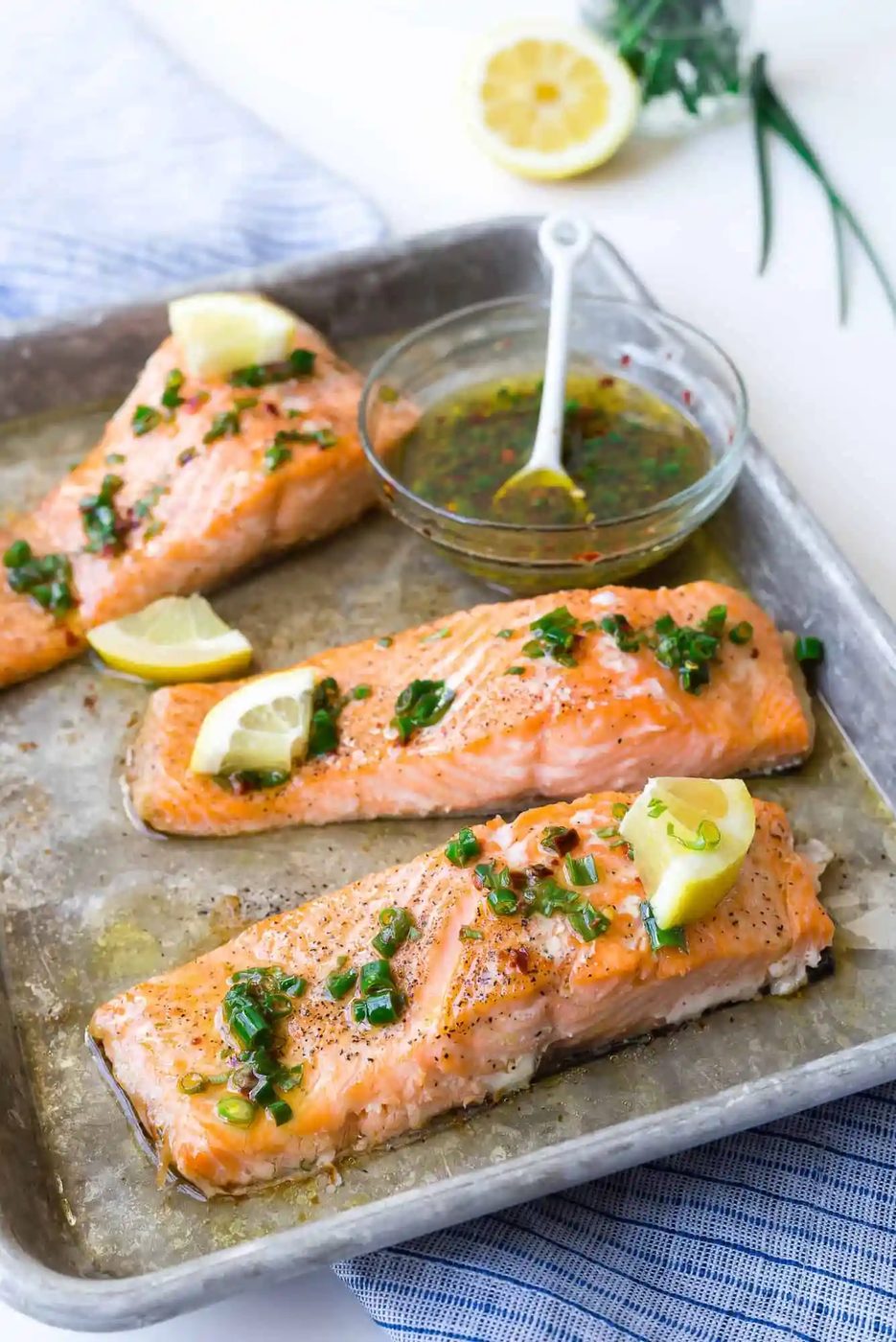
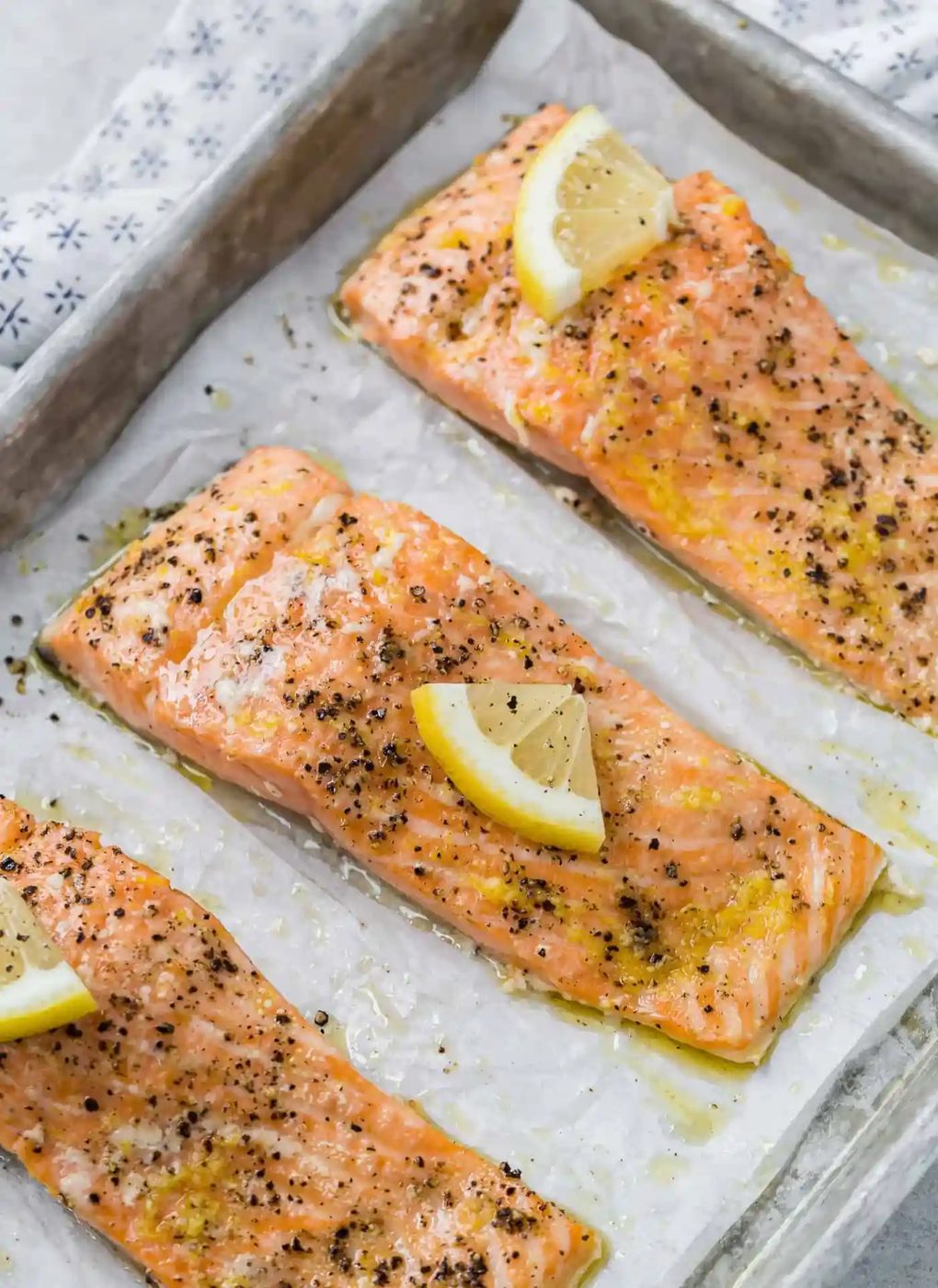
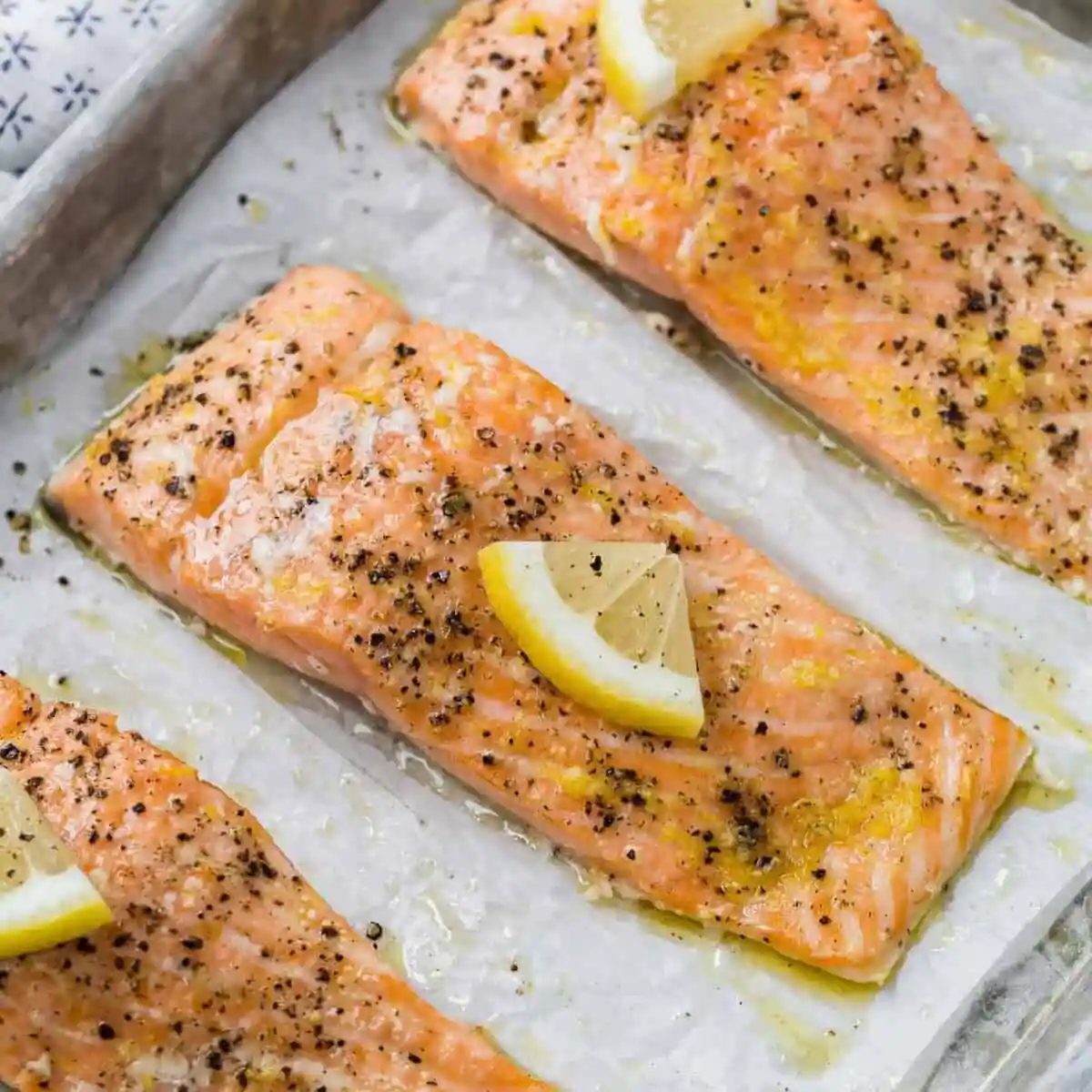
Our straightforward slow roasted salmon is meltingly tender, seasoned with fresh lemon zest and black pepper. This low-and-slow method is a standby way to cook salmon that turns out evenly every time!
At a glance
What stands out: Our straightforward slow roasted salmon recipe is meltingly tender and seasoned with fresh lemon zest and black pepper. This low-and-slow method takes the stress out of cooking salmon and gives you plenty of time to prep side dishes.
How long it takes: 45 minutes
Equipment you’ll need: rimmed baking sheet, parchment paper (optional)
Servings: depends on how much salmon you have; it’s straightforward to adjust the recipe
Slow Roasted Salmon
We'll admit to being kind of skeptical about slow roasted salmon. We mean, salmon isn’t exactly a pot roast, is it?
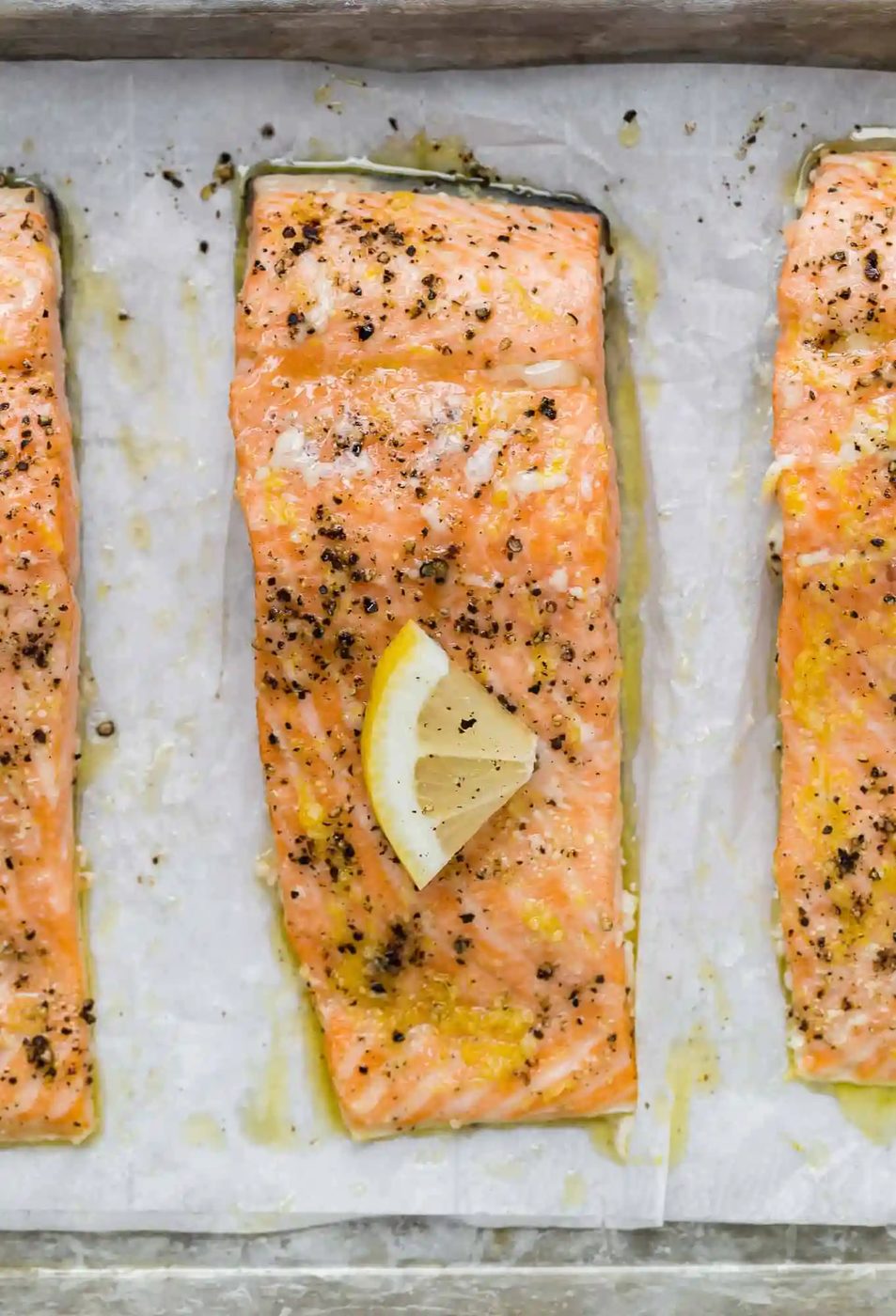
But boy, am we glad we gave slow roasted salmon a try! Slow roasted salmon is juicy and melt-in-your-mouth tender every time. Roasting salmon slowly at lower temperatures allows the fat to render gradually. The result? You’re basically guaranteed an evenly-cooked, evenly-cooked, melt-in-your-mouth salmon fillet with the silkiest texture.
Fail-Proof Roasted Salmon
We think you’re going to love slow roasted salmon. If our husband is any indicator, it’s the only way you’ll be making salmon from now on! Here’s why:
It’s actually speedy. Don’t be discouraged by the word “slow.” We’re not talking eight-hour-slow. Your salmon will be ready to eat in forty minutes!
Rich texture and flavor. Slow roasting imparts a wonderfully tender texture to the fish, while a zesty smothering of fresh lemon zest and cracked black pepper ties all the flavors together. There are only 5 ingredients in this straightforward recipe.
Reliable every time. One of the advantages of slow roasted salmon is that it’s pretty forgiving. Slow roasting salmon at lower temperatures takes the pressure off, as it’s less likely to dry out the fish. It’s great for beginners! If you leave it in the oven an extra five minutes, no problem. You don’t have to be a kitchen magician, timing everything to the minute.
Cindee Said:
“This was memorable and straightforward! We won’t make salmon any other way!”
See More Reader ReviewsWhat goes in
We'll get you started on this recipe and give you helpful tips. Scroll down to the recipe card for specifics.
- Salmon: A serving of salmon is typically four to six ounces. Buy as much salmon as you need. The recipe can easily be adapted. If the salmon is frozen, thaw according to package directions.
- Dressing: The four ingredient dressing/sauce starts with olive oil and lemon zest. Zest works better than lemon juice in this recipe because the juice can be acidic as it cooks down. Add salt and pepper to taste.
How it comes together
Preheat the oven. Turn your oven on and preheat it to 275°F. It’s what you call a “slow oven.” Line a rimmed baking sheet with parchment paper.
Arrange the salmon on the pan. Place your salmon fillet skin side down on the parchment paper. You can cut it into serving-size fillets, or keep it whole. Keep in mind, if you keep it whole, it will take slightly longer to cook and it can be a little difficult to cut into attractive serving-size fillets after it’s cooked.
Make the lemon pepper dressing. In a small bowl, mix together olive oil, lemon zest, and salt. Spread it over the salmon, and then grind a bunch of black pepper over that.
Bake. Put the salmon into the oven, and bake it at 275ºF. Depending on the thickness of your fillet and how accurate your oven temperature is, the salmon will take about 30 to 40 minutes to reach the correct internal temperature.
Serve. Remove the salmon from the oven and let it rest for five minutes, then serve it with your favorite sides! Keep reading for ideas.
How To Tell When Salmon Is Done
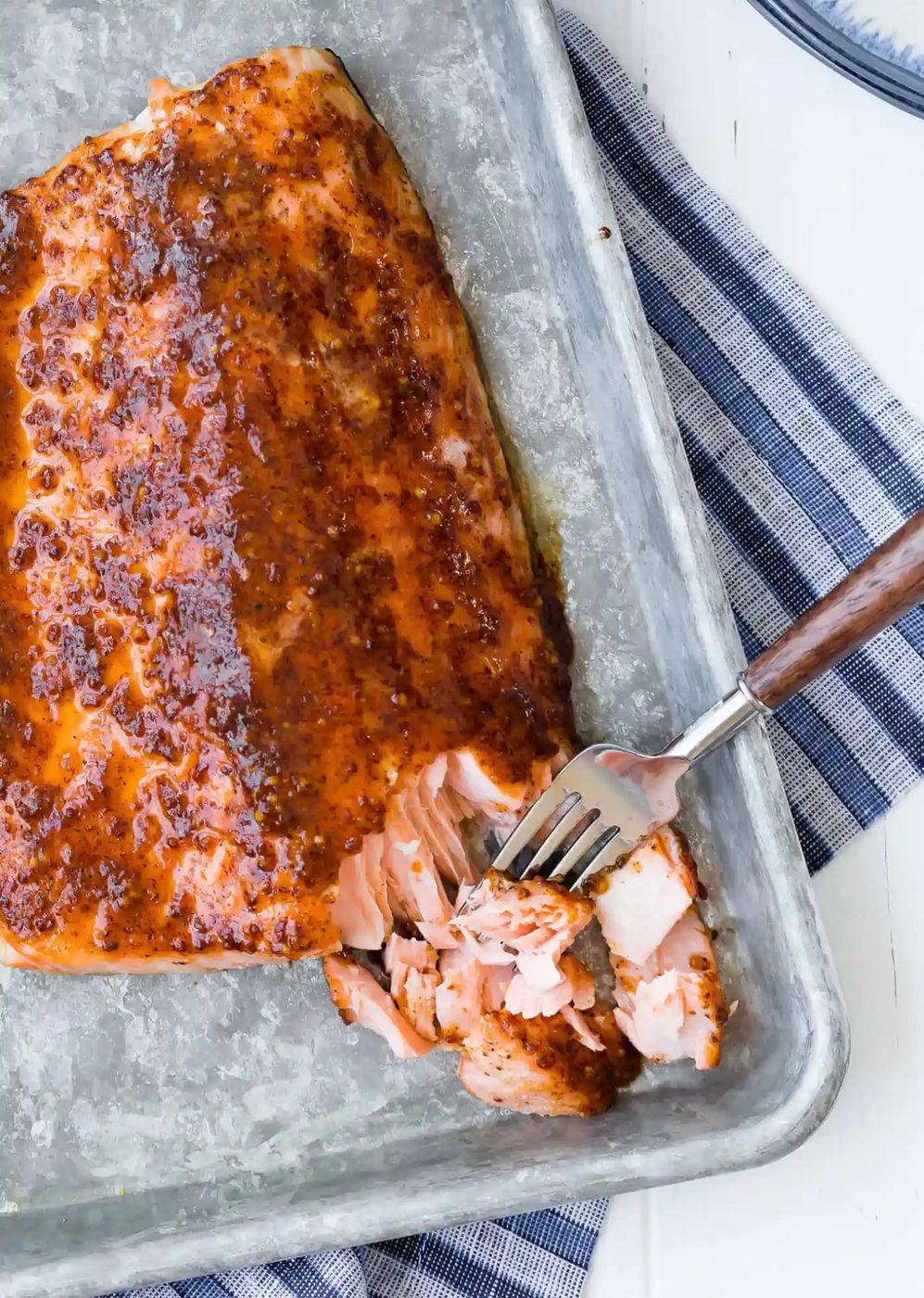
According to the USFDA, salmon is fully cooked when the internal temperature reaches 145ºF. If you don’t have an instant read thermometer, how can you tell if the salmon is done? Try poking it with a skewer or a fork. It should slide in pretty easily, the salmon should flake easily, and be straightforward to separate from the skin.
helpful Tips
Here are some final tips and notes for slow roasting salmon with lemon pepper:
- If you’re worried about overcooking your salmon, take the salmon out of the oven when the internal temperature reaches 130 to 140°F and let it rest for five minutes or so. The temperature will continue to rise a bit.
- The white stuff is normal. Don’t worry if you notice gooey white stuff on top of the salmon when you roast it. That’s albumin, a type of protein that coagulates and rises to the surface of the salmon when you cook it. It’s evenly safe to eat, but scrape it off if it bothers you.
Ways to change it
This recipe is basic on purpose. Once you learn the slow roasting method, you can dress up your salmon however you like best. We do want to say that this salmon doesn’t need sauce or extra flavors which are often used to mask poorly cooked salmon. It’s reliable just the way it is!
- Try adding chopped herbs. Chopped fresh dill (or dried dill), parsley, chives, lemon balm, and basil are good choices.
- Make it garlicky. Sprinkle the fillet with minced garlic.
- Add a sauce. Add the sauce after baking or serve it on the side. We love tzatziki cucumber yogurt sauce with this salmon recipe. Try salsa verde or pesto. From-scratch ranch dressing is good, too (it’s good on everything!). Garlicky chimichurri sauce adds memorable flavor.
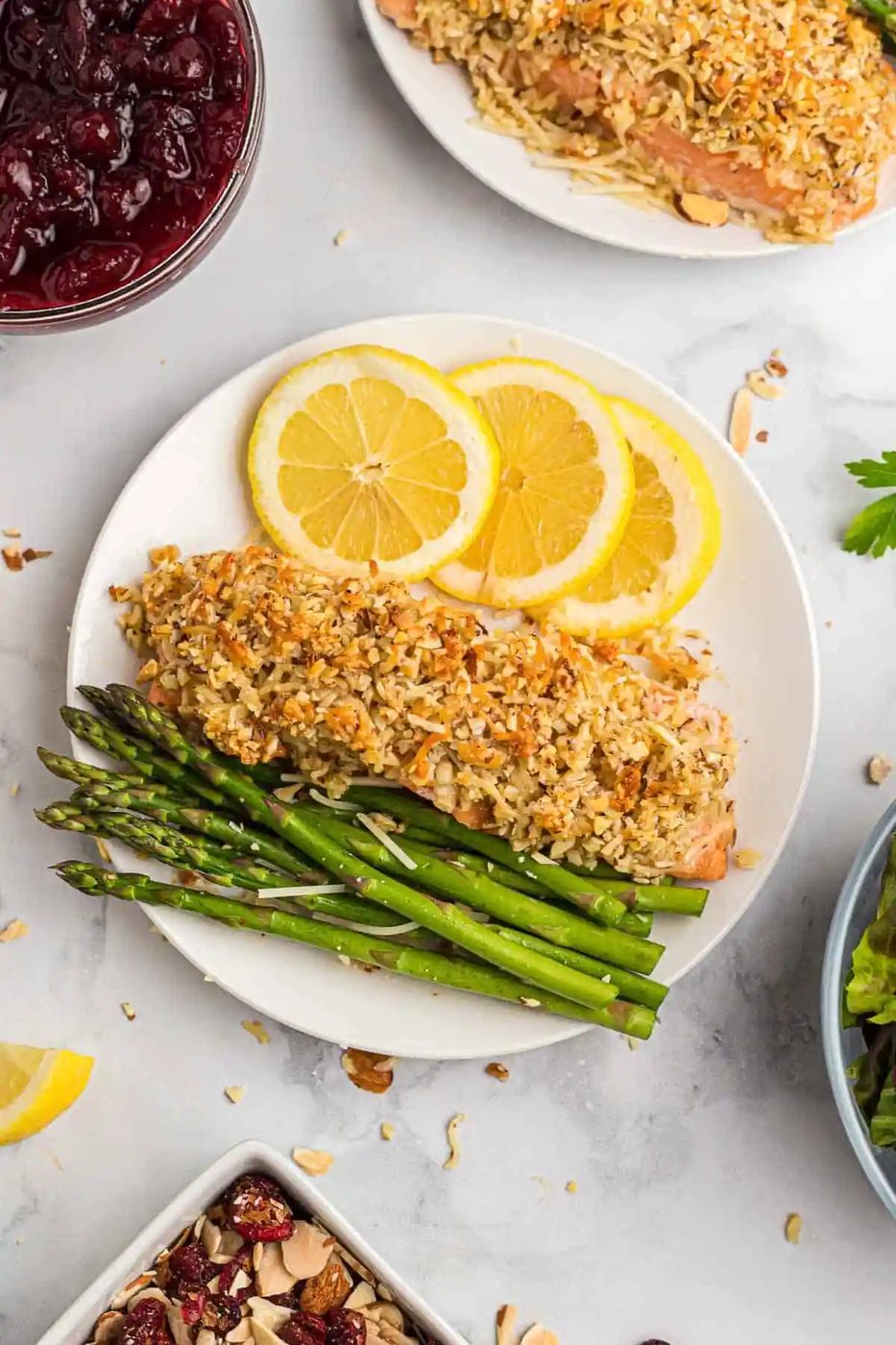
- If you’re looking for salmon that’s golden and crisp outside, this maybe isn’t the recipe for you. However, this baked almond crusted salmon likely is!
Serving Ideas
The extra time this salmon takes in the oven gives you time to come up with rich side dishes! We love serving salmon with these air fryer Brussels sprouts or this Mediterranean-style green bean salad with sun-dried tomatoes, walnuts, and olives. Salmon also pairs nicely with grains like brown rice and fluffy, nutrient-dense quinoa.
Keeping leftovers
Refrigerate: Refrigerate leftovers, tightly wrapped, for up to 3 days. Reheat leftover salmon in a pan on the stovetop, or in the oven until warmed through. You can also reheat it in the microwave at 50% power, just be mindful that you don’t overcook it. Leftover salmon is good served cold on a salad, too.
Freeze: We wouldn’t recommend freezing cooked salmon, as it will likely lose its excellent texture. However, if you must freeze it in a pinch, be sure to seal it tightly in a freezer bag or airtight container, and defrost it within 4 months.
Free Meal Plan
Interested in a weekly meal plan that includes this recipe? Take a look at Meal Plan #96. You’ll find a wholesome recipe for each weekday plus a categorized grocery list.
Browse Meal PlansSalmon and Asparagus Sheet Pan Dinner
- Yield: 6
- Prep: 5 minutes
- Cook: 40 minutes
- Total: 45 minutes
Ingredients
- 1 ½ pounds fresh salmon fillet, skin on
- 1 tablespoon olive oil
- 2 teaspoons lemon zest (from one lemon)
- ½ teaspoon salt
- Freshly ground black pepper, to taste
Method
- Preheat oven to 275°F. Line bottom of rimmed baking pan with parchment paper (optional).
- If desired, cut salmon fillet into serving size portions (see note). Pat salmon dry with paper towels and place it on parchment paper, skin side down.
- In small bowl, mix olive oil, lemon zest, and salt. Brush mixture over salmon fillets. Sprinkle liberally with freshly ground black pepper.
- Place in oven; bake 30 to 40 minutes or until internal temperature of salmon reaches 135° to 140°F. Remove from oven, and serve.
Notes
Pro tip: we usually cut the salmon into serving sized portions before we bake it. It can be difficult to cut the salmon into neat portions after it’s cooked because the meat tends to flake and crumble.
Storage: Refrigerate leftovers, tightly wrapped, for up to three days. Reheat gently in the microwave (50% power, 1 minute increments). Leftover salmon is good cold, too, served on a salad.
Add fresh herbs: If desired, add your choice of herbs to the oil mixture. Finely chopped chives, dill, parsley, or lemon balm are good choices.