Sheet pan
Salmon and Asparagus Sheet Pan Dinner
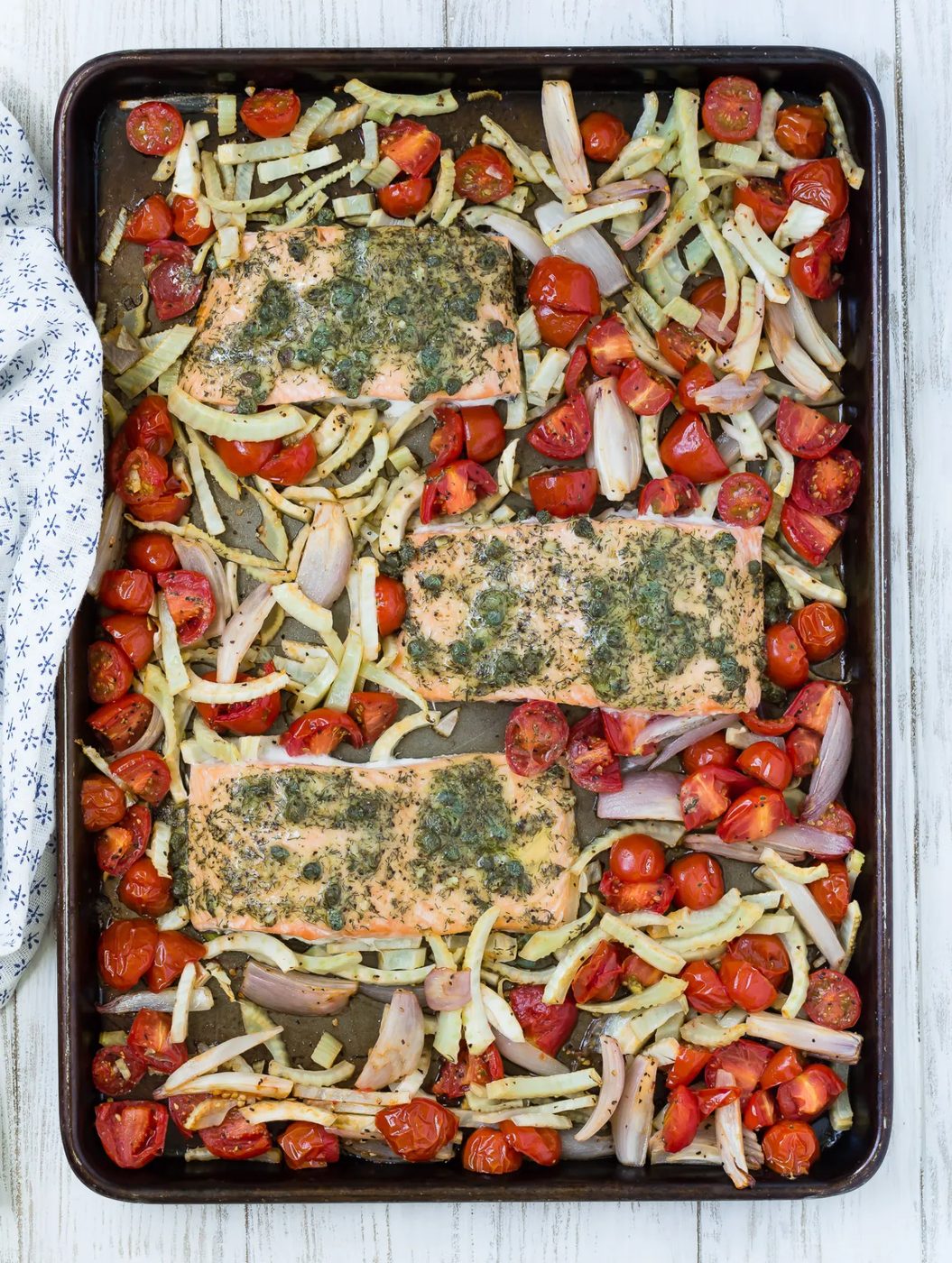
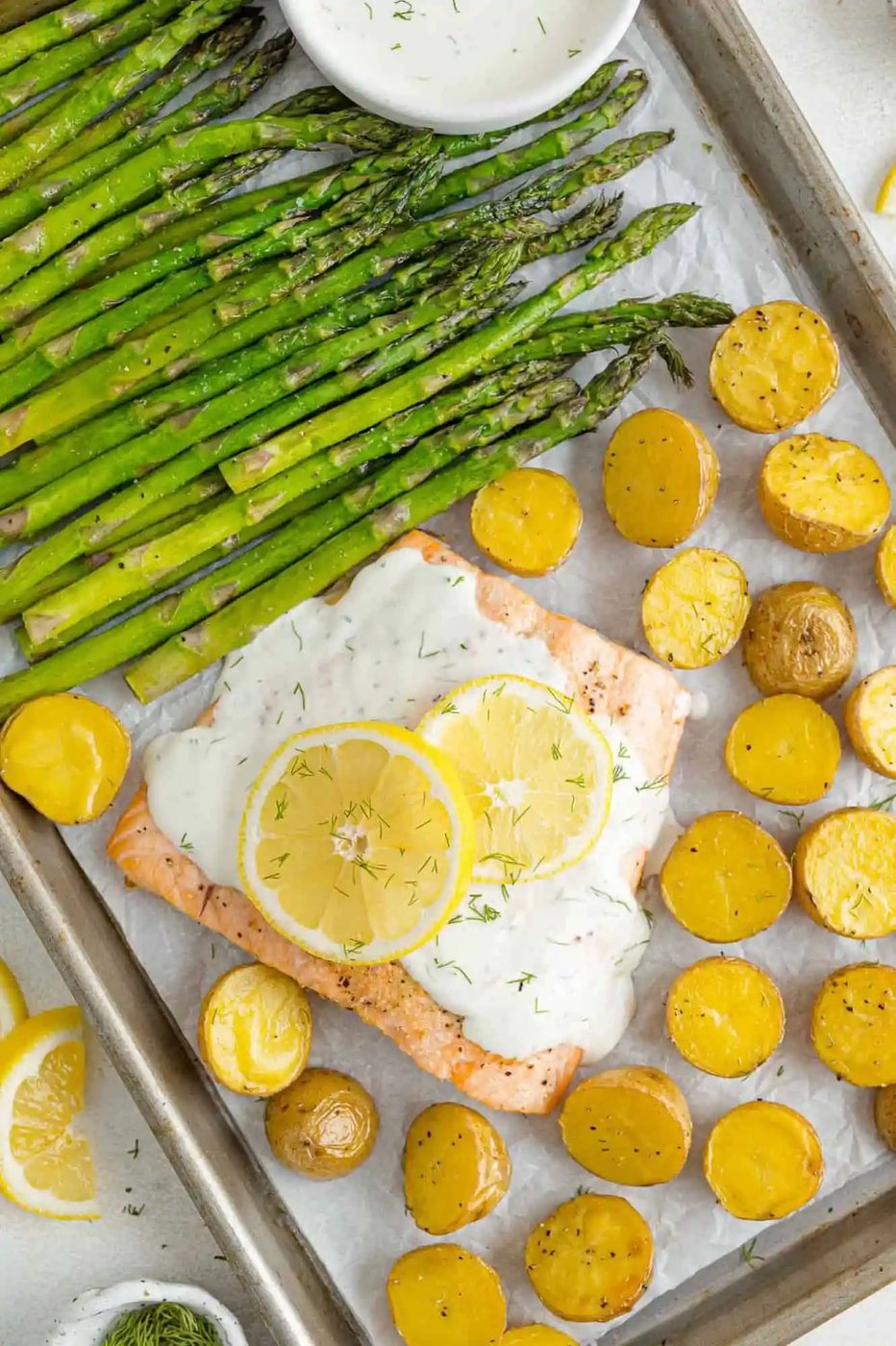
This salmon sheet pan dinner with tender roasted asparagus and potatoes is an all-in-one meal, complete with a fresh and zesty lemon dill sauce.
At a glance
What stands out: This salmon sheet pan dinner with tender roasted asparagus and crispy potatoes is an all-in-one meal, complete with a creamy lemon dill sauce. This recipe is straightforward to mix, tastes great, and clean-up is a breeze!
How long it takes: just under an hour
Equipment you’ll need: sheet pan, large bowl
Servings: 2
Straightforward Salmon Sheet Pan Dinner
A one pan meal! This recipe has juicy seasoned salmon filets, snappy asparagus, and tender potatoes roasted all in the same pan for a complete, satisfying family meal. You won’t need to cook a bunch of separate sides. (i love sheet pan orange ginger salmon and vegetables for the same reason!)
Low effort, big results. This salmon sheet pan dinner is a protein-packed, all-in-one meal that feels like a splurge but is actually straightforward to mix. Plus, it looks pretty tempting on a plate.
Lemon dill sauce. We couldn’t resist finishing off this dinner with a from-scratch lemon dill sauce. The lemony, creamy flavors pair evenly with the fish, asparagus, and potatoes. You’ll have plenty of time to whip up the lemon dill sauce while the rest of your dinner bakes to perfection in the oven.
Dinner for two. Baking your fish and sides all in the same pan makes things easier, and this sheet pan dinner for two is reliable for a cozy night in. Hint: Crisp buttery chive bread goes evenly with the salmon dinner and it’s straightforward to mix!
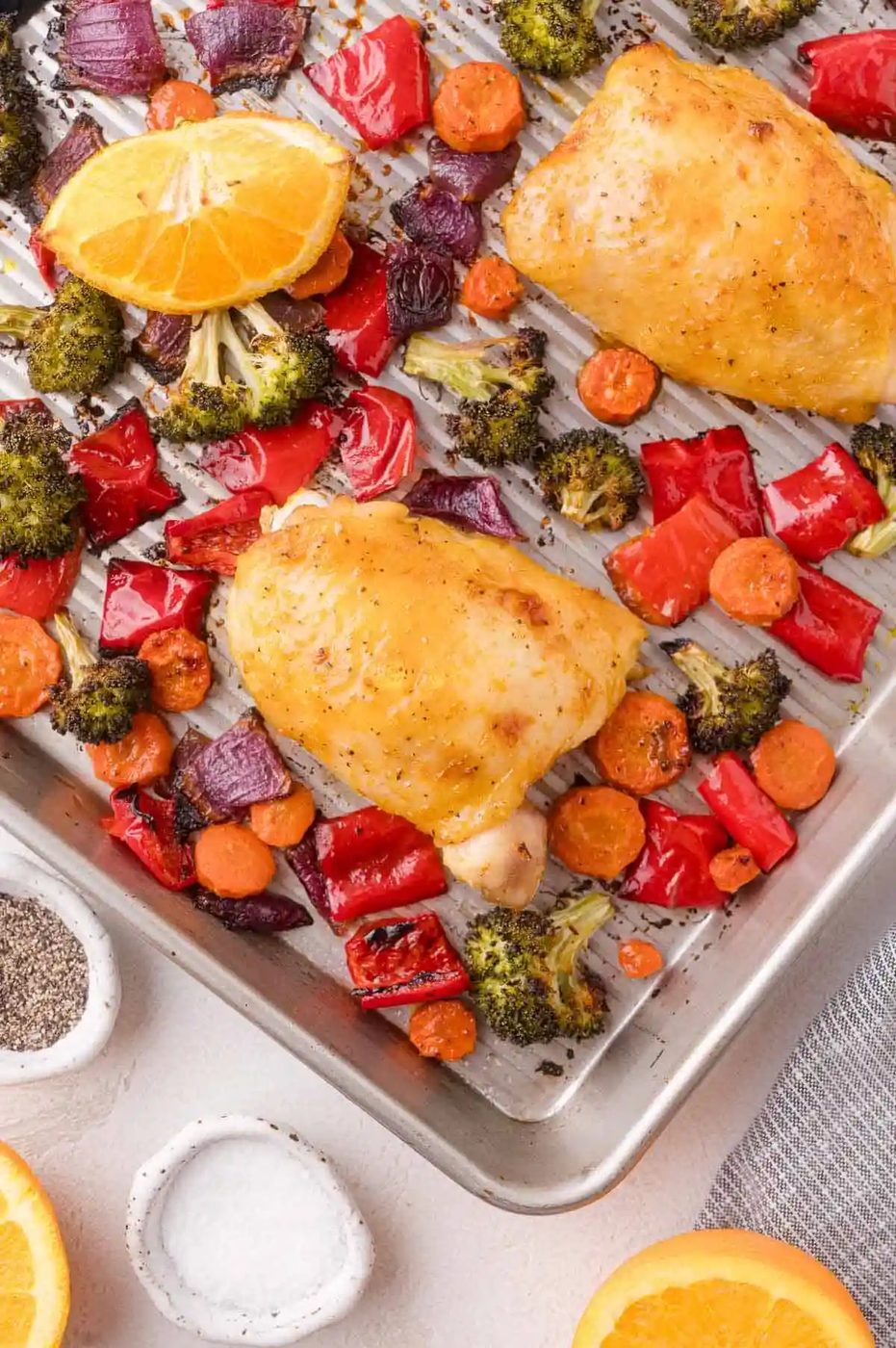
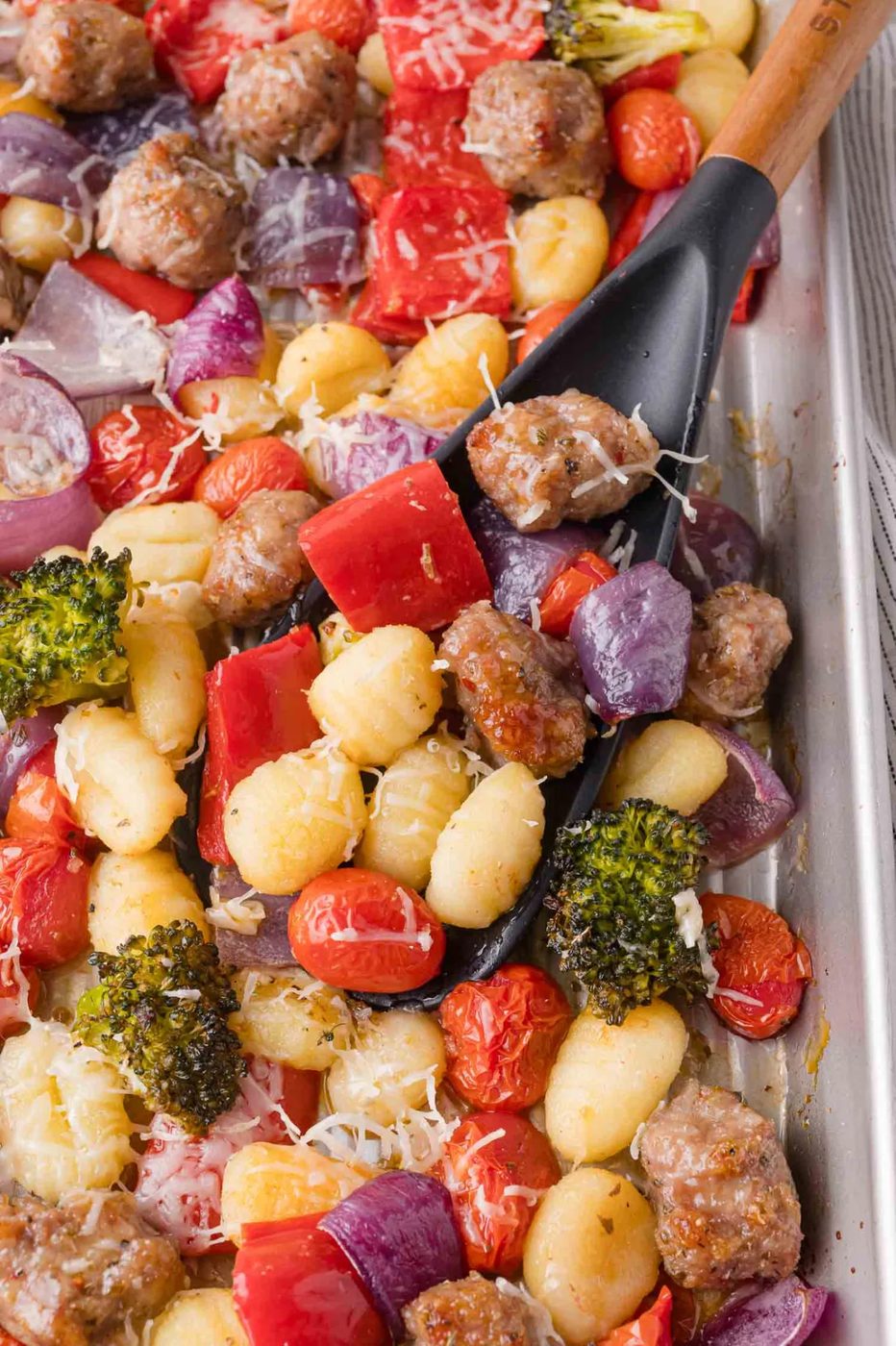
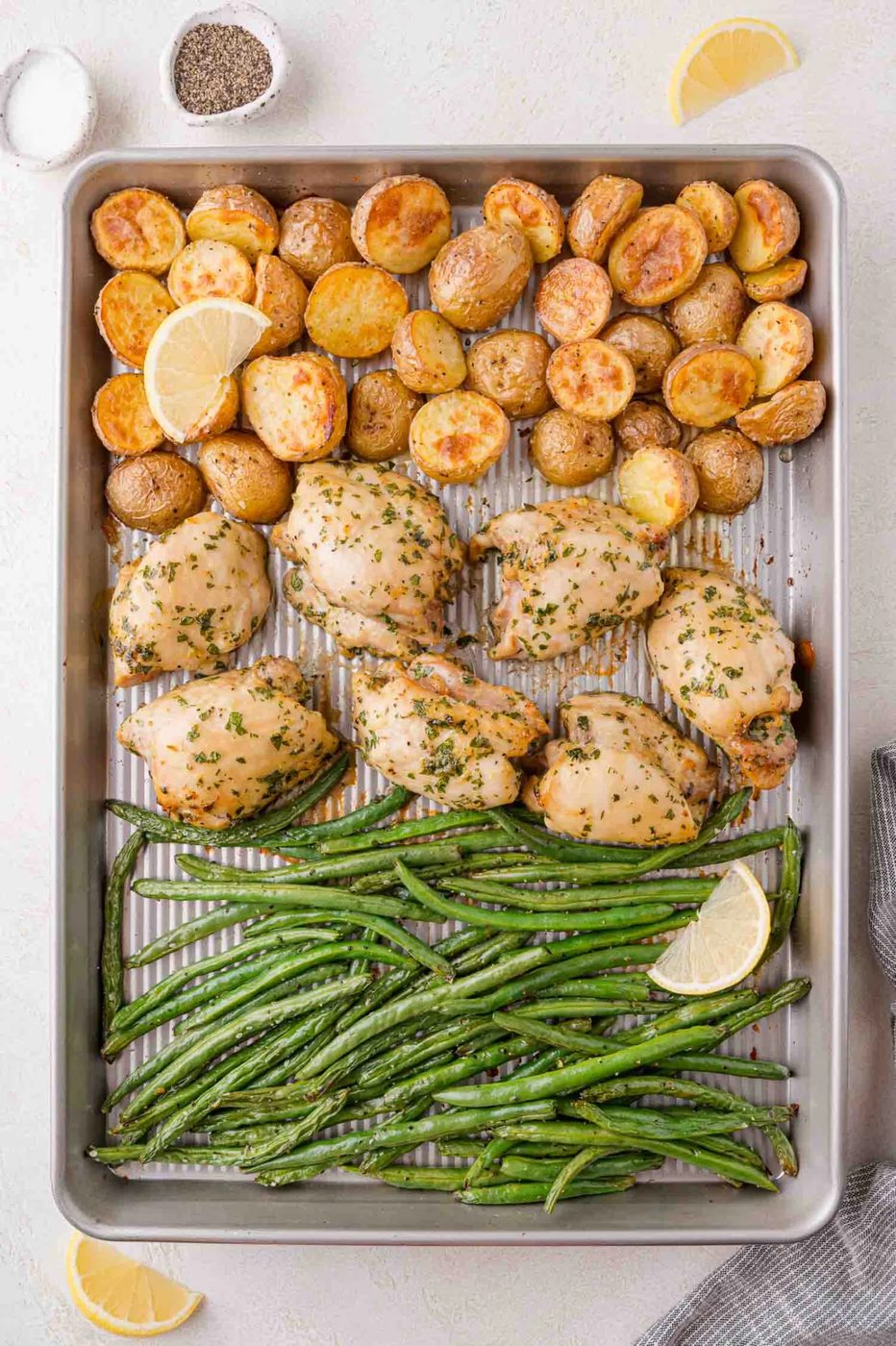
If you love the idea of dinner on one pan, be sure to browse through our list of 20+ sheet pan meals! Sheet pan dinners are fuss-free and clean-up is a breeze!What goes in
Look for complete instructions, measurements, and nutrition information on the recipe card below.
- Salmon – You can buy skinless fillets or salmon with the skin on, it’s up to you. If you are using frozen salmon, thaw it overnight in the fridge or follow the package instructions for thawing.
- Asparagus – Look for one small bunch, about 10 to 12 spears, depending on how thick the spears are. The asparagus should be dark green, fairly firm, and crisp, with tight buds.
- Baby Potatoes – For visual appeal, look for mixed-colored potatoes. If you can’t find the teeny potatoes, use larger ones and cut them in half or bite-size chunks.
- Olive Oil – Often used for roasting vegetables, olive oil adds flavor and has a good smoke point. If you prefer, substitute avocado or grapeseed oil. We mix a few simple seasonings into the oil (garlic powder, salt and pepper). If you want to add more pizzazz, try our all-purpose seasoning instead.
- Greek Yogurt – Any type of plain Greek yogurt will work, as well as regular plain yogurt, as long as it’s unflavored. Full-fat yogurt will naturally make a richer sauce than nonfat but you decide.
- Mayonnaise – The sauce is 1:1 yogurt and mayo. We tested the recipe a few ways and decided it tasted best with some added mayonnaise. The sauce is thinned with a splash of milk. If you use regular yogurt, not Greek, you probably can skip the milk.
- Fresh Lemon Juice – Lemon, dill, and salmon just go together so well! The lemon juice gives the sauce a bright and tangy profile. Another recipe we love is baked lemon salmon with dill.
- Fresh Dill – Don’t you just love fresh dill? We like to put a “dill bouquet” in a jar on our kitchen counter so we can inhale that wonderful scent whenever we walk by. If you can’t find fresh dill, dry dill can be substituted. Use less, 2 teaspoons instead of 2 tablespoons.
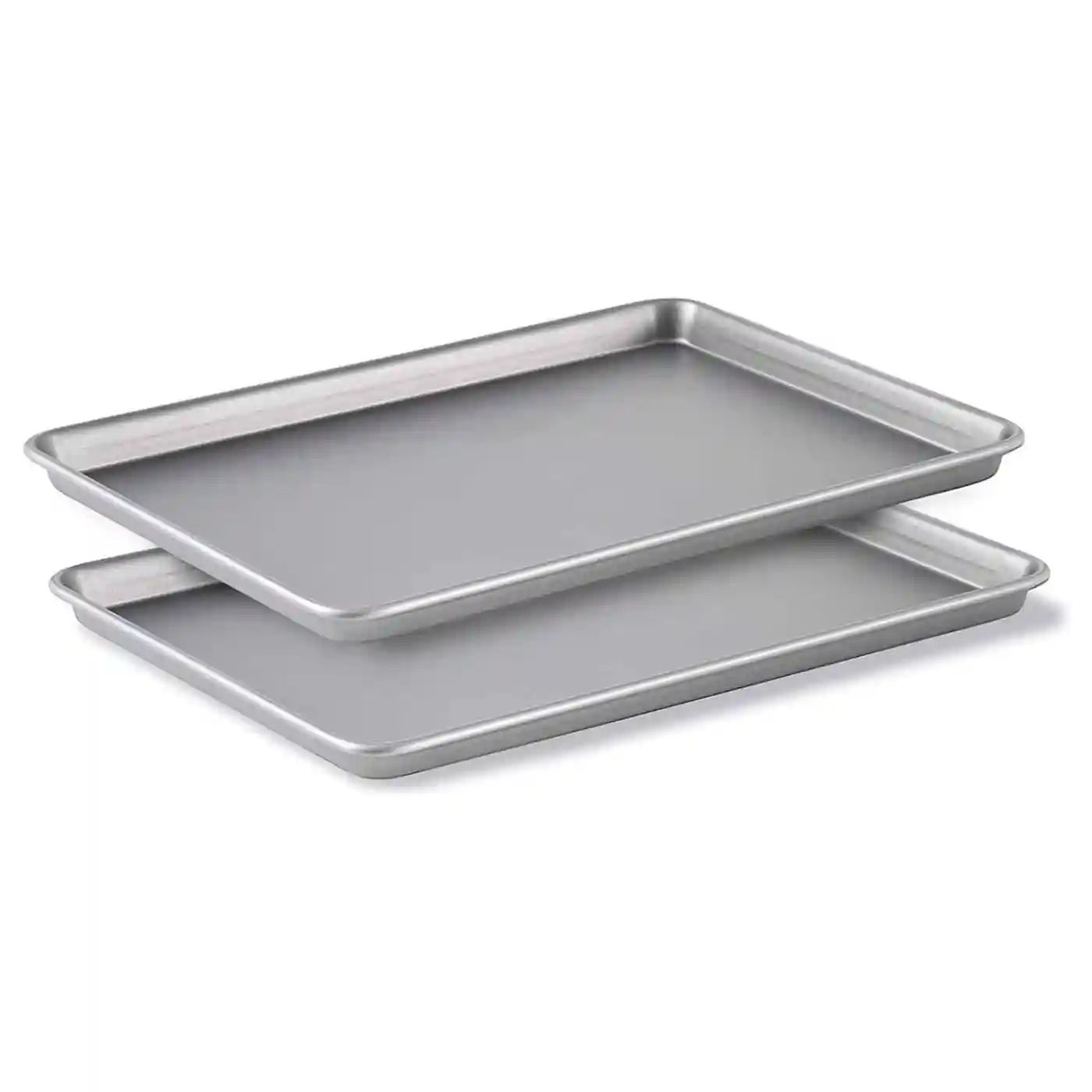
What is a Sheet Pan?
If you don’t own one of these pans, put it on your must-have list. We use ours several times a week. A sheet pan is a baking pan that is 13 x 18 inches with a one inch rim.
Buy on Amazon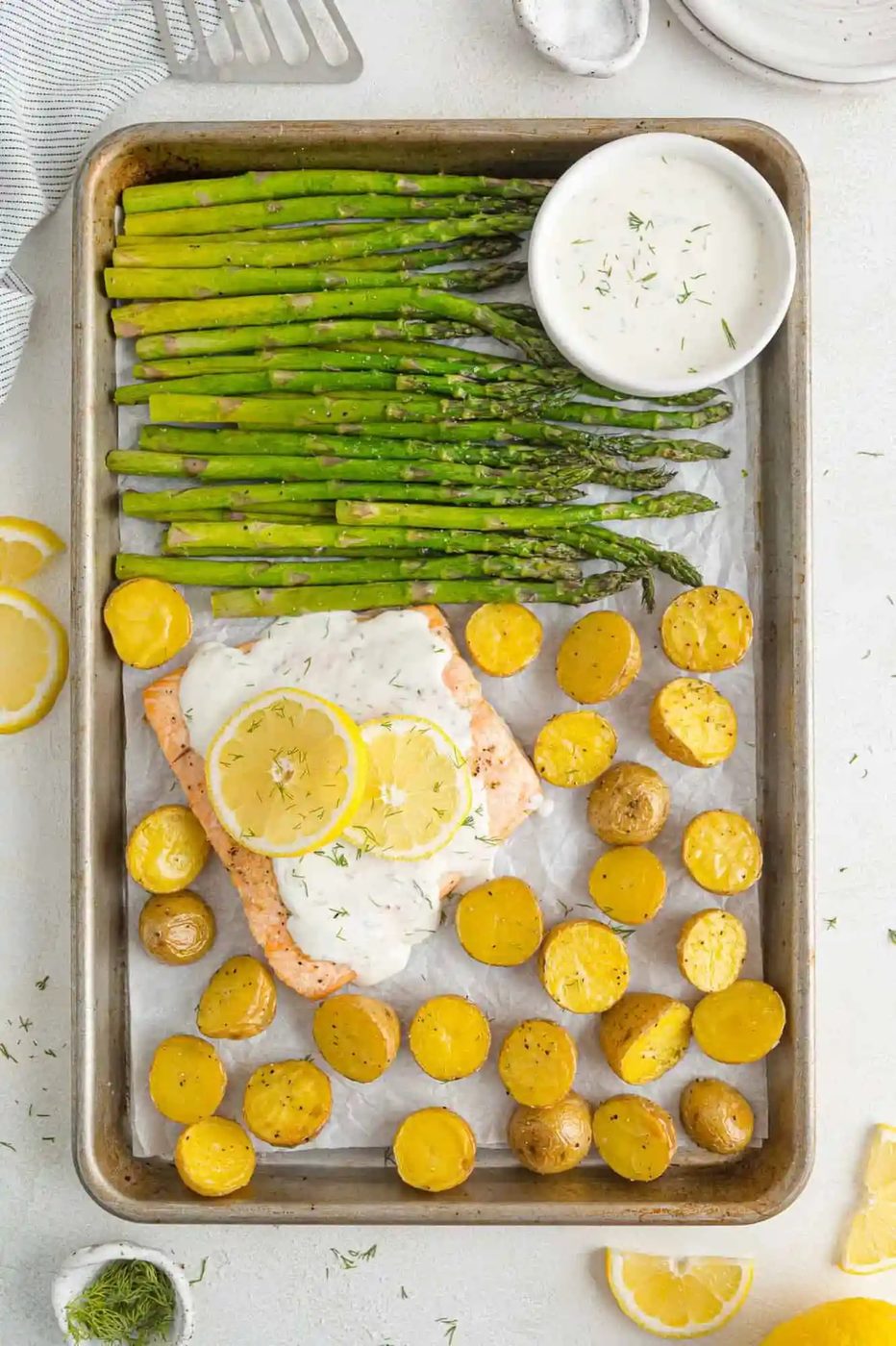
How it comes together
One Pan, Different Cooking Times
Since potatoes take longer than salmon, and asparagus cooks in no time at all, you’ll have to add them to the pan in stages. Although everything is roasted in one pan, you’ll need to add the ingredients at different times so everything turns out properly cooked.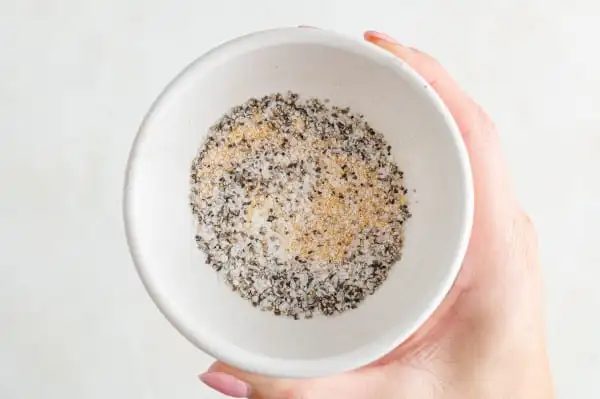
Prepare the seasoning. Begin by whisking together a seasoning blend of garlic powder, salt, and pepper.
Roast the potatoes. Add the potatoes to a bowl with olive oil and ⅓ of the seasoning mix. Toss the potatoes until they are well coated with the oil, then arrange them in the pan. Roast the potatoes at 400ºF for 10 minutes.
Season the salmon. While the potatoes are roasting, prep the salmon. Rub the top with oil and season with another ⅓ of the seasoning.
Bake. Take the sheet pan with the potatoes out of the oven, and add the salmon to the pan. Place it back into the oven (still at 400ºF) for 10 more minutes.
Add the asparagus. Meanwhile, season the asparagus with olive oil and the last of the seasoning mix. Remove the pan from the oven once again, and this time, arrange the asparagus on the pan and return it to the oven.
Bake again. Bake the whole sheet pan for 5 to 10 minutes longer, or until the fish and veggies are done to your liking.
Make the Lemon Dill Sauce
We haven’t forgotten about the sauce! Make the lemony dill sauce during the “break times”, or before you get started.
Combine. Add all the ingredients to a bowl. Whisk until smooth.
Serve! Plate the salmon, arranging the potatoes and asparagus to the side. Give the whole meal a generous drizzle with lemon dill sauce. Garnish with extra dill, if you like, and dig in.
Tips for Success
These are our tips for a standby salmon sheet pan dinner:
- Wondering how much salmon to buy? This recipe makes two servings, so you’ll need the appropriate amount of salmon. One serving of salmon is about three to four ounces, but we tend to err on the generous side and figure about five to six ounces each.
- Follow the recipe as written. This ensures that all of your ingredients cook to the right doneness. Start with the potatoes since they take the longest to get tender, then add the salmon, and finally, the asparagus.
- Test the salmon for doneness. Salmon is done cooking when the flesh flakes easily with a fork. The internal temperature should read 145ºF on an instant-read thermometer.
- Line the pan. If you want, line a sheet pan with parchment paper for extra straightforward cleanup.
Straightforward Recipe Variations
- Not a fan of asparagus? Substitute green beans. They take a little longer to cook so you can add them to the pan with the salmon.
- Different salmon. Make this recipe with BBQ salmon or baked salmon with lemon, or try a variation with a crisp breading, like this almond-crusted salmon or a walnut-crusted salmon sheet pan dinner.
- Instead of the baby potatoes, try sweet potatoes, diced into bite-sized pieces.
- Try a different sauce. From-scratch chimichurri with loads of parsley and garlic is fantastic with this dinner. Fresh-tasting tzatziki (cucumber yogurt sauce) is an memorable topper, too. Of course, good ol’ ranch dressing can stand in as a sauce, too, and no one will complain.
- Don’t want to turn your oven on? Try air fryer salmon! It’s straightforward and rich.
What To Serve With Salmon
Pretty much any vegetable goes well with salmon, and asparagus is only the tip (spear?) of the iceberg. Green vegetables are always a good choice, such as roasted broccoli or speedy-cooking sugar snap peas. Try green bean recipes like these green beans almondine, or roasted green beans with parmesan and basil. Still have room for dessert? Finish this meal with from-scratch lemon brownies or crispy lemon sugar cookies.
Make-Ahead Tip
To get a head start on dinner, make the sauce the night before. Refrigerate it until you’re ready to use it and give it a good stir before serving. The asparagus can be washed and trimmed ahead of time, too.
Keeping leftovers
Refrigerate: Store any leftover salmon and veggies in a covered container in the refrigerator for up to 2 days. The salmon and veggies can be stored together, but keep leftover dill sauce in a separate container.
Reheat: Reheat the salmon in the microwave at 50% power, or in the oven, until warmed through. It’s best not to overheat the salmon. Add the sauce afterward.
Leftover Love
Turn your leftovers into a straightforward salmon salad. Add the leftover ingredients to a plate of your favorite greens, such as leaf lettuce or spinach. Add a few chopped tomatoes and drizzle with the leftover sauce. So good! Leftover salmon also tastes great served over a spring orzo salad or arugula salad.
Free Meal Plans
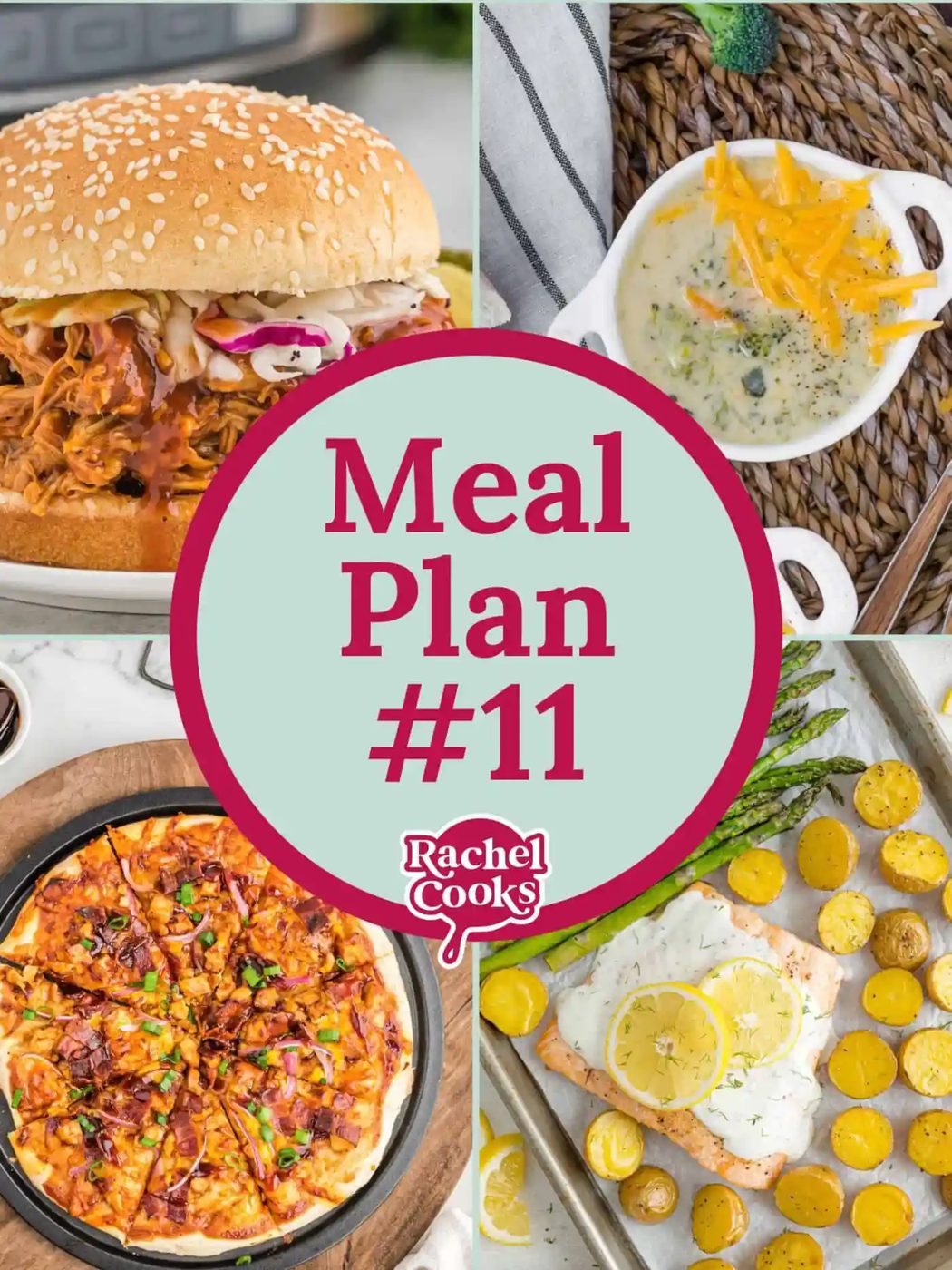
Interested in weekly meal plans that include this recipe? Take a look at our Meal Plan #11 or Meal Plan #62. You’ll find a wholesome recipe for each weekday plus a categorized grocery list. Let us do the planning for you this week!
Browse All Meal Plans- Yield: 2
- Prep: 15 minutes
- Cook: 40 minutes
- Total: 55 minutes
Ingredients
Sheet pan meal:
- ½ teaspoon kosher salt
- ¼ teaspoon coarse black pepper
- ¼ teaspoon garlic powder
- 2 cups halved baby potatoes (or diced potatoes)
- 4 teaspoons olive oil, divided
- 10 ounces salmon fillet (see note #1)
- 10 to 12 spears asparagus, washed and trimmed (enough for 2 people)
Lemon dill sauce:
- ¼ cup plain Greek yogurt (see note #2)
- ¼ cup mayonnaise
- 2 tablespoons minced fresh dill
- 1 tablespoon fresh lemon juice
- ¼ teaspoon garlic powder
- ¼ teaspoon kosher salt
- ⅛ teaspoon coarse ground black pepper
- 1 tablespoon milk, more if necessary
Method
- Preheat oven to 400°F. If desired, line a rimmed baking sheet with parchment paper or spray pan lightly with nonstick cooking spray. In a small bowl, combine salt, pepper, and garlic powder.
- Toss potatoes with 2 teaspoons olive oil and about a third of the salt and pepper mixture. Spread potatoes on prepared sheet pan and roast for 10 minutes.
- Meanwhile, rub salmon with 1 teaspoon olive oil. Sprinkle on a third of the salt and pepper mixture.
- When potatoes have cooked for 10 minutes, remove pan from oven, stir potatoes, and add salmon.
- Return to oven and cook for another 10 minutes.
- Meanwhile, combine asparagus with 1 teaspoon olive oil and remaining salt and pepper mixture. Keep in mind that thinner spears will get done more quickly than thick spears. It's best if they are consistent in size so they get done at the same time.
- Add asparagus to sheet pan and cook for an additional 5 to 10 minutes or until fish is cooked through (we like an internal temperature of 145ºF), potatoes are tender, and asparagus is crisp tender.
- While asparagus is roasting, mix sauce ingredients: yogurt, mayonnaise, dill, lemon juice, garlic powder, salt, and pepper. Thin as needed with milk. Sauce can be prepped ahead of time and refrigerated.
- Serve salmon, potatoes, and asparagus with lemon dill sauce.
Notes
Salmon: The salmon can be skin-on or skin-off. Once the salmon is cooked, it will separate easily from the skin. You can cut the fillet into two servings before you bake the salmon, if you prefer.
Yogurt: Any type of unflavored Greek yogurt, or regular yogurt can be used (fat-free, full fat, 2%). If you use regular yogurt instead of Greek yogurt, use less milk.
Variations: Green beans or broccoli can be substituted for asparagus. Since they take longer to cook, put them on the baking pan with the salmon. It’s straightforward to customize the seasoning, too. Instead of salt, pepper, and garlic powder, substitute 1 teaspoon of our all-purpose seasoning or whatever you prefer. You can skip the lemon dill sauce, if you like. Add a squeeze of lemon juice and fresh dill instead.
Storage: Store the sauce separately from leftover salmon and vegetables, Refrigerate leftovers for up to 2 days. Microwave at 50% power; try not to overheat the salmon.