Cocktails
A Lemon Twist
Add an elegant flourish to your from-scratch cocktails with a citrus twist. Learn the simple technique of how to make a lemon twist.
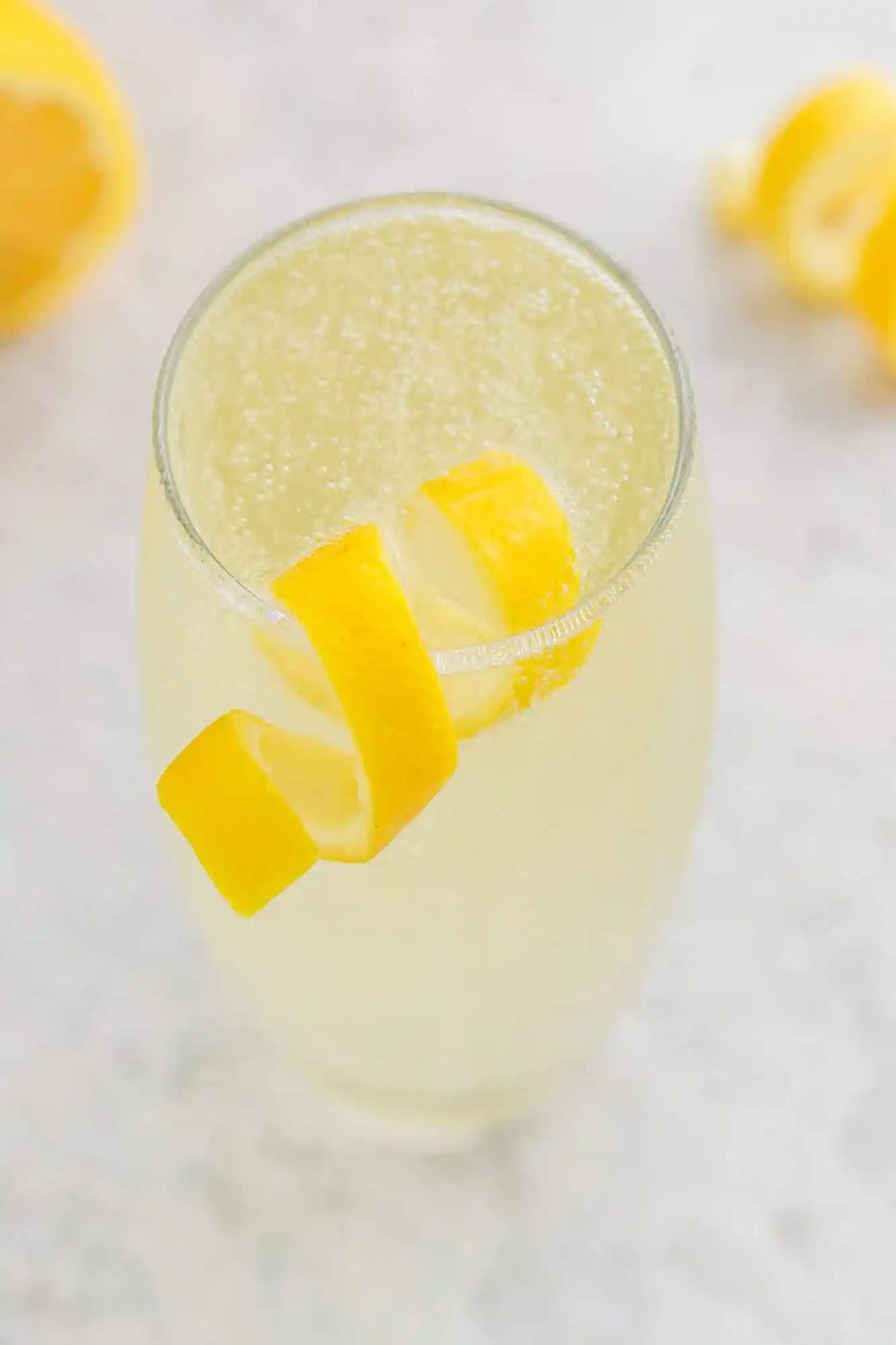
Add an elegant flourish to your from-scratch cocktails with a citrus twist. Learn the simple technique of how to make a lemon twist.
At a glance
What stands out: A curl of citrus is decorative and adds flavor complexity to your cocktails.
How long it takes: a couple of minutes
Equipment you’ll need: sharp knife, straw or chopstick
Servings: as many as you want
Wouldn’t you agree that an attractive presentation is one of the most important elements of a cocktail? Otherwise, it’s just booze in a glass. That fancy lemon twist, frosty sprig of rosemary, fancy cocktail cherry, fragrant green mint leaf, or juicy orange wheel just ups the appeal, doesn’t it? It feels like a party!
That garnish isn’t just for show. It serves a dual purpose. A good garnish adds a layer of flavor and aroma to the cocktail that wouldn’t otherwise be present.
Today we'll show you how to make a lemon twist. This little tutorial is in anticipation of an upcoming post, a recipe for a French 75 cocktail. You’ll need a lemon twist for a this popular cocktail and we would just hate to find you unprepared.
Add a lemon twist to a vodka lemonade and an orange twist to an Aperol spritz or a Negroni. A lime twist would be reliable for a classic gin and tonic or a cherry lime martini. Actually, citrus twists add a lot of fun to a glass of soda or even plain water!
Looking for more garnish ideas? Advanced Mixology has a list of 23 fun cocktail garnishes. Simple syrup is another cocktail essential. Check out how to make simple syrup with lots of flavor variations.
About This Garnish
You won’t need a special tool to make a twist garnish. A sharp paring knife does the trick. Some people use a channel knife (see the box below) but the straightforward method we're about to show you doesn’t require it.
We do want to point out that a lemon twist is often called a lemon curl or a lemon spiral. Same thing, different name. Twist, curl, or spiral, which do you prefer? It’s up to you. Not everyone makes them the same way and that’s good, we'd say. Variety is interesting and keeps us on our toes.
Keep reading if you’d like to learn how to flame a citrus peel which is another fun and dramatic way to present a cocktail.
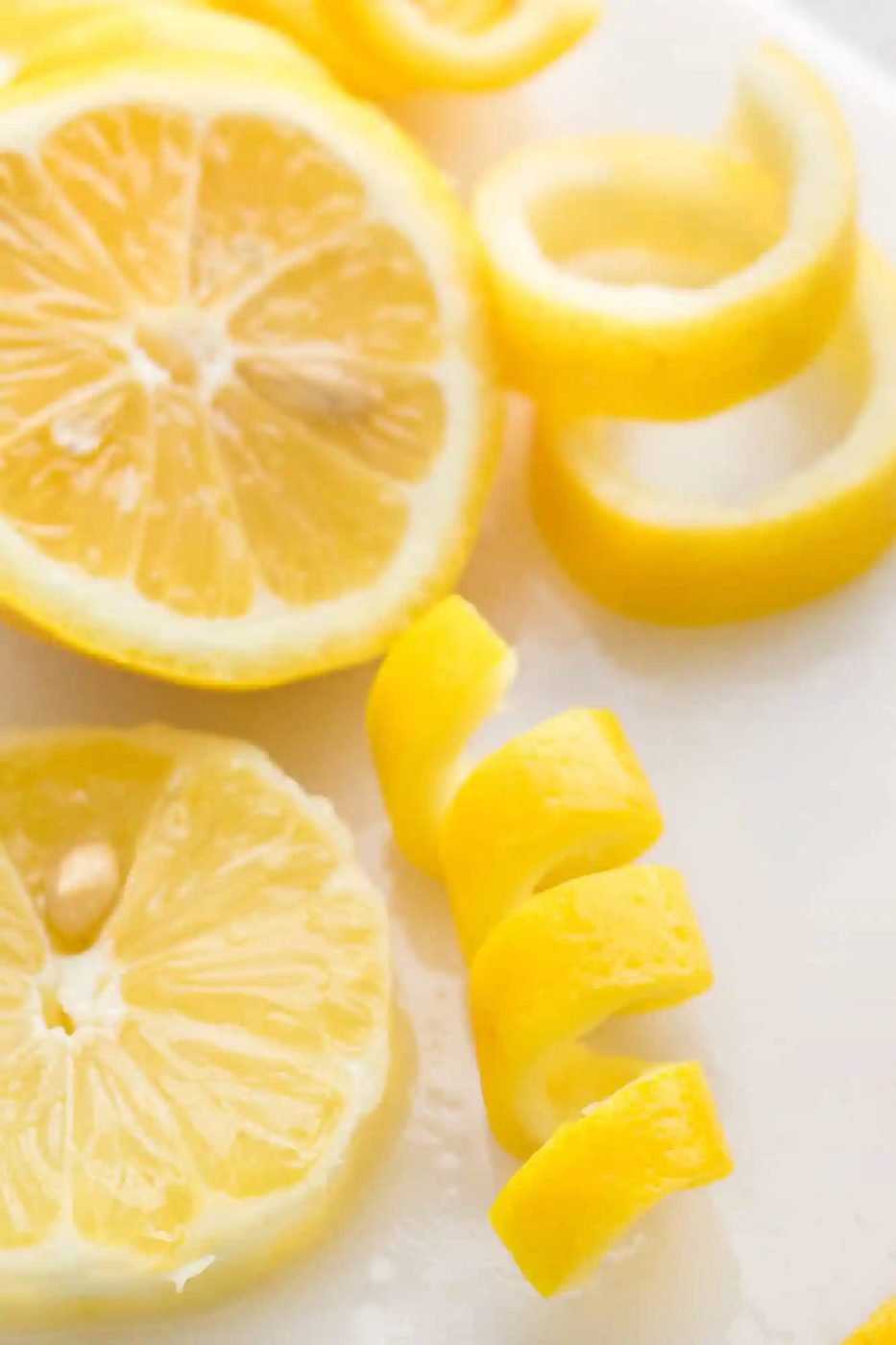
What's a Channel Knife?
A channel knife is usually part of a dual purpose tool that includes a zester. Use the zester to make long thin shreds of peel (much coarser than grated zest) and the channel knife to cut ribbons of peel (¼ inch wide) that may include some of the pith, depending on how deeply you cut.What you’ll need
- Lemons: Look for firm fresh lemons. Bumpier skin (more pronounced dimples) means the lemon is less likely to be overripe. Very smooth overripe lemons have less oil in the peels and won’t work as well. Large lemons are best; you’ll be able to cut longer curls and more of them.
- Sharp Knife: A good sharp knife is essential so you can make a clean slice and easily remove the excess pith.
- Sturdy Straw or Chopstick: It’s helpful to have a thin cylinder to encourage a tight curl but you can shape it with your fingers too.
How it comes together
Let’s get started! First, wash the lemon thoroughly. We know that should go without saying but let’s remember that this curl will be dropped into your cocktail or at the least, perched on the edge of the glass. You don’t want to add dirt, wax, or pesticides to your cocktail. The same goes for any garnish you use.
Next, cut the lemon in half crosswise. That’s around the middle, not end to end. Cut a quarter inch slice from either half of the lemon.
With your paring knife, make a slit in the peel. This will be your starting point!
Next, run the knife all the way around the lemon slice, removing the peel from the fruit, with just a small amount of the pith. The pith is the white part and it can be bitter tasting. A little bit of pith remaining on the peel is okay because it will help the twist hold its shape.
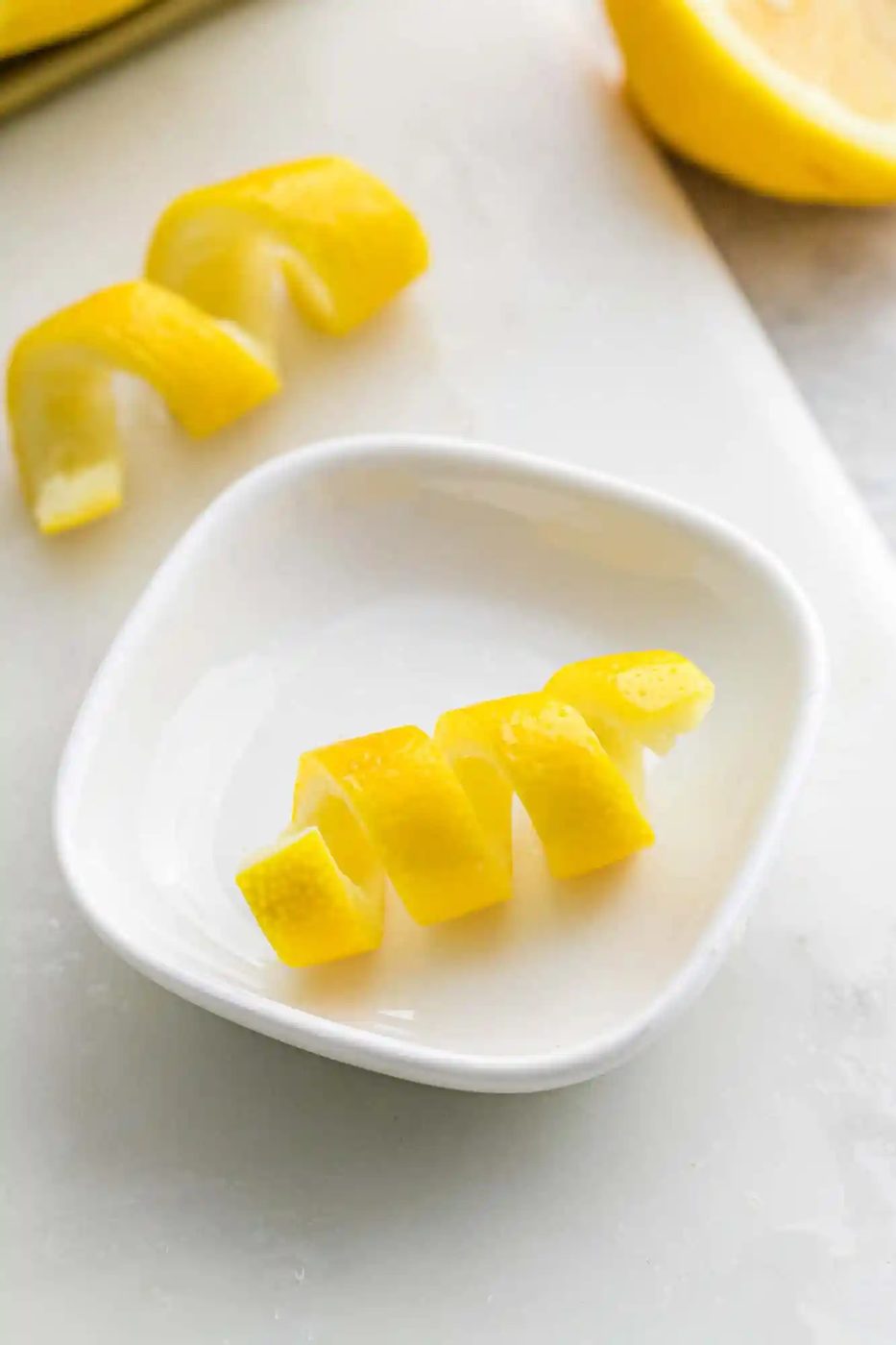
So, now you have a long strip of peel. Carefully but firmly wrap it around a sturdy straw or chopstick, making a spiral curl. You can also shape it with your fingers but you’ll get a tighter spiral if you use a narrow cylindrical form.
That’s it! You can cut more slices from your lemon to curl. The closer you get to the ends of the lemon, the shorter your curls will be. That’s why a large lemon is preferable.
How to add The lemon twist to a cocktail
Prepare your cocktail. Twist the curl a bit over the cocktail. As you twist the peel, aromatic oils are released and settle on the surface of the cocktail. You can also run the edge of the twist around the rim of the glass before either dropping it into the cocktail or settling it on the rim.
How To Flame An Orange Peel
Perhaps you’ve seen a bartender flame a coin of orange peel. It’s rather dramatic! A speedy burst of fire is ignited when a match is held under a slice of orange peel as it’s squeezed. The burnt orange peel adds a layer of caramelized orange flavor. It’s particularly good in an old-fashioned, a side car, or other drinks that feature bourbon, rye, or mezcal.
Oranges work best because they have the most essential oil in the peeling. Cut a one inch coin of peel from the outside of the orange. It’s okay to have a bit of pith. It will help produce more oil and is easier to hang on to.
Holding the orange peel in one hand (orange side facing away from you), light a match with your other hand. Don’t use a lighter because you don’t want to add butane aroma to your drink.
Wave the lit match lightly over the surface of the peel to warm it up. Making sure the orange peel is over your prepared cocktail and facing away from you, squeeze it over the lit match.
The oil from the outside of the orange peel will spray out in a light mist, instantly igniting into a short burst of flame, and then it extinguishes. Run the peel around the edge of the glass and then drop it into the cocktail. We bet you can’t wait to try this trick! Try it in a maple old fashioned.
Before you start
Make It Your Own
- Make an orange, lime, or grapefruit twist. Any citrus fruit can be used.
- Try candied lemon twists which may be a better choice for decorating baked goods. Check out Spoon University for the how-to’s.
Make Ahead Ideas
Cocktails: Making a citrus twist is usually part of the preparation and presentation of the cocktail. You want to twist the lemon peel over the cocktail so that the aromatic oils are released onto the surface of the cocktail immediately before serving it.
Decorative: If you are decorating cakes or cupcakes or anything else with a fresh lemon twist, it’s fine to make them ahead and store them in the refrigerator.
Keeping leftovers
Store lemon twists in an airtight container in the refrigerator for two to three days. They may uncurl a bit.
- Yield: 1 serving
- Prep: 5 minutes
- Total: 1 minute
Ingredients
- 1 lemon (other types of citrus may be substituted)
Method
- Wash lemon thoroughly. Cut a slice of lemon (width-wise, into a circle) about ¼-inch thick.
- Cut a small slice in one spot and carefully open up the circle. Using a paring knife, cut the peel away from the fruit. Remove as much pith (the white part) as possible.
- Curl the peel around a straw, or just curl with your hands and hold in place for about ten seconds.
Notes
Nutrition information is for one whole lemon.
Larger lemons will yield more twists and longer twists.
For additional flavor, run the twist around the rim of the glass and squeeze it gently before garnishing.
To learn how to flame orange peel, check out the post above.