
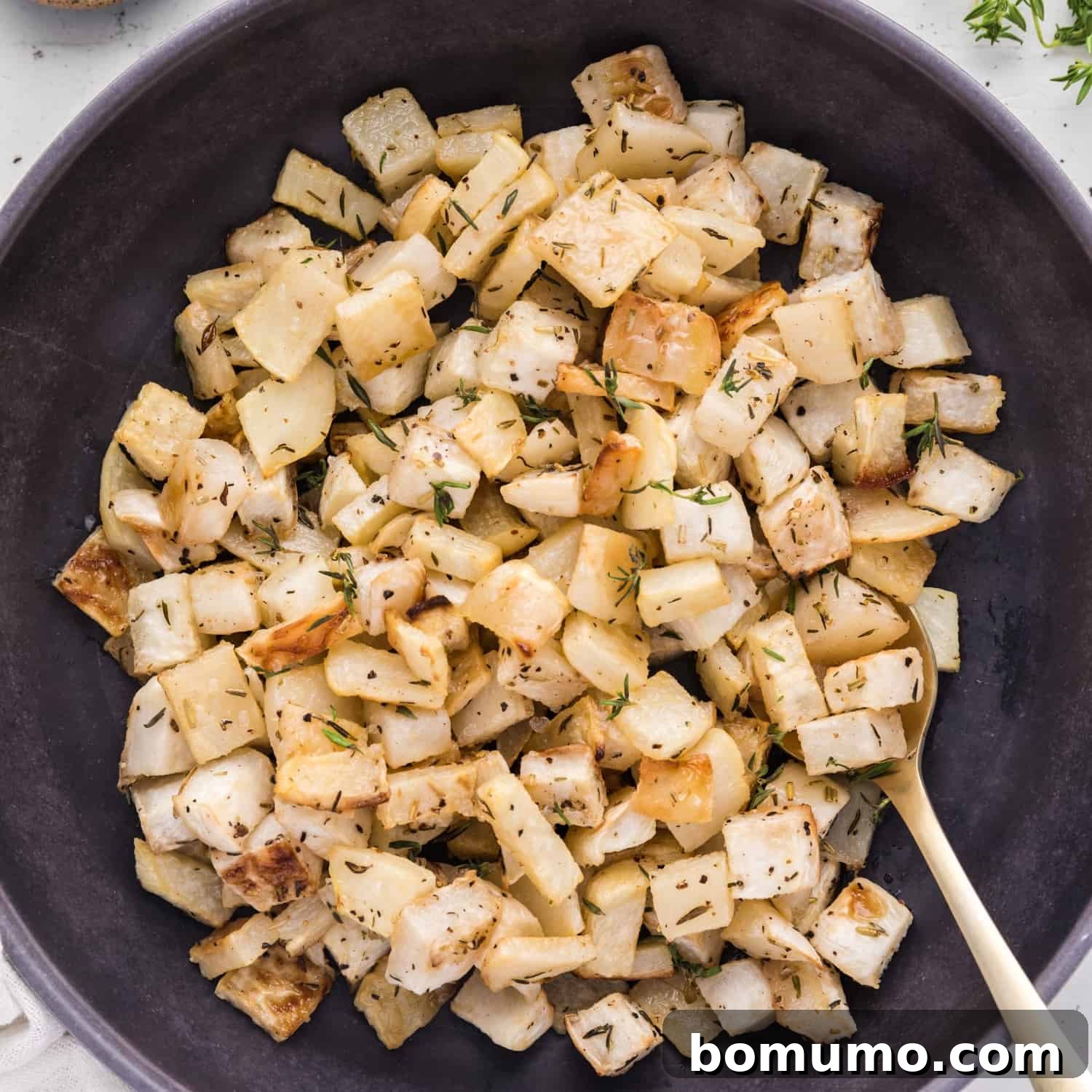
In the culinary world, some ingredients patiently await their moment in the spotlight, and the humble turnip is undoubtedly one of them. Often overlooked, this root vegetable undergoes a remarkable transformation when introduced to the oven’s heat. The magic of roasted turnips lies in their ability to become tender and mellow, developing beautifully caramelized edges and a subtle peppery kick that will surprise and delight your palate. Far from being a mere afterthought, this low-carb, nutrient-rich veggie deserves a prominent spot in your regular side dish rotation, offering a fresh alternative to more common roasted vegetables.
Roasted Turnips: Your Next Favorite Side Dish
Why you’ll love it: Discover turnips you’ll genuinely crave! Roasting expertly tames their naturally sharp flavor, turning them into irresistibly tender, melt-in-your-mouth morsels with a fantastic depth of taste.
How long it takes: You’ll need just 5 to 10 minutes for preparation, followed by a swift 30 minutes in the oven to achieve perfection.
Equipment you’ll need: A sharp chef’s knife, a spacious mixing bowl, and a sturdy sheet pan are all that’s required for this simple recipe.
Servings: This recipe generously yields 4 servings, making it ideal for family dinners or meal prepping.
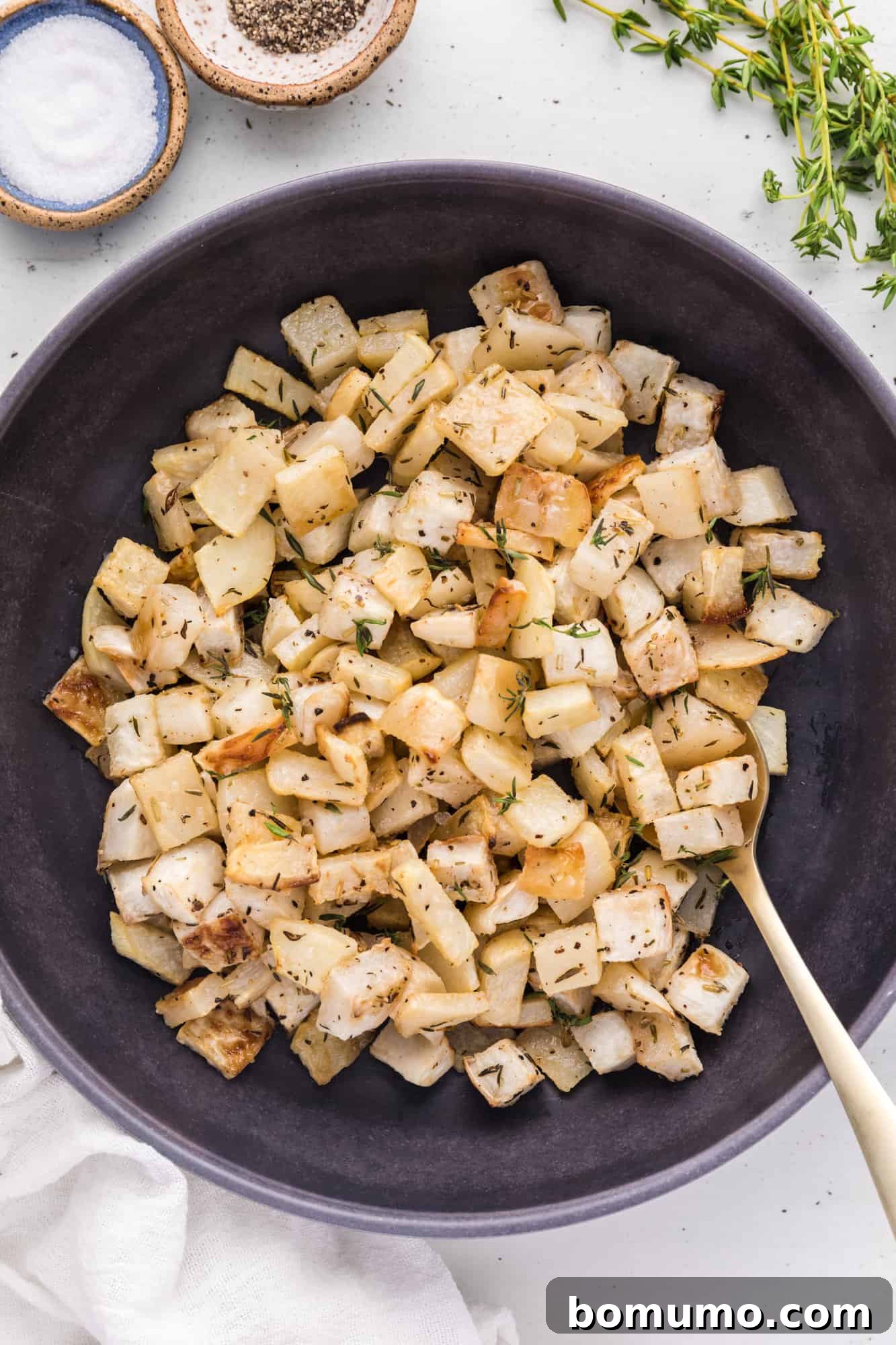
Let’s be honest: “excited about turnips” isn’t a phrase you hear every day. Many of us, even seasoned home cooks, tend to approach turnips with a degree of skepticism. They don’t typically garner the enthusiastic reviews that vibrant heirloom tomatoes or fresh, sweet corn-on-the-cob receive. However, just as cauliflower has had its remarkable “glow-up” – transforming into everything from fluffy rice to crispy nachos – it’s high time the turnip was given its much-deserved second chance. You might be surprised to learn that even those initially wary of turnips, like my own mother, have become converts after experiencing their roasted brilliance in dishes such as a warm kale salad with an assortment of beautifully roasted root vegetables, including carrots, parsnips, beets, and, yes, turnips.
Beyond carrots, the entire family of root vegetables often falls into the “under-appreciated” category. For turnips, their less-than-stellar reputation can be easily understood; in their raw state, their flavor can be quite sharp, even spicy, and their appearance isn’t always the most appealing. This is where the magic of roasting truly shines. The high heat of the oven catalyzes a profound change, mellowing their assertive bite and drawing out a surprising nuttiness and delicate sweetness. The peppery note that remains is transformed into a pleasant tingle rather than a harsh kick. If you’ve ever experienced the delightful flavor transformation of roasted radishes, you already have a hint of the culinary revelation that awaits with roasted turnips.
This recipe for roasted turnips is the epitome of a “back pocket” side dish – effortlessly versatile and something you’ll find yourself making time and again. They are perfect for adding depth and nutrition to salads, serving alongside your favorite protein-rich main courses, or incorporating into vibrant meal bowls. Don’t limit your root vegetable exploration; expand your culinary horizons with other delicious options like creamy parsnip puree, convenient air fryer beets, classic roasted beets, and aromatic roasted carrots with thyme and nutmeg.
Why Roasted Turnips Are a Game Changer for Your Dinner Table
Embrace the unexpected with this fantastic roasted turnip recipe that promises to revolutionize your perception of this humble root. Here’s why it’s destined to become a staple:
- A Nutritious, Low-Carb Alternative to Potatoes: For those monitoring their carbohydrate intake, roasted turnips emerge as an outstanding, healthful substitute for traditional roasted potatoes. Beyond their impressive low-carb profile, turnips are packed with a wealth of health benefits. As noted by Healthline, they are a rich source of vitamin C, essential antioxidants, vital minerals, and beneficial glucosinolates, contributing to a well-rounded diet.
- Roasting Unlocks the Turnip’s Best Flavor: While turnips can be prepared in various ways, oven roasting truly works wonders, transforming their inherent characteristics. As a cruciferous vegetable, much like broccoli, cauliflower, and Brussels sprouts, turnips benefit immensely from roasting. This cooking method tames their sharper notes, bringing forth a delightful nutty sweetness and a perfectly tender texture that other cooking methods often miss. It’s arguably the ultimate way to enjoy turnips.
- Effortless Elegance: An Easy Weeknight Side Dish: One of the greatest appeals of roasted turnips is their remarkable simplicity. A quick toss with oil and seasonings, then a trip to the oven, is all it takes. This makes them an ideal, low-effort companion for evenings when your main course demands more attention, or simply when you’re seeking a delicious yet straightforward addition to your meal without the fuss.
How To Choose and Store Turnips for Optimal Freshness
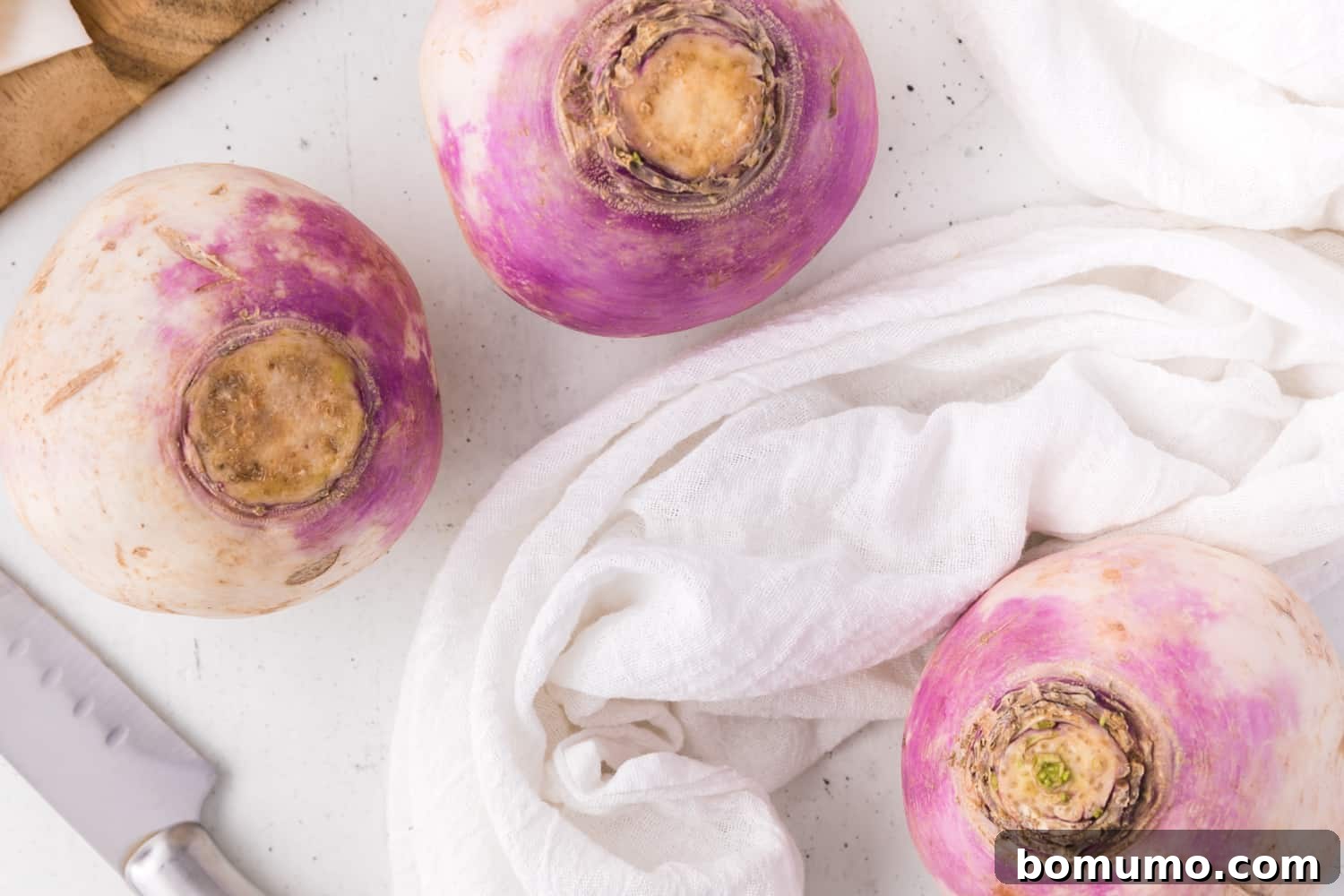
Turnips are distinctive bulb vegetables, typically showcasing a waxy, light purple or pink exterior that transitions to crisp white flesh inside. To ensure you select the best ones:
Look for turnips that feel surprisingly heavy for their size, indicating good moisture content and density. Their flesh should be firm to the touch, entirely free from any blemishes, soft spots, or cracks. Prioritize smaller turnips over larger ones; the latter can sometimes be tough, fibrous, or even woody in texture, which can detract from the tender results desired in roasting. Once purchased, store your turnips unwashed in the crisper drawer of your refrigerator. When properly stored, they can maintain their freshness and quality for up to a few months, offering excellent pantry longevity.
Essential Ingredients for Perfect Roasted Turnips
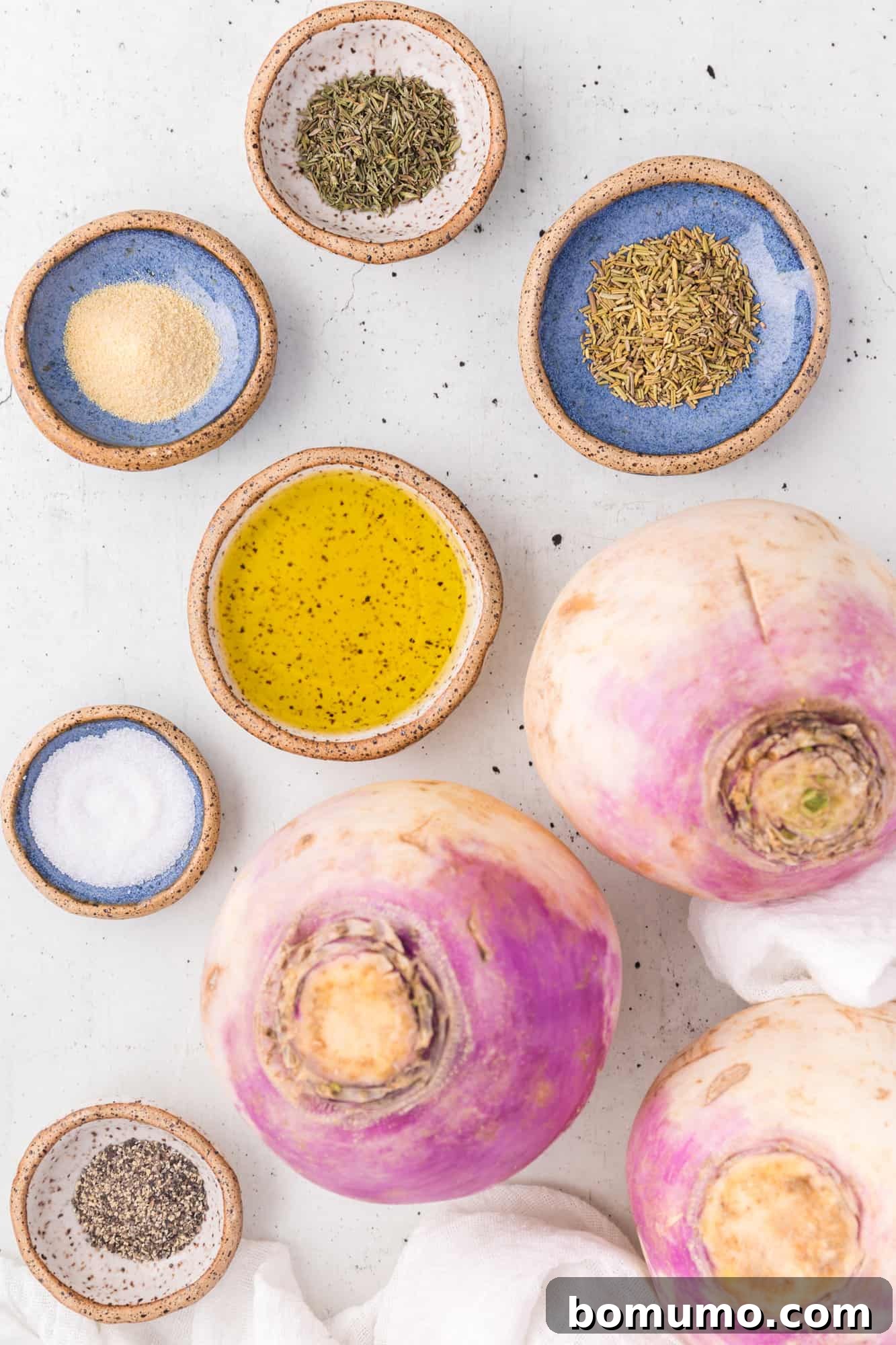
Crafting perfectly roasted turnips requires only a handful of common ingredients, each playing a crucial role in developing their irresistible flavor profile:
- Turnips: The star of our show! When purchasing, remember to prioritize smaller, firm turnips for the best texture. If your turnips come with their leafy greens attached, don’t discard them! Turnip greens are not only incredibly tasty but also highly nutritious. They can be wonderfully incorporated into dishes like a vibrant creamy lemon orzo with greens or added to a hearty pot of vegetable soup for extra flavor and nutrients.
- Olive Oil: A good quality olive oil is essential here, not just for preventing sticking, but for its role in achieving that desirable caramelization and crisp exterior. There’s no need for an expensive extra virgin olive oil; a standard cooking olive oil works perfectly well for this high-heat application, imparting a rich, fruity undertone.
- Kosher Salt and Coarse Ground Black Pepper: This classic seasoning duo is fundamental for enhancing the natural flavors of any vegetable. Kosher salt provides a clean, balanced salinity, while coarse ground black pepper adds a fresh, aromatic heat that complements the turnip’s inherent peppery notes. These two ingredients are non-negotiable for a truly flavorful dish.
- Dried Thyme and Rosemary: These robust, earthy herbs are a match made in heaven for root vegetables like turnips. Their piney, floral, and slightly peppery notes deepen the savory character of the roasted turnips. If you’re fortunate enough to have fresh sprigs of thyme and rosemary on hand, feel free to substitute them for the dried versions; simply chop them finely or toss whole sprigs with the turnips for an even more potent aromatic experience.
- Garlic Powder: Unlike fresh garlic, which can sometimes burn and turn bitter during high-temperature roasting, garlic powder offers a mellow, sweet garlic essence without the risk of scorching. It provides a foundational savory layer that beautifully rounds out the overall flavor profile of the dish.
- Fresh Parsley or Thyme: (Optional garnish) A sprinkle of freshly chopped parsley or thyme after roasting adds a burst of vibrant color and a fresh, herbaceous aroma, elevating the dish’s presentation and offering a contrasting note to the rich roasted flavors.
A Simple Guide to Perfectly Roasted Turnips
Achieving perfectly roasted turnips is surprisingly straightforward, relying on a few key steps to ensure optimal flavor and texture. Follow this guide for a truly delicious result:
- Prepare Your Oven and Pan: Begin by preheating your oven to a robust 425°F (220°C). This high temperature is crucial for encouraging the turnips to caramelize and become tender. You’ll need a large, rimmed sheet pan, ideally around 14 x 10 inches, to ensure adequate space. For easier cleanup, you can line the pan with parchment paper, but be aware that the turnips tend to achieve a better, more pronounced browning directly on the metal pan.
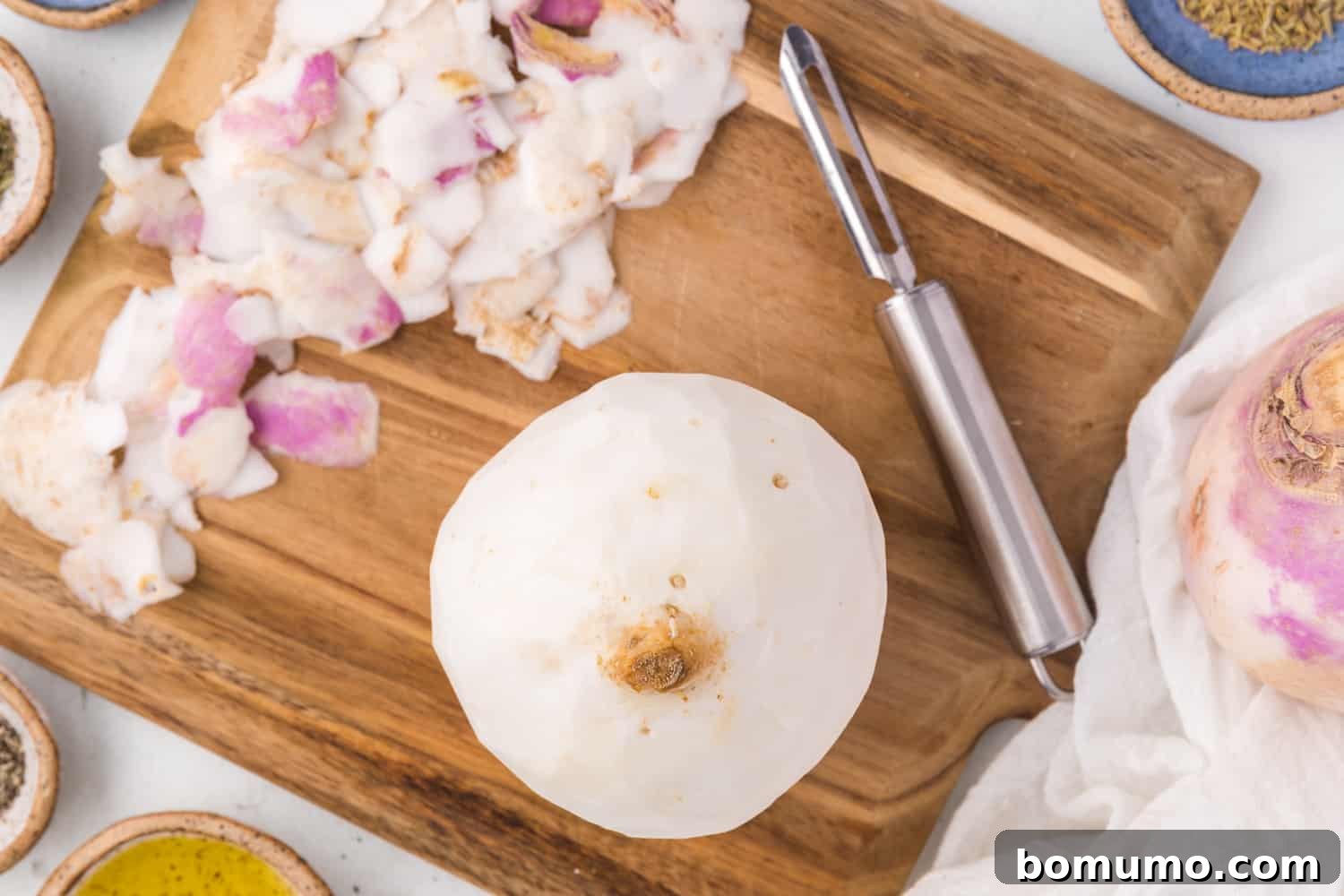
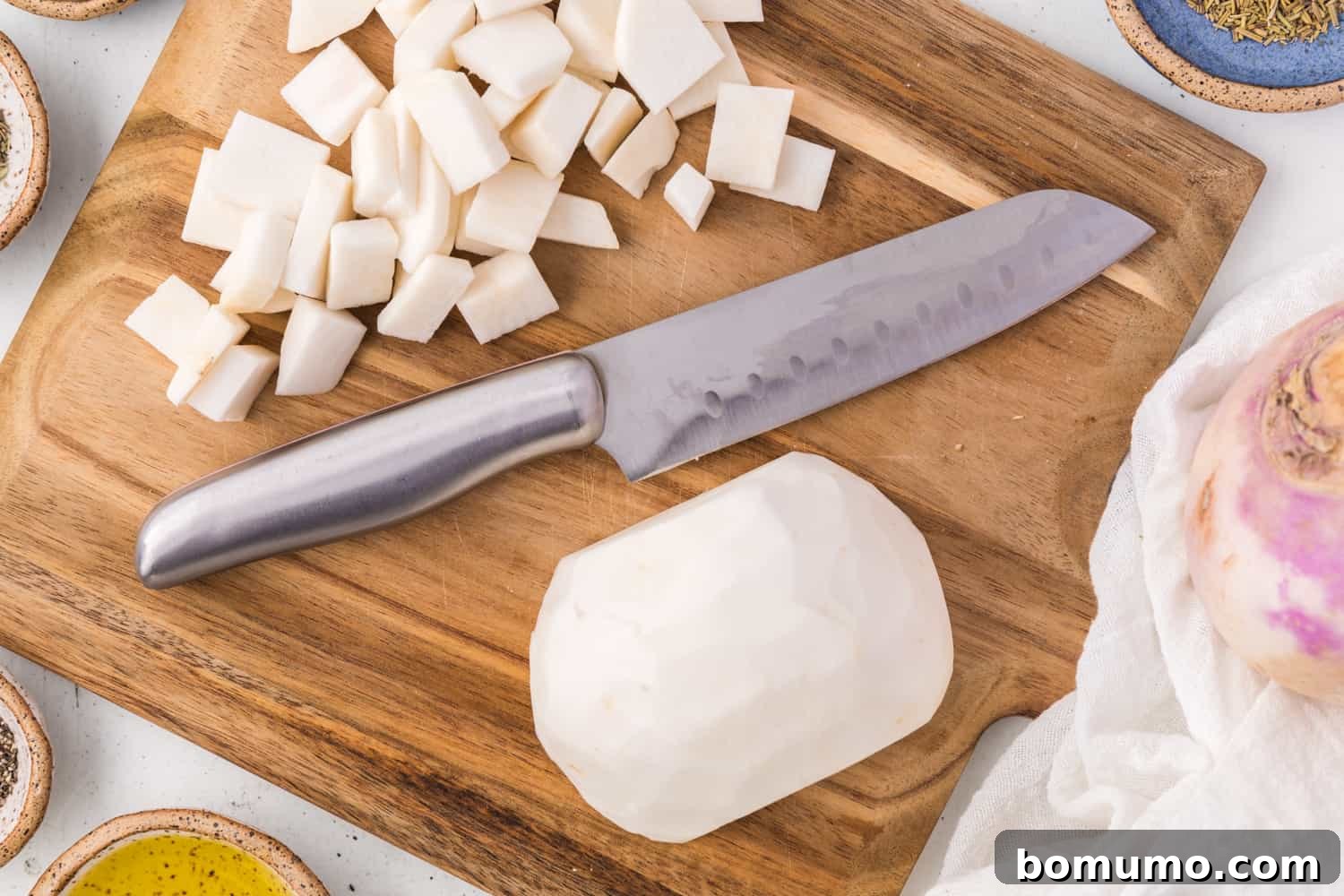
- Peel and Cut the Turnips: Using a sharp vegetable peeler, carefully remove the skin from each turnip. Once peeled, cut the turnips into uniform, bite-sized pieces, aiming for approximately ½-inch cubes. Consistency in size is key here, as it ensures all pieces cook evenly. If you prefer, you can also cut them into strips or wedges to create delicious turnip fries or robust wedges.
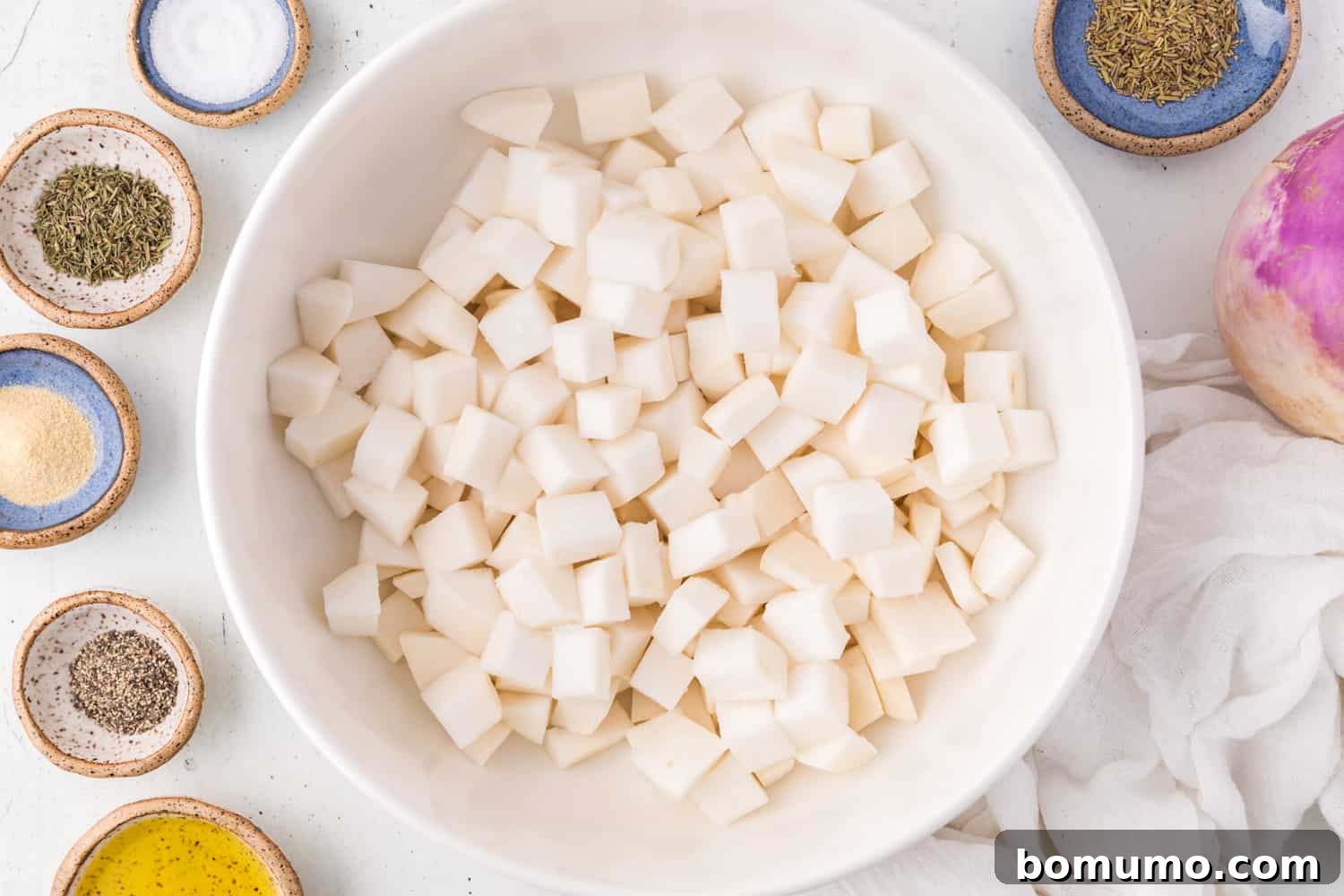
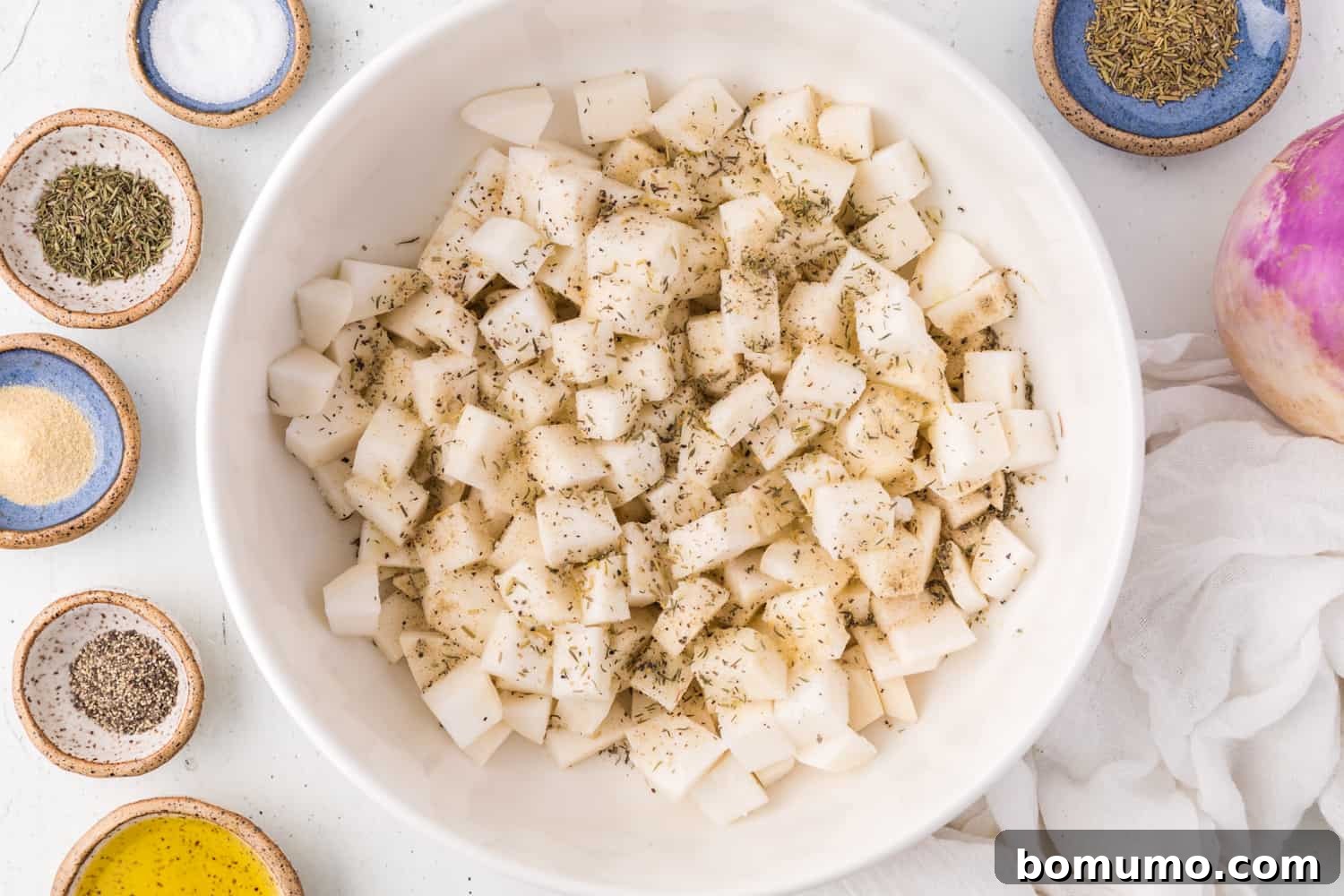
- Season Liberally: Transfer the chopped turnips into a spacious mixing bowl. Add the olive oil, kosher salt, coarse ground black pepper, dried thyme, dried rosemary, and garlic powder. Using your hands or a large spoon, toss everything thoroughly until every piece of turnip is evenly coated with the oil and seasoning mixture. This ensures every bite is bursting with flavor.
- Arrange on the Sheet Pan: Carefully transfer the seasoned turnips from the mixing bowl to the prepared sheet pan. Spread them out in a single layer, ensuring that they are not crowded. Ample space between the pieces is vital for promoting browning and crisping; overcrowding will lead to steaming rather than roasting, resulting in a softer, less desirable texture.
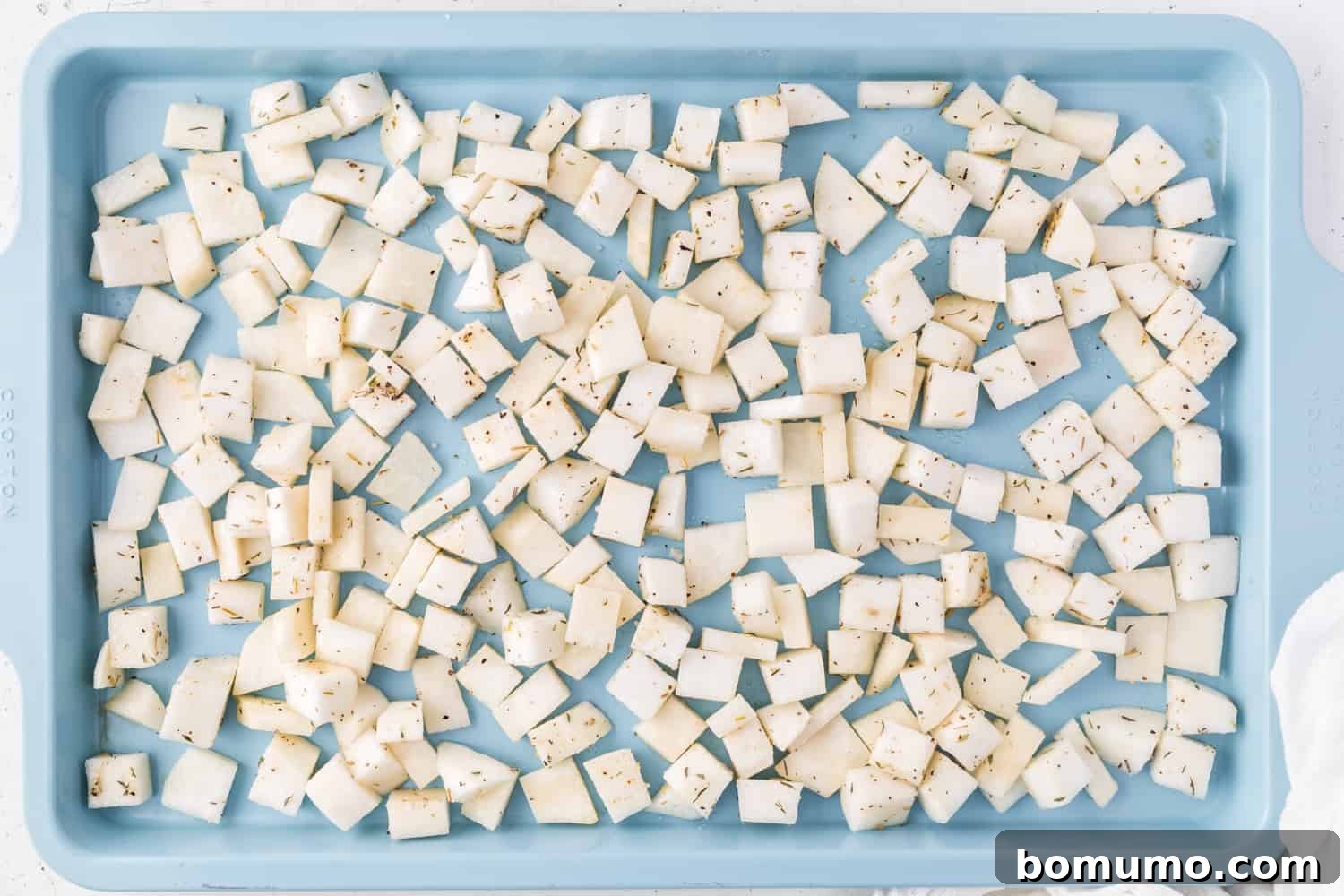
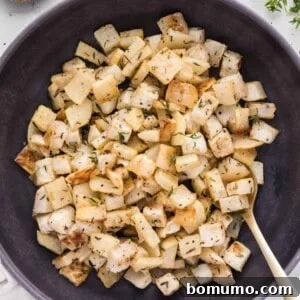
- Roast to Perfection: Place the sheet pan in the preheated oven and bake for 15 minutes. After this initial bake, remove the pan from the oven and use a spatula to stir and flip the turnips, ensuring all sides get exposed to the heat. Return the pan to the oven and continue roasting for another 15 minutes, or until the turnips are fork-tender and have developed a beautiful golden-brown color with delicious caramelized edges.
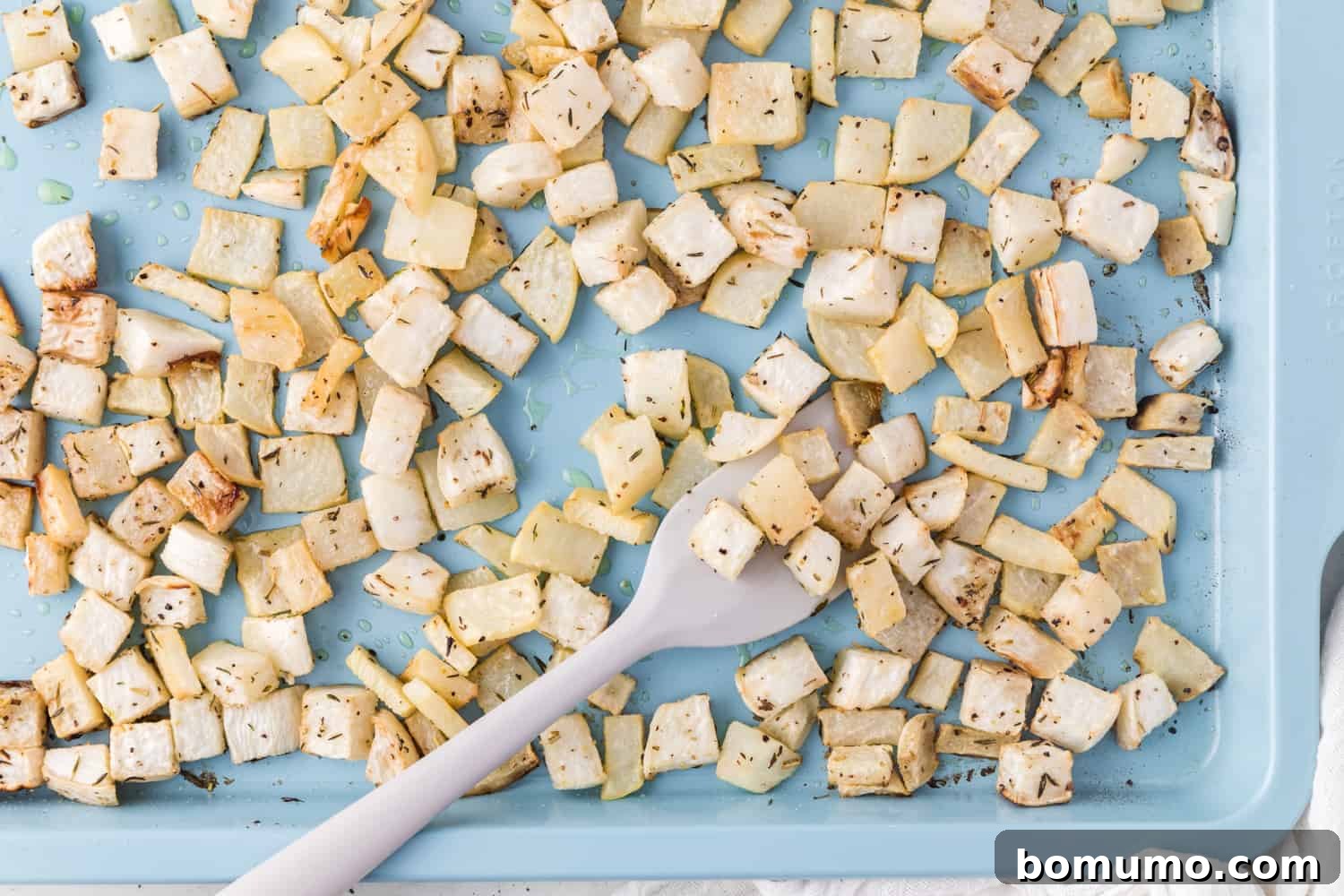
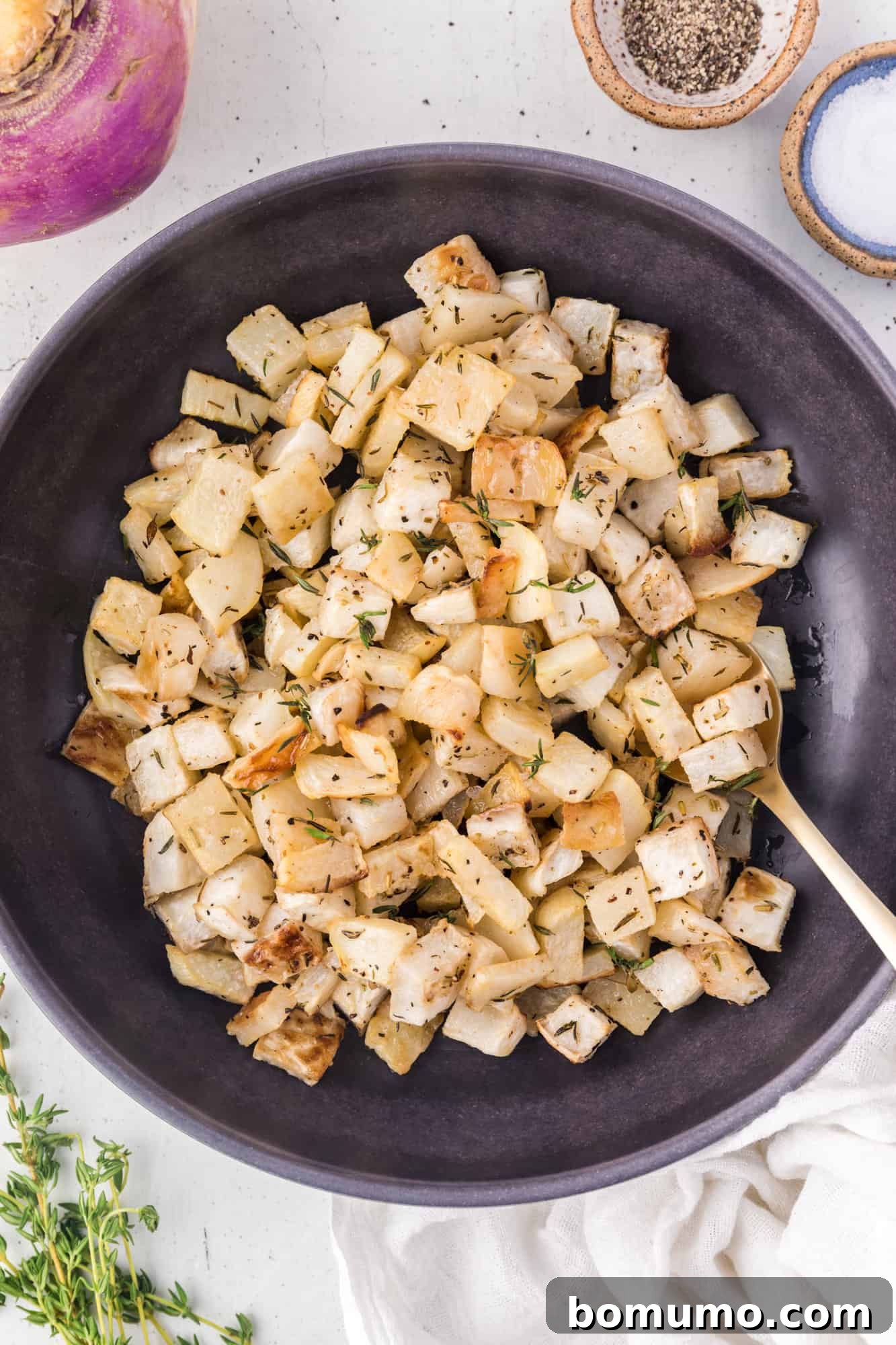
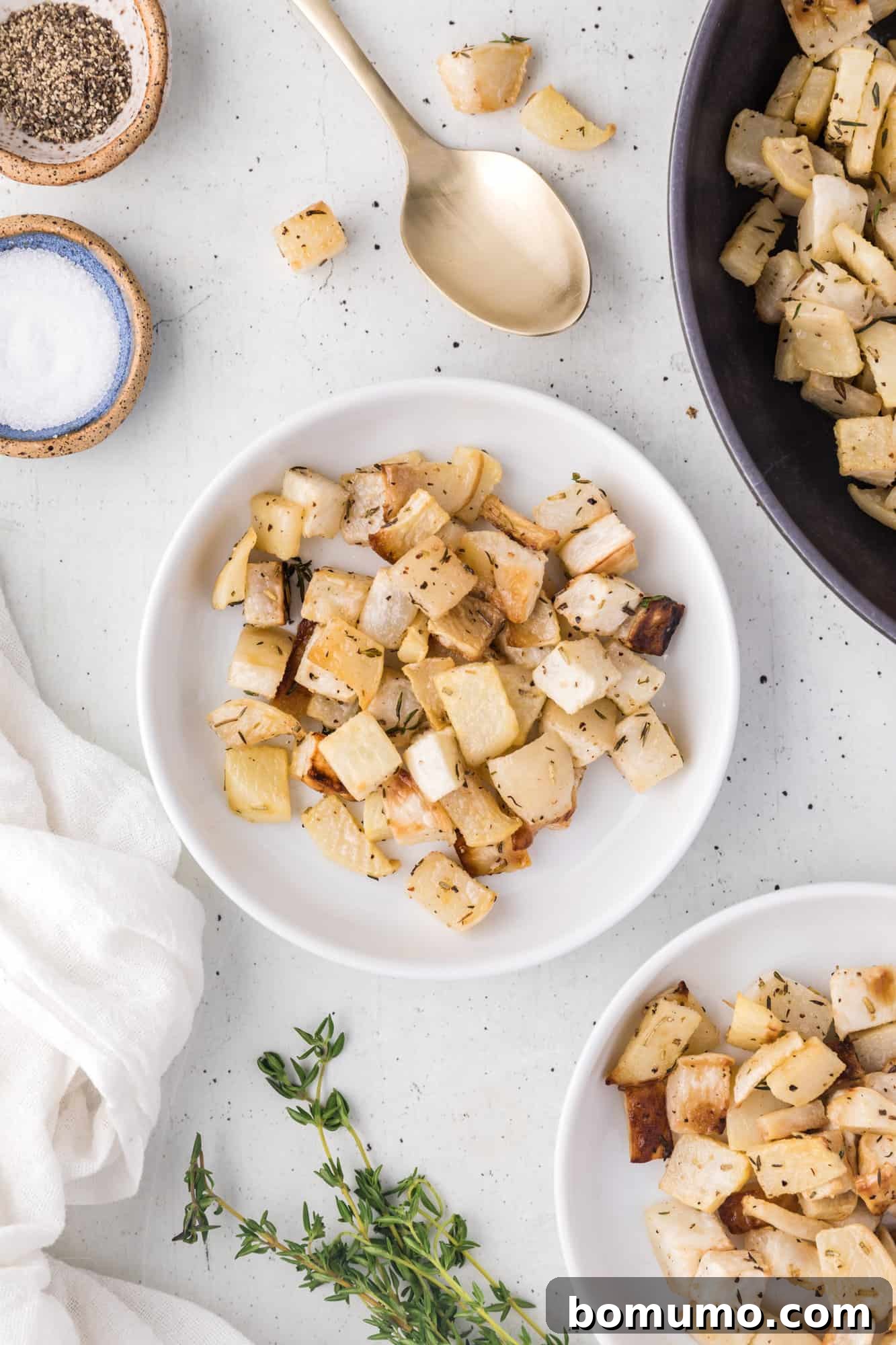
- Garnish and Serve: Once roasted to your liking, remove the turnips from the oven. If desired, sprinkle them with fresh parsley or thyme for an added touch of freshness and color. Serve your magical roasted turnips immediately, as they are best enjoyed warm, complementing any main course beautifully.
Expert Tips For Roasting Success Every Time
Achieving perfectly roasted vegetables, especially turnips, is an art form rooted in a few fundamental techniques. Master these tips to ensure your roasted turnips are consistently tender on the inside and beautifully caramelized on the outside:
- Always Preheat the Oven Thoroughly: This cannot be stressed enough. A properly hot oven is absolutely essential for successful roasting. Placing turnips into a cold or lukewarm oven prevents them from immediately searing, which is critical for developing that delicious crust and tender interior. Instead, they will slowly heat up, often releasing moisture and steaming rather than roasting, leading to a mushy texture and uneven cooking. Ensure your oven has reached the specified temperature before the pan goes in.
- Cut Turnips into Evenly Sized Pieces: Uniformity in size is paramount for even cooking. If you have a mix of large chunks and small slivers, the smaller pieces will inevitably cook faster and potentially burn while the larger ones remain undercooked in the center. Take a few extra moments to meticulously chop your turnips into pieces that are as close in size as possible. This guarantees that every turnip cube reaches perfect tenderness and golden-brown caramelization simultaneously.
- Never Crowd the Pan: This is a common mistake that can undermine the roasting process. When too many vegetables are packed onto a single sheet pan, they release moisture, and this moisture becomes trapped, essentially steaming the vegetables rather than allowing them to roast. Good air circulation around each piece is vital for promoting browning and creating those desirable crisp edges. If you have a large batch of turnips, it is always better to divide them between two sheet pans, ensuring each piece has enough breathing room. This small effort yields significantly superior results in terms of texture and flavor.
Frequently Asked Questions About Turnips
Here are answers to some common questions about cooking with turnips:
Turnips are versatile and can be enjoyed both raw and cooked. However, when raw, turnips possess a distinctly sharp and peppery flavor that some may find too intense. For this reason, most people tend to prefer turnips cooked, as the cooking process mellows their strong notes and enhances their natural sweetness. It’s worth noting that cooked turnips do have a slightly higher glycemic index than raw turnips, which might be a consideration for some dietary needs.
Whether or not to peel turnips before cooking depends largely on their size and skin texture. If you’re working with smaller, younger turnips that have very thin, delicate skins, you can often leave the skins on, as they’ll soften beautifully during cooking. However, for larger, more mature turnips with thicker, tougher skins, it’s generally best to peel them first. The thick skin can be fibrous and impart an unpleasant texture to the finished dish.
While turnips and rutabagas are closely related, belonging to the same brassica family, they are not precisely the same. Rutabagas are actually a hybrid vegetable, a cross between a turnip and a wild cabbage. They share many similarities in usage but generally have a milder, sweeter flavor profile than turnips. Visually, rutabagas are typically larger in size and feature a more yellowish or cream-colored flesh, distinct from the white flesh of most common turnips.
Serving Suggestions: What Pairs Perfectly with Roasted Turnips
Roasted turnips are remarkably versatile, making them an ideal complement to a wide array of main dishes. Their earthy sweetness and tender texture balance rich flavors beautifully. Consider pairing them with hearty proteins like succulent air fryer pork chops, classic roasted bone-in chicken breasts, or a flavorful spice-rubbed pork tenderloin for a complete and satisfying meal. Their simplicity allows them to round out any dinner without overwhelming other components.
Beyond traditional mains, roasted turnips are an excellent addition to various salads, infusing them with a delightful warmth and depth. Try incorporating them into a vibrant warm kale salad, a hearty roasted cauliflower salad with arugula and sweet potato, or a zesty southwestern farro salad with roasted poblanos. Adding roasted turnips to any salad that features other roasted vegetables will significantly boost its nutritional value, textural complexity, and overall flavor.
Creative Variations: Elevate Your Roasted Turnips
While the classic roasted turnip recipe is delicious on its own, there are countless ways to customize and enhance this versatile side dish to suit your preferences or specific meal themes. Get creative with these delightful variations:
- For a Sweeter Profile: Roasting naturally imparts a subtle sweetness to turnips, but if you wish to amplify this, consider roasting turnips alongside carrots and drizzling them with honey. Simply whisk a tablespoon or two of honey with your olive oil and use this mixture to coat both the turnips and an equal quantity of chopped carrots. For this sweeter version, lining your baking sheet with parchment paper is highly recommended to prevent any sticky residue from adhering to the pan.
- Transform into Turnip Fries or Wedges: Instead of dicing, cut your turnips into elongated strips, similar to French fries, or into sturdy wedges. Follow the same roasting instructions, but keep an eye on them as thinner cuts may cook slightly faster. This adaptation offers a fun, finger-food presentation and a different textural experience, perfect for dipping.
- Harness the Power of Your Air Fryer: For a quicker and often crispier result, your air fryer is an excellent tool. Prepare the turnips as directed for coating with oil and seasonings. Then, arrange them in a single layer in your air fryer basket, making sure not to overcrowd it. Air fry at 380ºF (195°C) for 15 to 18 minutes, tossing the turnips at least once or twice during the cooking time to ensure even browning and crispness.
- Experiment with Different Seasonings: The world of herbs and spices offers endless possibilities. Sage, with its earthy and slightly peppery notes, pairs exceptionally well with turnips; try substituting it for or adding it alongside the rosemary. For an aromatic boost, add quartered shallots to the mix before roasting. A simple swap of smoked paprika for the dried herbs can introduce a warm, smoky depth. For a luxurious finish, drizzle the roasted turnips with melted butter or, for an extra layer of nutty flavor, browned butter. A squeeze of fresh lemon juice just before serving also adds a bright, zesty counterpoint that truly awakens the flavors.
Make-Ahead Marvels: Preparing Roasted Turnips in Advance
Simplify your meal prep and save time on busy weeknights by preparing your turnips ahead of time. You can peel the turnips and cut them into your desired bite-sized pieces a day in advance. Once chopped, toss them with the olive oil and seasoning mixture as directed in the recipe. Store these seasoned turnips in an airtight container in the refrigerator. When you’re ready to cook, simply spread them on a sheet pan and roast as usual. This clever trick means you’re only minutes away from a warm, delicious side dish.
Storage & Reheating Tips for Leftover Roasted Turnips
Ensuring your delicious roasted turnips can be enjoyed beyond the initial meal is easy with proper storage and reheating techniques:
- Refrigerate Leftovers: Any leftover roasted turnips should be allowed to cool completely to room temperature before being stored. Transfer them to an airtight container and place it in the refrigerator. They will maintain their quality and flavor for approximately 4 to 5 days.
- Freezing for Future Enjoyment: Roasted turnips freeze exceptionally well, making them an excellent candidate for batch cooking and future meals. After they have cooled completely, transfer the roasted turnips into a freezer-safe container or a heavy-duty freezer bag. They can be stored in the freezer for up to 3 months. The best part is, there’s no need to thaw them before reheating – you can cook them directly from frozen!
- Reheat with Ease: Leftover roasted turnips are incredibly versatile. You can enjoy them cold, straight from the refrigerator, as a delightful addition to salads. For a warm meal, reheat them in your air fryer for a crispy texture, in a 350ºF (175°C) oven until warmed through and slightly re-crisped, or quickly in the microwave if time is of the essence (though the texture will be softer).
Embrace Leftover Love: Creative Uses for Roasted Turnips
Don’t let any of those delicious roasted turnips go to waste! Their versatility shines even brighter as leftovers. Add cold roasted turnips directly to fresh green salads for a hearty, flavorful element. Alternatively, warm them up and incorporate them into vibrant meal bowls alongside grains, proteins, and other vegetables. They also make a fantastic addition to savory tarts or quiches, providing a unique flavor and texture. Embrace the simplicity and health benefits by always having some roasted turnips on hand for quick and delicious meals.
Discover More Delicious Roasted Vegetables
Roasted Broccoli Recipe – Perfect Every Time!
Roasted Radishes – A Surprising Delicacy
Dill Roasted Potatoes with Zesty Lemon
Roasted Sugar Snap Peas (Simply Irresistible!)
Classic Roasted Turnips Recipe
Print Recipe
When you roast the humble turnip, magic happens! Roasted turnips are tender and mellow, with beautifully caramelized edges and a bit of a peppery kick. This low-carb veggie deserves a spot in your regular side dish rotation!
Want more delicious recipes delivered straight to your inbox? Sign up for our weekly newsletter!
Ingredients
- 16 oz. turnips (approx. 2 medium-sized)
- 1 tablespoon olive oil
- ½ teaspoon kosher salt
- ¼ teaspoon coarse ground black pepper
- ¼ teaspoon dried thyme
- ¼ teaspoon dried rosemary
- ¼ teaspoon garlic powder
- Fresh parsley or thyme, for garnish (optional)
Instructions
-
Preheat oven to 425°F (220°C).
-
Peel the turnips and cut them into bite-sized pieces (about ½ -inch cubes). Try to keep the pieces relatively uniform in size to ensure even cooking. If desired, cut the turnips into strips or wedges to make turnip fries.
-
In a mixing bowl, combine the turnips, olive oil, salt, pepper, dried thyme, rosemary, and garlic powder. Toss well to evenly coat the turnips with the seasoning mixture.
-
Arrange seasoned turnip cubes on a large rimmed sheet pan (14 x 10 inches), spreading them out in a single layer to prevent steaming.
-
Bake for 15 minutes, then remove the pan from the oven and stir the turnips. Return the pan to the oven for an additional 15 minutes, or until turnips are tender and golden brown with caramelized edges.
-
Serve immediately, with an optional garnish of fresh parsley or thyme for added freshness and color.
Notes
- Flavor variations: Replace thyme with sage for an earthy twist; add quartered shallots to the mix for sweetness; or swap paprika for the herbs to introduce a smoky flavor. Finish with a drizzle of melted butter, nutty brown butter, or a bright squeeze of lemon juice.
- Air fryer roasted turnips: Prepare turnips as instructed in steps 1 through 3. Arrange turnips in an air fryer basket in a single layer. Air fry at 380°F (195°C) for 15 to 18 minutes, tossing one or two times during cooking so they brown evenly and crisp up.
- Storage: Raw turnips can be stored in the crisper drawer of your refrigerator for a few months. Cooked roasted turnips can be refrigerated in an airtight container for up to 5 days or frozen for up to 3 months.
Nutrition Information (Approximate Per Serving)
Calories: 64kcal
,
Carbohydrates: 8g
,
Protein: 1g
,
Fat: 4g
,
Saturated Fat: 1g
,
Polyunsaturated Fat: 0.4g
,
Monounsaturated Fat: 3g
,
Sodium: 367mg
,
Potassium: 221mg
,
Fiber: 2g
,
Sugar: 4g
,
Vitamin A: 3IU
,
Vitamin C: 24mg
,
Calcium: 36mg
,
Iron: 0.5mg
Nutrition information is automatically calculated and is an approximation. Values may vary based on specific ingredients and preparation methods.
Did You Make This?
Share a comment and rating below! We love hearing what you think!