
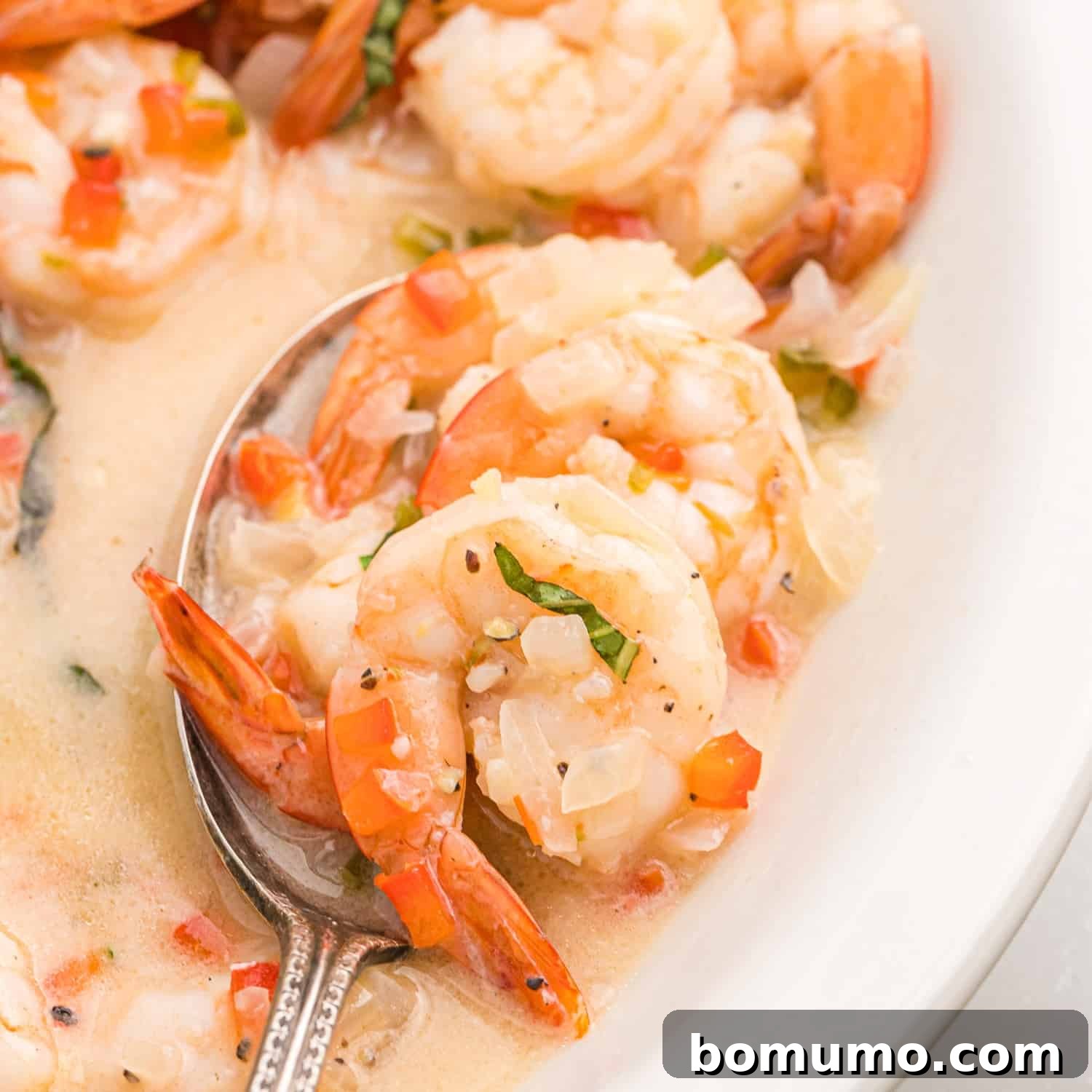
The Ultimate Guide to Creamy Coconut Shrimp: An Easy & Flavorful Recipe
Why you’ll love it: Dive into a culinary delight with this creamy coconut shrimp recipe, a true dream for any seafood enthusiast. The luscious coconut sauce, artfully infused with fresh ginger, aromatic garlic, and a hint of vibrant peppers, creates a harmonious symphony of flavors that perfectly complements the delicate, briny sweetness of shrimp. Often a star attraction at Chinese buffets, this homemade version surpasses restaurant quality, offering a healthier, fresher, and incredibly satisfying meal that’s surprisingly simple to prepare in your own kitchen.
How long it takes: Approximately 40 minutes from start to finish, making it an ideal choice for a weeknight dinner or a quick weekend treat.
Equipment you’ll need: Just a single large skillet, a sharp knife, and a cutting board – proof that extraordinary meals don’t require an arsenal of kitchen gadgets.
Servings: This recipe generously serves 6 people, perfect for family dinners or entertaining guests.
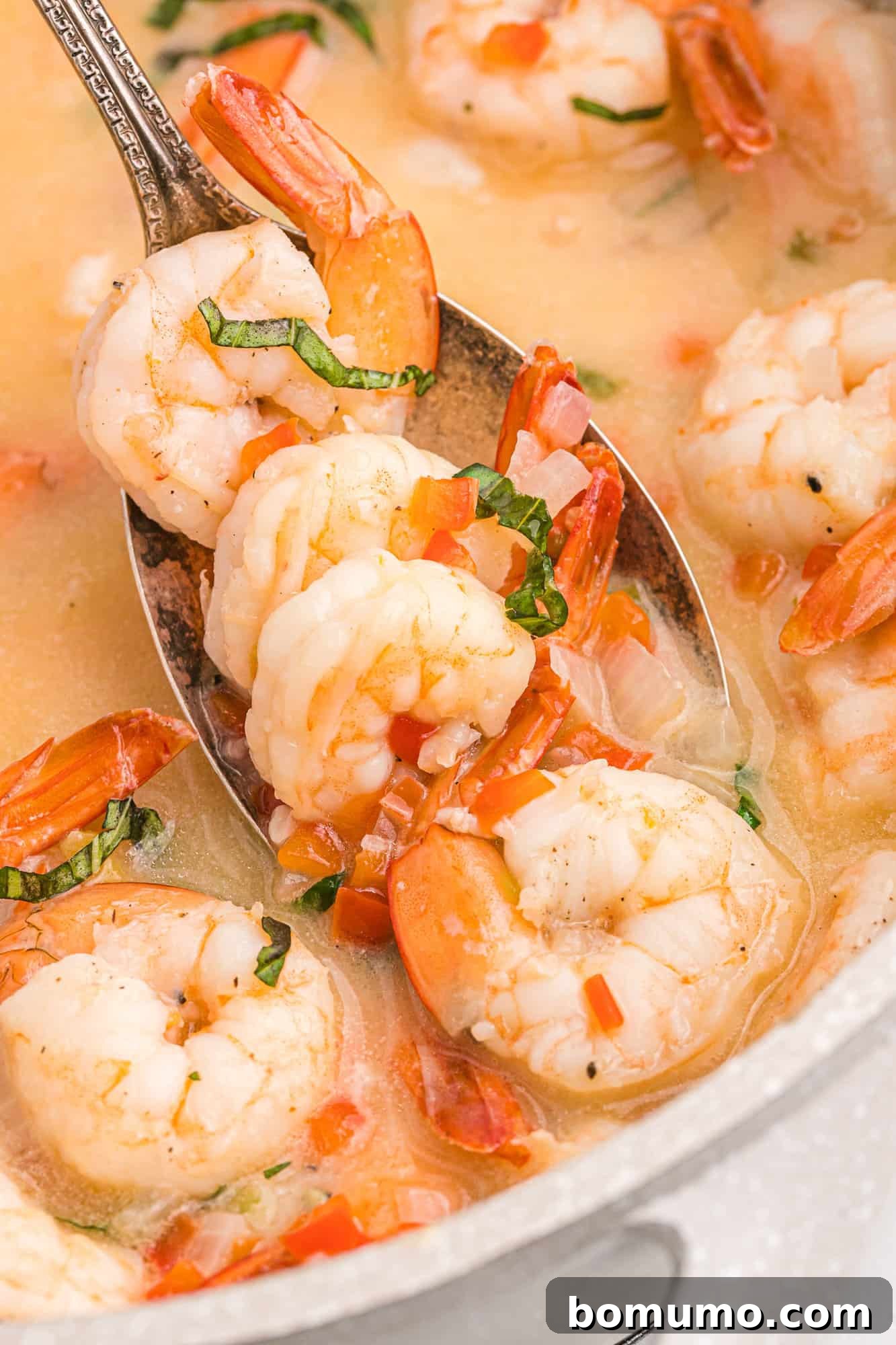
While you might often encounter creamy coconut shrimp gracing the tables of Chinese-style buffets, it’s fascinating to note that this beloved dish isn’t a traditional staple of authentic Chinese cuisine. Instead, it embodies the spirit of a delectable fusion, blending influences from various Asian culinary traditions. It distinctly brings to mind the rich, aromatic creamy curry sauces characteristic of Thai recipes, often made with coconut milk. However, our rendition of creamy coconut shrimp stands apart with its unique flavor profile and straightforward preparation method, distinguishing it from its Thai counterparts.
There’s an undeniable excitement surrounding this recipe, and for good reason: creamy coconut shrimp is an absolute triumph of taste! The natural pairing of sweet coconut and savory shrimp is a match made in gastronomic heaven, a combination almost universally adored. Much like the popular crispy air fryer coconut shrimp, this creamy version promises to become a new favorite, offering a different yet equally delightful texture and depth of flavor that will have everyone asking for seconds.
Discovering Creamy Coconut Shrimp: A Culinary Journey
Embark on a delightful culinary adventure with this recipe that transforms simple ingredients into an extraordinary dish. Creamy coconut shrimp is celebrated for its incredible balance of sweet, spicy, and savory notes, all enveloped in a velvety coconut sauce. It’s a testament to how global flavors can converge to create something truly special and universally appealing. This dish not only tantalizes the taste buds but also offers a convenient and healthier alternative to many restaurant versions, empowering you to create restaurant-quality food right in your home kitchen.
Why This Creamy Coconut Shrimp Recipe Shines
A Healthier Indulgence
Despite its luxurious taste and creamy texture, this creamy coconut shrimp recipe offers a surprisingly wholesome dining experience. Each generous serving clocks in at approximately 277 calories, making it a mindful choice for those looking to enjoy a rich meal without excessive guilt. Unlike many restaurant preparations that involve heavy breading and deep-frying, our recipe features shrimp that is lightly sautéed in your preferred oil – either heart-healthy olive oil or fragrant coconut oil. The delightful creaminess of the sauce is derived from flavorful canned coconut milk, a much lighter and dairy-free alternative to traditional butter and heavy cream, ensuring a dish that’s both satisfying and smart.
Simplicity in the Kitchen: Effortless Cooking
Don’t let the “fancy” sound of “creamy coconut shrimp” intimidate you. This recipe is designed for ease and accessibility, proving that gourmet flavors can be achieved with minimal fuss. The process is wonderfully straightforward: a bit of quick chopping for the aromatics, a brief sauté to cook the shrimp and vegetables, and a simple stirring technique to bring the sauce together. There are no complicated culinary techniques to master or obscure, hard-to-find ingredients to source. This is pure, unadulterated home cooking at its best, perfect for both novice cooks and seasoned chefs seeking a quick and impressive meal.
Minimal Equipment, Maximum Flavor
One of the beauties of this creamy coconut shrimp recipe is its practicality. You won’t need an array of specialized kitchen tools to bring this dish to life. The essential equipment list is remarkably short: a sturdy large skillet for cooking everything, a sharp knife for efficient chopping, a reliable cutting board for your prep work, and a colander, which is particularly useful if you’re starting with frozen shrimp that needs thawing. That’s virtually all you need! This simplicity ensures that you can focus on the joy of cooking and the delicious outcome, rather than wrestling with complex setup or cleanup.
Essential Ingredients for Creamy Coconut Shrimp Perfection
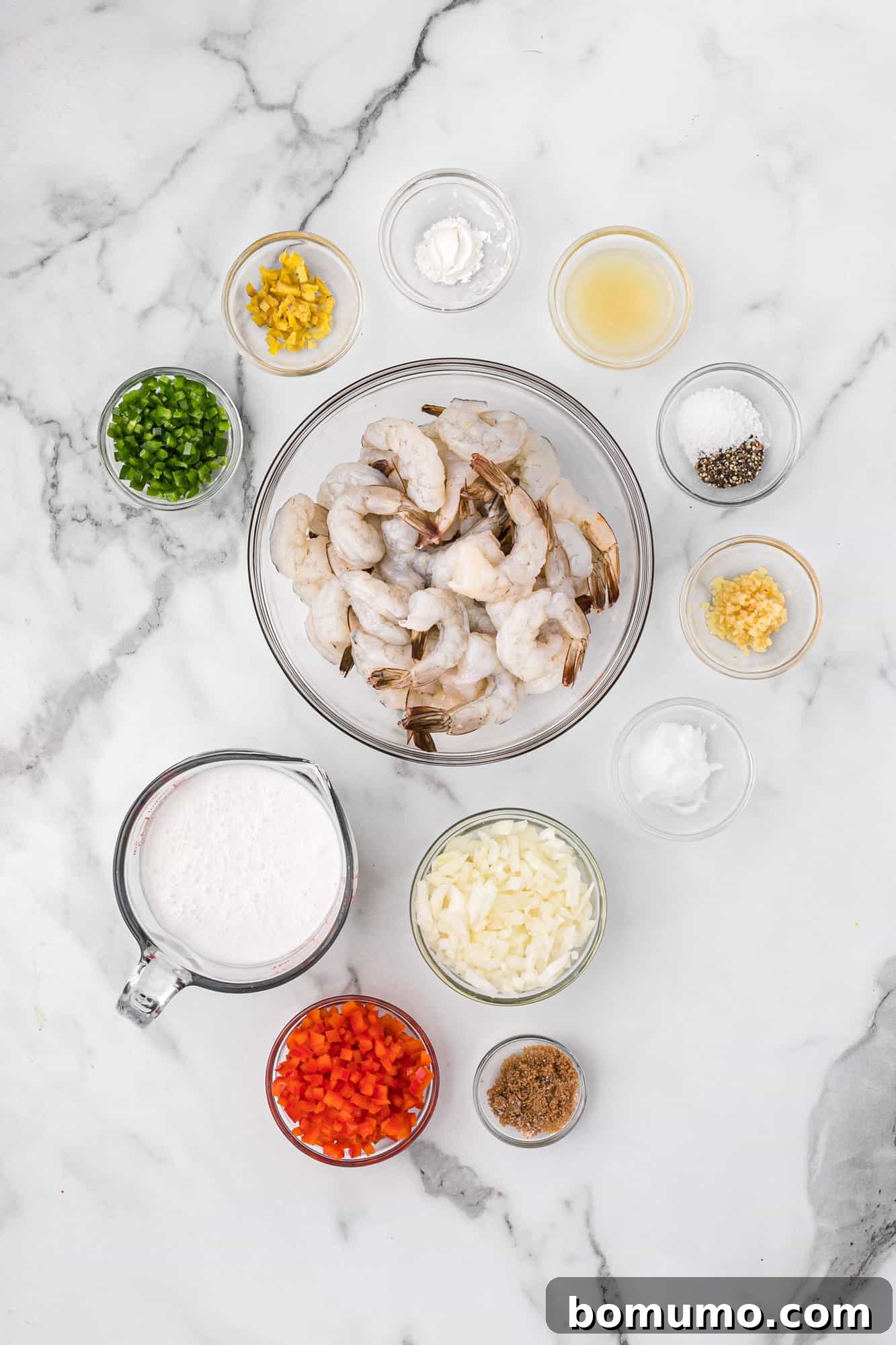
Crafting exceptional creamy coconut shrimp starts with selecting the right ingredients. Here’s a detailed guide to ensure you pick the best components for a truly unforgettable meal:
- Shrimp: The star of our dish! You can use either fresh or frozen shrimp, both work beautifully. Aim for large shrimp, typically categorized as 20/30 count per pound, meaning there are 20 to 30 shrimp in one pound. You’ll need 2 pounds for this recipe. Ensure the shrimp are peeled and deveined. While we opted to leave the tails on for the photos for aesthetic appeal, removing them before cooking makes for much easier eating.
- Coconut Milk: This is key to the sauce’s creaminess and flavor. Always choose canned coconut milk, specifically the full-fat variety, found in the international or baking aisle. Do not substitute with the refrigerated, thinner coconut beverage used for drinking, as it lacks the richness and consistency needed for the sauce. Shake the can vigorously before opening to reincorporate any separated cream.
- Onion: A sweet white onion or a red onion will provide the best flavor balance and a touch of sweetness to the sauce. Avoid sharper, more pungent varieties if possible, as they can overpower the delicate coconut flavor. Dice it finely for quick cooking and seamless integration into the sauce.
- Red Bell Pepper: Not only does a red bell pepper contribute a beautiful burst of color, enhancing the visual appeal of the dish, but it also adds a mild sweetness and a healthy dose of vitamins. If red bell peppers are unavailable, vibrant orange or yellow bell peppers make excellent substitutions, offering similar flavor and visual appeal.
- Jalapeño Pepper: For a subtle, pleasant warmth, a single jalapeño pepper is perfect. These small green peppers are mildly spicy, adding just enough heat to awaken the palate without overwhelming it. Remember to remove the seeds and the white ribs inside the pepper before mincing, as this is where most of the capsaicin (the heat-producing compound) resides. Handle with care, and wash your hands thoroughly after chopping.
- Ginger Root: Fresh ginger root is indispensable, providing a unique, mildly spicy, and citrusy aroma. To prepare it, peel the skin using a vegetable peeler, a sharp paring knife, or even the edge of a spoon (which is surprisingly effective for irregular shapes) before mincing or grating it finely.
- Garlic: You’ll need three cloves of fresh garlic, minced. Garlic is a fundamental aromatic that adds depth and savory notes. Feel free to adjust the quantity to suit your personal preference – add more for a bolder garlic flavor, or slightly less for a milder touch.
- Brown Sugar: Just one teaspoon of brown sugar is used to subtly balance the flavors in the sauce, harmonizing the slight tang of the lime and the richness of the coconut. If you prefer, coconut sugar can be used as a natural alternative, offering a similar sweetness with a slightly different nuanced flavor.
- Fresh Lime Juice: A splash of fresh lime juice is crucial. Its bright, zesty acidity cuts through the richness of the coconut milk, adding a refreshing finish and bringing all the flavors into perfect balance. Always opt for fresh lime juice over bottled for the best taste.
- Cornstarch: This fine, white, flavorless powder is essential for thickening the coconut sauce to the perfect consistency. You’ll typically find it in the baking aisle of your grocery store. It’s important to mix it with a cold liquid (like lime juice in this recipe) before adding it to the hot sauce to prevent lumps.
- Steamed Rice: This dish is traditionally and best served over fluffy steamed jasmine rice, which perfectly soaks up the creamy sauce. For an extra convenient cooking method, consider using a pressure cooker; Instant Pot white rice consistently yields excellent results.
- Basil, for garnish: To elevate the presentation and add a final layer of fresh aroma, garnish your creamy coconut shrimp with strips of fresh basil or Thai basil. The herbal notes provide a beautiful contrast to the rich sauce.
Step-by-Step Guide: How to Craft Creamy Coconut Shrimp
Creating this delicious creamy coconut shrimp is a straightforward process when approached with a clear plan. Follow these detailed steps for a flawless meal:
Preparatory Steps: Setting Up for Success
Cook the rice: If you plan to serve your shrimp over rice, it’s wise to start cooking it first. Most rice varieties take around twenty-five minutes to cook thoroughly. If your rice finishes before the shrimp, simply keep it covered to stay warm, as it can gently steam until you’re ready to serve. This ensures everything is ready at the same time.
Thaw the shrimp: If you’re using frozen shrimp, begin by thawing it. Place the frozen shrimp in a large colander and run cold water over it. Gently toss the shrimp occasionally to ensure even thawing. This process typically takes about five minutes. Once thawed, pat the shrimp thoroughly dry with paper towels to prevent excess moisture from interfering with the sautéing process.
Pro Tip for Thawing Shrimp
For even better results and to save time on the day of cooking, consider planning ahead. Transfer your frozen shrimp from the freezer to the refrigerator the night before. By dinner time, it will likely still be slightly frozen but will thaw significantly faster under cold running water, giving you a head start.
Do the prep work (Mise en Place): Once you begin cooking, the process moves quickly, so having all your ingredients prepped and ready is crucial. While the shrimp thaws, meticulously prepare your vegetables. Peel and finely chop the onion. Dice the red bell pepper into small, uniform pieces. For the jalapeño pepper, carefully remove the seeds and internal white ribs – these components hold the majority of the pepper’s heat. Chop the deseeded jalapeño very finely. Exercise extreme caution during this step and avoid touching your eyes or face, as the jalapeño juices can cause severe burning. Next, peel and finely mince the fresh garlic cloves, and do the same for the ginger root. Before opening your can of coconut milk, shake it vigorously to ensure the cream and liquid are well combined. Halve the lime so it’s ready for juicing. Finally, gather your brown sugar and cornstarch from the pantry, measuring them out. Having everything in place ensures a smooth and efficient cooking experience.
The Cooking Process: Building Layers of Flavor
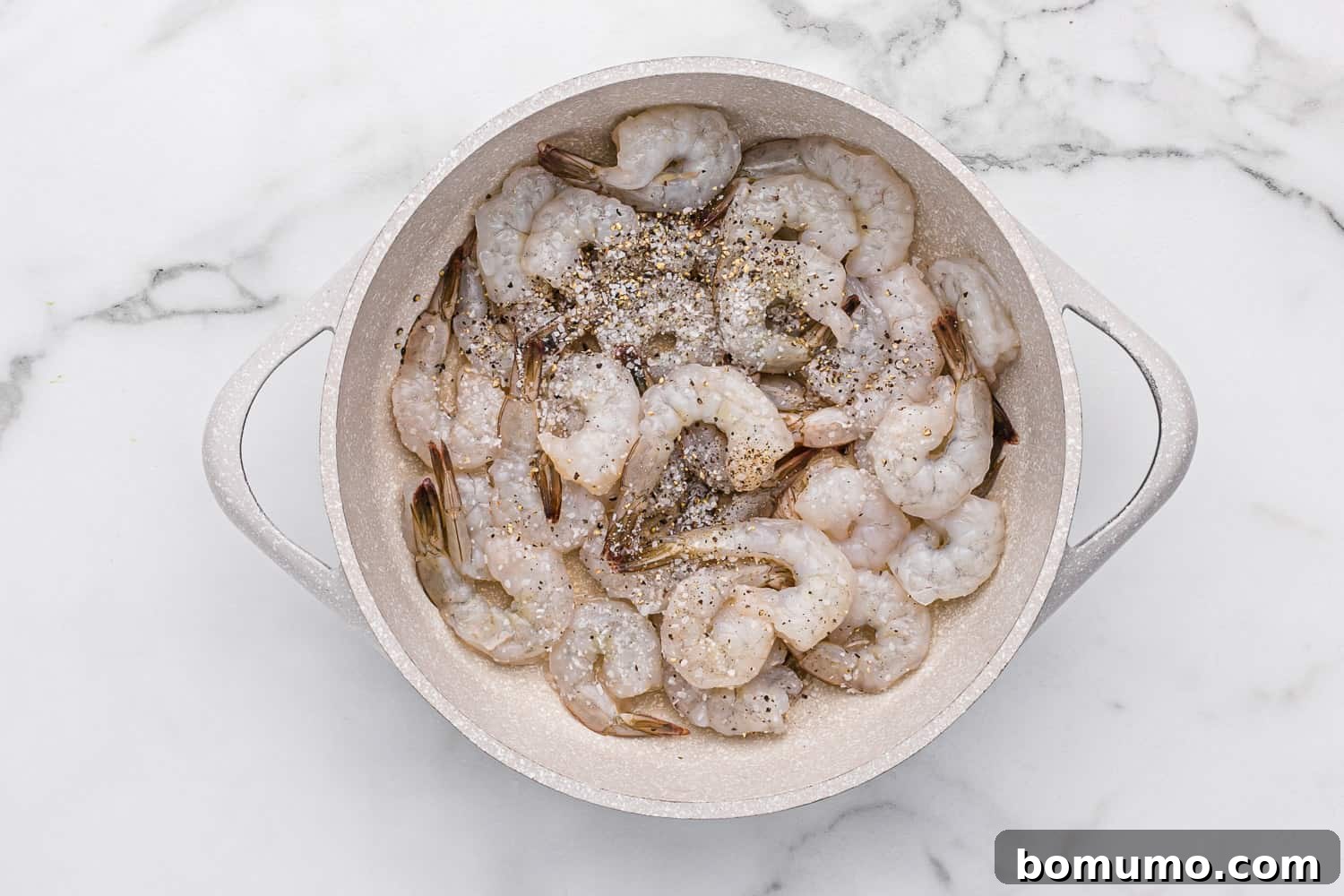
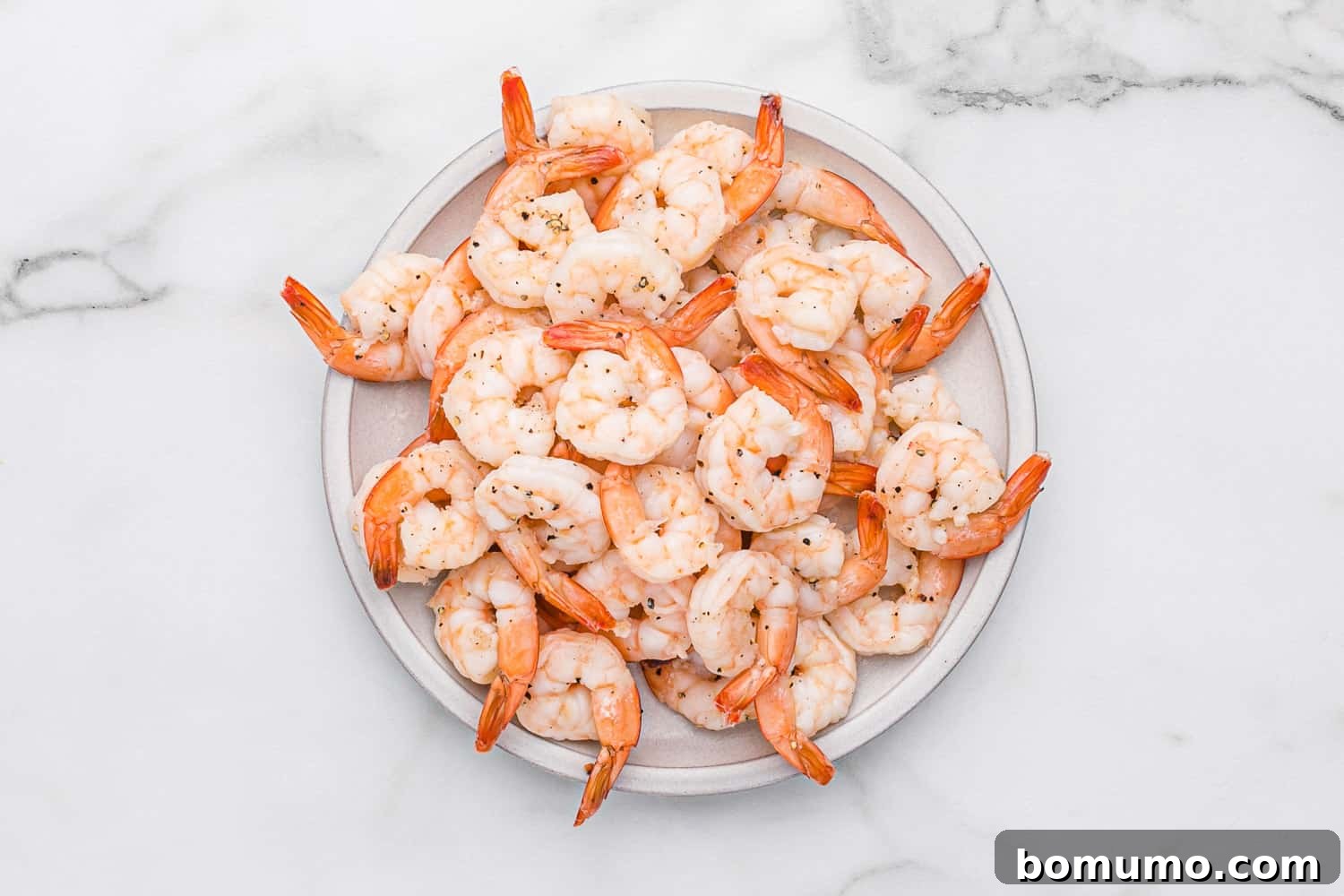
Cook the shrimp: With your prep work complete, it’s time to start cooking! Place a large skillet over medium-high heat and add a small amount of coconut or olive oil. Once the oil is shimmering, add the prepared shrimp to the pan in a single layer if possible. Season the shrimp immediately with a pinch of salt and a dash of pepper. Cook the shrimp for about 4 minutes, stirring or flipping them frequently, until they turn pink, become opaque, and curl slightly. Be vigilant not to overcook the shrimp, as this can quickly lead to a rubbery, chewy texture. Once perfectly cooked, transfer the shrimp to a clean plate or bowl and cover it loosely to keep warm while you prepare the sauce.
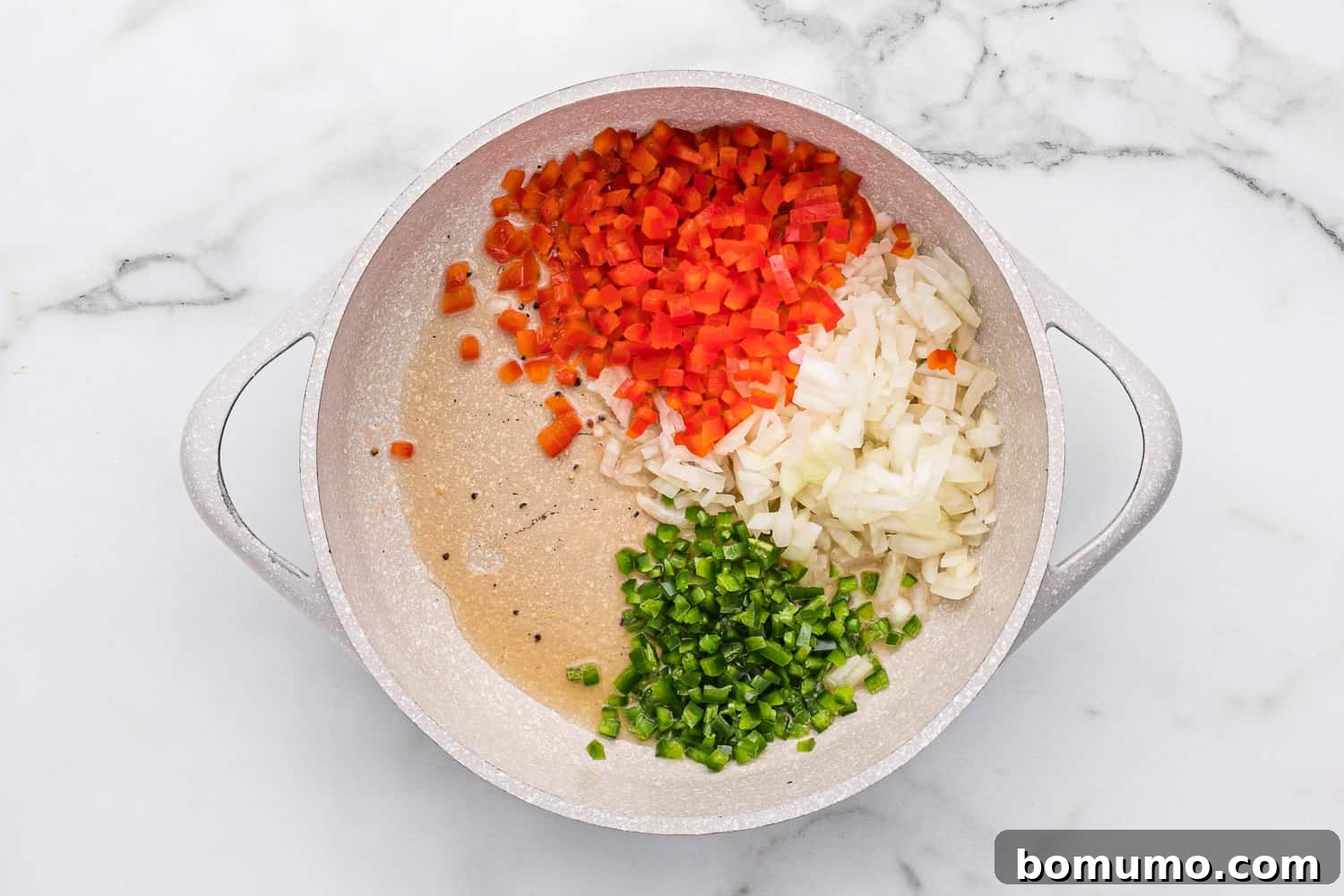
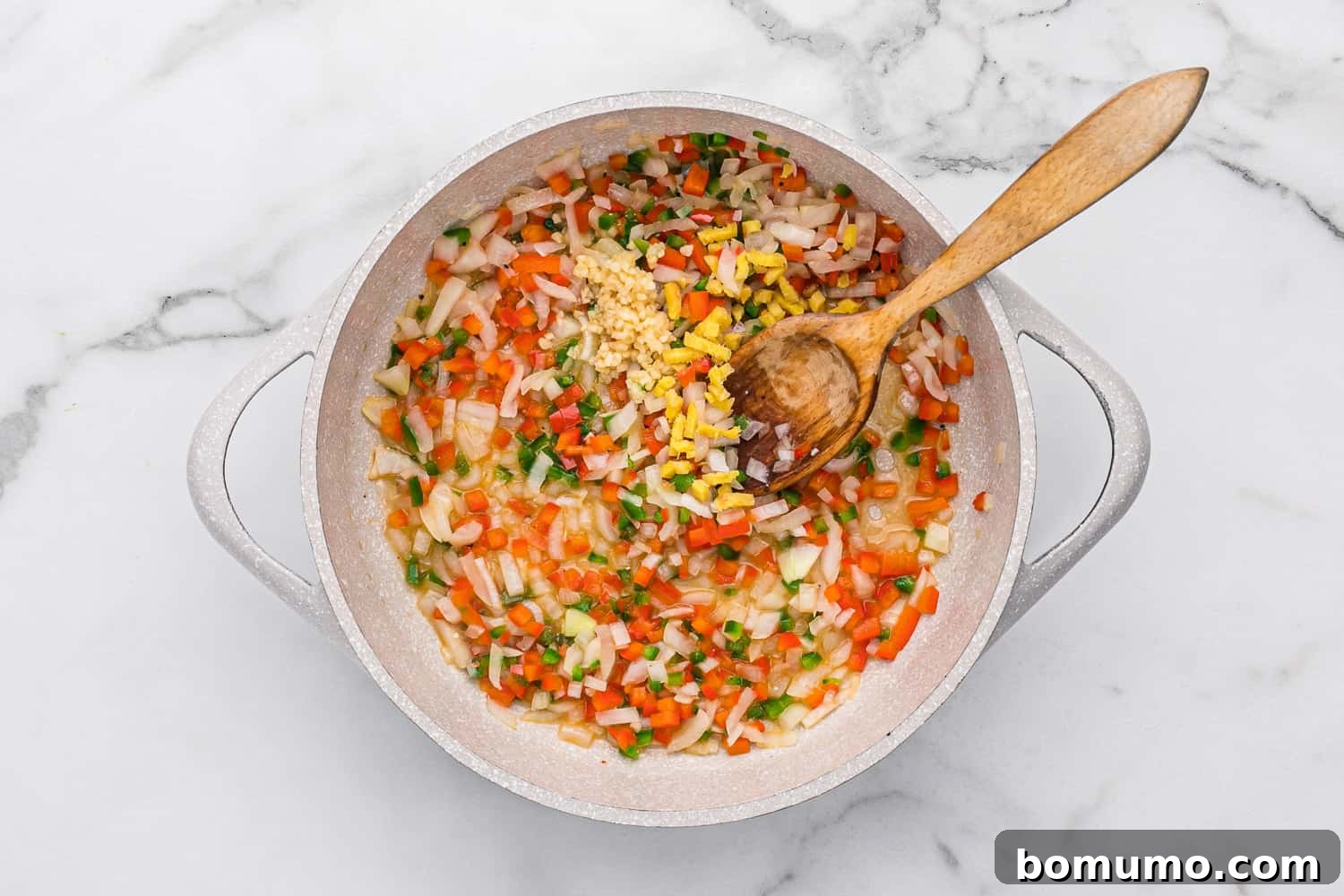
Cook the veggies: Return the same skillet to medium heat. If the pan appears dry, add another splash of oil. Add the chopped peppers and onions to the pan and sauté them for approximately 4 to 5 minutes, or until the onions have softened and become translucent. Since they are diced small, they will cook relatively quickly. Next, add the minced garlic and ginger to the pan. Cook and stir continuously for about one minute, allowing their fragrant aromas to release without burning.
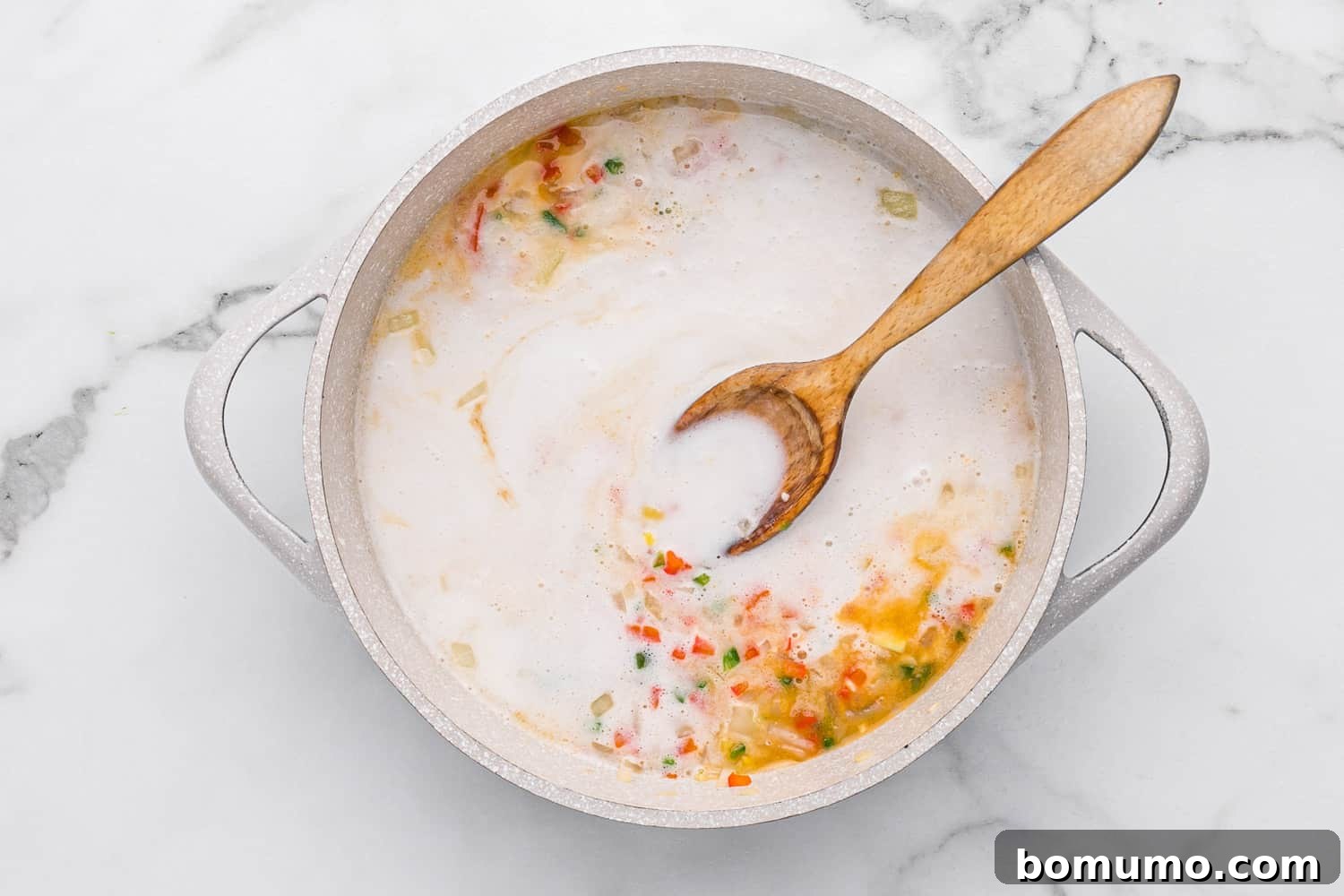
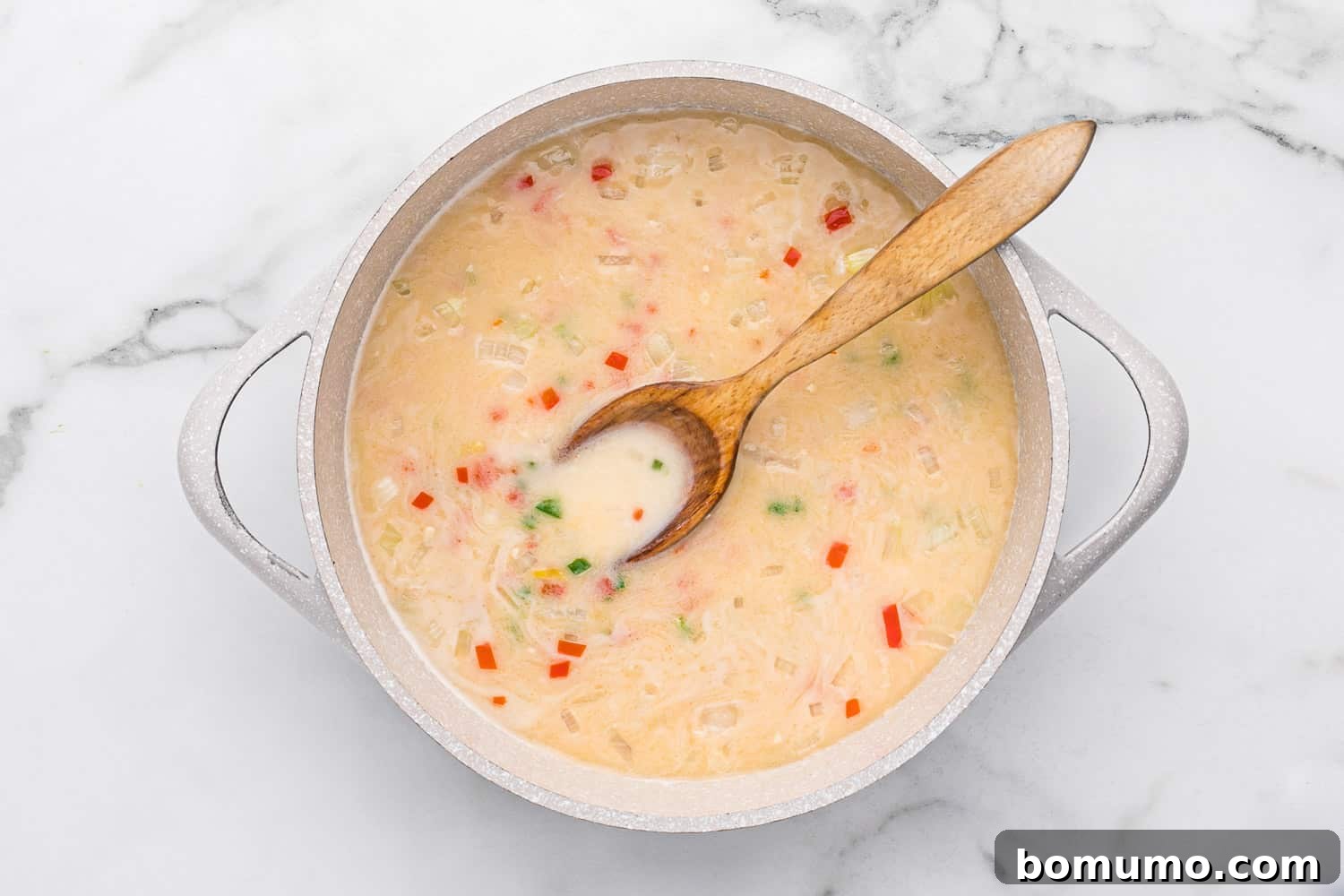
Make the sauce: Pour the full can of vigorously shaken coconut milk into the skillet with the sautéed vegetables. Stir in the brown sugar until it dissolves. Bring the sauce to a gentle simmer, allowing the flavors to meld. While the sauce is heating, squeeze about two tablespoons of fresh lime juice from your lime halves into a small bowl. Add the cornstarch to the lime juice and stir thoroughly until you have a smooth, lump-free slurry. Once the coconut milk in the skillet is simmering, gradually stir the lime juice and cornstarch mixture into the sauce. Continue to stir and cook for about 2 minutes; the cornstarch will work its magic, helping to slightly thicken the sauce to a creamy consistency.
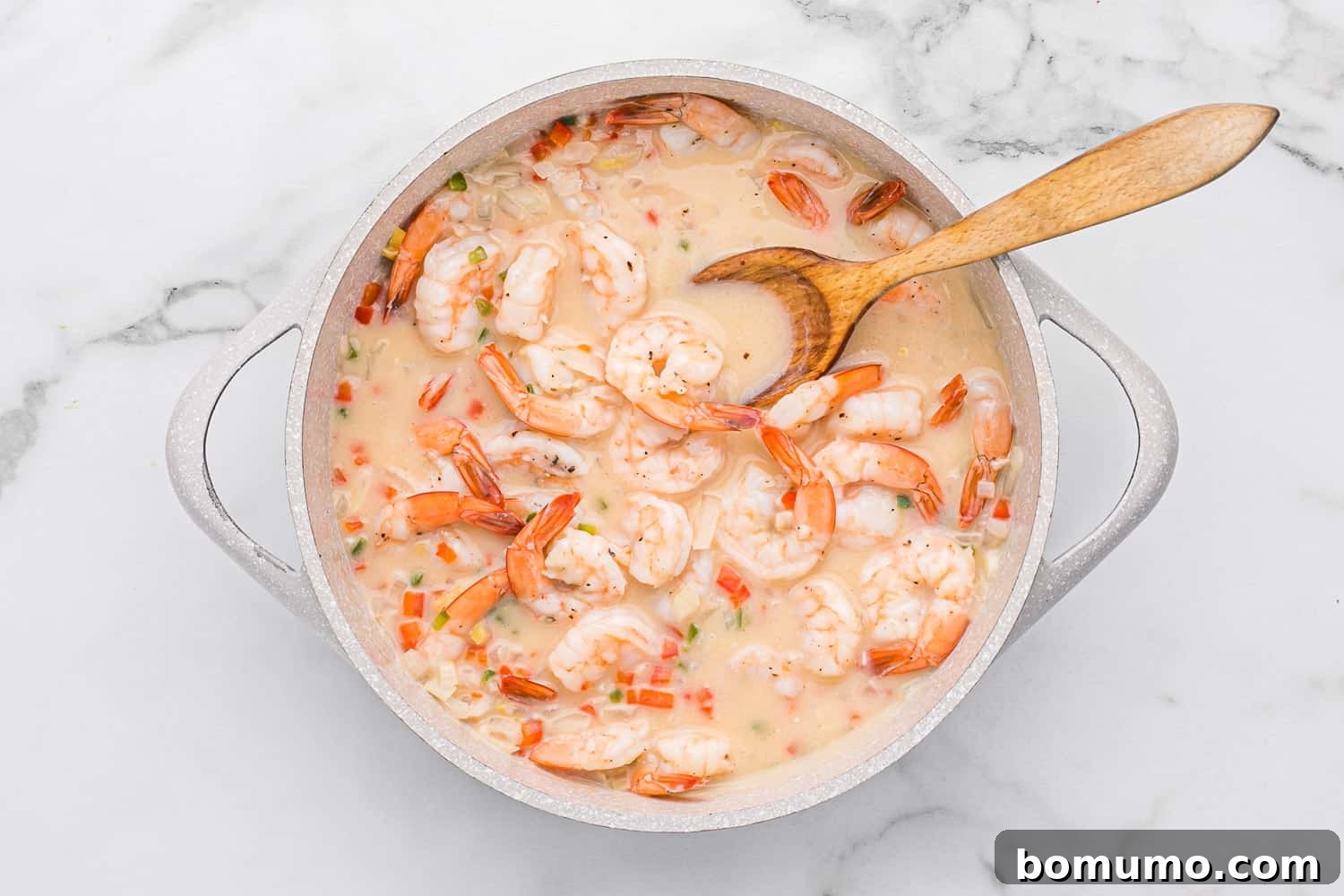
Simmer and combine: Allow the sauce to simmer for just a couple more minutes, letting it reduce slightly and fully develop its rich flavor. Then, gently return the cooked shrimp and any juices that have accumulated on the plate back into the pan with the sauce. Briefly warm up the shrimp, stirring gently to coat it in the creamy sauce (the shrimp will still be quite hot from earlier). Turn off the heat immediately. Your exquisite creamy coconut shrimp is now perfectly ready to serve!
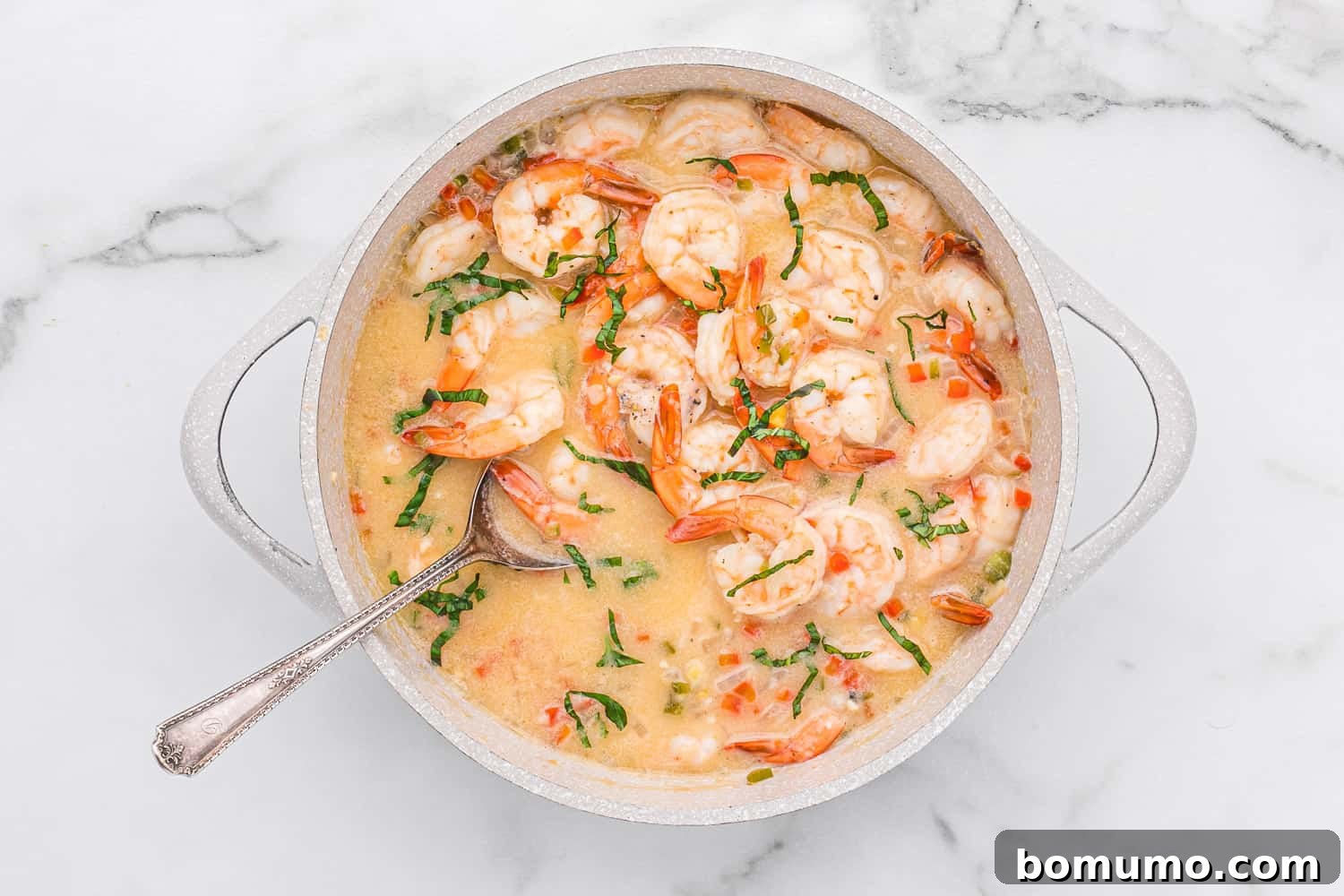
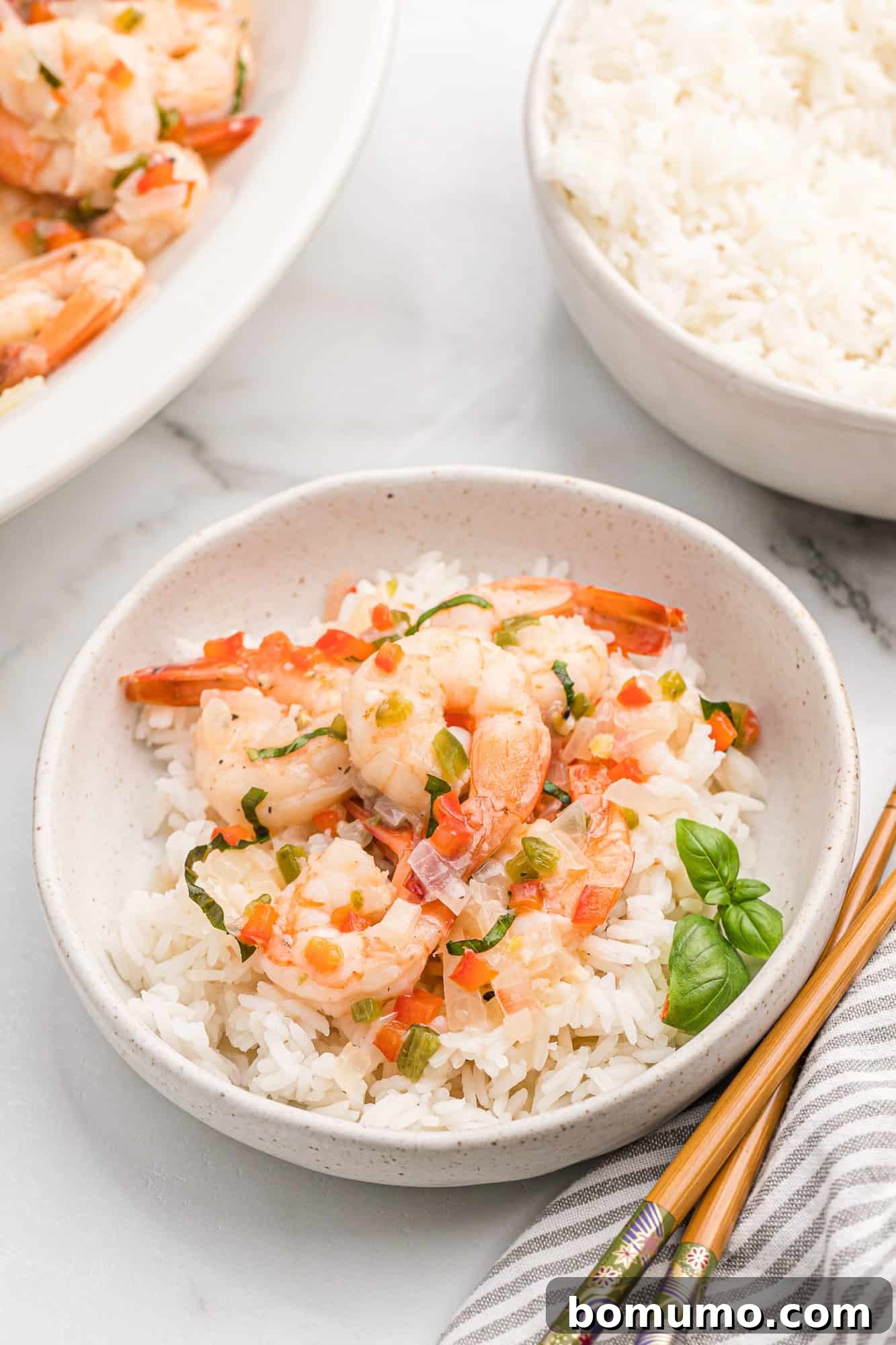
Serve: With your masterpiece complete, it’s time to savor the rewards of your effort. Ladle generous portions of the warm, creamy coconut shrimp over mounds of fluffy steamed rice in shallow serving bowls. The vibrant colors and intoxicating aromas are a feast for the senses. Prepare to be delighted – this dish is truly spectacular, and I am genuinely excited for you to experience its incredible flavor!
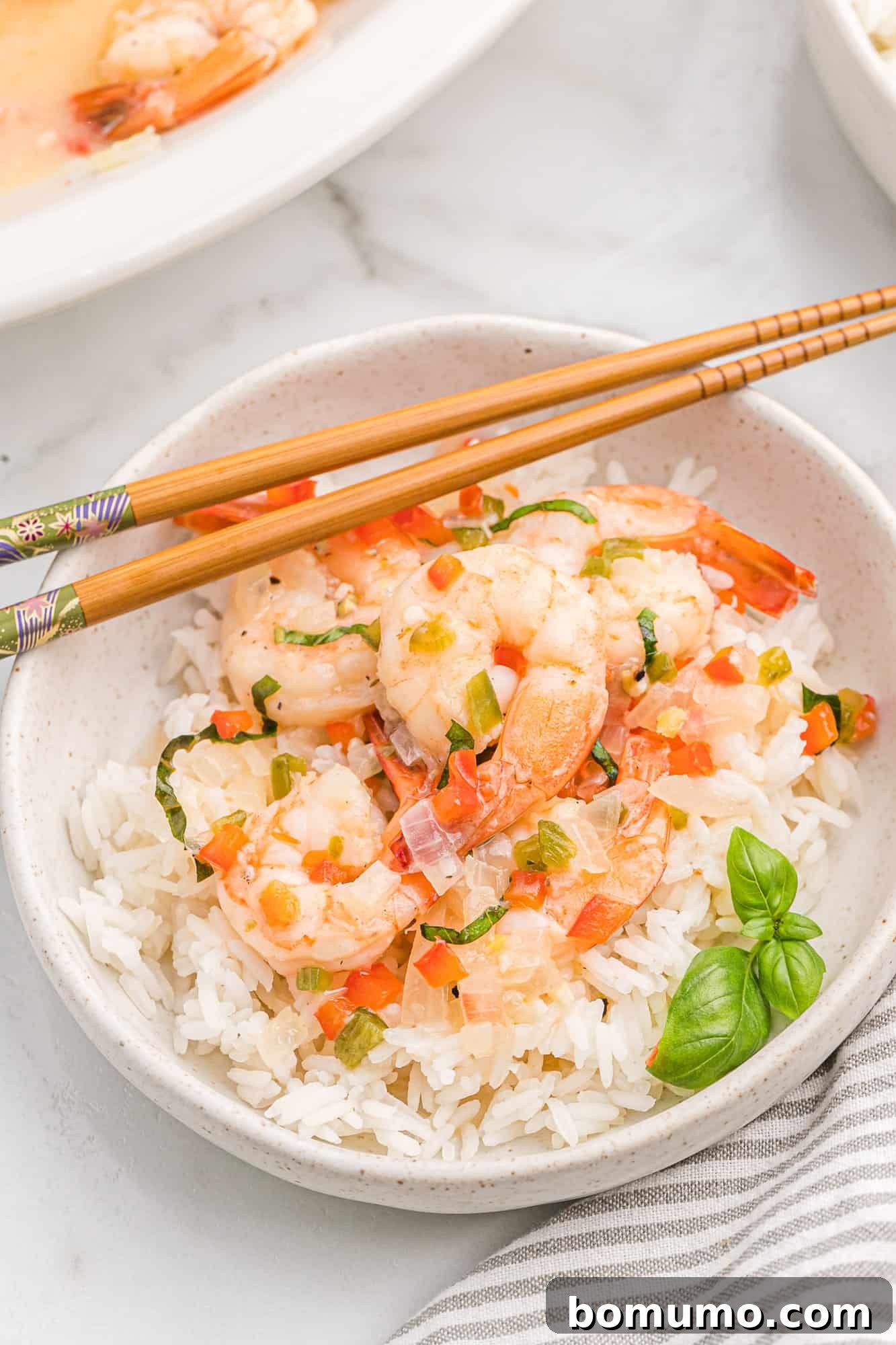
Serving Suggestions: What to Pair with Creamy Coconut Shrimp
Creamy coconut shrimp is a versatile dish that pairs wonderfully with a variety of accompaniments. Here are some ideas to complete your meal:
The Perfect Base
- Rice: Steamed rice remains the quintessential pairing, with its neutral flavor and absorbent texture perfect for soaking up every drop of the delectable sauce. For an elevated experience, try serving it with coconut rice, which amplifies the tropical notes of the dish.
- Noodles or Pasta: Don’t limit yourself to rice! Thin noodles or even a delicate pasta can be a wonderful alternative, providing a different texture while ensuring not a single drop of the rich, creamy sauce goes to waste. Think vermicelli or angel hair pasta.
- Quinoa or Couscous: For a lighter, healthier option, consider serving the shrimp over fluffy quinoa or light and airy couscous. Both absorb flavors beautifully and add a different nutritional profile.
Create a Chinese Buffet at Home with Delectable Sides
If you’re eager to recreate that beloved Chinese buffet experience, creamy coconut shrimp makes an excellent centerpiece for a themed meal. Complement your shrimp with these easy-to-make Asian-inspired sides:
- Appetizers: Whip up some crispy air fryer crab rangoon or savory air fryer egg rolls. Both are simple to make and always a crowd-pleaser.
- Rice Dishes: Beyond plain steamed rice, a flavorful easy fried rice is a fantastic choice that many adore.
- Additional Main Courses: Diversify your spread with other Chinese takeout favorites like homemade orange chicken or rich bourbon chicken.
- Spicy Sides: For those who enjoy a kick, spicy Asian chicken wings are always a popular addition to any meal.
- Fresh Vegetables: A simple side of steamed or stir-fried bok choy, green beans, or broccoli would also be a lovely, fresh addition.
Creative Variations to Customize Your Dish
This creamy coconut shrimp recipe serves as an excellent foundation for customization. Feel free to experiment and tailor it to your personal taste and available ingredients:
- Make it stir-fry style: For a dish with more texture and visual appeal, instead of finely dicing the vegetables, cut them into one-inch chunks or strips. This transforms the dish into a creamy stir-fry, allowing the vegetables to maintain a crisp-tender bite. You can also significantly increase the amount of vegetables, adding bell peppers of various colors, snap peas, carrots, or broccoli florets.
- Add curry: If you’re a devoted fan of curry flavors, infusing this dish with curry is a fantastic idea. Stir in a teaspoon or two of your favorite curry powder or a tablespoon of red or green curry paste along with the ginger and garlic. Adjust the amount to achieve your desired intensity of flavor and heat.
- Adjust the spice level: For those who crave more heat, consider adding a pinch of red pepper flakes with the other aromatics, or incorporating an extra jalapeño (with seeds for maximum spice!). If you prefer it milder, simply omit the jalapeño entirely.
- Herb alternatives: While basil is recommended for garnish, fresh cilantro or even a touch of mint can offer a different but equally refreshing herbal note.
- Protein swaps: While shrimp is undeniably delicious, this creamy coconut sauce would also pair wonderfully with other proteins. Consider substituting shrimp with bite-sized pieces of chicken breast or thighs, firm tofu, or even scallops for a different seafood option. Adjust cooking times accordingly.
Make-Ahead Ease: Prepare in Advance
Make-Ahead Ease: Prepare in Advance
Streamline your cooking process by preparing certain components of this dish ahead of time. This approach allows you to minimize active cooking time on a busy weeknight and focus on enjoying your meal.
- Thaw Shrimp: For maximum convenience, remember to take the shrimp out of the freezer the night before and let it thaw slowly in the refrigerator. This gentle thawing method preserves its texture and flavor.
- Chop Vegetables: The onions, red bell pepper, and jalapeño can be chopped a day in advance. Store them in separate airtight containers in the refrigerator. Similarly, mince the ginger root and garlic cloves ahead of time and keep them chilled.
- Pre-measure: Measure out the brown sugar, cornstarch, and have your can of coconut milk ready. This “mise en place” makes the actual cooking phase quick and enjoyable.
Storage & Reheating Best Practices
Storage & Reheating Best Practices
Proper storage and reheating are key to enjoying your creamy coconut shrimp leftovers:
- Refrigerate: Any leftover creamy coconut shrimp should be promptly transferred to an airtight container and refrigerated. It will maintain its quality for up to three days.
- Freezing: I generally do not recommend freezing creamy coconut shrimp. The texture of the shrimp can become rubbery, and the creamy coconut sauce may separate upon thawing and reheating, compromising the dish’s overall quality.
- Reheat: For individual portions, the microwave is a convenient option. Heat the shrimp in thirty-second increments, stirring gently after each interval, until it is warmed through. Be careful not to overheat, as this can make the shrimp tough. For larger portions, gently reheat the shrimp in a skillet over low to medium heat, stirring occasionally, until hot. You might need to add a splash of water or coconut milk to loosen the sauce if it has thickened too much in the fridge.
Leftover Love: Reinventing Your Creamy Coconut Shrimp
Leftover Love: Reinventing Your Creamy Coconut Shrimp
Leftovers don’t have to be boring! Give your creamy coconut shrimp a delightful second life with these creative ideas:
- Shrimp Tostadas: Lightly fry or bake corn tortillas until crisp. Warm up your creamy coconut shrimp and spoon a generous dollop onto each crispy tortilla. Elevate with an array of fresh toppings: finely chopped red bell pepper, crunchy crushed peanuts, a sprinkle of fresh cilantro or basil, a drizzle of sweet chili sauce for an extra kick, shredded lettuce, and creamy avocado slices. Each bite is a symphony of textures and flavors.
- Coconut Shrimp Burritos or Wraps: If you prefer a handheld meal, wrap all those delicious components – the warmed creamy coconut shrimp and your chosen toppings – in a warm, soft flour tortilla for a satisfying burrito or wrap.
- Noodle Bowls: Combine leftover shrimp with rice noodles, fresh vegetables like shredded carrots and cucumber, and a light dressing for a refreshing noodle bowl.
- Savory Pancakes/Crepes: Use the shrimp and sauce as a filling for savory crepes or even a small pancake, garnished with fresh herbs.

Unlock Your Free Meal Plan
Looking to simplify your weeknight cooking and discover more delicious recipes like this one? Explore our curated weekly meal plans! Take a look at my Meal Plan #26 or delve into Meal Plan #89. Each plan features a wholesome, easy-to-follow recipe for every weekday, accompanied by a categorized grocery list to make shopping a breeze. Let us take the stress out of meal planning for you this week! We consistently add new, fresh meal plans to keep your culinary journey exciting.
Explore More Delicious Shrimp Recipes
Air Fryer Breaded Shrimp
Sweet and Sour Shrimp Lettuce Wraps
Shrimp and Broccoli Stir Fry
Spicy Garlic Shrimp – A 20-Minute Delight
Creamy Coconut Shrimp Recipe
Rachel Gurk
20 mins
20 mins
40 mins
6
Pin
Ingredients
- 1 tablespoon coconut oil, more if needed (or olive oil)
- 2 pounds medium or large shrimp (20/30 count), peeled and deveined
- ½ teaspoon kosher salt
- ¼ teaspoon coarse ground black pepper
- ½ cup diced onion (1 small onion)
- 1 red bell pepper, diced (1 cup)
- 1 jalapeño pepper, finely diced, more for garnish if desired
- 1 tablespoon minced fresh ginger root
- 3 cloves garlic, minced
- 1 can (14 oz.) coconut milk (shake well before opening)
- 1 teaspoon brown sugar or coconut sugar
- 2 tablespoons fresh lime juice
- 1 teaspoon cornstarch
- Cooked rice and fresh basil for serving
Instructions
- If shrimp is frozen, thaw it under cold running water in a colander and then pat dry thoroughly with paper towels.
- Heat 1 tablespoon of coconut oil (or olive oil) in a large skillet over medium-high heat. Add the shrimp, season with ½ teaspoon kosher salt and ¼ teaspoon coarse ground black pepper. Cook for about 4 minutes, stirring or flipping occasionally, until the shrimp is opaque and curled up. Remove the cooked shrimp from the pan and place it on a plate, covering to keep warm.
- Return the pan to medium heat, adding a bit more oil if needed. Add ½ cup diced onion, 1 diced red bell pepper, and 1 finely diced jalapeño pepper. Sauté for 4 to 5 minutes, until the onions are softened. Add 1 tablespoon minced fresh ginger root and 3 minced garlic cloves, and cook for 1 minute until fragrant.
- Pour in 1 can (14 oz.) coconut milk (ensuring it’s well-shaken) and 1 teaspoon brown sugar or coconut sugar. Stir well and bring the mixture to a gentle simmer.
- While the sauce simmers, combine 2 tablespoons fresh lime juice and 1 teaspoon cornstarch in a small bowl, stirring until smooth to create a slurry. Once the coconut milk is simmering, stir this lime juice and cornstarch mixture into the sauce. Cook for 2 minutes, stirring continuously, until the sauce slightly thickens.
- Return the cooked shrimp and any accumulated juices to the pan with the sauce to warm through. Turn off the heat immediately to prevent overcooking the shrimp.
- Serve your creamy coconut shrimp immediately over cooked rice, garnished with fresh basil and additional finely diced jalapeños, if desired.
Notes
- Nutrition information provided does not include the calories or nutritional value of the rice served alongside the shrimp.
- For a stir-fry style dish: For a more substantial stir-fry, cut the vegetables into 1-inch chunks instead of dicing them. Feel free to add other desired vegetables such as broccoli, snap peas, or carrots.
- Variations: For a curry twist, add a tablespoon of red or green curry paste along with the ginger and garlic. Thai basil can be used as an aromatic substitute for regular basil for a more authentic Southeast Asian flavor.
- Lower sodium option: Farm-raised shrimp can sometimes have higher sodium content. Wild-caught shrimp typically contains about half the amount of sodium. If you are monitoring your sodium intake, consider using wild-caught shrimp and omit the added salt in this recipe.
Nutrition
Calories: 277kcal
,
Carbohydrates: 8g
,
Protein: 22g
,
Fat: 18g
,
Saturated Fat: 15g
,
Polyunsaturated Fat: 0.4g
,
Monounsaturated Fat: 1g
,
Trans Fat: 0.01g
,
Cholesterol: 191mg
,
Sodium: 1060mg
,
Potassium: 402mg
,
Fiber: 1g
,
Sugar: 2g
,
Vitamin A: 922IU
,
Vitamin C: 32mg
,
Calcium: 103mg
,
Iron: 3mg
Nutrition information is automatically calculated and should be considered an approximation.