Seasonings
Cajun Seasoning
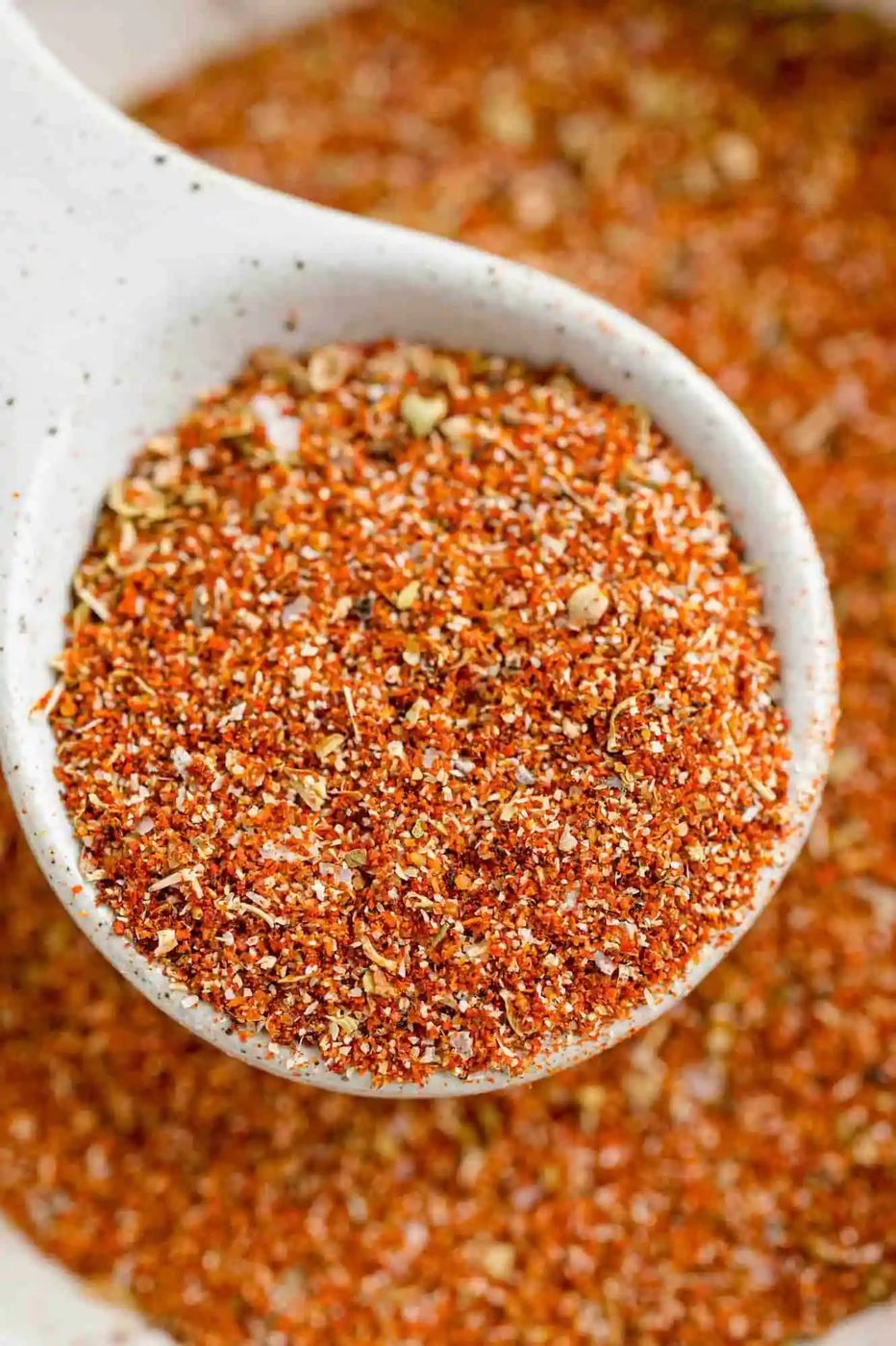
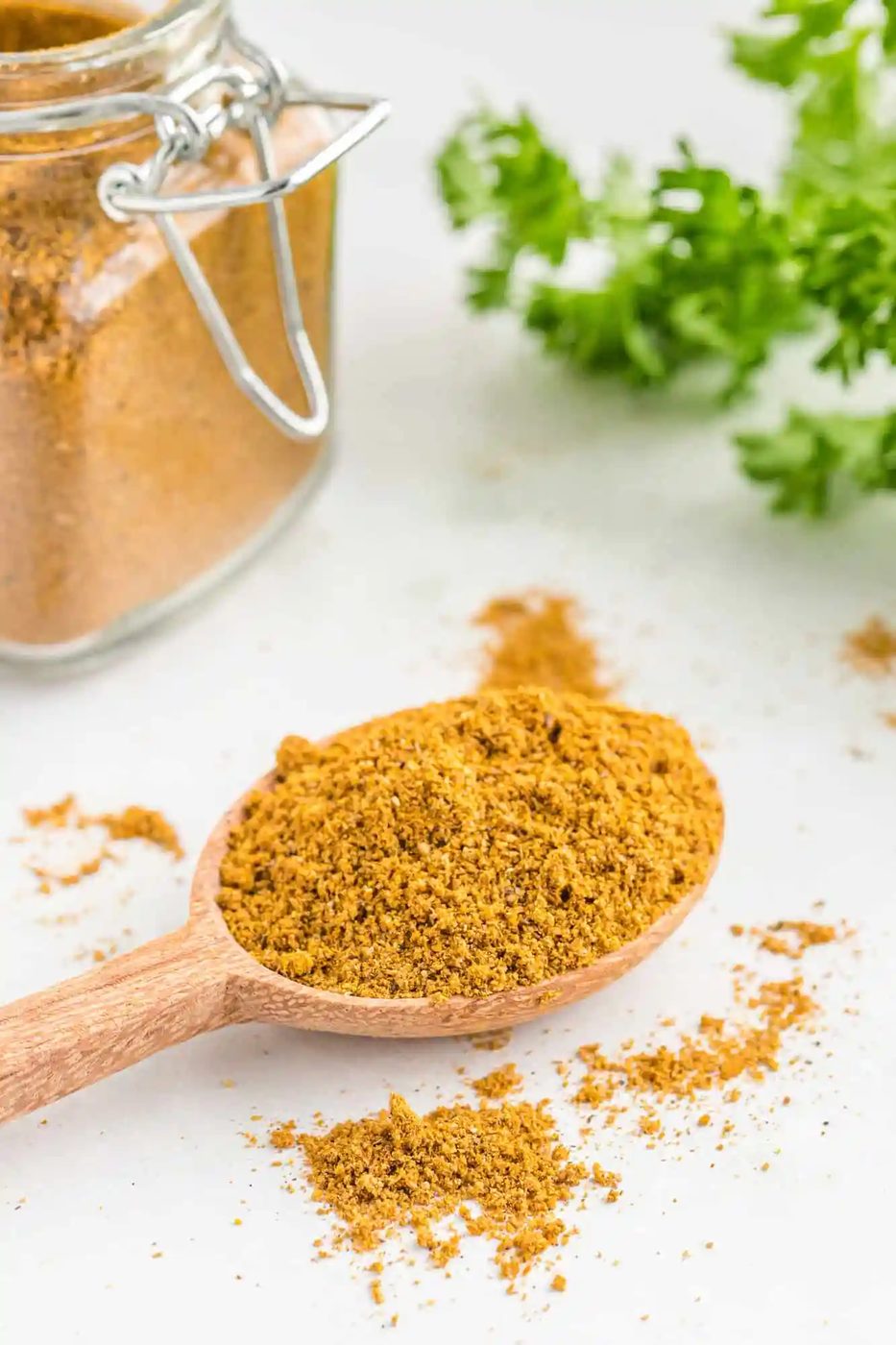
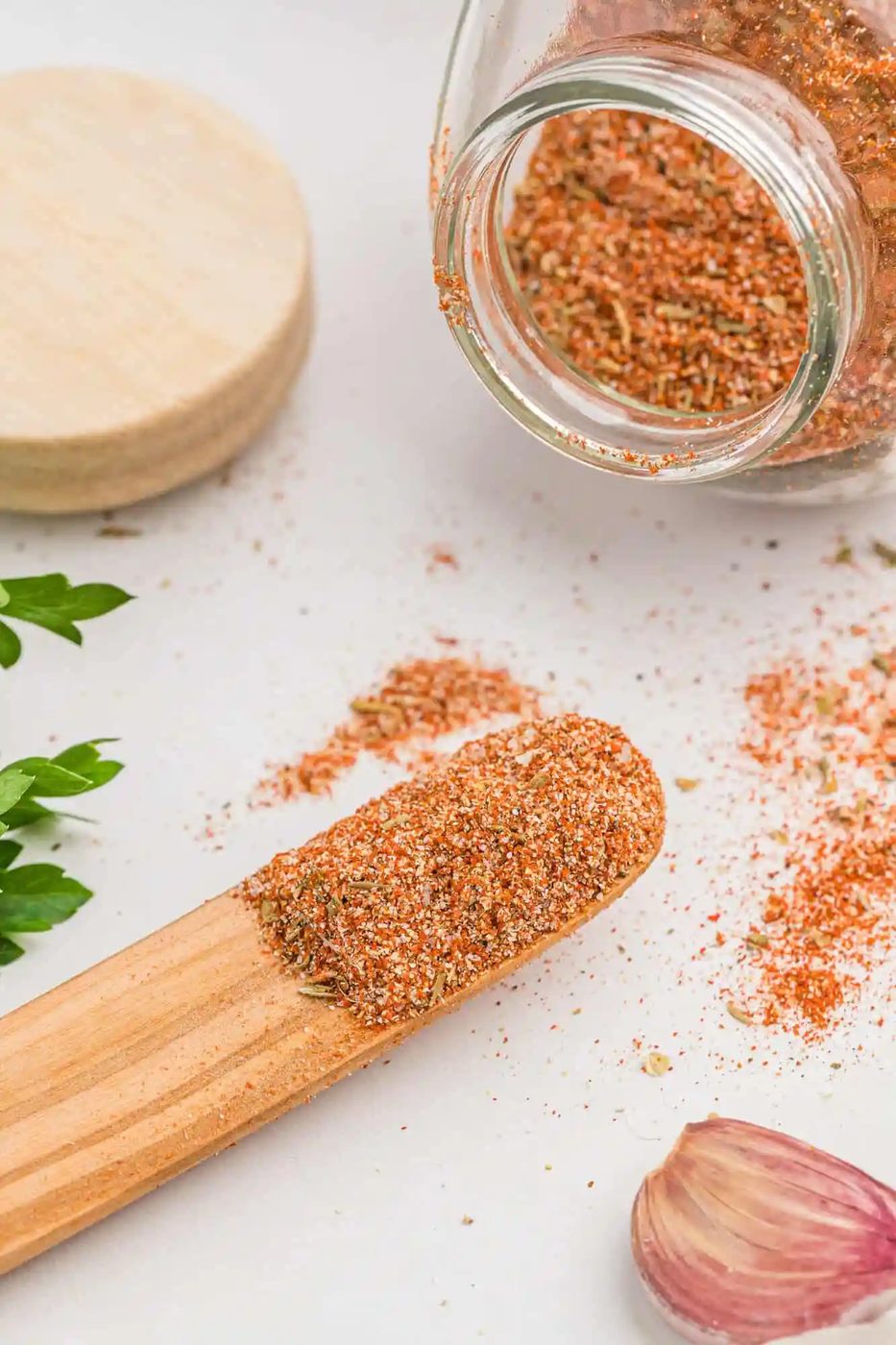
Add a mildly spicy kick to your favorite dish with from-scratch Cajun seasoning, a savory blend of cayenne pepper, spices, herbs, and garlic.
At a glance
What stands out: Add a mildly spicy kick to your favorite dish with from-scratch Cajun seasoning, a savory blend of cayenne pepper, spices, herbs, and garlic. You’ll find yourself reaching for it often. Add it to pasta, meats, vegetables, and more.
How long it takes: 5 minutes
Equipment you’ll need: small container with tight fitting lid, measuring spoons
Servings: makes about ¾ cup
Cajun cooking hails from the southern states of the United States, particularly Louisiana. Cajun is influenced by French, Spanish, and West African cultures. You’ll see a lot of smoked meats, rice, and the “holy trinity” of green peppers, onions, and celery. For a brief look into Cajun history and cuisine, check out this article in Wikipedia.
Perhaps you’re acquainted with jambalaya, a rich spicy mixture of smoked meats, vegetables, and often fresh seafood such as shrimp or crawfish. Cayenne pepper, along with lots of other spices and herbs, seasons this regional dish.
Cajun seasoning blend can be used for so much more. Use this blend to season creamy Cajun chicken pasta which is a straightforward one pot pasta recipe. Jambalaya and Hoppin’ John are traditional Southern dishes that are seasoned with Cajun spices. Keep reading for lots more ways to enjoy Cajun seasoning.
About Cajun Seasoning
Lots of pepper flavor! If you’ve purchased Cajun seasoning in the past, it’s all about peppers. Some blends even contain dehydrated red and green bell peppers. Our blend has paprika (which is made from sweet peppers), black pepper, white pepper, and cayenne pepper, each of which has unique flavor characteristics. It also includes garlic and onion, along with salt, thyme, and oregano.
Can be personalized. There are probably about as many Cajun seasoning blends as there are cooks. Everyone has their own special recipe that they swear is a standby. The great part about ours is that you can customize it and make it your own. It won’t hurt our feelings (not too much, anyways!). However, you just may try our Cajun seasoning and decide it’s exactly right. We hope so!
Not too spicy. Our Cajun seasoning has a little kick but it isn’t going to fry your mouth. (You’ll love our popular taco seasoning and fajita seasoning, too!) If you like the heat (and we know some of you do), go ahead and increase the cayenne pepper until it’s hot enough for you.
Cooking Tip
Although you may have many of the spices or herbs you need for this seasoning mix already in your pantry, be sure to check expiration dates. Expired herbs and spices don’t actually become unsafe to eat, but they lose much of their flavor, color, and potency.What goes in
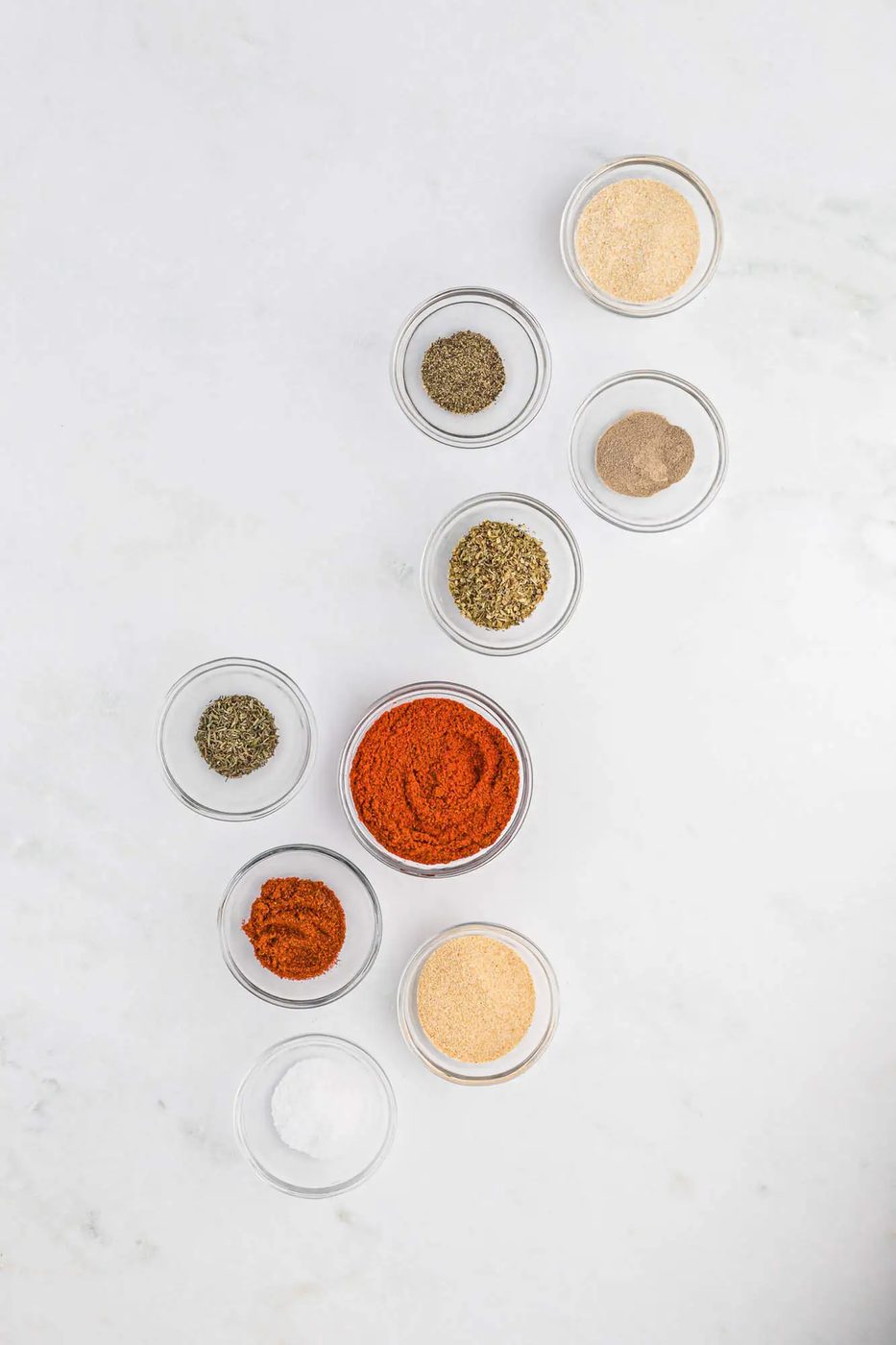
- Paprika: A spice made from sweet red peppers, paprika is known for its brilliant red hue and mild flavor. It’s the base of this seasoning blend. For this recipe, look for sweet paprika, not smoked.
- Onion Powder: Made from dehydrated onions that are ground into a fine powder, onion powder is often used in seasoning blends.
- Garlic Powder: Like onion powder, garlic powder is simply dehydrated garlic that’s ground into a fine powder. It does not have added salt.
- Dried Oregano: Either regular or Mexican oregano can be used. Dried aromatics such as oregano and thyme add an herbal balance to the blend.
- Dried Thyme: Please take note of the measurements. You’ll use much less thyme than oregano. Thyme has fine leaves and a stronger flavor.
- Kosher Salt: Kosher salt has larger granules than table salt and no additives such as iodine, or non-clumping agents. If you prefer a salt-free seasoning, omit the salt.
- White Pepper: You’ll notice that there are 3 types of pepper in this blend. White pepper is milder than black pepper. Although both white and black pepper are made from the berries of the pepper plant, they are harvested and processed differently, producing unique flavor notes.
- Black Pepper: We prefer coarse ground black pepper to finely ground pepper which has a tendency to float in the air and cause sneezing attacks.
- Cayenne Pepper: Made from finely ground dried red cayenne peppers, cayenne pepper can be quite spicy. Most of the heat in this seasoning comes from the cayenne pepper. If you are sensitive to spicy foods, use less.
Spice Jars
If you like the idea of from-scratch seasonings and spice blends, you may want to invest in a set of small jars to store them in.
Buy on AmazonHow it comes together
You’ll need a small jar or container with a tight-fitting lid. Recycled jars are fine as long as they are spotlessly clean and totally dry. It’s helpful if the jar opening is large enough to accommodate a measuring spoon.
While it’s straightforward to mix from-scratch seasoning, if you have a distraction or two, you may lose your place on the recipe and either forget an ingredient or add it twice. It happens. You get a text, your 2 year old suddenly falls over your feet, the dog starts wildly barking, or someone has a pressing homework question. Suddenly, you lose your concentration. Where was we?
To avoid this, we arrange all the spices and herbs that we'll need in a group on the counter, usually to the left since we're right-handed. As we use each one, we move it to the right, forming a group of “Hey, we already added you” spices. It’s easier to keep track.
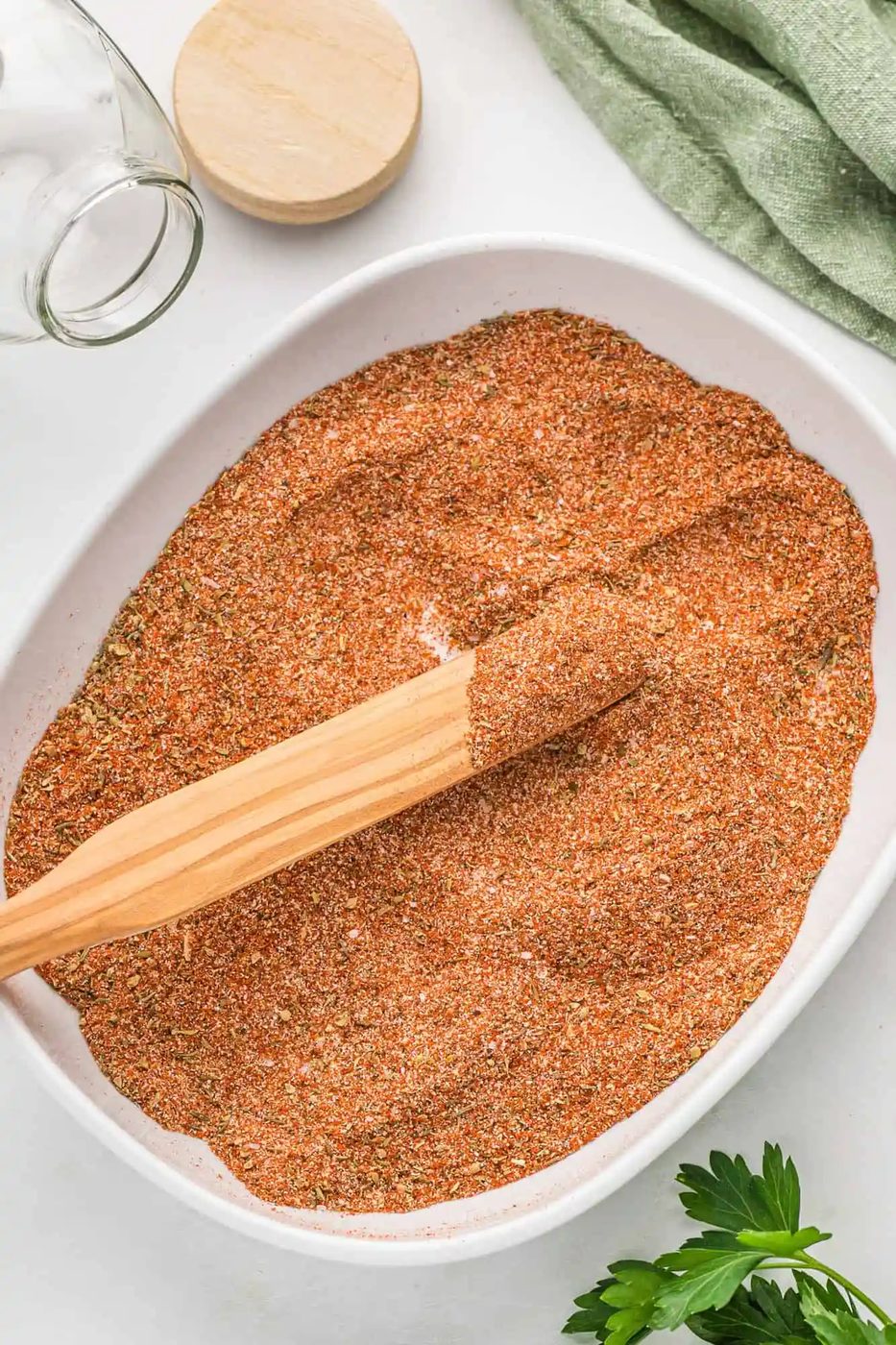
Carefully measure out the ingredients into the jar. Cover it and give it a good shake.
That’s it! It’s ready to use. You can also do this in a bowl and transfer to a jar if you prefer.
How To Use Cajun Seasoning
Cajun seasoning can be used wherever you want to jazz up the flavor profile of what you’re cooking. Here are a few suggestions:
- Cajun mayonnaise: Stir it into plain mayonnaise to make a spicy Cajun mayo that’s reliable on burgers, sandwiches, or as a dipping sauce for French fries or chicken tenders.
- Spicy eggs: Jazz up scrambled eggs or deviled eggs with a sprinkle of Cajun seasoning.
- Pasta: Sprinkle it on pasta or mac and cheese. Try our one pot Cajun chicken pasta.
- Jambalaya or shrimp: Make jambalaya or simply stir fry shrimp with Cajun seasoning and a bit of oil.
- Make a Cajun marinade. Use the 3 to 1 formula, with 3 parts oil, 1 part acid (vinegar, citrus juice, etc.) and add the seasoning to taste.
- Jazz up bean soup. Add it to from-scratch bean soup, like this bean and bacon soup or hoppin’ John (black-eyed peas and rice).
Before you start
Ways to change it
- Smoky: If you enjoy a smokier flavor, substitute smoked paprika for some or all of the regular paprika.
- Adjust the heat level: Increase or decrease the amount of cayenne pepper.
- Salt-free: Simply omit the salt from the blend.
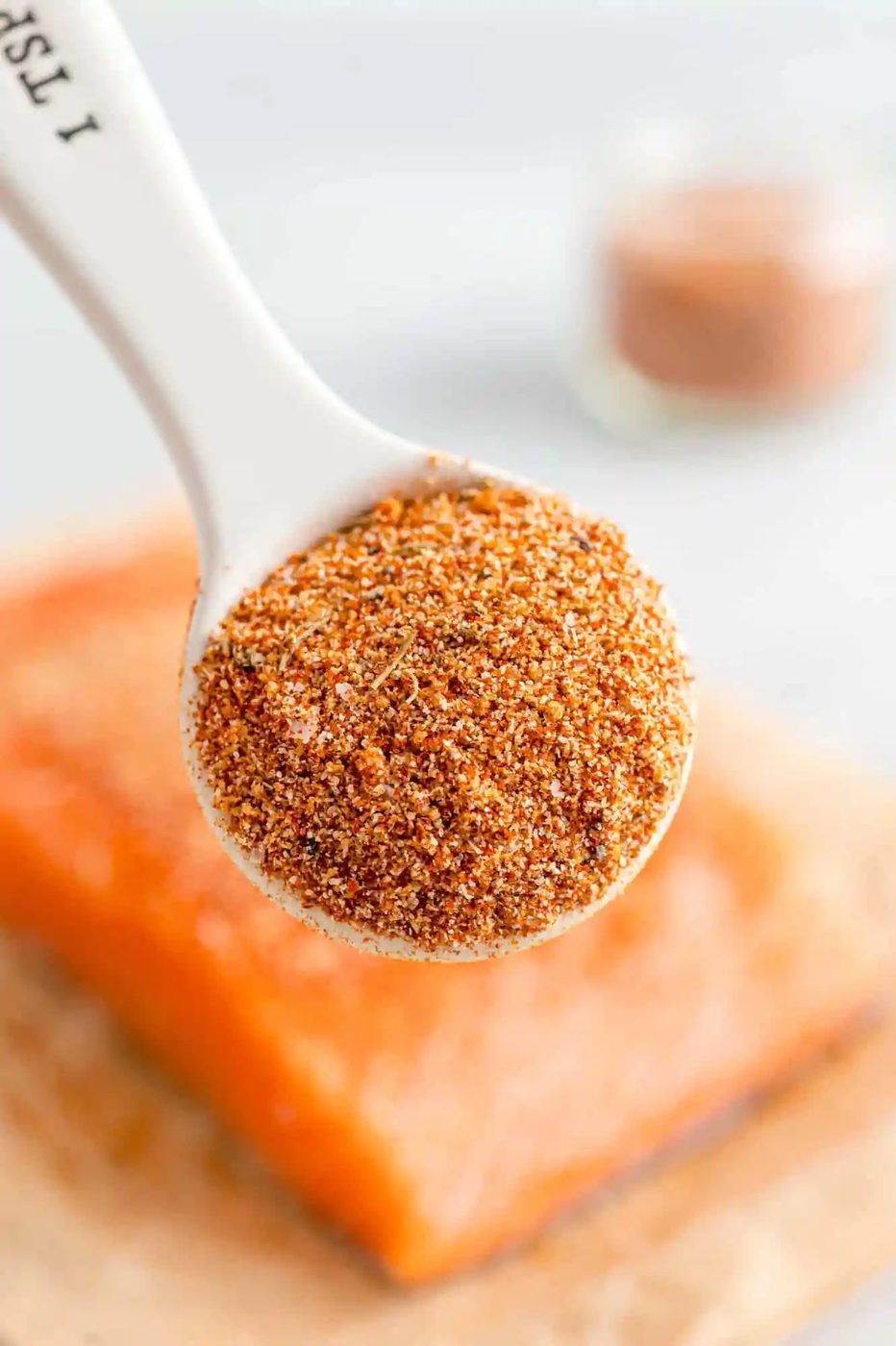
- Blackening seasoning: Another popular Cajun-style seasoning mixture is blackening seasoning. Try blackened chicken; it goes well with steak, pork, or salmon, too.
Keeping leftovers
Store Cajun seasoning in a small jar with a tight lid or something similar. Like all spices and dried herbs, it should be stored in a cupboard away from direct light or heat. If it’s stored properly, it will stay fresh for up to 2 years or more.
Be sure to use a dry measuring spoon when you use it so that moisture isn’t introduced into the jar which will cause it to clump or spoil.
Browse All →Browse All →- Yield: 36 servings
- Prep: 5 minutes
- Total: 5 minutes
Ingredients
- ¼ cup sweet paprika (see note)
- 2 tablespoons onion powder
- 2 tablespoons garlic powder
- 1 tablespoon dried oregano
- 1 teaspoon dried thyme
- 2 teaspoons kosher salt
- 1 teaspoon white pepper
- 1 teaspoon black pepper
- 1 teaspoon cayenne pepper (see note)
Method
- In a small bowl or jar with tight fitting lid, combine all ingredients. Makes just under ¾ cup.
- Store at room temperature in a tightly sealed container for up to 2 years.
Notes
Make it smoky: Smoked paprika can be substituted for some or all of the paprika if you prefer a smoky flavor.
Adjust the heat level: If you’re sensitive to spicy food, consider decreasing the amount of cayenne pepper added.
Salt-free: Simply omit the salt in the recipe.