Seafood
15 Straightforward Salmon Recipes
Simple and straightforward, this baked salmon recipe is anything but simple in terms of sweet and spicy flavor! These juicy salmon filets are coated in the most rich from-scratch maple mustard dressing.
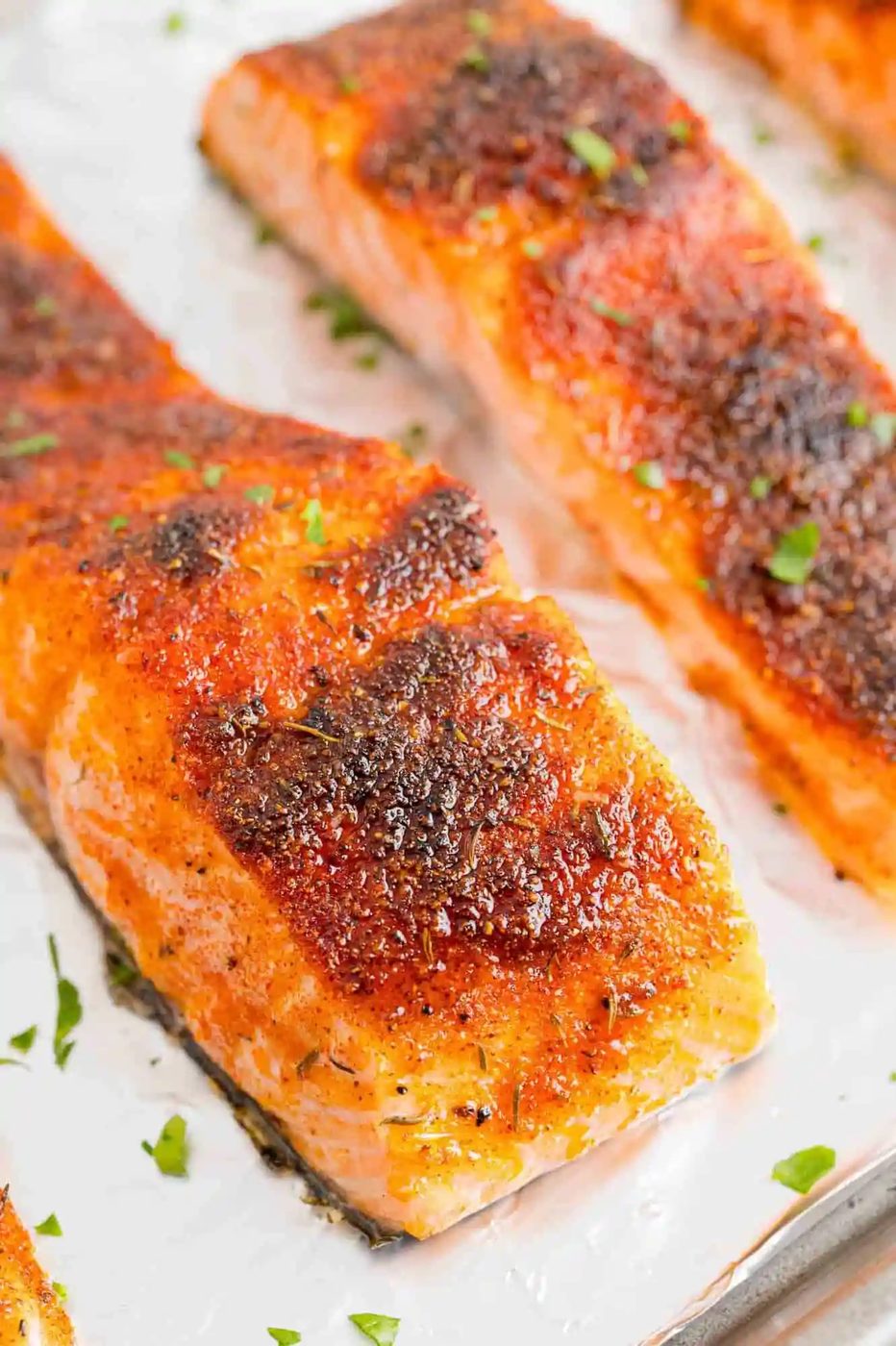
Salmon is a versatile, lighter, and rich source of protein. Let’s dig into everything you need to know about salmon, including health benefits, ways to cook it, plus lots of rich salmon recipes to inspire your next dinner.
With its buttery flavor and lighter fats, salmon is one of our favorite weeknight proteins! There are so many rich ways to prepare salmon, and if you’re looking to include more seafood in your weekly menu, this straightforward-to-find fish is a great place to start.
Below, we’ll cover everything you want to know about salmon, including health benefits, ways to prepare it, and the different types of salmon you’ll find at the fish counter! Don’t forget to scroll to the bottom of the post for lots of straightforward salmon recipes, including bowls and sheet pan dinners.
Is Salmon Good For You?
Salmon’s health benefits are plentiful. It’s loaded with nutrients including selenium and phosphorus, along with vitamin B12 and omega-3 fatty acids, which are good for the heart and nervous system. Salmon is also rich in protein, with a whopping 22 to 25 grams of protein per 100 gram serving (Healthline).
Incidentally, while it’s not always the most appetizing part, salmon skin is generally safe to eat and contains many of the same health benefits and nutrients as salmon itself.
Different Kinds of Salmon
Below is a speedy overview of the types you’ll come across when buying salmon from the store.
Farmed vs. Wild-Caught Salmon
Farmed salmon: A lot of the commercially available salmon you find in supermarkets isn’t caught in the wild, but raised in fish farms. While there isn’t anything inherently bad about farmed salmon, it does have a history of not-so-environmentally-friendly practices. Doing your research can reveal whether the salmon you’re buying is sourced from sustainable farming. The Marine Stewardship Council is a good source for more information.
Wild-caught salmon: This is salmon that’s caught in natural environments (think: oceans, lakes, rivers). Wild salmon generally has a more delicate texture than farmed salmon and as a result, it takes a bit more care to not overcook it.
Pacific vs. Atlantic Salmon
Pacific salmon has several species, including King, Sockeye, Coho, and Pink salmon. If you’re looking for wild-caught salmon, these are the names to look for in supermarkets.
Atlantic salmon is only one species, Salmo salar. All Atlantic salmon found in stores is farmed-raised, and it’s pretty much available year-round. Because it’s farmed on a high-protein diet, Atlantic salmon is generally fattier than Pacific salmon. Its fattiness lends itself well to grilling, and its lower price point makes it a good option for everyday cooking.
How to Choose Salmon at the Store
Whether you’re buying farmed or wild, Pacific or Atlantic, there are a few things to look for to help you choose a standby salmon filets:
- Color: Look for salmon that’s bright orange-red in color, with a decent amount of marbling.
- Texture: The flesh of the filet should be plump and spring back when you press it gently with your finger.
- Smell: A light fishy smell is fine, but if the salmon smells especially strong or “off”, give it a pass.
How to Store Uncooked Salmon
Refrigerate: You can refrigerate raw salmon for 1 to 2 days. Make sure that you wrap it tightly or store it in an airtight container, and keep it in the back of the refrigerator where it’s coldest.
Freeze: Salmon can be frozen up to 6 months. You’ll want to defrost it overnight in the refrigerator before you cook it. Never thaw salmon at room temperature as this can breed bacteria. Whenever we see salmon fillets on sale, we always stock up and freeze them for future dinners!
Ways to Cook Salmon
Salmon is versatile which is probably what makes it such a popular protein choice. Below are some of the most common ways to cook salmon. Keep reading for rich Bomumo salmon recipes!
Pan-Fried
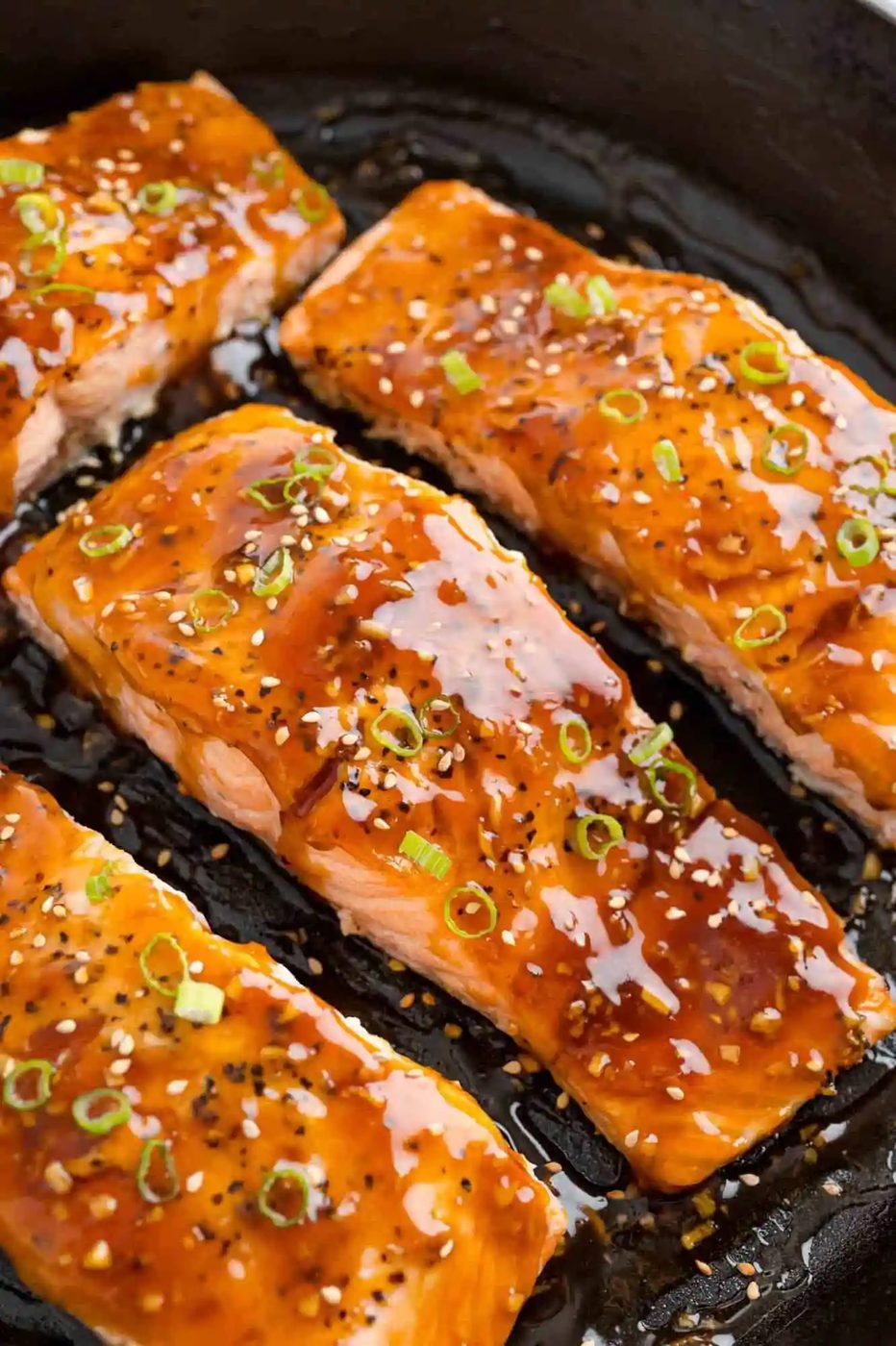
Pan frying, or pan searing, is a straightforward method for cooking salmon filets on the stovetop. The skin gets all sorts of crispy and the salmon sears up golden, plus, it’s speedy! Simply season the filets with salt and pepper and place them skin-side-down in a hot skillet, flipping halfway through.
Air Fryer
If you have an air fryer, it’s a straightforward and lighter way to cook salmon quickly (usually in 15 minutes or less!). Air frying doesn’t require a lot of oil, and the salmon cooks up deliciously flaky on the inside and crispy on the outside. Most salmon recipes can easily be translated to the air fryer.
Oven
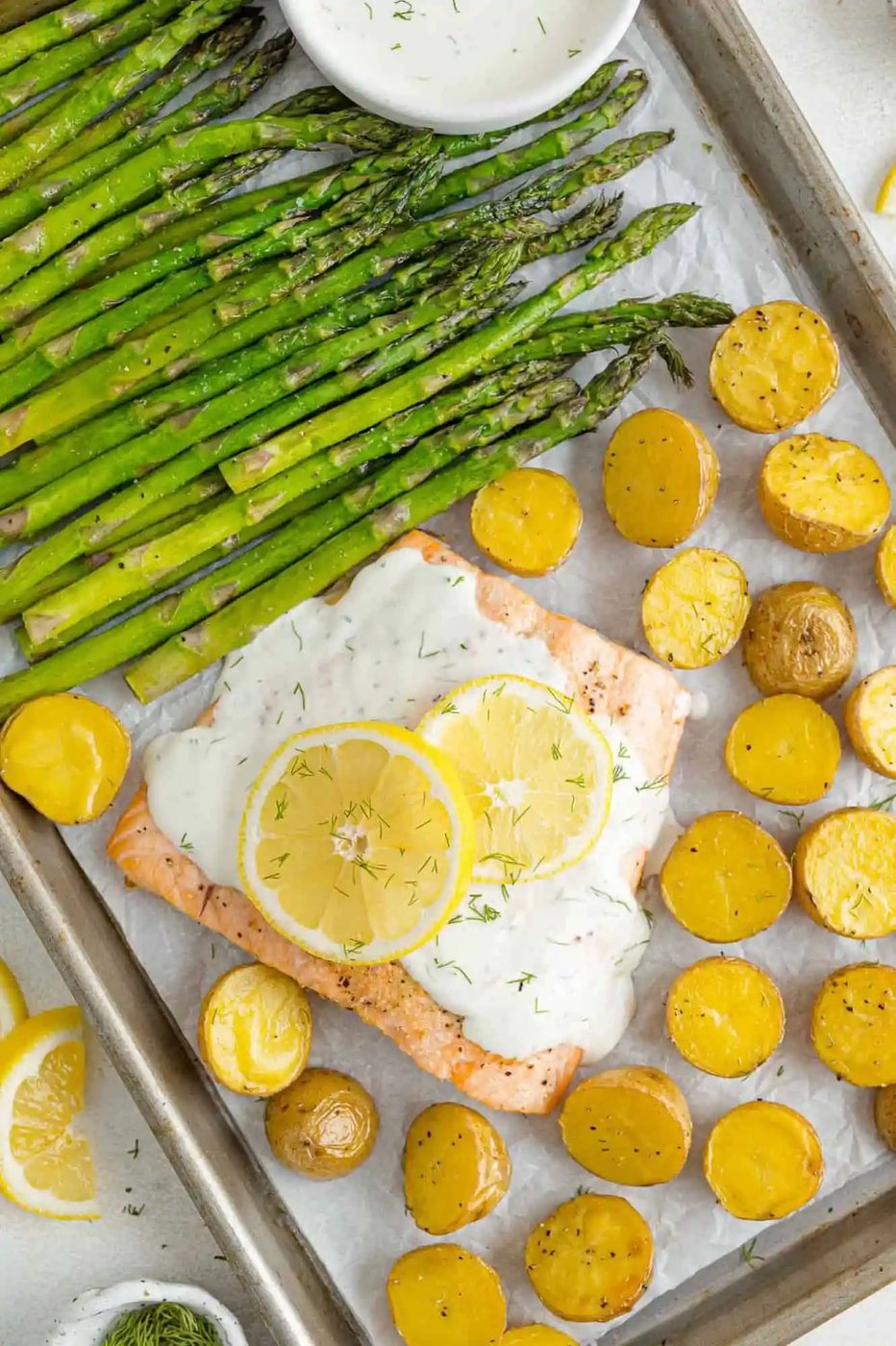
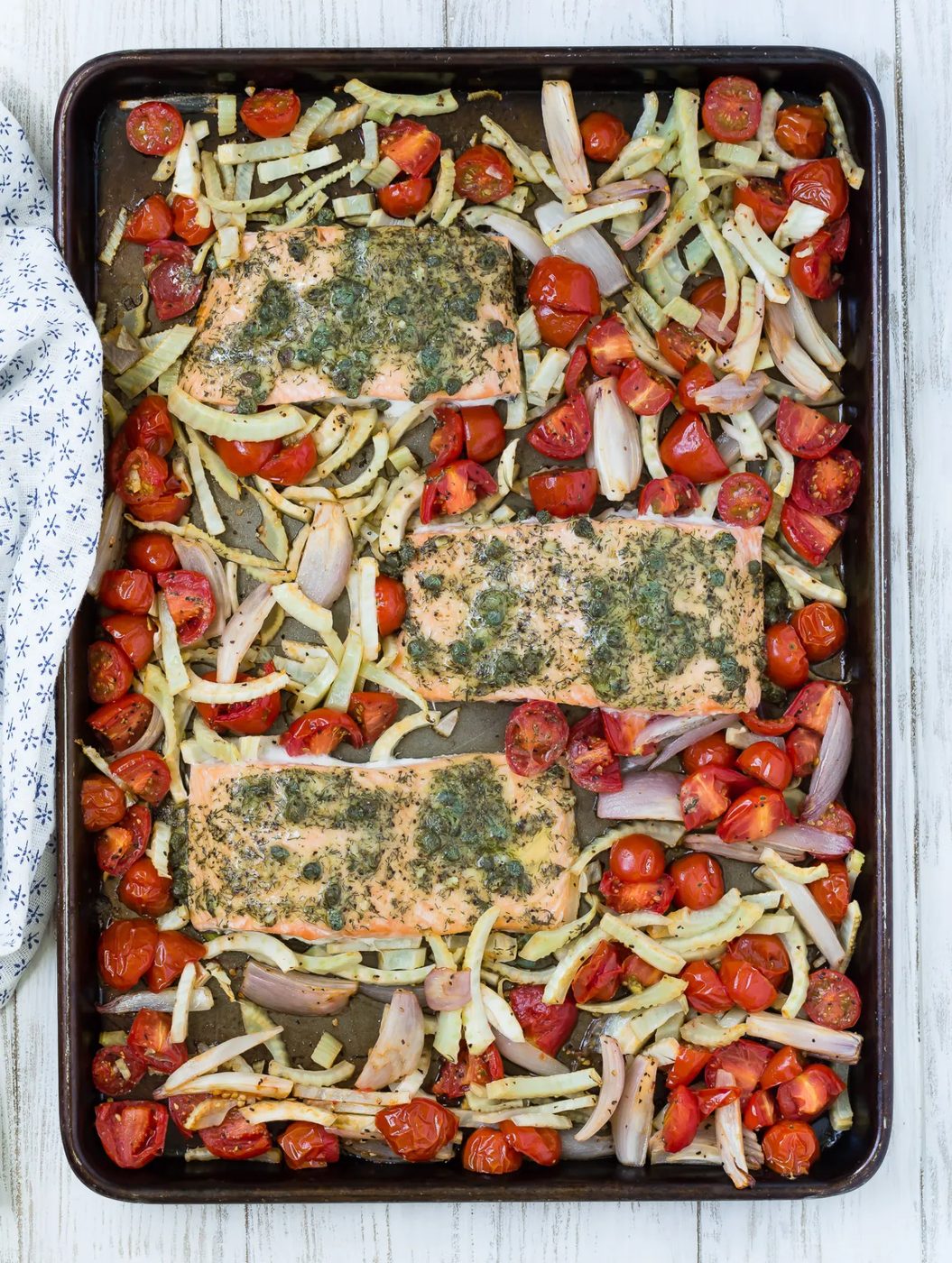
Baking and roasting are classic, no-fuss methods for cooking salmon. The oven is a great option if you’re making salmon for a crowd, too, since you can bake multiple filets at once. It’s also great for sheet pan dinners! Most salmon cooks to perfection at 425 to 450ºF in about 12 to 15 minutes, with no flipping necessary.
Broiling
One more method for cooking salmon in the oven is broiling. This involves cooking the salmon at a high temperature in the top half of the oven. It produces deliciously caramelized salmon, but it does call for some close attention as the salmon can burn quickly under the broiler.
Grilling
If firing up the grill is one of your favorite ways to cook in the summer, grilled salmon is right up your alley. Open flames give salmon filets mouthwatering char, while the inside grills up smoky and juicy. Plus, there are no pans to clean after!