Cakes
Vanilla Buttercream Frosting
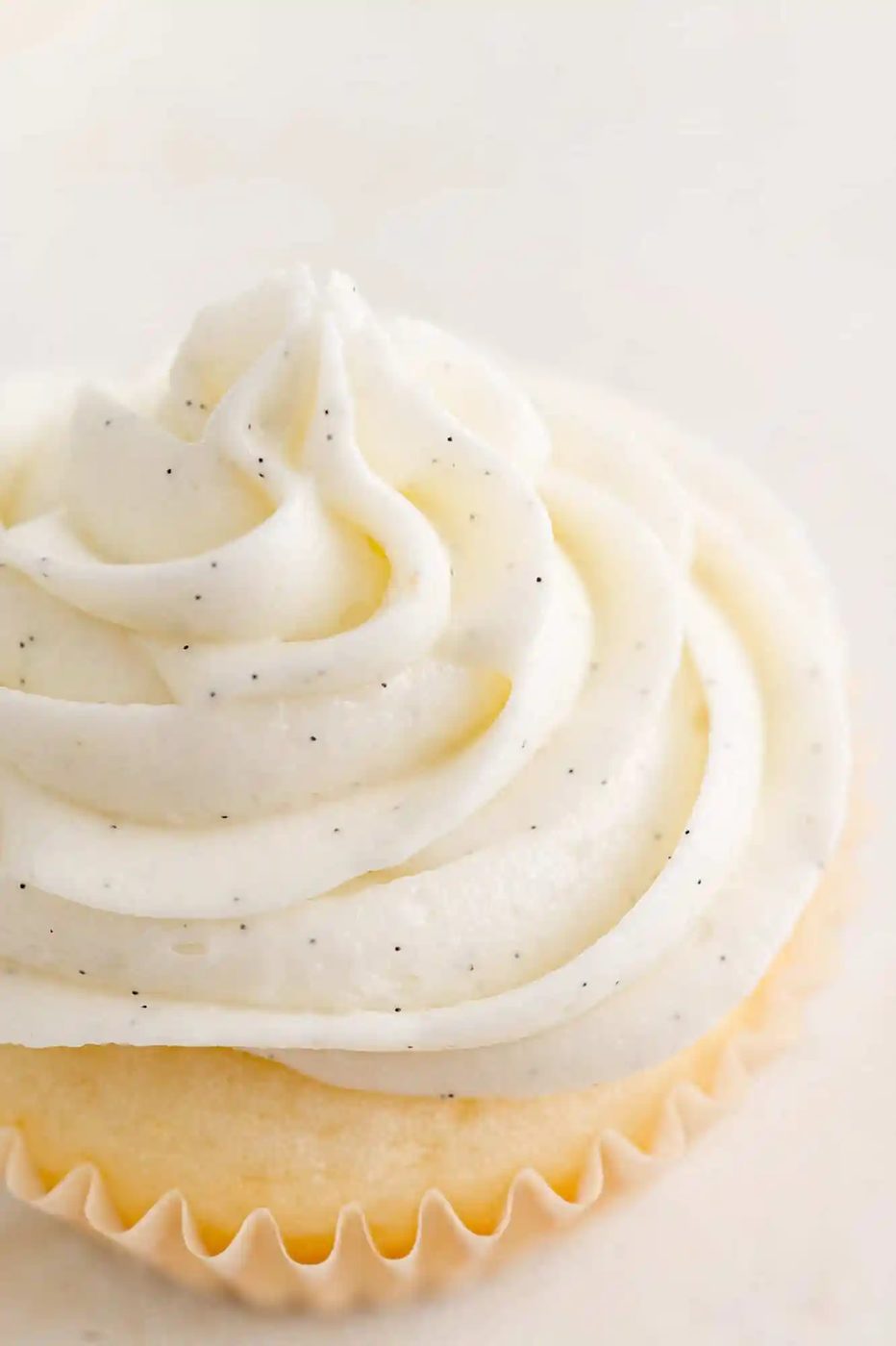
Vanilla buttercream frosting is rich, creamy, and flecked with real vanilla beans. It’s straightforward to mix and reliable for piping onto cakes and cupcakes!
At a glance
What stands out: Vanilla buttercream frosting is rich, creamy, and flecked with real vanilla beans. It’s straightforward to mix and reliable for piping onto cakes and cupcakes!
How long it takes: 10 minutes or less
Equipment you’ll need: electric mixer, mixing bowl
Servings: 1½ cups, enough to frost 12 cupcakes or a quarter sheet cake
Cupcakes, Bakery-style!
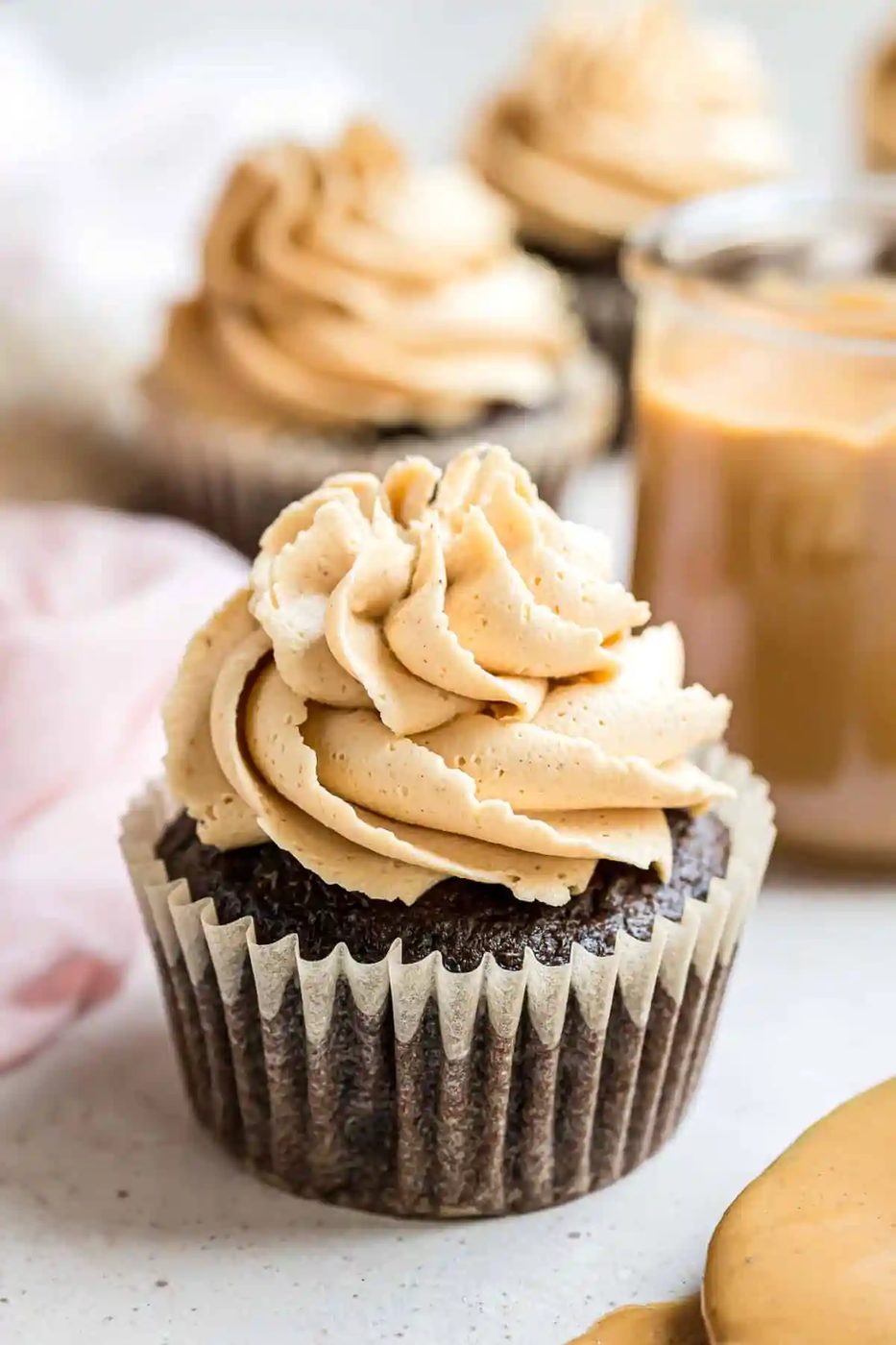
Those beautiful bakery cupcakes piled high with a creamy swirl of frosting make every occasion feel special. The cupcake itself isn’t the main attraction –it’s definitely all about the frosting!
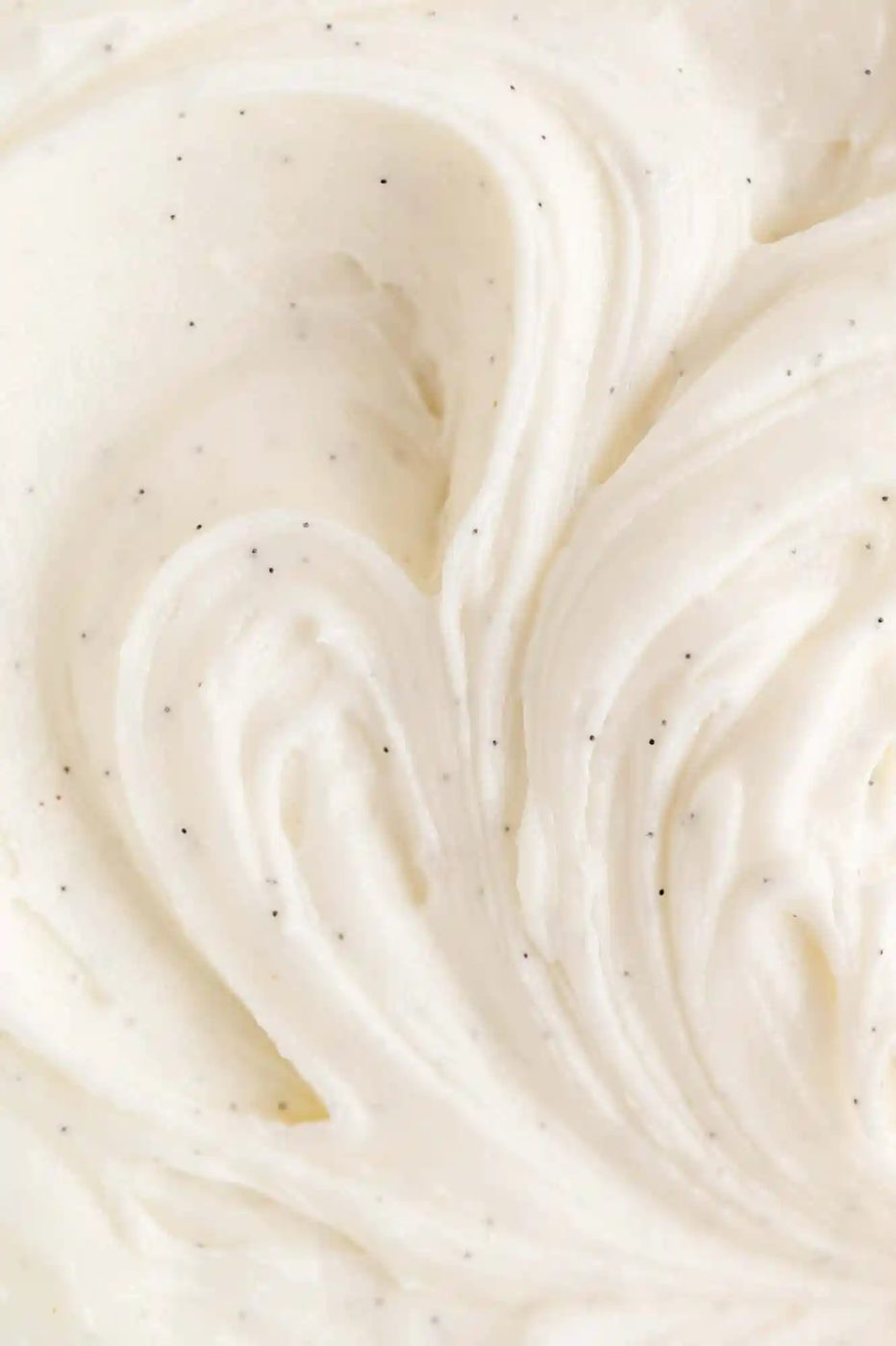
Every home baker needs a classic buttercream frosting recipe to use. Buttercream frosting is so straightforward to mix and it’s deliciously creamy with a delicate, sweet vanilla flavor thanks to real vanilla bean throughout.
Why ours is special:
- So straightforward. With only 4 ingredients, an electric mixer, and about 10 minutes, this frosting is ready to use. Anyone can make this frosting! It’s not that much more difficult than opening a can of frosting.
- Reliable for piping. Buttercream is a standby frosting for piping and decorating cakes and cupcakes because it’s thicker and more stable than other types of frosting. This frosting recipe pipes beautifully, making it a standby all-around frosting recipe.
- Straightforward to customize. The frosting consistency is straightforward to tweak, depending on whether you’re piping it onto cupcakes or spreading it over cakes. You can also use this classic buttercream recipe as a base for even more frosting flavors. Don’t forget to check out our variation ideas below!
What goes in
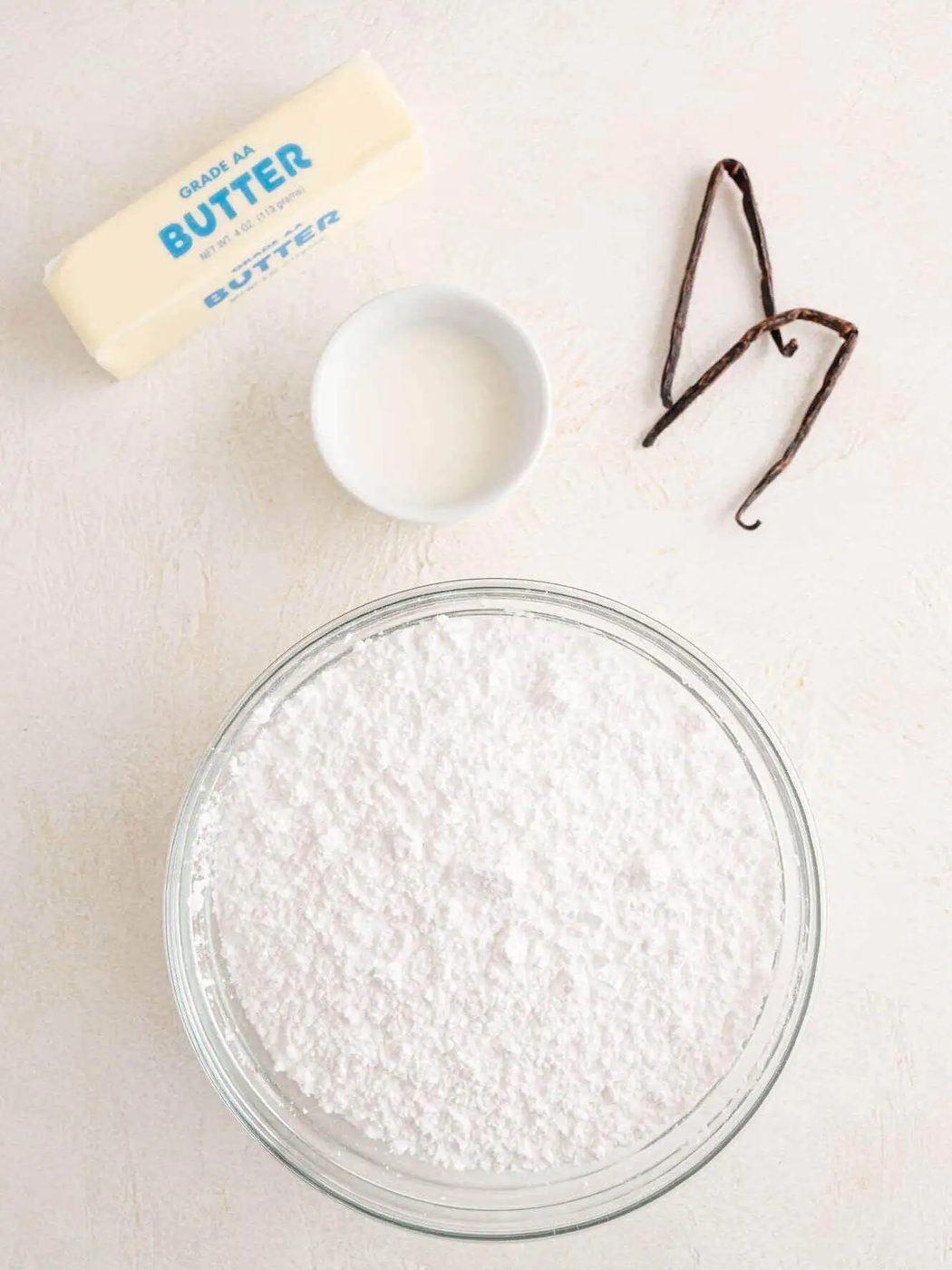
Below is a short overview of the ingredients you’ll need to make a standby buttercream frosting.
- Butter: Unsalted butter is best but salted butter will work if that’s what you have on hand. Remember to take it out of the refrigerator an hour or so before you start so that it softens to room temperature. It should still be firm, holding an indentation when pressed lightly. It shouldn’t appear greasy or separated.
- Vanilla: We flavor this vanilla frosting with the seeds from two vanilla pods. If you can’t get your hands on vanilla beans, substitute one teaspoon of vanilla bean paste instead. You can also use a teaspoon of vanilla extract but your frosting won’t have the lovely little flecks of vanilla bean.
- Milk or Cream: Adding a bit of liquid improves the consistency of the frosting and makes it creamy. You can use milk, heavy cream, or half-and-half, the choice is up to you.
- Powdered Sugar: You might also know it as confectioner’s sugar. Powdered sugar is the base of frosting. Do not substitute granulated sugar because it will make your frosting grainy.
How it comes together
Beat the butter. In a large mixing bowl, cream together the butter, vanilla beans, and milk (or cream).
Add powdered sugar. Next, beat in the powdered sugar one cup at a time, until you reach a thick, pipeable consistency.
Electric Mixers
You can whip your buttercream frosting using muscle power but we highly recommend using an electric hand mixer or stand mixer. It makes it so much easier and the results are way fluffier!
Buy on AmazonTips for Reliable Buttercream Frosting
- Measure the sugar correctly. We recommend spooning the powdered sugar out of the bag and into your measuring cup before leveling it off with the back of a knife. Scooping the powdered sugar can compact it and you’ll end up with too much.
- The butter should be at room temperature (65°F to 70°F). The butter will feel slightly cool to the touch and easily hold an imprint. If your butter is too soft or melted, the frosting may be runny or appear separated (curdled).
- Adjust consistency. To make this frosting thicker, add more confectioner’s sugar, ¼ cup at a time, beating after each addition. To make frosting thinner or softer, add more milk, one teaspoon at a time.
- Match consistency to how you plan on using the frosting. If you’re going to use a piping bag with a tip, aim for a slightly thicker frosting so that it holds its shape. If you’re spreading your vanilla buttercream over a cake, the consistency should be a little softer so that it’s easier to spread.
Ways to change it
- Chocolate: Make chocolate buttercream frosting with the addition of unsweetened cocoa powder.
- Oreo: Beat in crushed Oreos to make Oreo frosting (reliable for frosting Oreo cookie bars).
- Extracts: In addition to or in place of the vanilla in this recipe, try adding flavoring extracts like peppermint, lemon, orange, almond, and so on.
- Coloring: It’s straightforward enough to color buttercream to suit any holiday (like we do for these Christmas tree brownie bites). For best results, we recommend using gel food dyes, as the colors are bolder and they don’t water down the buttercream.
Ways to Use Vanilla Buttercream
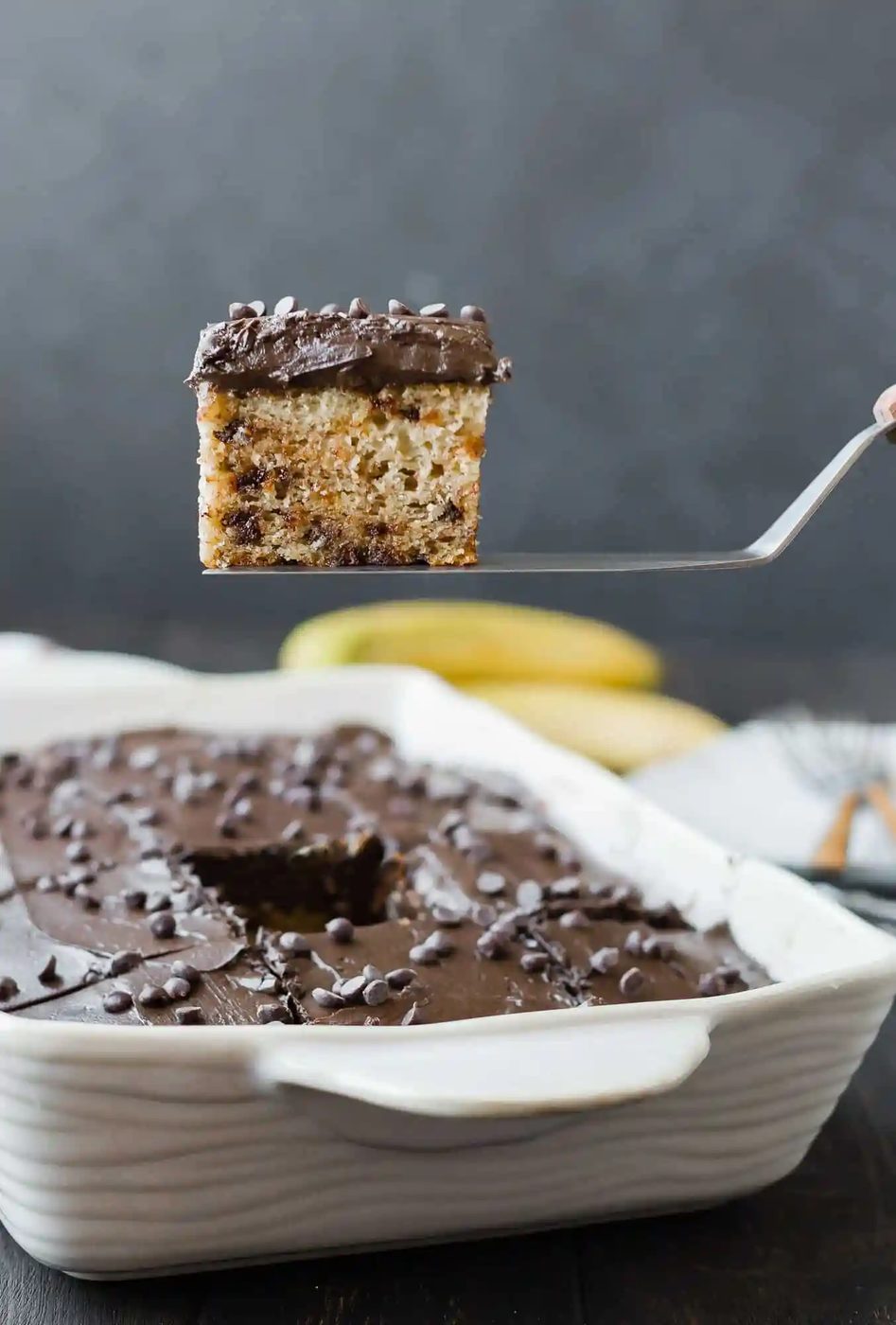
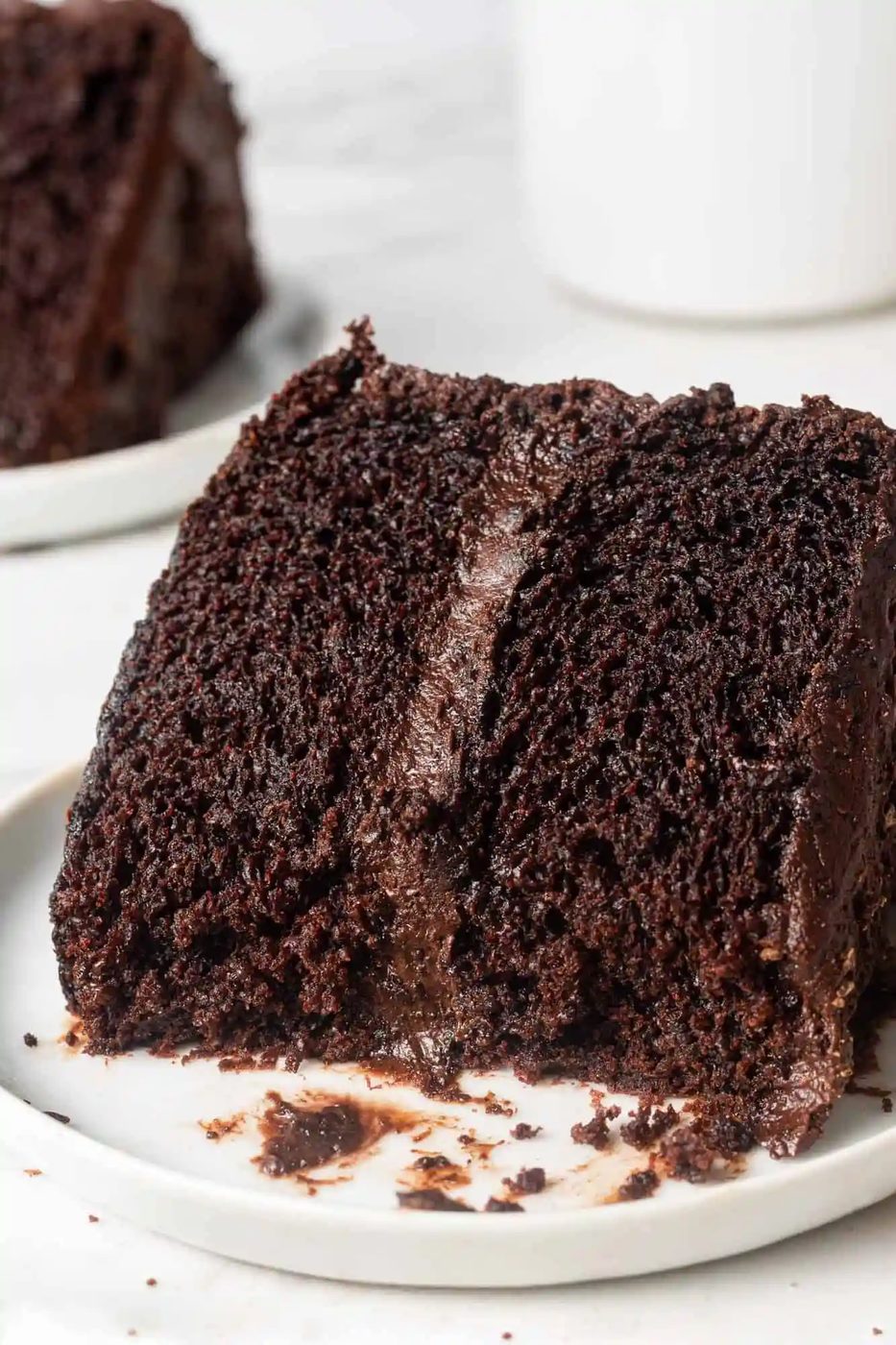
This straightforward vanilla buttercream is ultra-creamy while holding its shape, making it reliable for piping and decorating. It’s our go-to dessert topping for everything from from-scratch banana cupcakes to this rich and decadent chocolate cake. You can use it to frost vanilla sugar cookie bars and cake mix blondies.
Make-Ahead & Storage Tips
One of the things we love about buttercream is how well it keeps.
Refrigerate: Refrigerate buttercream frosting in a covered container for up to 1 week.
Freeze: Store your vanilla buttercream in an airtight freezer container and freeze it for up to 3 months. Thaw the frosting overnight in the refrigerator when you’re planning to use it.
To use: Frosting that’s been refrigerated or frozen may be stiff because of the cold temperatures. Let the frosting rest on the counter for an hour or two before using, so that it comes to room temperature. If you notice that your frosting has deflated a bit, whip it briefly with your mixer to get it back to a fluffy consistency.
- Yield: 12
- Prep: 10 minutes
- Total: 10 minutes
Ingredients
- ⅓ cup unsalted butter, softened (see note)
- 2 vanilla bean pods (or 1 teaspoon vanilla bean paste, or 1 teaspoon pure vanilla extract)
- 2 tablespoons milk or cream
- 3 cups powdered sugar
Method
- To remove the seeds from the vanilla bean pods, use a sharp knife to cut down the center of the pod lengthwise, being careful not to cut all the way through. Open up the pod and use your knife to scrape out the tiny seeds.
- Using an electric mixer, cream together the butter, vanilla pod seeds, and milk.
- One cup at a time, add powdered sugar, beating after each addition, about 3 to 4 minutes total, or until frosting is creamy and fluffy. Adjust consistency as needed. For piping, frosting should be thicker/stiffer; add more powdered sugar if necessary.
- Cakes, cupcakes, or brownies should be completely cool before frosting.
Notes
Pro tip: The butter should be at room temperature. It will feel slightly cool to the touch and easily hold an imprint but not be mushy. If your butter is too soft or melted, the frosting may be runny or appear separated (curdled).
Yield: This recipe makes about 1 ½ cups of frosting, enough for a 9 × 13-inch sheet cake or 12 cupcakes. Double recipe for a layer cake or piped cupcakes. (A 16 ounce container of purchased frosting is about 2 cups.)
Storage/make ahead: Frosted cakes can be stored at room temperature, covered, or refrigerated for longer storage. To make ahead, refrigerate buttercream frosting in a covered container for up to 1 week, or freeze for up to 3 months. Thaw the frosting overnight in the refrigerator.
To use: Frosting that’s been refrigerated or frozen may be stiff because of the cold temperatures. Let the frosting rest on the counter for an hour or two before using, so that it comes to room temperature. If you notice that your frosting has deflated a bit, whip it briefly with your mixer to get it back to a fluffy consistency.