
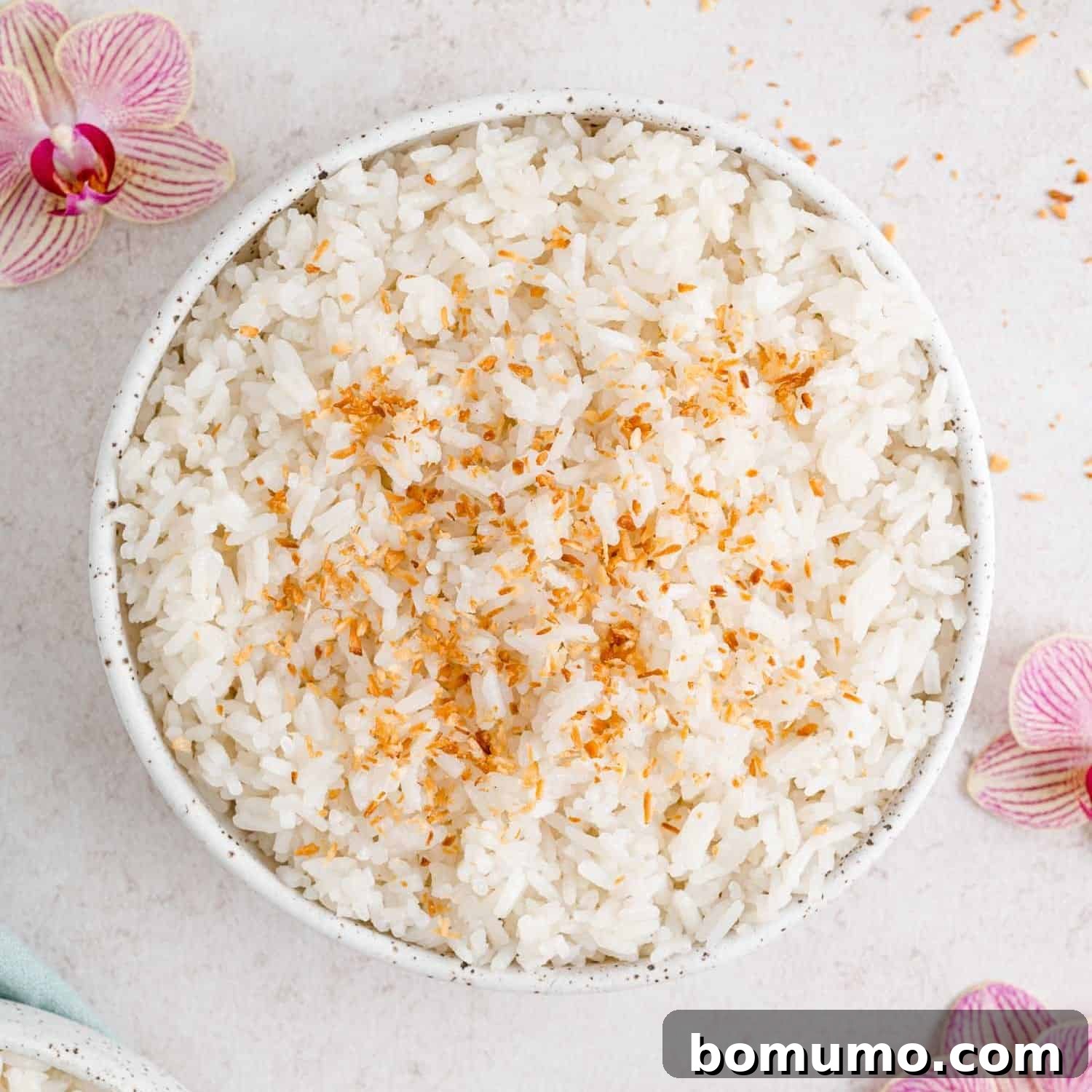
Coconut Rice: Your New Favorite Side Dish
Why You’ll Adore This Recipe: Prepare to be captivated by the intoxicating aroma and exquisite taste of this perfectly cooked coconut rice. Each grain is infused with a delicate sweetness and a rich, creamy coconut flavor that will transport your senses. It’s an incredibly addictive dish that effortlessly elevates any meal and once you try it, you’ll find yourself craving its unique profile around the clock. Forget plain rice; this recipe is a simple yet profound upgrade to your culinary repertoire.
Preparation Time: Approximately 30-35 minutes from start to finish. This includes active cooking and essential resting time.
Essential Equipment: You’ll need a fine mesh strainer for rinsing, a medium saucepan with a tight-fitting lid for cooking, and a small skillet for toasting coconut (optional, but highly recommended).
Yields: Generously serves 6 people, making it ideal for family dinners or entertaining guests.
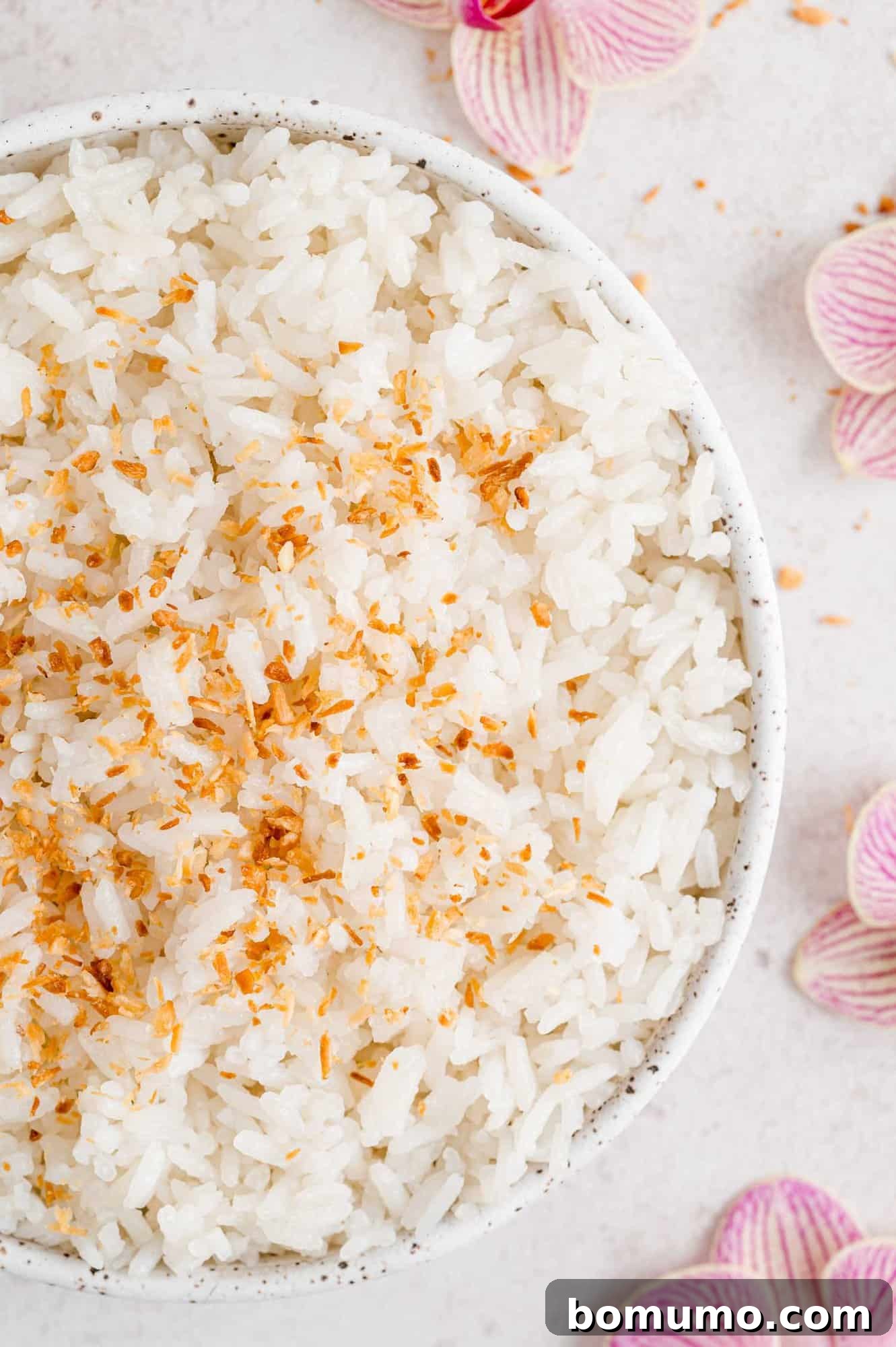
There are some dishes that are simply beyond words, and homemade coconut rice undoubtedly falls into that category. It’s an experience for the senses, beginning with its heavenly scent that fills your kitchen and culminating in a taste that is equally rich, subtle, and utterly satisfying. It’s truly no wonder that this delightful balance of sweet and savory rice has found a cherished place in diverse culinary traditions across the globe.
From the vibrant spices of India and the aromatic kitchens of Asia to the sun-drenched coasts of South and Central America and the Caribbean, coconut rice is a staple wherever rice and coconuts thrive (Wikipedia). The natural synergy between these two ingredients creates a foundation for countless regional variations, each reflecting the unique flavors and culinary heritage of its origin. This recipe brings that global appeal right into your home, offering a universally loved dish that’s both exotic and comforting.
If you’ve yet to experience the pure joy of a perfectly cooked bowl of coconut rice, now is the time to dive in. Many who try it for the first time often express a single regret: “Why did I wait so long?” Its versatility means it can grace your table at any meal — whether as a delightful breakfast accompaniment, a satisfying lunch, or an elegant dinner side. It even makes for an incredible, wholesome snack.
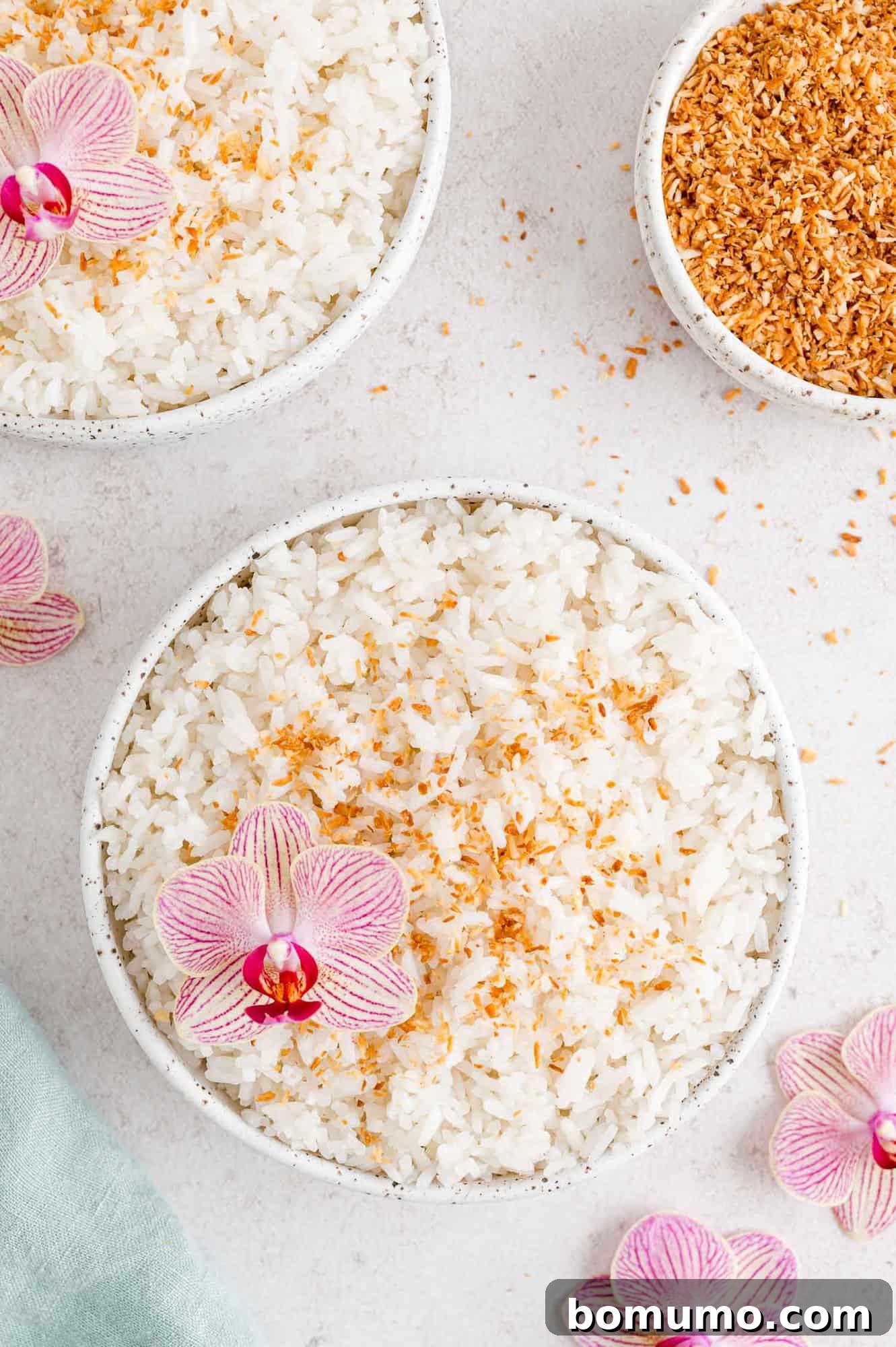
When garnished with lightly toasted, unsweetened coconut flakes, this rice offers a mild sweetness and a profoundly rich taste that’s far from being a dessert. However, should you pair it with succulent slices of fresh mango or vibrant pineapple, coconut rice effortlessly transforms into an exotic and irresistible sweet treat. It’s a dish that truly adapts to your mood and menu.
Why This Coconut Rice Will Become Your Go-To Recipe
This isn’t just another rice dish; it’s a culinary revelation that combines ease of preparation with an unforgettable flavor profile. Here’s why this coconut rice recipe deserves a permanent spot in your rotation:
Effortless Preparation: If you can master cooking regular rice, you possess all the skills needed to create this spectacular coconut version. The fundamental principle is delightfully simple: substitute a significant portion of the cooking water with canned unsweetened coconut milk. This straightforward swap is the secret to its distinctive flavor and texture. Whether you opt for rich, full-fat coconut milk or a lighter, reduced-fat variety, the results are consistently fantastic and foolproof.
Luxurious, Creamy Flavor: The secret to the exceptionally rich and creamy taste of this rice lies in the natural fat content of coconut milk. This ingredient imparts a decadent, almost buttery mouthfeel that transforms ordinary rice into something truly special. Each bite is a testament to the luxurious flavor that coconut milk brings, making it far more indulgent than plain steamed rice.
Endless Customization Possibilities: While simply delightful on its own, toasted unsweetened coconut flakes are a classic garnish that truly amplifies the inherent coconut flavor. However, don’t stop there! This versatile rice welcomes a variety of toppings to suit any preference. Explore the bright zest of fresh lime, the fresh, pungent kick of chopped green onions (scallions), the aromatic freshness of cilantro, the satisfying crunch of toasted almonds, or the tropical sweetness of fresh pineapple or mango. The beauty of coconut rice is its ability to shine with or without additional embellishments, adapting to your taste and the main course it accompanies.
Superior Storage and Leftover Potential: Unlike conventional white rice, which tends to dry out and harden upon refrigeration, coconut rice maintains its wonderfully creamy and moist texture for up to five days when stored properly. This is largely due to the richness of the coconut milk. Beyond refrigeration, it also freezes exceptionally well, making it an excellent candidate for meal prepping. You can enjoy its deliciousness days or even weeks after preparing it, saving you time and effort on busy days.
Perfect Pairings: What to Serve with Coconut Rice
Coconut rice is a remarkably versatile side dish, capable of complementing a wide array of flavors and cuisines. Its subtle sweetness and rich creaminess offer a delightful counterbalance, especially to dishes with bold or spicy profiles. Here are some inspired serving suggestions to elevate your next meal:
- Spicy & Flavorful Dishes: The cooling, creamy notes of coconut rice perfectly temper the heat of spicy meals. It’s an ideal partner for aromatic Indian curries (don’t miss our vegetarian curry with cauliflower and chickpeas), vibrant Thai stir-fries, or any dish with a significant chili kick.
- Asian-Inspired Stir-Fries: Pair it with a savory and colorful stir-fry, such as a succulent shrimp and broccoli stir-fry, for a complete and balanced meal.
- Grilled Meats & Seafood: The tropical notes of coconut rice beautifully complement grilled proteins. Serve it alongside delicate orange-glazed salmon, flaky baked salmon, or savory grilled marinated chicken for an unforgettable dining experience.
- Comfort Food by Itself: Honestly, sometimes the best way to enjoy coconut rice is all on its own. Its comforting texture and delicious flavor make it a satisfying meal in itself, perfect for a cozy night in.
Key Ingredients for Perfect Coconut Rice
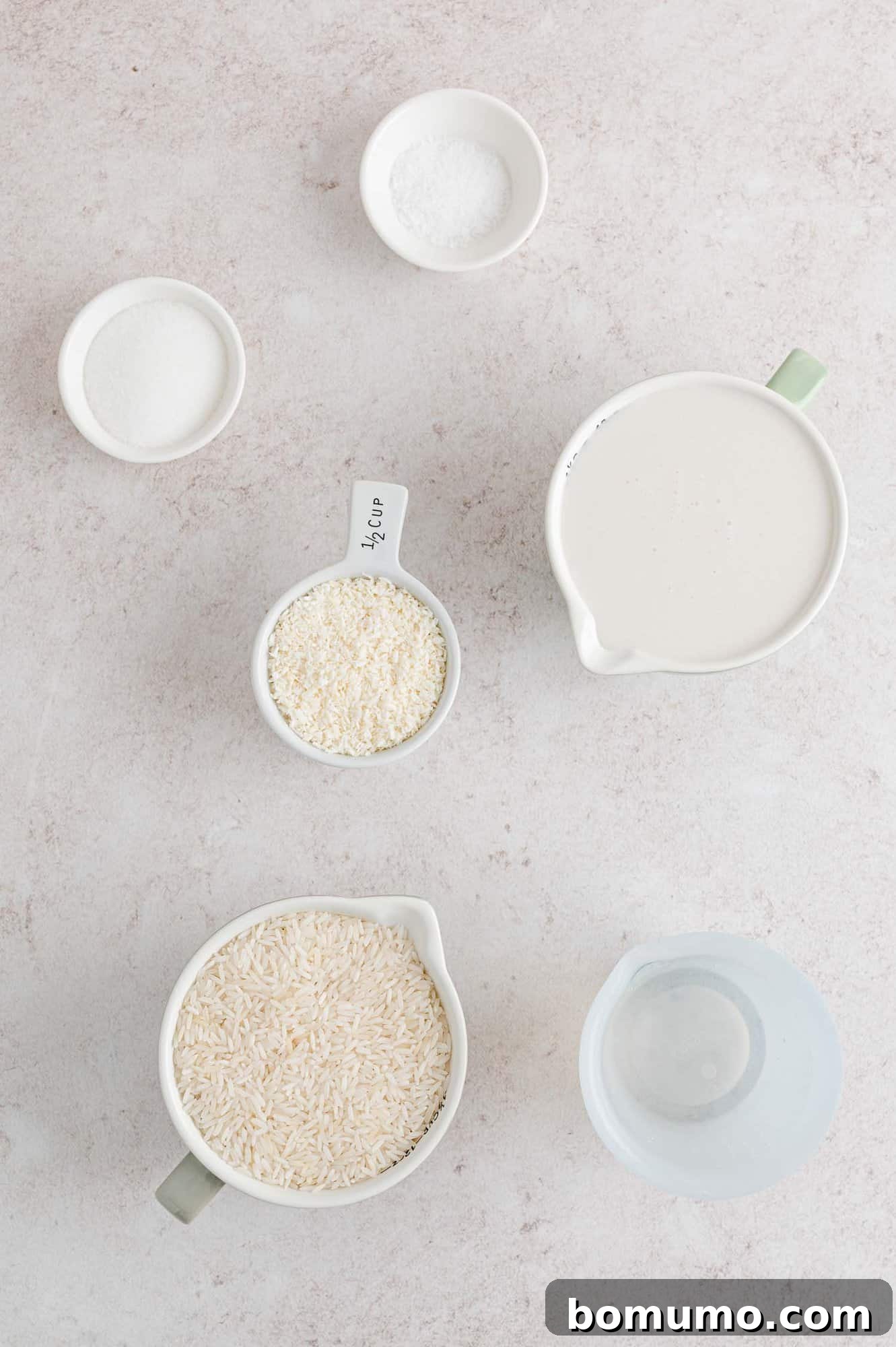
Crafting exceptional coconut rice starts with understanding the role of each ingredient. Here’s a detailed guide to ensure you achieve the best flavor and texture:
- Jasmine Rice: Our top recommendation for this recipe is jasmine rice. Its naturally fragrant aroma and soft, slightly sticky texture when cooked are perfectly suited for absorbing the coconut milk’s flavors. Basmati rice makes an excellent second choice, offering a similar long-grain structure. We strongly advise against using brown rice for this specific recipe, as its longer cooking time and different liquid absorption rates will significantly alter the outcome, potentially leading to a less desirable texture.
- Canned Unsweetened Coconut Milk: This is the star ingredient. Opt for canned, full-fat unsweetened coconut milk for the richest flavor and creamiest texture. Popular brands like Thai Kitchen are widely available and deliver consistent results. We’ve successfully tested this recipe with both full-fat and “lite” (reduced-fat) canned coconut milk, so feel free to choose based on your dietary preferences. Just ensure it’s the canned variety, not the refrigerated beverage. Remember to shake the can well before opening to re-distribute any separated cream.
- Granulated Sugar: While some traditional coconut rice recipes omit sugar, a small amount truly enhances and balances the rich coconut flavor, preventing the dish from tasting flat. It adds a subtle sweetness that makes the rice more appealing. If you prefer, you can easily adjust the amount or substitute with coconut sugar for an even deeper, more complex caramel-like note.
- Kosher Salt: Salt is crucial for brightening flavors and shouldn’t be overlooked. We recommend using kosher salt due to its larger crystals, which provide better control over seasoning. If you’re using fine table salt, remember to reduce the quantity slightly to prevent over-salting, as it’s more potent by volume.
- Water: Combining water with coconut milk is essential for achieving the ideal rice texture. Using only coconut milk would result in rice that’s overly sticky, thick, and potentially greasy. The water helps to dilute the richness, allowing the rice grains to cook perfectly and remain separate yet tender.
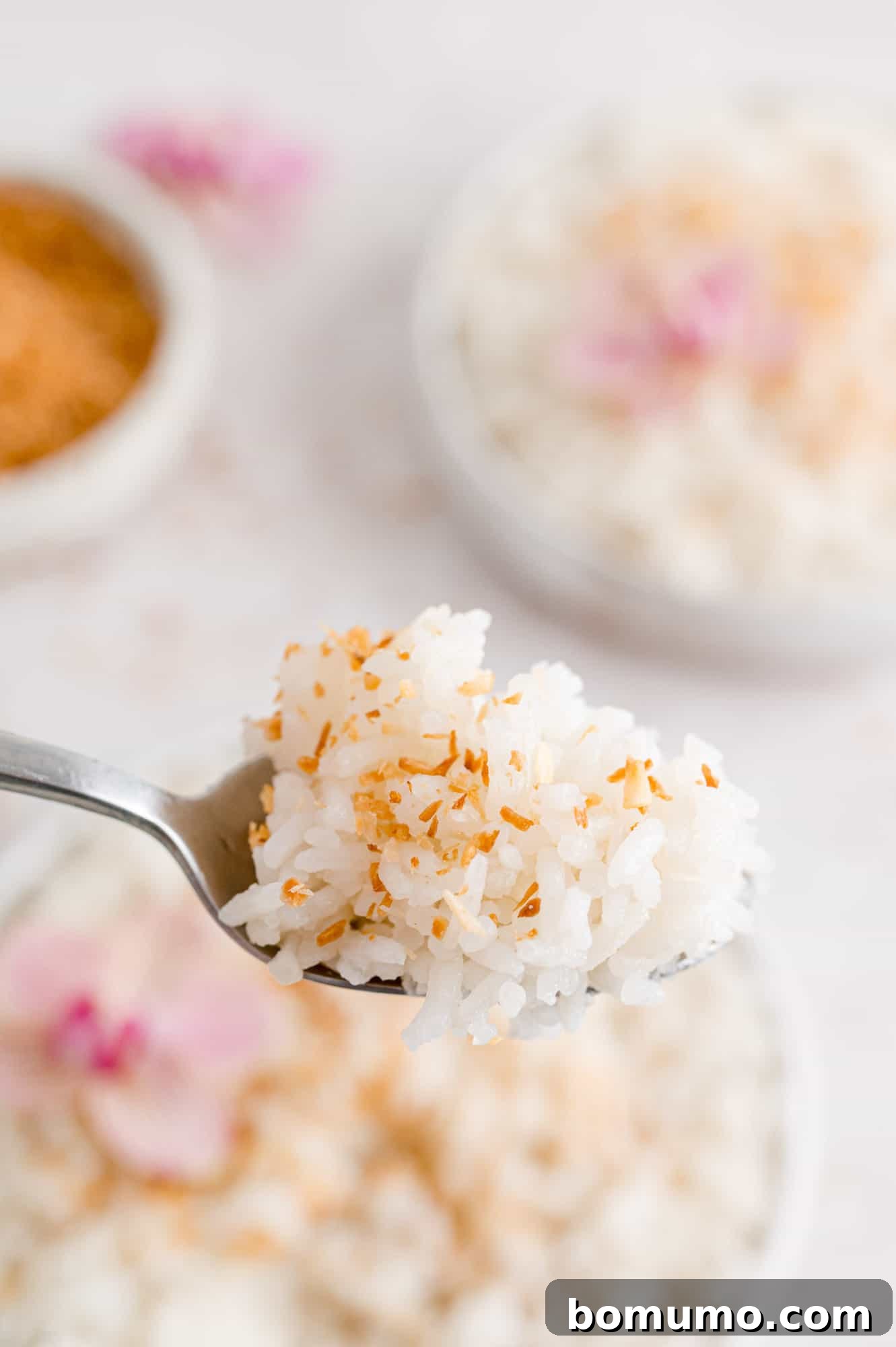
- Unsweetened Shredded Coconut (Optional, but Recommended): Toasted shredded coconut is a fantastic garnish that adds a lovely textural contrast and intensifies the coconut flavor. The crisp, golden bits provide a satisfying crunch that elevates the dish from good to exceptional.
- Optional Garnishes: Beyond toasted coconut, feel free to experiment with other garnishes to personalize your coconut rice. Consider a vibrant sprinkle of lime zest for a citrusy brightness, finely chopped green onions (scallions) for a mild oniony bite, fresh chopped cilantro for herbal freshness, toasted slivered almonds for extra crunch, or fresh tropical fruits like juicy pineapple or sweet mango for a dessert-like twist. For an unexpected savory crunch, try toasted pine nuts or flavorful pepitas (pumpkin seeds).
Understanding Coconut Milk: Can vs. Carton
A common point of confusion arises when distinguishing between canned coconut milk and carton coconut milk. Despite sharing a name, these are entirely different products with distinct culinary applications. Canned coconut milk, used in this recipe, is a thick, rich liquid derived from the grated meat of mature coconuts. It is not intended as a beverage and is primarily used for cooking in curries, soups, and desserts. Coconut milk sold in cartons, on the other hand, is a non-dairy beverage, typically much thinner and often contains added water, sugar, and preservatives. Using carton coconut milk in this recipe will result in a watery, less flavorful outcome. Always ensure you are selecting canned, unsweetened coconut milk for optimal results.
Step-by-Step Guide: How to Make Irresistible Coconut Rice
Creating perfect coconut rice is a straightforward process that yields incredibly rewarding results. Follow these simple steps for a fragrant, flavorful, and fluffy side dish:
1. Prepare the Toasted Coconut (Optional, but Highly Recommended):
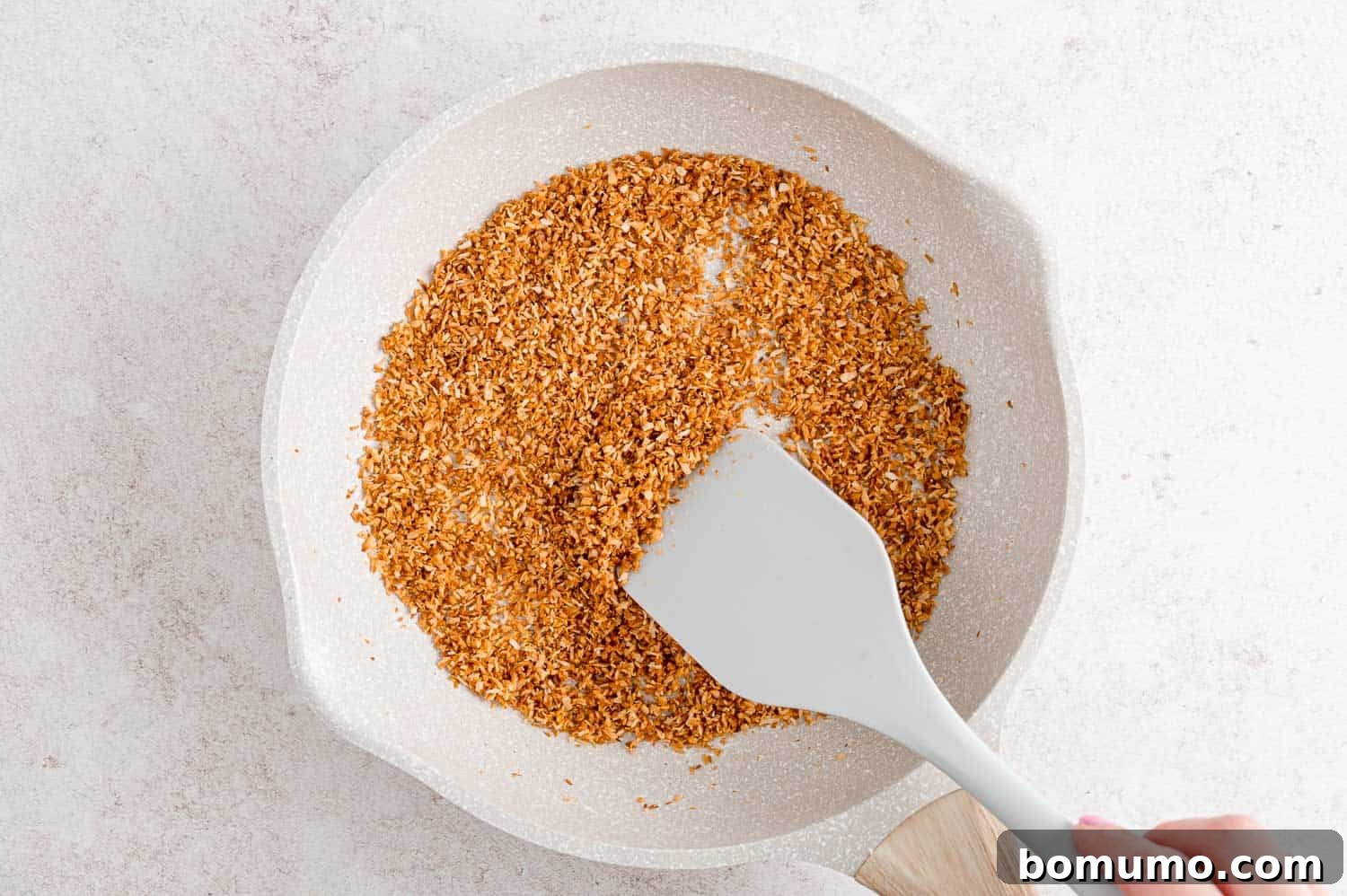
If you’re opting for the delightful crunch of toasted coconut, begin by spreading the unsweetened shredded coconut in a dry, small skillet. Place the skillet over medium-low heat. Toast the coconut, stirring frequently, until it turns a beautiful golden brown and releases a rich, nutty aroma. This usually takes about two to three minutes, so keep a close eye on it to prevent burning. As soon as it reaches your desired golden hue, immediately transfer the toasted coconut to a plate to cool. Do not leave it in the hot pan, as residual heat can cause it to continue cooking and potentially scorch.
2. Rinse the Rice Thoroughly:
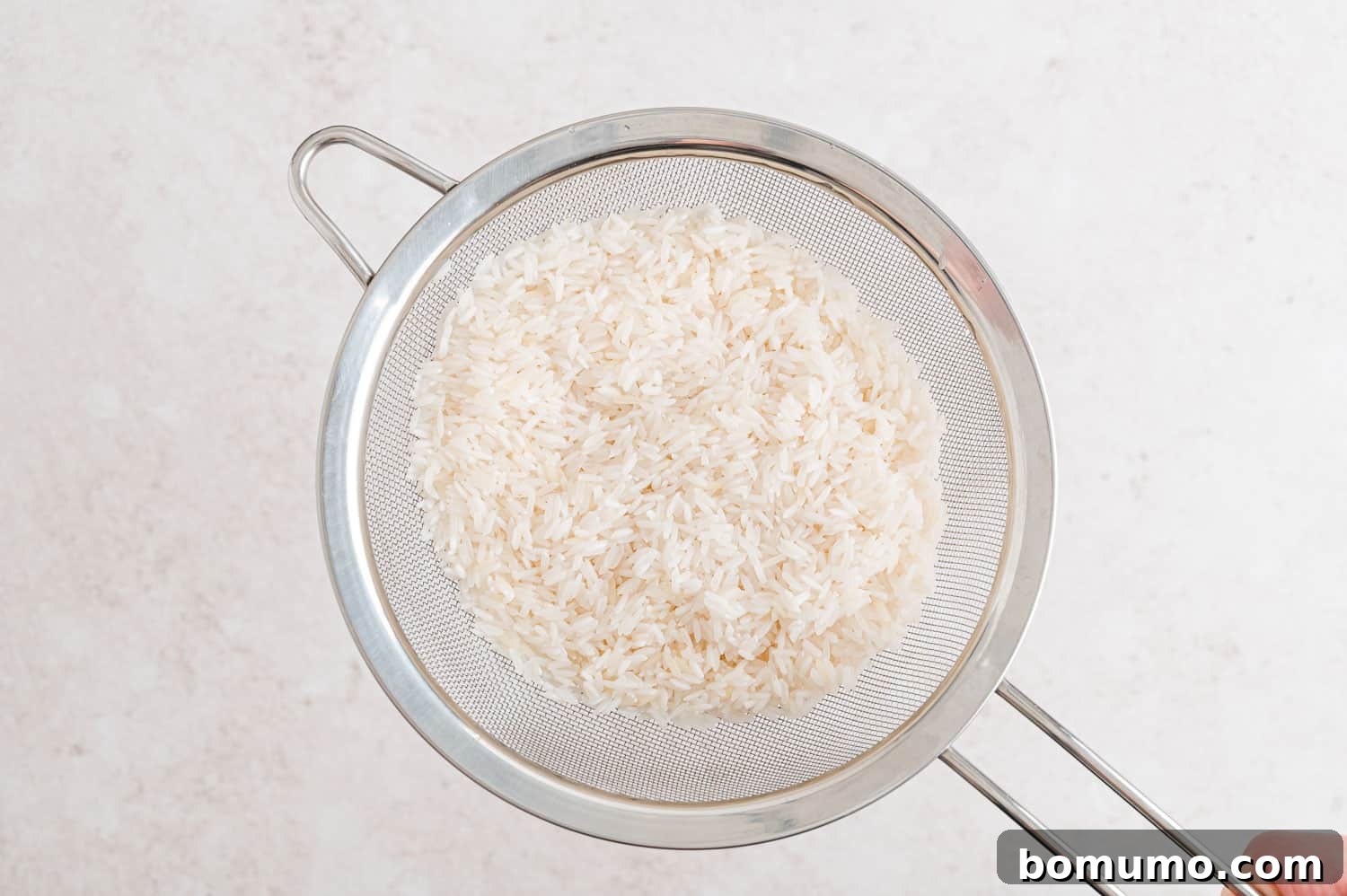
Measure out the jasmine rice and place it into a fine mesh strainer. Rinse the rice under cool running water for approximately one minute. This crucial step helps to wash away excess starch from the grains, which can otherwise lead to mushy or overly sticky rice. Continue rinsing until the water running off the rice appears mostly clear, indicating that most of the surface starch has been removed.
3. Cook the Rice to Perfection:
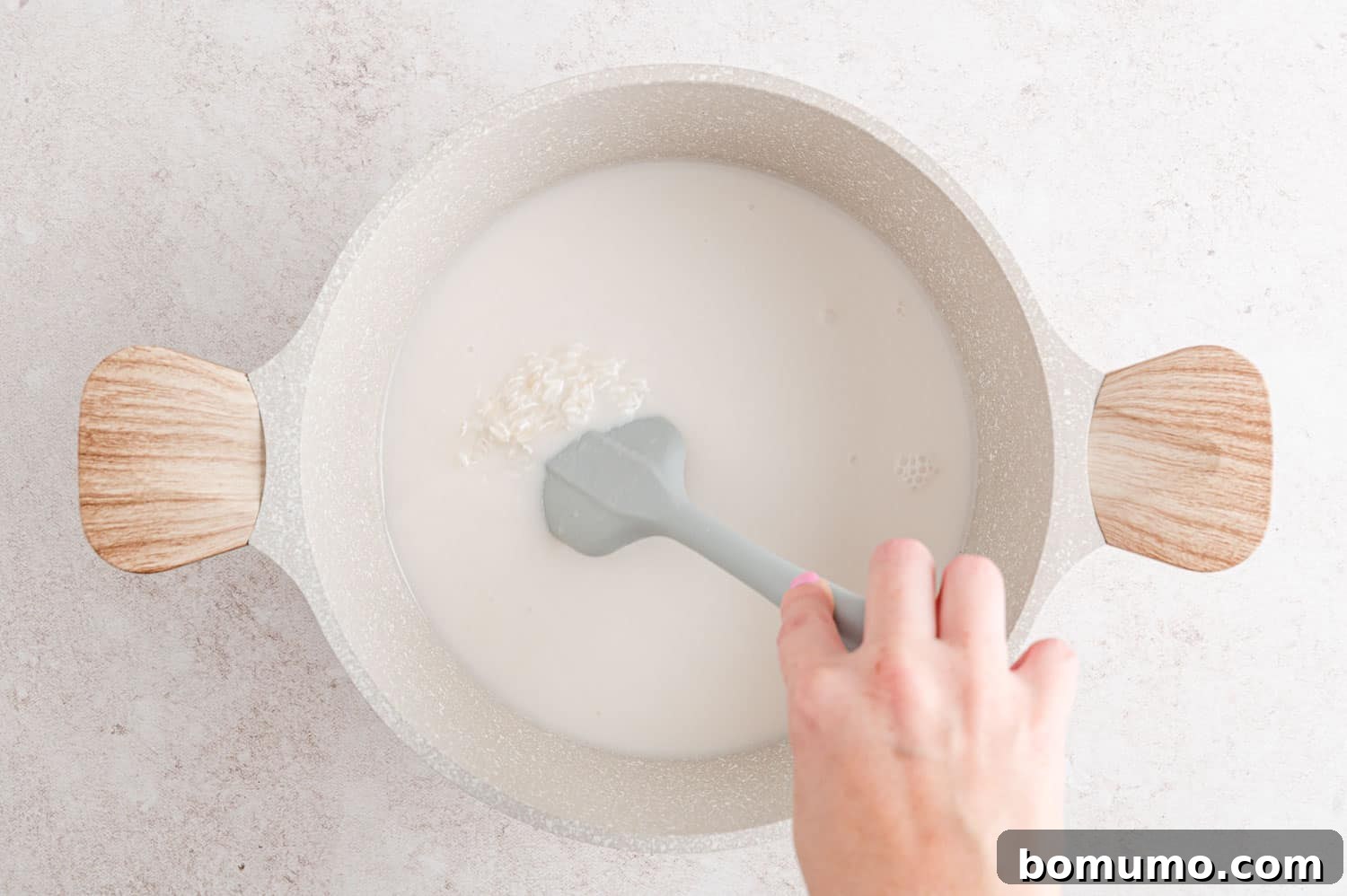
Transfer the rinsed rice to a medium-sized saucepan. Add the entire contents of your can of unsweetened coconut milk (including both the thick creamy layer and the thinner watery part), along with the measured water, sugar, and salt. Give the mixture a good stir to ensure all ingredients are well combined and the rice is evenly distributed at the bottom of the pan.
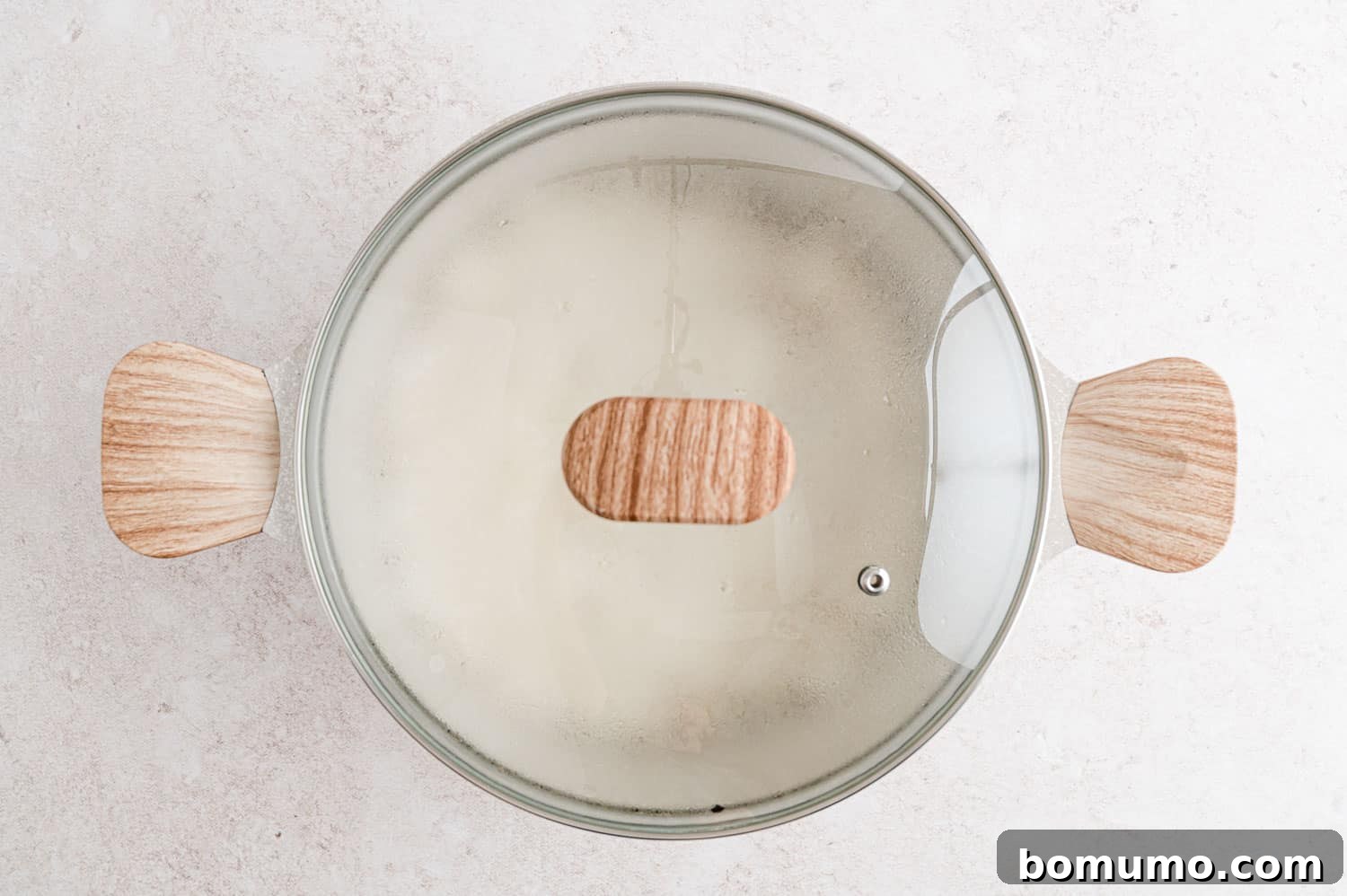
Place the saucepan, uncovered, over high heat and bring the liquid to a rolling boil. Once boiling, give the rice one final stir, then immediately place the lid tightly on the pan and reduce the heat to the lowest possible simmer. It’s important to maintain a gentle simmer, not a vigorous boil, for even cooking.
Allow the rice to simmer, undisturbed and covered, for exactly 17 minutes. Resist the urge to peek or lift the lid during this time! The rice relies on the trapped hot steam to cook thoroughly and absorb the liquid properly. While it cooks, take a moment to enjoy the truly heavenly aroma that will undoubtedly fill your kitchen.
4. Rest and Steam for Optimal Texture:
After the 17-minute simmering period, turn off the heat completely. Keep the lid firmly on the saucepan and let the rice rest for an additional ten minutes. This resting phase is crucial; it allows the residual steam to gently finish cooking the rice, ensuring every grain is tender, fully hydrated, and perfectly fluffy. Again, avoid lifting the lid during this time.
5. Fluff and Serve:
Once the resting time is complete, carefully remove the lid from the saucepan. Using a fork, gently fluff the rice to separate the grains and release any remaining steam. If, by chance, the rice appears a bit too sticky or wet, simply replace the lid and let it steam for a few more minutes off the heat. Sometimes, certain rice batches just need a little extra time to fully absorb all the liquid.
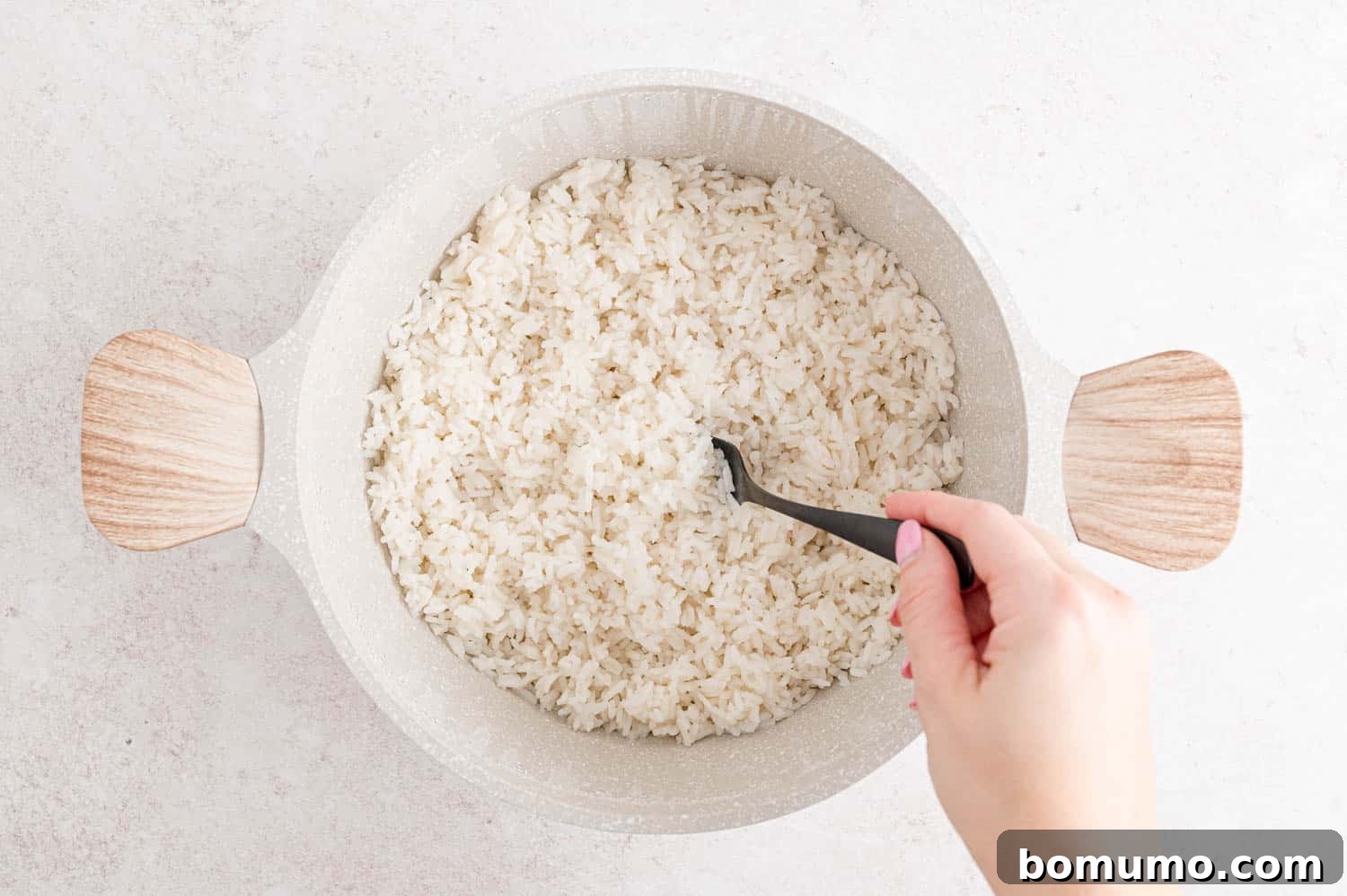
Serve your magnificent coconut rice immediately, topping it with the toasted coconut flakes you prepared earlier or any other garnish of your choice. Enjoy the vibrant flavors and comforting texture of this truly special dish!
Frequently Asked Questions about Coconut Rice
Frequently Asked Questions about Coconut Rice
Mushy rice is typically a result of too much water, overcooking, or insufficient rinsing. When rice grains absorb too much liquid or cook for too long, they can split open and become soft and sticky rather than fluffy. To prevent this, ensure you rinse your jasmine rice thoroughly to remove excess surface starch, use the precise combination of coconut milk and water as instructed, and adhere strictly to the cooking and resting times provided in the recipe. These steps are crucial for achieving perfectly separated, tender grains.
Canned coconut milk is a versatile pantry staple, serving as an excellent non-dairy and vegan alternative to heavy cream in numerous dishes. Its rich and creamy texture makes it perfect for thickening and enriching:
- Creamy Soups: Incorporate it into hearty and flavorful creamy soups, like a vibrant carrot ginger soup, for added richness and a hint of tropical flavor.
- Curries: It’s a foundational ingredient in many traditional curries. Try it in savory dishes such as chicken tikka masala or a hearty vegetarian curry with cauliflower and chickpeas for an authentic and satisfying meal.
- Smoothies: Blend a splash of coconut milk into your favorite smoothies to add a creamy texture and an exotic, tropical dimension to your drink.
- Desserts: It’s also fantastic in dairy-free desserts, puddings, and even homemade ice cream.
Absolutely! Coconut rice can be successfully made in a rice cooker. Simply combine the rinsed jasmine rice, canned coconut milk, water, sugar, and salt directly into your rice cooker pot. Stir briefly, then close the lid and select the “White Rice” or “Cook” setting. Once the cooking cycle is complete, allow the rice to rest in the cooker with the lid on for an additional 10-15 minutes before fluffing and serving. This resting period is crucial for perfect texture.
Yes, this coconut rice recipe is inherently both gluten-free and vegan! Rice itself is naturally gluten-free, and canned unsweetened coconut milk is a plant-based dairy alternative. As long as you ensure all your chosen garnishes are also vegan and gluten-free, this dish is suitable for those dietary preferences.
Exciting Coconut Rice Recipe Variations & Other Delights
While this classic coconut rice recipe is perfect as is, it also serves as a fantastic canvas for creativity. Explore these variations to tailor the dish to your taste, or venture into other delicious coconut and rice-based recipes:
- Lighter Version: To reduce the calorie and fat content without sacrificing flavor, simply use “lite” or reduced-fat canned coconut milk instead of full-fat. The creamy essence will still be present, just in a lighter form.
- Alternative Rice Choices: If jasmine rice isn’t available, basmati rice is an excellent substitute, offering a similar long-grain texture and delightful aroma. However, stick to white varieties for consistent cooking times and texture.
- Sweetener Swap: For a more complex, subtly caramel-like sweetness, consider substituting the granulated sugar with coconut sugar. This enhances the coconut flavor even further and provides a richer, unrefined note.
- Aromatic Infusions: For an added layer of flavor, try cooking the rice with a pandan leaf, a strip of lime zest, or a small piece of ginger for a few minutes before removing them prior to serving. These aromatics introduce subtle, exotic undertones.
- Instant Pot Coconut Rice: Short on time? The Instant Pot is your friend! Refer to the recipe card for specific instructions on how to achieve perfectly cooked coconut rice in a fraction of the time, making weeknight meals even easier.
- Explore Creamy Risottos: If you appreciate creamy rice dishes but are in the mood for something different, consider Italian-style risottos. My Instant Pot risotto or the earthy roasted mushroom risotto offer a distinctly creamy texture crafted with arborio rice.
- For the Ultimate Coconut Enthusiast: If you simply can’t get enough of coconut, dive into these other amazing coconut-infused treats: indulge in chewy coconut macaroons, enjoy crispy coconut oatmeal cookies, savor the comforting richness of an easy coconut custard pie, or try the irresistible savory delights of air fryer coconut shrimp and succulent creamy coconut shrimp. There’s a coconut creation for every craving!
Smart Make-Ahead Strategies for Coconut Rice
Smart Make-Ahead Strategies for Coconut Rice
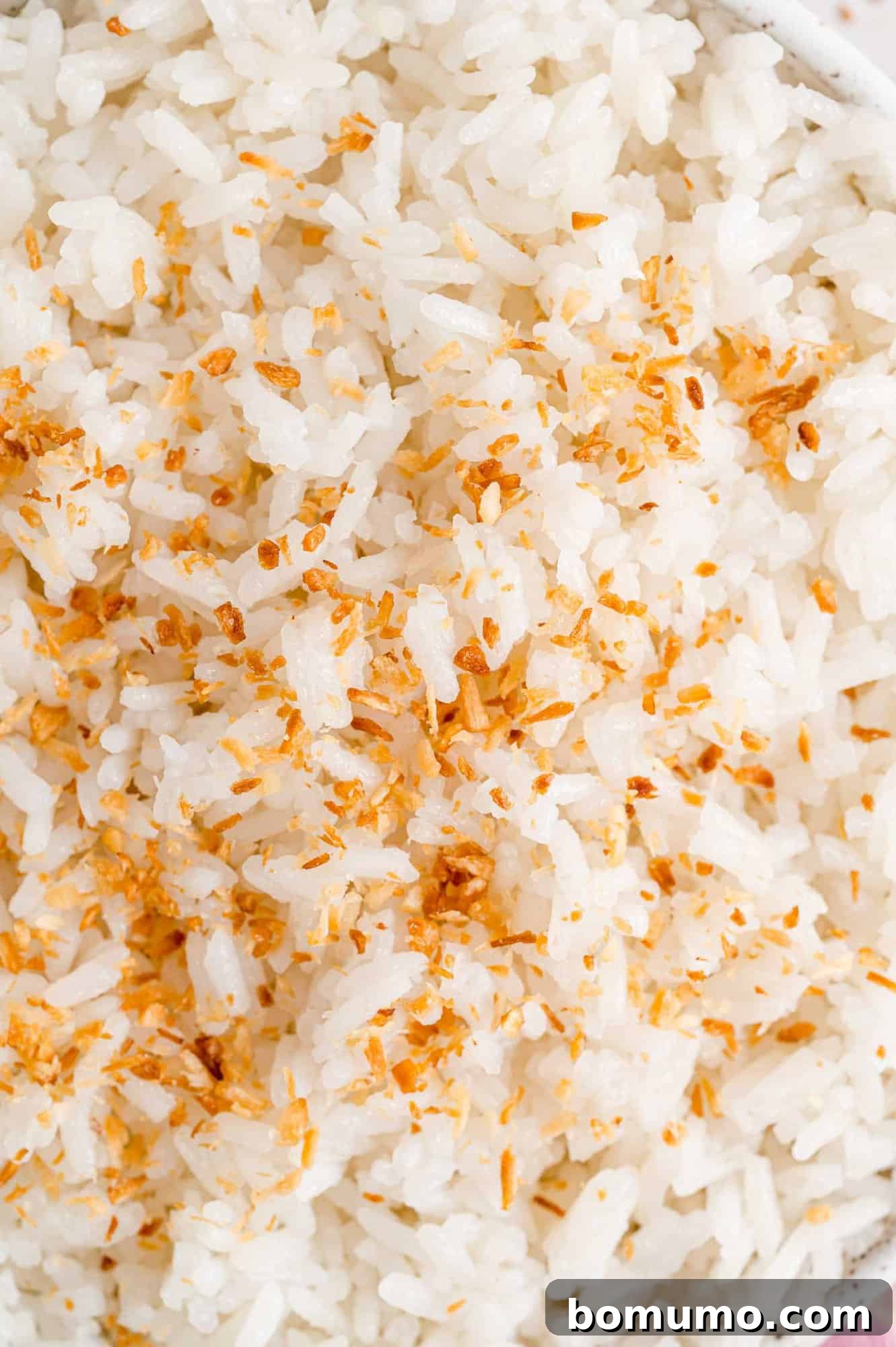
Preparing components of your meal in advance can be a huge time-saver. For this coconut rice recipe, the most impactful make-ahead step involves the toasted coconut garnish. You can prepare the unsweetened shredded coconut up to a week ahead of time. Once toasted and perfectly golden, ensure it cools completely to room temperature before transferring it to an airtight container. Store it in a cool, dry pantry or cabinet, and it will retain its crispness and fresh flavor, ready to sprinkle over your freshly cooked rice whenever you need it.
Storing & Reheating Coconut Rice Like a Pro
Storing & Reheating Coconut Rice Like a Pro
One of the many advantages of coconut rice is how incredibly well it keeps, making it fantastic for leftovers. Unlike plain white rice, which can often become dry and hard after refrigeration, the natural fats in coconut milk help to keep this rice delightfully moist, creamy, and flavorful, even after being reheated.
Refrigeration: For short-term storage, allow any leftover coconut rice to cool completely to room temperature before transferring it to an airtight container. Store it in the refrigerator for up to five days. This ensures its freshness and prevents bacterial growth.
Freezing: For longer storage, coconut rice freezes beautifully. Once cooled, spoon individual portions into resealable freezer bags or freezer-safe containers, removing as much air as possible to prevent freezer burn. It can be stored in the freezer for up to six months without significant loss of quality. Label with the date for easy tracking.
Reheating: Reheating coconut rice is simple and quick. For individual portions, the microwave is your best friend. Place the rice in a microwave-safe dish, add a tablespoon or two of water or coconut milk to reintroduce moisture, cover loosely, and microwave for 45 to 60 seconds, or until heated through. Stir halfway for even reheating. For larger quantities or a stovetop method, place the rice in a saucepan with a splash of water or coconut milk, cover, and heat over low heat, stirring occasionally, until warmed.
Creative Ways to Enjoy Leftover Coconut Rice
Creative Ways to Enjoy Leftover Coconut Rice
Don’t let any precious leftover coconut rice go to waste! Its unique flavor and texture make it an excellent base for creative new dishes. Here’s a delicious idea to transform your leftovers:
Tropical Fruit Breakfast Bowl: Elevate your morning routine with a tropical twist. Gently warm your leftover coconut rice in the microwave or on the stovetop. Once warm, transfer it to a bowl and generously top with an assortment of fresh, juicy tropical fruits like sliced mango, ripe bananas, sweet pineapple chunks, or vibrant berries. For an extra creamy element, add a dollop of your favorite yogurt (dairy or non-dairy). Finish with a sprinkle of additional toasted coconut, a handful of crunchy nuts, or a serving of your favorite granola for added texture and nutrition. It’s a wonderfully satisfying and invigorating start to your day!
More Fantastic Rice Recipes to Explore
Effortless Instant Pot Jasmine Rice Recipe
Simple & Authentic Mexican Rice Recipe
How to Make Perfect Instant Pot Brown Rice
Quick & Easy Fried Rice Recipe – Ready in 30 Minutes!
Creamy & Fragrant Coconut Rice Recipe
Rachel Gurk
5 minutes
20 minutes
10 minutes
35 minutes
6
servings
Ingredients
-
½
cup
unsweetened shredded coconut (for garnish, optional) -
1 ½
cups
jasmine rice -
1
can
(13.6 to 14 ounce) full-fat unsweetened coconut milk
(light coconut milk can be substituted) -
¾
cup
water -
2
tablespoons
granulated sugar (adjust to taste) -
1
teaspoon
kosher salt
(use less if using fine salt)
Instructions
-
Prepare Toasted Coconut (Optional): In a dry frying pan over medium-low heat, spread out the ½ cup of unsweetened shredded coconut. Toast, stirring frequently, until it turns a light golden brown (this takes about 2 to 3 minutes). Immediately transfer the toasted coconut to a plate to cool to prevent further browning. This can be done while the rice cooks.½ cup unsweetened shredded coconut
-
Rinse the Rice: Place 1½ cups of jasmine rice in a fine mesh strainer. Rinse the rice under cool running water until the water runs mostly clear, which typically takes about 1 minute. This removes excess starch for a fluffier result.1 ½ cups jasmine rice
-
Combine & Bring to Boil: Pour the rinsed rice, the full can of coconut milk (shake well before opening), ¾ cup water, 2 tablespoons granulated sugar, and 1 teaspoon kosher salt into a medium saucepan. Stir gently to combine all ingredients. Place the pot uncovered over high heat and bring the mixture to a rolling boil.1 can (13.6 to 14 ounce) full-fat unsweetened coconut milk,
¾ cup water,
2 tablespoons granulated sugar,
1 teaspoon kosher salt -
Simmer: Once boiling, give the rice one last stir, then immediately cover the pot with a tight-fitting lid and reduce the heat to the lowest possible simmer. Allow the rice to cook, covered and undisturbed, for 17 minutes. Avoid lifting the lid during this period, as the steam is essential for proper cooking.
-
Rest & Fluff: After 17 minutes, remove the pot from the heat (keeping the lid on) and let the rice rest, covered, for an additional 10 minutes. Again, do not peek. This resting period allows the rice to fully absorb the liquid and steam to perfection. Finally, remove the lid and gently fluff the rice with a fork. If it appears too sticky, re-cover and let it steam for a few more minutes off the heat. Serve immediately, topped with toasted coconut if desired.
Notes
- Versatile Serving Suggestions: While delicious with toasted coconut, this rice is also superb without it. Feel free to serve it plain, or experiment with other vibrant garnishes such as fresh lime zest, thinly sliced scallions (green onions), finely chopped fresh cilantro, crunchy toasted slivered almonds, or fresh tropical fruits like sweet mango or juicy pineapple.
- Instant Pot Cooking Method: For a quicker preparation using an Instant Pot, reduce the water to ½ cup. Combine all ingredients (except the shredded coconut) in the Instant Pot liner. Secure the lid, select “Pressure Cook” (or “Manual”) on high pressure, and set the timer for 3 minutes. Once cooking is complete, allow the pressure to release naturally for 7 minutes. After this, manually release any remaining pressure, carefully remove the lid, and fluff the rice with a fork. For an even softer texture, you can turn off the Instant Pot and leave it covered for an additional 10 minutes after fluffing to ensure maximum moisture absorption.
Recipe Video
Watch our video tutorial to see just how easy it is to make delicious coconut rice at home!
Nutrition Information
Serving Size:
0.75
cup
,
Calories:
389
kcal
,
Carbohydrates:
46
g
,
Protein:
5
g
,
Fat:
21
g
,
Saturated Fat:
19
g
,
Polyunsaturated Fat:
1
g
,
Monounsaturated Fat:
1
g
,
Sodium:
600
mg
,
Potassium:
271
mg
,
Fiber:
3
g
,
Sugar:
7
g
,
Vitamin C:
2
mg
,
Calcium:
28
mg
,
Iron:
2
mg
Nutrition information is automatically calculated, so should only be used as an approximation.
Did You Make This?
Share a comment and rating below! I love hearing what you think!