
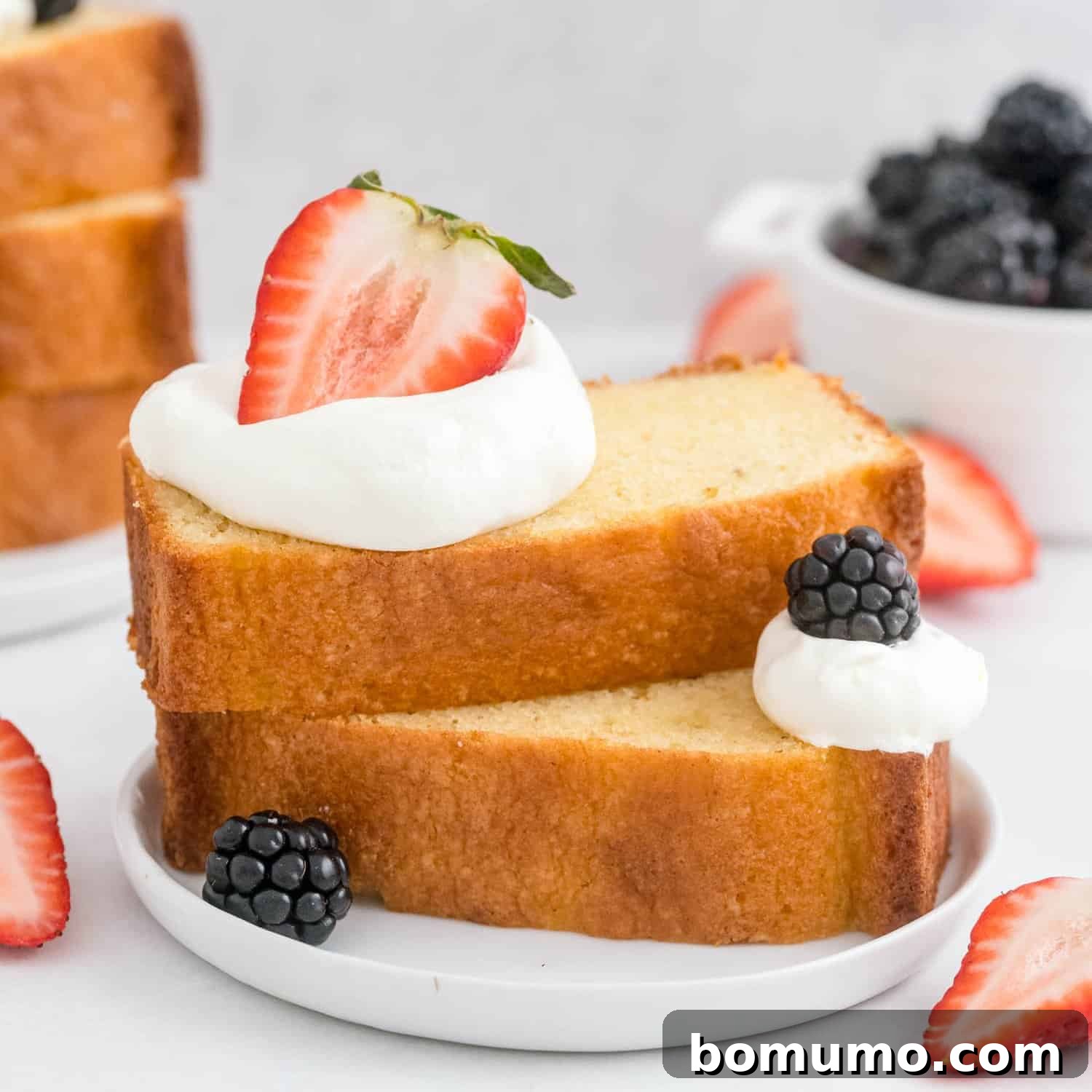
The Ultimate Classic Pound Cake: A Timeless Dessert Guide
Why You’ll Adore This Recipe: Indulge in the rich, dense, and perfectly buttery essence of a classic pound cake. This timeless dessert is a culinary marvel, offering delightful flavor and a wonderfully moist crumb on its own. Yet, its true magic shines when paired with fresh fruits, dollops of whipped cream, or any imaginative topping you desire. Beyond its exquisite taste, this recipe is remarkably straightforward, making it an accessible baking project for all skill levels, promising a rewarding and delicious outcome every time.
Preparation and Baking Time: Expect to dedicate approximately 1 hour and 15 minutes to this recipe, which thoughtfully includes the crucial cooling time. The active preparation segment is surprisingly brief, allowing for a relaxed and enjoyable baking experience without feeling rushed.
Essential Equipment: To bring this exquisite cake to life, you will need a standard 9-inch loaf pan to achieve its signature shape, parchment paper for effortless removal, a reliable oven preheated to the correct temperature, an electric mixer for achieving perfect aeration and smooth batter, and a spacious mixing bowl to comfortably combine your ingredients.
Yields: This generous recipe graciously provides 9 substantial slices, making it perfect for sharing with family and friends, or for savoring throughout the week as a delightful treat.
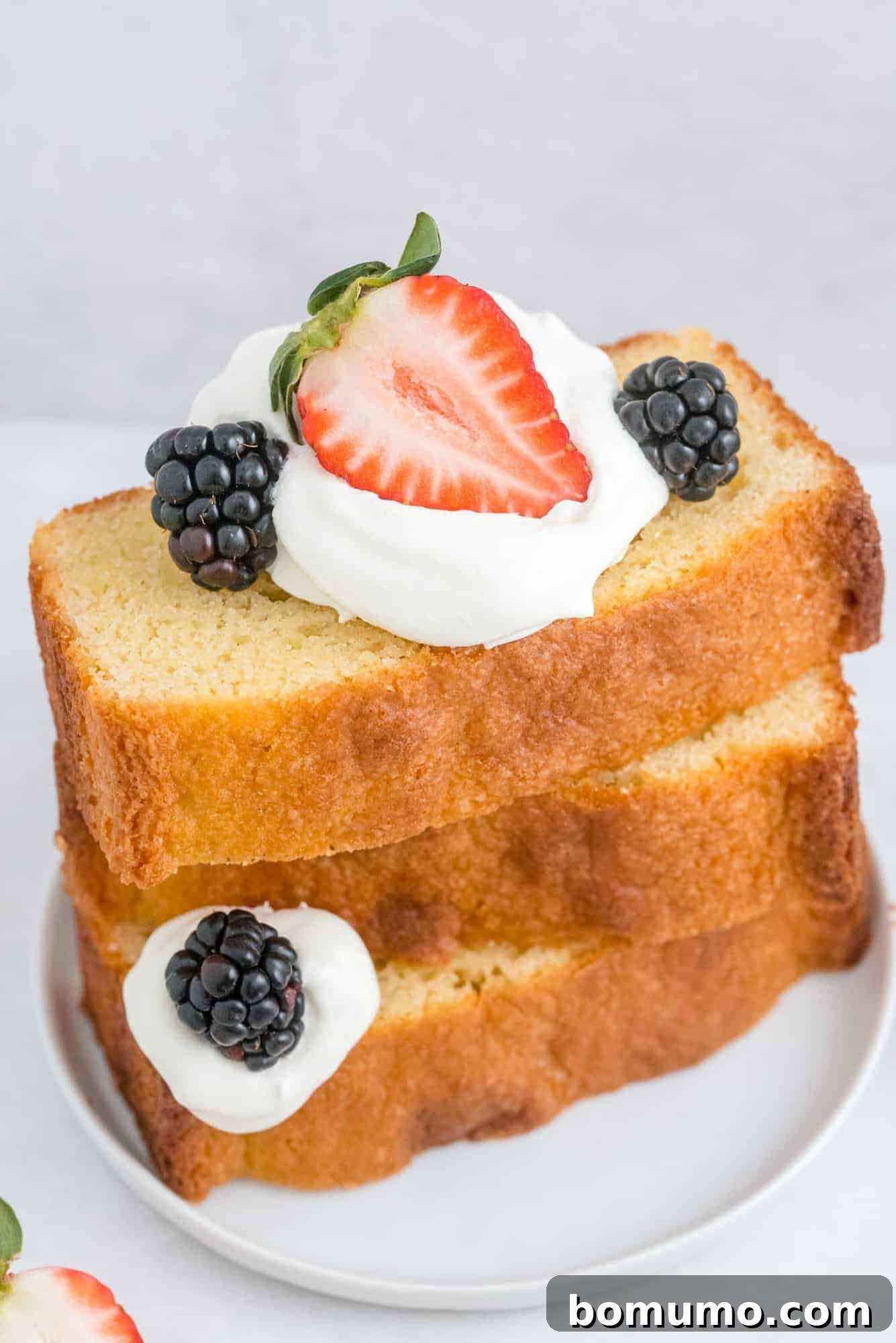
Classic Pound Cake: A Symphony of Simplicity and Flavor
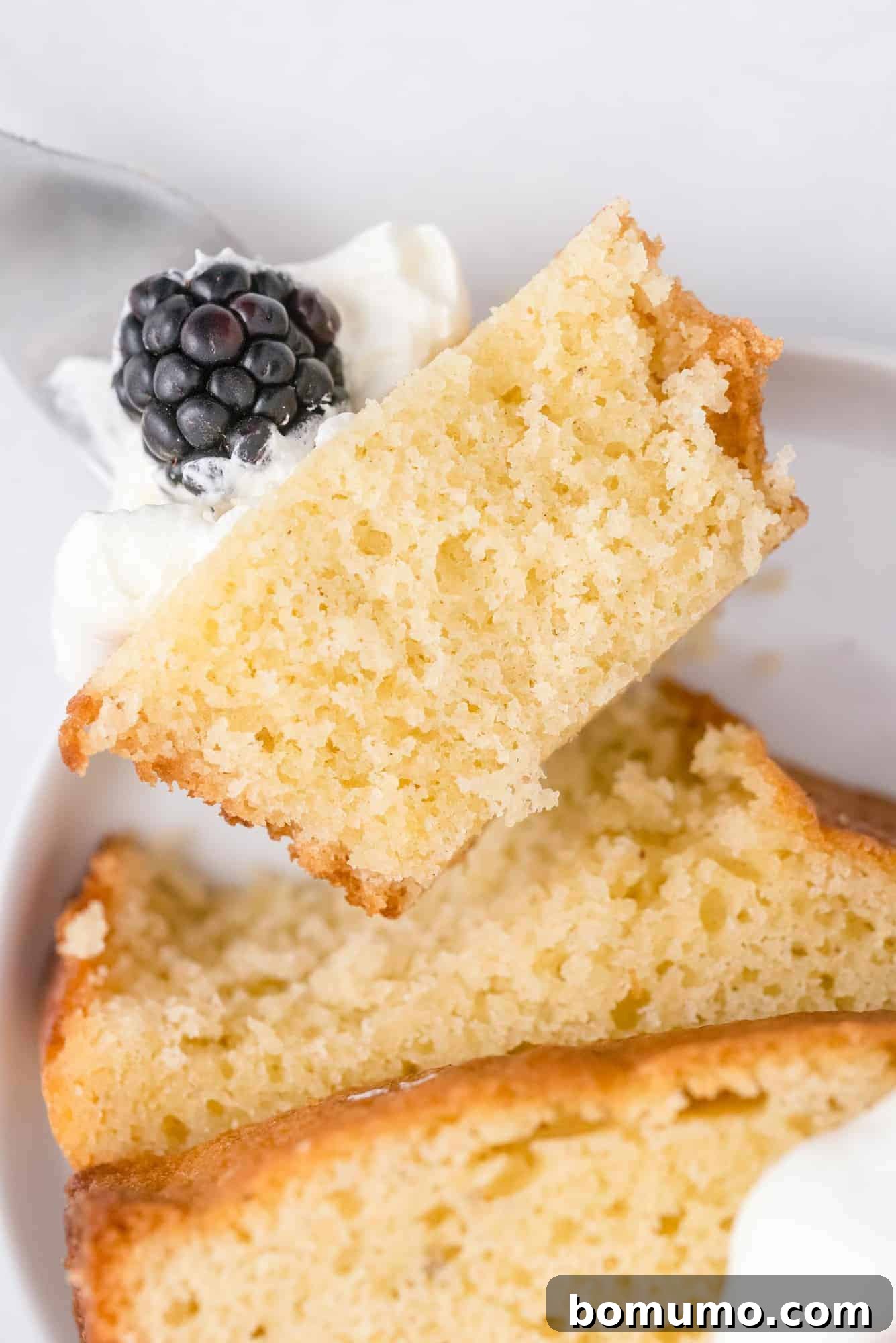
The enduring allure of a classic pound cake lies in its beautiful simplicity and the profound comfort it delivers. There’s an undeniable charm in savoring a slice while it’s still slightly warm, where its rich, dense texture and sweet, moist crumb create an immediate sense of home and satisfaction. The flavor profile is profoundly rich and wonderfully understated, allowing the purity of its high-quality, basic ingredients to harmoniously shine through. Each bite is a testament to timeless baking, offering a perfect balance of sweetness and buttery depth that truly needs no embellishment.
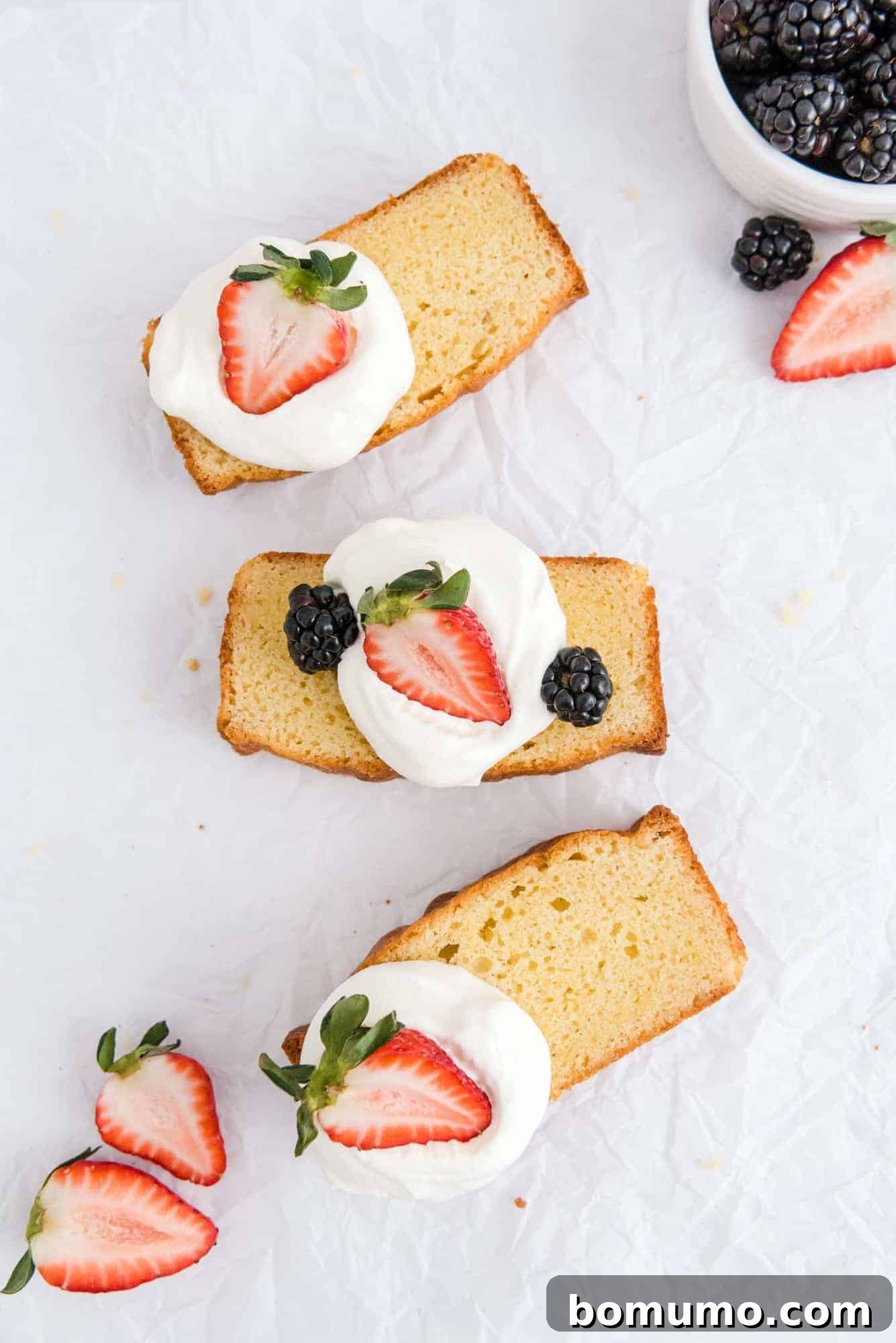
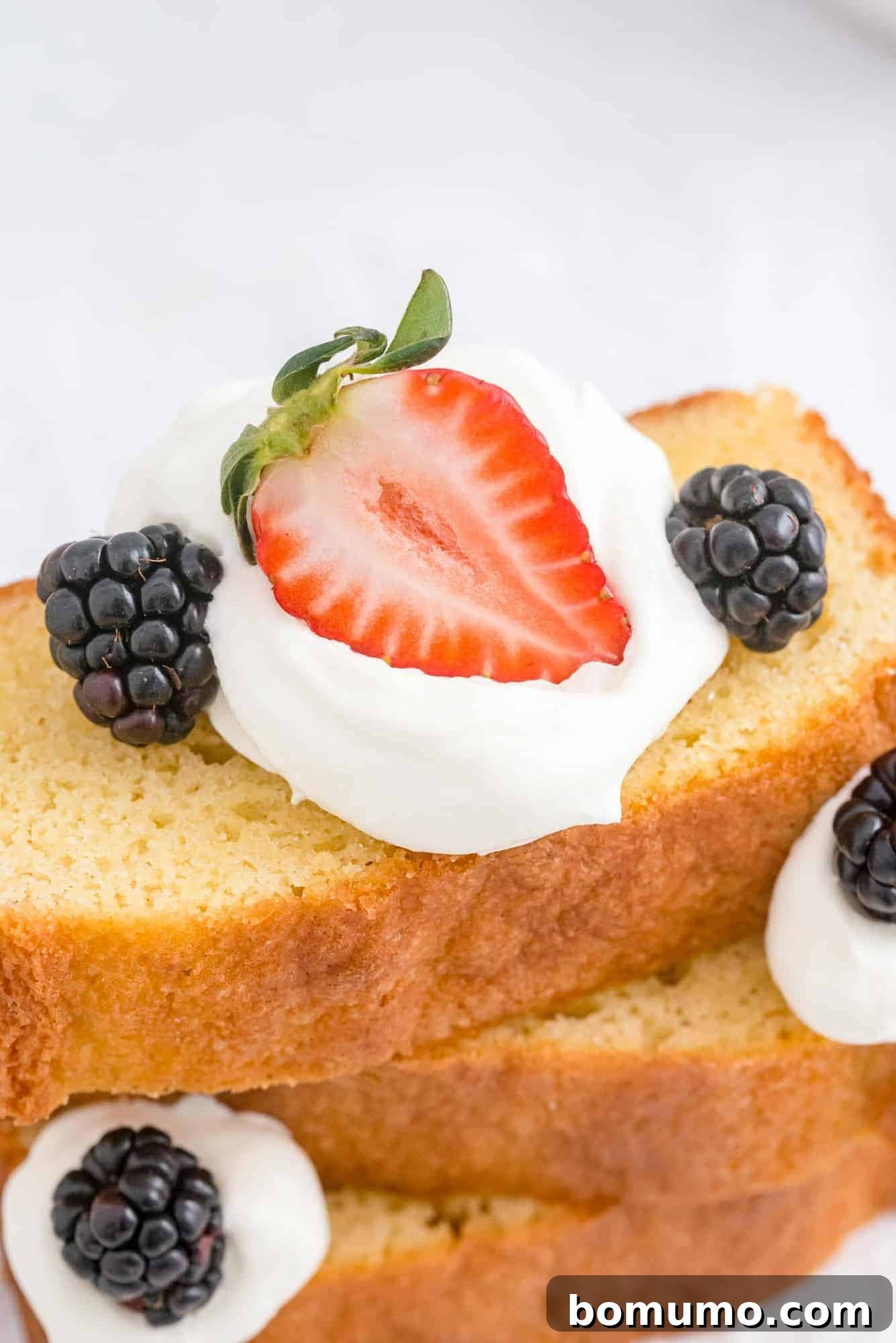
However, the remarkable versatility of pound cake truly sets it apart as a dessert. While perfectly delicious and satisfying on its own, it serves as an exceptional culinary canvas, eagerly awaiting a myriad of delightful accompaniments. Imagine a simple slice transformed with a vibrant medley of fresh fruits – plump, juicy strawberries bursting with sweetness, tart raspberries offering a refreshing counterpoint, or succulent, ripe peaches adding a soft, fragrant touch. Each fruit provides a burst of natural flavor and a beautiful visual contrast. A luxurious dollop of light and airy homemade whipped cream further elevates the experience, adding a cloud-like lightness that beautifully complements the cake’s characteristic density, creating a perfect textural harmony.
For those seeking even more layers of indulgence, a generous scoop of creamy vanilla ice cream or tangy frozen yogurt can instantly turn a humble slice into an extraordinary dessert experience. Elevate this combination by drizzling it generously with a classic, velvety chocolate syrup, a rich and gooey hot fudge, or a sophisticated bourbon caramel sauce for an added layer of sweet decadence. The bright, zesty tang of lemon curd is another magnificent pairing, offering a delightful citrusy cut through the cake’s richness that awakens the palate. Don’t overlook the endless possibilities with homemade fruit sauces; a silky peach sauce, a burst of concentrated flavor from a homemade blueberry sauce, or the unique, pleasant tartness of rhubarb sauce all pair exquisitely with pound cake, offering seasonal variations that delight. Our recent favorite, a luscious strawberry sauce, brings the vibrant essence of summer to every bite, making it an irresistible choice.
For an extra touch of elegance or a different flavor profile, consider drizzling the top of the cooled cake with a delicate icing or soaking it with a fragrant flavored simple syrup. Imagine a syrup infused with bright lemon, warm vanilla, or even a hint of rum for an adult twist. Truly, the creative possibilities for serving and enhancing this humble yet magnificent cake are boundless, limited only by your culinary imagination and personal preferences.
Mastering Your Pound Cake with Quality Ingredients
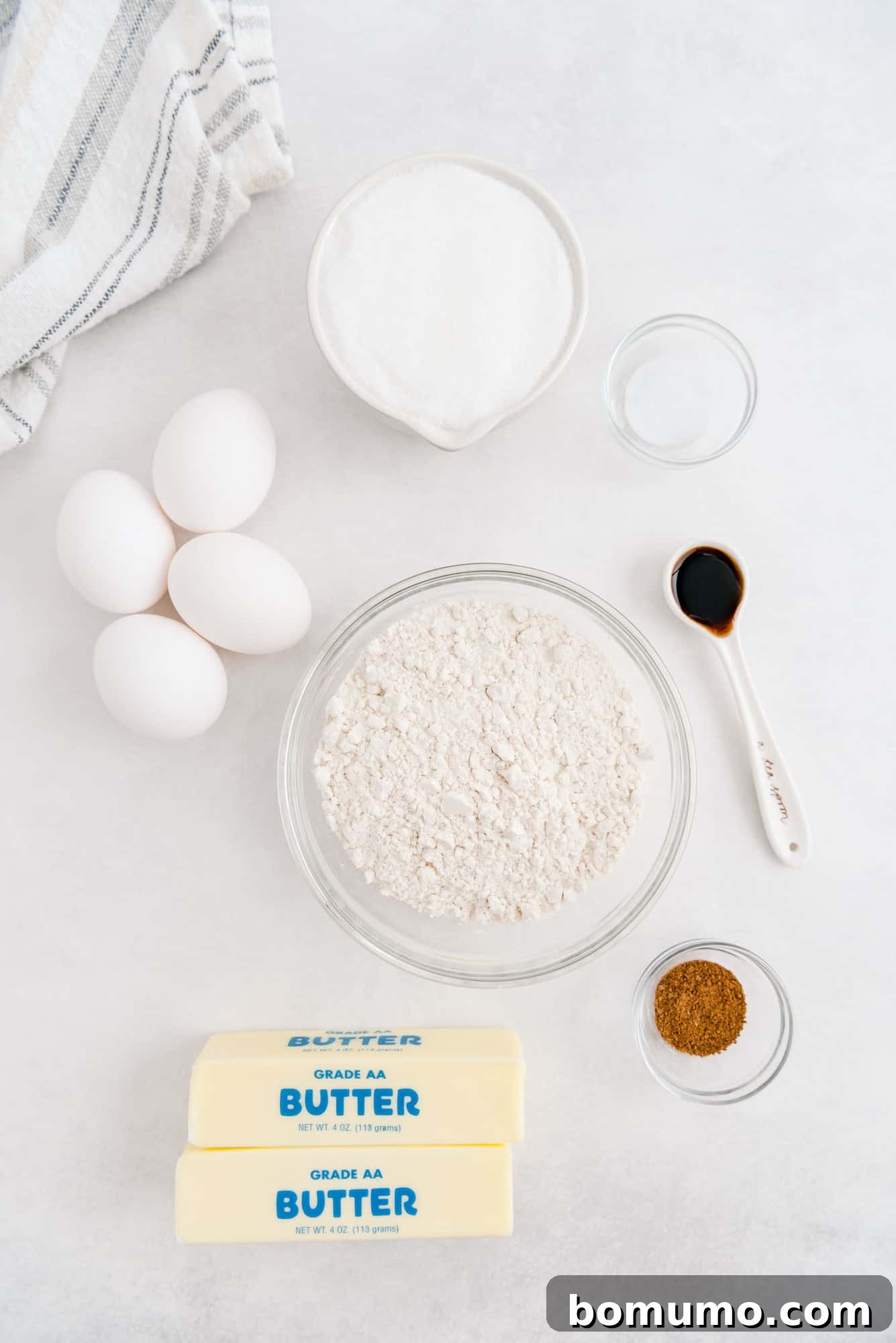
The secret to crafting a truly perfect pound cake lies not just in the technique, but in understanding and respecting each of its simple yet powerful ingredients. While the list is short, their quality and proper preparation are paramount to achieving that coveted rich, dense, and perfectly moist texture. Here’s an in-depth look at what each component brings to your baking masterpiece:
- Unsalted Butter: This is unequivocally the cornerstone of your pound cake, contributing immensely to its luxurious flavor and exquisitely tender texture. Utilizing unsalted butter grants you meticulous control over the final salt content of your cake, allowing you to fine-tune the flavor profile. If salted butter is your only available option, remember to significantly reduce or completely omit any additional salt called for in the recipe to avoid an overly salty outcome. Crucially, your butter must be at room temperature, which translates to a softened consistency that yields slightly to a gentle finger press but is never melted or greasy. This specific state is absolutely essential for proper creaming with sugar, a process that forms the airy foundation of your cake.
- Granulated Sugar: Good old granulated sugar is far more than just a sweetener in this recipe. It plays a pivotal role in developing the cake’s structure and ensuring its beloved moistness. When granulated sugar is vigorously creamed with butter, its crystalline structure creates countless tiny air pockets within the butter. These air pockets are vital for achieving the pound cake’s characteristic dense yet wonderfully tender crumb, contributing to its rise and overall texture.
- Large Eggs: Eggs are critical multi-taskers in pound cake, performing essential functions such as binding the ingredients together, contributing to the cake’s subtle leavening, and adding unparalleled richness. They act as a natural emulsifier, helping to integrate the fats and liquids in the batter and preventing it from separating. Like butter, eggs must be at room temperature. This ensures they incorporate smoothly and evenly into the batter, preventing any curdling and promoting a uniform, silky-smooth texture throughout the cake. For a quick fix if you forget to take them out in advance, simply place your eggs in a bowl of warm (not hot) water for 5 to 10 minutes until they lose their chill.
- All-Purpose Flour: For the authentic texture of a classic pound cake, all-purpose flour is the definitive choice. Its moderate protein content strikes the perfect balance, providing sufficient structure to hold the cake together without developing excessive gluten, which could result in an overly tough or chewy crumb. The result is that ideal balance of density and melt-in-your-mouth tenderness. Accurate measurement of flour is one of the most critical steps in baking – always lightly spoon the flour into your dry measuring cup and then level it off with a straight edge; never scoop directly from the canister or bag, as this compacts the flour, adding significantly more than intended, which will inevitably lead to a dry, dense, and crumbly cake.
- Pure Vanilla Extract: The inclusion of pure vanilla extract is a non-negotiable step for any pound cake worth its salt. It infuses the cake with a warm, deeply aromatic depth and a subtle sweetness that beautifully enhances and rounds out all the other inherent flavors. This simple addition transforms a basic cake into something truly special and memorable. Always opt for high-quality pure vanilla extract for the most impactful and authentic flavor profile.
- Fine Salt: A small but mighty ingredient, a quarter teaspoon of fine salt is absolutely essential for balancing the sweetness of the cake and acting as a flavor enhancer. It prevents the cake from tasting overly sugary or flat, instead bringing out the subtle nuances of the butter, vanilla, and other ingredients, creating a more complex and satisfying taste.
- Ground Nutmeg (Optional but Recommended): This spice adds a subtle yet undeniably captivating “je ne sais quoi” – a pleasing, hard-to-describe quality that elevates the cake’s overall aroma and taste. It’s not meant to be overpowering, but rather provides a warm, comforting, and slightly exotic note that many find utterly irresistible, adding a layer of sophisticated flavor without dominating the palate.
Step-by-Step Guide: Crafting Your Own Perfect Pound Cake
Baking a classic pound cake is a wonderfully rewarding experience, surprisingly simple despite its elegant reputation and rich flavor. The true beauty of this recipe lies in its straightforward ingredients and an accessible process. You’ll likely discover most, if not all, the necessary items already waiting in your pantry and refrigerator, making it an ideal candidate for a spontaneous baking project or a reliable go-to for any occasion.
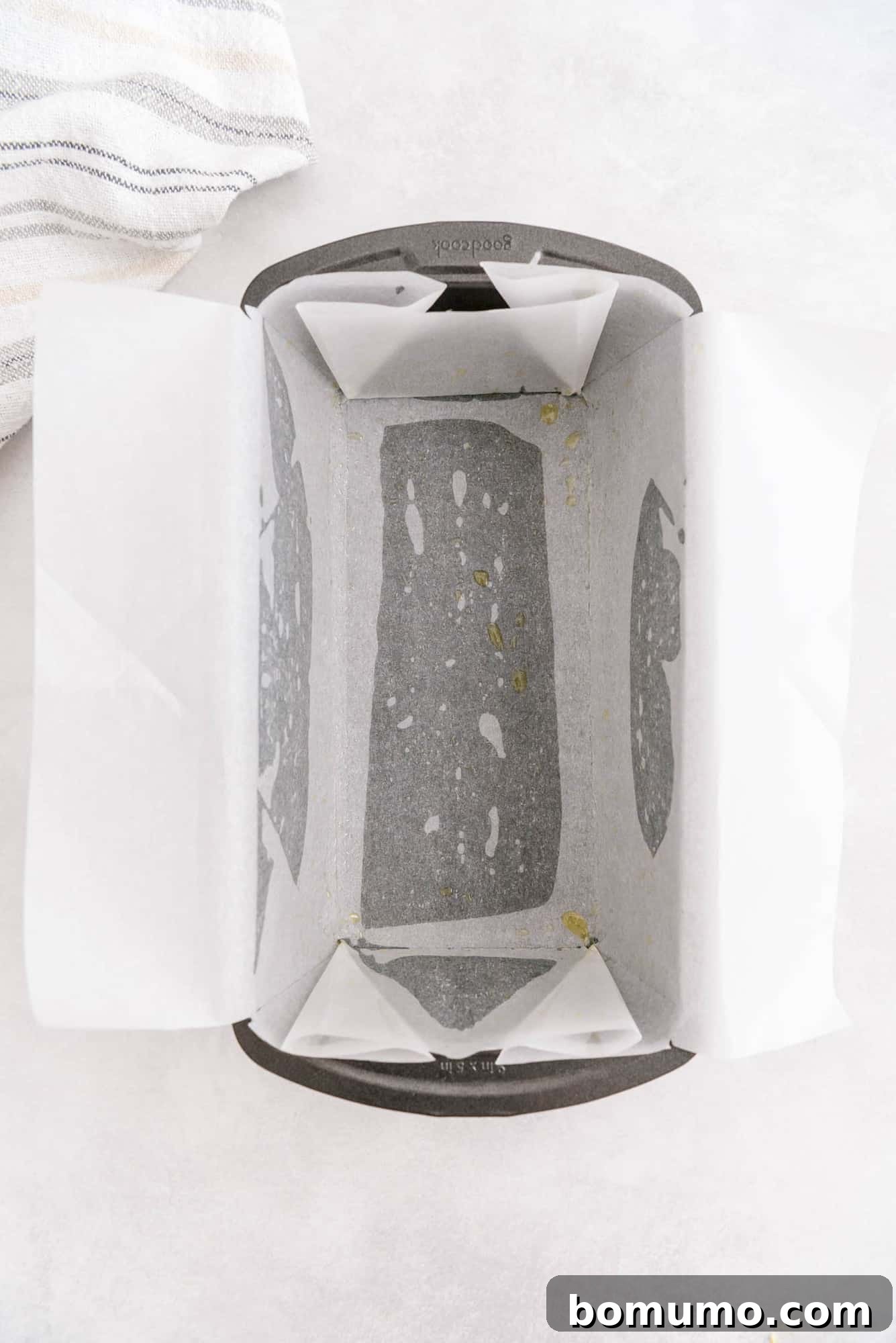
- Thorough Preparation is Your Foundation: Begin your baking journey by meticulously gathering all your essential equipment. This includes pulling out your trusty electric mixer, a spacious mixing bowl that allows for comfortable stirring, and your chosen 9-inch loaf pan. Crucially, preheat your oven to a precise 350°F (175°C) well in advance. This ensures the oven reaches and maintains the correct temperature before your batter is ready to bake, which is vital for an even rise and perfectly cooked interior. Next, prepare your loaf pan: line it with parchment paper, ensuring there’s a generous overhang on the longer sides. This parchment “sling” isn’t strictly mandatory but it’s an incredibly clever trick that makes effortlessly lifting the finished cake out of the pan a breeze, preventing any sticking or crumbling. After lining, lightly spray both the parchment and any exposed sides of the pan with nonstick cooking spray for an extra layer of insurance.
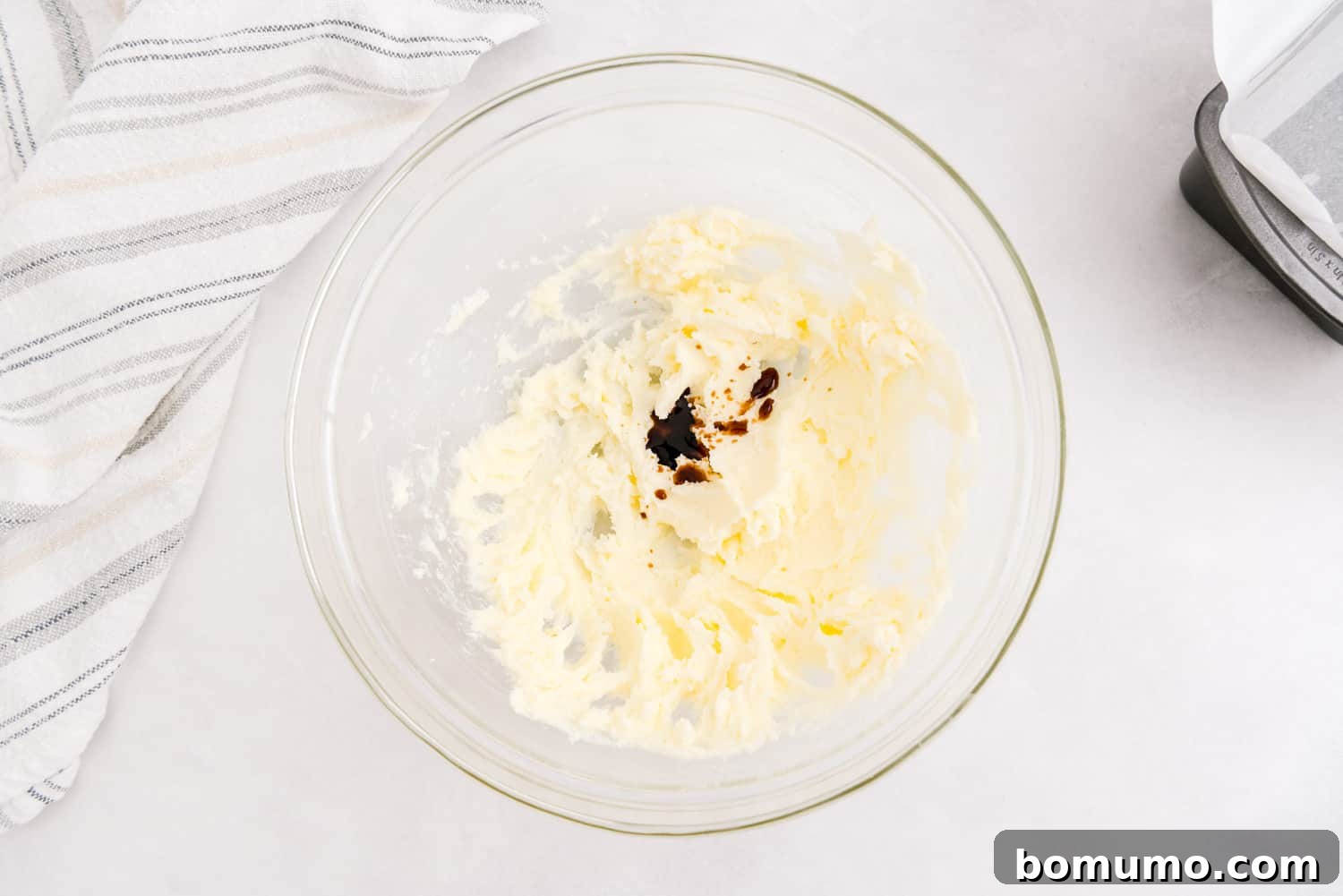
- Creaming Butter and Sugar to Fluffy Perfection: In your large mixing bowl, combine the softened, room-temperature unsalted butter with the granulated sugar. Using your electric mixer, begin beating these two ingredients together on medium-high speed. Continue this creaming process until the mixture undergoes a remarkable transformation: it should become noticeably pale in color, light in texture, and wonderfully fluffy. This critical step should take a minimum of 4 to 5 minutes; resist any urge to shorten this beating time, as proper creaming is the secret to a tender pound cake. This vigorous mixing incorporates essential air into the mixture, which is absolutely crucial for creating the pound cake’s signature dense yet tender crumb and contributes significantly to its lift. Skimping on this step can result in a cake that is disappointingly heavy and flat.
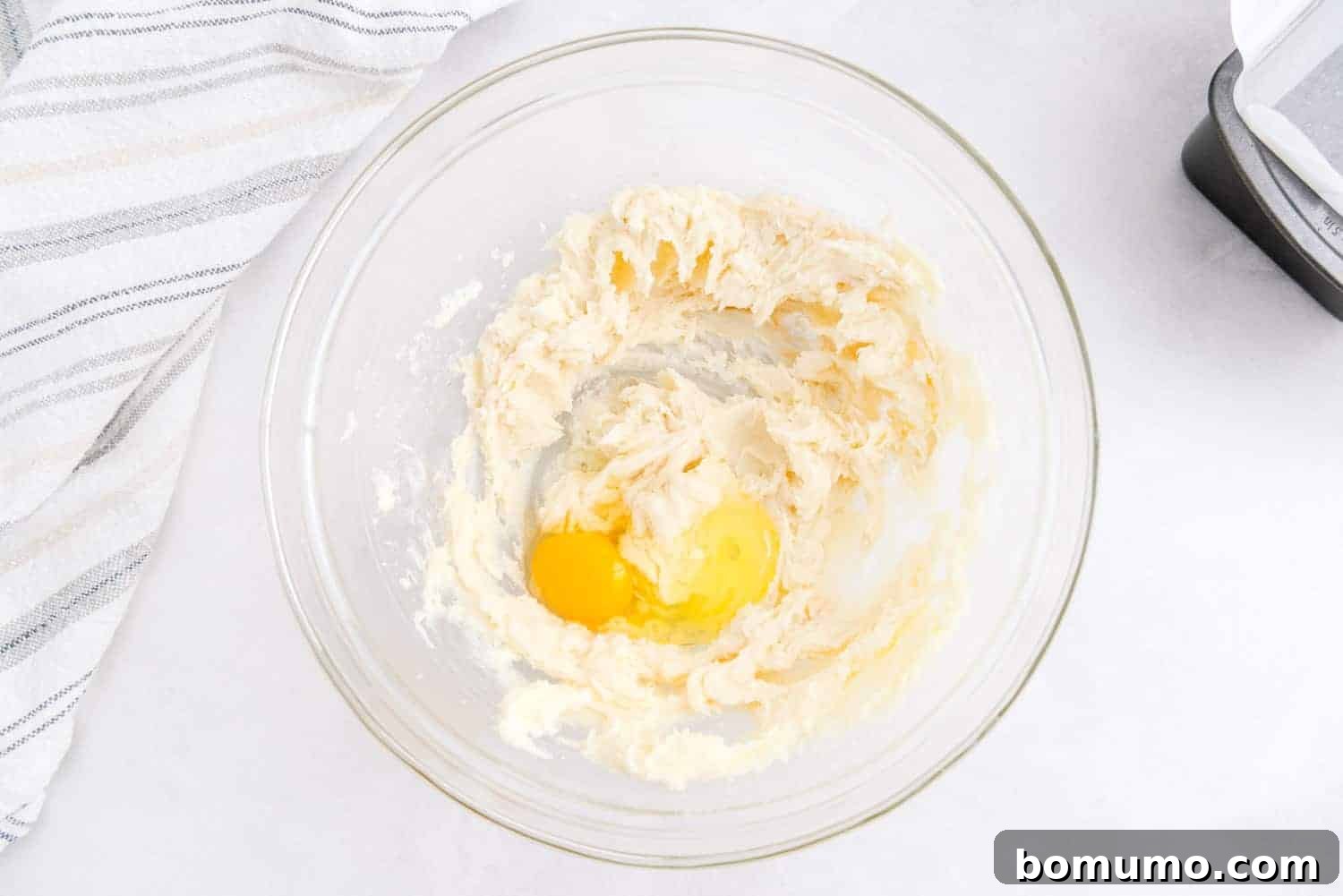
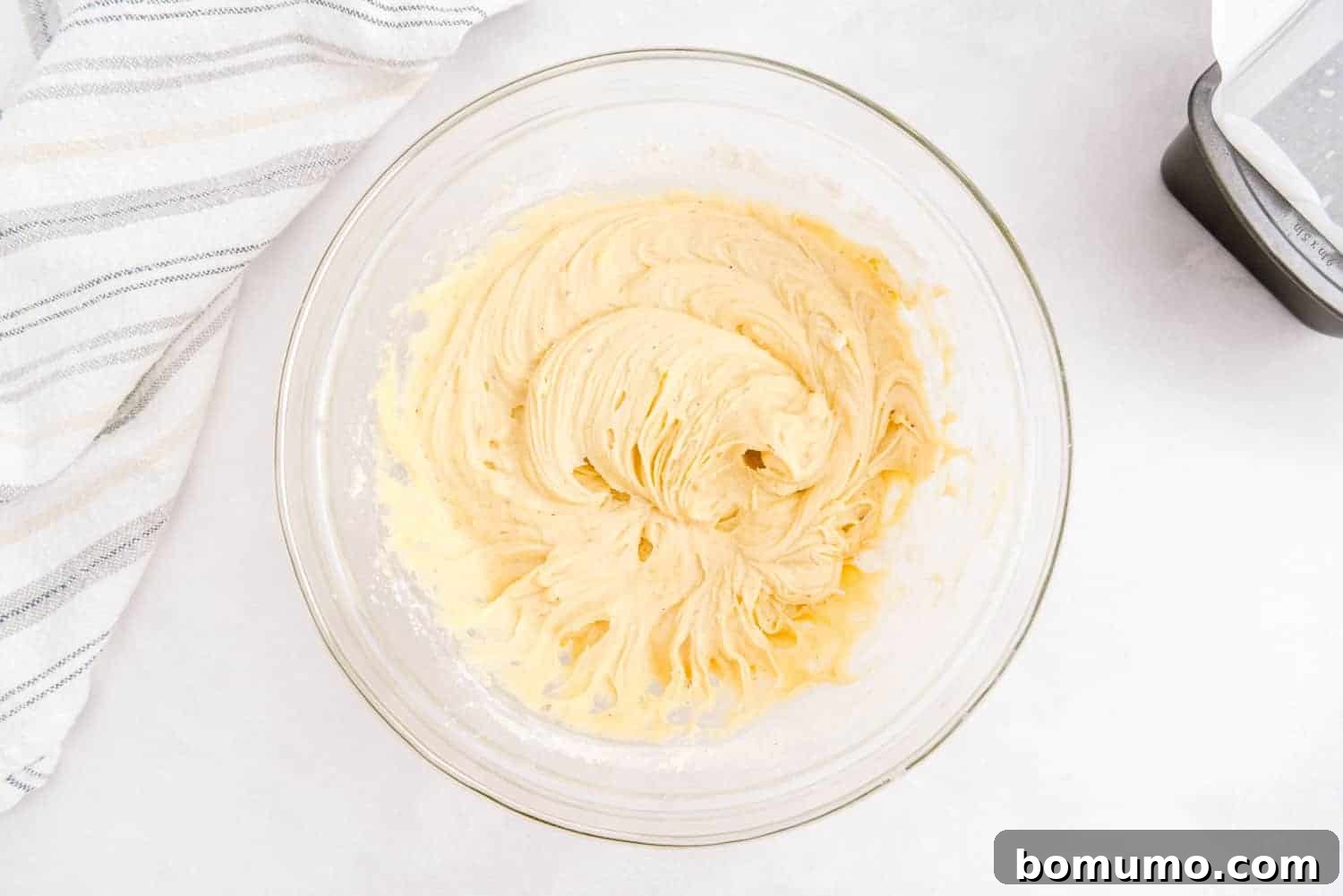
- Seamlessly Incorporating Vanilla and Eggs: Once your butter and sugar mixture has achieved that perfect creamy, fluffy consistency, it’s time to introduce the flavor and structure-building components. First, add the pure vanilla extract, ensuring it is fully mixed in. Next, add the large, room-temperature eggs, but do so one at a time. After each individual egg addition, beat the mixture thoroughly for about 30 seconds to a full minute. This gradual addition and thorough beating ensures that each egg is fully incorporated and emulsified into the butter-sugar mixture before the next is added, which is key to preventing the batter from curdling or separating. Continue beating until the entire mixture appears smooth, cohesive, and no distinct traces of yellow yolk are visible.
- Gently Folding in the Dry Ingredients: In a separate, medium-sized bowl, whisk together your all-purpose flour, fine salt, and the optional ground nutmeg, ensuring they are well combined. Now, gradually add these dry ingredients to the wet mixture in your large bowl. The key here is gentle incorporation: use your electric mixer on the very lowest speed, or ideally, switch to a rubber spatula and gently fold the dry ingredients into the wet until they are just combined. Be extremely careful not to overmix at this stage, as excessive stirring can over-develop the gluten in the flour, which will lead to a tough, chewy cake rather than a tender one. The batter will be noticeably thick and dense at this stage. Periodically scrape down the sides of the bowl with your spatula to ensure all ingredients are evenly incorporated and no pockets of dry flour remain.
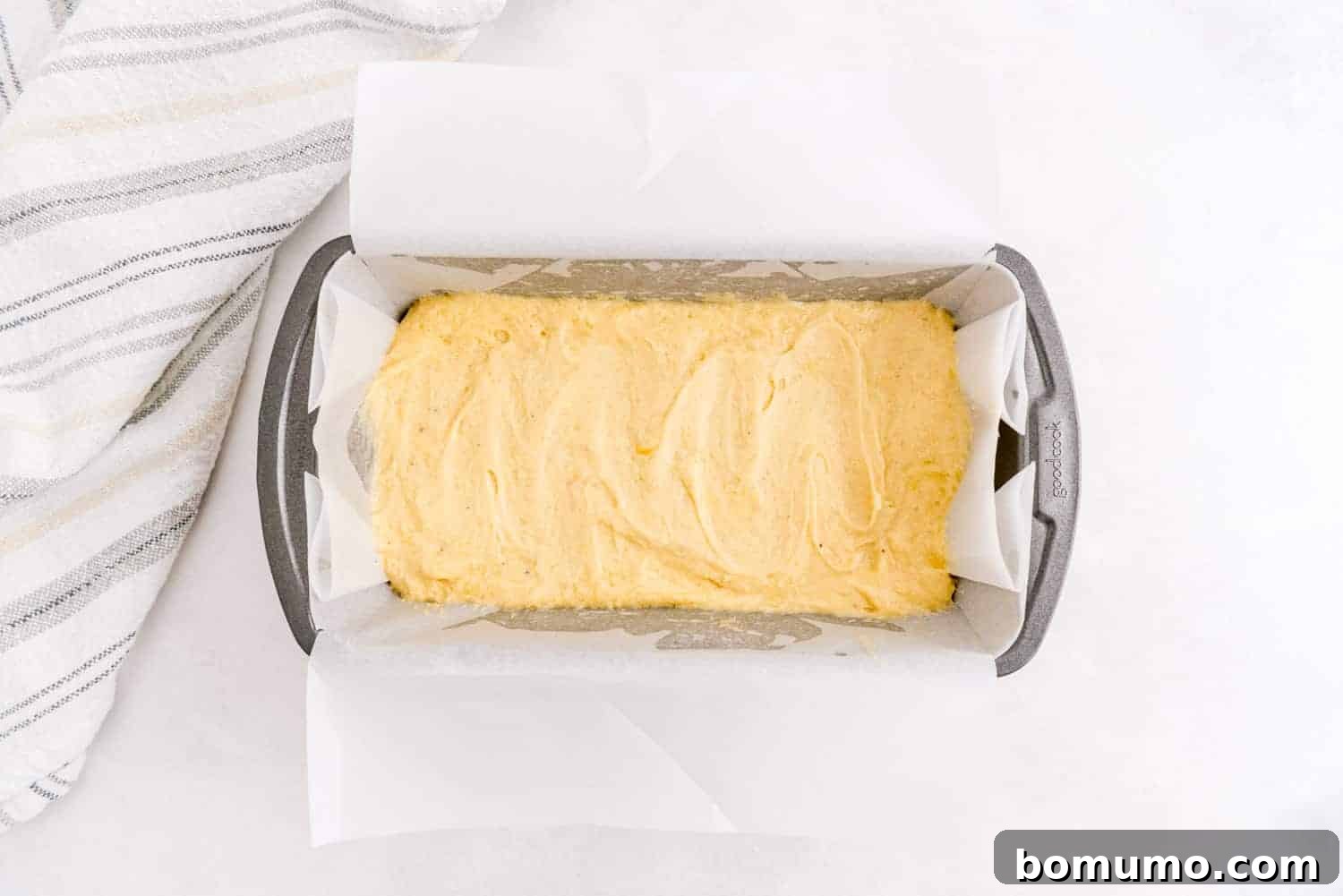
- Transferring Batter to the Loaf Pan: Carefully scrape the thick, rich batter into your prepared loaf pan. Once the batter is in the pan, use a spatula or the back of a spoon to gently smooth out the top surface. This step is important for promoting uniform rising during baking and helps achieve that beautiful, characteristic golden-brown crust.
- Baking to Golden Perfection: Place the loaf pan into your preheated oven. Bake for approximately 50 to 55 minutes. It’s important to remember that baking times can vary slightly depending on the calibration of your individual oven and the specific material of your loaf pan; for instance, cakes baked in glass loaf pans often require a few extra minutes compared to those baked in metal pans.
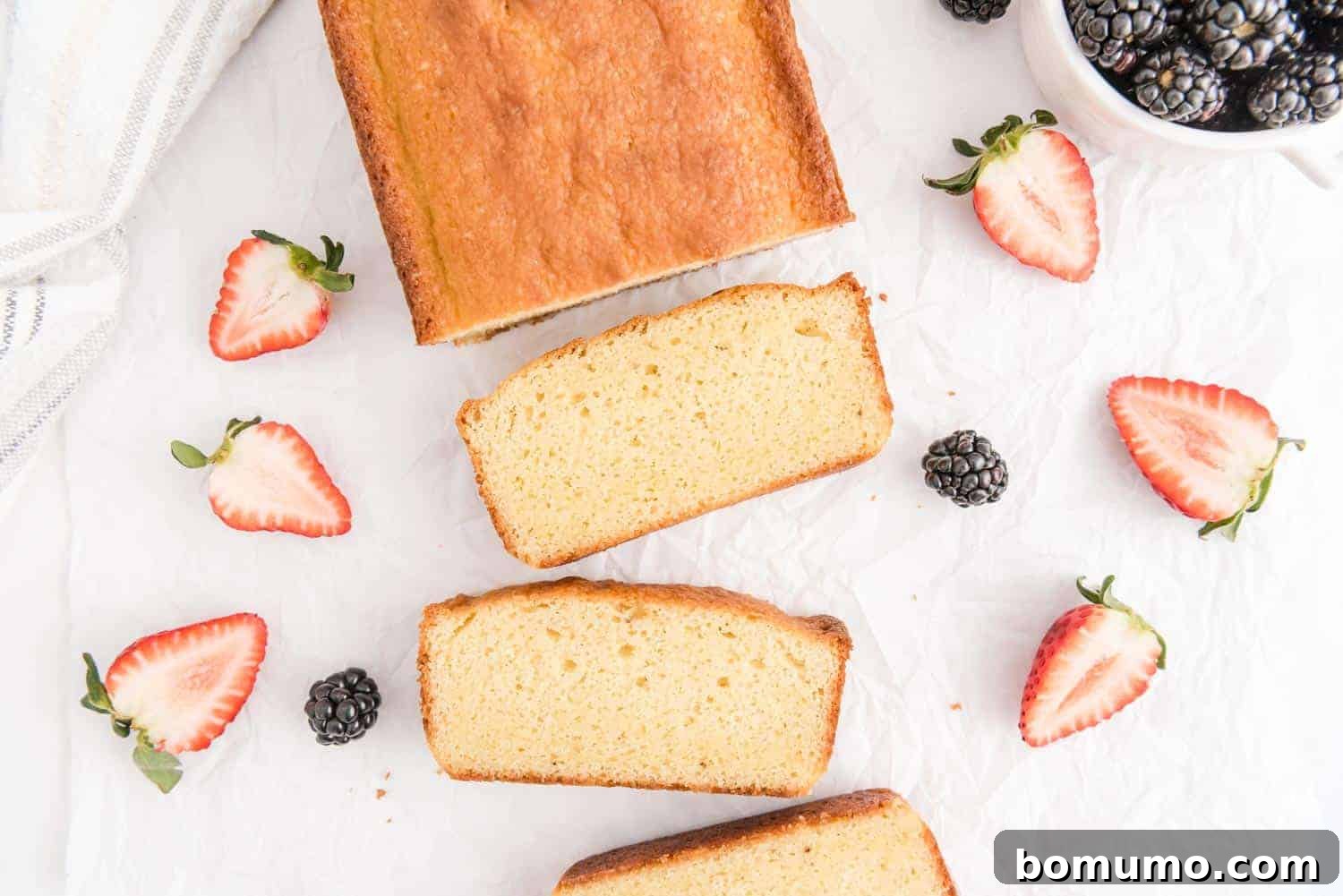
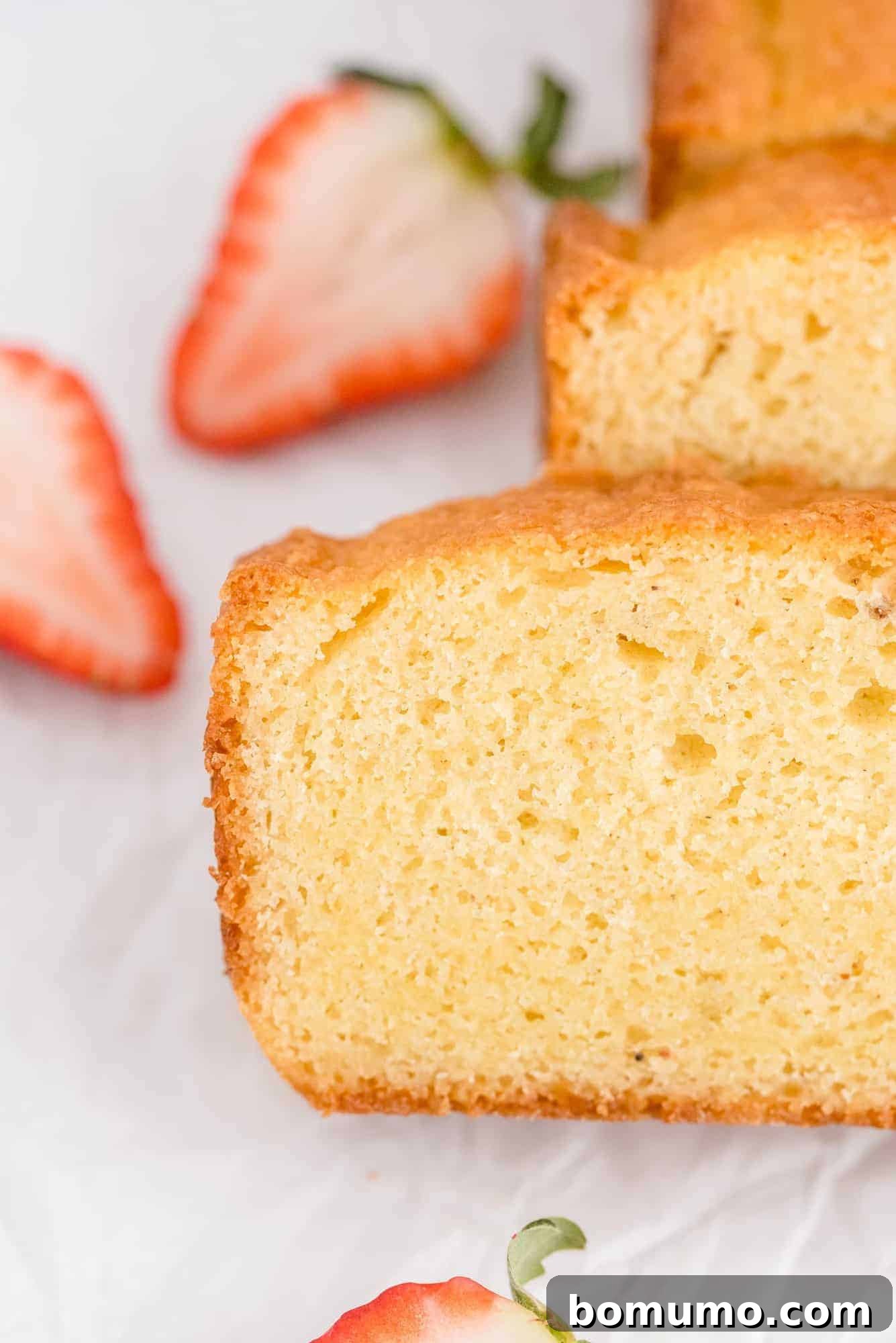
- Determining Doneness: You’ll know your pound cake is perfectly baked when several key indicators are present. The top and sides of the cake will have achieved a beautiful, rich golden-brown hue. A characteristic deep crack often forms gracefully down the center of traditional pound cakes, which is a desirable and expected trait. The most reliable test, however, is to insert a long toothpick or a thin skewer into the very center of the cake; it should come out completely clean, with no wet batter clinging to it. If it’s not quite done, continue baking in 5-minute increments, checking each time, until the toothpick emerges spotless.
- Cooling with Utmost Care: Once your pound cake is perfectly baked, remove it from the oven and immediately place the loaf pan on a wire rack to begin its initial cooling. Allow the cake to cool in the pan for at least 10 to 15 minutes. This crucial resting period allows the cake’s delicate structure to set and firm up gradually. Attempting to remove or slice a hot pound cake too soon can cause it to crack, crumble, or even collapse due to its still-fragile nature. After this initial cooling, gently use the parchment paper overhang as a “sling” to lift the cake out of the pan and transfer it directly to the wire rack to cool completely. Patience during this entire cooling process ensures the best possible texture and prevents any structural damage, leading to a beautifully intact and delicious cake.
Expert Tips for a Flawless Pound Cake Every Time
While the concept of a pound cake seems wonderfully straightforward, mastering its classic rich, dense, and tender texture involves a few key techniques and careful considerations. Don’t be intimidated by this list of tips; they are designed to guide you towards a truly exceptional result, ensuring your cake is not only beautifully presentable but also incredibly delicious. With these insights, you’ll be able to avoid common baking pitfalls and approach your pound cake creation with confidence, achieving that perfect old-fashioned taste every time.
- Every Ingredient Must Be at Room Temperature: This is arguably the most fundamental and crucial tip for pound cake success. All your core ingredients – especially butter, eggs, and any dairy products like milk or sour cream if your chosen variation includes them – must be at room temperature. Cold ingredients do not emulsify or blend properly, leading to a lumpy, often separated batter. More importantly, room temperature ingredients trap more air during the creaming process, which is essential for achieving a light, airy base and a wonderfully uniform, tender crumb.
- Accurate Flour Measurement is Non-Negotiable: Over-measuring flour is an incredibly common baking mistake that can lead to a dry, crumbly, and tough pound cake. To ensure precision, always use the “spoon and level” method: lightly spoon the flour into your dry measuring cup until it overflows, then use a straight edge (such as the back of a knife or a metal spatula) to gently level off the excess. Never scoop flour directly from the canister or bag, as this compresses the flour, adding significantly more weight and volume than intended, which will inevitably result in a denser, drier cake.
- Soften the Butter Perfectly, Don’t Melt It: The ideal consistency for your butter is soft enough to yield easily to a gentle finger press, but it should still hold its shape and not appear greasy or shiny. If your butter is too hard and cold, it simply won’t cream properly with the sugar, hindering air incorporation. Conversely, if it’s melted or excessively soft and greasy, it loses its ability to trap air, leading to a flat, heavy, and dense cake. To achieve the perfect consistency, plan ahead by leaving your butter out of the refrigerator for a few hours, or even overnight, if you intend to bake first thing in the morning.
- Cream the Butter and Sugar Thoroughly: This step is absolutely foundational for developing the pound cake’s signature texture and is one of the most important parts of the process. Beat the softened butter and granulated sugar together vigorously until the mixture becomes visibly lighter in color, notably fluffy in texture, and significantly increased in volume. This process often takes a solid 4 to 5 minutes with an electric mixer. Do not skimp on this step! This vigorous beating incorporates essential air, creating a light, airy base for your batter. If your finished cake turns out unexpectedly heavy or overly dense, insufficient creaming is almost certainly the culprit.
- Add Eggs Gradually, One at a Time: After the butter and sugar are perfectly creamed, introduce the eggs one by one. After each individual egg addition, beat the mixture thoroughly for about 30 to 60 seconds, ensuring each egg is fully emulsified and integrated into the butter-sugar mixture before adding the next. This gradual approach is crucial for preventing the batter from curdling or separating. Continue mixing until the batter appears perfectly smooth and homogenous, with no visible streaks or pockets of yellow egg yolk remaining.
- Fold in Dry Ingredients Gently and Briefly: Once the wet ingredients are beautifully combined, it’s time to incorporate the flour mixture. Mix on the very lowest speed of your electric mixer or, ideally, use a rubber spatula to gently fold the dry ingredients into the wet until they are *just* combined. The absolute key here is to avoid overmixing. Excessive stirring will rapidly develop the gluten in the flour, resulting in a tough, rubbery, and less tender cake. Stop mixing as soon as no dry streaks of flour are visible, even if a few small lumps remain; they will generally disappear during baking.
- Exercise Patience During Cooling: After removing your magnificent pound cake from the oven, resist the temptation to immediately invert it from the pan or slice into it. Allow the cake to cool in its pan on a wire rack for at least 10 to 15 minutes. This crucial resting period allows the cake’s delicate structure to set, firm up, and gently pull away from the sides of the pan. Attempting to remove or slice a hot pound cake too soon can cause it to crack, crumble, or even collapse due to its still-fragile, warm interior. Patience during cooling ensures a beautifully intact and perfectly textured cake.
The Fascinating Origin: Why Is It Called Pound Cake?
The Fascinating Origin: Why Is It Called Pound Cake?
The name “pound cake” isn’t merely a quaint culinary title; it’s a direct and historically accurate reflection of its original recipe. Dating back to the 1700s, the earliest pound cake recipes were remarkably simple, precise, and ingenious in their design, featuring just four core ingredients: one pound of butter, one pound of sugar, one pound of eggs, and one pound of flour. This straightforward, 1:1:1:1 ratio of the primary components made it incredibly easy to remember, prepare, and scale, even for novice bakers of the era. Indeed, given the sum of its main ingredients, one could playfully argue it was originally a “four-pound cake,” aptly reflecting the total combined weight of its key constituents.
Over the centuries, as culinary traditions evolved and ingredients became more readily available and diverse, pound cake recipes began to adapt and vary from region to region and cook to cook. While the fundamental rich and dense structure remains at its heart, modern recipes often incorporate additional leavening agents such as baking powder or soda to achieve a slightly lighter lift, and flavorings like vanilla extract or citrus zest to enhance the aromatic profile. Some variations even introduce milk, buttermilk, or cream to further adjust the texture and moisture content. Regional differences are particularly notable; for instance, many pound cakes from the Southern United States still adhere quite closely to the traditional dense, buttery formula, while other regions might prefer a slightly more open or delicate crumb. Despite these numerous adaptations and evolutions, the true essence of the pound cake—its unparalleled rich flavor, characteristic dense yet tender texture, and remarkable versatility—has enduringly secured its place as a beloved and timeless classic in kitchens and hearts worldwide.
Unlock Your Creativity: Exciting Pound Cake Variations
While the classic pound cake stands as a testament to timeless perfection, its simple and robust base makes it an incredibly adaptable dessert. With just a few creative tweaks and additions, you can effortlessly transform this beloved staple into a variety of exciting new treats, catering to different preferences, seasons, and occasions. Explore these delightful variations to keep your baking repertoire fresh, inspiring, and always delicious:
- Elegant Bundt Cake: To create a truly show-stopping Bundt cake that commands attention, simply double all the ingredients from the original loaf pan recipe. It’s crucial to utilize a generously greased 10-cup Bundt pan, ensuring every intricate crevice is thoroughly coated with butter and flour (or baking spray with flour) to prevent any sticking. Bake for approximately 55 to 60 minutes, or until a skewer inserted into the thickest part comes out clean. Allow the cake to cool in the pan for at least 15-20 minutes before carefully inverting it onto a wire rack. A Bundt cake offers a beautiful, intricate presentation, making it perfect for gatherings and special events.
- The “Four-Ingredient” Traditionalist’s Pound Cake: For a truly authentic, old-world pound cake experience that harkens back to its origins, adhere strictly to the traditional “one pound of each” principle. This means intentionally omitting the modern additions of vanilla extract and nutmeg, allowing the pure, unadulterated flavors of butter, sugar, eggs, and flour to shine through in their most fundamental form. However, we highly recommend retaining the salt, unless you are specifically using salted butter, as it is absolutely crucial for balancing sweetness and enhancing the inherent flavors without technically adding any “extra” ingredients beyond the historical four. This version offers a denser, more profound taste that is a direct link to baking history.
- Zesty Citrus Pound Cake: Infuse your pound cake with bright, refreshing, and aromatic flavors by adding the finely grated zest of two lemons, oranges, or limes (or a combination!) to the butter and sugar mixture during the initial creaming stage. The aromatic oils from the zest will release their vibrant essence, permeating the cake with a wonderfully fragrant and tangy profile. For an extra burst of flavor and a beautiful finish, a simple citrus glaze (made from powdered sugar mixed with freshly squeezed citrus juice) can be drizzled generously over the cooled cake.
- Rich Chocolate Swirl Pound Cake: For the devoted chocolate lovers, this variation offers a delightful indulgence. Prepare your pound cake batter as usual, then divide it evenly in half. To one half, gently fold in about 1/4 cup of melted and slightly cooled unsweetened chocolate or high-quality cocoa powder until just combined. Alternate dollops of the plain batter and the chocolate batter into your prepared loaf or Bundt pan. Then, using a knife or skewer, gently swirl the batters together to create a beautiful, mesmerizing marble effect before baking.
- Nutty Almond Pound Cake: Introduce a delicate, sophisticated nutty flavor by replacing half of the pure vanilla extract with an equal amount of pure almond extract. For an added layer of texture and a more pronounced almond essence, you can also gently fold in 1/2 cup of finely chopped and lightly toasted almonds (or slivered almonds) into the batter just before transferring it to the pan.
- Cream Cheese Pound Cake: For an incredibly moist, exceptionally rich, and subtly tangy cake that often becomes a fast favorite, incorporate 4 ounces of softened cream cheese into the butter and sugar creaming stage. This addition results in an unbelievably tender crumb with a delicate tang that beautifully complements the cake’s sweetness, making it a highly popular and decadent variation.
Preserving Freshness: Storage Tips for Your Pound Cake
Preserving Freshness: Storage Tips for Your Pound Cake
Ensuring your homemade pound cake remains fresh, moist, and utterly delicious for as long as possible is a simple endeavor with the right storage techniques. Properly cared for, you can enjoy this delightful treat for days, or even months, to come, making it perfect for meal prepping desserts or last-minute entertaining.
Room Temperature & Refrigeration: After your pound cake has completely cooled to room temperature – and this step is absolutely crucial for preventing any undesirable condensation that can lead to a soggy texture – you should wrap it tightly. For optimal freshness, use several layers of plastic wrap, ensuring no air can reach the cake, or store it securely in an airtight container. At room temperature, on your kitchen countertop, the cake will maintain its excellent texture and flavor for a delightful period of up to three days. If you anticipate needing to store it for a longer duration, or if your kitchen environment is particularly warm and humid, transferring the tightly wrapped cake to the refrigerator can extend its freshness for up to a full week. However, for the absolute best texture and most profound flavor, pound cake is generally most enjoyable when served at room temperature, as refrigeration can sometimes slightly alter its beloved moistness and dense, tender crumb. If you do refrigerate it, remember to allow it to gently come back to room temperature for 30-60 minutes before serving to fully appreciate its optimal taste and texture.
Freezing for Long-Term Enjoyment: One of the many truly wonderful qualities of pound cake is how exceptionally well it freezes, making it an ideal candidate for baking ahead or keeping on hand for an impromptu dessert. For ultimate convenience, consider pre-slicing the cooled cake before freezing; this brilliant hack allows you to thaw individual portions as needed, preventing the need to defrost the entire cake. To freeze, wrap the entire loaf or individual slices very tightly in multiple layers of plastic wrap. Following this, add an additional layer of heavy-duty aluminum foil. This double protection system is essential for guarding against freezer burn, which can dry out the cake and diminish its flavor, and for preserving the cake’s original moisture and texture. Clearly label your wrapped cake with the date of freezing. Frozen pound cake can be safely stored for up to six months. When you’re ready to indulge, thaw the cake (or your pre-sliced portions) on the counter at room temperature for several hours, or slowly overnight in the refrigerator. Critically, resist the temptation to speed up the thawing process by heating or microwaving a pound cake, as this rapid temperature change can negatively impact its delicate texture, potentially making it rubbery, dry, or even crumbly.
Creative Culinary Transformations: Giving Leftover Pound Cake New Life
Creative Culinary Transformations: Giving Leftover Pound Cake New Life
If by some culinary miracle you find yourself with leftover pound cake, consider it not a challenge, but a delightful opportunity for creative culinary experimentation! Its sturdy yet tender crumb makes it an excellent, versatile base for a wide variety of irresistible desserts, often standing in beautifully for other types of cake, biscuits, or even bread in classic recipes. Don’t let a single crumb go to waste!
- Strawberry Trifle Reinvented: Pound cake is a magnificent and even superior substitute for angel food cake in a luscious strawberry trifle. Cube the leftover pound cake and layer it generously with fresh, ripe sliced strawberries (perhaps macerated with a touch of sugar and a hint of balsamic vinegar for extra depth), and clouds of vanilla-infused whipped cream or a rich, silky custard. The dense and moist texture of the pound cake holds up wonderfully to the moist layers of fruit and cream, creating a truly decadent, visually stunning, and satisfying dessert experience.
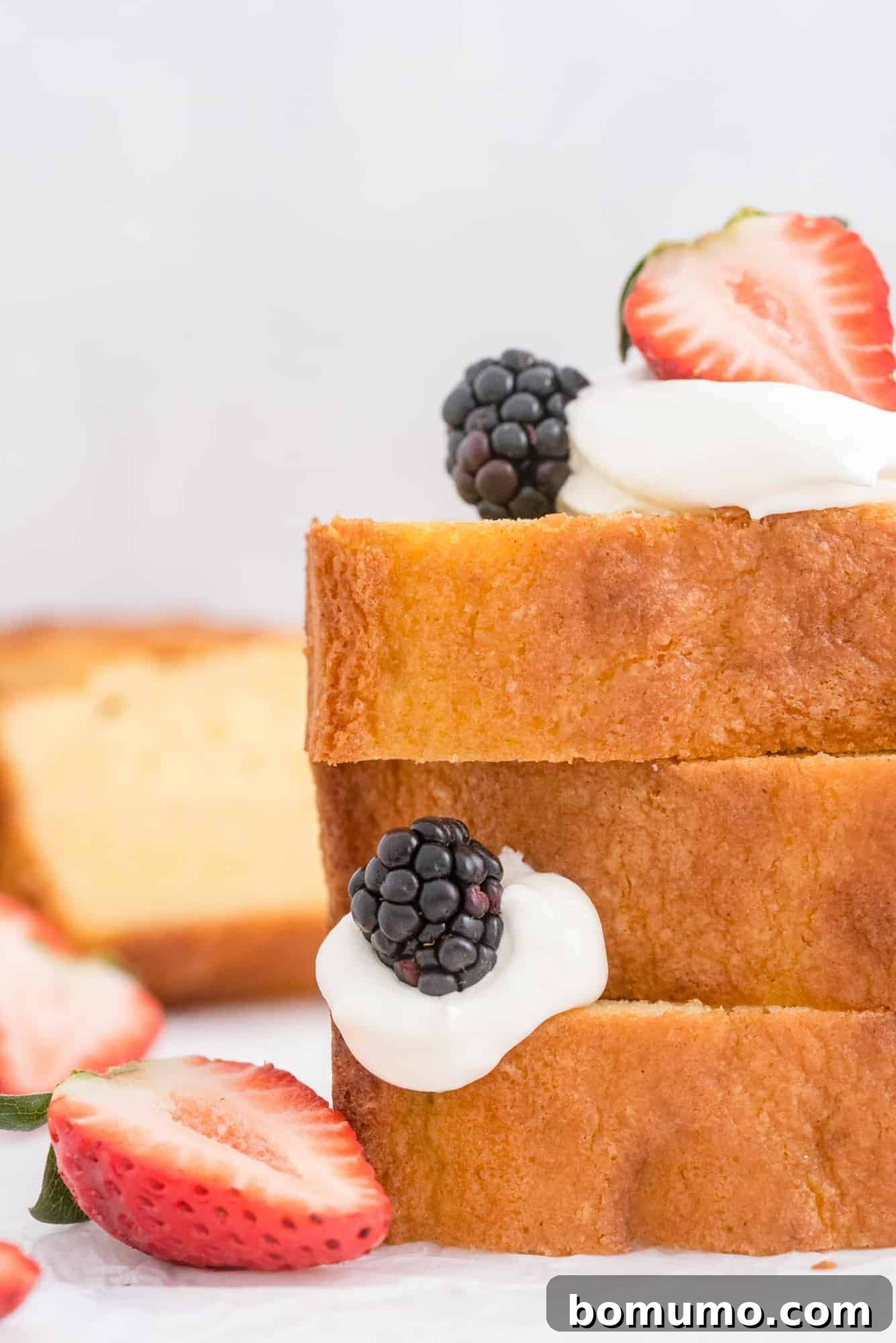
- Perfect Strawberry Shortcakes: Move beyond traditional biscuits! Thick, substantial slices or artfully cut rounds of pound cake make for an unbelievably rich, tender, and satisfying base for classic strawberry shortcakes. Gently warm a slice of pound cake to enhance its aroma and texture, then pile it high with juicy, fresh strawberries and a generous dollop of freshly whipped cream. It’s an easy, yet wonderfully elevated, summer treat that redefines the shortcake experience.
- Decadent Pound Cake French Toast: Transform day-old pound cake into an extraordinary breakfast or brunch indulgence that will impress everyone. Cut thick slices of pound cake, then dip them in a rich egg batter (made with eggs, milk or cream, a touch of sugar, and flavorings like vanilla extract or cinnamon). Pan-fry these slices until they are beautifully golden brown and boast a custardy, tender interior. Serve immediately with warm maple syrup, an assortment of fresh berries, and a delicate dusting of powdered sugar. This pound cake French toast variation is an absolute game-changer and a must-try for any brunch enthusiast!
- Sumptuous Bread Pudding: Cubed pound cake can be utilized as the luxurious foundation for an incredibly rich and flavorful bread pudding. Combine the cake cubes with a creamy, spiced custard base, then enhance it with dried fruits such as plump raisins or tart cranberries. A hint of nutmeg or cinnamon can elevate the aroma. Bake until golden brown and bubbly, then serve warm with a scoop of vanilla ice cream, a drizzle of caramel sauce, or a dollop of crème anglaise for pure indulgence.
- Quick Mini Dessert Parfaits: For a quick, elegant, and perfectly portioned dessert, layer crumbled pound cake with vibrant fruit compotes, creamy yogurt, crunchy granola, or even a rich chocolate mousse in individual serving glasses. These mini parfaits are perfect for entertaining, a quick weeknight treat, or an impressive dessert that comes together in minutes.
- Crunchy Cake Croutons: For a truly unique and delightful dessert garnish, cut stale pound cake into small, uniform cubes. Toss these cubes lightly with a little melted butter and a sprinkle of cinnamon sugar, then bake them in a preheated oven until they are beautifully crisp and golden brown. These “cake croutons” add a wonderful textural contrast and a burst of flavor to fruit salads, scoops of ice cream, bowls of yogurt, or even as a topping for custards.
Explore More Delightful Cake Recipes
Peach Coffee Cake
Texas Sheet Cake
Banana Cupcakes
Easy Shortcakes Recipe – for Strawberry Shortcake
Classic Pound Cake Recipe
Print Recipe
Rich, dense, and buttery, this pound cake recipe is a classic dessert that is so delicious as is, but beyond wonderful combined with fruit, whipped cream, or any other topping you dream up!
Ingredients
- 1 cup (2 sticks) unsalted butter, room temperature
- 1 cup granulated sugar
- 1 teaspoon pure vanilla extract
- 4 large eggs, room temperature
- 1 ⅓ cups all-purpose flour
- ¼ teaspoon fine salt
- ¼ teaspoon ground nutmeg (optional)
Instructions
- Preheat oven to 350ºF (175°C).
- Line a 9-inch loaf pan with parchment paper, allowing an overhang on the sides, and spray with nonstick cooking spray.
- With an electric mixer, beat room temperature butter and sugar until light and fluffy, about 4 minutes. Add vanilla. Add eggs one at a time, beating well after each addition until fully incorporated.
- Gradually add flour, salt, and nutmeg (if using) to the wet mixture until just combined, scraping down the sides of the bowl as needed. Do not overmix.
- Scrape the thick batter into the prepared loaf pan, smoothing out the top evenly.
- Bake for 50 to 55 minutes, or until the top and sides are golden brown, a deep crack forms in the center, and a toothpick inserted into the center comes out clean. Note: Baking time may vary with different loaf pan materials; glass pans often require slightly longer baking.
- Cool the cake in the pan on a wire rack for 10 to 15 minutes. After this initial cooling, carefully remove the cake from the pan using the parchment paper overhang and transfer it to the wire rack to cool completely before slicing and serving.
Notes
- Bundt Cake Variation: To make a beautiful Bundt cake, double all ingredients. Use a well-greased 10-cup Bundt pan and bake for approximately 55-60 minutes. Allow it to cool in the pan for at least 15-20 minutes before inverting.
- Storage: Once completely cooled, wrap pound cake tightly in plastic wrap or store in an airtight container. It will stay fresh at room temperature for up to 3 days, or refrigerated for up to a week. For best texture, serve at room temperature.
- Freezing Instructions: Pound cake freezes exceptionally well. Wrap the cooled cake (whole or sliced) tightly in plastic wrap and then in aluminum foil. Freeze for up to 6 months. Thaw at room temperature or in the refrigerator; avoid microwaving or heating to thaw, as this can alter the texture.
- Serving Suggestions: Pound cake is wonderfully versatile. Serve slices with fresh fruit and whipped cream (it’s a perfect stand-in for shortcake!). Top with a scoop of ice cream or frozen yogurt and a drizzle of chocolate syrup, hot fudge, or caramel sauce. Bright lemon curd also pairs beautifully. Don’t forget homemade fruit sauces like peach, blueberry, strawberry, or rhubarb sauce.
Nutrition Information
Serving: 1 slice,
Calories: 367kcal,
Carbohydrates: 37g,
Protein: 5g,
Fat: 23g,
Saturated Fat: 14g,
Polyunsaturated Fat: 1g,
Monounsaturated Fat: 6g,
Trans Fat: 1g,
Cholesterol: 137mg,
Sodium: 100mg,
Potassium: 58mg,
Fiber: 1g,
Sugar: 22g,
Vitamin A: 750IU,
Vitamin C: 0.001mg,
Calcium: 22mg,
Iron: 1mg
Nutrition information is automatically calculated and should be used as an approximation only.
Did You Make This?
Share a comment and rating below! I love hearing what you think!