
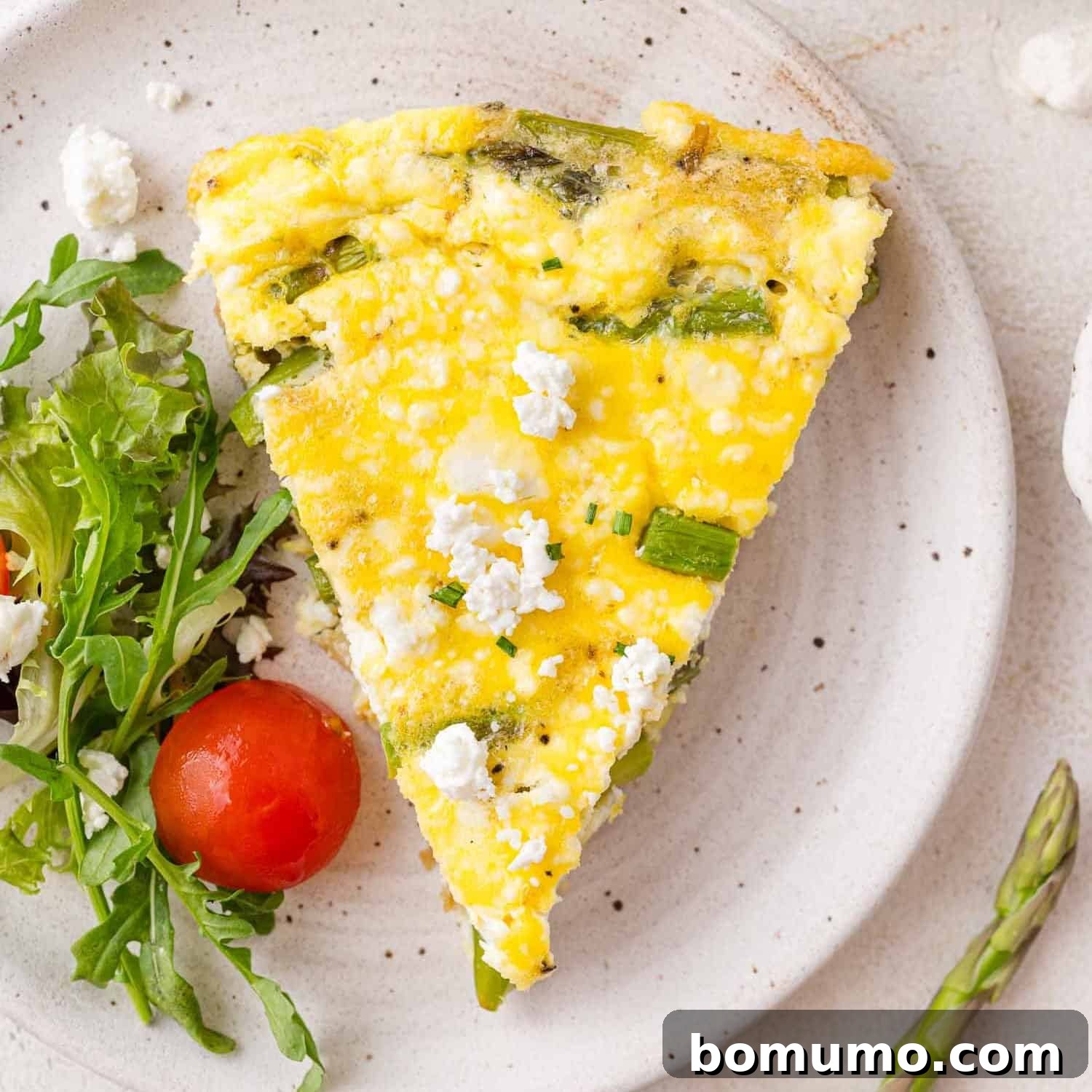
Asparagus and Goat Cheese Frittata: Your New Favorite Brunch Star
Why you’ll adore this recipe: This Asparagus Frittata is the quintessential brunch dish, appealing to everyone from committed vegetarians to avid food lovers. It’s wonderfully light, bursting with fresh flavors, and the addition of creamy goat cheese introduces an irresistible touch of gourmet decadence. It’s not just a meal; it’s an experience.
Preparation time: Approximately 30 minutes from start to finish.
Essential kitchen tools: One 10-inch oven-safe skillet.
Yield: Serves 4 generously as a main course, or up to 6-8 when part of a larger brunch spread.
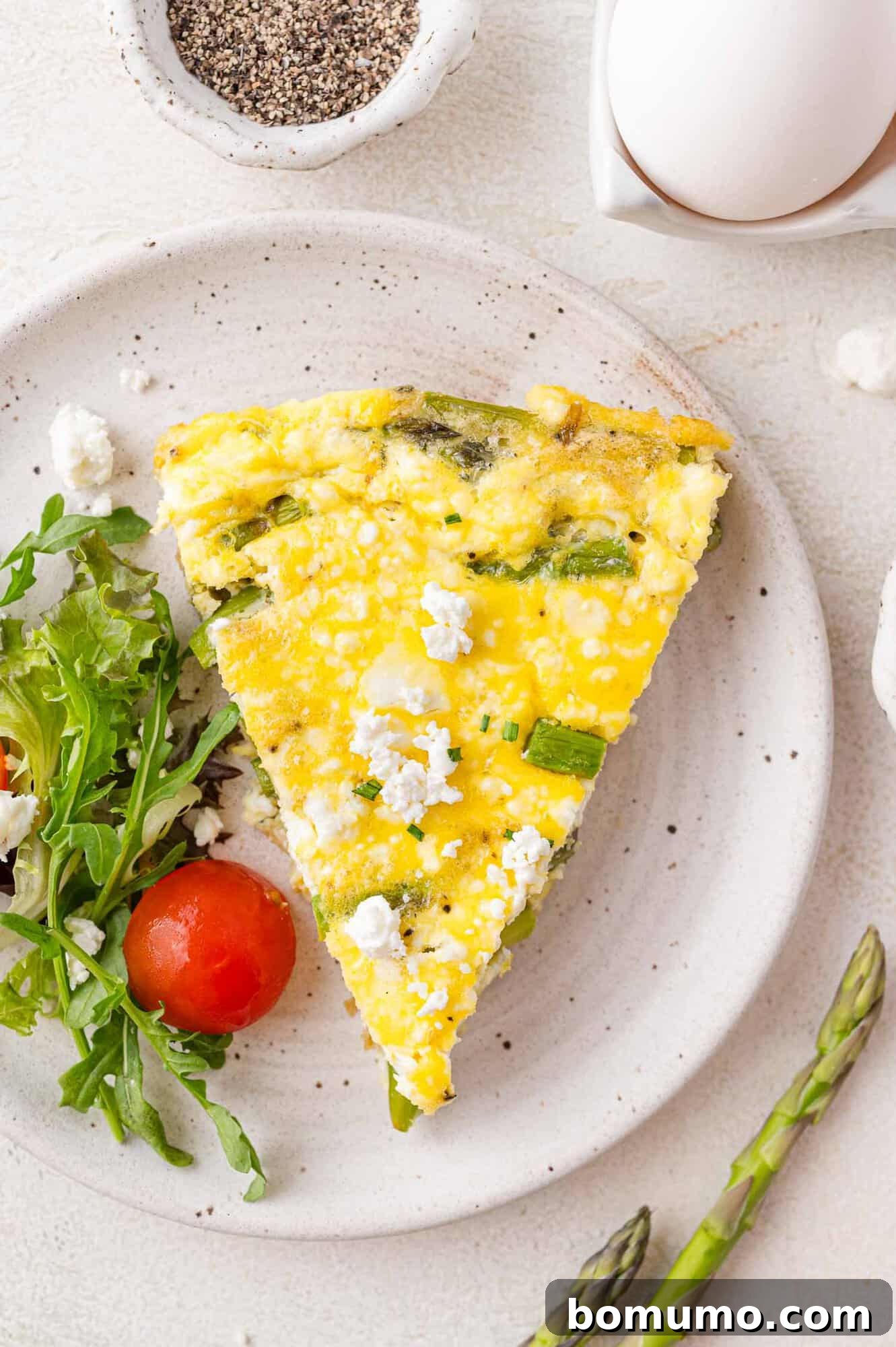
Save this exquisite recipe for later!
Pin It Now
No brunch is truly complete without a delightful egg-based dish, wouldn’t you agree? While sweet indulgences like fluffy stuffed French toast have their place, a balanced brunch often calls for something savory to perfectly complement those sweeter offerings. That’s where this exquisite asparagus frittata shines! It provides a savory counterpoint that elevates any brunch menu, much like a hearty roasted broccoli quiche would, but with an unparalleled lightness and freshness.
What sets this particular asparagus frittata apart is its elegant simplicity. Crafted with the tangy creaminess of goat cheese – a pairing that’s utterly divine with spring asparagus – it offers a lighter alternative to its cousin, the quiche. Unlike a quiche, a frittata is baked without a crust, immediately making it a less fussy and often healthier option. Quiches also typically incorporate more milk, cream, or half-and-half, resulting in a denser, more custard-like texture. This means our frittata delivers all the rich egg flavor and tender vegetable goodness you crave, but in a lighter, more refreshing package, making it the ideal choice for an energizing brunch or a light meal anytime.
Discover the Delights of Our Asparagus Frittata
This asparagus frittata isn’t just a recipe; it’s a celebration of fresh, vibrant flavors and effortless elegance. It’s designed to impress without demanding hours in the kitchen, making it perfect for both seasoned cooks and culinary novices. Here’s why this recipe deserves a permanent spot in your repertoire:
Simpler Than Quiche, Yet Just as Impressive. The beauty of a frittata lies in its crustless nature. Forget the intricate dough work, the careful rolling, and the anxiety over fluted edges that never quite look right. With this asparagus frittata, you skip all the stress of a traditional pie crust, allowing you to focus on the vibrant ingredients and the perfect egg texture. If you love the idea of a crust-free egg dish, you might also enjoy a crustless quiche, but the frittata offers its own unique charm and quicker preparation time. This streamlined approach makes preparing a sophisticated brunch dish surprisingly accessible.
Effortlessly Adaptable to Your Taste. This recipe serves as an excellent foundation for culinary creativity. While the combination of asparagus and goat cheese is a springtime dream, the frittata is incredibly forgiving and easy to customize. Feel free to experiment with different types of cheese based on your personal preference or what’s already in your fridge. Beyond cheese, you can easily adjust or replace the asparagus with other seasonal vegetables. Consider adding earthy sautéed mushrooms, juicy chopped tomatoes, tender spinach, or vibrant bell peppers. Fresh herbs, such as parsley, basil, or cilantro, can be stirred directly into the egg mixture for an infused flavor or sprinkled generously on top as a fresh, aromatic garnish.
A Perfect Choice for Vegetarians and Beyond. Many classic brunch casseroles and egg bakes often feature breakfast sausage, crispy bacon, or savory ham. However, this asparagus frittata offers a wonderfully flavorful and satisfying alternative for those who prefer to abstain from meat. It’s so inherently delicious and packed with fresh ingredients that it easily wins over even the most enthusiastic meat-eaters. It proves that vegetarian dishes can be incredibly hearty, flavorful, and a standout centerpiece at any gathering, ensuring everyone finds something truly delightful on the table.
Key Ingredients for a Flawless Frittata
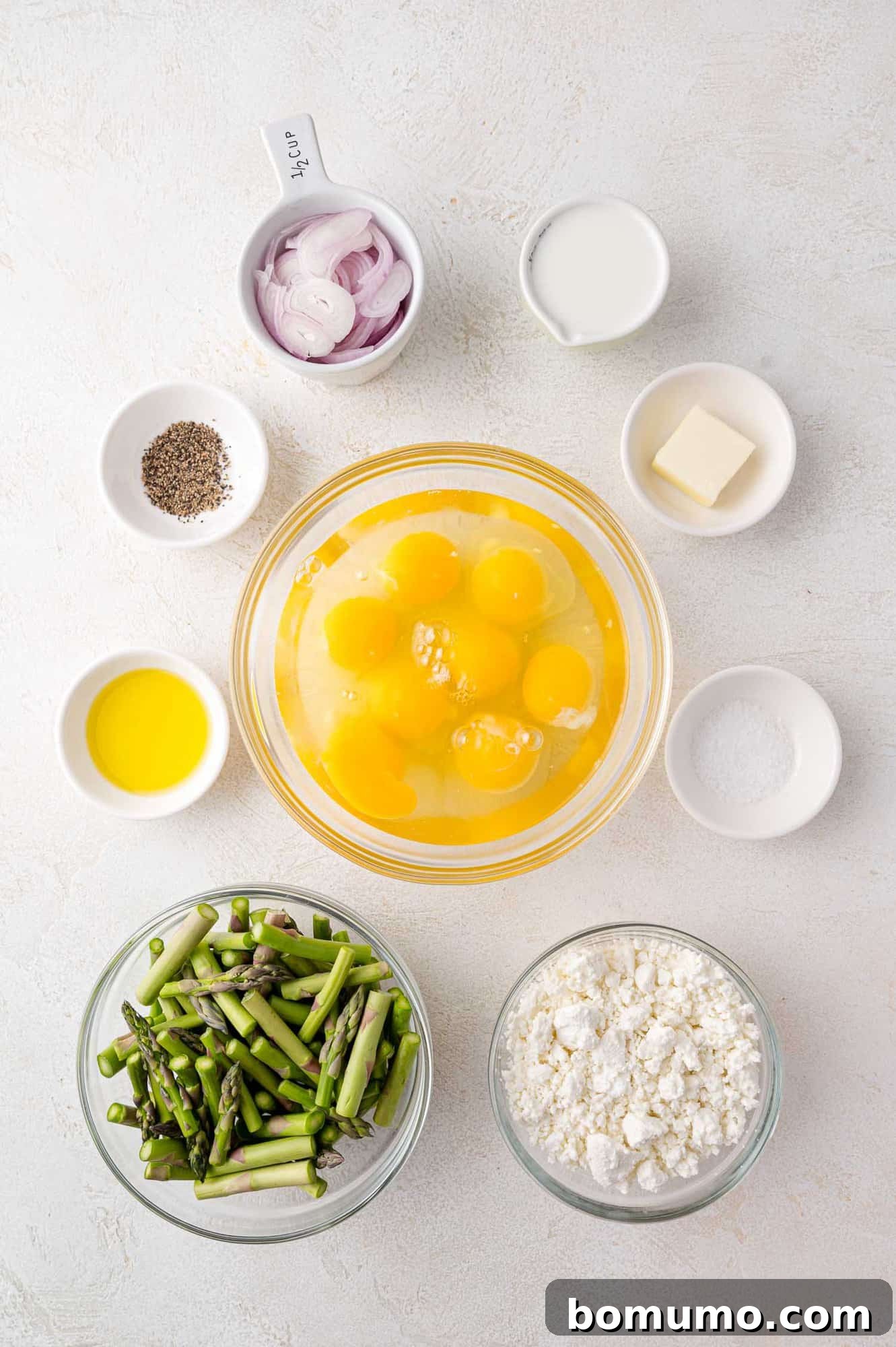
The secret to a truly outstanding asparagus frittata lies in selecting fresh, high-quality ingredients. Each component plays a vital role in building the layered flavors and perfect texture of this dish. Here’s a closer look at what you’ll need and some tips for choosing the best:
- Unsalted Butter and Extra-Virgin Olive Oil: We use a thoughtful combination of both. The butter contributes a rich, nutty flavor and a beautiful golden color to your sautéed vegetables, while the extra-virgin olive oil helps prevent the butter from burning at higher temperatures and adds its own fruity, robust notes. This duo creates a wonderful flavor base for your frittata.
- Shallots: These delicate alliums are a chef’s secret for a reason! Shallots offer a milder, sweeter, and more nuanced flavor profile compared to regular onions, making them ideal for dishes where you want sweetness without overwhelming pungency. In my original recipe, I used leeks, which are another excellent choice if you prefer or have them on hand. If shallots are unavailable, an equivalent amount of thinly sliced yellow cooking onion or even the white and green parts of sliced green onions can be substituted.
- Fresh Asparagus: This springtime vegetable is the star of our frittata. When selecting asparagus, look for spears that are firm to the touch, bright green, and have tightly closed tips. Avoid any that appear limp, withered, or have open, flowering tips. The ideal thickness is somewhere in the middle – neither too thick (which can be woody) nor too thin (which can overcook quickly). A good test is to bend a spear; it should snap cleanly without feeling fibrous. For the best texture and flavor, frozen or canned asparagus simply won’t yield the same delicious results in this recipe.
- Eggs: As the backbone of any frittata, the quality of your eggs matters. You’ll need 8 large eggs for this recipe. To ensure a smooth mixture and avoid any unwelcome shell fragments, I highly recommend cracking each egg individually into a small bowl first, then transferring it to your larger mixing bowl. This simple step makes it much easier to spot and remove any stray shell pieces before they contaminate your entire egg mixture.
- Milk: Any type of milk you typically keep in your refrigerator will work well here. However, for the most luxurious and creamy frittata texture, whole milk is highly recommended. Its higher fat content contributes to a richer mouthfeel and a more satisfying overall dish.
- Goat Cheese: The creamy, tangy notes of goat cheese are an absolute dream with the delicate bitterness of asparagus, making this a truly memorable springtime egg dish. However, if goat cheese isn’t your preference or you’re looking to use what you have, feel free to substitute with another cheese that melts well. Feta, freshly shredded Parmesan, Swiss, or Gruyere are all excellent choices that will beautifully complement the asparagus.
- Fresh Chives: A final flourish of freshly snipped chives adds a delicate oniony flavor and a pop of vibrant green, making them a perfect garnish for this asparagus frittata, especially in the spring when they are abundant. If chives aren’t available or you prefer a different herb, fresh dill makes a wonderful alternative, offering a slightly different, yet equally delightful, aromatic touch.
Crafting Your Perfect Asparagus Frittata: A Step-by-Step Guide
Making this asparagus frittata is simpler than you might imagine, with a few key steps ensuring a fluffy, flavorful result every time. Follow these instructions for a perfect brunch centerpiece:
1. Prepare Your Oven: Begin by preheating your oven to 400ºF (200ºC). Position an oven rack in the center of the oven. This crucial step ensures that your frittata bakes evenly and sets beautifully once it moves from the stovetop to the oven.
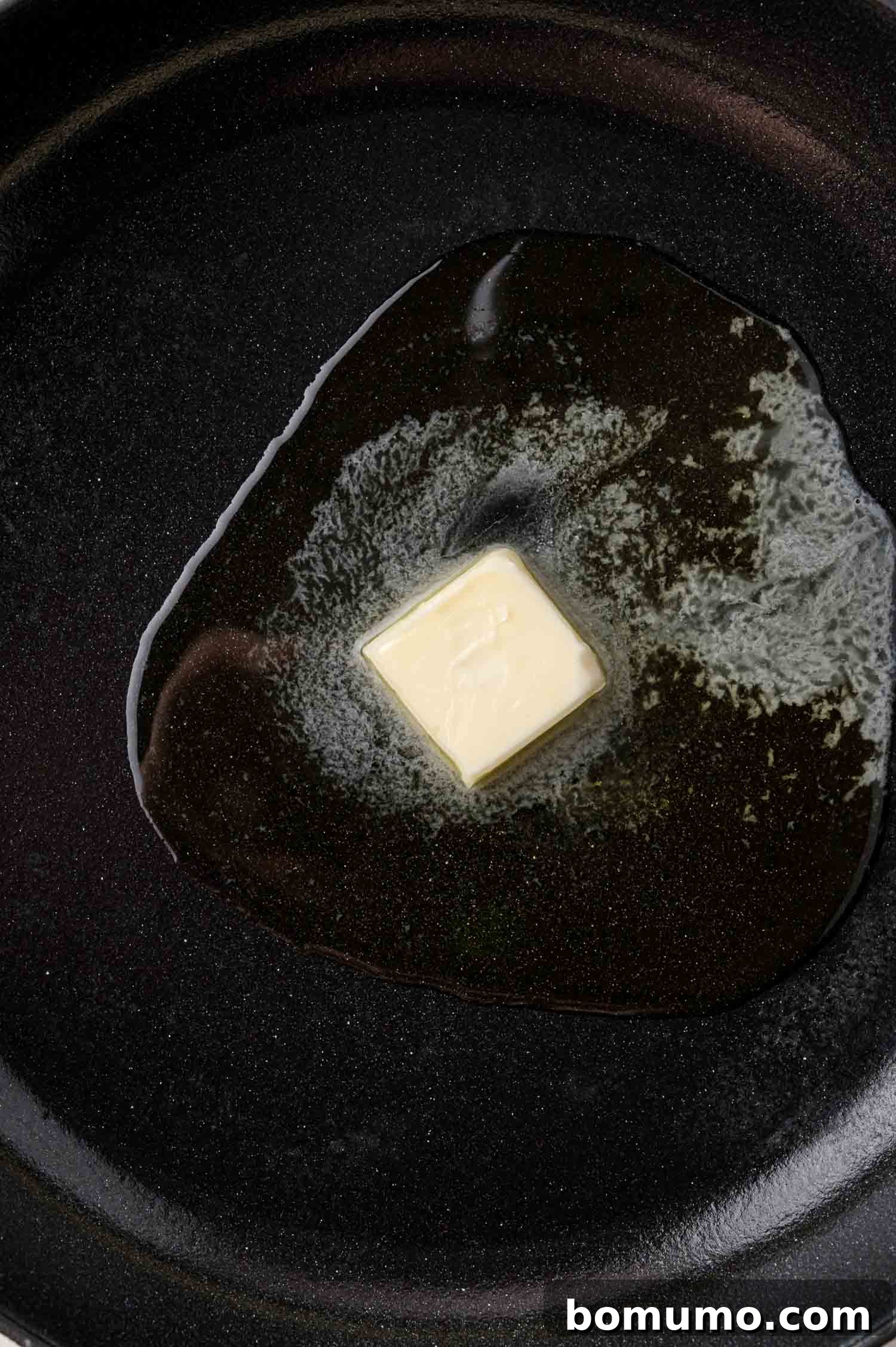
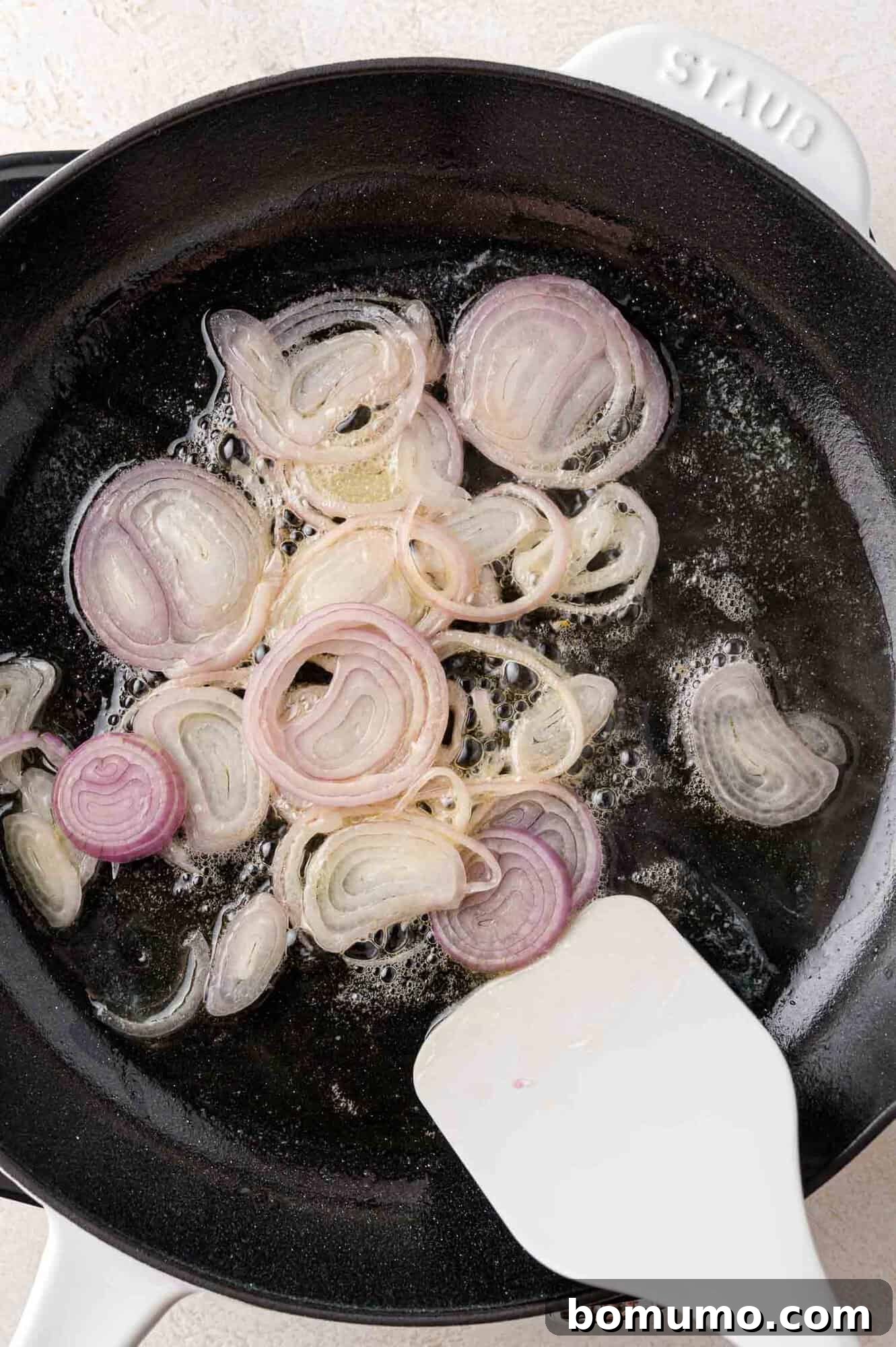
2. Sauté the Shallots: In a 10-inch oven-safe skillet (cast iron or a good quality non-stick skillet works wonderfully), melt the unsalted butter with the extra virgin olive oil over medium heat. Once the butter is fully melted and shimmering, add your thinly sliced shallots. Season them lightly with a pinch of salt and pepper. Cook the shallots, stirring occasionally, for about 3 to 4 minutes. The goal here is for them to become translucent and softened, not browned, as they will continue to cook alongside the asparagus and in the oven.
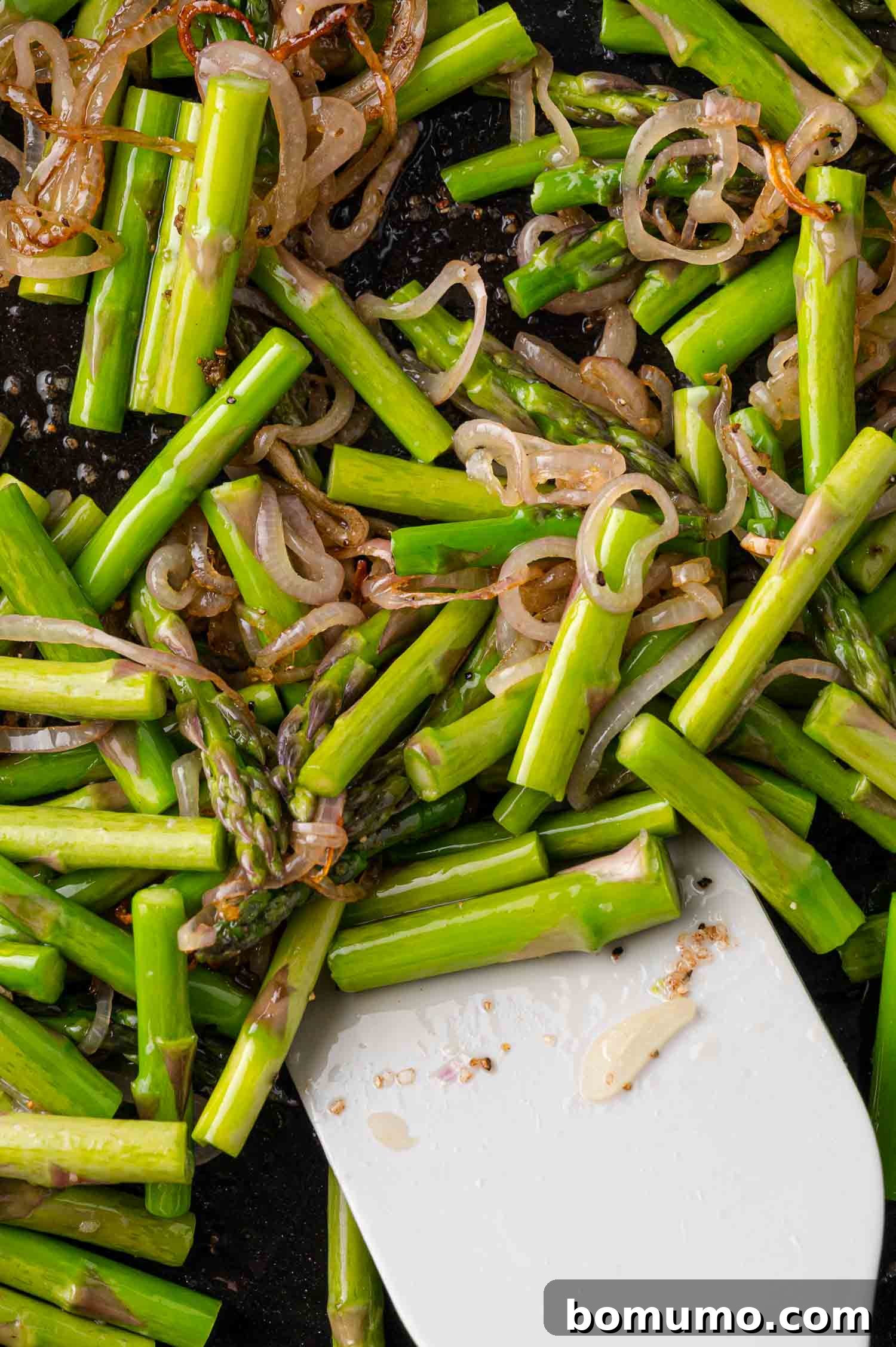
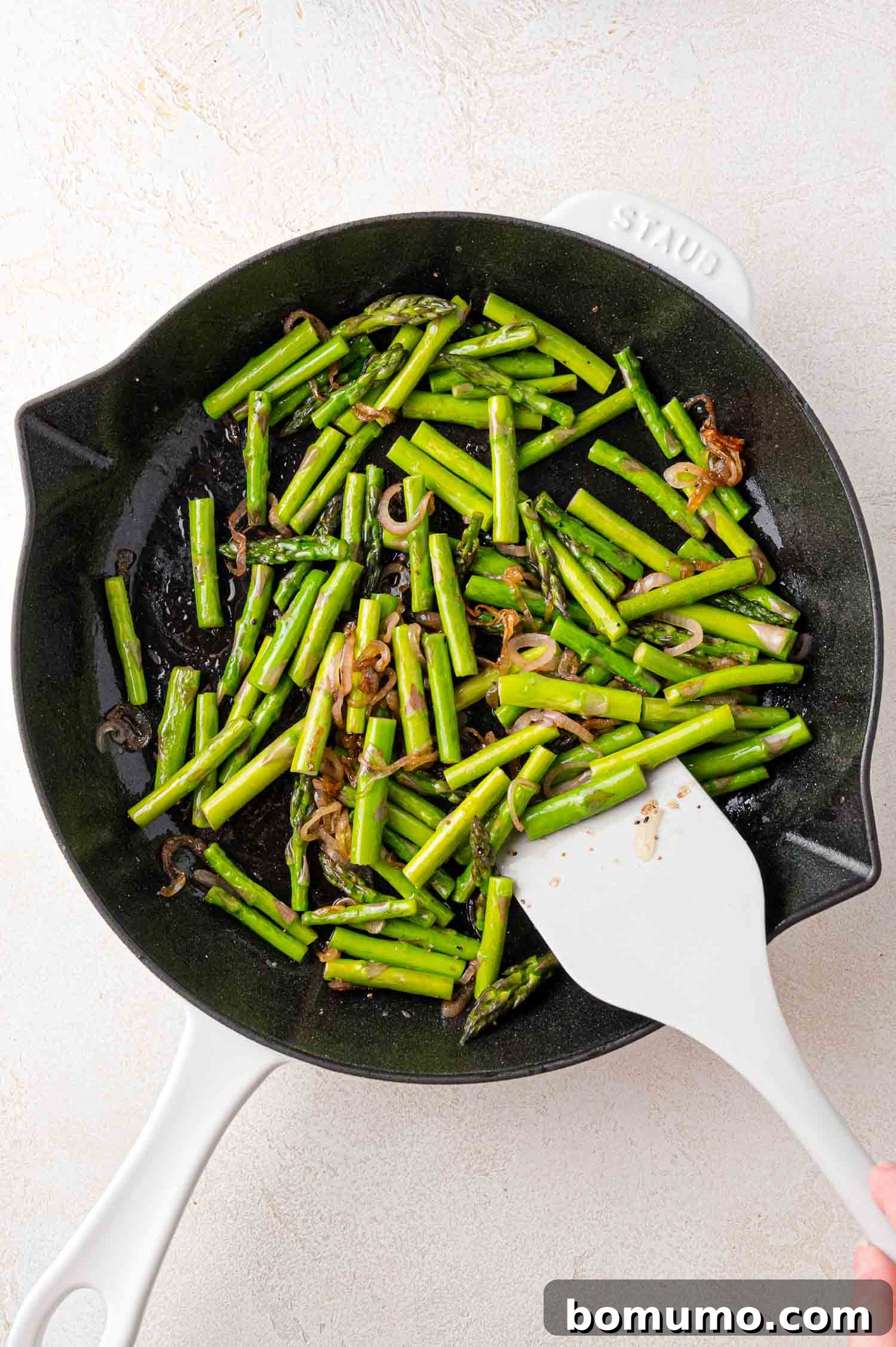
3. Introduce the Asparagus: Add the washed and 1½-inch chopped asparagus pieces to the pan with the softened shallots. Continue to cook, stirring frequently, for another 4 to 5 minutes. The asparagus should transform into a vibrant bright green color and become tender-crisp. It’s important not to overcook them at this stage, as they will finish cooking in the oven and you want them to retain a slight bite.
4. Prepare the Egg Mixture: While your vegetables are cooking, combine the eggs, milk, the remaining ¼ teaspoon of kosher salt, and ⅛ teaspoon of coarse ground black pepper in a medium bowl. Whisk vigorously until the egg yolks and whites are thoroughly blended and the mixture appears uniform. Proper whisking ensures a consistently fluffy frittata texture.
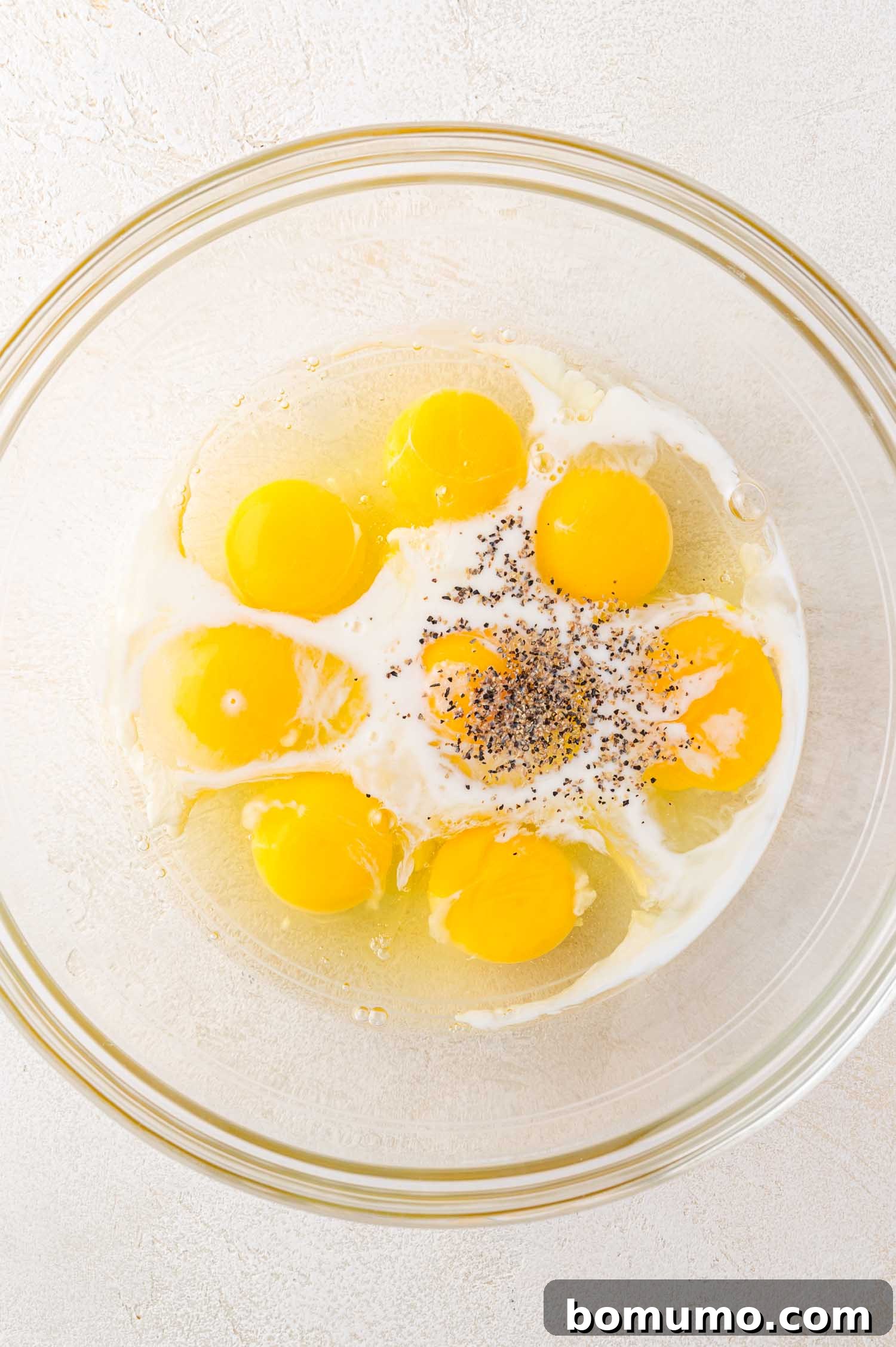
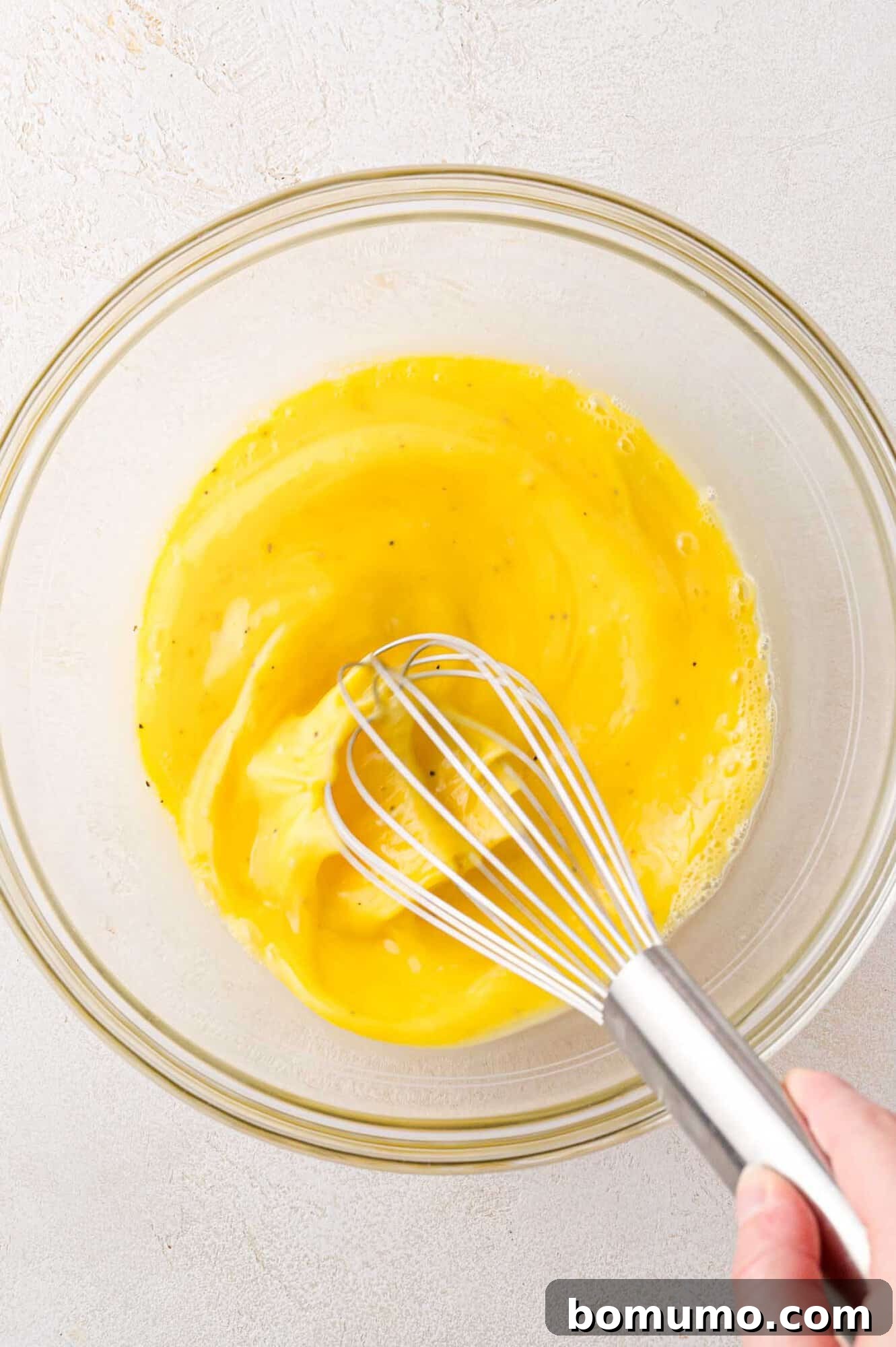
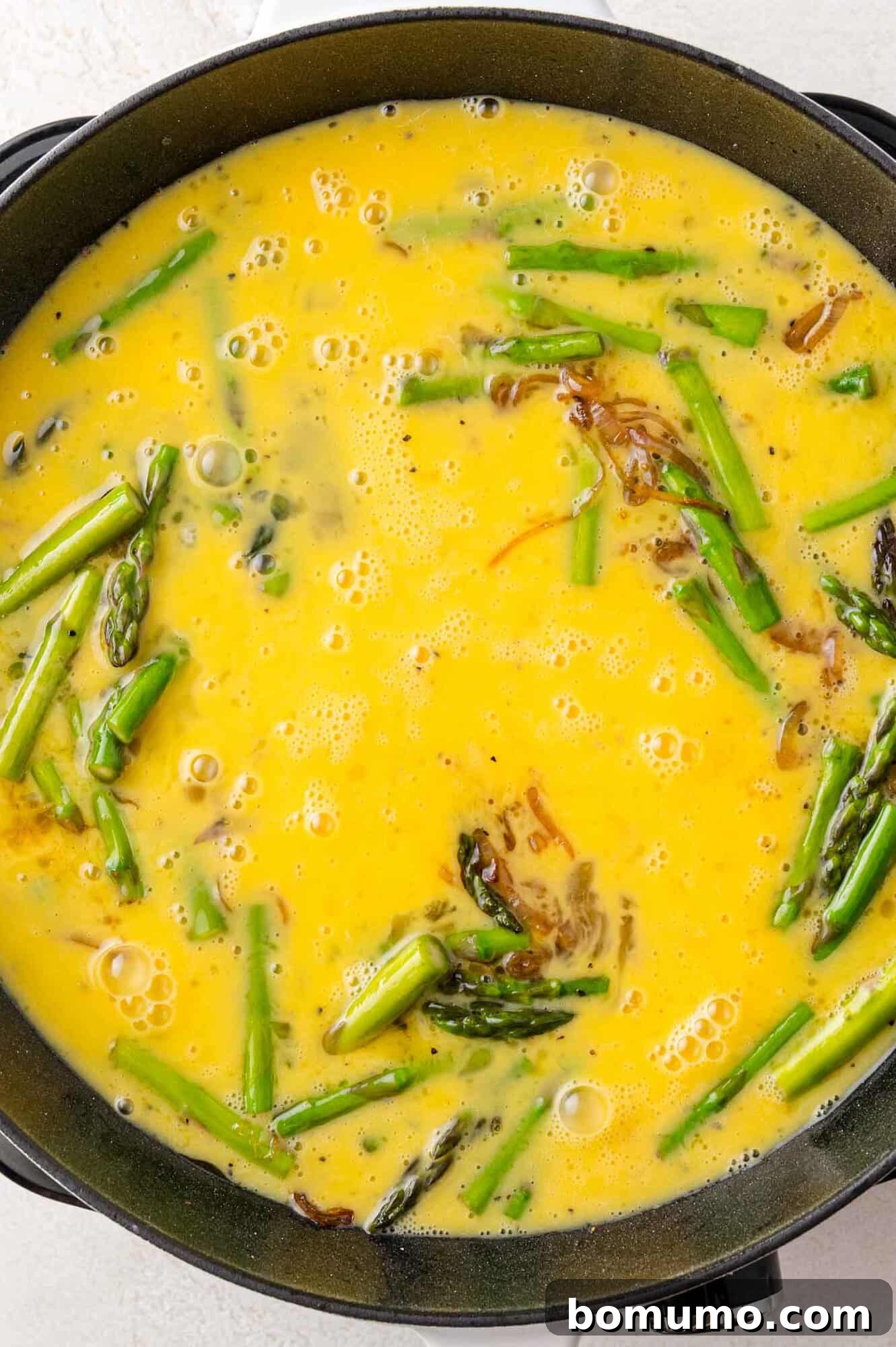
5. Assemble and Begin to Set: Once the asparagus is cooked to tender-crisp perfection, reduce the stovetop heat to low. Pour the whisked egg mixture evenly over the vegetables in the pan. Gently stir the mixture for about 1 minute. During this brief period, the edges of the eggs will just begin to set, but the center will still be liquid. Turn off the heat completely. Evenly crumble the goat cheese over the top of the partially set eggs. This will allow the cheese to melt beautifully as the frittata bakes.
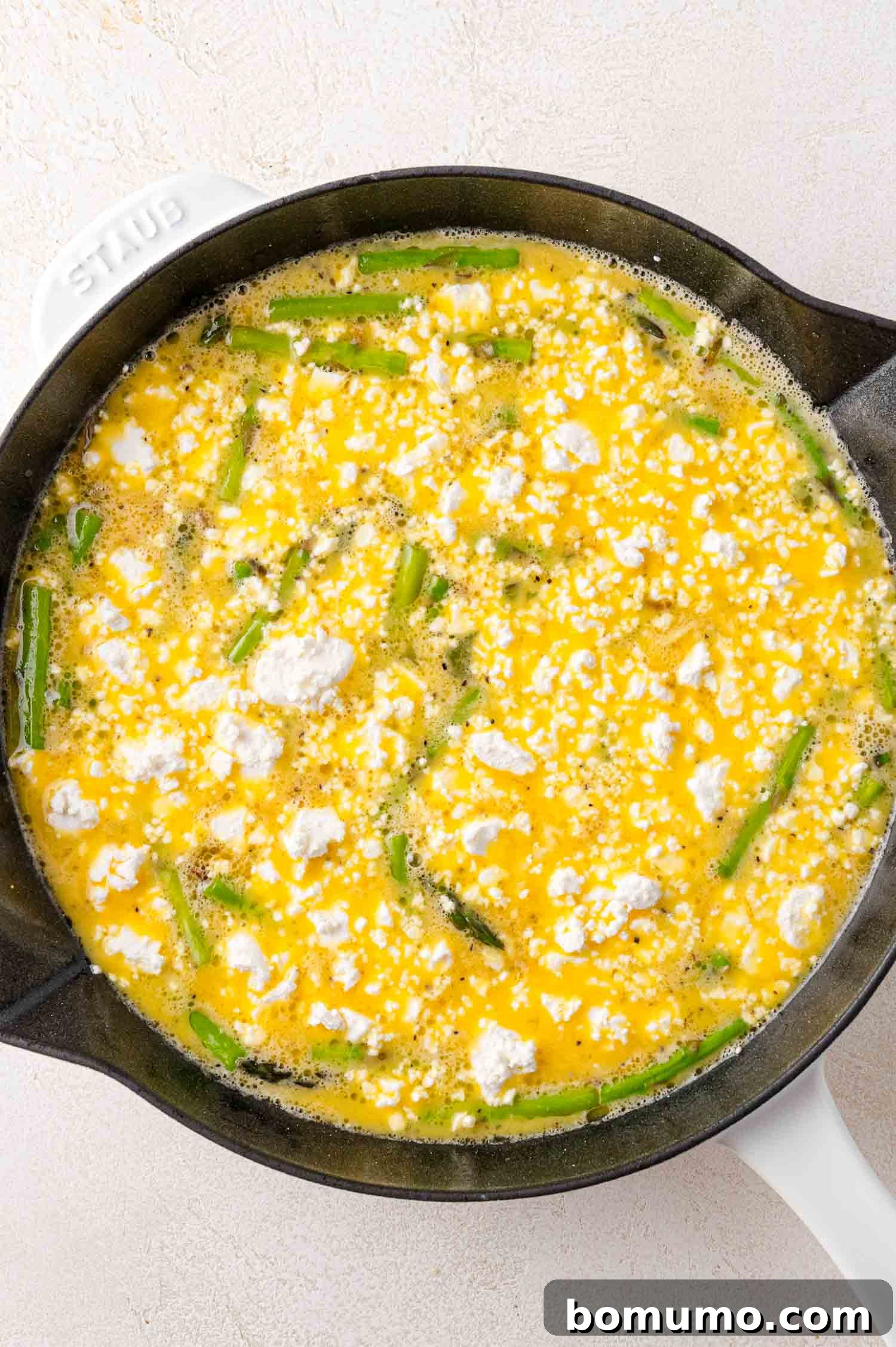
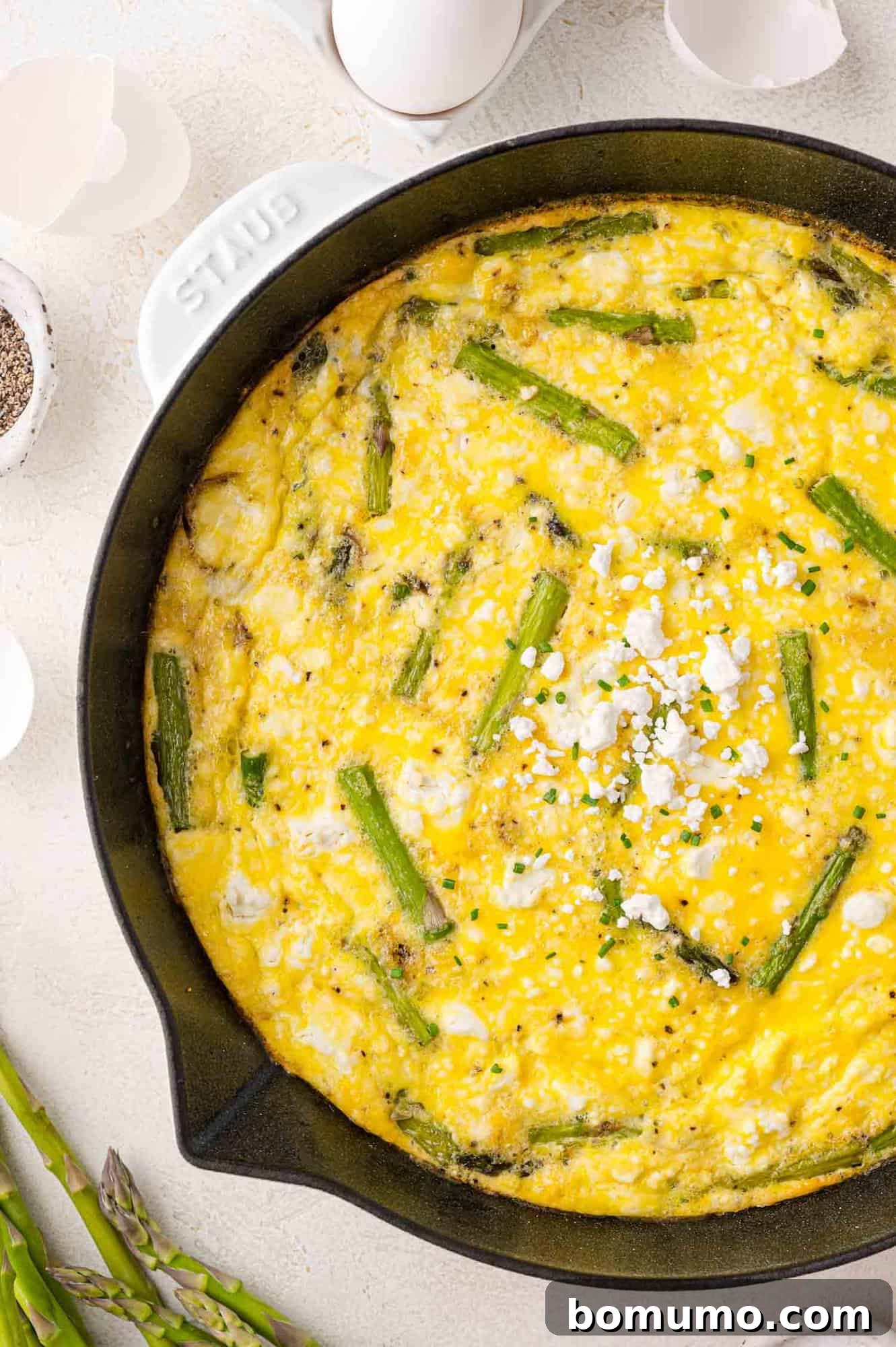
6. Bake to Perfection: Immediately transfer the skillet to your preheated oven. Bake for approximately 10 minutes, or until the eggs are completely set in the center and the top is lightly golden. The exact baking time may vary slightly depending on your oven, so keep an eye on it. Once done, remember to use a thick oven mitt or hot pad when carefully removing the pan, as the handle will be extremely hot.
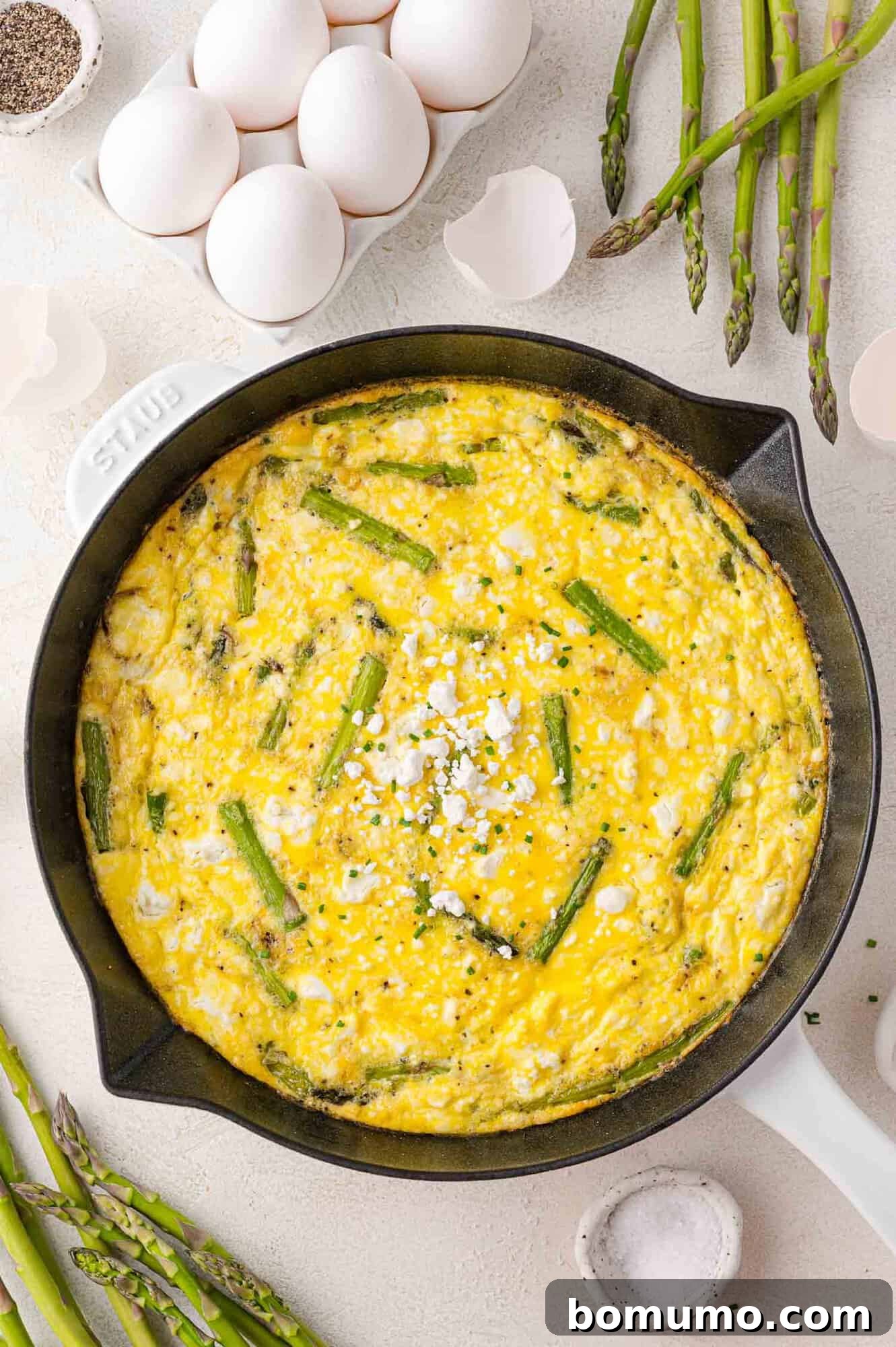
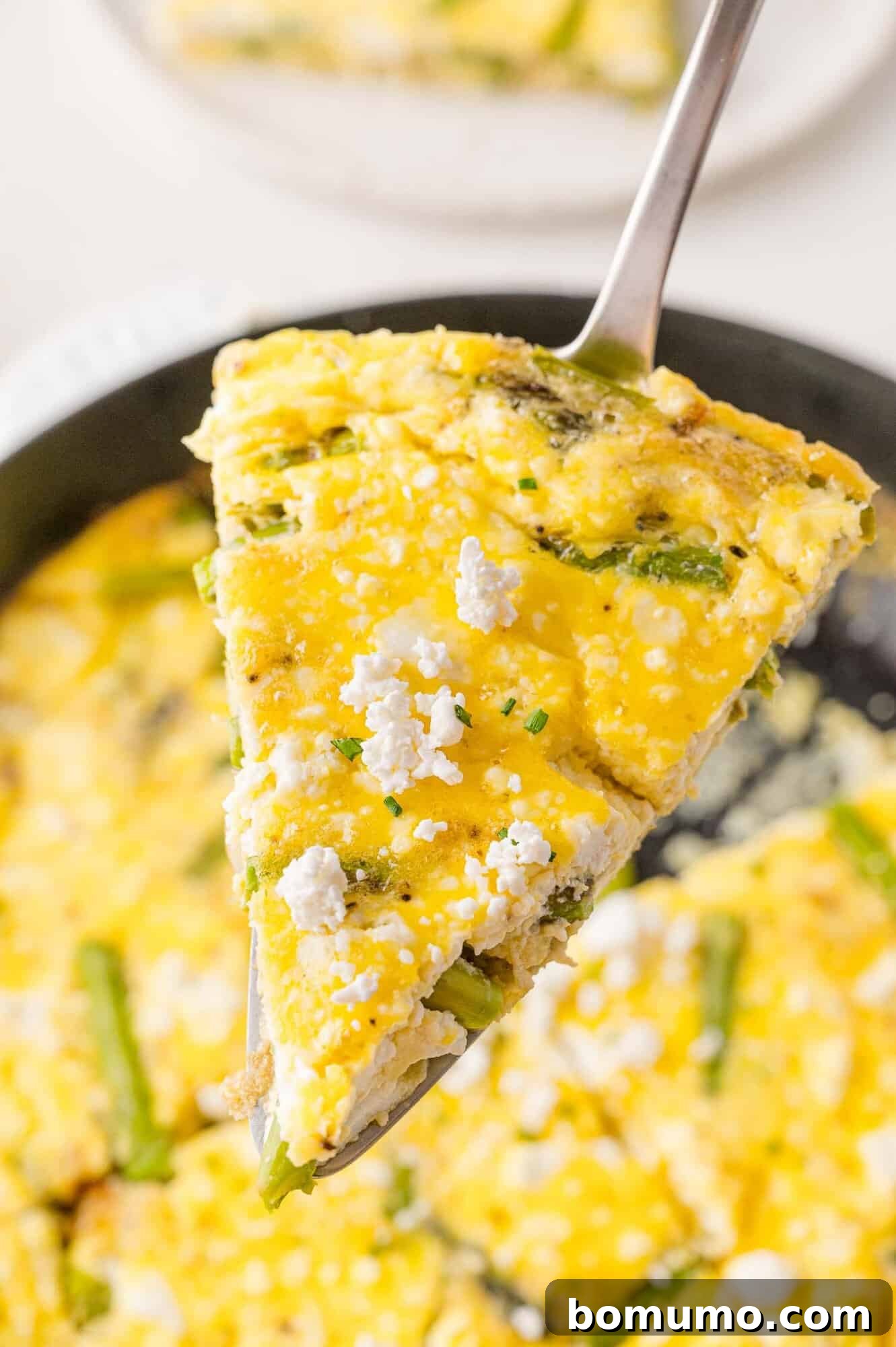
7. Serve and Enjoy: Allow the frittata to cool slightly in the pan for a few minutes before slicing it into elegant wedges. It’s incredibly versatile and can be served hot straight from the oven, at room temperature, or even chilled. If you notice it’s a bit puffy in spots after removing it from the oven, don’t worry! This is normal; it will naturally deflate as it cools. For a quicker deflation, you can gently poke it with a fork or knife to release the trapped air.
Expert Tips & Creative Variations for Your Frittata
Achieving a perfect frittata every time is easier than you think with a few simple guidelines. And for those who love to experiment, this recipe is a fantastic canvas for your culinary imagination!
Mastering the Perfect Texture: Avoid Overcooking. One of the most common pitfalls when preparing egg dishes is overcooking, which can lead to a dry, rubbery texture. For a truly tender and creamy frittata, aim for a center that is just set, perhaps still appearing slightly moist. The edges should be lightly browned, and the entire frittata should no longer wobble significantly in the middle. A simple test: insert a table knife into the center. If it comes out clean with no raw, runny egg clinging to it, your frittata is perfectly cooked. Remember, a little moisture means maximum tenderness!
The Unbeatable Crispness of Fresh Asparagus. While frozen vegetables can be convenient, they often fall short in terms of texture for dishes like frittata. Even the highest quality frozen asparagus tends to be much limper and softer than its fresh counterpart. For that delightful tender-crisp bite that truly elevates this frittata, fresh asparagus is an absolute must. Its vibrant color and firm texture make all the difference.
Customize with Leftovers and Seasonal Produce. Frittatas are incredibly versatile, making them an excellent way to use up leftover cooked vegetables or to incorporate other seasonal produce. If you’re adding other veggies, you might reduce the amount of asparagus to maintain a balanced proportion, or simply swap it out entirely. Cooked sautéed spinach, blanched broccoli florets, or even roasted root vegetables like roasted radishes or sweet potatoes can be fantastic additions. Just ensure any added vegetables are cooked until tender before combining them with the eggs. This flexibility allows you to enjoy a delicious, unique frittata year-round!
Explore Cheese Alternatives: Beyond goat cheese, consider the distinct flavors other cheeses can bring. Crumbled feta adds a salty tang, while freshly shredded Parmesan offers a sharp, nutty profile. For a milder, meltier option, Swiss or Gruyere provide a wonderful creaminess. Even a sharp cheddar can add a delightful savory kick.
Enhance with Herbs and Spices: Don’t limit yourself to just chives. Fresh parsley, basil, or even a touch of thyme can introduce different aromatic dimensions. For a subtle warmth, a pinch of garlic powder or onion powder can be incorporated into the egg mixture. A dash of red pepper flakes can provide a gentle heat if you enjoy a little spice.
Add a Protein Boost (Optional): While this recipe is perfectly delicious as a vegetarian dish, you can easily incorporate cooked meats if you wish. Leftover crumbled bacon, diced ham, or cooked breakfast sausage can be folded into the egg mixture along with the vegetables for a heartier, more robust frittata.
Perfect Pairings: What to Serve with Your Frittata
This versatile asparagus frittata pairs beautifully with a variety of side dishes, making it suitable for any meal from a lavish brunch to a simple weeknight dinner. Here are some delightful serving suggestions to complete your meal:
- Light and Fresh Salads: A crisp, green salad is the ideal companion for a frittata, offering a refreshing contrast to the richness of the eggs and cheese. Consider a simple mix of tender greens dressed with a bright apricot vinaigrette, which adds a lovely fruity note. For a zesty, herbaceous touch, my lemon basil vinaigrette is another fantastic choice that complements the asparagus wonderfully.
- Hearty Potato Sides: For a more substantial meal, especially at brunch, potatoes are always a hit. Crispy roasted potatoes, with their golden exteriors and fluffy interiors, are a classic pairing. Alternatively, for a slightly sweeter and more vibrant option, an air fryer sweet potato hash offers a delightful texture and flavor. If you’re short on time, quick and easy air fryer hash browns are another excellent choice.
- Sweet Seasonal Fruit: To balance the savory notes of the frittata, a serving of fresh seasonal fruit is always welcome. Keep it simple with a bowl of berries, melon, or sliced stone fruit. For a touch of indulgence, serve the fruit with a creamy cream cheese fruit dip. Or, elevate your fruit presentation with a vibrant fruit salad tossed in a refreshing mint, honey, and lime dressing.
- Juicy Tomatoes and Marinated Delights: Especially if you’re serving this frittata for dinner, fresh tomatoes make a fantastic topping or side. I love to add halved cherry tomatoes, lightly tossed with a classic balsamic vinaigrette, directly over each slice. Alternatively, flavorful marinated tomatoes or earthy marinated mushrooms offer an additional layer of savory depth and can be prepared in advance.
Storage & Reheating Guide
Storage & Reheating Guide
One of the many benefits of this asparagus frittata is its versatility as a make-ahead meal. Whether you’re preparing for a busy week or want to enjoy leftovers, proper storage and reheating will keep it delicious:
Refrigerate: Any leftover asparagus frittata can be neatly stored in an airtight container in the refrigerator. It will maintain its freshness and flavor for a good 3 to 4 days, making it an ideal candidate for an easy, protein-packed breakfast or a quick, satisfying lunch throughout the week.
Freeze: Yes, frittatas can be frozen with excellent results! This is a fantastic option for meal prepping. For maximum convenience, I recommend wrapping individual slices tightly in plastic wrap, then placing them into a freezer-safe bag or container. This prevents freezer burn and makes thawing single portions a breeze. Freeze for up to 3 months. To enjoy, simply thaw the frozen slices in the refrigerator overnight before proceeding with reheating.
Reheat: Frittatas are incredibly versatile and can be enjoyed in various ways. You can savor them cold or at room temperature, which is perfect for picnics or light lunches. To reheat, you have a couple of options: for a crispy exterior, place a slice of frittata in a non-stick skillet over medium heat for a few minutes per side, until warmed through. Alternatively, for a quicker reheat, use the microwave; heat in 30-second intervals, checking and stirring if necessary, until it’s heated to your desired temperature.
Explore More Delicious Brunch Recipes
Hearty Crescent Roll Breakfast Casserole with Turkey Sausage
Delightful French Toast Muffins
Savory Bacon Cheddar Quiche with Sweet Potato Crust
Crispy and Flavorful Vegetable Fritters
Asparagus and Goat Cheese Frittata
Rachel Gurk
10 minutes
20 minutes
30 minutes
4
Ingredients
-
1 tablespoon unsalted butter -
1 tablespoon
extra virgin olive oil
-
½ cup thinly sliced shallots (1 large shallot) -
½ teaspoon kosher salt, divided -
¼ teaspoon coarse ground black pepper, divided -
8 oz. fresh asparagus spears, washed and cut into 1 ½ -inch pieces -
8 large eggs -
¼ cup milk -
4 oz. goat cheese (see note) -
fresh chives to garnish, if desired
Instructions
-
1. Preheat Oven: Preheat your oven to 400°F (200°C) with a rack in the center.
-
2. Sauté Shallots: In a 10-inch oven-safe skillet, heat the unsalted butter and extra virgin olive oil over medium heat. Add the thinly sliced shallots, season with ¼ teaspoon salt and ⅛ teaspoon pepper, and cook for 3 to 4 minutes, stirring occasionally, until the shallots are translucent and softened. Do not allow them to brown.1 tablespoon unsalted butter, 1 tablespoon extra virgin olive oil, ½ cup thinly sliced shallots
-
3. Cook Asparagus: Add the 1½-inch pieces of fresh asparagus to the pan. Cook for an additional 4 to 5 minutes, stirring frequently, until the asparagus turns bright green and is tender-crisp. Avoid overcooking, as it will continue to cook in the oven.8 oz. fresh asparagus spears, washed and cut into 1 ½ -inch pieces
-
4. Whisk Eggs: Meanwhile, in a medium bowl, thoroughly whisk together the 8 large eggs, ¼ cup milk, the remaining ¼ teaspoon salt, and ⅛ teaspoon pepper until completely blended.8 large eggs, ¼ cup milk
-
5. Combine and Top: Once the asparagus is cooked, reduce the heat to low. Pour the whisked egg mixture into the pan with the vegetables and stir gently for 1 minute, allowing the eggs to just begin to set around the edges. Turn off the heat. Crumble the 4 oz. goat cheese evenly over the top of the frittata.4 oz. goat cheese
-
6. Bake: Transfer the skillet immediately to the preheated oven and bake for approximately 10 minutes, or until the eggs are completely set in the center and the frittata is lightly golden.
-
7. Serve: Carefully remove the skillet from the oven. Allow the frittata to cool slightly before slicing it into wedges to serve. It can be enjoyed hot, at room temperature, or even chilled. Garnish with fresh chives if desired.
Notes
- Cheese Variations: While goat cheese offers a unique tang, you can easily substitute it with other delicious options such as crumbled feta, freshly shredded Parmesan, Swiss, or Gruyere cheese. Choose your favorite to tailor the flavor!
- Serving Size Flexibility: This recipe is designed to serve 4 people as a satisfying main course. However, if you’re presenting it as part of a larger brunch spread with other entrées, you can comfortably get up to 8 servings from one frittata.
- Storage Instructions: Store any leftover frittata in an airtight container in the refrigerator for up to 3 to 4 days. For longer storage, frittatas freeze exceptionally well. Wrap individual slices tightly in plastic wrap, then place them in a freezer-safe bag or container and freeze for up to 3 months. Thaw overnight in the refrigerator before reheating. This dish is delicious served warm, at room temperature, or even cold.
- Recipe Update: This recipe was retested and revised in February 2025. It was previously published as “Asparagus and Leek Frittata.” If you prefer the subtle oniony flavor of leeks, feel free to substitute them for the shallots in the same amount.
Video Tutorial
Nutrition Information
Serving:
2
wedges
,
Calories:
316
kcal
,
Carbohydrates:
9
g
,
Protein:
20
g
,
Fat:
22
g
,
Saturated Fat:
10
g
,
Polyunsaturated Fat:
3
g
,
Monounsaturated Fat:
8
g
,
Trans Fat:
0.2
g
,
Cholesterol:
394
mg
,
Sodium:
548
mg
,
Potassium:
384
mg
,
Fiber:
2
g
,
Sugar:
5
g
,
Vitamin A:
1376
IU
,
Vitamin C:
6
mg
,
Calcium:
141
mg
,
Iron:
4
mg
Nutrition information is automatically calculated and should only be used as an approximation.
Did You Make This Dish?
Share your thoughts and a rating below! I always love hearing what you think and seeing your culinary creations!