
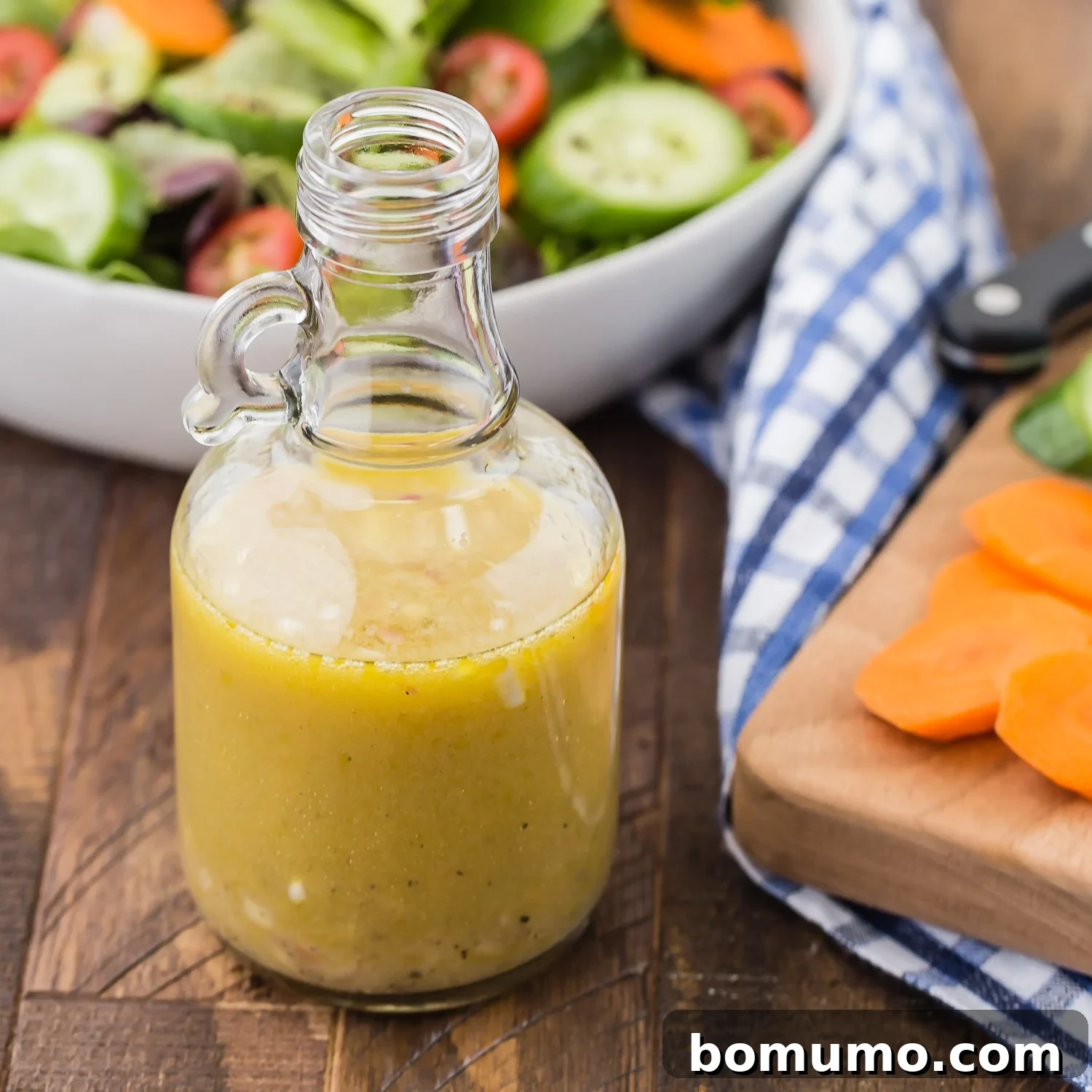
Recipe Highlights
Why You’ll Adore It: This remarkably easy white wine vinaigrette recipe is destined to become a staple in your kitchen. Its incredible versatility makes it the perfect accompaniment for virtually any salad, from crisp greens to hearty grain bowls. It even beautifully elevates roasted vegetables, transforming simple sides into gourmet delights.
Preparation Time: A mere 5 minutes to whisk up this vibrant dressing.
Essential Tools: Grab a small jar with a lid for easy shaking and storage, or a bowl and a whisk for mixing.
Yield: Approximately 1 cup of freshly made, delectable dressing.
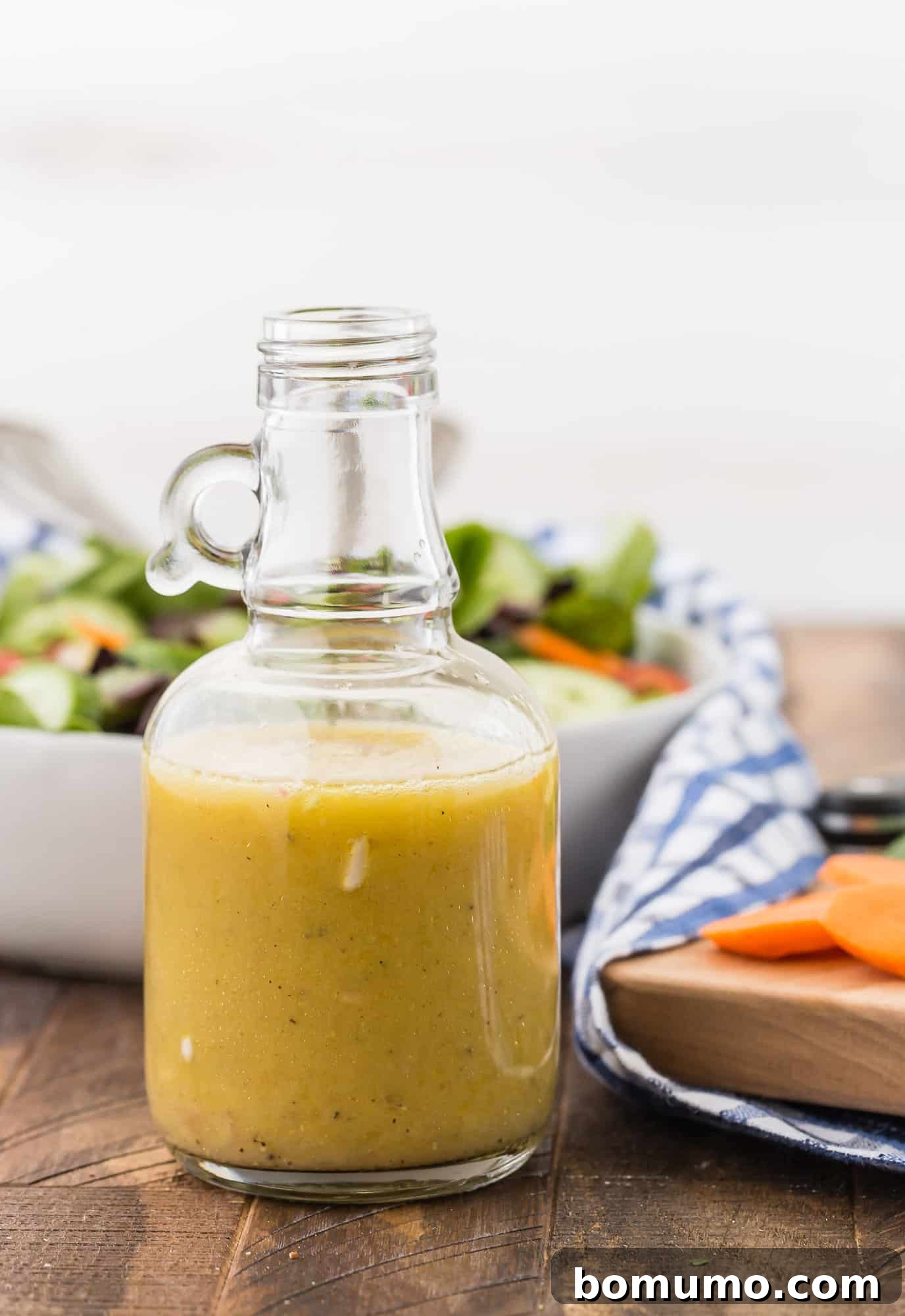
The Essential White Wine Vinaigrette: Your Go-To Salad Dressing
Welcome to the world of effortless culinary elevation with our ultimate guide to crafting the perfect homemade white wine vinaigrette. Forget store-bought options filled with unpronounceable ingredients; this recipe brings freshness, flavor, and incredible versatility directly to your table. In just minutes, you can create a dressing that harmonizes beautifully with an endless array of dishes, making it an indispensable part of your healthy eating routine.
Unmatched Versatility: The Champion of Dressings
This white wine vinaigrette truly stands out as the most adaptable dressing you’ll ever make. Its crisp, bright, and perfectly balanced flavor profile complements almost any salad imaginable. Whether you’re tossing a simple side salad for a weeknight dinner or preparing an elaborate main course salad for guests, this vinaigrette rises to the occasion. Imagine being stranded on a desert island – if you could only bring one dressing, this white wine vinaigrette would undoubtedly be a top contender, perhaps alongside its cousin, the red wine vinaigrette. Its ability to transform even the most basic ingredients, like fresh palm leaves and coconuts (if we’re sticking with our desert island fantasy!), into a gourmet experience is simply unparalleled. You might even find yourself drizzling it over freshly grilled fish for an unexpected culinary delight!
A Perfect Partner for Every Salad Type
Beyond playful hypotheticals, the practical application of white wine vinaigrette is truly remarkable. Its delicate yet distinct character allows it to seamlessly integrate with a vast spectrum of ingredients without overpowering them. Are you crafting a classic fresh green salad featuring tender leaf lettuce, crisp cucumbers, and juicy tomatoes? This vinaigrette is the ideal choice, enhancing every bite with its vibrant zest. For something heartier, consider a warm grain salad – perhaps one with nutrient-rich farro, caramelized roasted sweet potatoes, and earthy kale. The vinaigrette’s acidity cuts through the richness, bringing all the flavors into exquisite balance. It’s also superb when simply drizzled over sweet, tender cooked beets, adding a bright counterpoint to their earthy sweetness. Even fruit-forward salads, incorporating crisp apples, juicy pears, or ripe strawberries, sing when dressed with this versatile creation. Its subtle sweetness and tang highlight the natural sugars of the fruit, making for an unforgettable flavor combination.
The Art of Balance: Tangy, Sweet, and Sublime
What truly sets this white wine vinaigrette apart is its impeccable balance. This carefully crafted recipe achieves just the right interplay of tanginess from the vinegar, subtle sweetness, and a depth of flavor that enhances your salad ingredients rather than dominating them. It plays a foundational role, providing essential “bass notes” that allow the fresh, vibrant flavors of your produce to shine. This isn’t a dressing that screams for attention; it’s one that quietly elevates every component of your dish, creating a harmonious symphony of tastes and textures. Its consistent perfection is why you’ll find yourself reaching for this recipe time and again, confident that it will deliver an exceptional culinary experience every single time.
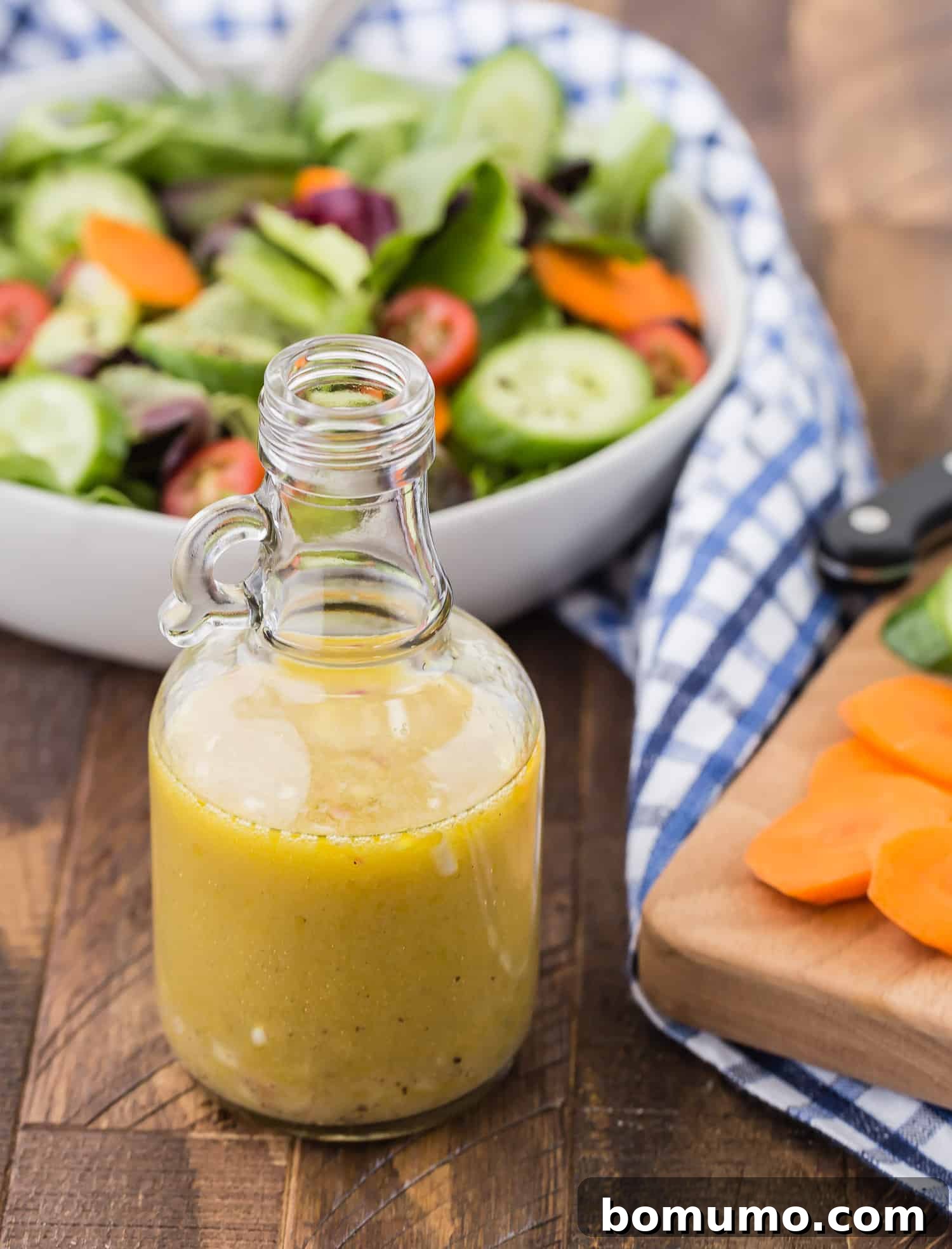
Effortless Preparation: So Simple, You Could Make It Blindfolded
The simplicity of this white wine vinaigrette recipe is one of its greatest assets. Many seasoned cooks find themselves able to prepare it almost instinctively, often “eyeballing” the ingredients after making it so frequently. The beauty lies in its forgiving nature – a little more or less of an ingredient rarely ruins the final product, but rather customizes it to your precise preference. For those starting out or who prefer precision, rest assured, we provide exact measurements in the recipe card below to ensure perfect results every time. Whether you’re a novice in the kitchen or a culinary veteran, this dressing offers a quick, stress-free path to homemade deliciousness.
Smart Storage: The Reusable Jar Method
Embrace sustainability and convenience by utilizing a recycled jar for mixing and storing your vinaigrette. A clean jam jar or pickle jar works wonderfully. Simply combine all your ingredients in the jar, secure the lid tightly, and give it a vigorous shake until everything is thoroughly emulsified. This method not only saves you from extra cleanup but also provides an airtight container for storing any leftover dressing right in the fridge. It’s a small step towards a more eco-friendly kitchen and a huge win for meal prep efficiency. Before you send that empty jar to the recycling bin, consider giving it a second life as your go-to vinaigrette shaker!
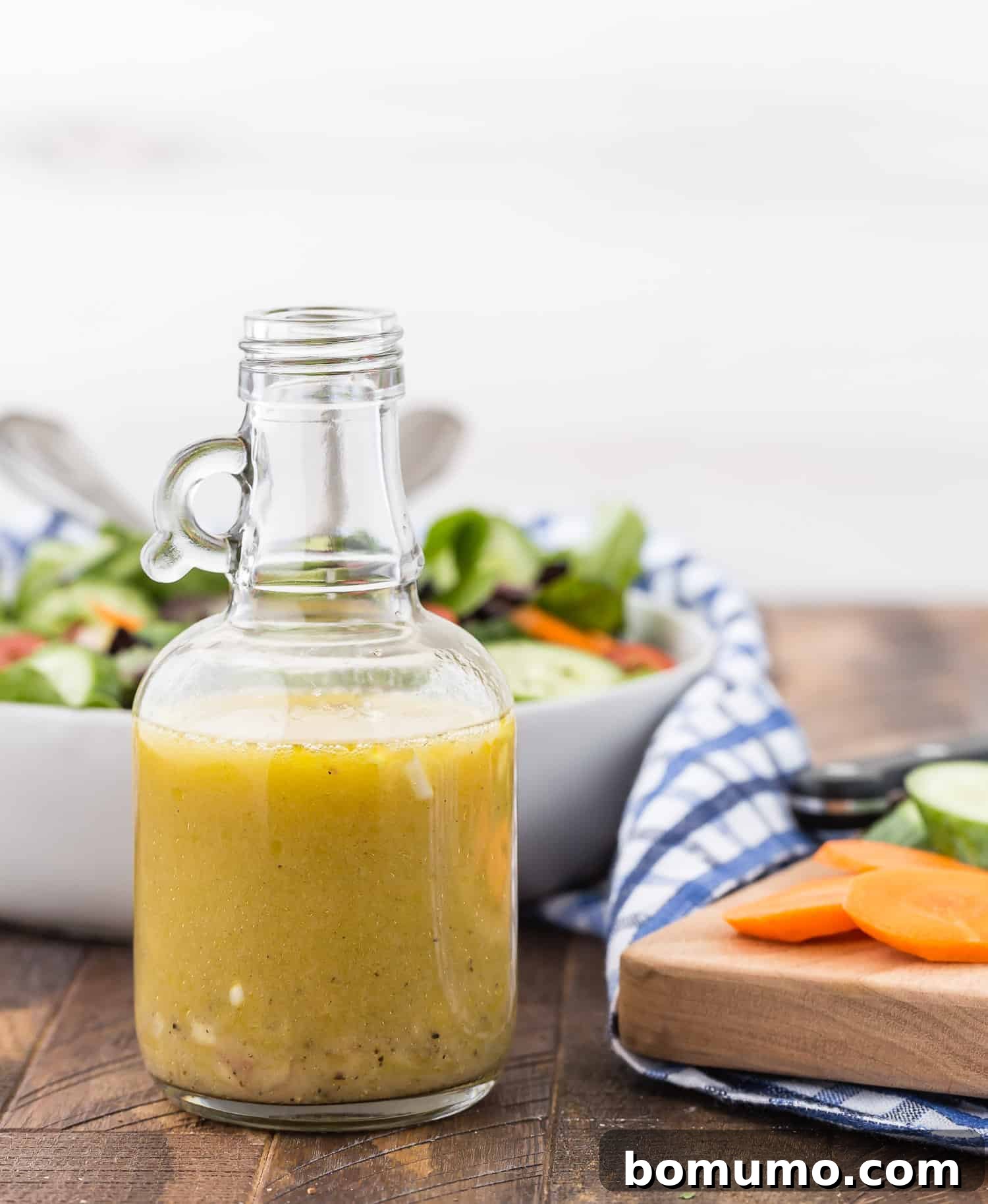
Mastering the Ingredients: What You Need and Why
Crafting an exceptional white wine vinaigrette starts with understanding the role of each ingredient. Here’s a breakdown of the key components and why they are chosen for this recipe:
- White Wine Vinegar: This is the star ingredient, providing the signature tangy foundation. It’s crucial to use white wine vinegar, not plain white vinegar (which is too harsh) or just white wine (which lacks the necessary acidity). White wine vinegar is readily available in most grocery stores and is a versatile pantry staple you’ll use often for dressings, marinades, and pickling.
- Extra Virgin Olive Oil: The choice of oil significantly impacts the flavor and mouthfeel. Extra virgin olive oil is highly recommended for its robust, fruity flavor and numerous health benefits, including monounsaturated fats and antioxidants. While other mild-tasting oils like avocado, grapeseed, or sunflower oil can be substituted, they won’t impart the same depth of flavor.
- Dijon Mustard: Beyond adding a subtle, sophisticated tang, Dijon mustard acts as a vital emulsifier. This means it helps to bind the oil and vinegar together, preventing them from separating quickly and ensuring a smooth, cohesive dressing. Always opt for a smooth Dijon mustard; grainy varieties can alter the texture, and plain yellow mustard simply won’t provide the desired flavor or emulsifying properties.
- Sweetener (Honey, Agave, Maple Syrup OR Granulated Sugar): A touch of sweetness is essential to balance the sharp acidity of the vinegar. You can choose your preferred sweetener: honey adds a floral note, agave is neutral, maple syrup offers a distinct warmth, and granulated sugar dissolves easily. Start with the recommended amount and adjust to your personal taste, aiming for a harmonious balance rather than an overtly sweet dressing.
- Kosher Salt and Freshly Ground Black Pepper: These aren’t just seasonings; they’re flavor enhancers. Kosher salt provides a clean, pure salty taste that brightens all the other ingredients. Freshly ground black pepper adds a subtle warmth and aromatic complexity. Never skip these fundamental seasonings, as they are key to rounding out the vinaigrette’s profile.
The Shallot Factor: An Optional Touch of Elegance
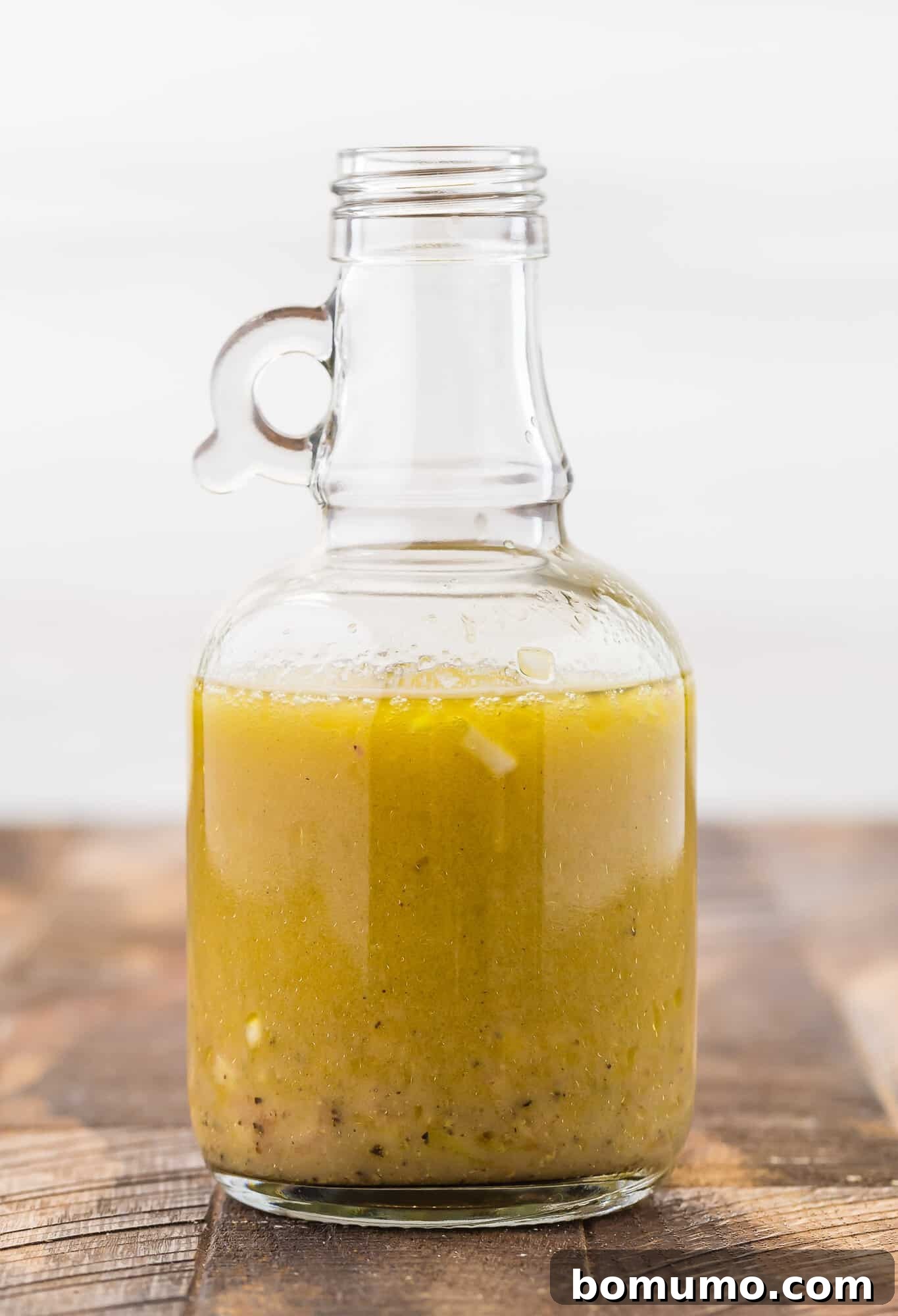
For an elevated, gourmet touch, this recipe suggests incorporating finely chopped shallots. Soaking the shallots in the white wine vinegar for about fifteen minutes prior to mixing softens their pungent edge and allows them to infuse the vinegar with a delicate, savory aroma. While adding shallots undeniably introduces an extra layer of nuanced flavor and a delightful textural element, they are entirely optional. If you’re short on time or prefer a simpler dressing, feel free to omit them. However, for those moments when you want to impress or simply treat yourself to something a little special, the shallots are definitely worth the minimal extra effort. Don’t follow my example of skipping them when in a rush – embrace the subtle complexity they bring!
Customize Your Vinaigrette: Endless Possibilities
The beauty of a basic vinaigrette recipe lies in its adaptability. This foundation allows for endless customization to perfectly match your personal taste and culinary needs. Don’t hesitate to experiment until you find your ideal balance of flavors.
- Adjusting the Flavor Profile: Feel free to make it tangier by adding a bit more vinegar, sweeter with extra sweetener (or by reducing the vinegar slightly), or adjust the salt and pepper to your preference. The goal is a dressing that perfectly complements your chosen salad.
- Omit the Shallots: As discussed, shallots provide a lovely depth, but if you prefer a simpler, quicker preparation, leaving them out won’t compromise the deliciousness of the vinaigrette.
- Alternative Oils: While extra virgin olive oil is highly recommended for its flavor and health benefits, if you’re out or prefer a milder option, a good quality neutral-tasting vegetable oil, grapeseed oil, or even avocado oil can be excellent substitutes. These alternatives will still emulsify well and provide the necessary fat component.
- Mustard Alternatives: For a different twist, consider substituting Dijon mustard with whole grain mustard for a subtle texture and robust flavor, or even a touch of horseradish mustard if you’re looking to add a spicier kick. Remember to avoid regular yellow mustard, as its flavor profile is not suited for this delicate vinaigrette.
- Herb Infusion: Fresh or dried herbs can introduce wonderful aromatic complexities. Consider adding finely chopped fresh parsley, chives, basil, oregano, or thyme directly into the dressing for a vibrant herbal note. If using dried herbs, a pinch is often sufficient as their flavor is more concentrated. You can also add fresh herbs directly to your salad just before serving.
- Citrus Zest Boost: For an extra layer of brightness, grate a bit of lemon or orange zest into your vinaigrette. The aromatic oils in the zest will add a delightful fragrance and a subtle, zesty kick.
- Garlic Infusion: If you’re a garlic lover, a finely minced clove of fresh garlic can be added along with the shallots (or on its own if omitting shallots) to infuse the dressing with a pungent, savory depth.
- Spicy Kick: For those who enjoy a little heat, a tiny pinch of red pepper flakes or a dash of hot sauce can transform this classic vinaigrette into something with a fiery edge.
Storage Tips
Storage Tips
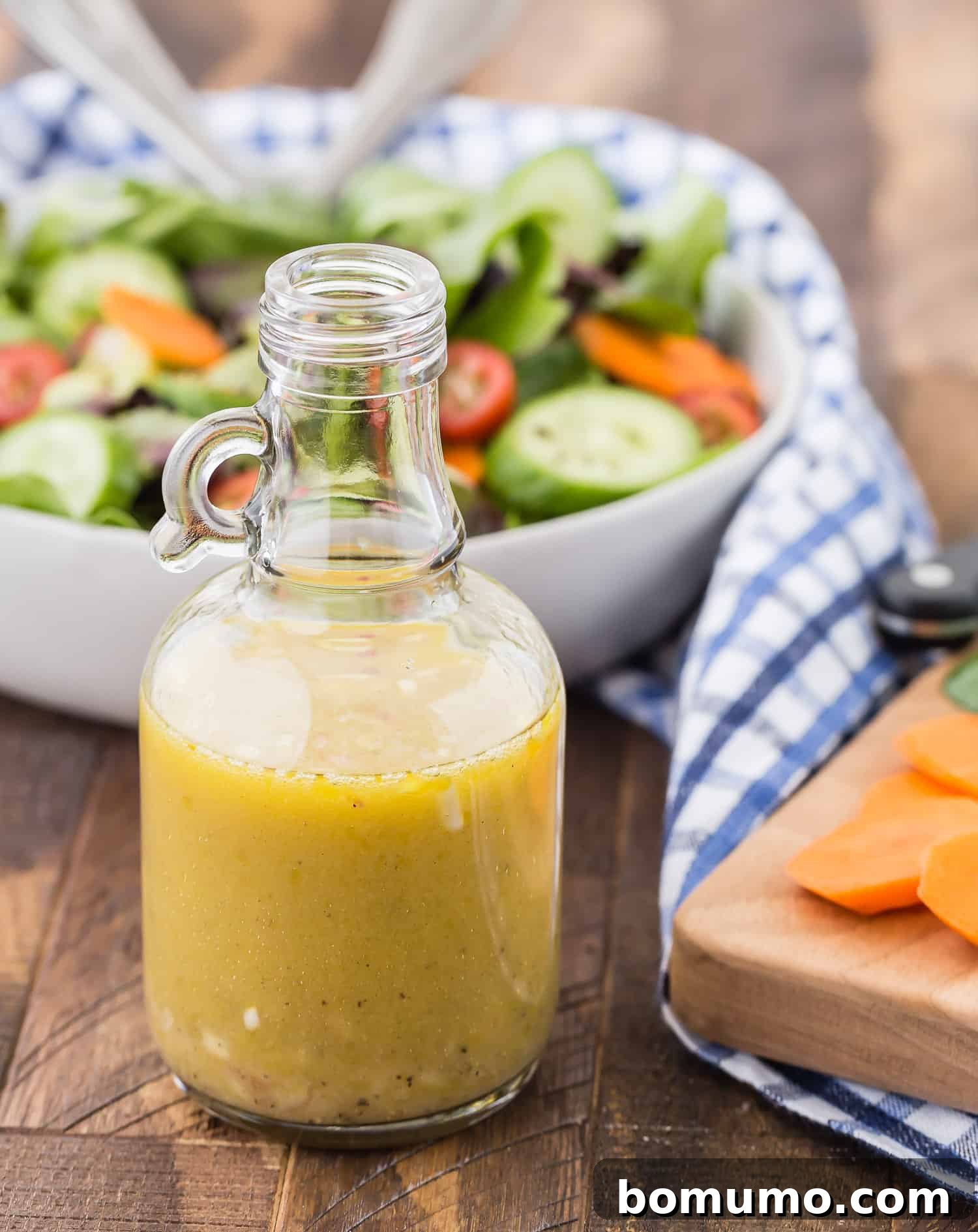
Proper storage is key to enjoying your homemade white wine vinaigrette for as long as possible. Store the dressing in an airtight, covered container – ideally the same jar you used for mixing – in the refrigerator. When made with shallots, the vinaigrette will typically remain fresh and vibrant for up to 5 days. If you choose to omit the shallots, its shelf life can extend to about 1-2 weeks, as fresh aromatics can sometimes shorten storage time.
It’s common for olive oil-based vinaigrettes to solidify or become cloudy when chilled. This is a natural occurrence and a sign of good quality olive oil. To restore its liquid consistency and optimal texture, simply remove the vinaigrette from the fridge about 15-20 minutes before you plan to use it, allowing it to come closer to room temperature. Then, give it a vigorous shake to re-emulsify the ingredients and ensure a perfectly blended dressing ready for serving.
Explore More Homemade Salad Dressing Recipes
Once you discover the unparalleled taste and freshness of homemade salad dressings, you’ll find it hard to go back to store-bought options. Crafting your own dressings is not only simple and rewarding but also allows you to control the ingredients, avoiding unwanted preservatives and excess sugar. Don’t forget to complement your salads with my homemade croutons recipe – once you try them, you’ll never buy a bag of store-bought croutons again! Here are some more of my favorite dressing recipes to inspire your culinary journey:
- Honey Mustard Vinaigrette: A delightful blend of sweet and tangy, perfect for chicken salads or hearty greens.
- Apricot Vinaigrette Dressing: A uniquely fruity and vibrant dressing that pairs wonderfully with summer salads and grilled vegetables.
- Lemon Basil Vinaigrette: Bursting with fresh citrus and aromatic basil, ideal for caprese salads or light pasta dishes.
- Catalina Dressing: A zesty and slightly sweet dressing, reminiscent of French dressing, great for everyday salads.
- Parmesan Peppercorn Dressing: Creamy, savory, and incredibly flavorful, a fantastic choice for Caesar-style salads or as a dip.
- Poppy Seed Dressing: A creamy, sweet, and tangy dressing with a delightful texture from poppy seeds, excellent on fruit and spinach salads.
- Avocado Lime Dressing: A rich, creamy, and zesty dressing with a hint of cumin, perfect for Mexican-inspired salads or as a taco topping.
- Ranch Dressing (Reduced Fat): All the classic flavor of ranch without the guilt, proving that reduced fat doesn’t mean reduced taste.
- Raspberry Vinaigrette (with Fresh Raspberries): A beautiful, fruity vinaigrette made with fresh raspberries, offering a sweet and tart punch to any salad.
White Wine Vinaigrette
Rachel Gurk
5 minutes
15 minutes
20 minutes
8
Ingredients
- 2 tablespoons finely chopped shallots (optional, for added depth)
- ⅓ cup white wine vinegar (ensure it’s not plain white vinegar)
- ⅓ cup extra virgin olive oil
- 2 teaspoons Dijon mustard (smooth variety, for flavor and emulsification)
- 2 teaspoons sweetener (agave, honey, granulated sugar, or maple syrup) (to taste, for balance)
- ½ teaspoon kosher salt
- ¼ teaspoon freshly ground black pepper
Instructions
-
If using shallots, combine the finely chopped shallots and white wine vinegar in a small bowl. Let them sit for approximately 15 minutes to allow the shallots to soften slightly and infuse the vinegar with their delicate flavor. If you choose to omit shallots, simply proceed to the next step.2 tablespoons finely chopped shallots,
⅓ cup white wine vinegar -
Add the extra virgin olive oil, Dijon mustard, chosen sweetener (agave, honey, granulated sugar, or maple syrup), kosher salt, and freshly ground black pepper to the bowl (or jar, if using). Whisk vigorously until all ingredients are thoroughly combined and the mixture is emulsified. Alternatively, if using a jar, secure the lid tightly and shake well until emulsified. Taste and adjust seasonings as needed, adding more salt, pepper, or sweetener to achieve your preferred balance.⅓ cup extra virgin olive oil,
2 teaspoons Dijon mustard,
2 teaspoons agave, honey, granulated sugar, or maple syrup,
½ teaspoon kosher salt,
¼ teaspoon coarse ground black pepper -
Serve your freshly made white wine vinaigrette immediately to dress your favorite salads or roasted vegetables. Any leftover dressing can be refrigerated for later use.
Recipe Notes & Tips for Success
- Storage Guidelines: Keep your homemade vinaigrette in a tightly covered container in the refrigerator for up to 5 days. If you’ve omitted the shallots, it might last slightly longer, up to 1-2 weeks.
- Reactivating Chilled Vinaigrette: If the olive oil solidifies in the fridge, simply remove the dressing and let it sit at room temperature for about 15-20 minutes until it liquefies. Alternatively, you can microwave it very briefly (just a few seconds) to gently warm it. Always shake well before using to re-emulsify the ingredients.
- Customizing to Your Taste: Don’t be afraid to experiment with the ratios! Make the vinaigrette tangier by adding more vinegar, sweeter with extra sweetener, or adjust the salt and pepper levels to achieve your perfect flavor balance.
- Mustard Swaps: For a different flavor or texture, try substituting smooth Dijon mustard with whole grain mustard or even a small amount of horseradish mustard for a spicier kick.
- Oil Alternatives: If extra virgin olive oil isn’t available, or if you prefer a lighter flavor, you can use a mild-tasting vegetable oil, grapeseed oil, or avocado oil as a substitute.
- Adding Fresh Herbs: Enhance your vinaigrette with fresh herbs like parsley, chives, basil, or oregano. Finely chop them and add them directly to the dressing for an aromatic boost.
Video Tutorial
For a visual guide, watch our easy-to-follow video tutorial on how to make this delicious white wine vinaigrette!
Nutrition Facts
Calories: 92kcal,
Carbohydrates: 2g,
Protein: 0.1g,
Fat: 9g,
Saturated Fat: 1g,
Polyunsaturated Fat: 1g,
Monounsaturated Fat: 7g,
Sodium: 160mg,
Potassium: 15mg,
Fiber: 0.2g,
Sugar: 2g,
Vitamin A: 1IU,
Vitamin C: 1mg,
Calcium: 3mg,
Iron: 0.2mg
Please note: Nutrition information is automatically calculated and should be considered an approximation. Individual results may vary based on specific ingredient brands and preparation methods.
Did You Make This?
Share a comment and rating below! We love hearing what you think and seeing your culinary creations!