
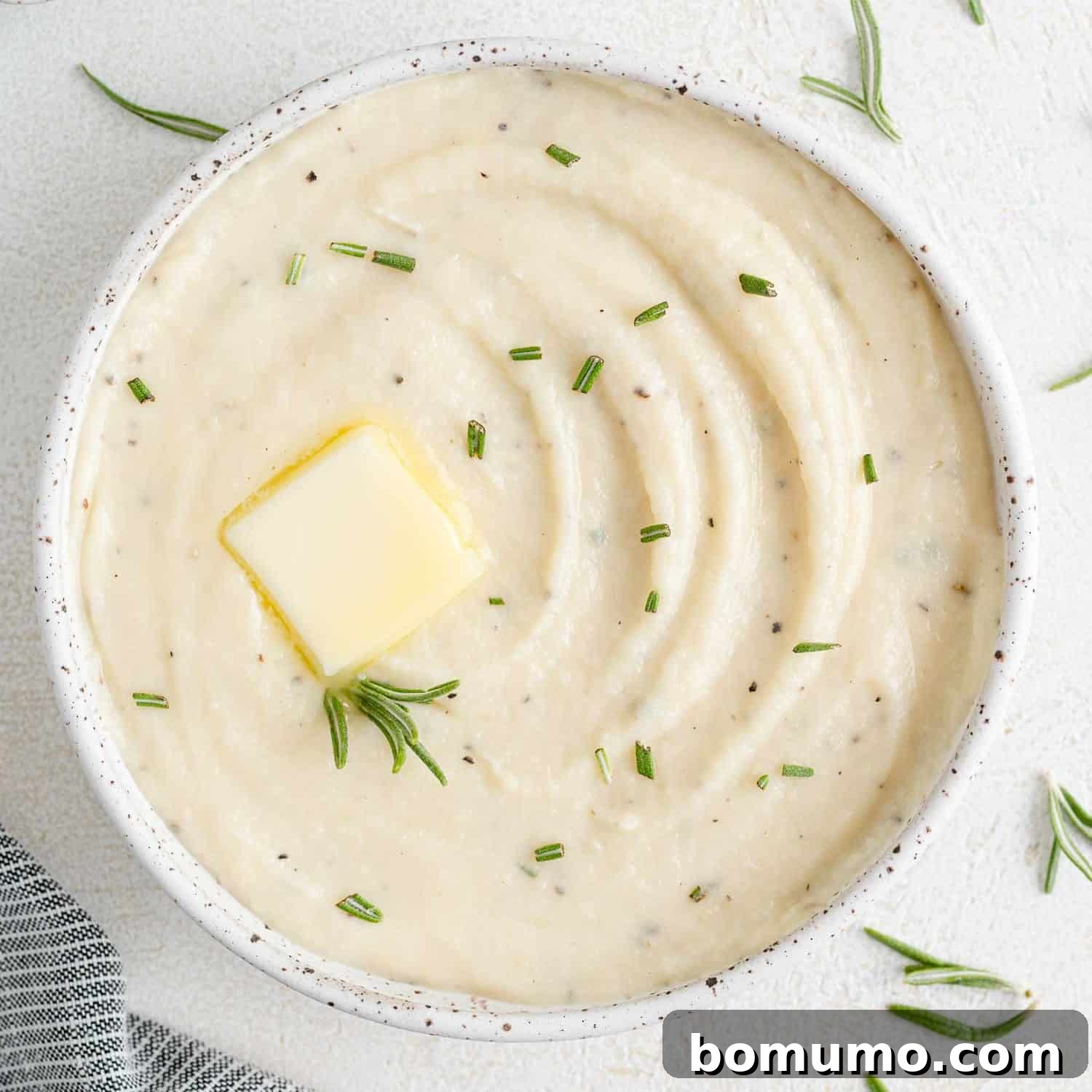
Delight your taste buds with the surprisingly sweet, earthy flavors and incredibly creamy texture of homemade Parsnip Purée. This elegant yet simple side dish is a guaranteed crowd-pleaser, perfect for elevating any meal, from succulent steaks and tender ribs to festive holiday dinners like Thanksgiving turkey. Forget mundane mashed potatoes; parsnip purée offers a sophisticated, flavor-packed alternative that’s both comforting and distinctive.
Recipe Overview: Why This Parsnip Purée Will Be Your New Favorite Side
Why you’ll love it: This parsnip purée offers a delightful twist on traditional mashed vegetables. Parsnips bring a unique, sweet, and earthy flavor profile that’s incredibly satisfying, making them a fantastic, lower-carb alternative to mashed potatoes. Their natural sweetness means you don’t need much added sugar, and their robust flavor stands out without being overpowering.
How long it takes: Approximately 30 minutes active preparation time, with an additional 50-60 minutes if you’re roasting fresh garlic from scratch. This makes it a perfect dish to prepare ahead of time for entertaining.
Equipment you’ll need: A sturdy saucepan for boiling, and either a high-speed blender or a food processor for achieving that signature ultra-creamy, smooth texture. While an immersion blender can work, it may require more effort and time to reach the desired consistency.
Servings: This recipe yields about 3 cups, comfortably serving 6 people as a generous side dish.
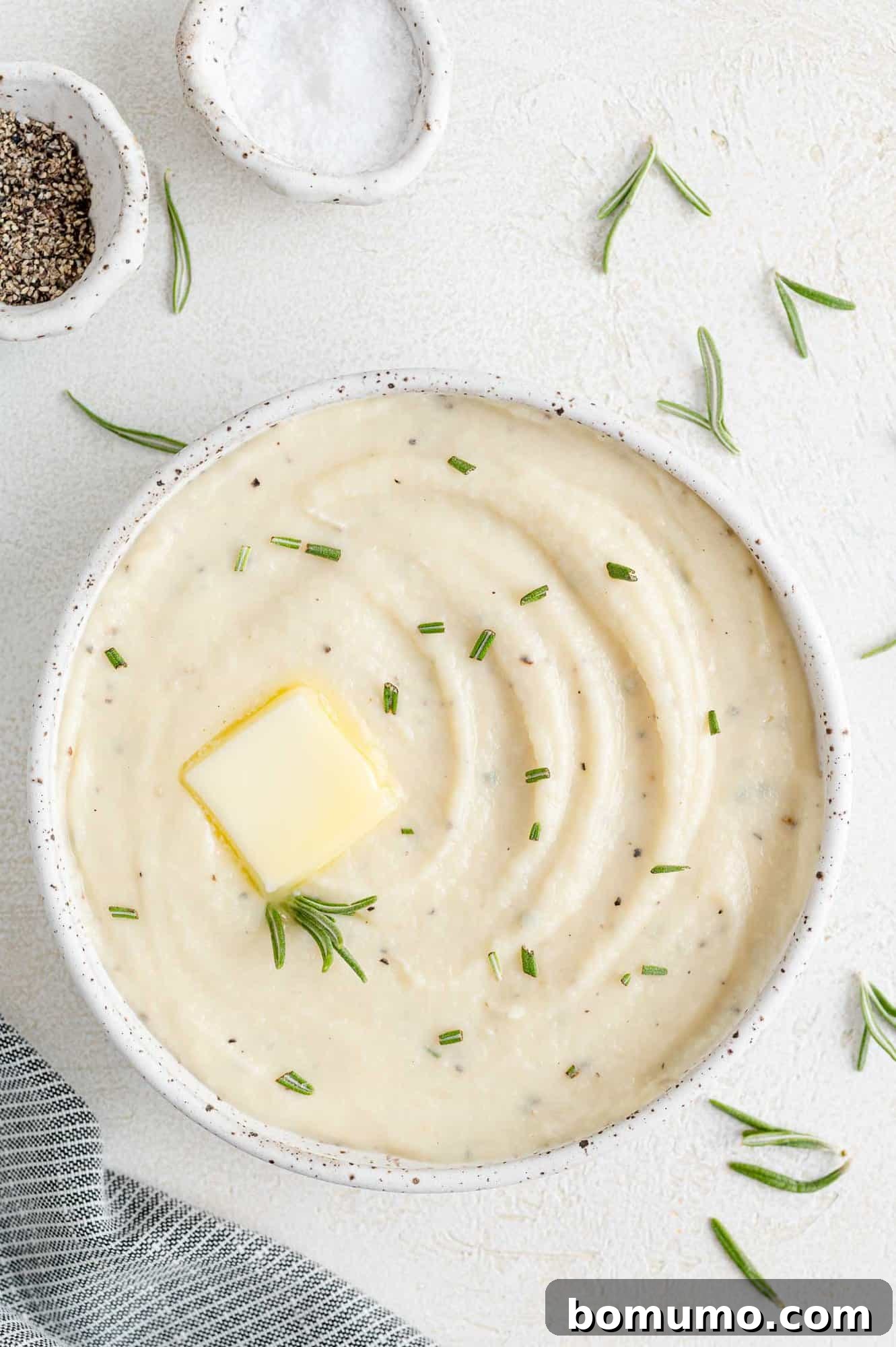
From the very first spoonful, this parsnip purée is an experience that truly impresses. It’s so remarkably delicious and uniquely flavorful that it has quickly become a staple on my table. I vividly recall the first time I shared a small bowl with my mom, initially with a hint of reluctance, only to witness her and my dad’s immediate delight. Their enthusiastic reaction confirmed it: this dish is a winner.
Parsnips, often overlooked due to their unassuming appearance, harbor an incredibly rich and complex flavor profile. Far from bland, their taste is frequently described as a harmonious blend of woodsy notes, subtle spice, natural sweetness, nuttiness, and hints of toasted caramel or even a touch of licorice. Some even detect delicate undertones of cinnamon or nutmeg, or a slight bitterness reminiscent of turnips, which only adds to their intrigue. This multifaceted flavor makes them a fascinating ingredient to explore in the kitchen.
My culinary journey with parsnips isn’t new. I’ve always appreciated their versatility, from my favorite sautéed parsnips with white wine, butter, and thyme to the traditional preparations from my grandmother’s garden. She cultivated parsnips annually and would serve them with her Sunday beef roast, typically sliced and boiled like carrots, then finished with a sweet brown sugar glaze, similar to these delightful brown sugar glazed carrots. However, this purée takes parsnips to an entirely new level, transforming them into an elegant and unforgettable side dish.
This creamy parsnip purée is destined to grace my Thanksgiving table, and I eagerly anticipate the rave reviews from family and friends. What makes it even better is the convenience: it can be prepared entirely in advance without any compromise on its exquisite quality, making holiday meal prep a breeze.
What Exactly Is A Parsnip? Unveiling This Unique Root Vegetable
Parsnips are a fascinating root vegetable, closely related to carrots and parsley, and native to Eurasia. Visually, they resemble large, white carrots, but their flavor is distinctly different. For the sweetest taste, parsnips are typically harvested after the first frost, which helps convert their starches into sugars. This natural sweetness, combined with their earthy and slightly spicy notes, makes them incredibly versatile.
Beyond puréeing, parsnips can be enjoyed in numerous ways: roasted to bring out their caramel notes, boiled for a tender texture, fried for a crispy exterior, or steamed for a delicate finish. They are a true culinary gem, offering a unique flavor profile that adds depth and sophistication to a wide array of dishes.
The Nutritional Powerhouse: Health Benefits of Parsnips
Beyond their delightful taste, parsnips are packed with essential nutrients, making them a healthy addition to your diet. They are an excellent source of dietary fiber, which aids in digestion and helps maintain gut health. Parsnips also provide a good amount of Vitamin C, an antioxidant crucial for immune function and skin health, and Vitamin K, important for blood clotting and bone health.
Furthermore, parsnips contain various minerals like potassium, folate, and manganese. Potassium is vital for maintaining healthy blood pressure, while folate is essential for cell growth and function. Their naturally lower carbohydrate content compared to potatoes also makes them a smart choice for those monitoring their carb intake, without sacrificing flavor or creaminess.
Crafting the Perfect Parsnip Purée: A Detailed Guide
Achieving the perfect, velvety smooth texture of this parsnip purée is key to its appeal. While the process itself isn’t overly complicated, the right equipment is essential. A high-powered food processor or a quality blender is indispensable for transforming the cooked parsnips into a luxuriously creamy consistency. An immersion blender can be used, but it often requires more effort and may not produce quite the same level of silkiness as a dedicated blender or food processor. Simply mashing the parsnips by hand, while still delicious, will result in a more rustic “mash” rather than the refined “purée” we’re aiming for.
One of the secret ingredients that truly elevates this purée is the addition of roasted garlic. Unlike its raw counterpart, roasted garlic boasts a mellow, sweet, and buttery flavor that subtly enhances the earthy sweetness of the parsnips without overwhelming them. It imparts a depth of flavor that is simply irreplaceable. Do not be tempted to substitute fresh garlic, as its pungent and assertive taste would be far too dominant. However, if garlic is not to your liking, feel free to omit it entirely without compromising the deliciousness of the purée.
Essential Ingredients for Your Creamy Parsnip Purée
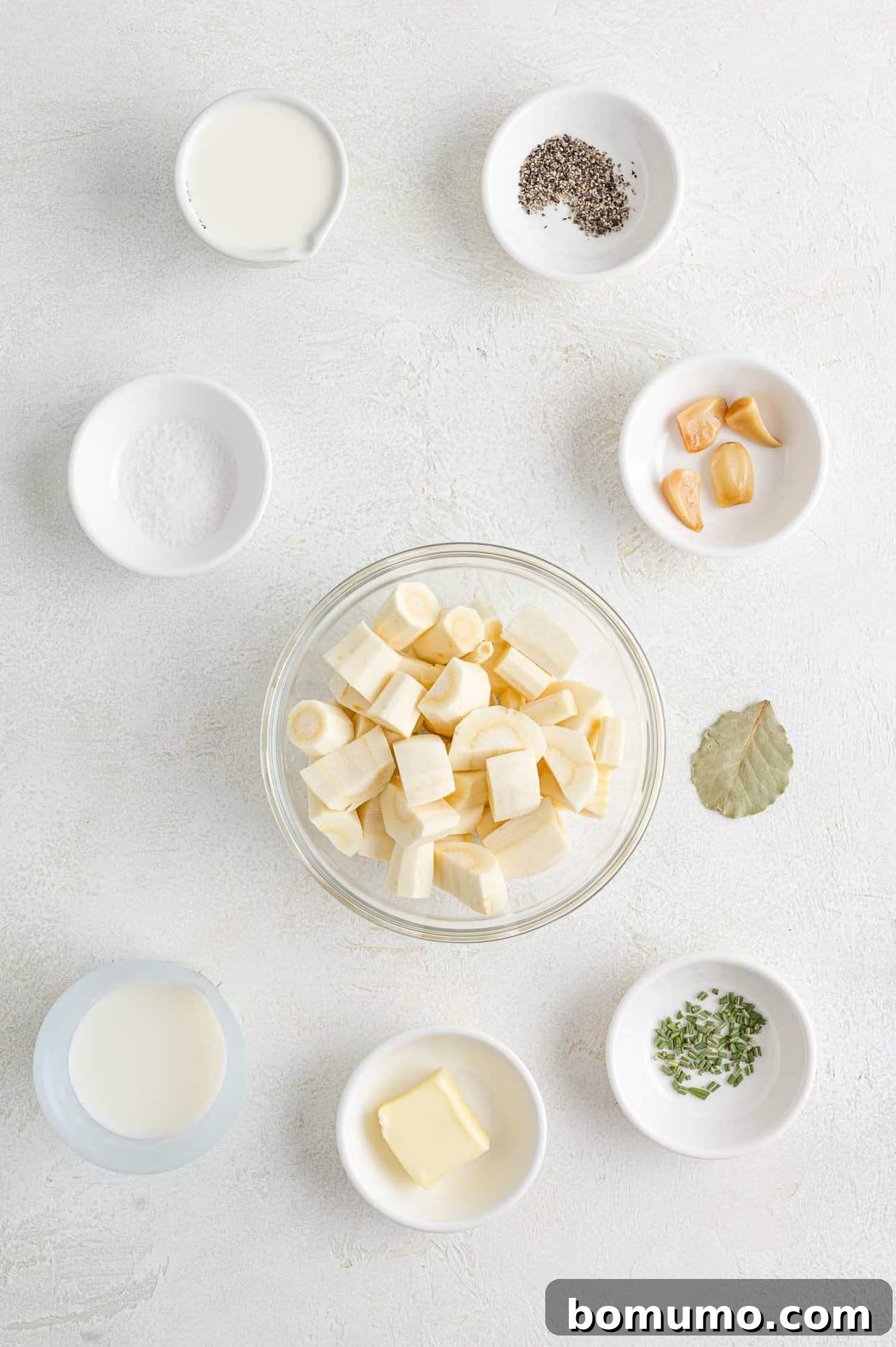
Creating this exquisite parsnip purée requires a few key ingredients, each playing a vital role in developing its signature flavor and texture. Here’s a detailed look at what you’ll need and tips for selection:
- Parsnips: The star of our dish! When selecting parsnips, look for firm, smooth, and blemish-free roots. They should resemble large, white carrots. You’ll need approximately one pound, which usually translates to about 3 medium to large parsnips. Avoid any that appear limp or have soft spots.
- Heavy Cream & Whole Milk: The combination of these two dairy products is crucial for achieving that ultra-creamy, luxurious texture. A ratio of one part heavy cream to two parts whole milk provides a rich base without making the purée overly heavy. For an equally delicious but slightly lighter option, you can substitute half-and-half for the heavy cream and milk mixture. The more cream you add, the richer and thicker your purée will be.
- Butter: Just one tablespoon of good quality butter adds a touch of richness and helps to enhance the overall flavor and mouthfeel of the purée. It contributes to the decadent finish.
- Bay Leaf: A single dried bay leaf, simmered with the parsnips during boiling, imparts a subtle, aromatic, and slightly woody flavor that beautifully complements the parsnips. Remember to remove and discard it before blending, as its job is to infuse flavor, not to be eaten.
- Fresh Rosemary: This fragrant, woody herb provides a wonderful counterpoint to the parsnips’ sweetness. Rosemary has a potent flavor, so use it judiciously – a small amount goes a long way. I always reserve a few fresh sprigs to use as an elegant garnish for serving.
- Roasted Garlic (optional, but highly recommended): As mentioned earlier, roasted garlic offers a mellow, sweet, and buttery depth that truly elevates this purée. It can be prepared in advance and stored in the refrigerator or even frozen for convenience. You can find detailed instructions for how to roast garlic in the recipe card below. If you’re short on time and don’t have roasted garlic, a tiny pinch of garlic powder can be used as a last resort, though the flavor won’t be as nuanced.
- Salt and Pepper: Essential for seasoning to taste. Always opt for kosher salt and freshly ground black pepper for the best possible flavor and control over seasoning. Adjust quantities to your preference, tasting as you go.

Elevate Your Kitchen with a Reliable Vegetable Peeler
A high-quality vegetable peeler is truly an indispensable tool in any kitchen. It simplifies the preparation of a multitude of vegetables, from parsnips, carrots, and beets to squash and potatoes. Beyond its primary function, a peeler is also fantastic for preparing fruits like apples and pears quickly and efficiently. Moreover, it’s perfect for creating elegant, delicate ribbons of carrots or summer squash for vibrant salads or a quick, light sauté. And for those with a sweet tooth, a peeler can even be used to craft beautiful chocolate curls, adding a professional touch to cakes, desserts, or a cozy mug of hot cocoa.
Step-by-Step Guide: Crafting Your Creamy Parsnip Purée
Follow these simple steps to create a show-stopping parsnip purée that’s sure to impress:
- Prepare the Roasted Garlic (if using): If you plan to incorporate roasted garlic and don’t have it on hand, this is your first step, as it requires the longest cooking time. Preheat your oven to 400°F (200°C). Carefully slice off the very top of a whole head of garlic, exposing the cloves. Drizzle generously with about 1 tablespoon of olive oil. Wrap the garlic head tightly in aluminum foil and place it on a baking sheet. Roast for approximately 50 to 60 minutes, or until the cloves are wonderfully soft and have turned a golden-brown hue. Allow it to cool slightly, then gently squeeze out 4 cloves for your purée. The remaining roasted garlic can be stored for other delicious uses, like spreading on toast or adding to sauces.
- Prep the Parsnips: While the garlic is roasting, turn your attention to the parsnips. Using a good quality vegetable peeler, remove the outer skin of each parsnip. Trim off both ends with a sharp knife. For even cooking, cut the peeled parsnips into fairly uniform ½-inch to 1-inch pieces. This ensures they cook thoroughly and consistently.
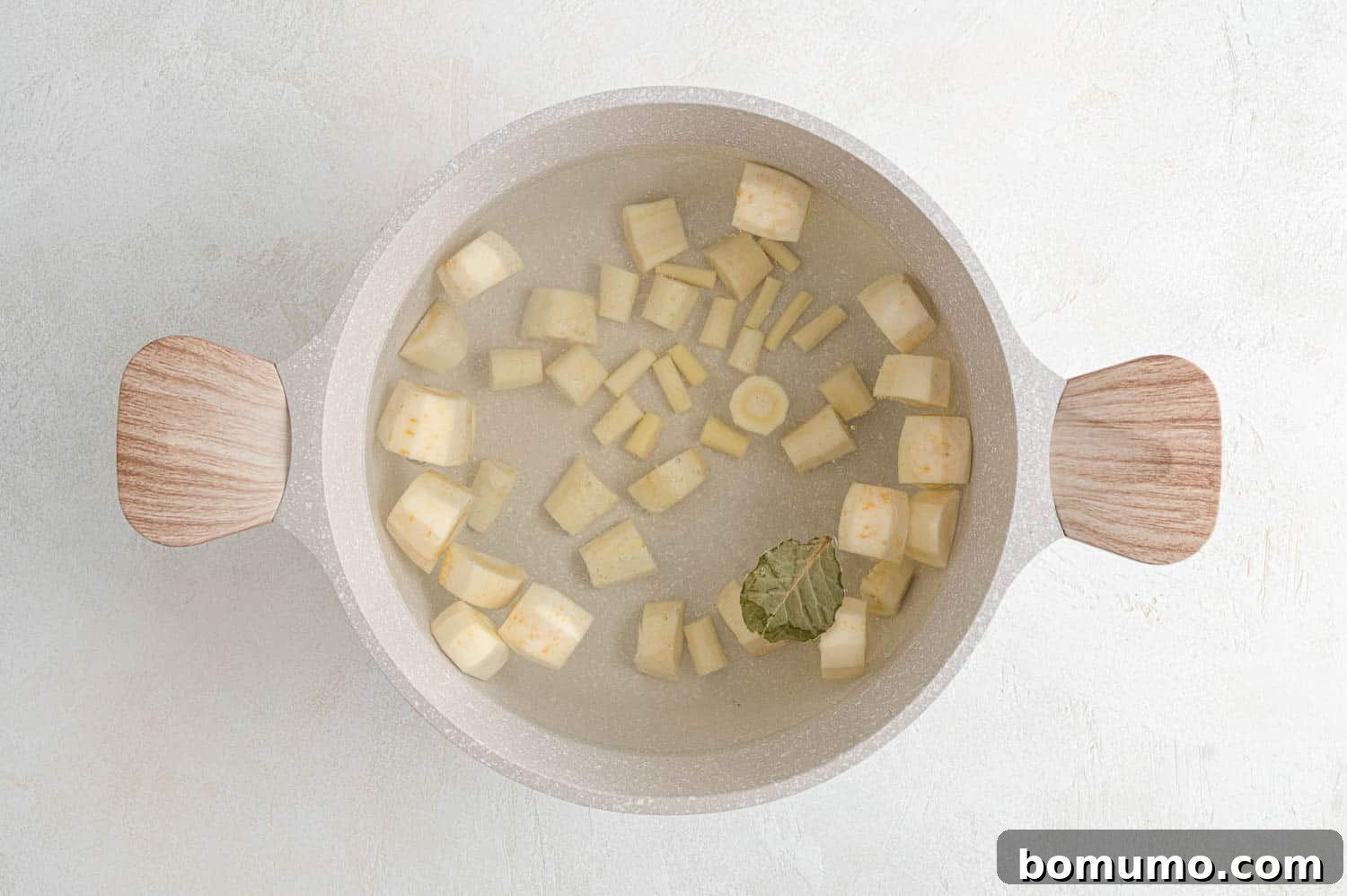
- Boil the Parsnips: In a large saucepan, bring a generous amount of water to a rolling boil over high heat. Add the prepared parsnip pieces, a teaspoon of kosher salt, and the bay leaf to the boiling water. Allow the parsnips to cook for about 15 to 20 minutes. The key is to cook them until they are absolutely fork-tender, meaning a fork can easily pierce them without resistance.
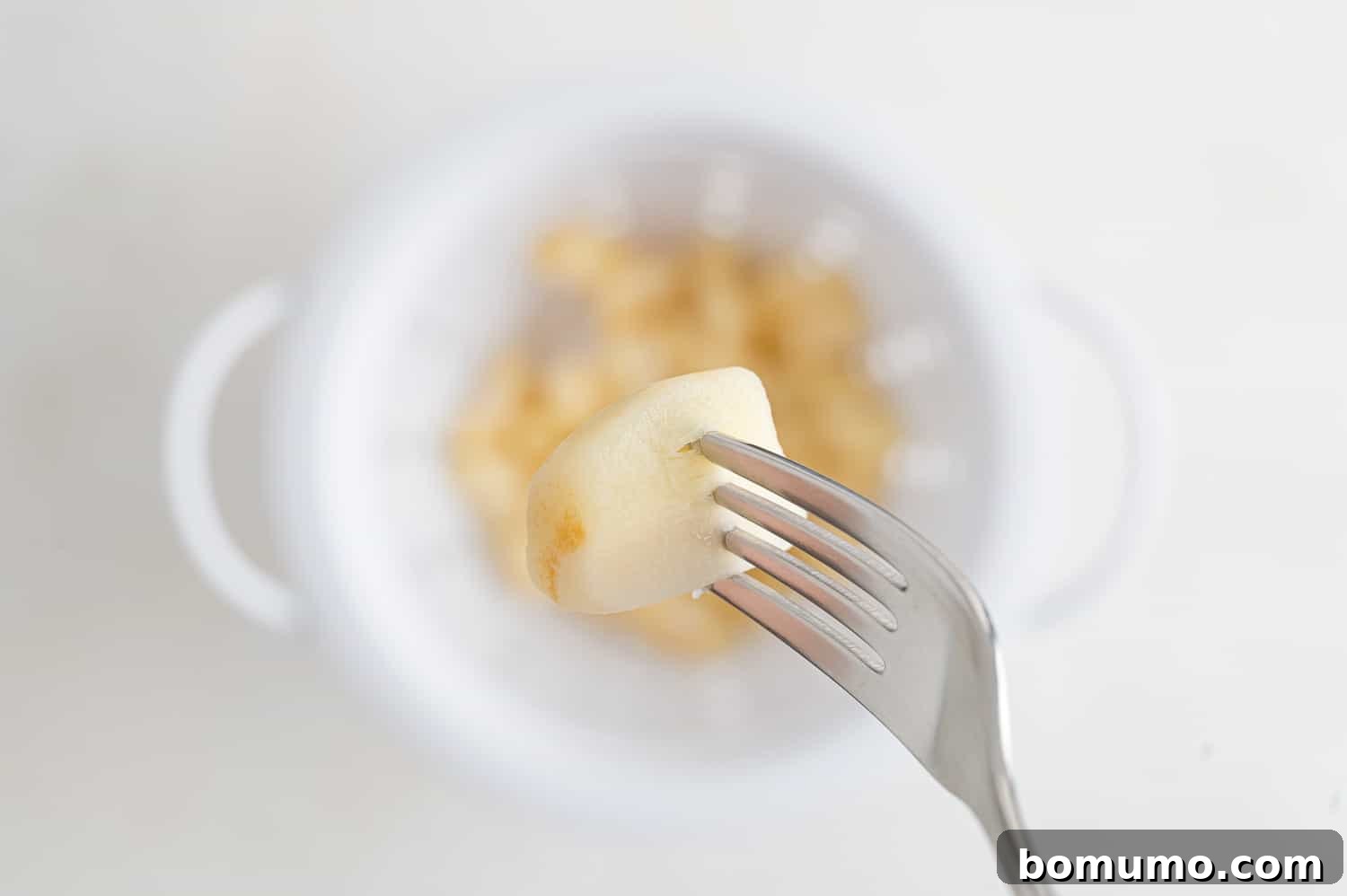
- Test for Tenderness: To confirm doneness, gently poke one or two parsnip pieces with a fork. If the fork slides in easily with no resistance, they are perfectly cooked and ready for the next step.
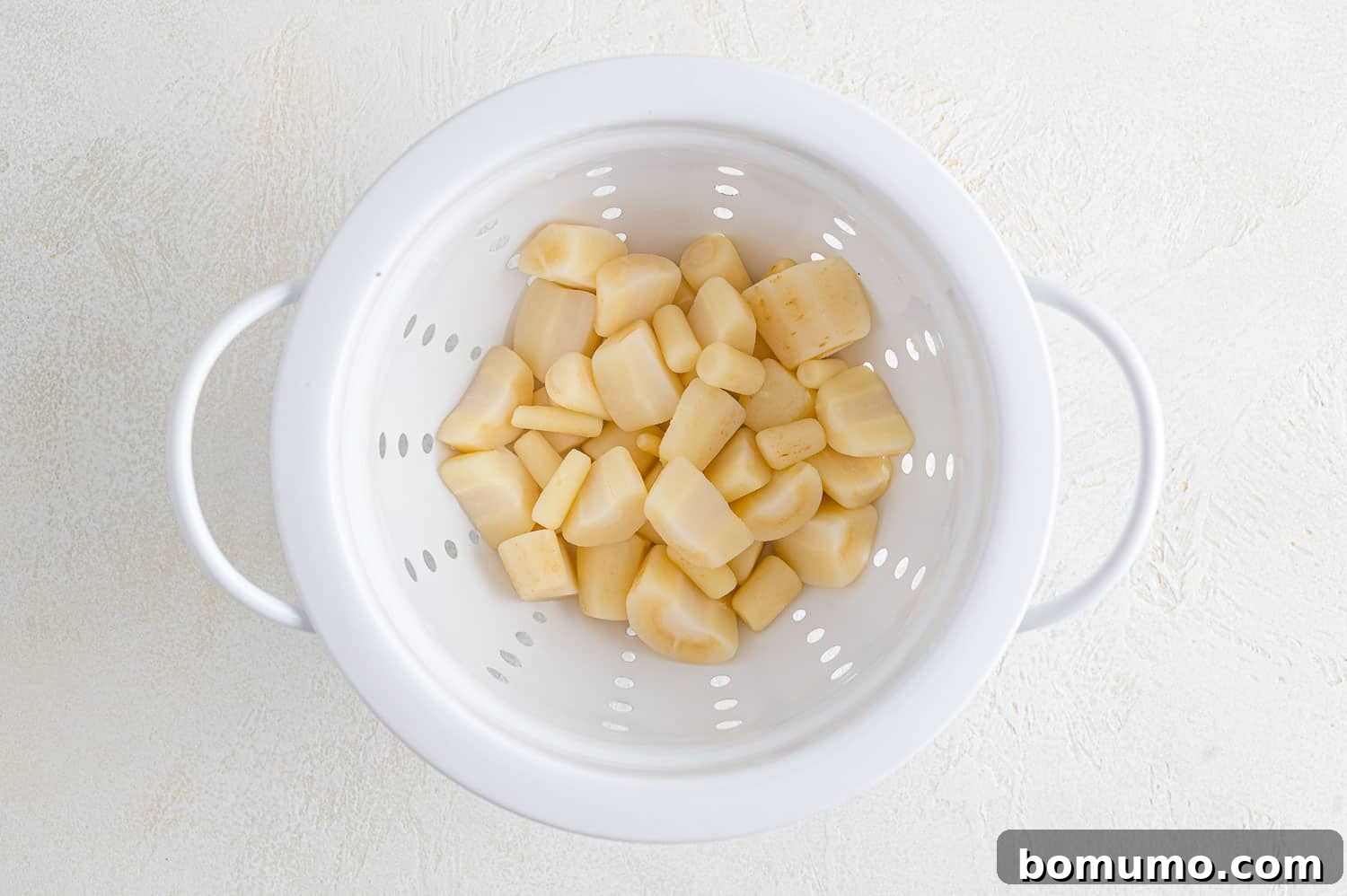
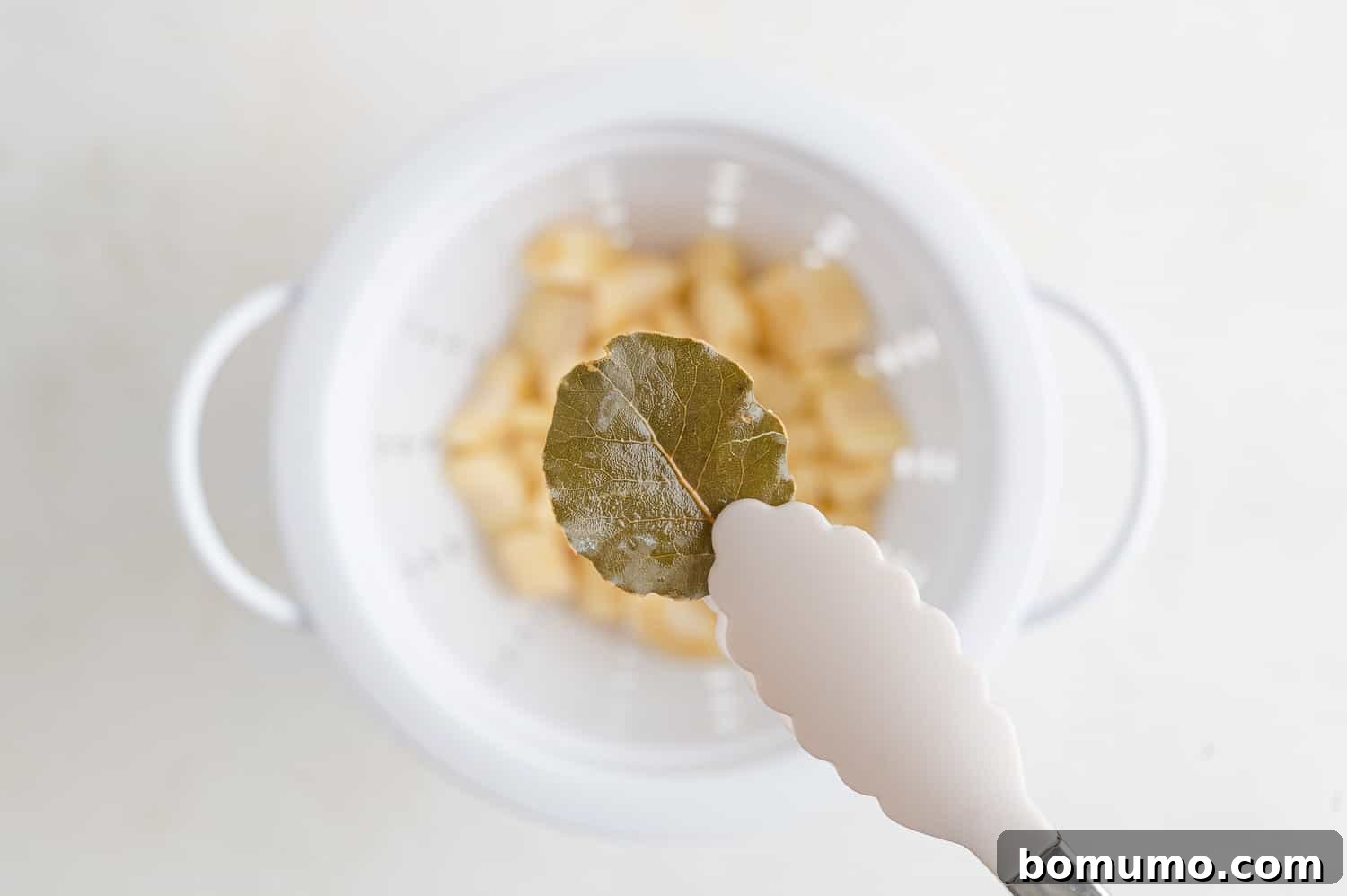
- Drain and Discard Bay Leaf: Once tender, carefully drain the parsnips thoroughly using a colander. Before proceeding, make sure to remove and discard the bay leaf. Its aromatic essence has been infused into the parsnips, and its purpose is now complete.
- Blend to Creaminess: Transfer the drained, cooked parsnips into the bowl of a blender or food processor. Add the whole milk, heavy cream, butter, the 4 cloves of roasted garlic (if using), ½ teaspoon of kosher salt, ¼ teaspoon of coarse ground black pepper, and ¼ teaspoon of minced fresh rosemary.
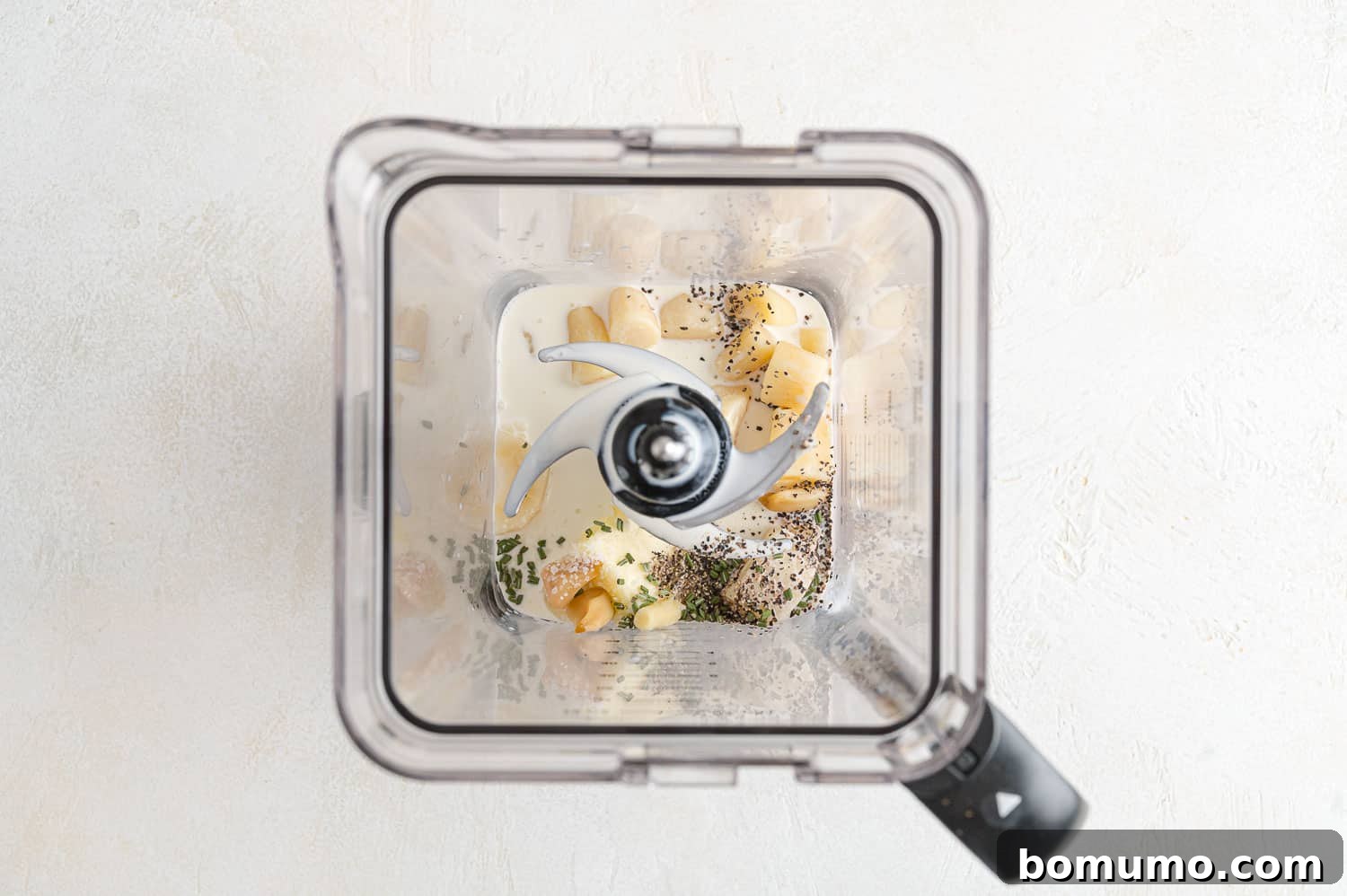
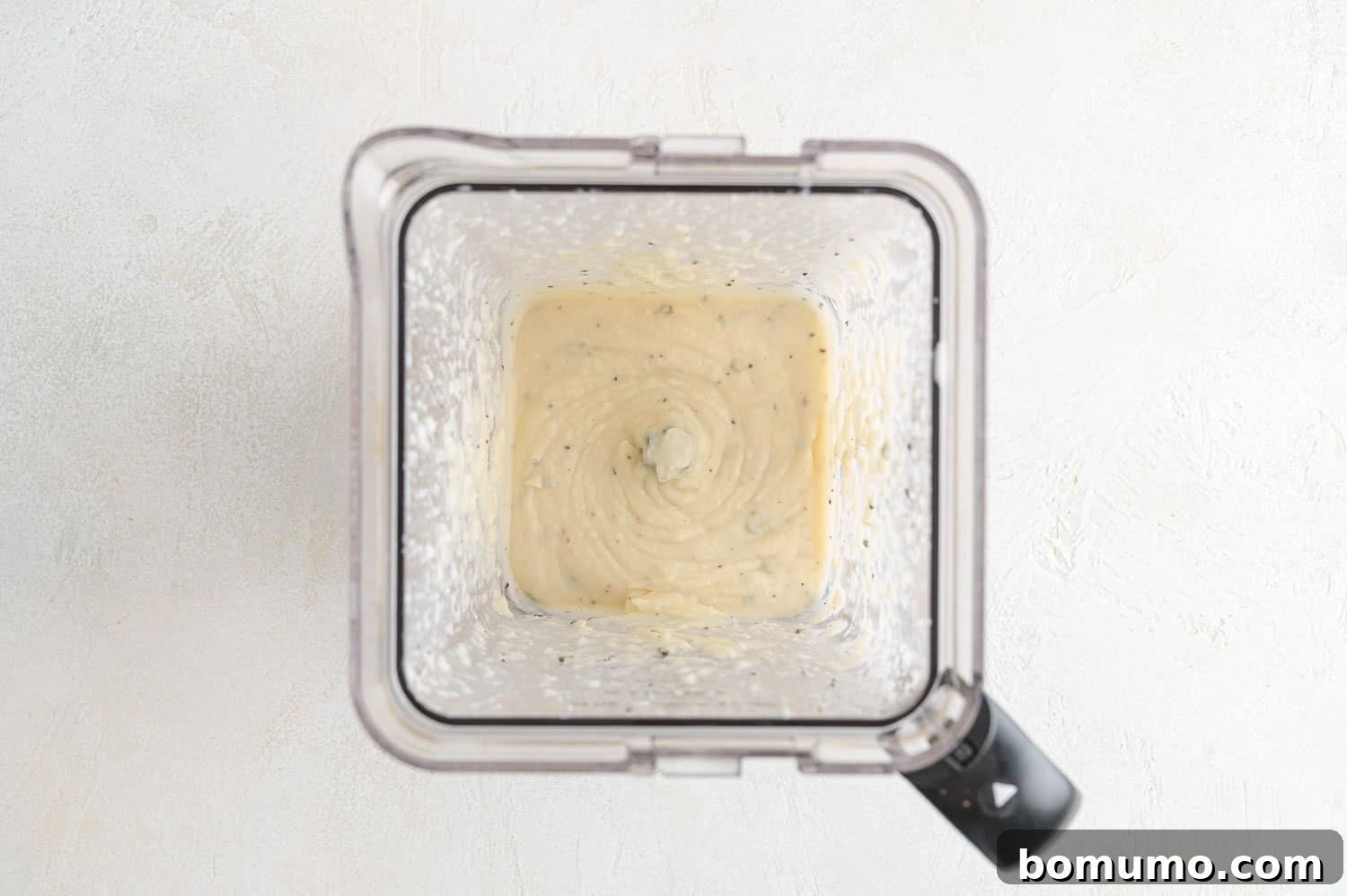
- Achieve the Perfect Consistency: Blend the mixture until it becomes completely creamy and smooth. You may need to stop occasionally to scrape down the sides of the blender or food processor with a spatula to ensure everything is thoroughly incorporated. If the mixture appears too thick or your appliance is struggling, add a tiny bit more cream, a teaspoon at a time, until it reaches your desired consistency. Be cautious not to add too much liquid, as this can quickly turn your purée into a soup-like consistency, which might not be what you’re looking for!
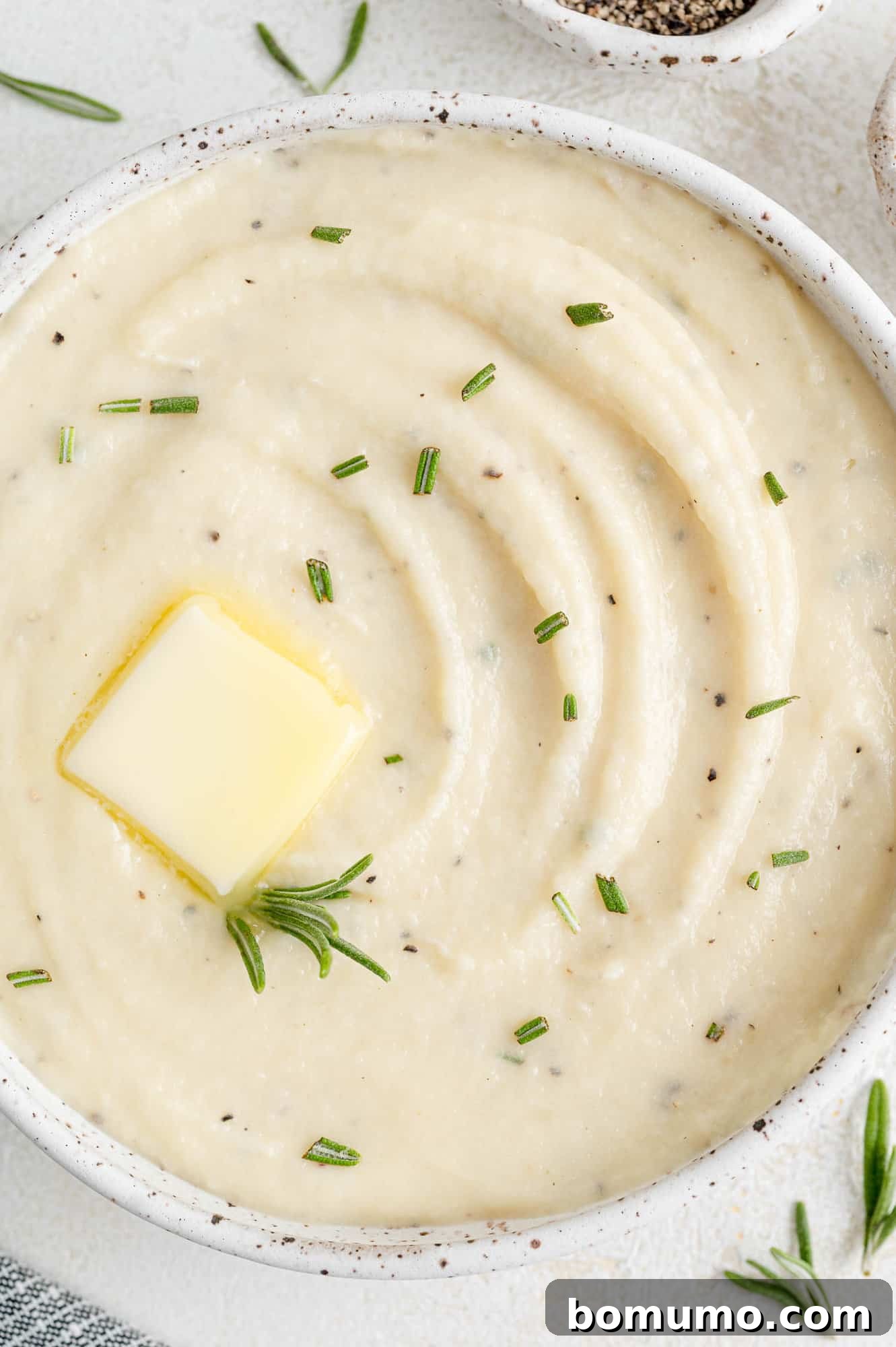
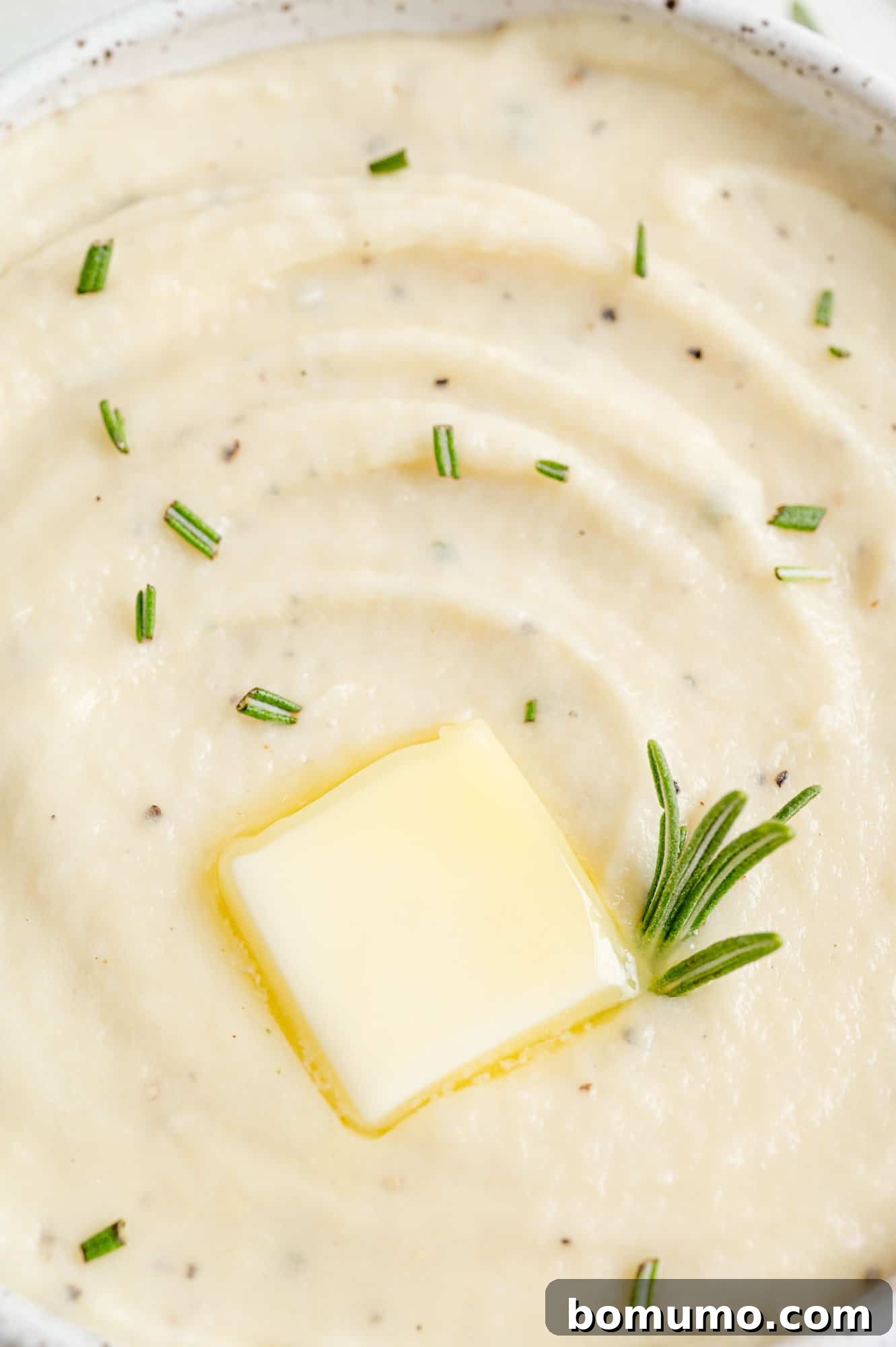
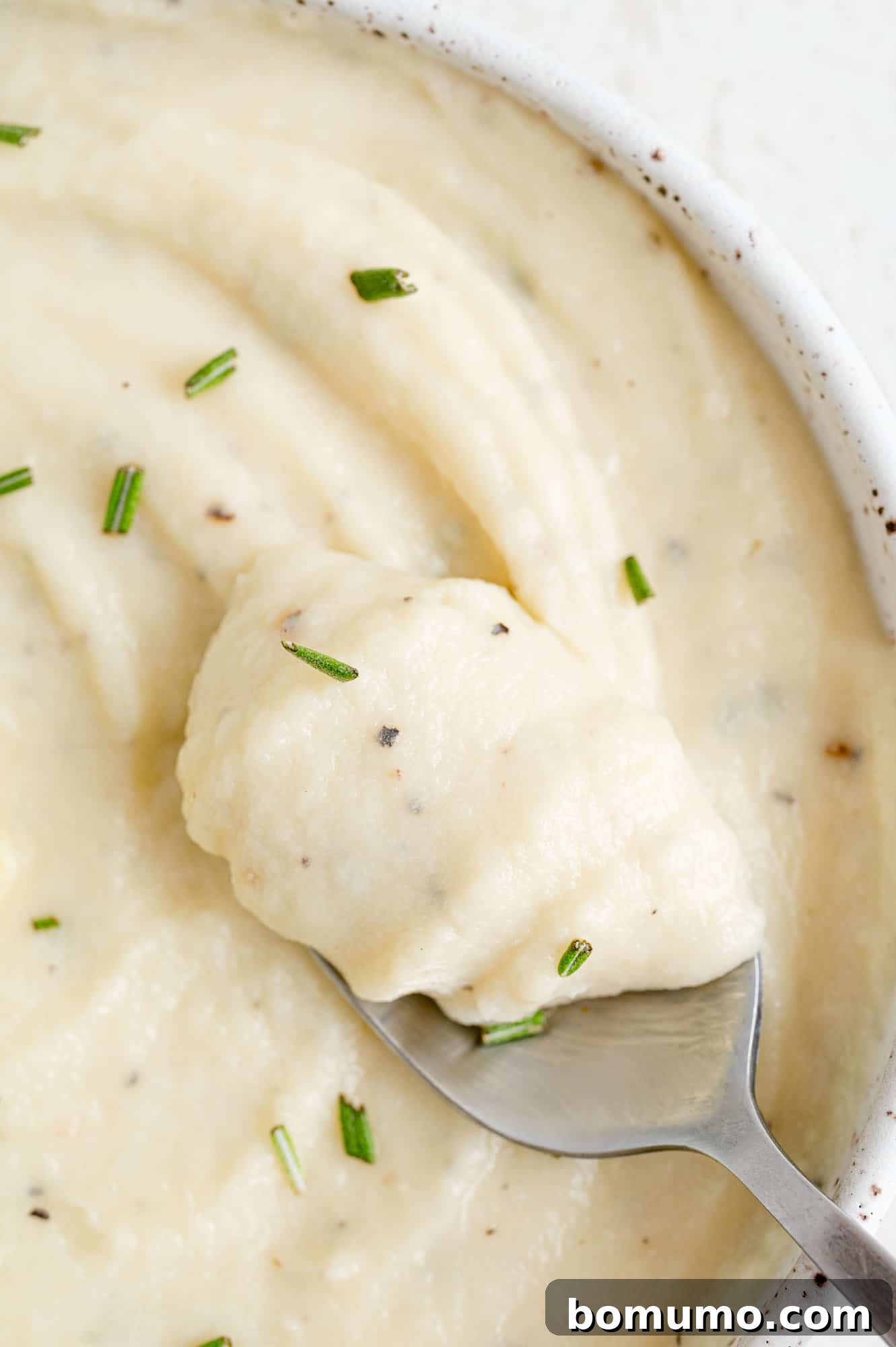
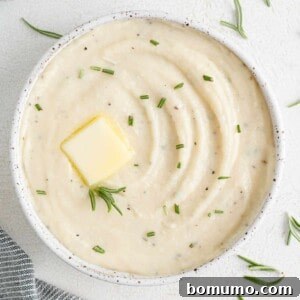
- Serve and Garnish: Transfer the finished purée into a beautiful serving bowl. For an elegant touch, use the back of a spoon to create a decorative swirl on the surface. A small drizzle of melted butter or high-quality olive oil adds extra richness and visual appeal. Garnish with a fresh sprig or two of rosemary. Serve immediately while warm to enjoy its optimal texture and flavor.
Frequently Asked Questions About Parsnip Purée
Frequently Asked Questions About Parsnip Purée
Parsnips are incredibly versatile and complement a wide array of main courses, much like their carrot cousins. This creamy purée is an exceptional accompaniment to classic comfort foods like hearty meatloaf, festive roast turkey breast, or succulent BBQ salmon. It also creates a perfect balance with rich meats such as tender fall-off-the-bone ribs, juicy steak, or crispy breaded air fryer pork chops. For a more sophisticated pairing, consider it alongside roasted chicken, duck, or even a flavorful lamb dish. Its sweet and earthy notes beautifully cut through rich flavors, making it a fantastic choice for any special meal.
While fresh parsnips are always recommended for the best flavor and texture, frozen parsnips can be used as a convenient alternative, especially if fresh ones are out of season or unavailable. If using frozen parsnips, you may need to adjust the cooking time slightly, as they might cook a bit faster. Ensure they are fully thawed and drained before boiling to prevent excess water from thinning your purée. The overall flavor will still be delicious, though perhaps not as vibrant as with fresh roots.
For an exceptionally smooth purée, there are a few key tips: 1) Ensure your parsnips are cooked until very fork-tender, almost falling apart. 2) Use a high-quality blender or food processor, which can break down the fibers more efficiently than an immersion blender or a potato masher. 3) Scrape down the sides of your blender often to ensure all ingredients are evenly processed. 4) If lumps persist, you can pass the purée through a fine-mesh sieve or a food mill after blending for an ultra-silky texture, though this step is usually not necessary with a powerful blender.
Customize Your Creamy Parsnip Purée: Creative Variations
This parsnip purée recipe is wonderfully adaptable, allowing you to easily adjust it to your taste preferences or dietary needs. Here are some fantastic ways to make it truly your own:
- Roast the Parsnips for Deeper Flavor: As a huge enthusiast of roasted vegetables, I can highly recommend roasting the parsnips instead of boiling them. Roasting caramelizes the natural sugars in parsnips, intensifying their inherent sweetness and adding a more profound, complex flavor to the purée. To do this, simply peel and cut your raw parsnips, toss them with a tablespoon of olive oil, spread them on a baking sheet, and roast at 400°F (200°C) for 25 to 35 minutes, or until tender and lightly browned. Then, proceed with the rest of the recipe as directed, blending them with the other ingredients.
- Adjust the Garlic to Your Liking: If you’re not a fan of garlic, you can certainly omit the roasted garlic entirely. However, please don’t be intimidated by the four cloves of roasted garlic specified in the recipe. Roasted garlic undergoes a magical transformation, becoming much milder, sweeter, and buttery than raw garlic. Its flavor is subtle and complements the parsnips beautifully. If you prefer a hint of garlic without the roasting step, a small quarter teaspoon of garlic powder can be substituted, though the flavor profile will be different.
- Spice It Up with Nutmeg: For an alternative aromatic touch, consider substituting the fresh rosemary with a pinch of freshly grated nutmeg. Nutmeg’s warm, sweet, and slightly woody notes pair exceptionally well with the earthy sweetness of parsnips, adding another layer of cozy flavor, especially perfect for autumn and winter meals.
- Make it Vegan or Dairy-Free: To adapt this recipe for a vegan or dairy-free diet, simply swap out the heavy cream and whole milk mixture for canned full-fat coconut milk. The coconut milk will lend a beautiful creaminess and a subtle, delightful tropical note that surprisingly complements the parsnips. Instead of butter, use a tablespoon of coconut oil or your favorite olive oil for richness. Ensure all other ingredients are plant-based, and you’ll have a wonderfully inclusive and delicious side dish.
Make-Ahead Mastery: Preparing Your Parsnip Purée in Advance
Make-Ahead Mastery: Preparing Your Parsnip Purée in Advance
One of the many benefits of this parsnip purée is its excellent make-ahead potential, making it a perfect dish for entertaining or busy weeknights. Streamline your cooking process with these tips:
To get a significant head start on this recipe, prepare the roasted garlic up to a week in advance. Once roasted and cooled, store the cloves in an airtight container in the refrigerator. This step alone saves valuable time on the day you plan to serve the purée.
The entire parsnip purée can be completely made ahead of time. After blending, allow the purée to cool to room temperature. Then, transfer it to a covered, airtight container and refrigerate for up to three days. This allows the flavors to meld and deepen, often making it even more delicious on the second or third day. When ready to serve, simply follow the reheating instructions below.
Storage & Reheating Tips for Your Parsnip Purée
Storage & Reheating Tips for Your Parsnip Purée
To ensure you can enjoy this delicious parsnip purée long after it’s made, follow these simple storage and reheating guidelines:
If you find yourself with leftover parsnip purée, transfer it to an airtight container and store it in the refrigerator for up to three days. For longer storage, this purée freezes exceptionally well. Portion it into freezer-safe containers or heavy-duty freezer bags and freeze for up to six months. When you’re ready to enjoy it again, simply thaw it overnight in the refrigerator before reheating.
To reheat individual portions, the microwave works perfectly. Heat in short intervals, stirring occasionally, until warmed through. For larger quantities, gently warm the purée on the stovetop over medium-low heat, stirring frequently, until it is just heated through. Be careful not to boil it, as vigorous boiling can alter the texture and potentially scorch the bottom. If the purée seems a little thick after reheating, you can stir in a splash of milk or cream to restore its original smooth consistency.
More Delicious Autumn & Holiday Side Dishes
Parmesan Roasted Cauliflower Recipe
Roasted Carrots with Thyme and Nutmeg
Sautéed Brussels Sprouts with Pancetta
Mashed Butternut Squash (Sweet or Savory)
Ultra-Creamy Parsnip Purée Recipe
Rachel Gurk
10 minutes
20 minutes
1 hour
1 hour
30 minutes
6
servings
Print Recipe
Ingredients
-
4
cloves
roasted garlic, optional
(¼ teaspoon garlic powder may be substituted) -
1
pound
parsnips, peeled and cut into ½-inch pieces
(about 3 medium-large parsnips) -
1
bay leaf -
½
cup
whole milk -
¼
cup
heavy cream -
1
tablespoon
butter -
½
teaspoon
kosher salt, more for boiling parsnips -
¼
teaspoon
coarse ground black pepper, more to taste -
¼
teaspoon
minced fresh rosemary, more to taste
Instructions
Roast Garlic (if using):
-
If you are using roasted garlic and don’t have it prepped, preheat your oven to 400ºF (200ºC). Cut off the top of a whole head of garlic to expose the cloves, then drizzle with about 1 tablespoon of olive oil. Wrap the garlic head tightly with foil and place it on a baking sheet. Roast for 50 to 60 minutes, or until the cloves are softened and golden brown. Allow to cool slightly, then squeeze out 4 cloves for the purée. You can refrigerate the remaining roasted garlic for other delicious recipes (it’s wonderful on bread!).
Make Parsnip Purée:
-
Meanwhile, bring a large pot of water to a boil over high heat. Add 1 teaspoon of kosher salt to the water, along with the peeled and cut parsnips and the bay leaf. Cook for 15 to 20 minutes, or until the parsnips are very fork-tender. Drain the parsnips well and discard the bay leaf.
-
Transfer the cooked parsnips to a blender or a food processor. Add the milk, cream, butter, roasted garlic (if using), the ½ teaspoon salt, ¼ teaspoon pepper, and ¼ teaspoon minced fresh rosemary. Blend until the mixture is completely smooth and creamy, scraping down the sides as needed to ensure all ingredients are incorporated. If the purée seems too thick and your blender is struggling, add a small amount of additional cream (a teaspoon at a time) just enough to achieve a smooth consistency; be careful not to make it too thin or soupy.
-
Serve the parsnip purée immediately. For an elegant finish, drizzle with a little olive oil or melted butter. Garnish with a sprig of fresh rosemary, if desired, before serving.
Notes
- This recipe yields approximately 3 cups of parsnip purée.
- Make-Ahead & Storage: This purée is excellent for making ahead. Allow it to cool slightly, then store it in a covered, airtight container in the refrigerator for up to three days. For longer storage, it can be frozen for up to six months. If frozen, thaw the purée overnight in the refrigerator before reheating. Reheat gently on the stovetop over low heat until warmed through, stirring frequently. Avoid boiling the purée to maintain its optimal texture.
- Roasting Alternative: For a deeper, more caramelized flavor, you can roast the parsnips instead of boiling them. Peel and cut the raw parsnips, toss them with a tablespoon of olive oil, and spread them on a sheet pan. Roast at 400°F (200°C) for 25 to 35 minutes, or until tender and lightly golden. Then, proceed with the rest of the recipe as directed, blending them with the other ingredients.
Video
Nutrition
Serving:
0.5
cup
,
Calories:
107
kcal
,
Carbohydrates:
16
g
,
Protein:
2
g
,
Fat:
5
g
,
Saturated Fat:
3
g
,
Polyunsaturated Fat:
0.2
g
,
Monounsaturated Fat:
1
g
,
Cholesterol:
14
mg
,
Sodium:
215
mg
,
Potassium:
336
mg
,
Fiber:
4
g
,
Sugar:
5
g
,
Vitamin A:
185
IU
,
Vitamin C:
14
mg
,
Calcium:
66
mg
,
Iron:
1
mg
Nutrition information is automatically calculated, so should only be used as an approximation.
Did You Make This?
Share a comment and rating below! I love hearing what you think!