
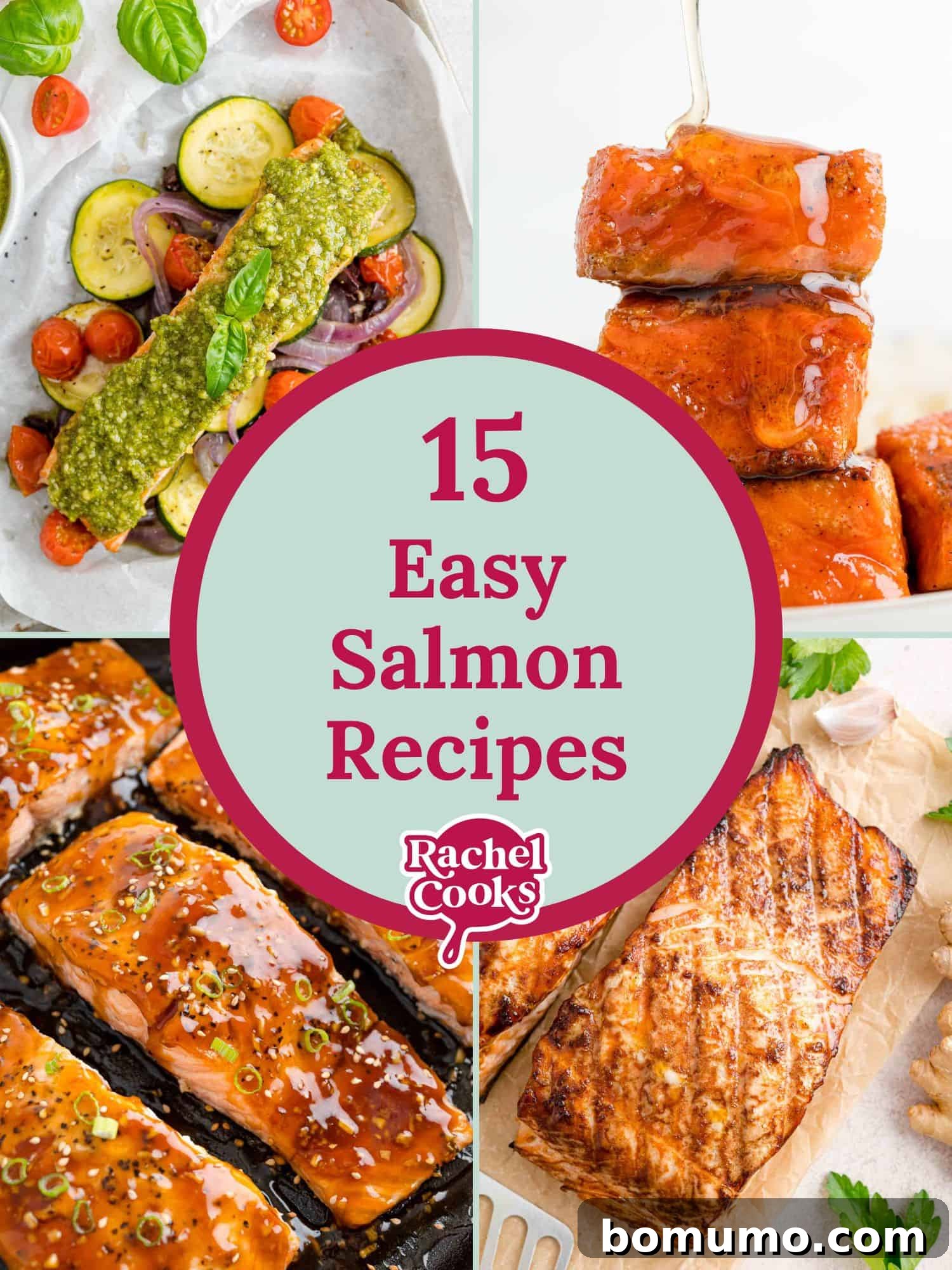
Salmon stands out as an exceptionally versatile, healthy, and utterly delicious source of protein that graces tables worldwide. This comprehensive guide will delve into everything you need to know about this remarkable fatty fish, covering its impressive health benefits, various cooking methods, practical tips for selecting and storing, and finally, present 15 easy salmon recipes to ignite your culinary inspiration for your next meal.
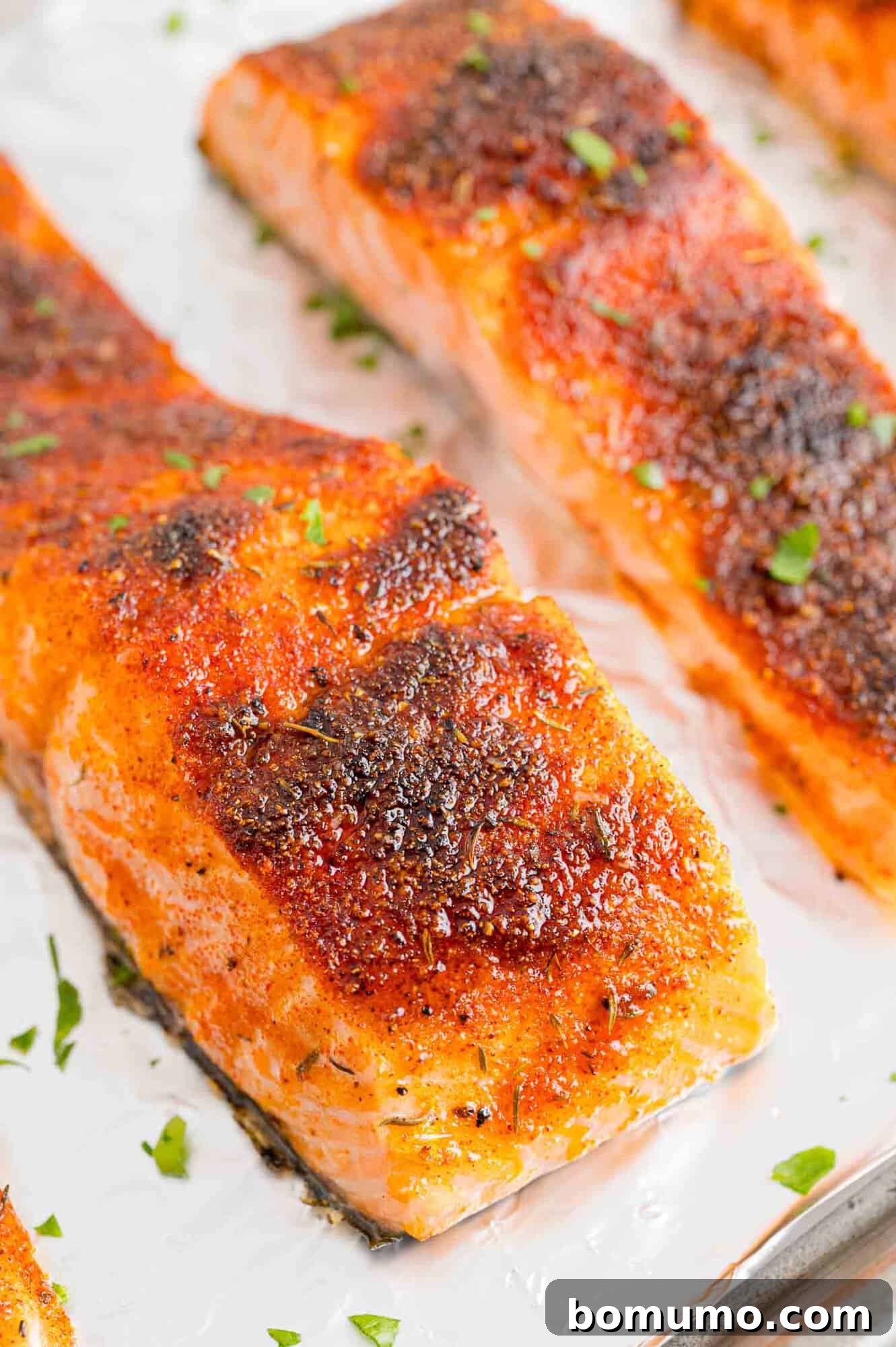
With its rich, buttery flavor and abundance of beneficial fats, salmon has become a perennial favorite for quick and satisfying weeknight meals. Its adaptability in the kitchen means there are countless delightful ways to prepare it, making it an excellent choice if you’re looking to incorporate more seafood into your regular diet. This readily available fish offers a fantastic starting point for any home cook.
In the following sections, we’ll explore all the essential aspects of salmon. We’ll uncover its numerous health advantages, detail the most popular methods for preparing it, and differentiate between the various types of salmon you’ll encounter at your local fish counter. Make sure to scroll to the end of the article for a curated collection of 15 easy salmon recipes, along with answers to frequently asked questions that will empower you to cook salmon with confidence.
Is Salmon Good For You? Discovering the Health Benefits of Salmon
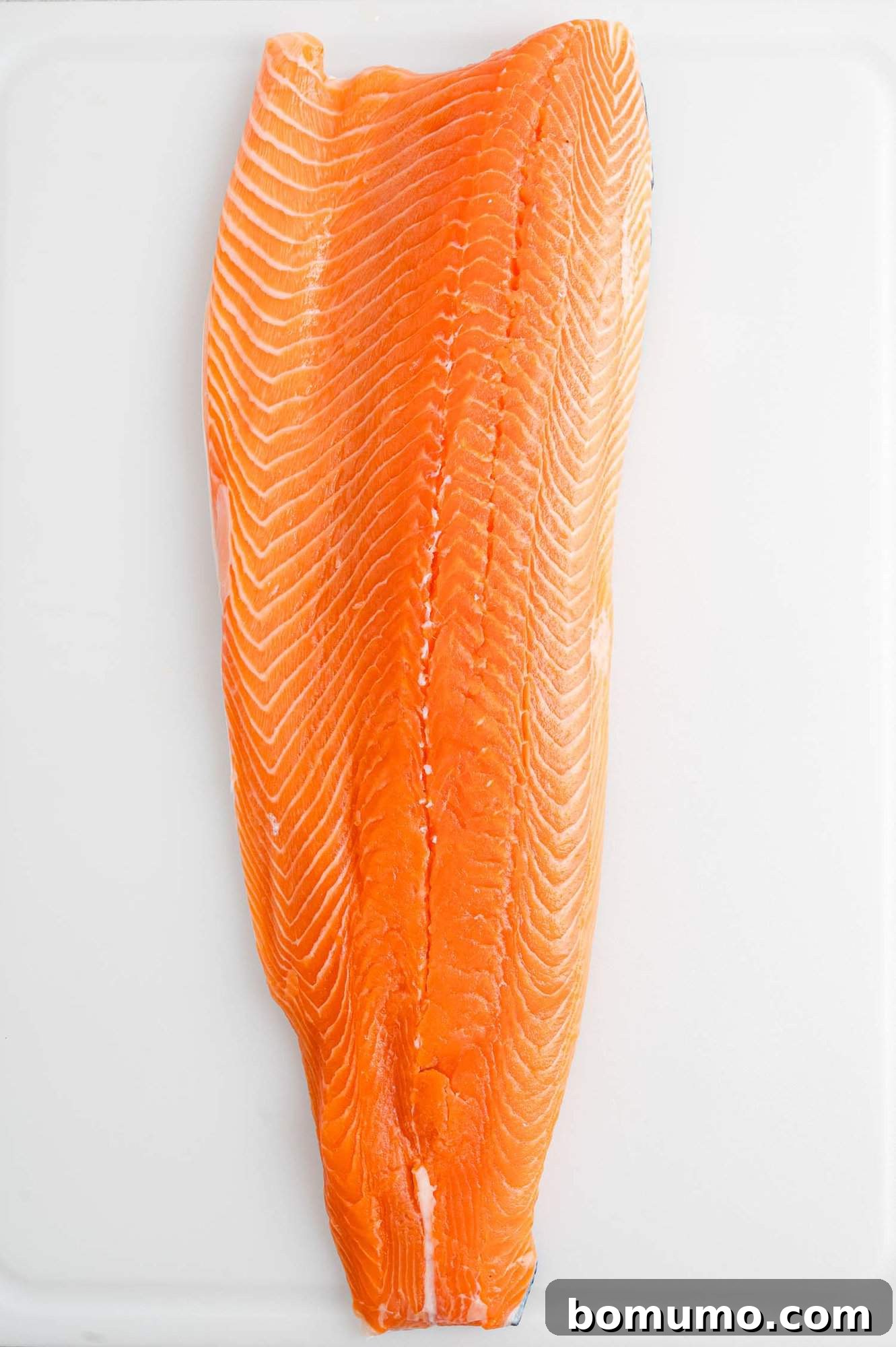
Absolutely! Salmon is renowned for its impressive nutritional profile, offering a wealth of health benefits that make it a truly superfood. It’s packed with essential nutrients, including vital minerals like selenium and phosphorus, along with a full spectrum of B vitamins (B3, B5, B6, B9, and B12) crucial for energy production and neurological function. Most notably, salmon is one of the best dietary sources of omega-3 fatty acids, specifically EPA and DHA. These powerful fats are renowned for their anti-inflammatory properties and their profound positive impact on heart health, brain function, and overall nervous system well-being. Regular consumption of omega-3s can help reduce the risk of heart disease, lower blood pressure, and even support cognitive function and mood regulation.
Beyond its beneficial fats and vitamins, salmon is also an excellent source of high-quality protein, which is essential for muscle repair, growth, and satiety. A mere 100-gram serving provides a substantial 22 to 25 grams of protein, making it an ideal choice for anyone looking to increase their protein intake, whether for athletic performance, weight management, or general health (Healthline). Furthermore, salmon contains astaxanthin, a powerful antioxidant that gives the fish its vibrant pink-orange hue and contributes to its health-promoting properties by protecting cells from damage.
Different Kinds of Salmon: A Guide to Choosing Your Fish
The world of salmon is more diverse than many realize! When you visit the seafood counter, you’ll encounter several varieties, each with unique characteristics. Understanding these differences can help you select the perfect salmon for your culinary needs.
Farmed vs. Wild-Caught Salmon: Understanding the Distinction
When purchasing salmon, you’ll generally find two primary categories based on their origin: wild-caught salmon and farmed salmon. These distinctions affect not only taste and texture but also environmental impact and nutritional content.
Wild-caught salmon refers to fish harvested from their natural habitats in oceans, lakes, and rivers. These salmon typically consume a natural diet of smaller fish and crustaceans, which contributes to a leaner flesh and a more robust, distinct flavor profile. Wild salmon generally boasts a more delicate texture compared to farmed varieties, often having a firmer bite and a brighter, deeper color. Due to their leaner nature, wild salmon can be more prone to overcooking, requiring a bit more attention to achieve that perfect flaky tenderness. Popular wild-caught species include King (Chinook), Sockeye (Red), Coho (Silver), Pink (Humpback), and Chum (Keta).
In contrast, much of the commercially available salmon in supermarkets today is farmed salmon. These fish are raised in controlled environments, typically net pens in coastal waters or large tanks on land. Farmed salmon are fed a formulated diet, which often results in a higher fat content and a milder flavor. Their flesh tends to be softer and more consistently colored. While there isn’t anything inherently inferior about farmed salmon, the industry has historically faced scrutiny regarding its environmental practices, such as waste management, disease transmission to wild populations, and the use of antibiotics. However, many salmon farms are now committed to sustainable aquaculture. To ensure you’re making an environmentally responsible choice, look for certifications from organizations like the Marine Stewardship Council (MSC), which promotes sustainable fishing and farming practices.
Pacific vs. Atlantic Salmon: Geographic and Culinary Differences
Beyond farming methods, salmon are also categorized by their ocean of origin: Pacific and Atlantic. These geographical distinctions result in different species with varying culinary characteristics.
Pacific salmon encompasses several distinct species, each offering a unique experience. These include:
- King Salmon (Chinook): Known for its rich flavor, high oil content, and succulent texture, King salmon is often considered the most luxurious. It’s excellent for grilling, roasting, or pan-searing.
- Sockeye Salmon (Red): Famous for its vibrant red-orange flesh and firm texture, Sockeye has a bolder, more intense flavor. It’s fantastic baked, grilled, or smoked.
- Coho Salmon (Silver): With its medium fat content, delicate flavor, and orange-red flesh, Coho is a versatile choice for almost any cooking method.
- Pink Salmon (Humpback): The smallest and most abundant Pacific species, Pink salmon has a lighter color and milder flavor, often used for canning or in dishes where a delicate fish flavor is desired.
- Chum Salmon (Keta): Leaner than other varieties, Chum salmon has a lighter color and firm texture, often used for smoking or in recipes where the fish will absorb flavors well.
If you’re specifically seeking wild-caught salmon, these Pacific species are the names to look for at your fishmonger.
Meanwhile, Atlantic salmon refers to a single species, Salmo salar. Virtually all Atlantic salmon found in stores is farm-raised, making it widely available year-round. Because it’s raised on a controlled, high-protein diet, Atlantic salmon generally has a higher fat content than most wild Pacific salmon. This fattiness contributes to its moist, tender flesh and makes it particularly forgiving to cook, lending itself beautifully to grilling, baking, or pan-searing without drying out. Its consistent availability and often lower price point make it an excellent and reliable option for everyday cooking and meal planning.
How to Choose Salmon at the Store: Tips for Freshness
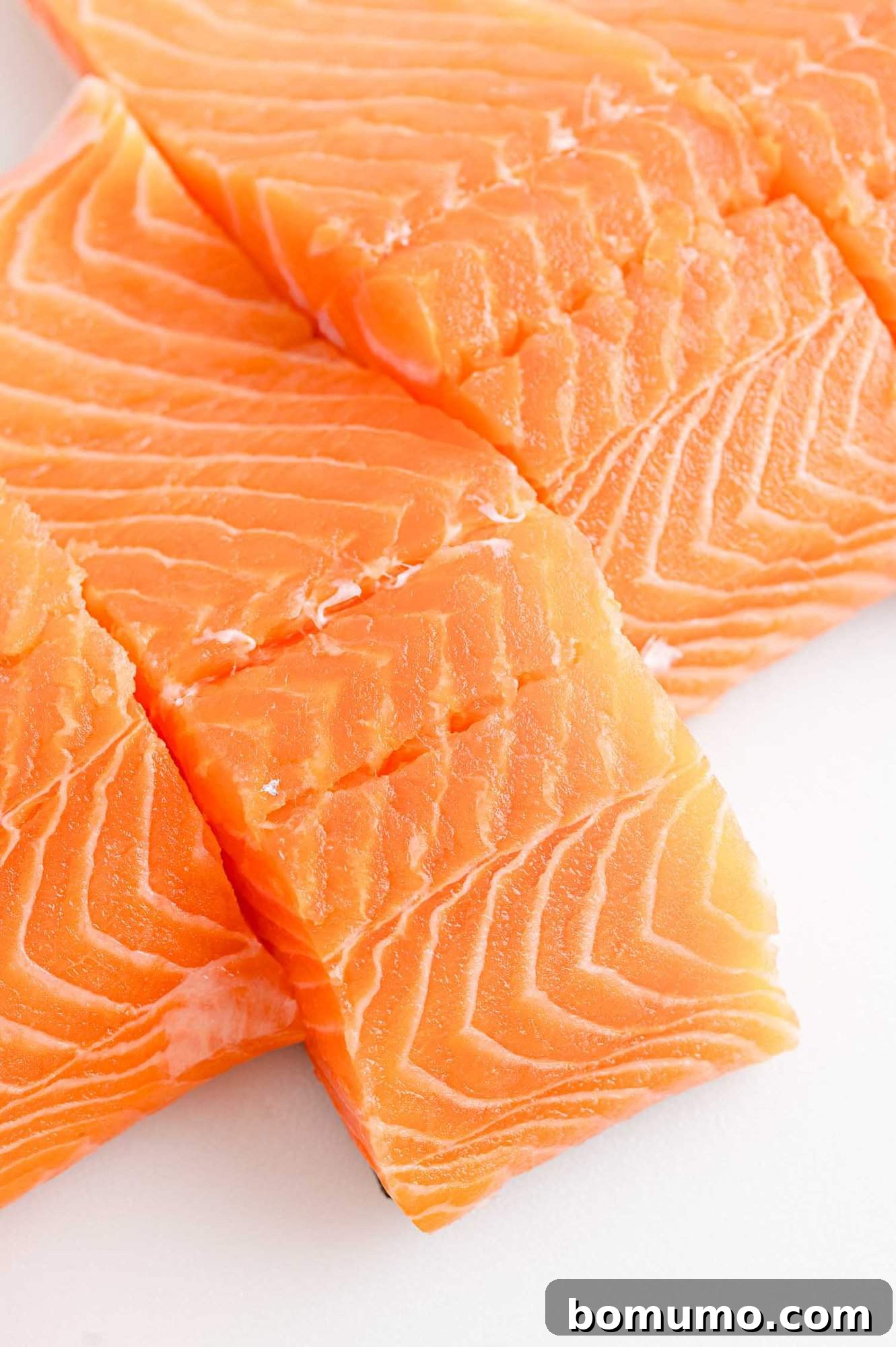
Whether you opt for farmed or wild, Pacific or Atlantic, knowing how to identify a fresh, high-quality salmon fillet is key to a delicious meal. Here are a few essential things to look for:
- Color: Look for salmon that exhibits a vibrant, bright orange-red or pink hue, depending on the species. The flesh should appear moist and firm, with a decent amount of marbling (white fat lines) if it’s a fattier cut. Avoid fish with dull, grayish, or discolored patches, which can indicate age or poor handling.
- Texture: The flesh of the fillet should be plump, resilient, and spring back immediately when you gently press it with your finger. If it leaves an indentation or feels mushy, it’s past its prime. For whole fish or fillets with skin, the skin should be shiny and moist, not dry or slimy.
- Smell: Fresh salmon should have a very mild, clean, oceanic aroma, not an overpowering or strong “fishy” odor. If the salmon smells particularly strong, sour, or “off,” it’s a clear sign that it’s no longer fresh and should be avoided.
- Packaging (for pre-packaged): Ensure the packaging is intact, with no tears or leaks. If buying frozen, look for packages free of excessive ice crystals or freezer burn, which can indicate it has been thawed and refrozen, affecting quality.
Ways to Cook Salmon: Versatile and Delicious Methods
Salmon’s popularity stems not only from its health benefits but also its incredible versatility in the kitchen. It cooks relatively quickly and can adapt to a wide array of flavors and cooking methods. Here are some of the most common and beloved ways to prepare salmon, each promising a delectable result. Don’t forget to explore the recipe roundup further down the page for detailed instructions and inspiration!
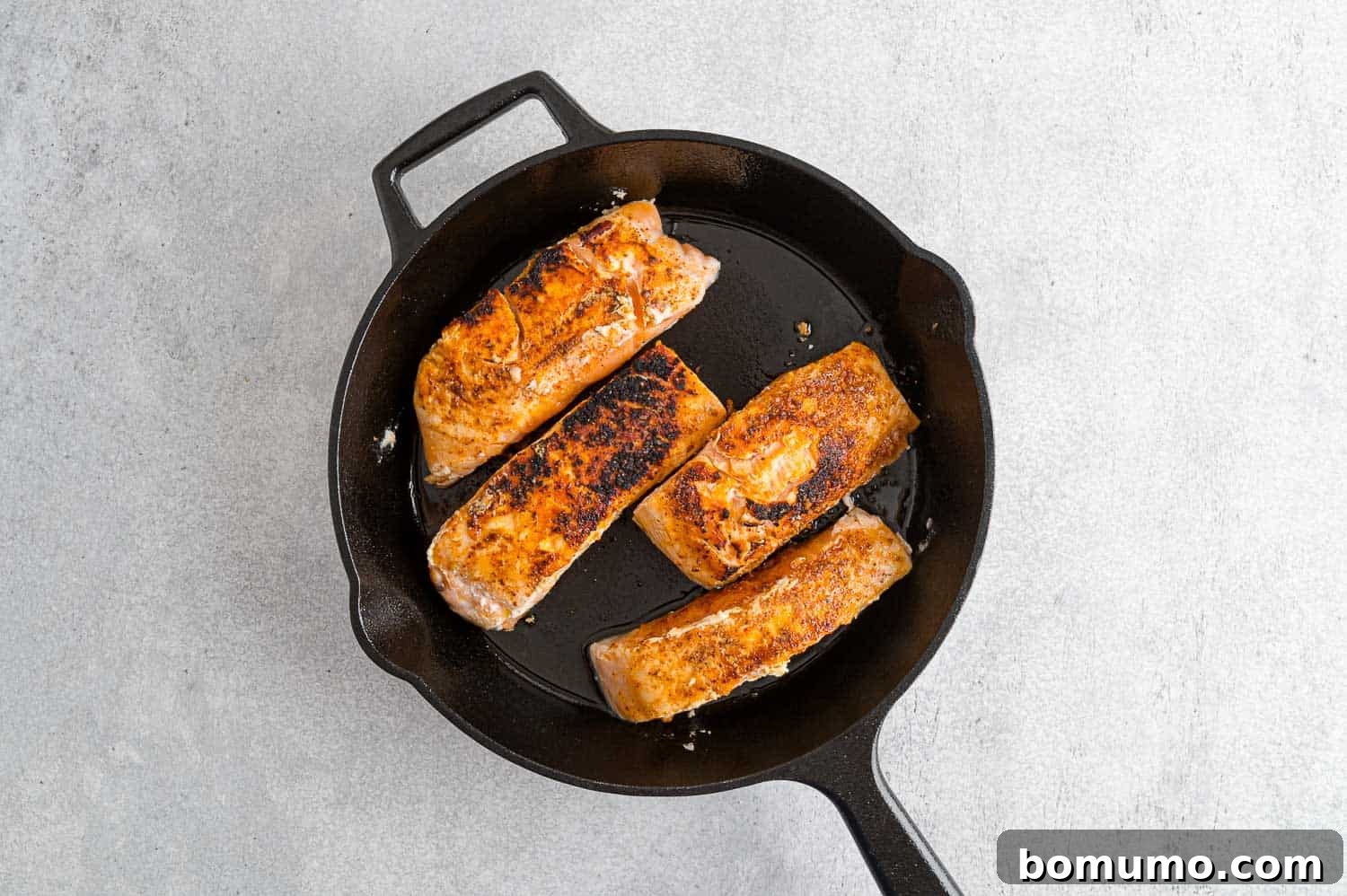
Pan-Fried or Pan-Seared Salmon
Pan-frying, often referred to as pan-searing, is a fantastic and straightforward method for cooking salmon fillets on the stovetop. It excels at creating a beautifully crispy skin and a golden-brown crust, while keeping the interior moist and flaky. This method is incredibly quick, making it perfect for busy weeknights. Simply pat your salmon fillets dry, season them generously with salt and pepper (or your favorite dry rub), and place them skin-side-down in a hot, lightly oiled skillet. Sear for a few minutes until the skin is crisp and golden, then flip and cook through until done. This technique truly brings out the rich flavor of the salmon.
Air Fryer Salmon
For a modern, healthy, and incredibly speedy approach, the air fryer is a game-changer for salmon. It cooks fillets rapidly, often in 15 minutes or less, requiring minimal oil. The circulating hot air ensures the salmon develops a delightful crispy exterior while remaining wonderfully flaky and tender on the inside. Most traditional salmon recipes can be easily adapted for the air fryer, making it a convenient option for a fuss-free meal. It’s particularly great for individual servings or smaller batches.
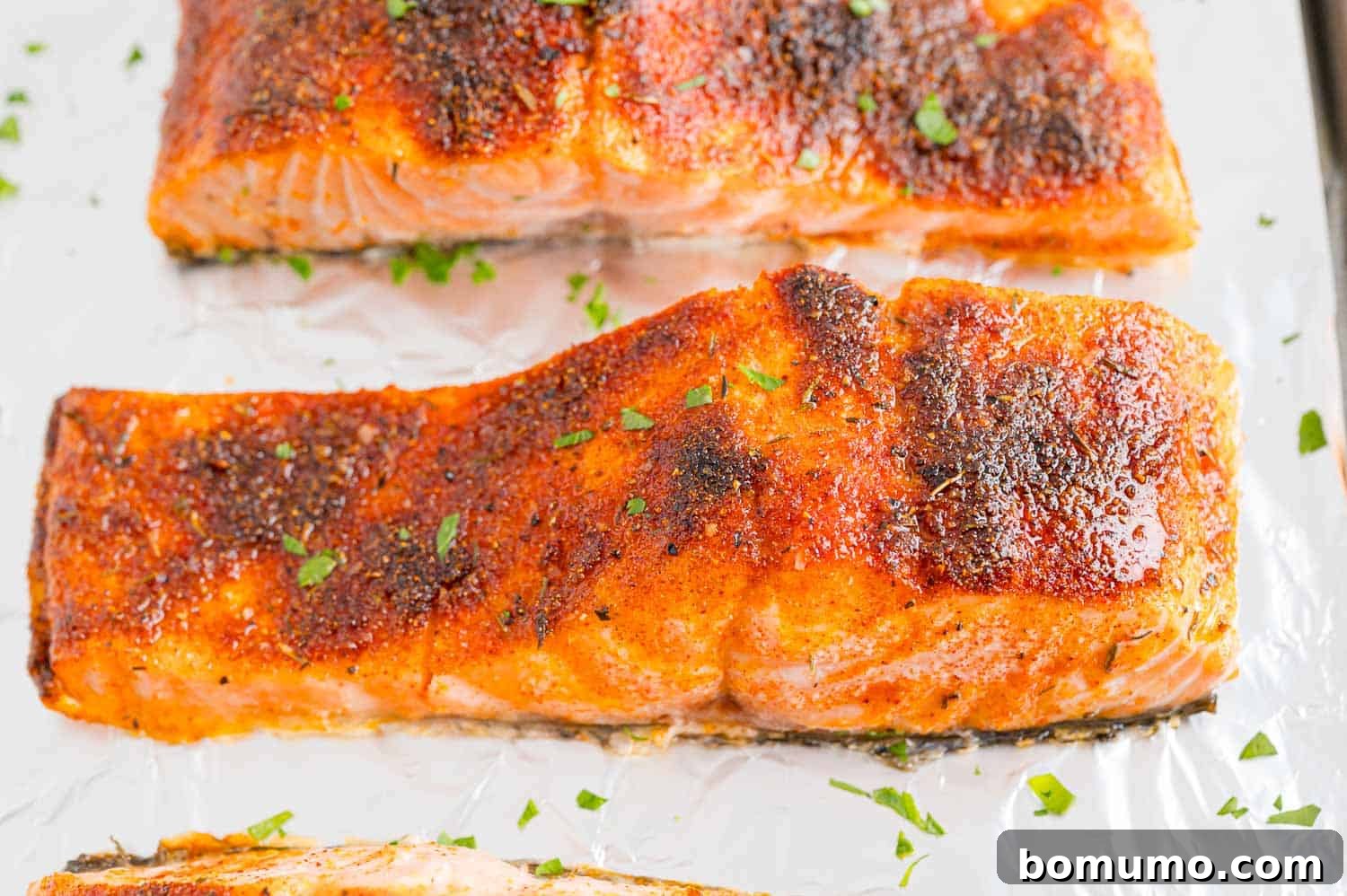
Oven-Baked or Roasted Salmon
Baking and roasting in the oven are classic, no-fuss methods that consistently deliver excellent results. The oven is an especially practical choice when you’re preparing salmon for a crowd, as you can easily cook multiple fillets or a whole side of salmon simultaneously. It’s also ideal for convenient sheet pan dinners, where you can cook your protein and vegetables all on one tray for minimal cleanup. Most salmon fillets bake to perfection at temperatures between 400°F and 450°F (200°C to 230°C) in approximately 12 to 18 minutes, depending on thickness, often without the need for flipping. This method allows for hands-off cooking and easy infusion of flavors through marinades or herbs.
Broiling Salmon
Another effective oven-based method is broiling. This technique involves cooking the salmon at a very high temperature in the top portion of the oven, directly under the broiler element. Broiling produces a deliciously caramelized crust and a tender interior, offering a distinct flavor and texture. However, it requires vigilant attention, as the intense heat can cause the salmon to burn quickly. It’s best for quick cooking and achieving a beautiful exterior, often after a quick sear or as a finishing touch.
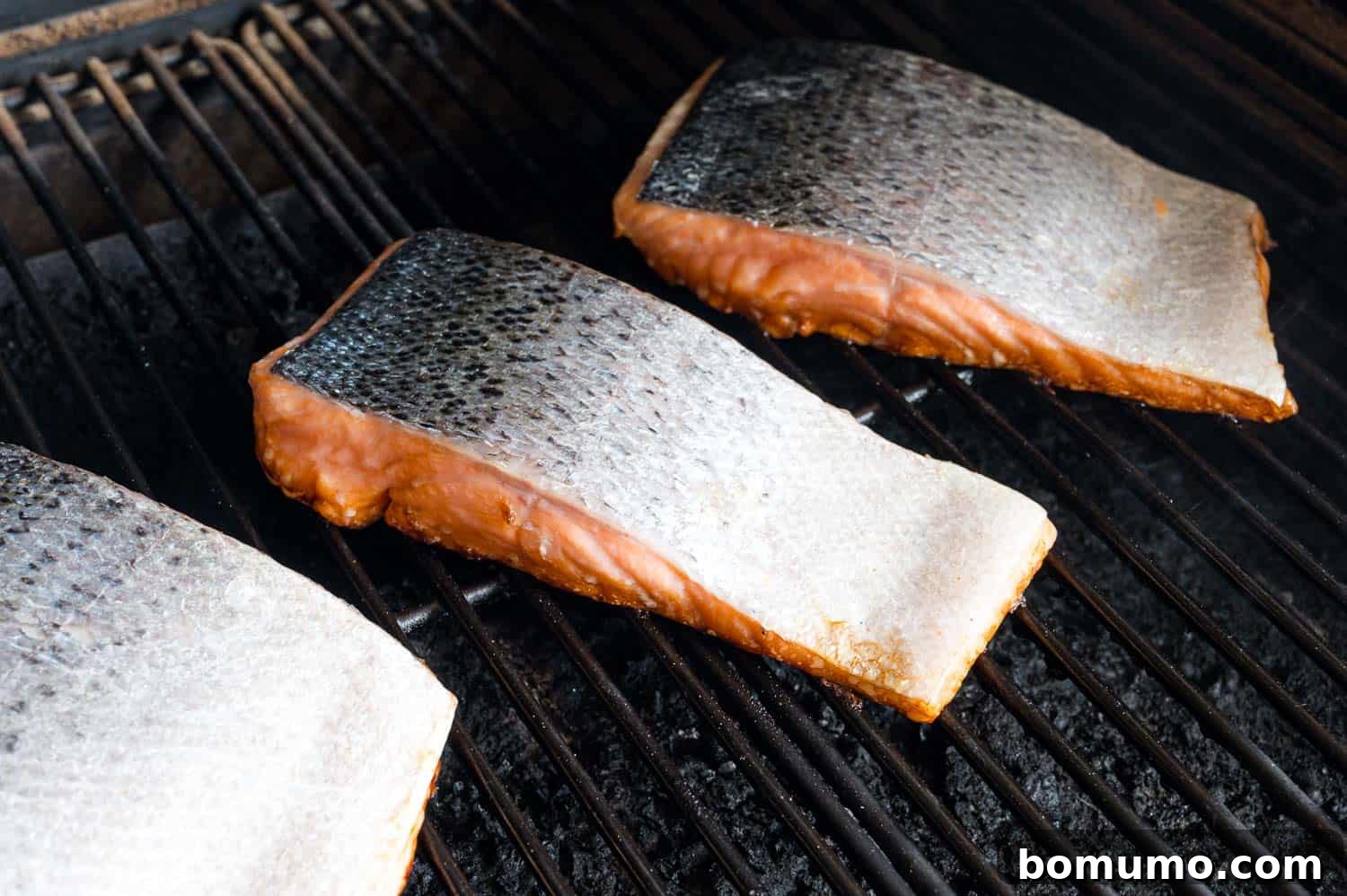
Grilling Salmon
If you love the smoky flavors of outdoor cooking, grilling salmon is an absolute must-try, especially during warmer months. The direct heat of open flames imparts a mouthwatering char and a distinctive smoky essence to the fillets, while locking in juices for a succulent interior. Grilling is also fantastic for minimal cleanup, as there are no pans to scrub afterward. It’s an excellent method for larger, thicker cuts of salmon, offering both incredible flavor and a beautiful presentation. Ensure your grill grates are clean and well-oiled to prevent sticking.
How to Tell if Salmon is Cooked to Perfection
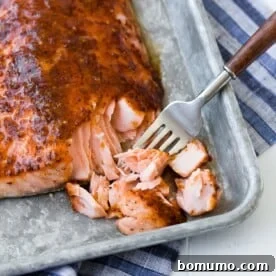
Knowing when your salmon is perfectly cooked is crucial for both food safety and optimal taste and texture. There are a couple of reliable indicators to help you achieve ideal doneness. First, visually inspect the salmon: it should change from translucent to an opaque pink throughout, and the flesh should flake easily with a fork at its thickest part. Avoid cooking until it’s completely white and dry, as this indicates overcooking. Second, for the most accurate result, use an instant-read thermometer. According to FDA guidelines, salmon is safely cooked when its internal temperature reaches 145ºF (63°C) at the thickest part of the fillet. Remove it from the heat once it reaches this temperature, as it will continue to cook slightly from residual heat.
How to Store Salmon: Keeping It Fresh and Safe
Proper storage is essential to maintain salmon’s quality and ensure food safety. Whether you plan to cook it fresh or freeze it for later, these guidelines will help.
Refrigerate: While salmon is at its peak freshness when cooked immediately, you can safely store raw salmon in the refrigerator for 1 to 2 days after purchase. To do so, ensure it is tightly wrapped in plastic wrap or placed in an airtight container to prevent cross-contamination and absorb odors. Store it in the coldest part of your refrigerator, typically the back of the bottom shelf, where temperatures are most consistent. Cooked salmon can also be refrigerated in an airtight container for up to 3-4 days and is wonderful for adding to salads or wraps.
Freeze: For longer-term storage, salmon freezes exceptionally well. You can keep raw salmon in the freezer for up to 6 months without significant loss of quality. For best results, wrap individual fillets tightly in plastic wrap, then place them in a freezer-safe bag or container, removing as much air as possible to prevent freezer burn. When ready to use, always defrost salmon overnight in the refrigerator. Never thaw salmon at room temperature, as this can create an environment conducive to bacterial growth. Freezing salmon is a smart way to stock up on sales and ensure you always have a healthy protein option readily available for future dinners!
15 Easy Salmon Recipes to Try: Dinner Inspiration Awaits!
Below is a mouthwatering collection of salmon dinner ideas and easy-to-follow recipes that you can whip up tonight. From sweet and savory glazes to zesty lemon-herb preparations, there’s a salmon dish here for every palate and cooking preference. Whether you prefer baking, grilling, searing, or broiling, I’d love to hear which of these becomes your new favorite!
Baked Salmon with Maple Mustard Glaze
Average rating: 4.45 from 523 votes
View Recipe
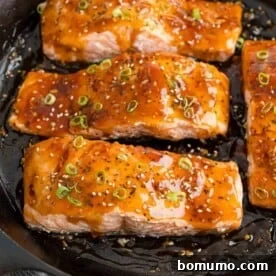
Teriyaki Salmon
Average rating: 5 from 5 votes
View Recipe
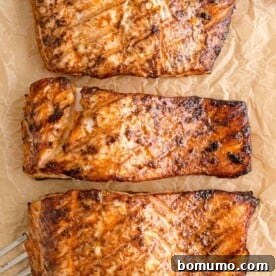
Best Grilled Salmon
Average rating: 4.45 from 206 votes
View Recipe
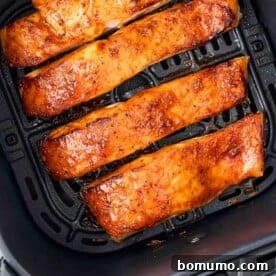
Air Fryer Salmon
Average rating: 4.51 from 55 votes
View Recipe
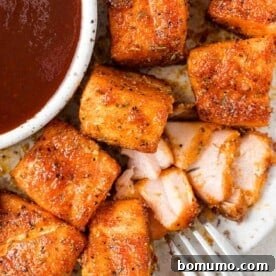
Air Fryer Salmon Bites
Average rating: 5 from 1 vote
View Recipe
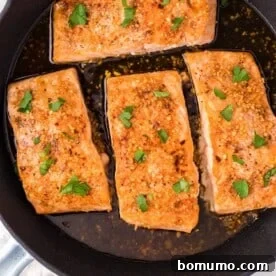
Honey Garlic Salmon
Average rating: 5 from 2 votes
View Recipe
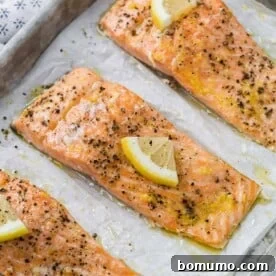
Slow Roasted Salmon with Lemon Pepper
Average rating: 4.54 from 30 votes
View Recipe
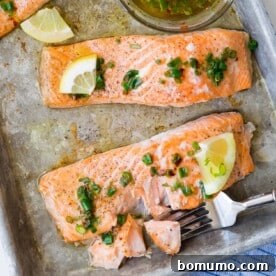
Baked Salmon with Lemon and Chives
Average rating: 4.37 from 19 votes
View Recipe
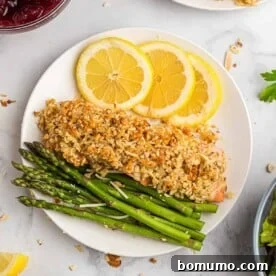
Parmesan and Almond Crusted Salmon
Average rating: 4.85 from 13 votes
View Recipe
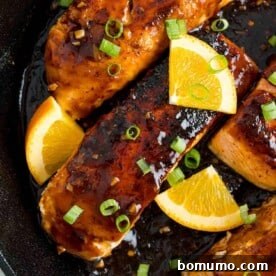
Orange Glazed Salmon
Average rating: 5 from 2 votes
View Recipe
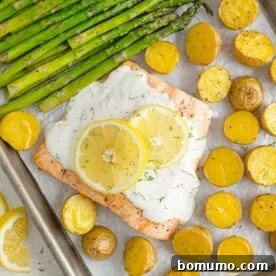
Salmon and Asparagus Sheet Pan Dinner
Average rating: 5 from 3 votes
View Recipe

Salmon Tacos
Average rating: 5 from 3 votes
View Recipe
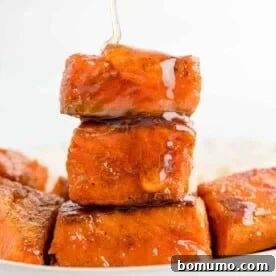
Salmon Bites with Hot Honey
Average rating: 5 from 6 votes
View Recipe
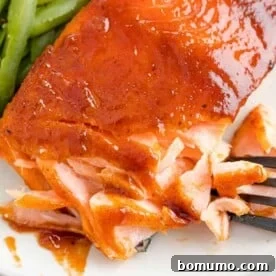
BBQ Salmon
Average rating: 5 from 5 votes
View Recipe
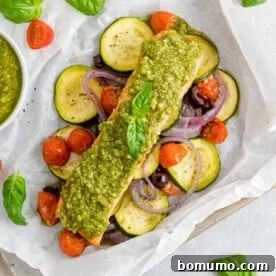
Pesto Salmon in Parchment Paper
Average rating: 4.67 from 6 votes
View Recipe
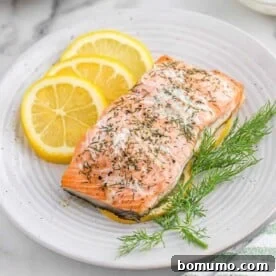
Easy Lemon Salmon with Dill
Average rating: 4.49 from 27 votes
View Recipe
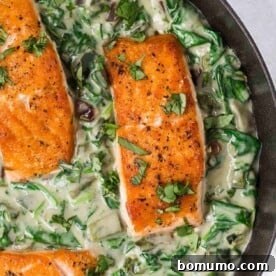
Salmon with Spinach Cream Sauce
Average rating: 4.91 from 10 votes
View Recipe
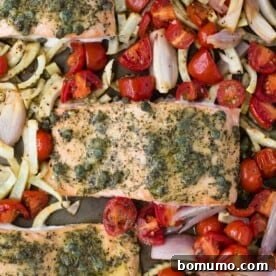
Salmon with Tomatoes and Fennel
Average rating: 4.72 from 7 votes
View Recipe
Salmon FAQs
For food safety and optimal texture, the USFDA recommends cooking fish, including salmon, to an internal temperature of 145ºF (63°C). Use an instant-read thermometer inserted into the thickest part of the fillet to ensure accuracy.
Yes, absolutely! While some prefer to remove it, salmon skin is generally safe and quite delicious to eat, especially when crisped up during cooking. Furthermore, it contains many of the same health benefits and nutrients as the salmon flesh itself, including additional omega-3 fatty acids (Healthline). Just ensure it’s properly cleaned and cooked.
Salmon is an excellent source of protein. Depending on whether the salmon is wild-caught or farm-raised, a standard 100-gram serving typically contains approximately 22 to 25 grams of high-quality protein. This makes it a fantastic choice for supporting muscle health and overall satiety, as detailed in the health benefits section above.
The “l” in salmon is silent, which often surprises people! The correct pronunciation is “sam-un” (IPA: /ˈsæmən/).
Salmon pairs wonderfully with a variety of side dishes. Popular choices include roasted asparagus, steamed green beans, lemon-herb couscous, quinoa salad, simple steamed rice, or roasted sweet potatoes. A fresh green salad with a light vinaigrette also makes a perfect accompaniment, balancing the richness of the fish.
More Healthy Seafood Recipes to Explore
Are you inspired to explore even more easy and healthy fish dinner ideas? Dive into our extensive seafood recipe index for dozens of delicious preparations featuring all your favorite marine proteins, from succulent shrimp and flaky cod to vibrant scallops and more. Discover new ways to bring healthy and flavorful seafood to your family’s table tonight!