
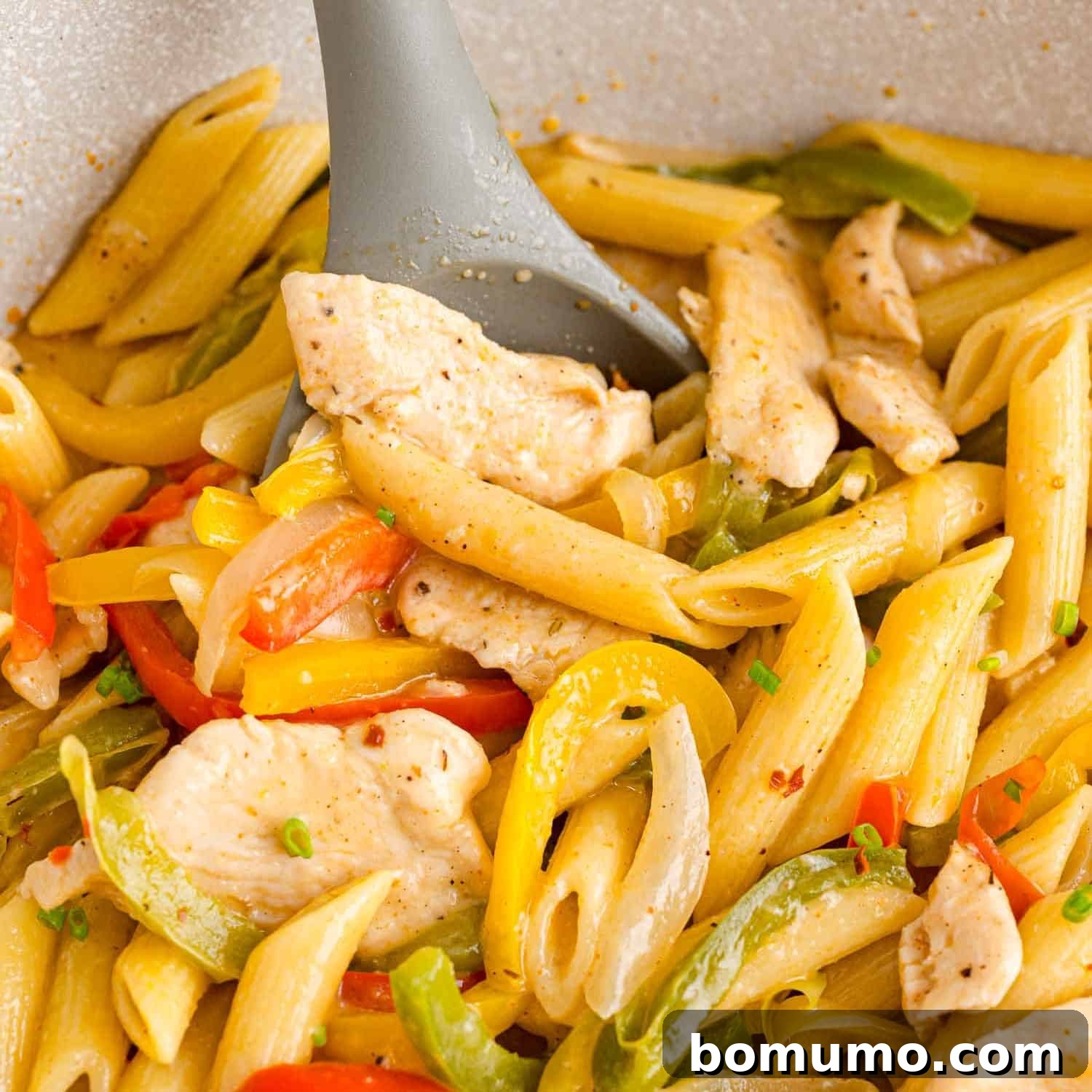
Welcome to the vibrant world of Jamaican Rasta Pasta – a sensational one-pot dish that explodes with color, flavor, and the irresistible kick of jerk seasoning. This easy recipe features succulent chicken, a medley of colorful bell peppers, and tender onions, all coated in a rich, creamy sauce that’s perfect for a memorable weeknight meal.
Recipe Highlights
Why you’ll adore it: This Jerk Chicken Pasta is exceptionally quick, effortlessly easy, and undeniably delicious! It’s the ultimate one-pot dinner, ready to serve in under an hour, making it perfect for busy evenings without sacrificing gourmet taste.
Time commitment: Just 45 minutes from start to finish for a homemade meal that tastes like it took all day.
Essential equipment: A single large skillet or a sturdy Dutch oven – that’s all you need for minimal cleanup.
Servings: Generously serves 6, making it ideal for family dinners or entertaining friends.
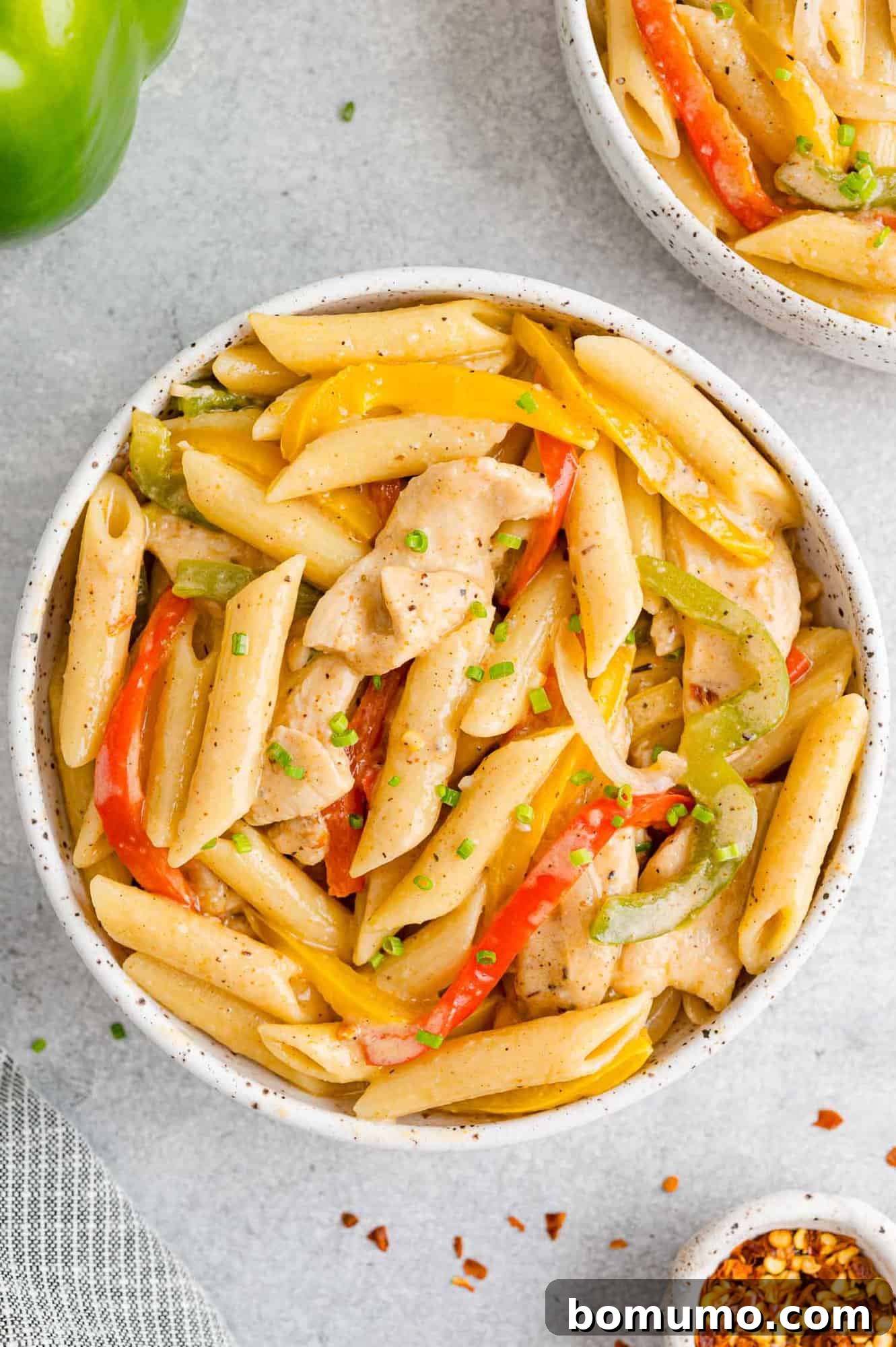
Indulge in Creamy Rasta Pasta with Authentic Jerk Seasoning
Just the other evening, while searching my fridge for dinner inspiration, a culinary spark ignited. What emerged just 45 minutes later was this incredible Jamaican Rasta Pasta – a dish so effortless to create, yet so profoundly satisfying, we simply couldn’t get enough. This Rasta pasta recipe is a true celebration of flavor, brimming with succulent chicken pieces, vibrant bell peppers, and the signature fiery zest of jerk seasoning, all harmoniously united in an irresistibly creamy sauce. Its simplicity belies a depth of flavor that, as the legendary Bob Marley would say, is absolutely “jammin'”.
For those unfamiliar, “jamming” in Jamaica signifies an impromptu celebration, a spontaneous burst of joy. And that’s precisely what this Rasta pasta delivers. It’s not just a meal; it’s a delightful culinary event that comes together in under an hour, offering an unparalleled fusion of fresh vegetables, wholesome protein, and exotic spice. If you’re seeking a weeknight dinner that truly stands out, look no further than this vibrant, flavorful, and incredibly easy Rasta Pasta.
Reasons to Fall in Love with This Rasta Pasta Recipe
Beyond its delicious taste, this One-Pot Jamaican Rasta Pasta offers numerous benefits that make it an instant favorite in any kitchen. Prepare to be captivated by its unique charm and effortless preparation:
- Authentic Jamaican-Inspired Flavors: For those embarking on a journey into the distinctive, aromatic, and often spicy world of jerk seasoning, this dish serves as the perfect introduction. The genius of this recipe lies in how the creamy, cheesy sauce masterfully balances the intense heat of the jerk spice, allowing all those delightful island-style flavors – notes of allspice, thyme, and a hint of sweetness – to shine through without overwhelming the palate. It’s an accessible way to experience the soulful cuisine of Jamaica right in your home.
- Ultimate One-Pot Convenience: Imagine preparing a gourmet-quality meal and only having one pot to clean afterward! This creamy Rasta pasta is a true hero for busy cooks, coming together entirely on a single stovetop. This not only translates to the easiest clean-up imaginable but also allows all the rich Caribbean-inspired ingredients to meld and deepen their flavors together, creating a truly savory, spicy, and utterly delicious pasta dinner with minimal fuss.
- Endlessly Customizable: One of the greatest joys of home cooking is the freedom to personalize dishes, and this Rasta Pasta recipe is incredibly adaptable. Whether you’re a vegetarian, have dietary restrictions, or simply love to experiment, this recipe is your canvas. You can easily make it meat-free, swap out dairy for a lighter or plant-based alternative, incorporate your favorite seasonal vegetables, or precisely adjust the spice levels to suit your preference. Keep reading for a wealth of creative suggestions to make this dish uniquely yours!
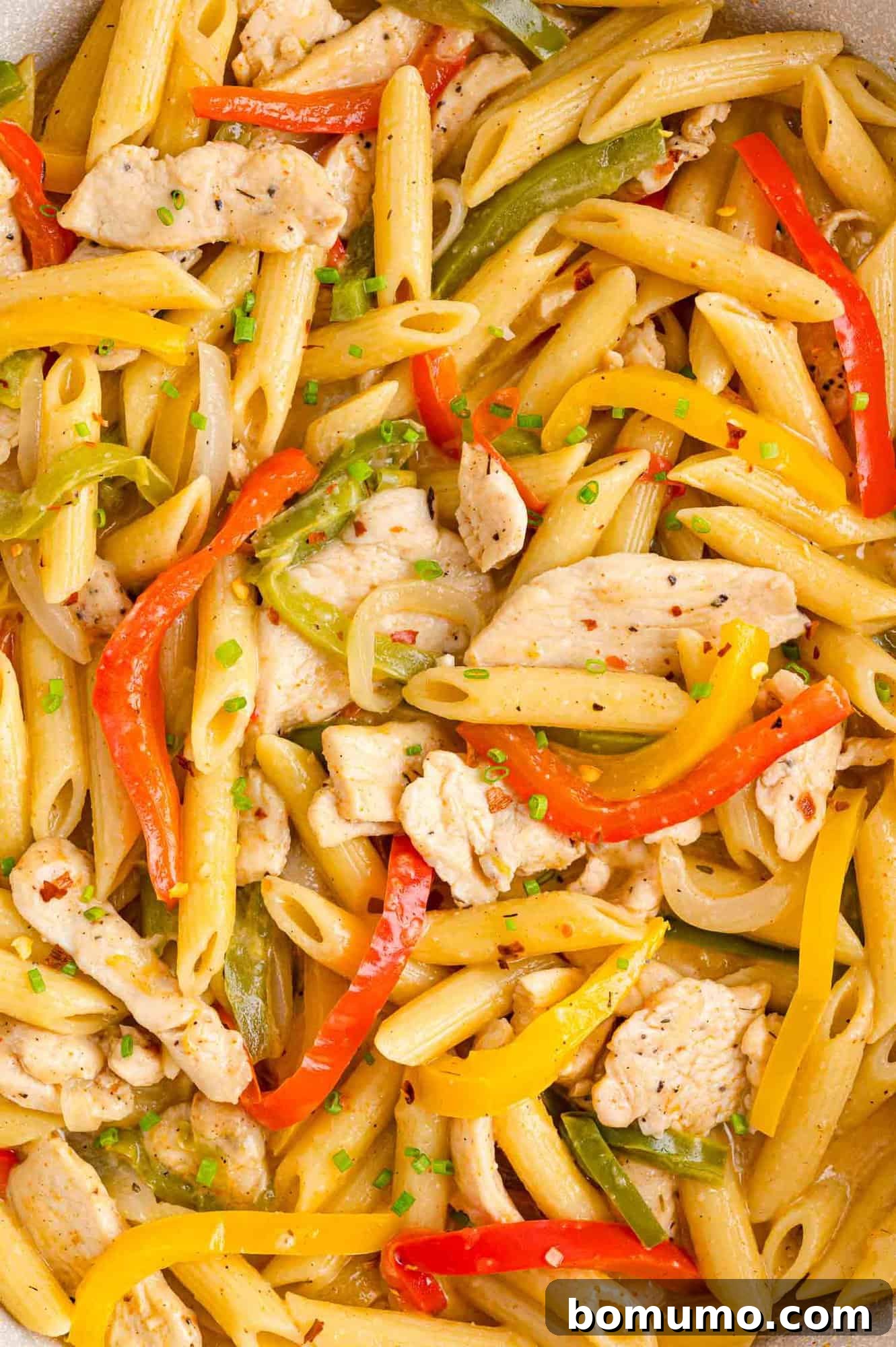
The Fascinating Origin of Rasta Pasta: A Culinary Story
The name “Rasta Pasta” carries a charming story deeply rooted in Jamaican culture and culinary creativity. This iconic dish, also famously known as Jerk Chicken Pasta, is believed to have originated in the vibrant town of Negril, Jamaica. The tale credits Chef Lorraine Washington, who, seeking to feed a group of hungry workers, ingeniously crafted a pasta dish. Her original creation featured fettuccine, a simple tomato sauce, and a unique local ingredient: ackee fruit.
Upon seeing the dish, the workers were immediately reminded of the distinct colors of the Rastafarian movement – red, green, and gold (represented by the bell peppers and often the pasta or sauce itself) – and noted how the long, intertwined noodles resembled dreadlocks. Thus, the name “Rasta Pasta” was born, a spontaneous and affectionate nickname that has stuck and spread globally, becoming synonymous with this flavorful, colorful, and comforting meal.
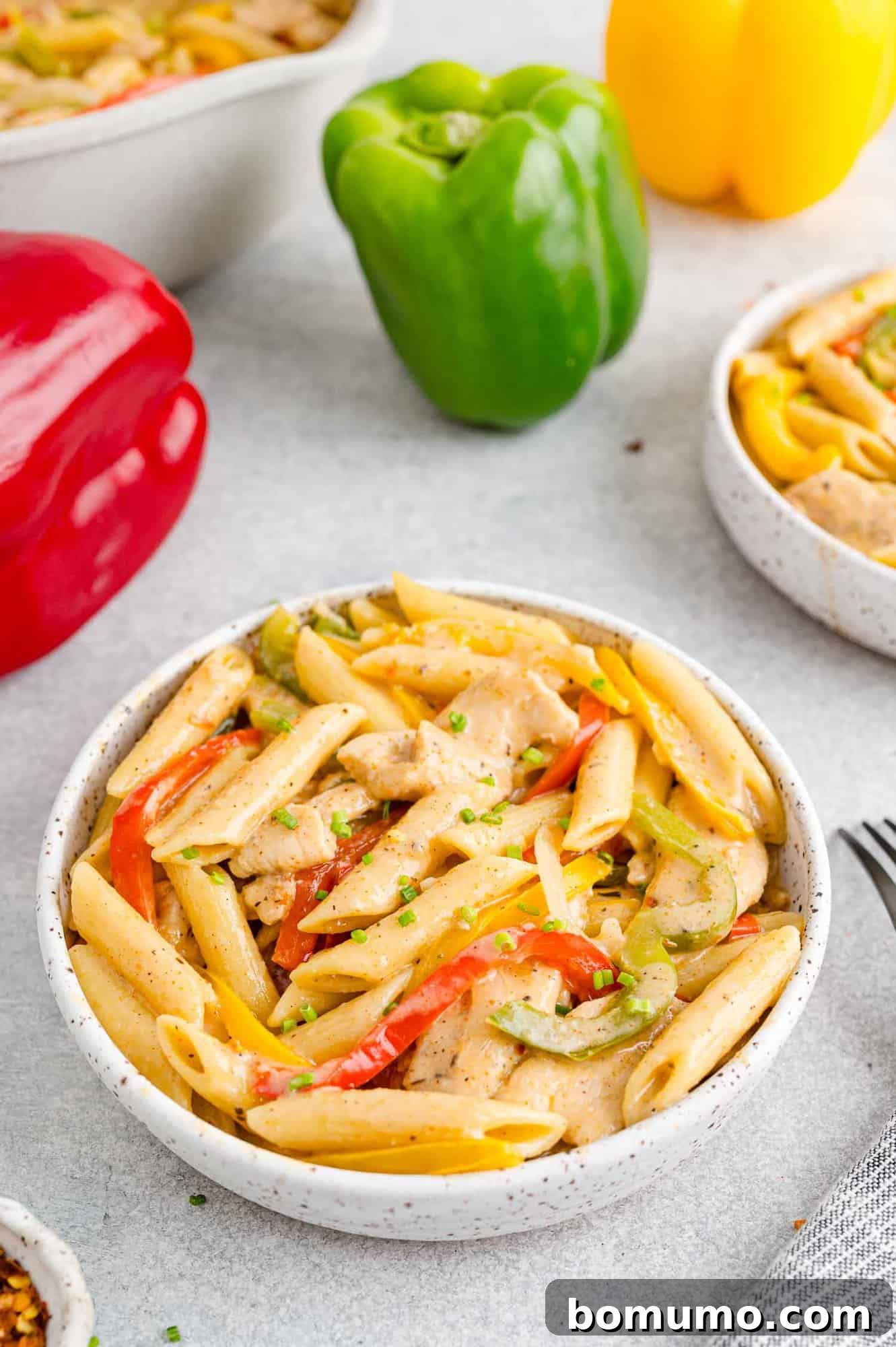
Fast forward to today, and Rasta Pasta has evolved into countless delightful variations, each chef adding their unique spin. My rendition of this beloved recipe pays homage to its colorful origins by incorporating abundant red, green, and yellow bell peppers, creating a visual feast. It’s infused with the authentic, exhilarating flavor of Jamaican jerk seasoning, features tender, juicy chicken, and uses short pasta noodles for a satisfying texture that holds the creamy sauce beautifully. This version captures the essence of the original while making it perfectly accessible for your home kitchen.
Gather Your Ingredients: What You’ll Need
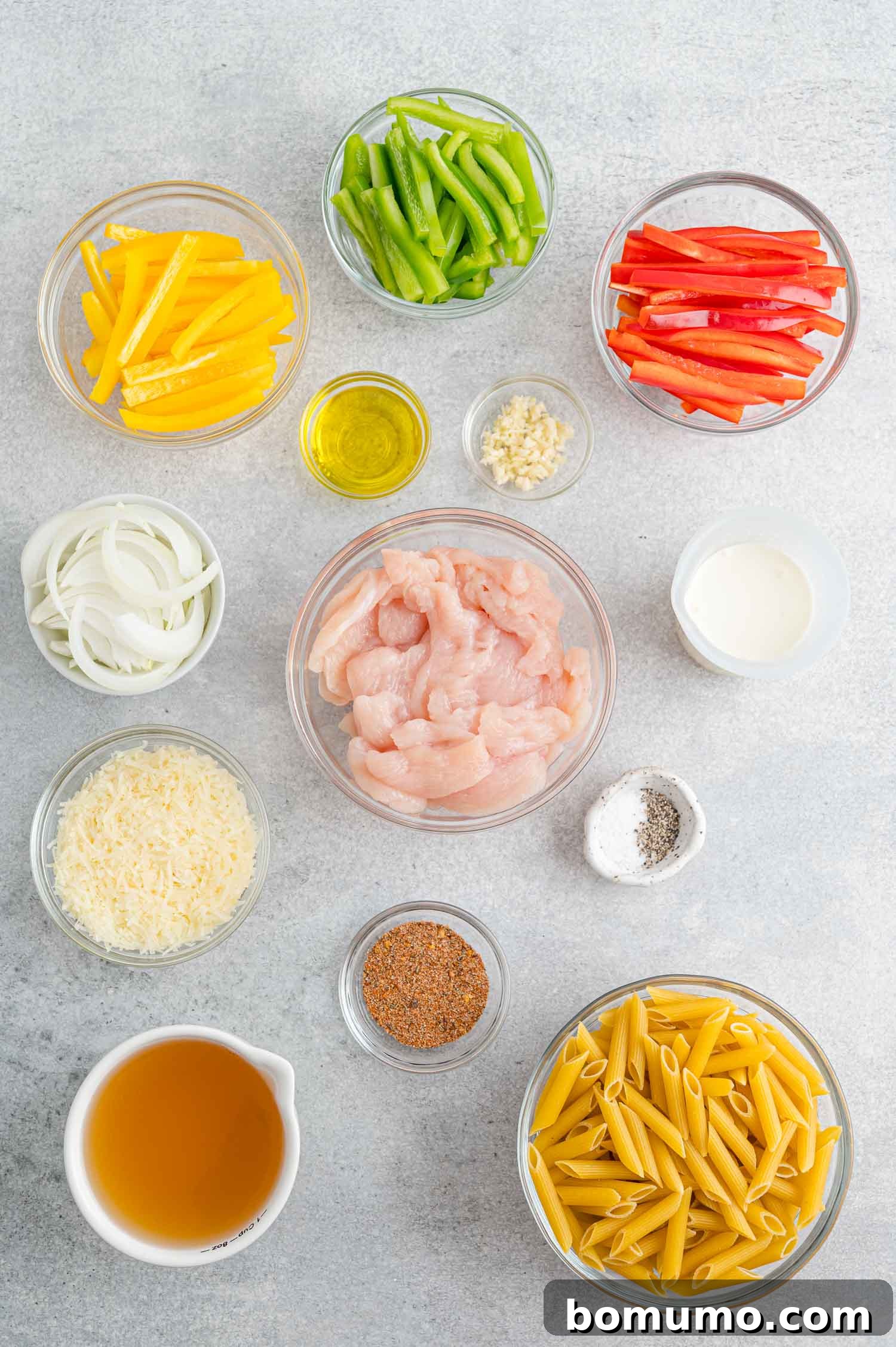
Crafting this incredible Rasta Pasta requires a selection of fresh, flavorful ingredients that come together to create a symphony of taste. Below is a comprehensive overview of what you’ll need. For precise measurements, detailed instructions, and complete nutritional information, please refer to the dedicated recipe card further down this page.
- Chicken: For the ultimate tender bite, opt for boneless, skinless chicken breasts or thighs. Cut them into thin strips to ensure even cooking and to perfectly integrate with the pasta and sauce. Thighs offer a richer flavor and stay incredibly moist.
- Salt, Pepper, Olive Oil: These foundational pantry staples are crucial for seasoning the chicken and providing the base for sautéing our aromatic vegetables. A good quality olive oil can make a subtle difference in flavor.
- Onion: One medium yellow onion, thinly sliced, will provide a sweet, aromatic base for the dish. Other mild varieties like Vidalia or brown onions can also be used for a similar effect.
- Bell Peppers: The signature “Rasta colors” come alive with an equal mix of sliced red, green, and yellow bell peppers. Not only do they add visual appeal, but they also contribute natural sweetness and a crisp-tender texture.
- Garlic: A generous amount of freshly minced garlic is essential for any great pasta dish, lending its pungent, aromatic depth to the sauce.
- Jerk Seasoning: This is the soul of Rasta Pasta! Jamaican jerk seasoning is a complex blend of herbs and spices, typically featuring a bold, hot pepper kick. You’ll find it readily available in the spice aisle of most grocery stores. The amount you use can be adjusted to your preferred spice level; start with the recommended amount and add more for a truly fiery experience.
- Chicken Broth: We recommend using low-sodium chicken broth or stock. This allows you to control the overall saltiness of the dish, ensuring a balanced flavor profile. The broth provides the liquid base for cooking the pasta directly in the pot, infusing it with flavor.
- Pasta: While you can certainly use any pasta you fancy, short pasta varieties like ziti, penne, rotini, or farfalle are excellent choices for Rasta Pasta. Their shapes are ideal for catching and holding the creamy sauce, making every bite incredibly satisfying and easy to scoop.
- Heavy Cream: This is the secret to our outrageously creamy sauce. Heavy cream creates a luscious, velvety texture that beautifully coats every ingredient. For a slightly lighter sauce, you can substitute half-and-half.
- Parmesan Cheese: Freshly grated Parmesan cheese melts seamlessly into the sauce, adding a salty, umami depth that elevates the entire dish. While pre-grated Parmesan works, fresh cheese always offers superior texture and flavor.
Unpacking Jerk Seasoning: The Heart of Jamaican Flavor
Jerk seasoning is far more than just a spice blend; it’s a cornerstone of Jamaican cuisine and a key player in the vibrant flavor of Rasta Pasta. This aromatic and typically fiery blend is renowned for its complex layers of taste. While recipes vary, common ingredients include intensely hot Scotch bonnet peppers (or habanero for a similar kick), fragrant allspice, and other warming spices like cinnamon, clove, and nutmeg. Herbs such as thyme and a touch of garlic powder are often added, along with a hint of brown sugar to provide a subtle sweetness that balances the heat.
Whether you choose to use a dry jerk spice blend, a pre-made jerk marinade, or even a bottled jerk sauce, this recipe is adaptable to what you have on hand. When selecting a blend at the grocery store, you can explore options that range from mild to extra hot. If you prefer a more intense heat, don’t hesitate to add a pinch of cayenne pepper or a few dashes of your favorite hot sauce to tailor it precisely to your palate. The magic of jerk seasoning lies in its ability to transform simple ingredients into an extraordinary culinary experience.
Crafting Your Rasta Pasta: A Step-by-Step Guide
Ready to embark on a delicious culinary adventure and create this creamy jerk chicken pasta? Grab your largest skillet or a Dutch oven, and let’s get cooking. This one-pot method ensures maximum flavor with minimal effort, perfect for any home chef:
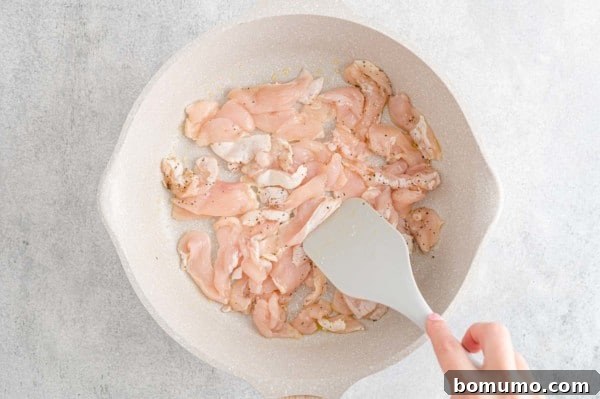
- Sear the Chicken to Perfection: Begin by heating your large pot or skillet over medium-high heat. Season your thinly sliced chicken pieces with a generous pinch of salt and pepper. Once the pan is hot, add the olive oil, then introduce the chicken. Brown the chicken for about 3 to 4 minutes, stirring occasionally, until it develops a light golden crust. It doesn’t need to be cooked through at this stage, just beautifully seared.
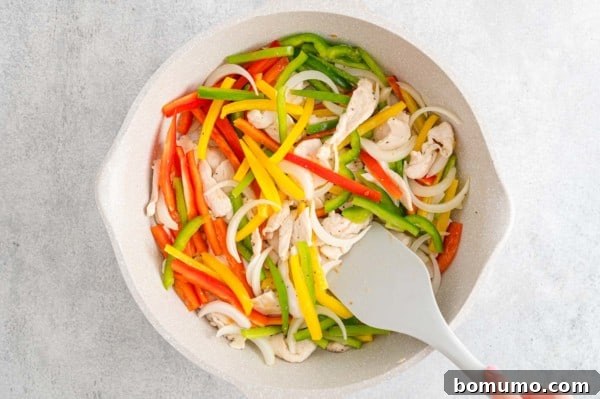
- Sauté the Vibrant Veggies: Next, add your thinly sliced onions and the colorful trio of red, green, and yellow bell peppers to the pot. Continue to cook, stirring frequently, for another 3 to 4 minutes, or until the onions become translucent and the peppers begin to soften. This step builds the aromatic foundation of your sauce. Immediately follow by stirring in the minced garlic and the powerful jerk seasoning, cooking for just 1 minute until the garlic becomes fragrant. Be careful not to burn the garlic.
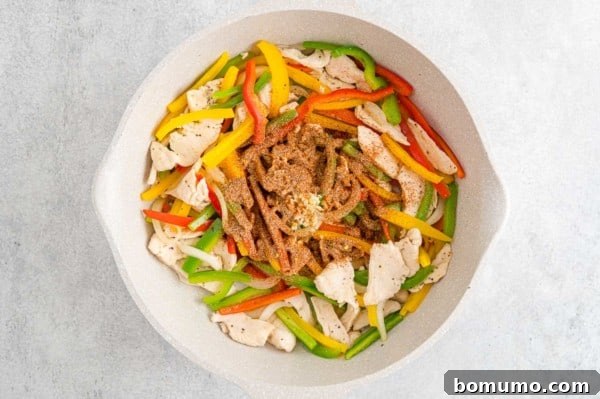
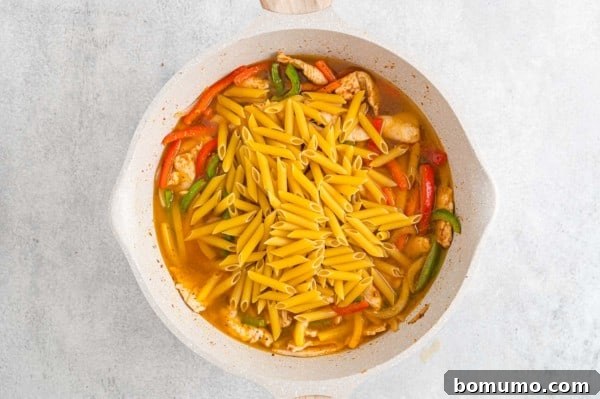
- Combine and Cook the Pasta: Pour in the chicken broth, then add your chosen short pasta. Stir everything thoroughly to combine, ensuring the pasta is well distributed and submerged in the broth. Bring the mixture to a rolling boil. Once boiling, reduce the heat to medium-low, cover the pot tightly, and let it simmer. Cook for approximately 15 minutes, stirring frequently, or until the pasta is al dente – cooked but still firm to the bite. Always check your pasta package directions as cooking times can vary.
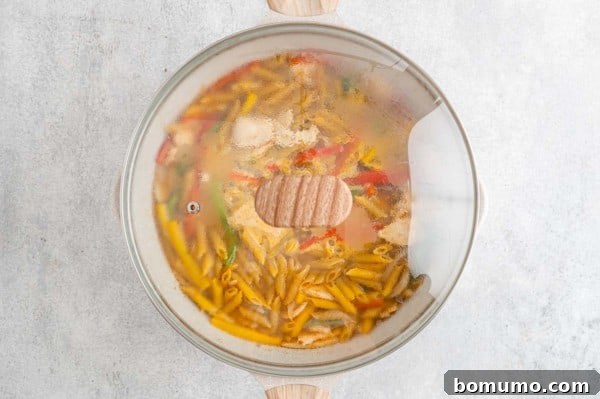
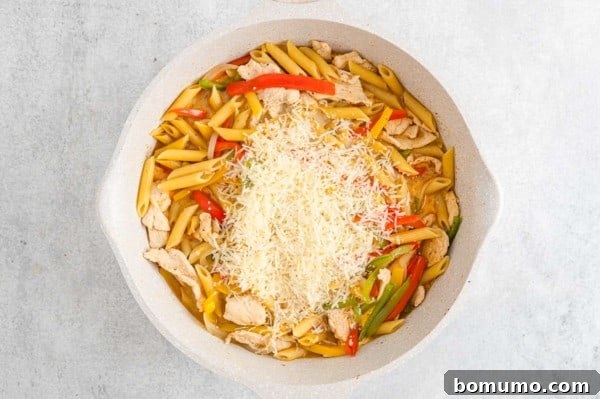
- Enrich with Cream and Cheese: Before adding the heavy cream to the hot pasta, it’s a crucial step to warm it slightly in the microwave (about 30 seconds should do). This prevents the cold cream from shocking the hot sauce and potentially curdling. Once warmed, reduce the heat to low, then gently stir the cream into the pot along with the freshly grated Parmesan cheese. Allow the cheese to melt fully, stirring until the sauce thickens slightly to a beautiful, creamy consistency.
- Rest for Perfect Flavor Fusion: Once the sauce is perfectly thickened and the cheese is melted, remove the pot from the heat. Cover it tightly and allow the Rasta Pasta to rest for at least 5 minutes before serving. This resting period is essential; it allows the flavors to deepen and meld together, and the sauce to reach its optimal consistency, ensuring every bite is rich and satisfying.
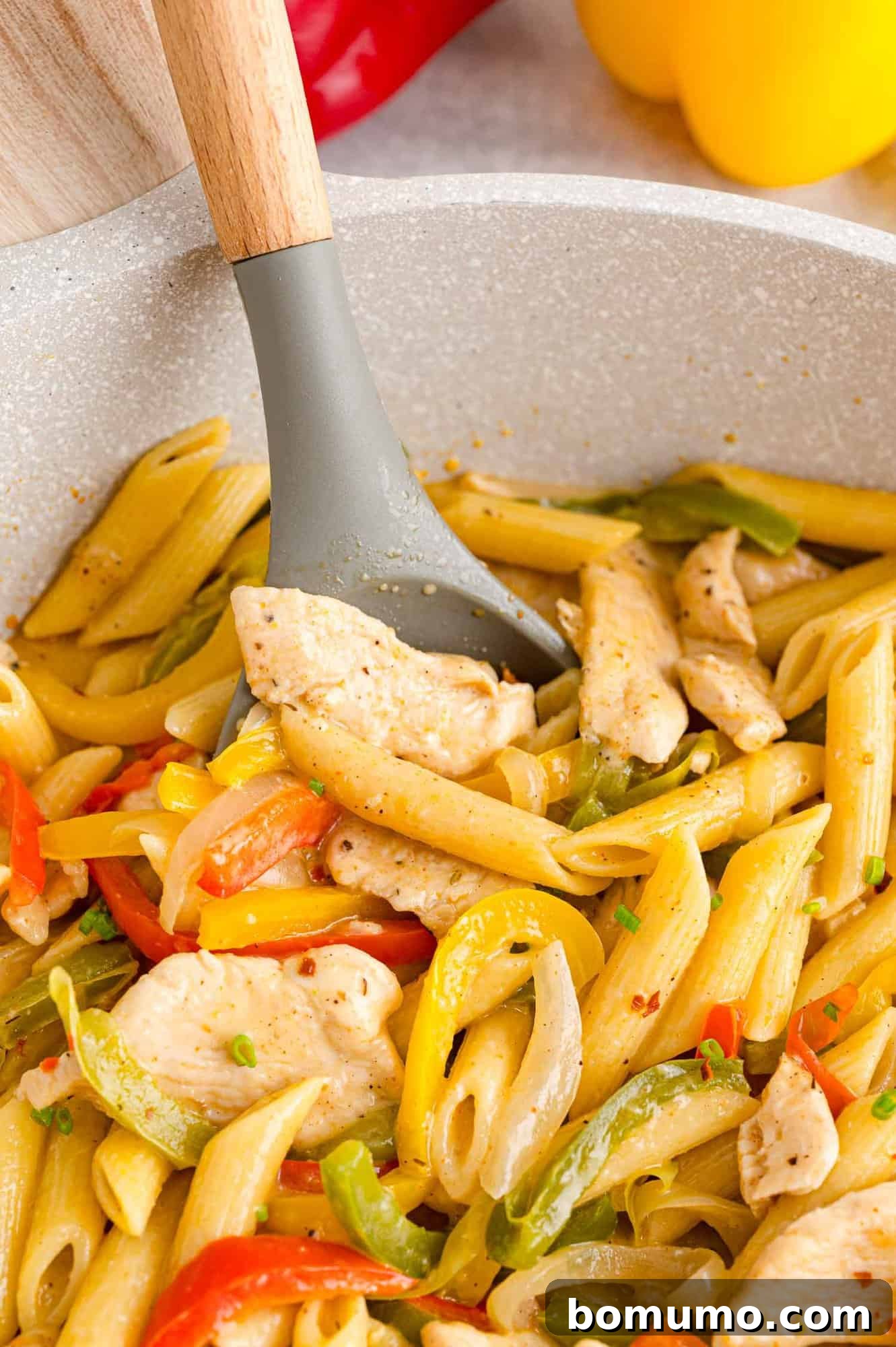
Essential Tips for the Best Rasta Pasta
Achieving the perfect Rasta Pasta is simple with a few expert tips. Follow these guidelines to ensure your dish is flavorful, perfectly textured, and a resounding success every time:
- Master Your Spice Level: Jerk seasoning varies significantly in heat. The key to a personalized Rasta Pasta is to adjust the amount of seasoning to your taste. Start with the recommended amount and consider adding more gradually if you prefer a spicier kick. For those sensitive to heat, begin with a little less and build up. A sprinkle of red pepper flakes at the end is also a great way to add an extra layer of warmth for individual servings.
- Avoid Overcooking the Pasta: The texture of your pasta is paramount. Different types and brands of pasta have varying cooking times, so always refer to the package directions. While this recipe guides you, keep a close eye on the pasta during the simmering stage. You’re aiming for “al dente” – cooked through but still firm to the bite. Overcooked pasta can become mushy, detracting from the overall enjoyment of the dish.
- Utilize Pre-Cooked Proteins: This recipe is incredibly adaptable for utilizing leftovers or streamlining prep. If you have leftover roasted chicken, grilled chicken, or even cooked turkey on hand, it’s a fantastic addition. Sautéed shrimp also makes a delightful and quick protein alternative. When using pre-cooked chicken or other proteins, add them towards the end of the cooking process, during the final simmering stage or when stirring in the cream and cheese. This ensures they warm through without becoming dry or tough.
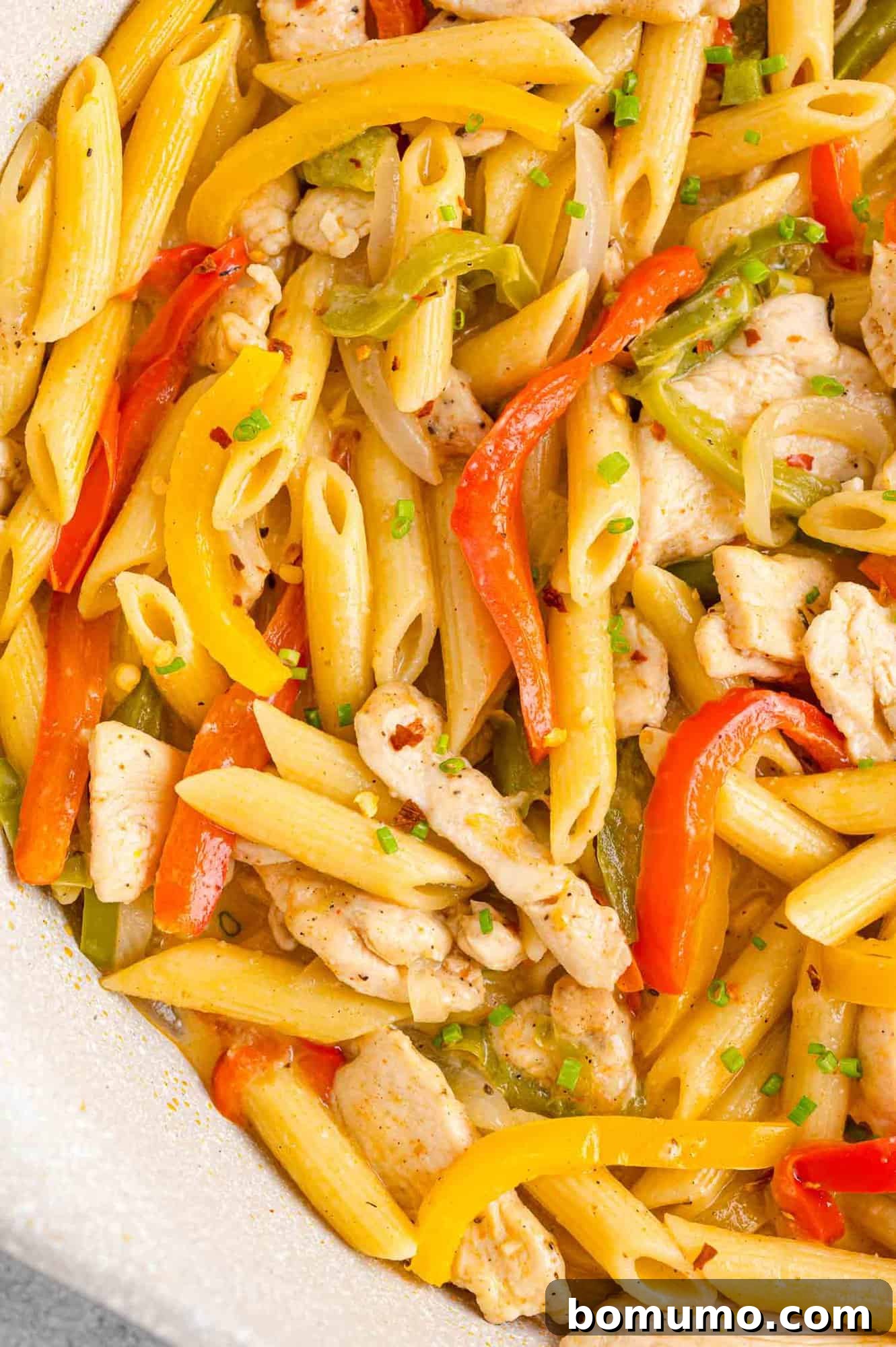
Customize Your Culinary Masterpiece: Make This Rasta Pasta Recipe Uniquely Yours
One of the true joys of cooking Rasta Pasta at home is the endless potential for customization. This Jamaican-inspired dish is a versatile canvas, allowing you to easily adapt it to your dietary preferences, what you have on hand, or simply your creative whims. Here are some fantastic ideas to make this recipe truly your own:
- Embrace Vegetarian Rasta Pasta: For a delightful meat-free version, simply omit the chicken and use vegetable broth instead of chicken broth. To maintain the hearty texture, consider incorporating robust alternatives like sliced cremini mushrooms, protein-rich chickpeas, or even firm tofu cubes. These additions will absorb the rich jerk flavors beautifully.
- Dairy-Free and Delicious: If you’re looking to make this creamy chicken pasta dairy-free, don’t despair! Substitute the heavy cream with full-fat coconut milk for an equally rich and luscious sauce that also adds a wonderful tropical undertone, complementing the Jamaican flavors. Alternatively, for a lighter, tomato-based sauce, you can create a broth using canned diced tomatoes and a splash of water, reducing the creaminess but maintaining robust flavor.
- Explore Other Proteins: While chicken is traditional, feel free to experiment with other proteins. Succulent shrimp, pan-seared steak strips, or even smoked sausage can be fantastic additions. Remember to adjust cooking times accordingly to ensure your chosen protein is cooked to perfection. Shrimp, for instance, cooks very quickly and should be added towards the end.
- A Pop of Freshness with Green Onions: Instead of or in addition to yellow onions, finely chopped green onions (scallions) can be added at the end. They provide a milder onion flavor, a delightful crunch, and an extra vibrant green color that enhances the “Rasta” aesthetic of the dish.
Perfect Pairings: What to Serve With Rasta Pasta
This Rasta Pasta is a wonderfully complete and satisfying meal on its own, a delightful fusion of Jamaican spice and Italian comfort. However, if you’re looking to elevate your dining experience, there are many fantastic accompaniments that will perfectly complement its rich flavors and vibrant character.
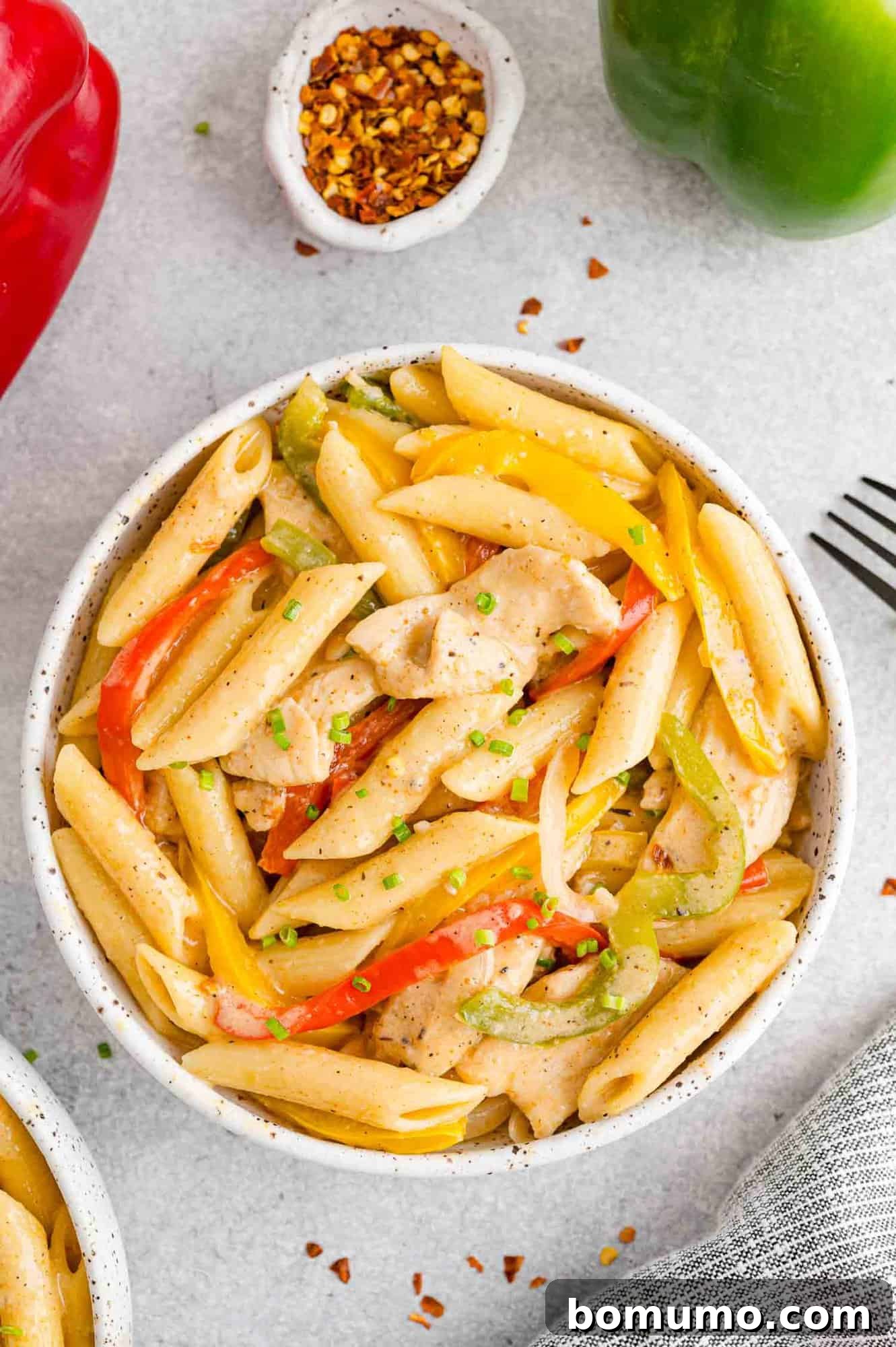
We love to serve our Rasta Pasta generously sprinkled with extra Parmesan cheese for an added layer of salty goodness, and a dash of crushed red pepper flakes to kick up the heat for those who crave it. For a fresh contrast that cuts through the creaminess, pair it with a crisp side salad. A light and refreshing classic spinach salad or a peppery arugula salad with a simple vinaigrette would be perfect choices. And, of course, no creamy pasta dish is truly complete without a slice of crusty bread. A warm piece of homemade Dutch oven bread is ideal for soaking up every last drop of that delectable jerk-spiced sauce.
In warmer months, or when you’re looking to enhance the island vibe, consider pairing this dish with a refreshing beverage. A cool bay breeze cocktail offers a sweet and tart counterpoint, while a sparkling Aperol spritz provides a bitter-orange effervescence that cleanses the palate beautifully. No matter your choice, Rasta Pasta promises a meal that’s both comforting and exciting.
Storing & Reheating Leftovers for Optimal Freshness
Proper storage and reheating are key to enjoying your Rasta Pasta long after the initial meal. Here’s how to best preserve and savor your delicious leftovers:
- Refrigerator Storage: Any leftover Rasta Pasta should be transferred to an airtight container and stored in the refrigerator promptly. It will maintain its delicious flavor and quality for up to 3 days. When ready to enjoy, individual servings can be quickly reheated in the microwave until warmed through. For larger quantities, gently reheat the pasta in a saucepan on the stovetop over low to medium heat, stirring occasionally. To help loosen the sauce and restore its creamy texture, feel free to add a splash of extra cream, water, or chicken broth during reheating.
- Freezing Recommendations: Generally, freezing recipes that contain a significant amount of dairy, like this creamy Rasta Pasta, is not recommended. There’s a high likelihood that the heavy cream will separate once thawed, leading to a grainy or watery sauce texture. Additionally, the cooked bell peppers may become overly soft or mushy after freezing and thawing, affecting the overall quality of the dish. For the best experience, enjoy this Rasta Pasta fresh or within a few days from the refrigerator.
Looking for more mealtime inspiration? Discover effortless culinary planning with our complimentary weekly meal plans! For a week that includes this delightful pasta recipe, explore Meal Plan #39. You’ll find a balanced, wholesome recipe for each weekday, complete with a categorized grocery list to simplify your shopping. Let us take the stress out of meal planning for you!
We continually add new meal plans each week. If you’re eager for more diverse and easy recipe ideas, browse our full collection of meal plans.
Explore More One-Pot Pasta Recipes!
Instant Pot Pasta with Sausage, Spinach, and Tomatoes
Creamy Chicken Spaghetti – One Pan, Endless Variations!
American Goulash (One Pan!)
One-Pot Cajun Chicken Pasta
Creamy One-Pot Rasta Pasta Recipe
Rachel Gurk
15
30
45
6
servings
Ingredients
-
1
pound
boneless skinless chicken breast, cut into very thin slices
(boneless skinless chicken thighs may be substituted) -
½
teaspoon
kosher salt
-
¼
teaspoon
ground black pepper
-
1
tablespoon
olive oil
-
1
medium
yellow onion, cut in half and thinly sliced -
1
red bell pepper, thinly sliced -
1
green bell pepper, thinly sliced -
1
yellow bell pepper, thinly sliced -
2
cloves
garlic, minced -
1
tablespoon
jerk seasoning, more to taste
(we use 1 ½ tablespoons and it is spicy but not too hot) -
3
cups
low sodium chicken broth -
8
ounces
pasta
(see note below for recommendations) -
⅓
cup
heavy cream -
¾
cup
shredded parmesan cheese -
Red pepper flakes, for garnish if desired
Instructions
-
Heat a large straight-sided skillet or Dutch oven over medium-high heat.
-
Season chicken with salt and pepper. When the pan is hot, add olive oil and chicken. Cook for 3 to 4 minutes, stirring once or twice, or until lightly browned but not cooked all the way through.
-
Add onions and bell peppers and cook, stirring occasionally, for 3 to 4 minutes or until onions are translucent.
-
Add garlic and jerk seasoning and cook, stirring, for 1 minute or until garlic is fragrant.
-
Add chicken broth and pasta. Stir well to combine, bring to a boil, and push down pasta so it is submerged in broth.
-
Reduce heat to medium, maintaining a simmer. Cover and cook, stirring frequently, until pasta is al dente, about 15 minutes (refer to package directions).
-
Warm cream slightly in the microwave (about 30 seconds).
-
Reduce heat to low; stir in warmed cream and parmesan cheese. Once parmesan has melted and sauce has thickened slightly, turn off heat and cover for at least 5 minutes.
-
Serve in shallow bowls, garnished with red pepper flakes, if desired.
Notes
- We recommend a short pasta such as ziti (as pictured), farfalle, rotini, or penne. These shapes hold the creamy sauce exceptionally well.
- Leftover pasta should be refrigerated promptly in a covered container for food safety. It will keep for up to 3 days, providing delicious future meals.
- Always adjust the spice level of the dish by adding more or less jerk seasoning, depending on your personal preference. Taste and adapt as you cook!
Video Overview
Enjoy this visual guide to making your Rasta Pasta!
Nutrition
Serving:
1.5
cups
,
Calories:
256
kcal
,
Carbohydrates:
10
g
,
Protein:
25
g
,
Fat:
13
g
,
Saturated Fat:
6
g
,
Polyunsaturated Fat:
1
g
,
Monounsaturated Fat:
5
g
,
Trans Fat:
0.01
g
,
Cholesterol:
72
mg
,
Sodium:
724
mg
,
Potassium:
694
mg
,
Fiber:
2
g
,
Sugar:
4
g
,
Vitamin A:
1609
IU
,
Vitamin C:
83
mg
,
Calcium:
187
mg
,
Iron:
2
mg
Nutrition information is automatically calculated, so should only be used as an approximation.
Did You Make This?
Share a comment and rating below! I love hearing what you think!