
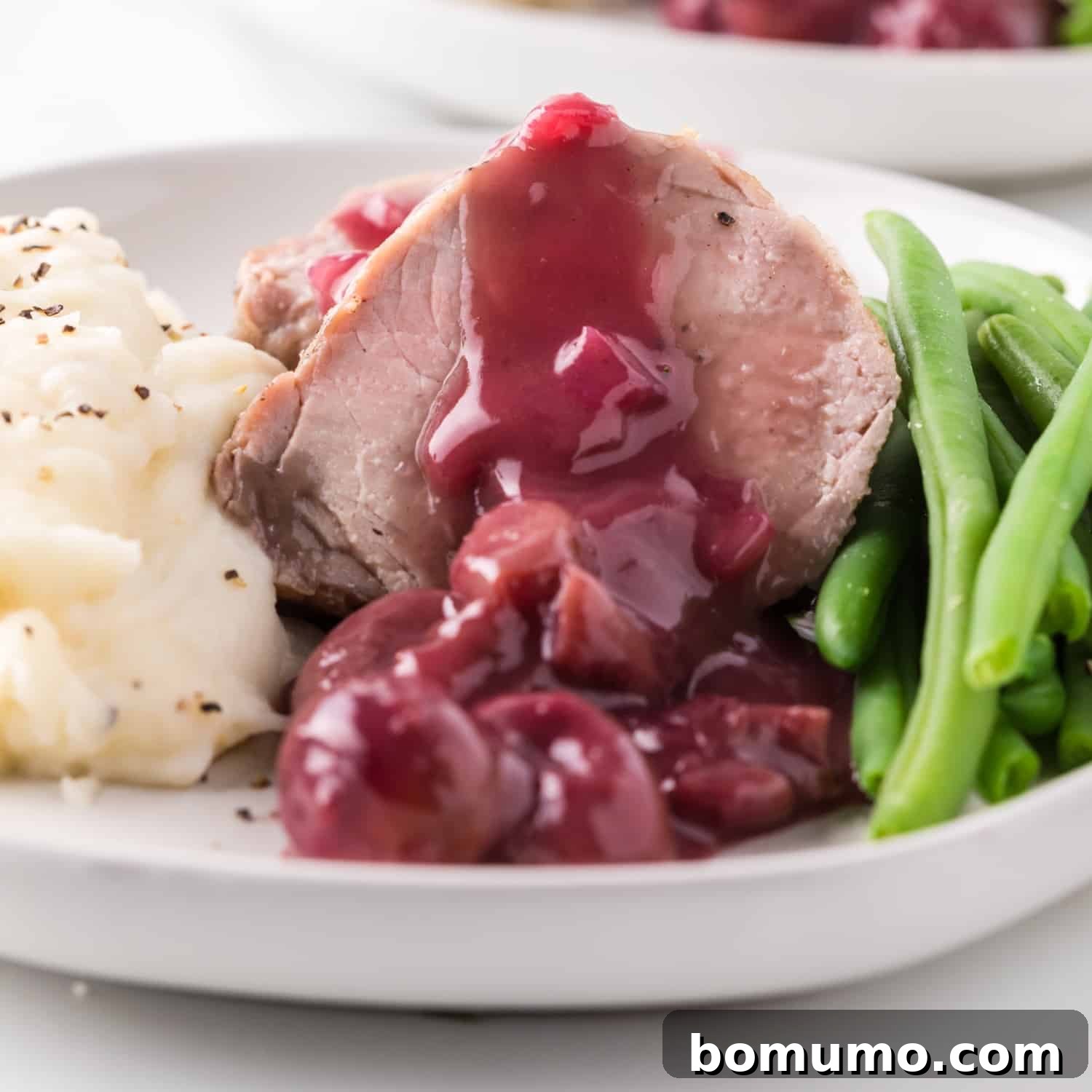
Pork Tenderloin with Port Wine Sauce & Roasted Grapes: An Elegant & Easy Recipe
Why you’ll adore this dish: Experience culinary elegance with this exceptional recipe featuring succulent slices of pork tenderloin, beautifully complemented by sweet, juicy roasted grapes and a rich port wine sauce. Infused with the subtle aromatics of shallots, a hint of spicy Dijon, and fragrant fresh thyme, this dish strikes a perfect balance between sophisticated flavors and effortless preparation. It’s an ideal choice for impressing guests, yet simple enough to whip up on a busy weeknight.
Preparation Time: Approximately 50 minutes
Essential Kitchen Tools: One oven-safe skillet, one small rimmed baking sheet
Serves: 4 generously
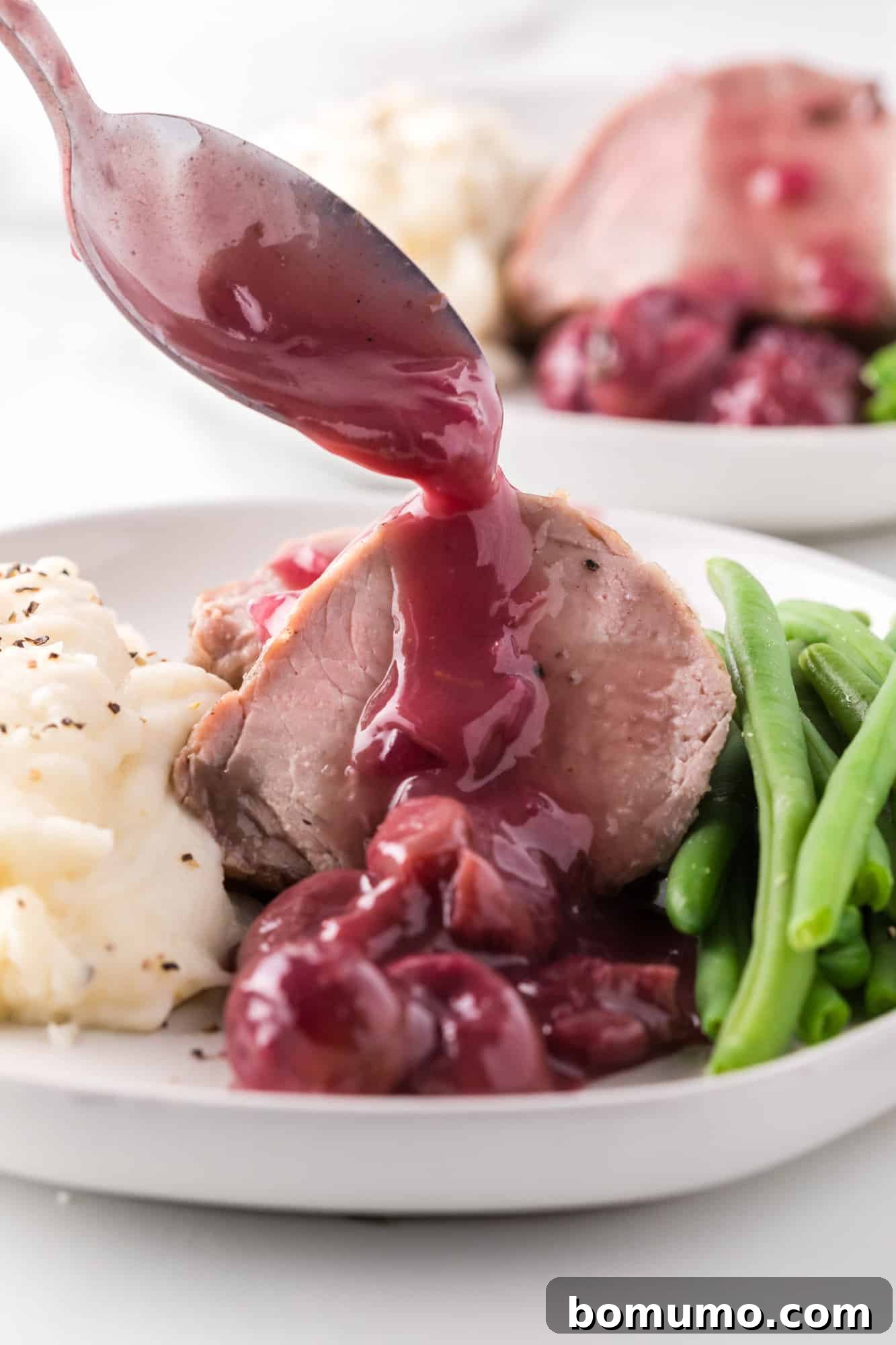
Welcome to a culinary journey that transforms simple ingredients into an extraordinary meal. This recipe for Pork Tenderloin with Port Wine Sauce and Roasted Grapes is a testament to how bold flavors can be created with minimal fuss, making it a staple for both special occasions and delightful everyday dinners. If you’re searching for an elegant pork tenderloin recipe that’s packed with flavor and presents beautifully, you’ve found your next favorite dish.
The Magic of Juicy Roasted Grapes
If you haven’t yet discovered the unparalleled sweetness of roasted red grapes, prepare to be amazed. While roasting vegetables is a common practice, introducing fruit to high heat caramelizes their natural sugars, intensifying their flavor profile to an astonishing degree. This process yields grapes that are unexpectedly sweet, bursting with a concentrated juiciness that perfectly complements the savory pork and rich sauce.
Roasting at high temperatures is a game-changer for many fruits and vegetables. It coaxes out their inherent sweetness and depth, transforming their texture into something wonderfully tender and succulent. Perhaps you’ve already indulged in my ice cream terrine with roasted strawberries or enjoyed grilled pineapple crowned with homemade vanilla bean ice cream – each offering a unique take on roasted fruit. Next on my list to explore are the delights of roasted rhubarb, and as summer progresses, I look forward to experimenting with roasted peaches. The versatility of roasted fruit makes it an exciting addition to both sweet and savory dishes, providing a dynamic contrast that elevates any meal.
Unlocking the Potential of Succulent Pork Tenderloin
Pork tenderloin stands out as one of my favorite cuts of meat, and for good reason. Renowned for its tenderness, leanness, and juiciness, it’s a remarkably versatile protein that cooks quickly and pairs exceptionally well with a variety of sauces and flavor profiles. Its mild flavor acts as a perfect canvas, absorbing the rich nuances of the port wine sauce and the sweet tang of the roasted grapes. This makes it an ideal choice for both seasoned cooks looking for a quick yet impressive meal and beginners seeking to master an elegant main course.
The beauty of pork tenderloin lies in its forgiving nature and rapid cooking time, making it a fantastic option for busy weeknights. When prepared correctly, it remains incredibly tender, never dry or tough. In this recipe, we harness its natural qualities to create a dish that feels decadent and complex, without requiring hours in the kitchen.
Crafting a Decadent Port Wine Pan Sauce
The star of this dish, beyond the perfectly cooked pork and caramelized grapes, is undoubtedly the decadent port wine pan sauce. This luscious reduction, loaded with the sweet roasted grapes, becomes an irresistible topping for the tender pork. The sauce is a symphony of flavors: the deep, sweet notes of port wine, the aromatic sharpness of shallots, the subtle tang of Dijon mustard, and the earthy freshness of thyme. These ingredients meld together to create a rich, glossy sauce that clings to every slice of pork, elevating each bite into a gourmet experience.
While this dressed-up roasted pork tenderloin with its elegant sauce is perfectly suited for entertaining guests, its straightforward preparation means it’s equally enjoyable on an ordinary weekday. It’s a dish that feels luxurious but demands little effort, striking the perfect balance between impressive and approachable.
Should you desire a simpler roasted pork tenderloin without a sauce, I highly recommend my herb-crusted pork tenderloin. It’s a foolproof standby that consistently delivers perfectly cooked, flavorful pork every time.
Key Ingredient Insights for Success
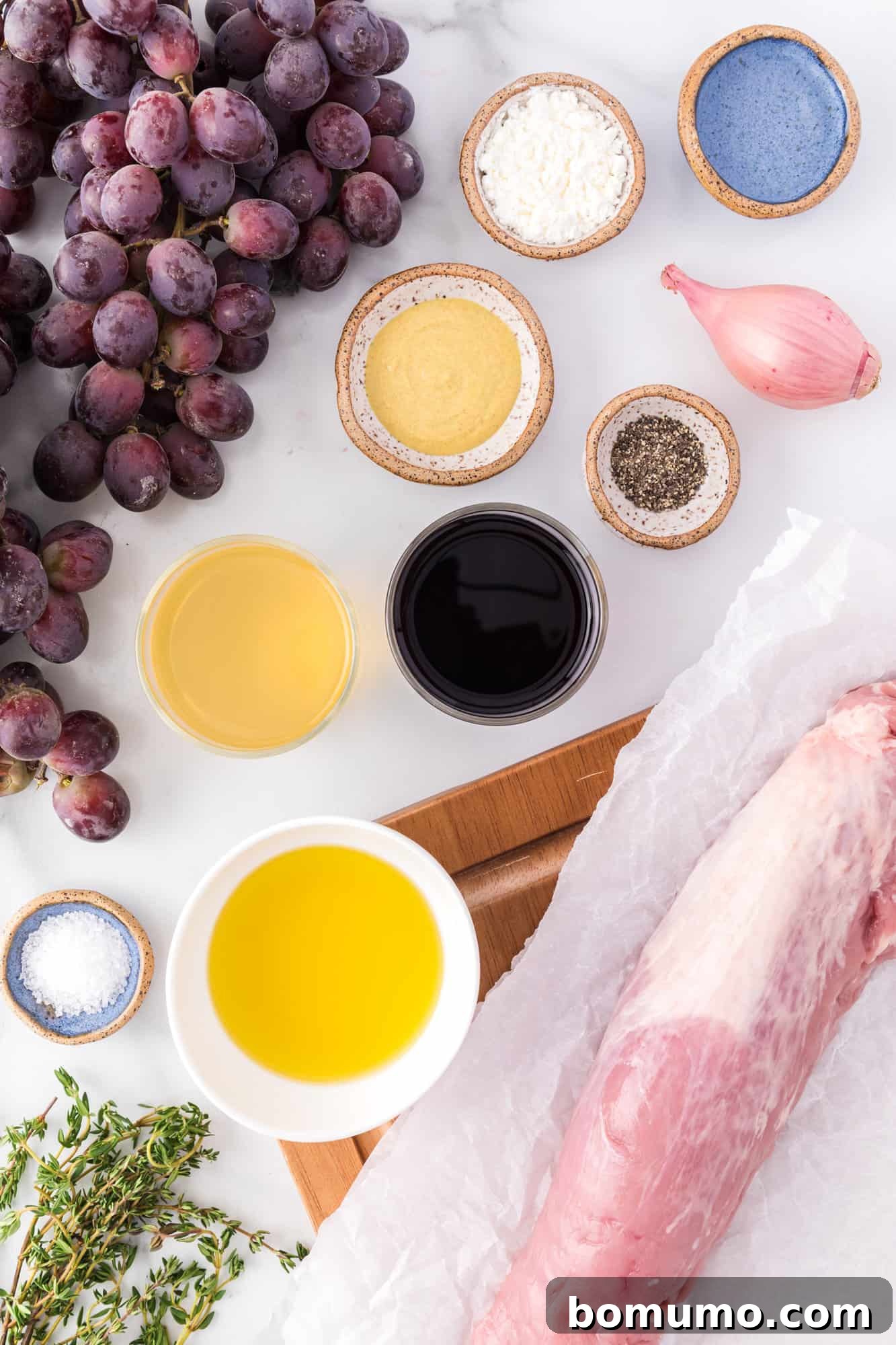
Understanding your ingredients is crucial for achieving culinary excellence. Here’s a closer look at the components of this dish and how to make the best selections:
- Seedless Red Grapes: Beyond their delightful sweetness and juicy texture, red grapes are a nutritional powerhouse. They are an excellent source of vitamin K, B vitamins, and copper, along with numerous antioxidants and other valuable nutrients. Opt for firm, plump seedless red grapes with smooth, unblemished skin for the best roasting results. Their crisp texture transforms into a tender, bursting sensation when roasted.
- Pork Tenderloin: This premium cut is not only tender but also incredibly lean, offering a healthy source of protein. Pork tenderloins are typically long and narrow, weighing between 12 ounces to 24 ounces (approximately 1 to 1.5 pounds). They are often sold with two tenderloins per package. While serving sizes can vary, a good general estimate is about 6 ounces per person to ensure a satisfying portion. Look for tenderloins with a consistent color and minimal marbling.
- Shallots: Shallots are a more delicate and sweeter alternative to most onions, boasting a finer texture and a reddish-brown outer layer. You’ll need one large shallot for this recipe, finely chopped to meld seamlessly into the sauce. If shallots are unavailable, a small amount of finely minced yellow onion can be substituted, though it will impart a slightly bolder, less sweet flavor.
- Port Wine: Commonly enjoyed as a dessert wine, port is a sweet red wine fortified with brandy. For cooking, ruby port is frequently chosen due to its vibrant fruit notes and accessible price point. The port adds a rich, complex sweetness and depth to the pan sauce, beautifully complementing the pork and grapes. Remember to store any leftover port in the refrigerator after opening to preserve its quality.
- Chicken Broth: To maintain control over the dish’s sodium content, I recommend choosing low-sodium or no-salt-added chicken broth. This allows you to season the dish to your personal preference without worrying about excessive saltiness.
- Dijon Mustard: Creamy Dijon mustard plays a dual role in this recipe: it adds a sharp, tangy flavor that cuts through the richness of the port wine, and its emulsifying properties help to thicken the sauce, giving it a smooth, velvety consistency. While grainy mustard can be used in a pinch, be aware that its texture will be more noticeable in the final sauce. Standard yellow mustard is not a suitable substitute for Dijon in this recipe, as its flavor profile is too distinct and vinegar-forward.
- Thyme: Fresh thyme offers a vibrant, earthy aroma that perfectly complements both pork and grapes. If fresh thyme isn’t available, dried thyme can be used, but remember that dried herbs are more concentrated. Use half the amount of dried thyme compared to fresh (e.g., ½ teaspoon dried for 1 teaspoon fresh). Thyme is a robust, woody herb that is surprisingly easy to grow at home, ensuring a fresh supply for your culinary endeavors.
- Cornstarch: A cornstarch slurry is an effective and common method for thickening sauces quickly and achieving a smooth finish. It’s made by simply mixing cornstarch with an equal amount of cold water. When added to the simmering sauce, it creates a desirable thickness without altering the flavor, ensuring your port wine sauce has the perfect consistency.
Pork Loin or Pork Tenderloin? Understanding the Difference
While often confused due to similar names, pork loin and pork tenderloin are distinct cuts of meat that require different cooking approaches. Both are lean and boneless, but their size, shape, and ideal cooking methods vary significantly.
Pork Loin: This is a much larger cut, typically weighing between 7 to 10 pounds. It’s often sold as a “pork loin roast,” “New York pork roast,” “top loin pork roast,” or “center cut pork roast.” Pork loin usually has a thick fat cap on one side, which helps keep it moist during roasting. Due to its size, pork loin is generally roasted whole at a lower temperature for a longer duration, making it suitable for feeding a larger crowd or for slow-cooking methods to ensure tenderness.
Pork Tenderloin: In contrast, pork tenderloins are long, slender cuts, usually weighing around 1 to 1½ pounds each. They are often packaged with two tenderloins per pack. A key preparation step for tenderloin is removing the “silverskin”—a tough, silvery membrane on one side that doesn’t break down during cooking. Tenderloins are highly versatile and can be cooked in a variety of ways: roasted whole, sliced into medallions and sautéed, or grilled quickly. Their smaller size and delicate nature make them ideal for fast-cooking recipes, ensuring they remain exceptionally tender and juicy, which is precisely why it’s the perfect choice for this port wine and roasted grape recipe. Using tenderloin allows for a rapid sear to develop a beautiful crust, followed by a quick finish in the oven, preventing it from drying out.
Mastering This Pork Tenderloin Recipe: A Step-by-Step Guide
As previously mentioned, this recipe is surprisingly straightforward and can be completed in under an hour. Remember to factor in time for preparing any accompanying side dishes, which we’ll discuss in more detail below. Precision and careful timing are your allies here for a flawless result.
Step 1: Roasting the Grapes to Perfection
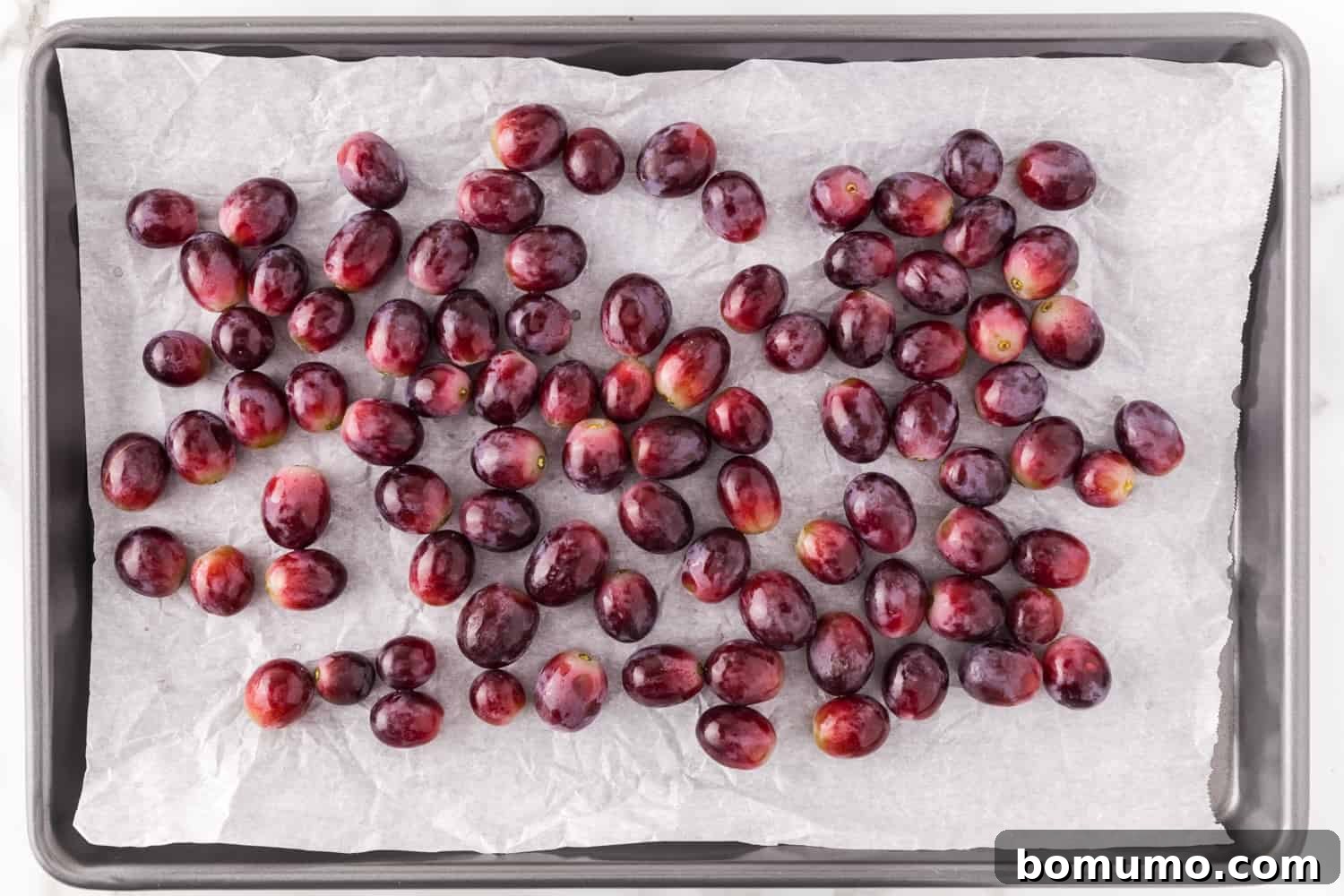
The first step involves transforming ordinary grapes into bursts of caramelized sweetness. Begin by thoroughly rinsing your seedless red grapes under cool water to remove any impurities. Pat them dry with paper towels or a clean kitchen towel; excess moisture can hinder proper caramelization. Toss the dried grapes with just a splash of olive oil – about one tablespoon – ensuring they are lightly coated. Then, arrange them in a single layer on a small rimmed sheet pan. Lining the pan with parchment paper is highly recommended for easy cleanup and to prevent sticking.
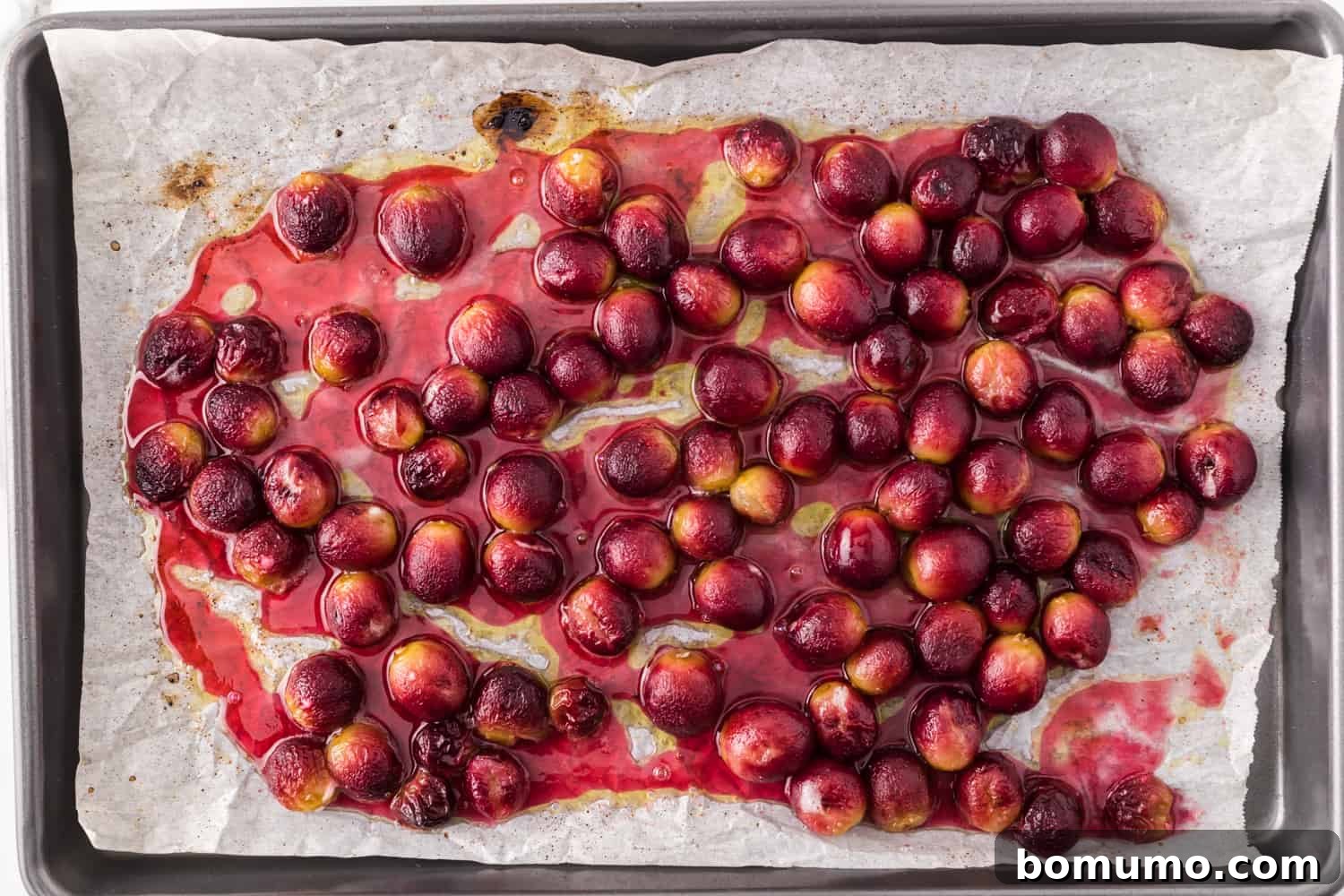
Place the grapes in your preheated oven to roast until they become wonderfully softened, slightly wrinkled, and visibly juicy. This process typically takes around 25 to 30 minutes. For even roasting and caramelization, give the pan a gentle shake every now and then, perhaps every five to seven minutes, to turn the grapes and expose all sides to the heat. You’ll notice their skins begin to burst, releasing their sweet juices, which will concentrate into a delicious syrup.
Step 2: Expertly Cooking the Pork Tenderloin
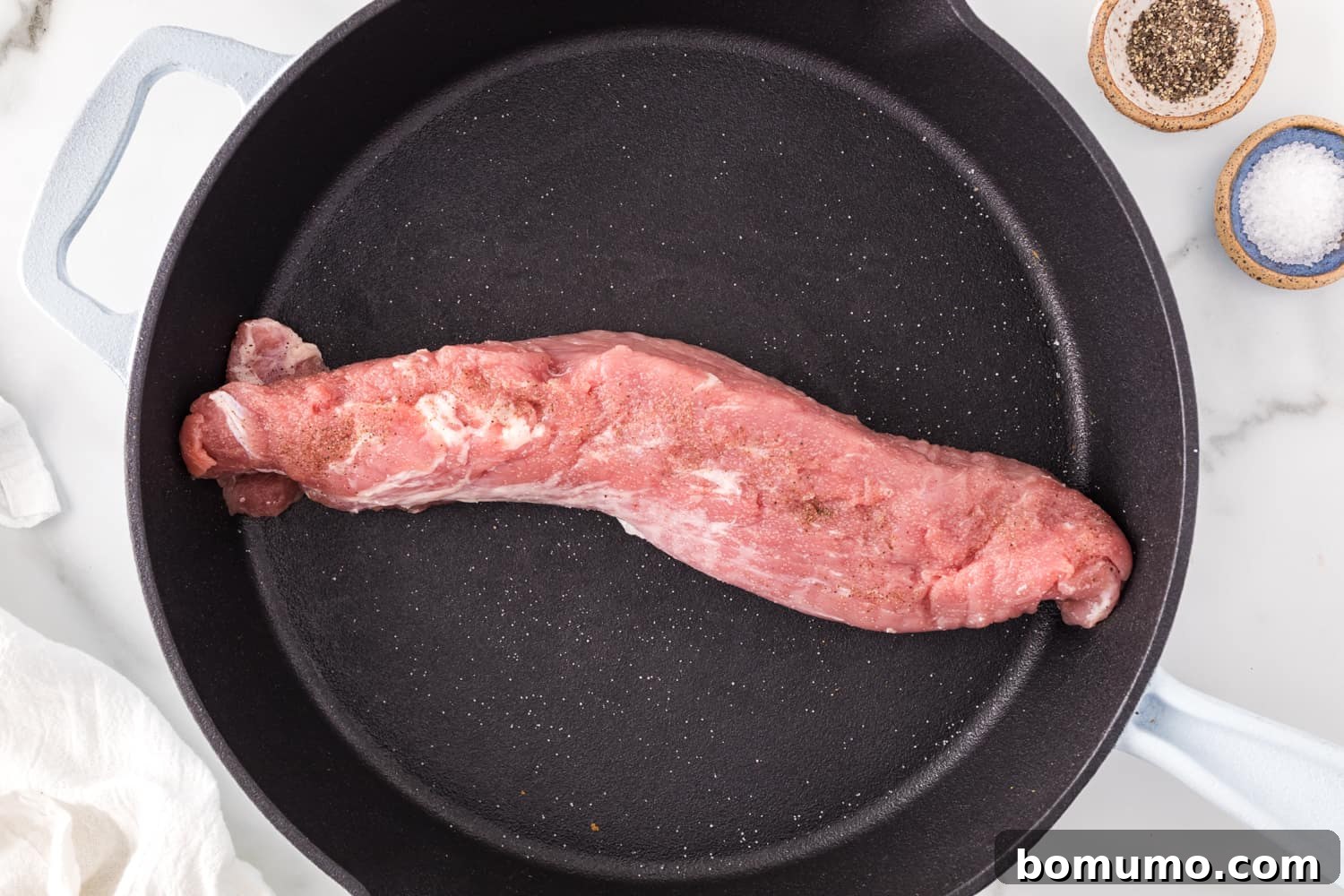
While the grapes are roasting and filling your kitchen with their sweet aroma, it’s time to prepare the star of the show: the pork tenderloin. Heat a large, oven-proof skillet over medium-high heat. A cast-iron skillet works exceptionally well here, providing excellent heat retention and a beautiful sear. While the pan heats, season the pork tenderloin generously on all sides with kosher salt and freshly ground black pepper. Don’t be shy with the seasoning; it forms the foundation of the pork’s flavor.
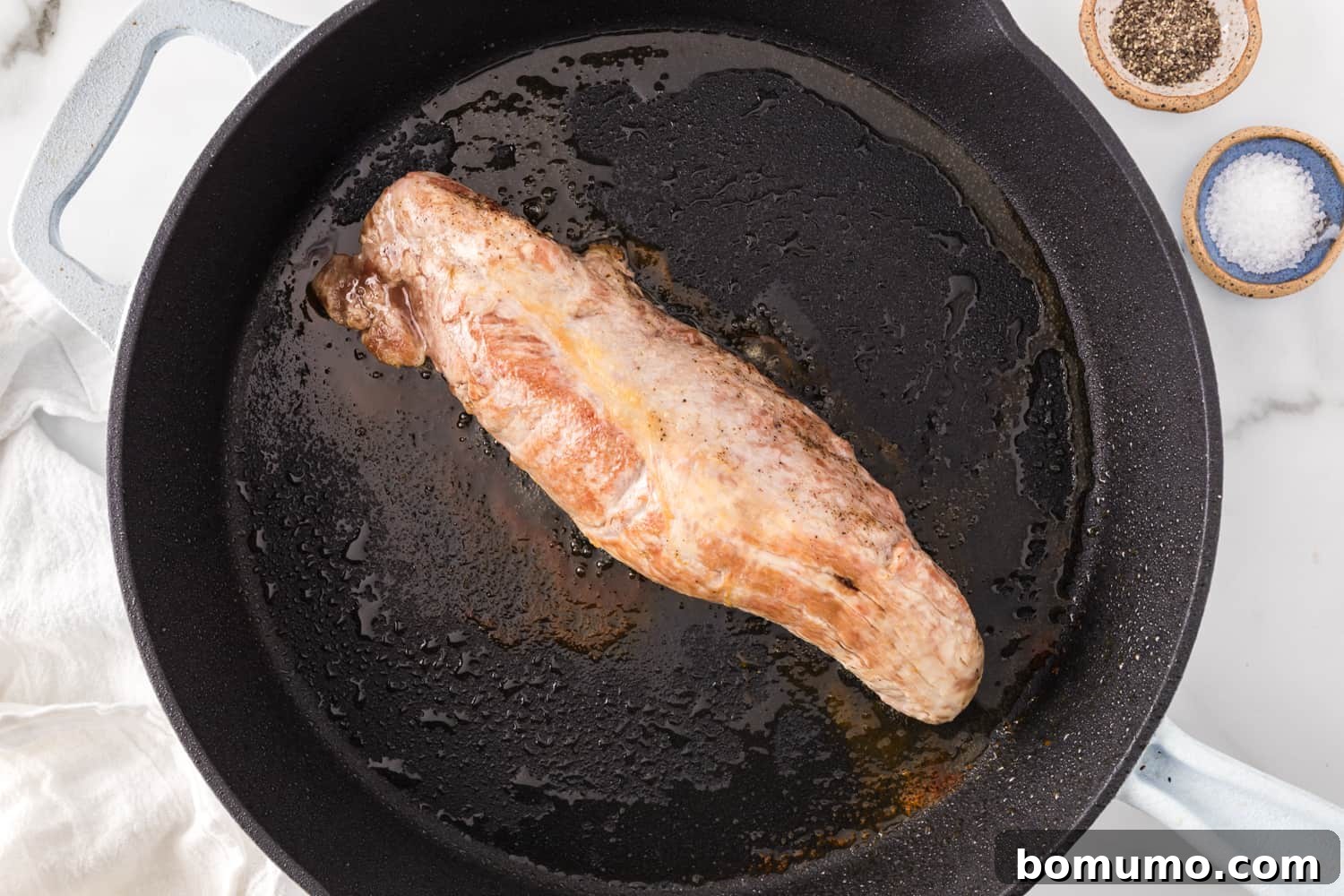
Once your skillet is hot – you should see a wisp of smoke or hear a sizzle when a drop of water hits it – carefully add the seasoned pork. Sear it on one side for about two minutes, aiming for a golden-brown crust. This searing step is crucial for developing rich flavor and locking in moisture. After searing, flip the pork over to the other side and immediately transfer the entire skillet to the oven to finish cooking. Roasting the pork in the oven after searing ensures it cooks evenly through to a tender, juicy finish.
Continue roasting the pork for approximately 20 to 22 minutes, or until an instant-read thermometer inserted into the thickest part of the tenderloin registers an internal temperature of 145°F (63°C). The pork should be just barely pink in the center, ensuring maximum juiciness and flavor. It is vital to avoid overcooking pork tenderloin, as it can quickly become dry and tough. Once cooked, carefully remove the hot skillet from the oven (remember that the handle will be extremely hot!). Transfer the cooked pork tenderloin to a serving platter or cutting board, and tent it loosely with aluminum foil. Allowing the pork to rest for at least 5-10 minutes is a critical step; this enables the juices to redistribute throughout the meat, resulting in a more tender and flavorful finished product.
Step 3: Crafting the Decadent Port Wine Sauce Reduction
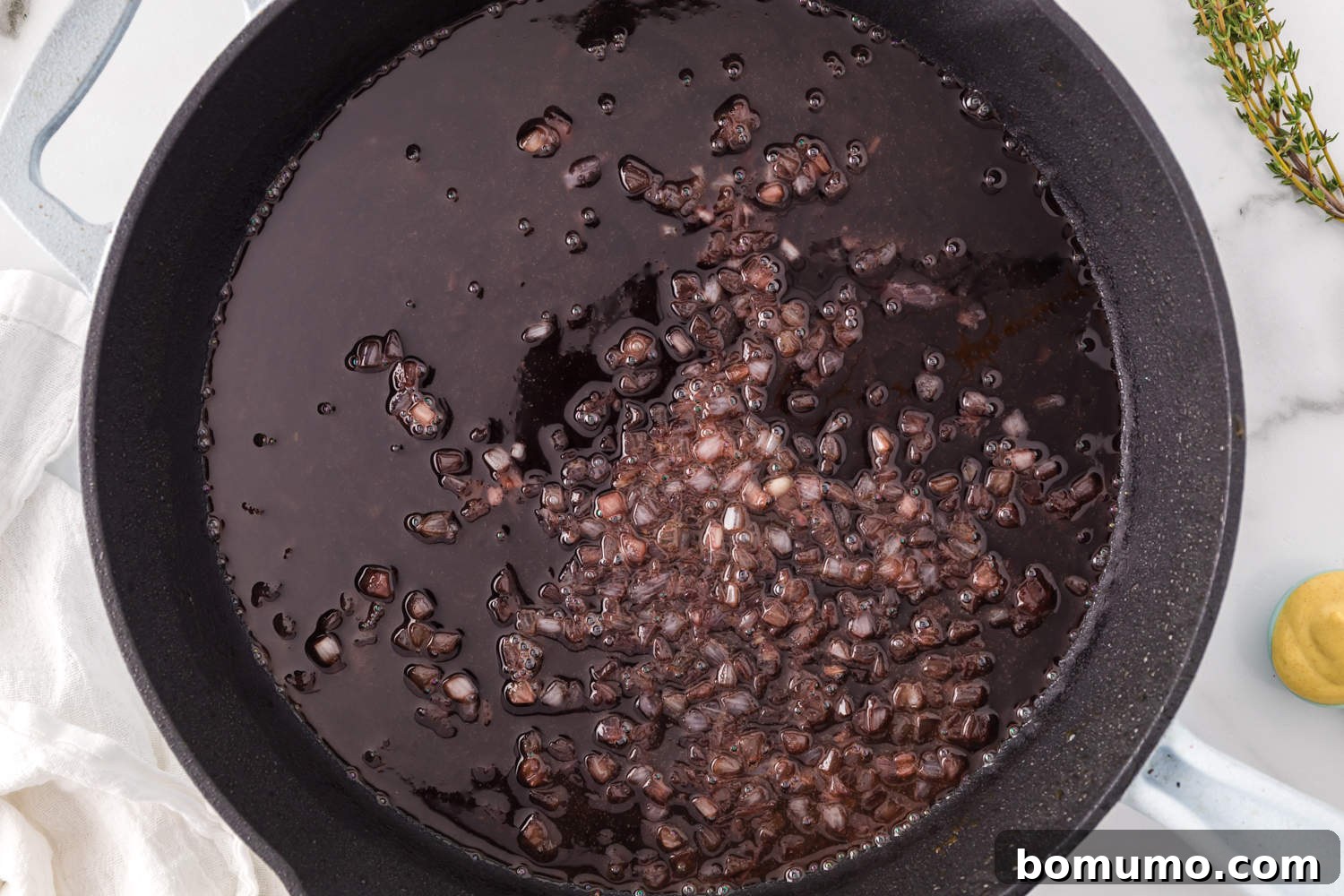
Now, with the pork resting, it’s time to create the spectacular port wine sauce. Place the same skillet you used for the pork back over medium heat on your stovetop. Add the finely chopped shallots and sauté them for about two minutes, or until they have softened and become translucent. As they cook, make sure to scrape the bottom of the pan with a wooden spoon or spatula to release any browned bits of pork (“fond”) that have accumulated during searing. These flavorful bits will significantly enhance the depth of your sauce.
Pour in the port wine and bring it to a simmer, allowing it to cook for a few minutes until it has reduced by half. This reduction process concentrates the wine’s sweetness and complexity. The alcohol will evaporate, leaving behind a rich, flavorful base for your sauce.
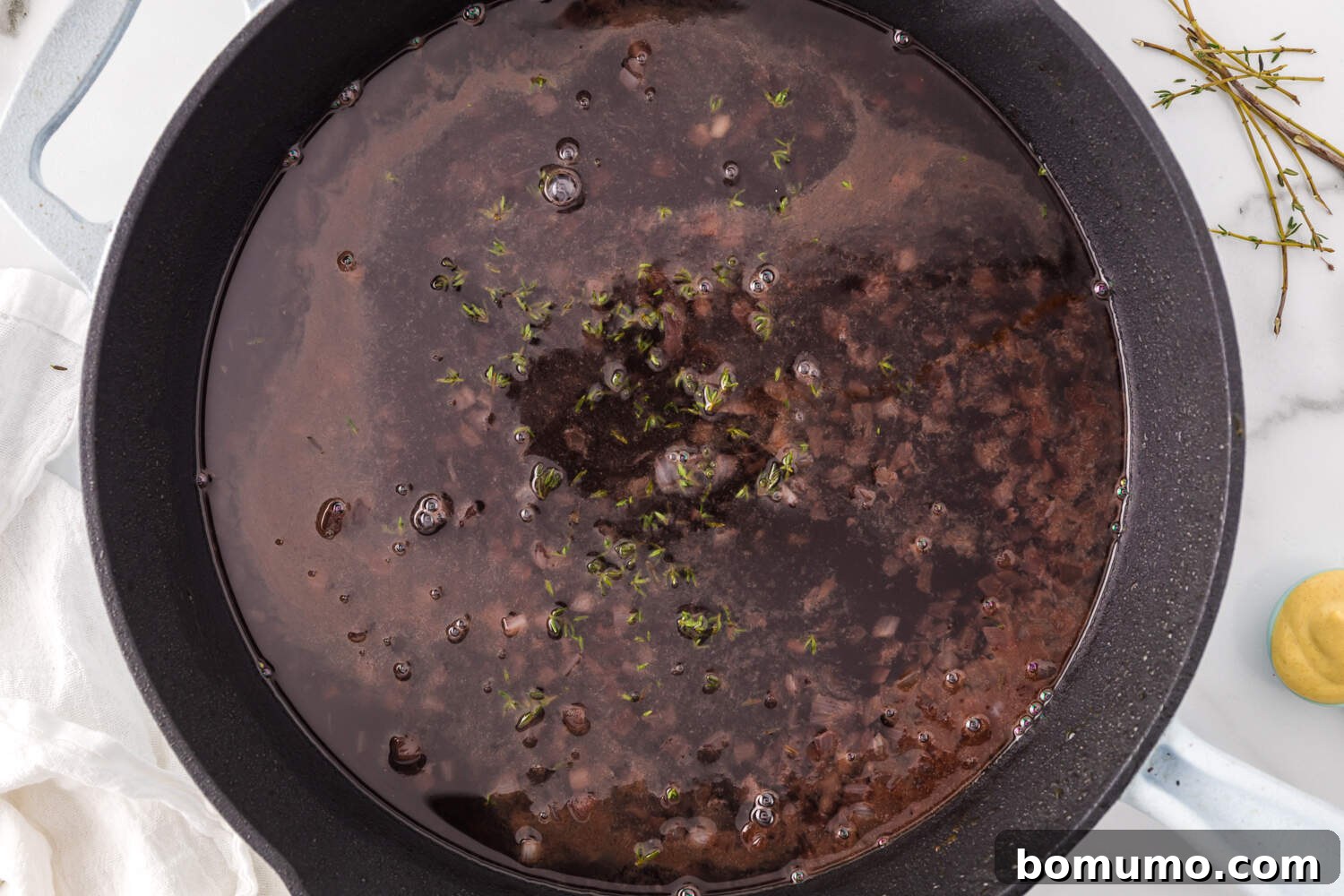
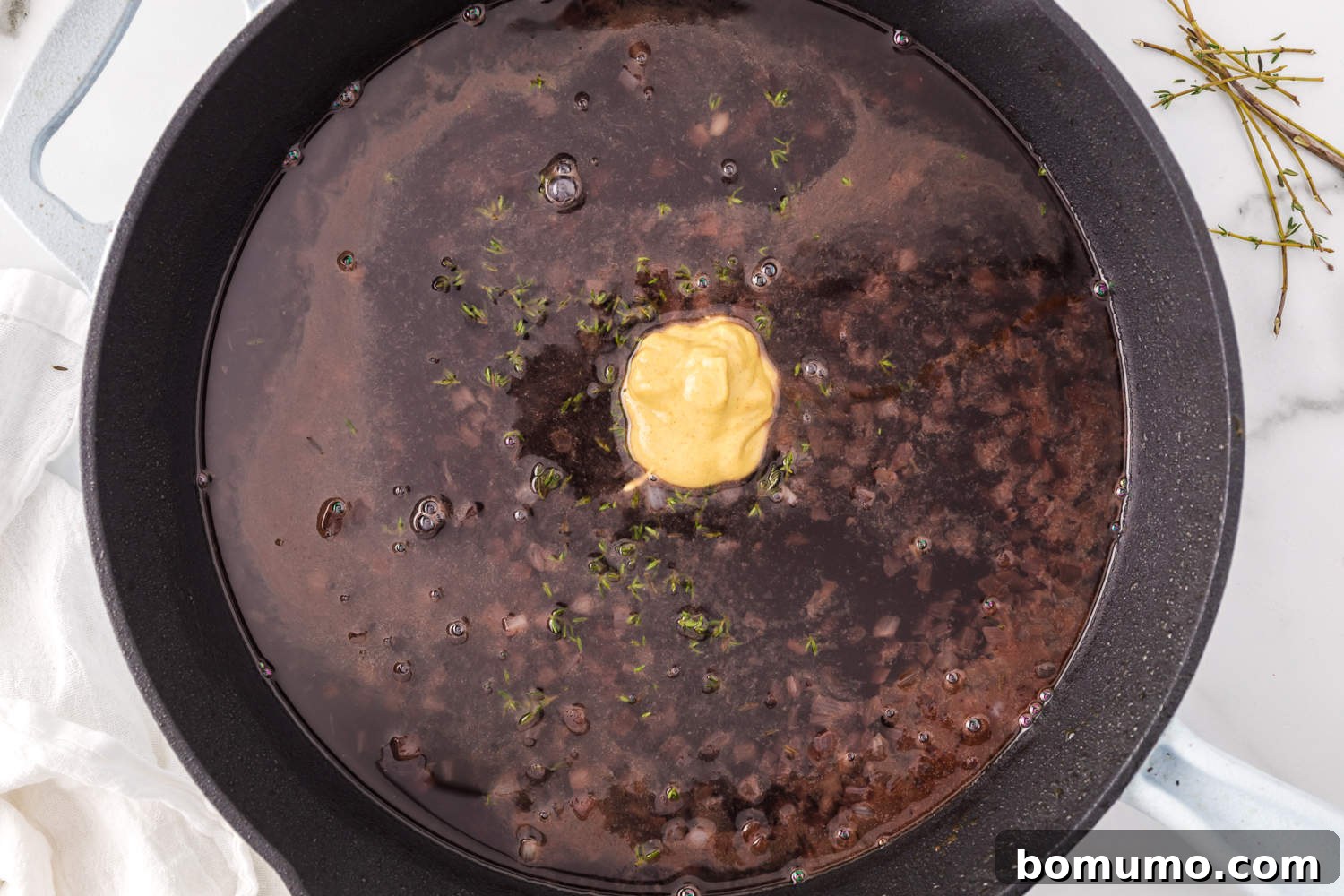
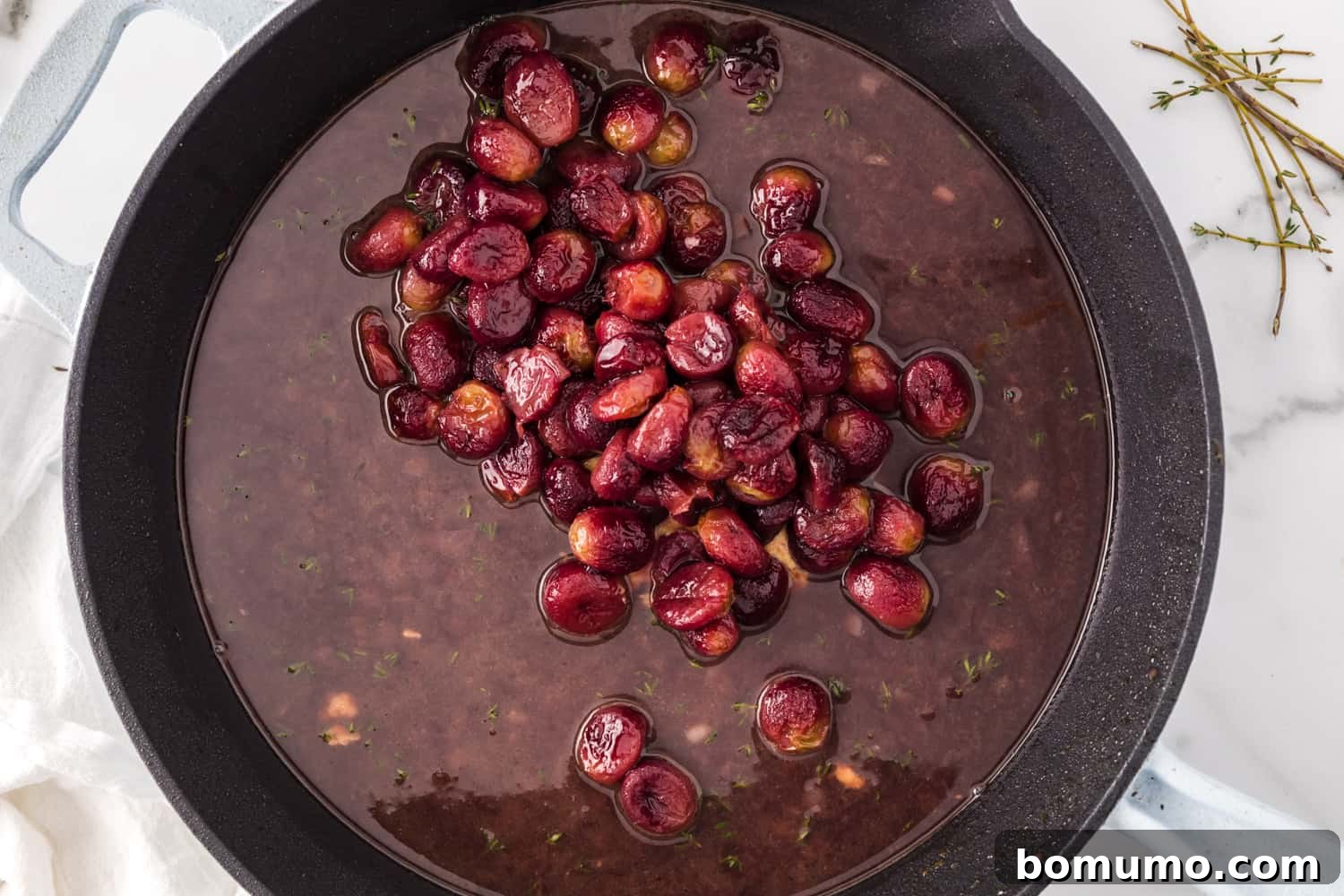
Next, stir in the chicken broth, Dijon mustard, fresh thyme, and the star of the sauce: your roasted grapes. Don’t forget to add any accumulated juices from the roasted grapes that may be on the sheet pan – these are pure flavor gold! Bring the entire mixture to a gentle simmer. In a small separate bowl, whisk together the cornstarch and water to create a smooth slurry. Gradually pour this slurry into the simmering sauce while stirring constantly. Continue to cook, stirring, for about 30 seconds to 1 minute, until the sauce visibly thickens to your desired consistency. Once thickened, immediately remove the skillet from the heat to prevent over-thickening.
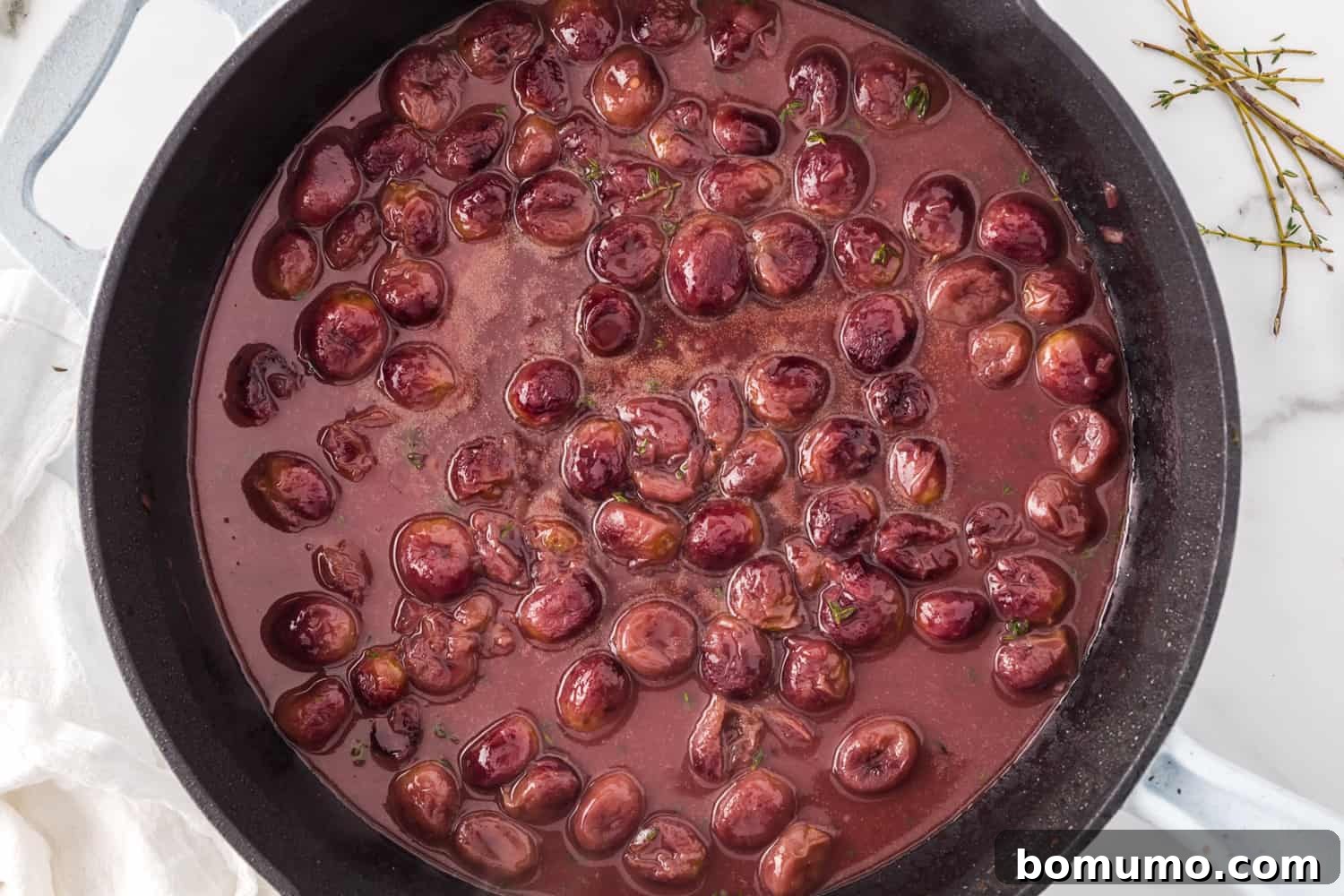
Step 4: Slice, Garnish, and Serve Immediately
Once your pork tenderloin has rested sufficiently, use a very sharp knife to slice it horizontally into thick, even medallions. Aim for slices roughly ¾ to 1 inch thick. This allows for a beautiful presentation and ensures each piece is tender and moist.
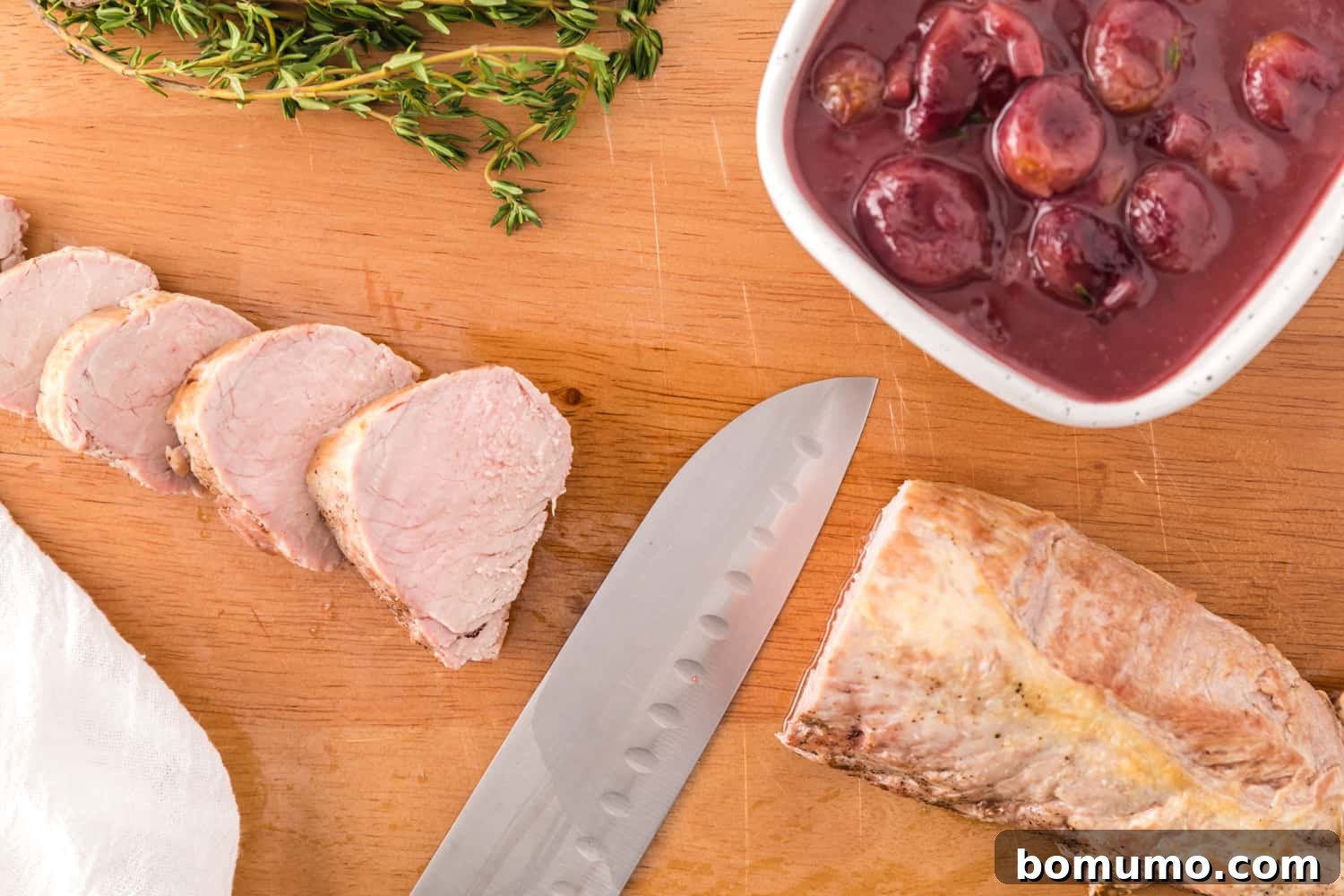
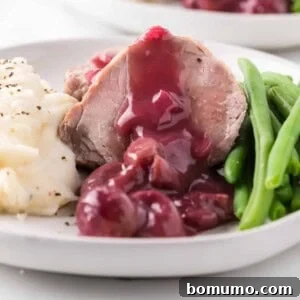
Arrange the sliced pork tenderloin artfully on your serving platter or individual plates. Generously spoon the warm port wine and roasted grape sauce over the pork, allowing the rich, glossy sauce to cascade over the meat. For an added touch of freshness and visual appeal, consider garnishing with a sprinkle of fresh thyme leaves or chopped parsley. Serve this exquisite dish immediately, allowing your guests to savor the harmonious blend of flavors and textures.
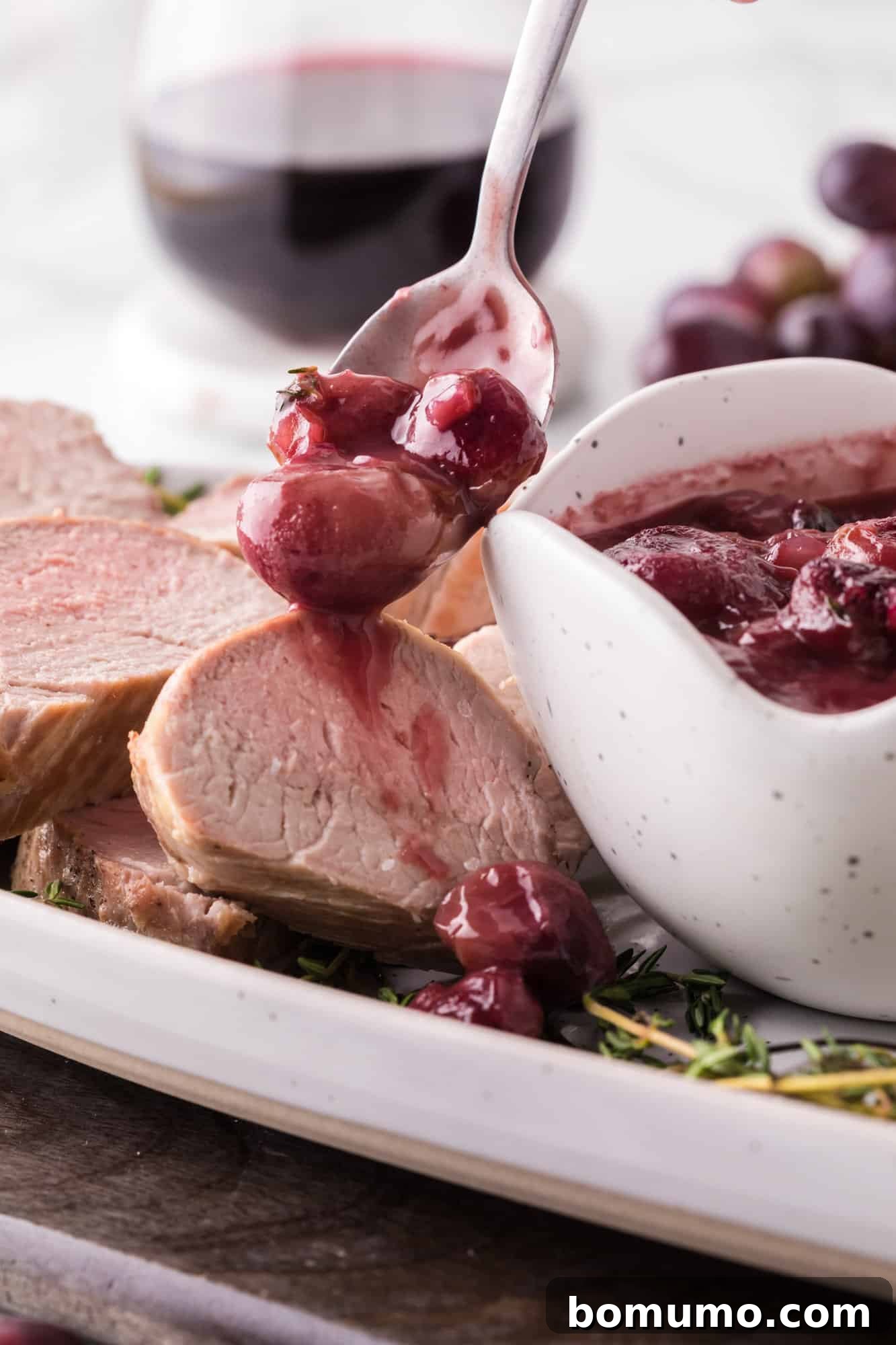
Elevate Your Meal: Inspired Serving Suggestions
This Pork Tenderloin with Port Wine Sauce and Roasted Grapes is a versatile main course that pairs wonderfully with a variety of side dishes. Here are some thoughtfully curated suggestions to complete your elegant meal:
Creamy & Comforting Sides:
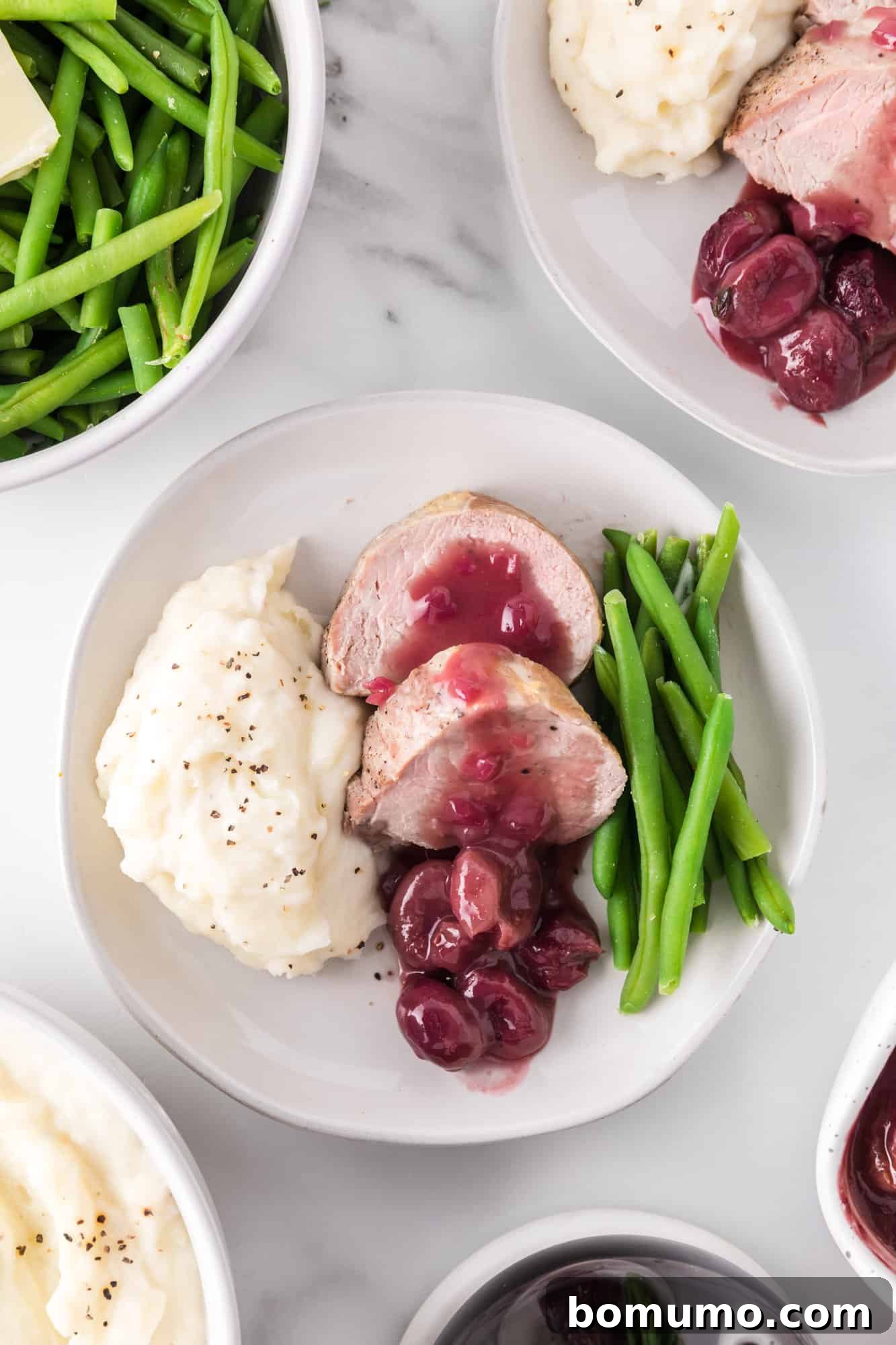
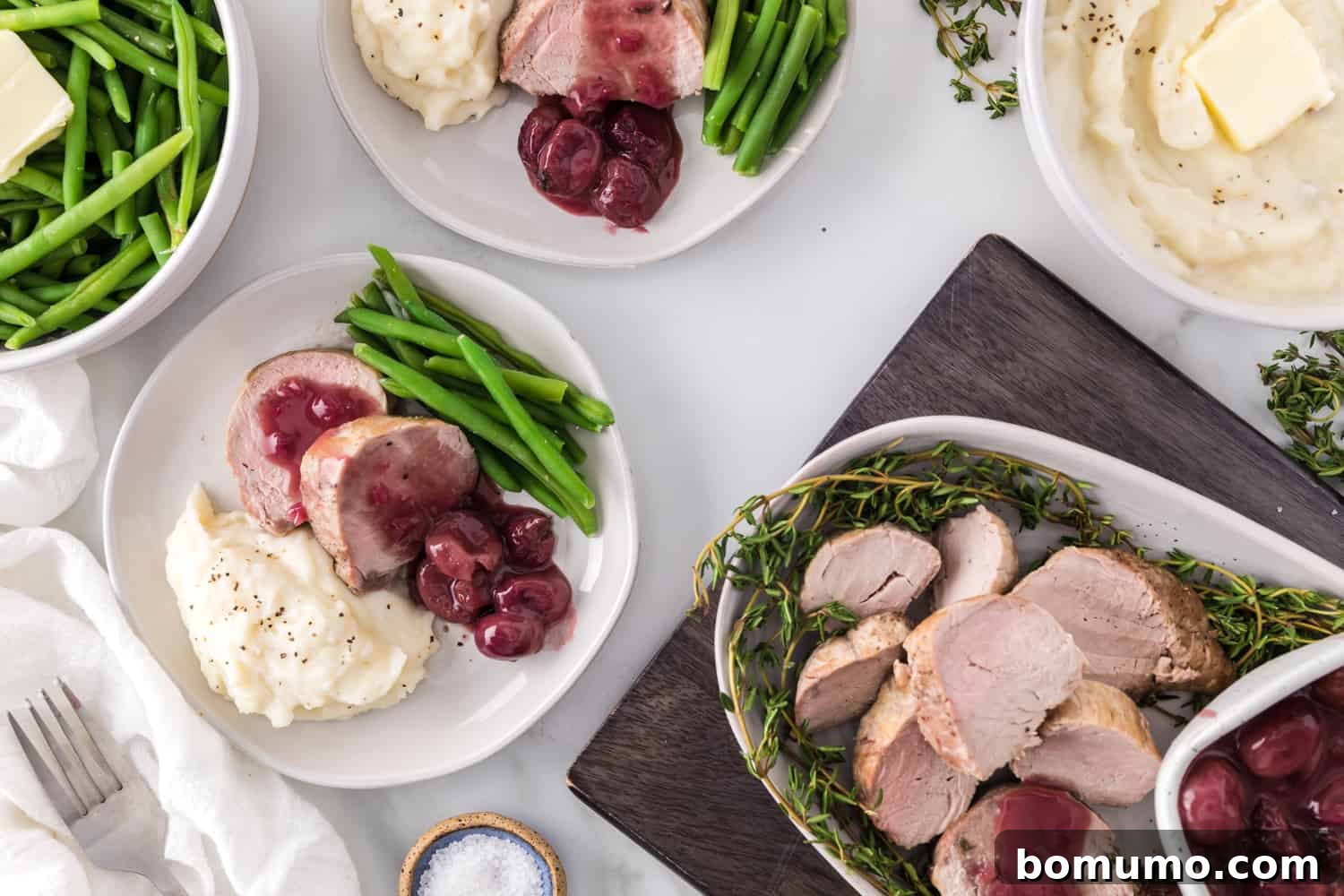
For a classic and utterly satisfying pairing, I highly recommend serving the pork and its luscious sauce with creamy mashed potatoes. My Instant Pot mashed potatoes or mashed red potatoes offer a perfect backdrop, soaking up every drop of that rich sauce. Alternatively, a smooth and creamy polenta provides a sophisticated touch; try my easy Instant Pot polenta for a quick and delicious option. The creamy texture of these sides provides a comforting contrast to the tender pork and vibrant sauce.
Light & Low-Carb Alternatives:
If you’re seeking a lighter or low-carb option, there are several excellent choices that complement the dish beautifully. Roasted cauliflower brings a nutty sweetness and tender texture, while cauliflower rice offers a lighter grain alternative that can absorb the sauce’s flavors. Diced roasted turnips are another fantastic option, offering an earthy flavor and can conveniently be roasted in the oven alongside the pork or grapes.
Vibrant Green Vegetables:
To add color, freshness, and essential nutrients to your plate, include a vibrant green vegetable. Steamed green beans are a simple yet elegant choice. For deeper flavor, consider roasted broccoli or roasted asparagus, both of which develop a lovely caramelization and tenderness when oven-roasted. For an exciting and flavorful twist, try smashed Brussels sprouts; they crisp up beautifully in the oven and can often be roasted at the same temperature as the pork, making meal preparation incredibly convenient.
Dessert Pairings:
Conclude your memorable meal with a delightful dessert. A warm apple blueberry crisp, especially when topped with a scoop of vanilla ice cream, offers a comforting and sweet finish. For chocolate lovers, rich cream cheese-filled brownies are an amazing indulgence, while classic snickerdoodle bars provide a cozy, cinnamon-spiced sweetness that’s always a crowd-pleaser.
Storage Tips
To ensure you can enjoy this delicious meal even after the initial serving, here are some helpful tips for storing and reheating your leftover pork tenderloin and port wine sauce:
Refrigerate: Any leftover pork tenderloin should be promptly covered and refrigerated within two hours of cooking. It will stay fresh and delicious for up to three days. For optimal flavor and moisture, I recommend slicing the entire tenderloin and storing it together with the port wine and roasted grape sauce in an airtight container. The sauce will help keep the pork moist and infuse it with even more flavor.
Reheat: When reheating, take care not to overcook the pork, as this can lead to a dry and tough texture. For single portions, the microwave is a convenient option; reheat gently using 50% power in short intervals, stirring the sauce occasionally, until warmed through. For larger quantities, transfer the pork and sauce to a skillet and warm it over medium-low heat on the stovetop. Cover the skillet to help retain moisture and stir occasionally until the dish is heated through. Always ensure the pork reaches an internal temperature of 165°F (74°C) for food safety when reheating.
Freezing (Optional): While best enjoyed fresh or refrigerated, cooked pork tenderloin with sauce can be frozen. Store in an airtight, freezer-safe container for up to 2-3 months. Thaw overnight in the refrigerator before reheating gently as described above. Be aware that the texture of the grapes may soften further upon thawing and reheating, but the flavor will still be excellent.
Unlock Your Free Meal Plan
Streamline your cooking with our expertly curated weekly meal plans! Each plan includes wholesome, delicious recipes for every weekday, complete with a categorized grocery list to make shopping a breeze. This recipe is featured in my Meal Plan #42 and Meal Plan #94. Let me take the stress out of meal planning for you this week!
Discover More Delectable Pork Recipes
Pork Chops with Balsamic Caramelized Onions
Spice Rubbed Pork Tenderloin Recipe
Pork Medallions with Lemon Garlic Sauce
Pork Tenderloin with Apples and Onions
Pork Tenderloin with Port Wine Sauce & Roasted Grapes
Ingredients
- 3 cups seedless red grapes
- 2 tablespoons extra-virgin olive oil, divided
- 1 pork tenderloin, trimmed (1 to 1½ pounds)
- ½ teaspoon kosher salt
- ½ teaspoon freshly ground pepper
- ¼ cup finely chopped shallots (1 large shallot)
- ½ cup port wine
- ½ cup reduced-sodium chicken broth
- 1 tablespoon Dijon mustard
- 1 teaspoon chopped fresh thyme
- 2 teaspoons water
- 2 teaspoons cornstarch
Instructions
-
Position oven racks in the middle and lower third. Preheat oven to 425ºF (220°C).
-
Toss the grapes with 1 tablespoon of olive oil. Spread them evenly on a rimmed baking sheet lined with parchment paper. Roast on the lower rack, shaking the pan occasionally (about every five minutes) to turn the grapes, until they are soft, juicy, and slightly wrinkled, approximately 25 to 30 minutes.3 cups seedless red grapes, 2 tablespoons extra-virgin olive oil, divided
-
Meanwhile, trim the pork tenderloin to remove any silver skin; season generously with salt and pepper. Heat the remaining 1 tablespoon of olive oil in a large oven-proof skillet over medium-high heat. Add the pork and brown it on one side for about 2 minutes. Flip the pork over and transfer the skillet to the oven on the upper rack. Roast the pork until it’s just barely pink in the center and an instant-read thermometer registers 145°F (63°C), which typically takes 22 to 24 minutes.1 pork tenderloin, trimmed, ½ teaspoon kosher salt, ½ teaspoon freshly ground pepper
-
Once cooked, transfer the pork to a cutting board and let it rest for 5 minutes before slicing. Tent it loosely with foil to keep it warm.
-
Return the same skillet to medium heat and add the finely chopped shallots. Cook until softened, about 2 minutes, scraping any brown bits from the bottom of the pan. Add the port wine and cook until it has reduced by half, approximately 2 to 4 minutes. Stir in the chicken broth, Dijon mustard, fresh thyme, the roasted grapes, and any juices that accumulated on the baking sheet; bring the mixture to a simmer.¼ cup finely chopped shallots, ½ cup port wine, ½ cup reduced-sodium chicken broth, 1 tablespoon Dijon mustard, 1 teaspoon chopped fresh thyme
-
In a small bowl, whisk together the water and cornstarch to create a slurry. Stir this slurry into the pan sauce. Cook, stirring constantly, until the sauce thickens to your desired consistency, usually 30 seconds to 1 minute. Remove from heat.2 teaspoons water, 2 teaspoons cornstarch
-
Slice the rested pork tenderloin into medallions and serve immediately, generously spooning the warm port wine and roasted grape sauce over each serving.
Notes
- Nutrition information is calculated for a 6 oz. serving of pork, with roasted grapes and sauce.
Video Overview
For a visual guide to preparing this exquisite dish, watch our comprehensive video tutorial. It covers each step, from roasting the grapes to perfecting the port wine sauce, ensuring you achieve a flawless result.
Nutrition Facts
Nutrition information is automatically calculated, so should only be used as an approximation.