
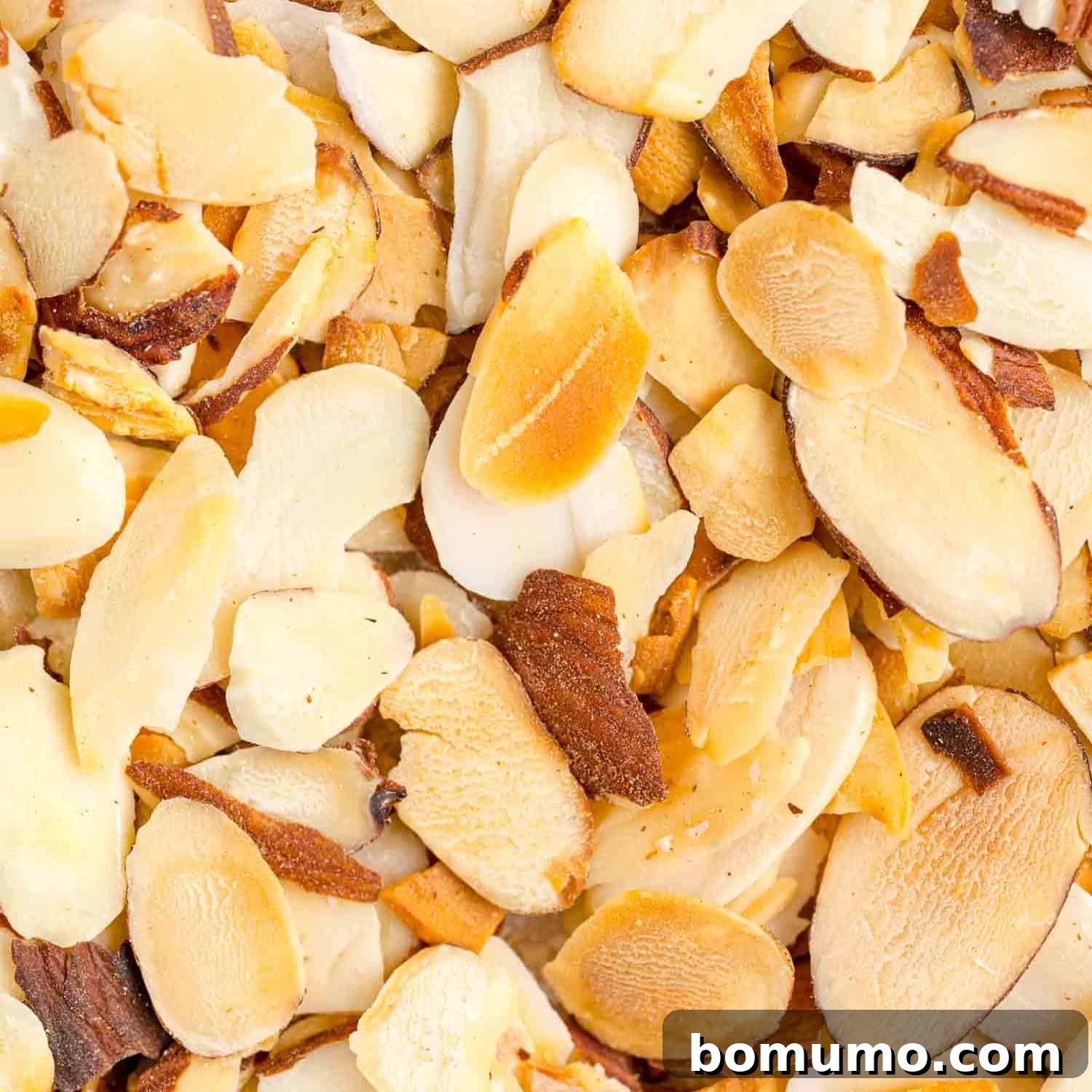
Welcome to the definitive guide on how to toast almonds, elevating your culinary creations with a simple yet transformative technique! Toasting almonds is a remarkably effective way to unlock their full potential, enhancing their naturally rich, nutty flavor and delivering an irresistible crunch. Whether you’re a seasoned chef or a home cook looking to improve your pantry staples, mastering this skill is a game-changer. In this comprehensive guide, we’ll explore three effortless methods to toast almonds: using your oven, a microwave, or a stovetop skillet. Each method offers unique advantages, ensuring you can achieve perfectly toasted almonds no matter your kitchen setup or time constraints. Prepare to discover how mere minutes can turn raw almonds into a versatile ingredient that will revolutionize your snacks, meals, and desserts.
Recipe Overview: Perfecting Toasted Almonds
Why you’ll love it: Toasting almonds transforms their texture and flavor, making them an unparalleled addition to countless dishes. They become wonderfully crunchy, developing a deeper, more aromatic nuttiness that elevates everything from morning oatmeal and granola to vibrant salads, sophisticated desserts, and even savory main courses. Beyond culinary applications, perfectly toasted almonds are an incredibly satisfying and healthy snack, packed with nutrients that keep you fueled throughout your day.
How long it takes: The process is incredibly swift, requiring just mere minutes on the stovetop or in the microwave, and slightly longer, but still quick, in the oven. This efficiency makes it easy to incorporate into any meal prep or last-minute recipe enhancement.
Equipment you’ll need: Depending on your chosen method, essential equipment includes a sturdy skillet for stovetop toasting, a microwave-safe plate for microwave convenience, or a baking sheet for oven roasting. Minimal tools are required, ensuring a fuss-free experience.
Servings: This method is highly adaptable. You can easily toast as many almonds as your recipe demands or prepare a larger batch for convenient storage and future use. The quantities are entirely flexible to suit your needs.
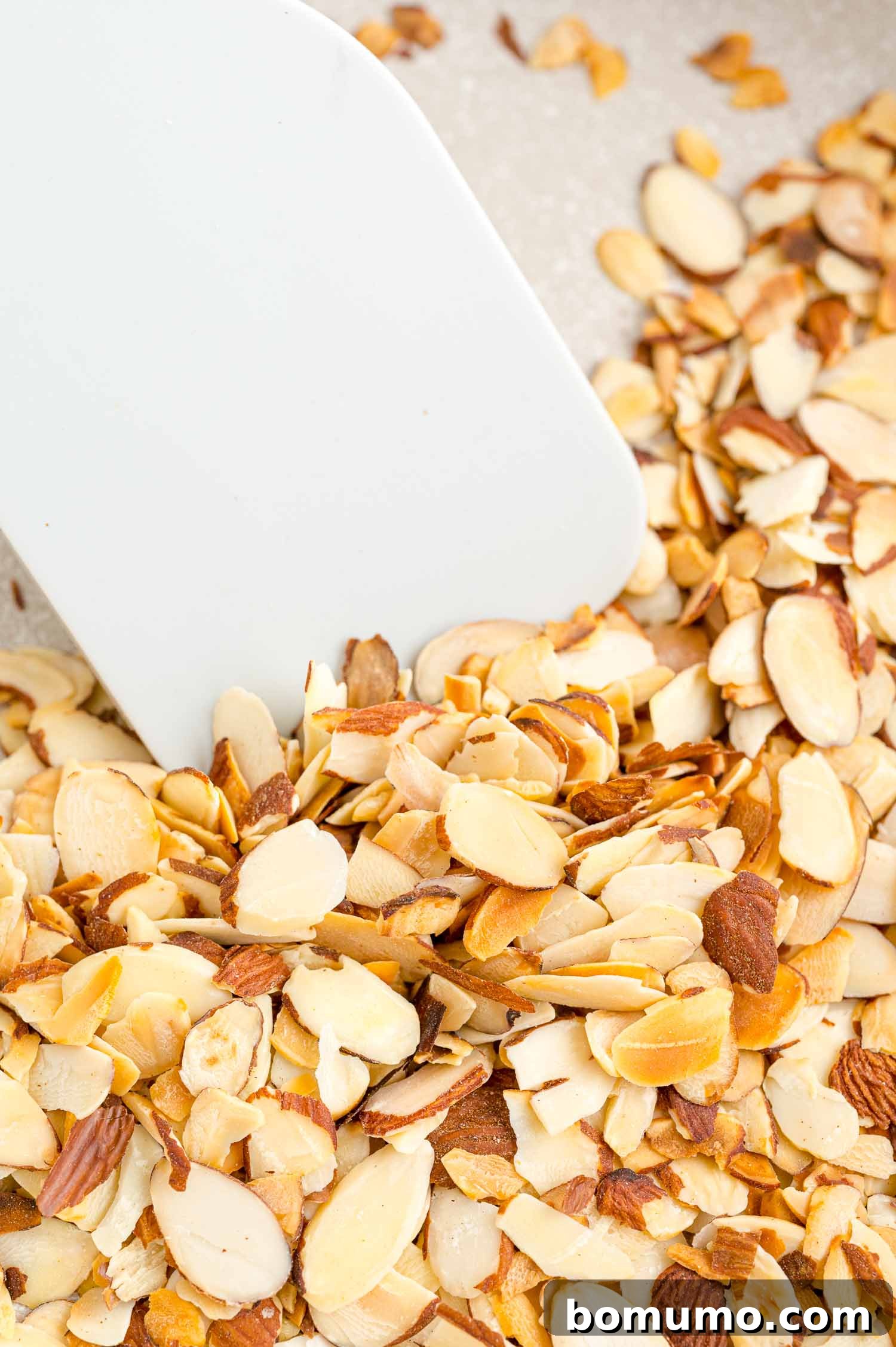
Mastering the Art of Toasting Almonds at Home
Whether you find yourself irresistibly snacking on these golden-brown gems by the handful or incorporating their delightful texture into your favorite dishes, toasted almonds offer an endless array of culinary possibilities. Almonds are celebrated for their wholesome nutrition, rich flavor, and satisfying crunch. Yet, a simple toasting process elevates them from good to truly exceptional, intensifying their natural characteristics and making them an indispensable ingredient in any kitchen.
Learning how to toast nuts is one of those understated kitchen skills that, once acquired, you’ll wonder how you ever managed without it. It’s a fundamental technique that consistently enhances the flavor and texture of various ingredients and garnishes. This guide aims to make you an expert in this simple art. We’ll meticulously cover three primary methods for toasting almonds: on the stovetop for quick results, in the microwave for convenience, and in the oven for even browning and larger batches. Each method is straightforward, designed to deliver perfectly toasted almonds every time, turning a basic nut into a star ingredient.
The Transformative Power: Why You Should Toast Almonds
If you’re contemplating whether toasting almonds is truly worth the minimal extra effort, the answer is a resounding yes! The benefits are undeniable and significantly improve the sensory experience of eating almonds. Here’s a closer look at why this simple step makes such a profound difference and why you’ll be glad you took the time:
- Unmatched Crunchiness: Toasting almonds involves a crucial process of drying out their inherent moisture. As the almonds heat, their natural oils are gently released and undergo a subtle transformation, resulting in a significantly crisper and more satisfying texture. This deepens the crunch, making them more enjoyable to eat on their own and providing a textural contrast in various recipes.
- Intensified Flavor Profile: The magic of toasting lies in its ability to enhance the complex nutty flavors of almonds. This process, often referred to as the Maillard reaction, involves amino acids and sugars reacting under heat, creating hundreds of new flavor compounds. This reaction deepens and concentrates the almonds’ inherent nutty notes, developing a more robust, complex, and aromatic taste that raw almonds simply cannot offer. If a recipe specifically calls for toasted almonds, it’s not just a suggestion; it’s a critical step to achieve the intended depth of flavor. Once you experience the rich, warm taste of toasted nuts, you’ll likely find yourself toasting them for every application.
- Incredible Versatility: Perfectly toasted almonds are an incredibly versatile ingredient, ready to be incorporated into an endless array of dishes. They instantly elevate both sweet and savory recipes. Beyond being a healthy and satisfying snack on their own, they can be easily customized with various seasonings to create endless flavor variations. Imagine sweet cinnamon-sugar almonds for a dessert topping or savory rosemary-garlic almonds for a salad. This versatility makes them a staple for creative cooking.
Beyond Almonds: Toasting a Variety of Nuts and Seeds
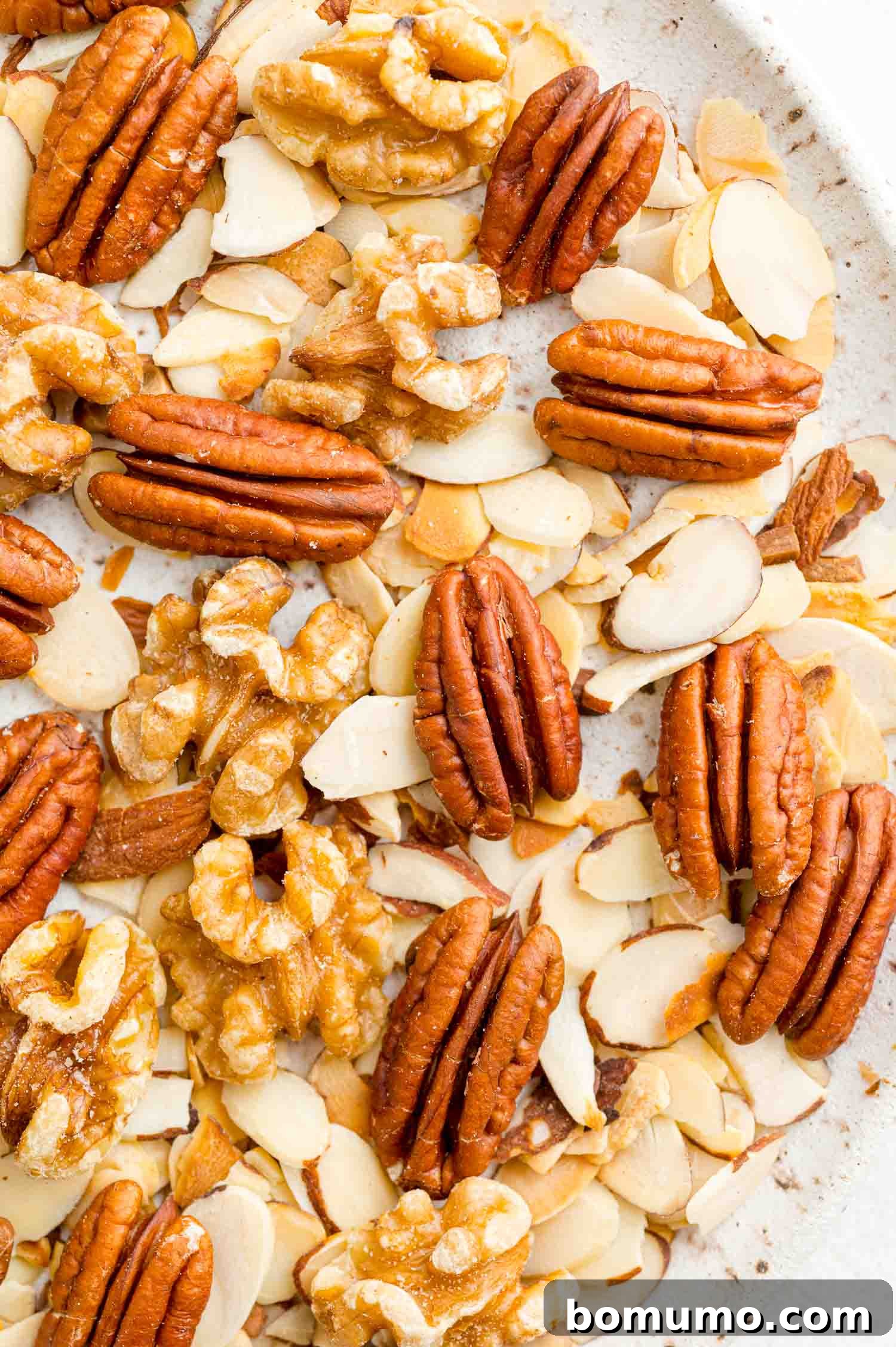
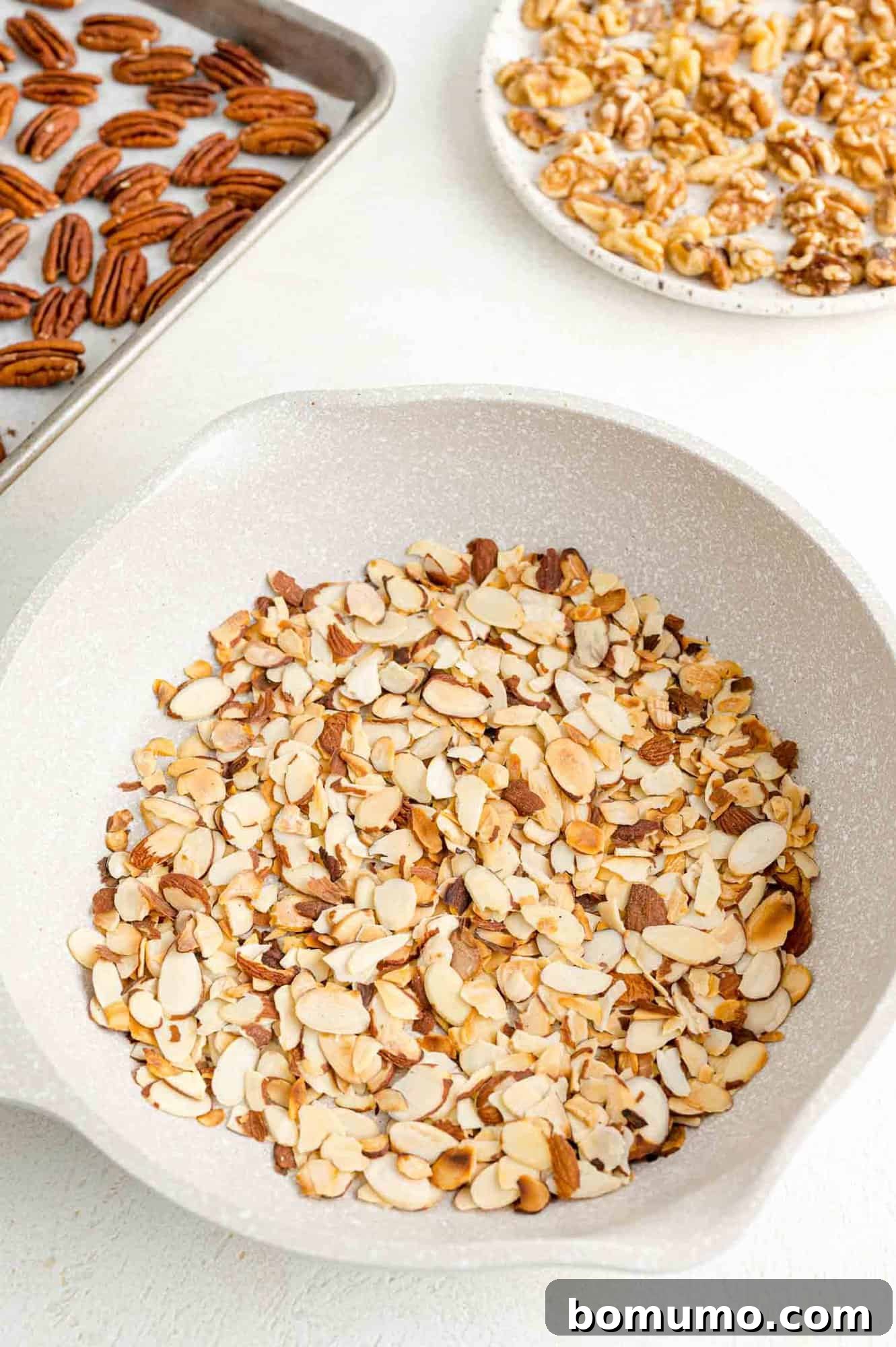
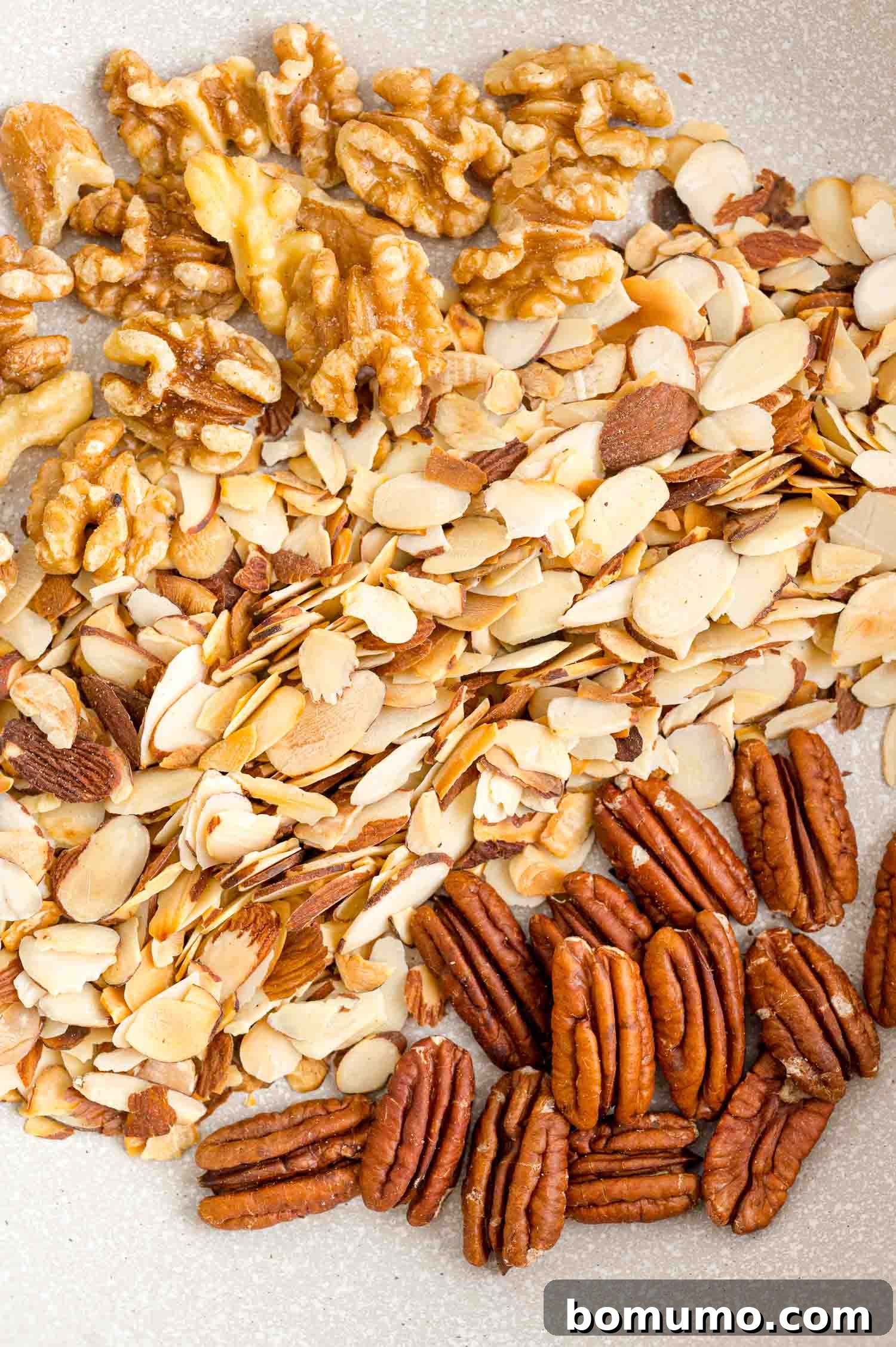
The excellent news is that the fundamental principles and techniques we’ll cover for toasting almonds are broadly applicable to a wide range of other nuts and seeds. Whether you’re working with pecans, walnuts, pine nuts, cashews, hazelnuts, or even smaller seeds like pepitas (pumpkin seeds) and sunflower seeds, these three methods—stovetop, microwave, and oven—will serve you well. The core goal remains the same: to enhance flavor, deepen color, and improve texture through controlled heat.
It’s crucial to remember that while the methods are similar, the exact toasting times will vary. This is primarily dependent on the size, density, and thickness of the nuts or seeds you are toasting. Smaller, thinner items like slivered almonds or pine nuts will toast much faster than larger, denser nuts like whole walnuts or pecans. Always monitor your nuts closely, regardless of the variety, as they can transition from perfectly toasted to burnt in a matter of seconds. Rely on your senses of smell (a fragrant, nutty aroma) and sight (a light golden-brown color) to determine doneness.
For those interested in specific instructions for other varieties, you can delve deeper into dedicated guides, such as how to toast pine nuts, how to toast walnuts, and how to toast pecans. Keep an eye out for future posts that will continue to expand your repertoire of toasting knowledge!
The Nutritional Powerhouse: Are Almonds Good For You?
Beyond their delicious taste and satisfying texture, almonds are also an incredibly healthy food, offering a wide array of nutritional benefits that contribute to overall well-being. Incorporating them into your diet, whether raw or toasted, is an excellent choice for a balanced lifestyle. The slight heat of toasting doesn’t diminish these nutritional qualities; in fact, it can sometimes make certain nutrients more bioavailable.
Almonds are remarkably rich in healthy monounsaturated fats, which are known for their heart-protective properties. They are also a fantastic source of plant-based protein, making them an ideal snack or ingredient for those following vegetarian or vegan diets, or simply looking to boost their protein intake. Furthermore, almonds are packed with dietary fiber, which aids in digestion and helps promote a feeling of fullness, contributing to weight management. They are an excellent source of Vitamin E, a powerful antioxidant that helps protect cells from oxidative damage, and magnesium, vital for muscle and nerve function, blood sugar control, and blood pressure regulation.
Despite their nutrient density, almonds are naturally low in carbohydrates, making them a suitable option for various dietary preferences, including low-carb and ketogenic plans. Their unique blend of healthy fats, protein, and fiber works synergistically to stabilize blood sugar levels and provide sustained energy. As highlighted by Healthline, the benefits are numerous and scientifically supported, solidifying almonds’ reputation as a true superfood. Enjoying toasted almonds is a flavorful way to reap all these fantastic health advantages.
How to Toast Almonds: Three Convenient Methods
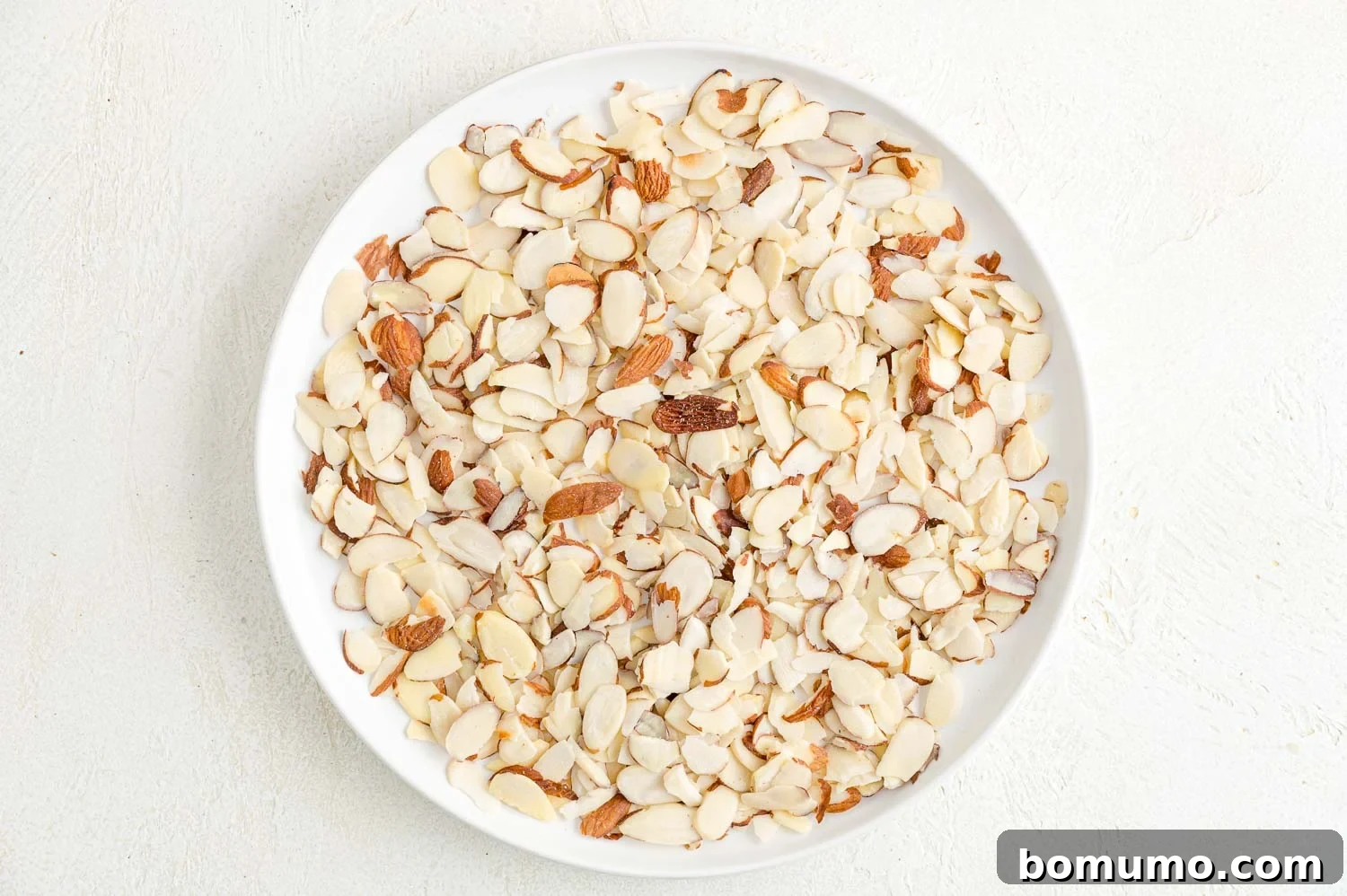
Preparing perfectly toasted almonds is a simple process, and you’ll generally need about 1 cup of raw almonds to start, whether they are whole, slivered, or sliced. Don’t hesitate to prepare more in batches as needed for larger recipes or meal prep. Below, we’ll guide you through each of the three popular methods—stovetop, microwave, and oven—detailing the steps to ensure delicious results every time. For comprehensive, step-by-step instructions and specific timing, please refer to the dedicated recipe card further down this page.
On the Stove Top: Quick and Crisp
The stovetop method is particularly excellent for achieving quick results and is often preferred for slivered or sliced almonds, as their thinner profile allows for more even browning. A large, dry skillet is your key piece of equipment here. Here’s a detailed breakdown of how to toast almonds effectively on your stovetop:
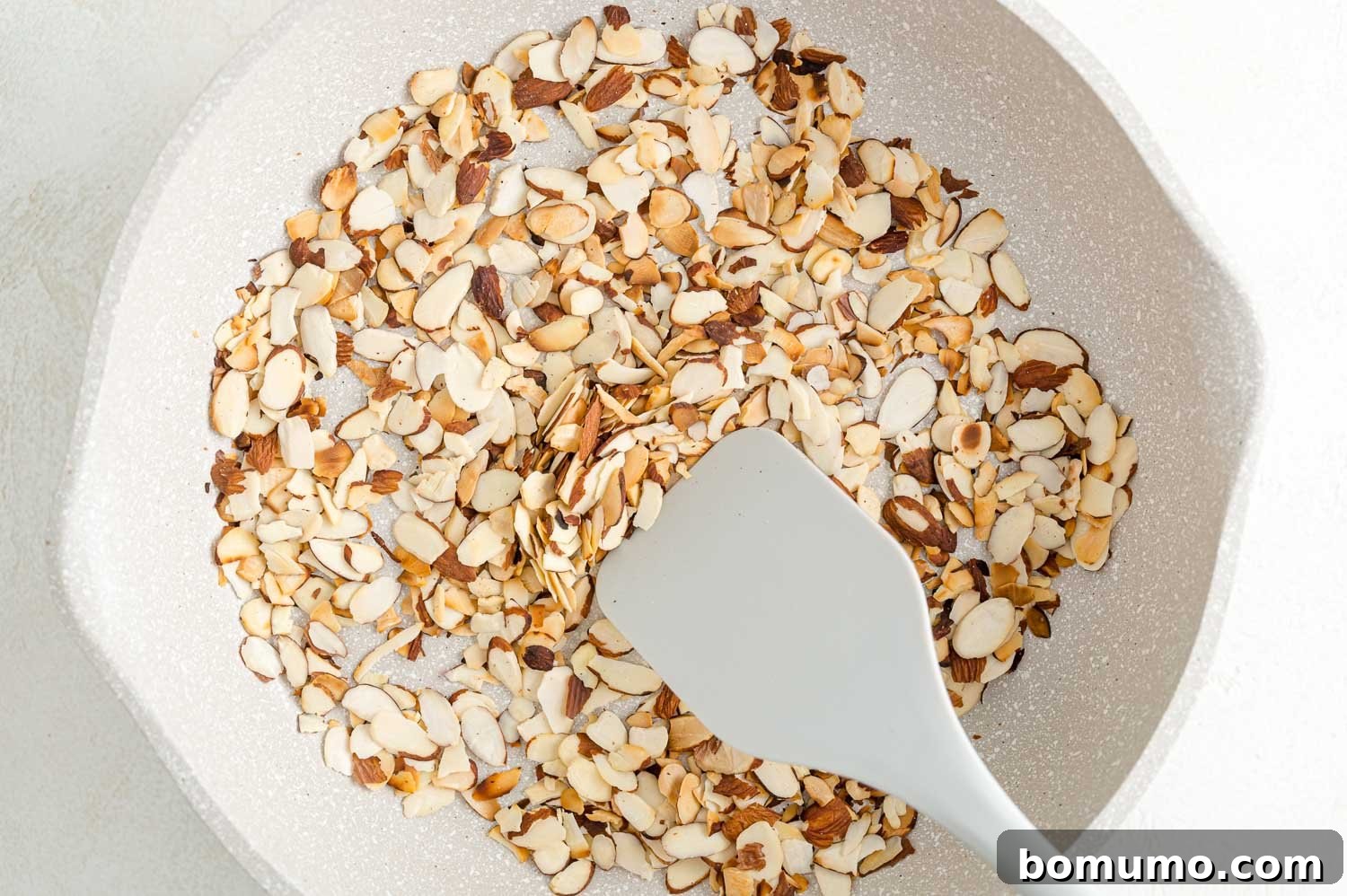
- Prepare the Skillet: Begin by placing your raw almonds directly into a large, dry skillet. It’s crucial that they are spread into a single, even layer across the bottom of the pan. Overcrowding the pan can lead to steaming rather than toasting, resulting in uneven browning and a less crisp texture.
- Apply Controlled Heat: Place the skillet over medium-low heat. This lower temperature is vital for controlled toasting, allowing the almonds to heat gradually and evenly without burning. Throughout the entire process, it is absolutely essential to stir the almonds continuously. Use a spatula or wooden spoon to keep them moving, ensuring all sides come into contact with the heat. Do not leave the almonds unattended, even for a moment, as they can burn very quickly once they start to color. You’ll notice them becoming fragrant and developing a beautiful light golden-brown hue.
- Cool Promptly: The moment the almonds reach a light golden color and emit a distinct, warm nutty aroma, immediately transfer them from the hot skillet to a clean plate or baking sheet. Spread them out in a single layer to cool completely. This immediate transfer is critical; residual heat in the hot pan will continue to cook the almonds, potentially leading to a scorched flavor if left to cool in the skillet.
In the Microwave: The Fastest Method
Yes, you absolutely can toast nuts in your microwave! While perhaps not the most traditional method, it offers an incredibly fast and convenient option, especially for smaller quantities of sliced or slivered almonds. The key to success with microwave toasting lies in careful monitoring and frequent stirring, as microwaves are known for their uneven heating patterns.
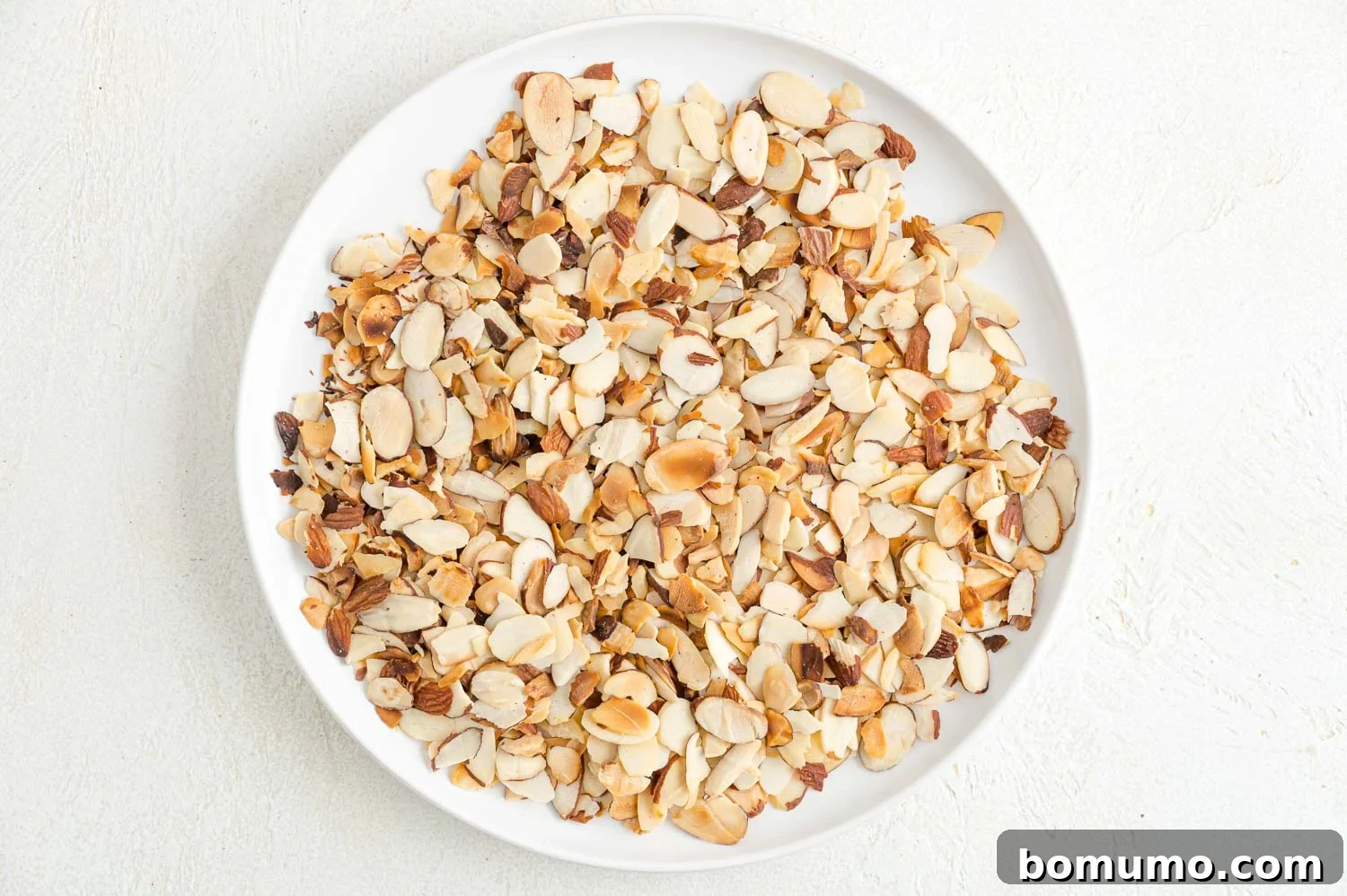
- Prepare for Microwaving: Arrange your almonds in a single, even layer on a microwave-safe plate. Avoid piling them up, as this will prevent even heating and toasting.
- Microwave in Intervals: Begin by microwaving the almonds on high power for 1 minute. After this initial minute, remove the plate and stir the almonds thoroughly to redistribute them and ensure that different surfaces are exposed to the microwave energy. Continue to cook in shorter intervals, typically 30 seconds at a time, stirring diligently after each interval. This frequent stirring is paramount to prevent scorching in hot spots and achieve a uniform golden color. Watch them closely, as they can go from raw to burnt very quickly in the microwave.
- Cool Down: Once the almonds have reached your desired golden color and fragrant aroma, transfer them immediately to a fresh, cool plate. Spread them into a single layer to allow them to cool down completely, stopping the cooking process and preserving their crisp texture.
In the Oven: Evenly Toasted Batches
The oven method is widely considered the most reliable for achieving uniformly toasted almonds, especially when dealing with whole almonds or larger quantities. It provides a consistent, ambient heat that cooks the nuts gently and evenly. This method works perfectly whether you’re using a conventional oven or a smaller toaster oven for convenience.
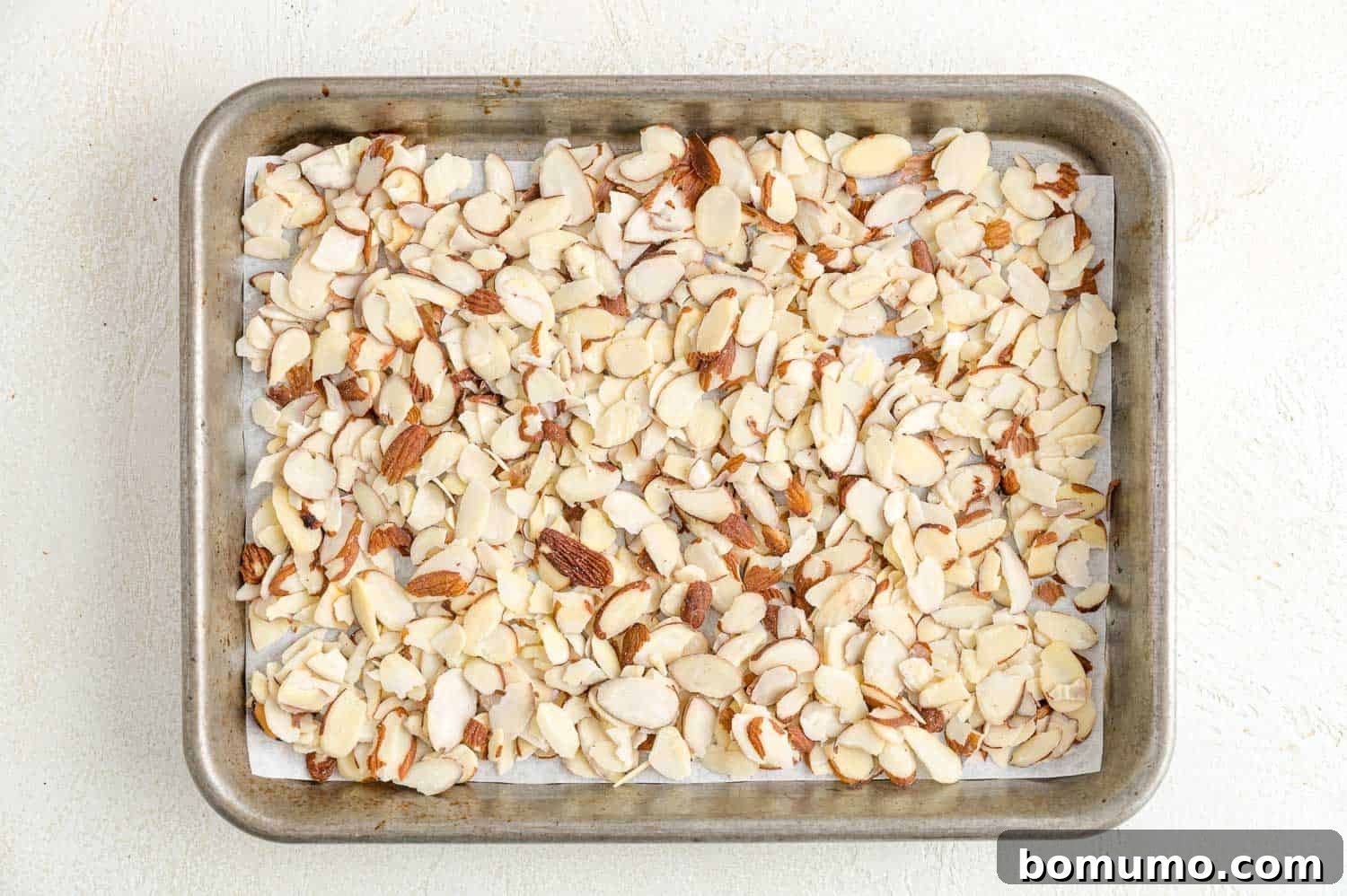
- Preheat and Prepare: Preheat your oven to 350ºF (175ºC). Line a rimmed baking sheet with parchment paper. This step is optional but highly recommended as it prevents sticking, makes cleanup easier, and helps to ensure even heating. Spread your raw almonds onto the prepared baking sheet in a single, even layer. Ensure there’s no overlap, giving each almond ample space to toast evenly.
- Baking Times:
- For slivered or sliced almonds: These thinner cuts will toast relatively quickly. Bake them for approximately 7 to 8 minutes, stirring halfway through the baking time to ensure even browning.
- For whole almonds: Whole almonds require a bit more time due to their larger size and density. Bake them for about 15 minutes in total. Stir them well at the 10-minute mark, then continue baking for the remaining 5 minutes. If they don’t appear sufficiently golden or fragrant, you can bake them for a few additional minutes, but always keep a very close eye on them to prevent burning.
- Cooling Immediately: Once the almonds achieve a beautiful golden-brown color and release their appealing nutty aroma, remove the baking sheet from the oven. Promptly transfer the toasted almonds to a cool plate or clean counter surface. Spread them out in a single layer to cool down completely. This action stops the carryover cooking from the hot pan, preventing them from becoming overcooked or developing a bitter, scorched taste.
Essential Toasting Tip: Constant Vigilance
Remember, patience and close attention are your best allies when toasting almonds. Regardless of the method you choose—stovetop, microwave, or oven—it’s imperative to stir the almonds every few minutes throughout the heating process. Nuts can transition from perfectly toasted to sadly burnt very rapidly. Their high oil content makes them prone to scorching if left unattended, so stay near your cooking area, listen for the subtle crackle, and trust your nose for that distinct, inviting nutty fragrance.
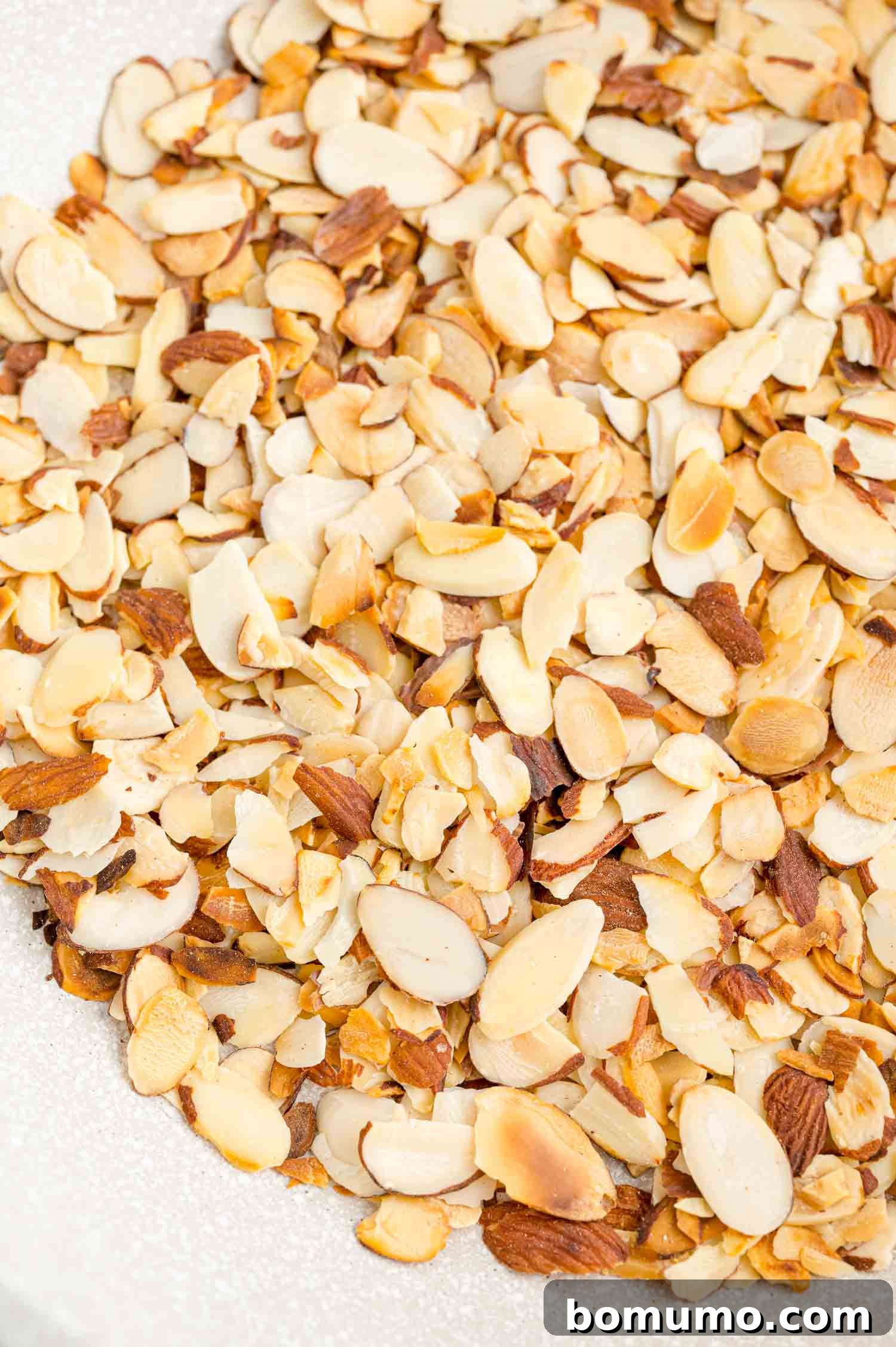
Tips for Success: Achieving Perfectly Toasted Almonds Every Time
Toasting almonds is a simple process, but achieving perfection requires a little attention and adherence to a few key principles. Since almonds can quickly go from a beautiful golden toast to an undesirable burnt mess, keeping these tips in mind will ensure your success:
- Choosing the Right Method for Quantity and Type: The oven generally offers the best results for toasting larger quantities of almonds, and it is the preferred method for whole almonds. The consistent, circulating heat of an oven ensures a more even toast throughout each nut. While it’s certainly possible to toast whole almonds on the stovetop, they tend to brown unevenly, with areas that contact the pan darkening more quickly than others, leading to a splotchy appearance and potentially varied textures. For smaller batches of slivered or sliced almonds, the stovetop or microwave can be incredibly efficient.
- Constant Monitoring is Key: Whichever method you choose, vigilance is crucial. Almonds contain natural oils that heat quickly, making them susceptible to burning if left unattended. Stir your almonds frequently—every few minutes in the oven, or every 30-60 seconds on the stovetop and in the microwave. This constant movement is essential for uniform toasting, preventing any single nut from scorching while others remain pale. Trust your senses: a rich, nutty aroma and a light golden color are your indicators of perfection.
- Chop After Toasting: If your recipe calls for chopped almonds, always toast them whole or in larger pieces first, then chop them afterward. Toasting makes the nuts slightly more brittle and easier to chop cleanly. More importantly, chopping raw almonds creates smaller pieces with more surface area, which would burn much faster during the toasting process. Toasting first ensures a more controlled and even browning.
- Prompt Cooling Prevents Scorching: As soon as your almonds are perfectly toasted, immediately transfer them from the hot skillet or baking pan to a cool surface, such as a plate, another baking sheet, or a clean kitchen towel. Spread them out in a single layer to cool completely. Leaving them in the hot pan allows residual heat to continue cooking them, which can easily lead to a darker color and an unpleasant, scorched flavor. This step is often overlooked but critical for flavor and texture.
- Toasting with Oil for Added Flavor and Crispness: While not always necessary, toasting almonds with a small amount of oil, such as olive oil or almond oil, can impart an extra layer of flavor and enhance their crispiness. This technique works wonderfully when you plan to use the toasted nuts in savory applications like salads, as a garnish for soups, or as a standalone seasoned snack (like my recipe for olive oil roasted almonds). However, I generally advise against using oil if the toasted almonds are destined for baking recipes. The added oiliness can alter the fat content of your batter or dough, potentially throwing off the recipe’s delicate balance and affecting the final texture of your baked goods.
Crucial Check: Ensuring Freshness
Before you even consider heating them, it’s a vital step to taste a raw almond from your batch to check for freshness. Almonds, like all nuts, contain natural oils that can turn rancid over time, especially if stored improperly. Rancid almonds will have a bitter, sour, or distinctly “off” taste and an unpleasant smell, often described as paint-like or stale. If you detect any of these signs, it’s best to discard the batch entirely. Toasting rancid almonds will only intensify the undesirable flavors, making them unusable. Always start with fresh, sweet-tasting almonds for the best possible results.
Frequently Asked Questions About Toasting Almonds
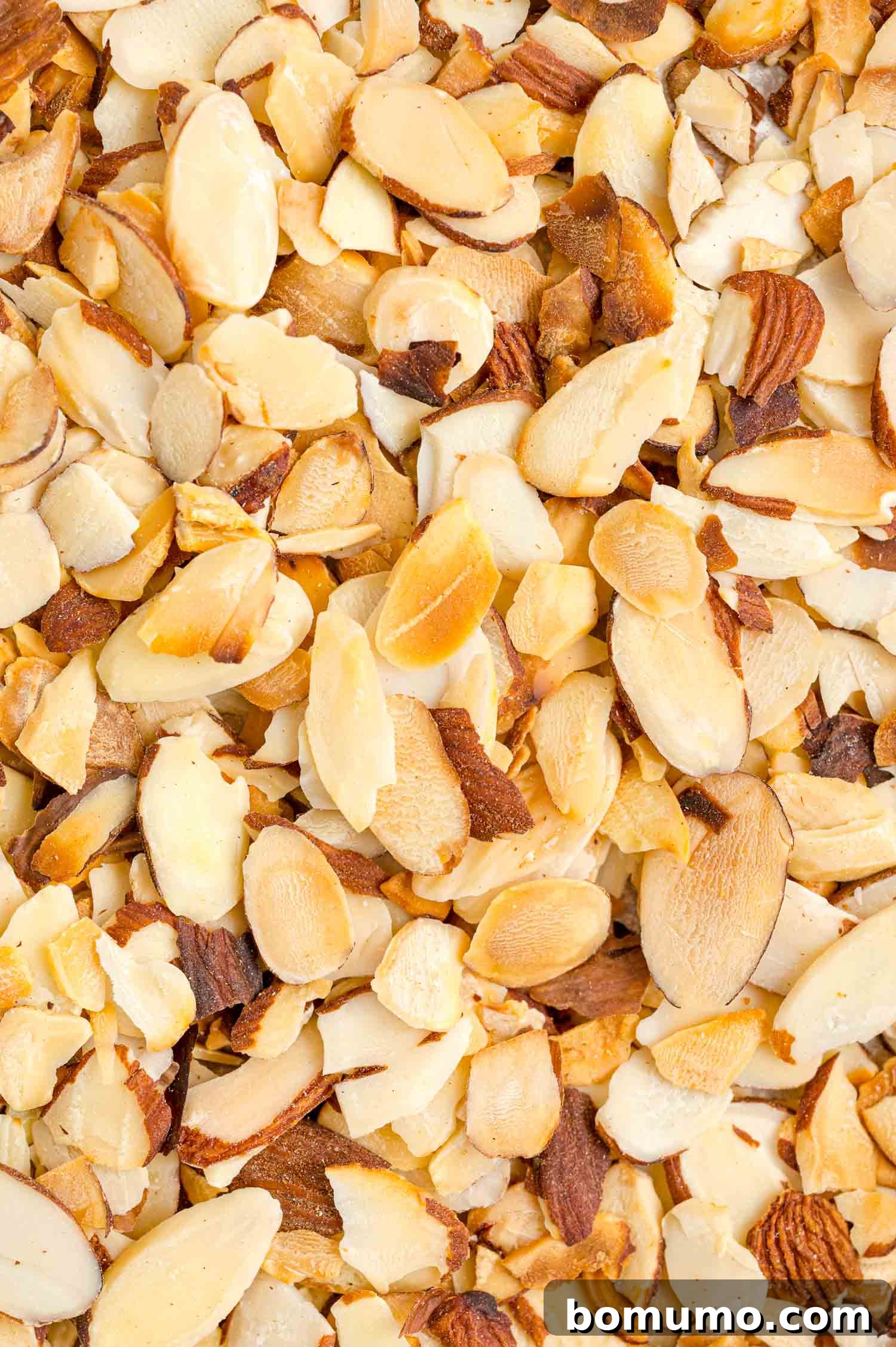
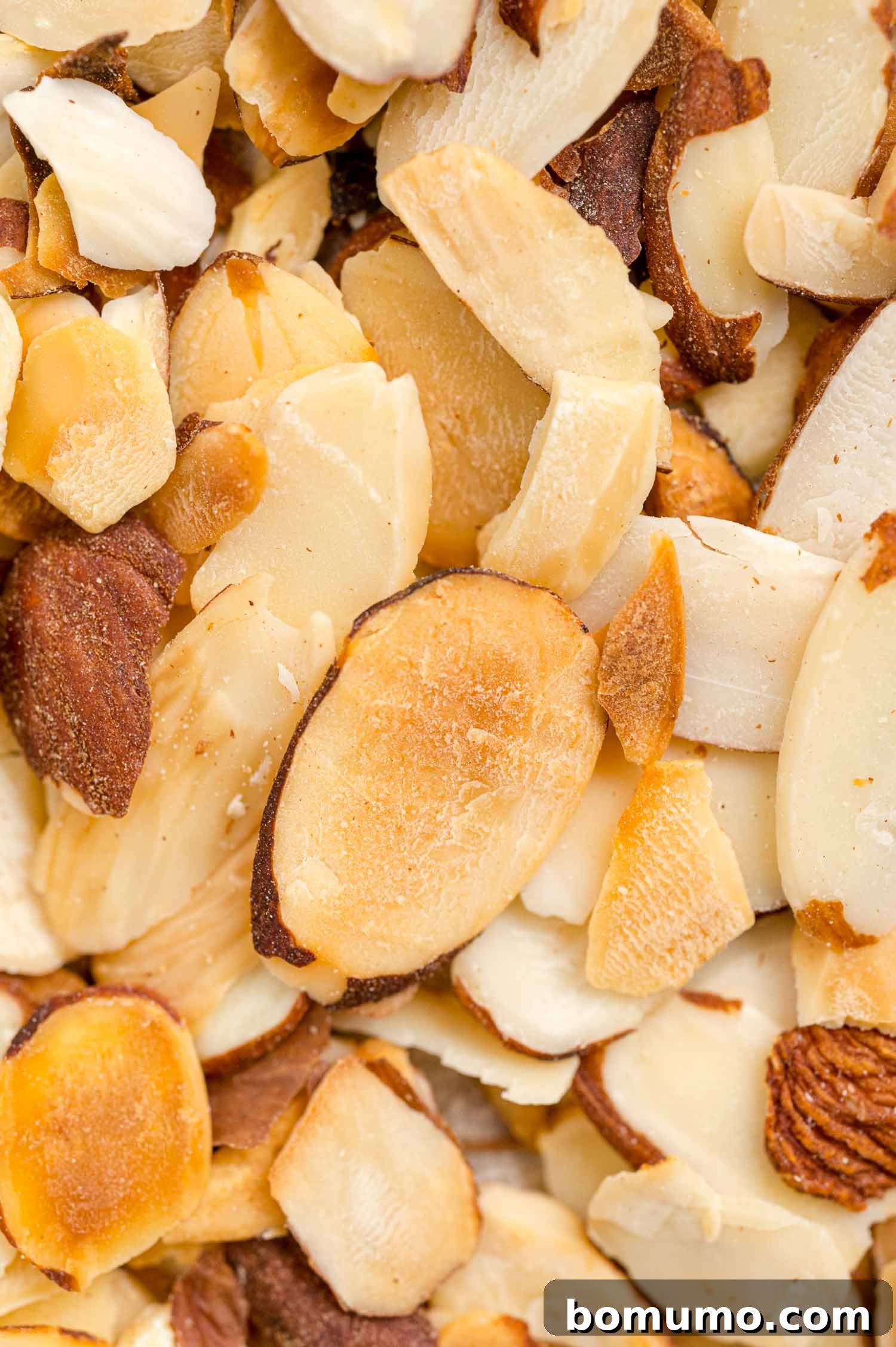
The best way to determine if your almonds are perfectly toasted is to rely on a combination of your senses. First, use your nose: properly toasted almonds will release a distinct, warm, and inviting nutty fragrance. This aroma will be much more pronounced than that of raw almonds and should not smell burnt or acrid. Second, observe their appearance: they should have a beautiful, uniform light golden-brown color, never dark or scorched in patches. Finally, if safe to do so, taste one: it should be crisp, not chewy, and possess a deep, enhanced nutty flavor without any bitterness. If they taste raw or soft, they need more time.
Toasted almonds, due to their natural oils, can eventually go rancid if not stored properly. For optimal freshness and flavor, once your toasted almonds have cooled completely, transfer them to an airtight container or a glass jar. Stored in the refrigerator, they will maintain their quality and freshness for approximately two months. To significantly extend their shelf life even further, you can freeze them. Place the cooled almonds in a freezer-safe, airtight container or heavy-duty freezer bag, ensuring as much air is removed as possible. In the freezer, toasted almonds can be kept for six months or even longer, retaining their crunch and flavor. Always ensure they are thoroughly cooled before storing to prevent condensation, which can lead to sogginess.
Inspiring Flavor Variations for Toasted Almonds
While toasted almonds possess a delightful flavor all their own, a touch of seasoning can transform them into truly extraordinary treats. Customizing your toasted almonds is incredibly easy and offers endless possibilities for sweet, savory, or spicy snacks and recipe additions. Here are some fantastic ideas to elevate your toasted almonds:
- Rosemary Roasted Almonds: For an aromatic savory twist, combine your raw almonds with about a tablespoon of good quality olive oil and a generous sprinkle of dried rosemary or your favorite Italian seasoning blend before toasting. The herbs will become fragrant and crispy, adhering beautifully to the nuts.
- Tangy BBQ: Achieve smoky barbecue almonds by tossing them with olive oil and approximately half a teaspoon of your favorite BBQ seasoning blend. This creates a savory, slightly sweet, and tangy snack that’s perfect for parties or as a salad topper.
- Deliciously Spiced: Adapt the exquisite spice blend from my spiced pecans recipe to create equally irresistible spiced almonds. This typically involves a mix of warm spices like cinnamon, nutmeg, and a hint of cayenne, resulting in the ultimate party snack. For a festive fall twist, try incorporating pumpkin pie spice or a classic cinnamon-roasted almond flavor.
- Bright Lemon & Garlic: For a zesty and savory profile, toast your almonds with a drizzle of olive oil and plenty of fresh lemon zest. Adding finely minced garlic during the last few minutes of toasting will introduce an even deeper layer of savory flavor.
- Bold Cajun: If you crave a kick, season your almonds with a sprinkle of robust Cajun seasoning before toasting. These spicy Cajun almonds are fantastic for snacking or adding a lively punch to savory dishes.
- Explore More Seasoning Mixes: Looking for even more tasty ways to flavor toasted almonds? I offer a wide variety of homemade seasoning mixes that can be adapted for nuts. Browse through them and find your next favorite flavor combination!
Culinary Inspirations: Delicious Ways to Use Toasted Almonds
Once your almonds are perfectly toasted, a world of culinary possibilities opens up! Their enhanced flavor and satisfying crunch make them a versatile addition to an incredible range of sweet and savory recipes. Here are some of our favorite ideas to inspire you:
- Elevate Your Salads: Toasted almonds add a fantastic textural contrast and nutty depth to any salad. Sprinkle them generously over a refreshing vegan quinoa salad, a hearty warm kale salad, or this beautiful spring salad with rose vinaigrette for an extra layer of crunch and sophisticated flavor.
- Garnish Roasted and Sautéed Veggies: Transform simple vegetable side dishes into culinary delights. Garnish perfectly roasted cauliflower, vibrant lemon roasted broccoli, or create the classic green beans almondine. The nutty crunch of toasted almonds makes almost any vegetable dish more exciting and flavorful.
- Enhance Hearty Soups: Crispy toasted almonds make a surprisingly delicious and elegant garnish for creamy or chunky soups. They provide a wonderful textural counterpoint to the liquid, like a sprinkle over a comforting bowl of red lentil soup.
- Boost Protein Dishes: Add a gourmet touch and satisfying crunch to your main protein courses. Sprinkle toasted almonds over flaky grilled salmon or flavorful Moroccan chicken thighs. They complement a variety of meats and plant-based proteins beautifully.
- Perfect for Breakfast: Start your day with added flavor and nutrition! Toasted almonds taste incredible atop smoothie bowls, a warm bowl of steel-cut oats, or creamy Greek yogurt. They also make a delightful, crunchy topping for fluffy banana pancakes or savory quinoa pancakes.
- A Baker’s Best Friend: Incorporate toasted almonds into your baking for an unparalleled depth of flavor and texture. Add them to classic chocolate chip cookies, chewy coconut oatmeal cookies, aromatic windmill cookies (speculoos), or decadent, fudgy Kahlua cinnamon brownies. They introduce a sophisticated nuttiness that enhances any sweet treat.
How to Properly Store Toasted Almonds
The delicious oils that give almonds their rich flavor can also lead to rancidity over time if they are not stored correctly. Exposure to air, light, and heat can accelerate this process, causing the nuts to develop an unpleasant, bitter taste. Therefore, proper storage is crucial for preserving the freshness, flavor, and crunch of both your newly toasted almonds and any raw almonds you might have. Refrigeration and freezing are the most effective methods to significantly prolong their shelf life.
- Refrigeration: Once your toasted almonds have cooled down completely to room temperature – this is a critical step to prevent condensation – transfer them to an airtight container or a glass jar with a tight-fitting lid. Storing them in the refrigerator slows down the oxidation of their natural oils. In the fridge, toasted almonds will remain at their freshest, retaining their delicious flavor and crisp texture for up to two months.
- Freezer: For even longer-term storage, the freezer is your best option. Again, ensure the almonds are thoroughly cooled before freezing. Place them in a freezer-safe, airtight container or a heavy-duty freezer bag, making sure to squeeze out as much air as possible to minimize freezer burn. When properly stored in the freezer, almonds can maintain their quality for six months or even longer. You can often use them directly from the freezer in recipes, or allow them to come to room temperature for snacking.
More Healthy Snacking Ideas
Roasted Chickpeas – How To Make Crispy Chickpeas
How to Toast Pine Nuts – Three Methods
Pumpkin Spice Candied Walnuts Recipe
Easy Granola Recipe with Pecans and Cranberries
How to Toast Almonds – Detailed Recipe
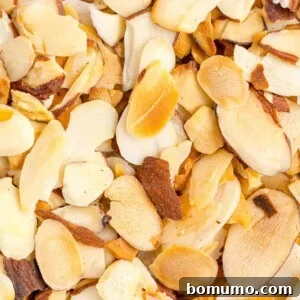
Ingredients
- 1 cup raw almonds whole, slivered, or sliced (ensure freshness before use)
Instructions
Method 1: Stovetop for Quick Toasting
-
Place the raw almonds into a large, dry skillet, ensuring they are spread out in a single layer to facilitate even browning. Avoid overcrowding the pan.
-
Turn the heat to medium-low. Toast the almonds, stirring continuously with a spatula, until they become wonderfully fragrant and achieve a light golden-brown color. This process typically takes about 5 minutes. As they begin to color, stir even more frequently, as almonds can burn very quickly.
-
Once toasted, immediately transfer the almonds from the hot skillet to a clean plate or another cool surface. Spread them out in a single layer to cool completely, preventing any carryover cooking from the residual heat of the pan.
Method 2: Microwave for Ultimate Convenience
-
Spread sliced or slivered almonds in an even, single layer on a microwave-safe plate. Microwave on full power (100%) for 1 minute, then remove and stir thoroughly. Continue microwaving in 30-second intervals, stirring after each, until the almonds reach a desired golden color and nutty aroma. Frequent stirring is essential as microwave ovens can heat unevenly.
-
Transfer the toasted almonds immediately to a new, cool plate and spread them into a single layer to cool down completely.
Method 3: Oven for Even Browning & Larger Batches
-
Preheat your oven to 350ºF (175ºC). Line a rimmed baking pan with parchment paper or foil, which aids in cleanup and prevents sticking.
-
Spread the raw almonds in a single, even layer across the prepared baking pan, ensuring no nuts are overlapping.
-
For slivered or sliced almonds, bake for 7 to 8 minutes, stirring once halfway through the baking time, or until golden brown. For whole almonds, bake for approximately 15 minutes total. Stir them thoroughly at the 10-minute mark, then continue baking for the remaining 5 minutes. If needed, bake for a few more minutes, but watch them very closely as they can burn rapidly.
-
Immediately transfer the toasted almonds to a plate or cool surface to cool completely in a single layer. Do not leave them on the hot baking pan, as residual heat will continue to cook them and may lead to scorching.
Notes
- This recipe is easily scalable. If you need to toast more than 1 cup of almonds, the oven method is generally the most efficient and provides the most even results.
- To prevent almonds (both raw and toasted) from becoming rancid, always store them in an airtight container in either the refrigerator or freezer. Ensure they are completely cool before storing.
Nutrition
Nutrition information is automatically calculated, so should only be used as an approximation.