

This homemade pizza sauce recipe is incredibly easy to make, delivering a fresh, vibrant flavor that far surpasses any store-bought alternative. Beyond its superior taste, crafting your own pizza sauce allows for precise control over ingredients, resulting in a much lower sodium content compared to most commercial brands. Elevate your homemade pizza experience with this simple yet essential recipe.
Recipe Highlights
Why you’ll love it: Most ingredients are likely already in your pantry, making this a convenient choice for a flavorful, authentic pizza sauce.
Time commitment: Just 5 minutes of active preparation, followed by a gentle 30-minute simmer.
Essential tools: A blender or immersion blender, and a reliable saucepan.
Yield: Produces approximately 2 cups of delicious pizza sauce.
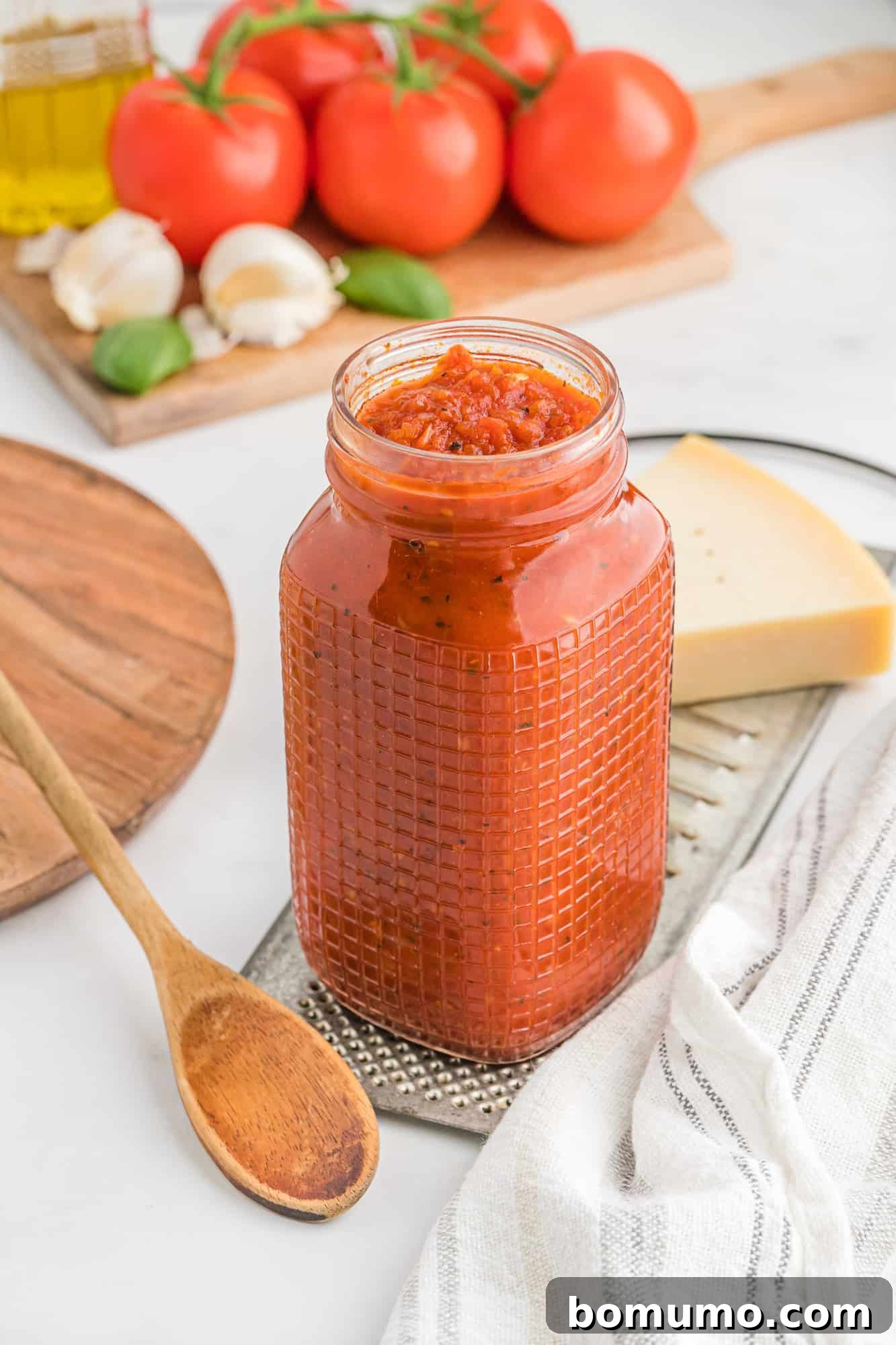
What is pizza without its sauce? It’s often said that a great Italian-style pizza sauce is the true heart and soul of any pizza, capable of transforming a simple dough into a culinary masterpiece. Few things are as disappointing as biting into a slice only to discover a bland, watery, or overly sparse sauce that offers no flavor contribution. Worse still, some commercial sauces can leave an unappealing metallic aftertaste, making you wonder why you even bothered with a homemade pizza in the first place.
When you invest the time and effort to craft your own pizza, you expect nothing less than an extraordinary result. That’s precisely why this homemade pizza sauce recipe is a game-changer. It’s designed to be effortlessly simple, yielding a consistently perfect sauce every single time. Through meticulous tweaking and countless taste tests, this recipe has been refined to strike the ideal balance of savory, tangy, and subtly sweet notes.
Of course, the true magic of cooking from scratch lies in the freedom to customize. This recipe provides a fantastic foundation, but you are encouraged to adjust and adapt it until it perfectly matches your personal palate. That’s the ultimate beauty of home cooking – creating something uniquely yours.
About This Easy & Flavorful Pizza Sauce Recipe
Surprisingly Simple to Prepare: You might be surprised to find that you already possess all the necessary ingredients for this incredible homemade pizza sauce in your pantry. We’re talking about basic staples like onions, garlic, canned tomatoes, dried basil, olive oil, and a few essential seasonings. The process couldn’t be easier: simply combine all the ingredients in a blender, transfer the puréed mixture to a saucepan, and let it gently simmer for about 30 minutes. This minimal effort results in maximum flavor.
Conveniently Made Ahead: This versatile recipe yields approximately 2 cups of sauce, which is typically enough for two medium to large pizzas, depending on your preference for sauce generosity. For ultimate convenience, you can prepare the sauce a day or two in advance and store it in the refrigerator. Alternatively, freeze half of the batch for future use, ensuring you always have delicious homemade pizza sauce ready at a moment’s notice. We’ll delve into more ideas for utilizing this fantastic sauce later in this article.
A Little Kitchen Wisdom: A word to the wise: avoid wearing white while stirring your simmering sauce! Tomato sauce has a notorious tendency to splatter. To keep your kitchen clean and your clothes pristine, partially cover the pan with a lid, leaving a small gap for steam to escape. For even better splash protection, consider using a wire mesh splatter screen, which allows steam to evaporate while preventing messy eruptions. Your mother (and your clean countertop) will thank you.
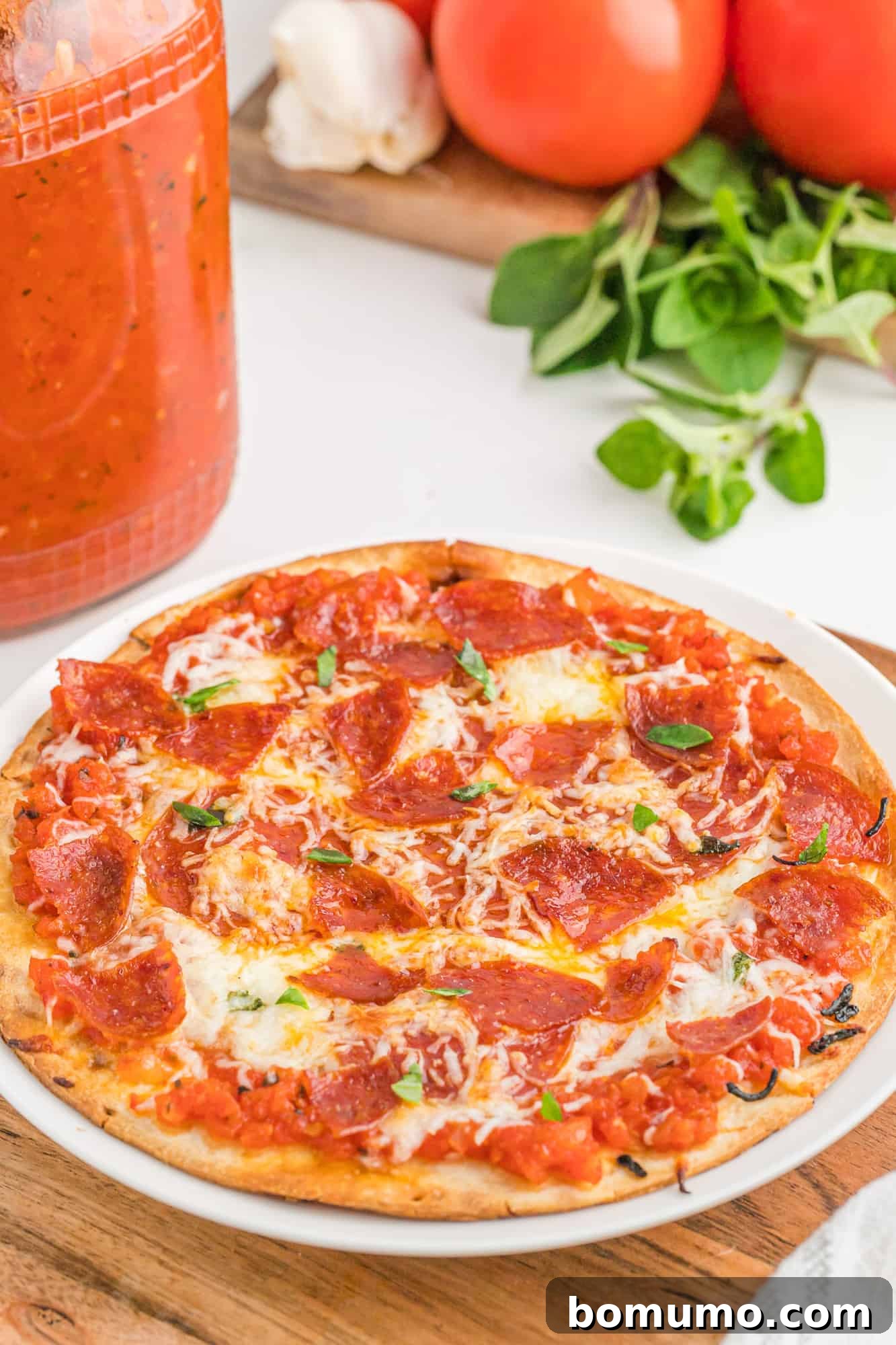
Key Ingredients for Your Homemade Pizza Sauce
Creating a truly exceptional pizza sauce starts with quality ingredients. Here’s what you’ll need, along with some tips for selecting the best:
- Onion: You’ll need approximately half a medium onion. While yellow onions are my go-to for their robust flavor in cooking, any type of onion you have on hand will work wonderfully. The onion adds a foundational sweetness and aromatic depth to the sauce.
- Garlic: Fresh garlic cloves are indispensable for the best, most aromatic flavor. I typically incorporate one large clove, but feel free to adjust this to your liking. Love a potent garlic kick? Add more! Prefer a subtle hint? Use less.
- Canned Tomatoes: This is the cornerstone of your sauce. Opt for no-salt-added canned tomatoes to maintain complete control over the sodium content. Whether you choose diced, crushed, or whole peeled tomatoes doesn’t significantly impact the final texture, as they will all be blended. A large 28-ounce can, or two smaller cans totaling the same amount, will be perfect.
- Tomato Paste: Don’t underestimate the power of tomato paste! Despite using a full can of tomatoes, tomato paste is crucial. It delivers an intensely concentrated tomato flavor, adding incredible richness, depth, and a savory umami note that takes the sauce from good to truly exceptional. Trust me, it’s a non-negotiable ingredient, and you’ll only need a couple of tablespoons.
- Red Pepper Flakes: A mere pinch of red pepper flakes introduces a delightful, subtle warmth and a gentle tingling sensation on the tongue. If you’re cooking for family members who are particularly sensitive to spice, you might consider omitting them or adding them to individual portions after cooking.
- Brown Sugar: A touch of brown sugar is essential for balancing the natural acidity and tanginess of the tomatoes. It rounds out the flavors beautifully without making the sauce overtly sweet. Feel free to adjust the amount to suit your preference.
- Olive Oil: Two tablespoons of good quality extra-virgin olive oil contribute a smooth texture and a lovely fruity richness to the sauce. If you prefer, unsalted butter can be a delicious substitute, offering a slightly different, creamy undertone.
- Dried Oregano and Dried Basil: These two classic Italian herbs are fundamental to achieving that authentic pizza parlor flavor. Most home cooks already have them in their spice rack. Italian seasoning blend can also be used as a convenient alternative. If you’re lucky enough to have fresh herbs growing in your garden, by all means, use them! Just remember that fresh herbs are less potent than dried ones, so you’ll need to triple the quantity for comparable flavor.
- Kosher Salt: Start with half a teaspoon of kosher salt, but always taste and adjust as the sauce simmers. The goal is to enhance, not overpower, the natural flavors of the tomatoes and herbs.
Smart Tip: Freezing Leftover Tomato Paste
You only need two tablespoons of tomato paste for this recipe, which often leaves you with most of a can remaining. Don’t let it go to waste! A brilliant trick is to portion the leftover paste into two-tablespoon amounts. Spoon these portions into small snack-sized freezer bags, flatten each bag to remove air, and then place them all into a larger freezer-safe bag. These frozen portions will keep perfectly for several months. The next time a recipe calls for a couple of tablespoons of tomato paste, simply grab a packet from the freezer and drop the frozen paste directly into your dish. It’s an efficient way to minimize food waste and save time!
Crafting Your Homemade Pizza Sauce: Step-by-Step
Ready to create some magic in your kitchen? Grab your chosen blending tool – whether it’s a stand blender, an immersion blender, or a food processor, any will do the job perfectly.
-
Prepare Your Ingredients:
Begin by roughly chopping the onion and garlic. There’s no need for precision here; your blender will take care of the finer work in just a moment. Open the can of tomatoes, but do not drain them. The delicious juices are integral to the sauce’s flavor and consistency. Combine all the prepped ingredients – onion, garlic, canned tomatoes (undrained), tomato paste, red pepper flakes, brown sugar, olive oil, dried oregano, dried basil, and salt – into your blender. If you’re using an immersion blender, you can purée the sauce directly in the saucepan you plan to use for simmering.
-
Blend to Perfection:
Process the mixture until it reaches your desired consistency. While you certainly don’t want any large chunks of tomato or onion remaining, you can decide how smooth or slightly textured you prefer your sauce. Some enjoy a completely silky-smooth sauce, while others appreciate a little more rustic texture. Blend until it’s just right for your palate.
-
Simmer and Thicken:
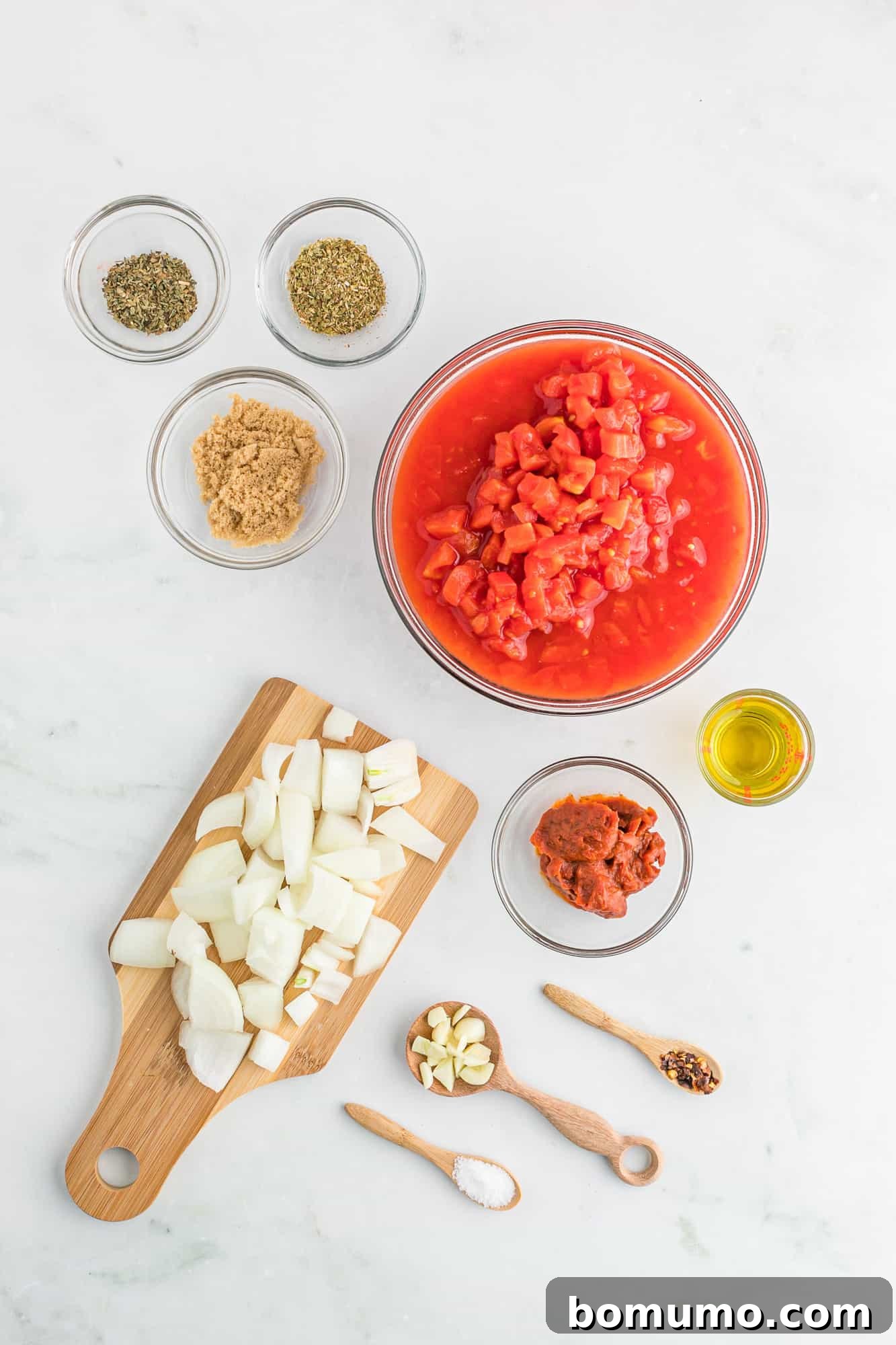
Carefully pour the blended sauce into a deep saucepan or skillet. Ensure your chosen pan has a lid. Place the pan over medium-low heat and let the sauce gently simmer, partially covered, for approximately 30 minutes. Partial covering helps to reduce splatters while allowing some moisture to evaporate. During this time, stir occasionally to prevent sticking and ensure even cooking. The sauce will gradually reduce and thicken, developing a richer, deeper flavor and a slightly darker color. If you find the sauce is still too thin for your liking after 30 minutes, simply continue simmering for a little longer until it reaches your desired thickness.
-
Final Seasoning Check:
Before serving, give the sauce a final taste test. Adjust the seasoning as needed, adding more salt, a touch more sugar, or a pinch of herbs if you feel it’s necessary. Once seasoned to perfection, your homemade pizza sauce is ready to be spread over your favorite pizza crust or used in any of the delicious ideas listed below. Enjoy the unparalleled taste of scratch-made quality!
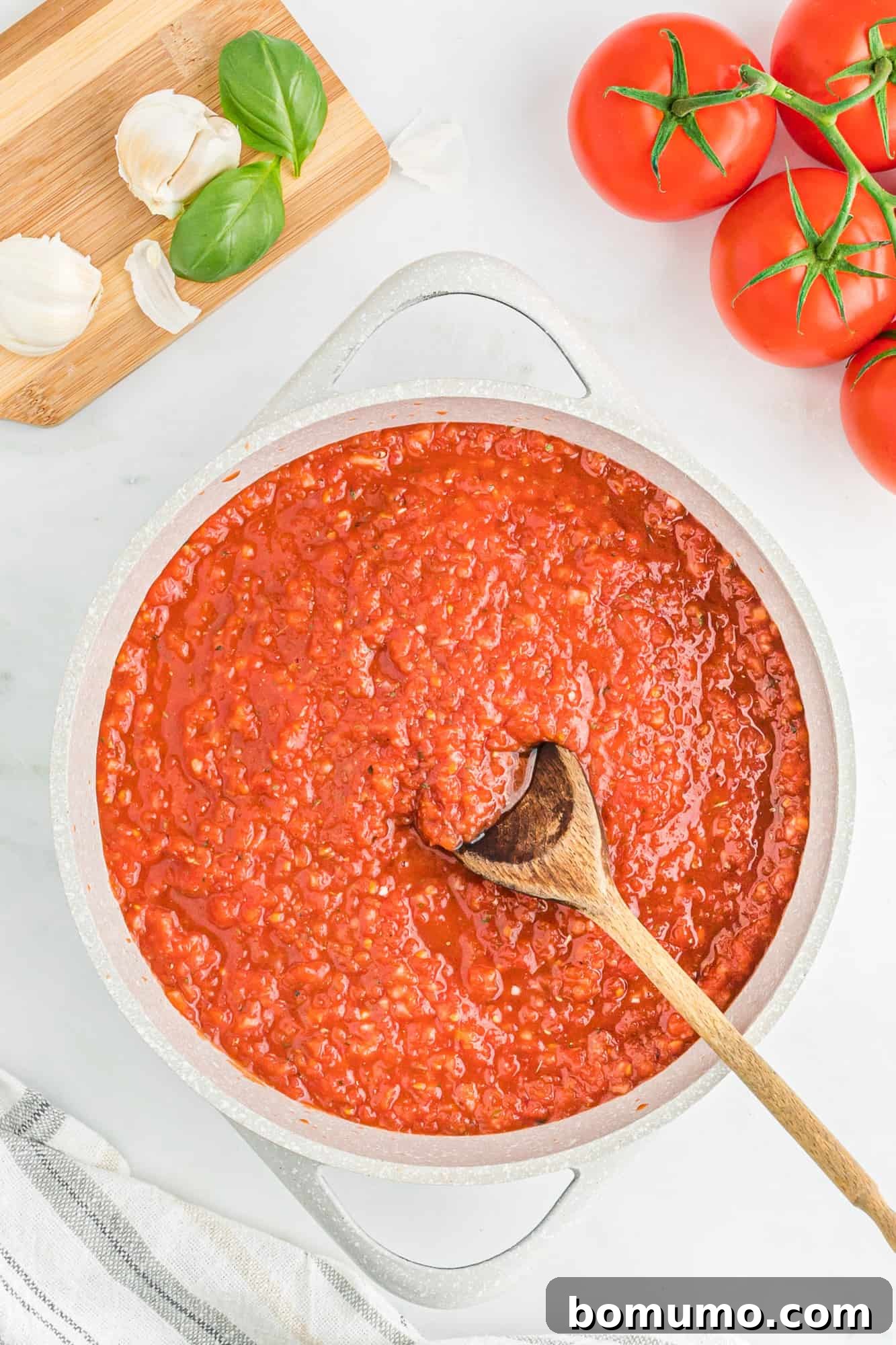
Looking to complete your homemade pizza experience? Don’t forget a fantastic crust! Try this easy pizza dough recipe, which can also be prepared ahead of time and stored in your refrigerator or freezer for ultimate convenience.
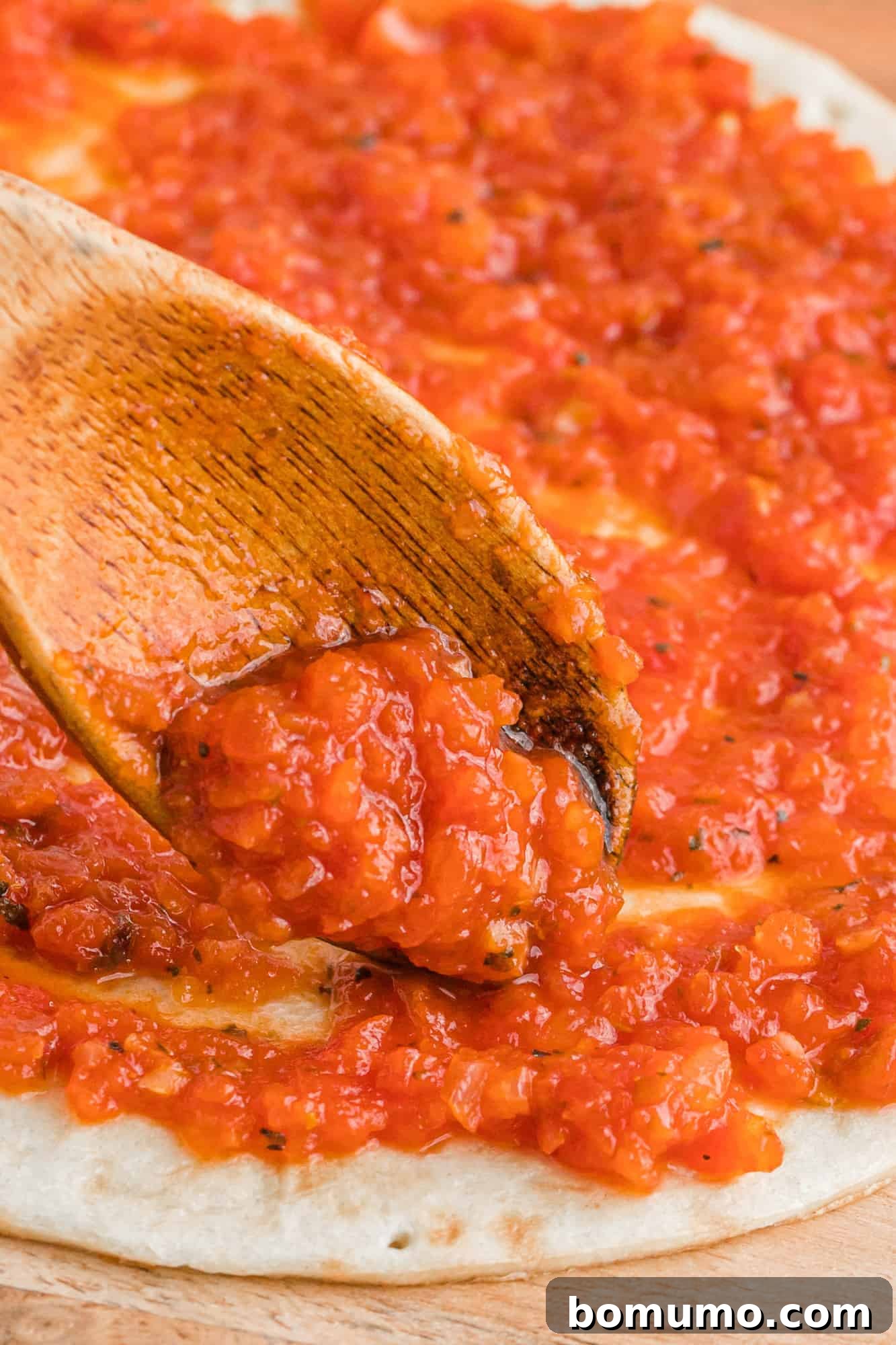
Frequently Asked Questions
Frequently Asked Questions
While preferences vary, I firmly believe this homemade pizza sauce recipe is a contender for the absolute best! The first time I served a pizza topped with this sauce, my husband declared it the finest pizza I had ever made. That’s no exaggeration—cooking from scratch undeniably pays off in terms of flavor and satisfaction. Its freshness, balanced seasoning, and robust tomato base create a truly memorable pizza experience.
Pizza sauce and marinara share many common ingredients, such as tomatoes, herbs, and garlic. However, they typically differ in consistency and seasoning. Pizza sauce is often thicker, less watery, and more intensely seasoned, frequently including tomato paste for richness and a touch more salt and sugar to achieve a balanced, ready-to-eat flavor profile perfect for baking on a crust. Marinara, on the other hand, tends to be thinner and is often cooked longer, usually without tomato paste, focusing on a lighter, fresher tomato flavor ideal for pasta. While I don’t claim to be an Italian culinary expert, I can confidently say this homemade pizza sauce is incredibly versatile and delicious enough to enjoy on pasta, too!
Customize Your Pizza Sauce: Creative Variations
One of the greatest advantages of making your own pizza sauce is the ability to tailor it precisely to your taste. Here are some fantastic ways to make this recipe truly your own:
- Embrace Fresh Tomatoes: If your garden is overflowing with ripe, juicy tomatoes, by all means, use them! For the best results, choose meaty varieties like Roma or plum tomatoes. To easily peel them, make a small “x” incision at the bottom of each tomato, then briefly plunge them into boiling water. The skins will crack and become simple to slip off. Once peeled, proceed with the recipe as directed, blending them with the other ingredients.
- Tomato Paste Alternatives: If you’re not a fan of tomato paste or simply don’t have any on hand, you can still make a delicious sauce. Simply omit the tomato paste and instead, ensure your canned tomatoes are either a good quality crushed tomato, or substitute some of the canned tomatoes with a rich tomato sauce or purée to maintain a similar consistency and depth of flavor.
- Experiment with Seasoning: The herb and spice quantities in this recipe are merely a guide. Feel free to adjust them to suit your family’s preferences. For a sweeter sauce, add a little more brown sugar; if you prefer a less sweet profile, reduce or omit it entirely. If you opt for fresh herbs instead of dried, remember to use three times the amount to achieve comparable flavor intensity. Don’t hesitate to add more kosher salt or freshly cracked black pepper, or increase/decrease the red pepper flakes for your ideal level of heat.
- Cheese Please! For an extra layer of savory indulgence, stir in a quarter cup of freshly grated Parmesan cheese after the sauce has finished simmering. The cheese will melt beautifully, adding a salty, umami kick to your sauce.
- Beyond Red Sauce: While this classic red sauce is unbeatable, consider other delicious alternatives for topping your pizza. Homemade basil pesto or even a vibrant arugula pesto can create a unique and flavorful base. For a different twist, we adore BBQ chicken pizza, which is best made with a smoky, sweet homemade BBQ sauce.
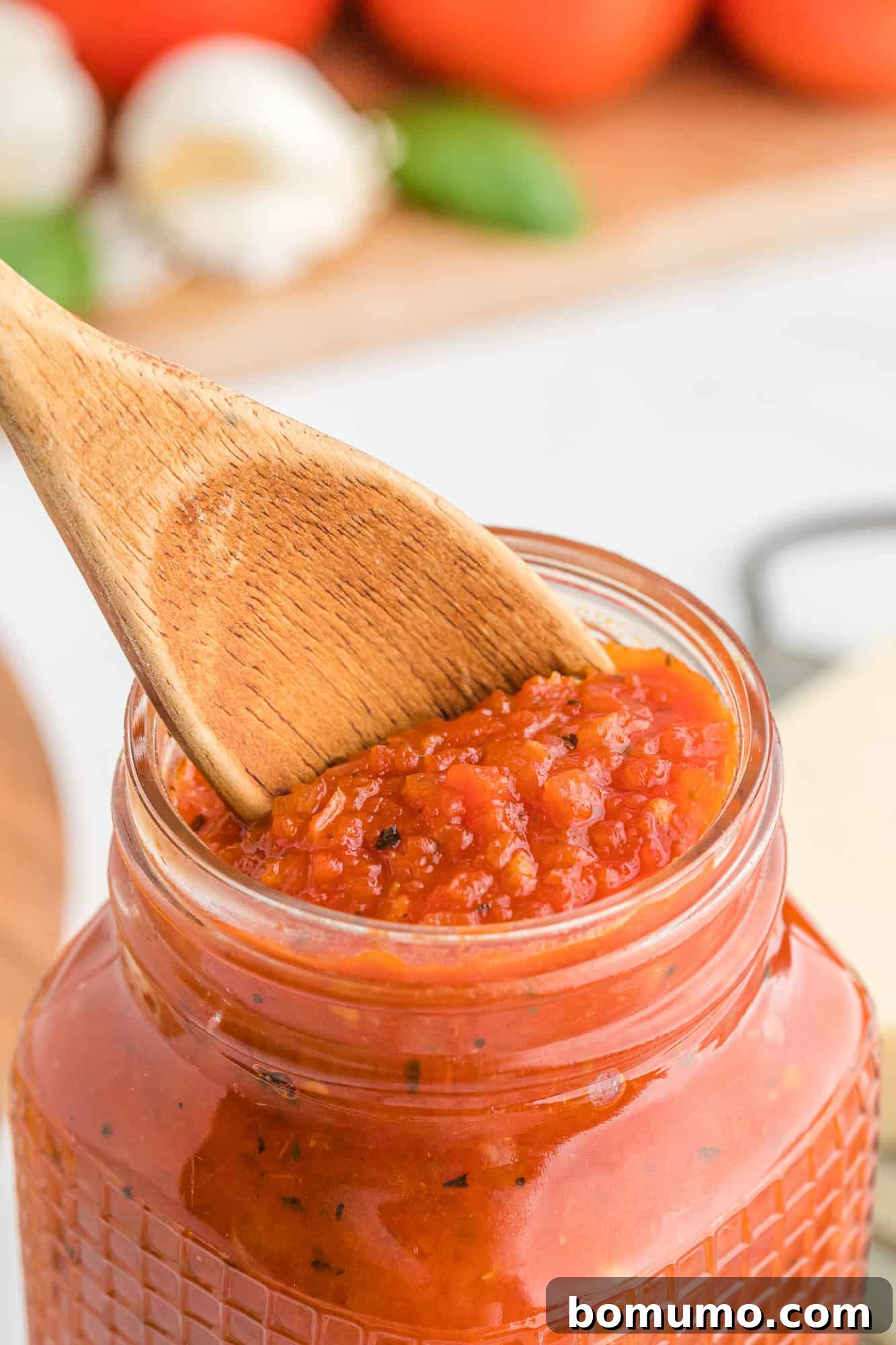
Make-Ahead Convenience
Make-Ahead Convenience
This pizza sauce is an ideal candidate for meal prep! I highly recommend making a double or even triple batch to keep on hand. Having a ready supply in the fridge or freezer means you’re always prepared for impromptu pizza nights or any other recipe that calls for a rich, flavorful tomato base. Its versatility makes it a valuable asset in any kitchen.
Storage Solutions
Storage Solutions
Proper storage ensures your homemade pizza sauce remains fresh and delicious for future meals:
- Refrigeration: Store the cooled sauce in an airtight container in the refrigerator for up to five days. This is perfect for quick weeknight meals.
- Freezing: For longer storage, this sauce freezes beautifully. Portion it into freezer-safe containers or bags and freeze for up to three months. To use, simply thaw overnight in the refrigerator before gently reheating.
Beyond Pizza: Creative Ways to Use Your Homemade Sauce
While designed for pizza, this versatile homemade sauce can elevate a myriad of other dishes. Here are some inspiring ideas to make the most of your delicious creation:
- Pizza Sliders: Perfect for parties or a fun family meal, these oven-baked mini sandwiches are always a hit.
- Zucchini Pizza Bites: A quick, healthy, and delightful appetizer, light lunch, or satisfying snack.
- English Muffin Pizzas: An ultimate easy-button meal for kids and adults alike, ready in minutes.
- Pizza Quesadilla: A cheesy, pepperoni-filled twist on a classic, perfect for grilling or pan-frying.
- Pizza Pasta: A comforting one-pan meal that comes together with just 6 simple ingredients.
- Pizza Baked Chicken: Transform plain chicken into a flavorful, family-friendly dinner with this simple recipe.
- Pepperoni Pizza Quinoa Stuffed Peppers: A wholesome and hearty dish combining the best of pizza with nutritious quinoa.
- Pizza Stuffed Spaghetti Squash: A low-carb, vegetable-packed alternative that doesn’t skimp on flavor.
- Pizza Turkey Burgers: Infuse your burgers with Italian flair for a creative weeknight meal.
- Pepperoni Pizza Tortilla Pinwheels: These bite-sized rolls are fantastic for dipping into extra homemade pizza sauce.
- Pepperoni Pizza Dip: A warm, gooey, and irresistible dip, perfect for sharing at gatherings.
- Parmesan Crusted Pepperoni Pizza Grilled Cheese Sandwiches: The ultimate comfort food mashup, elevated with crispy Parmesan.
- Pizza Chicken Tenders: A fun and flavorful take on classic chicken tenders, beloved by all ages.
Discover More Sauce Recipes
Chipotle Salsa (Easy Blender Recipe)
Chimichurri Recipe – How to Make Chimichurri
Cherry Chipotle BBQ Sauce – Sweet & Spicy Perfection!
Easy Cheese Sauce – Stovetop or Microwave
Homemade Pizza Sauce
Rachel Gurk
5 mins
30 mins
35 mins
2 cups (approx. 8 servings)
This pizza sauce recipe is incredibly easy to make and tastes much fresher than store-bought varieties. It’s also a great low-sodium option for healthier homemade pizzas.
Ingredients
- ½ medium yellow onion, roughly chopped
- 1 large clove garlic, roughly chopped
- 1 can (28 ounce) no-salt-added tomatoes (diced or whole, undrained)
- 2 tablespoons tomato paste
- ¼ teaspoon red pepper flakes (or to taste)
- 2 teaspoons brown sugar (adjust to preference)
- 2 tablespoons extra-virgin olive oil
- 2 teaspoons dried oregano
- 1 teaspoon dried basil
- ½ teaspoon kosher salt, or to taste
Instructions
-
Combine all ingredients (onion, garlic, undrained canned tomatoes, tomato paste, red pepper flakes, brown sugar, olive oil, dried oregano, dried basil, and kosher salt) in a blender.
Blend until the mixture is well combined and fairly smooth. The sauce should not have large chunks, but you can leave a slight texture if preferred, or blend until completely smooth.
-
Pour the blended sauce into a large, heavy saucepan or deep skillet. Place over medium-low heat.
Simmer the sauce, partially covered and stirring occasionally, for about 30 minutes, or until it has reduced and thickened to your desired consistency. The color will also deepen slightly. If the sauce is still too thin, continue to simmer for a few more minutes until it reaches optimal thickness.
-
Taste the sauce and adjust seasonings as needed, adding more salt or sugar if necessary. Your homemade pizza sauce is now ready to use!
Notes
- This recipe makes approximately 2 cups of sauce, which is ample for two large pizzas.
- The sauce can be prepared in advance and stored in the refrigerator for up to 5 days. For longer storage, it can be frozen for up to 3 months; simply thaw overnight in the refrigerator before use.
- For a fresh twist, you can substitute canned tomatoes with fresh tomatoes. Roma or plum varieties work best due to their meaty texture. To peel fresh tomatoes, score an “x” on the bottom, blanch briefly in boiling water, and then peel the loosened skins. Proceed with the recipe as directed.
- Feel free to customize the seasonings to your preference. Add more brown sugar for a sweeter sauce or omit it for a tangier profile. If using fresh herbs, remember to triple the amount compared to dried herbs. Adjust salt, black pepper, or red pepper flakes to suit your taste.
Video Tutorial
Learn how to make this easy homemade pizza sauce with our step-by-step video guide.
Nutrition Information
(Approximate values per 0.25 cup serving)
- Calories: 52 kcal
- Carbohydrates: 5g
- Protein: 1g
- Fat: 4g
- Saturated Fat: 1g
- Polyunsaturated Fat: 1g
- Monounsaturated Fat: 3g
- Sodium: 184mg
- Potassium: 161mg
- Fiber: 1g
- Sugar: 3g
- Vitamin A: 149 IU
- Vitamin C: 6mg
- Calcium: 32mg
- Iron: 1mg
Nutrition information is automatically calculated and should be used as an approximation. Actual values may vary based on ingredients and preparation methods.