
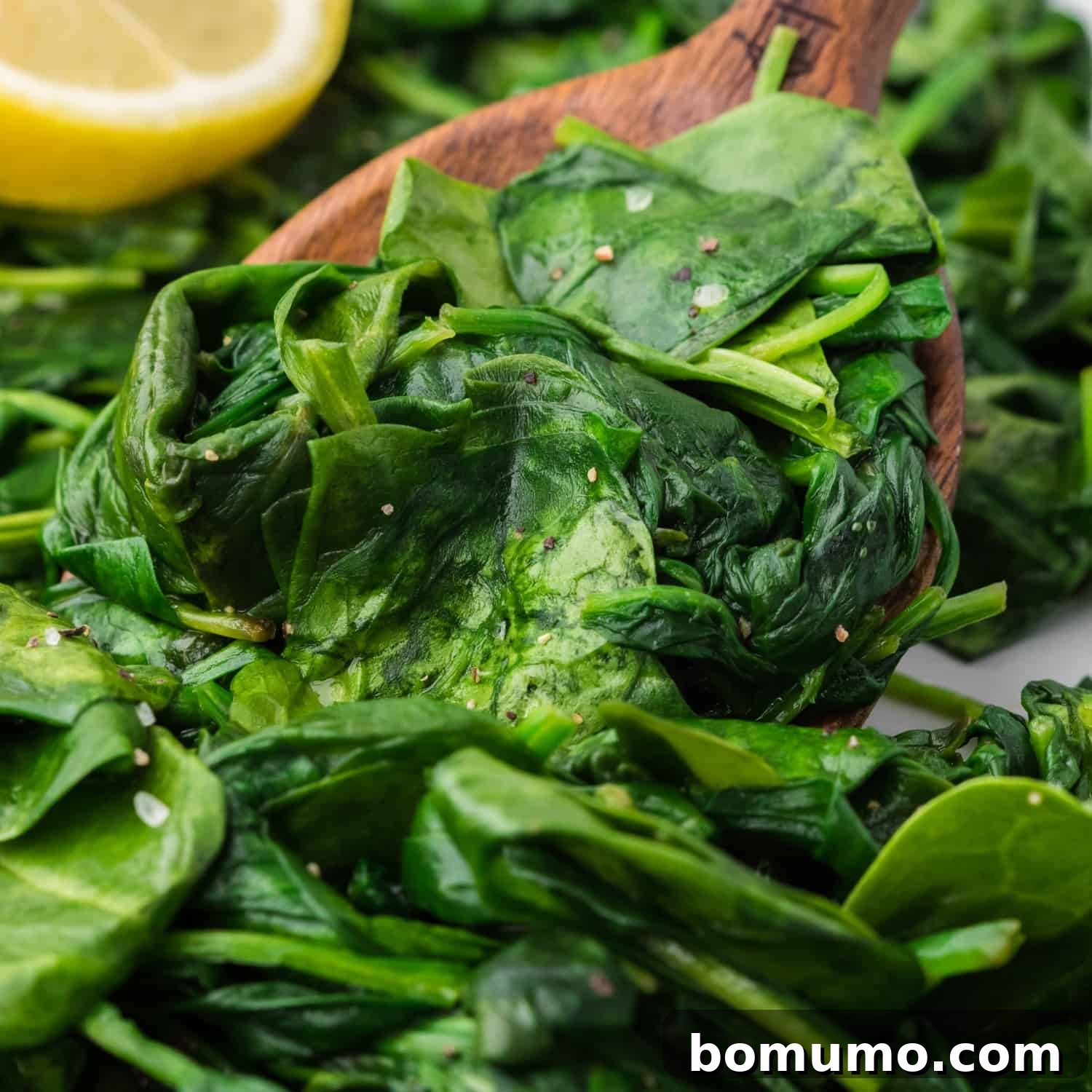
Recipe Overview: Effortless Garlic Lemon Sautéed Spinach
Why You’ll Love This Recipe: Transform ordinary spinach into an extraordinary side dish with this quick and easy recipe! Infused with fresh garlic and brightened with a squeeze of lemon juice, this sautéed spinach is not only bursting with flavor but also packed with essential nutrients. It’s the perfect way to effortlessly incorporate your daily dose of greens into any meal, making healthy eating both simple and delicious.
Preparation & Cook Time: Approximately 10 minutes from start to finish. This recipe is designed for maximum flavor in minimal time, ideal for busy weeknights.
Essential Equipment: A large skillet with a fitted lid is all you need to achieve perfectly tender and flavorful spinach.
Yields: 4 satisfying servings, perfect for a family dinner or meal prepping for the week.
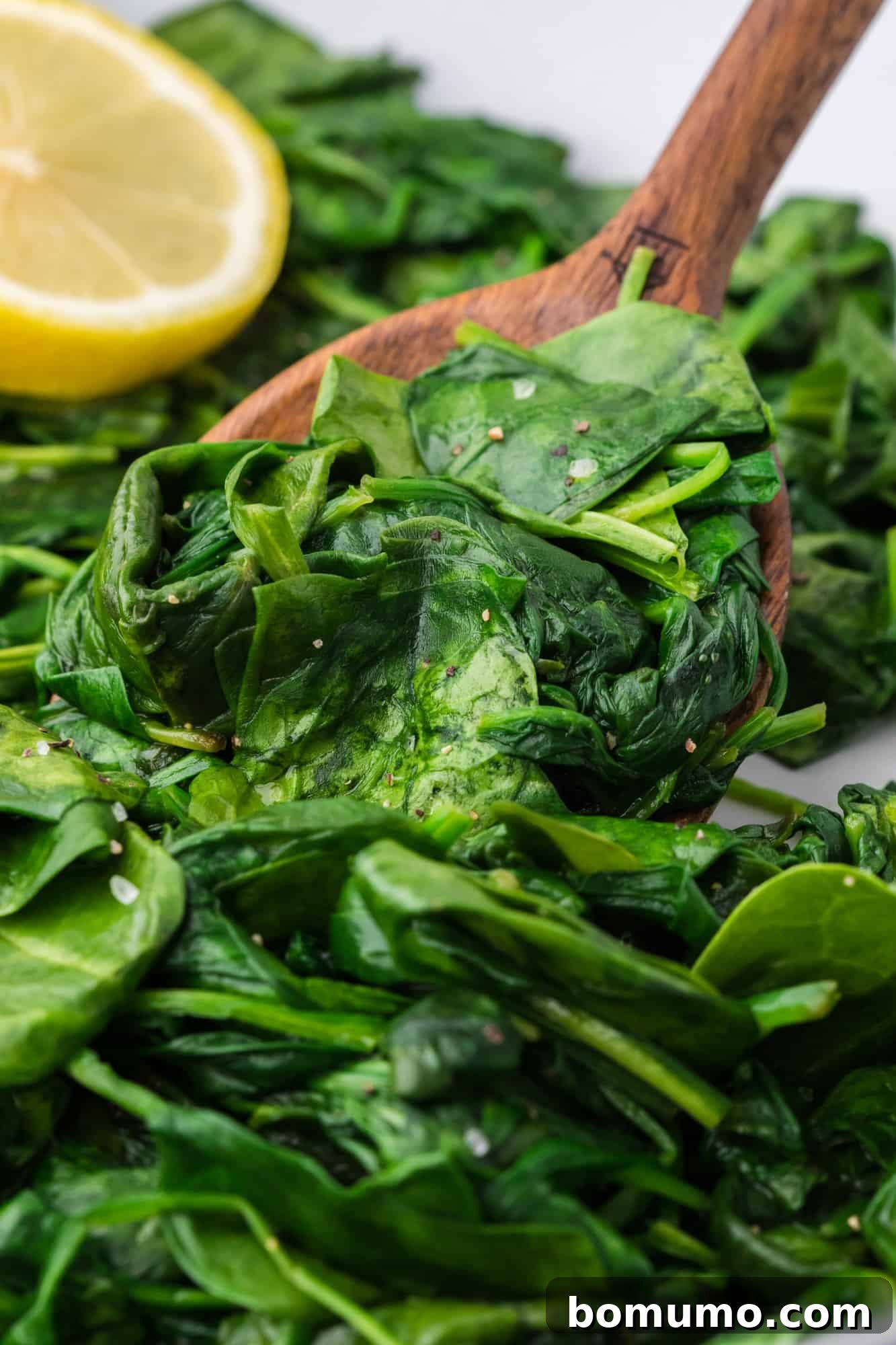
In our pursuit of a healthier lifestyle, the importance of consuming ample leafy green vegetables is a common refrain. From discussions on cancer prevention to weight management, these vibrant greens consistently emerge as dietary superstars. While countless articles and health experts advocate for their consumption, the real challenge often lies in making them a delicious and appealing part of our everyday meals. That’s precisely where this simple sautéed spinach recipe steps in.
Spinach, a standout among leafy greens, boasts an impressive array of health benefits. It’s celebrated for supporting eye health, contributing to cancer prevention, and reducing the risk of heart disease. Of course, the world of leafy greens is vast, offering alternatives like nutrient-dense kale, earthy Swiss chard, and peppery arugula. Even humble cabbage holds its own in this category (don’t forget to explore my fantastic sautéed cabbage recipe for another green delight!).
However, my goal here isn’t to inundate you with nutrition facts or to induce guilt about past dietary choices. Instead, it’s to inspire you with truly delectable recipes that make healthy eating a joy. This garlic lemon sautéed spinach is a prime example. Prepare to be genuinely surprised – and perhaps even utterly amazed – by how incredibly flavorful and satisfying this quick dish can be. The fact that it’s exceptionally healthy is merely an added bonus, a delicious reward for making a smart food choice.
Unlocking the Simplicity of Perfect Sautéed Spinach
The Epitome of Easy Cooking: If you’re searching for a recipe that combines minimal effort with maximum flavor, look no further. This sautéed spinach is remarkably straightforward. It involves tossing fresh spinach into a hot pan with a hint of garlic and olive oil, a sprinkle of salt and pepper, and then cooking it ever so briefly. The key is to avoid overcooking, preserving its vibrant color and tender texture, which makes all the difference.
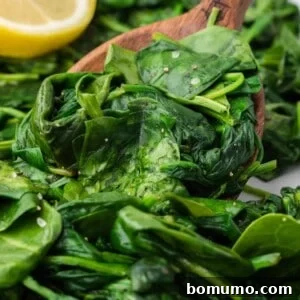
A World Away from Canned Spinach: Forget any preconceived notions you might have about spinach, especially if they stem from memories of overcooked, olive-green, slimy, and unappetizing canned versions. This recipe is a complete departure from that. Our sautéed spinach emerges from the pan a beautiful, deep emerald green, perfectly wilted but still retaining a slight bite. Its flavor is surprisingly sweet, with absolutely no bitterness, thanks to proper preparation. Cooking spinach correctly actually enhances its natural taste, transforming it into a delightful culinary experience that will make you a true believer in this versatile green.
Versatility with Any Spinach Variety: While I often gravitate towards baby spinach for its convenience, this recipe is incredibly adaptable to any type of spinach you have on hand. Baby spinach, typically pre-washed and packaged, is a time-saver. However, if you’re using more mature spinach with larger leaves, a quick chop before cooking will ensure an even texture and faster wilting. Keep in mind that mature spinach varieties might require a minute or two of extra cooking time to reach desired tenderness, but the end result will be equally delicious and nutritious.
Spinach Insights: Varieties and Characteristics
The world of spinach offers more diversity than many realize! To simplify, spinach can generally be categorized into two primary types: curly-leaf (often called Savoy) and smooth-leaf. Savoy spinach has crinkly, dark green leaves, while smooth-leaf spinach, as its name suggests, features broad, flat leaves.
- Baby Spinach: This popular choice is essentially smooth-leaf spinach harvested at a very young stage, typically around 15 to 20 days after planting. Its tender texture and mild flavor make it ideal for quick cooking or salads.
- Mature Spinach: Allowed to grow longer, mature spinach is harvested around 45 days. Its leaves are larger and can have a slightly stronger flavor and more robust texture, often benefiting from slightly longer cooking.
For those curious to delve deeper into the fascinating array of spinach varieties, resources like Gardeners’ Cultivar offer comprehensive guides, sometimes even listing dozens of unique types with detailed descriptions and photos. If you’re considering growing your own spinach – a surprisingly easy and rewarding endeavor – exploring these varieties can help you choose the perfect type for your garden and palate.
Key Ingredients for Sautéed Spinach Perfection
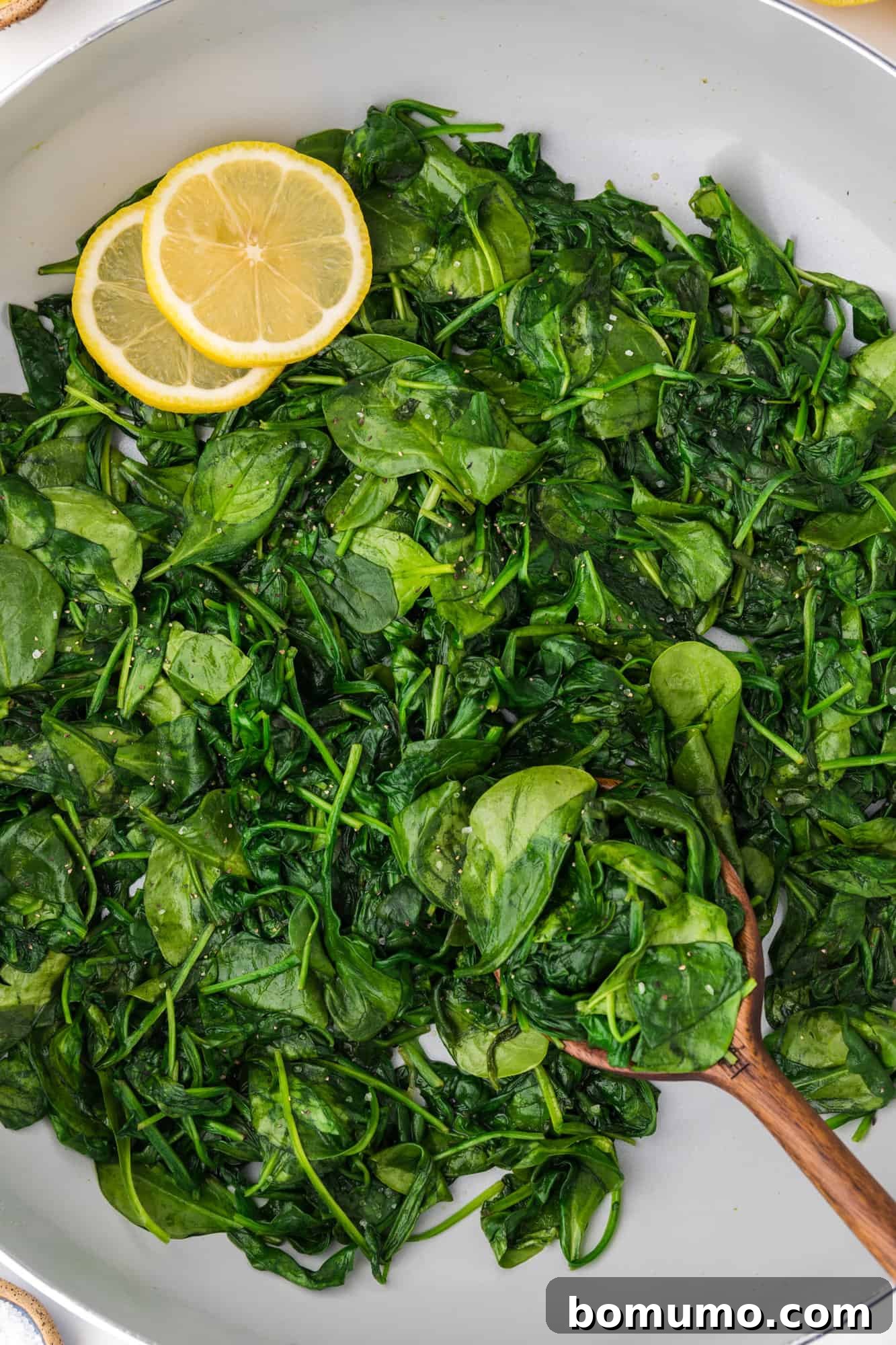
Creating truly delicious sautéed spinach hinges on a few simple, high-quality ingredients. Here’s a closer look at each component and how it contributes to the dish:
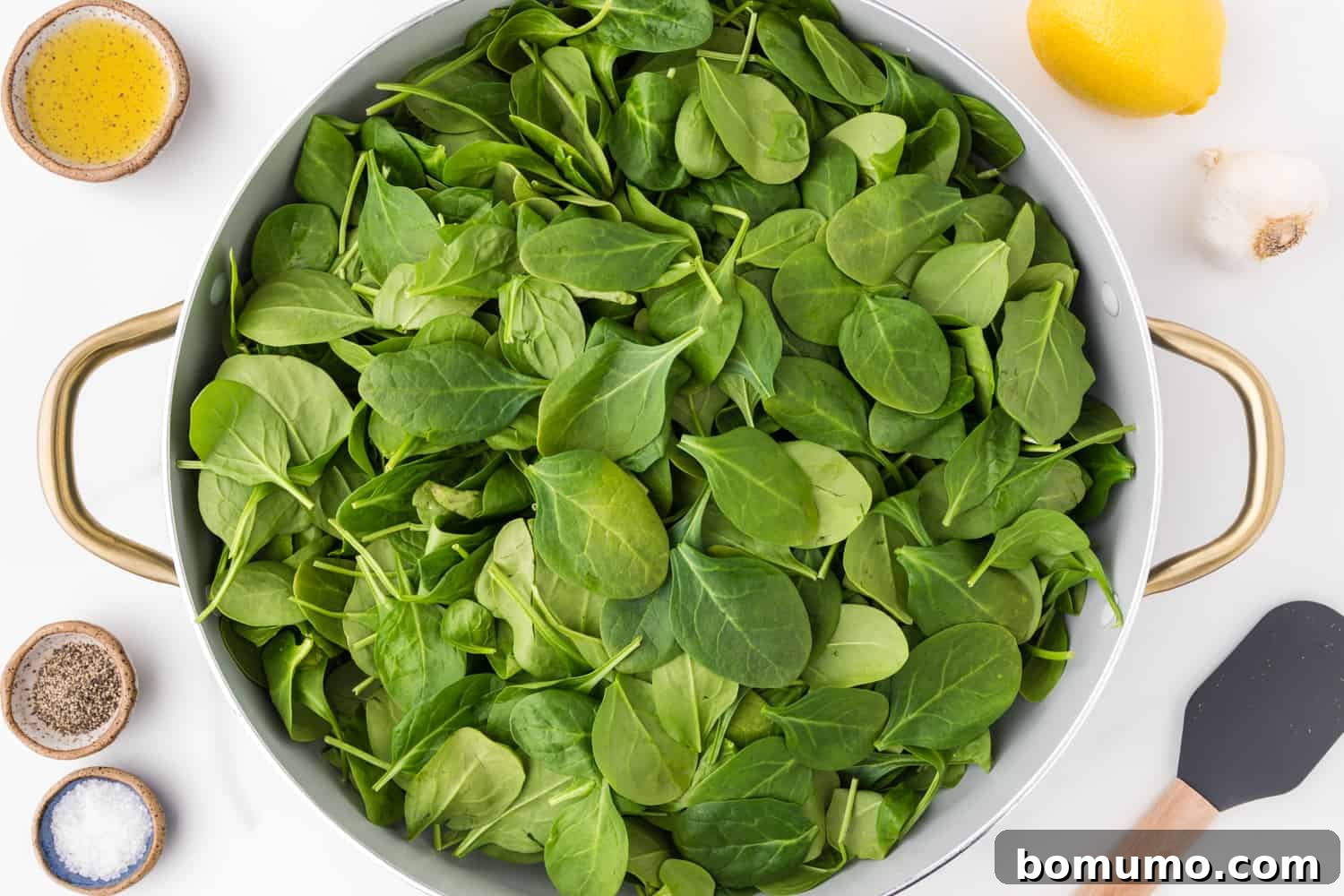
- Fresh Spinach: The star of our dish! For four servings, plan on using approximately 16 ounces of fresh spinach. This might seem like a considerable volume initially, but spinach drastically reduces in size when cooked, yielding about a quarter cup per serving. While the recipe is optimized for tender baby spinach, mature spinach can be used as a substitute; just be prepared for a slightly longer cooking time and consider chopping larger leaves for easier handling.
- Olive Oil: A staple in healthy cooking, olive oil brings a wonderful depth of flavor and numerous health benefits. Extra virgin olive oil is my preferred choice for its rich taste, but any good quality cooking oil you have on hand will work. The goal is a light coating to help the garlic infuse and the spinach wilt beautifully.
- Fresh Garlic: While entirely optional, minced fresh garlic introduces an irresistible aromatic element that elevates the spinach. Feel free to adjust the quantity to your preference – a single clove offers a subtle hint, while two or three can create a more pronounced garlicky flavor. Just be mindful not to burn the garlic, as this can turn bitter.
- Salt & Freshly Ground Black Pepper: Simple seasonings are often the most impactful. Salt brightens the natural flavors of the spinach, and freshly ground black pepper adds a subtle, fragrant warmth. Seasoning generously and tasting as you go is key to achieving perfect balance.
- Fresh Lemon Juice: This optional but highly recommended ingredient is a game-changer. A final squeeze of fresh lemon juice at the end of cooking adds a bright, zesty note that cuts through any potential earthiness and truly perks up the spinach’s flavor. The acidity of the lemon also helps to counteract the oxalic acid naturally present in spinach, which can sometimes cause a slightly bitter taste. Serving with a lemon wedge allows each diner to customize their experience.
Mastering the Art of Sautéing Spinach: A Step-by-Step Guide
Achieving perfectly tender, flavorful sautéed spinach is remarkably simple with the right technique. Follow these steps for an irresistible side dish:
1. Prepare Your Spinach: Wash Thoroughly
The initial step is to ensure your spinach is immaculately clean. While many packaged varieties boast “triple washed” labels, bulk spinach from farmers’ markets or homegrown greens will require careful cleaning. The most effective method is to fill a large bowl or a clean kitchen sink with cool water. Submerge the spinach leaves, gently swishing them around to dislodge any grit or soil. Allow the dirt to settle to the bottom, then lift the clean spinach leaves out, discarding the dirty water. Repeat this process until no sediment remains. For this particular recipe, there’s no need to meticulously dry the spinach; a gentle shake to remove excess water is sufficient, as the residual moisture will help steam the spinach initially.
2. Infuse Flavor: Sauté the Garlic
If you’re opting for garlic (which I highly recommend for its incredible aroma and flavor), prepare it before you begin cooking. Mince your garlic clove(s) finely. In a large skillet with a lid, heat a generous splash of olive oil over medium heat. Once the oil is shimmering and hot, add the minced garlic. Cook for approximately one minute, stirring constantly, until it becomes fragrant. Be vigilant to prevent the garlic from browning or scorching, as burnt garlic can impart a bitter taste. You’re aiming to release its delightful aroma, not caramelize it.
3. Add the Spinach and Season: Watch It Wilt
Now, it’s time for the spinach! Add the washed spinach to the pan along with your desired amount of salt and freshly ground black pepper. Don’t be alarmed by the sheer volume of fresh spinach; it will cook down dramatically. If your skillet is overflowing, simply add as much spinach as comfortably fits, allowing it to cook for a minute or two until it begins to shrink. Once some space opens up, add the remaining spinach. Toss gently to ensure all the leaves are lightly coated with the garlicky oil and seasonings.
4. Cover and Steam Briefly: Initiate Wilting
Once all the spinach is in the pan, cover it with the lid. Allow it to cook for just two to three minutes. The trapped steam will help jumpstart the wilting process, gently softening the leaves and reducing their volume even further. This brief covered cooking ensures an even heat distribution and tenderizes the spinach efficiently.
5. Uncover and Finish Cooking: Achieve Desired Tenderness
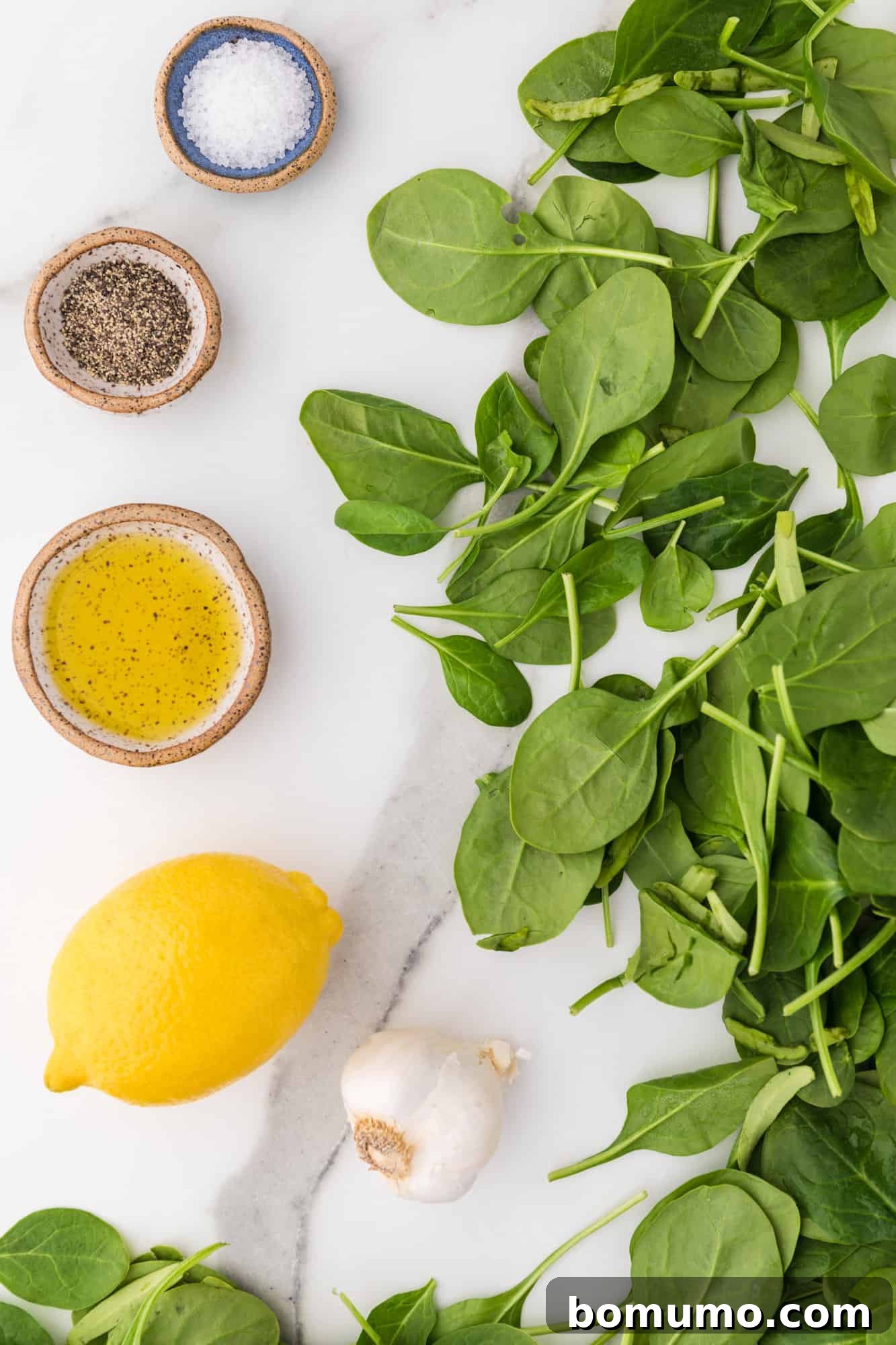
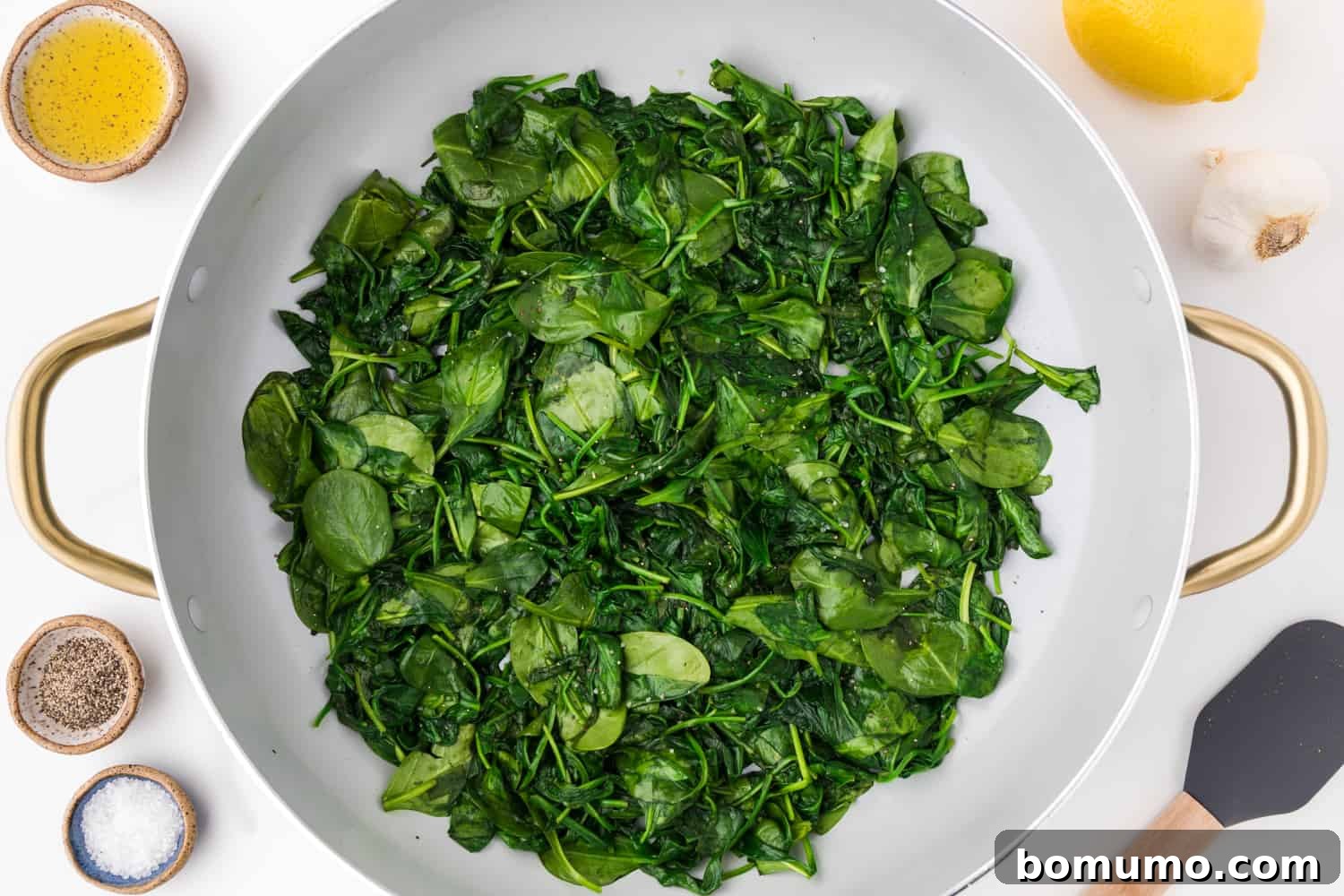
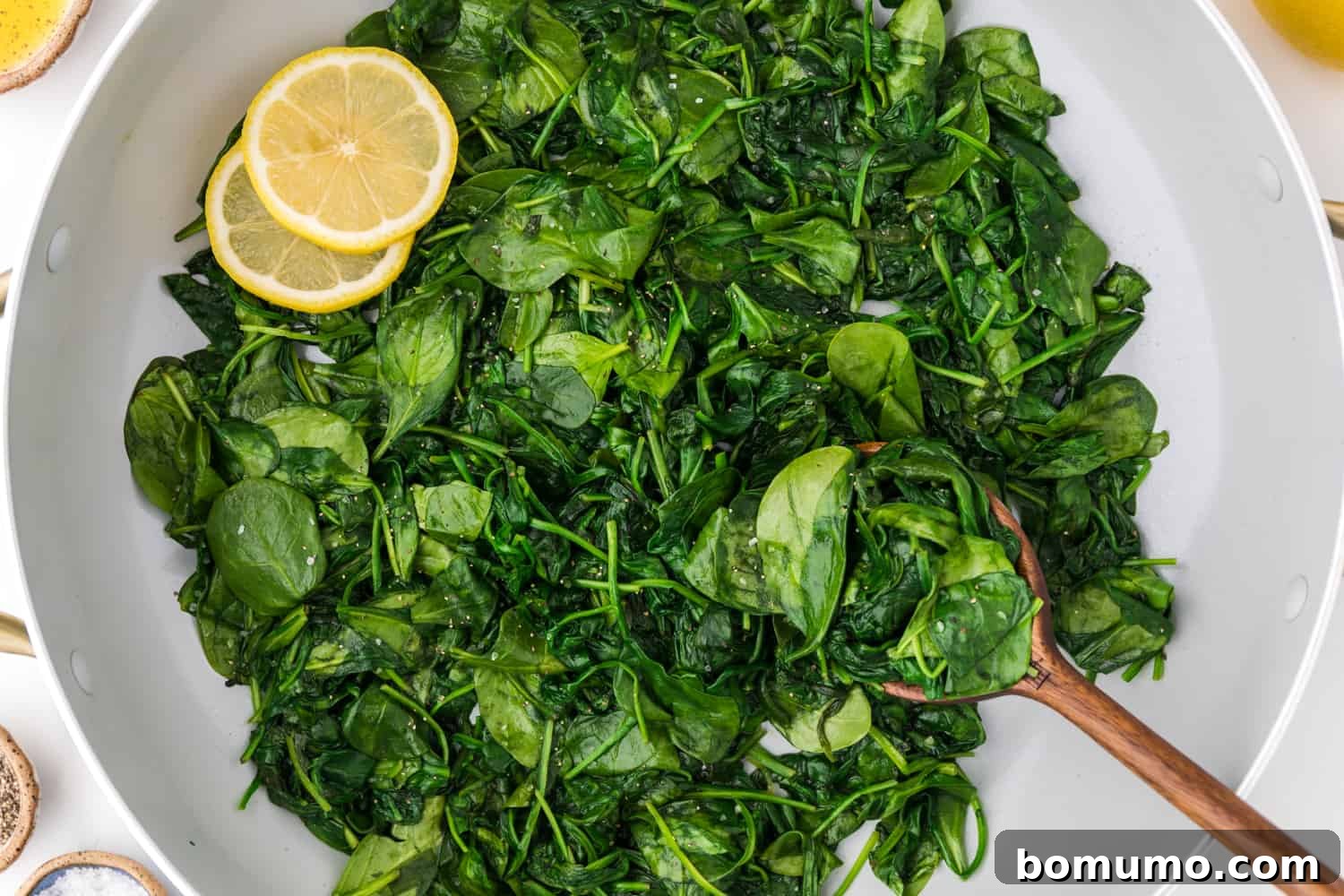
After the initial covered cooking, remove the lid. Continue to cook the spinach for another three to four minutes, stirring frequently, until it has fully wilted and reached your preferred level of tenderness. The key here is not to overcook baby spinach, as it can quickly become mushy or slimy. Aim for a vibrant, tender-crisp texture, as shown in the accompanying photos. If you prefer it slightly softer, cook for a minute longer, but avoid prolonged cooking to maintain its delicate structure and flavor.
6. Final Touch: Lemon and Serve
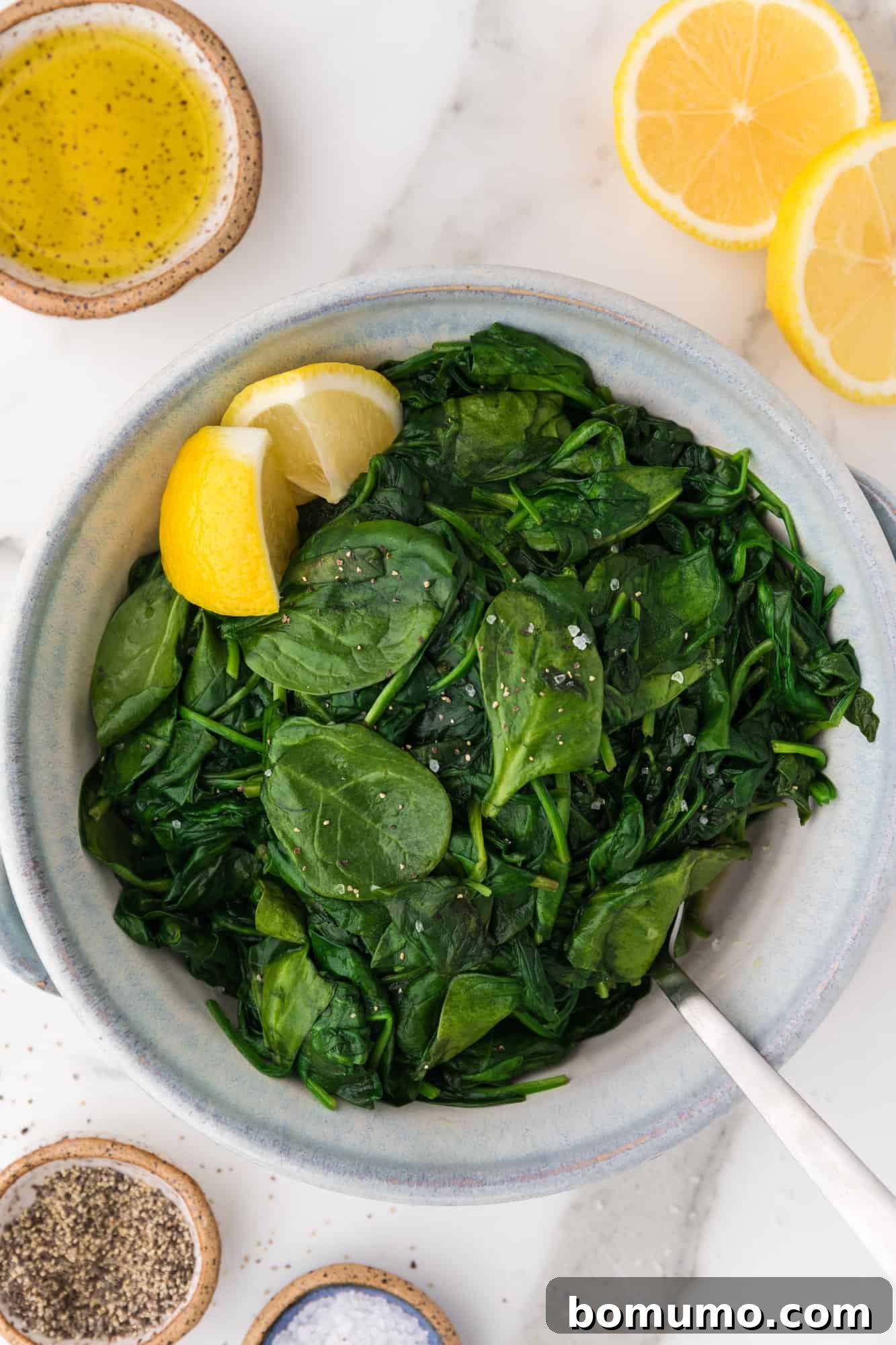
Remove the pan from the heat. Now is the ideal moment to add that crucial squeeze of fresh lemon juice, if desired. The bright acidity will awaken the flavors of the spinach and enhance its overall taste. Serve your delicious sautéed spinach immediately, while it’s still hot and fresh, to enjoy it at its absolute best.
Versatile Serving Suggestions for Sautéed Spinach
Sautéed spinach is an incredibly versatile side dish that complements an extensive range of main courses, effortlessly elevating any meal. Its delicate flavor profile and vibrant color make it a fantastic accompaniment, whether you’re aiming for a light lunch or a hearty dinner. Here are some inspiring ideas to incorporate this healthy green into your culinary repertoire:
- Classic Protein Pairings: It’s a natural fit for almost any protein. Serve it alongside grilled chicken, roasted turkey, pan-seared fish like our hot honey salmon bites, or rich maple mustard glazed salmon. It’s also excellent with red meats, such as succulent steaks or our flavorful herb and Parmesan crusted pork chops.
- Breakfast & Brunch Boost: Don’t limit spinach to dinner! Stir it into scrambled eggs, omelets, or frittatas for a nutritious breakfast. It adds a lovely texture and fresh taste that makes your morning meal feel more substantial and gourmet.
- Revitalize Meal Bowls: For those who love customizable meal bowls, sautéed spinach is an essential component. Combine it with grains like quinoa or brown rice, your favorite protein, and other roasted or fresh vegetables for a balanced and satisfying dish.
- Pasta Perfection: Spinach and pasta are a match made in heaven. Fold it into creamy pasta sauces, or mix it with simple olive oil and Parmesan for a light pasta dish. It pairs wonderfully with robust flavors found in dishes like spicy pasta amatriciana or the trendy baked feta pasta. A sprinkle of Parmesan or crumbled feta cheese over the top of your spinach and pasta combination creates an extra layer of deliciousness.
- Creamy Spinach Delights: If you enjoy spinach enveloped in a rich, creamy sauce, explore recipes like my indulgent chicken Florentine or the elegant salmon with spinach cream sauce. These dishes showcase spinach’s ability to absorb and complement luxurious flavors beautifully.
- Salad Alternative: When you’re seeking a warm, cooked alternative to a raw green salad, sautéed spinach offers a fantastic solution. It’s comforting, deeply flavorful, and still delivers all the nutritional benefits.
Frequently Asked Questions
Frequently Asked Questions
The slight bitterness sometimes associated with spinach is due to oxalic acid, a naturally occurring compound. This is also the reason some people experience a peculiar sensation on their teeth after consuming spinach, as explained by Plant Food At Home. Fortunately, there are several effective strategies to minimize or eliminate this bitterness:
- Avoid Overcooking: This is arguably the most crucial tip. Overcooking spinach tends to intensify any inherent bitterness and can also lead to a slimy texture. Cook it just until it wilts, keeping it bright green and tender-crisp.
- Choose a Non-Reactive Pan: Cooking in stainless steel or nonstick pans can help prevent any metallic flavors from reacting with the spinach and potentially enhancing bitterness.
- Season Generously: Proper seasoning is essential. A good amount of salt is key, as it enhances the spinach’s natural sweetness and balances other flavors. Freshly ground black pepper adds warmth and depth.
- Add Acidity: Introducing an acidic element is a powerful way to counteract bitterness. A squeeze of fresh lemon juice at the end of cooking is highly effective, as the citrus brightens the flavor and neutralizes some of the oxalic acid. A splash of vinegar can also work similarly.
- Incorporate Aromatics: Ingredients like fresh garlic, as used in this recipe, add layers of savory flavor that can mask or balance out any subtle bitterness.
Preparation in Advance & Freezing Guidance
Preparation in Advance & Freezing Guidance
For optimal flavor and texture, sautéed spinach is truly best enjoyed immediately after it’s cooked. Its delicate leaves can quickly become watery or mushy upon reheating, so the benefits of making it ahead are minimal for this particular preparation.
However, if you find yourself with an abundance of fresh spinach and wish to preserve it for future use, freezing is an excellent option. While you shouldn’t sauté it and then freeze, you can blanch and freeze raw spinach very effectively. For comprehensive, step-by-step guidance on how to properly freeze spinach – ensuring it retains its nutrients and flavor for later use in soups, stews, or other cooked dishes – I highly recommend checking out the expert tips on Simply Canning. They provide valuable insights that will help you extend the life of your fresh greens.
Storage & Reheating Tips
Storage & Reheating Tips
While sautéed spinach is undeniably at its best when fresh, it’s not uncommon to have a small amount leftover. If you do find yourself with extra, simply transfer it to an airtight container and refrigerate promptly. It will maintain good quality for about one to two days.
To reheat, gently warm the spinach in a small skillet over low to medium heat, stirring occasionally, just until it is heated through. Avoid excessive reheating, as this can lead to a watery texture and diminish its vibrant flavor. A quick warm-up is all it needs to be enjoyable again.
Explore More Delicious Sautéed Vegetable Recipes
Savory Sautéed Mushrooms (with a special trick!)
Irresistible Sautéed Brussels Sprouts
Light Sautéed Summer Squash and Zucchini Ribbons
Simple & Flavorful Sautéed Fresh Corn Recipe
Garlic Lemon Sautéed Spinach Recipe
Ingredients
- 1 tablespoon extra virgin olive oil
- 1 clove garlic, minced (optional, adjust to taste)
- 16 oz. baby spinach (about 15 cups)
- ½ teaspoon kosher salt, more to taste
- ¼ teaspoon coarse ground black pepper, more to taste
- 1 teaspoon fresh lemon juice, optional
Instructions
-
Heat a very large skillet (with a cover) over medium heat. Add the olive oil. If using garlic, add the minced garlic to the hot oil and sauté for 1 minute, stirring constantly, until fragrant. Do not allow it to brown or scorch.
-
Add the spinach, salt, and pepper, then toss to coat with the oil and seasonings. If all the spinach doesn’t fit into the pan at once, add what you can and let it cook for a couple of minutes until it starts to wilt, then add the remaining spinach. Cover the pan and cook for 3 minutes or until the spinach has wilted slightly.
-
Remove the lid and continue to cook for another 3 to 4 minutes, stirring pretty frequently, until the spinach is fully wilted and cooked to your liking, and most of the liquid has evaporated. Be careful not to overcook baby spinach, as it can become slimy or mushy.
-
Stir in the fresh lemon juice, if desired, just before serving. Serve the sautéed spinach immediately while it’s still hot for the best flavor and texture.
Notes
- Spinach is predominantly water, which explains its significant reduction in volume during cooking. Although 16 oz. of fresh spinach appears substantial, it typically yields about one cup of cooked spinach, depending on the duration of cooking. The longer it cooks, the more it will shrink.
- To maintain its optimal texture and flavor, avoid overcooking baby spinach. It’s most delicious when lightly sautéed, retaining a tender-crisp quality. Overcooking can result in a slimy or mushy consistency.
- If you prefer, you can substitute mature spinach for baby spinach. Baby spinach is harvested early (15-20 days), whereas regular spinach is allowed to mature (around 45 days). When using mature spinach, you may need to add a little extra cooking time to achieve the desired tenderness.
Video
Watch a video demonstration of this Sautéed Spinach recipe:
Click here to watch the Sautéed Spinach video
Nutrition
Calories: 58kcal,
Carbohydrates: 4g,
Protein: 3g,
Fat: 4g,
Saturated Fat: 1g,
Polyunsaturated Fat: 1g,
Monounsaturated Fat: 3g,
Sodium: 380mg,
Potassium: 638mg,
Fiber: 3g,
Sugar: 0.5g,
Vitamin A: 10634IU,
Vitamin C: 32mg,
Calcium: 114mg,
Iron: 3mg
Nutrition information is automatically calculated and should only be used as an approximation. Values may vary based on specific ingredient brands and preparation methods.
Did You Make This Recipe?
Share your thoughts and a rating below! I always love hearing about your cooking experience!