
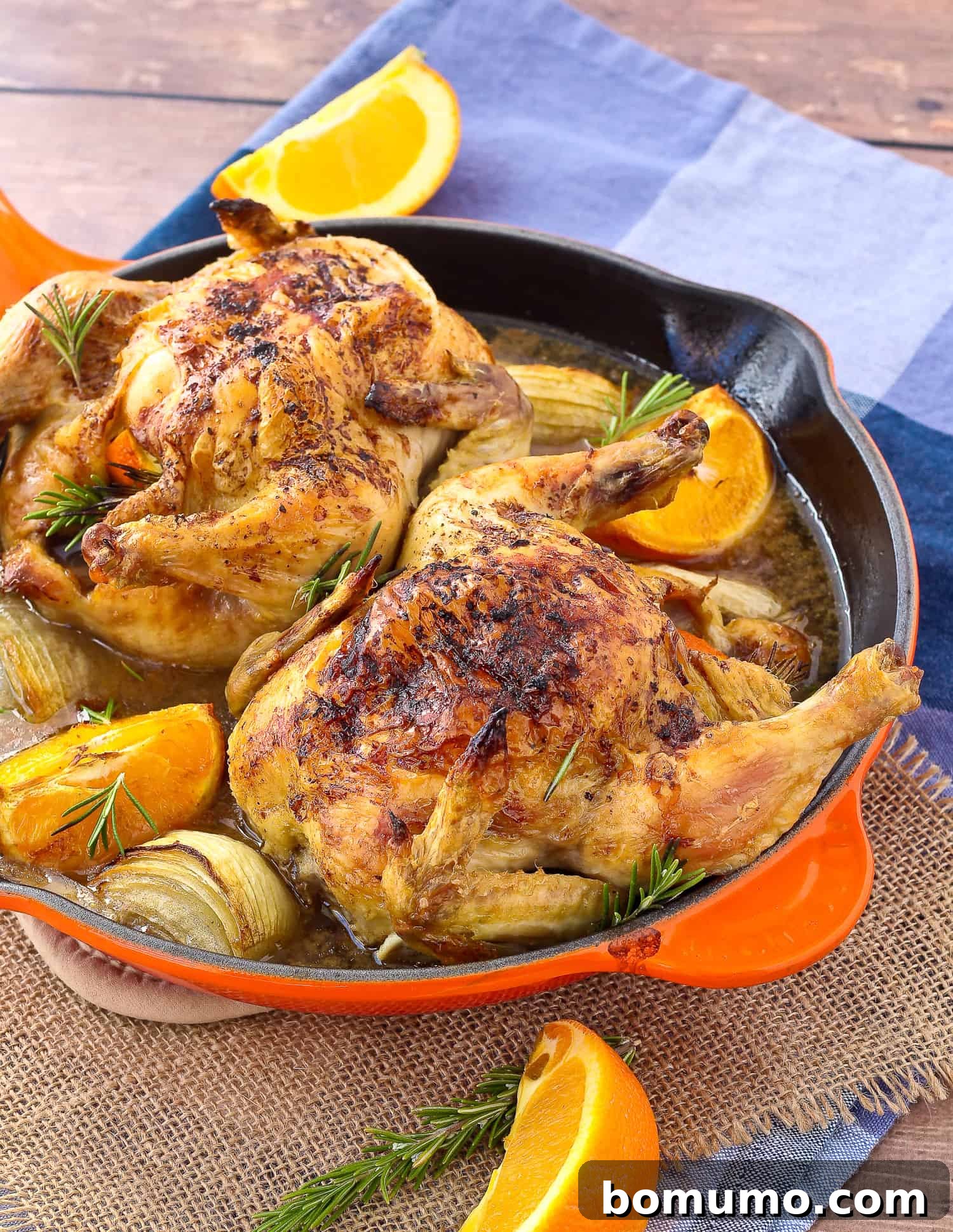
Exquisite Cornish Game Hen Recipe with Orange, Rosemary, and Sherry
Elevate your holiday table or any special gathering with this stunning Cornish game hen recipe. Boasting a vibrant medley of orange, aromatic rosemary, and the sophisticated depth of sherry, these perfectly roasted hens are an impressive yet surprisingly simple dish that will leave your guests asking for more. Forget the traditional ham this Easter; it’s time to discover a new centerpiece that’s both elegant and bursting with unforgettable flavors.
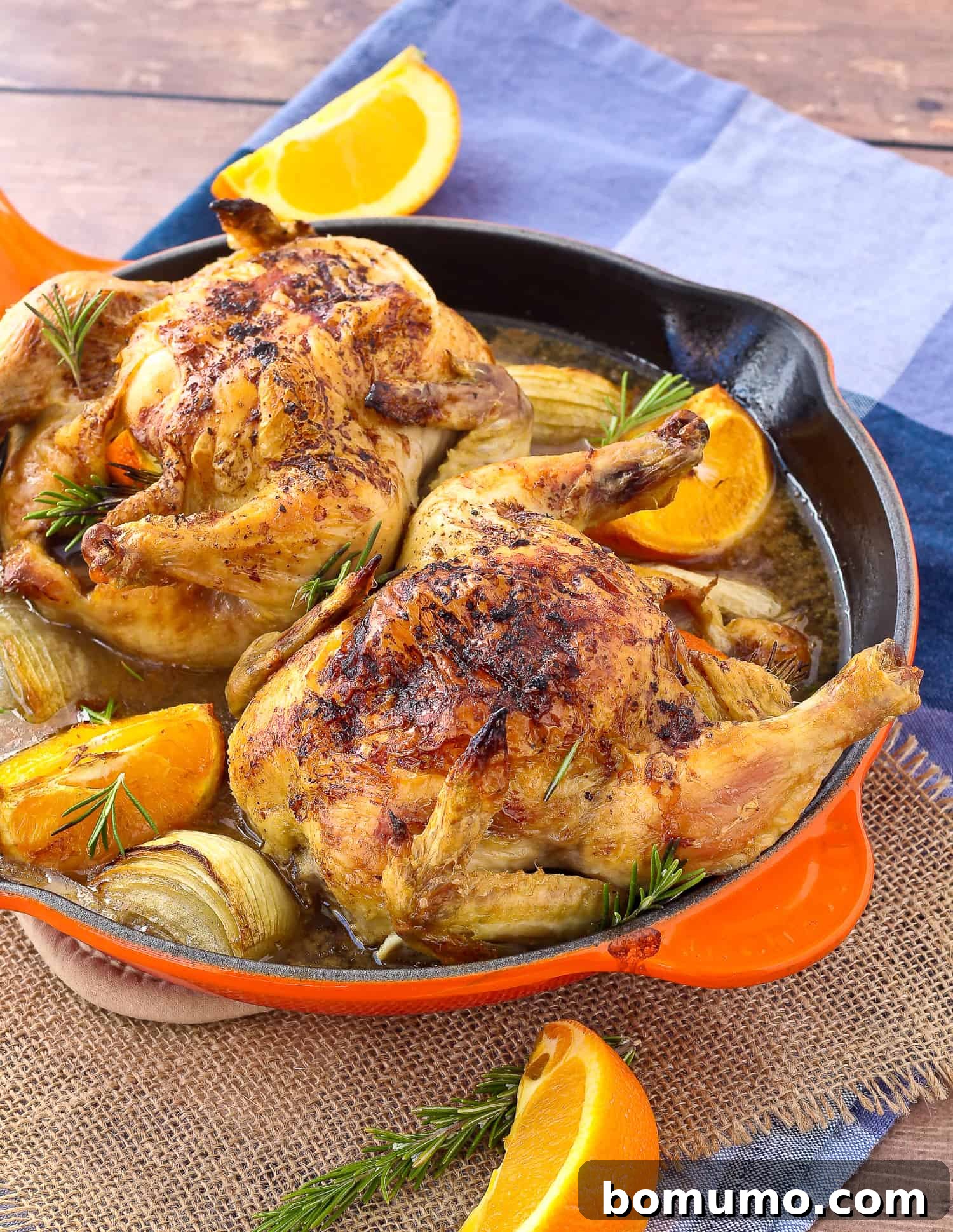
While many of us gravitate towards traditional holiday fare like a glazed ham (and who could blame us, especially for a delicious slow cooker maple dijon ham!), there’s a certain magic in shaking things up. This year, why not surprise your loved ones with something truly special? Cornish game hens offer an individual, sophisticated serving that feels incredibly gourmet but is remarkably easy to prepare. Their delicate flavor provides a perfect canvas for the bright, fresh notes of citrus and herbs, creating a memorable dining experience without the stress.
Why You’ll Adore This Cornish Game Hen Recipe
This isn’t just another poultry dish; it’s an experience waiting to happen. Here’s why this orange, rosemary, and sherry-infused Cornish game hen recipe is destined to become a new favorite in your culinary repertoire:
- Effortlessly Impressive: Don’t let their elegant appearance fool you. Cornish game hens are far simpler to prepare than a large turkey or a complex roast. If you can roast a chicken, you can master these delightful birds with ease. The individual portions make for a beautiful plate presentation, instantly elevating any meal from ordinary to extraordinary, perfect for impressing dinner guests or making a family holiday feel extra special.
- Bursting with Flavor: Prepare your taste buds for an exquisite journey. The bright, zesty notes of fresh orange penetrate the tender meat, complementing the savory, slightly piney aroma of fresh rosemary. A touch of dry sherry adds a subtle depth and complexity, creating a rich pan sauce that ties all the flavors together beautifully. Each bite is a harmonious blend of citrus, herb, and savory goodness.
- Perfect Portion Control: Each Cornish game hen typically serves one person, making them ideal for elegant individual servings. This eliminates the guesswork of carving and ensures everyone receives a perfectly cooked, beautifully presented meal, reducing waste and simplifying plating at your dinner table.
- Versatile for Any Occasion: While this recipe shines as a showstopper for Easter brunch or dinner, its delightful flavor profile and impressive presentation make it suitable for a wide range of celebrations. Think Thanksgiving, Christmas, anniversaries, or even a sophisticated weekend dinner party. It offers a wonderful alternative to more conventional holiday meats.
- Faster Roasting Time: Compared to larger poultry or roasts, Cornish game hens cook relatively quickly. This means less time waiting for your main course and more time enjoying the company of your guests or simply relaxing. It’s an ideal choice when you want a gourmet meal without an all-day cooking commitment.
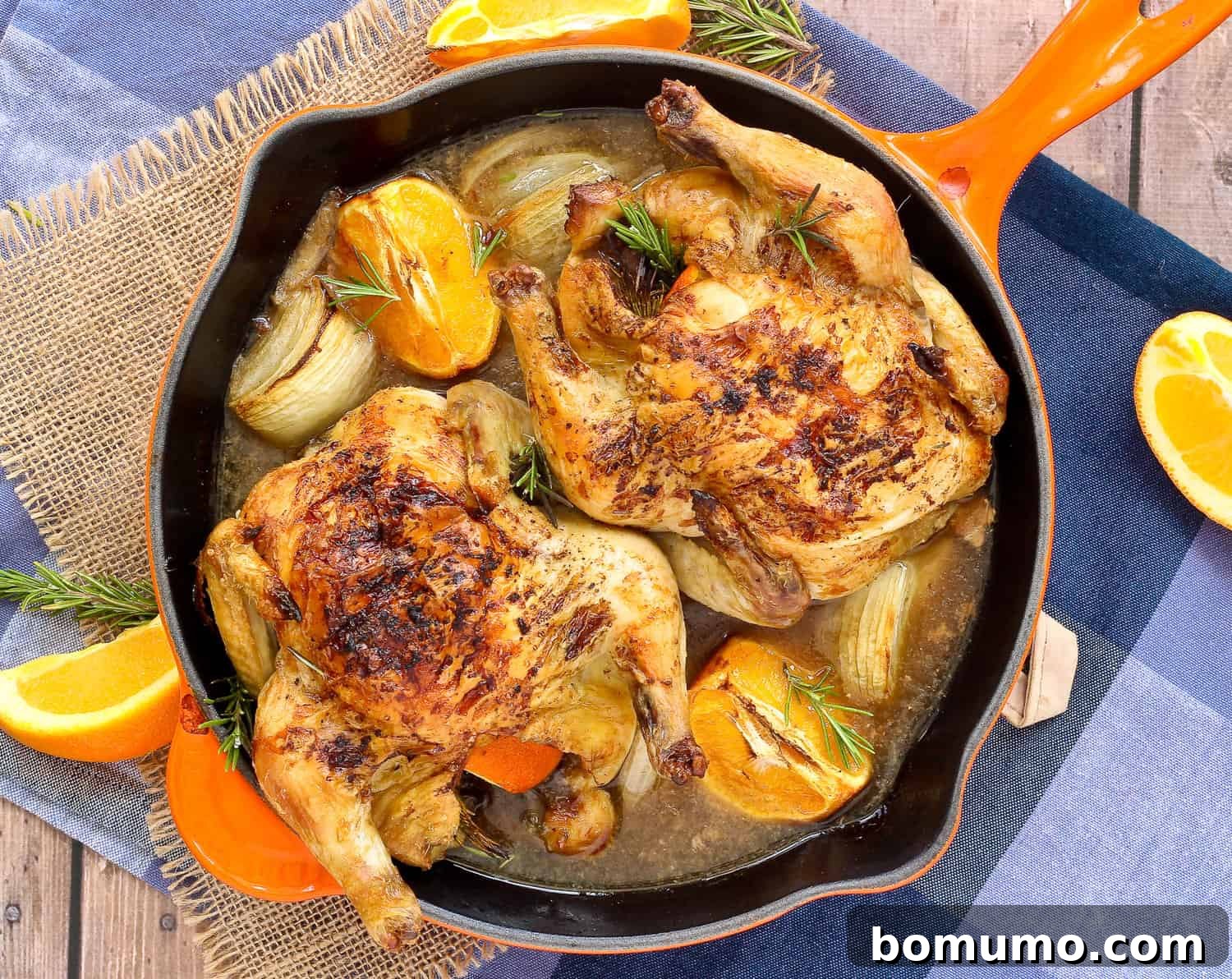
What Exactly is a Cornish Game Hen?
Often perceived as an exotic or gourmet item, the Cornish game hen is, in essence, a young, immature broiler chicken, typically weighing between one and two pounds. Despite its name, it’s not a “game” bird in the wild sense, but rather a hybrid cross of Cornish and White Rock chicken breeds. Raised specifically for their tender meat and small size, they are perfect for single-serving meals.
Their small stature means they cook much faster than a full-sized chicken or turkey, making them an excellent choice for special occasions where you want an impressive meal without spending hours in the kitchen. The meat is succulent and mild, absorbing flavors beautifully, which is why it pairs so well with robust ingredients like citrus, herbs, and savory wines or spirits, as featured in this exquisite recipe.
Key Ingredients Spotlight: Crafting Unforgettable Flavors
The magic of this Cornish game hen recipe lies in the synergistic blend of its core ingredients. Each component plays a vital role in creating the rich, aromatic, and deeply satisfying flavor profile:
- Cornish Hens: The star of the show. Choose fresh, high-quality hens for the best results. Their tender meat is perfect for absorbing the accompanying flavors.
- Fresh Oranges: Not just for garnish! Oranges infuse a bright, zesty, and slightly sweet citrus note into the hens. The acidity tenderizes the meat, while the natural sugars caramelize beautifully on the skin and pan drippings, contributing to a complex and vibrant sauce. Be sure to use fresh, ripe oranges for maximum flavor.
- Fresh Rosemary: This aromatic herb brings an earthy, piney, and slightly peppery fragrance that perfectly complements poultry. Using fresh sprigs, both inside the cavity and around the roasting pan, ensures a powerful infusion of its distinctive aroma and taste.
- Dry Sherry or Sherry Cooking Wine: This is where the sauce gets its incredible depth. Dry sherry (like Fino or Amontillado) adds a nutty, savory, and slightly sweet complexity that deglazes the pan and enriches the broth. If you prefer not to use alcohol, an equal amount of chicken broth can be substituted, though the flavor profile will be slightly different.
- Yellow Onion: Quartered and roasted alongside the hens, the onion becomes wonderfully sweet and caramelized, adding a foundational savory note to the pan drippings and ultimately to the finished sauce. It also provides a rustic charm to the presentation.
- Olive Oil, Salt, and Pepper: These essential staples prepare the hens for roasting. Olive oil helps achieve that coveted crispy, golden-brown skin, while salt and pepper enhance the natural flavors of the poultry, both inside and out.
- Reduced Sodium Chicken Broth: This liquid is crucial for keeping the hens moist during the second stage of roasting and forms the base for the luscious pan sauce. Using reduced sodium broth allows you to control the overall saltiness of the dish.
- Dijon Mustard: Just a half teaspoon of Dijon mustard works wonders in the pan sauce. It acts as an emulsifier, thickening the sauce slightly, and adds a subtle tang and pungent warmth that beautifully balances the richness of the poultry and the sweetness of the orange.
Mastering Your Cornish Game Hen: A Step-by-Step Guide
Creating this stunning dish is far more straightforward than its gourmet appearance suggests. Follow these detailed steps to ensure perfectly roasted, incredibly flavorful Cornish game hens every time. Remember, the full, printable recipe card with exact measurements is always available below.
- Preheat Your Oven: Begin by preheating your oven to a robust 450°F (230°C). Starting with a high temperature is key to achieving that beautiful golden-brown, crispy skin and caramelizing the aromatics quickly.
- Prepare the Cornish Hens: Carefully remove the hens from their packaging. Check the cavities for any giblets (often found in a small paper bag); remove them if present. While some cooks save giblets for gravy or stock, for this recipe, they are not needed. Pat the hens thoroughly dry with paper towels, both inside and out. This crucial step helps ensure a crispy skin. Drizzle 1 tablespoon of olive oil evenly over the exterior of each hen, massaging it gently to coat completely. Season generously inside and out with salt and freshly ground black pepper.
- Stuff and Arrange: Carefully place one orange wedge and one sprig of fresh rosemary into the cavity of each seasoned hen. The heat of the oven will release their aromatic oils and juices, infusing the meat from the inside out. Arrange the hens side-by-side in a sturdy roasting pan. Around the hens, scatter the remaining unpeeled orange wedges and quartered yellow onion. These aromatics will caramelize and contribute immensely to the final pan sauce.
- Initial High-Heat Roast: Place the roasting pan into your preheated 450°F (230°C) oven and roast for 25 minutes. This initial high heat blast is essential for browning the skin, searing the exterior, and beginning the caramelization process of the onions and oranges, building layers of flavor.
- Reduce Temperature and Baste: After 25 minutes, reduce the oven temperature to 350°F (175°C). In a small bowl or liquid measuring cup, whisk together the dry sherry (or chicken broth), reduced sodium chicken broth, Dijon mustard, and the remaining 1 tablespoon of olive oil. Carefully pour this flavorful liquid mixture over the hens and around the pan. This liquid will prevent the hens from drying out, keep the pan drippings from burning, and form the base of your rich pan sauce. Continue roasting, basting the hens every 10-15 minutes with the pan juices to keep them moist and infuse them with even more flavor.
- Check for Doneness: Continue roasting for an additional 45 minutes, or until the hens are deeply golden brown and the internal temperature, when measured with an instant-read thermometer inserted into the thickest part of the thigh (avoiding the bone), registers 180°F (82°C). The juices should run clear when pierced. The total cooking time can vary depending on your oven and the exact size of your hens, so always rely on a thermometer for accuracy.
- Rest and Prepare Sauce: Once cooked, carefully remove the Cornish hens, oranges, and onions from the roasting pan and transfer them to a clean platter. Loosely tent them with aluminum foil and allow them to rest for 10-15 minutes. This resting period is crucial; it allows the juices to redistribute throughout the meat, ensuring a tender and moist final product. While the hens are resting, pour any liquid accumulated in the cavities back into the roasting pan. Transfer the pan juices from the roasting pan to a medium saucepan (or, if your roasting pan is stovetop-safe, you can use it directly). Place the saucepan over high heat and bring the liquid to a rolling boil. Continue to boil, stirring occasionally, until the liquid reduces and thickens slightly into a delectable sauce, typically 5 to 7 minutes.
- Serve with Elegance: To serve, carefully cut each Cornish hen in half lengthwise. Arrange the halves on individual plates, spooning the luscious, reduced pan sauce generously over each portion. Garnish with a fresh sprig of rosemary or an extra orange slice for a beautiful presentation.
Delightful Accompaniments for Your Cornish Game Hens
The beauty of these Cornish game hens is their versatility in pairing with a variety of side dishes. Here are some delectable suggestions to complete your meal:
- Creamy Mashed Potatoes: The perfect companion to soak up that rich pan sauce. Try these slow cooker brown butter mashed potatoes for an extra layer of flavor and convenience.
- Savory Rice Casseroles: A hearty casserole adds substance and flavor. This zucchini rice casserole is a fantastic choice, especially since it bakes beautifully at 350°F (175°C), potentially alongside your hens during the latter part of cooking.
- Earthy Roasted Vegetables: Roasted root vegetables like sautéed parsnips with white wine and thyme bring a wonderful sweetness and earthiness. Other options include roasted carrots, asparagus, or Brussels sprouts.
- Bright Green Beans: A fresh, crisp green vegetable provides a lovely contrast. Green beans with lemon and feta add a zesty, salty kick that brightens the palate.
- Simple Salad: A light, refreshing green salad with a vinaigrette dressing can cut through the richness of the meal.
- Crusty Bread: Don’t forget a loaf of crusty bread to sop up every last drop of the incredible pan sauce!
Tips for Perfect Roasting Every Time
- Pat Dry for Crispy Skin: Always pat your hens very dry with paper towels before seasoning and roasting. Moisture on the skin prevents it from crisping up properly.
- Don’t Overcrowd the Pan: Ensure your roasting pan is large enough to accommodate the hens side-by-side without touching. This allows for even air circulation and proper browning. If the pan is too crowded, the hens will steam instead of roast.
- Use a Meat Thermometer: This is your best tool for ensuring perfectly cooked poultry. Insert it into the thickest part of the thigh, avoiding the bone. The target internal temperature for Cornish game hens is 180°F (82°C).
- Baste Frequently: Basting every 10-15 minutes during the lower-temperature roasting stage keeps the hens moist and infuses them with the delicious pan juices, contributing to both flavor and color.
- Rest Your Hens: After removing them from the oven, tent the hens loosely with foil and let them rest for 10-15 minutes. This allows the juices to redistribute, resulting in incredibly tender and moist meat.
Variations & Customizations: Make It Your Own
While the orange, rosemary, and sherry combination is undeniably classic and delicious, feel free to experiment with these variations to suit your taste:
- Herb Swaps: Substitute rosemary with other fresh herbs like thyme, sage, or a blend of Herbes de Provence.
- Citrus Alternatives: Lemon or lime wedges can be used instead of orange for a different citrusy twist. You can also add some zest to the olive oil rub for an extra fragrant boost.
- Wine Alternatives: If sherry isn’t to your liking or isn’t available, a dry white wine (such as Sauvignon Blanc or Pinot Grigio) or even apple cider can be used to deglaze the pan and add depth to the sauce.
- Spicier Kick: Add a pinch of red pepper flakes to the pan liquid for a subtle warmth, or a dash of smoked paprika for an an earthy, smoky undertone.
- Garlic Infusion: Add a few crushed garlic cloves to the pan along with the onions for an aromatic garlic-infused flavor.
- Sweet Touches: A drizzle of honey or maple syrup over the hens during the last 15 minutes of roasting can add a lovely glaze and touch of sweetness, complementing the orange beautifully.
Storage and Reheating
Leftover Cornish game hen, if stored properly, can be just as delicious the next day. Allow the hens to cool completely, then store them in an airtight container in the refrigerator for up to 3-4 days. To reheat, gently warm in an oven at 300°F (150°C) until heated through, or debone the meat and use it in salads, sandwiches, or stir-fries.
Frequently Asked Questions (FAQs)
- Q: How many Cornish game hens do I need per person?
A: Typically, one Cornish game hen serves one person. For lighter eaters or if serving with many generous side dishes, you might consider splitting one hen between two people, but generally, one per person is standard. - Q: Do I have to truss the Cornish hens?
A: Trussing (tying the legs together) is optional but recommended. It helps the hens cook more evenly and maintain a neat, compact shape for better presentation. However, they will still cook well untrussed. - Q: Can I prepare this recipe ahead of time?
A: You can prep the hens (removing giblets, patting dry, seasoning) a few hours in advance and keep them refrigerated. The roasting process is best done just before serving to ensure crispy skin and juicy meat. - Q: What if I don’t have sherry?
A: You can substitute an equal amount of dry white wine (like Sauvignon Blanc) or, for an alcohol-free option, use extra chicken broth. The flavor profile will be slightly different but still delicious. - Q: How can I ensure the skin is extra crispy?
A: Patting the hens extremely dry before roasting is the most important step. Roasting at a higher initial temperature also helps. Avoid overcrowding the pan and don’t cover the hens with foil during the roasting process (only when resting).
Cornish Game Hen Recipe with Orange and Rosemary
Ingredients
- 2 Cornish hens (about 2 pounds each)
- 2 tablespoons olive oil, divided
- ½ teaspoon salt
- ¼ teaspoon pepper
- 1 large orange, quartered
- 2 sprigs fresh rosemary
- 1 yellow onion, quartered
- ¼ cup sherry or sherry cooking wine
- ¼ cup reduced sodium chicken broth
- ½ teaspoon Dijon mustard
Instructions
- Preheat oven to 450°F (230°C).
- If present, remove giblets from Cornish hens. Rub outside of Cornish hens with 1 tablespoon of the olive oil. Season hens with salt and pepper on all sides. Place 1 orange wedge and 1 sprig of rosemary in cavity of each hen.
- Arrange the hens in a roasting pan, and arrange remaining orange wedges and quartered onions around hens. Roast at 450°F (230°C) for 25 minutes.
- Reduce oven temperature to 350°F (175°C). In a small bowl or measuring cup, whisk together sherry wine, chicken broth, mustard, and remaining 1 tablespoon of oil and pour over hens.
- Continue roasting about 45 minutes longer, or until hens are golden brown and juices run clear and an instant-read thermometer inserted into the thickest part of the thigh registers 180°F (82°C). Baste with juices from pan every 10 minutes.
- Transfer hens, oranges, and onions to a platter, pouring liquid from cavities into the roasting pan. Cover Cornish hens loosely with aluminum foil to keep warm. Transfer pan juices to a medium saucepan (you can also do this right in the roasting pan) and place over high heat. Boil until liquids reduce to a sauce, 5 to 7 minutes.
- To serve, cut hens in half lengthwise and arrange on plates. Spoon sauce over hens and serve.
Notes
- If you’d rather not use sherry, substitute additional chicken broth.
- For extra crispy skin, ensure hens are thoroughly patted dry before applying olive oil and seasoning.
- Resting the hens for 10-15 minutes after roasting is crucial for juicy, tender meat.
Video Tutorial
Watch the step-by-step video for this Cornish Game Hen recipe!
Nutrition
Nutrition information is automatically calculated, so should only be used as an approximation.
Did You Make This?
Share a comment and rating below! We love hearing what you think!