
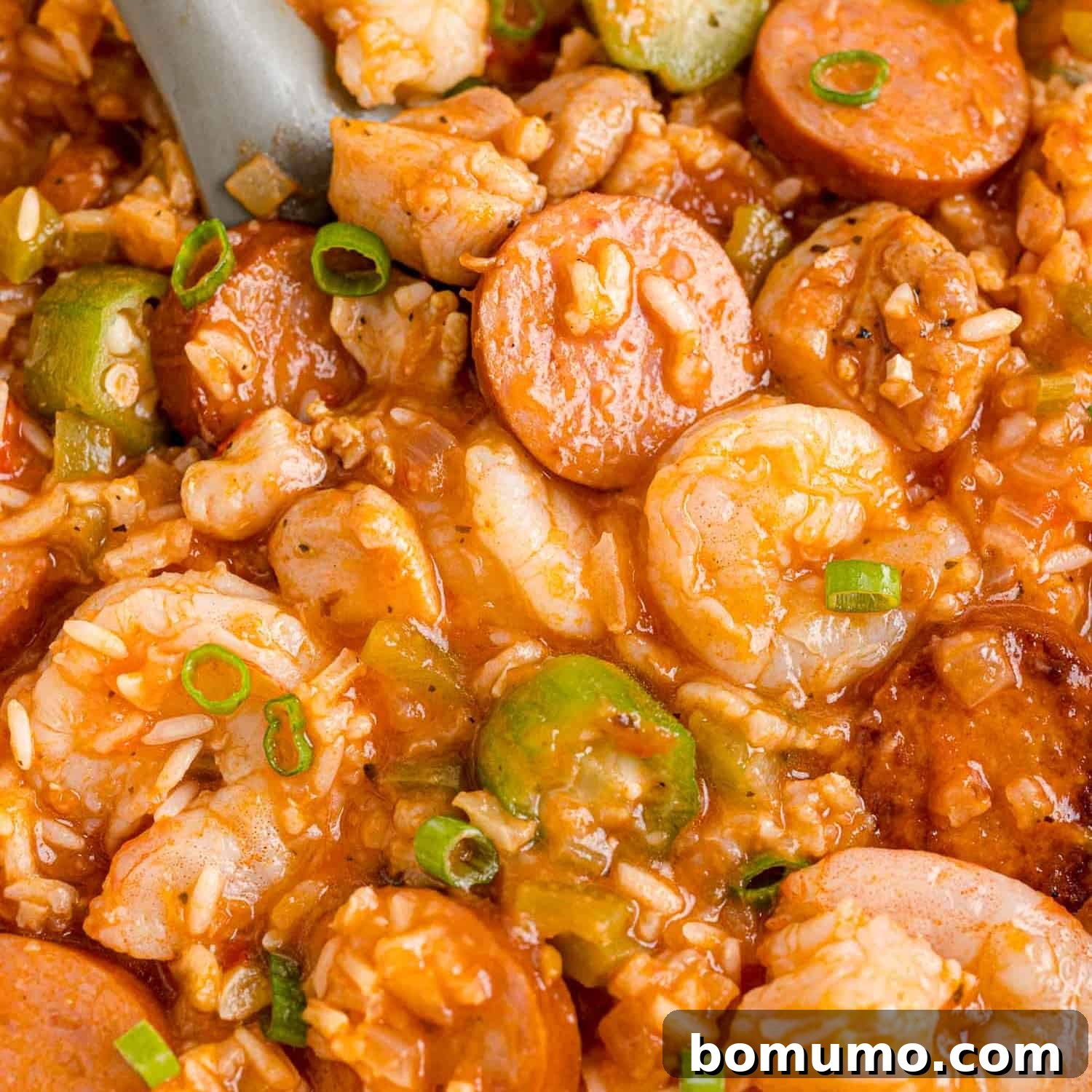
Cajun Jambalaya: A Hearty One-Pan Delight
Why you’ll love it: This robust and spicy Cajun jambalaya recipe is a true crowd-pleaser, perfect for satisfying the meat lovers in your family. Loaded with savory andouille sausage, tender chicken, and succulent shrimp, it offers an explosion of flavors in every bite. Plus, it’s a convenient one-pan dinner, making cleanup a breeze!
How long it takes: Approximately 1 hour from start to finish.
Equipment you’ll need: A large, heavy-bottomed pot with a tight-fitting lid (a Dutch oven is ideal).
Servings: 6 generous portions.
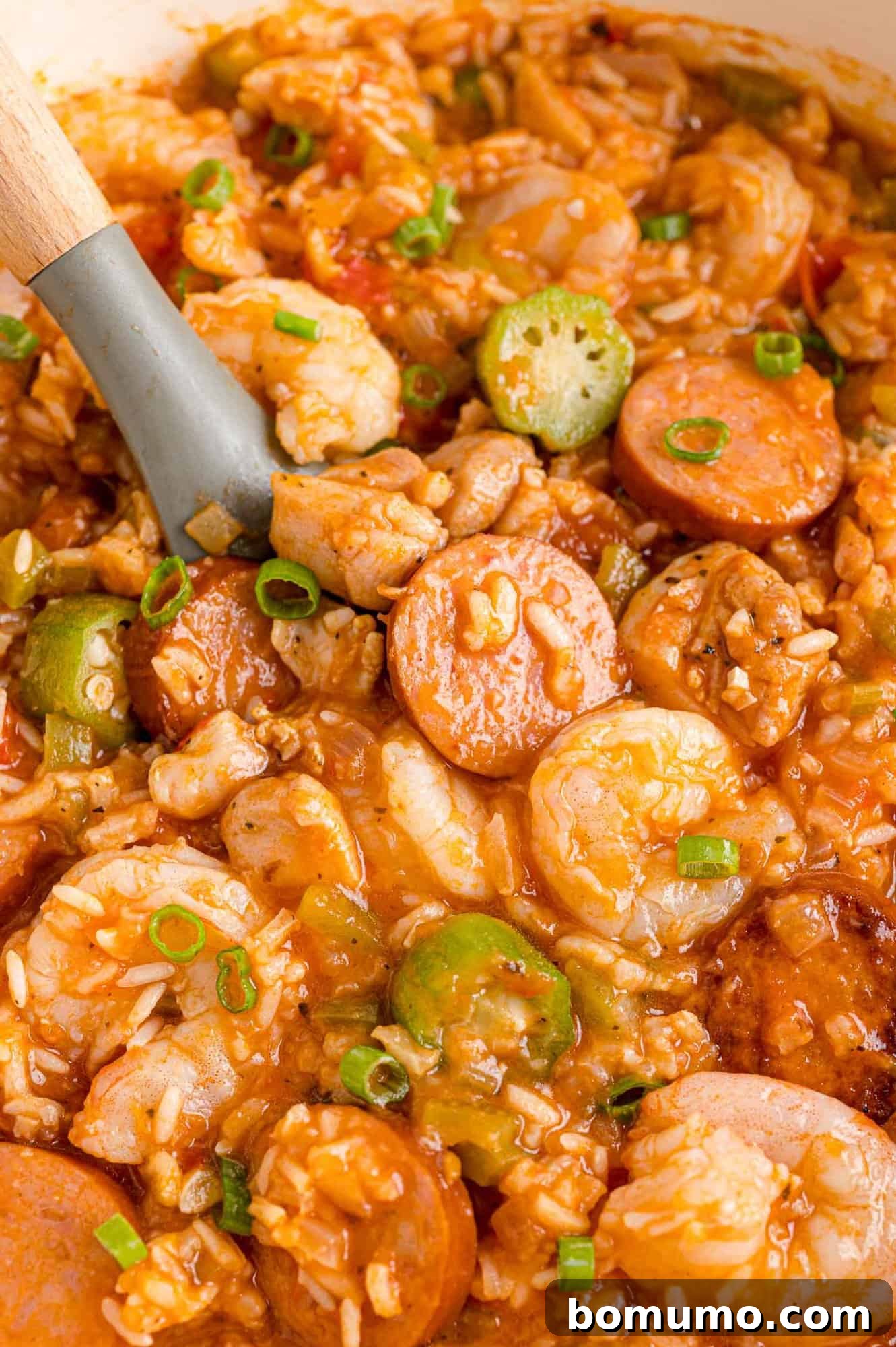
There’s something truly magical about the vibrant flavors of New Orleans cuisine. Ever since a memorable anniversary trip to the Big Easy, the desire to master an authentic jambalaya recipe has lingered. After countless attempts and careful refinements, we’ve perfected a recipe that captures the essence of this beloved dish, bringing the soulful taste of Louisiana right into your kitchen.
This jambalaya draws inspiration from some of our other popular one-pan recipes, like the savory Sausage and Rice with Sweet Peppers and the flavorful Cuban Chicken and Rice. If you enjoy simple yet satisfying meals, be sure to explore those winners as well!
The Joys of One-Pan Jambalaya
Cooking shouldn’t be complicated, and this jambalaya recipe truly embraces simplicity without sacrificing flavor. Its one-pan nature means minimal dishes and maximum enjoyment, making it an ideal choice for busy weeknights or relaxed weekend gatherings.
Effortless Cleanup: Forget stacks of pots and pans! This entire meal comes together in a single, large, heavy pot, preferably a Dutch oven. This design not only ensures even cooking but also drastically cuts down on your post-dinner chores, allowing you more time to savor your delicious creation.
Packed with Protein: Our jambalaya is generously loaded with three kinds of protein: smoky andouille sausage, succulent chicken, and tender shrimp. Each serving boasts an impressive 43 grams of protein, making it a remarkably satisfying and energizing meal. Despite its rich flavor profile, a hearty two-cup serving contains approximately 630 calories, offering a balanced and wholesome option compared to many fast-food alternatives.
A Modern Take on a Timeless Classic: While we respect tradition, we also believe in culinary exploration. This recipe is our delicious interpretation of classic Cajun jambalaya, incorporating ingredients commonly found in authentic versions while allowing for a slight personal touch. There are countless variations of jambalaya, and every cook brings their unique spin to the table. We’ve thoroughly tested and refined this recipe to achieve a harmonious blend of spices and textures that we absolutely adore, and we’re confident you will too!
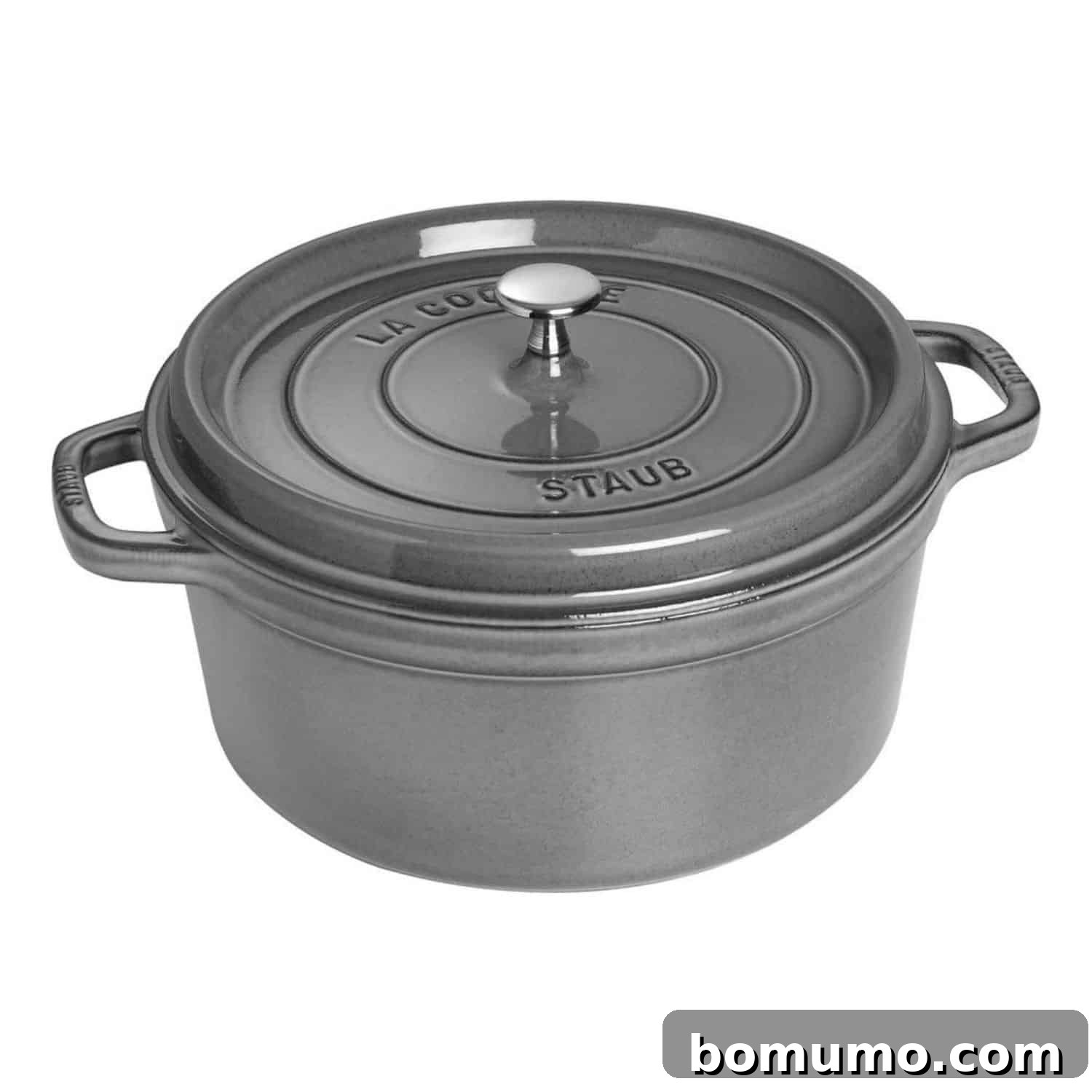
Why a Dutch Oven is Your Best Friend for Jambalaya
A Dutch oven is an indispensable tool for preparing dishes like jambalaya. These heavy, cast-iron pots with tightly fitting lids are engineered to retain and distribute heat exceptionally well, ensuring even cooking on the stovetop or in the oven. Many come with an enamel coating, which not only makes cleanup easier but also prevents food from sticking. For this recipe, a 5 or 6-quart Dutch oven is the perfect size, providing ample space for all the ingredients to meld together beautifully.
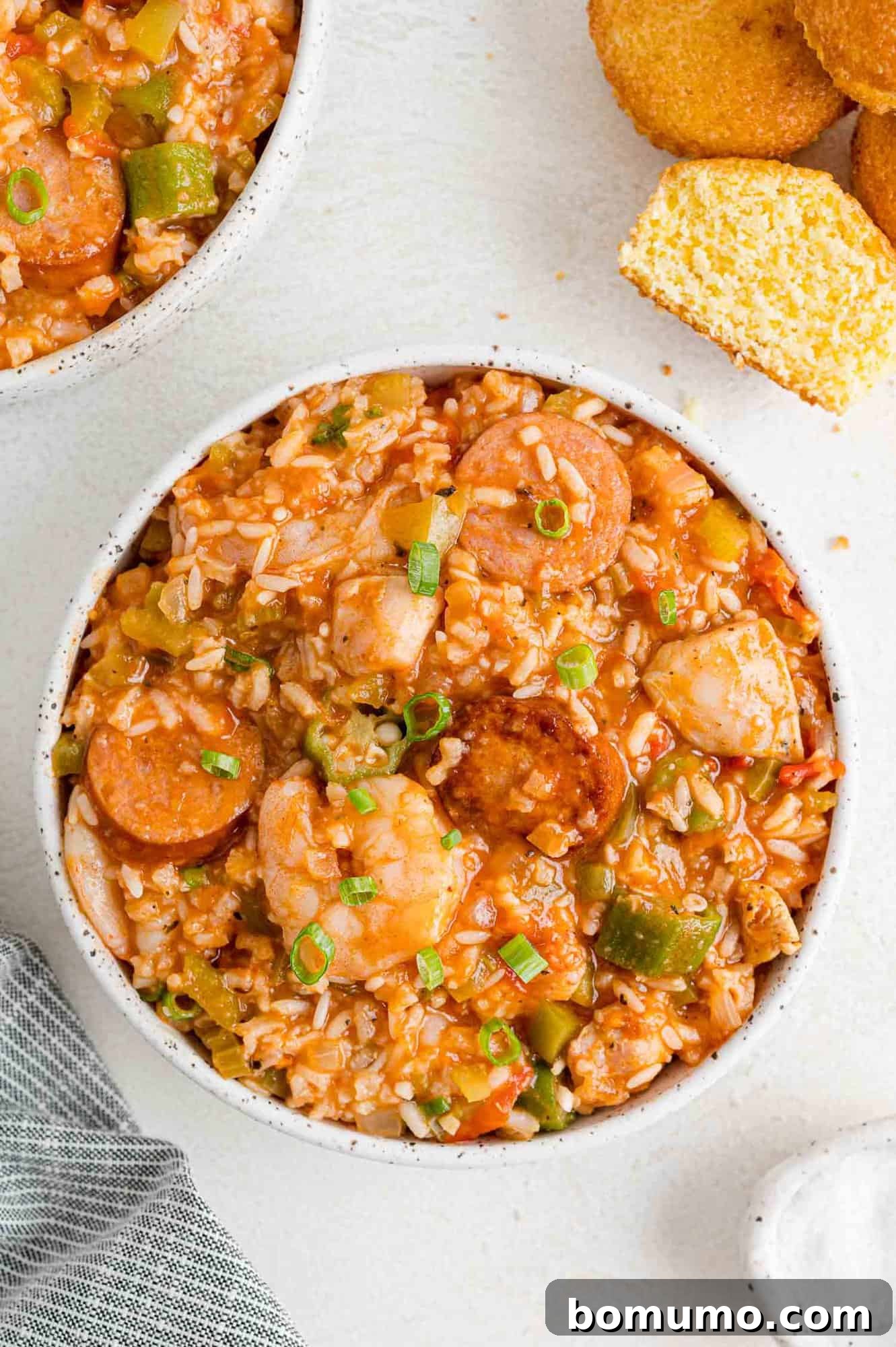
Essential Ingredients for Perfect Jambalaya
The magic of jambalaya lies in its carefully selected ingredients, each contributing to its distinctive Cajun flavor profile. Here’s a closer look at what you’ll need and some helpful tips:
- Andouille Sausage: This smoked, cured, and fully cooked pork sausage is a cornerstone of Cajun cooking, known for its garlicky, spicy kick. If authentic andouille is hard to find, good alternatives include Mexican chorizo (which might be slightly spicier), kielbasa (Polish sausage), or any good quality smoked sausage.
- Boneless, Skinless Chicken Thighs: We recommend chicken thighs for their superior ability to remain tender and moist during the longer cooking time required for jambalaya. Chicken breasts can be substituted, but be mindful that they may become a bit drier. Cut them into 1-inch pieces for even cooking.
- Shrimp: Fresh shrimp is always wonderful, but thawed frozen shrimp works perfectly well and is often more accessible. Smaller shrimp (50-60 count) are preferred for jambalaya as they cook quickly and are perfectly bite-sized, integrating seamlessly into the dish. Remember to peel and devein them, and remove the tails.
- Cajun Seasoning: A robust blend of spices, Cajun seasoning is central to the dish’s flavor. Its heat level can vary from mild to quite spicy, depending on the cayenne content. Paprika forms the base of this blend, offering a vibrant color and smoky depth. Don’t forget to add a single Bay Leaf for an aromatic touch.
- Onion, Bell Pepper, Celery: This trio is famously known as the “holy trinity” in Louisiana cooking. Sautéing these three vegetables together forms the aromatic foundation for countless Creole and Cajun dishes, including our jambalaya.
- Garlic: The recipe calls for 4 cloves, but feel free to adjust this amount based on your preference. Garlic adds an essential layer of savory flavor that complements the other spices beautifully.
- Long Grain White Rice: Crucial for the texture of jambalaya, long grain rice cooks up separate and fluffy, preventing the dish from becoming mushy. Avoid short grain rice, which tends to absorb too much liquid and can become sticky.
- Canned Tomatoes: Crushed tomatoes provide the best texture for this dish, offering a rich tomato base without large, distracting chunks. They blend smoothly into the rice, creating a cohesive and flavorful sauce.
- Okra: While more commonly associated with gumbo, okra is a welcome addition to many jambalaya recipes, including ours. Its mild flavor and unique texture contribute to the dish’s body. As a vegetable enthusiast, including okra was a natural choice, but if you prefer a more traditional (okra-free) Cajun-style jambalaya, you can certainly omit it.
- Sliced Green Onions and Hot Sauce: These are optional garnishes but highly recommended. Fresh green onions add a burst of freshness and color, while a dash of your favorite hot sauce allows each diner to customize their spice level.
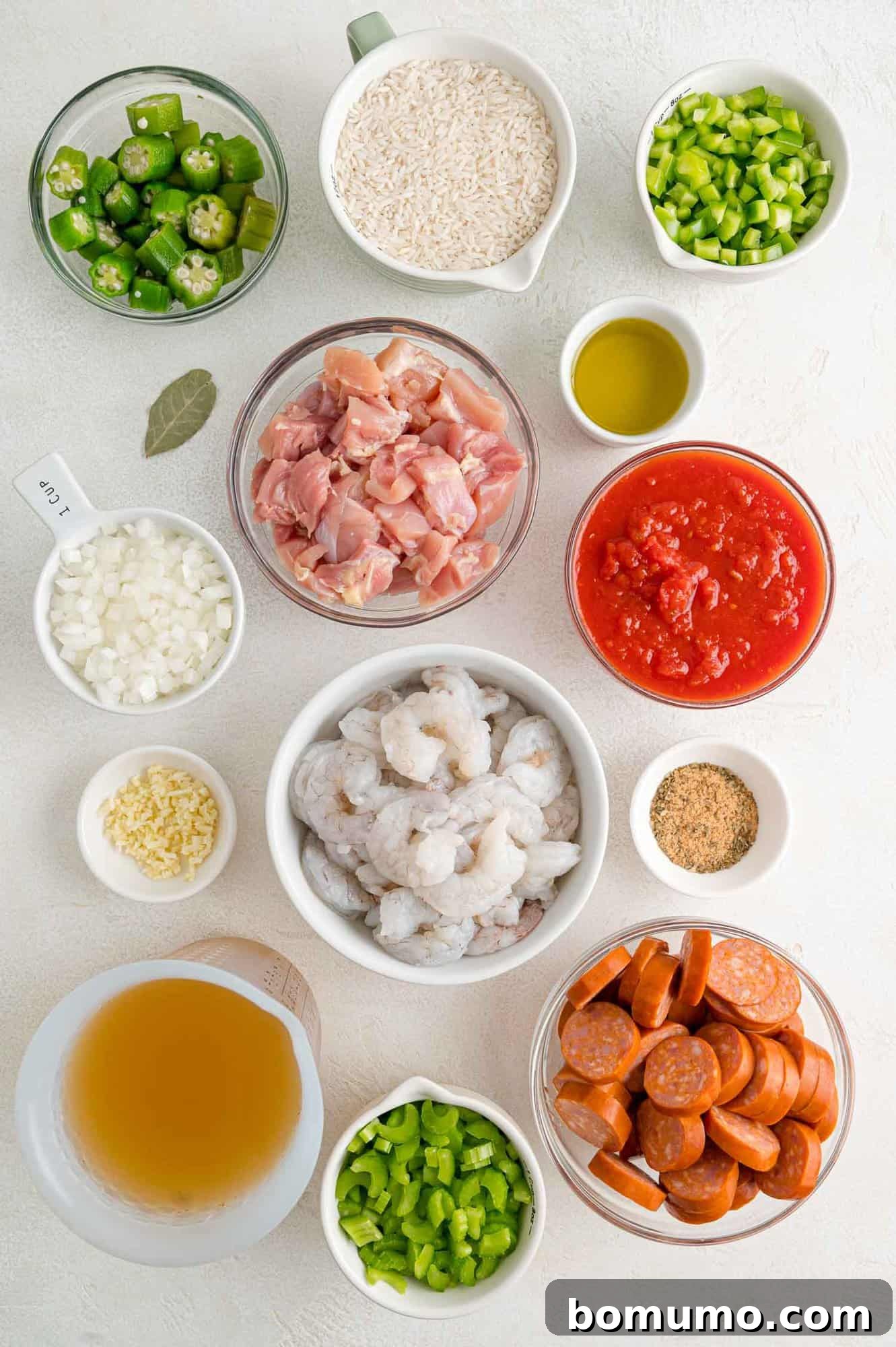
Crafting Your Delicious Cajun Jambalaya: A Step-by-Step Guide
Making jambalaya is a rewarding culinary journey. Follow these steps to create a truly unforgettable meal:
1. Prep Your Ingredients: Before you even turn on the stove, take a moment to gather and prepare all your ingredients. Dice the vegetables, cut the meats, and open any cans. This “mise en place” approach ensures a smooth and enjoyable cooking experience, preventing any last-minute stress. Cooking should be a joyful process!
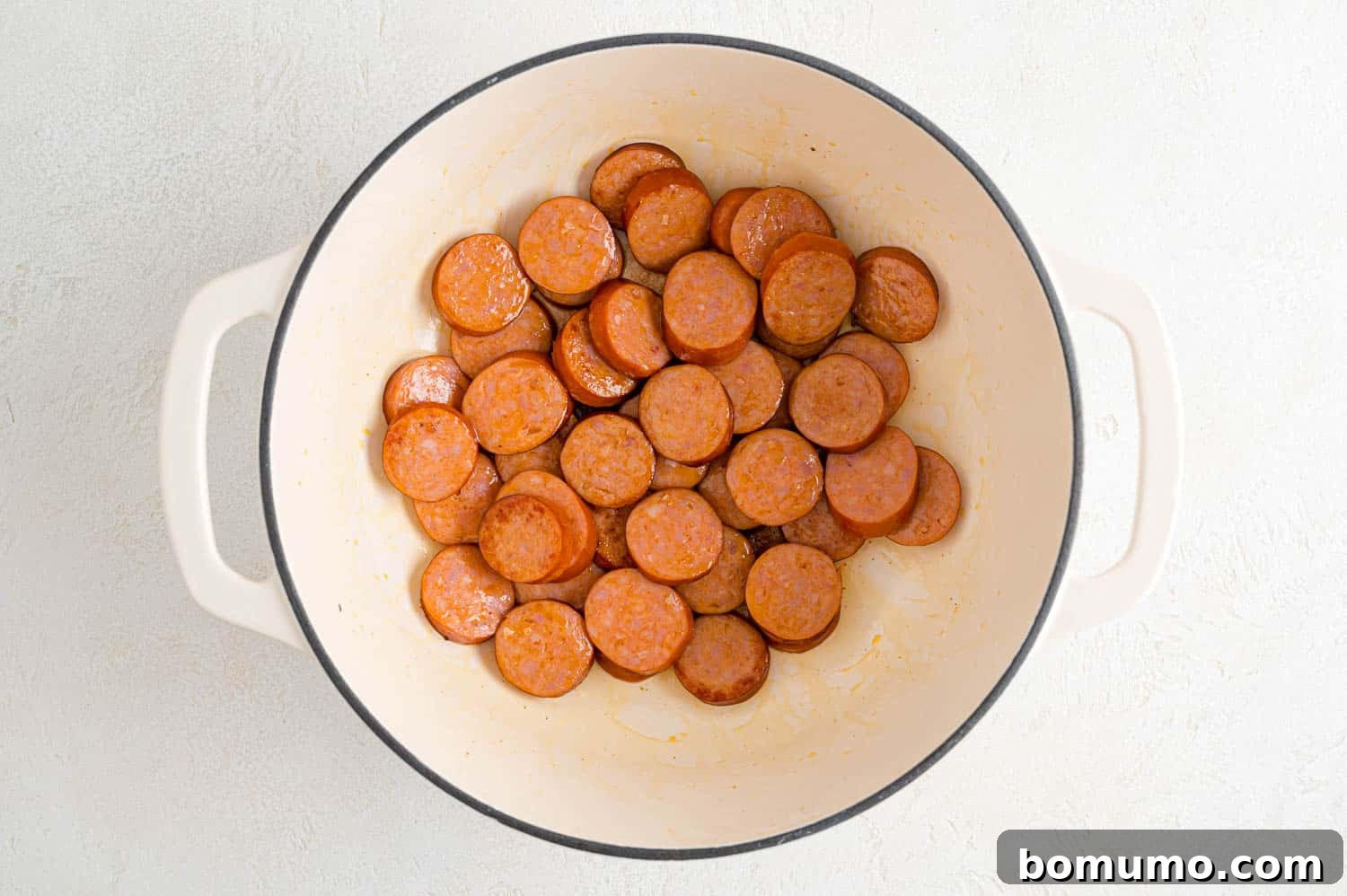
2. Brown the Meats: Begin by slicing the andouille sausage into ¼-inch rounds and cutting the boneless, skinless chicken thighs into 1-inch pieces. Heat 1 tablespoon of olive oil in your large, heavy-bottomed pot over medium-high heat. Add the sausage and cook for about 3 minutes per side until beautifully browned and fragrant. Remove the sausage from the pan and set it aside on a plate.
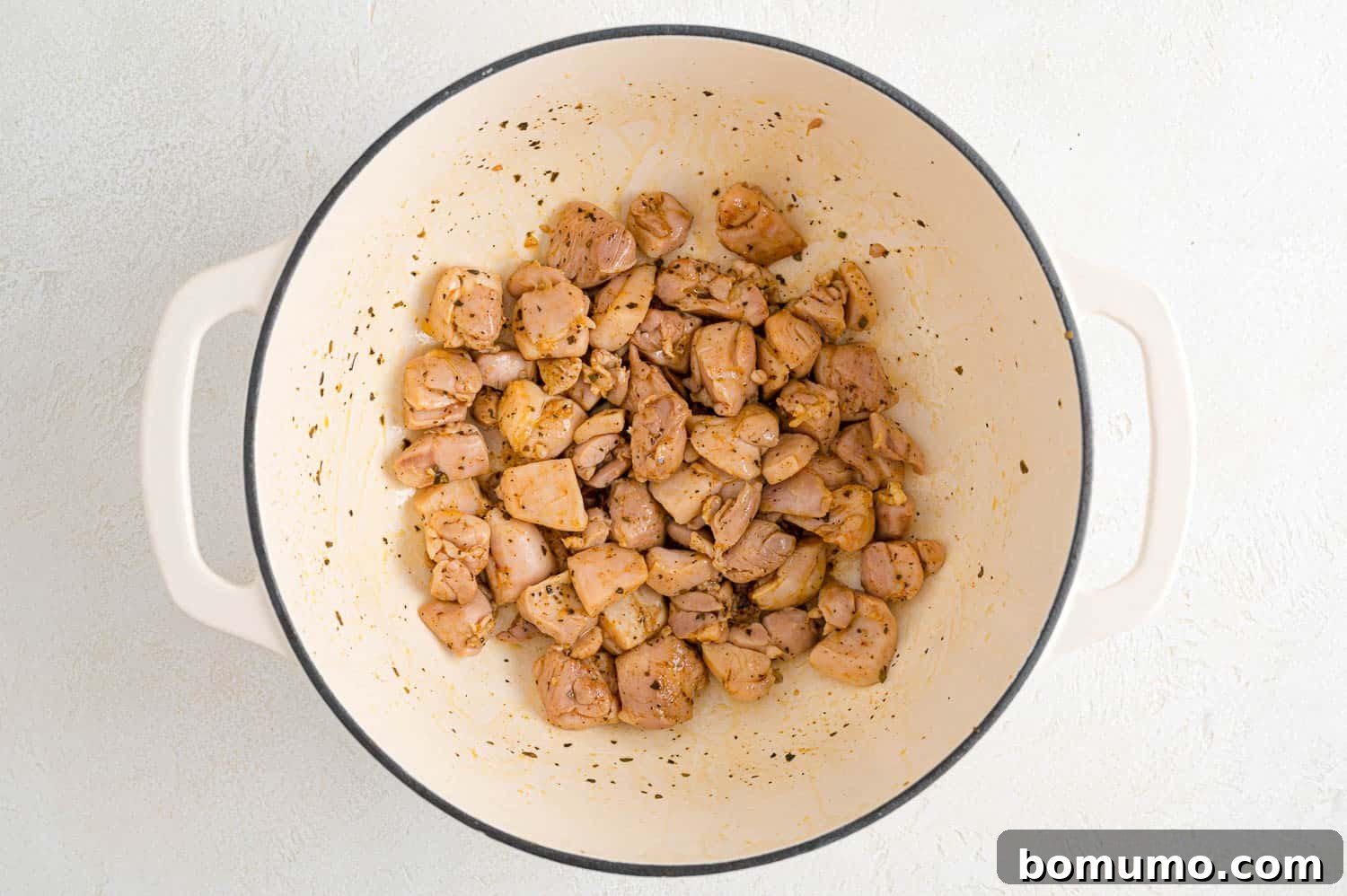
Next, add another 1 tablespoon of olive oil to the same pot. Season the chicken pieces with half of your Cajun seasoning. Add the seasoned chicken to the pot and cook for 4 to 5 minutes, stirring occasionally, until it develops a lovely golden-brown crust. The chicken doesn’t need to be fully cooked at this stage; we’re just building flavor and color. Transfer the chicken to the plate with the sausage.
3. Sauté the Holy Trinity: Add the final 1 tablespoon of olive oil to the pot. Introduce the diced onions, bell peppers, and celery – your “holy trinity.” Sauté these aromatic vegetables for 3 to 4 minutes, stirring frequently, until the onions become translucent and soft. This step is crucial for developing the foundational flavors of your jambalaya.
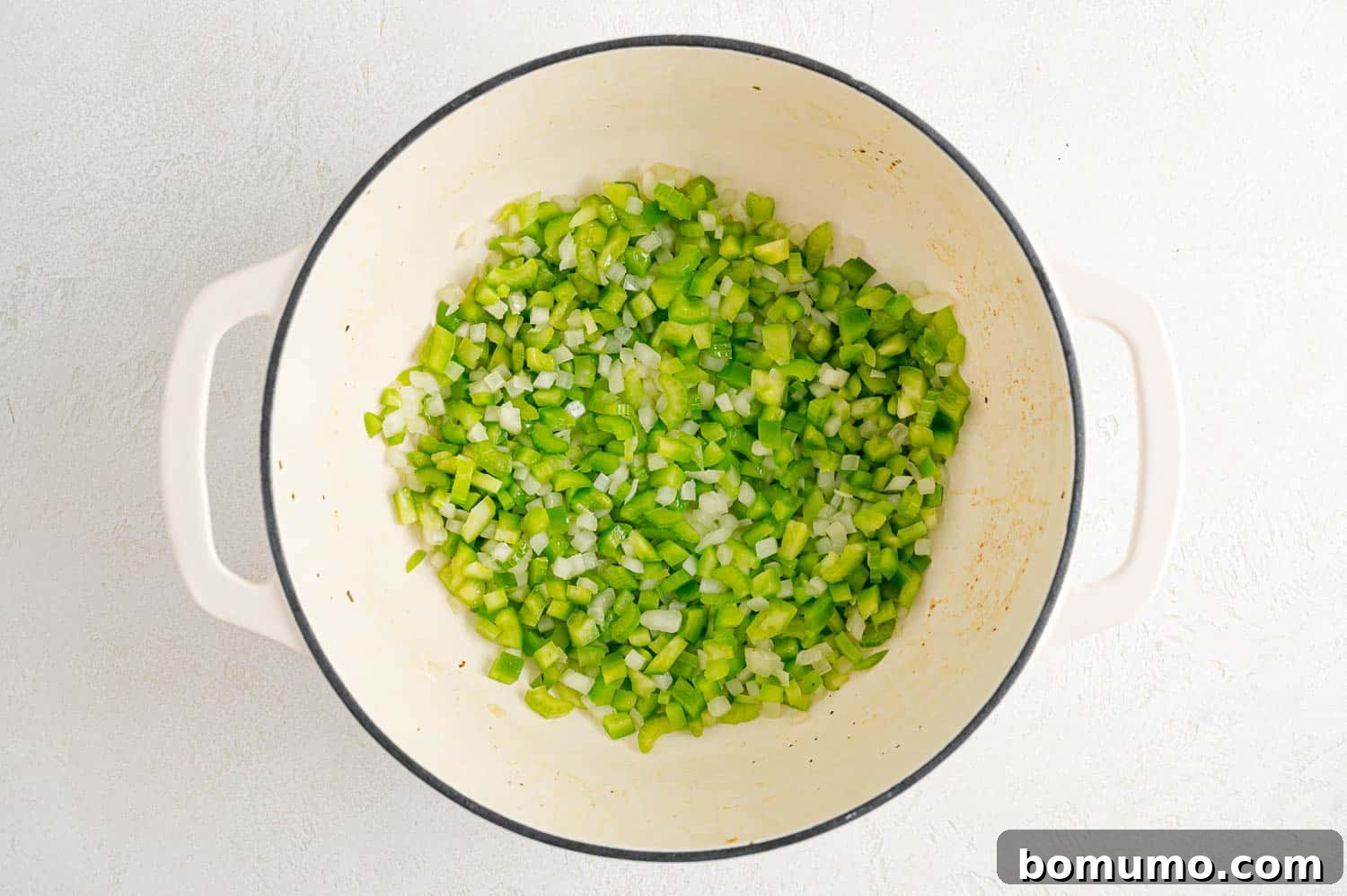
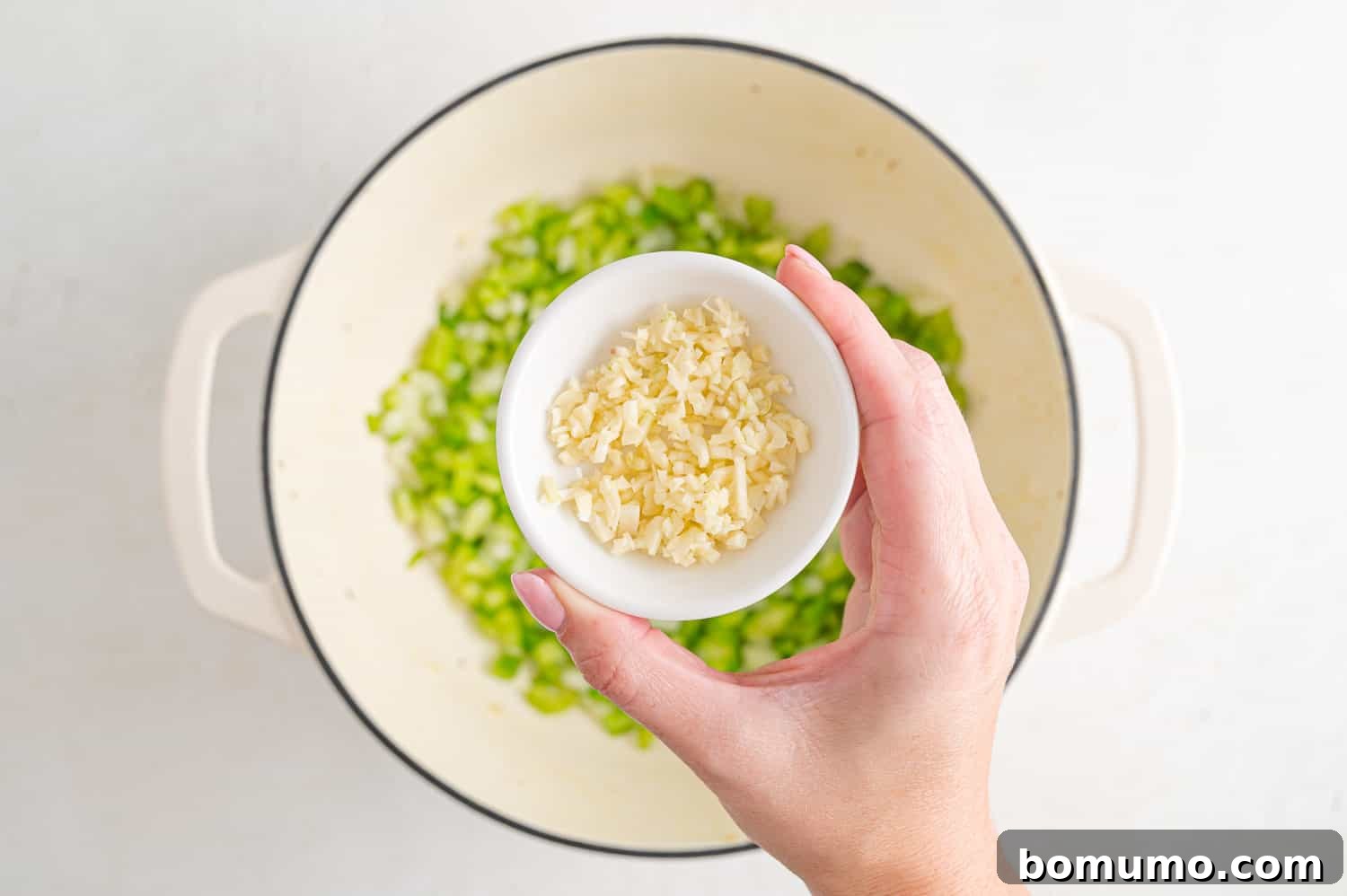
Once the onions are clear, add the minced garlic and cook for just 1 minute more until it becomes wonderfully fragrant. Be careful not to burn the garlic.
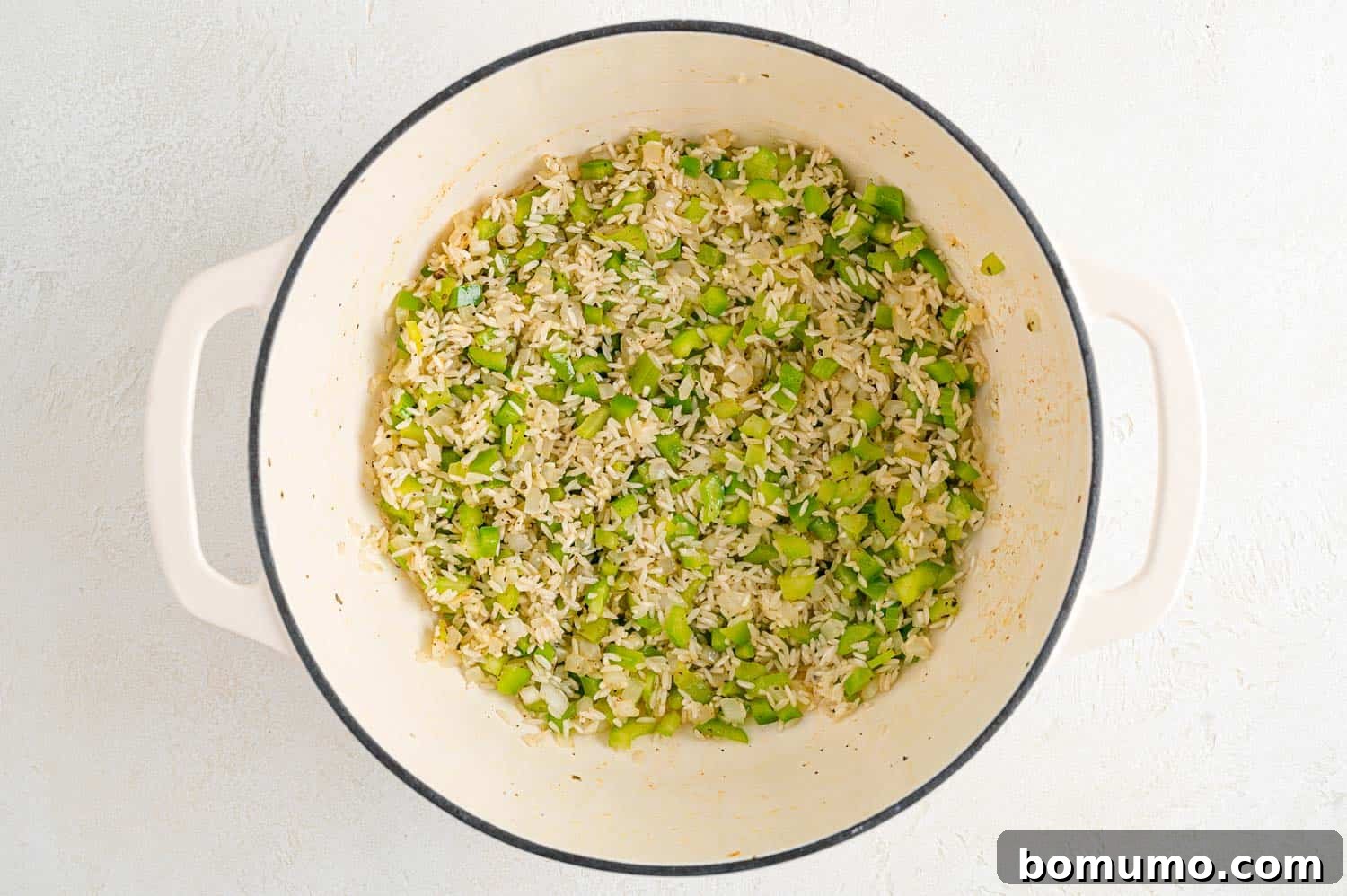
4. Toast the Rice: Add the uncooked long grain white rice and the remaining Cajun seasoning to the pot with the sautéed vegetables. Stir continuously for 3 to 4 minutes, allowing the rice and spices to toast lightly. This process enhances the nutty flavor of the rice and prevents it from clumping. By now, your kitchen should be filled with an incredibly inviting aroma!
5. Combine and Simmer: Return the browned chicken and sausage to the pot. Pour in the chicken broth and crushed tomatoes, then add the bay leaf. Give everything a good stir to combine all the ingredients. Bring the mixture to a rolling boil.
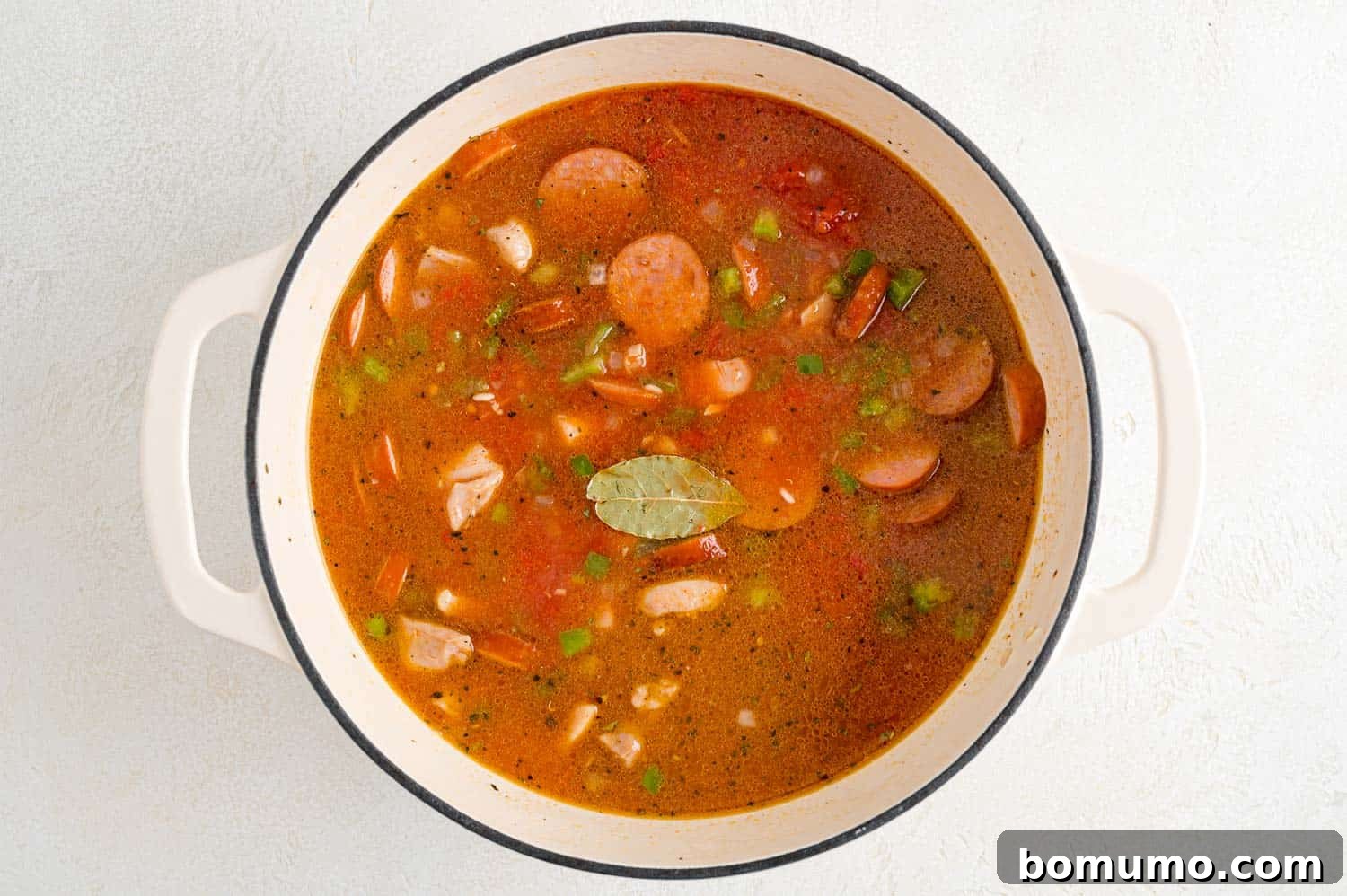
Once boiling, reduce the heat to low, cover the pot tightly with its lid, and let it simmer undisturbed for 30 to 35 minutes. It’s crucial to keep the lid on during this phase; resisting the urge to peek or stir allows the steam to properly cook the rice and ensures a fluffy texture. If you are truly concerned about burning, a quick check is permissible, but recover immediately.
6. Incorporate Seafood & Veggies: After the simmering time, check the rice. It should have absorbed most of the liquid and be tender. Gently fluff it with a fork. Now, add the peeled and deveined raw shrimp and thinly sliced okra to the pot. Stir them in gently. Cover again and cook for another 5 to 6 minutes, or until the shrimp turn pink and opaque. The exact cooking time for shrimp will depend on their size.
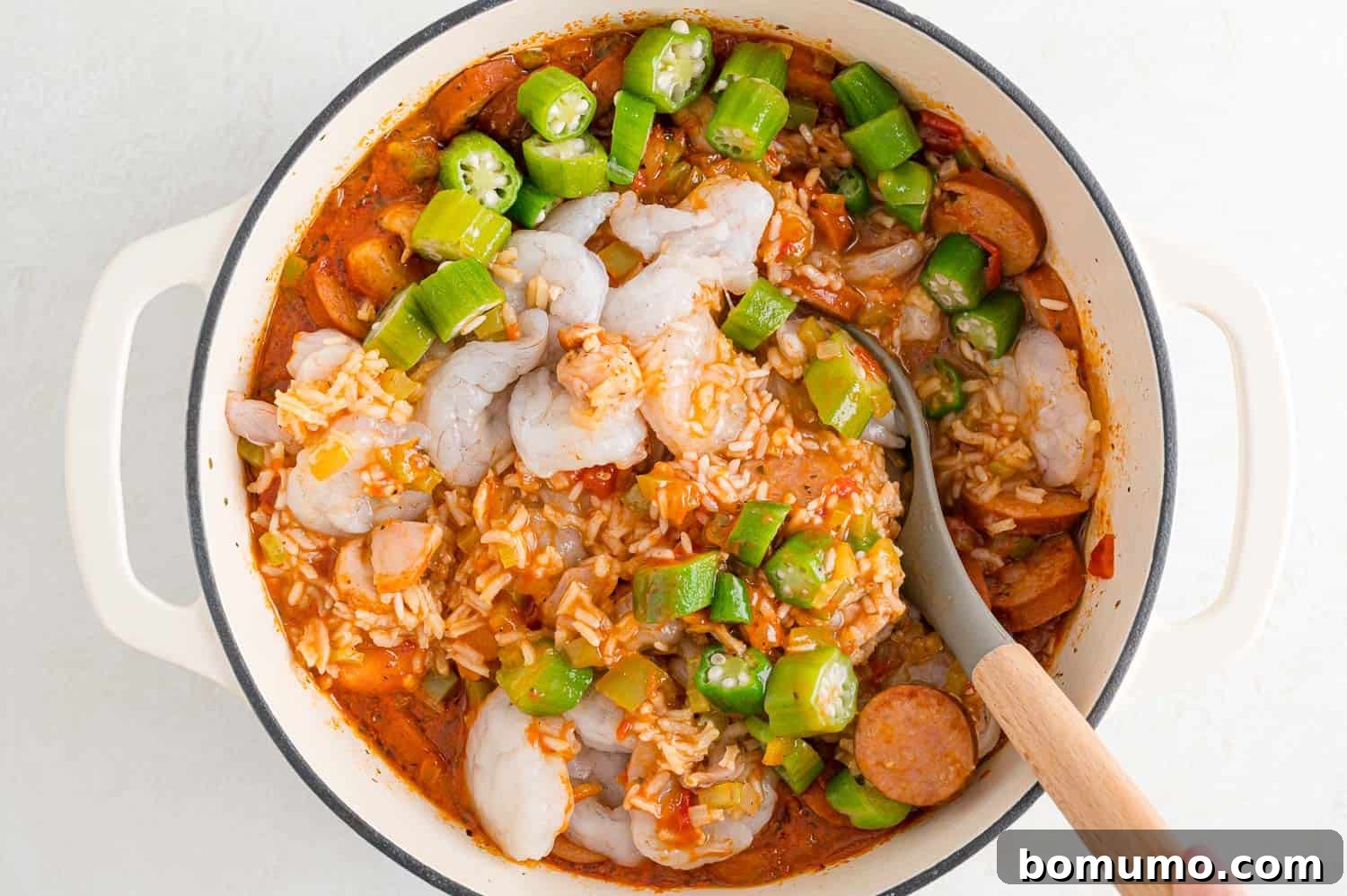
7. Final Seasoning & Serve: Once the shrimp is perfectly cooked, discard the bay leaf. Taste the jambalaya and adjust the seasonings as needed. You might want to add a little more salt, black pepper, or an extra pinch of Cajun seasoning to achieve your desired flavor balance.
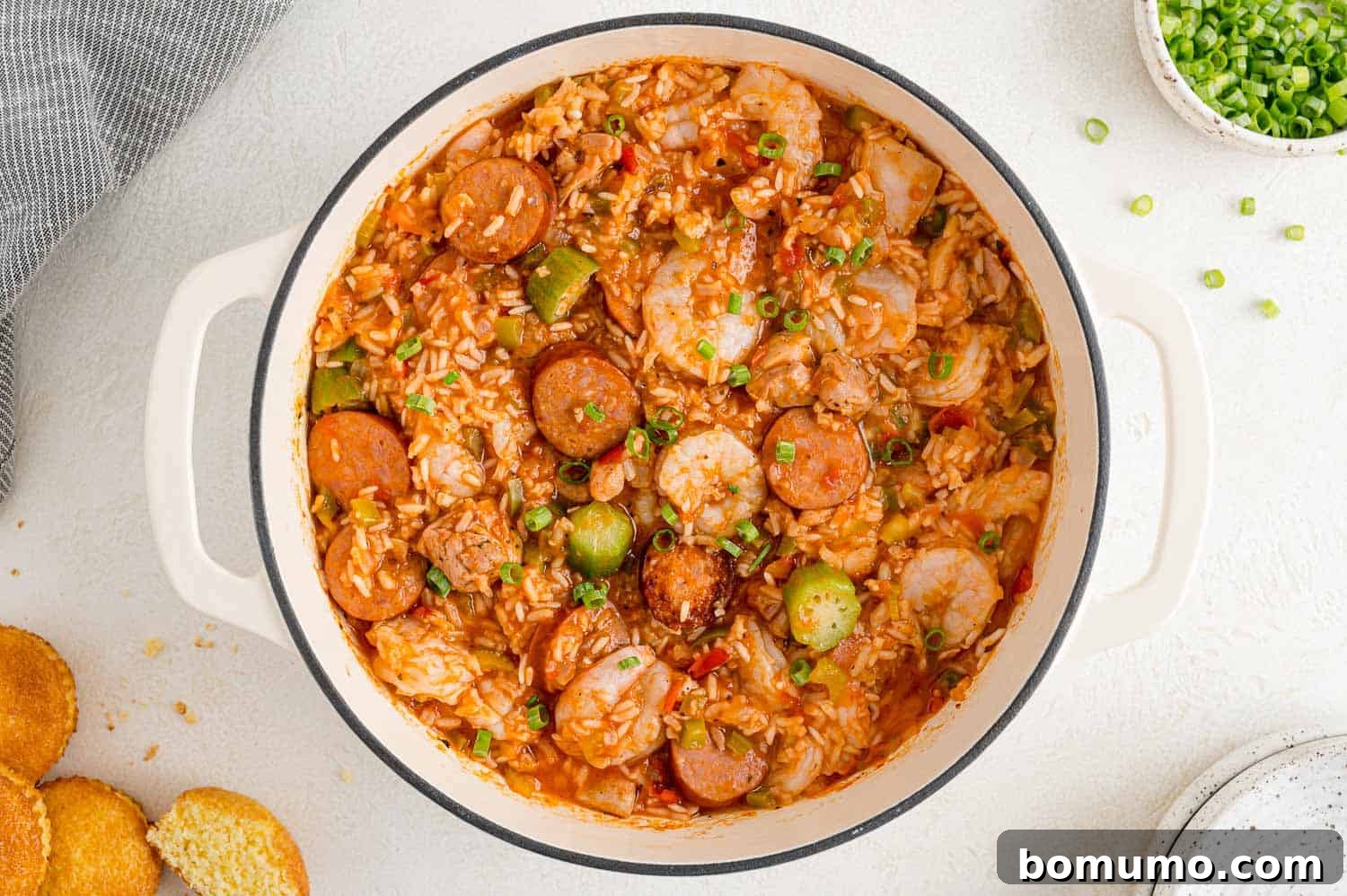
Serve your steaming hot jambalaya immediately, garnished with fresh sliced green onions and a bottle of your favorite hot sauce for those who crave extra heat. This hearty dish pairs wonderfully with warm wedges of buttery cornbread, light corn muffins, or fluffy biscuits. To cut through the richness of the meat, consider serving it alongside a tangy cucumber salad. Enjoy the authentic flavors of Cajun country!
What Exactly is Jambalaya? A Culinary Journey
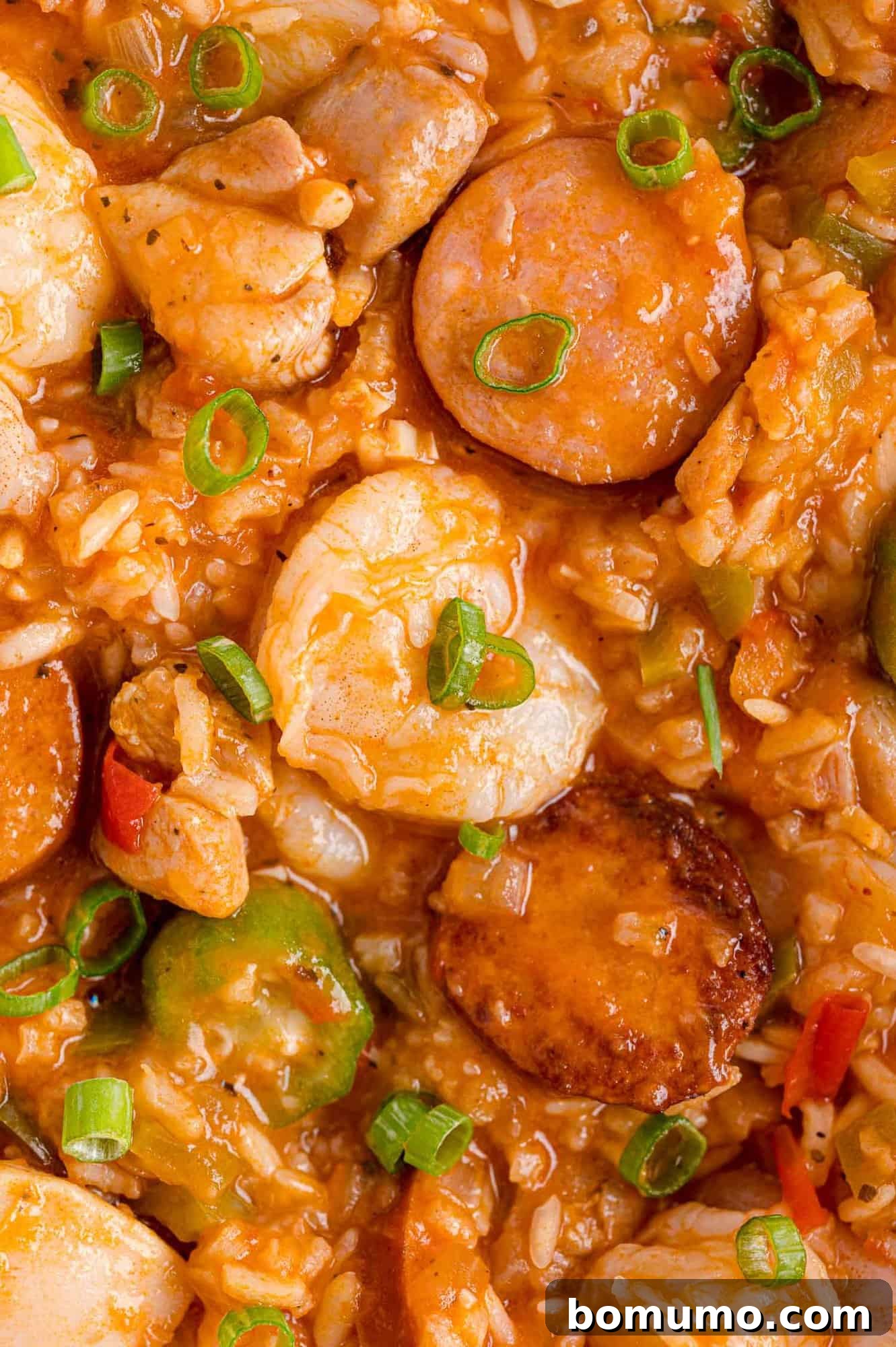
Jambalaya is a celebrated rice dish with deep roots in Louisiana, embodying the rich culinary heritage of Creole cuisine. This iconic dish is a flavorful testament to the state’s diverse cultural influences, blending French, Spanish, African, and Native American traditions into a single, hearty pot.
At its core, jambalaya typically features a medley of meats, shellfish (often chicken, sausage, and shrimp), and the aromatic “holy trinity” of vegetables: celery, bell peppers, and onions. What distinguishes jambalaya is that the rice is cooked directly in the same pan with all the other ingredients, absorbing all the delicious flavors and broth as it simmers. This method creates a cohesive and deeply flavored dish where every grain of rice is infused with the essence of the jambalaya.
While often compared to its Louisiana cousin, gumbo, and the Spanish classic, paella, jambalaya holds its own unique identity. Gumbo, also a staple of Creole cooking, is more akin to a thick soup or stew, traditionally thickened with filé powder (ground sassafras leaves) and okra, and always served with rice *alongside*, not cooked within. Paella, originating from Spain, is prepared in a wide, shallow pan and typically uses bomba, a short-grain rice, which creates a prized “socarrat” or crispy bottom layer. Jambalaya, with its long-grain rice and integrated cooking method, offers a distinct texture and flavor profile that sets it apart from these celebrated dishes.
A Quick Pronunciation Guide for Louisiana Delights
Navigating new culinary terms can sometimes feel daunting. Here’s a little help with pronouncing some key words:
Say jambalaya like this: jum-buh-LAI-uh.
The correct pronunciation of andouille is: aan-DOO-ee.
And while we’re at it, chorizo, a common substitute, is pronounced: chuh-REE-zoh.
Creative Variations for Your Jambalaya
One of the beauties of jambalaya is its versatility. While the traditional recipe is fantastic, you’re the cook, and your kitchen is your canvas! Feel free to experiment with these variations to suit your taste, keeping in mind that modifications may lead to a less “authentic”, but equally delicious, outcome.
- Customize Your Protein: You can easily adapt the meat content. If you prefer a lighter dish, you can eliminate one or even two of the meats. For a delightful vegetarian or vegan version, consider substituting crispy air fryer tofu, hearty black beans, kidney beans, or a plant-based vegan sausage.
- Boost Your Veggies: Love your greens? Don’t hesitate to increase the amounts of onion, bell peppers, and celery. You could also introduce finely diced carrots for sweetness, shredded cabbage for texture, or even baby spinach in place of okra for a different twist.
- Adjust the Heat: Whether you prefer a gentle warmth or a fiery kick, adjusting the spice level is entirely up to you. To add more heat, stir in a pinch or two of red pepper flakes during the sautéing stage, or finely diced jalapeños for a fresh spicy note. For a milder version, simply reduce the amount of Cajun seasoning or choose a brand with less cayenne.
- Explore Other One-Pan Wonders: If you enjoy the ease of one-pan meals, you might also love this Sheet Pan Shrimp Boil, which offers delicious Lowcountry vibes and incredible convenience.
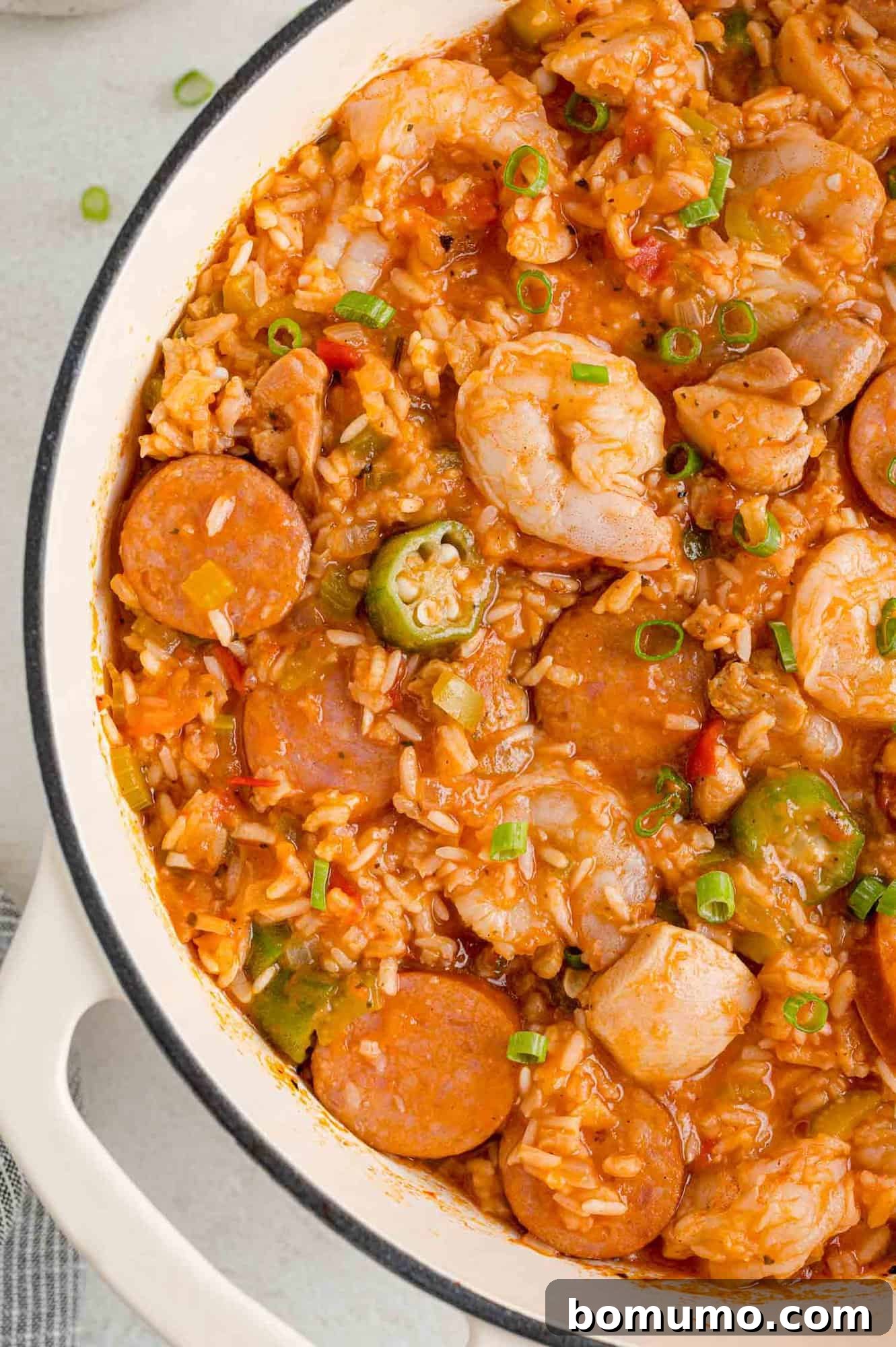
Make-Ahead Jambalaya for Easy Meals
Make-Ahead Jambalaya for Easy Meals
This recipe yields a generous batch, making it perfect for meal prepping or feeding a crowd. The good news is that jambalaya freezes exceptionally well, allowing you to enjoy its vibrant flavors for up to three months. Here are some valuable tips for making it ahead:
- Shrimp Management: If you plan to freeze portions of your jambalaya, it’s best to omit the shrimp during the initial cooking. Add raw shrimp when you are ready to reheat, as shrimp can become rubbery when reheated after being frozen and thawed.
- Rapid Cooling: To ensure food safety and prevent bacterial growth, spread the cooked jambalaya out on a baking sheet or in shallow containers. This allows it to cool quickly before being portioned and stored.
- Freezer-Friendly Storage: Store cooled jambalaya in airtight, freezer-safe containers. Individual portions are highly convenient for quick and easy meals later. For optimal results, thaw frozen jambalaya overnight in the refrigerator.
- Reheating for Perfection: Reheat thawed jambalaya in a skillet over medium heat, stirring frequently until heated through. If you held back the shrimp, add them during reheating; they will cook very quickly as the jambalaya warms up.
Storage & Reheating Tips
Storage & Reheating Tips
Leftover jambalaya can be a delicious next-day meal! Simply cover and refrigerate it promptly. It will maintain its quality for up to 3 days. For the best reheating experience, transfer the jambalaya to a skillet and warm it over medium-high heat, stirring frequently, until thoroughly heated. This method helps restore its original texture and flavor.
More Flavorful Rice Recipes to Explore
Easy Fried Rice Recipe – Ready in 30 Minutes!
One Pan Cuban Chicken and Rice
Hoppin’ John Recipe – Black Eyed Peas & Rice
One Pan Sausage and Rice with Sweet Peppers
Authentic One-Pan Cajun Jambalaya
Rachel Gurk
10
1
1
10
6
Ingredients
-
3
tablespoons
olive oil, divided -
12
ounces
andouille sausage, cut into ¼-inch thick rounds
(package sizes vary, 12 to 14 oz. is fine) -
2
tablespoons
Cajun seasoning
(divided) -
1
pound
boneless skinless chicken thighs, cut into 1-inch pieces -
1
cup
diced onion
(about 1 medium onion) -
1
cup
diced green bell pepper
(about 1 pepper) -
1
cup
finely diced celery
(about 3 stalks) -
4
cloves
garlic, minced -
1 ½
cups
uncooked long grain white rice -
2 ½
cups
chicken broth -
1
can
(15 ounce) crushed tomatoes -
1
bay leaf
-
16
ounces
raw shrimp (50-60 size), peeled and deveined, tails off
(thawed if frozen) -
1
cup
thinly sliced okra
(thawed if frozen) -
sliced green onions and hot sauce for serving, optional
Instructions
-
In a large, heavy-bottomed pot (a Dutch oven works great!), heat 1 tablespoon olive oil over medium-high heat. Once hot, add the andouille sausage, cut into ¼-inch thick rounds, and cook until beautifully browned on both sides, about 3 minutes per side. Remove the browned sausage from the pan and place it on a plate.3 tablespoons olive oil, divided,
12 ounces andouille sausage, cut into ¼-inch thick rounds -
Add another 1 tablespoon of olive oil to the pot. Season the 1 pound of boneless, skinless chicken thighs, cut into 1-inch pieces, with 1 tablespoon of the Cajun seasoning. Add the chicken to the pot and cook until nicely browned, approximately 4 to 5 minutes total, stirring occasionally. It doesn’t need to be cooked through completely at this stage. Remove the chicken from the pot and transfer it to the plate with the sausage.1 pound boneless skinless chicken thighs, cut into 1-inch pieces,
2 tablespoons Cajun seasoning -
Add the final 1 tablespoon of olive oil to the pot, then add the “holy trinity” of 1 cup diced onion, 1 cup diced green bell pepper, and 1 cup finely diced celery. Cook for 3 to 4 minutes, stirring, until the onions become translucent. Next, add the 4 cloves of minced garlic and cook for 1 more minute until the garlic is fragrant.1 cup diced onion,
1 cup diced green bell pepper,
1 cup finely diced celery,
4 cloves garlic, minced -
Stir in the 1 ½ cups of uncooked long grain white rice and the remaining 1 tablespoon of Cajun seasoning. Cook, stirring constantly, for 3 to 4 minutes until the rice and spices smell lightly toasted and fragrant.1 ½ cups uncooked long grain white rice
-
Return the chicken and sausage to the pan. Add 2 ½ cups chicken broth, 1 can (15 ounce) crushed tomatoes, and 1 bay leaf. Bring the mixture to a boil. Stir everything once more, then reduce the heat to low, cover the pot tightly, and let it simmer for 30 to 35 minutes, or until the rice is fully cooked and has absorbed the liquid. It is very important to keep the lid on the entire time to allow the steam to cook the rice perfectly.2 ½ cups chicken broth,
1 can (15 ounce) crushed tomatoes,
1 bay leaf -
Once the rice is cooked, add the 16 ounces of raw shrimp (peeled, deveined, tails off, thawed if frozen) and 1 cup of thinly sliced okra (thawed if frozen). Stir gently to combine these ingredients into the jambalaya. Cover the pot again and cook for another 5 to 6 minutes, or until the shrimp are pink and opaque. The exact cooking time will vary depending on the size of your shrimp. Discard the bay leaf, taste the jambalaya, and season with additional salt, pepper, or Cajun seasoning as desired to perfect the flavor.16 ounces raw shrimp (50-60 size), peeled and deveined, tails off,
1 cup thinly sliced okra -
Serve your freshly made jambalaya immediately, garnished with sliced green onions and a side of hot sauce for an extra kick. Enjoy!
Notes
- Serving suggestions: Complement your jambalaya with cornbread or muffins, biscuits, a refreshing cucumber salad, or sautéed corn.
- Storage & reheating: Promptly refrigerate leftover jambalaya; it will keep for 3 to 4 days. Refer to the post above for detailed freezing instructions. To reheat, warm in a skillet over medium-high heat, stirring frequently, until heated through.
Video
Nutrition
Serving:
2
cups
,
Calories:
630
kcal
,
Carbohydrates:
52
g
,
Protein:
43
g
,
Fat:
28
g
,
Saturated Fat:
7
g
,
Polyunsaturated Fat:
5
g
,
Monounsaturated Fat:
13
g
,
Trans Fat:
0.2
g
,
Cholesterol:
216
mg
,
Sodium:
1101
mg
,
Potassium:
1047
mg
,
Fiber:
4
g
,
Sugar:
6
g
,
Vitamin A:
1768
IU
,
Vitamin C:
33
mg
,
Calcium:
132
mg
,
Iron:
4
mg
Nutrition information is automatically calculated, so should only be used as an approximation.
Did You Make This?
Share a comment and rating below! I love hearing what you think!