
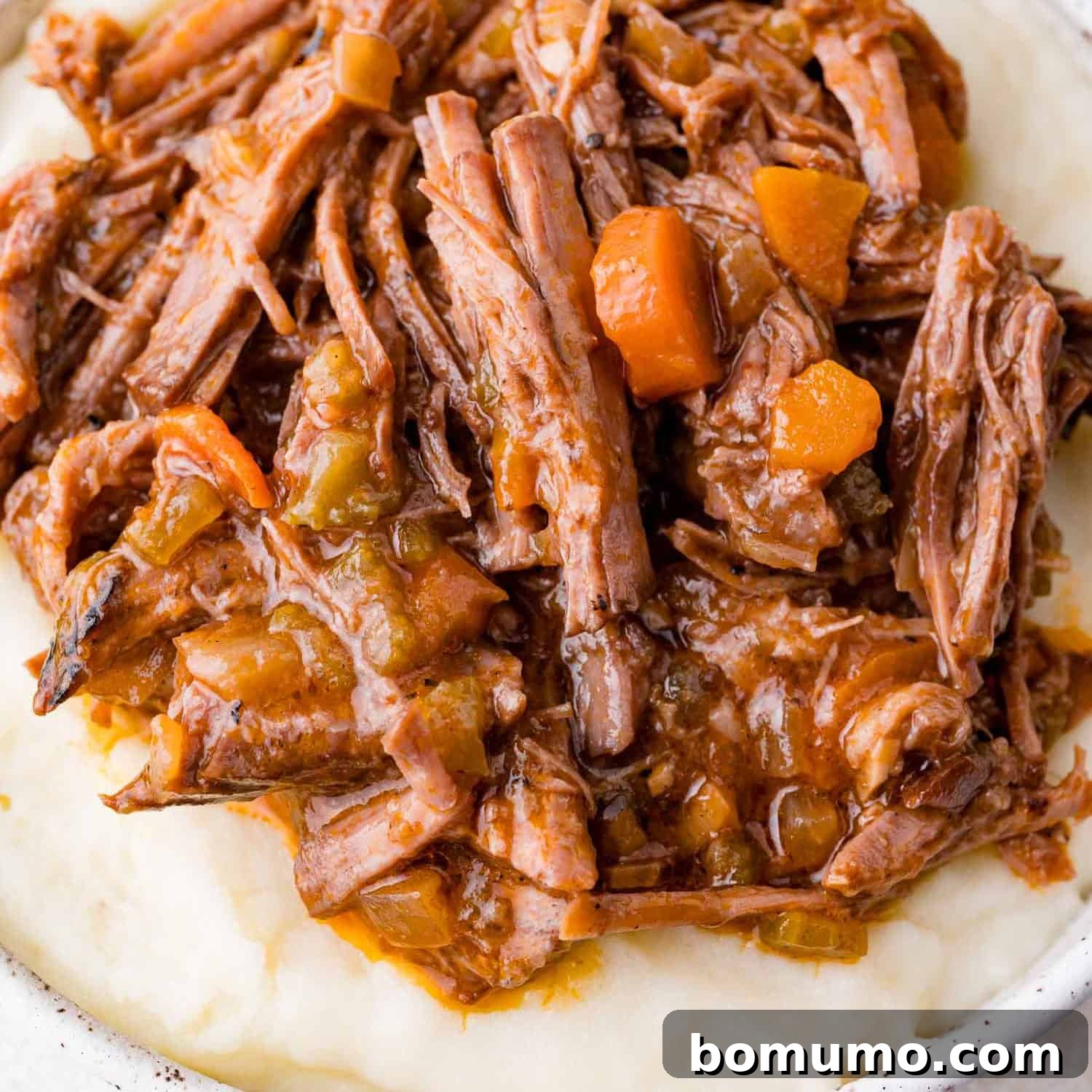
Braised Beef Recipe Overview
Why You’ll Love This Recipe: Transform an affordable cut of beef into an incredibly tender, juicy, and profoundly flavorful centerpiece. This braised beef recipe is truly the epitome of a comforting Sunday dinner, promising a culinary experience that’s both deeply satisfying and surprisingly simple to achieve.
Preparation Time: Approximately 30 minutes
Cook Time: 3 hours 30 minutes
Total Time: 4 hours
Equipment Needed: A sturdy Dutch oven or a large, heavy-bottomed pot
Servings: 8 to 10 individuals
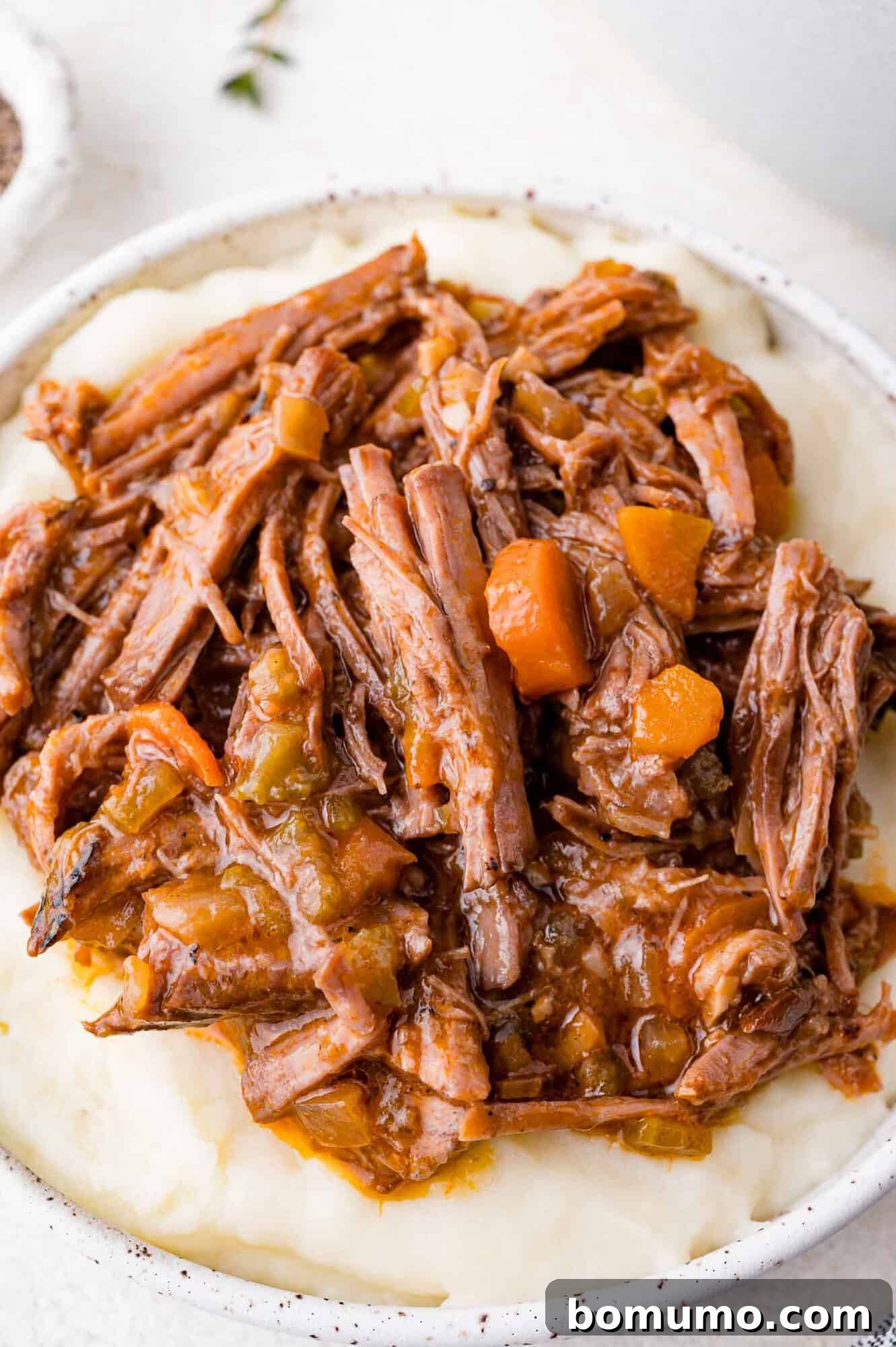
Pin this now to find it later
Pin It
What comes to mind when you think of a quintessential Sunday dinner? For many, it’s a meal that feels a bit more special, perhaps requiring a longer cooking time than your average weekday fare. While quick recipes like air fryer chicken breasts are fantastic for busy evenings, weekends offer the perfect opportunity to indulge in something truly spectacular. That’s where dishes like slow cooker Italian pot roast, roasted chicken, or this utterly luscious braised beef come into their own. There’s something profoundly satisfying about dedicating extra time to prepare a magnificent meal for your loved ones, creating warmth and unforgettable flavors that linger long after the plates are cleared.
What is Braised Beef? Unlocking Incredible Tenderness and Flavor
Braising is a time-honored cooking method celebrated for its ability to transform even the toughest, most inexpensive cuts of meat into something extraordinarily tender and rich in flavor. This culinary technique cleverly combines both dry and wet heat, working in harmony to achieve truly mouthwatering results. While we’re focusing on beef chuck roast here, braising is incredibly versatile and can be applied to various cuts and types of meat, from the rustic elegance of braised lamb shanks to the luxurious depth of red wine braised short ribs.
The journey to perfect braised beef begins with searing. This initial step involves browning the meat in a hot pan, creating a beautiful caramelized crust. This isn’t just for aesthetics; the Maillard reaction that occurs during searing develops deep, complex flavors, known as “fond,” which will later become the backbone of your rich sauce. After achieving that perfect golden-brown exterior, the beef is then transferred to a pot with a flavorful liquid – often broth, wine, or a combination – and cooked slowly at a low temperature, typically in an oven. This gentle, prolonged cooking process is crucial. It slowly breaks down the tough connective tissues and collagen fibers within the meat, converting them into gelatin. This gelatin is what gives braised beef its signature fall-apart tenderness and contributes to the silky, unctuous texture of the sauce. This is undeniably a recipe that rewards patience, as the “low and slow” approach is key to unlocking its full potential, making every moment of waiting absolutely worth it!
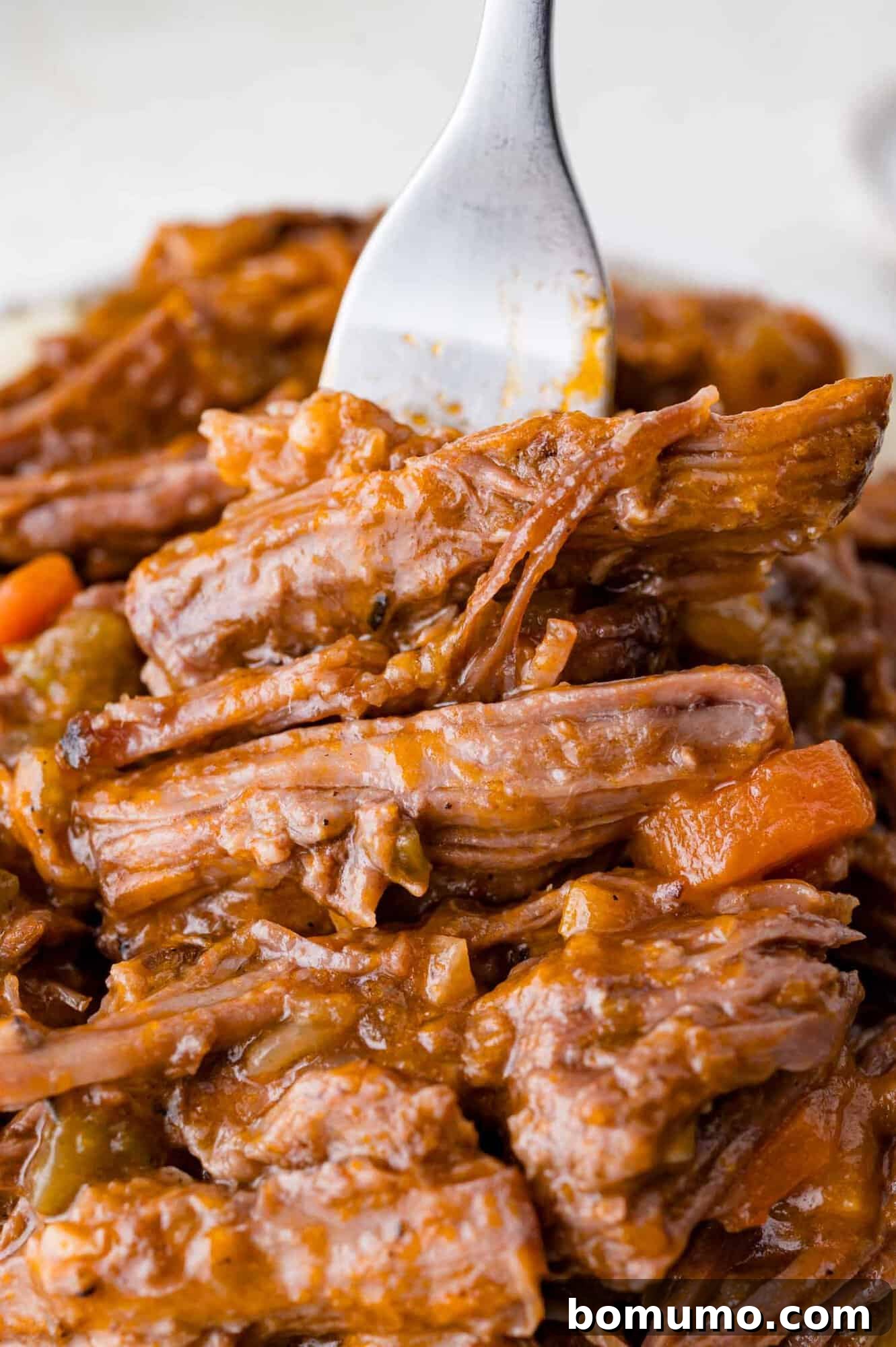
Why This Braised Beef Recipe Will Become Your Favorite
There are countless reasons to fall in love with this braised beef recipe, from its incredible flavor profile to its practical advantages. It’s more than just a meal; it’s an experience.
A Complete, Satisfying Meal in One Pot: This recipe delivers succulent, fall-apart beef alongside tender, finely diced vegetables that melt seamlessly into a luxurious sauce. You’re already well on your way to a truly satisfying dinner. All it needs is a complementary side to soak up every last drop of the fabulous red wine sauce. Consider pairing it with creamy mashed potatoes, rustic roasted potatoes, or classic egg noodles. For an unexpected twist, we also adore it with rich, creamy polenta (and if you’re short on time, try this easy Instant Pot polenta!).
Remarkably Budget-Friendly: Beef chuck roast is known for being a relatively affordable cut of beef, making this an excellent choice for anyone looking to create a gourmet-tasting meal without breaking the bank. Don’t let its price fool you; when cooked with the braising method, chuck roast transforms into a dish that tastes like a million bucks. While it may not be filet mignon, the depth of flavor and tender texture it achieves through slow cooking rivals much pricier cuts. (It’s also phenomenal in this classic pot roast recipe, another beloved Sunday dinner staple).
Perfect for Feeding a Crowd & Fantastic Leftovers: This generous recipe yields 8 to 10 servings, depending on the size of your chosen roast. This makes it an ideal choice for entertaining guests, hosting a family gathering, or simply ensuring you have plenty of delicious leftovers for quick and easy meals throughout the week. Braised beef truly shines on the second day, as the flavors have even more time to meld and deepen, often tasting even better reheated than fresh. It’s a gift that keeps on giving!
Essential Ingredients for Perfect Braised Beef
The success of any great dish lies in its ingredients. Here’s a closer look at what you’ll need and why each component is crucial for achieving the ultimate braised beef:
- Beef Chuck Roast: This shoulder cut is the star of our dish. While initially tough, its abundant connective tissue breaks down beautifully when braised, slow-cooked, or pressure-cooked, yielding an incredibly rich and flavorful result. Choose a roast with good marbling for optimal tenderness and taste.
- All-Purpose Flour: After seasoning the beef with salt and pepper, a light dusting of flour creates a perfect coating for searing. This flour layer helps achieve that gorgeous, browned crust, which is essential for building a deep, savory flavor foundation. It also acts as a thickener for the sauce later on.
- Vegetable Oil: For searing, it’s vital to use an oil with a high smoke point. Vegetable oil or canola oil are excellent choices, allowing you to achieve a beautiful sear without burning the oil and imparting off-flavors.
- Aromatics (Onion, Garlic, Carrots, and Celery): This classic mirepoix forms the aromatic base of our braising liquid. Finely dicing these vegetables allows them to soften and eventually “melt” into the rich sauce, infusing the beef with their sweet, savory, and earthy notes without leaving large chunks.
- Tomato Paste: A small amount of tomato paste adds a concentrated umami richness and a subtle tanginess to the braising liquid. Sautéing the tomato paste briefly before adding liquids helps to deepen its flavor and mellow its acidity.
- Dry Red Wine: Using a dry red wine, such as Cabernet Sauvignon or Merlot, is highly recommended. The wine adds incredible complexity, depth, and a touch of acidity that brightens the overall flavor profile. While extra beef broth can be used as an alternative, the nuanced flavors contributed by red wine are truly unparalleled and worth the investment.
- Beef Broth: Since it forms the primary liquid for braising, choose a good quality beef broth. Low-sodium varieties allow you to control the salt content more precisely.
- Worcestershire Sauce: This savory condiment is a secret weapon for adding an extra layer of umami and depth to the sauce, complementing the beef and other ingredients beautifully.
- Fresh Thyme: Thyme provides a wonderful herbal note that pairs perfectly with beef. Fresh sprigs offer a more vibrant flavor, but dried thyme (use about one-third the amount of fresh) is a perfectly acceptable substitute.
- Bay Leaves: A couple of bay leaves tucked into the braising liquid will infuse the dish with a subtle, aromatic herbal essence as it cooks. Remember to remove them before serving, as they are not meant to be eaten.
- Fresh Parsley: A final garnish of freshly chopped parsley adds a pop of bright color and a fresh, herbaceous finish, elevating the presentation and flavor.
Crafting Your Perfect Braised Beef: A Step-by-Step Guide
Making spectacular braised beef is a rewarding culinary journey. Follow these detailed steps to achieve a truly unforgettable dish:
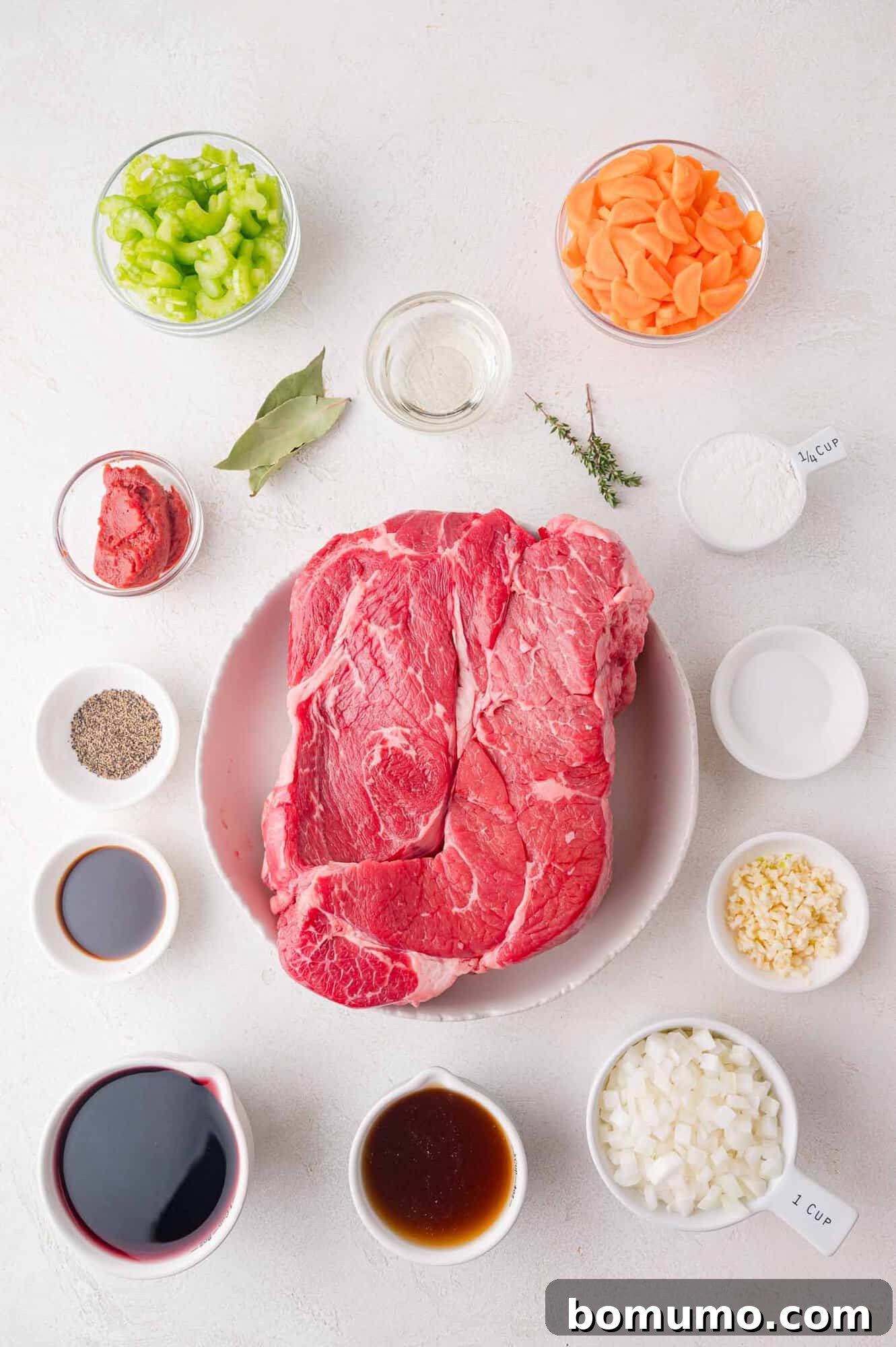
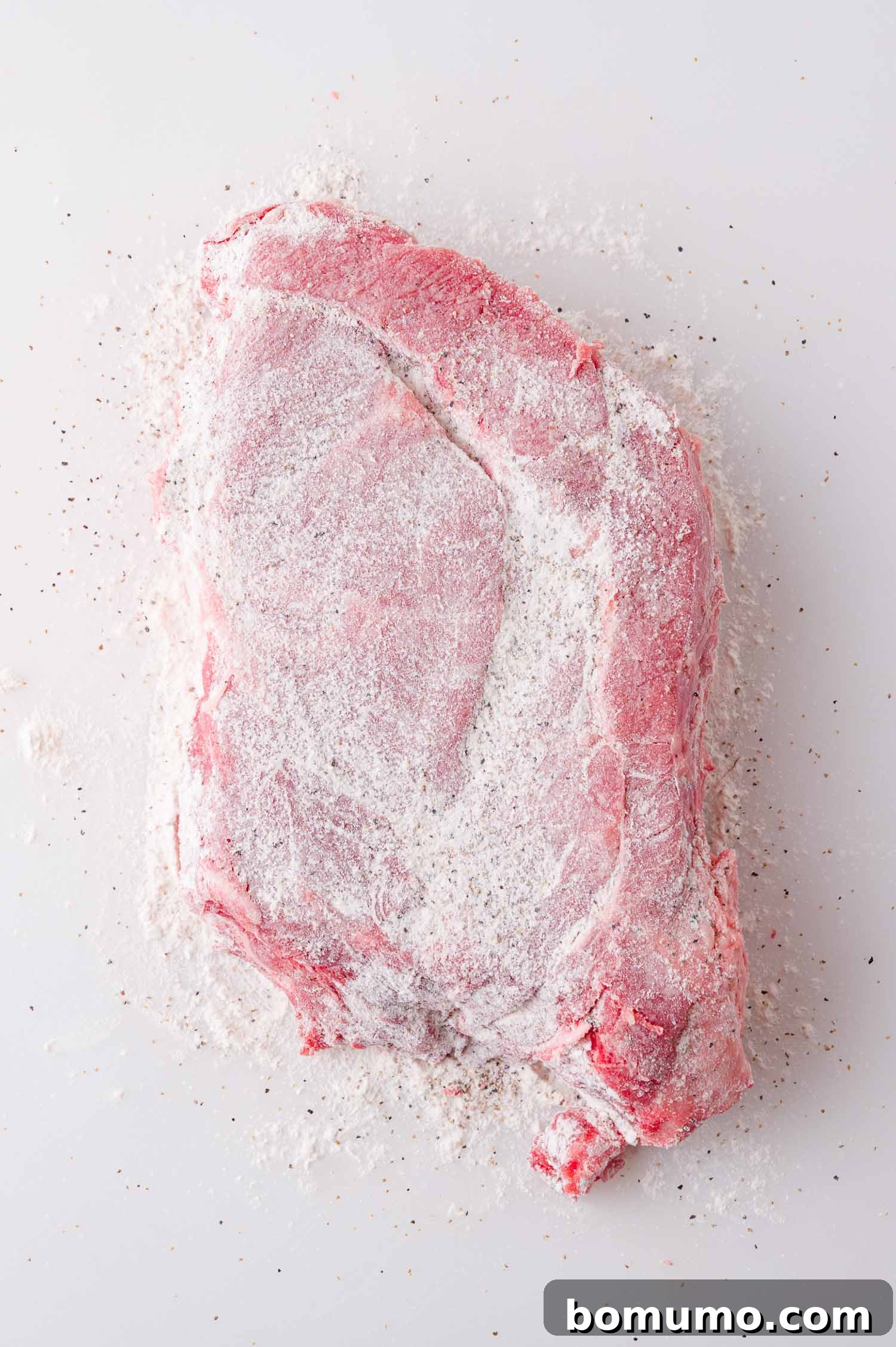
1. Prepare the Beef: Begin by thoroughly patting your beef roast dry with paper towels. This step is crucial for achieving a good sear. Season both sides generously with kosher salt and coarse ground black pepper. Next, lightly coat the entire roast with all-purpose flour, ensuring it’s evenly dusted. Reserve any excess flour; you’ll use it later to thicken the sauce.
2. Sear for Flavor: Heat the vegetable oil in a large, heavy-bottomed Dutch oven or oven-safe pot over medium-high heat until it shimmers. Carefully add the beef roast to the very hot pan and sear on all sides until a deep, golden-brown crust forms. This usually takes about 5 to 6 minutes per side. The browning process is key to developing rich, complex flavors. Once seared, remove the roast from the pan and transfer it to a clean plate; set aside.
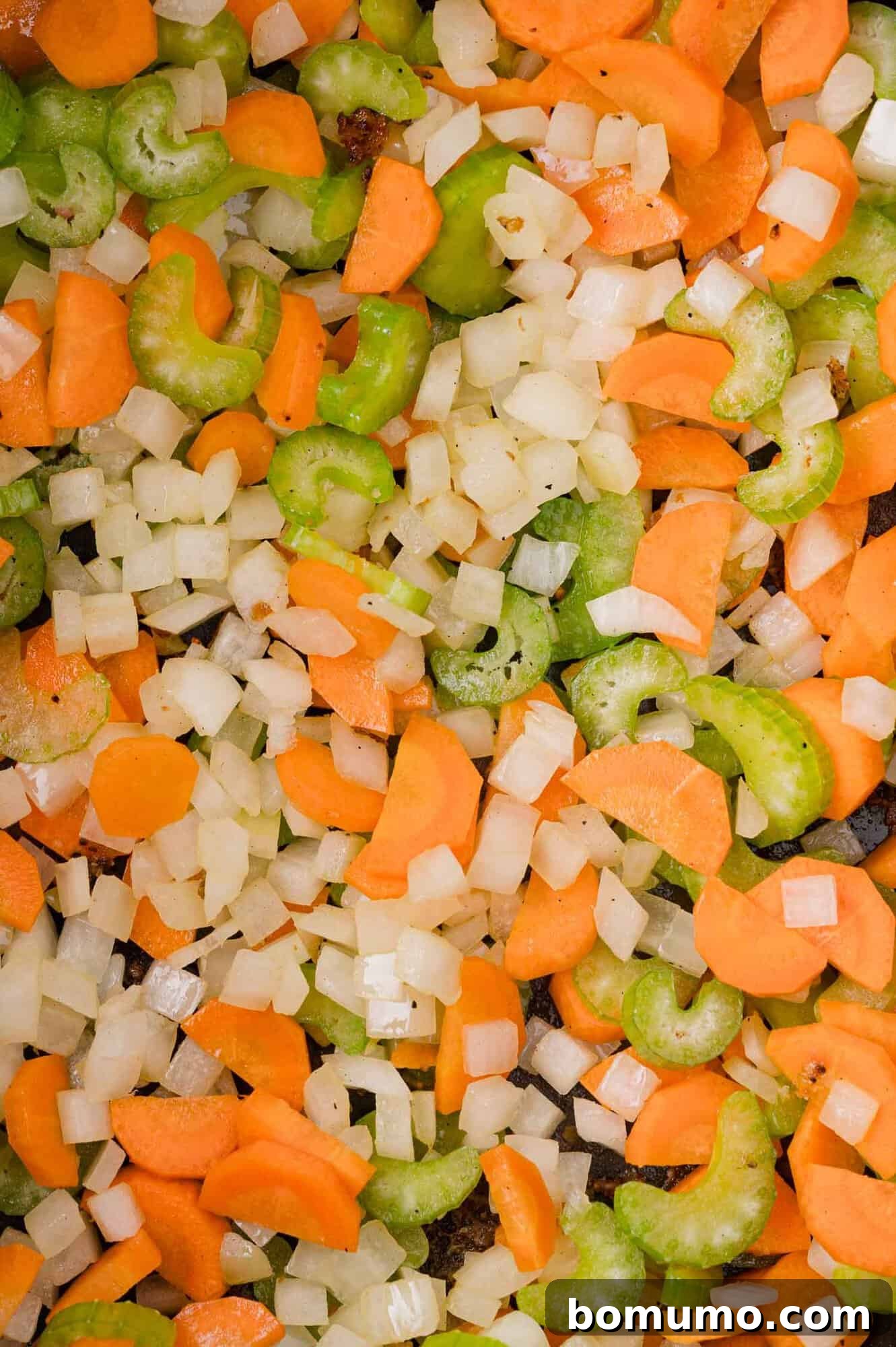
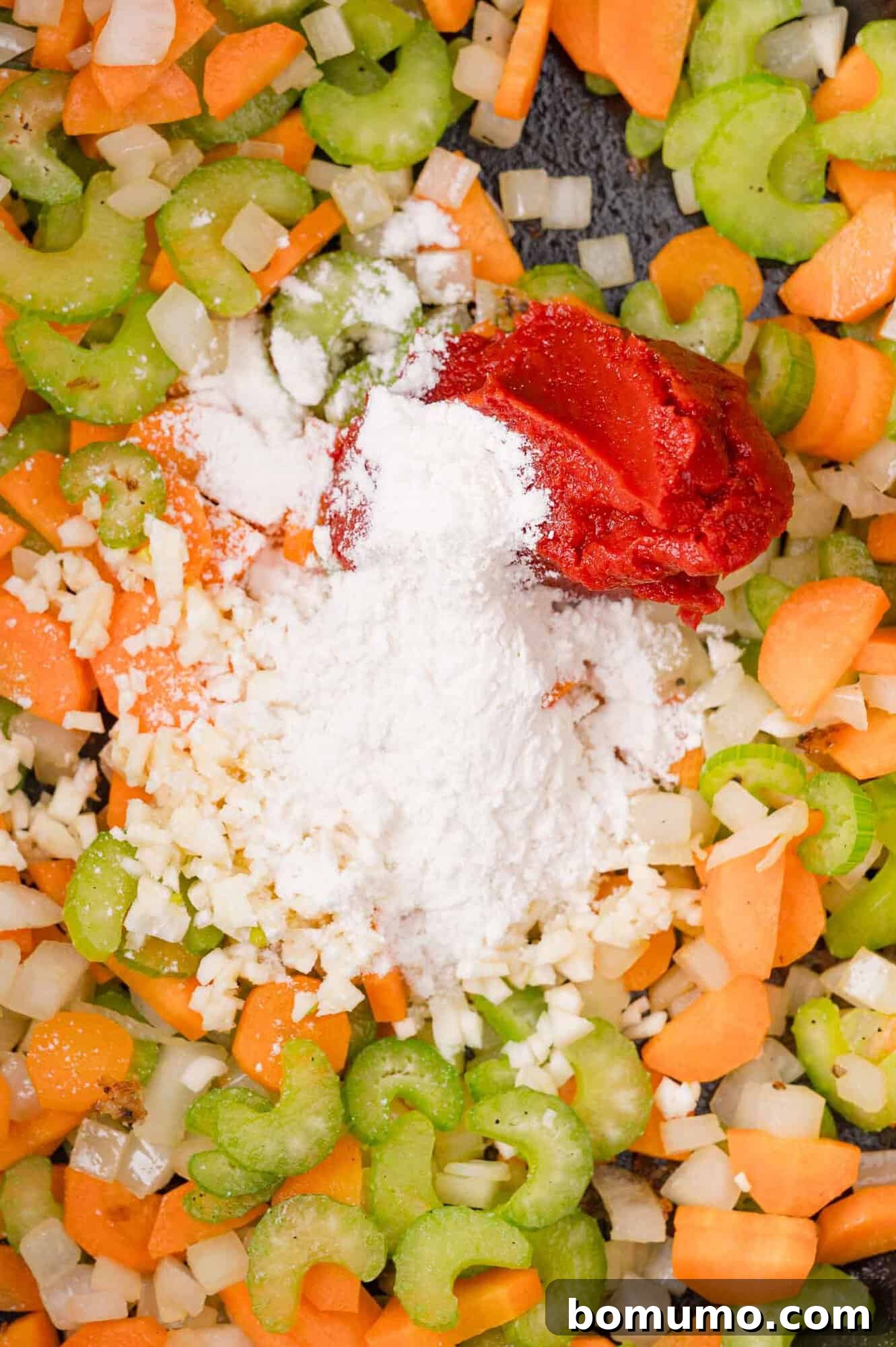
3. Soften the Aromatics: Using the same pan (and all those flavorful browned bits!), reduce the heat to medium. Add the finely diced carrots, onion, and celery. Sauté these vegetables, stirring occasionally, until they become translucent and softened, which should take approximately 5 to 7 minutes. Then, stir in the minced garlic, tomato paste, and the reserved excess flour from earlier. Continue to cook for about 1 minute, stirring constantly, until the garlic is fragrant and the tomato paste has darkened slightly. This brief cooking time for the tomato paste helps to amplify its sweet, umami flavor.
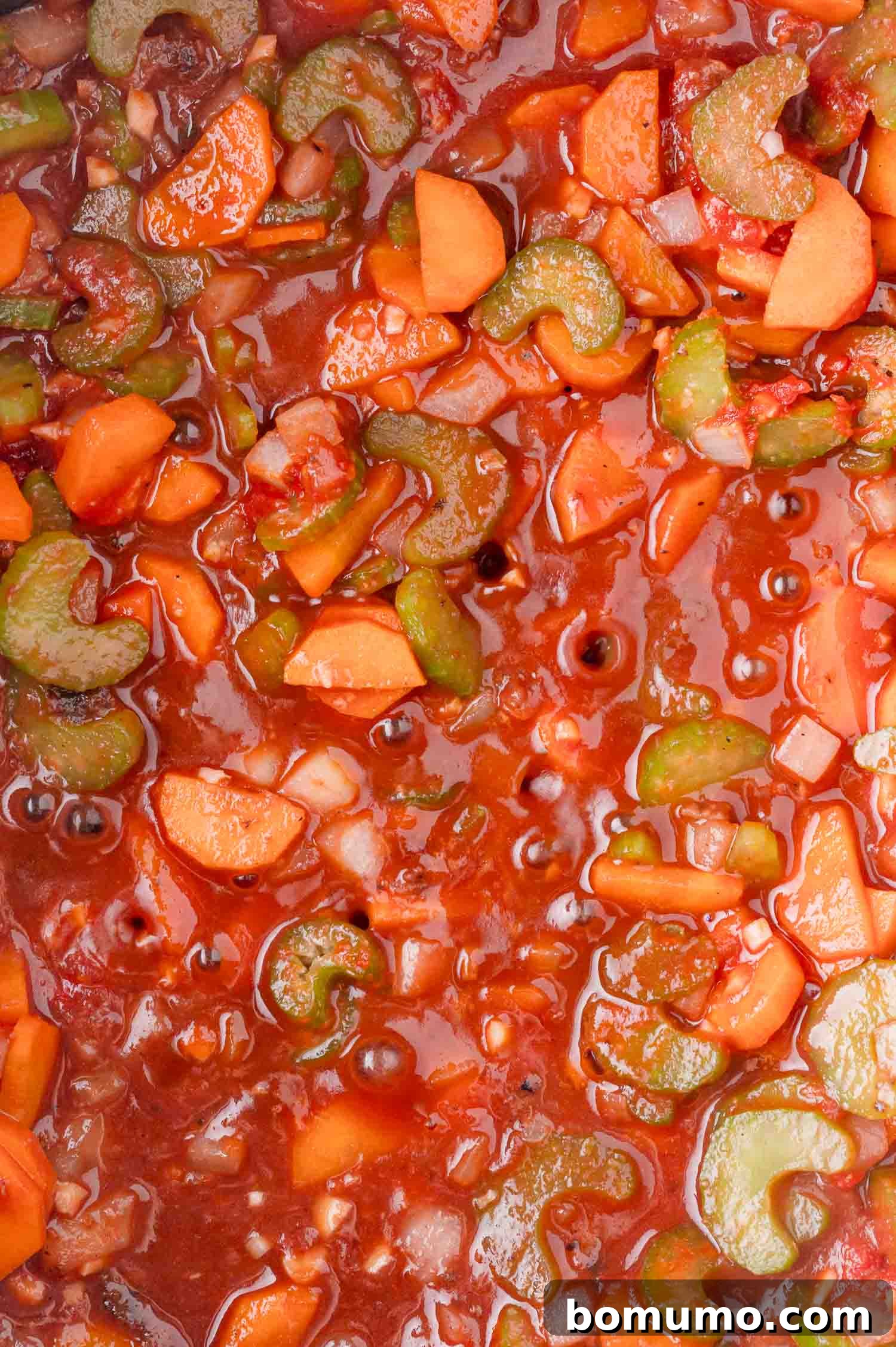
4. Deglaze the Pan: Immediately pour the red wine (or extra beef broth, if you’re omitting wine) into the hot pan. Let it bubble gently for a few seconds. Then, using a wooden spoon or scraper, vigorously scrape up all the delicious browned bits (fond) from the bottom of the pot. The acidity from the wine will help loosen these flavorful particles, which are essential for a deeply savory sauce. Simmer the liquid for 2 to 3 minutes to allow the wine to reduce slightly and its alcohol to cook off.
5. Prepare for Roasting: Stir in the beef broth and Worcestershire sauce, ensuring everything is well combined. Carefully return the seared chuck roast to the pot, nestling it gently among the softened vegetables and liquid. The liquid should cover the beef about two-thirds of the way up; the top portion of the roast should remain exposed. If necessary, add a little more beef broth to reach this level. Finally, add the fresh thyme sprigs and bay leaves, ensuring they are somewhat submerged in the braising liquid to release their herbal notes.
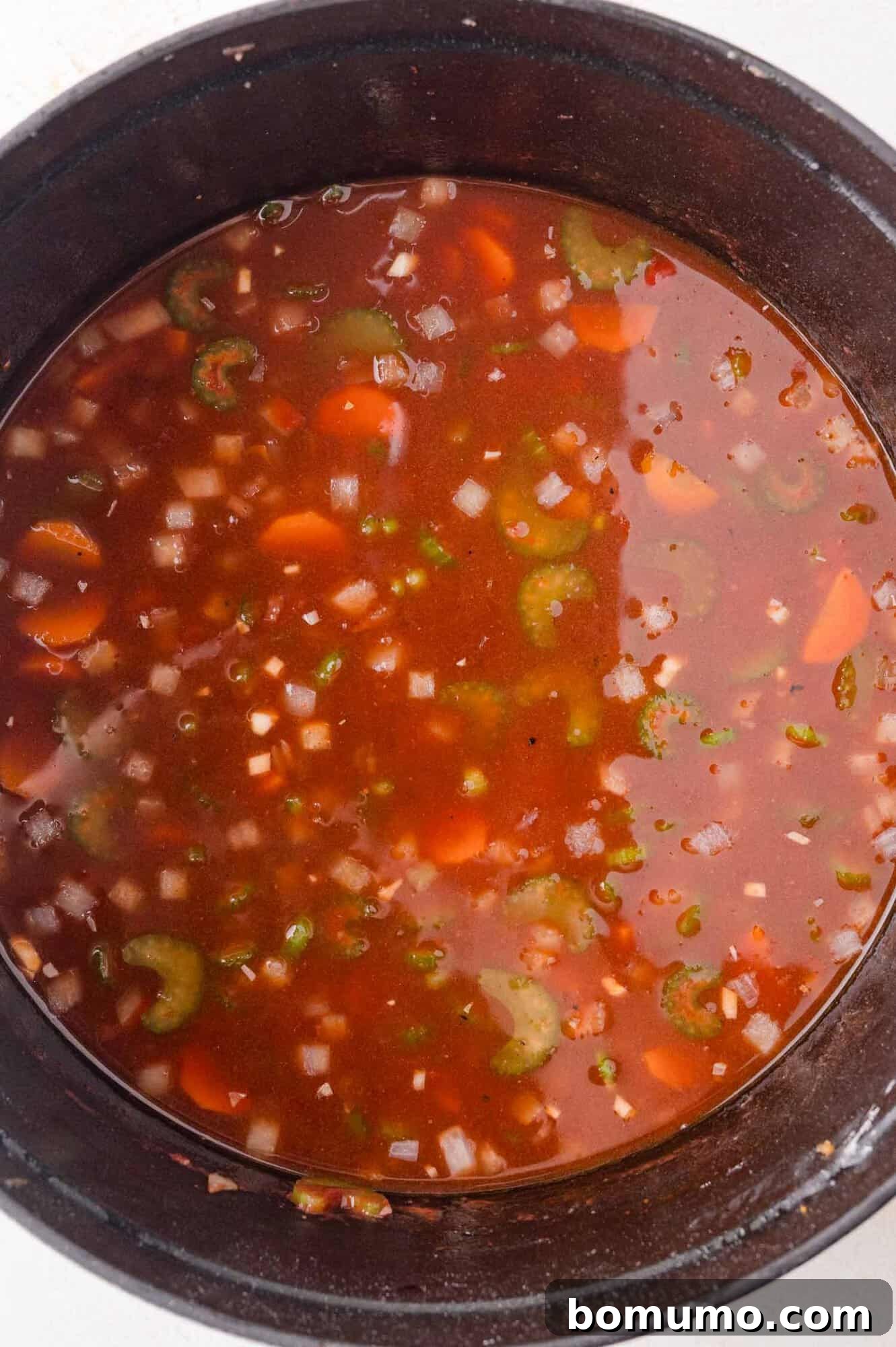
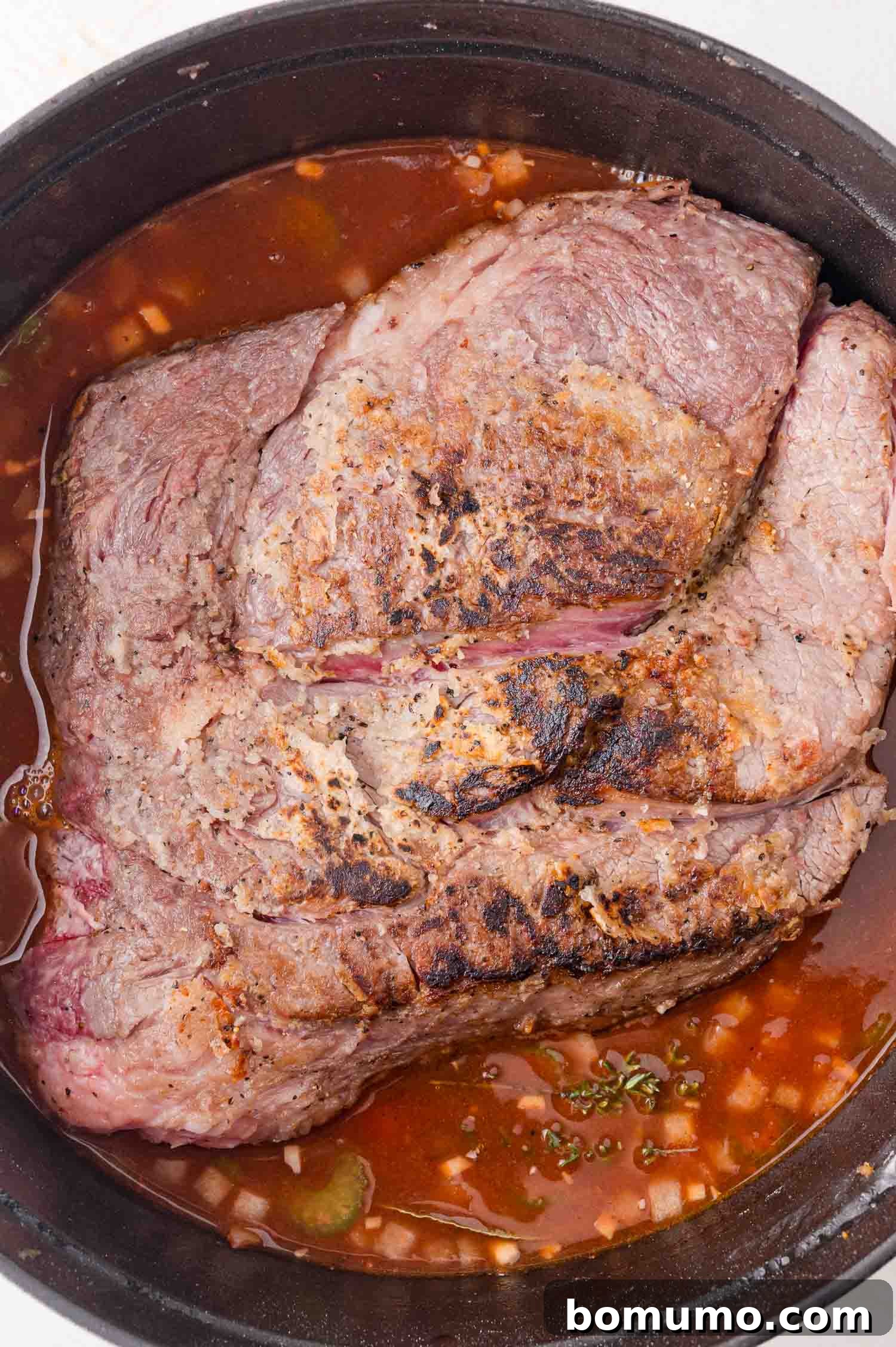
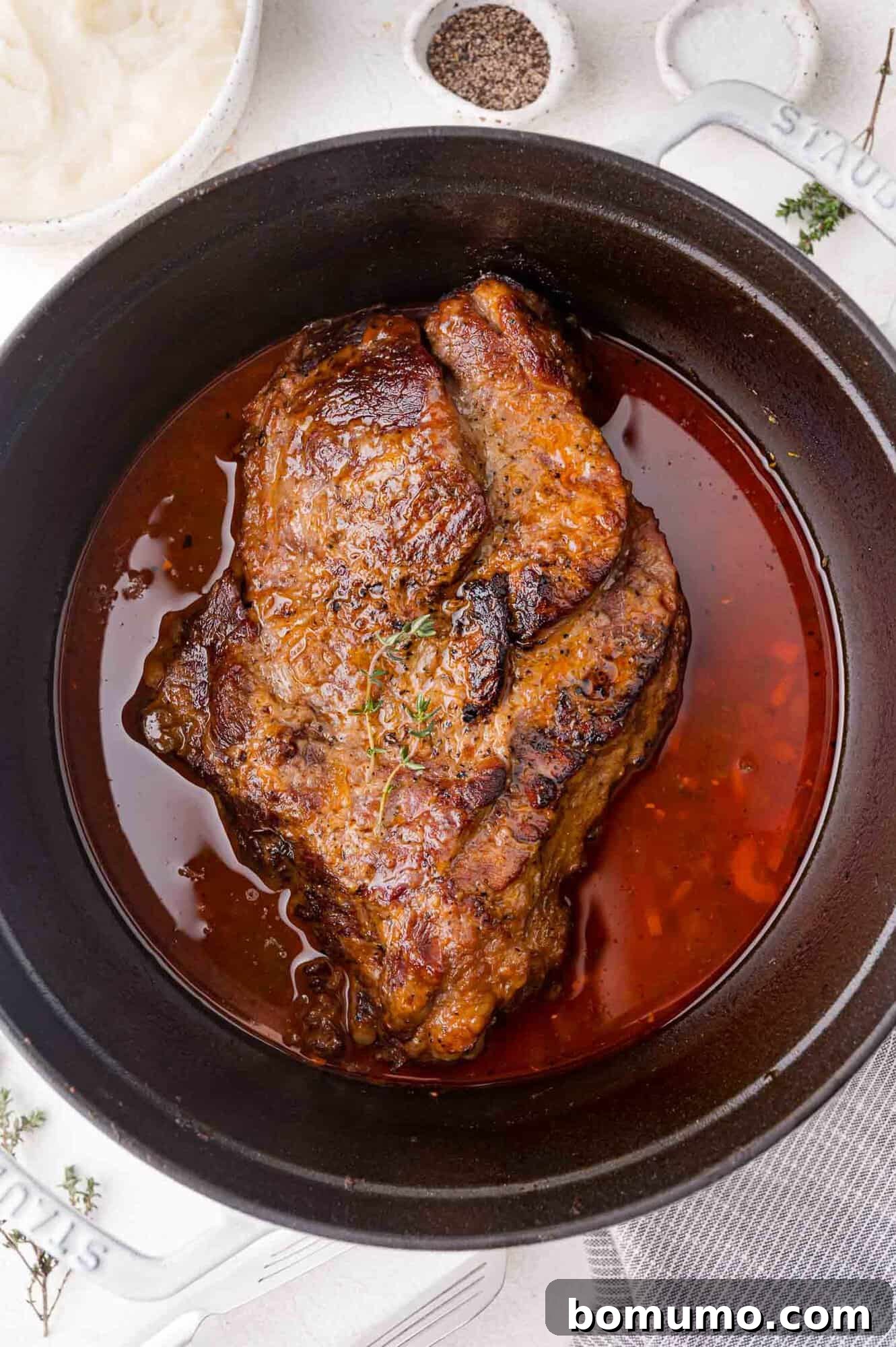
6. Roast to Perfection: Cover the pot tightly with its lid. This tight seal is crucial for creating the steamy environment needed for braising. Transfer the covered pot to your preheated 350ºF (175ºC) oven. Allow it to bake undisturbed for a full 3 hours. Resist the urge to peek! The magic happens during this slow, consistent cooking, tenderizing the beef until it is incredibly fork-tender and practically falls apart.
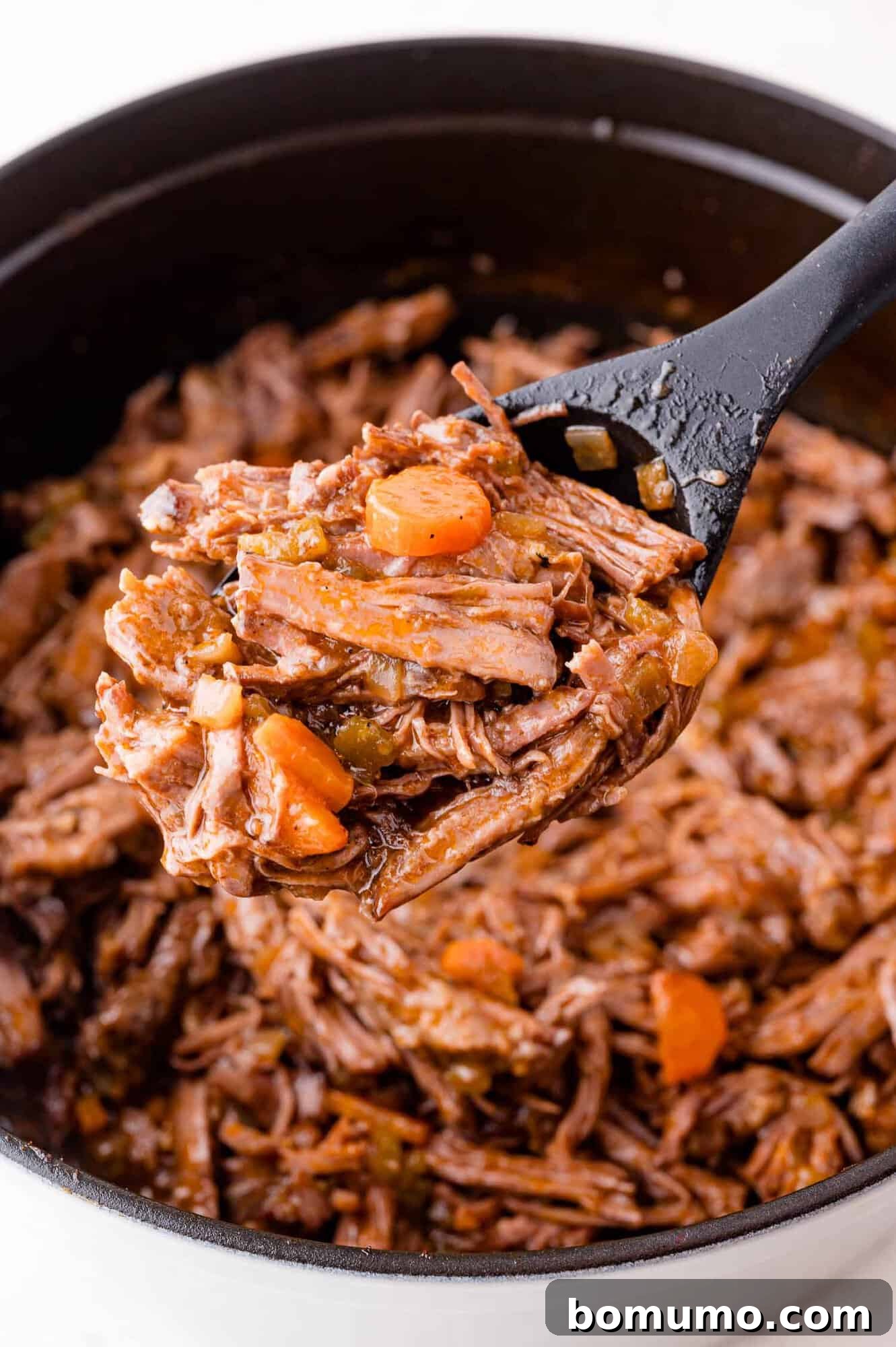
7. Finish and Serve: Once the braising time is complete, carefully remove the pot from the oven. If desired, use a spoon or ladle to skim off any excess fat from the surface of the sauce. Discard the bay leaves and thyme stems from the pot. Using two forks, gently shred the braised beef directly in the pot, allowing it to reabsorb all the luscious sauce. Alternatively, you can plate the beef and spoon the rich sauce generously over the top. Garnish with a sprinkle of fresh chopped parsley just before serving for a burst of color and fresh flavor.
Exciting Variations for Your Braised Beef
This braised beef recipe is wonderfully adaptable. Feel free to experiment with these variations to suit your taste or what you have on hand:
- Add Earthy Mushrooms: For an extra layer of savory depth and additional vegetable goodness, consider adding sliced white mushrooms, cremini mushrooms, or whole button mushrooms to the pot when sautéing your other vegetables. They will absorb the rich flavors and contribute a delightful earthiness to the sauce.
- Experiment with Herbs: While thyme is a classic pairing for beef, other robust herbs can also work beautifully. Fresh rosemary sprigs are an excellent choice, adding a piney, peppery note that stands up well to the rich flavors of braised beef. Avoid delicate herbs that might lose their flavor during prolonged cooking.
- Swap Carrots for Parsnips: For a distinctive twist, substitute the carrots with parsnips. Parsnips have a unique, slightly sweet, and earthy flavor that isn’t for everyone, but if you’re a fan, they are absolutely terrific in this recipe. (And if you love parsnips, you must try this creamy parsnip purée!) You can also add other root vegetables like quartered small potatoes or turnip chunks for more substance.
- Spice it Up: For a subtle kick, add a pinch of red pepper flakes with the garlic and tomato paste.
Perfect Pairings: What to Serve with Braised Beef
The rich, savory flavors of braised beef pair beautifully with a variety of sides. Here are some classic and delightful serving suggestions:
Creamy Mashed Potatoes: There’s an undeniable comfort in the classic combination of tender beef roast and fluffy mashed potatoes. The potatoes are ideal for soaking up every drop of that incredible red wine sauce. Explore different styles, like these effortlessly smooth Instant Pot mashed potatoes, or for a heartier texture, mashed red potatoes are always a hit. You could also try a creamy cauliflower mash for a lighter, low-carb option.
Buttered Egg Noodles: Simple yet satisfying, toss cooked egg noodles in a bit of melted butter and serve the braised beef generously spooned over the top. The noodles provide a wonderful textural contrast and absorb the rich gravy beautifully.
Crusty Bread: Don’t let a single drop of that delectable red wine sauce go to waste! Serve your braised beef with thick slices of warm, crusty bread – whether it’s a rustic sourdough, a classic baguette, or a homemade loaf. It’s perfect for mopping up all the savory goodness.
Light Vegetable Sides & Fresh Salads: To balance the richness of the beef, choose simple vegetable sides or fresh salads that offer a refreshing contrast without competing for attention. Consider vibrant sautéed asparagus, earthy sautéed Brussels sprouts, or sweet and tender glazed carrots. A crisp, simple house salad dressed with a tangy balsamic vinaigrette is also an excellent choice, providing a fresh counterpoint to the rich main dish.
Storage & Reheating Instructions
Storage & Reheating Instructions
Braised beef often tastes even better the next day as the flavors deepen and meld. Proper storage ensures you can enjoy your delicious leftovers for days to come.
Refrigerate: Allow the braised beef and its rich sauce to cool completely before transferring them to an airtight container. Store in the refrigerator for up to 3 days. The fat may solidify on top, which can be easily skimmed off before reheating if desired.
Freeze: For longer storage, braised beef freezes exceptionally well. Place the cooled beef and sauce in an airtight, freezer-safe container or a heavy-duty freezer bag. It can be stored in the freezer for up to 3 months. When you’re ready to enjoy it, thaw overnight in the refrigerator before proceeding with reheating.
Reheat: To reheat, gently warm the leftover braised beef and sauce in the microwave until heated through, stirring occasionally. Alternatively, you can reheat it in a pan on the stovetop over medium heat, stirring periodically, until piping hot. If the sauce has thickened too much, you can add a splash of beef broth or water to reach your desired consistency.
Discover More Delectable Beef Recipes
Shepherd’s Pie – Beef or Lamb!
Instant Pot Beef Stew
Slow Cooker Beef Marsala Stew
Beef Stir Fry With Vegetables
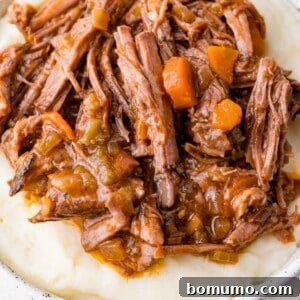
Hearty Braised Beef
5 from 1 vote
Ingredients
- 4 to 5 pounds beef chuck roast
- 2 teaspoons kosher salt
- 1 teaspoon coarse ground black pepper
- ¼ cup all-purpose flour
- 2 tablespoons vegetable oil
- 1 large yellow cooking onion, diced (about 1 cup)
- 2 medium carrots, finely diced (about 1 cup)
- 2 stalks celery, finely diced (about 1 cup)
- 5 cloves garlic, minced or pressed
- 2 tablespoons tomato paste
- 1 cup dry red wine (Cabernet Sauvignon or Merlot recommended, or use extra beef broth)
- 1 ½ cups beef broth, more as needed
- 1 tablespoon Worcestershire sauce
- 2 sprigs fresh thyme (or 1 teaspoon dried thyme)
- 2 bay leaves
- Fresh parsley, chopped (for garnish)
- Mashed potatoes or buttered noodles, for serving (optional)
Instructions
- Preheat your oven to 350ºF (175ºC).
- Pat the beef roast completely dry with paper towels, then season generously with salt and pepper. Dust all sides of the roast with flour, ensuring an even coating. Set aside any leftover flour.
- In a large, oven-safe Dutch oven or heavy-bottomed pot, heat the vegetable oil over medium-high heat until hot. Sear the beef on all sides until a deep brown crust forms, about 5 to 6 minutes per side. Remove the seared beef and transfer it to a plate.
- Reduce the heat to medium. Add the diced onion, carrots, and celery to the same pot. Sauté for 5 to 7 minutes, stirring occasionally, until the onions are translucent and the vegetables have softened. Stir in the minced garlic, tomato paste, and the reserved excess flour. Cook for 1 minute, stirring constantly, until the garlic is fragrant and the tomato paste has deepened in color.
- Pour in the red wine. Using a wooden spoon, scrape up any browned bits stuck to the bottom of the pot. Bring to a simmer and let the liquid reduce slightly for 2 to 3 minutes.
- Stir in the beef broth and Worcestershire sauce. Carefully return the seared beef to the pot, nestling it into the liquid and vegetables. The liquid should cover about two-thirds of the beef; if not, add a little more beef broth.
- Add the fresh thyme sprigs and bay leaves to the liquid, ensuring they are partially submerged.
- Cover the pot tightly with its lid and transfer it to the preheated oven. Bake for 3 hours, or until the beef is incredibly tender and easily shredded with a fork.
- Carefully remove the pot from the oven. If desired, skim off any excess fat from the surface of the sauce. Discard the bay leaves and thyme stems.
- Shred the tender beef directly in the pot, allowing it to soak up all the flavorful sauce. Alternatively, serve the shredded beef on plates with the sauce spooned generously over the top. Garnish with fresh chopped parsley before serving.
Recipe Notes
- Finely Diced Vegetables: This recipe is designed to produce a rich sauce, not a chunky stew. Ensure the onions, carrots, and celery are finely diced so they soften and mostly meld into the sauce during the long braising process.
- Red Wine Recommendation: We strongly recommend using a dry red wine like Cabernet Sauvignon or Merlot. Its complex flavor significantly enhances the dish. If you prefer not to use wine, substitute with an equal amount of good quality beef broth.
- Reducing Sodium: To lower the sodium content, opt for no-salt-added or low-sodium beef broth and tomato paste. Always taste and adjust seasoning with salt before serving.
- Storage Guidelines: Leftover braised beef should be stored in an airtight container with its sauce in the refrigerator for up to 3 days. For longer preservation, it can be frozen for up to 3 months. Thaw in the refrigerator overnight before reheating.
Video Tutorial
Watch our video to see how to prepare this delicious braised beef, ensuring perfect results every time!
Click to watch the Braised Beef recipe video!
Nutrition Information
Calories: 505kcal
Carbohydrates: 9g
Protein: 45g
Fat: 30g
Saturated Fat: 12g
Polyunsaturated Fat: 4g
Monounsaturated Fat: 14g
Trans Fat: 2g
Cholesterol: 156mg
Sodium: 1013mg
Potassium: 992mg
Fiber: 1g
Sugar: 3g
Vitamin A: 2701IU
Vitamin C: 5mg
Calcium: 67mg
Iron: 6mg
Please note: Nutrition information is automatically calculated and should be considered an approximation.
Did You Make This Braised Beef?
Share your thoughts and leave a rating below! We love hearing from you!