

Unlock the delicious potential of acorn squash! Learn how to effortlessly prepare and cook this versatile fall favorite in both sweet and savory styles, creating a fantastic side dish for any meal.
Recipe Highlights
Why you’ll love this recipe: Whether you crave a sweet treat or a savory accompaniment, our two-way acorn squash recipe caters to every palate, offering a delightful and versatile experience.
Total Time: Just over an hour from prep to table.
Essential Equipment: A sharp knife, sturdy cutting board, and a reliable baking sheet.
Yields: 2 generous servings per squash.
How to Cook Acorn Squash: Your Essential Guide to Sweet & Savory Perfection
As autumn leaves begin to fall and the air turns crisp, few ingredients capture the essence of the season quite like squash. From the delicate, edible skin of delicata to the creamy texture of butternut, and the stringy goodness of spaghetti squash, these versatile gourds are a culinary delight. Acorn squash, with its distinctive shape and rich, nutty flavor, stands out as a true fall favorite. It’s not just delicious; it’s also incredibly easy to prepare, making it a perfect addition to any weeknight dinner or holiday feast.
This comprehensive guide will show you how to cook acorn squash in two distinct ways: sweet and savory. Whether you’re looking for a comforting, subtly sweet dish or a robust, herb-infused side, we’ve got you covered. Both methods are straightforward and promise a tender, flavorful result that will impress your family and friends. Forget any intimidation you might feel about cooking squash; our simple instructions will transform you into an acorn squash expert in no time.
Why Acorn Squash Deserves a Spot on Your Table
Acorn squash is more than just a pretty face with its dark green, ribbed exterior. Inside, it boasts a vibrant orange flesh that becomes wonderfully tender and creamy when roasted. It’s a nutritional powerhouse, packed with vitamins A and C, fiber, and essential minerals, making it a healthy choice for any diet. Its naturally mild, slightly sweet flavor provides a fantastic canvas for a wide array of seasonings, allowing it to adapt beautifully to both sweet and savory preparations.
Unlike some other squashes, acorn squash is perfectly portion-sized when halved, making it ideal for individual servings. This eliminates the need for extensive chopping, simplifying your meal prep. Its robust texture holds up well to roasting, ensuring that each bite is packed with flavor and satisfying tenderness. Whether you’re a seasoned cook or just starting your culinary journey, acorn squash is an approachable ingredient that consistently delivers delicious results.
Mastering Acorn Squash Preparation: A Step-by-Step Guide
Cooking acorn squash is much simpler than you might imagine. The key lies in a few basic preparation steps that ensure safety and enhance flavor. We’ll walk you through each stage, from selecting the perfect squash to getting it ready for the oven, ensuring a smooth and enjoyable cooking experience.
Selecting the Perfect Acorn Squash
When choosing an acorn squash, look for one that is dark green, firm, and heavy for its size. Avoid any squash with soft spots, blemishes, or an overly pale appearance, as these can be signs of spoilage or immaturity. A healthy squash will have a small, dry stem attached.
The All-Important Wash
Before you even think about cutting into your squash, give it a thorough wash. Many people skip washing the skin of fruits and vegetables they don’t plan to eat, but this is a critical step you shouldn’t overlook. When you slice the squash, your knife will pass through the skin and into the edible flesh, potentially transferring dirt, bacteria, or other residues from the surface. Plus, you’ll be handling the entire squash, and you don’t want any grittiness on your hands transferring to the cooked product. Use a vegetable brush under running water to ensure a clean surface. While the skin of acorn squash is technically edible, many prefer not to eat it due to its slightly tougher texture compared to varieties like delicata squash, but cleaning it is always essential.
Safe and Easy Slicing Tips
Acorn squash can be notoriously hard to cut. To make the process safer and easier, consider this helpful tip: microwave the whole squash for 3 to 5 minutes. This softens the outer skin just enough to allow your knife to glide through more smoothly. Let it cool slightly so it’s comfortable to handle, then proceed with caution. Alternatively, you can carefully slice off a small portion of the stem end to create a flat, stable base. Place the squash on this flat end, and then cut it in half lengthwise, from stem to base. When you reach the stem, don’t try to force your knife through it; instead, gently crack the squash open to separate the halves. Always use a sharp knife and a stable cutting board.
Scooping Out the Seeds
Once halved, you’ll need to remove the seeds and the stringy bits from the center. A regular spoon works, but for an incredibly easy and efficient cleanup, try using a grapefruit spoon. Its serrated edges make quick work of scraping out every last seed and fiber, leaving you with perfectly clean squash cavities. If you’re feeling adventurous, you can even roast the seeds for a crunchy snack!
Seasoning for Success: Sweet or Savory
Now comes the exciting part: seasoning your acorn squash! This is where you decide whether you’re going for a sweet or savory profile. Both methods are wonderfully simple and form the perfect foundation for a delicious dish. Before seasoning, prepare your baking sheet by lining it with parchment paper for effortless cleanup. This simple step will save you from scrubbing sticky caramelized sugar or baked-on oil later.
Baking to Perfection
Once seasoned, place your squash halves cut-side up on the prepared baking sheet. Roast them in a preheated oven at 400°F (200°C) for approximately 50-60 minutes, or until the flesh is fork-tender. The exact cooking time may vary depending on the size of your squash, so keep an eye on it. A perfectly roasted acorn squash will have slightly caramelized edges and a soft, yielding interior.
The Sweet Indulgence: How to Make Sweet Acorn Squash
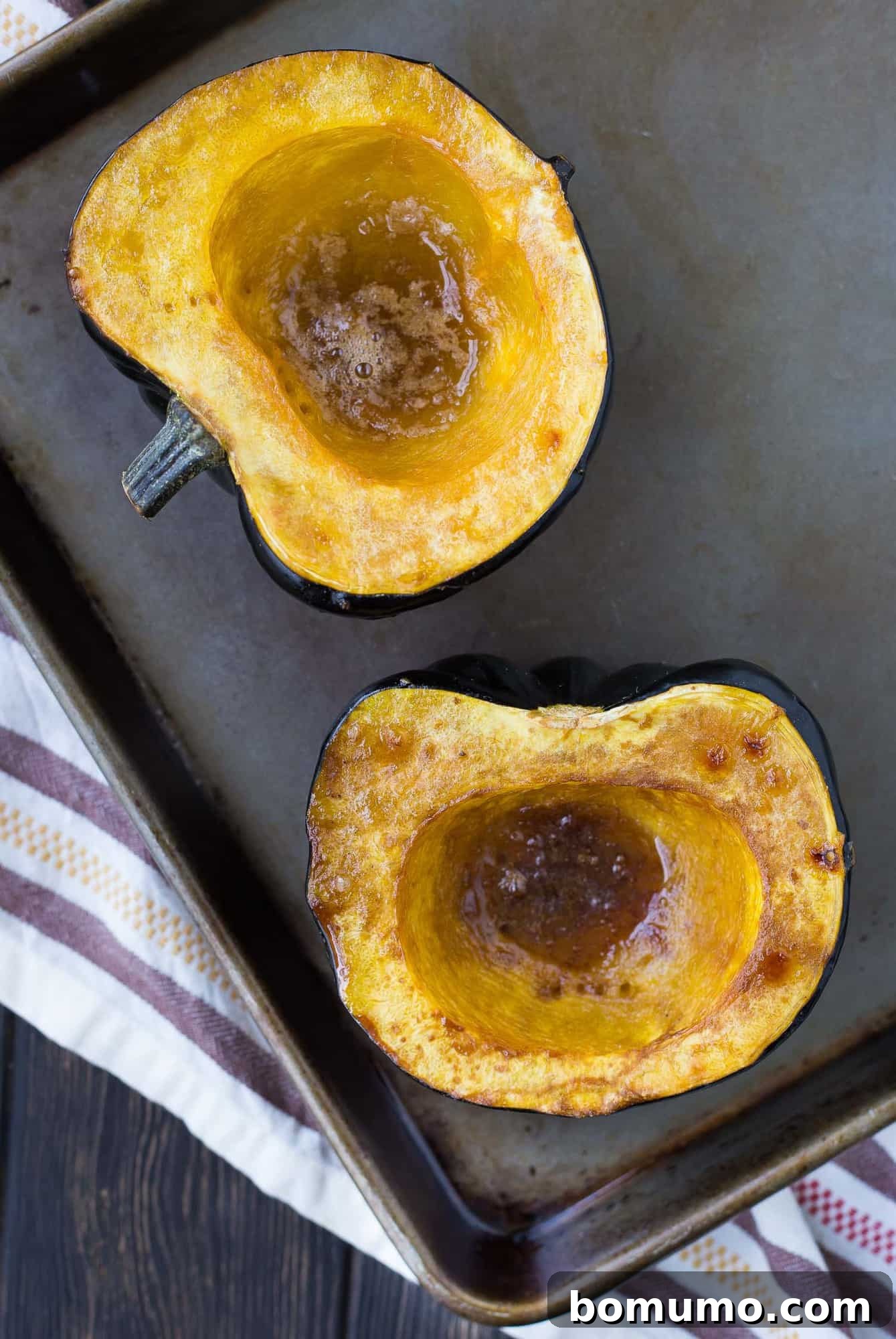
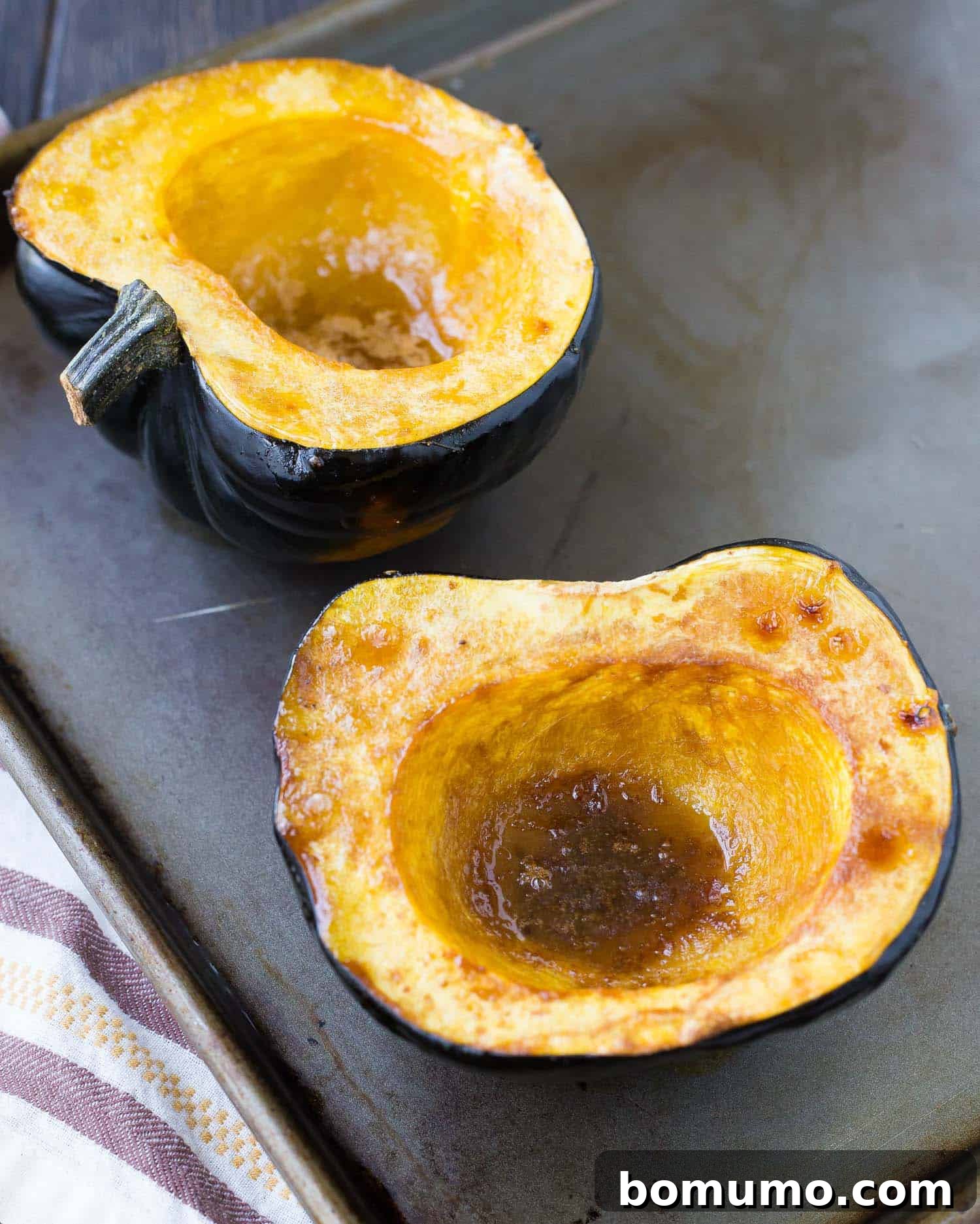
For those who love a hint of sweetness, the sweet variation of roasted acorn squash is an absolute treat. It makes a wonderful dessert-like side dish or even a light breakfast. The rich, buttery flavor combined with caramelized sugar is simply irresistible.
Ingredients for Sweet Acorn Squash:
- 1 acorn squash
- 1 tablespoon melted butter
- 1 tablespoon brown sugar or coconut sugar (adjust to taste)
Method for Sweet Acorn Squash:
Once your squash halves are cleaned and deseeded, generously rub the inside flesh with melted butter. Then, sprinkle a tablespoon of brown sugar or coconut sugar over the buttered surface. The sugar will caramelize beautifully during roasting, creating a sweet, sticky glaze that perfectly complements the squash’s natural flavors. This sweet version is my personal favorite for enjoying plain, right out of the oven.
The Savory Classic: How to Make Savory Acorn Squash
If you prefer a more earthy and robust flavor profile, the savory acorn squash is your go-to. It pairs perfectly with roasted meats, poultry, or as a hearty vegetarian side. This preparation also makes an excellent base if you plan to stuff your acorn squash with grains, vegetables, or proteins.
Ingredients for Savory Acorn Squash:
- 1 acorn squash
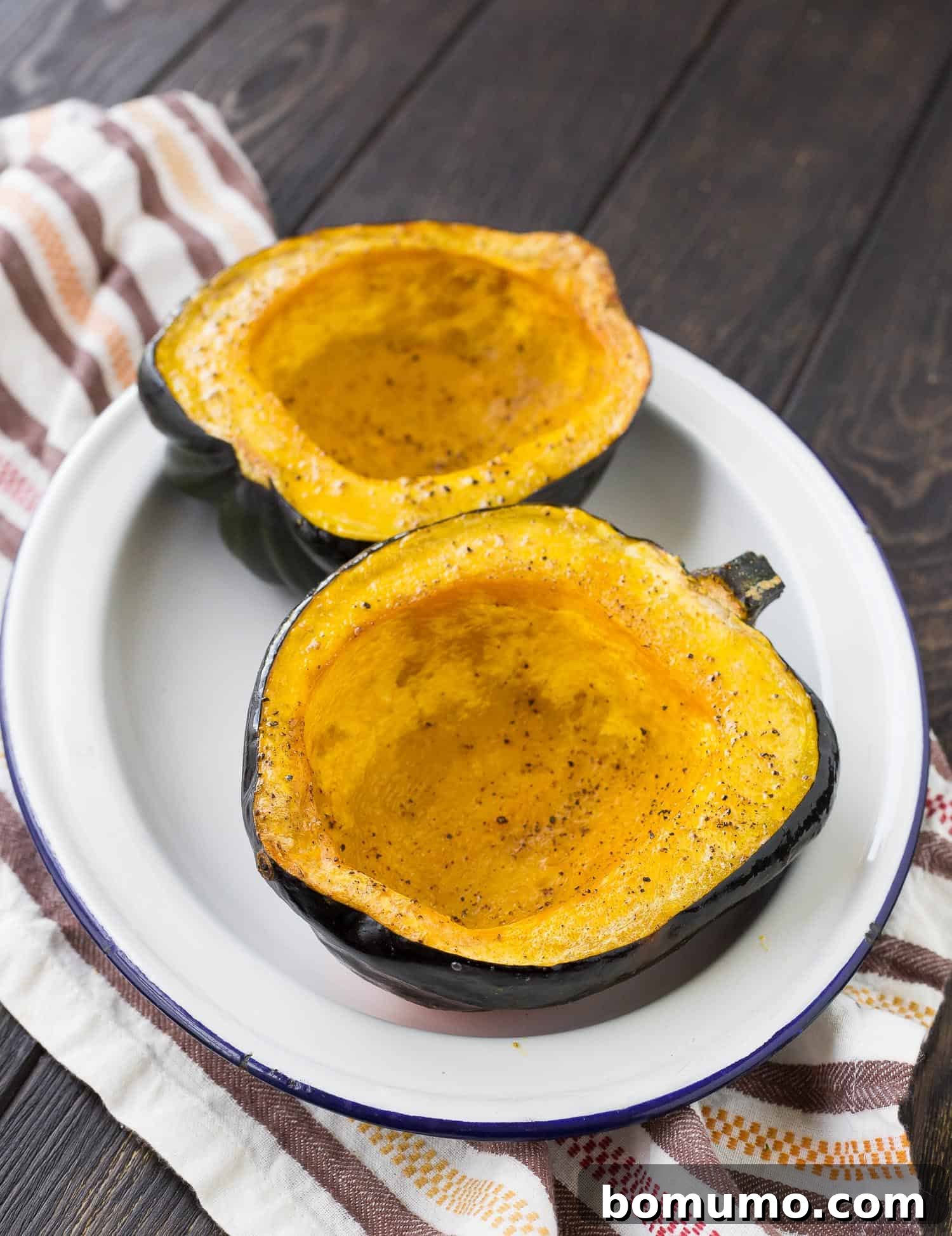
- 1 tablespoon olive oil
- 1/8 teaspoon salt (or to taste)
- Pepper to taste
Method for Savory Acorn Squash:
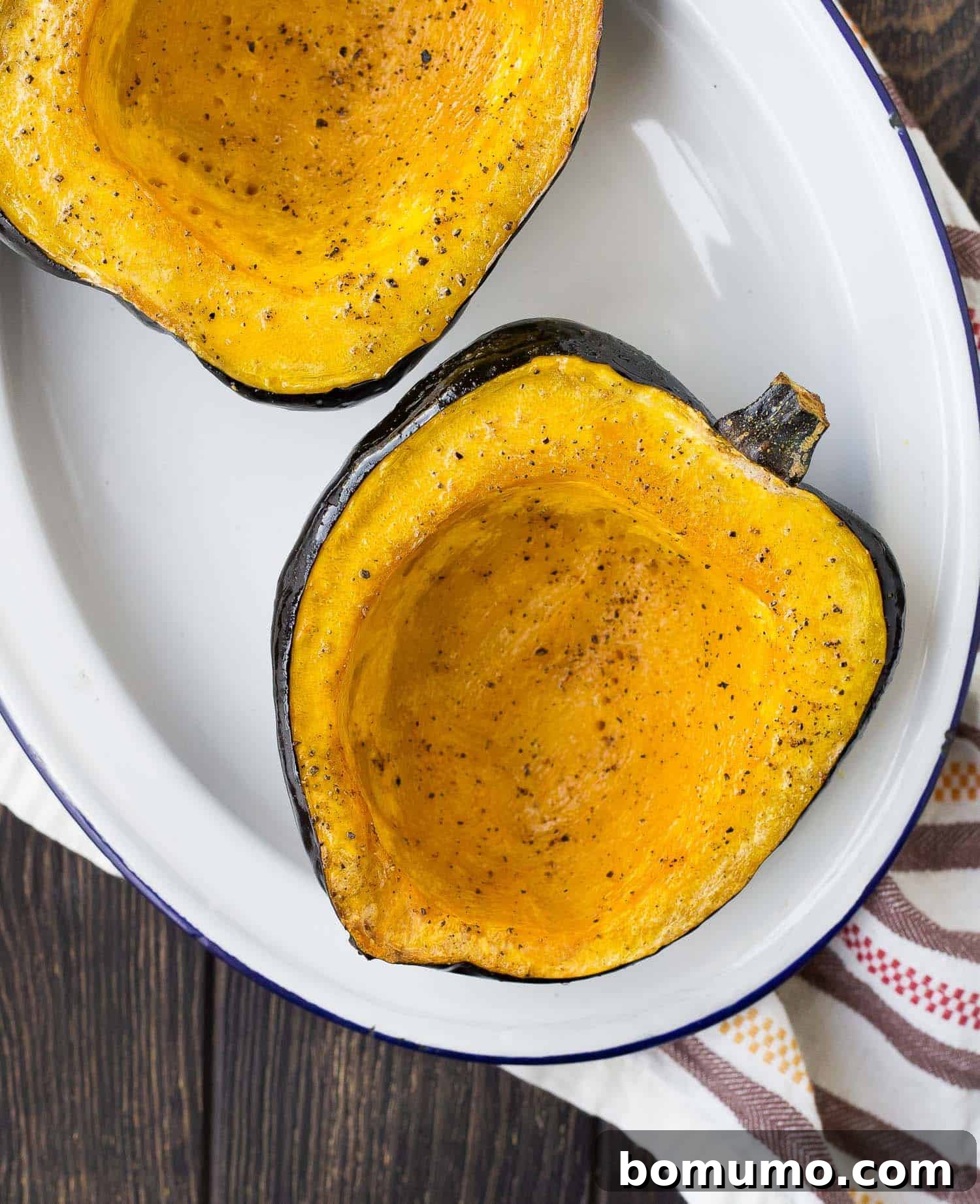
After preparing your squash halves, drizzle the inside with a tablespoon of olive oil, ensuring the entire surface is coated. Then, sprinkle with salt and freshly ground black pepper. This simple seasoning highlights the squash’s natural taste, creating a versatile side dish that can accompany almost anything. If you’re considering stuffing your acorn squash, the savory preparation provides a fantastic foundational layer of flavor.
Frequently Asked Questions About Acorn Squash
Frequently Asked Questions About Acorn Squash
Can you eat the skin of an acorn squash?
While technically edible, the skin of acorn squash tends to be tougher than that of other varieties, such as delicata squash. Many people prefer to scoop out the tender flesh and discard the skin. However, if roasted thoroughly, the skin does soften somewhat and can be consumed without harm. It also peels away easily with a fork once cooked, providing a simple way to separate it if desired.
What is the difference between an acorn squash and a butternut squash?
Acorn squash is typically smaller, rounder, and features a distinctive dark green, ribbed exterior, resembling an acorn. Butternut squash, in contrast, is elongated with a thinner neck and a bulbous end, characterized by its smooth, pale beige skin. Both are delicious and nutritious winter squashes, but they offer slightly different textures and flavor nuances when cooked. Butternut is often sweeter and creamier, while acorn squash has a more earthy and nutty profile.
How can you tell if an acorn squash is bad?
Acorn squash boasts a long shelf life and can often be stored at room temperature for several months. However, signs of spoilage include soft, mushy spots on the exterior, an unpleasant odor, or a slimy and mushy texture when cut open. If you notice any of these indicators, it’s best to discard the squash to ensure safety and quality.
Beyond the Basics: Creative Seasoning Ideas for Acorn Squash
Beyond the Basics: Creative Seasoning Ideas for Acorn Squash
Once you’ve mastered the fundamental sweet and savory preparations, don’t hesitate to experiment! Acorn squash is incredibly versatile and welcomes a variety of flavor enhancements. Here are some ideas to “spice things up” and truly make the dish your own:
Sweet Enhancements:
- Warm Cinnamon: Add a 1/4 teaspoon of ground cinnamon to each squash half along with the butter and sugar for a cozy, aromatic twist.
- Pumpkin Spice Medley: Combine 1/4 teaspoon ground cinnamon with 1/8 teaspoon ground nutmeg for a classic fall flavor profile. A pinch of ground ginger or allspice can also be added.
- Maple Glaze: Swap out brown sugar for an equal amount of pure maple syrup. The rich, woodsy notes of maple syrup beautifully complement the squash.
- Vanilla Bean: For an extra touch of gourmet, scrape a tiny bit of fresh vanilla bean into the butter mixture before spreading it on the squash.
Savory Transformations:
- Smoky Kick: Sprinkle 1/4 teaspoon of chili powder or smoked paprika onto each half with the olive oil, salt, and pepper for a delightful depth of flavor.
- Herb Garden: Add 1/4 teaspoon each of dried rosemary and thyme to your savory seasoning for an herbaceous aroma and taste.
- Italian Flair: Give your squash an Italian twist by adding 1/4 teaspoon dried oregano, 1/4 teaspoon dried basil, and a tablespoon of grated Parmesan cheese to each half.
- Garlic & Herb: Mince a clove of garlic per half and mix with the olive oil, along with some dried parsley or chives.
Adventurous Sweet & Spicy:
- Chili-Cinnamon Fusion: Follow the sweet directions (butter and brown sugar/maple syrup) but add 1/4 teaspoon of cinnamon and a tiny pinch of cayenne pepper to each half. This creates a surprising and delightful warmth.
Storage and Reheating Tips
Storage and Reheating Tips
Leftover roasted acorn squash is just as delicious the next day! To store, simply place the cooled squash halves in an airtight container and refrigerate for up to 4 days. When you’re ready to enjoy them again, reheating is a breeze:
- Microwave: For a quick reheat, place a squash half in the microwave and heat for 45-90 seconds, or until warmed through.
- Oven: For crispier results, reheat in a preheated oven at 400°F (200°C) for about 10 minutes, or until thoroughly warm.
- Air Fryer: An air fryer offers an excellent way to revive leftovers, heating them at 380°F (190°C) for approximately 5 minutes, or until heated through and slightly crisped.
Explore More Squash Recipes
If you’ve discovered a newfound love for cooking squash, there’s a whole world of possibilities to explore! We offer extensive guides on preparing other popular winter squash varieties:
- How to Cook Butternut Squash: Learn multiple methods for preparing this sweet and creamy favorite.
- How to Cook Kabocha Squash: Discover the rich, sweet flavor and velvety texture of Japanese pumpkin.
- How to Cook Delicata Squash: A guide to preparing this easy-to-love squash with its edible skin.
- How to Cook Spaghetti Squash: Master five different methods for creating pasta-like strands from this unique squash.
Don’t forget about stuffed squash! They make for a hearty and complete meal:
- Pizza Stuffed Spaghetti Squash: A fun and flavorful twist on classic pizza.
- Chicken Fajita Stuffed Spaghetti Squash: A delicious and healthy way to enjoy your favorite fajita flavors.
- Classic Stuffed Acorn Squash: For more inspiration on how to fill your perfectly roasted acorn squash.
Acorn Squash Recipe
Rachel Gurk
5 mins
1 hr
1 hr 5 mins
2
servings

Ingredients
Savory version:
- 1 acorn squash
- 1 tablespoon olive oil
- 1/8 teaspoon salt (more to taste)
- pepper to taste
Sweet version:
- 1 acorn squash
- 1 tablespoon butter
- 1 tablespoon brown sugar or coconut sugar (more to taste)
Instructions
-
Place oven rack right below the middle position in your oven. Preheat the oven to 400°F (200°C). Line a baking sheet with parchment paper.
-
Wash the peel of the squash thoroughly. Cut the squash in half from the stem to the bottom (refer to our detailed slicing tips above). When you get to the stem, just crack the squash in half, and it will separate easily.
-
Scrape out all seeds and stringy bits from both halves. A grapefruit spoon works wonders for this!
-
Prepare the squash according to your preference: For a savory version, rub the inside flesh with olive oil and sprinkle with salt and pepper. For a sweet version, rub the inside flesh with melted butter and sprinkle with brown or coconut sugar. Place the prepared squash halves, cut-side up, on the lined baking sheet.
-
Place the baking sheet in the preheated oven and roast for 50-60 minutes, or until the squash is very tender when poked with a fork.
-
Serve immediately and enjoy, or store any leftovers covered in the fridge for 3-4 days.
Notes
- Microwaving the whole squash for 3-5 minutes before cutting can make slicing it in half significantly easier and safer.
- Keep roasted squash in a covered container in the fridge for up to 4 days.
- Reheat leftovers for 45-90 seconds in the microwave until warm. You can also use the oven (400°F/200°C for about 10 minutes or until warm), or the air fryer (380°F/190°C for about 5 minutes, or until heated through).
Nutrition Information (approximate for savory version per 0.5 squash)
Serving: 0.5 squash
Calories: 146kcal
Carbohydrates: 22g
Protein: 2g
Fat: 7g
Saturated Fat: 1g
Sodium: 152mg
Fiber: 3g
Please note: Nutrition information is automatically calculated and should be used as an approximation.
Did You Make This?
Share a comment and rating below! I love hearing what you think!