
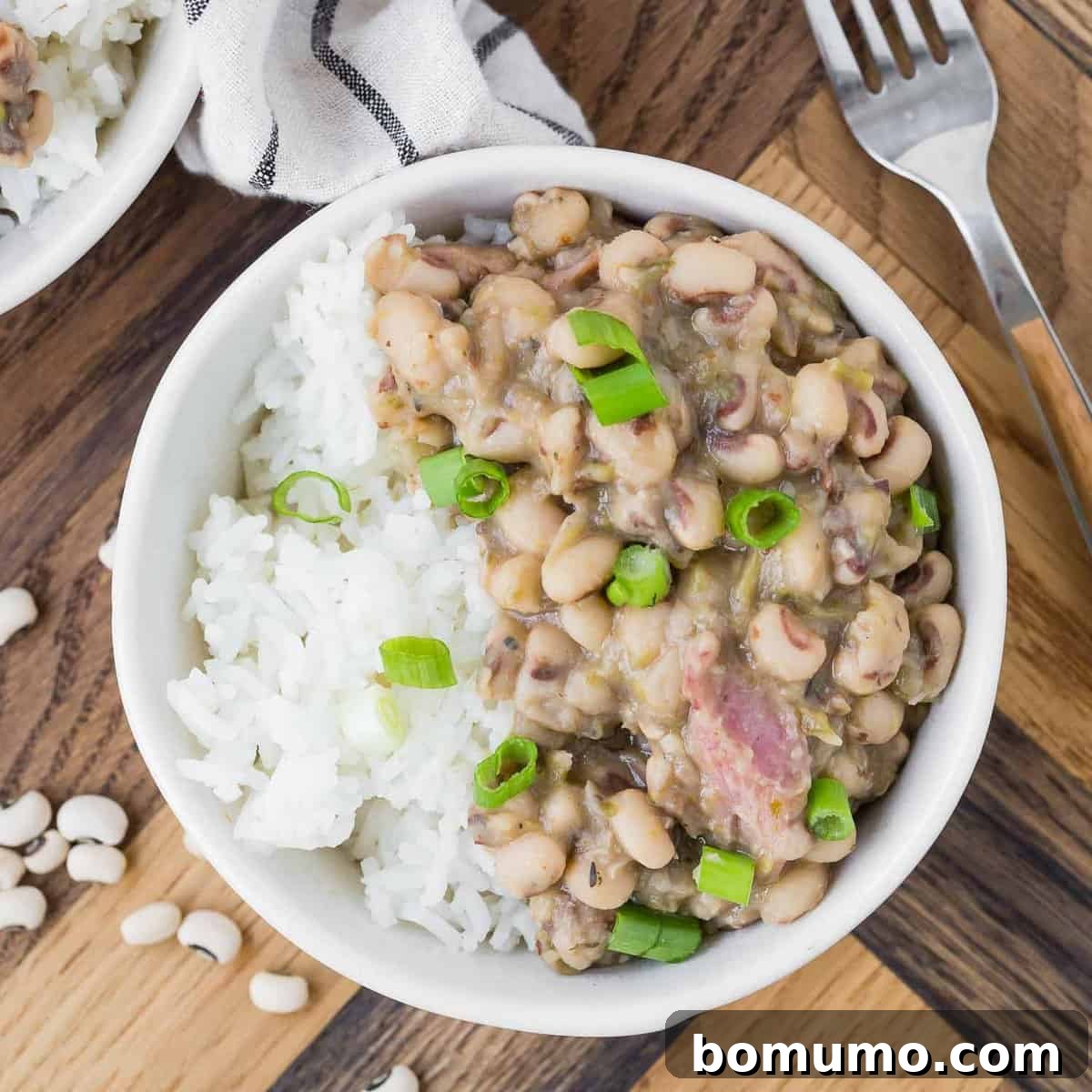
Recipe Highlights: Why This Hoppin’ John Recipe is a Must-Try
Why you’ll adore this dish: Dive into the rich culinary tradition of the American South with a hearty pot of Hoppin’ John. This beloved New Year’s Day staple isn’t just a delicious meal; it’s a centuries-old tradition believed to usher in prosperity and good fortune for your household throughout the coming year. Its slow-cooking nature makes it incredibly forgiving and perfect for celebratory gatherings, allowing you to start it well in advance and keep it warm until guests are ready to enjoy.
Preparation & Cooking Time: Approximately 2 hours of active cooking, plus an essential overnight soak for the black-eyed peas.
Essential Kitchen Equipment: A large, heavy-bottomed pan or a classic Dutch oven will be your best companion for simmering this flavorful stew to perfection.
Yields: Generously serves 8 people, making it ideal for family meals or a festive New Year’s Day feast.
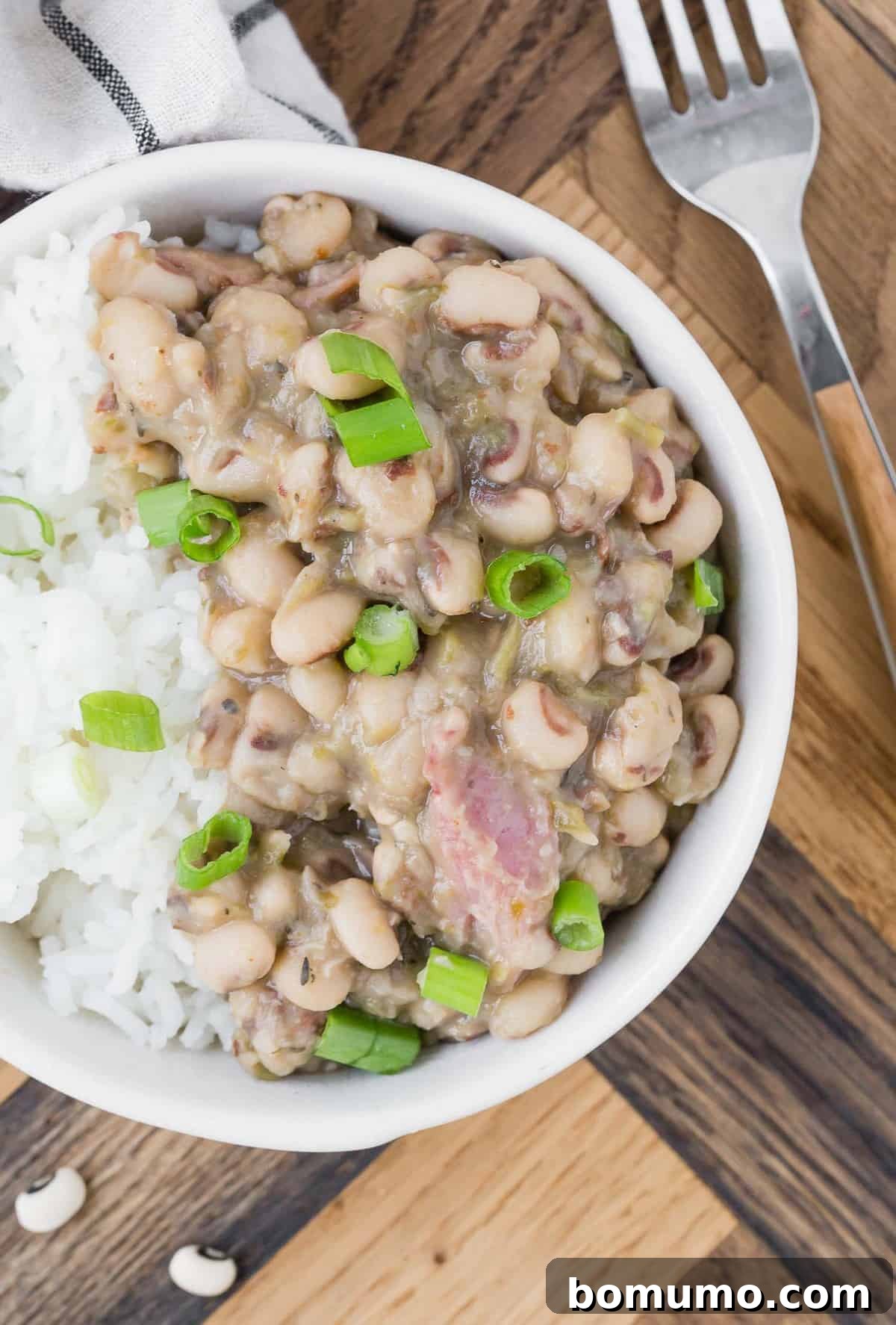
Hoppin’ John: A Southern Tradition for New Year’s Prosperity
Venturing into the southern United States on New Year’s Day offers a unique culinary experience: the ubiquitous presence of Hoppin’ John. For those unfamiliar with this deeply rooted Southern tradition, the name itself might spark curiosity. “Hoppin’ John” doesn’t immediately suggest a savory stew; instead, it might conjure images of a lively dance or a vigorous exercise routine. Yet, this humble dish holds a significant place in the hearts and homes of many, symbolizing hope, good fortune, and a fresh start for the year ahead.
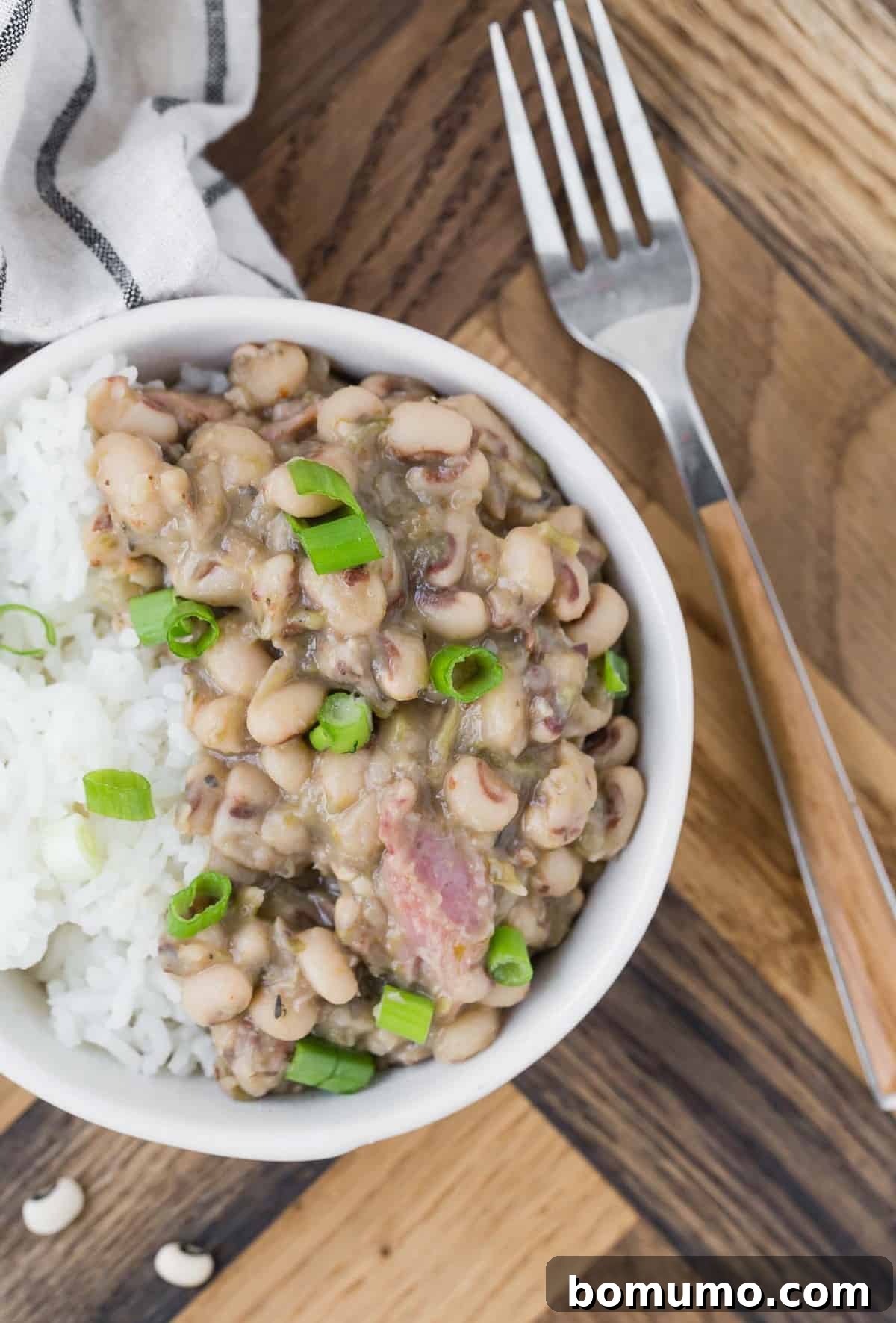
At its core, Hoppin’ John is a rich and comforting stew, meticulously crafted from a base of black-eyed peas and fluffy rice. Its distinctive smoky flavor is typically imparted by ham, bacon, or even ham hocks, creating a deeply satisfying profile. This delightful combination is often served alongside cooked collard greens or other leafy greens, completing a meal that is as symbolic as it is delicious. The tradition dictates that consuming Hoppin’ John on January 1st ensures prosperity for the coming twelve months, with each ingredient playing a symbolic role: the black-eyed peas represent coins, while the vibrant green collards symbolize paper money. This folk belief, deeply ingrained in Southern culture, transforms a simple meal into a powerful ritual for inviting abundance and good luck.
While we can’t guarantee an overflow of wealth (though we certainly wish you all the best!), we can confidently promise an exceptionally flavorful and heartwarming culinary experience with this traditional Hoppin’ John recipe. The blend of tender black-eyed peas and succulent, smoky ham creates a dish that is both filling and profoundly satisfying. The inviting aroma that wafts through your kitchen as it gently simmers on the stove is a promise of the comfort and deliciousness to come. It’s more than just food; it’s a taste of history and tradition.
Beyond its New Year’s association, Hoppin’ John is a versatile and beloved dish that can be enjoyed throughout the year. Its hearty nature makes it an excellent bean soup, offering a fascinating glimpse into Southern culinary heritage. We often pair it with warm, crumbly cornbread muffins, like our golden cornbread muffin recipe, or our wholesome whole wheat cornbread, which perfectly complement the stew’s robust flavors. It’s a testament to its enduring appeal that a dish so rich in tradition can be a regular favorite on any given weeknight.
For those intrigued by the historical tapestry woven around Hoppin’ John, there are countless fascinating theories about its origins and evolution. Rather than delve into all the intricate details here, we highly recommend exploring the extensive research by culinary historians like Robert Moss on Serious Eats. His work provides an engaging and insightful look into the captivating journey of this iconic Southern dish.
If you’re eager to explore more vibrant Southern-style cuisine, be sure to try our authentic Jambalaya recipe, bursting with bold flavors, or our convenient one-pot Cajun Chicken Pasta, perfect for a quick yet satisfying meal.
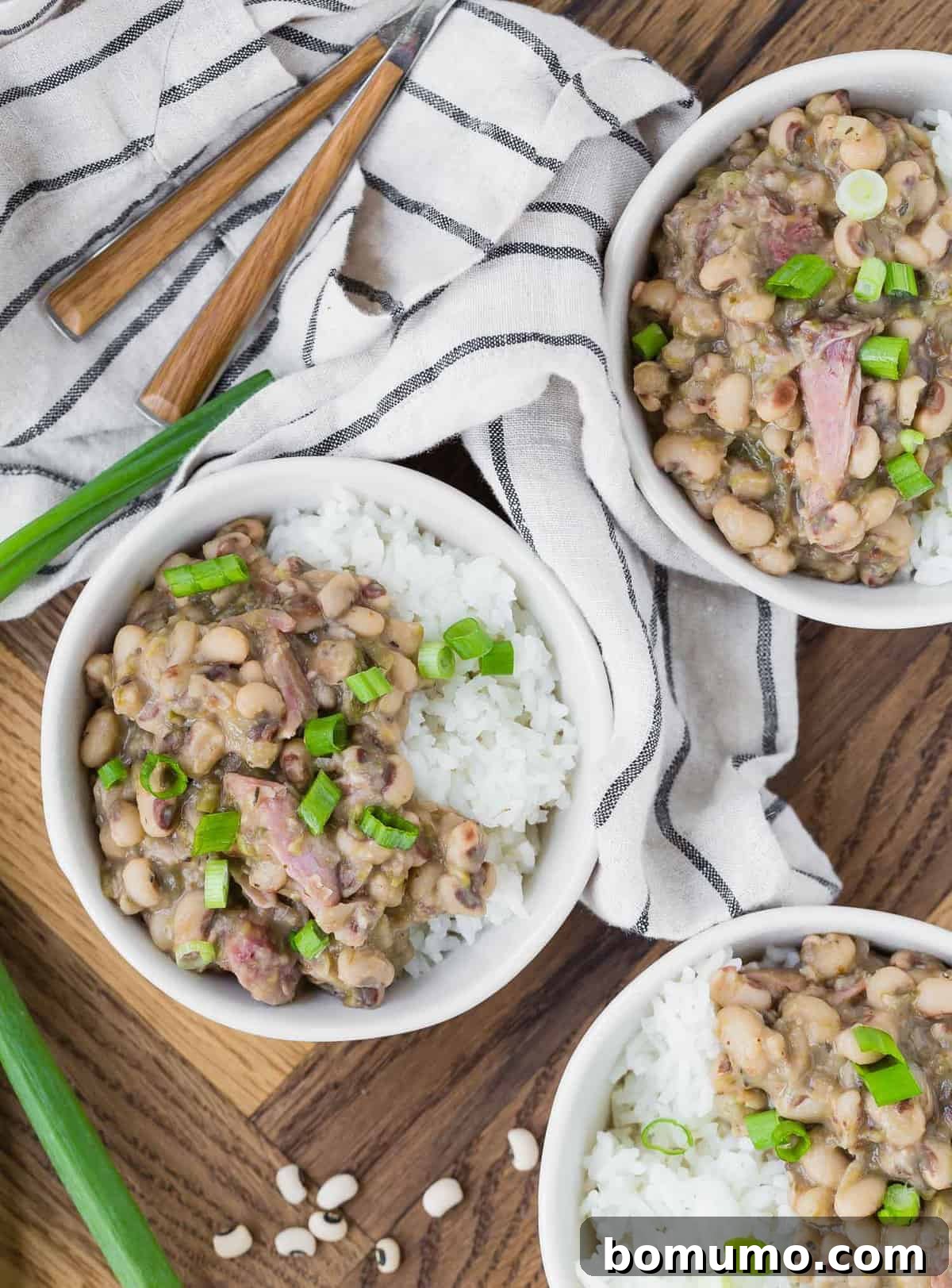
Decoding the Flavors: Key Ingredients in Traditional Hoppin’ John
The beauty of traditional Hoppin’ John lies in its simple yet profound combination of ingredients, each contributing to its unique character and flavor profile. Most authentic recipes begin with a base of black-eyed peas, field peas, or cowpeas, providing the creamy texture and earthy notes central to the dish. These legumes are then combined with rice, which absorbs the savory broth and adds a satisfying heartiness. The essential aromatic foundation typically includes finely chopped onion, providing a sweet and pungent base.
The smoky depth that defines Hoppin’ John often comes from various cured pork products. Sliced bacon is a popular choice, rendering flavorful fat for sautéing and adding crispy bits. However, variations abound, incorporating rich ham hocks for an intense, slow-cooked pork flavor, savory sausage, or even fatback for a truly traditional Southern taste. For those seeking a lighter or poultry-based alternative, smoked turkey can also be used to infuse that characteristic smoky essence. Beyond these core components, some regional recipes introduce vibrant green peppers, a splash of tangy vinegar to brighten the flavors, and a hint of robust Cajun spices to add a gentle kick. Each variation, while unique, stays true to the comforting, soulful spirit of this classic dish.
Essential Ingredients for a Perfect Hoppin’ John
Crafting an authentic and flavorful Hoppin’ John begins with selecting the right ingredients. Here’s a detailed look at what you’ll need and why each component is crucial to achieving that beloved Southern taste:
- Dried Black-Eyed Peas: These charming legumes, with their distinctive black “eyes,” are the undisputed star of Hoppin’ John. Opt for a one-pound bag of dried peas, which, after soaking, will swell beautifully and cook down to a tender, creamy consistency. Their mild, earthy flavor is perfectly complemented by the smoky elements of the stew.
- Smoky Ham Hocks: The secret to Hoppin’ John’s deep, savory, and smoky character lies in the ham hocks. You’ll typically need one or two, depending on their size and how much meaty richness you desire in your stew. These cuts, packed with collagen, fat, and bone, slowly render their incredible flavor into the broth, creating an unparalleled depth that transforms the entire dish.
- Reduced-Sodium Broth: While ham broth would be ideal, it’s not always readily available. High-quality chicken broth or stock makes an excellent substitute. Always choose unsalted or low-sodium varieties to give you complete control over the final seasoning of your Hoppin’ John, preventing it from becoming overly salty once the ham hocks have contributed their flavor.
- The “Holy Trinity” – Green Bell Pepper, Celery, and Onion: This classic aromatic trio forms the foundational flavor base for countless Southern and Cajun dishes. Diced green bell pepper adds a fresh, slightly bitter note; celery contributes a subtle herbaceousness and crunch; and onion provides a sweet, pungent depth. Sautéing these together creates a fragrant “mirepoix” that infuses the entire stew with a rich, complex savory backbone.
- Fresh Garlic: Two cloves of freshly minced garlic are recommended to add a pungent, aromatic kick. However, the exact amount can be adjusted to suit your personal preference. Fresh garlic is key here, as its vibrant flavor makes a significant difference compared to pre-minced or powdered alternatives.
- Cajun Spice Blend: A good quality Cajun spice blend is essential for giving Hoppin’ John its signature warmth and mild, balanced heat. Look for a commercial blend, or for a truly customized flavor, consider making your own Cajun seasoning. This blend, typically featuring paprika, cayenne, garlic powder, and onion powder, enhances the overall profile without being overly assertive. The recipe also offers a simple substitution if you don’t have a blend on hand.
- Bay Leaf & Dried Thyme: These dried herbs are crucial for adding subtle, earthy, and aromatic layers to the stew. A single bay leaf imparts a delicate, almost medicinal fragrance that rounds out the savory notes, while dried thyme offers a slightly minty, peppery, and sweet undertone, characteristic of Southern cooking.
- Apple Cider Vinegar: A small but mighty ingredient, a dash of apple cider vinegar at the end of cooking acts as a flavor brightener. Its acidity cuts through the richness of the ham and peas, enhancing all the other flavors and adding a lively tang that elevates the entire dish.
- Accompaniments for Serving: Traditionally, Hoppin’ John is served over fluffy steamed white rice, which soaks up the flavorful broth, or alongside tender cooked greens. A final garnish of fresh, chopped green onions adds a burst of color, a mild oniony bite, and an essential freshness to each serving.
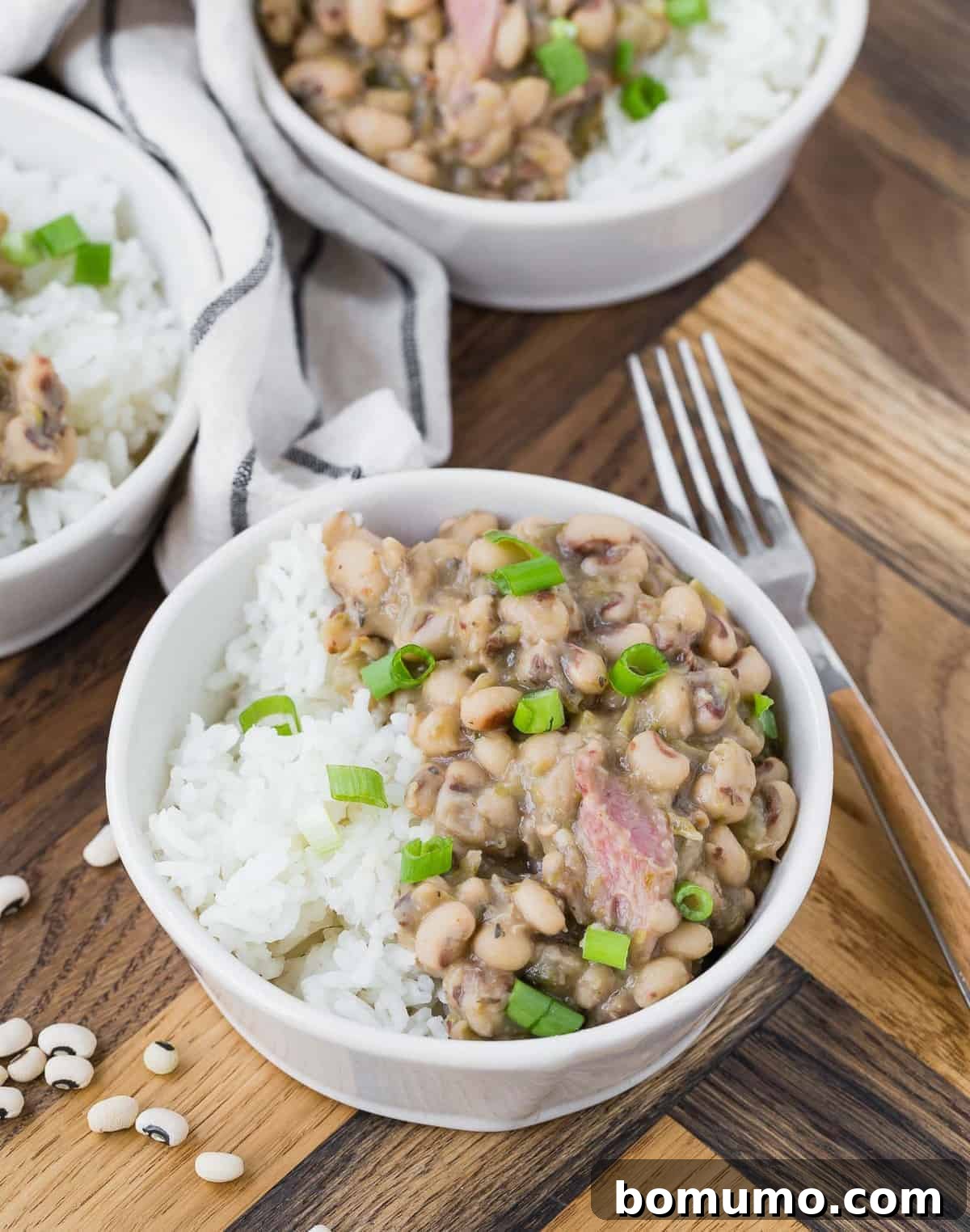
Mastering the Art of Hoppin’ John: A Step-by-Step Guide
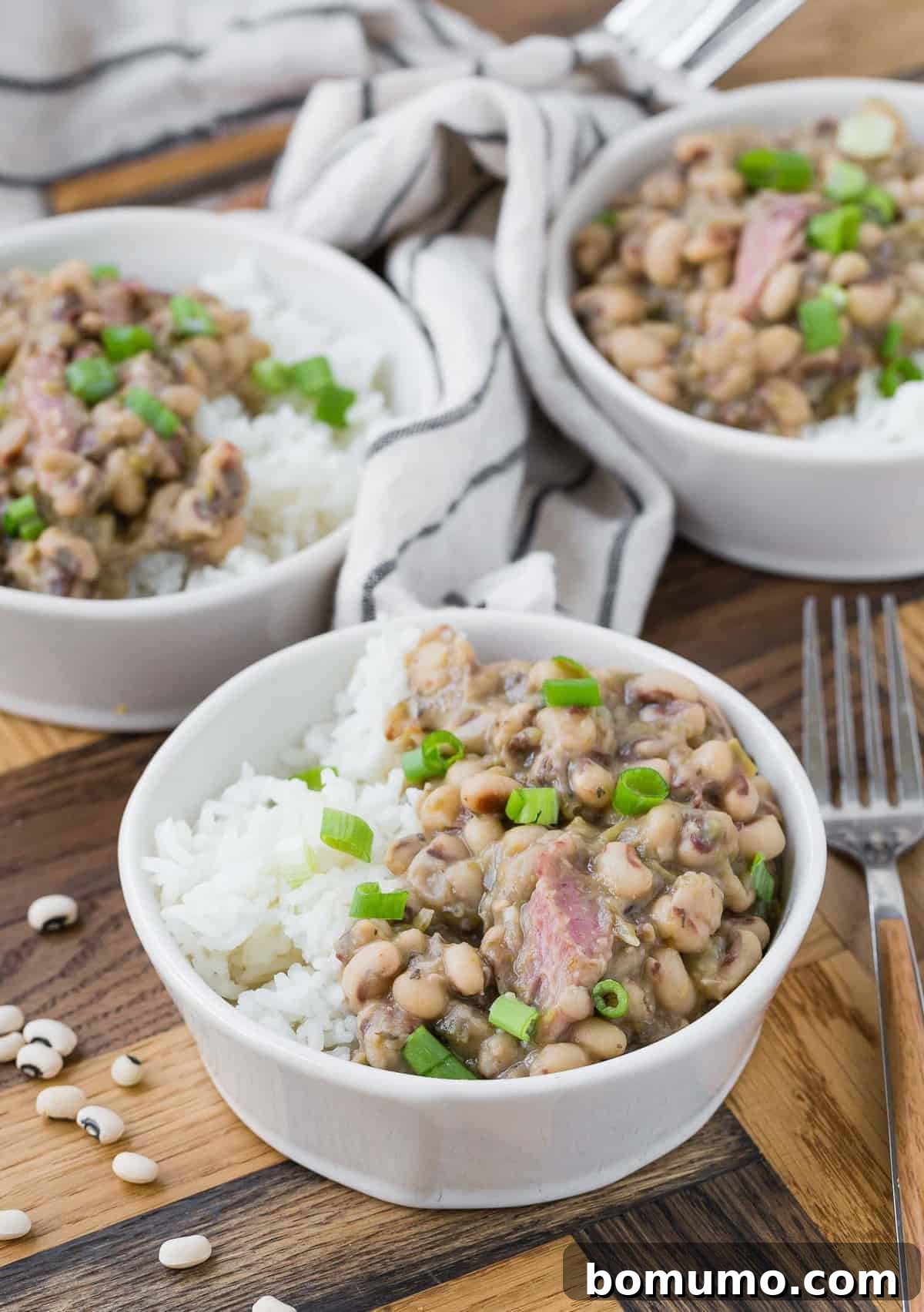
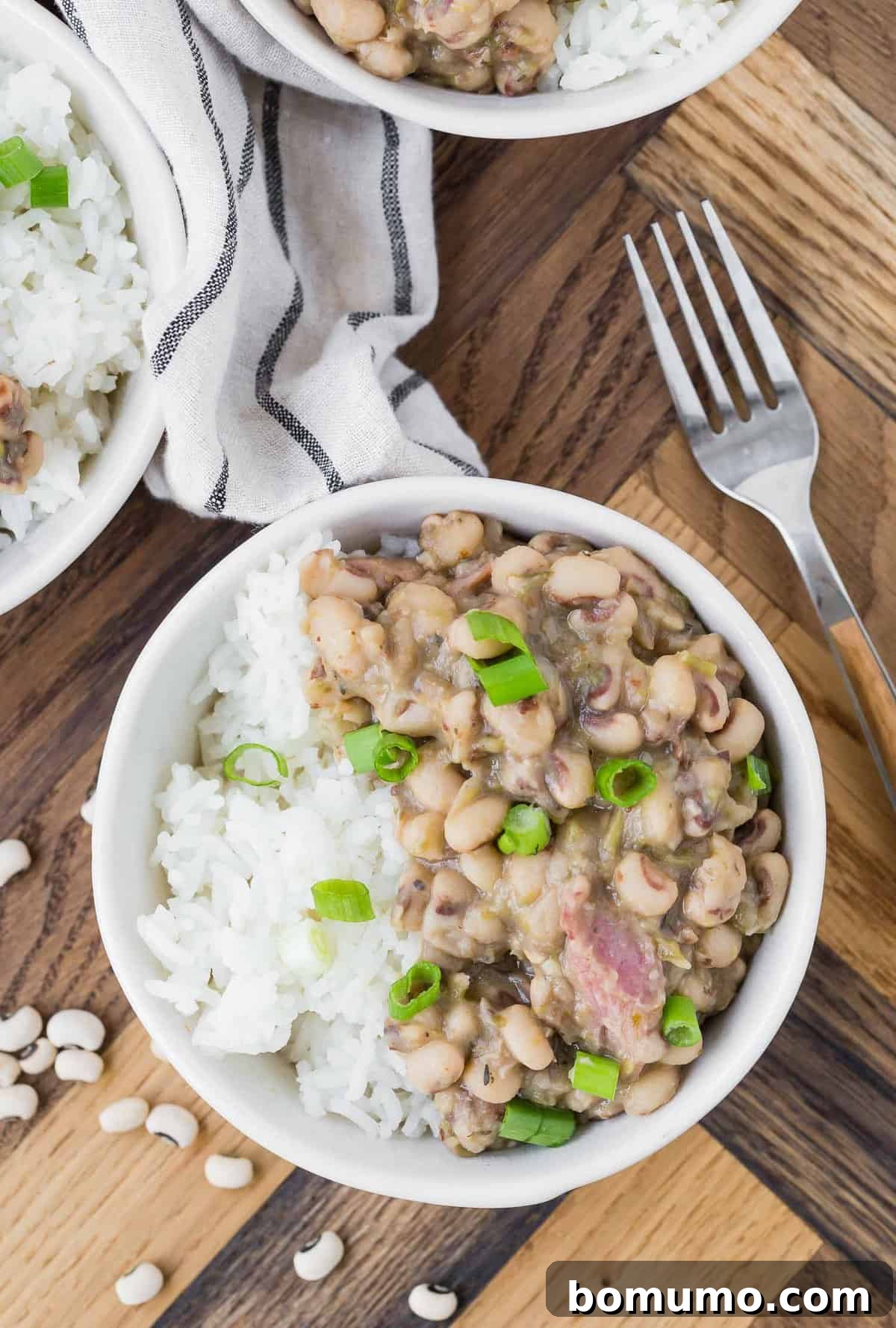
Whether you consider it a hearty soup or a robust stew, Hoppin’ John is a wonderfully thick and meaty dish that promises warmth and flavor in every spoonful. While it’s substantial enough on its own, we highly recommend serving it in a shallow bowl over a bed of perfectly steamed white rice, which we typically prepare separately to ensure a flawless texture. The process is straightforward, but patience is key for allowing the flavors to meld beautifully.
- Prepare the Black-Eyed Peas: The journey to perfect Hoppin’ John begins the night before you plan to cook. Place the dried black-eyed peas in a large bowl and cover them with plenty of cold water, allowing them to soak overnight. This rehydrates the peas, significantly reducing cooking time and ensuring even tenderness. When you’re ready to cook, drain the peas thoroughly and rinse them under cold running water. This initial step, though simple, is crucial for the best results.
- Sauté the Aromatic Base: In a large, heavy-bottomed soup pot or Dutch oven, heat the olive oil over medium heat. Add the diced celery, onion, and green bell pepper. Sauté these vegetables, stirring frequently, for about 7 to 8 minutes until the onion becomes translucent and the vegetables have softened slightly. This process, known as building the “holy trinity,” releases their aromatic oils and creates a foundational layer of flavor for the stew. Next, add the minced garlic and cook for just one more minute until it becomes fragrant, being careful not to burn it.
- Combine and Bring to a Boil: Once the aromatics are perfectly fragrant, add the soaked and rinsed black-eyed peas to the pot. Nestle the ham hock (or ham hocks, depending on size) into the mixture. Pour in the reduced-sodium chicken stock and water, then add the bay leaf, dried thyme, Cajun seasoning, and kosher salt. Stir all the ingredients gently to combine them thoroughly. Increase the heat to bring the mixture to a rolling boil, which typically takes about 5 minutes.
- Slow Simmer for Deep Flavor: Once boiling, reduce the heat to low, ensuring a gentle simmer. Cover the pot tightly and let the Hoppin’ John cook for at least 1 hour, or even longer if your schedule allows. The beauty of this dish is its forgiving nature; more time spent simmering simply allows the flavors to deepen and the ham hock to tenderize further, infusing the entire stew with its rich, smoky essence. You’ll undoubtedly enjoy the wonderful aroma filling your kitchen as it slowly cooks.
- Extract and Shred the Ham: When the black-eyed peas are tender and the stew is nearly finished cooking, carefully remove the ham hocks from the pot. Place them on a plate or cutting board and allow them to cool briefly until they are safe to handle. While ham hocks primarily contribute smoky flavor to the broth, they also contain a good amount of tender meat. Discard the skin and any excess fat, then meticulously pull the succulent ham meat from the bone. Shred this flavorful meat and stir it back into the simmering soup, adding a wonderful meaty texture.
- Final Simmer and Seasoning Adjustment: Stir in the apple cider vinegar, which provides a bright, acidic counterpoint to the rich flavors, making them “sing.” Taste the Hoppin’ John and adjust any seasonings as needed, adding more salt, pepper, or Cajun spice to suit your palate. If you prefer a thicker consistency, remove the lid and allow the stew to simmer uncovered for an additional 15 minutes. This gentle reduction will thicken the broth to your desired consistency. Hoppin’ John is quite accommodating; it can be kept warm on the stove for an extended period, allowing you flexibility until you’re ready to serve this comforting meal.
Exciting Hoppin’ John Recipe Variations to Explore
While the traditional Hoppin’ John recipe is undeniably delicious, it also serves as a fantastic canvas for culinary creativity. Don’t hesitate to experiment with these variations to tailor the dish to your preferences or dietary needs:
- Amplify the Heat: For those who love a spicy kick, it’s incredibly easy to adjust the heat level of your Hoppin’ John. Simply increase the amount of Cajun seasoning beyond the recommended teaspoon. You can also introduce red pepper flakes or finely diced fresh hot peppers, such as jalapeños or serranos, during the sautéing of the aromatics to infuse a vibrant, fiery essence throughout the stew.
- Craft a Vegetarian Hoppin’ John: Adapting this classic for vegetarian and vegan diets is straightforward and yields a remarkably satisfying dish. To make it vegetarian, omit the ham hocks entirely and substitute the chicken broth with a rich vegetable broth. To replicate the smoky depth traditionally provided by pork, incorporate a generous amount of smoked paprika. For an even more intense smoky flavor, consider adding a half teaspoon of liquid smoke, which effectively mimics the essence of ham hocks without any meat.
- Boost with Additional Vegetables: Hoppin’ John’s robust base welcomes a variety of extra vegetables, enhancing both its nutritional value and flavor complexity. Feel free to stir in diced carrots for sweetness, chopped zucchini for freshness, or even bell peppers of different colors for visual appeal. Hearty greens like kale or spinach can be added towards the end of cooking for a vibrant, nutrient-packed boost. For another delightful option, try our vegan black-eyed pea soup, which expertly incorporates tomatoes, carrots, and kale for a wholesome meal.
- Experiment with Different Beans: While black-eyed peas are traditional, finding them can sometimes be a challenge depending on your location and the season. Fortunately, many other dried beans make excellent substitutes. Consider using cranberry beans for a slightly sweeter profile, navy beans for their creamy texture, or pinto beans for a heartier feel. If you opt for black beans, be mindful that the finished stew will have a darker appearance, but the flavor will remain rich and delicious. Always ensure to soak any dried beans overnight for optimal cooking.
Storage & Reheating Tips
One of the many appealing aspects of Hoppin’ John is how wonderfully it performs as a leftover. In fact, many find its flavors deepen and meld even further after a day or two, making it an ideal candidate for meal prepping or preparing ahead of a busy New Year’s Day celebration. This allows you to focus on enjoying the festivities without the rush of last-minute cooking.
Refrigeration: Once cooled, transfer any leftover Hoppin’ John to an airtight container. It can be safely stored in the refrigerator for up to 3 to 4 days. The flavors will continue to develop, often tasting even better the next day.
Freezing for Long-Term Storage: For longer preservation, Hoppin’ John freezes exceptionally well. Portion the cooled stew into freezer-safe containers or heavy-duty freezer bags, leaving a little headspace for expansion. It can be stored in the freezer for up to 1 month without significant loss of quality. Label with the date to keep track of freshness.
Gentle Reheating Instructions: To enjoy your delicious Hoppin’ John again, first thaw it overnight in the refrigerator if it was frozen. Then, transfer the stew to a saucepan or Dutch oven and reheat it slowly over medium-low heat on the stove, stirring occasionally. As it reheats, the stew may thicken considerably. If it appears too thick for your liking, gradually add a splash of additional chicken broth or water until it reaches your desired consistency. Avoid reheating too quickly or over high heat, as this can cause the peas to break down too much and the flavors to become unbalanced. Gentle warming ensures the best texture and taste.
Expand Your Culinary Horizon with More Dried Bean Recipes
Dried beans are a true pantry superhero: incredibly economical, boasting an impressive shelf life, and packed with essential nutrients and fiber. They’re a fantastic foundation for a myriad of comforting and healthy meals. If you’ve enjoyed the wholesome goodness of Hoppin’ John, you’ll love exploring these other delicious recipes featuring dried beans:
- Instant Pot Pinto Beans (a fantastic recipe that eliminates the need for soaking, and can be adapted for other bean varieties too!)
- Frijoles Borrachos (Drunken Beans) – a flavorful Mexican staple perfect for any feast.
- Slow Cooker Refried Beans – achieve creamy, delicious refried beans with minimal effort.
- Instant Pot Refried Beans – for when you need that refried bean fix in a hurry.
- Hearty 15 Bean Soup – a wonderfully robust and comforting soup packed with a medley of beans.
- Easy Split Pea Soup Recipe – a classic, nourishing soup that’s simple to prepare.
- Instant Pot Black Bean Soup – a quick and flavorful soup, perfect for busy weeknights.
Hoppin’ John Recipe
Equipment
-
Boos Block Wood Cutting Board
-
Wusthof Chef’s Knife
-
All-Clad Nonstick Pot, 8-Quart
Ingredients
- 1 tablespoon olive oil
- 2 stalks celery, diced in ¼-inch pieces (about 1 cup)
- 1 medium yellow onion, diced small (about 1 cup)
- 1 green bell pepper, diced small (about 2 cups)
- 2 cloves garlic, minced
- 1 pound dried black-eyed peas, soaked overnight and rinsed (2 cups dry)
- 1 ham hock
- 4 cups reduced-sodium chicken stock
- 1 cup water
- 1 bay leaf
- 1 teaspoon dried thyme
- 1 teaspoon Cajun seasoning
- ½ teaspoon kosher salt
- 1 tablespoon apple cider vinegar
- steamed white rice and chopped green onions
Instructions
-
In a large pot, heat oil over medium heat. Add celery, onion, green pepper and cook, stirring frequently for 7 to 8 minutes, or until onion is translucent. Add garlic and continue to cook for 1 minute or until fragrant.1 tablespoon olive oil, 2 stalks celery, diced in ¼-inch pieces, 1 medium yellow onion, diced small, 1 green bell pepper, diced small, 2 cloves garlic, minced
-
Add soaked and rinsed black eyed peas, ham hock, chicken stock, water, bay leaf, thyme, Cajun seasoning, and salt. Stir to combine and bring to a boil, about 5 minutes.1 pound dried black-eyed peas, soaked overnight and rinsed, 1 ham hock, 4 cups reduced-sodium chicken stock, 1 cup water, 1 bay leaf, 1 teaspoon dried thyme, 1 teaspoon Cajun seasoning, ½ teaspoon kosher salt
-
Reduce heat, cover, and cook for 1 hour or until black eyed peas are tender.
-
Remove ham hock, take meat off the bone, shred it, and stir the meat into the soup. Stir in apple cider vinegar. Taste the soup and adjust seasonings, if desired.1 tablespoon apple cider vinegar
-
If needed, cook for an additional 15 minutes with cover off to thicken soup, as desired.
-
Serve in a shallow bowl with steamed white rice or sautéed greens, and garnished with sliced green onions.
Notes
- Alternatives to ham hock: If desired, substitute ½ pound bacon for the ham hock. Chop bacon into small pieces. Omit oil, cook bacon until almost crispy, and then add vegetables and continue as directed. Other options include sausage, ham, or smoked turkey.
- Vegetarian option: Omit the ham hocks, substitute vegetable broth for the chicken broth, and add smoked paprika, to taste. Add a half teaspoon of liquid smoke, if desired, to replicate the flavor of the ham hocks.
- Can’t find black-eyed peas? They can be a little difficult to find, depending on the season and the region in which you live. Substitute another dried bean such as cranberry beans, navy beans, or pinto beans. Black beans would be fine, too, but be aware that the end product will be a different color.
- Cajun seasoning substitute: ½ teaspoon paprika, ¼ teaspoon garlic powder, ¼ teaspoon cayenne or red pepper. This isn’t exactly like the blend but it’s pretty close. If you like things spicy, increase the amount of Cajun seasoning, or add red pepper flakes, or cayenne pepper.
Video
Nutrition
Nutrition information is automatically calculated, so should only be used as an approximation.