
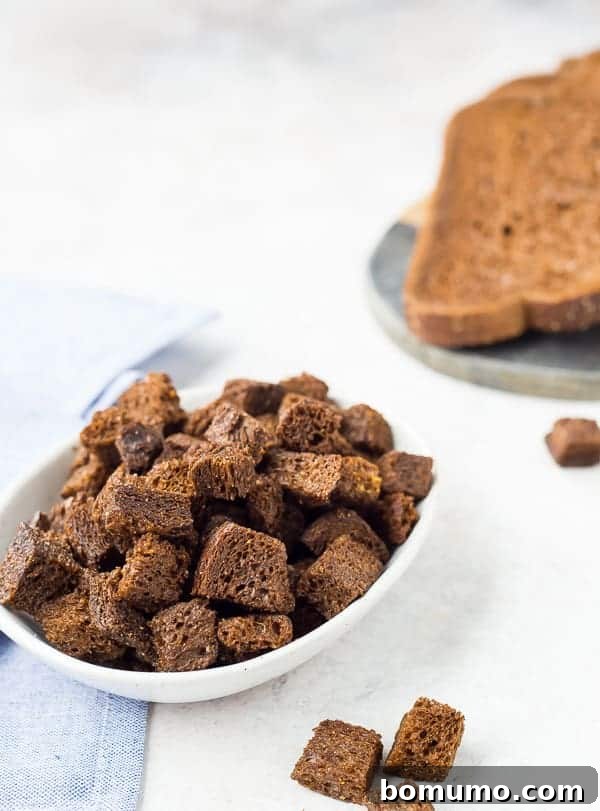
Craving that distinctive crunch and savory flavor from your favorite restaurant salad bar? Look no further! These **Ruby Tuesday Copycat Croutons** are the perfect solution. Imagine the satisfying crispiness, a tender interior, and that unmistakable blend of salty, garlicky goodness that makes any salad sing. This recipe brings the beloved Ruby Tuesday croutons experience right into your home kitchen, promising a delightful topping for your salads or a surprisingly addictive snack all on their own.
Master the Art of Homemade Ruby Tuesday Copycat Croutons
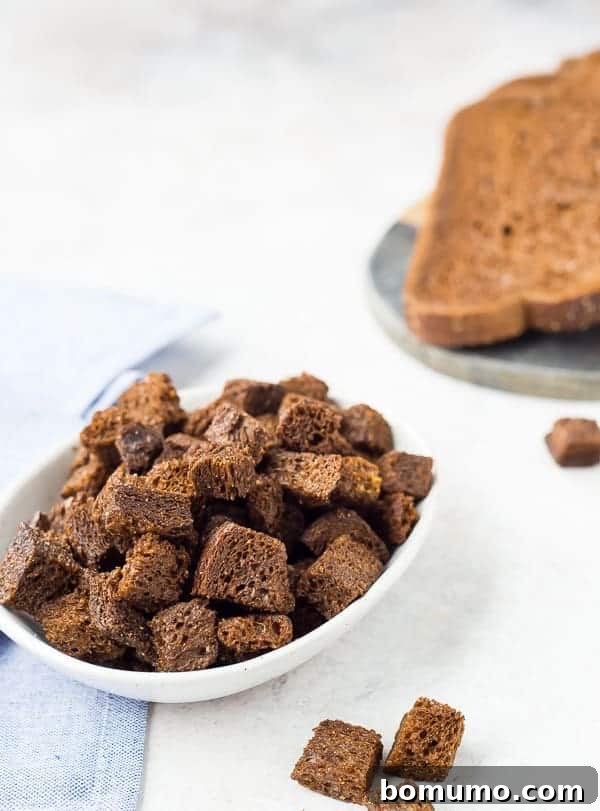
While it might have been a while since you last enjoyed a meal at Ruby Tuesday, certain culinary memories linger—especially those irresistible croutons found on their famed salad bar. Their unique texture—perfectly crisp on the outside, yet wonderfully soft and yielding within—combined with a rich, buttery, and garlicky seasoning, is truly unforgettable. It’s the kind of topping that makes you question whether a salad is truly a salad if it’s not overflowing with them.
The good news? You can recreate this magic at home, and perhaps even make a version that’s a touch lighter than the restaurant’s, which often tastes like it took a literal bath in butter. While our copycat recipe still embraces the essential butter for authentic flavor, making them yourself gives you complete control over the ingredients, from the amount of butter to the sodium levels. This means you can tailor them exactly to your preference, achieving that signature taste with a homemade touch that makes all the difference.
Why Make Ruby Tuesday Croutons at Home? The Ultimate Copycat Experience
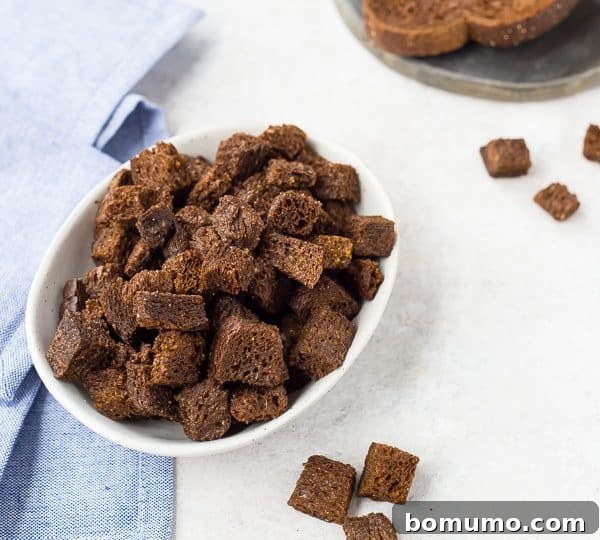
Creating your own croutons offers numerous advantages over store-bought varieties or even venturing out to a restaurant. The primary benefit is freshness. Homemade croutons, especially when baked, have a crispness and aroma that simply cannot be matched by their pre-packaged counterparts. You’re in charge of every ingredient, ensuring quality and avoiding unwanted additives or preservatives often found in commercial products.
Beyond freshness, customization is key. Want more garlic? A touch less salt? A different herb? This recipe serves as a fantastic foundation for experimentation. Plus, it’s incredibly economical. Transforming day-old bread, which might otherwise go to waste, into a gourmet topping is a smart and satisfying way to reduce food waste and save money. The process is also surprisingly simple, requiring minimal effort for maximum flavor reward. Once you try these homemade gems, you’ll likely never go back to store-bought.
The Secret to Authentic Ruby Tuesday Crouton Flavor
The distinctive taste of Ruby Tuesday croutons comes down to a few core elements: the type of bread, the rich fat, and the classic garlic and salt seasoning. Understanding how each contributes to the final product is essential for crafting the perfect copycat.
Choosing the Right Bread: Pumpernickel Perfection
The original Ruby Tuesday croutons are known for their dark, rich hue, often attributed to pumpernickel bread. Pumpernickel is a dense, slightly sweet rye bread with a distinct flavor that holds up wonderfully to baking, providing a robust base for the seasonings. If true pumpernickel isn’t readily available, a good quality rye bread or even a sturdy sourdough can serve as an excellent substitute. The key is to use bread that is a day or two old. Slightly stale bread has less moisture, which helps it crisp up more effectively and absorb the buttery goodness without becoming greasy or overly soft.
Butter vs. Oil: Achieving That Signature Richness
While many crouton recipes call for olive oil, the unmistakable richness of Ruby Tuesday’s version points to butter. Melted unsalted butter infuses the bread with a creamy, savory flavor that oil simply can’t replicate. Using unsalted butter allows you to control the overall sodium content precisely. If you prefer to use salted butter, simply reduce the amount of added salt in the recipe to avoid over-seasoning. For a slightly healthier twist without sacrificing too much flavor, you could consider a blend of butter and a neutral-flavored oil, but for a true copycat, butter is king.
Garlic and Salt: The Essential Seasoning Duo
Garlic powder and salt are the stars of this simple seasoning blend. Garlic powder provides a consistent and well-distributed garlic flavor that permeates every crouton, unlike fresh minced garlic which can sometimes burn during baking. The salt not only enhances the garlic but also brings out the natural flavors of the bread and butter. For best results, use fine-grain salt, as it adheres better to the bread cubes. Feel free to adjust the amounts to your personal taste; some might prefer a bolder garlic punch, while others might lean towards a slightly less salty profile.
Simple Steps to Your Best Homemade Croutons
Making these copycat croutons is incredibly straightforward, transforming ordinary bread into an extraordinary topping in just a few simple steps. Follow these guidelines for perfect results every time:
- Preheat and Prepare: Setting the Stage for Crispy Goodness
Begin by preheating your oven to 375°F (190°C). This ensures the oven is at the optimal temperature for immediate crisping when the croutons go in. Prepare a large baking sheet by lining it with parchment paper for easy cleanup and to prevent sticking. - Cubing Your Bread: Size Matters for Uniform Baking
Cut your pumpernickel bread into uniform 1/2-inch cubes. Consistency in size is crucial because it ensures that all your croutons bake evenly. If some cubes are larger than others, you’ll end up with a mix of burnt pieces and undercooked, soft ones. - Seasoning Perfectly: Coating Every Crumb with Flavor
In a large bowl, combine the bread cubes with the garlic powder and salt. Drizzle the melted butter over the bread while gently stirring. Continue to stir until every single bread cube is thoroughly coated. This even distribution of butter and seasoning is key to achieving that signature Ruby Tuesday flavor and uniform crispness. - The Baking Process: Achieving Golden Perfection
Spread the seasoned bread cubes in a single, even layer on your prepared baking sheet. It’s important not to overcrowd the pan; leave enough space between the cubes for air to circulate, which promotes crisping rather than steaming. Bake for approximately 10 to 15 minutes. Keep a close eye on them, especially towards the end of the baking time. They should turn a beautiful golden brown and feel firm and crisp to the touch. Baking time can vary based on your oven and the initial dryness of your bread. - Cooling and Storing: Preserving That Irresistible Crunch
Once baked, remove the croutons from the oven and let them cool completely on the baking sheet. As they cool, they will continue to crisp up, becoming even crunchier. This cooling period is vital before storage or serving to lock in that perfect texture.
Tips & Tricks for Unbeatable Homemade Croutons
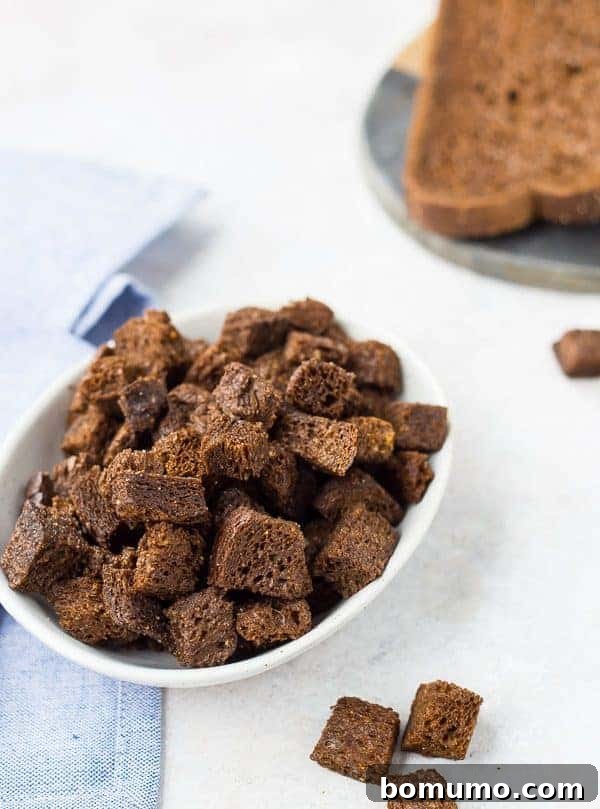
Achieving bakery-quality croutons at home is easier than you think, especially with a few expert tips:
- Use Day-Old Bread: As mentioned, slightly stale bread works best. Its reduced moisture content means it will absorb the butter and crisp up more effectively in the oven without becoming too chewy or dense.
- Evenly Cut Cubes: Precision in cutting ensures uniform baking. Aim for cubes roughly 1/2-inch in size for a consistent crunch throughout your batch.
- Don’t Overcrowd the Pan: Give your croutons space! Baking in a single layer on a spacious baking sheet prevents steaming, which can lead to soggy results. If you have a large batch, bake them in multiple rounds.
- Monitor Baking Time Closely: Ovens vary, and so does bread dryness. Begin checking your croutons around the 8-minute mark. They should be golden brown and crisp. If they seem soft, continue baking for a few more minutes, stirring occasionally.
- Experiment with Flavor Enhancers: While this recipe nails the Ruby Tuesday flavor, don’t hesitate to add a pinch of onion powder, a dash of dried parsley, or a touch of black pepper for extra complexity.
Flavor Variations & Customizations
While the classic Ruby Tuesday crouton flavor is a winner, homemade croutons are an ideal canvas for culinary creativity. Here are some ideas to customize your next batch:
- Herbaceous Delights: Incorporate dried herbs like Italian seasoning, oregano, thyme, or rosemary along with the garlic powder. For fresh herbs, chop them finely and add them after baking, or during the last few minutes of baking if you want them slightly toasted.
- Spicy Kicks: Add a pinch of red pepper flakes or a dash of cayenne pepper for a subtle or pronounced heat. Smoked paprika can also add a delightful warmth and depth of flavor.
- Cheesy Indulgence: Toss the bread cubes with a tablespoon or two of grated Parmesan cheese before baking. The cheese will crisp up beautifully, adding a salty, umami kick.
- Gluten-Free Options: This recipe works perfectly with gluten-free bread. Just ensure it’s a sturdy variety that can hold its shape when cubed and toasted.
Beyond the Salad: Creative Ways to Enjoy Your Croutons
While these croutons are undeniably perfect for salads—especially a classic Caesar or a fresh garden salad—their versatility extends far beyond the greens. Here are some innovative ways to enjoy your homemade crunchy delights:
- Soup Toppings: Elevate a simple bowl of tomato soup, French onion soup, or even a creamy bisque with a generous handful of these savory croutons. Their texture provides a delightful contrast to the smooth warmth of soup.
- Snack Attack: Don’t underestimate their power as a standalone snack. Their addictive nature means they often disappear straight from the cooling rack! They’re a much more satisfying and flavorful alternative to chips.
- Breakfast Boost: Crumble them over scrambled eggs or an omelet for an unexpected crunch and burst of savory flavor.
- Stuffing Base: If you’re planning a holiday meal or simply love stuffing, these croutons can form a fantastic flavorful base. Their pre-seasoned nature adds depth to your stuffing recipe.
- Savory Garnish: Use them as a garnish for pasta dishes, casseroles, or even avocado toast for an added layer of texture and taste.
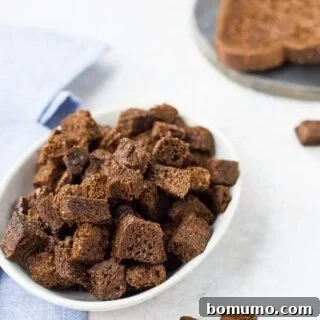
Ruby Tuesday Croutons Copycat – Pumpernickel Croutons
These homemade croutons taste just like the restaurant’s famous version and are incredibly easy to make. Perfect for elevating any salad!
Prep Time: 5 mins
Cook Time: 10-15 mins
Total Time: 15-20 mins
Yield: 4 cups
Ingredients
- 4 cups pumpernickel bread cubes (approximately 1/2-inch cubes)
- 4 tablespoons (1/2 stick) unsalted butter, melted
- 1/2 teaspoon garlic powder
- 1/2 teaspoon salt
Instructions
- Preheat the oven to 375°F (190°C).
- In a large bowl, combine the bread cubes, garlic powder, and salt. Drizzle the melted butter over the bread while stirring. Stir well until all bread cubes are evenly coated with the ingredients and the butter is absorbed.
- Spread the seasoned bread cubes into a single, even layer on a large baking sheet. Ensure the pan is not overcrowded to allow for even crisping.
- Bake for 10-15 minutes, or until the croutons are golden brown and crisp. Baking time may vary depending on the freshness of your bread; stale bread crisps faster, while fresh bread may take a little longer. Keep a close eye on them to prevent burning.
- Once baked, remove from the oven and let cool completely on the baking sheet. They will continue to crisp as they cool.
Notes
- Store your homemade croutons in an airtight container at room temperature for up to 3-4 days to maintain their freshness and crispness.
- For an extra depth of flavor, consider using garlic salt instead of separate garlic powder and salt, adjusting the quantity to your taste.
- If you don’t have pumpernickel bread, any sturdy, day-old bread like sourdough, whole wheat, or rye will work beautifully.
Nutrition (Approximate)
Serving: 1/4 cup, Calories: 168 kcal, Carbohydrates: 27g, Protein: 5g, Fat: 5g, Saturated Fat: 2g, Polyunsaturated Fat: 2g, Cholesterol: 8mg, Sodium: 404mg, Fiber: 4g
Nutrition information is automatically calculated and should be used as an approximation.
Frequently Asked Questions About Homemade Croutons
- Can I use other types of bread besides pumpernickel?
- Absolutely! While pumpernickel gives that distinct Ruby Tuesday flavor, you can use almost any sturdy, day-old bread. Sourdough, whole wheat, rye, and even white sandwich bread can be used. The key is for the bread to be a bit stale to achieve the best crispness.
- How do I prevent my croutons from getting soggy?
- The most important steps are to use day-old bread, cut the cubes evenly, and spread them in a single layer on your baking sheet without overcrowding. This allows for proper air circulation, which helps them crisp up rather than steam. Also, ensure they are fully cooled before storing in an airtight container.
- Can I make these croutons gluten-free?
- Yes, you certainly can! Simply substitute the pumpernickel bread with your favorite gluten-free bread. Follow the same steps, keeping an eye on the baking time as gluten-free breads can sometimes crisp differently.
- What if I don’t have garlic powder?
- While garlic powder provides the most consistent flavor, you can substitute it with finely minced fresh garlic. If using fresh garlic, be mindful that it can burn more easily, so keep a closer watch on your croutons during baking. Alternatively, you can use garlic salt and adjust the added salt accordingly.
- How should I store homemade croutons?
- Once completely cooled, store your croutons in an airtight container at room temperature. They will maintain their crispness and freshness for 3-4 days. Avoid refrigerating them, as the moisture in the fridge can make them soft.
Making your own Ruby Tuesday copycat croutons is a rewarding culinary adventure that brings restaurant-quality flavor right to your dining table. With simple ingredients and straightforward steps, you’ll be enjoying these golden, garlicky, and incredibly crispy delights in no time. Perfect for enhancing your salads, adding crunch to soups, or simply enjoying as a savory snack, these homemade croutons are sure to become a staple in your kitchen. So go ahead, whip up a batch, and prepare to be delighted!