
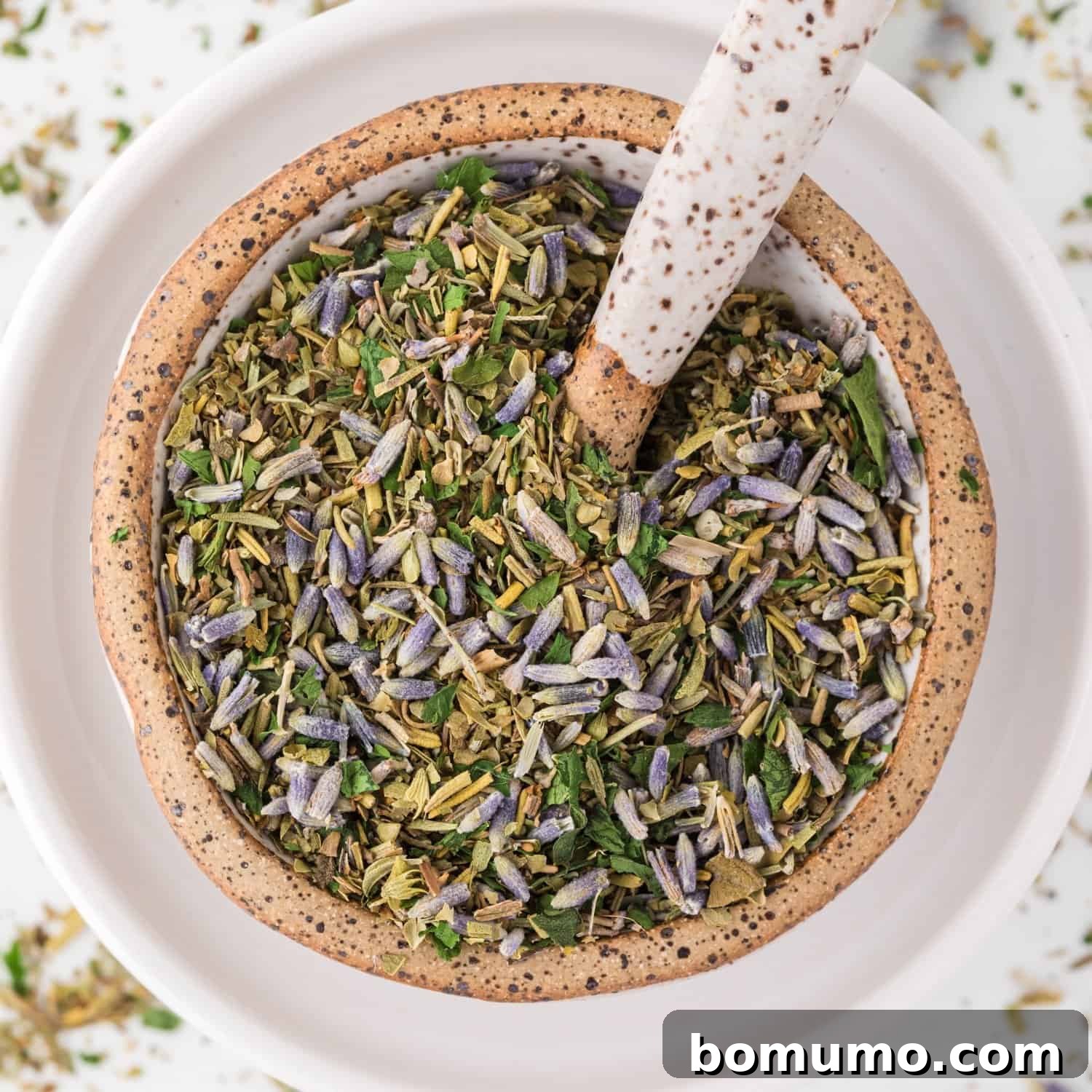
Welcome to the delightful world of **Herbes de Provence**! This exquisite blend of aromatic herbs, deeply rooted in the culinary traditions of Southern France, is incredibly simple to create at home. It promises to infuse your dishes with a captivating, sun-drenched flavor that will transport your taste buds straight to the lavender fields and sun-kissed landscapes of Provence. Forget store-bought packets; crafting your own Herbes de Provence allows for complete customization, ensuring every pinch delivers a fresh, vibrant essence that elevates everyday cooking into a gourmet experience. Whether you’re a seasoned chef or a beginner in the kitchen, this homemade blend is a fantastic way to add a touch of French sophistication to your meals with minimal effort.
Recipe Overview: Your Gateway to French Flavors
Why you’ll adore this blend: This homemade Herbes de Provence recipe is wonderfully effortless and encapsulates the very essence of summer, bringing a touch of the Mediterranean to your kitchen, year-round.
Preparation time: A mere 5 minutes to combine and create this fantastic herb blend.
Essential tools: A small, airtight jar for storage is all you need.
Yield: Approximately ¾ cup of fragrant Herbes de Provence.
Unveiling Herbes de Provence: Aromatic Treasures from Southern France
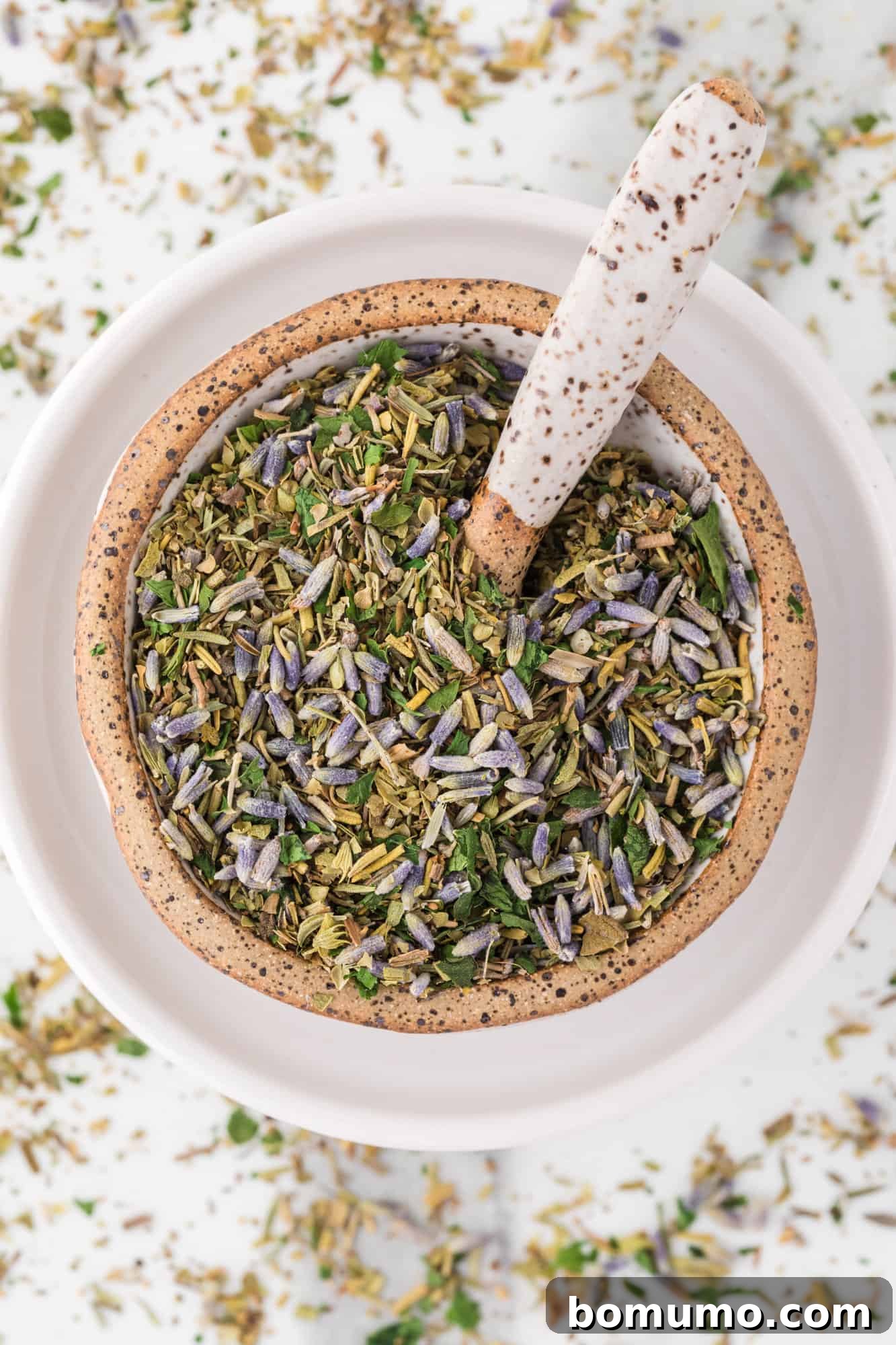
What exactly is Herbes de Provence? While its name might evoke images of elaborate French gastronomy, at its heart, it’s a wonderfully straightforward blend of aromatic cooking herbs. These herbs are indigenous to and commonly found in the sun-drenched southern region of France, specifically the picturesque area known as Provence. Many of the traditional herbs included in this blend are woody varieties, such as rosemary, thyme, and savory, which thrive remarkably well in the region’s characteristic sunny and dry Mediterranean climate. This natural abundance allows them to develop intense flavors and aromas, making them perfect for culinary applications.
For those fortunate enough to have a garden, you might already cultivate many of these exquisite herbs right in your backyard. However, for individuals residing in colder climates or those who simply prefer the convenience of dried ingredients, a high-quality dried Herbes de Provence blend is the ideal solution. It’s a fantastic way to infuse your cooking with those bright, sunny flavors that remind us of warmer days and lush landscapes, even when your own herb garden is dormant or covered in snow. Enjoying Herbes de Provence all year round means you can always have a taste of that Mediterranean warmth, no matter the season outside your window.
A Culinary Journey: My Personal Connection to Provence
My first true encounter with the magic of French cuisine, and Herbes de Provence in particular, dates back to my high school years. My family had the incredible opportunity to travel to France and stay with dear friends we had made through an exchange student program. The bond forged over several summers of hosting an exchange student had blossomed into a lasting friendship between our two families. This friendship granted us the wonderful privilege of experiencing France not as typical tourists, but with the most authentic and knowledgeable guides possible: our French friends.
It goes without saying that the food we enjoyed throughout our stay was nothing short of amazing. While my mother and I have slightly different recollections of the specifics, I vividly remember our friends generously sprinkling Herbes de Provence over fresh, vibrant salads. My mom, on the other hand, recalls gathering an array of fresh herbs directly from their bountiful garden. Regardless of whether the herbs were fresh or dried on those particular occasions, those simple, yet unforgettable salads, dressed with the aromatic blend and a superb olive oil vinaigrette, were truly outstanding. That trip ignited a passion for these herbs that has stayed with me ever since, constantly reminding me of the simple elegance of Provençal cooking.
The Essence of Herbes de Provence: A Blend of Tradition and Personal Taste
During my extensive research for this Herbes de Provence recipe, one fascinating discovery stood out: there’s no single, universally agreed-upon definitive recipe. Each blend carries its unique signature. For instance, some blends incorporate lavender, while others deliberately omit it. It appears that lavender is more frequently included in North American interpretations of Herbes de Provence, adding a distinct floral note that many adore.
Similarly, certain traditional recipes might call for fennel seeds, but given my personal preference, I chose to exclude them from this particular blend. The beauty of crafting your own Herbes de Provence lies precisely in this freedom: you have the power to select and combine the herbs that best appeal to your palate. This allows for endless experimentation and ensures that your homemade blend perfectly complements your cooking style.
I genuinely encourage you to explore and adapt this recipe to your liking. If you decide to introduce different herbs or make any unique modifications to your Herbes de Provence mixture, I would be thrilled to hear about your creations. Sharing your personal twists in the comments below not only inspires me but also offers wonderful new ideas to our community of home cooks!
What You’ll Need: Assembling Your Herb Arsenal
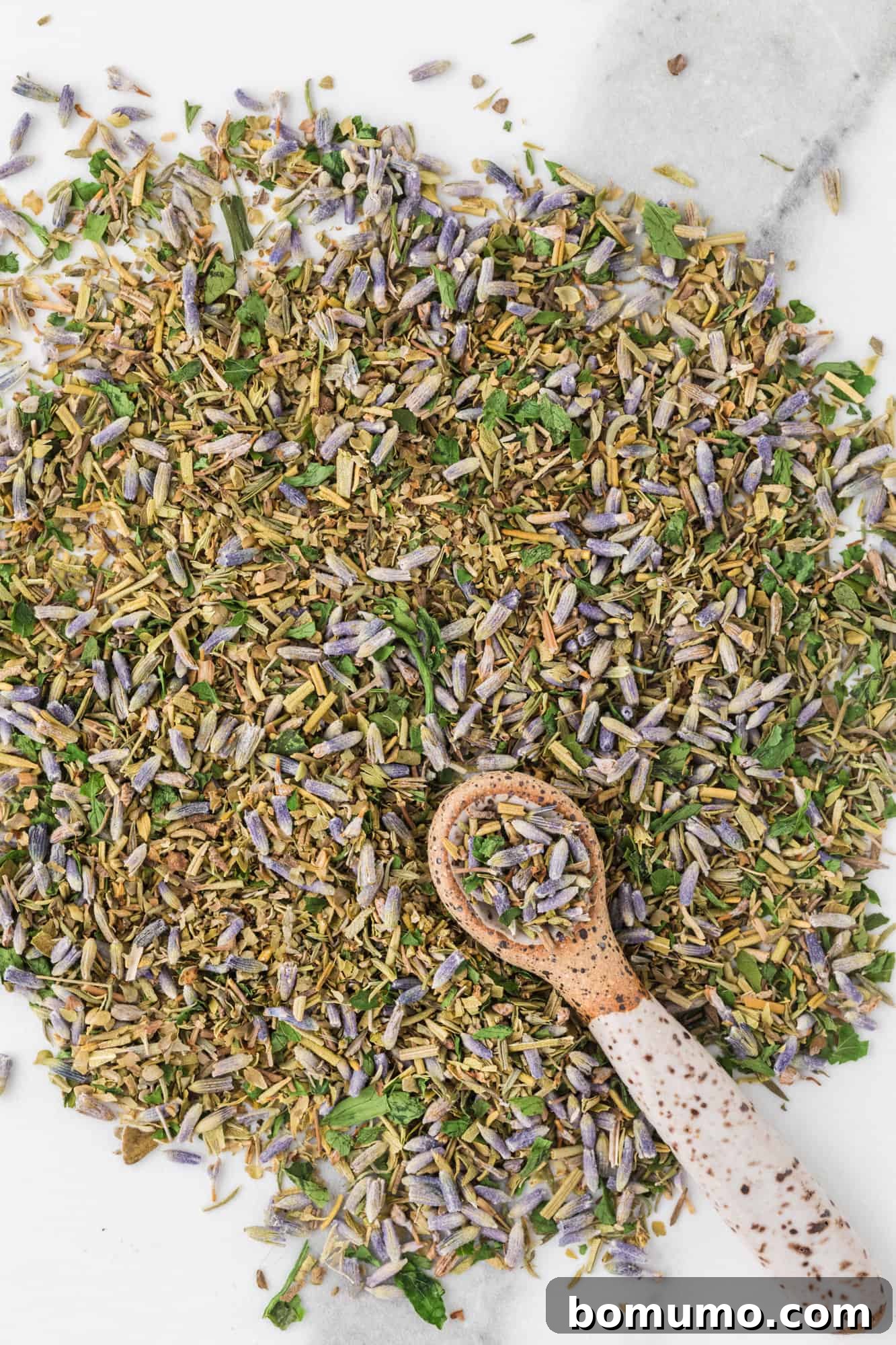
Creating an exceptional Herbes de Provence blend begins with selecting a high-quality assortment of dried herbs. The fresher and more vibrant your dried herbs are, the more potent and delicious your final blend will be. To illustrate, if you’re using dried herbs that have been lingering on your pantry shelf since a decade-old wedding gift, their flavor will undoubtedly be diminished. For the most aromatic and flavorful result, always opt for recently purchased, high-quality dried herbs.
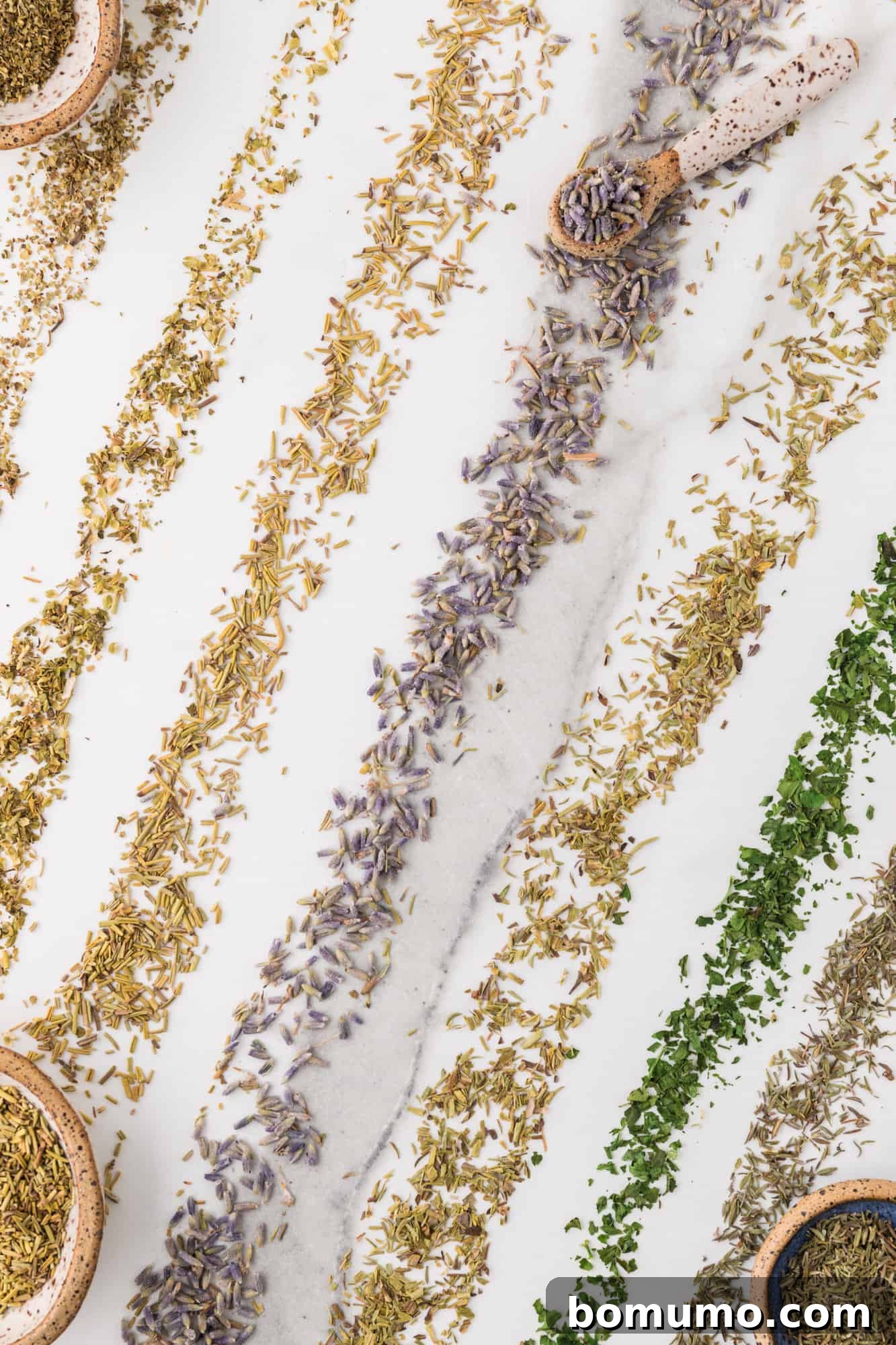
Here’s the classic selection of dried herbs typically found in an authentic Herbes de Provence blend:
- Thyme: Earthy, minty, and slightly lemony, thyme is a cornerstone of this blend.
- Savory: Offering a peppery, slightly piney flavor, savory is less common in American kitchens but essential for authenticity.
- Oregano: Pungent and robust, oregano adds a familiar Mediterranean warmth.
- Rosemary: Piney, sharp, and highly aromatic, rosemary provides a distinct, fragrant note.
- Marjoram: A milder, sweeter cousin to oregano, marjoram brings delicate floral and woody undertones.
- Parsley: Fresh and clean, parsley brightens the overall flavor profile.
- Lavender Flowers, optional: For an authentic French touch, consider adding food-grade dried lavender flowers. It’s crucial to ensure you purchase culinary-grade lavender, as decorative lavender products (often used for potpourri or candles) may contain pesticides or be unsuitable for consumption.
How To Make It: Effortless Blending for Maximum Flavor
This Herbes de Provence recipe truly couldn’t be simpler to prepare. The beauty lies in its straightforward nature, requiring minimal effort for maximum flavor. Here’s how you can create your own artisanal blend in just minutes:
The primary step involves simply combining all your chosen dried herbs. Measure each herb precisely according to the recipe, or adjust quantities based on your personal preference. Once measured, place all the herbs into a clean, dry, small jar or an airtight container. Secure the lid tightly and give it a good shake to ensure all the individual herbs are thoroughly mixed and evenly distributed. This simple action blends the distinct aromas and flavors, creating a harmonious whole.
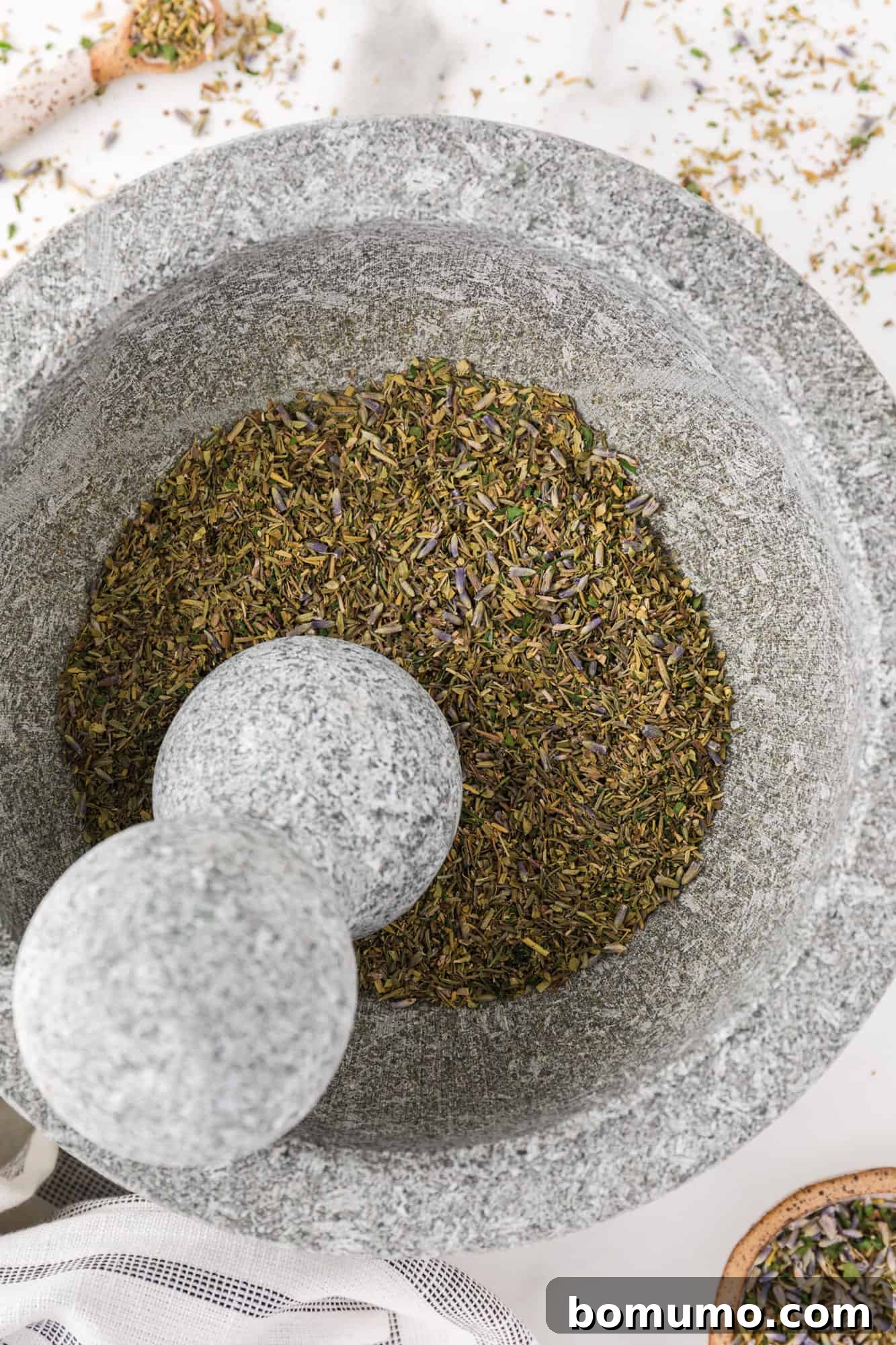
For those who prefer a finer texture, perhaps for sprinkling over delicate dishes or incorporating into smooth sauces, you have a couple of excellent options. You can grind the combined herbs coarsely using a dedicated spice grinder. Alternatively, for a more traditional and satisfying experience, a mortar and pestle works wonderfully to gently crush and blend the herbs, releasing their essential oils and intensifying their fragrance. Avoid over-grinding, as you still want some texture to the blend.
For preparing rich soups and hearty stews, consider utilizing your Herbes de Provence in a classic French culinary technique: a bouquet garni. To make one, simply tie the desired amount of your herb blend into a small square of cheesecloth or a clean muslin bag. This allows the wonderful flavors to infuse into the liquid as it simmers, without leaving loose herb pieces in the finished dish. Once the soup or stew has cooked and its flavors have deepened, you can easily “fish out” the herb bag and discard it, leaving behind only the delicious essence. The possibilities for using this versatile blend are truly endless, limited only by your culinary imagination!
Frequently Asked Questions
Frequently Asked Questions
Herbes de Provence is distinctly different from Italian seasoning. While both are popular dried herb blends and share some common ingredients like oregano and thyme, their overall flavor profiles and typical applications vary significantly. Herbes de Provence typically boasts a more delicate, often floral aroma, primarily due to the optional inclusion of lavender flowers. Italian seasoning, conversely, almost always features basil, which is not a characteristic herb of Herbes de Provence, and often includes marjoram, rosemary, and sometimes sage or crushed red pepper flakes. The absence of basil and the presence of savory and sometimes lavender give Herbes de Provence its unique Provençal character.
It’s also interesting to note their cultural origins. Italian seasoning, despite its name, is largely an American creation designed for convenience in Italian-style cooking and is rarely used in Italy itself. Herbes de Provence, while its specific commercial blend only gained prominence in the 1970s, is a codified reflection of herbs traditionally used in French cooking for centuries. Interestingly, much of the commercial Herbes de Provence available today is actually produced outside of France, further highlighting its global appeal.
Herbes de Provence offers a complex and aromatic flavor profile. It is primarily savory and earthy, with strong notes of thyme, rosemary, and oregano. Depending on the blend, you might also detect a subtle peppery kick from savory, a delicate sweetness from marjoram, and a bright freshness from parsley. If lavender is included, it imparts a unique, slightly floral and subtly sweet fragrance that adds another layer of sophistication to the blend. Overall, it tastes like the essence of the Mediterranean sun – warm, inviting, and wonderfully fragrant.
While the traditional Herbes de Provence blend typically uses dried herbs for their concentrated flavor and longer shelf life, you can certainly use fresh herbs if you have access to them. The general rule of thumb is to use three times the amount of fresh herbs for every one part dried herb. However, a fresh blend would need to be used immediately or stored for a very short period in the refrigerator, as its moisture content will lead to quicker spoilage. For a long-lasting, convenient blend, dried herbs are the superior choice.
How To Use This Herb Blend: Culinary Inspirations for Every Meal
The versatility of Herbes de Provence makes it an indispensable addition to any kitchen. Its aromatic complexity enhances a wide variety of dishes, from simple weeknight dinners to elegant culinary creations. Here are just a few ideas to inspire your cooking with this wonderful herb blend:
- Poultry Perfection: Elevate your chicken and turkey dishes. Sprinkle generously over chicken before roasting or grilling. It’s particularly divine on succulent roasted bone-in chicken breasts, a whole roasted chicken, or even a flavorful herb-roasted turkey breast.
- Beef & Lamb Brilliance: Herbes de Provence is absolutely delicious on hearty beef roasts, imparting a deep, earthy flavor. It also pairs beautifully with lamb, whether roasted, grilled, or stewed.
- Grilled Delights: Take your grilling to the next level. Rub it onto steaks, pork chops, or even fish before grilling for an irresistible smoky, herbaceous crust.
- Soups & Stews: Add a teaspoon or two to your favorite stews, broths, and vegetable soups during simmering. As mentioned, a bouquet garni works wonders here.
- Roasted Vegetables: A simple sprinkle transforms ordinary vegetables. Toss it with olive oil over potatoes, carrots, zucchini, or bell peppers before roasting. It’s exceptionally good on crispy roasted potatoes.
- Dressings & Vinaigrettes: Infuse your homemade salad dressings with Provençal flair. Whisk it into a simple white wine vinaigrette, or simply sprinkle the herbs directly onto a fresh garden salad to enliven its flavors.
- Bread & Butter: Mix a teaspoon into softened butter for a delicious compound butter to serve with warm bread. Or knead it into bread dough for an aromatic loaf.
- Eggs: A pinch added to scrambled eggs, omelets, or frittatas provides an instant flavor boost to your breakfast or brunch.
- Gourmet Gifting: Homemade herb and spice mixes make thoughtful and personalized gifts for any food lover. Package your Herbes de Provence in an attractive jar, tie a ribbon around it, and include a small tag with a couple of your favorite recipe ideas.
Make It Your Own: Unleash Your Inner Chef
The beauty of crafting your own Herbes de Provence lies in the freedom to customize. Since it’s essentially a combination of dried herbs, you are the master of your blend. Feel empowered to substitute different dried herbs based on what you have available or what flavors you prefer. If you’re not fond of a particular herb in the traditional mix, simply leave it out. Want to add a touch of dried orange peel for a citrusy note, or a hint of ground bay leaf for deeper complexity? Go for it! This is your opportunity to personalize the blend to perfectly suit your culinary style and the dishes you love to create.
Storage Tips: Keeping Your Blend Fresh and Potent
Storage Tips: Keeping Your Blend Fresh and Potent
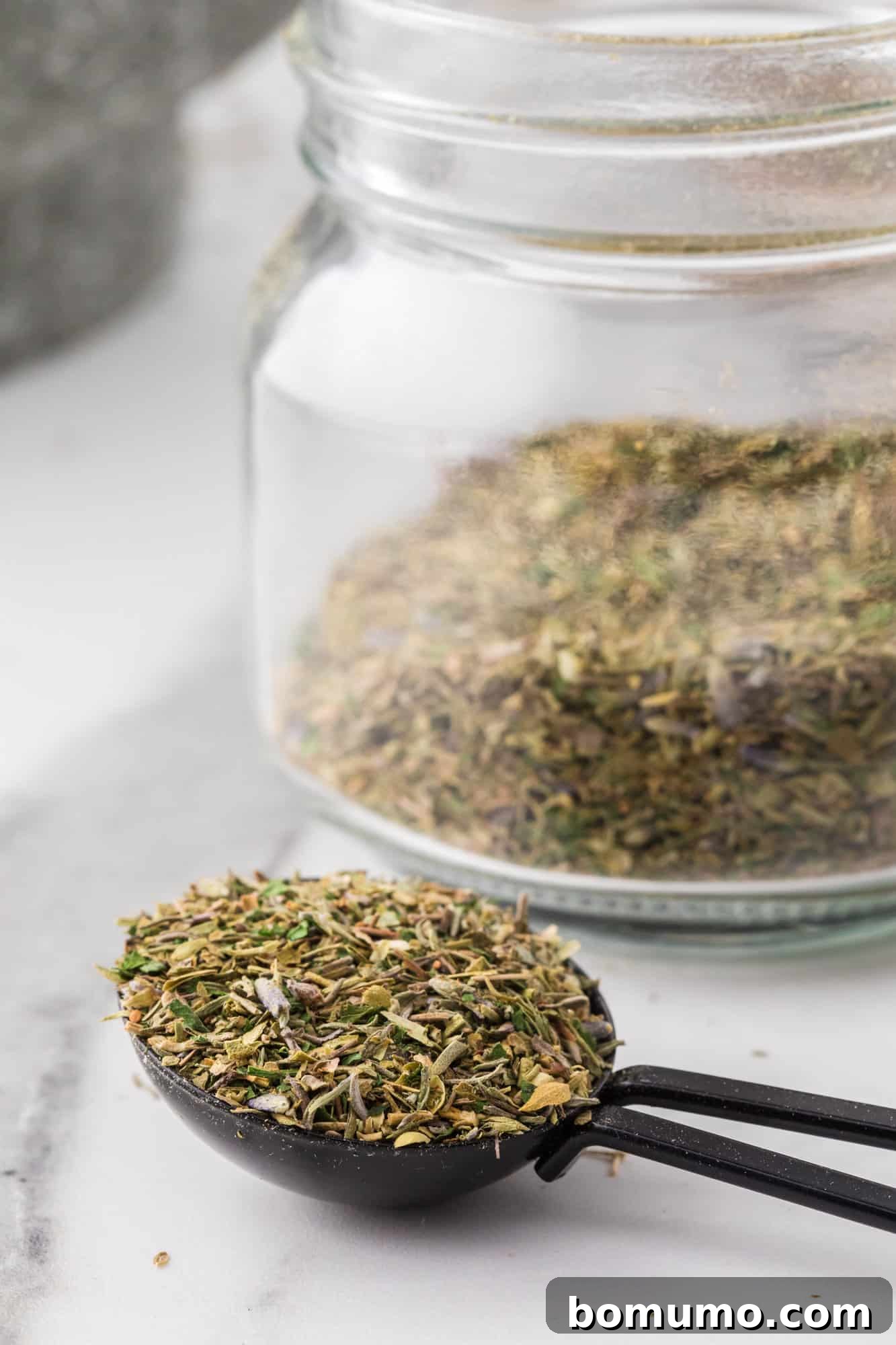
To preserve the vibrant flavors and potent aromas of your homemade Herbes de Provence, proper storage is key. Always store your blend in a tightly covered, airtight container. A small, clean, and completely dry recycled glass jar with a good seal works perfectly. Ensure there is no moisture inside the container, as this can quickly degrade the quality of the herbs.
Store your dried herbs in a cool, dark location, away from direct sunlight and heat sources. A pantry, cupboard, or kitchen cabinet that isn’t directly adjacent to your stove is an ideal spot. While dried herbs won’t “go bad” in a way that makes them unsafe to eat, they do gradually lose their potency and flavor over time. When stored correctly, your Herbes de Provence blend will retain its aromatic qualities for at least six months, allowing you to enjoy its delightful flavors for an extended period. Beyond this, you might notice a subtle decline in aroma and taste, signaling it’s time to whip up a fresh batch.
More DIY Spice Blends to Explore
Homemade All Purpose Seasoning
Easy Homemade BBQ Rub
Zesty Cajun Seasoning
All-Natural Beef Stew Seasoning Mix
Herbes de Provence: Authentic Homemade Blend
Rachel Gurk
5 minutes
5 minutes
33 servings (approx. ¾ cup total)
Print Recipe
Want to save this recipe for later? Consider bookmarking this page or printing it out for your recipe binder!
Ingredients
- 3 tablespoons dried thyme
- 2 tablespoons dried savory
- 2 tablespoons dried oregano
- 1 tablespoon dried rosemary
- 1 tablespoon dried marjoram
- 2 tablespoons dried parsley
- 1 tablespoon food-grade dried lavender flowers, optional (see note below for important selection details)
Instructions
-
Combine all specified ingredients thoroughly. Transfer the mixed herbs to a clean, dry, airtight container for storage (refer to notes for best practices).
-
Optional: For a finer texture, lightly grind the blend using a spice grinder or a mortar and pestle. This can enhance the release of aromatic oils.
Notes
- When adding lavender, ensure you select **food-grade dried lavender flowers**. Some lavender products are intended solely for decorative purposes and may contain chemicals or pesticides unsuitable for consumption.
- Store your Herbes de Provence in a tightly covered jar or container to maintain its freshness and potency. Reusing clean, dry glass jars is an excellent, eco-friendly option. You’ll need a container with at least ¾ cup capacity.
- For optimal flavor preservation, keep dried herbs in a cool, dark place, such as a pantry or a cupboard, avoiding direct sunlight or proximity to heat-generating appliances like your stove. Properly stored, your homemade blend will remain fragrant and flavorful for at least 6 months.
Video Overview
A helpful video demonstrating the creation and uses of Herbes de Provence is available. Search for “Herbes De Provence Recipe” on video platforms to view a visual guide.
Nutrition Information (per 1 teaspoon serving)
Calories: 3 kcal,
Carbohydrates: 1 g,
Protein: 0.1 g,
Fat: 0.1 g,
Saturated Fat: 0.03 g,
Polyunsaturated Fat: 0.02 g,
Monounsaturated Fat: 0.01 g,
Sodium: 1 mg,
Potassium: 13 mg,
Fiber: 0.4 g,
Sugar: 0.03 g,
Vitamin A: 34 IU,
Vitamin C: 0.5 mg,
Calcium: 18 mg,
Iron: 1 mg
Nutrition information is automatically calculated and should be used only as an approximation. Actual values may vary based on specific ingredient brands and preparation methods.
Did You Make This?
We’d love to hear from you! Share your thoughts and a rating in the comments below!