
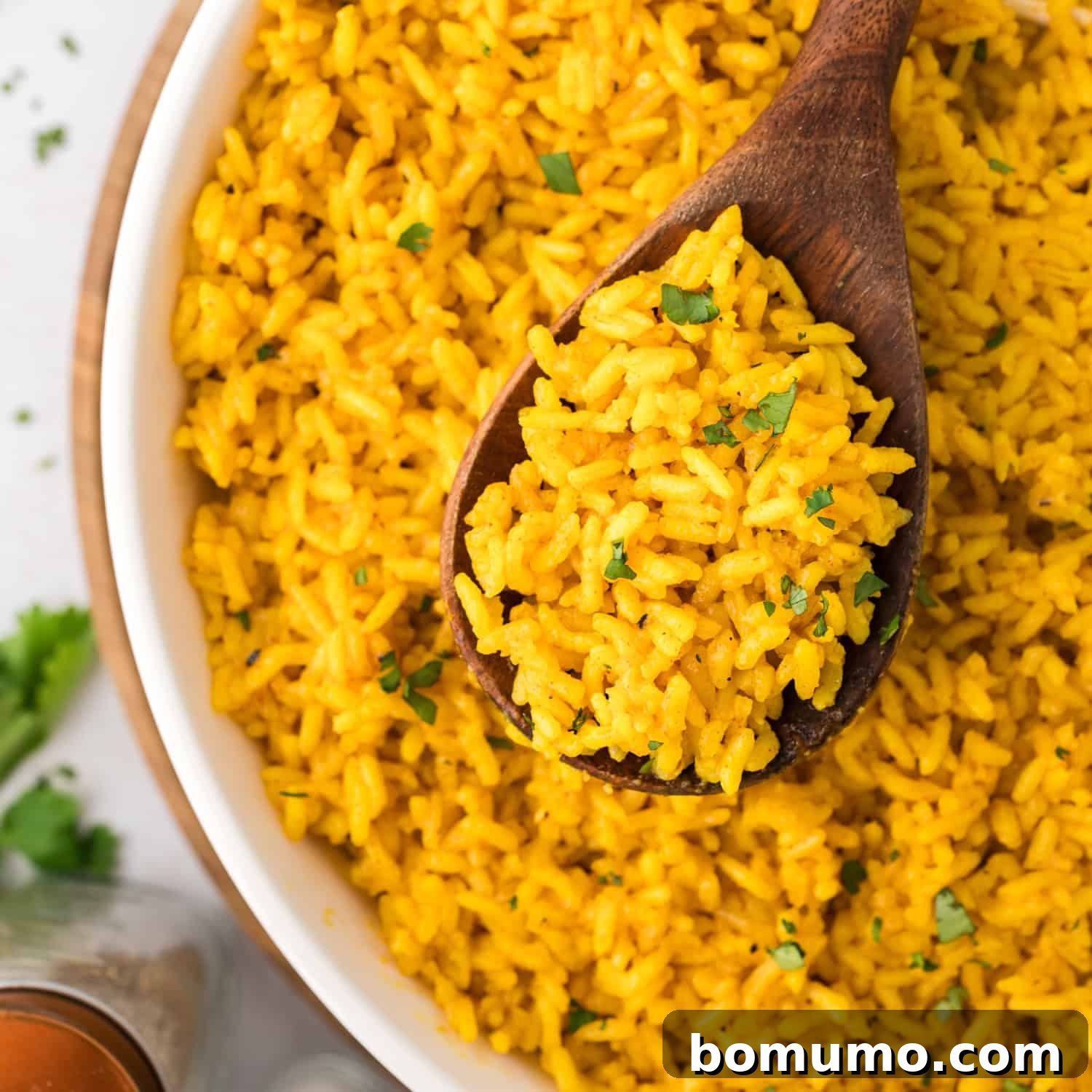
Recipe Overview: Discover the Magic of Yellow Rice
Why you’ll love it: This incredibly flavorful and aromatic yellow rice recipe offers a delightful twist on a staple grain. It’s the perfect companion for a vast array of cuisines, from vibrant Indian curries to hearty Mediterranean stews, and everything in between. Best of all, it’s remarkably simple to prepare, requiring no more effort than cooking your everyday white rice, yet delivering an explosion of color and taste.
How long it takes: Approximately 35 minutes from start to finish.
Equipment you’ll need: A fine mesh colander (essential for rinsing the rice), and a sturdy saucepan with a tight-fitting lid.
Servings: This recipe generously serves 6.
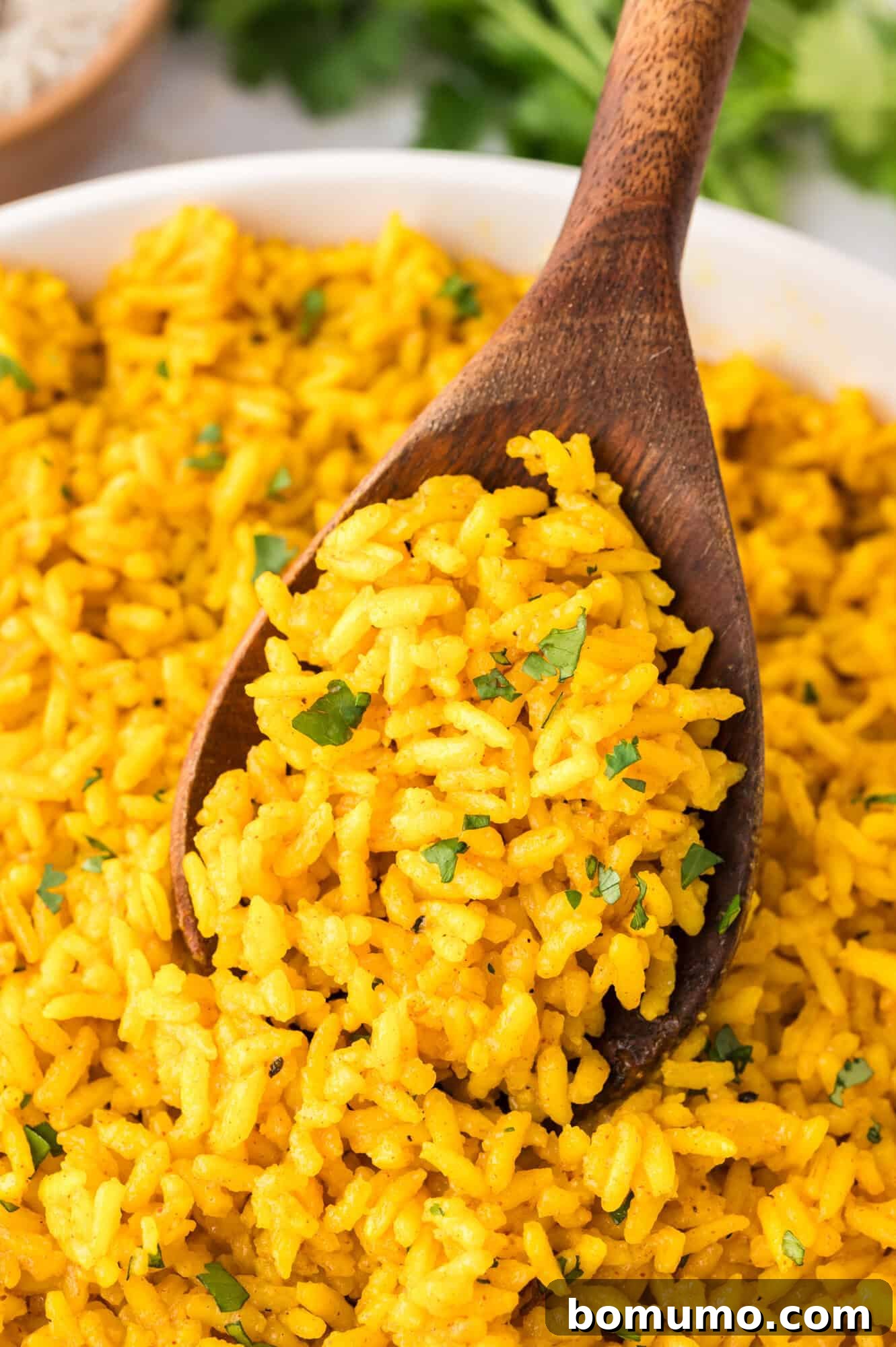
Save this delicious recipe for later!
Pin It Now
Mastering Savory Yellow Rice: A Flavorful Global Staple
What is yellow rice? Yellow rice is a captivating and widely celebrated dish found across countless culinary traditions worldwide. Its vibrant golden hue and rich, aromatic flavor make it a stand-out accompaniment, transforming any meal into a more inviting and satisfying experience. From the bustling kitchens of India to the sun-drenched coasts of Portugal, and stretching across the diverse landscapes of Peru and Iran, yellow rice holds a special place in global gastronomy. This widespread appeal is a testament to its comforting simplicity and incredible versatility.
The distinctive yellow color is typically achieved by infusing white rice with specific spices during the cooking process. Common natural coloring agents include turmeric, saffron, or annatto, each contributing not only its signature tint but also a unique layer of aroma and flavor. In this recipe, we harness the power of turmeric, renowned for its earthy warmth and brilliant yellow pigment. Alongside this star spice, we incorporate other pantry staples like garlic, salt, and pepper to build a complex and deeply satisfying flavor profile that will delight your palate.
Crafted from easy pantry ingredients. One of the most appealing aspects of this yellow rice recipe is its reliance on ingredients you likely already have in your kitchen. With just a handful of accessible staples, you can elevate ordinary white rice into an extraordinary side dish. The golden appearance is not merely aesthetic; it’s a visual promise of the deliciousness to come, making your plate look even more appealing. If you can confidently cook white rice, then mastering yellow rice is well within your reach, as the fundamental techniques remain largely the same, but with significantly enhanced flavor.
Unmatched versatility. Yellow rice truly shines in its adaptability. It serves as an excellent foundation for vibrant meal bowls, effortlessly soaks up the rich sauces of curries and stews, and makes a fantastic complement to everything from grilled salmon to hearty roasted meats. Whether you’re planning an international feast or simply looking to add a touch of excitement to your weeknight dinner, the possibilities for incorporating this fragrant grain are virtually limitless.
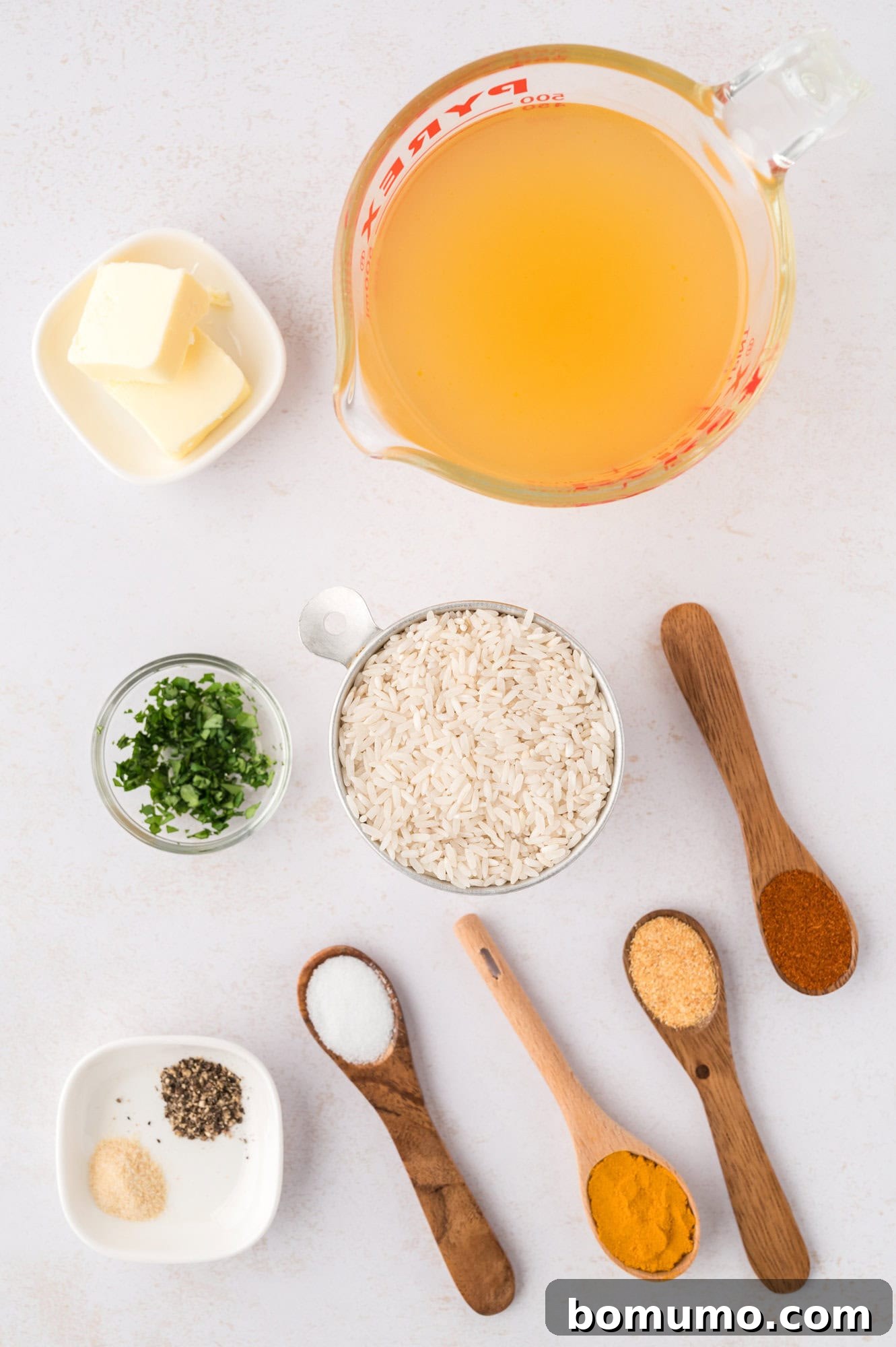
Essential Ingredient Notes for Perfect Yellow Rice
Crafting delicious yellow rice begins with understanding the role of each ingredient. Here’s a detailed look at what you’ll need and why:
- Butter: Butter is a key player here, lending a beautiful richness and depth of flavor to the rice. Its nutty notes perfectly complement the spices. For those seeking a vegan alternative, coconut oil makes an excellent substitute, imparting a subtle tropical hint that works wonderfully with many dishes. Olive oil is another suitable option for a more neutral flavor.
- Long-grain white rice: The secret to light, fluffy, and separate rice grains lies in using long-grain varieties. Unlike short-grain rice, which tends to be stickier due to higher starch content, long-grain options like Basmati or Jasmine rice are ideal for achieving that coveted delicate texture. Regular long-grain white rice also works perfectly, as does long-grain brown rice if you prefer a whole-grain option (though cooking times may vary).
- Broth: Using chicken or vegetable broth instead of water significantly enhances the overall flavor of your yellow rice. Both options infuse the rice with savory notes, adding complexity and richness that water simply cannot provide. Choose according to your dietary preferences or the main dish you plan to serve.
- Spices: This blend is where the magic happens!
- Ground Turmeric: The star of the show, turmeric is responsible for the characteristic golden yellow color and its distinct warm, slightly earthy aroma. Beyond its visual appeal, turmeric is celebrated for its health benefits.
- Garlic Powder & Onion Powder: These provide a foundational savory base, ensuring every grain is infused with a deep, comforting taste without the textural presence of fresh aromatics.
- Kosher Salt & Ground Black Pepper: Essential for seasoning, they balance and enhance all the other flavors. Adjust to your personal taste preference.
- Paprika: Contributes a mild sweetness and a hint of color, adding another layer of warmth to the spice blend.
- Optional Garnish: Fresh Herbs: A sprinkle of fresh chopped cilantro or parsley just before serving adds a burst of vibrant color and a fresh, herbaceous note that brightens the entire dish. Don’t underestimate the power of a simple garnish to elevate presentation and flavor.
Simple Steps to Perfectly Fluffy Yellow Rice
Making delicious yellow rice is a straightforward process that yields impressive results. Follow these simple steps for a perfectly cooked, aromatic side dish:
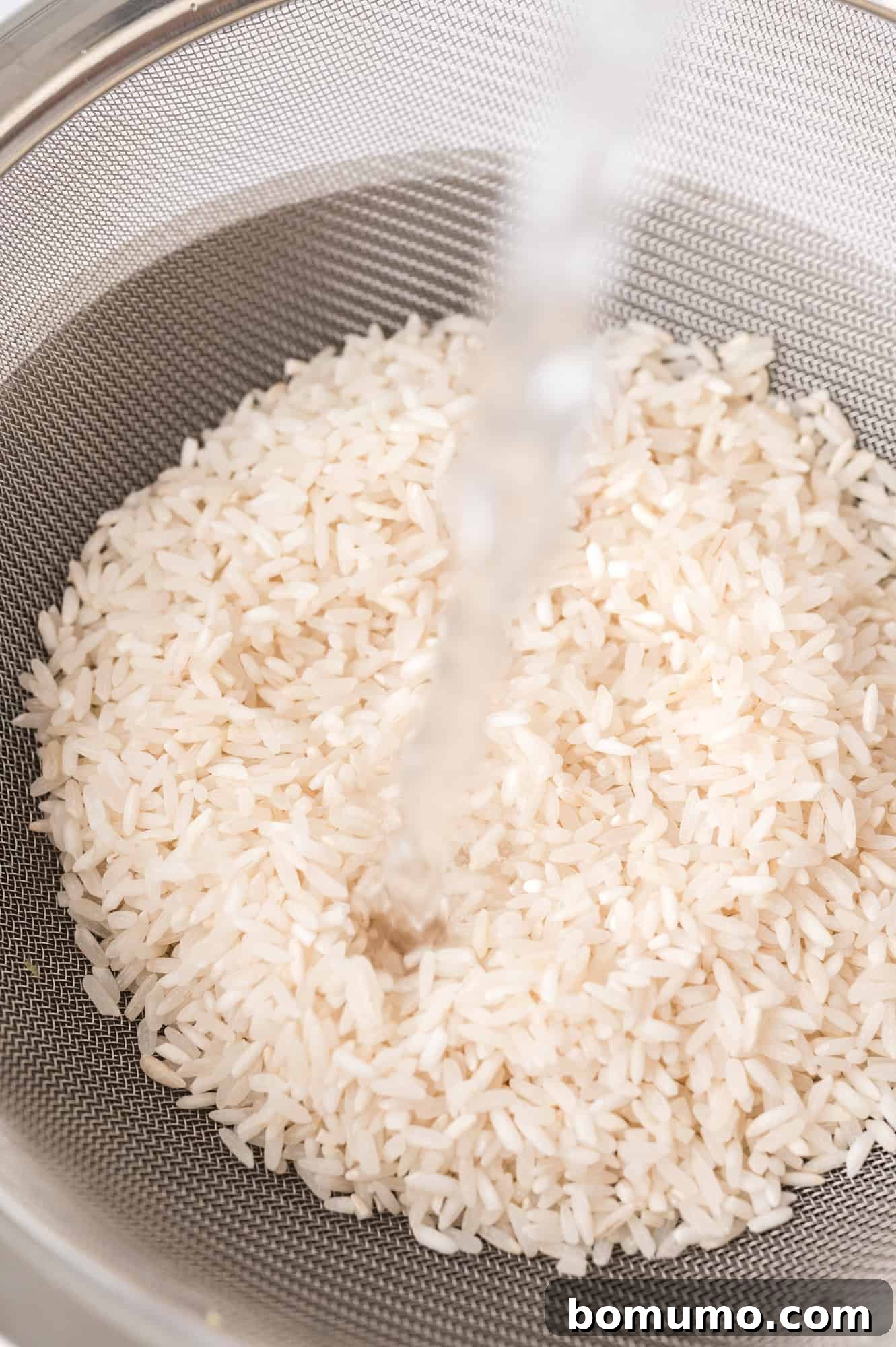
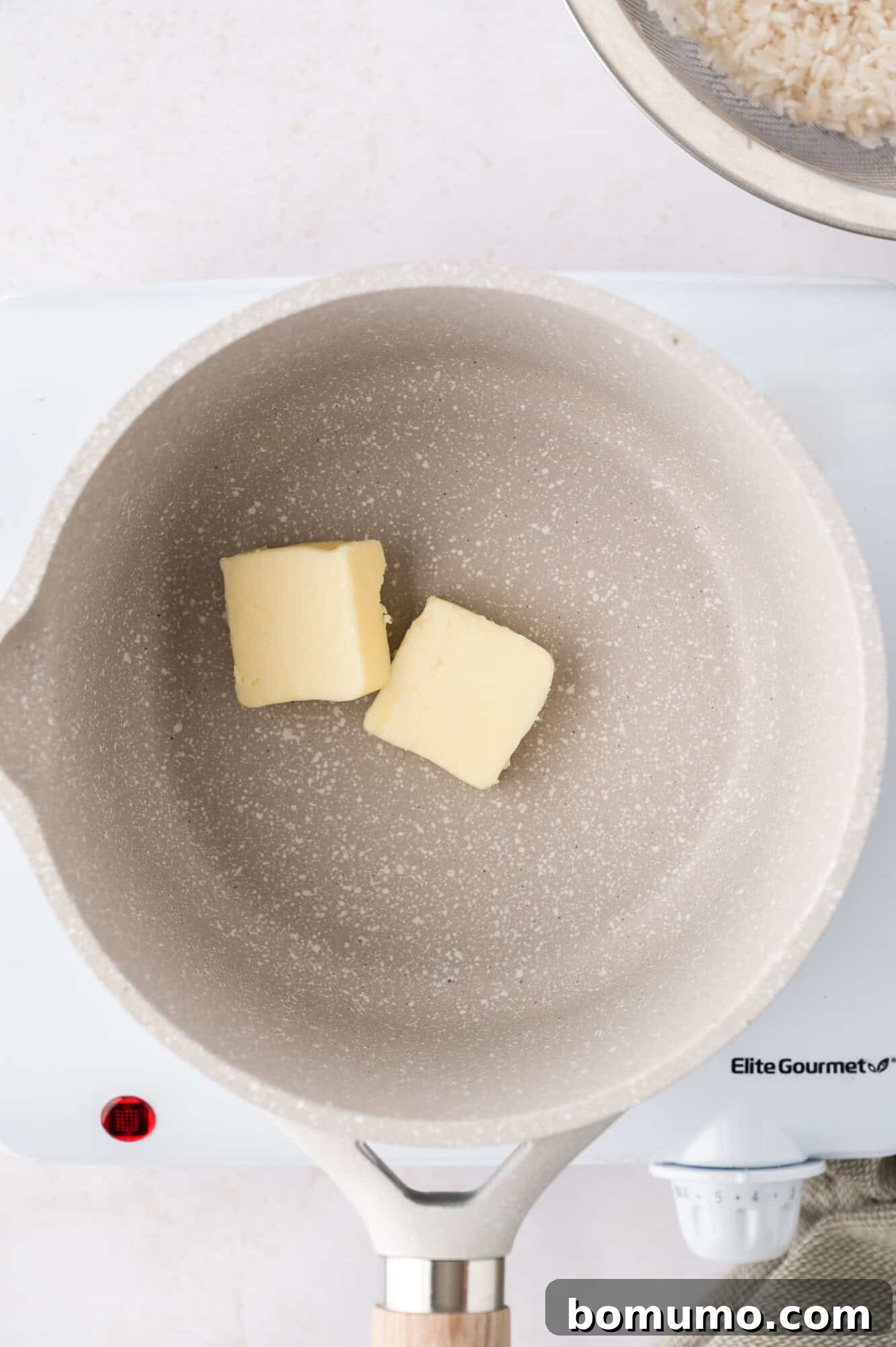
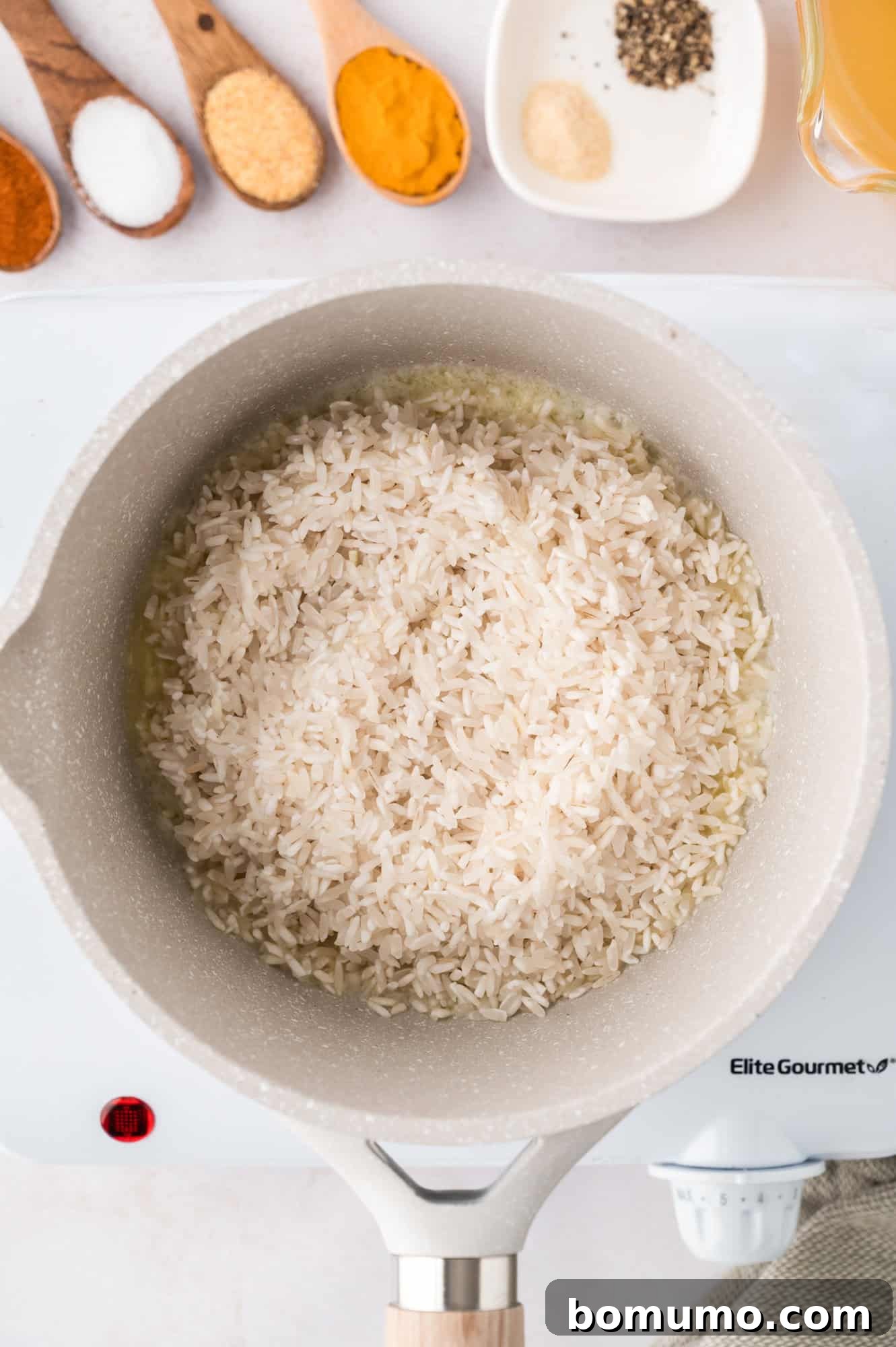
1. Prepare and Toast the Rice: Begin by placing your long-grain rice in a fine mesh colander and rinsing it thoroughly under cold running water. Continue rinsing until the water runs completely clear. This crucial step removes excess starch, preventing the rice from becoming sticky and ensuring each grain remains light and separate. Drain the rice very well. Next, melt the butter in a medium saucepan over medium heat. Add the rinsed and drained rice to the melted butter. Sauté the rice for about 5 to 7 minutes, stirring frequently to prevent burning. You’ll notice the rice becoming fragrant and very lightly toasted, which adds a wonderful depth of flavor.
2. Infuse with Broth and Seasonings: Carefully pour the chicken or vegetable broth into the saucepan with the toasted rice. Next, add the ground turmeric, garlic powder, kosher salt, ground black pepper, paprika, and onion powder. Stir all the ingredients well to ensure the spices are evenly distributed throughout the rice and liquid. Increase the heat slightly until the mixture comes to a gentle boil.
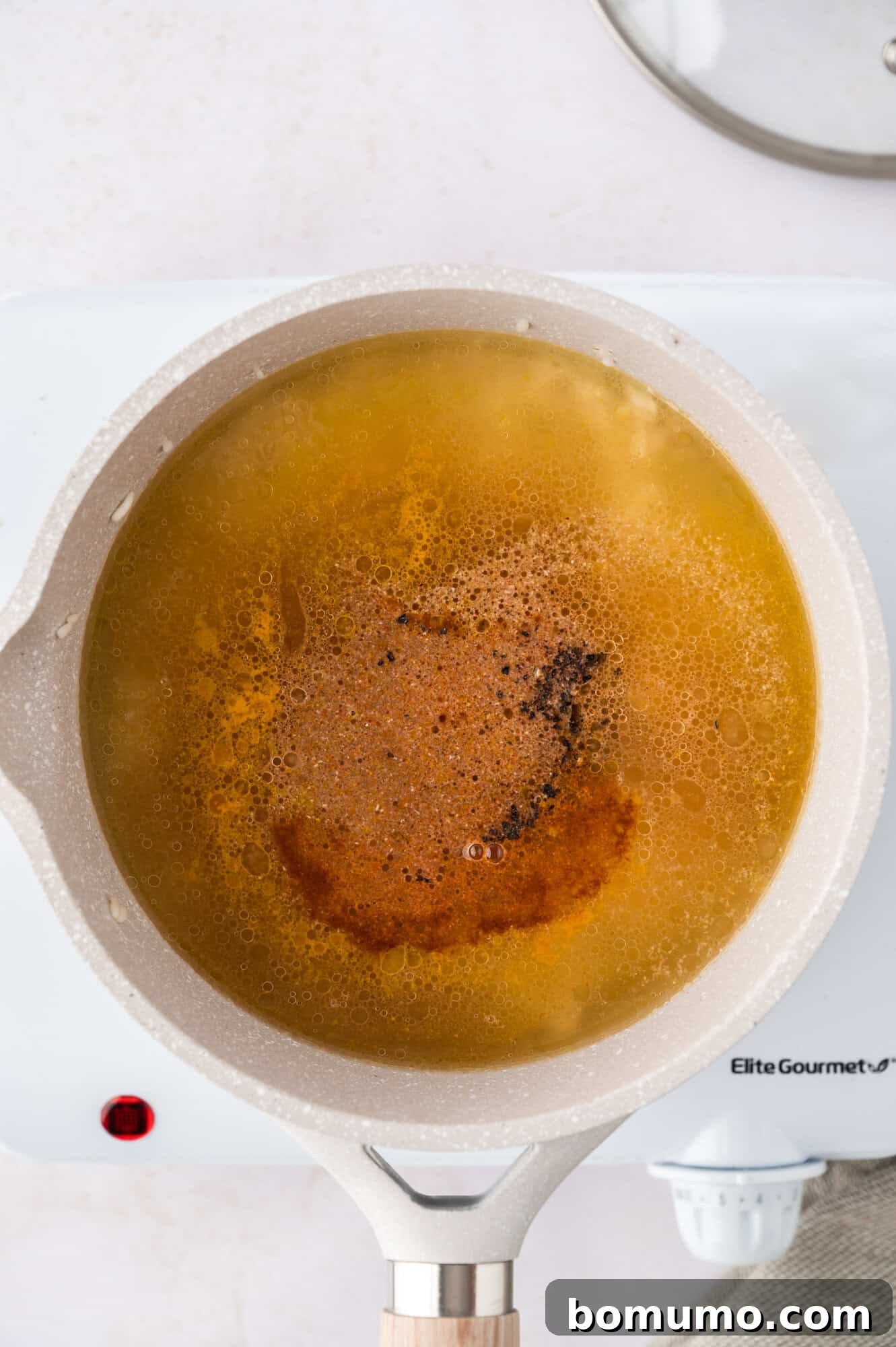
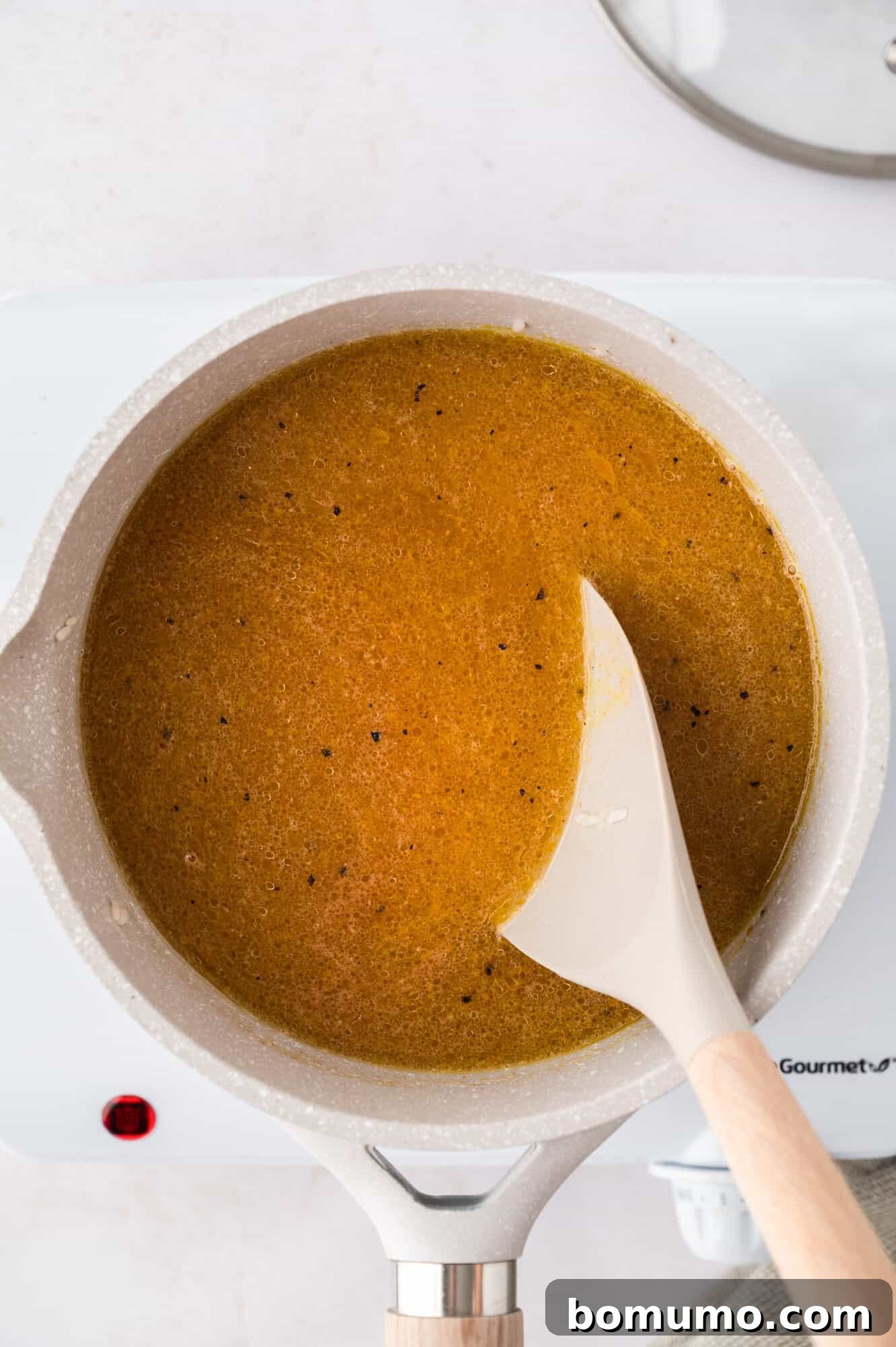
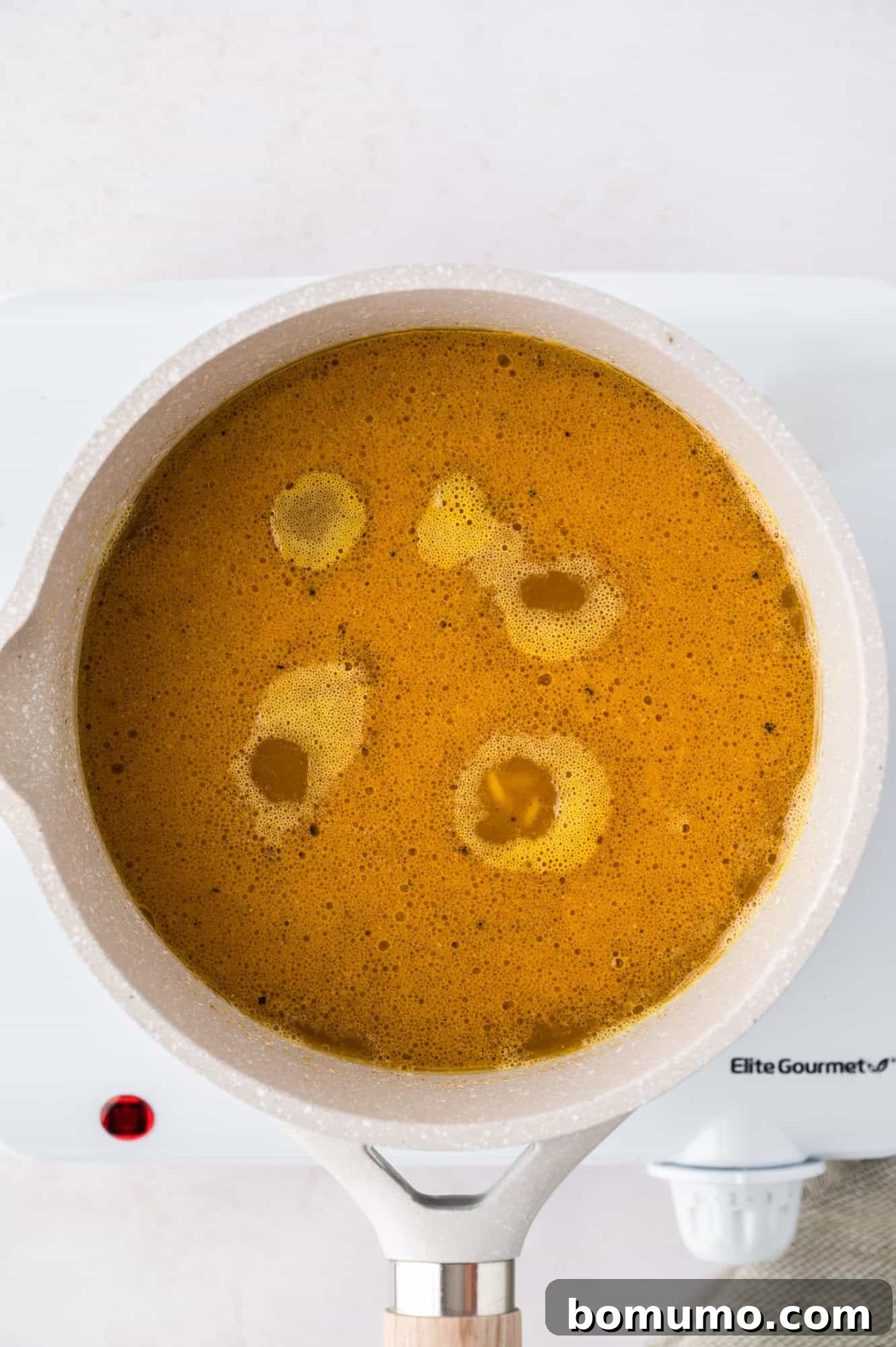
3. Simmer to Perfection: Once the yellow rice mixture reaches a boil, immediately reduce the heat to the lowest setting. Cover the pan tightly with a lid to trap the steam. Allow the rice to simmer gently for approximately 15 minutes. During this time, the rice will absorb all the flavorful broth and become tender. Avoid lifting the lid during this process, as it releases essential steam needed for proper cooking.
4. Rest for Fluffiness: After 15 minutes, remove the saucepan from the heat, but keep the lid on. Let the rice rest, undisturbed and covered, for an additional 5 minutes. This resting period is crucial; it allows the remaining steam to finish cooking the rice, resulting in perfectly tender, separated grains and ensuring the flavors have time to meld beautifully.
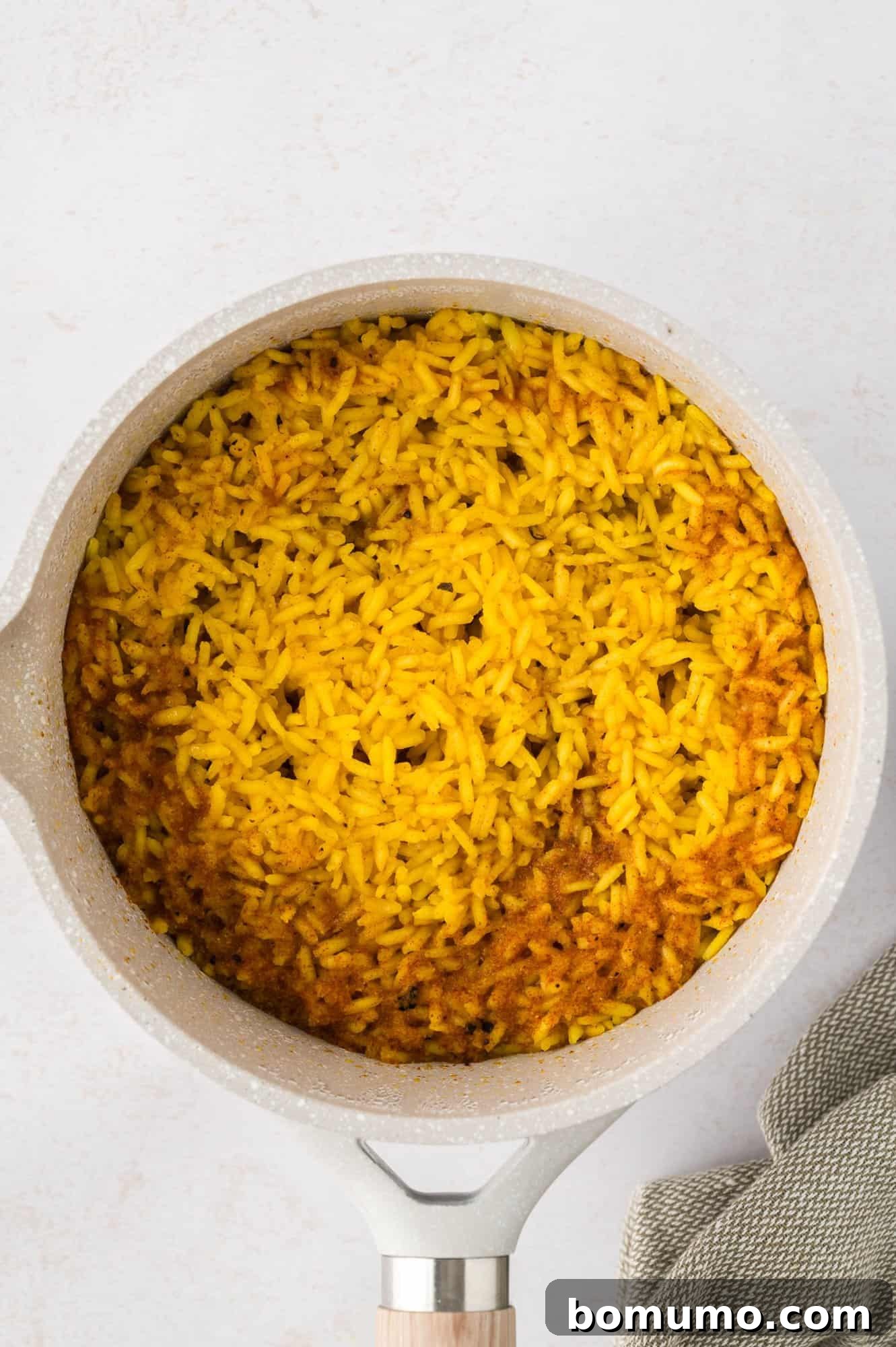
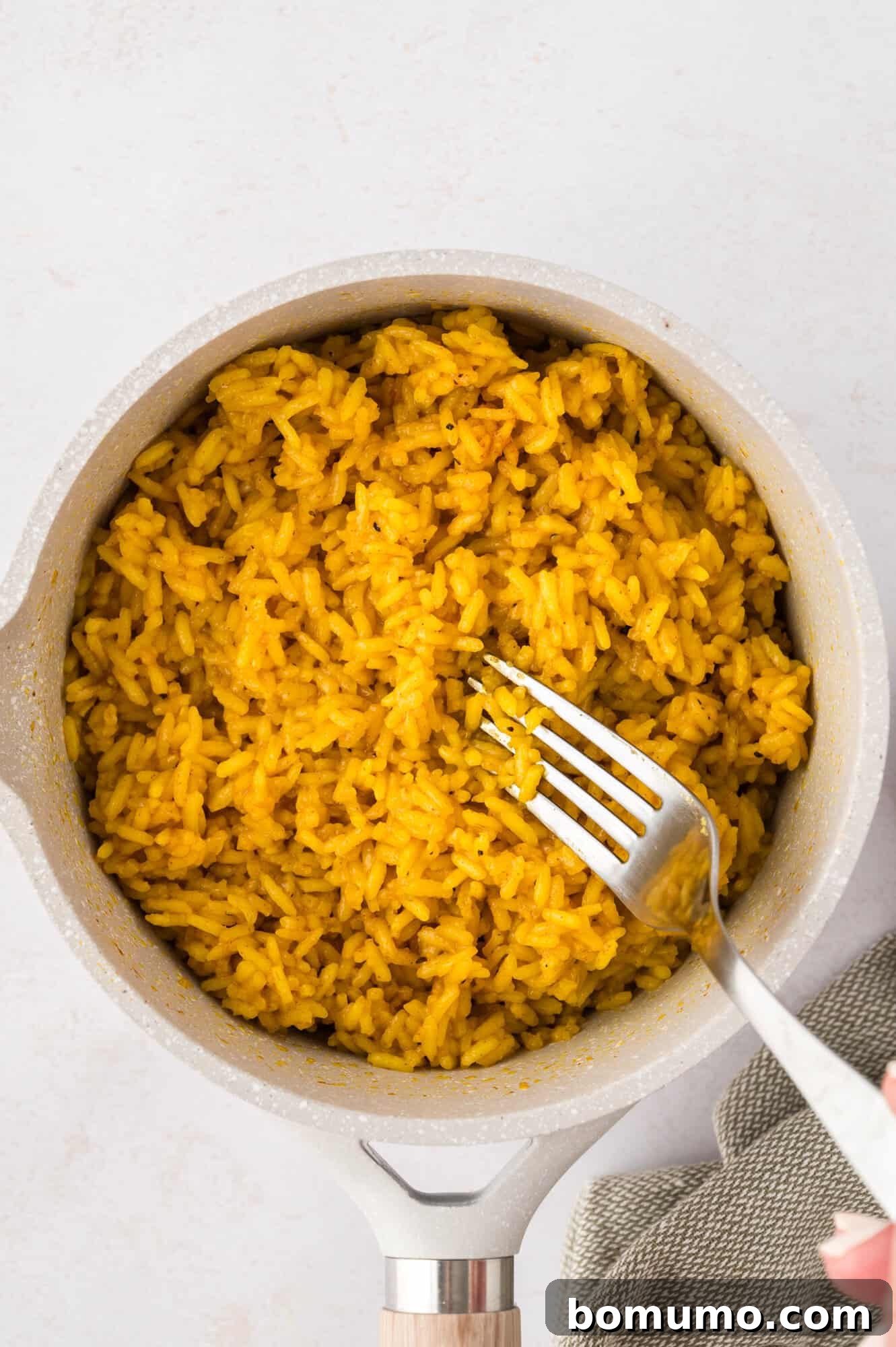
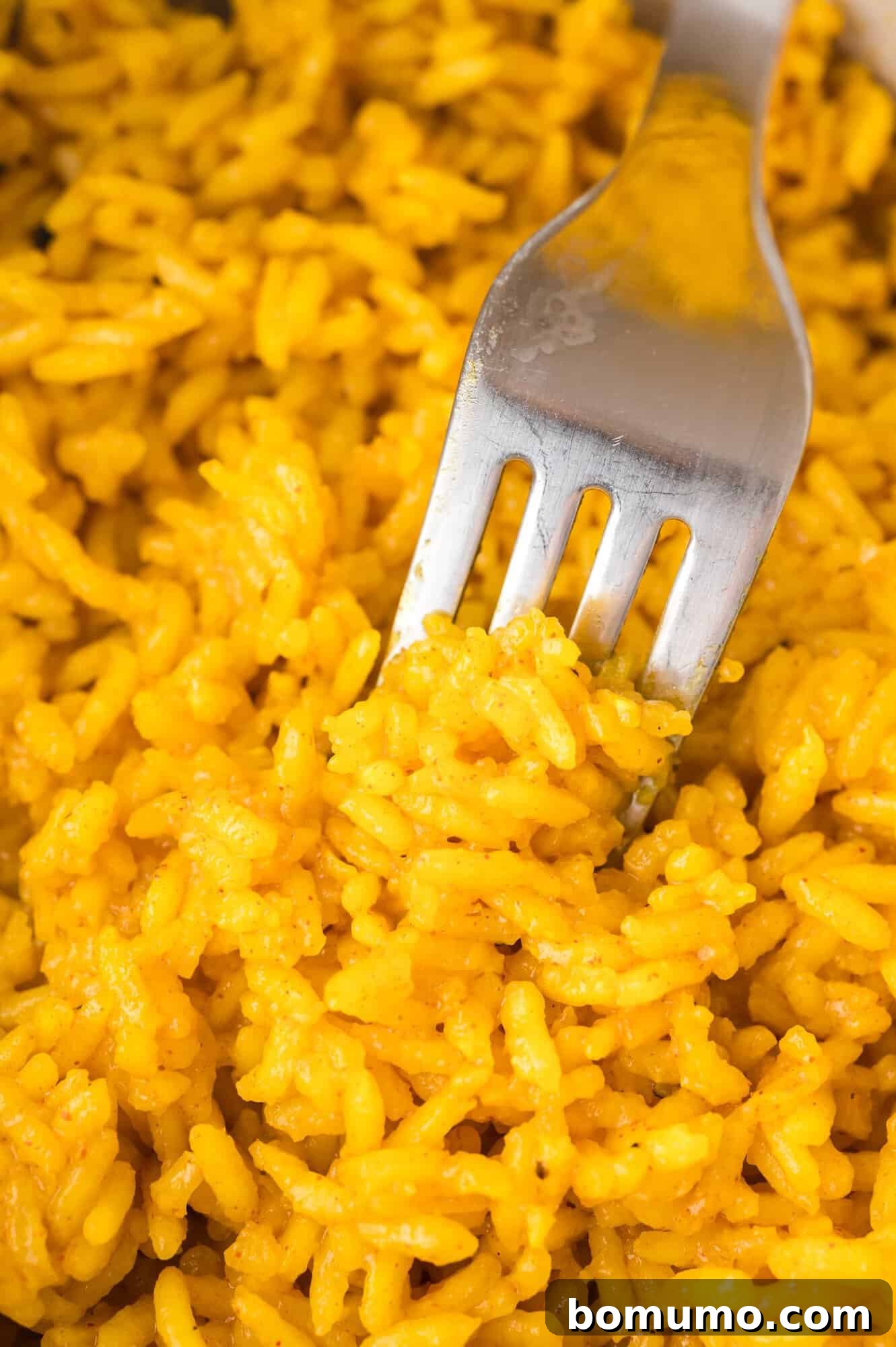
5. Fluff and Serve: Finally, remove the lid and use a fork to gently fluff the rice. This helps separate the grains and releases any trapped steam, ensuring a light and airy texture. Taste the rice and adjust the seasoning with a pinch more salt or pepper if desired. Serve your beautiful, fragrant yellow rice immediately, garnished with fresh chopped cilantro or parsley for an extra touch of color and freshness.
Expert Tips & Creative Variations for Your Yellow Rice
Elevate your yellow rice to new heights with these handy tips and exciting variations, making it even more delicious and tailored to your taste:
- Always Rinse Your Rice: We can’t stress this enough! Rinsing your long-grain rice under cold water until it runs completely clear is paramount. This simple step washes away excess surface starch, which is the primary culprit behind sticky, clumpy rice. By removing it, you ensure each grain cooks up light, fluffy, and perfectly separated. Drain it thoroughly before adding it to the saucepan for toasting.
- Sweet and Savory with Dried Fruits: For a delightful contrast in flavors and textures, consider stirring in a handful of currants or golden raisins during the last few minutes of cooking or just before serving. Their subtle sweetness provides a beautiful balance to the savory spices, making this variation particularly exquisite when pairing with Indian, Middle Eastern, or Moroccan-inspired dishes.
- Boost with Fresh Vegetables: Introduce more nutrients and flavor by incorporating fresh vegetables. Sauté finely diced shallots or onions in the butter for a few minutes before adding the rice, building an aromatic base. Alternatively, stir in a cup of frozen peas or corn during the last minute or two of simmering for a pop of color and sweetness. Sautéed bell peppers or carrots are also excellent additions.
- Add a Delightful Crunch: For an extra layer of texture and a nutty flavor, stir in toasted sliced almonds, pine nuts, or even chopped cashews into the cooked rice. Toast them gently in a dry skillet until golden brown before mixing them in. This simple addition elevates the dish from a side to a gourmet experience.
- Spice Level Adjustment: While this recipe offers a balanced spice profile, feel free to adjust to your preference. For a subtle kick, add a pinch of cayenne pepper or a tiny amount of red pepper flakes along with the other spices. If you prefer a milder taste, you can slightly reduce the amount of turmeric or paprika.
- Fresh Ginger Infusion: For an extra layer of warmth and a zesty aroma, consider adding ½ teaspoon of grated fresh ginger when you add the garlic powder. It pairs beautifully with turmeric and elevates the overall fragrance of the dish.
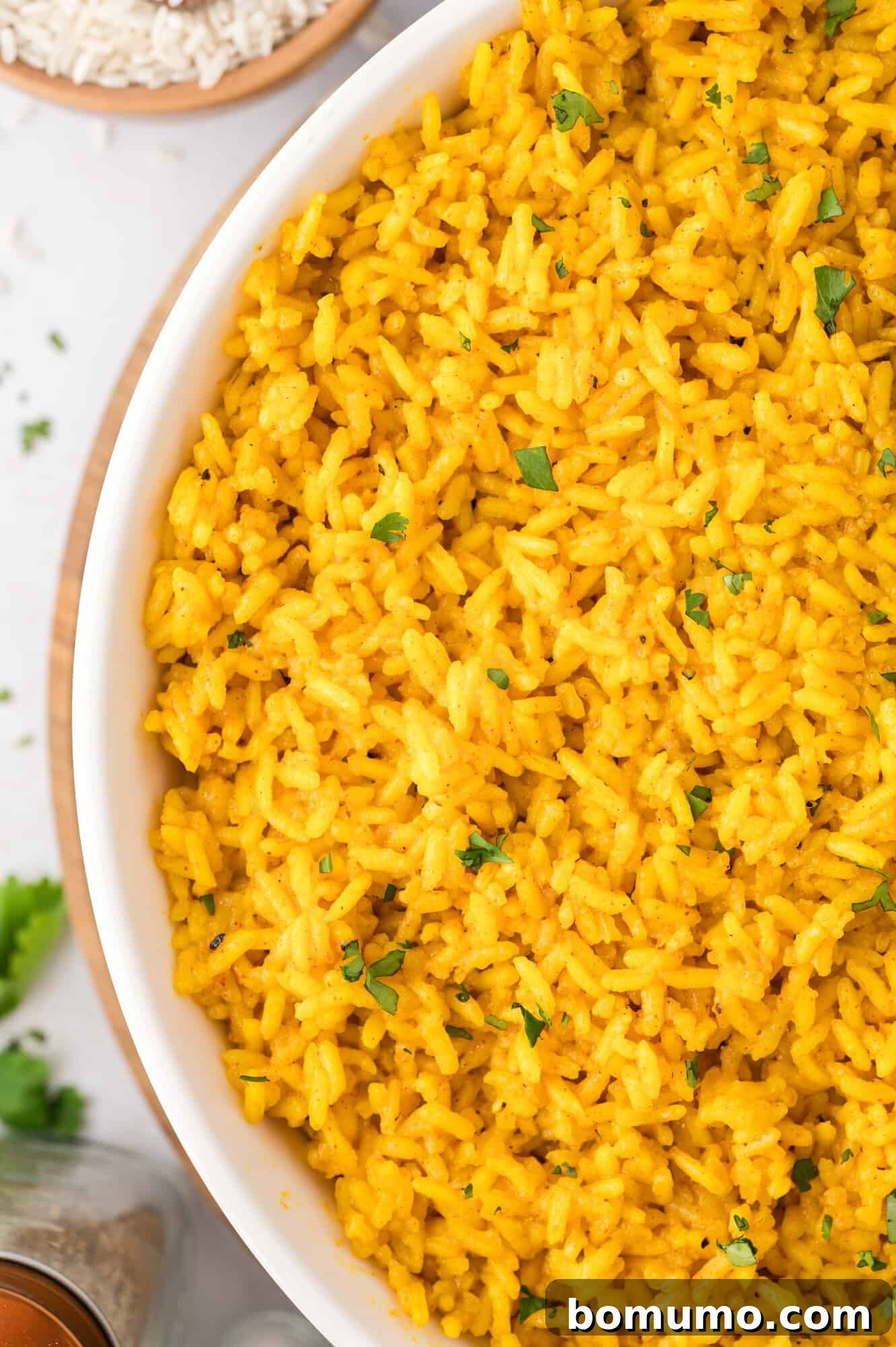
Perfect Pairings: What to Serve with Yellow Rice
Yellow rice is a culinary chameleon, adapting beautifully to a wide array of flavors and cuisines. Its fragrant and savory profile makes it an ideal side dish for countless meals:
- Exquisite Indian Dishes: Yellow rice is a natural partner for the rich and complex flavors of Indian cuisine. Serve it alongside creamy chicken tikka masala, a comforting butternut squash curry, or a hearty lentil dahl to soak up every drop of their delicious sauces.
- Vibrant Caribbean Meals: The bright, aromatic notes of yellow rice perfectly complement the bold and often spicy flavors of Caribbean-inspired dishes. It’s a fantastic accompaniment to jerk chicken chili, grilled fish, or any savory stew.
- Authentic Middle Eastern Favorites: Enhance your Middle Eastern feast by serving yellow rice with classics like succulent grilled chicken shawarma drumsticks, crispy air fryer falafel drizzled with a rich tahini sauce, or tender lamb kebabs.
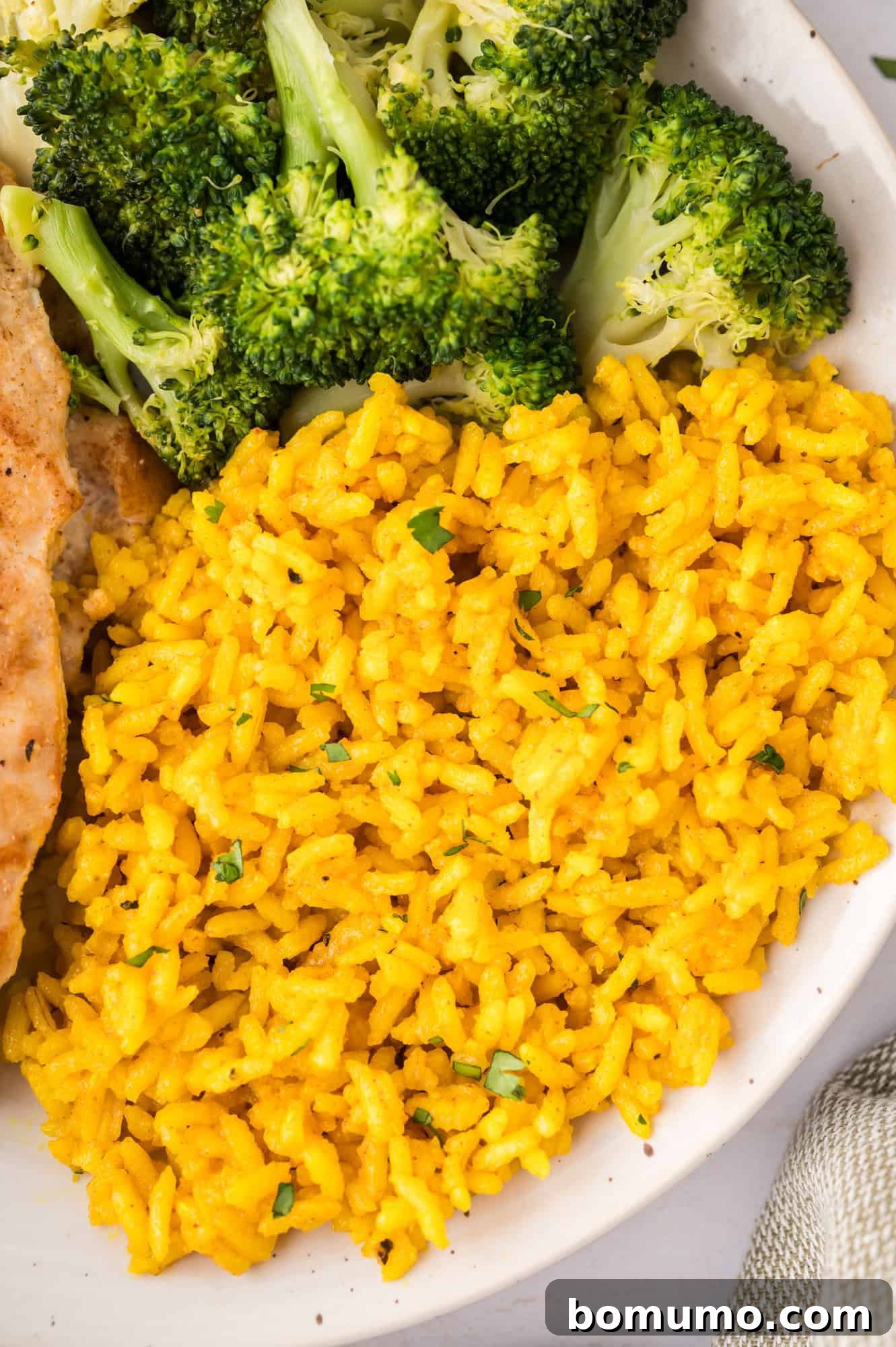
- Versatile Meat and Poultry Pairings: This savory rice is a superb side dish for a variety of meat and poultry preparations. Pair it with flavorful chicken kofta kebabs, elegant braised lamb shanks, or simple grilled chicken breasts. For a quick and nutritious meal, combine it with air fryer salmon and a side of sautéed spinach. It also makes an excellent base for steak kabobs.
- Vegetarian and Vegan Options: Yellow rice serves as a hearty base for vegetarian meals. Consider pairing it with roasted vegetables, black bean burgers, or a simple chickpea and vegetable sauté for a fulfilling plant-based dinner.
Storage & Reheating Guide
Storage & Reheating Guide
Proper storage and reheating are key to enjoying your yellow rice long after it’s freshly made. Follow these guidelines to maintain its flavor and texture:
Refrigerator: To keep your yellow rice fresh, allow it to cool completely before transferring it to an airtight container. Store it in the refrigerator for up to 4 days. Prompt cooling and proper storage are essential to prevent bacterial growth and ensure food safety.
Freezer: For longer storage, yellow rice freezes beautifully. Once cooled, place individual portions in freezer bags (pressing out as much air as possible to prevent freezer burn) or airtight freezer-safe containers. Freeze for up to 3 months. Laying freezer bags flat allows for efficient stacking and quick thawing. Thaw frozen rice in the refrigerator overnight before reheating.
Reheat: Cooked rice, especially when refrigerated, tends to dry out as it loses moisture. This characteristic makes leftover rice ideal for dishes like fried rice, but for a standalone side, you’ll want to rehydrate it. When reheating, add a small splash of broth or water (about 1-2 tablespoons per cup of rice) to help restore its moisture and texture. Reheat in a pan on the stovetop over medium-low heat, stirring occasionally until warmed through, or loosely covered in the microwave, stirring halfway through, until steamy and hot. Ensure the rice is heated to an internal temperature of 165°F (74°C) for safety.
Explore More Delicious Rice Recipes
One Pan Sausage and Rice with Sweet Peppers
Instant Pot Jasmine Rice Recipe
Easy Mexican Rice Recipe
Cilantro Lime Rice
Yellow Rice
Want to save this recipe and get new delicious recipes every week? Enter your email below!
Ingredients
- 2 tablespoons butter
- 1 cup long-grain white rice
- 2 cups chicken or vegetable broth
- 1 teaspoon ground turmeric
- ½ teaspoon garlic powder
- ½ teaspoon kosher salt
- ½ teaspoon ground paprika
- ¼ teaspoon onion powder
- ¼ teaspoon coarse ground black pepper
- optional garnishes: chopped fresh cilantro or parsley
Instructions
-
Rinse the rice under cold running water in a fine mesh colander until the water runs completely clear. This step is crucial for removing excess starch, which helps ensure the rice is light and fluffy, not sticky. Drain the rice thoroughly before proceeding.1 cup long-grain white rice
-
Melt the butter in a medium saucepan over medium heat. Add the rinsed and well-drained rice to the saucepan. Sauté the rice for 5 to 7 minutes, stirring frequently, until the grains are lightly toasted and a pleasant aroma fills your kitchen. This toasting adds depth of flavor.2 tablespoons butter
-
Pour in the chicken or vegetable broth, then stir in the ground turmeric, garlic powder, kosher salt, ground paprika, onion powder, and coarse ground black pepper. Stir thoroughly to ensure all the spices are evenly combined with the rice and liquid.2 cups chicken or vegetable broth, 1 teaspoon ground turmeric, ½ teaspoon garlic powder, ½ teaspoon kosher salt, ½ teaspoon ground paprika, ¼ teaspoon onion powder, ¼ teaspoon coarse ground black pepper
-
Increase the heat and bring the mixture to a boil. Once boiling, immediately reduce the heat to the lowest setting, cover the saucepan with a tight-fitting lid, and simmer for about 15 minutes. Cook until all the broth has been absorbed and the rice is tender. Resist the urge to lift the lid during this crucial simmering period.
-
Once the rice is cooked and the liquid absorbed, remove the saucepan from the heat. Keep it covered and let the rice rest for an additional 5 minutes. This resting period allows the steam to distribute evenly, resulting in perfectly fluffed and separated grains, and helps the flavors fully meld.
-
After resting, gently fluff the rice with a fork to separate the grains. Taste and adjust the seasoning with additional salt or pepper if needed, to achieve your perfect flavor balance.
-
Serve your flavorful yellow rice immediately. For an added touch of freshness and visual appeal, garnish with chopped fresh cilantro or parsley, if desired. Enjoy!
Notes
- Adjust yield: This recipe is easily scalable. To make a double batch of yellow rice, simply double all the ingredient quantities. Ensure you use a larger saucepan to accommodate the increased volume and maintain the same cooking ratios.
- Storage & Reheating Tips: Store any leftover yellow rice in a covered, airtight container in the refrigerator for up to 4 days. For longer preservation, it can be frozen in freezer bags or suitable containers for up to 3 months. Always thaw frozen rice in the refrigerator before reheating. When reheating, remember that cooked rice tends to dry out; add a splash of broth or water (about 1-2 tablespoons per cup) to rehydrate it and restore its desired texture.
Nutrition Information
Calories: 162kcal,
Carbohydrates: 26g,
Protein: 4g,
Fat: 5g,
Saturated Fat: 3g,
Polyunsaturated Fat: 0.3g,
Monounsaturated Fat: 1g,
Trans Fat: 0.2g,
Cholesterol: 10mg,
Sodium: 249mg,
Potassium: 121mg,
Fiber: 1g,
Sugar: 0.2g,
Vitamin A: 199IU,
Vitamin C: 0.1mg,
Calcium: 15mg,
Iron: 1mg
Nutrition information is automatically calculated and should be considered an approximation. Individual results may vary.