
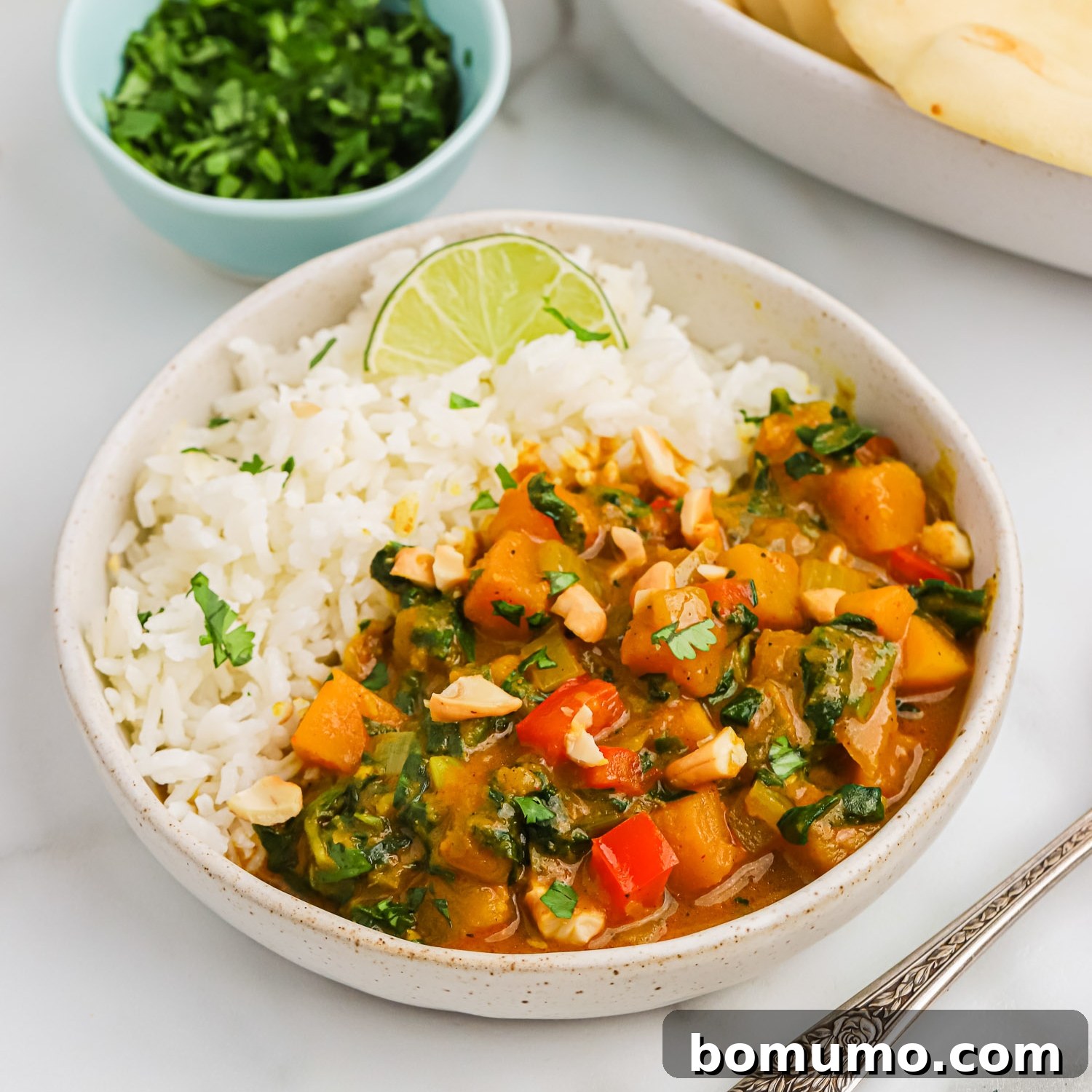
Delicious Butternut Squash Curry: Your Ultimate Guide
Why You’ll Adore This Recipe: Prepare to fall in love with the rich, creamy red curry sauce enveloping tender pieces of butternut squash! This wholesome, plant-based meal is designed to satisfy your cravings, offering a restaurant-quality experience right in your home kitchen. Serve it generously over fluffy, fragrant jasmine rice, and discover a new family favorite that’s both flavorful and incredibly nutritious.
Time Commitment: Approximately 45 minutes from start to finish.
Essential Cookware: A large, sturdy covered pan or a Dutch oven.
Yield: 4 ample and satisfying servings.
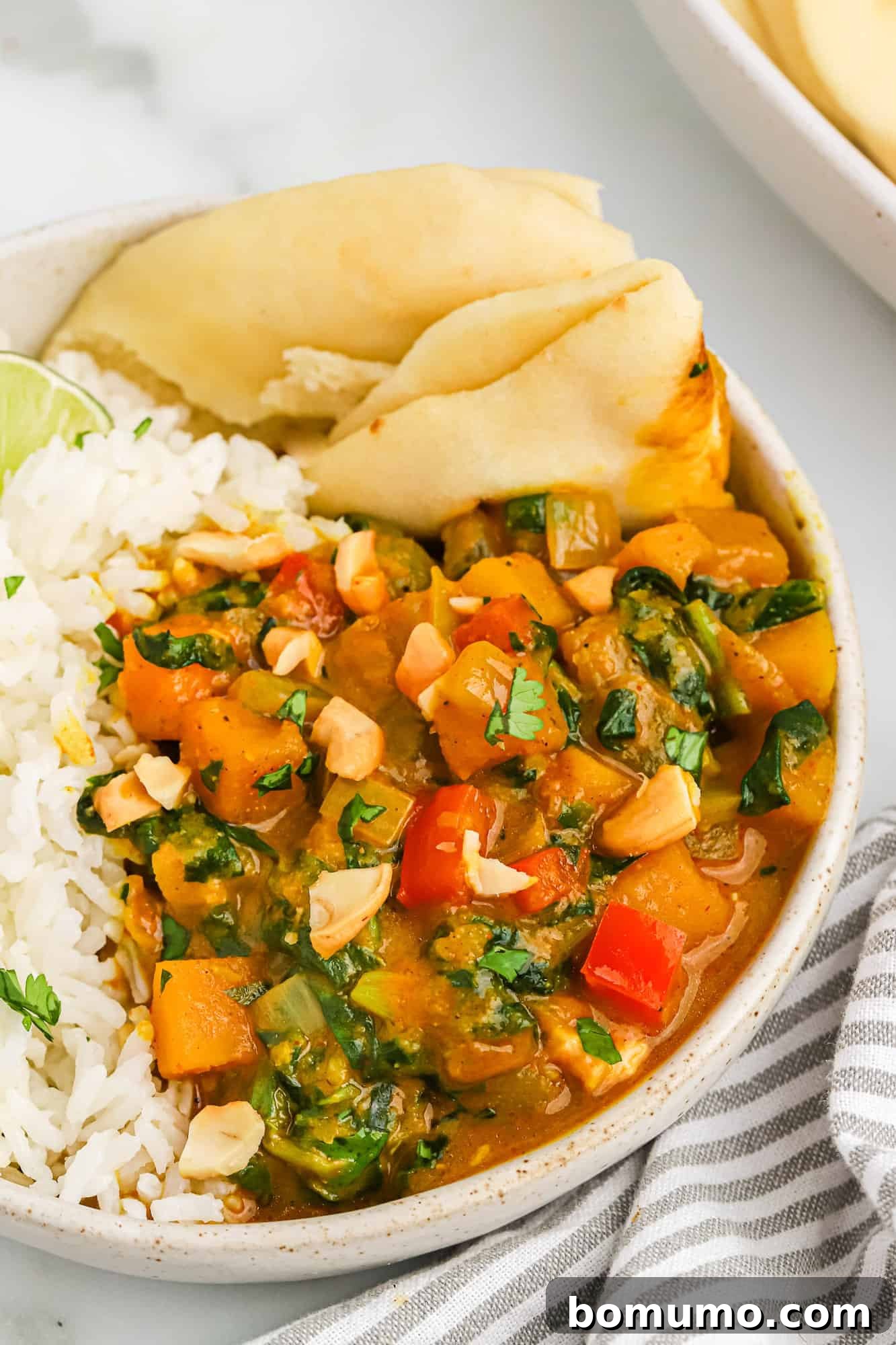
Do you, like many home cooks, find yourself captivated by the autumnal bounty of butternut squash, perhaps purchasing more than you initially planned? As the seasons change and farm markets overflow with this delightful winter squash, it’s easy to get carried away by the sheer number of culinary possibilities it presents. From comforting creamy squash soups and savory roasted squash dishes to hearty stuffed squash creations, the versatility of butternut squash is truly remarkable. It’s a culinary chameleon that seamlessly adapts to a myriad of flavors and cooking styles.
My own collection of butternut squash recipes stands testament to its popularity, with over a dozen unique ways to enjoy it, and the list is constantly growing! So, when I recently discovered a couple of these robust winter squash still patiently waiting in my pantry, a new idea immediately sparked: why not craft a vibrant, warming vegetable curry centered around the luscious butternut squash?
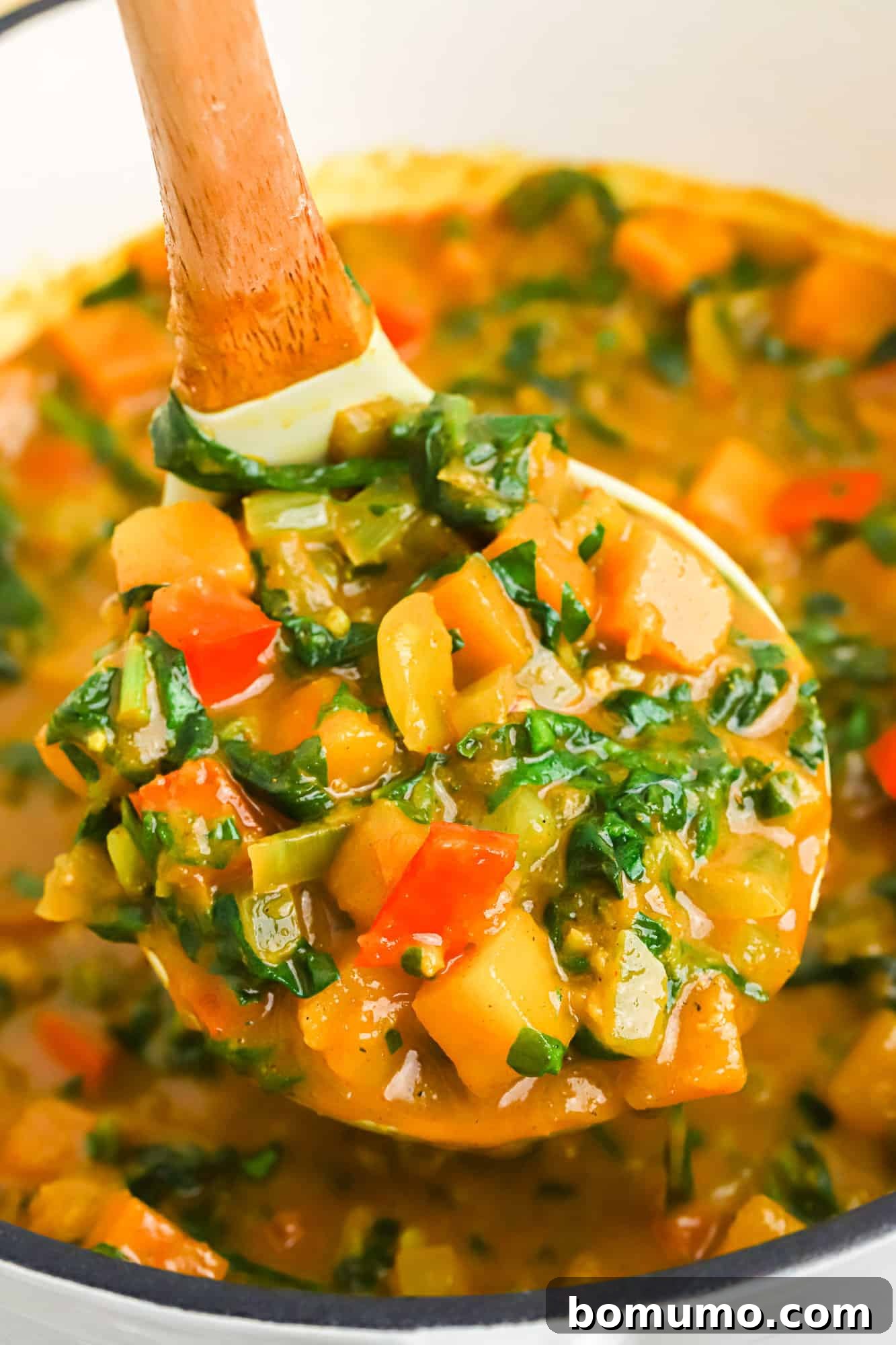
Butternut squash proves to be an ideal companion for a rich and aromatic red coconut curry sauce. Infused with generous amounts of fresh ginger and fragrant garlic, and brightened by a substantial helping of tender spinach, this curry recipe delivers a truly exceptional flavor experience. It’s a dish that not only warms you from the inside out but also nourishes your body with its abundance of wholesome ingredients.
Why This Butternut Squash Curry Deserves a Spot in Your Recipe Repertoire
This Butternut Squash Curry isn’t just another meal; it’s a culinary journey packed with flavor, health benefits, and a surprising ease of preparation. Here’s why this recipe is destined to become a staple in your kitchen:
- A Nutritional Powerhouse: Butternut squash is a true gift from nature, brimming with essential nutrients. It’s an excellent source of Vitamin A, crucial for vision and immune function, and dietary fiber, which aids digestion and promotes satiety. Additionally, it’s loaded with powerful antioxidants that help combat free radicals and support overall well-being. This curry offers a delicious way to boost your immune system, especially during the colder months, helping you ward off seasonal ailments with every comforting bite. Eating well has never tasted so good!
- Explosion of Spicy and Savory Flavors: Forget the notion that healthy eating has to be bland. This vegetable curry is a symphony of flavors that will awaken your taste buds. The interplay of sweet butternut squash, spicy red curry, aromatic ginger, and garlic, all mellowed by creamy coconut milk, creates a deeply satisfying and exciting profile. Each spoonful delivers a harmonious blend of sweet, savory, and subtly spicy notes, guaranteeing a vibrant dining experience.
- Effortless Elegance on Your Table: Despite its impressive flavor and gourmet appeal, this butternut squash curry is surprisingly uncomplicated to prepare. While some chopping and measuring are involved, the process is straightforward and manageable for cooks of all skill levels. You can have this exquisite, homemade curry ready and on your table in approximately 45 minutes, with about 15 minutes of that being hands-off simmering time. This allows you to relax and enjoy the enticing aromas filling your kitchen while dinner practically cooks itself. It’s the perfect weeknight meal that feels special enough for guests.

Smart Tip: Preserving Leftover Tomato Paste
Many recipes, including this delightful curry, call for only a small amount of tomato paste, often leaving you with a partially used can. To prevent food waste and ensure you always have this concentrated flavor booster on hand, I highly recommend freezing the remainder. A practical method is to spoon the leftover paste into 2-tablespoon portions—either into an ice cube tray, a silicone mold, or small, snack-sized resealable bags. Once frozen solid, transfer the portions to a larger freezer-safe bag or container for long-term storage. This makes future meal prep incredibly convenient, as the frozen portions thaw quickly and are perfectly sized for adding a rich umami depth to your next recipe.
Essential Ingredients for Your Butternut Squash Curry
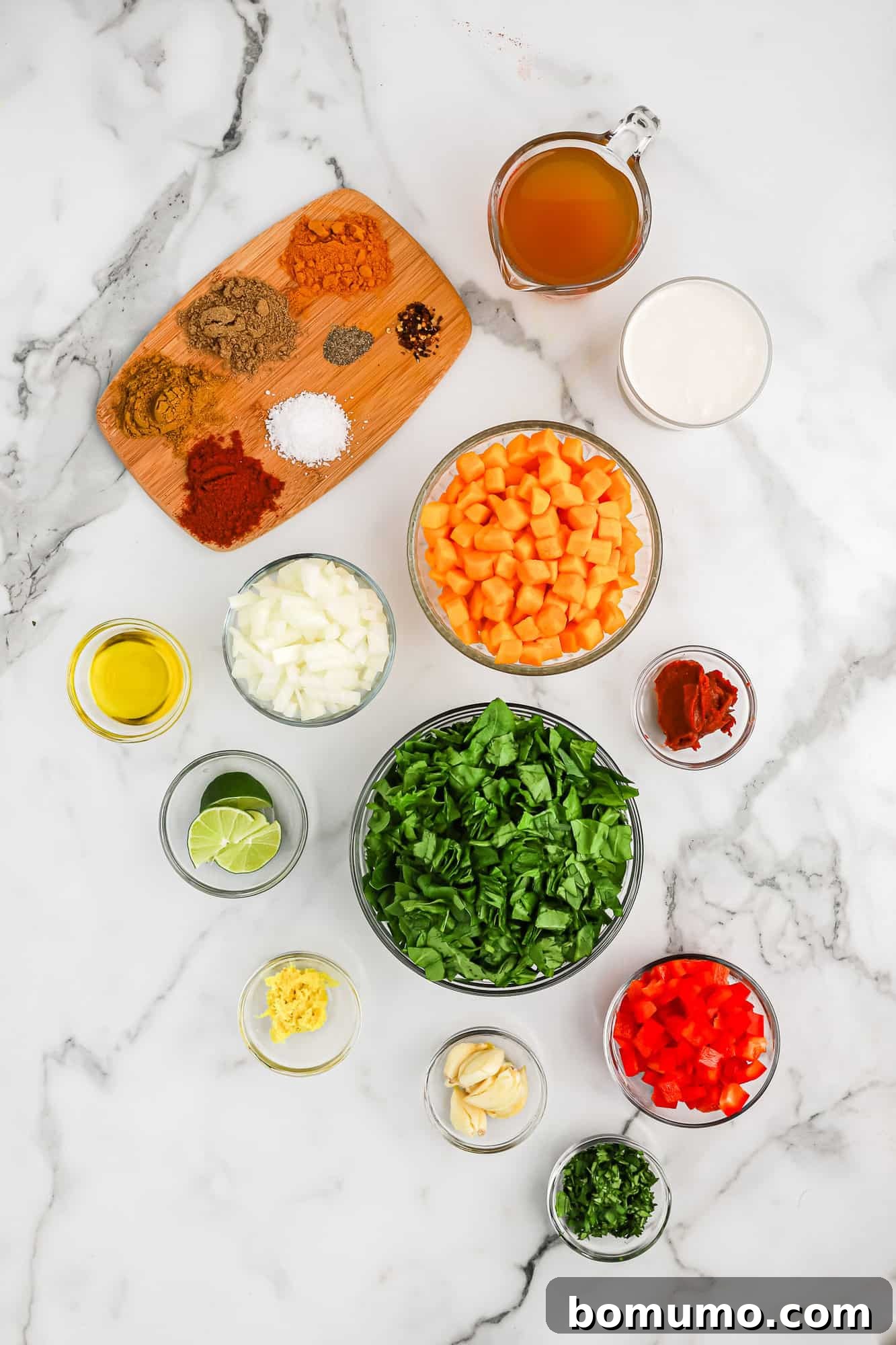
Crafting the perfect butternut squash curry starts with selecting high-quality ingredients. Here’s a closer look at what you’ll need and some helpful tips for each component:
- Butternut Squash: The star of our dish! This classic winter squash is easily identifiable by its light tan skin and distinctive bell shape. When selecting, aim for a squash that weighs approximately 2 pounds. Choose one that feels heavy for its size and has a smooth, unblemished surface. Butternut squash provides a naturally sweet and nutty flavor, along with a creamy texture when cooked, making it an ideal base for curry.
- Aromatic Foundation: Onion, Red Bell Pepper, and Garlic: This classic trio forms the aromatic base of our curry, infusing it with layers of savory flavor and a wealth of nutrients. Any large onion variety will work beautifully, offering a sweet counterpoint to the spices. For the bell pepper, while red offers the best sweetness and color, feel free to substitute with green, yellow, or orange bell peppers based on preference and availability. The recipe calls for six cloves of garlic, ensuring a robust, pungent flavor that is quintessential to a great curry.
- Fresh Ginger Root: Found in the produce section of most grocery stores, fresh ginger root is recognizable by its light brown, gnarled appearance and thick, smooth skin. Its warm, spicy, and slightly sweet notes are indispensable in Asian and Indian cooking. To prepare, you can easily peel ginger using a sharp paring knife, the edge of a spoon (which is excellent for getting into nooks and crannies), or a standard vegetable peeler. Grate it finely for optimal flavor dispersion.
- Exotic Spice Blend: Garam Masala, Coriander, Turmeric, Paprika, Red Pepper Flakes, and Black Pepper: These aren’t just spices; they are the heart and soul of this curry, delivering warmth, depth, and vibrant color.
- Garam Masala: A fragrant blend of ground spices, commonly used in Indian cuisine, known for its warm and aromatic profile.
- Ground Coriander: Offers a mild, citrusy, and earthy note that complements the other spices beautifully.
- Ground Turmeric: Provides the curry with its signature golden hue and a subtly earthy flavor, along with powerful anti-inflammatory properties.
- Sweet Paprika: Adds a sweet, smoky, and mild peppery flavor, enhancing the overall depth of the curry.
- Red Pepper Flakes: Introduce a delightful kick of heat, which you can adjust to your preferred spice level.
- Kosher Salt & Ground Black Pepper: Essential for seasoning and balancing all the flavors.
- Tomato Paste: Just a couple of tablespoons of this concentrated tomato goodness adds a profound depth of umami and a hint of tanginess to the curry. Opt for no-salt-added tomato paste to better control the overall sodium content of your dish.
- Vegetable Broth: The liquid foundation that helps simmer the squash and build the sauce. Always choose a low-sodium vegetable broth to maintain control over the saltiness. For non-vegetarian or non-vegan dietary preferences, chicken broth can be a suitable substitute.
- Coconut Milk: The key to the curry’s signature creamy texture and subtly sweet, tropical flavor. Coconut milk creates a luxurious, fragrant sauce that perfectly balances the spices. Look for shelf-stable canned coconut milk, available in both regular (full-fat) and light varieties, depending on your dietary preferences.
- Baby Spinach: These tender, nutrient-rich leaves cook down almost instantly, adding a beautiful color and a mild, earthy freshness to the curry right before serving. It’s an easy way to incorporate more greens into your meal.
- Fresh Cilantro: A generous handful of freshly minced cilantro stirred in at the end, and perhaps a few sprigs for garnish, brightens the entire dish. While often associated with Mexican cuisine, cilantro (also known as coriander leaves) is a widely used and cherished herb in Indian curries, adding a burst of fresh, herbaceous flavor.
- Fresh Lime Juice: A final squeeze of fresh lime juice is crucial. Its bright, acidic notes cut through the richness of the coconut milk and spices, preventing the curry from feeling too heavy and adding a zesty, refreshing finish.
- Rice, for Serving: The perfect canvas for soaking up every drop of this delicious curry. You have several excellent choices:
- Long Grain White Rice, Jasmine, or Basmati Rice: These aromatic varieties complement the curry beautifully.
- Yellow Rice: Its mild seasoning and vibrant color make it another fantastic option.
- Brown Rice: A more nutritious, whole-grain alternative, offering a chewier texture.
- Cauliflower Rice: An excellent low-carb option for those watching their carbohydrate intake.
- Cooked Quinoa: For an added protein boost and a complete meal.

Recommended Tool: The Right Vegetable Peeler
When tackling a tough winter squash like butternut, having the right tools makes all the difference. A high-quality, sharp vegetable peeler is indispensable for safely and efficiently removing its hard skin. Look for a peeler that features a comfortable, ergonomic handle for a secure grip and incredibly sharp blades that glide through the squash with minimal effort. This small investment will significantly ease your prep time and make cooking with winter squash a much more enjoyable experience.
Beyond a quality peeler, a few other kitchen essentials will streamline your curry-making process:
- A Large, Sharp Chef’s Knife: Essential for safely and efficiently dicing and cubing the butternut squash, as well as preparing other vegetables. Pair it with a stable cutting surface, such as a sturdy wooden or composite cutting board, to ensure safety and precision during prep.
- A Spacious Covered Pan or Dutch Oven: A Dutch oven is an ideal choice for this recipe, as its heavy bottom provides even heat distribution, preventing sticking and ensuring a gentle simmer. Its tight-fitting lid is crucial for trapping moisture and allowing the squash to cook perfectly. If you don’t own a Dutch oven, a 5 to 6-quart stockpot with a lid will serve as an excellent alternative.
Step-by-Step Guide: How to Craft This Exquisite Butternut Squash Curry
Creating this flavorful butternut squash curry is a rewarding process. Follow these detailed steps to ensure a perfect, aromatic dish every time:
1. Prepare Your Ingredients for a Smooth Cooking Process
The key to stress-free cooking is “mise en place”—having all your ingredients prepped and ready before you start heating the pan. Begin by meticulously peeling and cubing your butternut squash. Then, chop the onion and red bell pepper, mince the garlic, and grate the fresh ginger root. Measure out all your dry spices—garam masala, coriander, turmeric, paprika, salt, red pepper flakes, and black pepper—and set them aside in a small bowl. Finally, open your cans of tomato paste and coconut milk, and measure your vegetable broth. This organized approach ensures a seamless and enjoyable cooking experience.
2. Start Your Rice Simultaneously
To ensure your curry and rice are ready at the same time, it’s a smart move to begin cooking your preferred rice now. Whether you’re using a rice cooker, stovetop method, or even an Instant Pot, starting it early allows it to cook and then gently steam, keeping warm until your curry is finished. If time is of the essence, pre-cooked microwaveable rice bags are a fantastic shortcut. For consistent perfection, consider making jasmine rice in your Instant Pot.
3. Sauté the Foundation: Onions and Bell Peppers
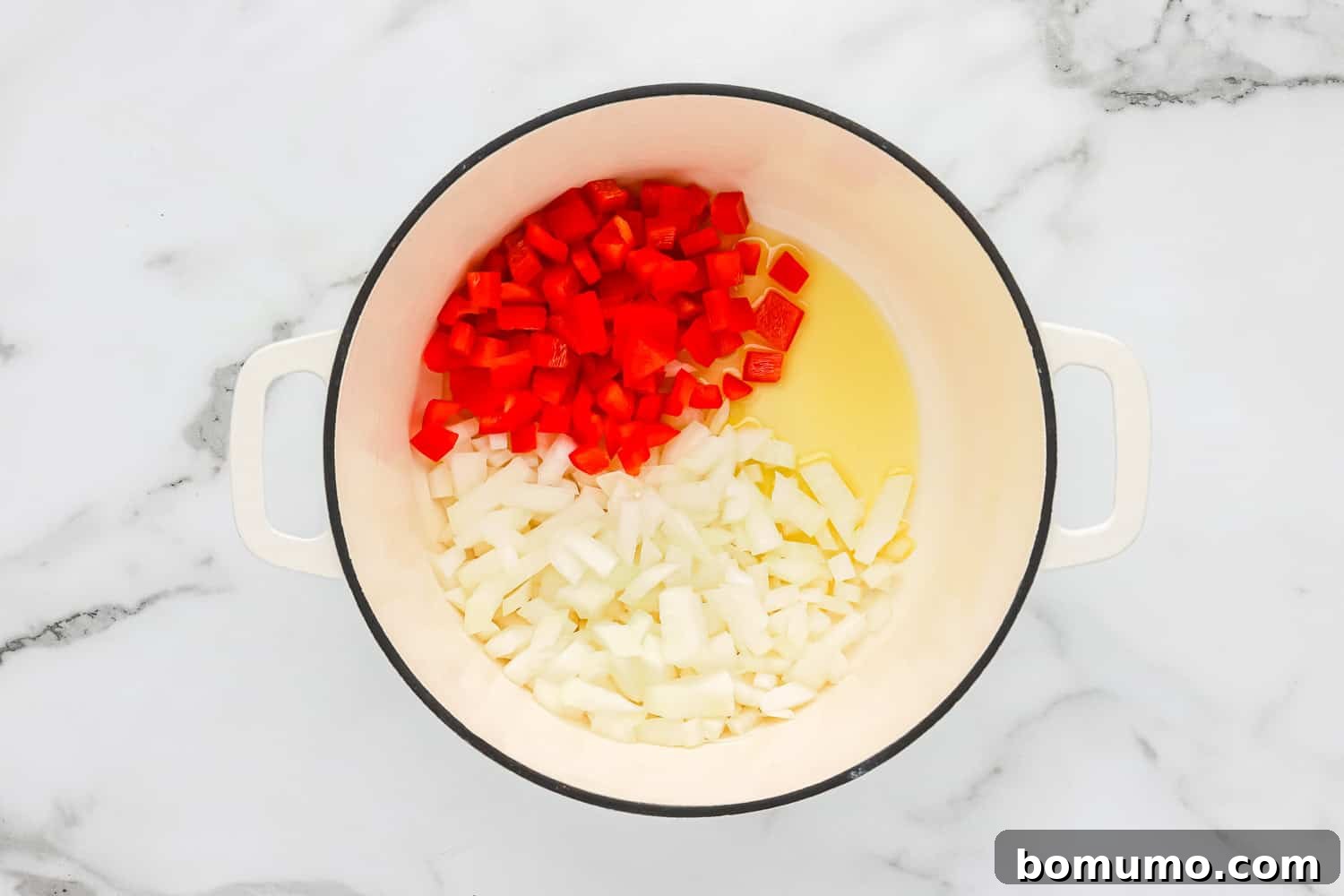
Heat two tablespoons of olive oil in your large Dutch oven or stockpot over medium heat. Once the oil shimmers, add the chopped onions and red bell pepper. Sauté, stirring occasionally, for about 5 to 7 minutes, or until the vegetables have softened and the onions become translucent. This initial sautéing step is crucial for building a flavorful base for your curry.
4. Infuse with Aromatics and Spices
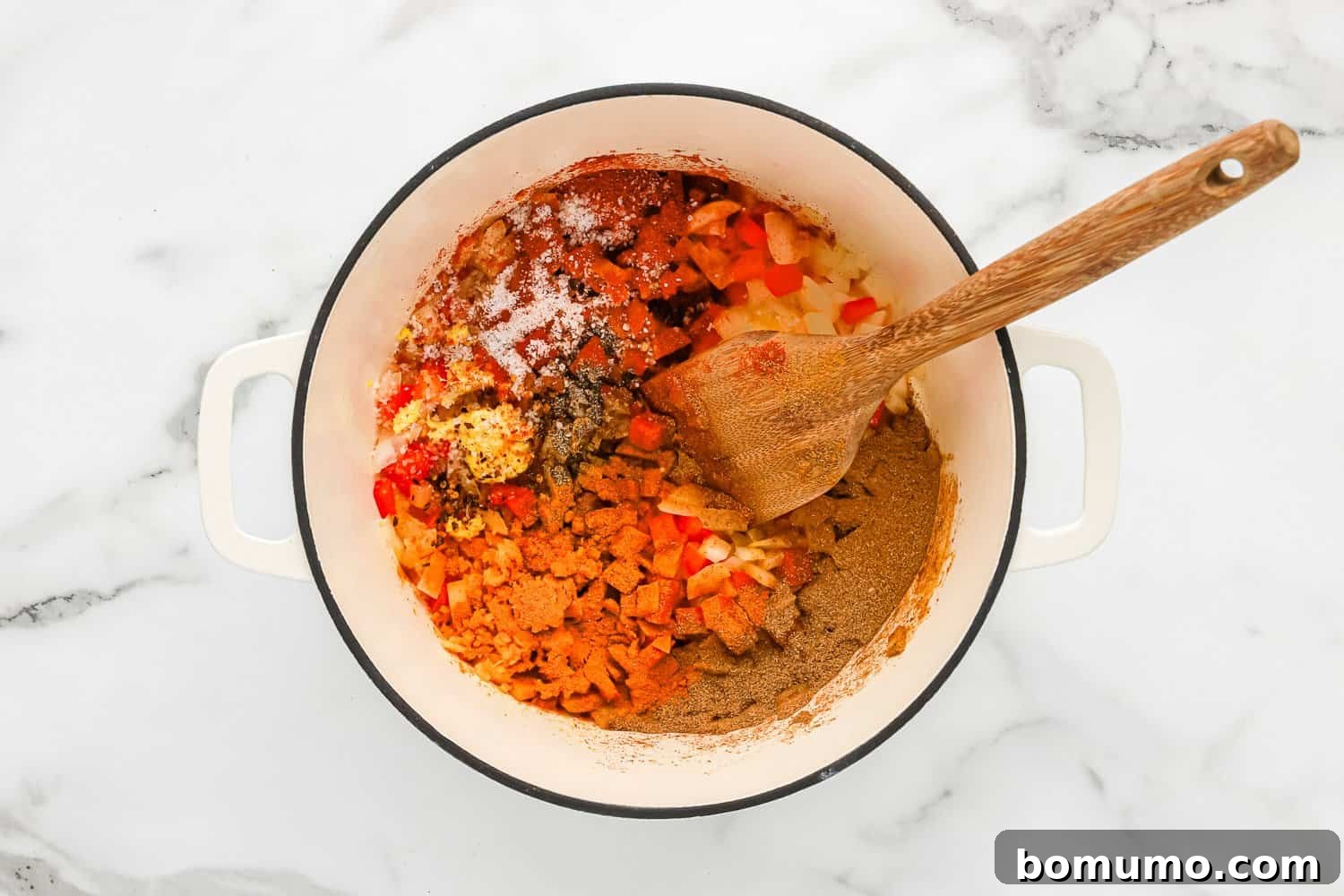
Once the onions and bell peppers are tender, add the pressed garlic, grated fresh ginger, and your measured dry spices (garam masala, coriander, turmeric, paprika, salt, red pepper flakes, and black pepper) to the pan. Stir constantly for about 2 minutes. During this stage, the kitchen will fill with incredibly fragrant aromas as the garlic and ginger release their pungent notes, and the spices gently toast, intensifying their complex flavors. Be careful not to burn the garlic.
5. Incorporate the Tomato Paste
Next, stir in the two tablespoons of no-salt-added tomato paste. Continue stirring for another minute, ensuring that the rich, concentrated tomato paste thoroughly coats all the sautéed vegetables and spices in the pan. This step adds a crucial layer of umami depth and a subtle tanginess that rounds out the curry’s flavor profile.
6. Add Butternut Squash, Broth, and Coconut Milk
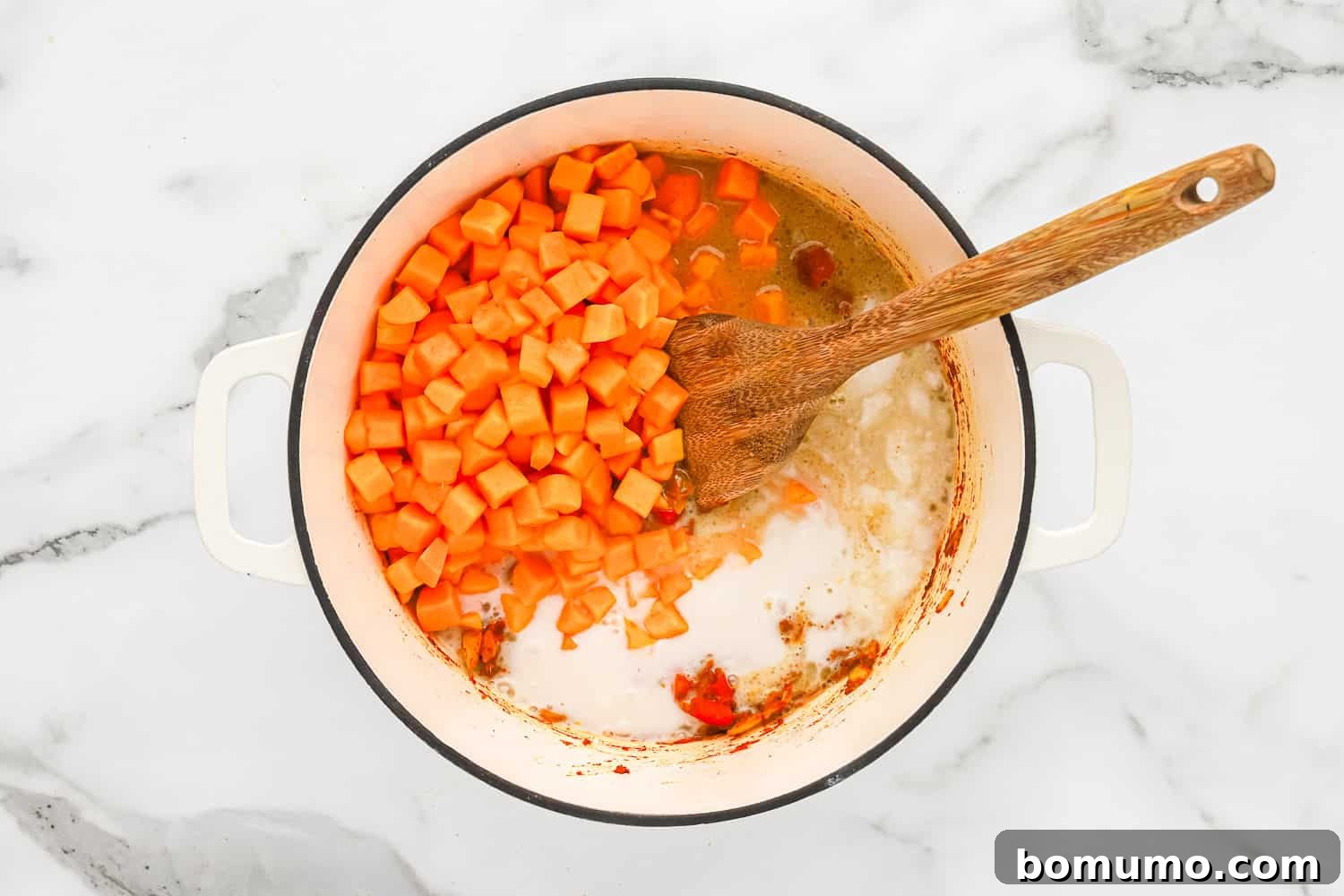
Now, it’s time to introduce the cubed butternut squash, along with the low-sodium vegetable broth and the full can of creamy coconut milk. Give all the ingredients a thorough stir, making sure everything is well combined and the squash is submerged in the aromatic liquid.
7. Simmer to Perfection
Increase the heat slightly to bring the curry mixture to a gentle simmer. Once simmering, reduce the heat to low, cover the pan tightly with its lid, and allow the curry to cook for approximately 15 minutes. This simmering period is essential for the flavors to meld beautifully and for the butternut squash to become wonderfully tender and infused with the rich sauce. The sauce will also thicken slightly as it simmers.
Expert Tip: Checking for Butternut Squash Tenderness
Knowing when your butternut squash is perfectly cooked is key to avoiding a mushy texture. To check for doneness, simply pierce a couple of the squash cubes with a fork. The fork should slide in with very little resistance, indicating that the squash is tender but still holding its shape. Be mindful not to overcook the squash, as it can quickly become too soft and break apart, diminishing the texture of your curry. Aim for tender-crisp perfection!
8. Wilt in the Fresh Spinach
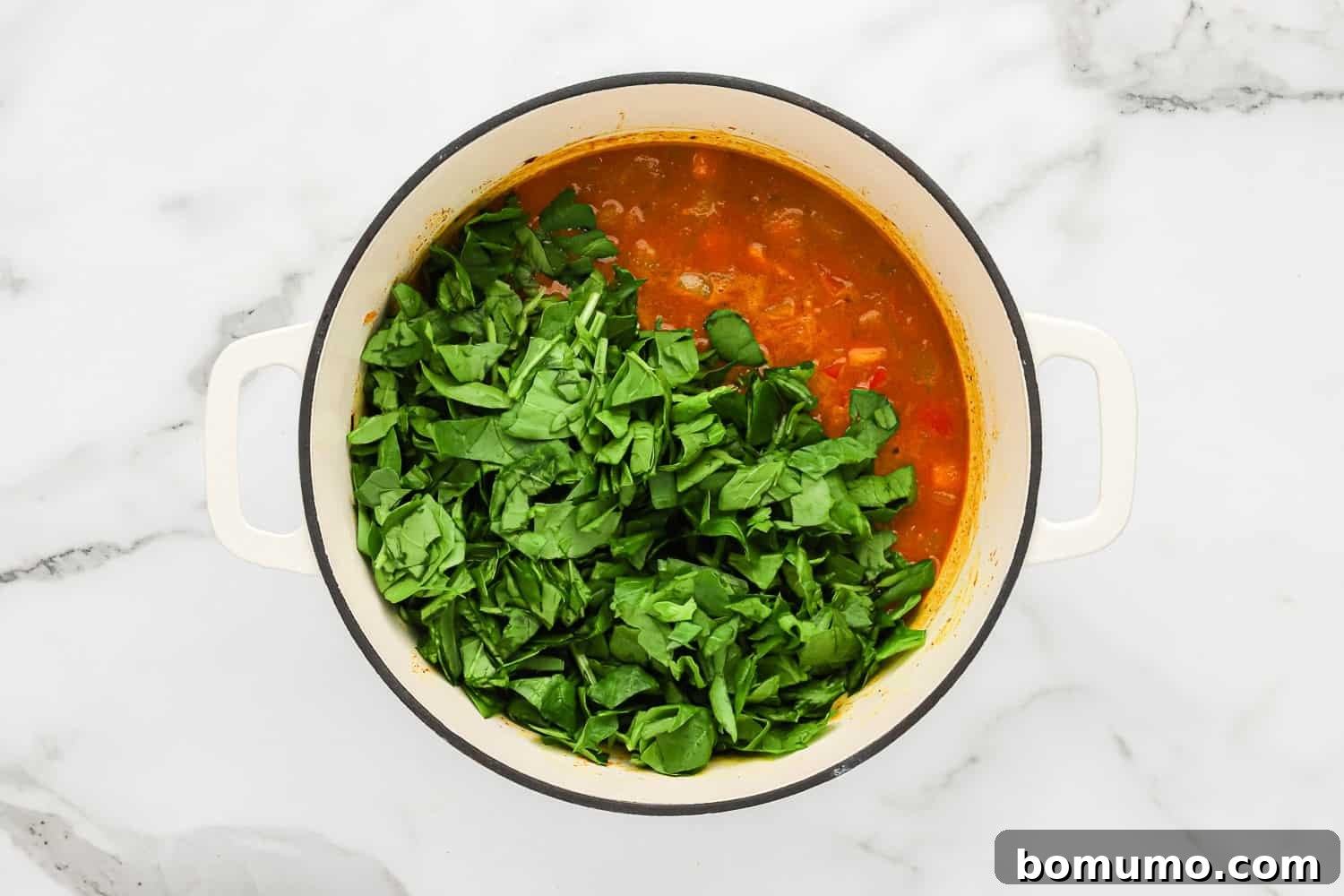
By now, your kitchen will be filled with the irresistible aroma of a truly delicious curry. Remove the lid and add the 5 ounces of baby spinach to the pot. It might look like a mountain of greens at first, but don’t worry—spinach wilts incredibly quickly when it comes into contact with the hot curry sauce. Stir it in gently until it has fully softened and shrunk down into the curry, which should only take a minute or two.
9. Final Touches: Garnish and Serve
To finish your masterpiece, stir in the fresh lime juice and minced cilantro. The lime juice provides a bright, zesty counterpoint that prevents the rich curry from feeling too heavy, while the cilantro adds a burst of fresh, herbaceous flavor. If you wish, reserve a few sprigs of cilantro and some lime wedges to elegantly garnish individual servings, adding a professional touch.
10. Present Your Delicious Meal
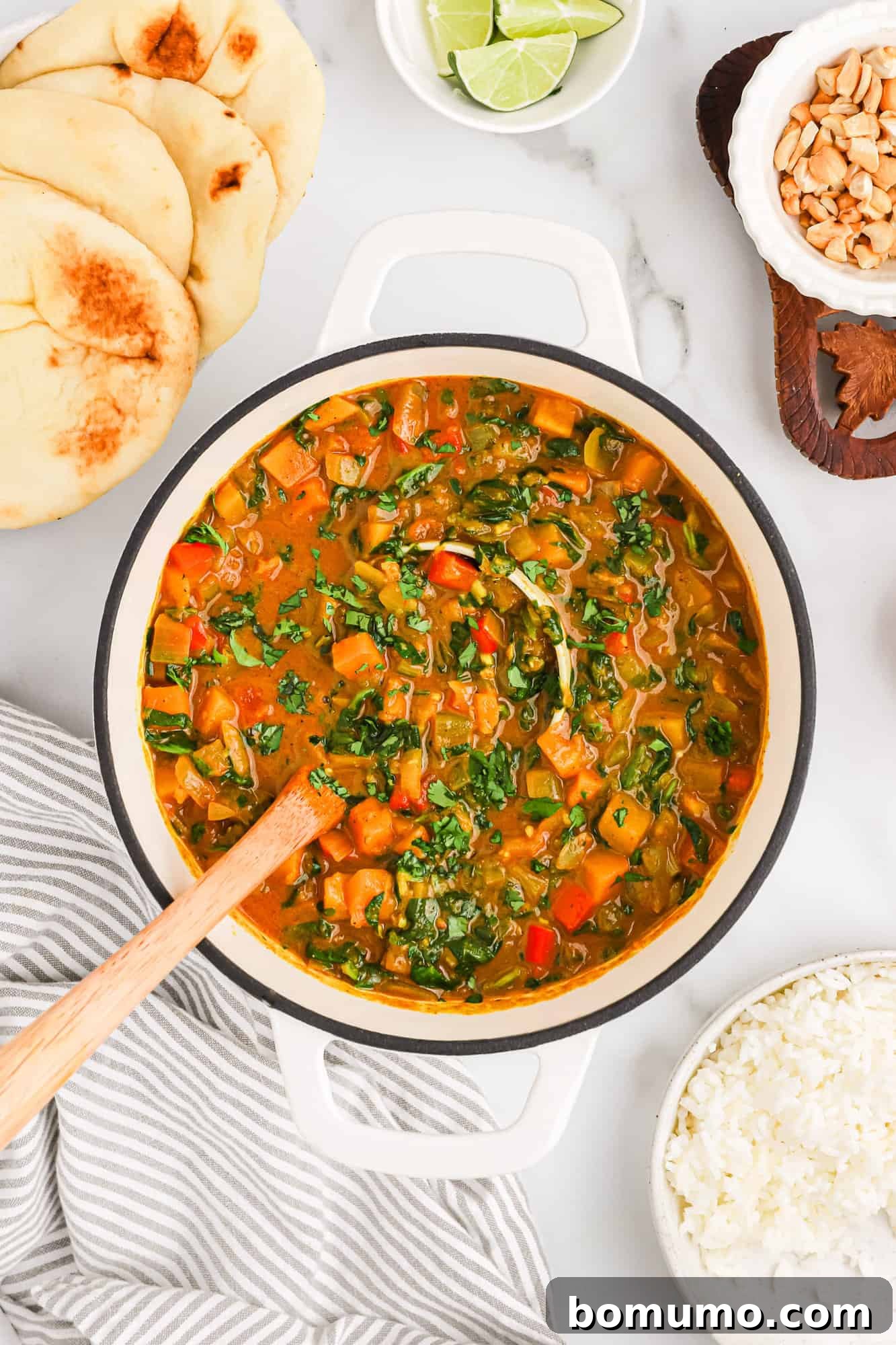
Serve your steaming hot butternut squash curry generously over a bed of fragrant rice. To complete this delightful meal, consider offering warm flatbread, such as fluffy naan, on the side for dipping into the luscious sauce. For an extra layer of texture and flavor, a sprinkle of chopped cashews and additional fresh cilantro can be added as a garnish.

After savoring this satisfying and wholesome dinner, you might still have room for a sweet treat! Why not round off your meal with these incredibly easy-to-make classic blondies? Topped with a generous scoop of creamy no-churn vanilla bean ice cream and drizzled with a rich caramel sauce or decadent hot fudge, they offer a truly fabulous and indulgent conclusion to an already perfect dinner.
Diving Deeper: Everything You Need to Know About Butternut Squash
Butternut squash is more than just a delicious ingredient; it’s a versatile and nutritious winter staple with unique characteristics. Understanding these can enhance your cooking experience and expand your culinary repertoire.
Handling the Peel: To Peel or Not to Peel?
As a member of the winter squash family, butternut squash boasts a tough, inedible peel. Unlike its summer squash cousins, this skin remains hard even after cooking and must be removed before consumption for most applications. The good news is, peeling butternut squash is a straightforward task. You can use a sturdy vegetable peeler or a sharp paring knife to carefully remove the outer layer. Once peeled, the vibrant orange flesh can be cubed for roasting, simmered into a delightful soup, blended into a creamy curry like this one, or even prepared quickly in an air fryer. For more creative ways to utilize this ingredient, explore my extensive collection of winter squash recipes.
Alternative Cooking Methods for Butternut Squash
While peeling and cubing is common, not all cooking methods necessitate this step. One of the simplest ways to prepare butternut squash is by baking it whole or in halves. Simply cut the squash lengthwise, scoop out the seeds, and bake until tender. The cooked flesh can then be effortlessly scooped out of its shell. Alternatively, you can utilize the baked halves as edible bowls, filling them with savory mixtures such as a wholesome blend of bacon, quinoa, and kale, as seen in my stuffed butternut squash recipe. To master various techniques, consult my informative guide on how to cook butternut squash four different ways.
The Curious Case of “Squash Hands”
Have you ever noticed a peculiar, slimy, or sticky residue on your hands after cutting butternut squash or other winter squashes like pumpkins? This common phenomenon, affectionately dubbed “squash hands,” can leave your skin feeling strange and dry once it evaporates. This sap-like substance is actually a natural defense mechanism of the squash. According to Southern Living, this protective film helps the squash “heal” itself if it gets nicked or cut, forming a scab-like coating. While completely harmless, it can be quite bothersome. Fortunately, vigorous hand washing with soap and water usually resolves the issue. If you find it particularly irritating or wish to avoid it entirely, wearing food-safe gloves while prepping squash is an effective solution.
Easy Variations to Customize Your Butternut Squash Curry
This butternut squash curry recipe is incredibly versatile and can be easily adapted to suit your preferences or what you have on hand. Don’t hesitate to get creative with these delicious variations:
- Boost the Protein Content: To make this an even more substantial meal, consider adding your favorite protein. Firm baked tofu or crispy air fryer tofu are excellent plant-based additions. You could also stir in a can of drained chickpeas for added fiber and protein. For those who enjoy meat, sautéed chicken pieces or shrimp can be incorporated. If adding protein, sauté it first in a separate pan or in the Dutch oven before adding the aromatics, then set aside and stir it back into the curry just before serving to ensure it doesn’t overcook.
- Curry Powder Shortcut: If you prefer to use a pre-mixed spice blend or are short on individual spices, a good quality curry powder can be a convenient substitute for the ground spices listed in the recipe (garam masala, coriander, turmeric, paprika, red pepper flakes). Start with a tablespoon and adjust to your taste, adding more if you desire a stronger curry flavor.
- Sweet Potato Swap: If butternut squash is out of season or unavailable, sweet potatoes make an excellent alternative. Their natural sweetness and creamy texture are a perfect match for the rich curry sauce. Simply substitute two pounds of cubed sweet potatoes for the butternut squash in the recipe.
- Explore More Vegetarian Delights: If you loved this butternut squash curry and are eager for more satisfying meatless meals, I highly recommend trying these other flavorful recipes:
- Vegetarian Curry with Cauliflower & Chickpeas: Another hearty and aromatic curry option.
- Moroccan Stew with Butternut Squash and Chickpeas: A North African-inspired dish offering a different spice profile with similar comforting qualities.
Meal Planning: Make-Ahead Suggestions
Meal Planning: Make-Ahead Suggestions
Preparing components of your butternut squash curry in advance can significantly reduce cooking time on busy weeknights. To get a head start, you can peel and cube the butternut squash up to a few days prior to cooking. Store the prepared squash in an airtight container or a resealable bag in the refrigerator. Similarly, measure out all your dry spices and store them together in a small, sealed container. This simple “mise en place” strategy allows for quicker assembly when you’re ready to cook, making this delicious curry an even more convenient meal option.
Storage & Reheating Instructions
Storage & Reheating Instructions
Proper storage and reheating ensure that you can enjoy the deliciousness of your butternut squash curry for days to come, minimizing waste and maximizing convenience.
- Refrigeration: Any leftover curry should be transferred to an airtight container and refrigerated promptly. For best results and to maintain texture, it is advisable to store the curry separately from any cooked rice. Properly stored, the curry will remain fresh and delicious for three to four days.
- Reheating:
- Microwave Method: For individual servings, place the curry in a microwave-safe bowl. Reheat at 50% power in 30-second intervals, stirring in between, until it is thoroughly heated through. This gentle approach helps prevent overcooking and preserves the curry’s creamy texture.
- Stovetop Method: For larger quantities, transfer the curry to a skillet or saucepan. Reheat over medium heat, stirring occasionally, until it reaches your desired temperature. If the sauce appears too thick during reheating, you can add a splash of vegetable broth or water to achieve the perfect consistency.

Unlock Your Free Weekly Meal Plan!
Are you constantly searching for fresh, wholesome, and easy-to-prepare meal ideas? Imagine having your entire week of dinners thoughtfully planned out for you, complete with a categorized grocery list to simplify your shopping. If you’re intrigued, take a moment to explore my Meal Plan #6, which proudly features this very Butternut Squash Curry recipe! This comprehensive plan provides a delicious and balanced recipe for each weekday, designed to minimize stress and maximize enjoyment in the kitchen. We consistently update our collection with new meal plans weekly, so you’ll always have fresh inspiration at your fingertips. Let us take the planning off your plate this week!
Explore More Delightful Vegetarian Meals
Wholesome Vegetarian Quinoa Chili with Black Beans
One-Pan Gnocchi with Kale & Sun-Dried Tomatoes
Hearty Lentil Soup Recipe with Pasta
Creative Pizza Stuffed Spaghetti Squash
Creamy Butternut Squash Curry

Ingredients
- 2 tablespoons olive oil
- 2 cups chopped onion (1 large onion)
- 1 cup chopped red bell pepper (1 pepper)
- 6 cloves garlic, pressed
- 2 tablespoons finely grated peeled fresh ginger root
- 1 tablespoon garam masala
- 1 tablespoon ground coriander
- 1 tablespoon ground turmeric
- 2 teaspoons sweet paprika
- 1 ½ teaspoons kosher salt
- ¼ teaspoon red pepper flakes
- ¼ teaspoon ground black pepper
- 2 tablespoons no-salt-added tomato paste
- 4 cups cubed (½ inch) peeled butternut squash (about 2 pounds)
- 1 cup low sodium vegetable broth
- 1 can (15 oz.) coconut milk
- 5 oz. baby spinach, roughly chopped (about 5 cups)
- 2 tablespoons fresh lime juice (see note)
- ¼ cup minced fresh cilantro, more for serving
- cooked rice, chopped cashews and fresh cilantro leaves, for serving
Instructions
-
Heat 2 tablespoons of olive oil in a large Dutch oven over medium heat. Add the chopped onion and red bell pepper and cook, stirring occasionally, until translucent and softened, which typically takes 5 to 7 minutes.
-
Stir in the pressed garlic, finely grated ginger root, garam masala, ground coriander, ground turmeric, sweet paprika, kosher salt, red pepper flakes, and ground black pepper. Continue to cook, stirring constantly, for 2 minutes to allow the spices to bloom and become fragrant.
-
Add the 2 tablespoons of no-salt-added tomato paste to the mixture. Cook, stirring continuously for 1 minute, ensuring the tomato paste thoroughly coats the onions and spices, adding a rich depth of flavor.
-
Introduce the 4 cups of cubed butternut squash, 1 cup of low sodium vegetable broth, and 1 can (15 oz.) of coconut milk to the pot. Stir well to combine all ingredients. Bring the mixture to a gentle simmer, then reduce the heat to low. Cover the pan and let it simmer for approximately 15 minutes, or until the butternut squash is tender and the sauce has slightly thickened.
-
Stir in the 5 oz. of roughly chopped baby spinach. Continue stirring occasionally until the spinach has completely wilted into the curry. Finally, stir in the 2 tablespoons of fresh lime juice and ¼ cup of minced fresh cilantro. (As an alternative, you can omit the lime juice and serve the curry with fresh lime or lemon wedges on the side for guests to squeeze over their individual servings.)
-
Serve the butternut squash curry immediately over steaming cooked rice. Garnish each serving with additional fresh cilantro and a sprinkle of chopped cashews, if desired, for extra flavor and crunch.
Notes
- Protein Enhancement: To add more protein to your curry, you can incorporate tofu, chicken, or shrimp. If using, sauté your chosen protein in the olive oil first until cooked through. Remove it from the pan, then proceed with the recipe instructions. Stir the cooked protein back into the curry just before serving to prevent overcooking and ensure optimal texture. For plant-based options, baked or air-fried tofu, or chickpeas, are excellent choices.
- Storage Recommendations: For maximum freshness, any leftover butternut squash curry should be promptly refrigerated in an airtight container. It is highly recommended to store the curry separately from any cooked rice you might have. When stored correctly, the curry will maintain its delicious flavor and quality for three to four days.
- Reheating Guide:
- Microwave: For individual portions, place the curry in a microwave-safe bowl. Reheat at 50% power in 30-second increments, stirring after each interval, until the curry is heated through to your desired temperature.
- Stovetop: For larger quantities, transfer the curry to a skillet or saucepan. Reheat over medium heat, stirring occasionally, until it is hot throughout. If the curry seems too thick, you can add a small amount of vegetable broth or water to reach your preferred consistency.
- Nutrition Information: The provided nutrition breakdown is calculated exclusively for the curry itself and does not include any rice or other accompaniments served alongside. Please consider this when planning your meal.
Video Guide
Nutrition Facts (Per Serving)
Calories: 424 kcal,
Carbohydrates: 38 g,
Protein: 8 g,
Fat: 31 g,
Saturated Fat: 21 g,
Polyunsaturated Fat: 1 g,
Monounsaturated Fat: 6 g,
Sodium: 994 mg,
Potassium: 1335 mg,
Fiber: 8 g,
Sugar: 10 g,
Vitamin A: 20097 IU,
Vitamin C: 101 mg,
Calcium: 172 mg,
Iron: 7 mg
Please note: Nutrition information is automatically calculated and should be considered an approximation.