
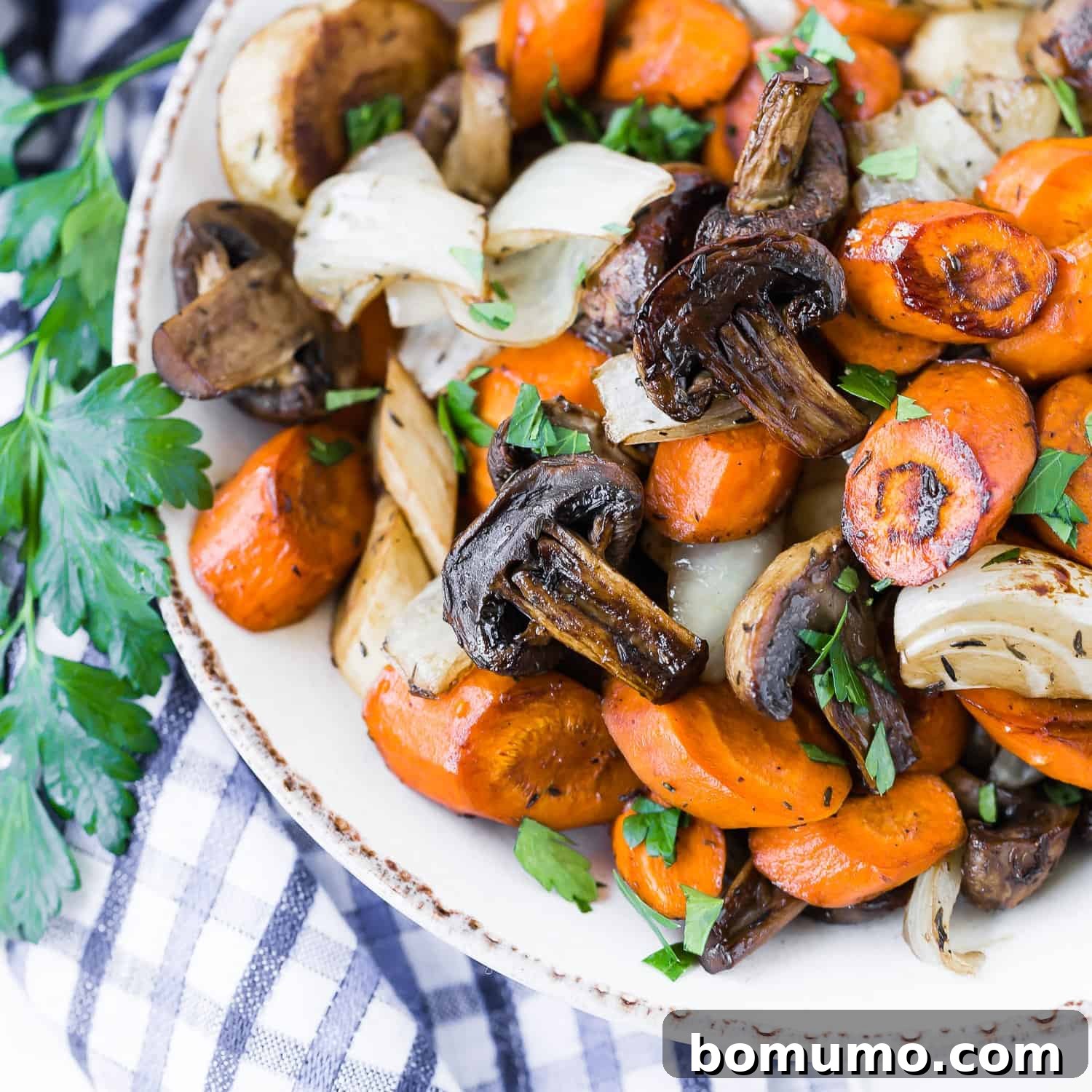
Easy balsamic roasted vegetables are a true culinary delight, offering a vibrant burst of flavor and a touch of elegance to any meal. This incredibly versatile dish transforms humble vegetables into an irresistible treat, making it a staple for both everyday cooking and special occasions. The beauty lies in its simplicity and adaptability – you can effortlessly use whatever fresh vegetables you have on hand, ensuring minimal waste and maximum enjoyment.
Recipe Overview
Why you’ll love it: Plain vegetables are easily transformed into a special, gourmet-like treat with minimal effort.
How long it takes: Approximately 1 hour from start to finish, including prep time.
Equipment you’ll need: A large mixing bowl for tossing and a sturdy sheet pan for roasting.
Servings: This recipe generously serves 6, perfect for family dinners or entertaining guests.
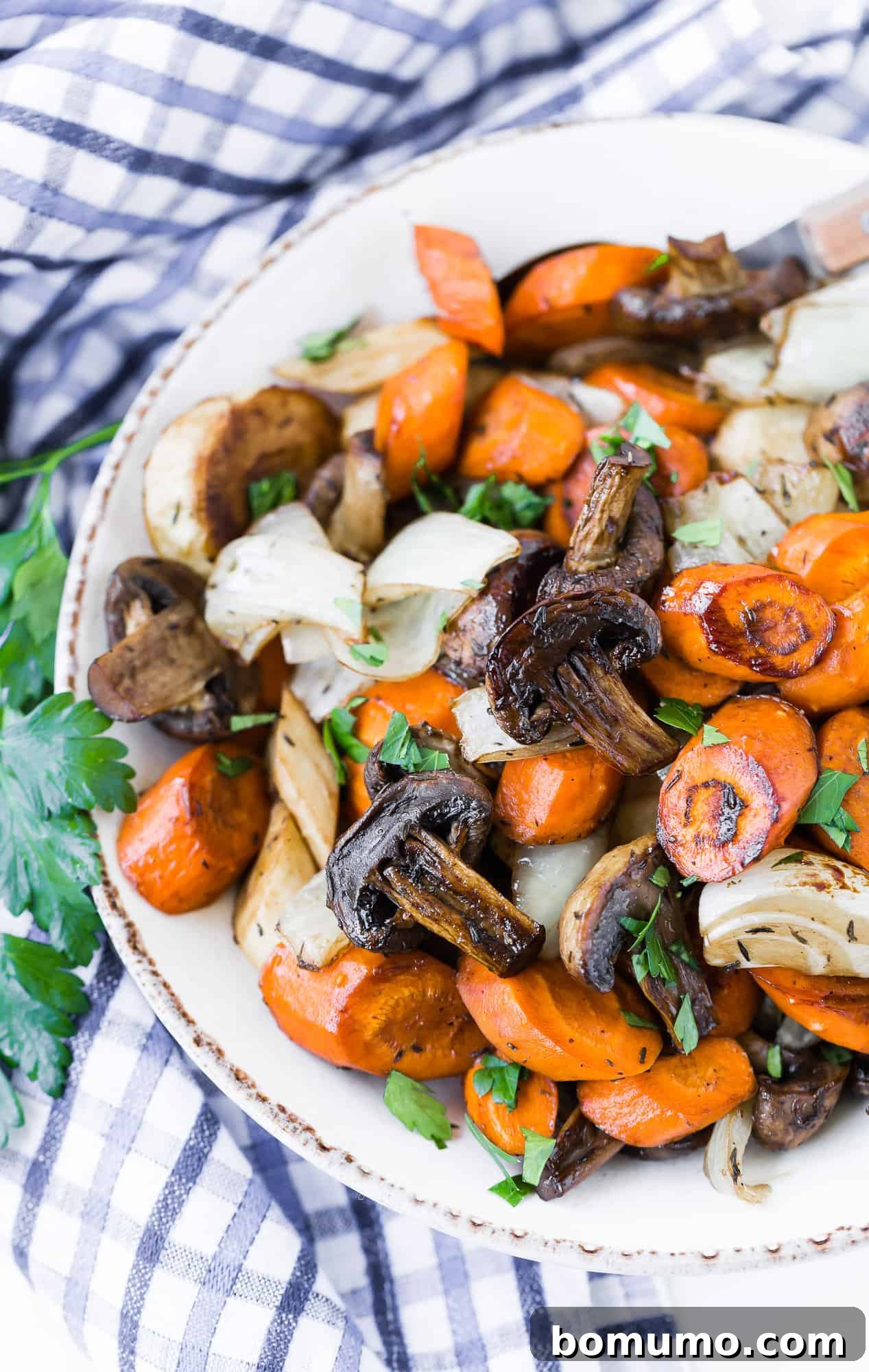
Roasting stands out as one of the most remarkable cooking methods for vegetables. It unlocks and intensifies their natural flavors in a way few other techniques can. The high heat of the oven facilitates the Maillard reaction and caramelization of natural sugars within the vegetables, resulting in a depth of flavor and a tender-crisp texture that is simply unparalleled.
While I often enjoy vegetables roasted simply with olive oil, salt, and pepper, the addition of balsamic vinegar elevates this dish to an entirely new level. Balsamic roasted vegetables are truly a show-stopper. The vinegar contributes a delightful tangy, fruity essence, and its natural sugars caramelize beautifully on the exterior of the vegetables, creating a glistening, slightly sticky, and incredibly delicious crust. This process not only enhances the flavor but also provides an appealing texture that will have everyone reaching for more.
Just observe the transformation of mushrooms in this dish – their surfaces deepen into a rich, mahogany hue, hinting at the intense caramelization and flavor locked within. Once you experience the magic of balsamic roasting, you might find it hard to prepare vegetables any other way. It’s a game-changer for even the most vegetable-averse palates.
These flavorful balsamic roasted vegetables serve as a simple yet outstanding side dish, complementing a wide array of main courses. They pair wonderfully with robust proteins like balsamic marinated chicken, a perfectly cooked steak, or a succulent Instant Pot pork loin roast. Consider them alongside a spice-rubbed pork tenderloin or light and flaky air fryer salmon. They even add a touch of gourmet flair to an easy crockpot ham, making it feel like a complete, well-rounded meal.
Beyond being a superb side, these roasted vegetables can easily be transformed into a hearty and satisfying meatless main dish. Simply toss in a can of rinsed and drained chickpeas to roast alongside the vegetables, adding a fantastic source of plant-based protein and delightful texture. For another protein boost, stir in some crisp baked tofu or crumble feta or gorgonzola cheese over the finished dish. For an unexpected crunch and flavor, a sprinkle of savory granola can also provide an exciting textural contrast.
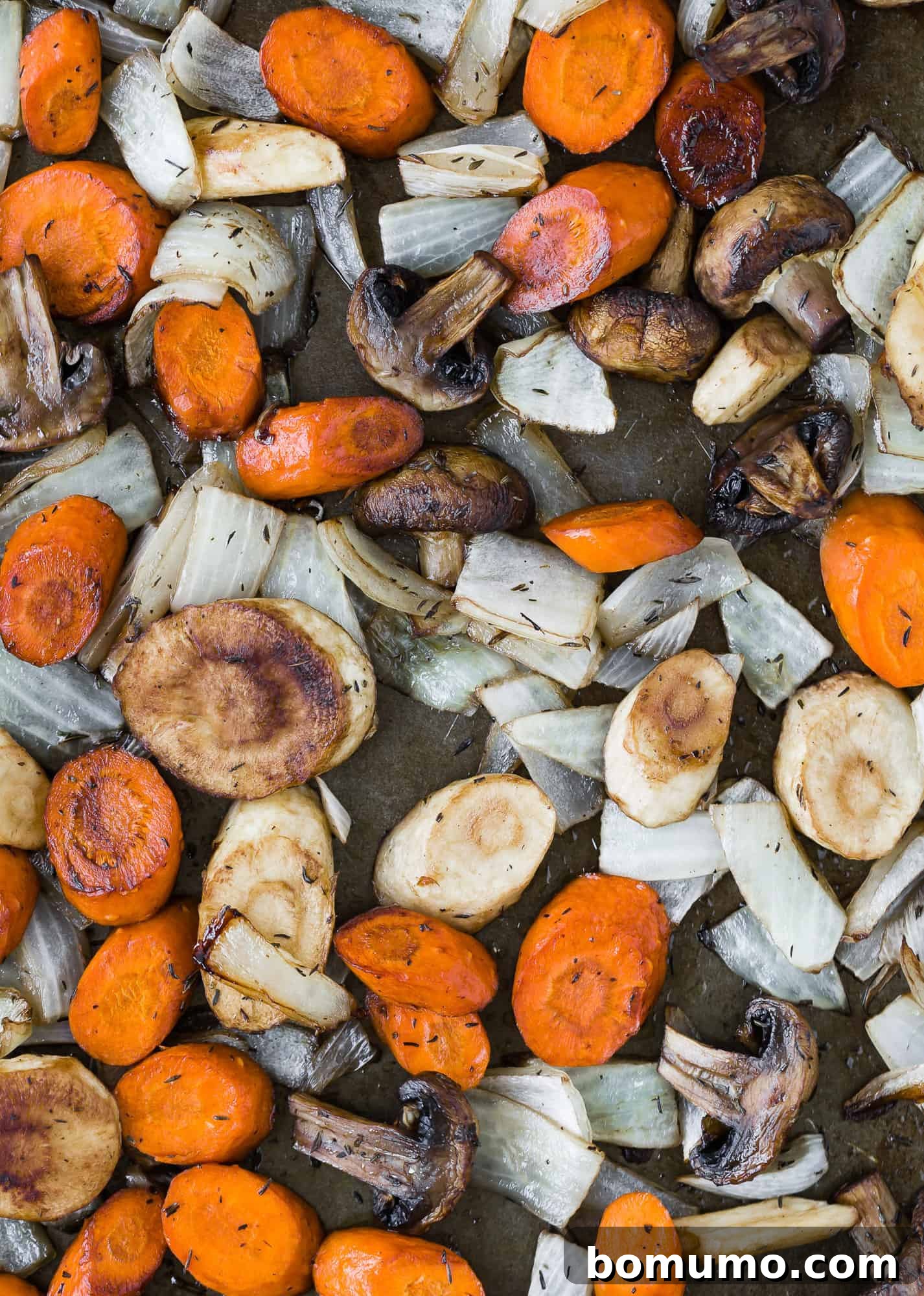
Mastering the Art of Balsamic Roasted Vegetables
This recipe is celebrated for its incredible flexibility, allowing you to easily adapt it to your taste preferences and whatever produce you have available. I encourage you to experiment with various herbs and seasonings to truly make it your own. Sometimes, a couple of teaspoons of my all-purpose seasoning are all it takes to impart a fantastic depth of flavor.
Choosing Your Vegetables
Virtually any vegetable can be roasted, and the beauty of this recipe is that it welcomes a wide variety. Popular choices include root vegetables like carrots, parsnips, potatoes, and sweet potatoes, which become wonderfully tender and sweet. Heartier options such as broccoli, cauliflower, Brussels sprouts, bell peppers, zucchini, and asparagus also roast beautifully. Don’t forget about onions and mushrooms, which develop incredible richness and caramelization. Mixing different types of vegetables adds variety in taste, texture, and visual appeal to your final dish.
The Importance of Uniform Cutting
The key to achieving perfectly roasted vegetables lies in cutting them into approximately the same size. This ensures they cook evenly, preventing some pieces from becoming burnt while others remain undercooked. For denser root vegetables like carrots and parsnips, aim for thinner slices or smaller chunks, perhaps ¼ to ½ inch thick, as they require more cooking time. Softer vegetables like mushrooms and onions can be cut into slightly larger pieces. If you’re combining vegetables with significantly different cooking times, you have two options:
- Cut the harder vegetables smaller (as suggested for carrots and parsnips) so they finish cooking around the same time as the softer ones.
- Roast the firmer vegetables for 10 to 15 minutes before adding the quicker-cooking ones to the pan. While effective, this method often requires splitting seasonings and using separate bowls, which means more dishes to wash – a common detractor for busy cooks!
For convenience and ease, I typically opt for slicing those parsnips and carrots a little smaller. It’s a simple adjustment that saves time and cleanup.
Optimal Roasting Environment
Another critical factor for successful roasting is using a large enough sheet pan. The vegetables need to be spread out in a single layer with some space around them. Overcrowding the pan causes vegetables to steam rather than roast, resulting in a soggy texture instead of the desired crisp, caramelized exterior. If you have a generous amount of vegetables, it’s always better to use two sheet pans.
Finally, and perhaps most importantly, always preheat your oven to the recommended temperature. A hot oven is essential for kickstarting the caramelization process immediately. For an even better sear and crispier results, consider preheating the sheet pan inside the oven before adding your seasoned vegetables. This ensures the vegetables hit a blazing hot surface, preventing them from sticking and promoting that perfect browned crust.
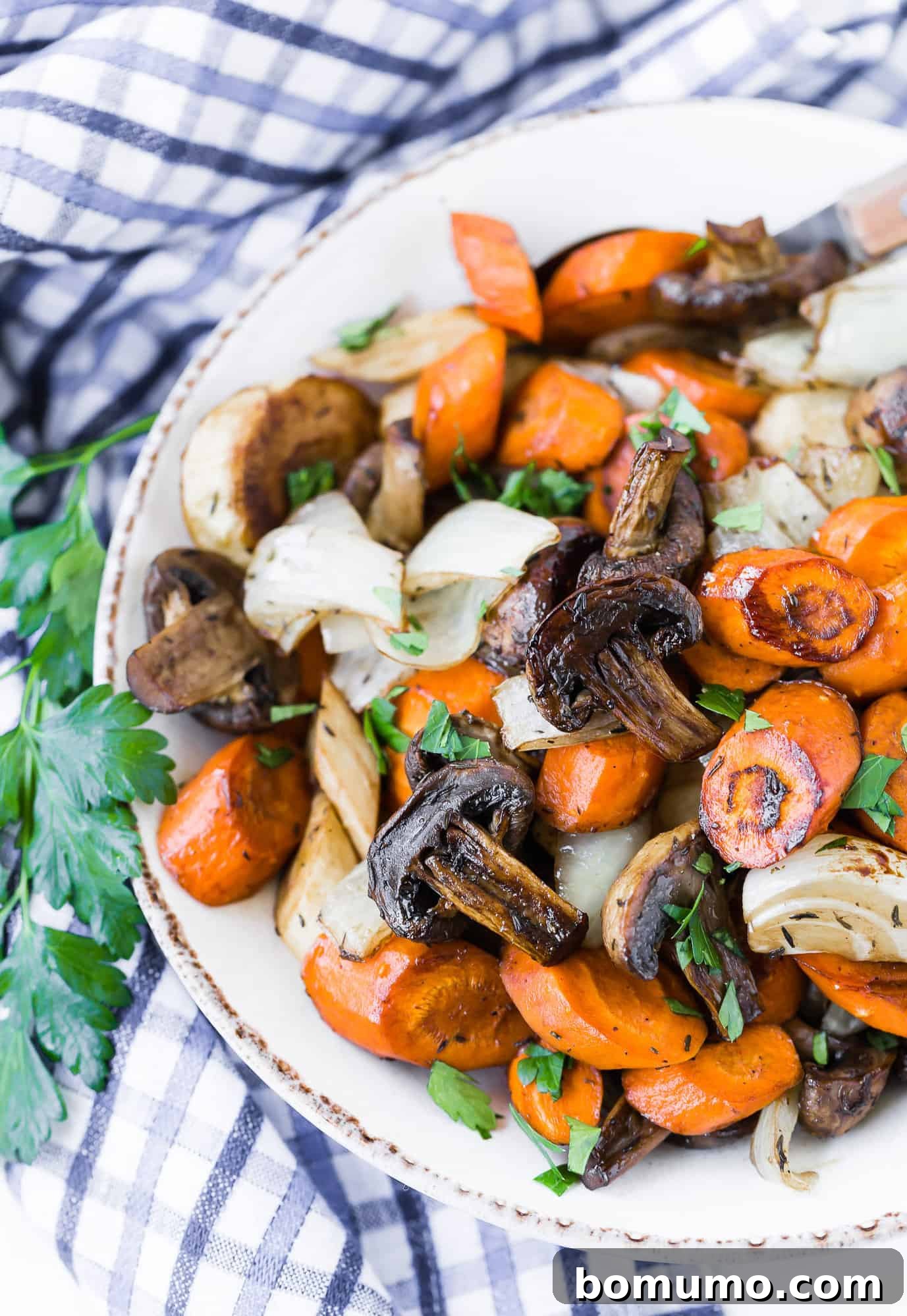
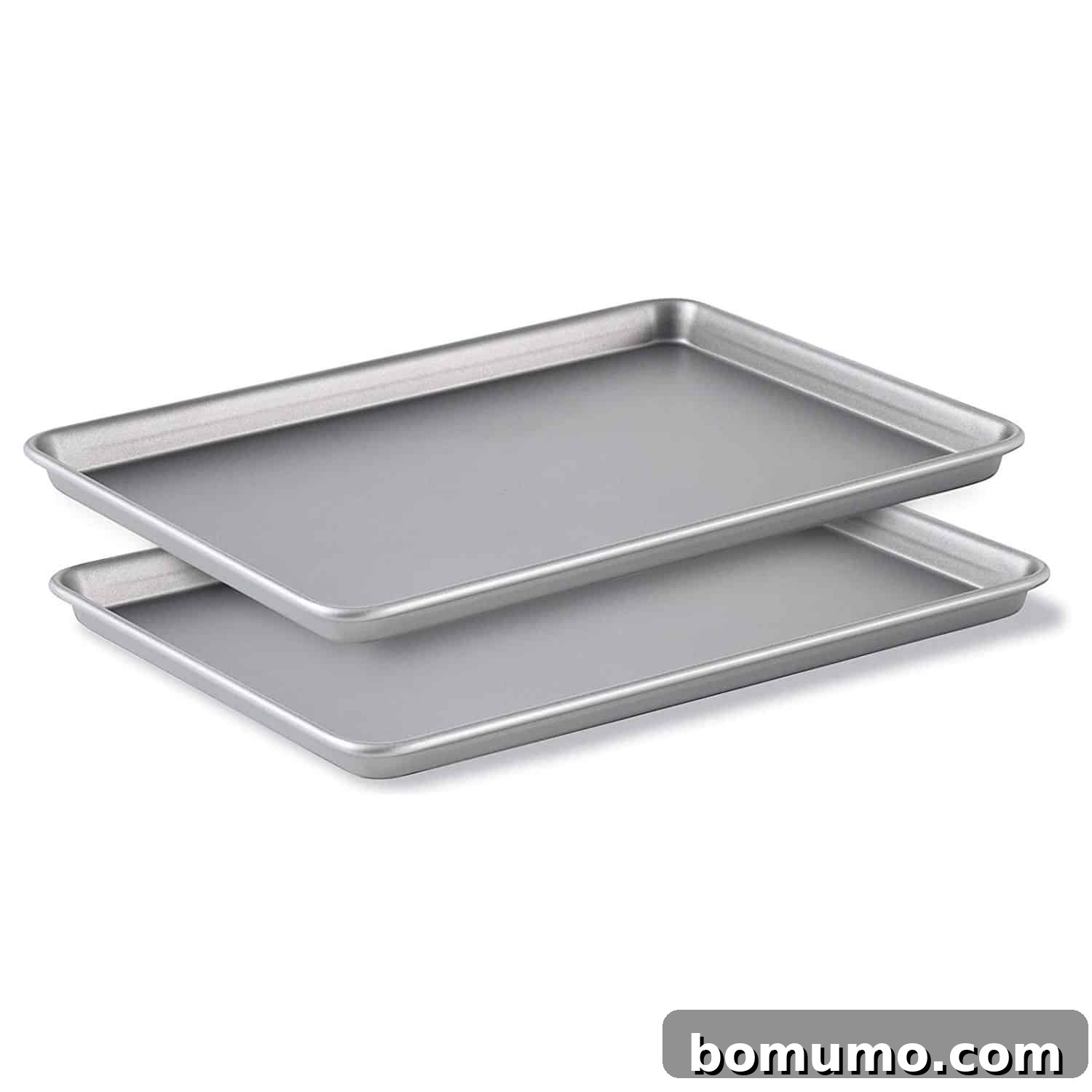
What’s a Sheet Pan? Your Kitchen Essential
A trusty sheet pan is an absolute cornerstone of any kitchen, and I find myself reaching for mine several times a week. Often referred to as a “half sheet pan,” this baking essential measures approximately 13 x 18 inches and features a rim usually about one inch high. The rim is crucial as it prevents liquids and small vegetables from sliding off during roasting. Its large, flat surface is ideal for even cooking, making it perfect for everything from baking cookies to roasting an entire meal.
Frequently Asked Questions
For optimal browning and caramelization, the oven temperature should ideally be between 400°F (200°C) to 425°F (220°C). High heat is crucial for achieving that desirable crispy exterior and tender interior. Always preheat your oven thoroughly before adding vegetables. For an even better sear, consider preheating your sheet pan inside the oven, then carefully adding the seasoned vegetables to the hot pan.
Can I roast vegetables at lower temperatures?
Yes, absolutely! If you are preparing other dishes that require a lower oven temperature, it’s perfectly acceptable to roast your vegetables simultaneously. They will still turn out delicious, though they may take a bit longer to cook and might not achieve quite the same level of crispness. Just keep an eye on them and roast until they reach your desired tenderness.
No, balsamic vinegar typically will not burn in the oven in the way you might expect. As the vegetables roast, the liquid from the balsamic vinegar will cook away, and its natural sugars will caramelize. This process causes the vinegar to thicken, become more syrupy, sweeter, and deepen in color – much like making a balsamic reduction. This darker color is a sign of delicious caramelization, not burning. However, like anything, extreme temperatures over extended periods could eventually lead to charring, so monitoring your vegetables is always a good practice.
Balsamic vinegar boasts a distinct tangy, subtly sweet, and assertive flavor profile that enhances a vast array of foods. It’s famously paired with fresh tomatoes, basil, and creamy mozzarella in classic Caprese salads. You can explore this flavor combination in dishes like Caprese pasta salad or unique Caprese couscous stuffed tomatoes. Beyond salads, balsamic vinegar shines in marinades and glazes for proteins. These honey balsamic chicken thighs are an outstanding example, showcasing how well its flavors meld with poultry. It’s also fantastic drizzled over fresh fruits like strawberries, combined with olive oil as a bread dip, or used in salad dressings to add a rich, complex note.
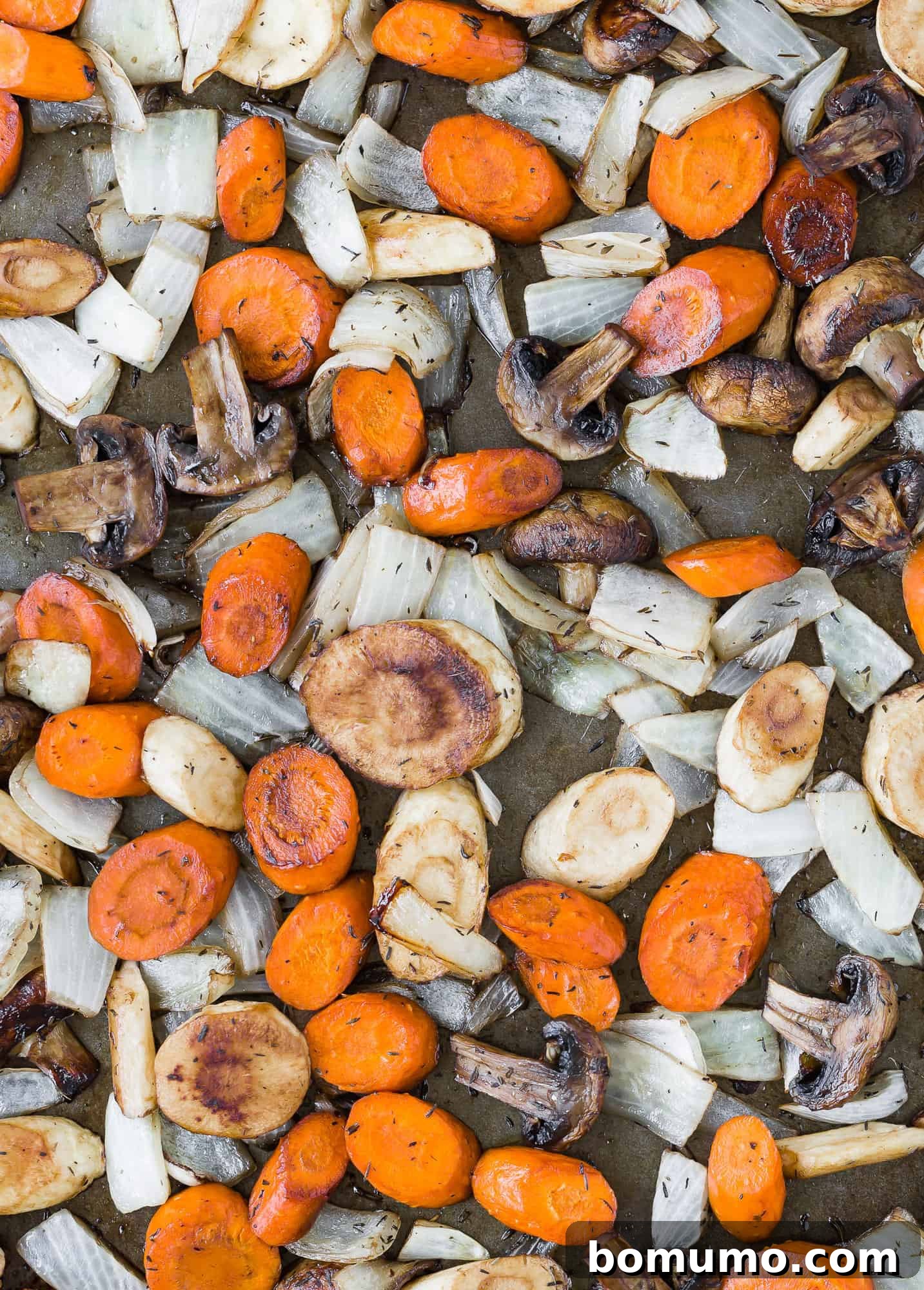
Customize Your Balsamic Roasted Vegetables
One of the greatest joys of this recipe is its incredible potential for customization. Feel free to unleash your creativity and tailor it to your preferences:
- Vegetable Combinations: Don’t limit yourself to the suggested vegetables. Use any combination of your favorite produce. Bell peppers, zucchini, asparagus, and even sweet potatoes or parsnips are fantastic additions that roast beautifully with balsamic.
- Herbs and Seasonings: Experiment with different fresh or dried herbs to alter the flavor profile. Rosemary, oregano, basil, or a blend of Italian herbs can add wonderful aromatic notes. A pinch of garlic powder or onion powder can also enhance the savory flavors.
- Add Protein for a Hearty Meal: Transform this side dish into a complete meal by adding protein directly to the pan. Italian link sausage or bratwurst can roast alongside the vegetables, infusing their flavors into the dish. For a delicious one-pan meal, try sheet pan honey balsamic chicken and vegetables.
- Meatless Main Dish Options: For a satisfying vegetarian or vegan main, incorporate plant-based proteins. Toss in a can of rinsed and drained chickpeas at the start, or stir in crisp baked tofu cubes during the last 15 minutes of roasting. For dairy lovers, a sprinkle of crumbled feta or gorgonzola cheese over the hot vegetables after roasting adds a salty, tangy kick. Don’t forget to consider a garnish of savory granola for an unexpected crunch!
Smart Make-Ahead & Meal Prep Ideas
Preparing roasted vegetables ahead of time is a fantastic strategy for efficient meal planning. To get a head start, you can prep all your vegetables up to a day in advance. Simply peel, chop, and store them in an airtight container or zip-top bag in the refrigerator. When it’s time to cook, all that’s left to do is toss them with the balsamic and oil mixture and pop them into the oven. This simple step can significantly reduce active cooking time on busy weeknights.
Balsamic roasted vegetables are also an excellent component for meal prepping for the entire week. Once cooked, they are incredibly versatile. Enjoy them cold as a vibrant addition to salads, or quickly warm them up in the microwave for a comforting side. They are particularly wonderful when combined with quinoa for nutritious Buddha bowls, or wrapped in tortillas for a satisfying roasted vegetable wrap. Their robust flavor holds up well, making them a delicious and healthy option throughout your week.
Storage & Reheating Tips
Proper storage is key to enjoying your balsamic roasted vegetables for days to come. Once cooled completely, store them in an airtight container in the refrigerator, where they will remain fresh for at least four to five days. For longer storage, these vegetables also freeze exceptionally well. Ensure they are entirely cool before freezing; any residual warmth will create condensation, leading to soggy vegetables once thawed. Label your containers with the date for easy tracking.
When it comes to reheating, you have several excellent options to restore their delicious texture. A toaster oven works wonders – simply set it to bake at 425ºF (220°C) and heat for about 10 minutes, or until warmed through and slightly re-crisped. Alternatively, you can reheat them in a dry frying pan over medium-high heat, tossing them frequently until hot. While a quick zap in the microwave is convenient, it can sometimes soften the texture. My personal favorite method for reheating roasted vegetables, achieving fantastic results every time, is using an air fryer – it brings back that lovely crispness beautifully.
Discover More Roasted Vegetable Recipes
If you love the simplicity and flavor of roasted vegetables, you’re in for a treat! Explore these other fantastic recipes that highlight the best of oven roasting:
- Learn how to make Roasted Broccoli perfectly every time.
- Roasted Parmesan Broccoli for an cheesy twist.
- Roasted Cauliflower – How to Roast Cauliflower to perfection.
- Roasted Brussels Sprouts with Asiago cheese.
- Satisfyingly sweet Oven Roasted Sweet Potatoes.
- Crisp and fresh Roasted Green Beans with Parmesan and Basil.
- A surprising delight: Roasted Radishes.
- Elegant Roasted Sweet Potatoes and Shallots.
- Or delve into this extensive list of over 40 Roasted Vegetable Recipes!
Balsamic Roasted Vegetables
6
servings
Ingredients
- 3 large carrots, peeled and sliced into ¼ inch thick rounds
- 3 large parsnips, peeled and sliced into ¼ inch thick rounds
- 1 large yellow onion, roughly chopped, or sliced lengthwise into wedges
- 8 ounces white mushrooms, halved or quartered
- 2 tablespoons balsamic vinegar
- 2 tablespoons olive oil
- 1 teaspoon dried thyme
- ½ teaspoon kosher salt
- ¼ teaspoon freshly ground black pepper, more or less to taste
Instructions
-
Preheat oven to 425°F (220°C). In a large bowl, combine the balsamic vinegar, olive oil, dried thyme, kosher salt, and freshly ground black pepper. Add the prepared vegetables to the bowl and stir well with a spoon (or your hands!) until all vegetables are thoroughly coated with the mixture.
-
Spread the coated vegetables onto a large, rimmed baking sheet in a single layer, ensuring they are not overcrowded. Roast in the preheated oven for 30 to 40 minutes, or until the carrots and parsnips are tender and the vegetables are nicely caramelized. Stir the vegetables every 15 minutes or so to ensure even cooking and browning. Serve immediately and enjoy!
Notes
- For even roasting, strive to cut all vegetables into uniform sizes. When slicing carrots and parsnips, cut the thinner ends slightly larger to prevent them from burning before the thicker parts are cooked.
- When combining different vegetables, consider their cooking times. Firm root vegetables (like parsnips, carrots, potatoes, beets, or sweet potatoes) take longer to cook than softer ones (such as broccoli, cauliflower, Brussels sprouts, or bell peppers). If using a mix, add the softer vegetables to the pan midway through the roasting process to avoid overcooking them.
- Leftover roasted vegetables can be stored in an airtight container in the refrigerator for 4 to 5 days. They also freeze well for up to six months. Ensure they are completely cooled before storing to prevent sogginess.
Nutrition
Calories: 133kcal
Carbohydrates: 21g
Protein: 3g
Fat: 5g
Saturated Fat: 1g
Polyunsaturated Fat: 1g
Monounsaturated Fat: 3g
Sodium: 227mg
Potassium: 544mg
Fiber: 5g
Sugar: 7g
Vitamin A: 5102IU
Vitamin C: 17mg
Calcium: 48mg
Iron: 1mg
Nutrition information is automatically calculated, so should only be used as an approximation.
Did You Make This?
Share a comment and rating below! I love hearing what you think!
In conclusion, these easy balsamic roasted vegetables are more than just a recipe; they are an invitation to elevate your everyday cooking with minimal effort and maximum flavor. The enchanting combination of sweet, tangy balsamic and naturally caramelized vegetables creates a dish that is both nutritious and incredibly satisfying. Whether served as a versatile side or a robust main, this recipe promises to be a delightful addition to your culinary repertoire. Don’t hesitate to experiment with different vegetables and seasonings, and enjoy the delicious journey of discovering your perfect roasted vegetable creation!