
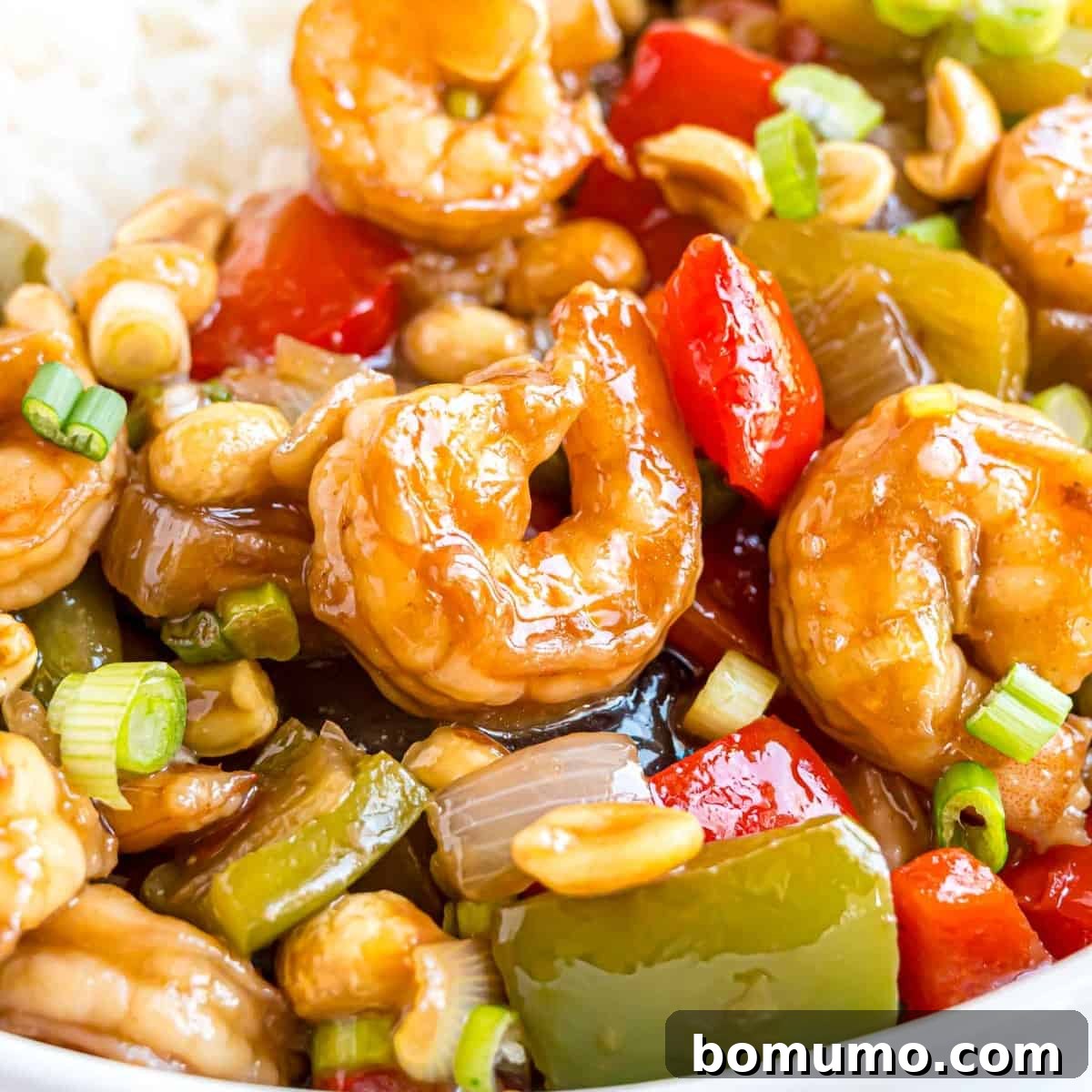
Delicious Homemade Kung Pao Shrimp: Your Go-To Weeknight Recipe
Why You’ll Adore This Recipe: This simplified, “Americanized” take on Kung Pao Shrimp delivers an irresistible blend of savory, sweet, and subtly spicy flavors that will transport your taste buds straight to your favorite Chinese restaurant. Say goodbye to takeout menus, as this recipe uses readily available ingredients to create that beloved taste right in your own kitchen. It’s a perfect meal for anyone seeking a vibrant, flavorful dish without the fuss, offering both satisfaction and convenience.
Preparation & Cook Time: Approximately 30 minutes
Essential Equipment: A large skillet or a wok, and a mixing bowl
Serves: 4
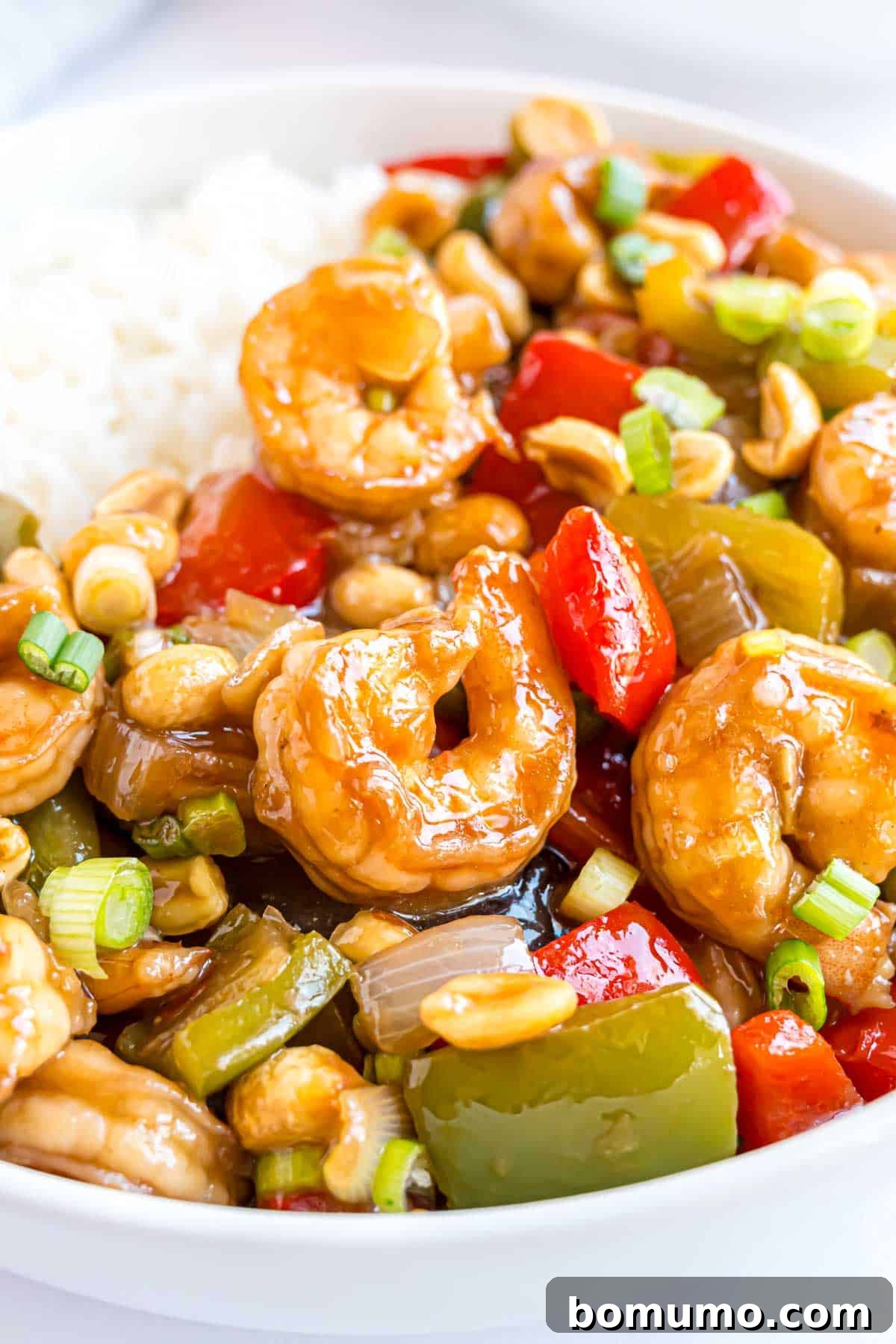
Experience the culinary delight of Kung Pao Shrimp, a classic Chinese-inspired dish reimagined for the home cook. This vibrant stir-fry features succulent shrimp perfectly coated in a rich, glossy sauce that masterfully balances sweet, savory, and tangy notes, with a customizable hint of heat. Crafted with a harmonious blend of soy sauce, hoisin, and aromatic sesame oil, this recipe is designed to deliver a burst of umami in every bite. Crushed red pepper flakes allow you to easily adjust the spice level to your family’s preference, ensuring a perfect meal for everyone. Whether you’re a seasoned chef or a kitchen novice, this recipe promises a delightful and impressive dish that rivals your favorite restaurant.
Why You’ll Love This Kung Pao Shrimp Recipe
- Effortless Ingredient Sourcing: One of the standout features of this “Americanized” Kung Pao Shrimp recipe is the simplicity of its ingredient list. We’ve intentionally selected components that are widely available at most major grocery stores, eliminating the need for specialized Asian markets. You’ll likely find many of these staples already stocked in your pantry or refrigerator, making spontaneous weeknight dinners a breeze. This accessibility ensures that the authentic flavors of Kung Pao are within everyone’s reach, regardless of their location.
- Rapid 30-Minute Preparation: Bid farewell to lengthy cooking sessions! This Kung Pao Shrimp is a true marvel of efficiency, coming together in under half an hour from start to finish. Stir-fries are renowned for their quick cooking times, packing a lean protein, an abundance of fresh vegetables, and a savory sauce into one delicious meal. This recipe is no exception, making it an ideal choice for busy weeknights when time is of the essence but flavor is non-negotiable. If you’re a fan of swift and satisfying stir-fry dishes, explore other quick recipes like Shrimp and Broccoli Stir Fry, Honey Walnut Shrimp, Beef Stir Fry with Vegetables, or Sweet and Sour Chicken Stir Fry.
- A Symphony of Spicy, Sweet, and Savory Flavors: Prepare your palate for an exciting explosion of tastes! Kung Pao Shrimp masterfully blends a tangy and spicy sauce with profound umami notes, derived from the rich toasted sesame oil, classic soy sauce, and sweet hoisin. Fresh, crisp bell peppers, pungent garlic, invigorating ginger root, and savory onion contribute layers of aromatic depth and vibrant texture. The inclusion of crunchy, roasted peanuts not only adds a delightful nutty flavor but also provides a crucial textural contrast, elevating each bite into a truly memorable experience. This dish is designed to be a feast for all your senses, making it an unforgettable culinary adventure.
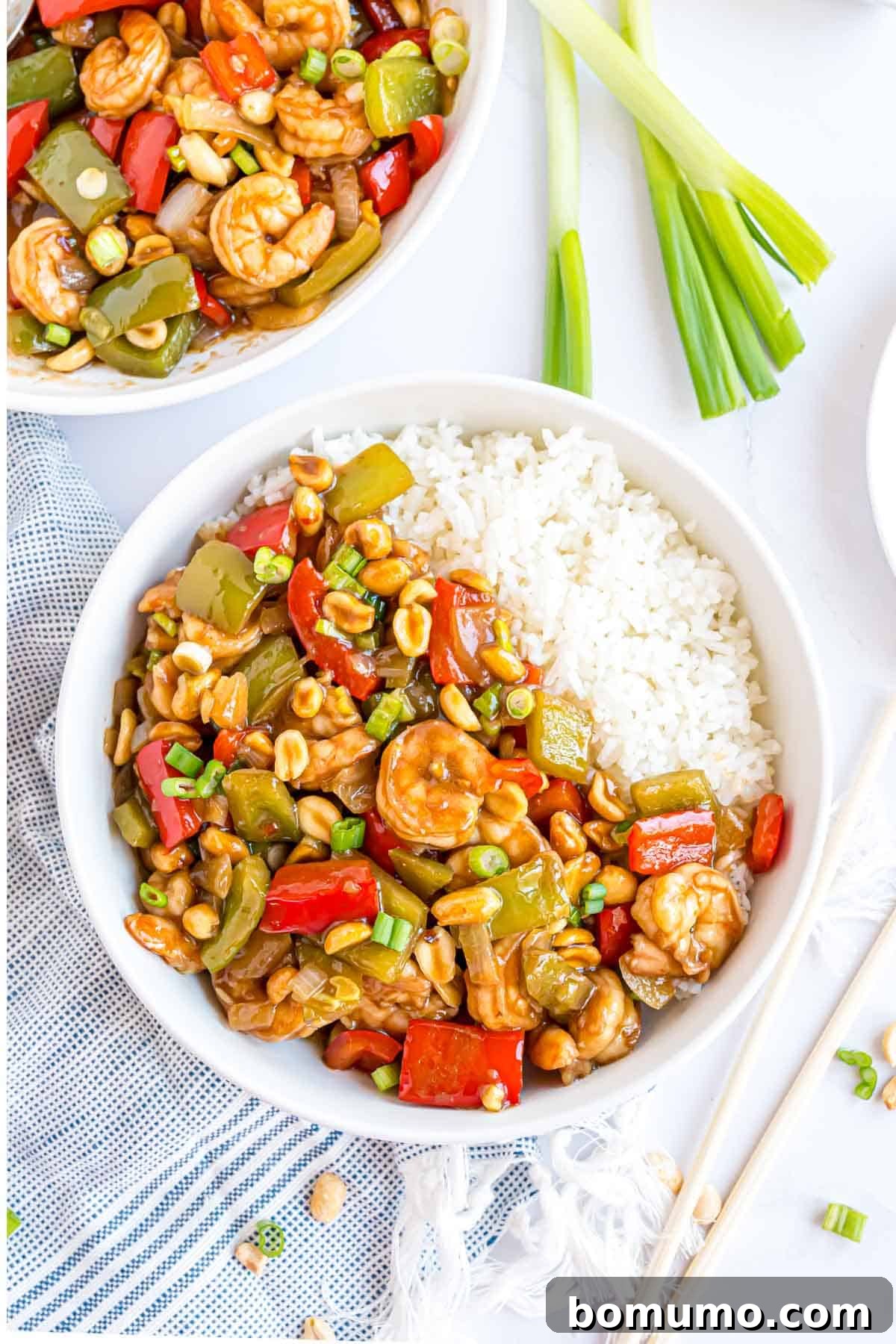
Key Ingredient Insights
For precise measurements, please refer to the detailed recipe card at the end of this article.
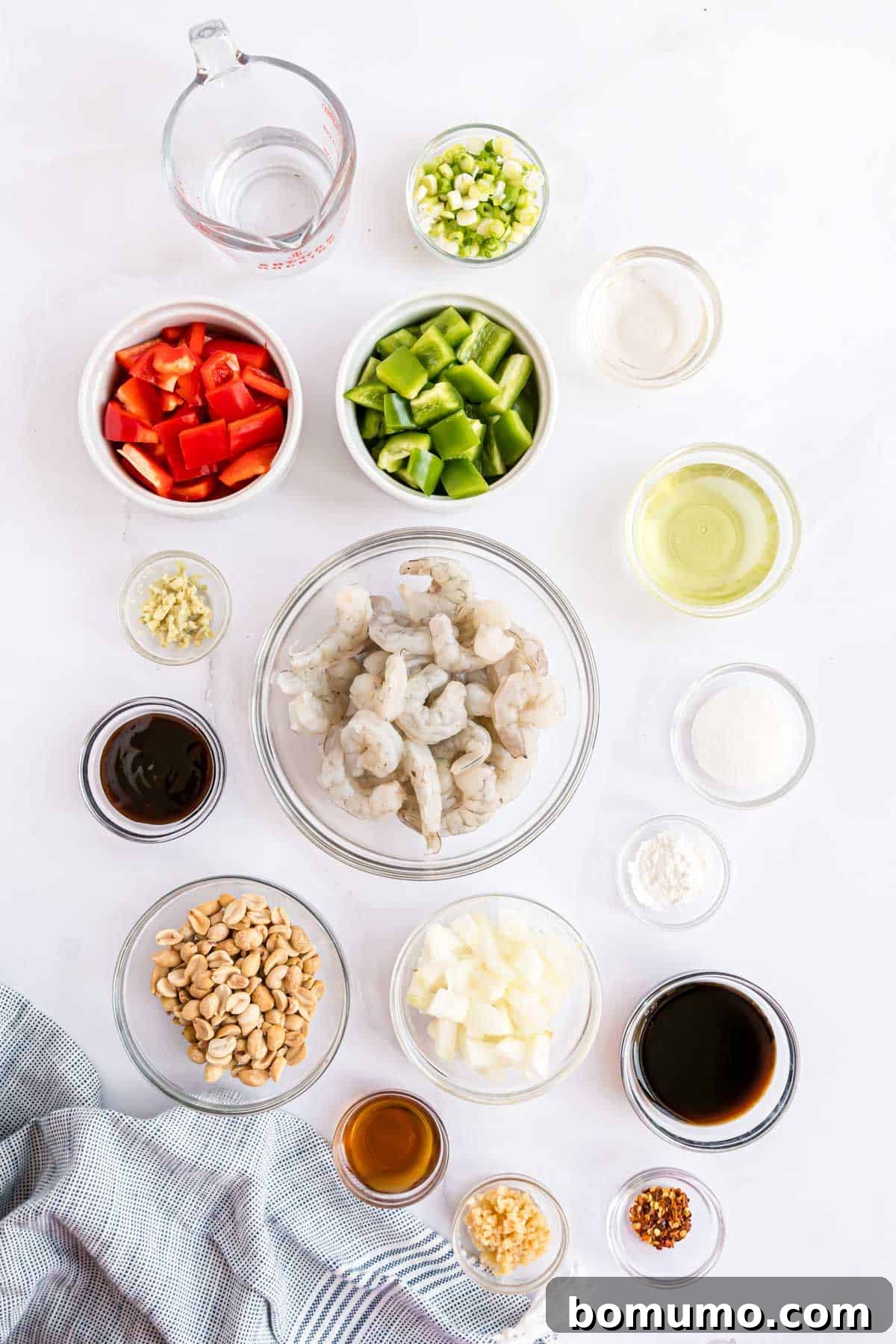
- Shrimp: You’ll need one pound of large shrimp for this recipe. I personally prefer the 20/30 count size, which offers a satisfying bite without overcooking too quickly. Ensure your shrimp are raw, peeled, and deveined. The choice of tails on or off is entirely up to your preference. If using frozen shrimp, simply thaw them according to the package instructions before starting your preparation.
- Soy Sauce: While some traditional Kung Pao recipes call for Shaoxing wine in the marinade, we opt for soy sauce due to its widespread availability and common presence in most home kitchens. Soy sauce is also a fundamental component of our rich and savory Kung Pao sauce, providing depth and umami.
- Cornstarch: This versatile ingredient plays a dual role in our recipe. A small amount is incorporated into the shrimp marinade, a technique known as “velveting,” which tenderizes the shrimp and keeps it moist during cooking. An additional teaspoon is then used in the sauce to create that perfectly thick, glossy consistency that coats every piece of shrimp and vegetable.
- Rice Vinegar: A staple in many Asian stir-fry sauces, rice vinegar (sometimes labeled as rice wine vinegar) is valued for its clear appearance and light, clean flavor. It provides the essential tangy, sour element that balances the sweetness and richness of the dish. Be sure to select unseasoned rice vinegar to avoid unwanted added salt and sugar. While traditional recipes might feature Chinese black vinegar, balsamic vinegar can also serve as an acceptable substitute in a pinch.
- Hoisin Sauce: This deeply savory and slightly sweet sauce is a cornerstone of Chinese cuisine. You’ll typically find hoisin sauce in the Asian foods aisle of your local grocery store. Its unique flavor profile contributes significantly to the signature taste of our Kung Pao Shrimp, adding richness and complexity.
- Sugar: Crucial for achieving the characteristic sweet and sour balance of Kung Pao shrimp, granulated sugar harmonizes with the acidic rice vinegar, rounding out the flavor profile and adding a delightful sweetness.
- Toasted Sesame Oil: Distinct from regular sesame oil, toasted sesame oil boasts a deep, dark brown color and an intensely aromatic, nutty flavor. This potent oil is a hallmark of Chinese cooking and provides a recognizable depth to the dish. Look for it in the Asian section of your market, ensuring you don’t confuse it with the lighter, milder un-toasted variety.
- Crushed Red Pepper Flakes: These fiery flakes are our chosen ingredient for delivering the spicy kick central to Kung Pao Shrimp. The beauty of using red pepper flakes is the ease with which you can customize the heat level – add more for a bolder spice or less for a milder warmth, tailoring the dish perfectly to your preference.
- Cooking Oil: For stir-frying, selecting an oil with a high smoke point is essential. We recommend options such as grapeseed, avocado, vegetable, or peanut oil. These oils can withstand the high heat required for quick stir-frying without breaking down or imparting undesirable flavors.
- Garlic: Fresh garlic is indispensable for its pungent aroma and flavor. You’ll need about 3 to 4 cloves, minced, to infuse the dish with its characteristic savory depth.
- Ginger: Fresh ginger root adds a warm, zesty, and slightly spicy note that brightens the entire dish. Look for a firm, smooth piece in the produce section. After peeling off the dry outer skin (easily done with a vegetable peeler, paring knife, or even the edge of a spoon), mince about a one-inch piece to unlock its vibrant flavor.
- Red and Green Bell Peppers: Beyond their vivid colors, chopped bell peppers contribute essential crunch, sweetness, and a fresh, slightly peppery flavor to the stir-fry. They provide a wonderful textural and visual contrast to the shrimp and sauce.
- Onion: A sweet onion variety, such as red, Spanish, or Vidalia, is recommended. When diced and stir-fried, it adds a foundational savory sweetness that complements the other ingredients beautifully.
- Green Onions: Also known as spring onions or scallions, these provide a fresh, sharp, and slightly pungent garnish that brightens the flavors and adds a final touch of color. Sliced green onions are added at the very end to preserve their crispness.
- Roasted Peanuts: Traditional Kung Pao often features raw peanuts lightly toasted in a wok. To streamline your cooking process, we suggest using unsalted roasted peanuts or even roasted cashews. They impart a crucial nutty flavor and a satisfying crunch, adding a delightful textural dimension to the dish.
The Magic of Cornstarch in Asian Cooking
Cornstarch is an unsung hero in Chinese cuisine, serving two primary functions that are crucial for achieving the perfect texture and consistency in dishes like our Kung Pao Shrimp.
Firstly, when added to a marinade or used to lightly coat meat or seafood, it’s a technique known as “velveting.” This process creates a thin, protective layer around the protein, which helps to lock in moisture and results in exceptionally tender and delicate pieces once cooked. For shrimp, velveting ensures they remain succulent and never rubbery, even under high heat.
Secondly, cornstarch acts as a superb thickening agent for sauces. When blended into the Kung Pao sauce, it transforms a watery mixture into a luxurious, syrupy glaze that beautifully clings to every piece of shrimp and vegetable. This not only enhances the flavor distribution but also provides that signature glossy finish synonymous with restaurant-quality stir-fries.
Step-by-Step: Crafting Your Own Kung Pao Shrimp
Embark on your culinary journey to a homemade takeout favorite with these clear and concise instructions. Follow each step to create a perfectly balanced and flavorful Kung Pao Shrimp dish.
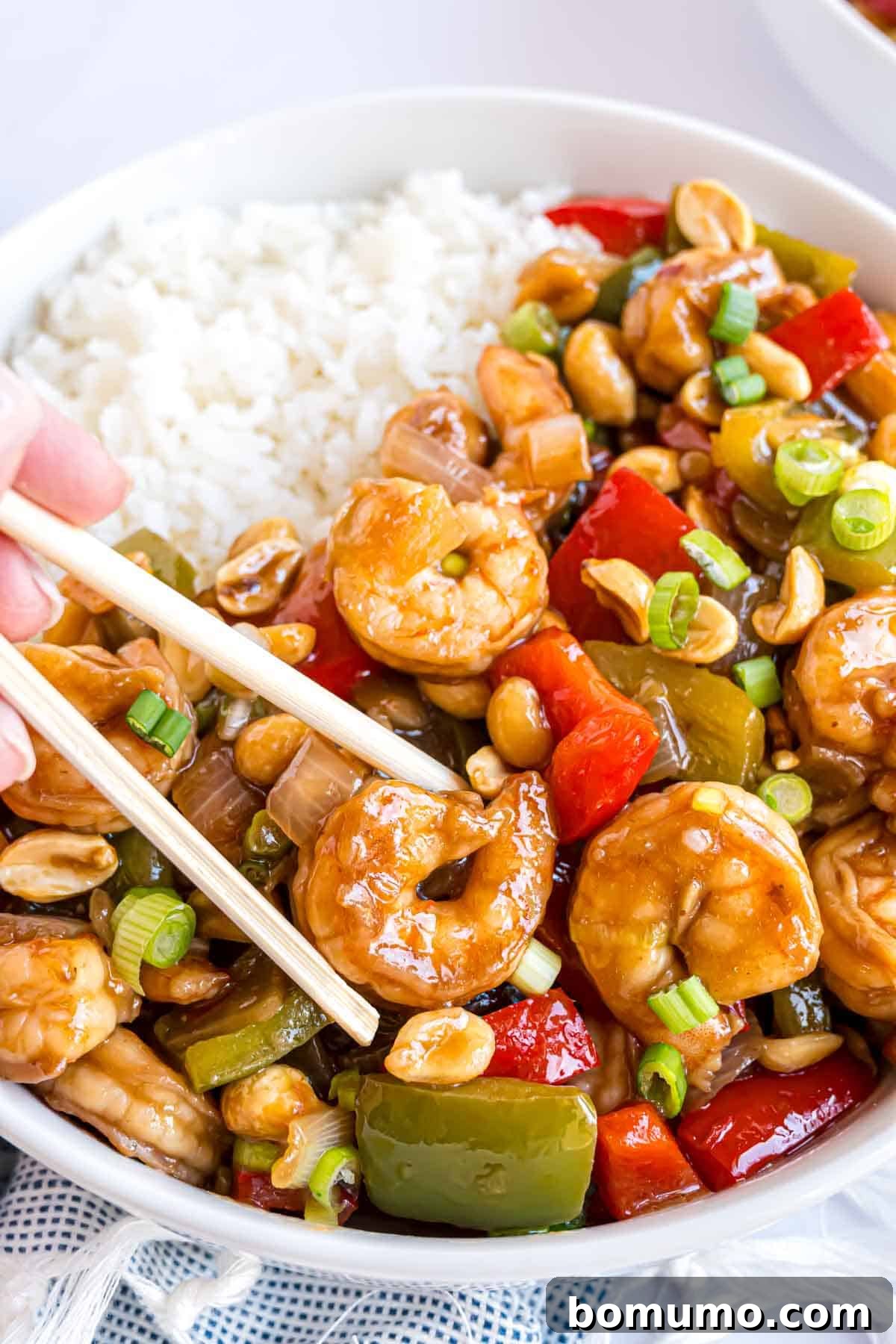
Step 1: Prepare Your Rice (Optional but Recommended). If you plan to serve your delicious Kung Pao Shrimp with rice, it’s best to get it cooking first. Varieties like Jasmine rice or Basmati rice are excellent choices for their fragrant aroma and fluffy texture. Any long-grain white rice will also pair beautifully. For a more nutritious option, consider brown rice. For ultimate convenience, I often rely on my Instant Pot to cook rice to perfection.
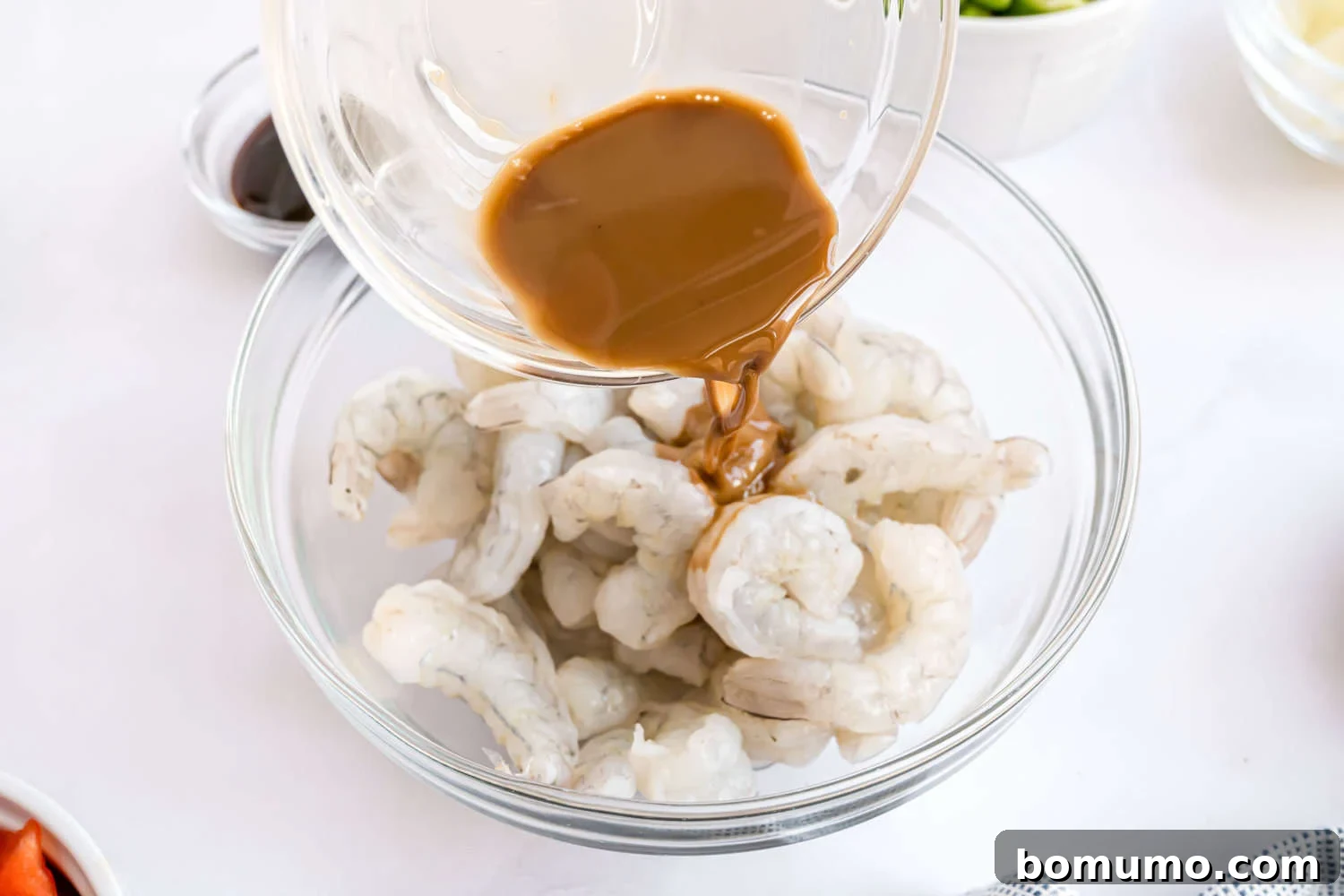
Step 2: Marinate the Shrimp. In a spacious mixing bowl, combine the soy sauce and a teaspoon of cornstarch, whisking them together until smooth. Add your peeled and deveined shrimp (ensure they are thoroughly thawed if frozen) and toss gently to ensure each piece is evenly coated. Allow the shrimp to marinate for approximately 15 minutes. This crucial step, known as velveting, tenderizes the shrimp and helps them retain moisture during cooking.
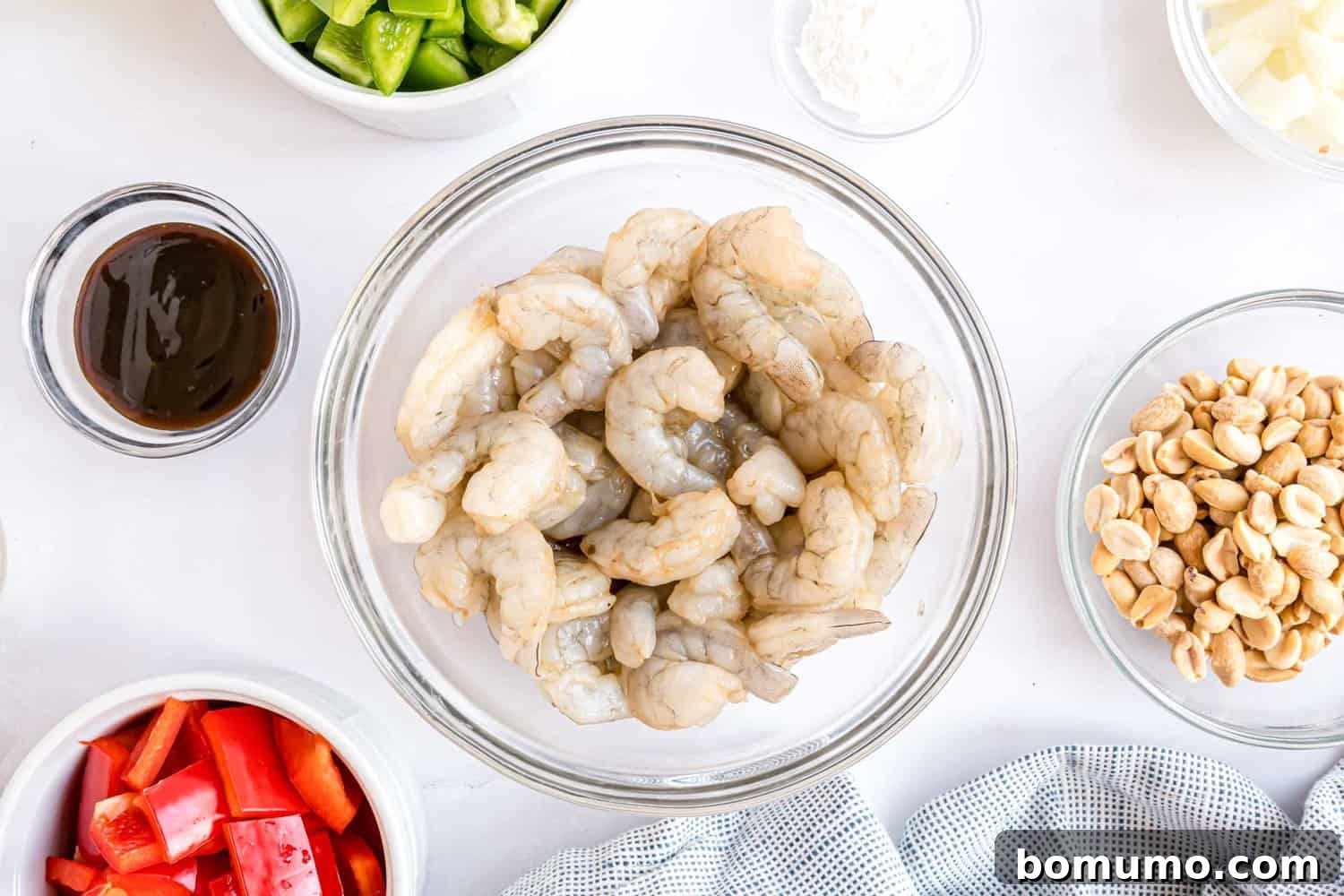
Step 3: Whisk Together the Kung Pao Sauce. In a small bowl or a glass measuring cup, combine all the sauce ingredients. Whisk vigorously until everything is thoroughly blended and the cornstarch has dissolved. Set this flavorful sauce aside, as it will be added in the final stages of cooking.
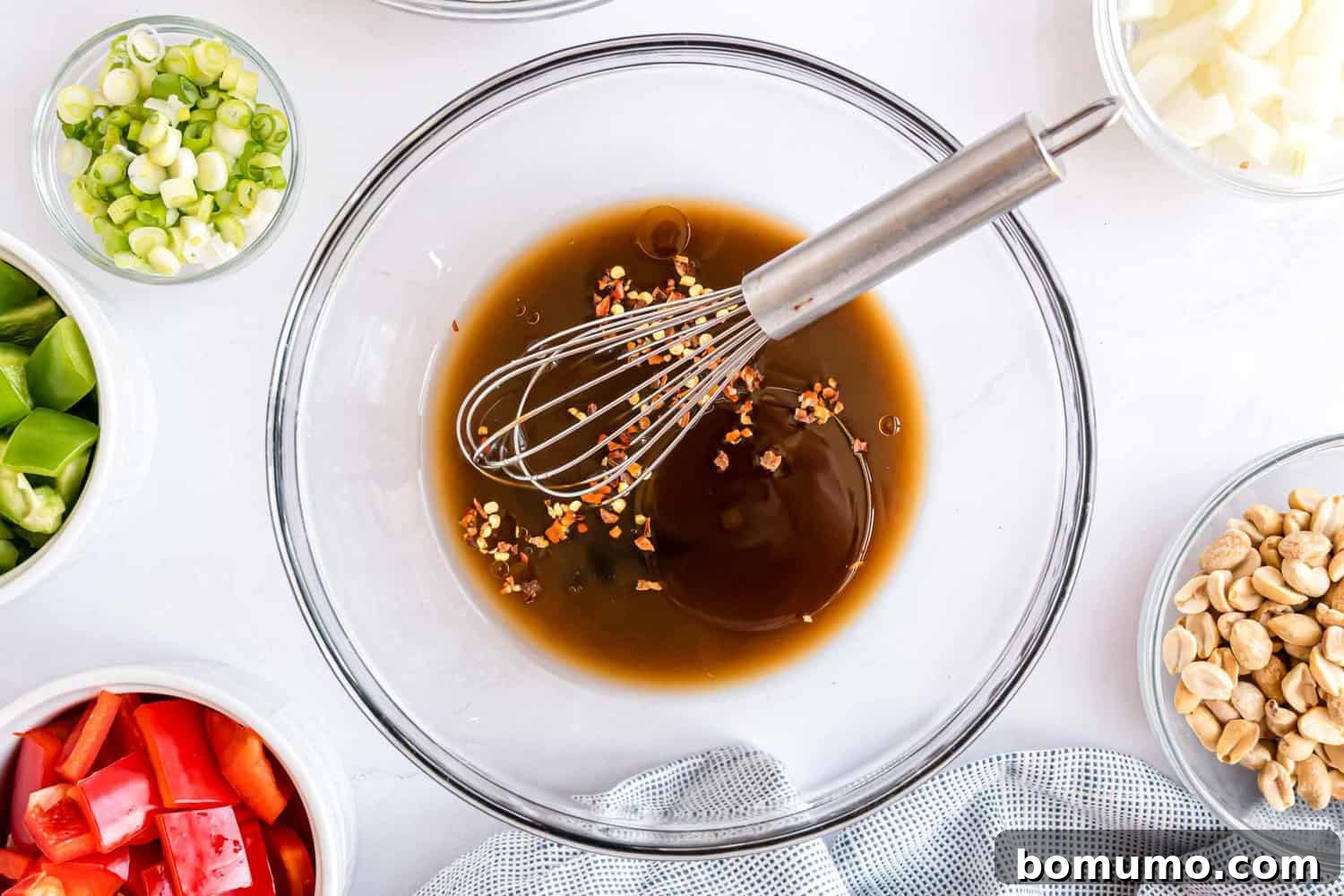
Step 4: Prepare the Vegetables. While your shrimp is marinating, take this opportunity to chop your bell peppers and onions into uniform pieces. Thinly slice the green onions, and finely mince your fresh garlic cloves and ginger root. Arrange all your prepped vegetables neatly, ready to be added to the wok or skillet when the time comes. This mise en place ensures a smooth and efficient stir-frying process.
Step 5: Cook the Shrimp. Heat one tablespoon of your chosen high-heat oil (such as grapeseed, avocado, vegetable, or peanut oil) in a large skillet or wok over medium-high heat until it shimmers. Add the marinated shrimp, arranging them in a single layer to ensure even cooking. Cook the shrimp for approximately two minutes per side, or until they turn pink and opaque. Smaller shrimp may cook faster, so watch them carefully to avoid overcooking. Once done, transfer the cooked shrimp to a plate and set aside. Quickly wipe out the skillet with a few paper towels, preparing it for the vegetables.
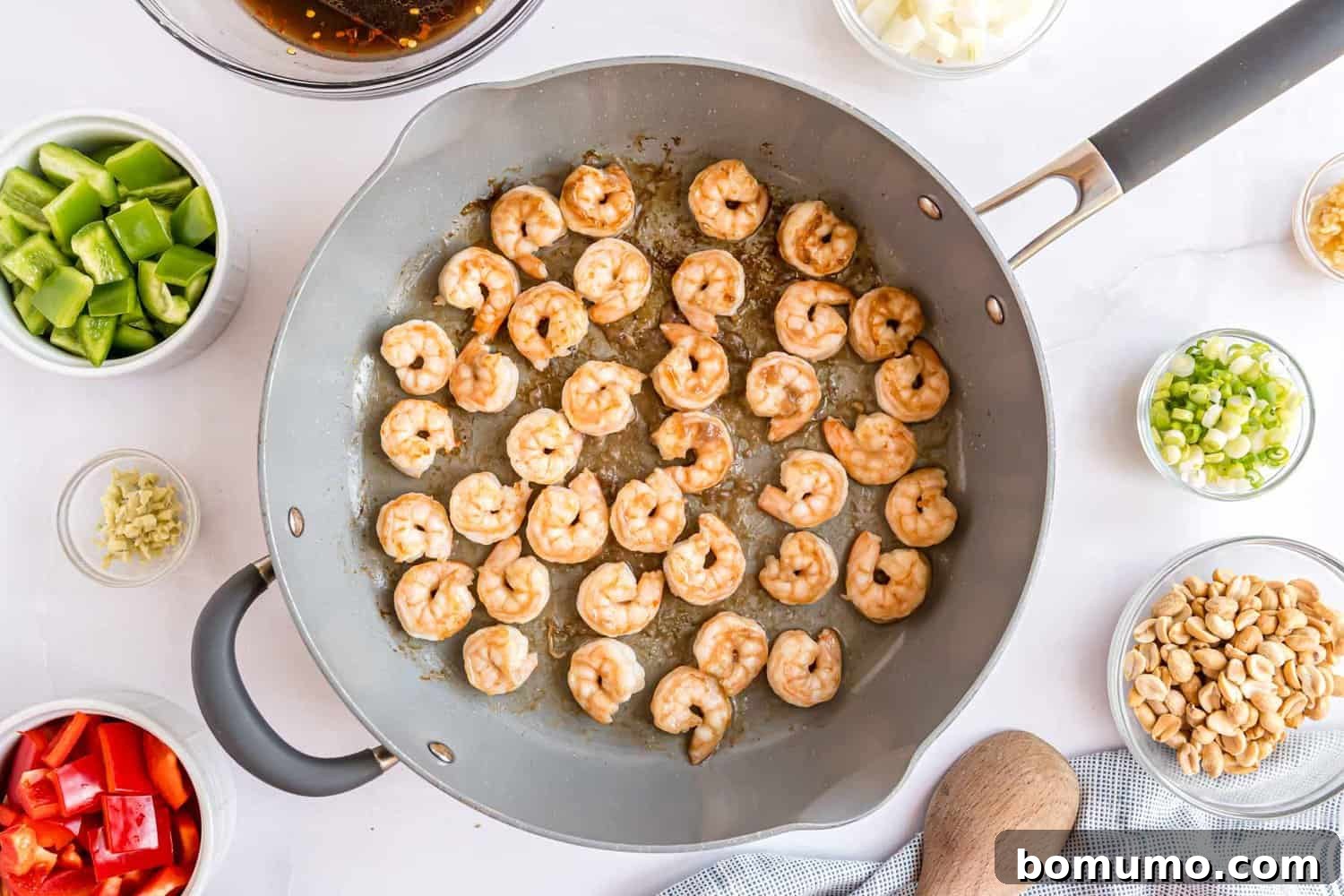
Step 6: Stir-Fry the Vegetables. Add the remaining two tablespoons of oil to the same skillet and return it to medium-high heat. Introduce the minced garlic and ginger, stir-frying them briefly for about 30 seconds until they become wonderfully fragrant. Next, add the chopped onions and bell peppers to the pan. Continue to stir-fry for approximately five minutes, or until the vegetables reach your desired level of tenderness and retain a slight crunch.
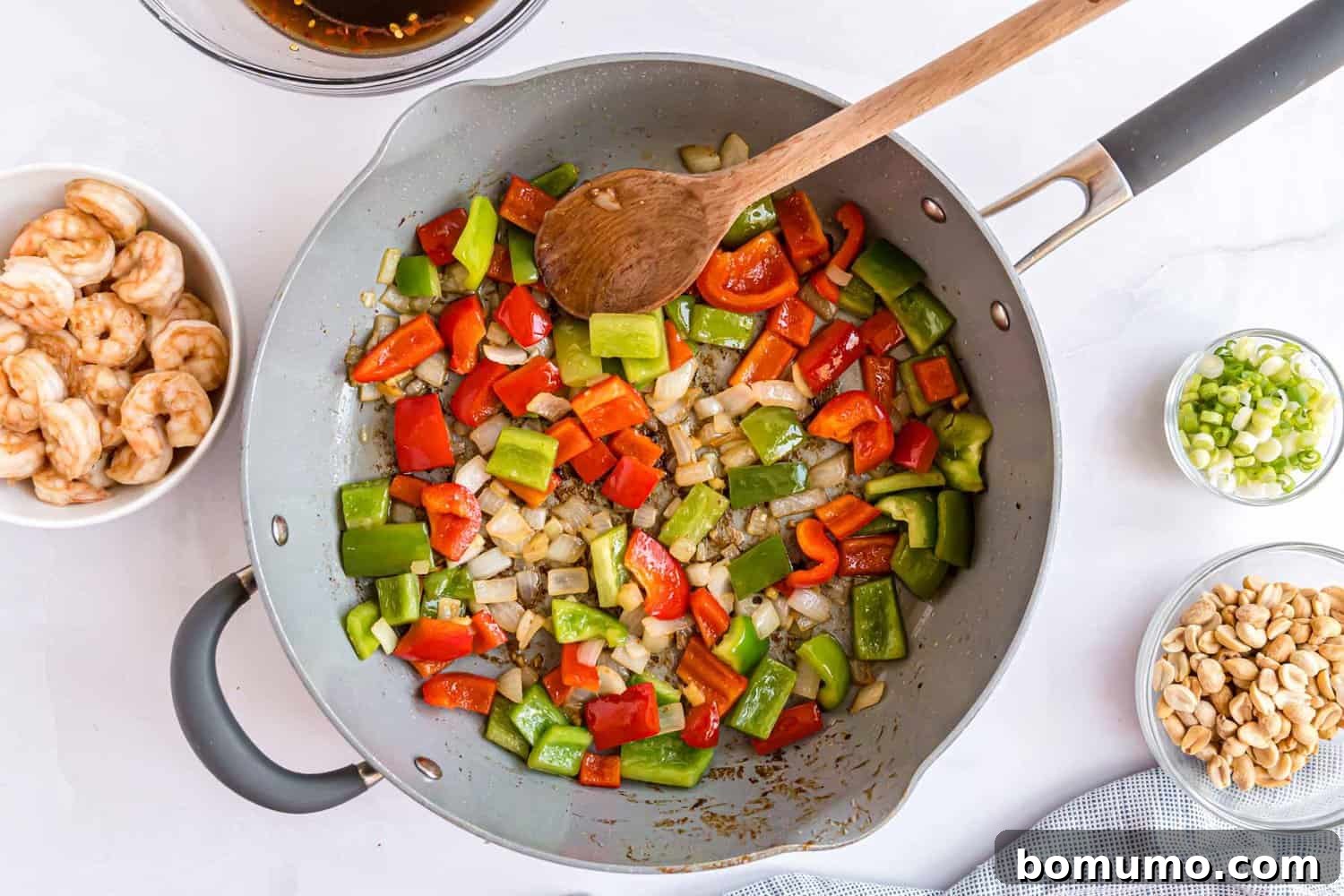
Step 7: Combine and Thicken the Sauce. Reduce the heat to medium. Return the cooked shrimp to the skillet with the stir-fried vegetables. Give the prepared Kung Pao sauce one final quick whisk to ensure the cornstarch is fully suspended, then pour it over the ingredients in the pan. Cook for one to two minutes, stirring continuously, until the sauce thickens into a glossy glaze that beautifully coats the shrimp and vegetables. The sauce should be rich and slightly syrupy.
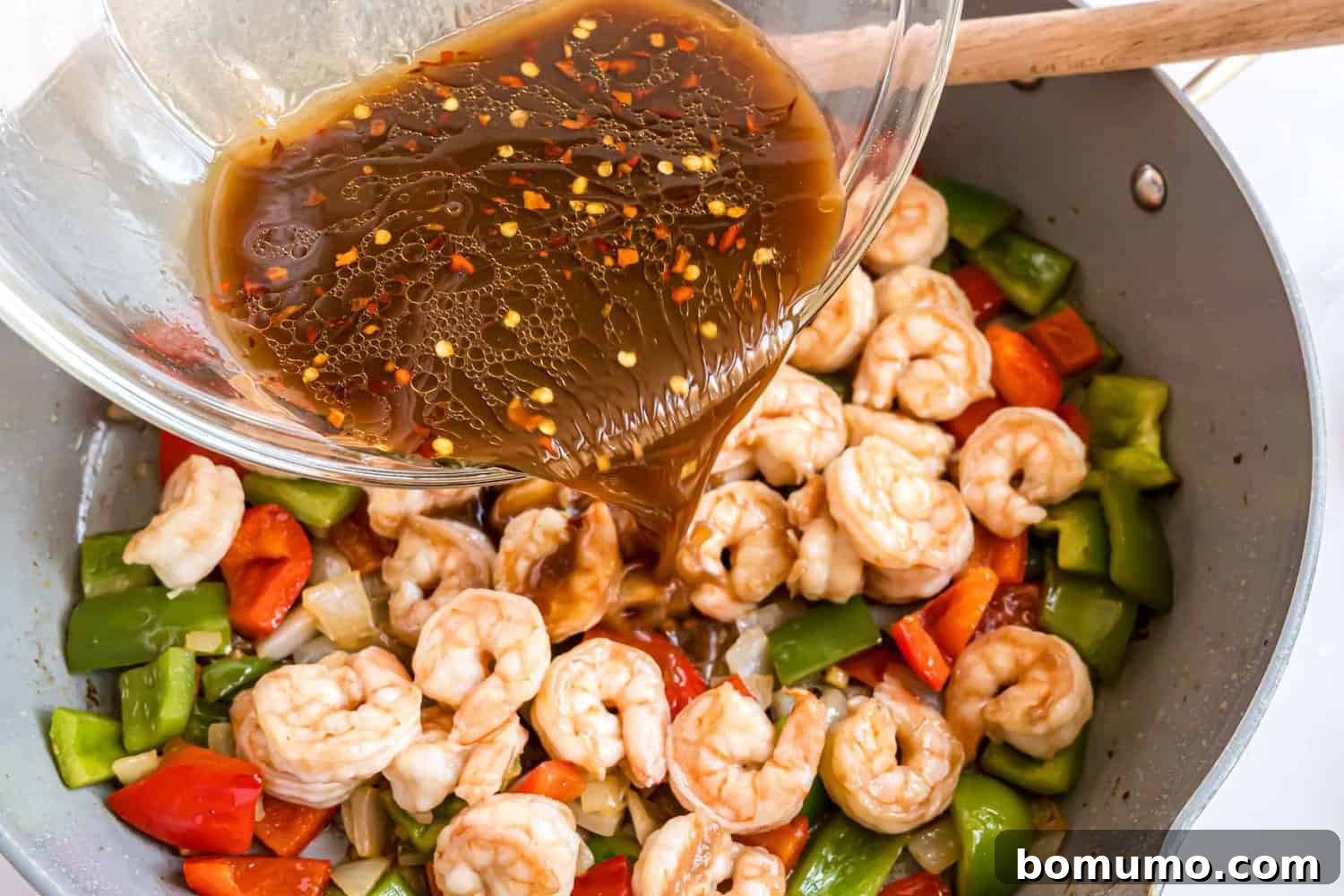
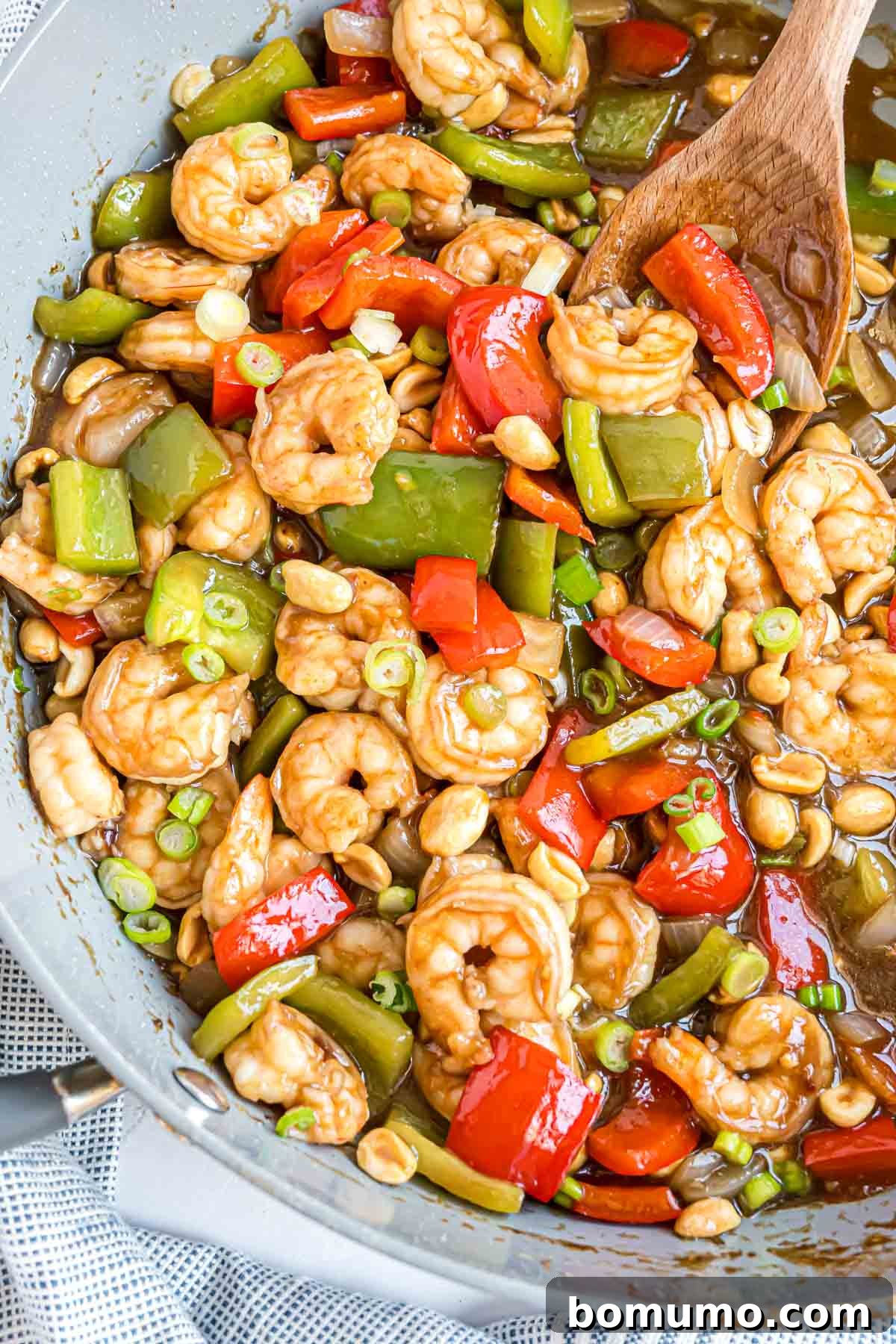
Step 8: Finish with Peanuts and Green Onions. Remove the skillet from the heat. Gently stir in the roasted peanuts and sliced green onions. Toss everything together to combine, ensuring the peanuts and green onions are just heated through without losing their fresh crunch. Your homemade Kung Pao Shrimp is now ready to be served! For an extra touch, garnish with additional sliced green onions, a sprinkle of red pepper flakes for more heat, or a drizzle of sriracha if desired.
Frequently Asked Questions About Kung Pao Shrimp
Hoisin sauce is a thick, rich, and aromatic sauce that is a cornerstone of Chinese cuisine. It’s characterized by its savory, subtly sweet, and tangy profile, often with a hint of spice. Typically, it’s crafted from a blend of fermented soybeans, garlic, vinegar, sugar, and various spices like chili peppers and five-spice powder. Hoisin sauce is incredibly versatile, commonly used as a glaze for roasted meats (such as Peking duck), a vibrant dipping sauce, or a powerful flavoring agent in stir-fries, marinades, and braised dishes. You can easily find jars of hoisin sauce in the Asian foods section of most major grocery stores, ready to add depth to your cooking.
While no substitute will perfectly replicate the unique flavor of hoisin sauce, several options can work in a pinch if you don’t have it on hand. For a gluten-free alternative, consider tamari, which offers a similar savory depth. Regular soy sauce can also be used, though it will be less sweet and thick. Other potential substitutes include oyster sauce (if you enjoy seafood flavors), a homemade sweet and sour sauce, or even teriyaki sauce, although these will introduce different flavor nuances. When substituting, remember to adjust other seasonings to achieve a balanced taste.
Sichuan pepper is a distinctive spice widely used in authentic Chinese cuisine, particularly from the Sichuan province, hence its name. Despite its classification, it is not a member of the pepper or peppercorn family; it actually belongs to the rue or citrus family. The literal translation of its Chinese name is “flower pepper.” What makes Sichuan pepper truly unique is its characteristic “mala” sensation – it produces a mouth-numbing, tingling, and buzzing effect that is distinct from simple heat. For this “Americanized” Kung Pao Shrimp recipe, we’ve opted for readily available crushed red pepper flakes to provide the spicy element, making the dish more accessible to home cooks. However, if you’re seeking a more traditional flavor profile and enjoy the numbing sensation, feel free to experiment with Sichuan pepper in your own version.
Essential Tips for a Perfect Kung Pao Shrimp
- Embrace “Mise en Place”: Prep Everything First! The secret to a successful stir-fry lies in meticulous preparation before any heat is applied. Stir-fries cook incredibly quickly, so having all your ingredients prepped, chopped, and measured before you even turn on the stove is paramount. This includes cutting all vegetables, mincing garlic and ginger, preparing the shrimp marinade, and whisking the sauce. If you’re serving rice, start it cooking well in advance. This organized approach ensures a smooth, stress-free cooking experience and prevents any ingredients from overcooking while you’re scrambling for the next component.
- Master the Art of Not Overcooking Shrimp. Shrimp cook notoriously fast, and overcooked shrimp quickly become tough, rubbery, and unappetizing. Pay close attention during the cooking process; shrimp should turn pink and opaque, typically taking only 1-2 minutes per side depending on their size. When cooking the vegetables, ensure they reach your desired tenderness before you reintroduce the cooked shrimp to the skillet. Since the shrimp are already cooked at this stage, they only need a quick toss with the vegetables and sauce to be heated through, minimizing their time in the pan and preserving their delicate texture.
Creative Recipe Variations to Explore
- Experiment with Different Proteins: While shrimp is delightful, this recipe is incredibly versatile. For a classic alternative, substitute boneless, skinless chicken breasts (cut into bite-sized pieces) to create a delicious Kung Pao Chicken. Vegetarians can rejoice by using crispy baked tofu or air fryer tofu for a hearty and flavorful meat-free entrée. Simply adjust cooking times accordingly for your chosen protein.
- Swap Out the Vegetables: Feel free to customize this stir-fry with your favorite vegetables. Almost any stir-fry friendly vegetable will work wonderfully. Consider adding vibrant broccoli florets, thinly sliced carrots for sweetness, crisp celery for added crunch, or sweet sugar snap peas. Green beans, mushrooms, or water chestnuts are also excellent additions, each bringing a unique texture and flavor.
- Adjust the Sauce Quantity: This recipe delivers a sauce that generously coats the shrimp and vegetables without leaving them swimming. If you prefer a saucier dish, perhaps to drench your rice or noodles, simply double all the ingredients for the sauce. This adjustment will provide a more abundant, flavorful glaze without compromising the balance of the dish.
- For a More Authentic Experience: If you’re keen to explore traditional Kung Pao flavors, consider incorporating a few authentic ingredients. Swap the red pepper flakes for Sichuan pepper or whole dried red chilies, which offer a different kind of heat and the famous “mala” (numbing) sensation. For the marinade, try Shaoxing wine instead of soy sauce, and Chinese black vinegar can be used in place of rice vinegar. These substitutions will introduce deeper, more complex notes characteristic of traditional Sichuan cuisine.
- Discover More Shrimp Recipes: If you love cooking with shrimp, there’s a world of flavor to explore! Dive into other exciting shrimp dishes like zesty Firecracker Shrimp, creamy Coconut Shrimp, the ever-popular Honey Walnut Shrimp, or the bold and aromatic Spicy Garlic Shrimp. Each offers a unique and delicious way to enjoy this versatile seafood.
Smart Make-Ahead Strategies
Get a Head Start on Your Meal: Preparing certain components in advance can significantly cut down on your active cooking time when you’re ready to make dinner. Thaw frozen shrimp in the refrigerator overnight for convenience. You can also mix all the sauce ingredients in a small bowl, cover it tightly, and refrigerate. Additionally, chop all your onions, bell peppers, and green onions ahead of time, storing them in airtight containers in the refrigerator. Mincing the garlic and ginger can also be done in advance and refrigerated. These simple steps can shave at least 10 to 15 minutes off your cooking process, making weeknight meals even faster and more enjoyable.
Storing & Reheating Your Delicious Leftovers
Refrigeration: To keep leftover Kung Pao Shrimp at its best, I recommend combining it with any leftover rice. The sauce helps to keep the rice from drying out, ensuring a more enjoyable reheat. Store your leftovers in a sealed, airtight container in the refrigerator for up to two days. Please note that freezing this dish is not recommended, as it can negatively impact the texture of the shrimp and vegetables.
Reheating: For individual portions, the easiest method is to reheat them gently in the microwave until heated through. Be cautious not to overheat the shrimp, as this can cause them to become tough or chewy. For larger quantities, or if you prefer a crispier texture, transfer the leftovers to a skillet and reheat over medium heat, stirring occasionally, until everything is warmed through. Enjoy your flavorful Kung Pao Shrimp for another delicious meal!
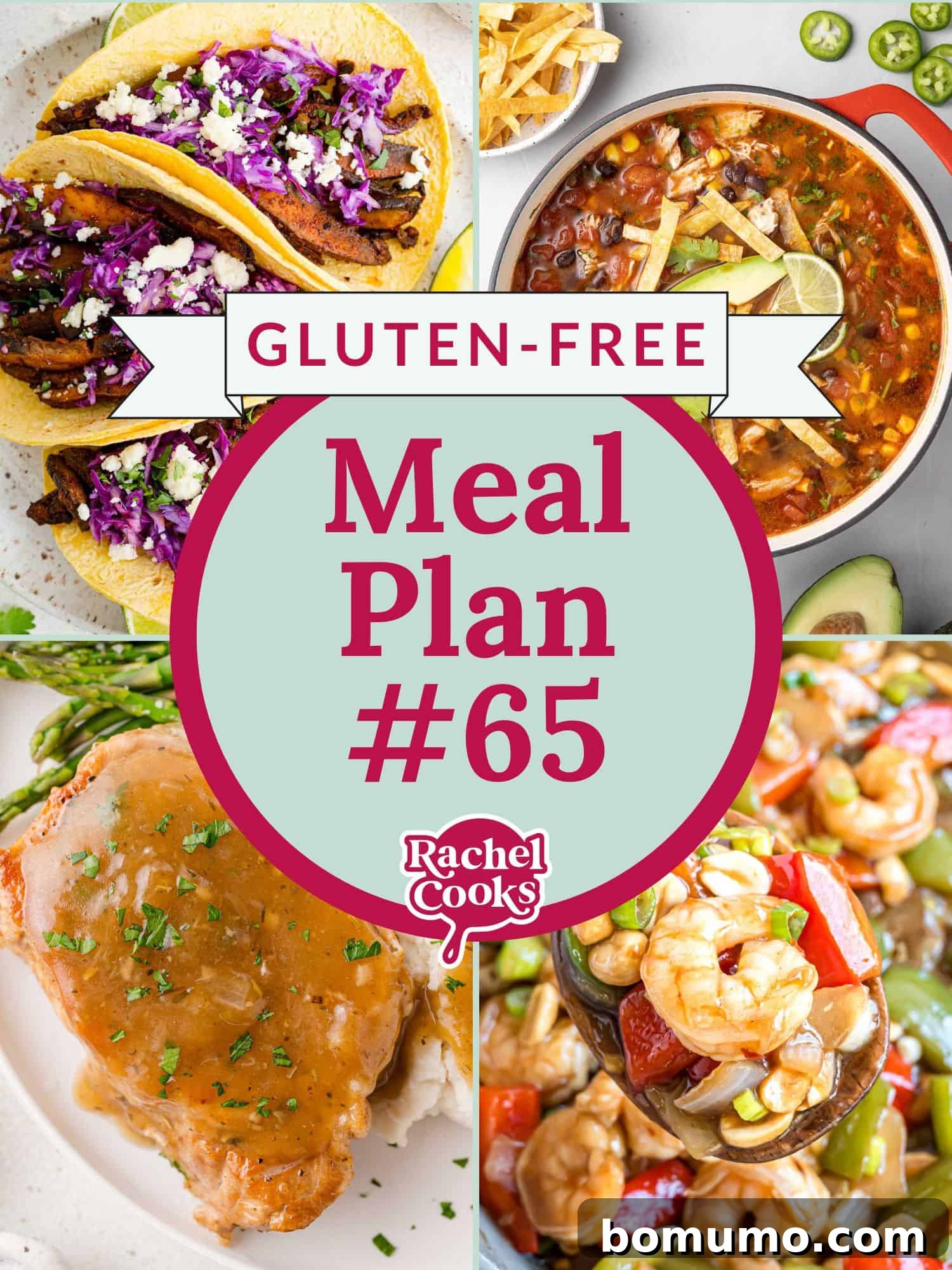
Unlock Your Free Weekly Meal Plan!
Planning delicious, wholesome meals for the week just got easier! Discover our specially curated Meal Plan #65, which proudly features this fantastic Kung Pao Shrimp recipe. Each plan provides a balanced and flavorful recipe for every weekday, complete with a categorized grocery list to simplify your shopping. We regularly update our collection, so be sure to check back weekly for fresh inspiration and new meal plans!
Explore More Asian-Style Favorites
Homemade Orange Chicken Recipe
Easy Fried Rice Recipe – Ready in 30 Minutes!
Perfectly Crispy Air Fryer Crab Rangoon
Authentic Bourbon Chicken Recipe
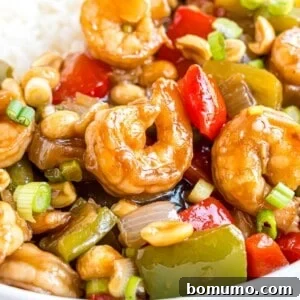
Quick & Easy Kung Pao Shrimp
Rachel Gurk
15 mins
15 mins
30 mins
4 servings
Ingredients
For the Marinade
- 1 pound large raw shrimp, peeled and deveined (see notes)
- 1 tablespoon soy sauce (Shaoxing wine or dry sherry can be substituted)
- 1 teaspoon cornstarch
For the Sauce
- ¼ cup water
- 1 teaspoon cornstarch
- 3 tablespoons soy sauce
- 2 tablespoons rice vinegar (Chinese black vinegar or balsamic vinegar can be substituted)
- 2 tablespoons hoisin sauce
- 1 to 2 tablespoons granulated sugar (more to taste)
- 2 teaspoons toasted sesame oil
- 1 teaspoon crushed red pepper flakes (see notes)
For Cooking
- 3 tablespoons oil, divided (I recommend grapeseed, avocado, vegetable, or peanut oil)
- 1 tablespoon minced garlic, about 3 to 4 cloves
- 1 tablespoon minced fresh ginger, about 1-inch piece
- 1 cup chopped red bell pepper, cut into ½ inch pieces (1 red pepper)
- 1 cup chopped green pepper, cut into ½ inch pieces (1 green pepper)
- ¾ cup diced onion (1 medium onion)
- ½ cup roasted unsalted peanuts (or roasted cashews)
- ¼ cup sliced green onions, plus more for garnish (2 to 3 green onions)
- salt and pepper, to taste
Instructions
-
If using frozen shrimp, thaw under cold running water, according to package instructions.
-
In a medium-sized bowl, whisk together 1 tablespoon soy sauce and 1 teaspoon cornstarch. Add shrimp and toss to coat. Marinate for 15 minutes.
-
Make sauce. In a small bowl or glass measuring cup, whisk water and 1 teaspoon cornstarch together. Add 3 tablespoons soy sauce, rice vinegar, hoisin sauce, sugar, sesame oil, and red pepper flakes. Whisk to combine and set aside.
-
Add 1 tablespoon of oil to a large skillet or wok and heat over medium-high heat until shimmering. Add shrimp in a single layer and cook until pink, about 2 minutes. Flip and cook the other side for an additional 1 to 2 minutes, depending on the size of the shrimp. Transfer to a plate or bowl. Wipe out the skillet.
-
Add the remaining 2 tablespoons of oil and heat over medium-high heat. Add ginger and garlic and cook until fragrant, about 30 seconds. Add peppers and onions and stir-fry until softened, about 5 minutes.
-
Return the cooked shrimp to the skillet. Whisk the sauce once more, add it to the pan, and simmer over medium heat until it thickens and coats the ingredients, about 1 to 2 minutes.
-
Stir in the roasted peanuts and sliced green onions. Cook just until heated through, avoiding overcooking to maintain crunch.
-
Serve hot over rice or noodles. Garnish with additional sliced green onions if desired.
Notes
- I typically use large shrimp (20/30 count) for this recipe as they provide a satisfying texture and are less prone to overcooking. However, the exact size of shrimp you choose is a personal preference. I advise against very small shrimp, as they can easily become tough or rubbery. Whether to leave the tails on or remove them is also a matter of personal choice.
- For this recipe, I’ve selected crushed red pepper flakes to deliver the spicy element, as they are a common pantry staple for most home cooks. Many authentic Kung Pao recipes, however, incorporate Sichuan pepper, peppercorn powder, or dried chilies, which offer a distinct numbing heat. If you are sensitive to spice, begin with just ½ teaspoon of red pepper flakes and adjust to your taste. For those who enjoy more heat, you can always garnish the finished dish with extra red pepper flakes or a drizzle of sriracha.
- Storage: Leftover Kung Pao Shrimp can be stored in an airtight container in the refrigerator for up to 2 days. For the best quality, freezing this dish is not recommended as it can negatively affect the texture of the shrimp and vegetables.
Nutrition Information
- Calories:
- 378kcal
- Carbohydrates:
- 22g
- Protein:
- 23g
- Fat:
- 23g
- Saturated Fat:
- 4g
- Polyunsaturated Fat:
- 9g
- Monounsaturated Fat:
- 8g
- Trans Fat:
- 0.1g
- Cholesterol:
- 143mg
- Sodium:
- 1793mg
- Potassium:
- 522mg
- Fiber:
- 4g
- Sugar:
- 10g
- Vitamin A:
- 1720IU
- Vitamin C:
- 82mg
- Calcium:
- 102mg
- Iron:
- 2mg
Nutrition information is automatically calculated and should only be used as an approximation.
Did You Make This?
Share a comment and rating below! I love hearing what you think!