
Mastering Beets: Your Ultimate Guide to Cooking This Earthy Superfood (4 Easy Methods!)
Are you ready to unlock the full potential of one of nature’s most vibrant and nutritious root vegetables? If you haven’t yet fallen in love with beets, learning how to cook beets properly is an absolute game-changer. Far from being just a side dish, these humble roots are bursting with earthy flavor, a touch of natural sweetness, and a wealth of health benefits. Perfectly cooked beets transform into a versatile ingredient, ideal for enriching salads, adding depth to grain bowls, or serving as a delightful standalone vegetable side with any meal, from quick weeknight dinners to festive holiday spreads. Consider this your essential guide, Beets 101, designed to turn you into a true beet enthusiast!
Often overlooked, beets are a powerhouse of essential vitamins, minerals, and antioxidants. They are a fantastic source of fiber, folate, manganese, potassium, and vitamin C, supporting everything from digestive health to energy levels. Their distinctive flavor, a delightful blend of earthy and sweet notes, deepens and becomes even more appealing once cooked. Whether you’re aiming for a tender, melt-in-your-mouth texture or a slightly crisp bite, mastering various cooking techniques will ensure your beets are always a culinary success.
From roasting to boiling, pressure cooking to air frying, each method brings out a unique aspect of this incredible vegetable. Dive in and discover how easy it is to prepare beets that are not only incredibly tasty but also contribute significantly to a healthy diet. Get ready to embrace the vibrant world of beets and make them a regular star in your kitchen!
Why Incorporate Cooked Beets into Your Diet?
Beyond their stunning color and unique flavor, beets offer a compelling array of reasons to earn a regular spot on your plate. If you’ve previously been hesitant about this root vegetable, understanding their incredible versatility and health benefits will surely change your mind.
Firstly, the flavor profile of a properly cooked beet is simply irresistible. The cooking process mellows their raw earthiness and concentrates their natural sugars, resulting in a tender, subtly sweet, and rich flavor that pairs beautifully with a wide range of ingredients. Imagine juicy, tender beet slices adding a pop of color and robust taste to a fresh goat cheese salad, or caramelized roasted beets lending a grounding sweetness to a hearty quinoa bowl. They are also incredibly satisfying as a standalone side dish, simply seasoned with a touch of salt, pepper, and a drizzle of olive oil.
Secondly, beets are nutritional powerhouses. They are packed with essential nutrients, making them a smart choice for any health-conscious eater:
- Rich in Vitamins and Minerals: Beets are an excellent source of folate (Vitamin B9), which is crucial for cell growth and function. They also provide a good amount of manganese, a trace mineral essential for bone health, and potassium, important for heart health.
- High in Fiber: The dietary fiber in beets supports digestive health, helps regulate blood sugar levels, and contributes to a feeling of fullness, aiding in weight management.
- Antioxidant Boost: Beets are unique for their high concentration of betalains, powerful antioxidants responsible for their vibrant red and purple hues. These compounds are known for their anti-inflammatory and detoxifying properties.
- Nitrate Content: Beets are naturally rich in nitrates, which the body converts into nitric oxide. Nitric oxide helps relax and widen blood vessels, potentially leading to improved blood flow and lower blood pressure. This makes them a popular choice among athletes looking to enhance performance.
By learning how to cook beets effectively, you transform a simple root vegetable into a culinary delight and a significant contributor to your overall well-being. Their vibrant hue adds visual appeal to any dish, making healthy eating both delicious and beautiful.
Understanding Beets: Varieties, Flavor, and Raw Enjoyment
Beets, scientifically known as Beta vulgaris, are the taproots of the beet plant, celebrated globally for their distinctive flavor and nutritional value. These hardy root vegetables are readily available in supermarkets and farmer’s markets across the world, making them an accessible and healthy dietary choice.
While the deep red variety, often called garden beet or red beet, is the most common and widely recognized, the world of beets is far more colorful and diverse than you might imagine. Beyond the classic red, you can also discover:
- Golden Beets: These offer a milder, sweeter flavor profile compared to their red counterparts, and they won’t stain your hands or cutting board. Their sunny color adds a beautiful contrast to dishes.
- Candy-Striped Beets (Chioggia Beets): Named for the Italian town where they originated, these beets reveal beautiful concentric rings of red and white when sliced. They have a sweet, earthy flavor and tend to be less intensely earthy than red beets.
- White Beets: With the mildest flavor of all, white beets are often preferred by those who find the earthy taste of red beets too strong. They retain their color during cooking, making them a subtle addition to various recipes.
- Purple Beets: Similar to red beets in color and flavor but sometimes even deeper in hue, offering a rich visual appeal.
Regardless of their color, all beet varieties are cooked in a similar manner, yielding tender, sweet results. Their inherent earthy sweetness is significantly enhanced through cooking, which caramelizes their natural sugars.
Enjoying Beets Raw
While cooking transforms beets into a tender treat, did you know that beets are also wonderfully delicious to enjoy raw? When prepared correctly, raw beets offer a delightful crunch and a fresher, slightly more pungent earthy flavor. The key to enjoying raw beets is to prepare them thinly. You can:
- Grate them: Use a box grater or food processor to finely shred raw beets, adding a vibrant and crunchy element to salads, slaws, or as a garnish.
- Slice them thinly: A mandoline slicer is perfect for creating paper-thin beet rounds or ribbons, which can be marinated briefly in a vinaigrette to soften slightly and enhance flavor, similar to carpaccio.
- Juice them: Raw beets are a popular ingredient in fresh juices, often combined with carrots, apples, and ginger for a powerful nutritional boost.
When eaten raw, beets offer a texture much like that of a crisp radish or carrot, adding an exciting textural contrast to your meals. Experiment with both raw and cooked preparations to fully appreciate the versatility of this incredible root vegetable.
Selecting the Best Beets at the Store
Choosing high-quality beets is the first step to a delicious culinary experience. When you’re at the grocery store or farmer’s market, keep these tips in mind to pick the perfect specimens:
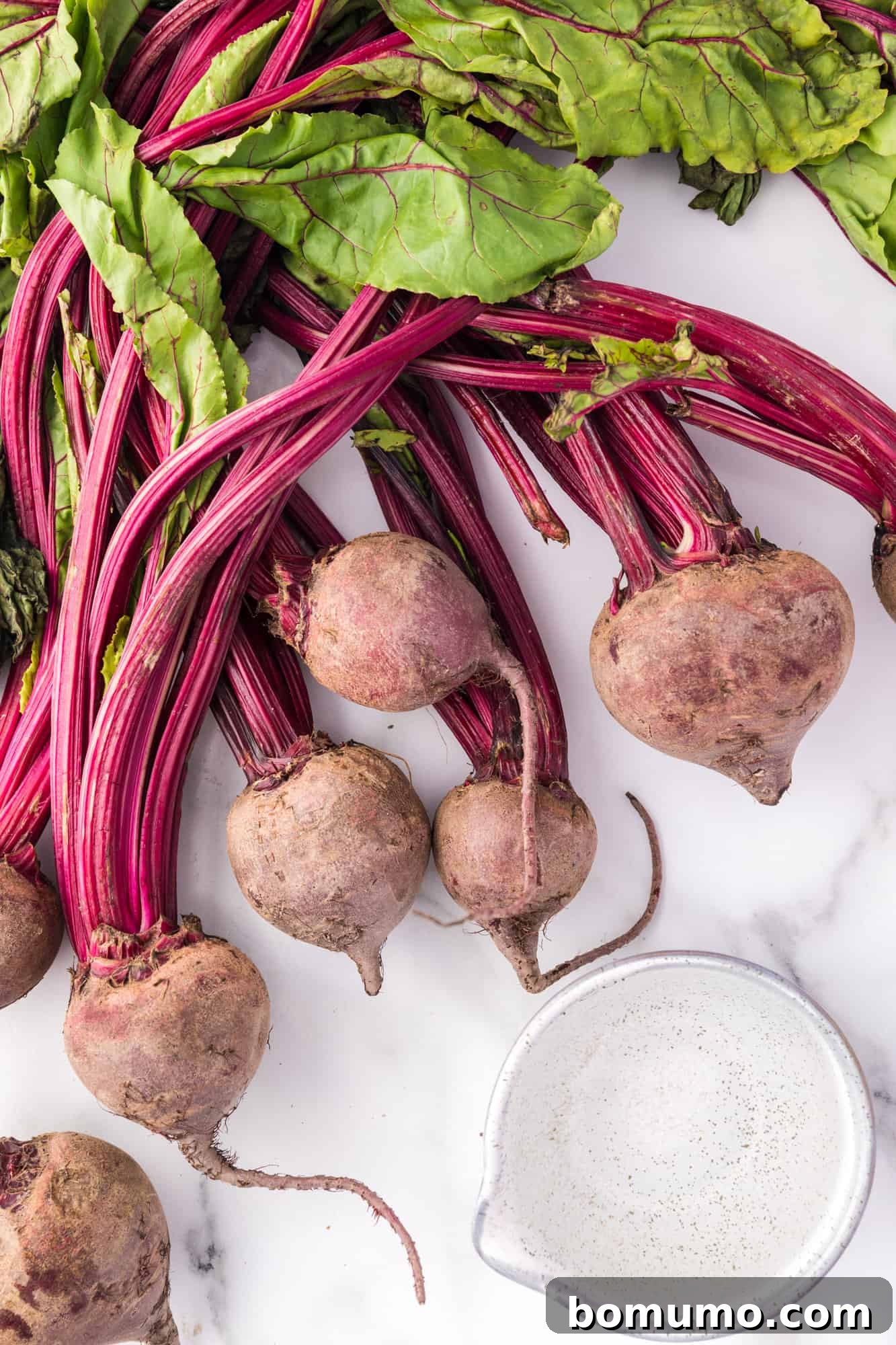
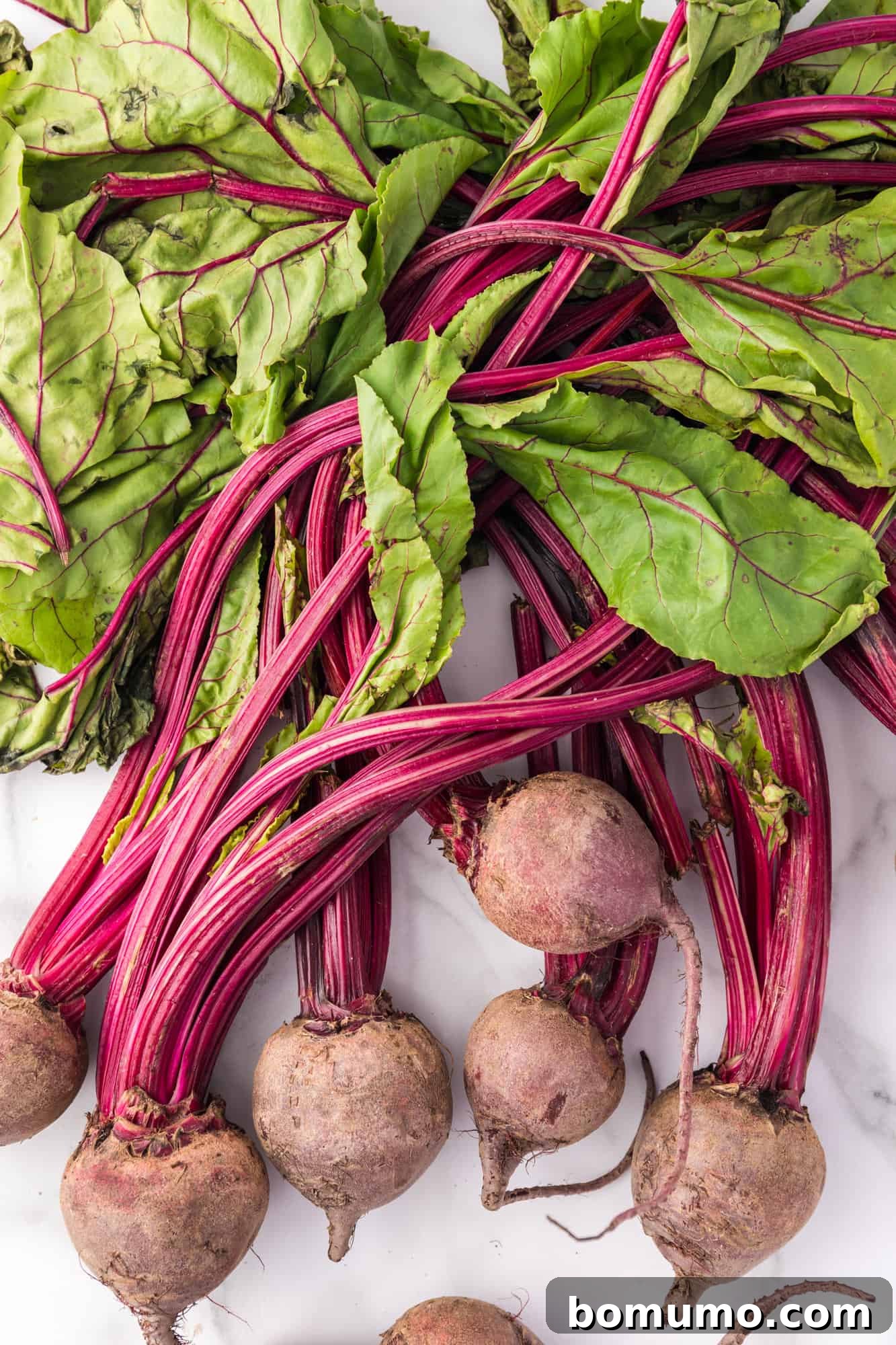
- Color and Size: Look for beets that have a deep, vibrant red or golden color, indicating freshness and ripeness. Opt for smaller to medium-sized beets, as they tend to be more tender and less woody. Larger beets, especially those over 3-4 inches in diameter, can sometimes be tough and fibrous when cooked.
- Firmness: Gently squeeze the beets. They should feel firm and solid, with no soft spots, wrinkles, or signs of bruising. A soft beet is an old beet and will likely be less flavorful and have an undesirable texture.
- Weight: Pick up a few beets. A good beet should feel heavy for its size, which is an indicator of its water content and freshness.
- Leaves (if present): If the beets still have their greens attached, they should be bright, crisp, and fresh-looking, not wilted or yellowing. The greens are edible and delicious, so don’t discard them! You can cook them like spinach or Swiss chard.
- Taproot: Inspect the thin, pointy tip at the bottom of the beet, known as the taproot. Avoid beets with a very thick or hairy taproot, as this can be a sign that the beet is older and might be tough or woody once cooked.
By following these simple guidelines, you’ll consistently bring home the best beets, ready to be transformed into your favorite dishes.
Essential Tips for Perfectly Cooked Beets Every Time
Cooking beets doesn’t have to be intimidating. With a few simple techniques and tips, you can achieve perfectly tender, flavorful results consistently. Here’s how to master the art of cooking beets:
- Proper Trimming Before Cooking: Before you start cooking, it’s important to prepare your beets. Begin by gently scrubbing them under cool running water to remove any dirt. Using a sharp knife, trim off the beet greens and about an inch of the stem, leaving a small portion attached to prevent too much color bleeding during cooking. Similarly, trim the thin taproot at the bottom, but again, leave a small nub. This minimal trimming helps the beets retain their natural color and juices, especially during boiling or steaming. Save the greens – they are delicious sautéed!
- Peeling: Before or After Cooking? This is a common question, and the answer largely depends on your cooking method and how you plan to use the beets.
- After Cooking (Generally Recommended): For methods like boiling, steaming, or roasting whole beets, it’s typically easier to peel the beets after they’re cooked and slightly cooled. The skins will often slip right off with a gentle rub under cold water or with a paring knife, reducing mess and effort. This method also helps preserve nutrients directly under the skin.
- Before Cooking (For Diced or Sliced Beets): If your recipe calls for diced, sliced, or shredded raw beets (for roasting smaller pieces, salads, or quick sautéing), it’s more practical to peel them beforehand. Use a vegetable peeler to remove the skin, then proceed with dicing or slicing. Be mindful that red beets can stain, so you might want to wear gloves.
- Avoid Overcooking for Optimal Texture: The goal is tender, not mushy. Overcooked beets lose their pleasant texture and can become watery and bland. Start checking your beets for doneness towards the end of the recommended cooking time for your chosen method.
- Testing for Doneness: Your beets are perfectly done when you can easily pierce them with a fork or the tip of a sharp knife, with minimal resistance.
- Cooking Time Variability: The exact cooking time will vary significantly based on the size of your beets and the cooking method you employ. Smaller beets will cook faster than larger ones. As a general guide, most beets will require between 30 minutes to 1 hour to become tender when boiled or roasted whole. For diced or sliced beets, cooking times can be considerably shorter.
- Enhance Flavor with Seasoning: While beets are delicious on their own, a little seasoning can elevate their flavor even further. After cooking and peeling, experiment with a sprinkle of your favorite blends.
- Simple Enhancements: A dash of salt, freshly ground black pepper, and a drizzle of good quality olive oil or balsamic glaze are often all you need.
- Herb and Spice Pairings: Try fresh herbs like dill, parsley, thyme, or rosemary. For spice, a pinch of cumin, coriander, or even a touch of chili flakes can add an interesting dimension.
- Suggested Blends: Give your cooked beets a sprinkle with all-purpose seasoning for a foundational flavor boost, or add a Mediterranean flair with Italian seasoning. Other great pairings include goat cheese, feta, orange zest, or a squeeze of lemon juice.
With these tips in your arsenal, you’ll be cooking delectable beets with confidence and ease!
Versatile Ways to Prepare Beets: 4 Easy Methods
Beets are incredibly versatile and can be prepared using a variety of cooking methods, each highlighting their unique texture and sweetness in different ways. Here are four popular and easy methods to prepare beets, ensuring delicious results every time.
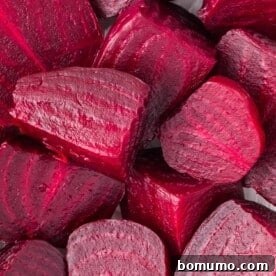
Method 1: How to Boil Beets for Tender Perfection
How to Boil Beets: Step-by-Step
- Preparation: Start by thoroughly washing your beets. Trim off the greens and taproot, leaving about an inch of stem attached to minimize color bleeding.
- Boiling: Place the whole, untrimmed beets in a large pot and cover them with cold water by at least an inch. Add a pinch of salt if desired. Bring the water to a rolling boil over high heat.
- Simmering: Once boiling, reduce the heat to a gentle simmer, cover the pot, and cook until the beets are tender when pierced with a fork. Cooking time will vary based on size: small beets (1-2 inches) may take 25-35 minutes, medium beets (2-3 inches) 35-50 minutes, and large beets (3+ inches) 50-70 minutes.
- Cooling and Peeling: Once tender, drain the beets and rinse them under cold water, or immerse them in an ice bath. Once cool enough to handle, the skins should easily rub off with your fingers or a paper towel.
- Serving: Slice, dice, or cube the boiled beets and dress them with a simple vinaigrette, olive oil, and herbs, or incorporate them into your favorite recipes like salads or hummus.
View Full Recipe for Boiled Beets
Method 2: Instant Pot Beets for Speed and Convenience
How to Cook Beets in the Instant Pot: Step-by-Step
- Preparation: Wash the beets thoroughly and trim the greens and taproot, leaving small nubs. You can leave them whole or cut larger beets in half for faster cooking.
- Pressure Cooking Setup: Place the trivet inside your Instant Pot and add 1 cup of water. Arrange the beets on the trivet.
- Cooking: Close the lid and set the valve to “Sealing.” Select “Manual” or “Pressure Cook” and set the timer. Cooking times vary by size: small beets (1-2 inches) 10-12 minutes, medium beets (2-3 inches) 15-20 minutes, large beets (3+ inches) 20-25 minutes.
- Release Pressure and Cool: Once cooking is complete, allow for a natural pressure release for 10 minutes, then manually release any remaining pressure. Transfer the beets to a bowl of ice water to cool rapidly.
- Peeling and Serving: Once cooled, the skins will easily slip off. Dice, slice, or mash your Instant Pot beets for use in your favorite recipes, or serve them simply with a drizzle of olive oil and a sprinkle of salt.
View Full Recipe for Instant Pot Beets
Method 3: Roasted Beets for Deep, Caramelized Flavor
How to Roast Beets: Step-by-Step
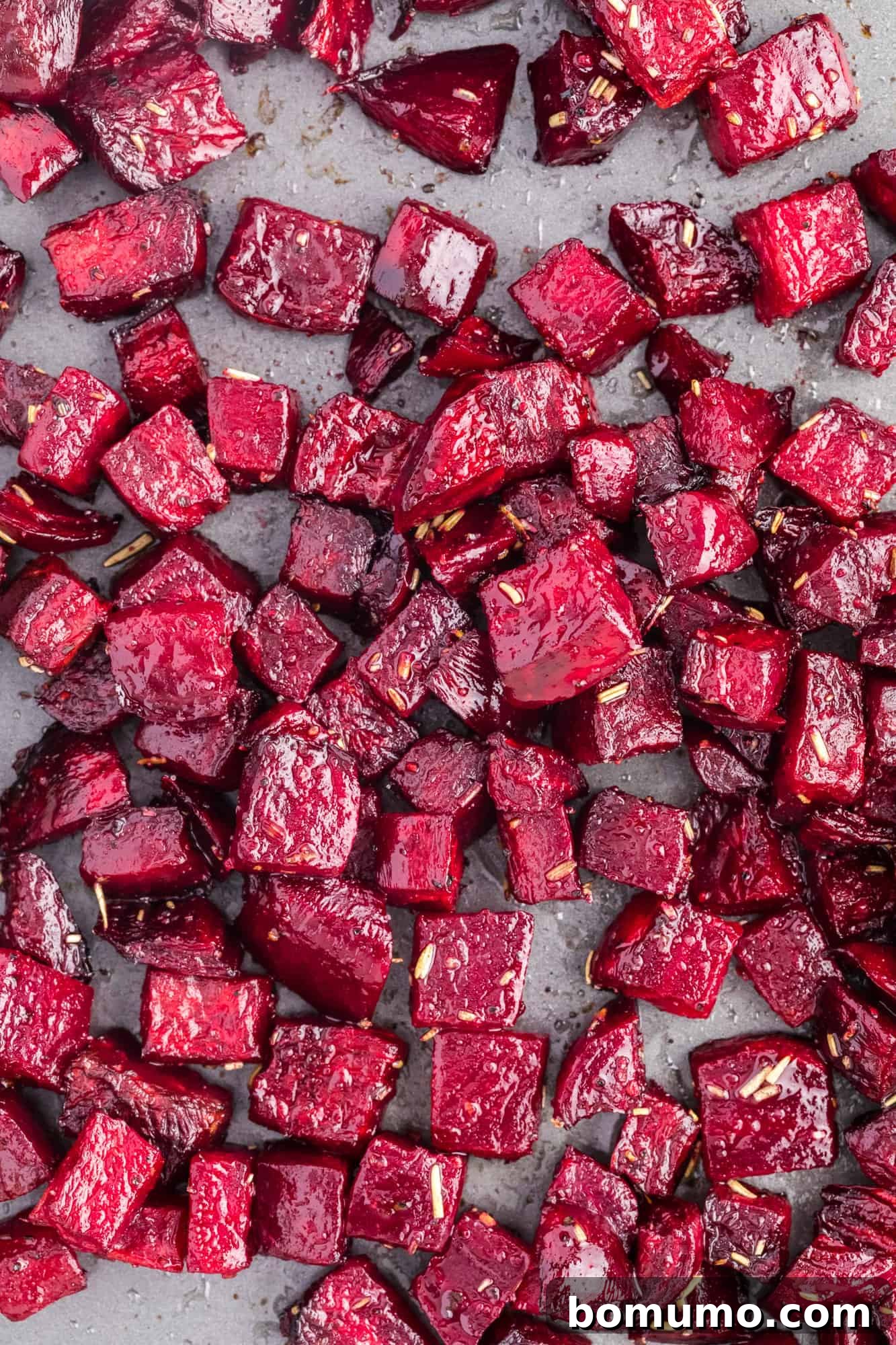
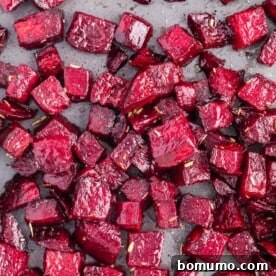
- Preparation: Preheat your oven to 400°F (200°C). Wash the beets thoroughly. For roasting whole, leave the skin on and just trim the greens and taproot. For diced beets, peel and then chop into 1-inch pieces.
- Seasoning: Toss the beets (whole or diced) with a tablespoon or two of olive oil, salt, and freshly ground black pepper. You can also add herbs like rosemary or thyme for extra flavor.
- Roasting: Spread the beets in a single layer on a baking sheet.
- Whole Beets: Wrap each beet individually in aluminum foil or place them in a foil packet to steam while roasting. Roast for 45-60 minutes, or until fork-tender.
- Diced Beets: Roast directly on the baking sheet for 25-40 minutes, stirring halfway through, until tender and slightly caramelized.
- Cooling and Peeling (for whole beets): Once roasted, remove whole beets from the oven and let them cool slightly. The skins will be easy to peel once cool enough to handle.
- Serving: Roasted beets are fantastic as a side dish, added to salads, or pureed into soups and dips.
View Full Recipe for Roasted Beets
Method 4: Air Fryer Beets for Quick Crispy Tenderness
How to Cook Beets in an Air Fryer: Step-by-Step
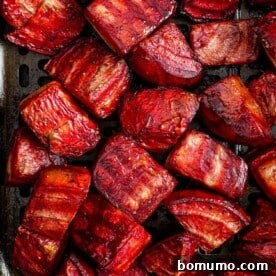
- Preparation: Wash and peel the beets. Cut them into uniform 1/2-inch to 1-inch cubes or wedges. This ensures even cooking and promotes crispy edges.
- Seasoning: In a bowl, toss the beet pieces with 1-2 tablespoons of olive oil, salt, and pepper. You can also add garlic powder, onion powder, or your favorite herbs.
- Air Frying: Place the seasoned beets in a single layer in your air fryer basket, ensuring not to overcrowd it. Cook at 375°F (190°C) for 15-25 minutes, shaking the basket every 5-7 minutes to promote even cooking and browning.
- Checking Doneness: The beets are done when they are tender on the inside and have a slightly crispy, caramelized exterior. Cooking time may vary based on your air fryer model and beet size.
- Serving: Serve immediately as a warm side dish, or let them cool and add to salads or grain bowls for a burst of color and flavor.
View Full Recipe for Air Fryer Beets
Delicious Recipes Featuring Beets
Once you’ve mastered the art of cooking beets, the culinary possibilities are endless! Their vibrant color, earthy flavor, and touch of sweetness make them an incredible addition to a wide array of dishes. Here are some fantastic recipes that showcase beets beautifully:

Beet Bruschetta with Orange Tarragon Goat Cheese
View Recipe
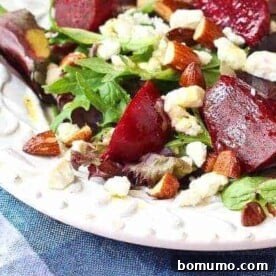
Refreshing Salad with Beets and Feta
View Recipe
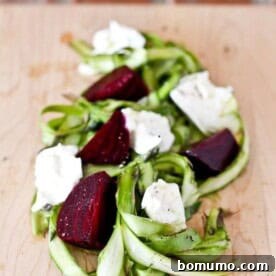
Elegant Asparagus Salad with Beets and Burrata
View Recipe
Beyond the Basics: Creative Serving Suggestions for Beets
Cooked beets are far more versatile than just a simple side dish. Their unique earthy and sweet flavor profile allows them to shine in a surprising number of culinary creations. Here are even more ideas to inspire your beet adventures:
Elevate Your Side Dishes
As a compelling side dish, earthy and slightly sweet beets pair exceptionally well with a variety of main courses. Their distinct flavor complements both savory and sweet-savory dishes, creating a balanced and memorable meal.
- Savory Pairings: Beets are excellent alongside roasted chicken, grilled fish, or even a classic steak. Their earthiness cuts through richness beautifully.
- Sweet-Savory Harmony: Try serving them with dishes like pork tenderloin with apples, where the sweetness of the fruit and pork finds a perfect counterpoint in the beets. Similarly, they enhance the flavors of baked honey mustard chicken, adding depth and a touch of sweetness.
- Herb and Spice Infusions: Beyond basic salt and pepper, consider tossing cooked beets with fresh dill and a squeeze of lemon juice for a bright, refreshing taste, or with a touch of balsamic glaze and crumbled goat cheese for a richer, tangier experience.
Fantastic Cold Dishes and Meal Prep
Beets are not just for warm dishes; they taste absolutely wonderful cold, making them an ideal component for meal prepping and refreshing salads.
- Refreshing Wraps: Add sliced or grated cooked beets to a vegetable wrap alongside other fresh veggies, hummus, and greens for a vibrant and healthy lunch.
- Nutrient-Packed Bowls: Incorporate them into various grain bowls, like a quinoa bowl with balsamic dressing, providing a hearty texture, striking color, and added nutrients.
- Marinated Beets: Marinate cooked and sliced beets in a simple vinaigrette (olive oil, vinegar, Dijon, herbs) for a flavorful and ready-to-eat salad component that lasts for days in the fridge.
- Creamy Dips and Spreads: Blend cooked beets into hummus for a stunning pink beet hummus, or create a vibrant beet dip with Greek yogurt, garlic, and lemon juice.
- Pickled Beets: For a tangy kick, quick-pickle sliced cooked beets. They make an excellent condiment and can be stored for longer periods.
Creative Culinary Uses
- Smoothies and Juices: Raw or lightly cooked beets can be blended into smoothies for an extra nutritional boost and beautiful color.
- Soups and Stews: Beets are a star ingredient in traditional Eastern European dishes like borscht, but they can also add depth and color to other vegetable soups and stews.
- Baking: Yes, even in baking! Shredded raw beets can be incorporated into savory muffins or even chocolate cakes, where their sweetness and moisture add an unexpected depth (and a hidden veggie!).
- Pasta Dishes: Puree cooked beets into a sauce for a uniquely colored and flavored pasta dish, often paired with creamy cheeses or walnuts.
With these diverse serving suggestions, beets are sure to become a beloved staple in your culinary repertoire. Don’t be afraid to experiment and find your favorite ways to enjoy this incredible superfood!