
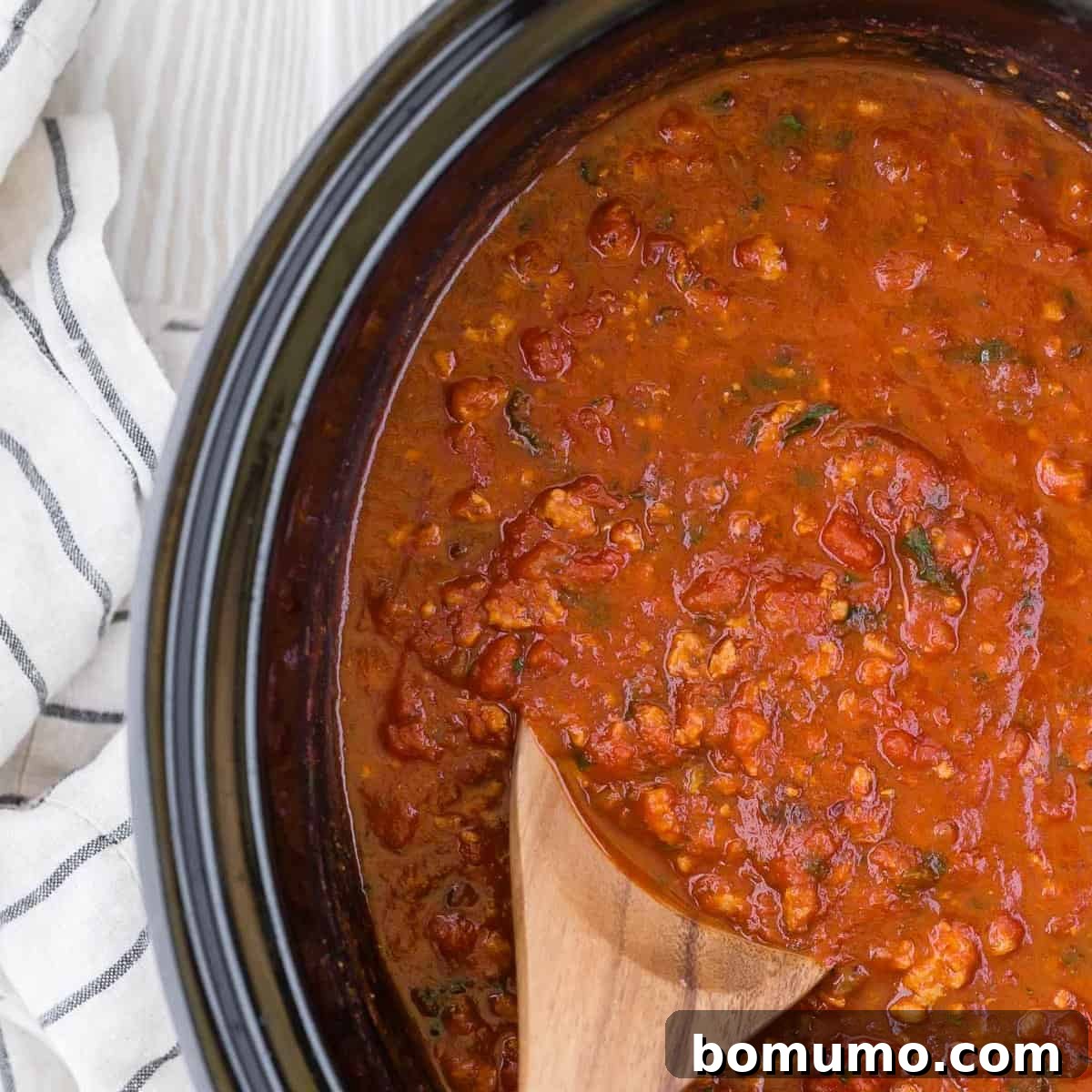
Effortless Flavor: Your Guide to Slow Cooker Spaghetti Sauce
Why you’ll love it: Imagine starting your spaghetti sauce in the morning and returning home to a house filled with the comforting aroma of a simmering Italian masterpiece. This slow cooker spaghetti sauce recipe promises exactly that – a hands-off approach to an absolutely delicious, deeply flavored homemade dinner, perfect for busy days or relaxed weekends. It’s the ultimate set-it-and-forget-it meal that tastes like it cooked all day long, because it did!
How long it takes: This versatile sauce can simmer for 3 to 4 hours on High, or for a longer, more mellow flavor, 6 to 8 hours on Low.
Equipment you’ll need: A large skillet for browning and your trusty slow cooker.
Servings: This generous recipe yields approximately 9 cups of rich, hearty sauce, making it ideal for family dinners, meal prepping, or entertaining guests.
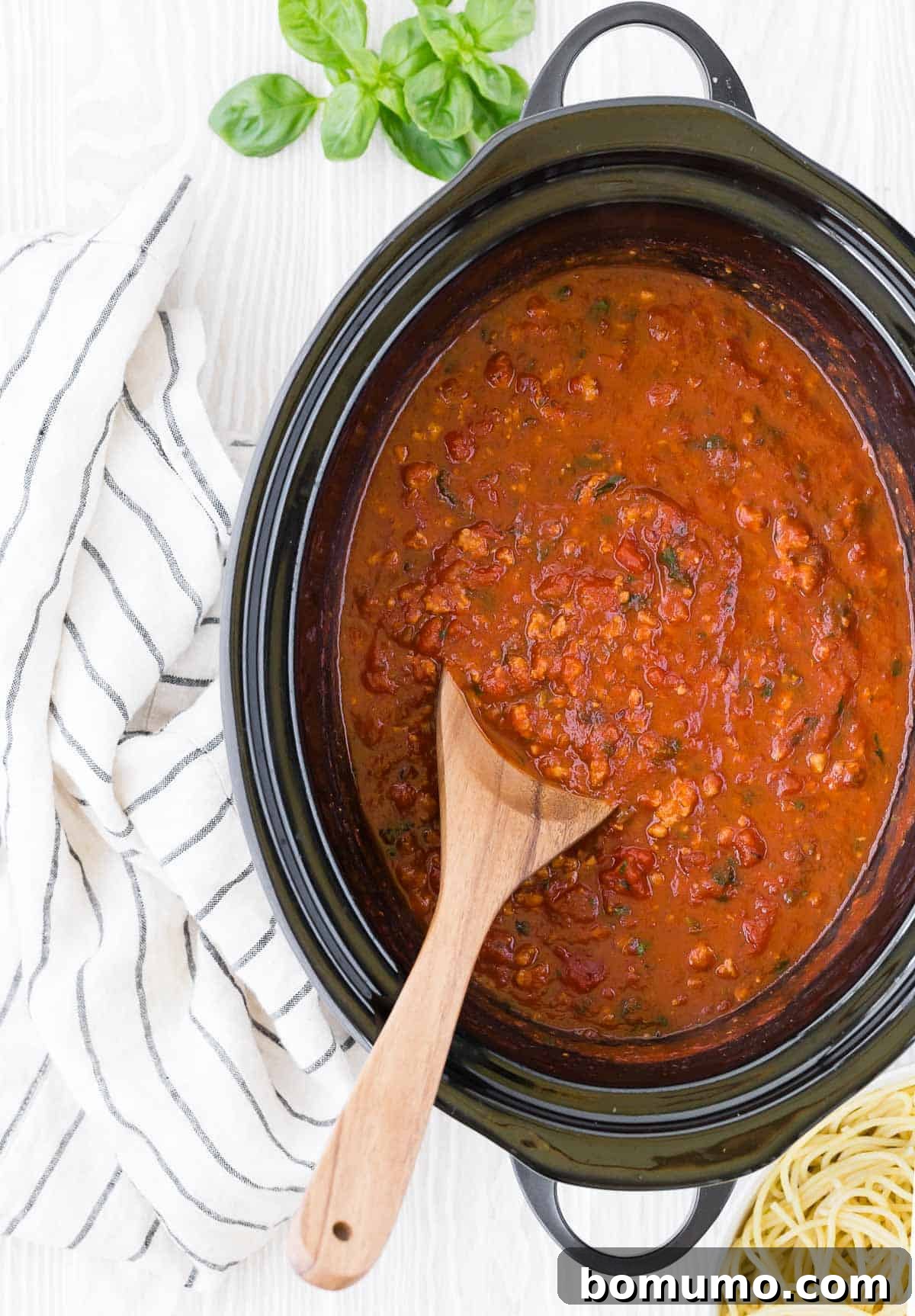
If your pasta nights typically involve opening a jar of store-bought sauce, prepare for a delightful culinary awakening. There’s truly nothing quite like the experience of homemade spaghetti sauce, especially when it’s been slow-simmering to perfection all day long. You might think you know what I’m going to say, and you’d be right: homemade is undeniably superior!
The satisfaction derived from carefully selecting fresh ingredients, adding a “little bit of this and a little bit of that” to the pan, and then allowing it all to meld into a rich, complex sauce is immense. As the hours pass, your home will be enveloped in an intoxicating aroma reminiscent of a bustling Italian trattoria, captivating everyone and building eager anticipation for dinnertime. This isn’t just a meal; it’s a sensory journey that promises comfort, warmth, and truly unforgettable flavor.
So, why wait for a special occasion? Embrace the joy of homemade cooking. Prepare a large batch of this incredible crockpot spaghetti sauce, gather your loved ones, and savor a genuinely delicious homemade spaghetti dinner. Enhance your meal by serving it alongside freshly baked warm bread, a bowl of aromatic olive oil dipping sauce, and perhaps a lovely glass of red wine. It’s an easy way to elevate an everyday meal into a memorable feast.
Unlock Unforgettable Flavor: Homemade Crockpot Spaghetti Sauce
There are countless reasons why this homemade crockpot spaghetti sauce will become a staple in your kitchen, transforming your weeknight dinners into something truly special.
Homemade Sauce vs. Store-Bought: A Flavor Revolution. While opening a jar of sauce offers undeniable convenience, it simply cannot compare to the depth and vibrancy of a homemade sauce. Jarred sauces often fall flat, lacking the nuanced flavors that develop through slow simmering. Furthermore, making your own sauce gives you complete control over the ingredients. You can avoid unwanted preservatives, excessive sodium, and mysterious “natural flavors,” ensuring a healthier and more authentic meal for your family. The minimal extra effort is profoundly rewarded with a superior taste that store-bought options can only dream of achieving.
The Ultimate “Fix It and Forget It” Meal. This crockpot spaghetti sauce recipe is designed for maximum ease, building on the principles of my popular stovetop spaghetti sauce but adapted for the incredible convenience of a slow cooker. The main advantage here is the “hands-off” cooking experience. After a quick initial prep in the skillet, you simply transfer everything to your slow cooker. You can start it in the morning (or even right after lunch) and then literally forget about it, allowing your slow cooker to perform all the magic. This frees up your day for errands, work, family activities, or simply relaxing, knowing a delicious dinner is simmering away without constant supervision.
Unparalleled Flexibility for Busy Schedules. One of the greatest benefits of using a slow cooker for spaghetti sauce is its forgiving nature when it comes to timing. Unlike stovetop recipes that demand precise attention, this sauce can happily simmer for an extended period without compromising quality. Not entirely sure when dinner will be? No problem! Whether you’re navigating a busy day packed with appointments, sports practices, or swimming lessons, your sauce will patiently await your return, ready to be served whenever you are. This adaptability makes it an ideal solution for modern, active lifestyles, providing a comforting and wholesome meal that fits seamlessly into any schedule.
Essential Ingredients for a Perfect Slow Cooker Spaghetti Sauce
Crafting an exceptional spaghetti sauce begins with understanding the role each ingredient plays. Here’s a closer look at what you’ll need to create a truly memorable meal:
- Meat of Your Choice: This recipe is incredibly versatile. You can opt for classic ground beef for a rich, hearty flavor, lean ground turkey for a lighter alternative, or savory Italian sausage (mild or spicy) for an extra kick. For a vegetarian option, simply omit the meat entirely and enjoy a vibrant, plant-based sauce.
- Onion and Garlic: These aromatic powerhouses form the foundational flavor base of any great Italian sauce. I typically use inexpensive yellow cooking onions, finely diced to melt into the sauce, providing a subtle sweetness. And, of course, what’s spaghetti sauce without the pungent, irreplaceable flavor of fresh minced garlic?
- A Symphony of Tomatoes: To achieve a complex and deeply layered tomato flavor, this recipe utilizes a combination of canned tomato products. Tomato paste provides concentrated richness and umami, crushed tomatoes offer a smooth body, tomato sauce adds a fluid consistency, and diced tomatoes contribute delightful texture. Opting for “no-salt added” canned tomatoes is highly recommended, allowing you to control the sodium content to your preference without sacrificing taste.
- Sugar: Just a hint of white sugar is added, not to sweeten the sauce, but to delicately balance the natural acidity of the tomatoes. This subtle touch enhances the overall flavor profile, creating a perfectly harmonious taste.
- Red Pepper Flakes: A small pinch of red pepper flakes is included to provide a subtle warmth and a gentle kick. If you prefer a spicier sauce, feel free to increase the amount to your liking, or offer extra flakes on the side for individual customization.
- Dried Herbs: The backbone of Italian flavor comes from classic dried herbs found in most spice drawers: oregano and thyme, complemented by a bay leaf for depth. For an easy shortcut, you can also use homemade Italian seasoning.
- Fresh Herbs: The magic truly happens at the end with the addition of fresh basil and parsley. Stirring these vibrant herbs into the sauce just before serving infuses it with unparalleled brightness and a fresh, herbaceous aroma that elevates the entire dish.
- Butter: A small pat of butter stirred in at the very end adds a luxurious richness and a silky finish to the sauce, enhancing its mouthfeel and overall indulgence.
- Salt: One of the significant advantages of making your own sauce is the ability to season to taste. Given the often high sodium content in jarred sauces, controlling the salt allows you to achieve perfect flavor balance while managing dietary needs.
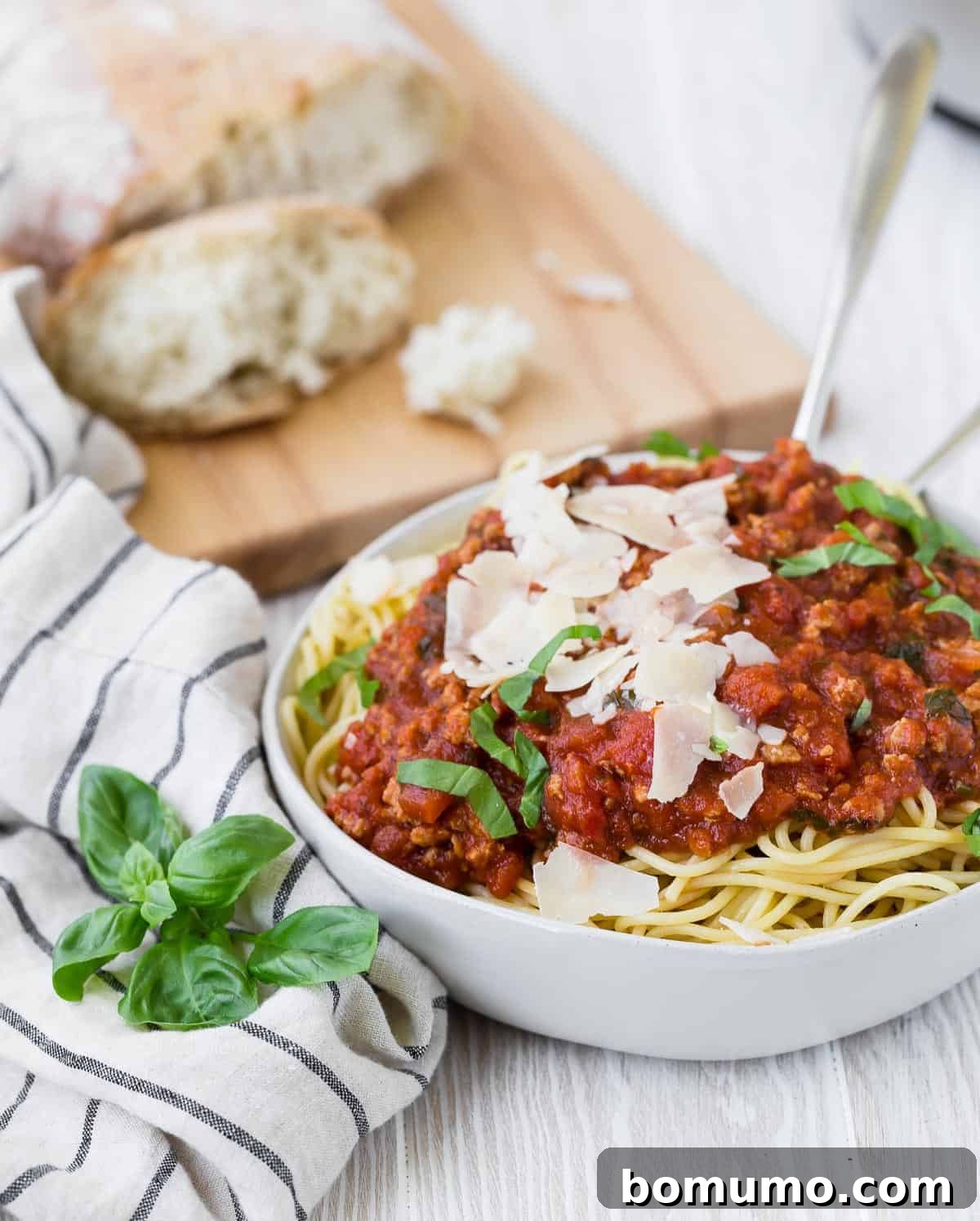
Elevating Flavor: The Art of Adding Red Wine to Spaghetti Sauce
Incorporating red wine into your spaghetti sauce introduces another delicious dimension of flavor, adding complexity and sophistication. When selecting a wine, choose a dry, fruity red such as Zinfandel, Cabernet Franc, Chianti, or Sangiovese. The key is to pick a wine that you would enjoy drinking, but there’s no need to use an expensive bottle; a good quality table wine will do perfectly.
How to do it: After you have browned your meat and onions in the skillet, and before adding the garlic and tomato paste, pour in about a half cup to a full cup of your chosen red wine. Allow the wine to simmer and reduce almost completely, scraping up any browned bits from the bottom of the pan as it cooks. This process, known as deglazing, concentrates the wine’s flavors and integrates them into the base of your sauce, adding a deep, rich undertone. Once the wine has mostly evaporated, you can proceed with the recipe as directed, adding garlic, tomato paste, and then transferring to the slow cooker.
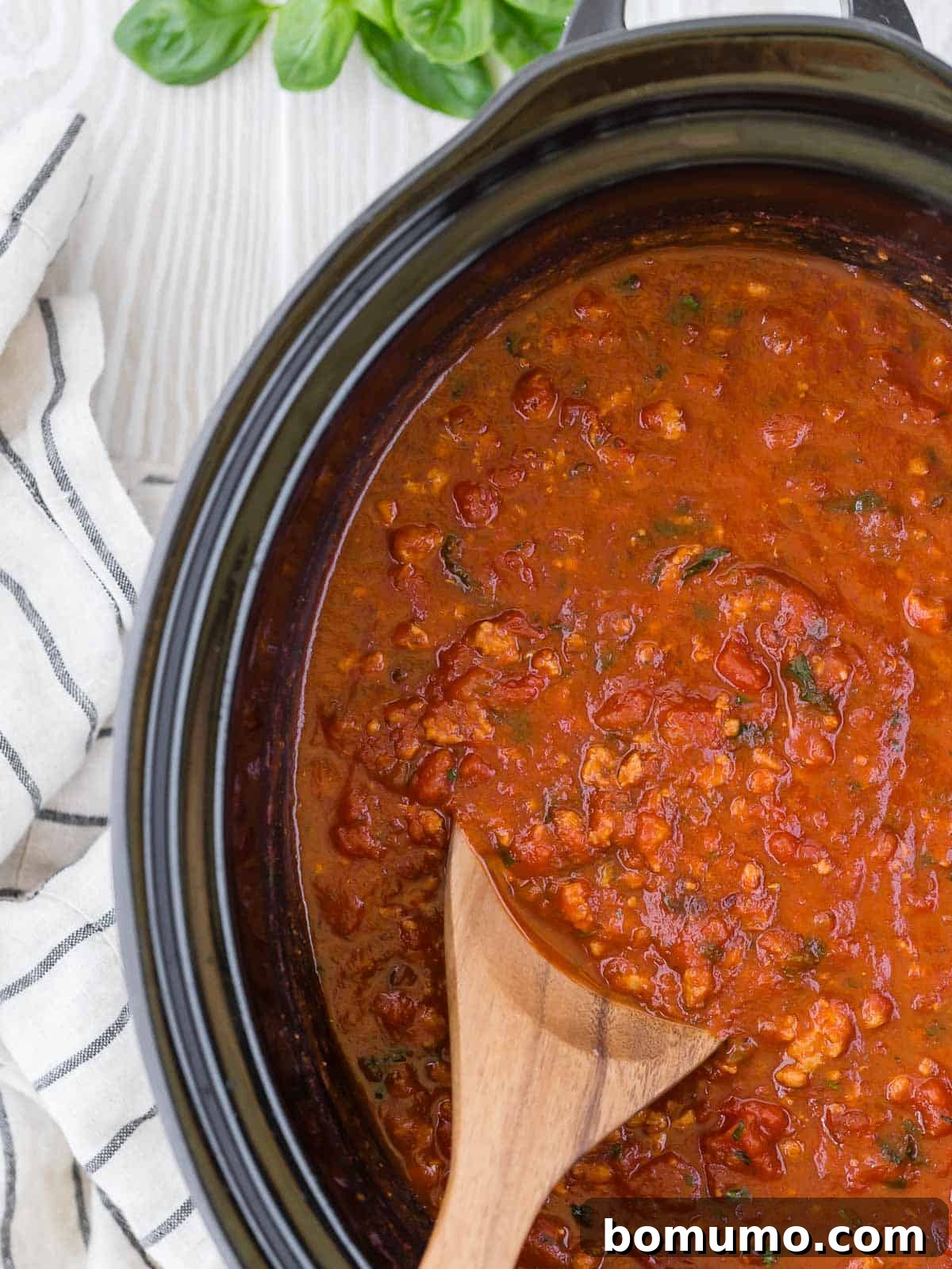
Step-by-Step Guide: How to Prepare Your Crockpot Spaghetti Sauce
Creating this flavorful slow cooker spaghetti sauce is a straightforward process that yields incredible results with minimal effort. The beauty of this recipe lies in its adaptability: it can be cooked all day for a gentle simmer or for a shorter period on higher heat to suit your schedule.
Getting Started: The Sauté
Begin by heating a tablespoon of olive oil in a large skillet over medium-high heat. Add your chosen ground meat (beef, turkey, or Italian sausage) along with the finely diced yellow onion. Cook the mixture, breaking up any large chunks of meat with a spoon, until the meat is thoroughly browned and the onions have become translucent and tender. This browning step is crucial as it builds a rich flavor foundation for your sauce.
Next, add the minced garlic to the skillet, stirring constantly for about one minute until it becomes fragrant. Be careful not to burn the garlic, as this can impart a bitter taste. Immediately follow with the tomato paste, stirring it into the meat and onion mixture for a couple of minutes. Cooking the tomato paste briefly deepens its flavor and color, adding a wonderful complexity to the sauce.
Slow Cooker Assembly
Once the initial sautéing is complete, carefully scrape the flavorful contents of the skillet into your slow cooker. To this, add all the canned tomatoes: the crushed tomatoes, tomato sauce (preferably no-salt added), and petite diced tomatoes (undrained). Sprinkle in the white sugar, dried oregano, dried thyme, and red pepper flakes, then tuck in the bay leaf.
The Simmer and Finish
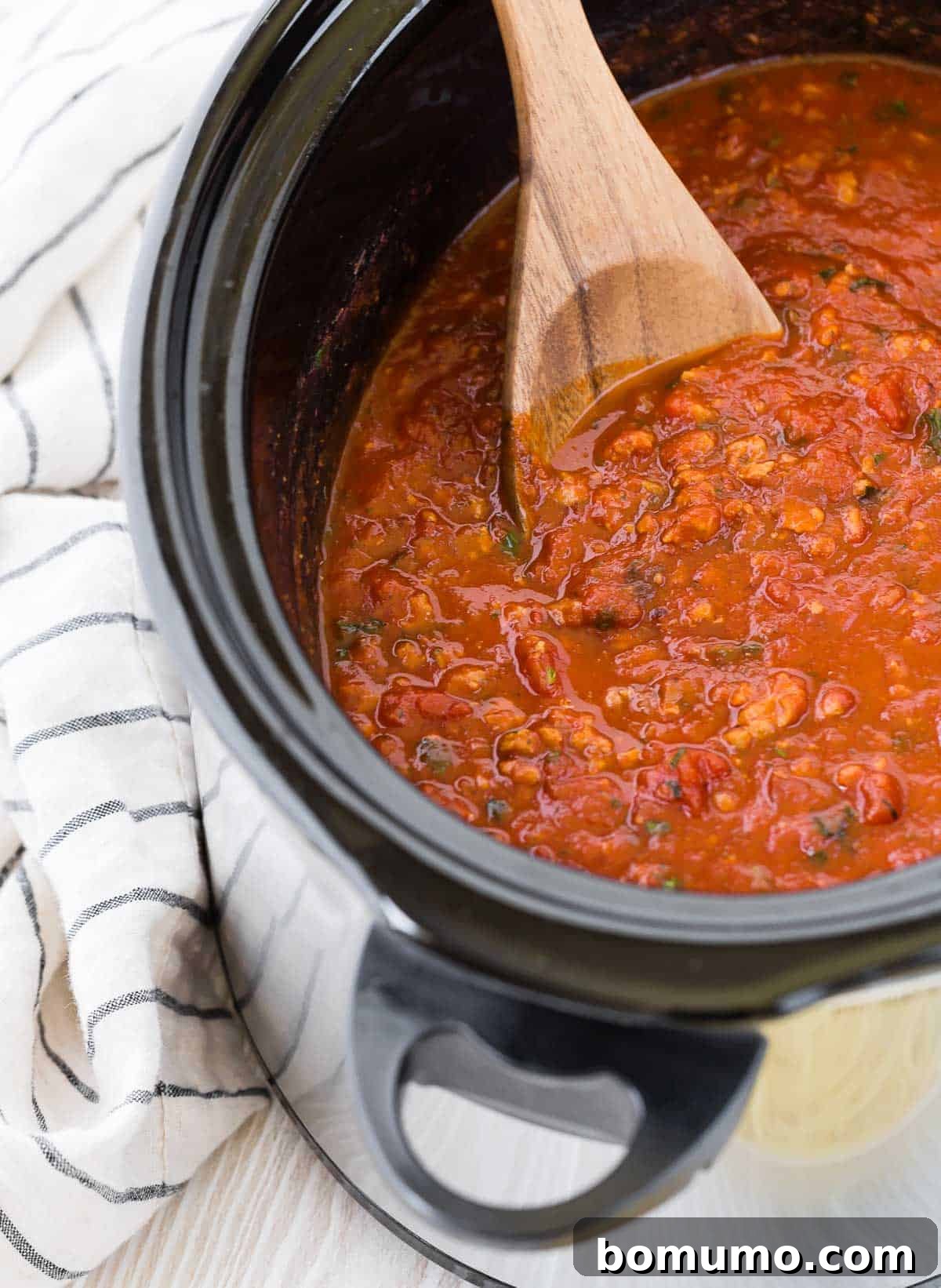
Give all the ingredients a good stir to combine them thoroughly. Place the lid on your slow cooker and let it work its magic. You can cook the sauce on the “High” setting for 3 to 4 hours, or for a more developed, slow-simmered taste, opt for the “Low” setting for 6 to 8 hours. The longer, slower cooking time allows the flavors to truly meld and deepen.
Just before you’re ready to serve, remove the bay leaf from the sauce. Stir in the freshly chopped basil, fresh chopped parsley, and a pat of butter. Continue stirring until the butter has completely melted, enriching the sauce with its creamy texture. Taste the sauce, and add salt to your preference, remembering that you can always add more but never take away.
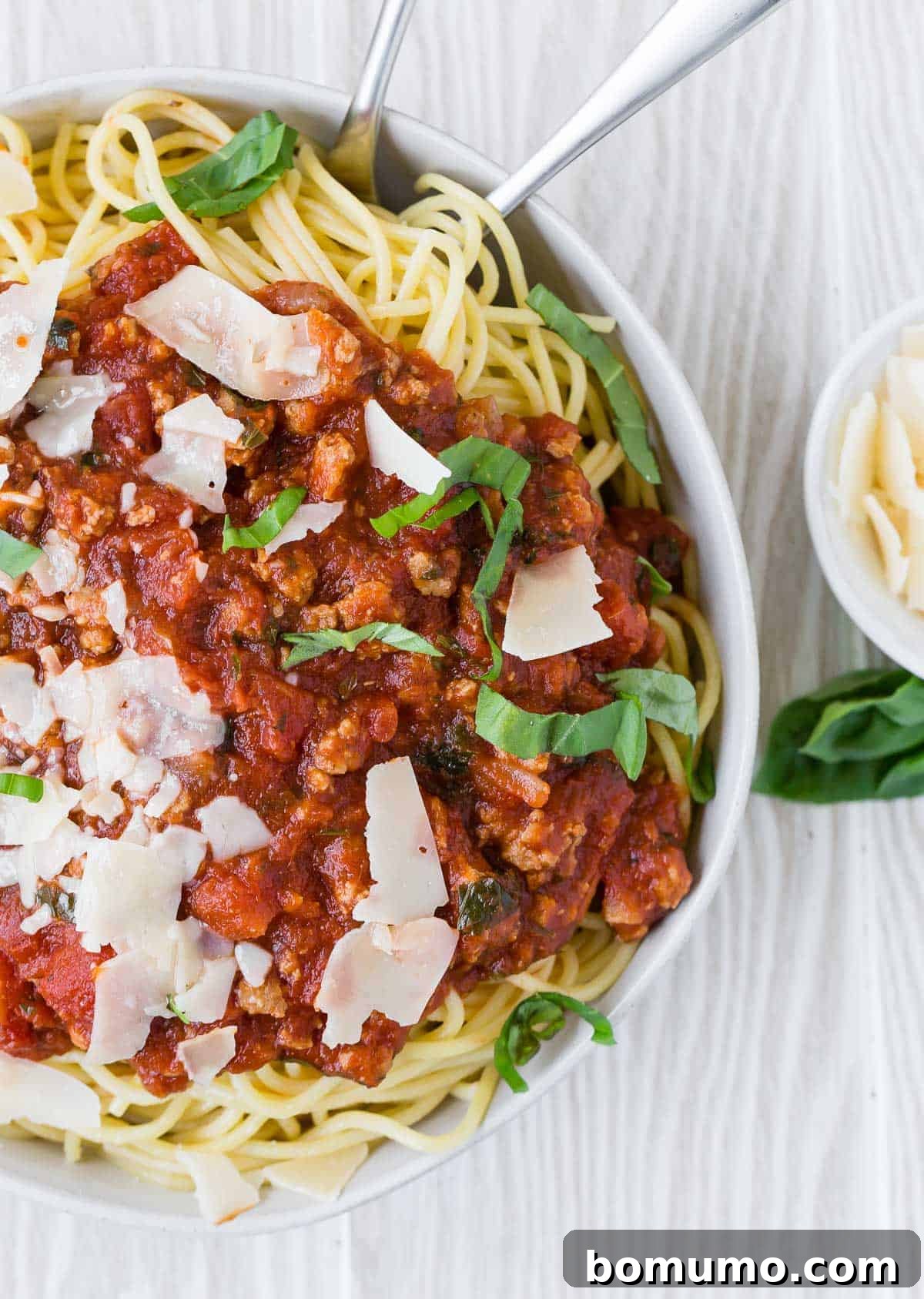
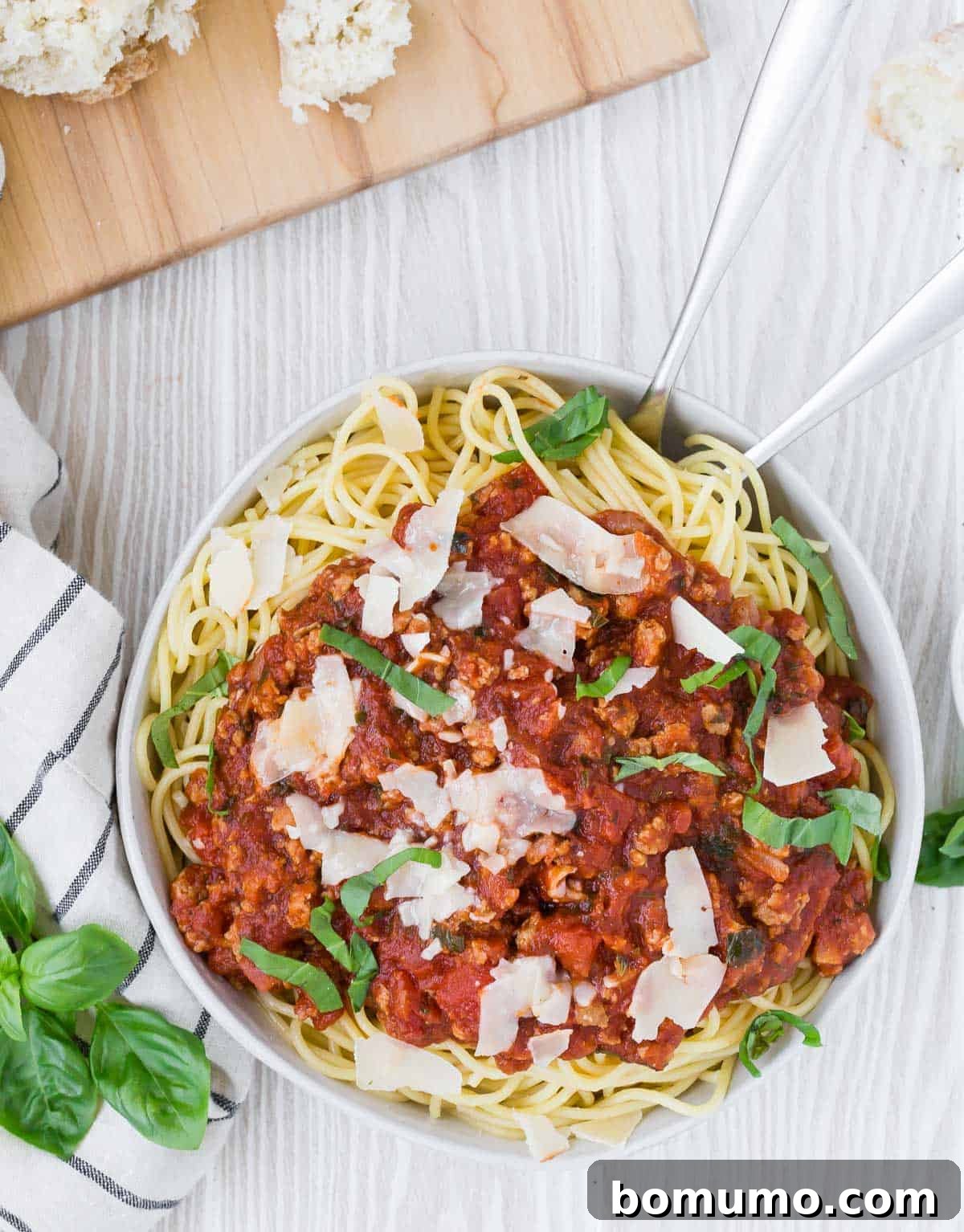
Serve this magnificent homemade spaghetti sauce generously over your favorite cooked pasta, and enjoy a truly comforting and delicious meal!
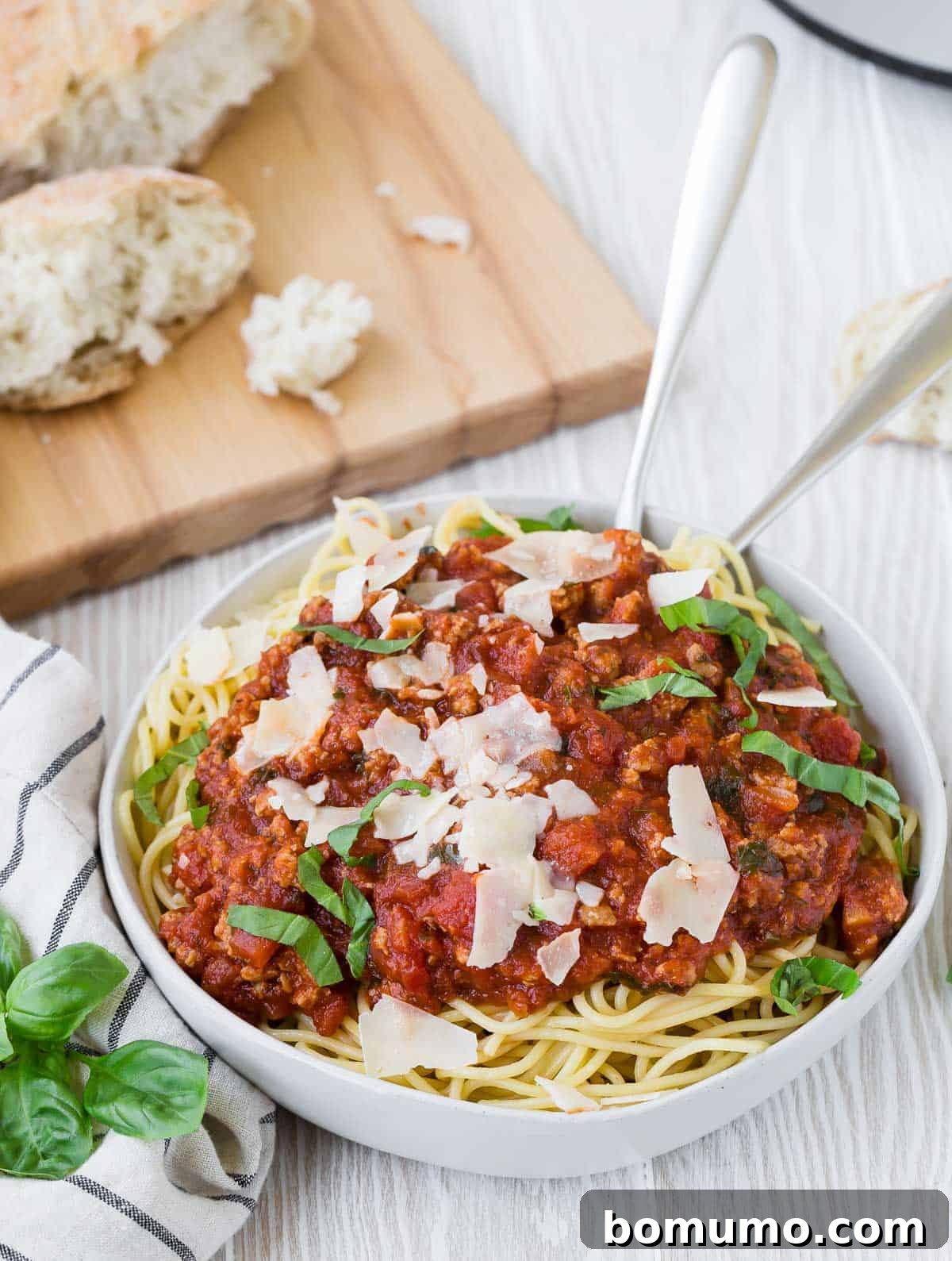
Creative Recipe Variations for Your Spaghetti Sauce
This slow cooker spaghetti sauce recipe is wonderfully adaptable, allowing you to customize it to your taste, dietary needs, or what you have on hand. Explore these variations to make it uniquely yours:
- Make it on the Stovetop: No slow cooker? No problem! This sauce can be easily prepared on the stovetop. After completing the initial browning steps in a large heavy pot or Dutch oven, simply add all the remaining ingredients. Bring the sauce to a gentle simmer, then reduce the heat to low and let it cook for one to three hours, stirring occasionally to prevent sticking and ensure even cooking.
- Choose Your Favorite Pasta: While spaghetti is the classic choice, this rich sauce pairs beautifully with a wide variety of pasta shapes. Experiment with fettuccine, linguine, pappardelle for broad strands, or rigatoni and penne for tubular options that capture the sauce beautifully. For a healthier twist, opt for whole wheat pasta, or use gluten-free pasta for those with dietary restrictions. Looking for alternative bases? Serve this delicious sauce over creamy Instant Pot polenta or light and fresh zucchini noodles. For an even quicker and simpler meal, try crockpot spaghetti, where the pasta cooks directly in the slow cooker with the sauce.
- Vegetarian Spaghetti Sauce: To make a rich and satisfying vegetarian version of this sauce, simply omit the ground meat entirely. The combination of various tomatoes, onions, garlic, and herbs will still create a robust and flavorful sauce that’s perfect for a meat-free meal.
- Add Flavorful Meatballs: Instead of, or in addition to, ground meat, consider adding homemade or store-bought meatballs to your sauce. These baked turkey meatballs would be an excellent choice. Add the meatballs to the slow cooker during the last hour of cooking time, allowing them to heat through and absorb all the wonderful flavors of the sauce.
- Utilize Fresh Tomatoes: If you have an abundance of fresh, ripe garden tomatoes, you can certainly use them in place of the crushed tomatoes. To do so, you’ll want to peel and deseed the tomatoes for the best texture. If your fresh tomatoes are particularly juicy, lightly squeeze out some of the excess liquid and seeds before adding them to the sauce to prevent it from becoming too watery.
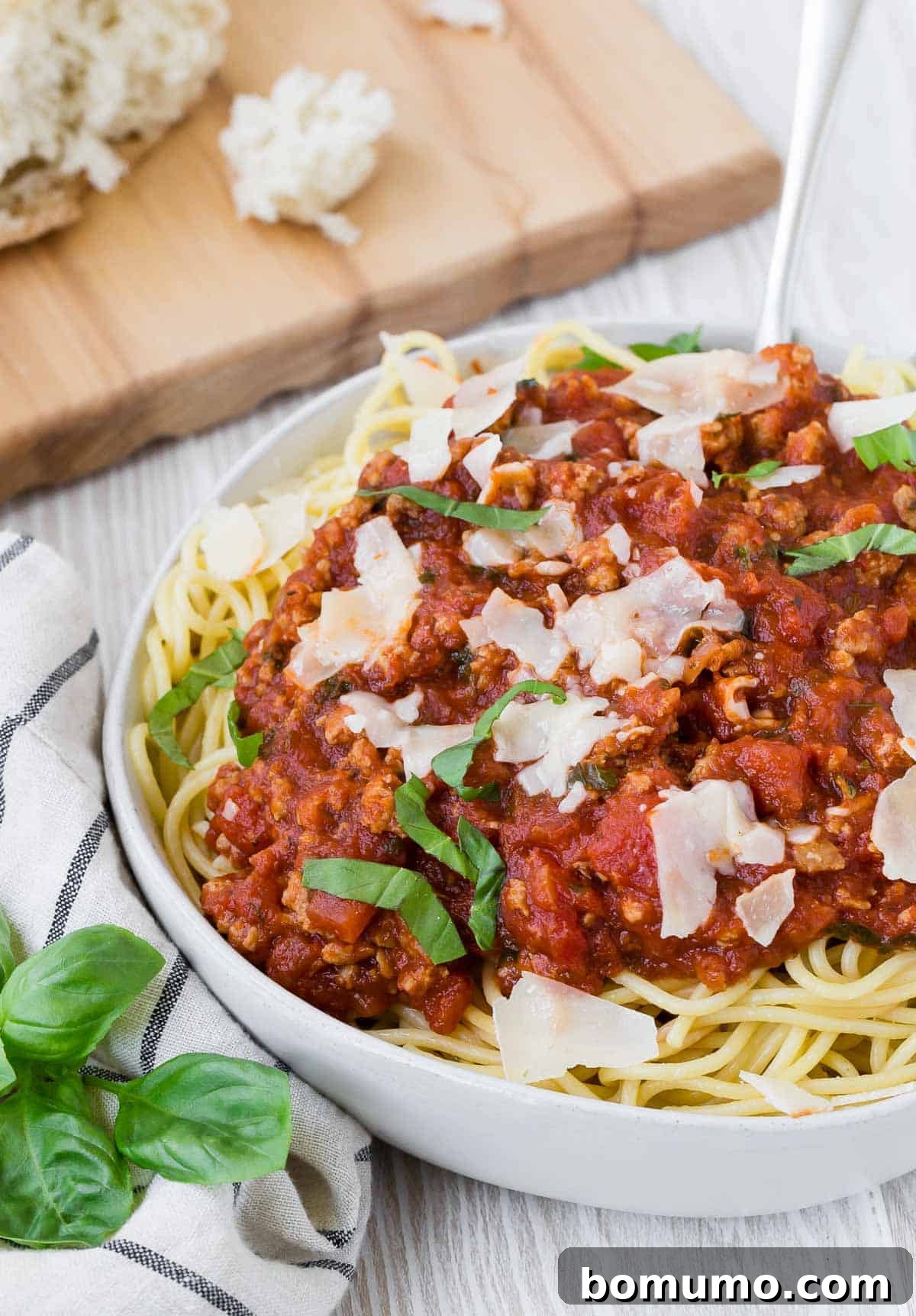
Smart Make-Ahead Strategies for Busy Cooks
Smart Make-Ahead Strategies for Busy Cooks
Planning ahead can make mealtime even easier. This crockpot spaghetti sauce is an excellent candidate for strategic make-ahead prep, saving you precious time when it matters most.
Get a Head Start on Your Sauce: If you anticipate a particularly hectic morning and worry about fitting in the initial steps for this meal, here’s a tip: complete the sautéing process a day in advance. Brown the ground meat, onions, garlic, and tomato paste in your skillet, then allow the mixture to cool completely before transferring it to an airtight container and refrigerating overnight. You can also measure out your dried seasonings and set them aside in a small bowl or container, ready to go. The next morning, you’ll be able to combine everything in the crockpot in as little as 5 minutes, ensuring a stress-free start to your delicious dinner.
Freeze Extra Sauce for Future Meals: This recipe yields a generous quantity of sauce, which is perfect for meal planning! Once the sauce has cooked and cooled, portion any leftovers into freezer-safe containers or heavy-duty freezer bags. Label them with the date, and store them in the freezer for up to three months. When you’re ready for another homemade spaghetti dinner, simply thaw the sauce overnight in the refrigerator, then gently reheat on the stovetop or in the slow cooker. It’s like having a homemade meal ready-made from your own freezer!
Storing and Reheating Your Delicious Sauce
Storing and Reheating Your Delicious Sauce
Proper storage ensures you can enjoy the wonderful flavors of this homemade spaghetti sauce for days or even months to come.
Refrigerate or Freeze for Future Enjoyment: Leftover sauce can be stored in an airtight container in the refrigerator for three to four days. For longer storage, freeze the sauce in appropriate freezer-safe containers for up to three months. For optimal thawing and flavor, transfer frozen sauce to the refrigerator overnight before reheating.
Simple Reheating Instructions: To reheat leftover sauce, gently warm it in a saucepan over medium-low heat on the stovetop, stirring occasionally until heated through. Alternatively, you can reheat it in your slow cooker on the “Low” setting until warm. Don’t let delicious leftovers go to waste! This versatile sauce can also be used to stuff spaghetti squash for a creative and wholesome new dinner idea, or served over polenta, lasagna, or even on homemade pizza.
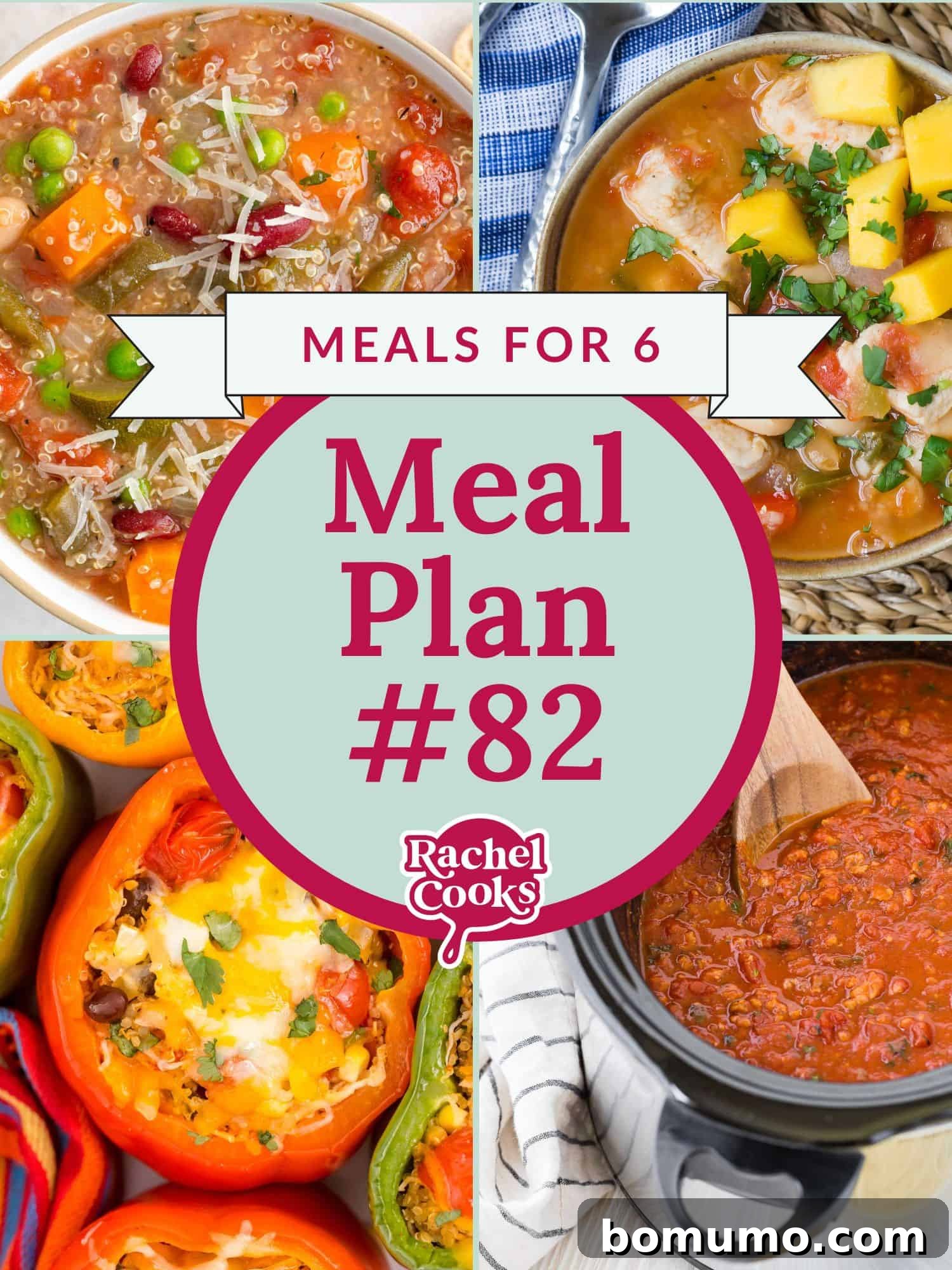
Unlock Your Free Meal Plan!
Are you looking for an organized weekly meal plan that thoughtfully incorporates delicious recipes like this one?
Explore Meal Plan #82! Each plan provides a wholesome, easy-to-follow recipe for every weekday, along with a conveniently categorized grocery list to simplify your shopping. We regularly update our collection with new meal plans, ensuring fresh inspiration for your kitchen every week.
Discover More Delicious Slow Cooker Meals
Slow Cooker Texas Chili – The Best Crockpot Chili!
Crockpot Mac and Cheese
Crockpot Beef Stew
Slow Cooker Pork Loin with Balsamic Glaze
Crockpot Spaghetti Sauce (Beef, Turkey, Sausage, or Vegetarian!)
Rachel Gurk
15
4
4 15
9 servings
Ingredients
- 1 tablespoon olive oil
- 1 ½ pounds ground beef, ground turkey, or Italian sausage
- 1 cup finely diced yellow onion (about 1 medium onion)
- 3 cloves garlic, minced (about 1 tablespoon minced garlic)
- 2 tablespoons tomato paste
- 1 can (28 oz.) crushed tomatoes
- 1 can (15 oz.) tomato sauce (preferably no salt added sauce)
- 1 can (14.5 oz.) petite diced tomatoes, undrained
- 1 tablespoon white sugar
- 1 tablespoon dried oregano
- ½ teaspoon dried thyme
- ¼ teaspoon red pepper flakes
- 1 bay leaf
- ¼ cup chopped fresh basil (or 1 tablespoon dried basil)
- ¼ cup chopped fresh parsley
- 1 tablespoon butter
- Salt, to taste
Instructions
-
In a large skillet over medium-high heat, add olive oil, then brown the ground meat of your choice and finely diced onions. Break up any large chunks of meat as it cooks. Continue cooking until the meat is fully cooked through and the onions are translucent.1 tablespoon olive oil,
1 ½ pounds ground beef, ground turkey, or Italian sausage,
1 cup finely diced yellow onion -
Add the minced garlic to the skillet with the meat and onions. Cook, stirring constantly, for about 1 minute until fragrant. Then, stir in the tomato paste and cook, stirring, for another minute until it is well incorporated and slightly darkened.3 cloves garlic, minced,
2 tablespoons tomato paste -
Carefully transfer the contents of the skillet into your slow cooker. Add the crushed tomatoes, tomato sauce, undrained petite diced tomatoes, white sugar, dried oregano, dried thyme, red pepper flakes, and the bay leaf. Stir everything together until well combined.1 can (28 oz.) crushed tomatoes,
1 can (15 oz.) tomato sauce,
1 can (14.5 oz.) petite diced tomatoes, undrained,
1 tablespoon white sugar,
1 tablespoon dried oregano,
½ teaspoon dried thyme,
¼ teaspoon red pepper flakes,
1 bay leaf -
Cover the slow cooker and cook on the “High” setting for 3 to 4 hours, or on the “Low” setting for 6 to 8 hours. The sauce is ready when it has thickened and the flavors have fully melded. Immediately before serving, carefully remove and discard the bay leaf.
-
Stir in the fresh chopped basil, fresh chopped parsley, and the tablespoon of butter. Stir until the butter has completely melted and is incorporated into the sauce. Taste the sauce and add salt to your preference, adjusting as needed.¼ cup chopped fresh basil,
¼ cup chopped fresh parsley,
1 tablespoon butter,
Salt, to taste -
Serve your rich, homemade spaghetti sauce generously over your choice of freshly cooked pasta. Garnish with extra fresh basil or grated Parmesan cheese, if desired.
Notes
- Nutrition information is calculated using 1.5 lbs. ground beef (90/10) as a reference. You may choose to use more or less ground meat, or a different type of meat, as desired, which will alter the nutritional values.
- For Less Sodium: To significantly reduce the sodium content, actively seek out and use “no-salt-added” or “low sodium” canned tomato products. You will find that there is no noticeable difference in taste, but a substantial benefit in sodium management.
- Stovetop Instructions: If you prefer to make this sauce without a slow cooker, cook it on the stovetop. Use a large heavy pan or a Dutch oven. After the initial browning steps, add all ingredients and bring to a gentle simmer. Cover and let it simmer for one to three hours over low heat, stirring occasionally to prevent sticking.
- Pasta and Base Variations: Feel free to customize your meal beyond traditional pasta. Try a gluten-free pasta, creamy polenta, or light zucchini noodles if you’re looking for an alternative to regular wheat pasta. For a completely vegetarian spaghetti sauce, simply omit the meat and proceed with the recipe instructions, ensuring all other ingredients are plant-based.
Nutrition
Serving:
1cup
,
Calories:
214kcal
,
Carbohydrates:
15g
,
Protein:
18g
,
Fat:
10g
,
Saturated Fat:
3g
,
Polyunsaturated Fat:
1g
,
Monounsaturated Fat:
5g
,
Trans Fat:
0.5g
,
Cholesterol:
49mg
,
Sodium:
561mg
,
Potassium:
823mg
,
Fiber:
4g
,
Sugar:
9g
,
Vitamin A:
785IU
,
Vitamin C:
18mg
,
Calcium:
74mg
,
Iron:
4mg
Nutrition information is automatically calculated, so should only be used as an approximation.
Did You Make This?
Share a comment and rating below! I love hearing what you think!