
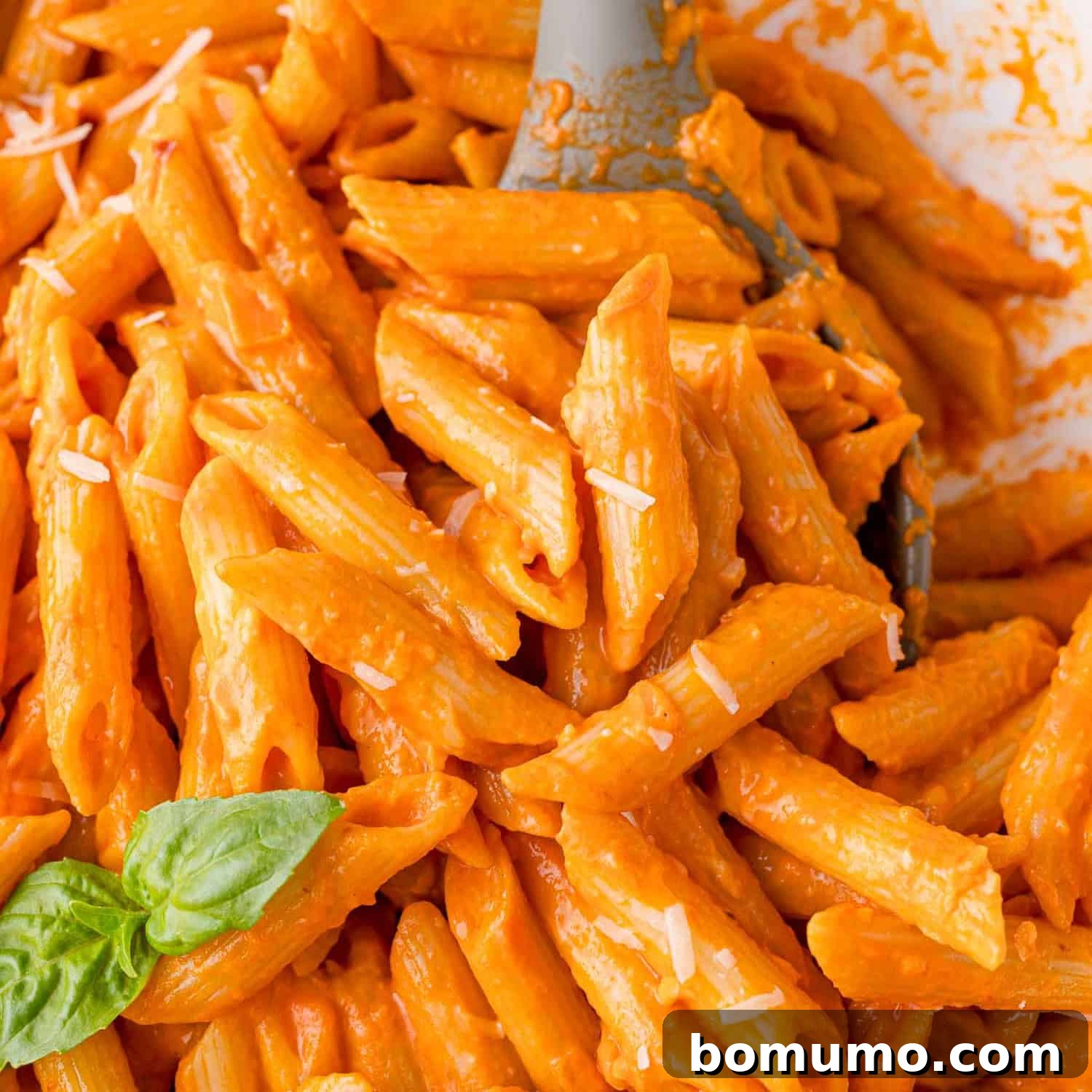
Recipe Overview: The Ultimate Creamy Vodka Pasta
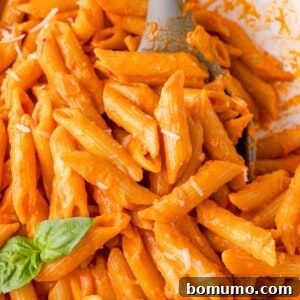
Why You’ll Adore This Recipe: Prepare to transform your perception of a simple pasta dish. While it might visually resemble an everyday tomato pasta, the first bite reveals an extraordinary culinary experience. This isn’t just pasta with sauce; it’s an exquisite dish defined by its luxurious, velvety tomato cream sauce, making this Penne alla Vodka a true standout amongst Italian classics. Its rich texture and depth of flavor are simply irresistible, promising a restaurant-quality meal right in your own kitchen.
Preparation & Cook Time: A mere 25 minutes from start to finish ensures a quick yet gourmet meal, perfect for any day of the week.
Essential Equipment: You’ll need a reliable pasta pot for cooking your penne, a sturdy colander for draining, and a large skillet for crafting that signature creamy sauce.
Yields: This recipe generously serves 6, making it ideal for family dinners or entertaining guests.
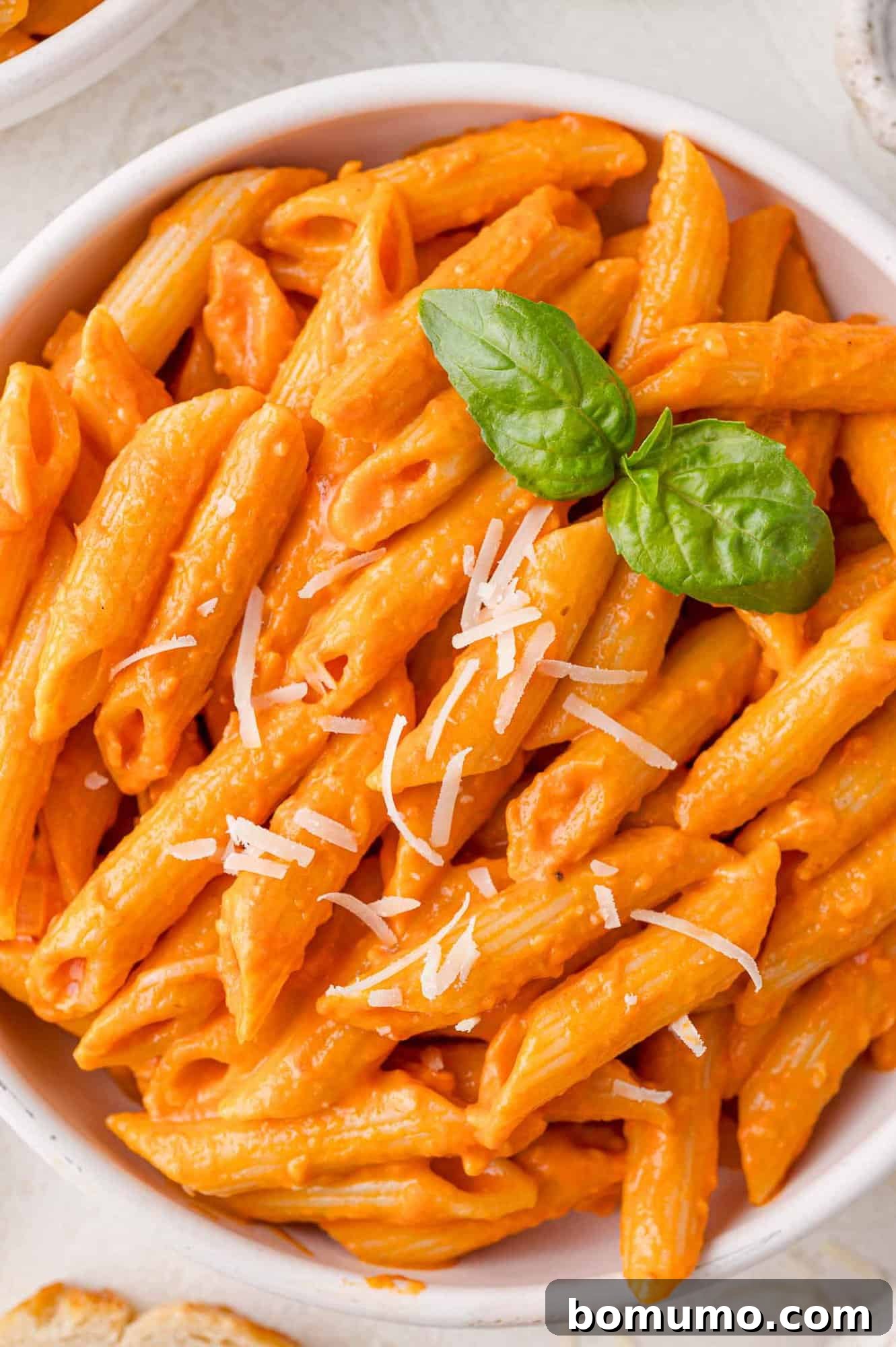
The Secret Behind Vodka Pasta Sauce: Why Vodka Makes a Difference
It’s easy to overlook Penne alla Vodka on a restaurant menu, perhaps opting for dishes overflowing with vegetables, meats, or rich Alfredo sauces. After all, a vodka pasta dish often appears quite modest. Many wonder, “Why add vodka to pasta sauce, and what magical effect does it actually have?” The answer lies in a fascinating culinary secret that transforms a good tomato cream sauce into an unforgettable one.
The key is ethanol, the alcohol present in vodka. Ethanol possesses a unique ability to act as a solvent for aromatic compounds. This means it can effectively “carry” and release the subtle flavors and aromas from the tomatoes, garlic, and herbs more intensely. Since our sense of smell is profoundly intertwined with taste, enhancing the aroma of the sauce directly amplifies its overall flavor profile. The vodka ensures that every ingredient’s essence is fully expressed, leading to a richer, more complex taste experience.
Beyond flavor, vodka plays a crucial role in the sauce’s signature texture. The alcohol prevents the fats in the cream and butter from separating, helping the sauce remain beautifully emulsified. This meticulous emulsification is what gives vodka sauce its coveted, irresistible velvety, and smooth texture, a hallmark that sets it apart from other cream-based sauces. So, while the alcohol largely cooks out during the simmering process, its impact on both taste and texture is undeniably profound, elevating this dish far beyond its humble appearance.
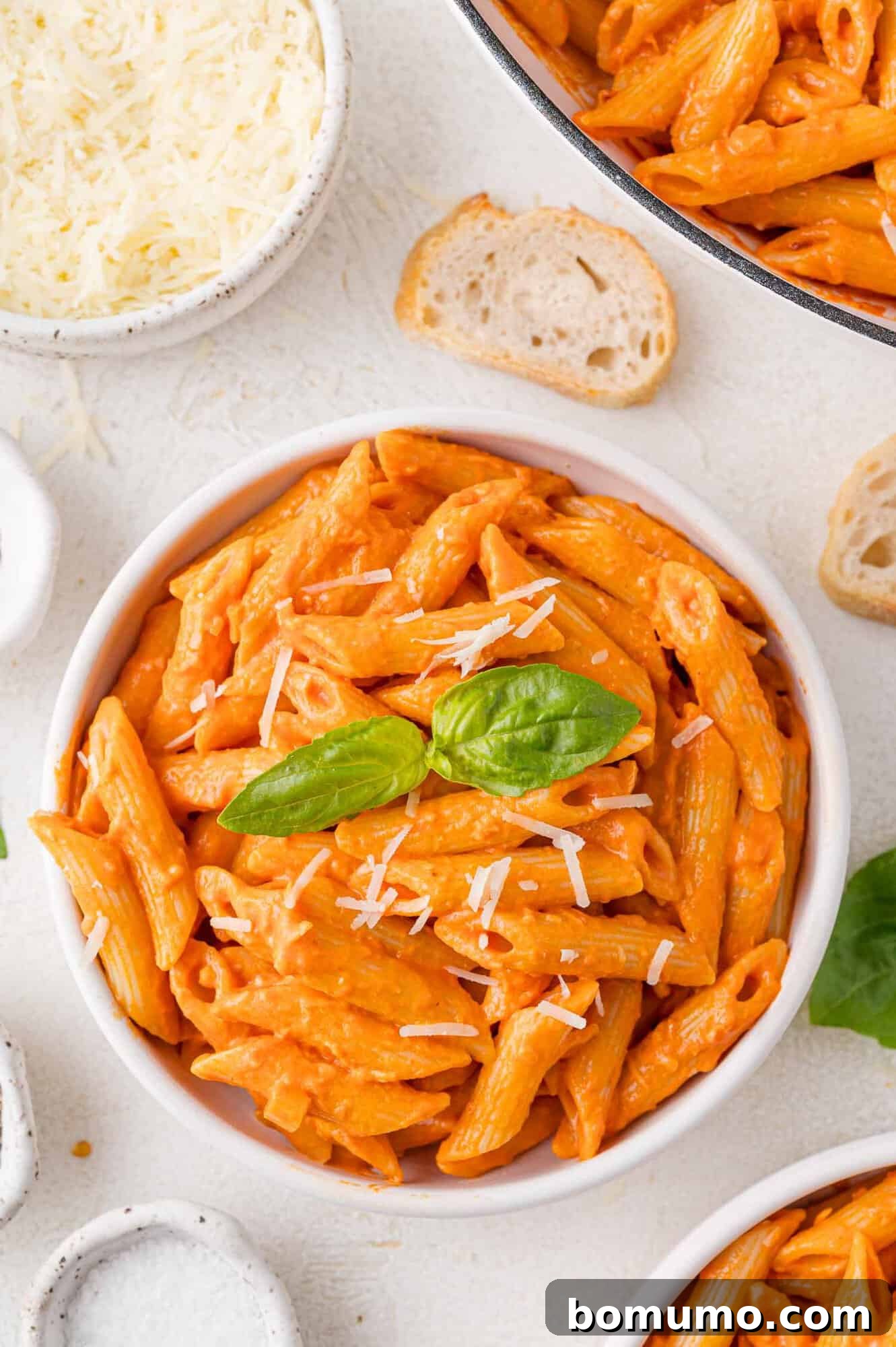
Crafting the Perfect Creamy Vodka Pasta: A Recipe for Success
Our creamy vodka pasta recipe is designed to bring the elegance and flavor of a high-end Italian restaurant straight to your dining table, but with the ease and convenience of home cooking. This dish proves that you don’t need a professional chef’s skills or specialized equipment to create something truly special. The beauty of vodka sauce lies in its straightforward preparation, making it accessible even for novice cooks. We believe you possess all the capability to master this recipe and impress yourself and your loved ones!
Effortless and Rapid Preparation: With an active preparation time of just 10 minutes and a cooking duration of only 15 minutes, this vodka pasta recipe is a dream come true for those busy weeknights. It’s the perfect solution when you crave something comforting and delicious without spending hours in the kitchen. What makes it even more appealing is that the required ingredients are typically pantry staples, meaning you likely have everything on hand already. While we diligently experimented to create a true one-pot pasta version, we found that method simply didn’t do justice to the rich texture and complex flavor this dish deserves. Rest assured, despite not being a one-pot meal, this recipe remains remarkably simple and hassle-free, guaranteeing a rewarding culinary experience.
Unmatched Versatility for Any Occasion: This vodka pasta is incredibly adaptable, serving beautifully as a standalone main course. Its rich and satisfying nature ensures it’s hearty enough on its own. However, its versatility shines when paired with a variety of sides. Consider complementing its creamy richness with the earthy notes of roasted broccoli, or for a more robust meal, add savory slices of air fryer Italian sausage. Whether you’re planning a quiet dinner at home or a lively gathering, this dish can be effortlessly integrated into any meal plan, promising to delight every palate.
Food Fact: Unraveling the Origins of Vodka Pasta
It might surprise many to learn that Penne alla Vodka is not an ancient Italian dish steeped in centuries of tradition, unlike many other beloved Italian restaurant staples. In fact, its history is relatively modern. The first published recipe for vodka pasta dates back to a 1974 cookbook, though its exact origins remain a subject of friendly culinary debate. Some credit Italy, others France, and a significant claim points to New York City as its birthplace. Regardless of its precise inception point, this dish quickly gained popularity, especially in America, for its unique creamy texture and inviting flavor. You’ll frequently encounter it on menus listed as “Penne alla Vodka,” a nod to penne being the traditionally favored pasta shape to perfectly capture and hold its sumptuous sauce. This modern classic has earned its place among the pantheon of comforting pasta dishes.
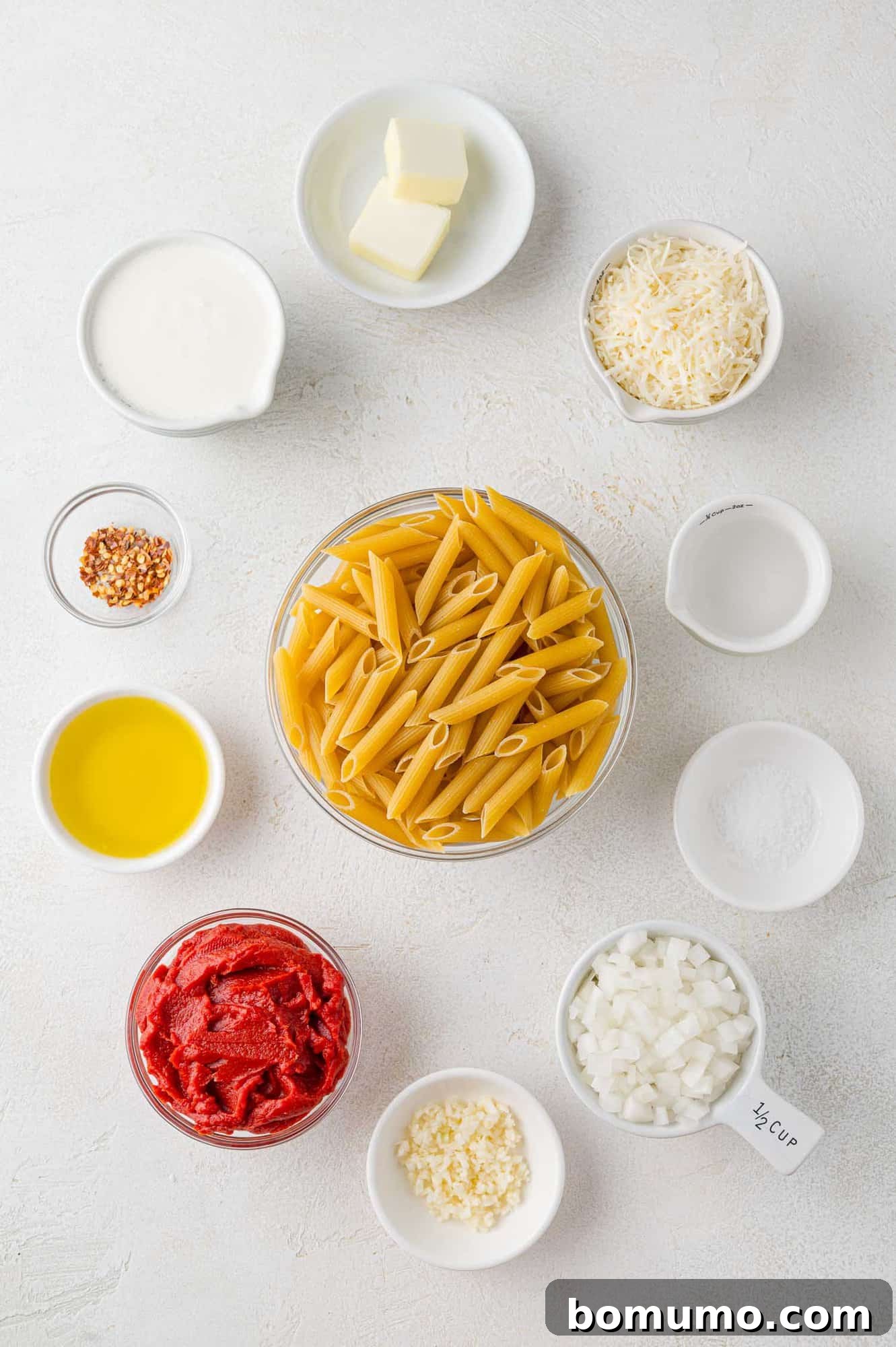
Essential Ingredients for an Authentic Vodka Pasta
Crafting an exquisite vodka pasta dish begins with selecting the right ingredients. Each component plays a vital role in achieving that perfect balance of flavor and the signature velvety texture. Here’s a breakdown of what you’ll need and why each choice matters:
- Pasta: While penne pasta is the undisputed classic choice for pairing with vodka sauce—its ridges and tube shape are ideal for trapping the creamy sauce—feel free to experiment with other sturdy pasta shapes like rigatoni or ziti. The most crucial aspect, however, is to opt for a high-quality pasta. A premium brand truly makes a noticeable difference in both texture and how well it holds up to the rich sauce.
- Onion and Garlic: These two aromatic powerhouses form the foundational flavor base of our sauce. A standard yellow cooking onion, finely diced, will sauté down beautifully, contributing a subtle sweetness without adding chunky textures to the otherwise smooth sauce. For the garlic, always choose fresh cloves and mince them yourself; pre-minced garlic often lacks the vibrant pungency essential for the best flavor. A good quality olive oil is needed to gently sauté these aromatics until translucent and fragrant.
- Red Pepper Flakes: For those who appreciate a hint of heat, red pepper flakes introduce a wonderful, subtle warmth that perfectly complements the rich tomato and cream. You have complete control over the spice level; adjust the amount to your personal preference, adding more for a spicier vodka sauce or less for a milder version.
- Vodka: The vodka is more about its chemical properties than its specific flavor, so there’s no need to splurge on a top-shelf bottle. However, avoiding the absolute cheapest options can make a difference. A mid-range, unflavored vodka typically hits the sweet spot, offering the desired emulsifying and flavor-carrying effects without any harsh notes. This recipe is also an excellent opportunity to use up that bottle of plain vodka that’s been lingering in your cabinet since a special occasion!
- Tomato Paste: Unlike many other pasta sauces that rely on canned crushed or diced tomatoes, vodka sauce achieves its intensely rich, concentrated tomato flavor from tomato paste. This ingredient provides a deep, umami-rich base that is fundamental to the sauce’s character.
- Heavy Cream: The star of the show for achieving that luxurious, silky-smooth texture, heavy cream is absolutely indispensable. Its high fat content ensures the sauce remains stable and sumptuously creamy without curdling. Do not substitute with lighter creams or milk if you want the authentic velvety finish.
- Butter: Introduced towards the end of the cooking process, a couple of tablespoons of unsalted butter melt into the sauce, adding another layer of richness and contributing significantly to its luscious, velvety mouthfeel. It’s a small addition with a big impact on the overall decadence.
- Parmesan Cheese: For the finest results, shredding your own Parmesan cheese from a block is a non-negotiable step. Pre-shredded cheeses often contain anti-caking agents that prevent them from melting smoothly, resulting in a gritty texture. Freshly grated Parmesan, with its nutty and salty notes, melts beautifully into the sauce, adding depth and a delightful creaminess. Have extra for serving!
- Fresh Basil or Parsley: While garnishes can sometimes feel optional, for this rich vodka pasta, a generous handful of freshly chopped herbs is essential. Fresh basil or flat-leaf parsley provides a crucial bright, herbaceous counterpoint that cuts through the richness of the sauce, balancing the flavors beautifully. Basil is often preferred for its sweet, peppery notes, but fresh parsley is a wonderful alternative if basil isn’t available.
Step-by-Step Guide: Crafting Your Perfect Vodka Pasta
Follow these detailed steps to create a truly delicious and authentic creamy vodka pasta in your own kitchen:
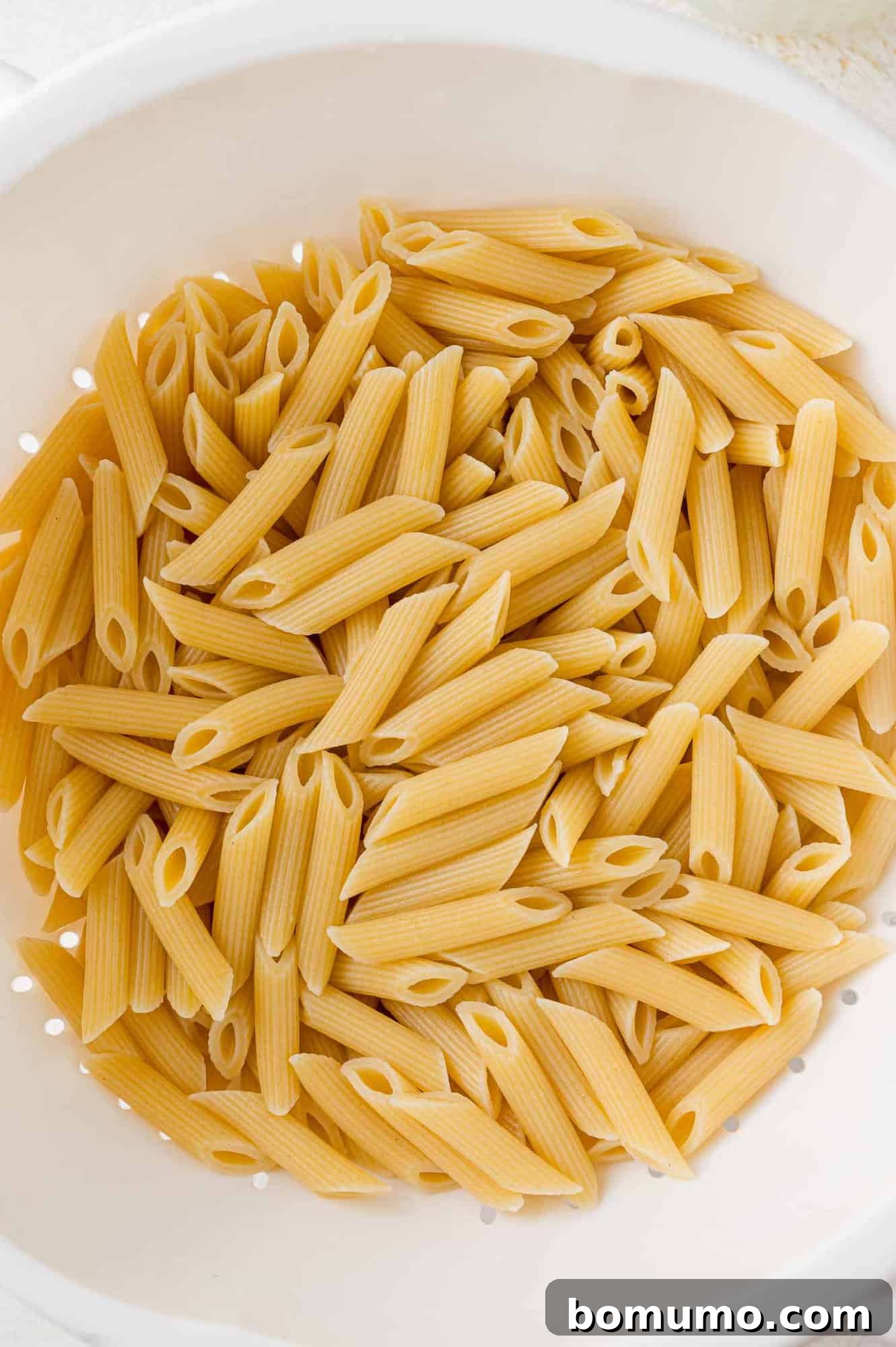
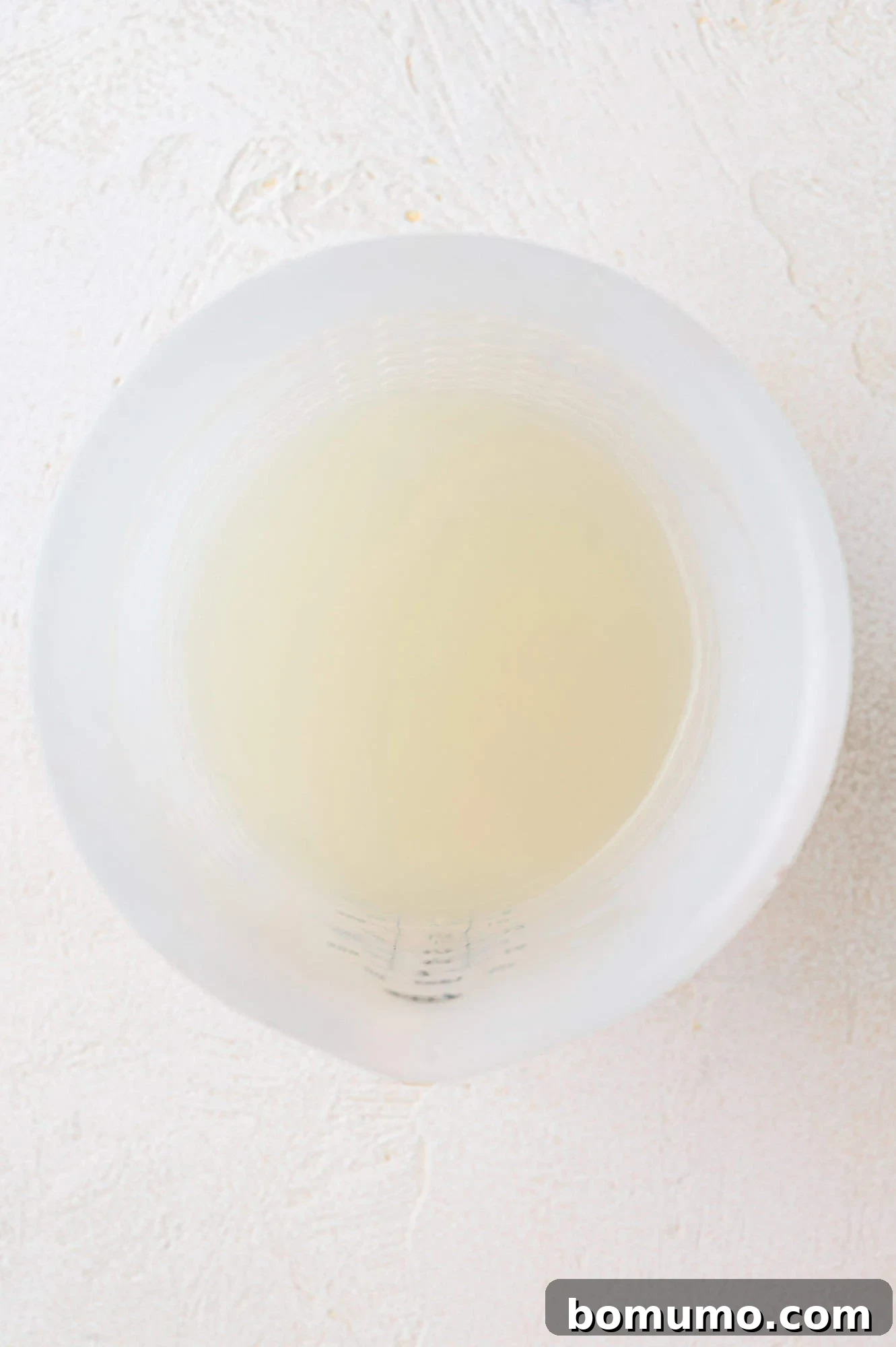
Step 1: Prepare the Pasta. Begin by bringing a large pot of generously salted water to a rolling boil. Add the penne pasta and cook according to the package directions until it reaches an al dente texture—firm to the bite. This is crucial as the pasta will continue to cook slightly when combined with the hot sauce. Before draining, make sure to scoop out about one cup of the starchy pasta cooking water and set it aside; this will be your secret ingredient for achieving the perfect sauce consistency. Once the water is reserved, drain the pasta thoroughly in a colander.
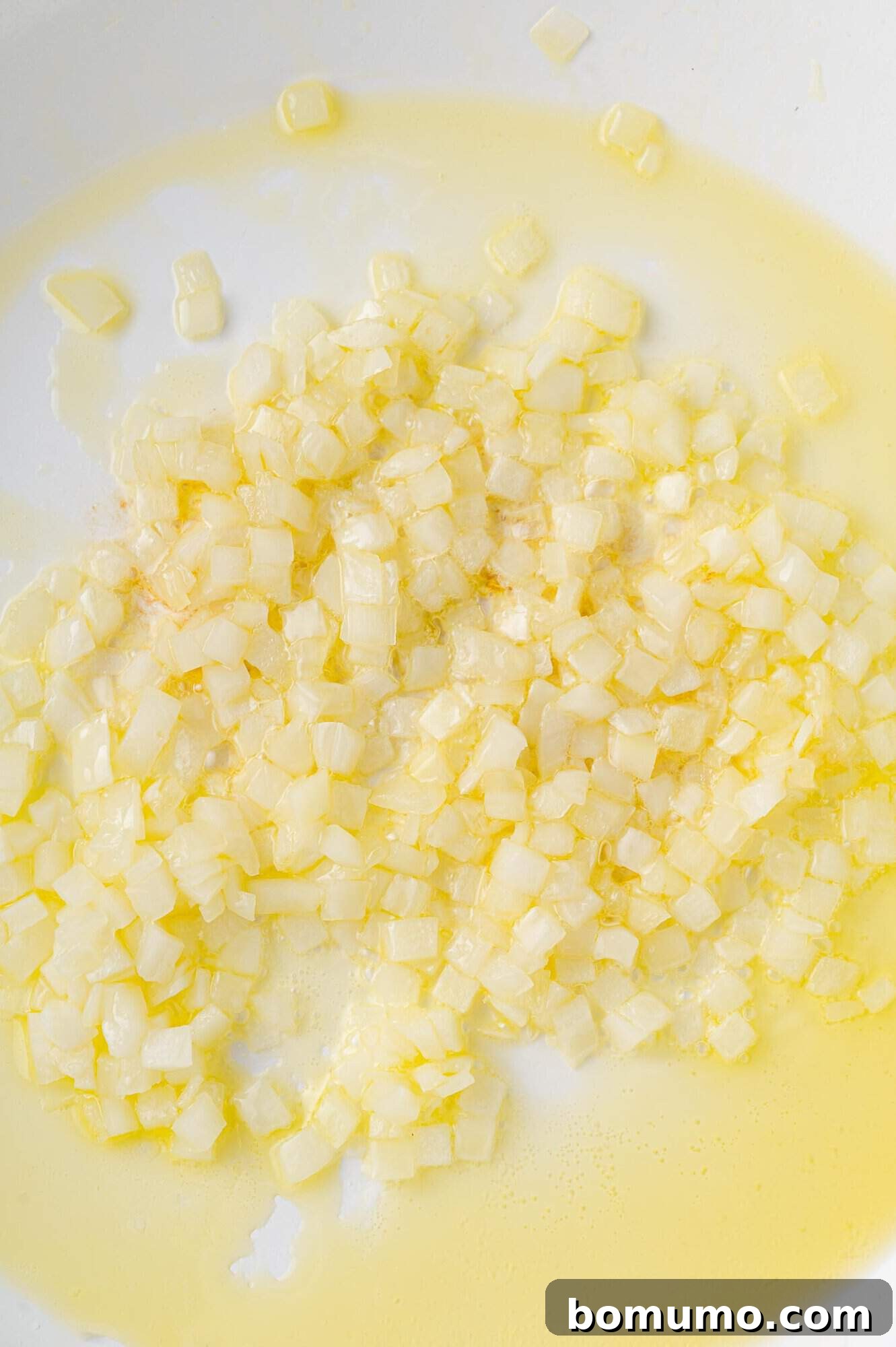
Step 2: Sauté the Aromatics. While your pasta is cooking, heat the olive oil in a large skillet over medium heat. It’s important to choose a skillet that’s spacious enough to comfortably accommodate all the pasta later. Add the finely diced onions and a pinch of salt to the hot oil. Sauté for 3 to 4 minutes, stirring occasionally, until the onions have softened and become translucent, but avoid browning them. If they start to color too quickly, simply reduce the heat.
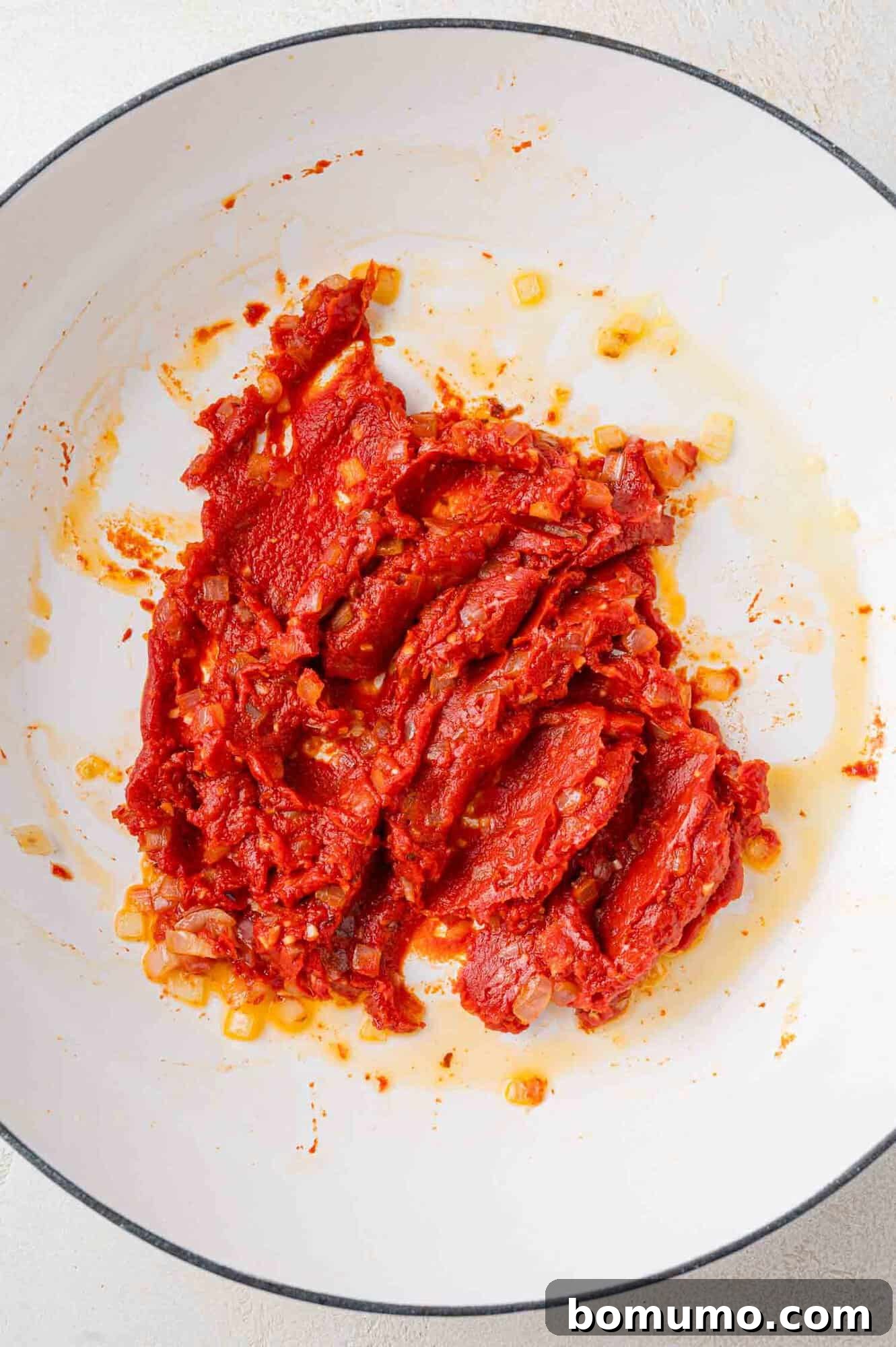
Step 3: Build the Flavor Base. Stir in the concentrated tomato paste, minced fresh garlic, and red pepper flakes (adjusting the amount to your desired spice level) to the skillet. Continue to cook, stirring constantly, for about one minute. This brief cooking period helps to deepen the flavor of the tomato paste and allows the garlic to become wonderfully fragrant, ensuring it doesn’t burn.
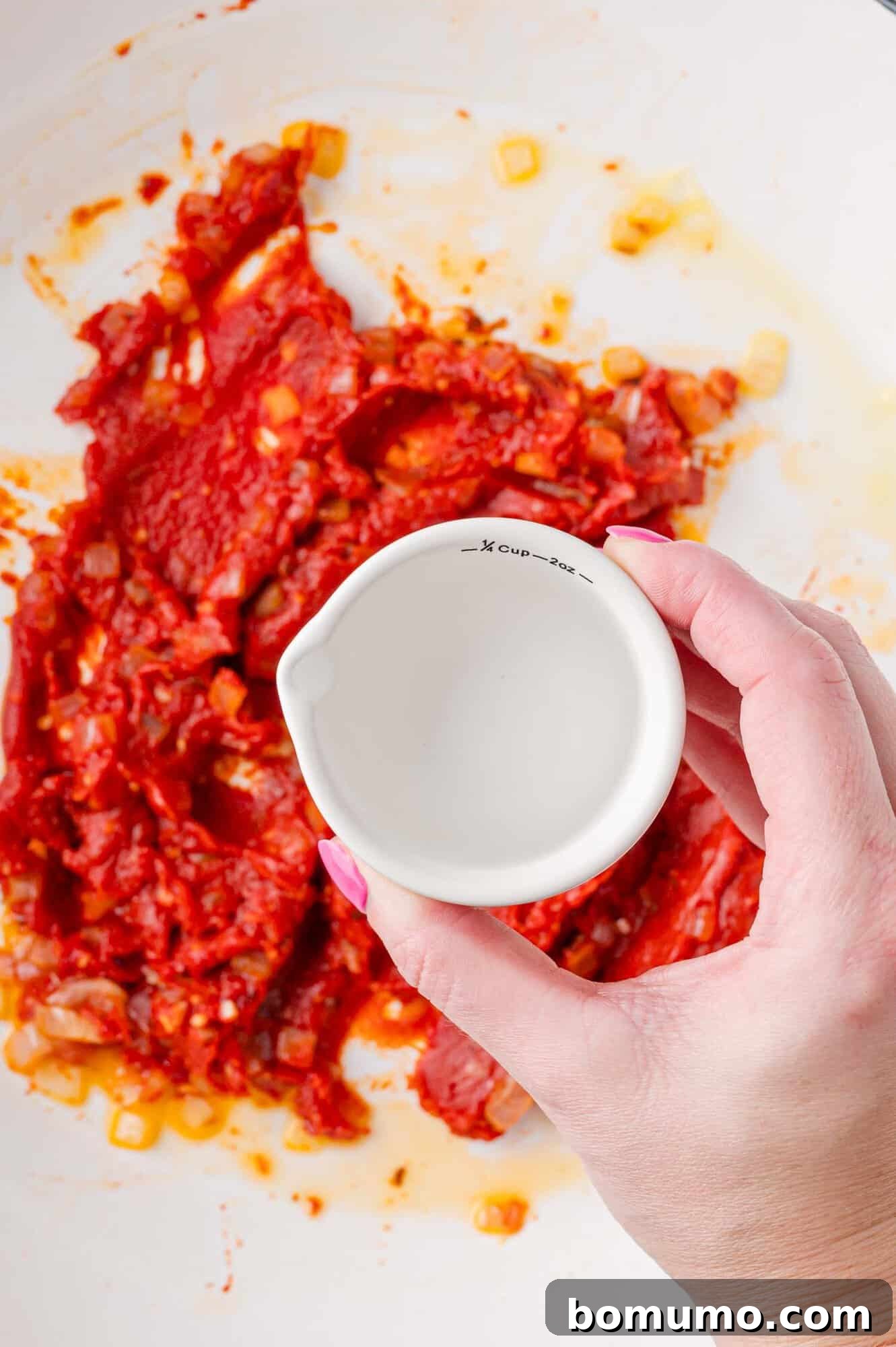
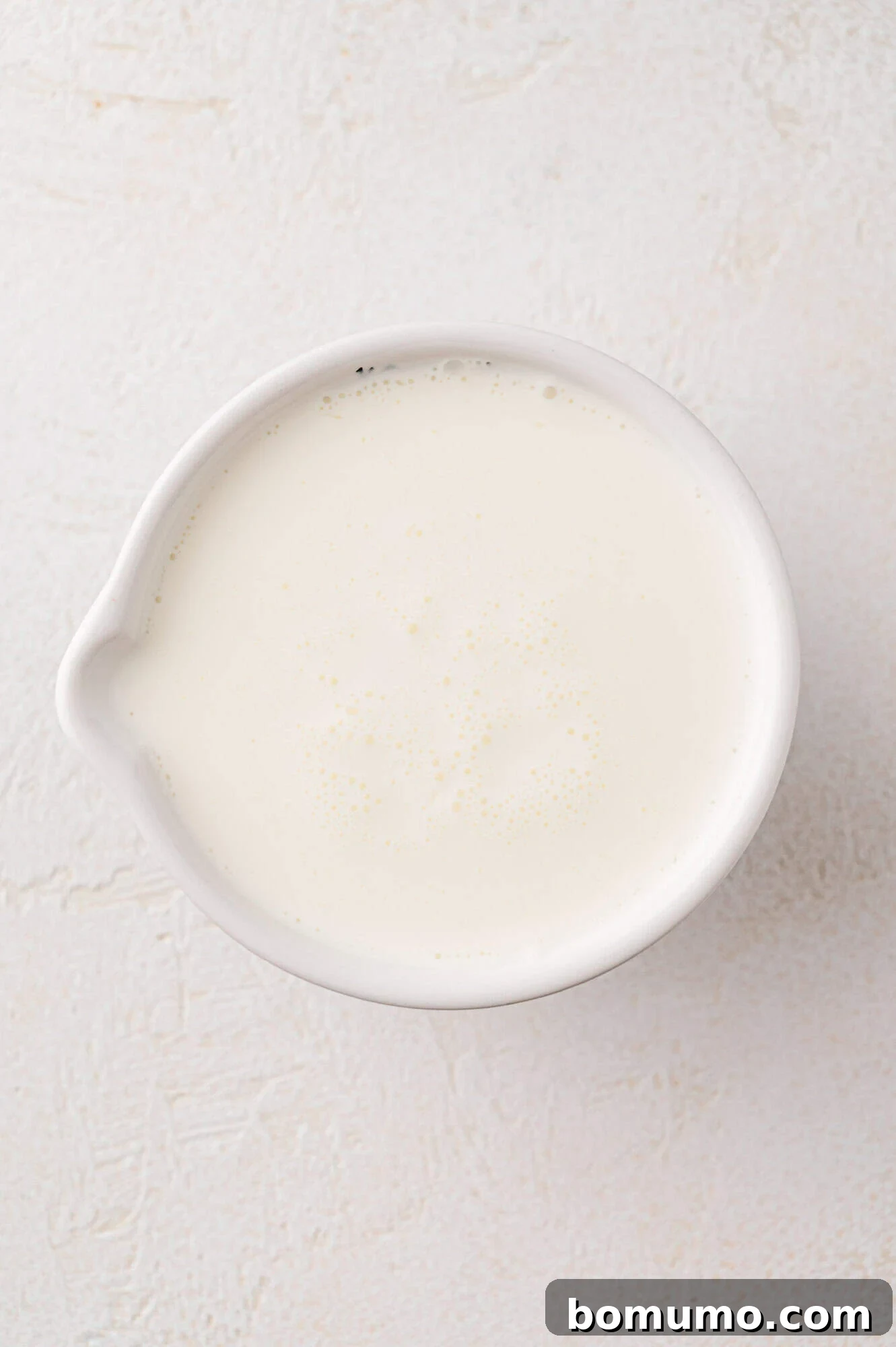
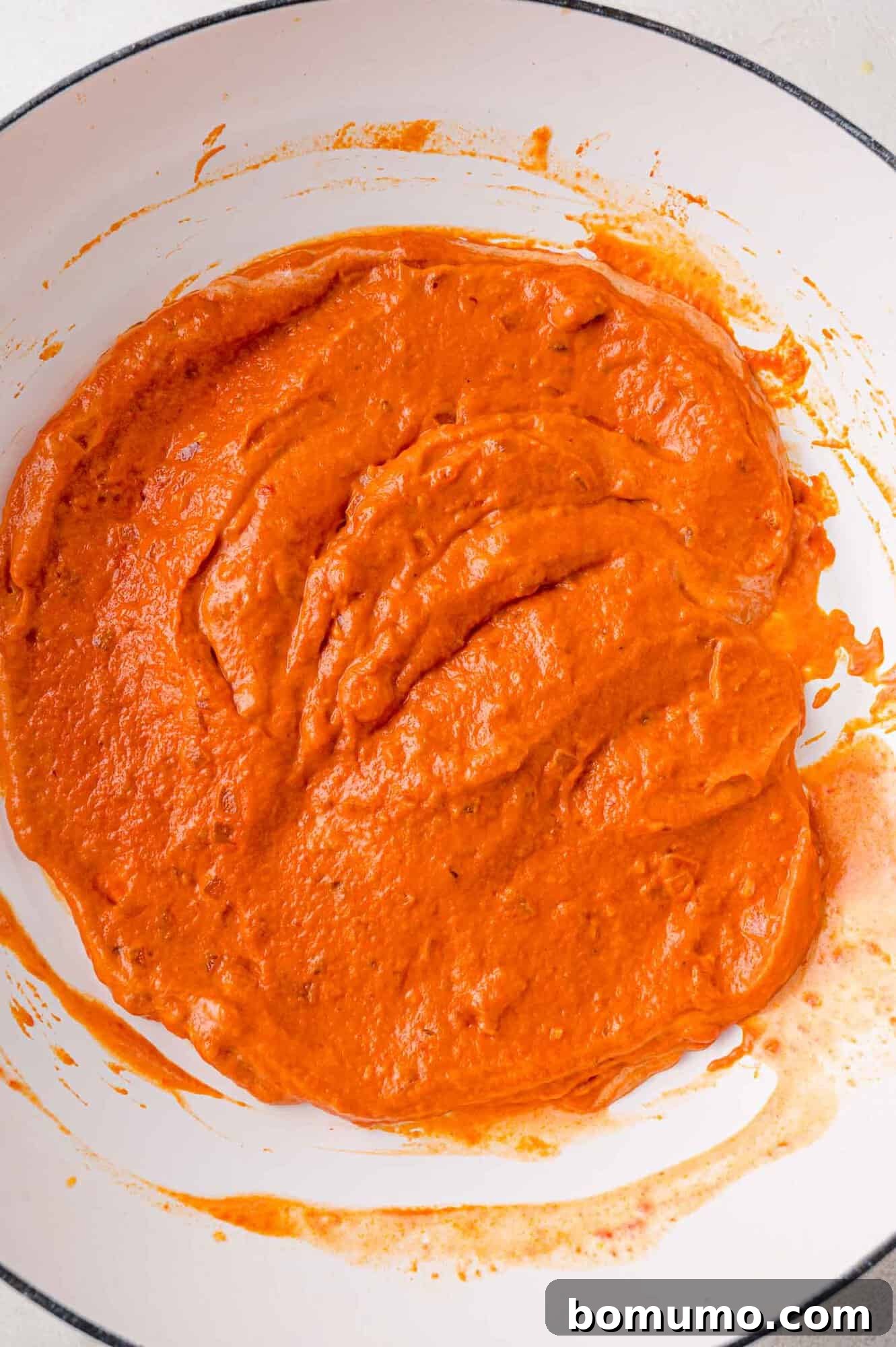
Step 4: Incorporate Vodka and Cream. Carefully pour the vodka into the pan, stirring it into the tomato mixture. Allow it to simmer gently for 2 to 3 minutes, or until it has slightly reduced. This step is crucial for “degazing” the pan, lifting any flavorful browned bits from the bottom, and allowing most of the alcohol to evaporate, leaving behind only its unique aromatic compounds. Meanwhile, warm the heavy cream in the microwave for about 30 seconds; warming it prevents it from shocking the sauce and potentially curdling. Crucially, reduce the heat to low before slowly stirring the warm cream into the sauce. This gradual addition, combined with low heat, ensures a perfectly smooth and creamy emulsion.
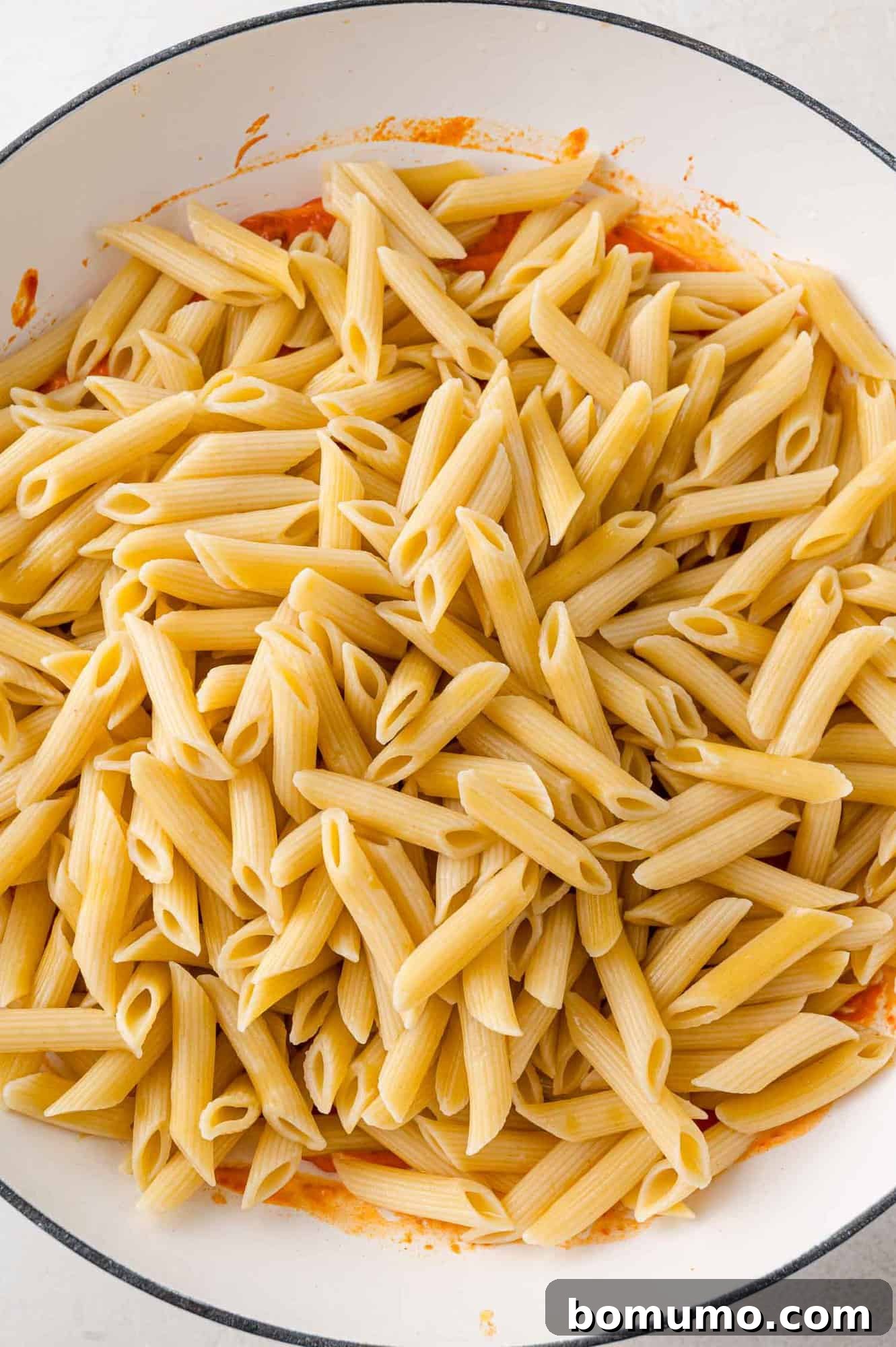
Step 5: Combine Pasta with Sauce, Butter, and Cheese. Add the al dente cooked pasta directly into the skillet with the sauce. Gently toss and fold the pasta until every piece is beautifully coated in the rich, creamy sauce. If the sauce appears too thick, slowly add the reserved pasta cooking water, a little at a time, until you achieve your desired consistency. Typically, about a quarter-cup is sufficient, but adjust as needed. Next, with the heat still low, add the butter and freshly shredded Parmesan cheese. To ensure a smooth melt, avoid dumping the cheese in all at once; incorporate it gradually, stirring continuously. Once both the butter and cheese have completely melted and are seamlessly integrated into the sauce, your vodka pasta is ready to be served.
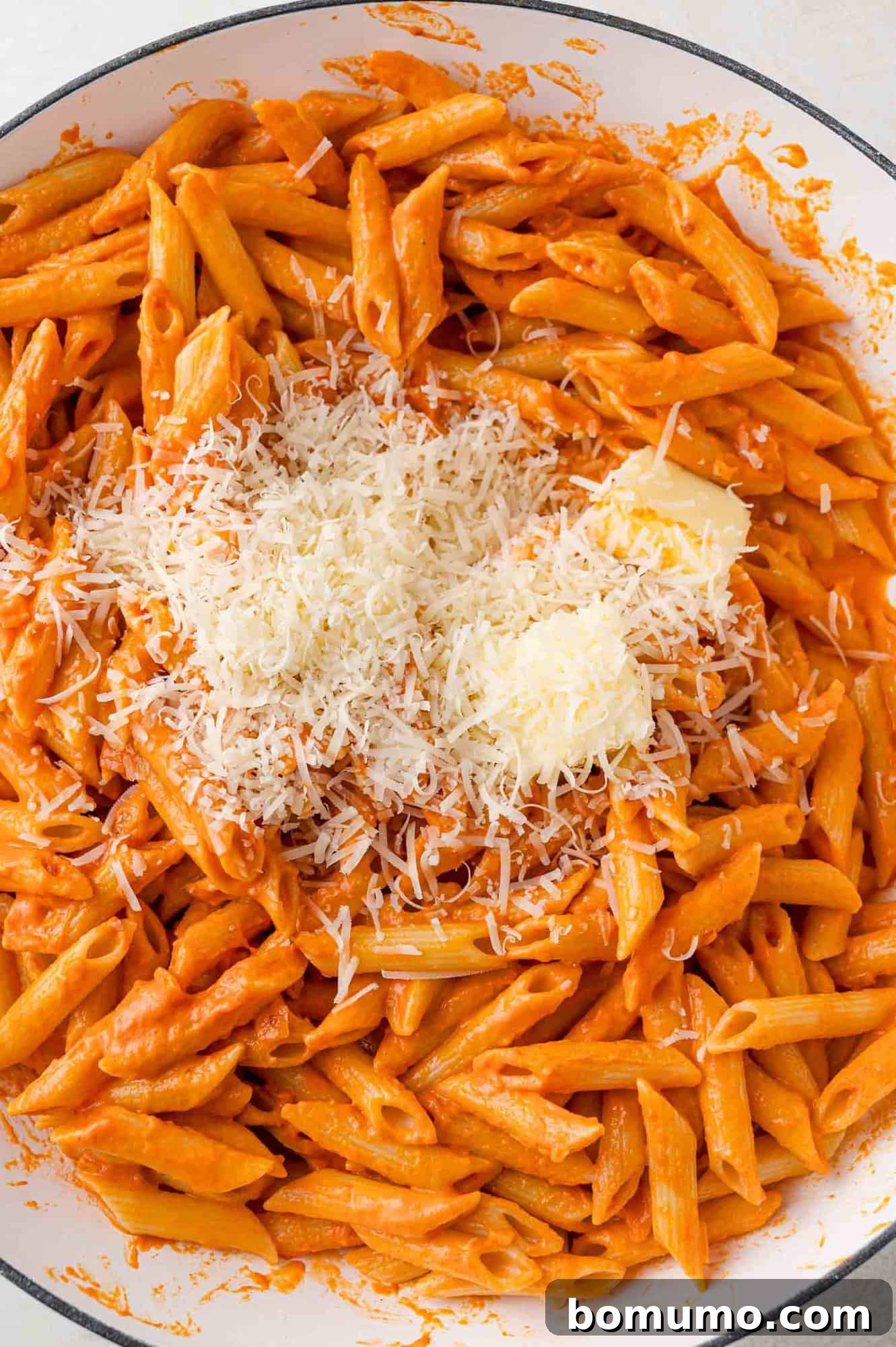
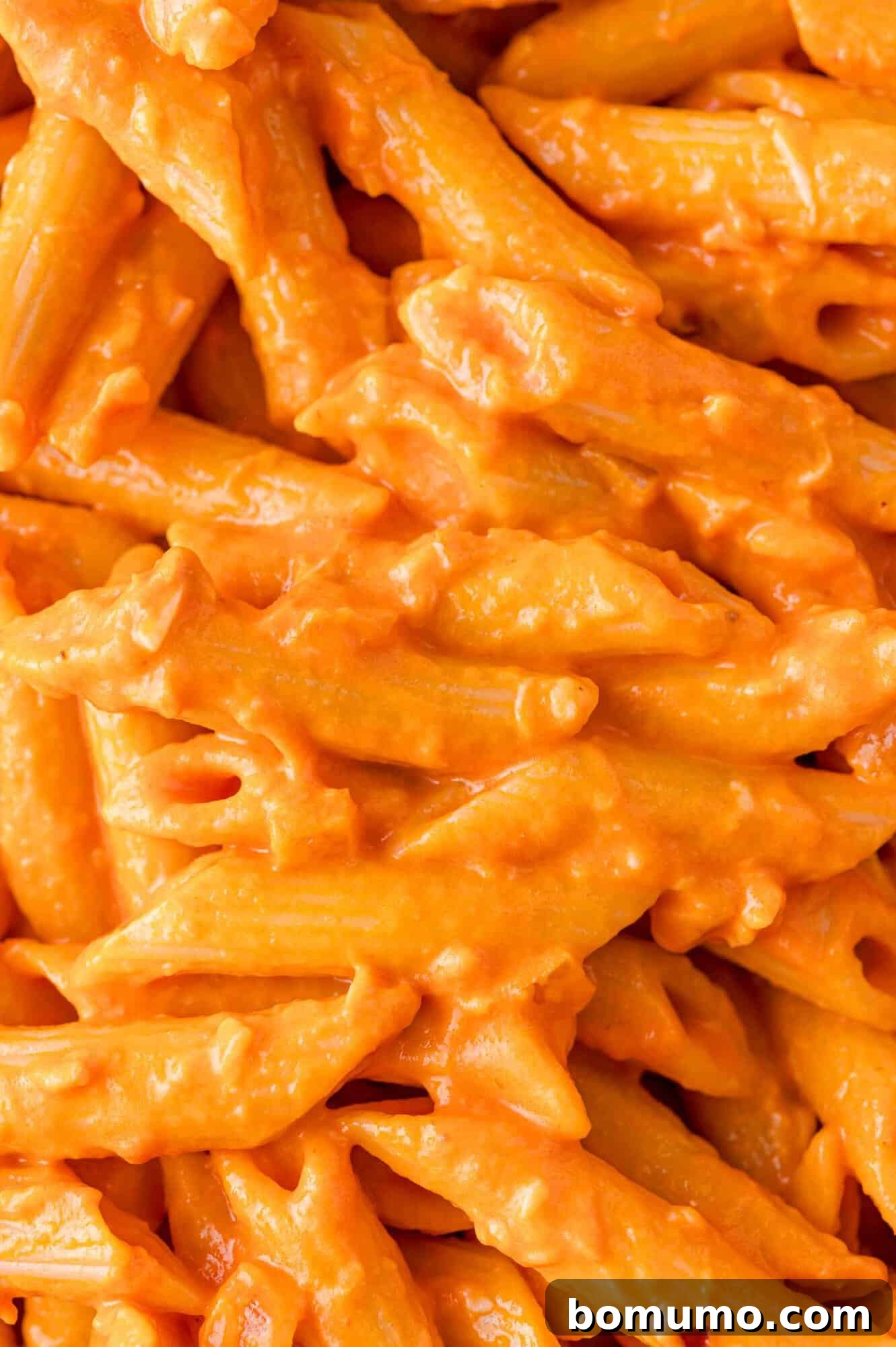
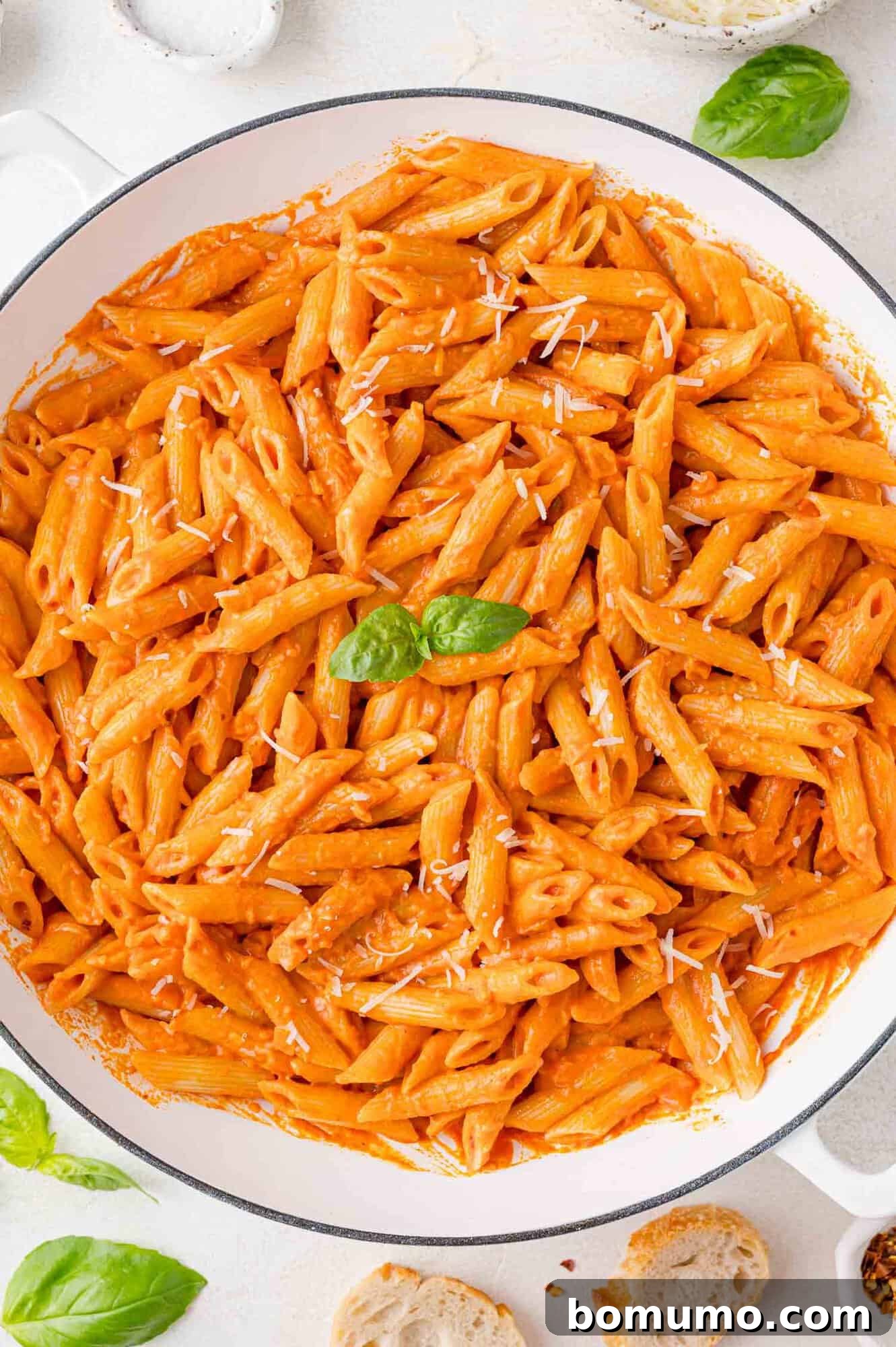
Step 6: Serve and Garnish. For the best flavor and texture, serve your homemade vodka pasta immediately. Ladle generous portions into shallow pasta bowls. Finish each serving with a sprinkle of fresh, vibrant basil or delicate parsley for a burst of color and herbaceous freshness that beautifully complements the rich sauce. A final dusting of additional freshly shredded Parmesan cheese is always a welcome and delicious touch.
Expert Tips for a Flawless Vodka Pasta
Achieving restaurant-quality vodka pasta at home is entirely within reach with a few key considerations. These tips will help ensure your dish is as perfect and flavorful as possible:
- Master the Al Dente Texture: The foundation of any great pasta dish is perfectly cooked pasta. Always cook your penne to an “al dente” consistency, meaning it should be firm to the bite with a slight resistance. Remember that the pasta will continue to cook slightly when it’s tossed with the hot sauce, so undercooking it by a minute or two is often ideal to prevent it from becoming mushy.
- The Unsung Hero: Reserved Pasta Water: Never underestimate the power of pasta cooking water! This starchy liquid is invaluable. The starches released from the pasta as it cooks act as a natural emulsifier, helping the sauce to thicken beautifully and bind to the pasta more effectively. It creates a cohesive, glossy sauce that plain water simply cannot replicate. Always reserve at least a cup before draining.
- Choose the Right Skillet Size: A common mistake that leads to messy stovetops and unevenly coated pasta is using too small a pan. You need ample room to confidently toss and combine the cooked pasta with the creamy sauce without it spilling over. Opt for a skillet that feels larger than you think you’ll need to allow for easy stirring and ensure every piece of pasta gets generously coated. This seemingly minor detail can save you a lot of frustration and cleanup time!
- Finely Dice Your Aromatics: For a truly smooth vodka sauce, ensure your onions and garlic are very finely minced. Larger pieces can detract from the velvety texture of the sauce, which should be luxurious and uniform.
- Warm Your Cream: As mentioned in the instructions, warming the heavy cream slightly before adding it to the sauce prevents temperature shock, which can cause the cream to curdle. A quick 30-second zap in the microwave is all it takes for a smoother integration.
- Gradual Cheese Addition: When adding the freshly shredded Parmesan, do so gradually while stirring over low heat. This technique helps the cheese melt evenly into the sauce, preventing clumps and ensuring a rich, unified consistency.
Serving Ideas & Perfect Pairings for Vodka Pasta
While our creamy vodka pasta is undeniably a star on its own, pairing it with thoughtfully chosen accompaniments can elevate your meal to a truly memorable dining experience. Here are some inspired serving suggestions:
- Fresh & Flavorful Vegetables. The richness of vodka pasta beautifully complements the crispness and earthy flavors of roasted or air-fried vegetables. Try our recipes for roasted cauliflower, vibrant air fryer green beans, or tender easy air fryer asparagus. These options add color, nutrients, and a delightful textural contrast.
- Hearty Protein Boost. For a more substantial and satisfying meal, incorporate a protein alongside your pasta. Cooked Italian sausage is an excellent choice; consider baked Italian sausage or convenient air fryer Italian sausage. Vodka penne also serves as a perfect accompaniment to a classic like baked chicken Parmesan & broccoli, creating a complete and balanced dinner.
- Crusty Bread for Sopping. No Italian-inspired pasta meal is complete without a side of bread to soak up every last drop of that incredible sauce. Serve a warm, crusty loaf of artisanal bread, or indulge in a batch of homemade Texas toast garlic bread for an extra layer of flavor and comfort.
- Light and Refreshing Salad. To balance the richness of the pasta, a fresh and vibrant salad is ideal. A simple house salad, perhaps with mixed greens, cherry tomatoes, and cucumber, dressed with a light and tangy balsamic vinaigrette, provides a refreshing contrast and completes the meal beautifully.
Storage & Reheating for Optimal Enjoyment
Storage & Reheating for Optimal Enjoyment
Proper storage and reheating are key to enjoying your delicious vodka pasta for days to come. Here’s how to ensure leftovers maintain their exquisite flavor and creamy texture:
Refrigerate & Freeze: Any leftover vodka pasta should be transferred promptly to an airtight container and stored in the refrigerator. It will remain fresh and delightful for up to 3 to 4 days. If you anticipate having a significant amount of sauce left, or prefer to prepare it in advance, the vodka sauce (without the pasta) freezes exceptionally well. Store it in a freezer-safe container for up to six months. Thaw frozen sauce in the refrigerator overnight before reheating.
Reheat with Care: For reheating pasta with sauce, gently warm it in a skillet over medium-low heat. To restore its original creamy consistency, you’ll likely need to add a splash of water, milk, or a bit of heavy cream, stirring frequently until it’s heated through. This helps to re-emulsify the sauce and prevent it from becoming dry. If you’re reheating a single serving, the microwave is a convenient option; simply add a small amount of liquid and stir halfway through the heating process for the best results. For frozen sauce, reheat on the stovetop over low heat, adding liquid as needed, until smooth and hot.
Frequently Asked Questions About Vodka Pasta
New to making vodka pasta or just curious about some common questions? Here are answers to help you perfect this delightful dish:
- Does the alcohol truly cook out of vodka pasta? While a significant amount of alcohol evaporates during the simmering process, especially when reducing the vodka, a small residual amount can remain. The exact percentage varies depending on cooking time and heat. If you need to avoid alcohol entirely, you can substitute the vodka with an equal amount of chicken or vegetable broth, or even a splash of non-alcoholic white wine. While the emulsifying effect might be slightly different, the dish will still be delicious.
- What kind of vodka is best for vodka sauce? You don’t need an expensive, top-shelf vodka for this recipe. A standard, unflavored vodka works perfectly well. The goal is to leverage its ethanol content for flavor extraction and emulsification, not its nuanced taste profile. Avoid flavored vodkas, as they will alter the intended flavor of the sauce.
- Can I make this recipe ahead of time? The sauce itself can be made ahead of time and refrigerated for up to 3-4 days or frozen for longer (without the pasta). When ready to serve, simply reheat the sauce gently on the stovetop, adding a splash of liquid if needed, and then toss with freshly cooked pasta. Combining pasta and sauce too far in advance can lead to mushy pasta and a dry sauce.
- Why is my vodka sauce separating or curdling? Separation or curdling often occurs if the cream is added to a very hot sauce or if the sauce is boiled too vigorously after the cream is incorporated. Ensure the heat is reduced to low before slowly stirring in the cream, and avoid bringing the sauce to a rolling boil once the cream is in. Using heavy cream (not half-and-half or milk) also provides more stability.
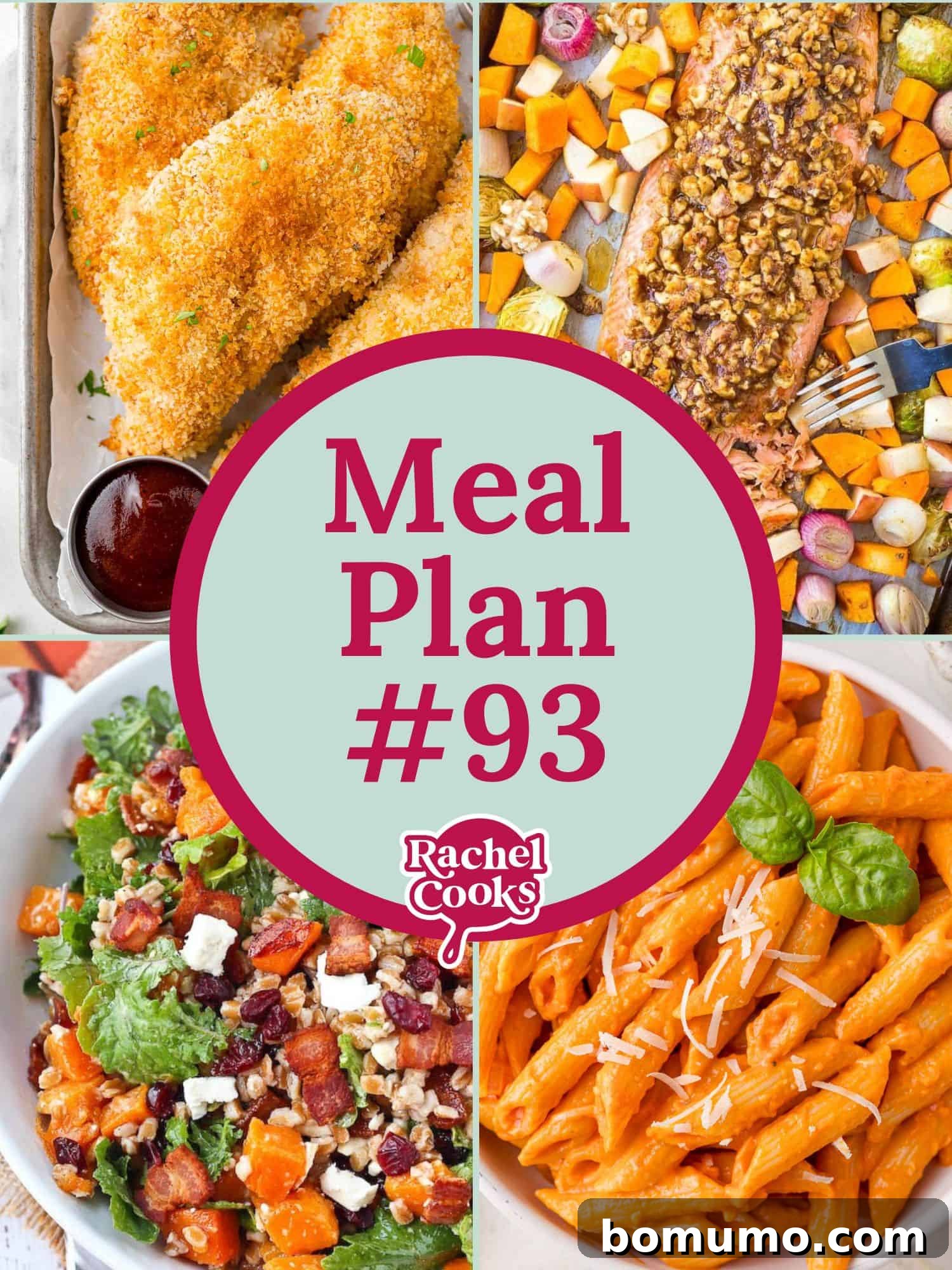
Unlock Your Free Weekly Meal Plan!
Planning delicious and healthy meals has never been easier. Interested in a thoughtfully curated weekly meal plan that proudly features this incredible vodka pasta recipe?
Discover Meal Plan #93, where you’ll find a wholesome and exciting recipe for each weekday, complete with a categorized grocery list to simplify your shopping. We continuously update our collection, adding a fresh new meal plan every single week to keep your culinary journey inspiring and effortless.
Explore More Irresistible Pasta Sauces
Hearty Homemade Spaghetti Sauce Recipe
Authentic Pasta Amatriciana (One Pan Wonder!)
Delicious Vegan Lentil Bolognese
Zesty Arrabbiata Sauce
The Best Creamy Vodka Pasta Recipe
Rachel Gurk
10 minutes
15 minutes
25 minutes
6
Print Recipe
Ingredients
- 16 oz. penne (or your favorite pasta shape)
- 2 tablespoons olive oil
- ½ cup finely chopped onion (1 small onion)
- ½ teaspoon kosher salt
- ¾ cup tomato paste (6 oz. can)
- 3 cloves garlic, minced
- ¼ teaspoon red pepper flakes, or more to taste
- ¼ cup vodka
- 1 cup heavy cream
- 2 tablespoons butter
- ½ cup freshly shredded Parmesan cheese, plus extra for serving
- fresh basil or parsley for garnish
Instructions
-
Bring a large pot of salted water to a boil. Add the penne and cook according to package instructions until al dente. Reserve approximately 1 cup of the pasta cooking water, then drain the pasta.16 oz. penne
-
Meanwhile, heat olive oil in a large skillet over medium heat. Add finely chopped onion and ½ teaspoon kosher salt; cook for 3 to 4 minutes until softened and translucent, being careful not to brown.2 tablespoons olive oil, ½ cup finely chopped onion, ½ teaspoon kosher salt
-
Stir in tomato paste, minced garlic, and red pepper flakes to the skillet. Continue to cook, stirring constantly, for an additional minute until the garlic is fragrant and the tomato paste deepens in color.¾ cup tomato paste, 3 cloves garlic, minced, ¼ teaspoon red pepper flakes, or more to taste
-
Pour in the vodka and simmer for 2 to 3 minutes, stirring frequently, until the liquid has slightly reduced and most of the alcohol has cooked off.¼ cup vodka
-
In a separate bowl or microwave-safe cup, warm the heavy cream in the microwave for 30 seconds. Reduce the skillet heat to low (this is important to prevent curdling!) and slowly pour the warm cream into the sauce, stirring continuously until well combined and smooth.1 cup heavy cream
-
Add the cooked pasta to the sauce in the skillet and toss gently to ensure every piece is evenly coated. Gradually add the reserved pasta water, about ¼ cup or less, as needed to thin the sauce to your desired consistency. Finally, stir in the butter and freshly shredded Parmesan cheese until both are completely melted and incorporated into the velvety sauce.2 tablespoons butter, ½ cup freshly shredded Parmesan cheese, more for serving
-
Serve your creamy vodka pasta immediately. Garnish generously with fresh basil or parsley and an extra sprinkle of shredded Parmesan cheese for an exquisite finish. Enjoy!
Notes
- Nutrition information provided includes both the sauce and the pasta components of the dish.
- Storage Guidelines: Transfer any leftover vodka pasta to an airtight container and store it in the refrigerator for up to 3 to 4 days. If you wish to freeze, it is best to freeze the vodka sauce separately (without the pasta) in a freezer-safe container for up to six months.
- Reheating Instructions: To reheat pasta with sauce, gently warm it in a skillet over medium heat, adding a splash of water or heavy cream as needed to restore its creamy consistency. Stir frequently until heated through. Individual servings can also be conveniently reheated in the microwave.
Video Overview
Watch Video: Creamy Vodka Pasta Recipe
Nutrition Information (per serving)
Carbohydrates: 66g,
Protein: 16g,
Fat: 26g,
Saturated Fat: 14g,
Polyunsaturated Fat: 2g,
Monounsaturated Fat: 9g,
Trans Fat: 0.2g,
Cholesterol: 61mg,
Sodium: 634mg,
Potassium: 574mg,
Fiber: 4g,
Sugar: 8g,
Vitamin A: 1289IU,
Vitamin C: 9mg,
Calcium: 160mg,
Iron: 2mg
Nutrition information is automatically calculated and should be used as an approximation only.
Did You Make This?
Share a comment and rating below! I love hearing what you think!