
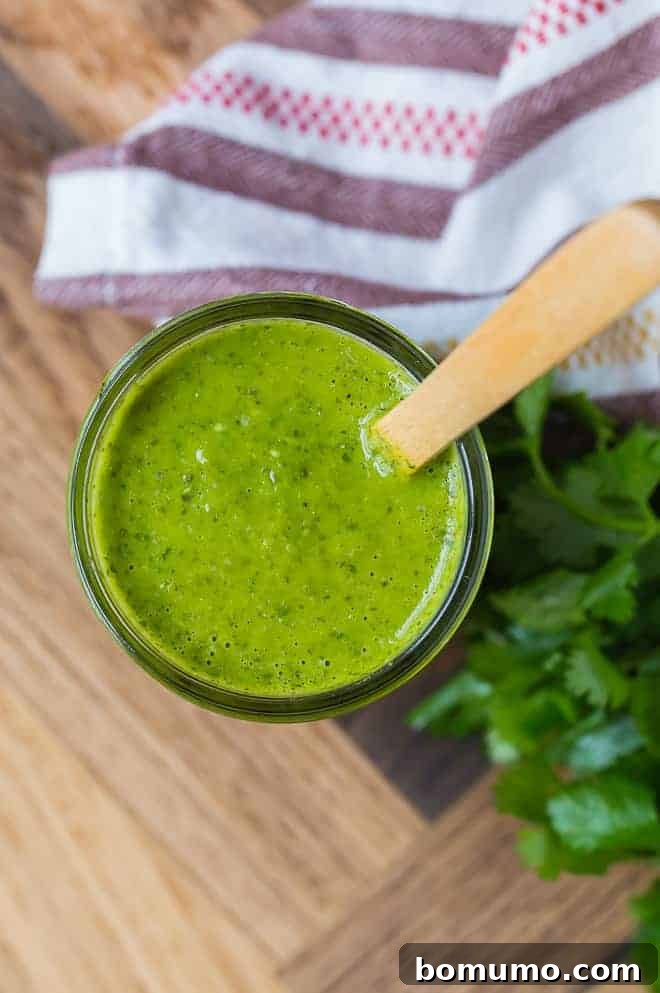
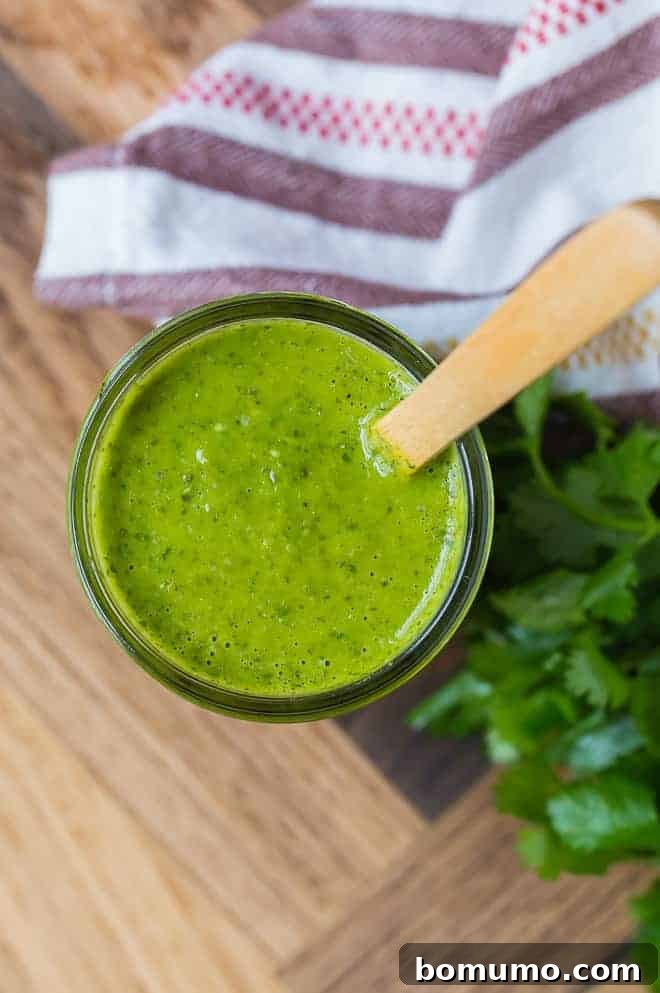
Homemade salsa verde, literally translated as “green sauce,” is a vibrant, tangy, and subtly spicy condiment bursting with fresh herbal flavors. This authentic Mexican staple is so incredibly delicious, you’ll find yourself wanting to savor it by the spoonful! Forget the bland, jarred versions; once you experience the bright, complex flavors of fresh, homemade salsa verde, there’s simply no comparison. It’s a game-changer that will elevate countless dishes, transforming your meals with its invigorating zest.
Recipe Overview: Authentic Homemade Salsa Verde
Why you’ll love it: This salsa boasts an incredible depth of fresh, tangy, and subtly spicy flavor!
How long it takes: Approximately 20 minutes from start to finish.
Equipment you’ll need: An oven (with broiler setting), a reliable food processor or blender, and a baking sheet.
Servings: Yields about 3 cups, perfect for sharing or keeping on hand.
Homemade Salsa Verde: The Ultimate Green Sauce
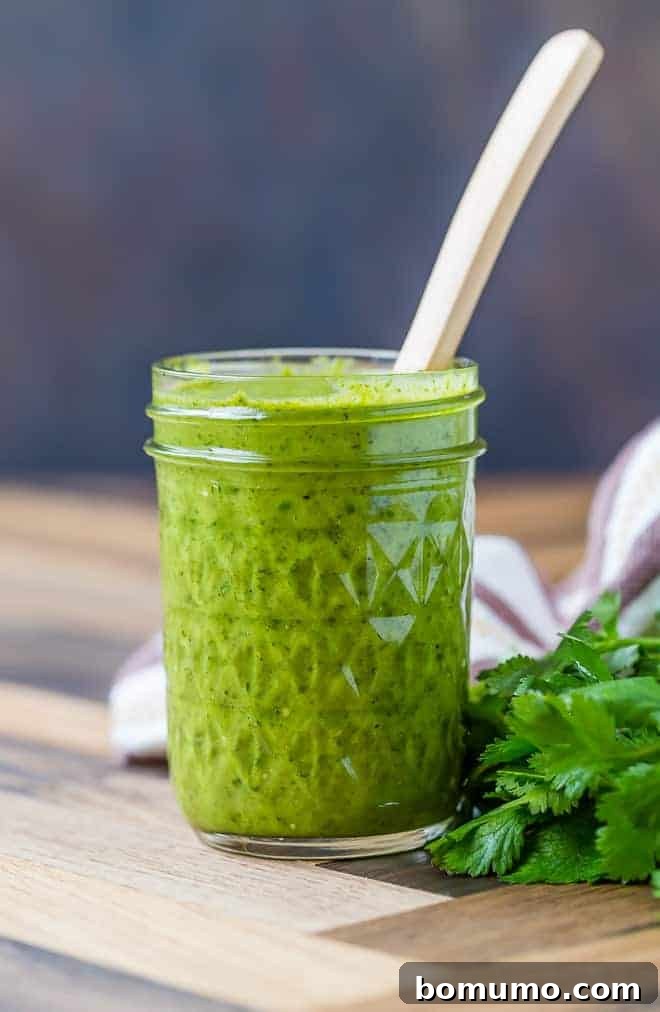
While many of us are familiar with traditional red salsa, which I genuinely adore, there’s an entirely different level of culinary excitement waiting with homemade salsa verde. This vibrant “green sauce” offers such a unique and invigorating flavor profile that it will quickly become your go-to condiment for almost anything. It stands as Mexico’s answer to Italy’s fragrant basil pesto or Argentina’s zesty parsley chimichurri – all three are brilliant, herb-infused sauces that awaken the palate with their fresh notes.
At its heart, salsa verde is a surprisingly simple sauce, typically crafted from roasted tomatillos, sweet onions, and a touch of spicy jalapeños. These ingredients are then blended with a generous amount of fresh cilantro and a squeeze of bright lime juice, culminating in a sauce that is truly astonishing in its fresh taste and vivid green hue. The difference between this homemade concoction and the jarred varieties found on grocery store shelves is monumental.
Please, if your only experience with salsa verde comes from a store-bought jar, reconsider. It’s akin to comparing luscious freshly made applesauce with the often bland, institutional stuff that comes in plastic cups. There is, quite frankly, no comparison. If you haven’t yet indulged in the delights of fresh salsa verde, you haven’t truly experienced this culinary gem.
The versatility of this green sauce is truly remarkable. From elevating your morning scrambled eggs to adding a gourmet touch to hot dogs, tacos, burritos, chili, chips, and even sandwiches, virtually every dish benefits from a dollop of this flavorful creation. And here’s the best part: it’s a guilt-free flavor indulgence, with approximately only 25 calories per two-tablespoon serving! Dive into this explosion of taste without a second thought.
About This Easy Salsa Verde Recipe
This particular salsa verde recipe is designed for maximum flavor with minimal effort, coming together in approximately 20 minutes. What’s even better is the immense satisfaction you’ll feel when proudly declaring, “Yes, I made this incredible salsa verde myself!” It’s an impressive dish that’s deceptively simple to prepare, making it perfect for both weeknight meals and entertaining guests.
Essential Ingredients for Your Fresh Green Sauce
Crafting the perfect salsa verde relies on a handful of fresh, high-quality ingredients. Here’s what you’ll need to gather:
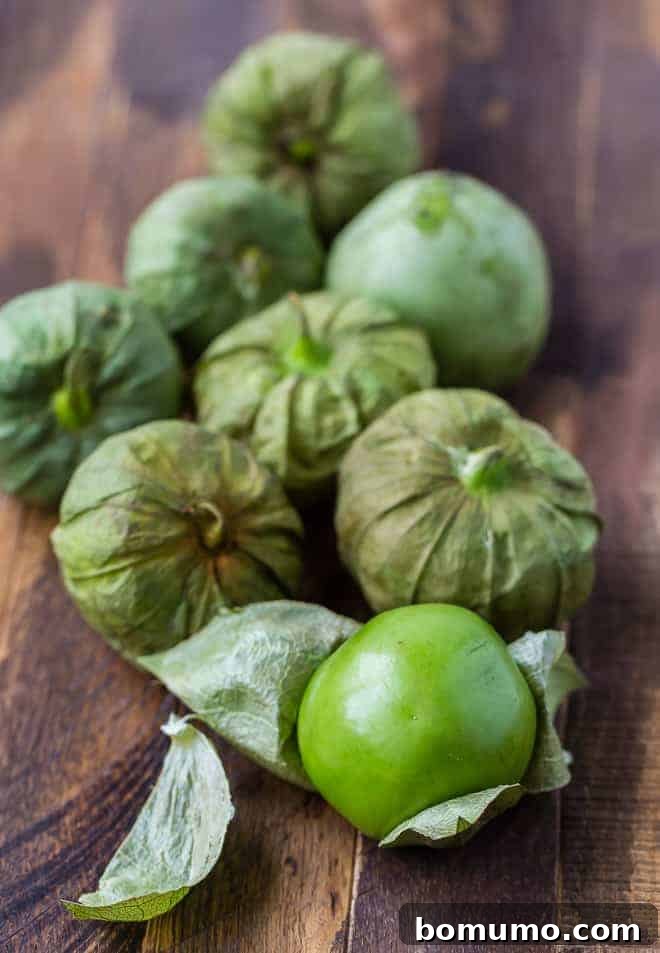
- Tomatillos: These unique, papery-husked green fruits are the foundation of salsa verde. You’ll typically locate them in the produce section of your grocery store, often nestled near the peppers. They are not simply unripe green tomatoes; tomatillos possess a distinct tangy, slightly acidic flavor that mellows beautifully with roasting. For more detailed selection and preparation tips, refer to our “Tomatillo Tips” section below.
- Jalapeño Peppers: These provide the gentle heat that gives salsa verde its characteristic kick. If you prefer a milder sauce, simply halve the peppers and meticulously remove the internal ribs and all the seeds before roasting. For those who enjoy a spicier salsa, feel free to leave some or all of the seeds intact, or even add an extra jalapeño.
- Onions: A couple of common yellow cooking onions are all you require to add a foundational sweetness and aromatic depth to the salsa. If you have a preference for another type of onion, such as white or even a mild red onion, feel free to substitute based on your taste.
- Fresh Cilantro: This herb is absolutely essential to the vibrant, herbaceous character of salsa verde. You’ll use a generous bunch, including both the leaves and the stems. Don’t discard the stems – they are packed with flavor and will blend seamlessly into the sauce, adding to its complexity.
- Fresh Lime Juice: The bright, citrusy acidity of freshly squeezed lime juice is non-negotiable for balancing the flavors and adding a refreshing tang. Avoid bottled lime juice, as it simply won’t deliver the same vibrant taste.
- Oil and Salt: A touch of avocado or olive oil is needed to help the vegetables roast to perfection, enhancing their natural sweetness and char. A pinch of kosher salt brings all the flavors together, seasoning the salsa to perfection.
Tomatillo Tips: Selection, Storage, and Prep
When selecting tomatillos for your salsa verde, look for fruits that are firm to the touch and boast a bright green color beneath their husks. The papery husk itself should be mostly intact and free from excessive blemishes. Store your fresh tomatillos in a paper bag in your refrigerator; this allows for proper air circulation and can keep them fresh for up to three weeks. To prepare a tomatillo, simply peel away the papery husk with your fingers. You’ll notice a slightly sticky residue on the fruit; this is natural. Give them a good rinse under cool running water to remove this stickiness before proceeding with your recipe.
How To Make Flavorful Salsa Verde From Scratch
Creating homemade salsa verde is a straightforward process that yields incredibly rewarding results. The key to its depth of flavor lies in the roasting of the core vegetables.
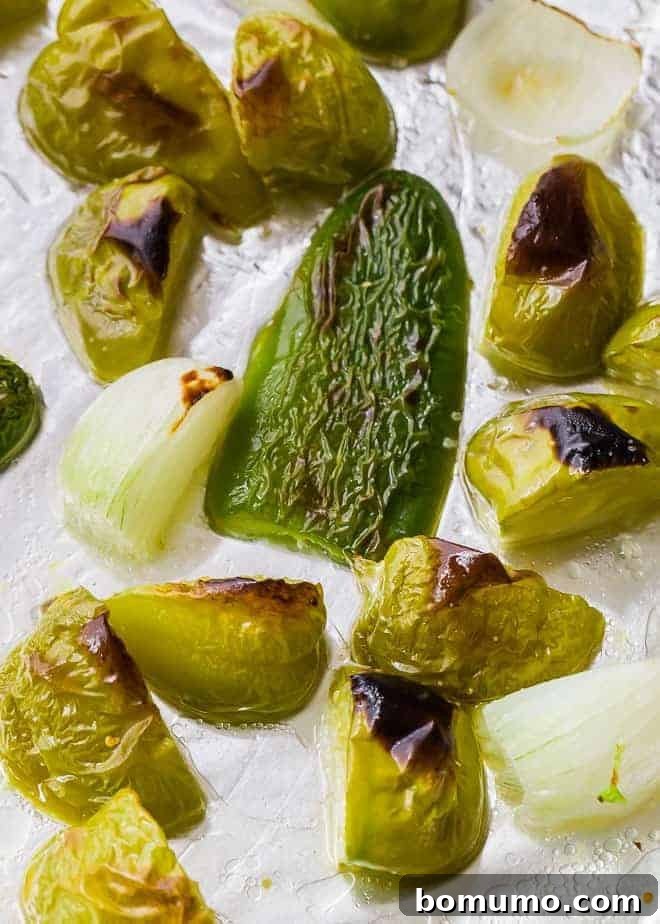
First, position your oven rack about 6 inches from the top heating element and preheat your broiler. Line a large, rimmed baking sheet with foil for easy cleanup – you’ll thank yourself later! On this prepared sheet, evenly toss your halved tomatillos, jalapeño peppers (with ribs and seeds removed for milder heat, or kept for more spice), and quartered onions with a couple of tablespoons of olive or avocado oil and a quarter teaspoon of kosher salt. Arrange these vegetables cut-side down on the baking sheet to ensure even charring.
Next, slide the baking sheet under the preheated broiler. Allow the vegetables to roast for approximately 10 minutes, or until they become tender, slightly softened, and develop beautiful charred spots. This roasting step is crucial; it not only softens the vegetables but also mellows the inherent acidity of the tomatillos, enhancing their natural sweetness and adding a delightful smoky depth to the overall flavor profile of your salsa.
Once roasted, carefully remove the vegetables from the oven and allow them to cool for about 10 to 15 minutes. While they cool, you can take a moment to wash your fresh cilantro and squeeze your limes for fresh juice. A common question arises about cilantro stems: do you remove them? Absolutely not! Don’t fret over picking off every little leaf. Cilantro stems are incredibly flavorful and will completely blend into the sauce, contributing to its rich herbal taste. Including them is not only efficient but also ensures you’re utilizing the full flavor potential of the herb.
Now comes the blending. You have the option of using either a high-speed blender or a food processor. A blender typically produces a slightly smoother, more uniform sauce, similar to the consistency seen in many restaurant-style salsas. However, I often lean towards a food processor for homemade salsa verde, as it tends to leave a bit more texture, which is fantastic for a robust chip dip or a sauce that can cling to meats and vegetables.
Simply transfer the roasted vegetables, along with all their accumulated juices from the baking sheet (don’t discard that flavorful liquid!), into your chosen appliance. Add the generous amount of fresh cilantro and the vibrant lime juice. Process the mixture until your salsa verde reaches your desired consistency – whether you prefer it chunky or silky smooth. And just like that, you’re done! Your homemade salsa verde is ready to be enjoyed.
Customize Your Salsa Verde: Delicious Variations
One of the greatest joys of cooking at home is the ability to adapt recipes to your personal taste. This salsa verde recipe is incredibly flexible, allowing for numerous delicious variations:
- If you’re a devout garlic lover, you have two excellent options: roast whole, peeled garlic cloves along with your vegetables for a mellow, sweet garlic flavor, or add a few raw garlic cloves directly into the blender with the cilantro and lime for a sharper, more pungent garlic kick.
- For those who enjoy a bit more spicy heat, customize your jalapeño preparation. Include the seeds and internal ribs of the jalapeño peppers before roasting, as these parts contain most of the capsaicin. Alternatively, you can simply add more jalapeños or even introduce a spicier pepper like serrano for an extra fiery kick.
- To achieve a wonderfully creamy version, incorporate one roughly chopped avocado into the blender along with the cilantro and lime juice before processing. The avocado will lend a rich, velvety texture and a subtle nutty flavor. For an even more indulgent creaminess, stir in about a half cup of sour cream or Mexican crema after blending. Please note that avocado-infused salsa verde is best enjoyed immediately, as avocado tends to brown over time.
- Looking for a smoky depth? Try adding a small amount of chipotle in adobo sauce to the blender. Start with half a pepper and a teaspoon of sauce, then adjust to your preference.
- This versatile recipe can also be effortlessly halved or doubled, making it perfect whether you’re cooking for a small gathering or preparing a larger batch for meal prep.
FAQs: Your Questions About Salsa Verde Answered
FAQs: Your Questions About Salsa Verde Answered
At its core, this delightful green sauce is made from five primary fresh ingredients: tangy tomatillos, aromatic onions, vibrant jalapeño peppers, a generous amount of fresh cilantro, and bright lime juice. You’ll also need a small amount of olive or avocado oil and kosher salt to prepare and season the vegetables during the roasting process.
The possibilities for using salsa verde are virtually endless! While it might not be ideal for oatmeal, its tangy and herbaceous profile makes it incredibly versatile. Anything you would typically use red salsa on will likely be even better with salsa verde.
Consider it a fantastic topping for tacos (it would be amazing on sweet potato tacos or vegan carrot and mushroom tacos), burritos, tostadas, enchiladas, and chili. But don’t limit yourself to Tex-Mex! Salsa verde is superb on grilled meats like steak, chicken, pork, or even salmon. Use it as a vibrant dressing for salads, burrito bowls, or grain bowls. Mix it into rice or quinoa for a flavorful side dish. Jazz up your morning scrambled eggs, omelets, or breakfast burritos. For a creamy spread, mix it with a little mayonnaise and use it on your favorite sandwiches or burgers. It even makes a delicious base for marinades or a bright sauce for roasted vegetables.
Homemade salsa verde can be stored in airtight glass jars or plastic containers in the refrigerator for up to one week, maintaining its fresh flavor. For longer preservation, it freezes exceptionally well. Portion it into freezer-safe containers or ice cube trays and freeze for up to 3 months. Thaw in the refrigerator before using.
The primary distinction lies in their main ingredients and color. Traditional red salsa is predominantly made with ripe red tomatoes, giving it its characteristic vibrant red hue. Salsa verde, on the other hand, is made with tomatillos (which are distinctly different from green tomatoes, possessing a unique tangy flavor), resulting in its bright green color. While red salsa often incorporates cilantro, cilantro plays a more central, starring role in the herbaceous flavor profile of salsa verde.
Yes, tomatillos can be eaten raw! Also known as Mexican husk tomatoes, they belong to the nightshade family, a group that includes familiar vegetables like tomatoes, bell peppers, eggplant, and white potatoes. When raw, tomatillos are slightly more acidic and tart than a typical tomato. Before consuming, always remove the papery husk. While they are perfectly safe to eat raw, they are most commonly cooked or roasted for salsa verde recipes. The cooking process mellows out their acidity, softens their texture, and enhances their inherent sweetness, contributing to a more balanced and complex flavor profile in the finished sauce.
Absolutely! Homemade salsa verde is packed with fresh, nutrient-rich ingredients. Tomatillos are a good source of vitamins C and K, and dietary fiber. Cilantro is rich in antioxidants, while jalapeños provide beneficial capsaicin. With minimal added oil and salt, and made from whole, unprocessed vegetables, it’s a wonderfully healthy, low-calorie, and flavorful addition to almost any meal.
Explore More Tex-Mex Sauces and Dips
I’m confident that you’ll fall in love with this homemade salsa verde, but the culinary adventure doesn’t have to end there! I have a collection of other irresistible Tex-Mex inspired recipes that you’ll definitely want to try:
- How to Make Guacamole — This simple and incredibly easy recipe will show you how to whip up the freshest, creamiest guacamole every time!
- 7 Layer Dip (the best!) — A crowd-pleasing classic layered with all your favorite Tex-Mex flavors, perfect for parties and gatherings.
- Mexicali Dip (creamy and addicting) — A rich, creamy, and undeniably addictive dip that’s bursting with savory Mexican-inspired flavors.
- Restaurant Style Salsa — Recreate the authentic taste of your favorite Mexican restaurant’s salsa right in your own kitchen.
- Chipotle Salsa — Similar to the restaurant-style version but infused with the rich, smoky heat of chipotle peppers for an added layer of complexity.
- Healthy Queso Dip with Butternut Squash — A surprisingly healthy and incredibly flavorful queso dip, cleverly made with the natural sweetness of butternut squash.
- Southwestern Bean Dip (with extra protein) — A hearty and flavorful bean dip with a secret ingredient that boosts its protein content, making it both delicious and satisfying.
How to Make Salsa Verde: A Step-by-Step Guide
Rachel Gurk
10 mins
10 mins
20 mins
3 cups
Equipment
-
Natural Aluminum Half Sheet Pan
-
Vitamix Blender (or a good food processor)
Ingredients
- 16 ounces tomatillos, cut in half, husks and stems removed, thoroughly rinsed
- 2 jalapeños, halved, ribs and seeds removed for milder heat (or leave them in for extra spice)
- 2 small yellow onions, quartered
- 2 tablespoons avocado oil (or high-quality olive oil)
- 1/4 teaspoon kosher salt (or to taste)
- 4 cups fresh cilantro (stems are perfectly fine, lightly packed)
- 4 tablespoons fresh lime juice (from approximately 2-3 limes)
Instructions
-
1. Prepare Oven and Baking Sheet: Position an oven rack about 6 inches from the top heating element. Preheat your oven broiler to high. Line a large, rimmed baking sheet with aluminum foil for easy cleanup after roasting.
-
2. Toss and Arrange Vegetables: On the prepared baking sheet, combine the halved tomatillos, halved jalapeños, and quartered onions. Drizzle with the avocado or olive oil and sprinkle with kosher salt. Toss gently to ensure all vegetables are evenly coated. Arrange the vegetables on the baking sheet with their cut sides facing down to encourage optimal charring.
-
3. Broil to Perfection: Place the baking sheet on the top oven rack directly under the broiler. Broil for approximately 10 minutes, or until the vegetables are tender, slightly softened, and have developed a beautiful char on their surfaces. Keep a close eye on them to prevent burning. Once roasted, remove the baking sheet from the oven and allow the vegetables to cool for about 15 minutes. This cooling period is important before blending.
-
4. Blend into Salsa: Carefully transfer all the roasted vegetables, along with any flavorful juices accumulated on the baking sheet, into a blender or food processor. Add the fresh cilantro (including the stems for maximum flavor) and the freshly squeezed lime juice. Process the mixture until it forms a smooth or slightly chunky salsa, depending on your preferred texture. Taste and adjust seasoning with additional salt or lime juice if needed.
Notes
- Storage: Enjoy your homemade salsa verde immediately, or store it in airtight glass jars or plastic containers in the refrigerator for up to one week.
- Freezing: This salsa freezes beautifully! Store in freezer-safe containers or silicone ice cube trays for convenient portions. It can be frozen for up to 3 months. Thaw completely in the refrigerator before using.
- Recipe Yield: This recipe easily scales. It can be conveniently halved if you need a smaller batch, or doubled if you’re preparing for a larger gathering.
- Creamy Salsa Verde Variation: To make a rich and creamy version, add one roughly chopped, ripe avocado to the blender along with the roasted vegetables, cilantro, and lime juice. For even more indulgence, stir in ½ cup of sour cream or Mexican crema after blending. Note that creamy salsa verde, especially with avocado, is best consumed fresh for optimal taste and color, as avocado tends to oxidize and brown over time.
Video
Watch a video on how to make Salsa Verde here!

Nutrition Facts
Serving: 2tablespoons
,
Calories: 25kcal
,
Carbohydrates: 2g
,
Protein: 1g
,
Fat: 2g
,
Polyunsaturated Fat: 1g
,
Cholesterol: 2mg
,
Sodium: 25mg
,
Fiber: 1g
,
Sugar: 1g
Nutrition information is automatically calculated, so should only be used as an approximation.
Did You Make This Recipe?
Share your thoughts in a comment and leave a rating below! I always love hearing what you think and seeing your culinary creations!