
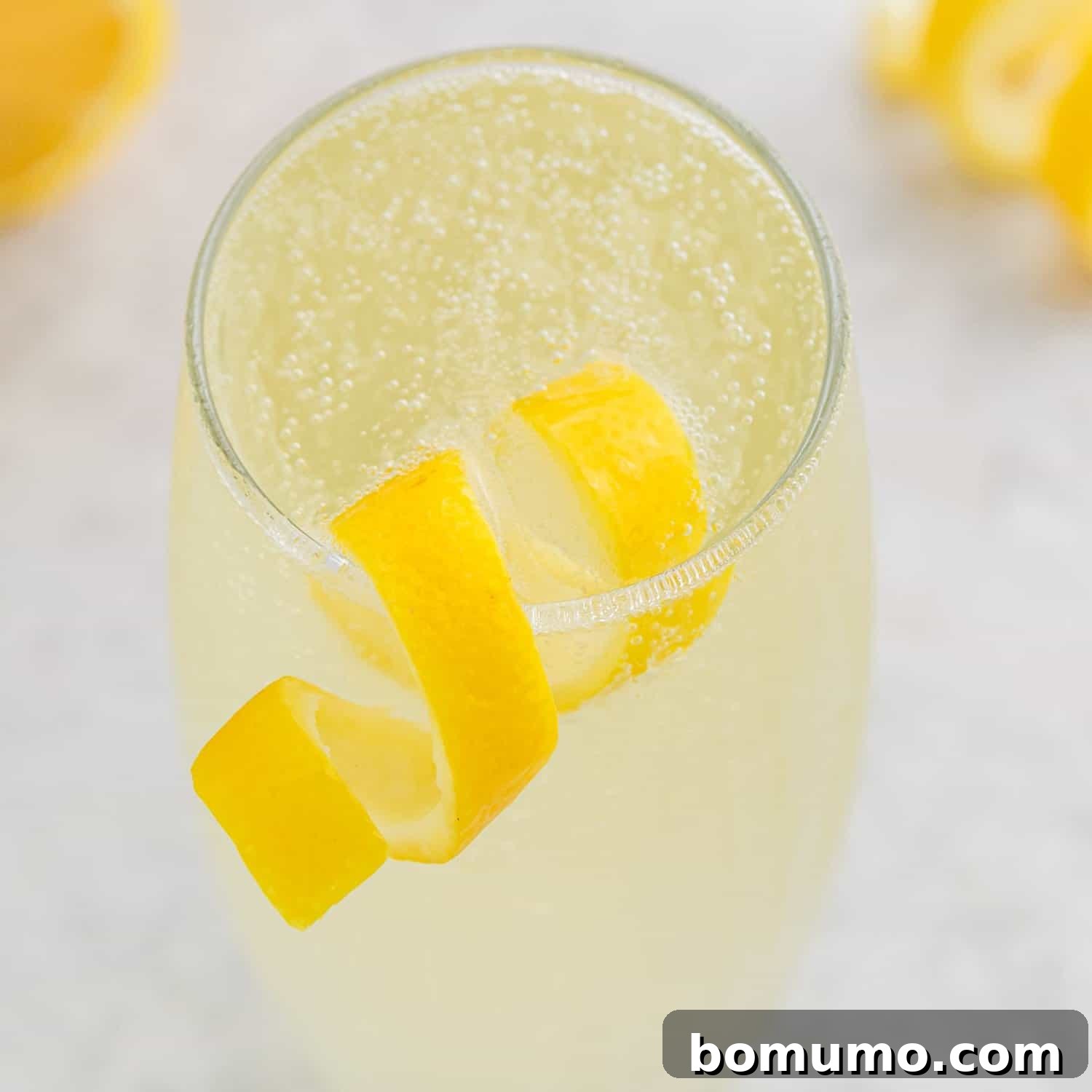
Add an elegant flourish to your homemade cocktails with a citrus twist. Elevate your mixology skills and learn the simple, yet impactful, technique of how to make a lemon twist. This detailed guide will transform your drink presentation and delight your senses.
Recipe Overview: The Art of the Citrus Twist
Why you’ll love it: A delicate curl of citrus peel is not only visually stunning but also infuses your cocktails with sophisticated flavor and captivating aroma.
How long it takes: Just a couple of minutes to craft each twist.
Equipment you’ll need: A sharp paring knife and a thin cylinder like a straw or chopstick.
Servings: As many as your heart (or cocktail party) desires!
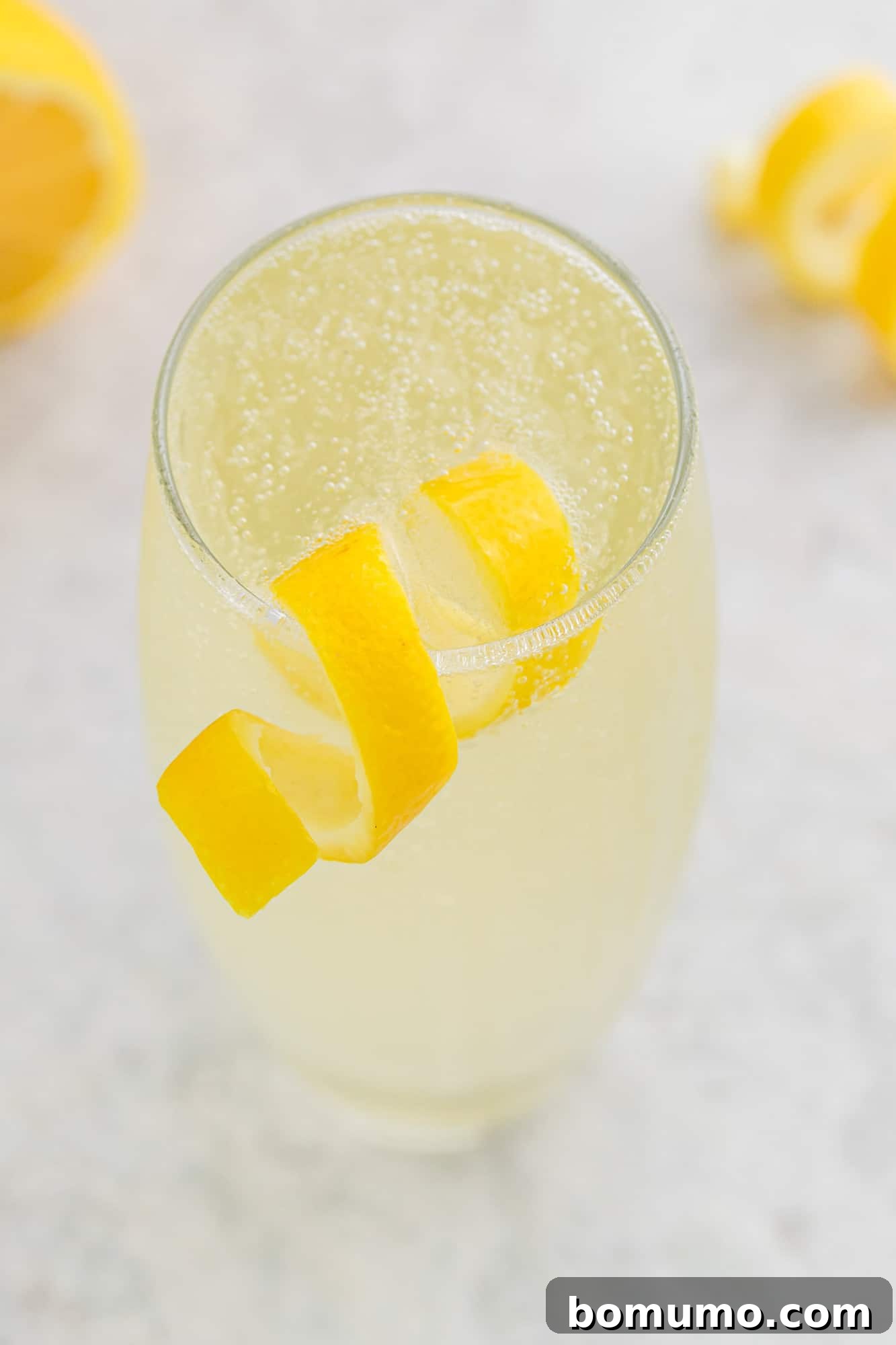
In the world of craft cocktails, presentation is often as crucial as the ingredients themselves. Imagine a glass of pure indulgence; without that final, artful touch, it’s merely liquid in a container. It’s the elegant lemon twist, the frosty sprig of rosemary, the vibrant cocktail cherry, the fragrant green mint leaf, or the juicy orange wheel that transforms a simple drink into an experience. These thoughtful garnishes elevate the appeal, adding a touch of sophistication that truly makes it feel like a celebration.
But the allure of a garnish extends far beyond mere aesthetics. Its true magic lies in its dual purpose: a well-chosen garnish introduces a layer of intricate flavor and a burst of captivating aroma to your cocktail that would otherwise be absent. The essential oils released from citrus peels, for instance, can entirely redefine the drink’s aromatic profile, enhancing the overall tasting experience.
Today, we embark on a journey to master the art of the lemon twist. This essential bartending skill is not only a fantastic way to impress your guests but also a prerequisite for many classic and contemporary concoctions. For instance, an upcoming recipe for a classic French 75 cocktail specifically calls for this delicate adornment, and we certainly wouldn’t want you to be unprepared.
The versatility of a citrus twist knows no bounds. A vibrant lemon twist can brighten a vodka lemonade, while an aromatic orange twist is the perfect complement for an Aperol Spritz or a robust Negroni. For a classic gin and tonic or a delightful cherry lime martini, a zesty lime twist truly shines. In fact, citrus twists add a playful and refreshing element to even the simplest beverages, from sparkling water to your favorite soda, transforming everyday sips into something special.
Looking to broaden your garnish repertoire even further? Advanced Mixology offers a curated list of 23 fun cocktail garnishes, providing endless inspiration for your next creation. And for another fundamental cocktail component, master the technique of how to make simple syrup, complete with a myriad of flavor variations to sweeten your spirited adventures.
Understanding Your Garnish: The Lemon Twist Explained
One of the beauties of crafting a perfect lemon twist is that it doesn’t require specialized, expensive tools. A trusty, sharp paring knife is often all you need to achieve professional-looking results. While some mixologists prefer to use a channel knife – a specific tool designed to cut thin strips of peel – the straightforward method we’re about to explore proves that elegant garnishes are accessible to everyone.
It’s worth noting that a lemon twist goes by several charming aliases. You might hear it referred to as a lemon curl or a lemon spiral. Regardless of the name, the essence remains the same: a beautiful, aromatic strip of citrus peel designed to enhance your drink. Whether you prefer to call it a twist, curl, or spiral is entirely up to you. Moreover, there isn’t one single “correct” way to create them. Embrace the variety; it keeps things interesting and allows for personal flair in your mixology journey.
Intrigued by more dramatic presentation techniques? Keep reading to learn how to flame a citrus peel, a truly captivating way to add smoky, caramelized notes to your cocktails.
What’s a Channel Knife?
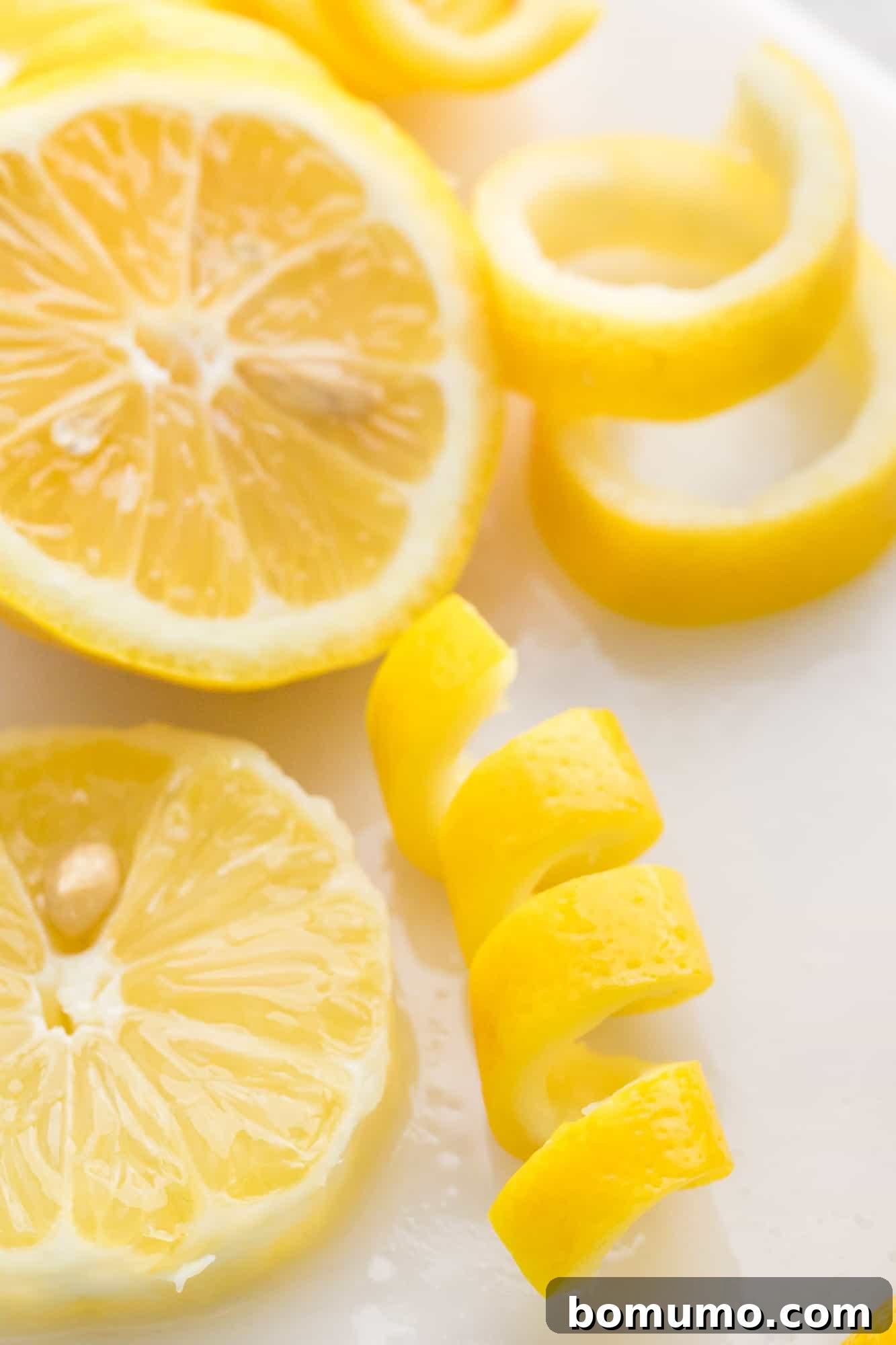
A channel knife is often found as part of a dual-purpose bar tool that also includes a zester. The zester side creates long, thin shreds of peel (thicker than grated zest), while the channel knife carves out ribbons of peel, typically about ¼ inch wide. Depending on the depth of your cut, these ribbons might include a small amount of the bitter white pith, making it a technique that requires a bit of practice to perfect, especially if you want pith-free strips.
Essential Tools and Ingredients for the Perfect Lemon Twist
To craft the most exquisite lemon twists, you’ll need just a few key items. Quality ingredients and the right equipment make all the difference in achieving that professional finish.
- Lemons: The Foundation of Your Twist
Opt for firm, fresh lemons with relatively bumpy skin, which often indicates a juicy fruit with robust essential oils in its peel. Overripe lemons, typically smoother, tend to have less oil in their peels, making them less ideal for twisting. Larger lemons are generally preferable, as they allow you to cut longer, more dramatic curls and yield a greater quantity of twists from a single fruit.
- Sharp Paring Knife: Precision is Key
A well-maintained, sharp paring knife is indispensable. Its keen edge allows for clean, effortless slices, crucial for separating the peel from the fruit with minimal pith. A dull knife will only tear the peel and make the process frustrating, leading to messy twists.
- Sturdy Straw or Chopstick: For that Perfect Curl
While you can certainly shape the peel with your fingers, a thin, sturdy cylindrical object like a drinking straw, a chopstick, or even a pen can greatly assist in achieving a tightly coiled, uniform spiral. This provides a consistent guide for the peel to wrap around, ensuring a beautifully defined twist every time.
Step-by-Step Guide: Crafting Your Own Elegant Lemon Twist
Let’s dive into the simple yet satisfying process of creating your very own lemon twists. With a little practice, you’ll be garnishing like a seasoned bartender in no time!
Preparation Steps
- Clean the Lemon Thoroughly: Before anything else, meticulously wash the lemon under running water. This step is critical, as the peel will come into direct contact with your drink. You’ll want to remove any dirt, wax, or residual pesticides to ensure a clean and pure flavor profile for your cocktail. This applies to any fresh garnish you plan to use.
- Slice the Lemon: Carefully cut the lemon in half crosswise, through its “equator,” rather than from end to end. From one of these halves, slice a disc of lemon approximately ¼-inch thick. This initial slice provides a manageable base for creating your twist.
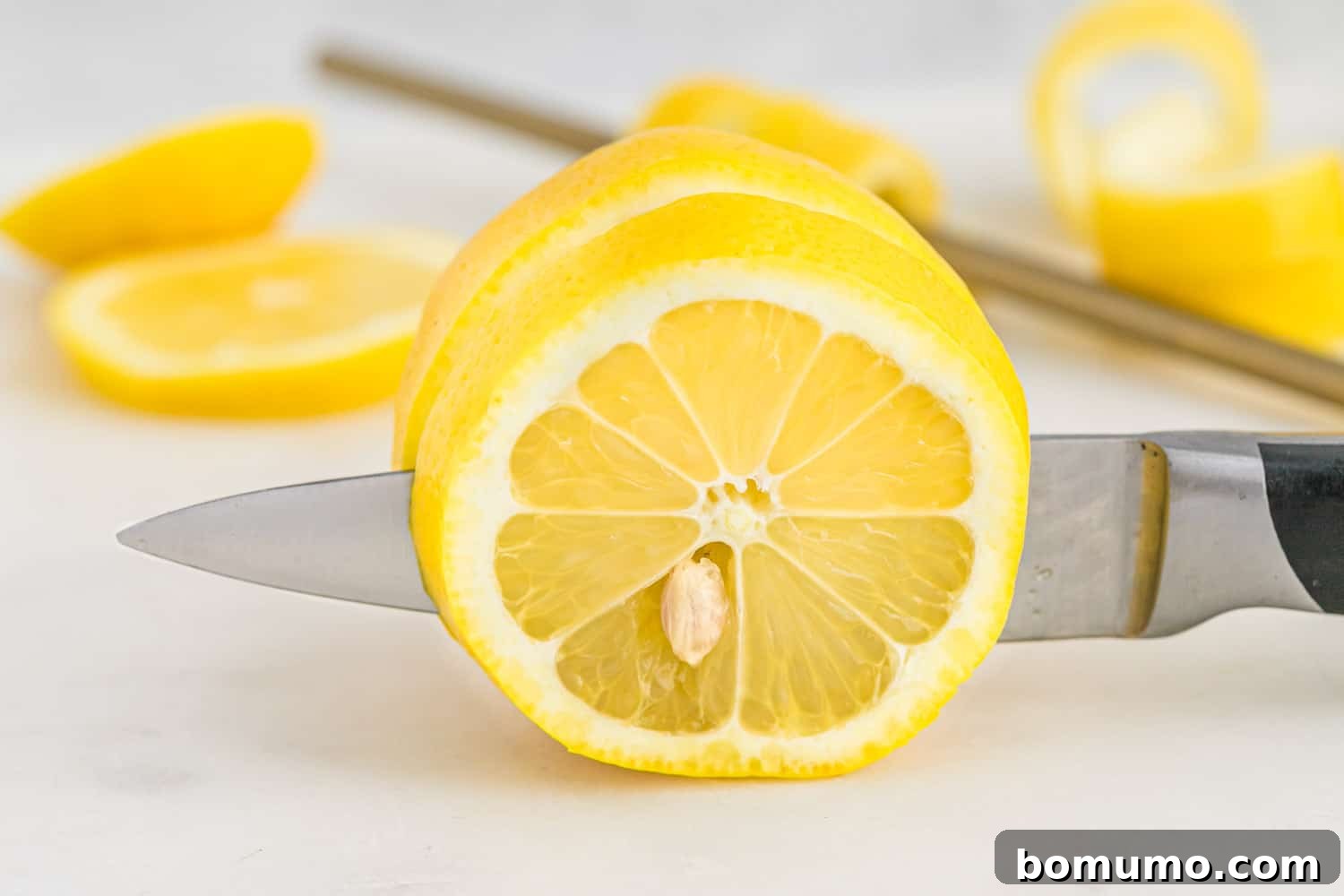
Creating the Peel Strip
- Initiate the Cut: With your sharp paring knife, make a small, shallow slit into the lemon peel of your ¼-inch slice. This will serve as your starting point for detaching the peel from the fruit.
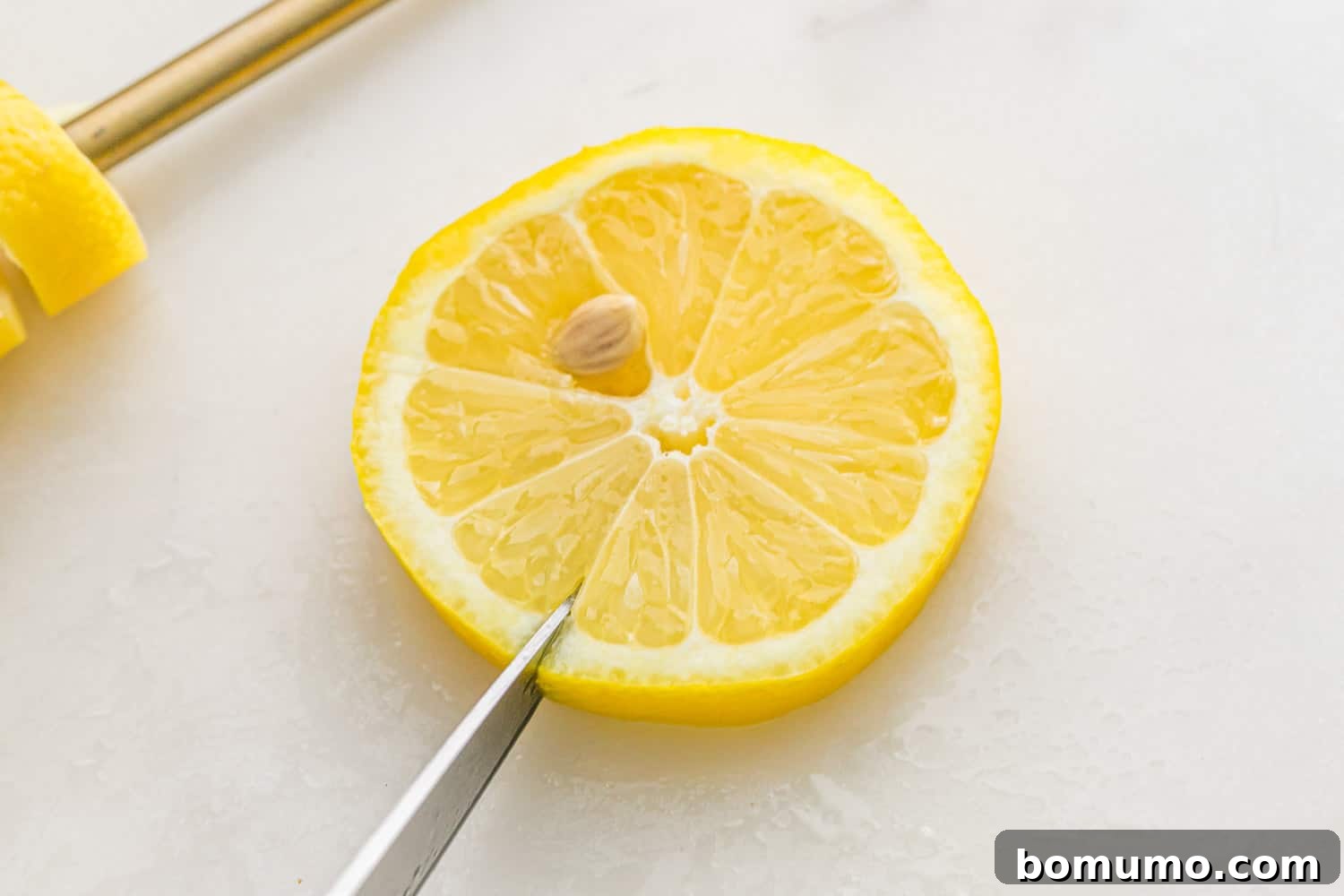
- Separate Peel from Fruit: Gently insert your knife into the initial slit and carefully run it all the way around the inner edge of the lemon slice. Your goal is to separate the peel from the fruit while removing as much of the white pith as possible. The pith, located between the zest and the fruit, can impart a bitter flavor to your drink. A very minimal amount of pith remaining on the peel is acceptable, as it can help the twist maintain its shape.
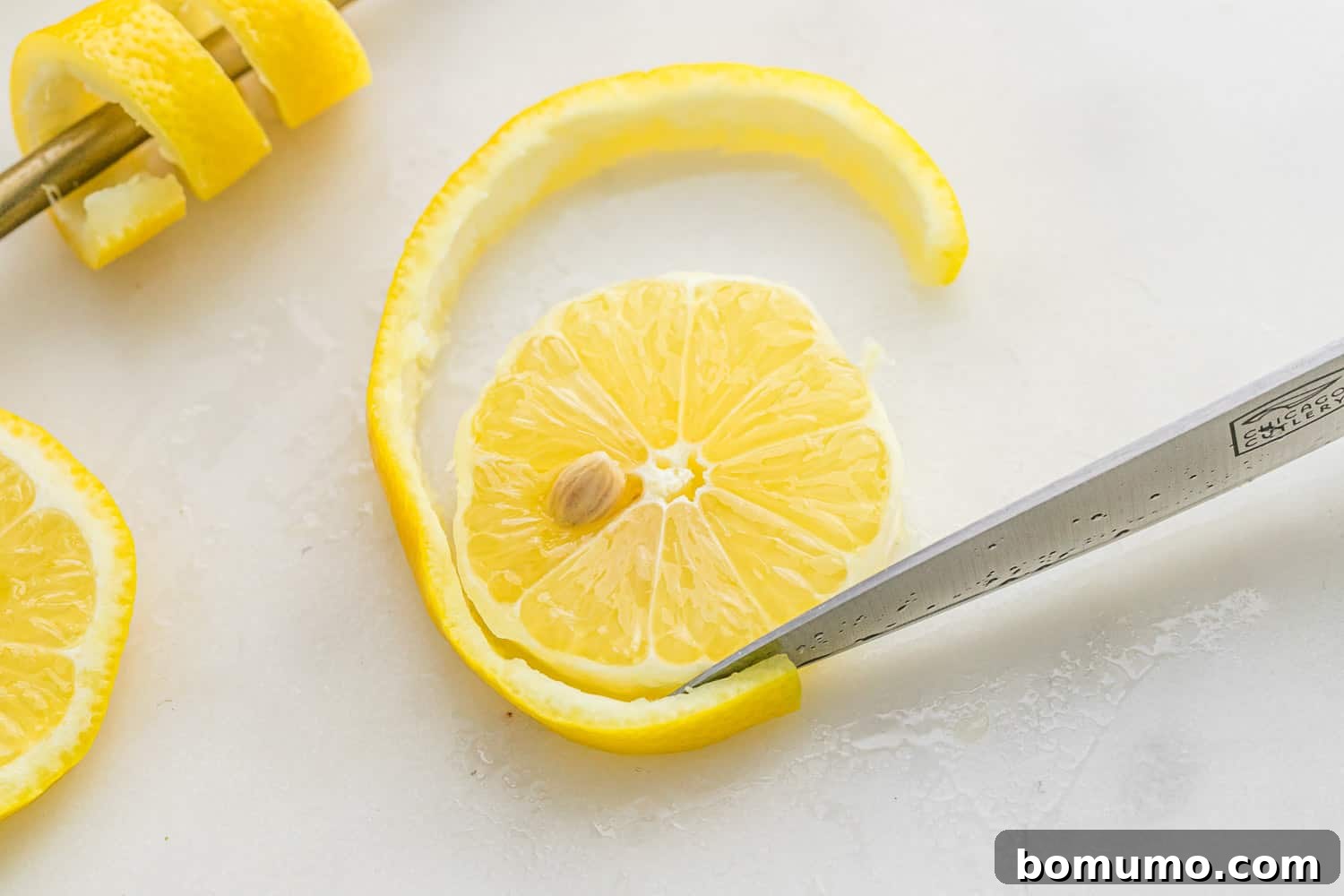
Shaping Your Twist
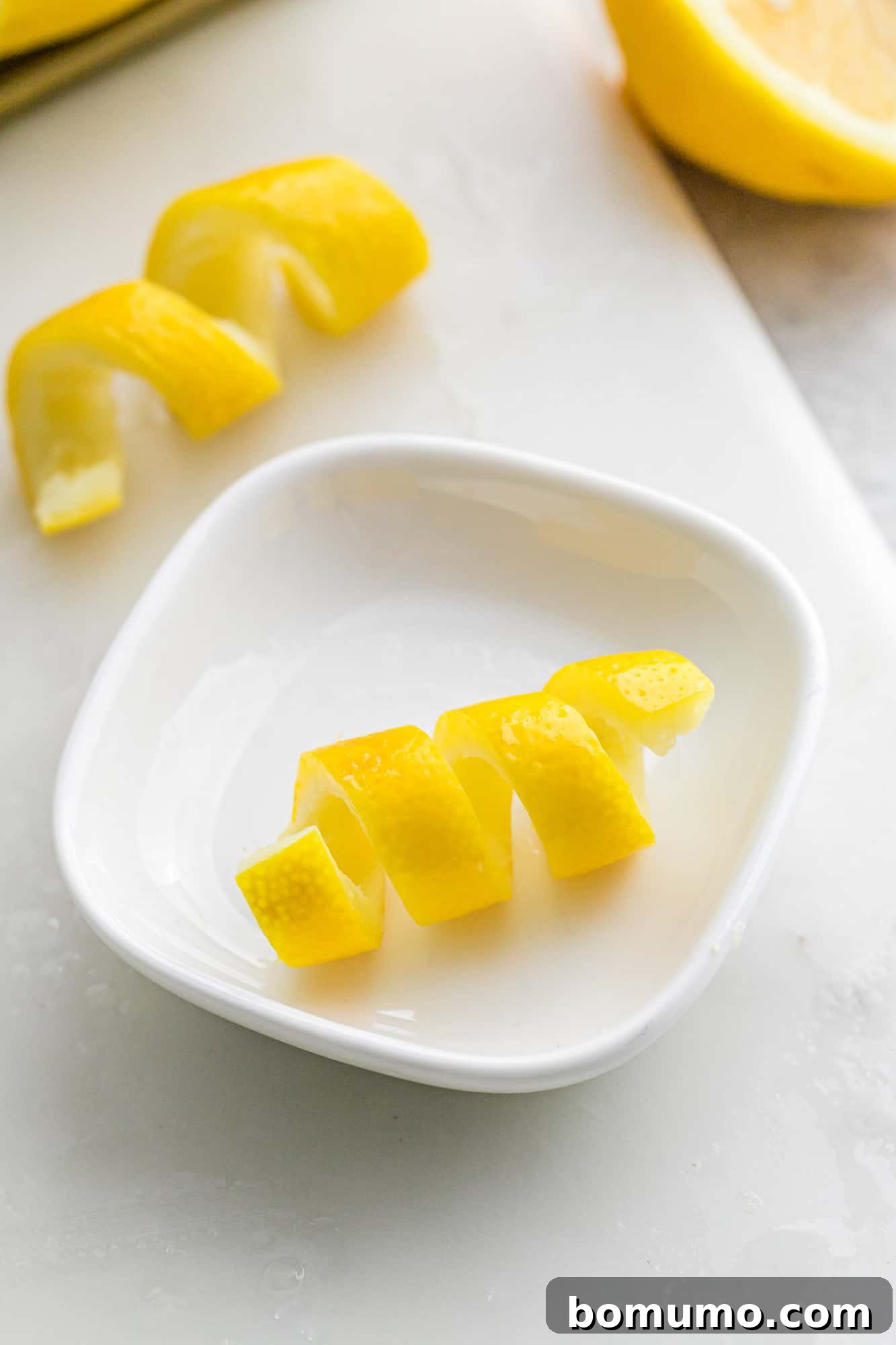
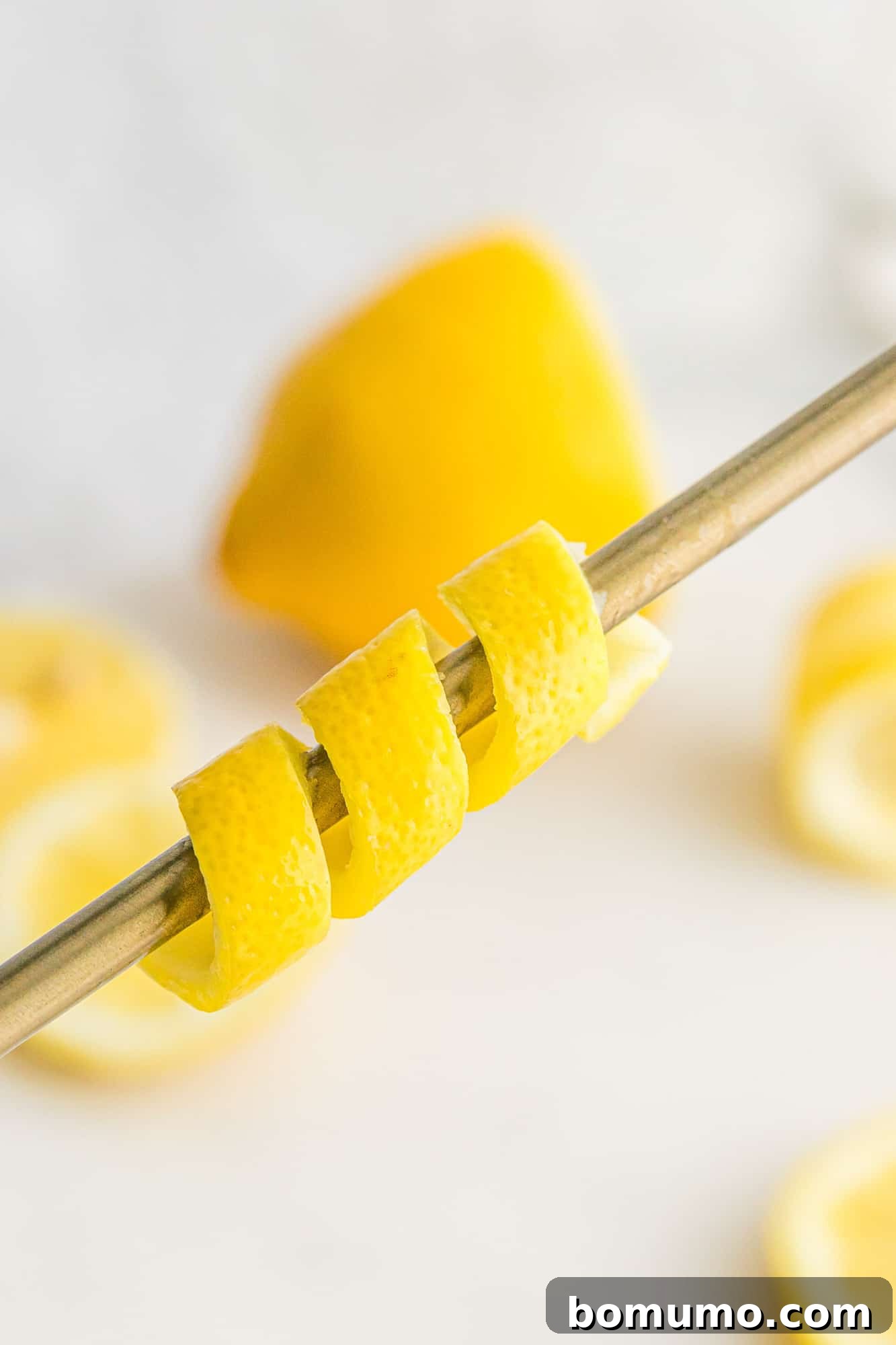
- Form the Spiral: Now you should have a long, flexible strip of lemon peel. Carefully but firmly wrap this strip around your chosen sturdy straw or chopstick. Gently press and hold it in place for about ten seconds to encourage a tight, defined spiral curl. While you can shape it with your fingers, using a narrow cylindrical form will yield a much more consistent and elegant spiral.
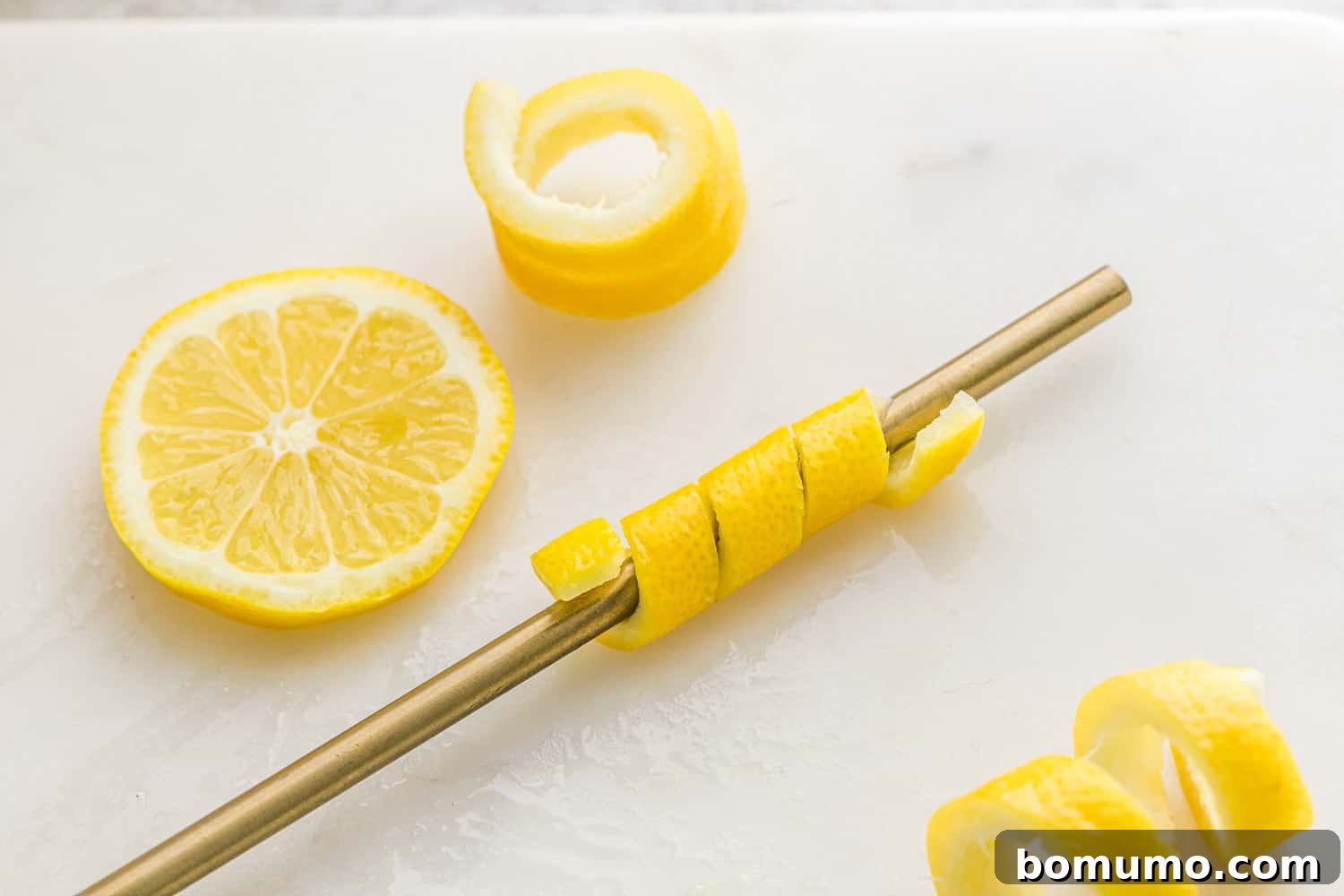
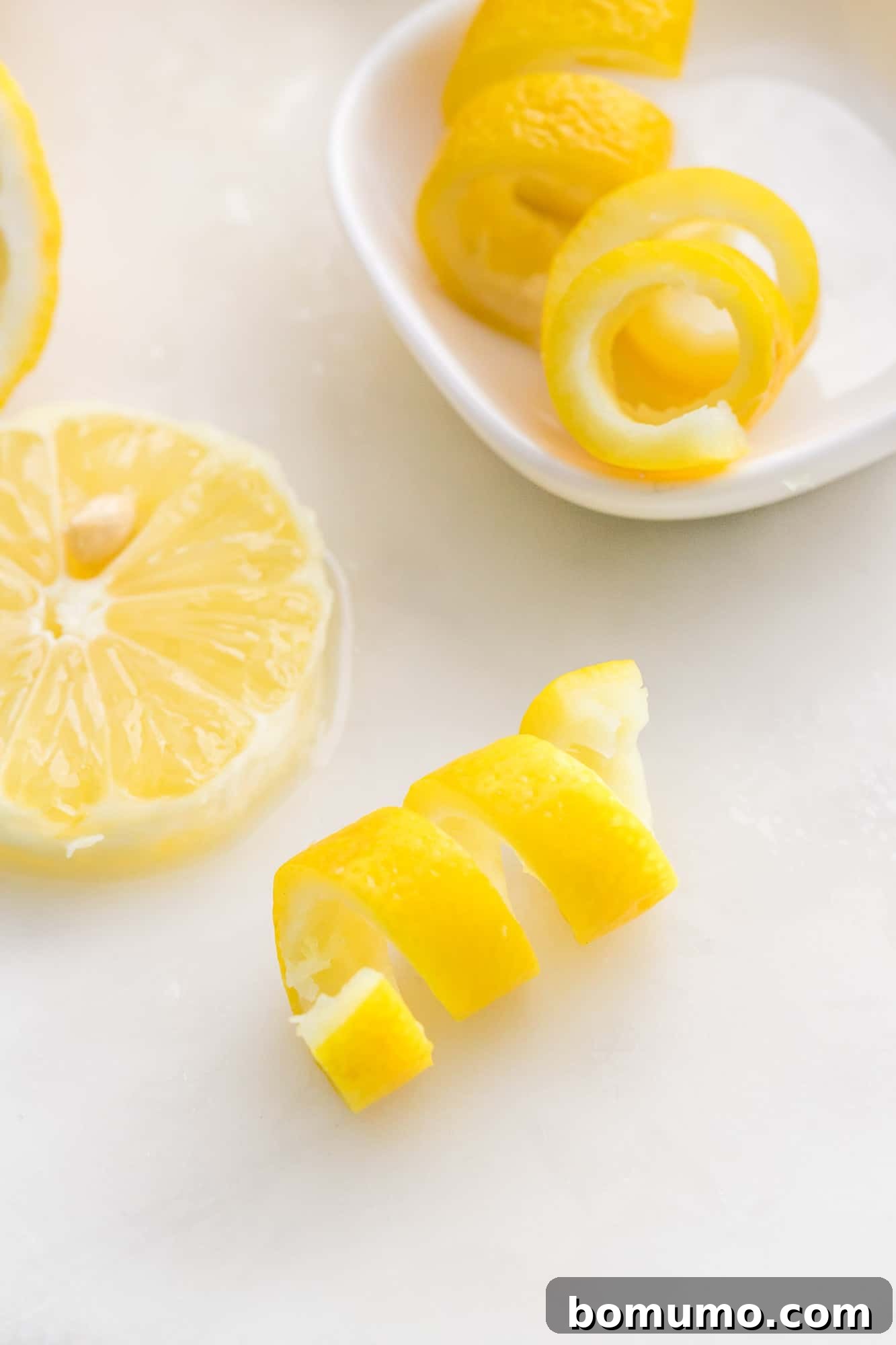
Congratulations, you’ve made a lemon twist! You can continue to cut more slices from your lemon to create additional curls. Remember, the closer you get to the ends of the lemon, the shorter your peel strips will be, which is why starting with a larger lemon often results in more impressive, longer twists.
Presentation Perfect: Adding Your Lemon Twist to a Cocktail
The final step in mastering the lemon twist is its application. This isn’t just about placing it; it’s about maximizing its aromatic contribution to your cocktail.
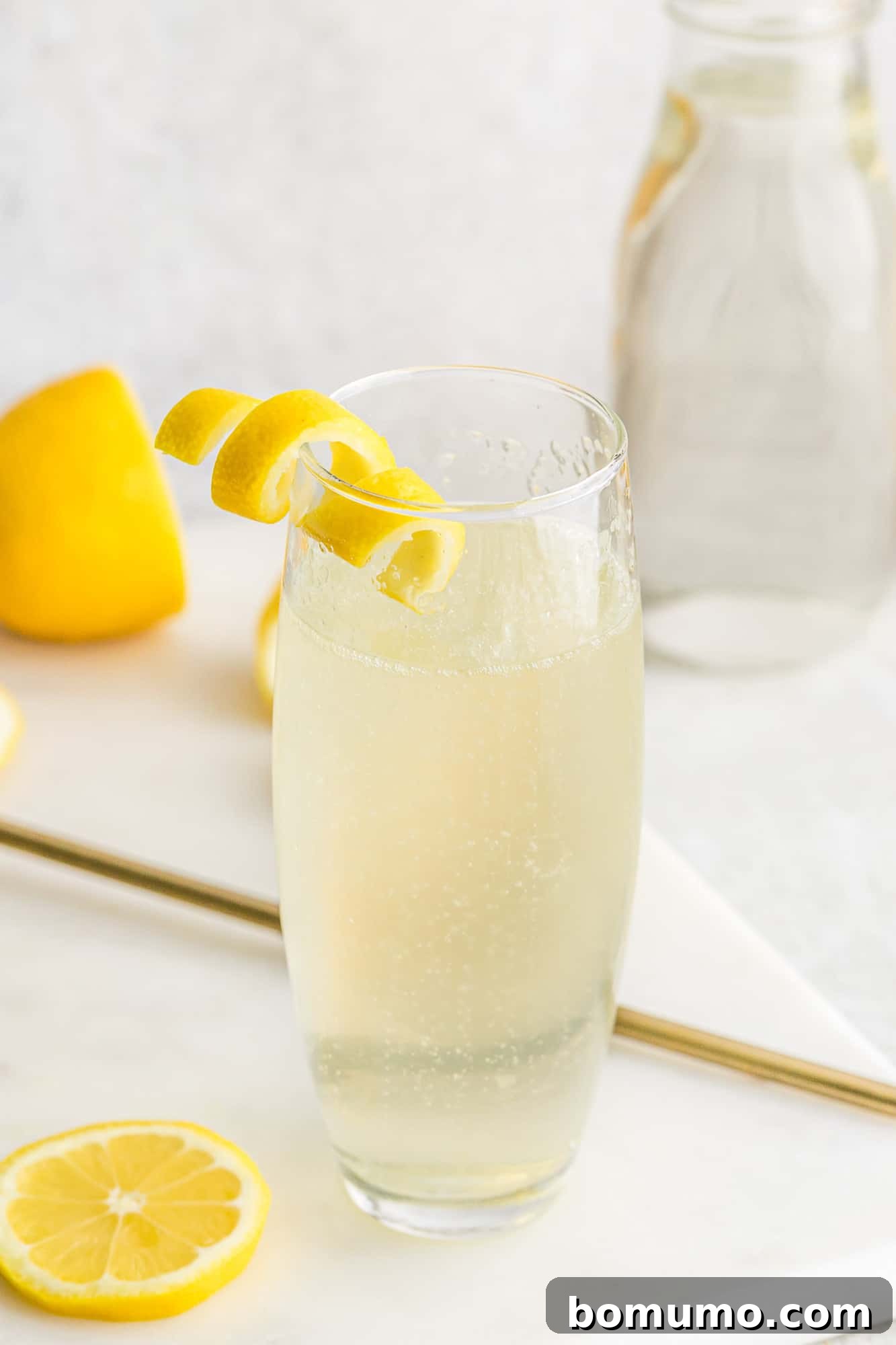
Once your cocktail is prepared, hold your lemon twist firmly between your fingers and position it just above the surface of the drink. Gently twist and squeeze the peel a bit over the cocktail. As you do this, the aromatic essential oils trapped within the zest are released, creating a fine mist that settles onto the surface of the liquid. This simple action significantly enhances the drink’s aroma, preparing the drinker for the flavors to come.
For an extra burst of flavor and aroma, you can also run the outer edge of the lemon twist around the rim of the glass before placing it. This coats the rim with zesty essential oils, adding another sensory layer to each sip. Finally, you can either drop the twist directly into the cocktail or artfully perch it on the rim of the glass for a striking visual.
The Dramatic Flair: How to Flame an Orange Peel
For a truly spectacular and sophisticated touch, flamed citrus peels offer an unforgettable sensory experience. You may have witnessed a skilled bartender ignite a coin of orange peel, creating a brief, dramatic burst of fire. This technique not only captivates the eye but also imbues the cocktail with a unique, caramelized orange flavor and a warm, toasted aroma.
While lemons can be flamed, oranges are generally preferred due to their higher concentration of essential oils in the peel, which results in a more pronounced flame and aroma. To prepare, cut a one-inch diameter coin of peel from the outside of a fresh orange. It’s perfectly fine to include a small amount of pith; this can actually help create more oil when squeezed and provides a firmer piece to hold.
Step-by-Step Flaming Technique:
- Hold the Peel: Grasp the orange peel firmly between your thumb and forefinger, with the bright orange, oily side facing away from you and towards the drink.
- Light the Match: With your other hand, carefully light a long-stemmed match. Avoid using a lighter, as the butane odor can contaminate the delicate aroma of your cocktail.
- Warm the Peel (Optional, but Recommended): Briefly wave the lit match lightly over the surface of the peel for a second or two. This gently warms the oils, making them more volatile and ready to ignite.
- Position and Squeeze: Crucially, make sure the orange peel is positioned directly over your prepared cocktail. With the orange side facing away from you, squeeze the peel firmly over the lit match.
The sudden pressure will cause the essential oils to spray out in a fine mist. Upon contact with the flame, these oils will instantly ignite into a short, impressive burst of flame, creating a mesmerizing visual and releasing a smoky, caramelized aroma into your drink. The flame will quickly extinguish itself. After flaming, run the now subtly charred peel around the rim of the glass to distribute its enhanced aroma, then drop it into the cocktail for continued flavor infusion.
This trick is particularly excellent in cocktails that feature rich spirits like bourbon, rye, or mezcal, such as an Old Fashioned or a Sidecar. Imagine trying it in a warming maple old fashioned – a true delight!
Frequently Asked Questions About Citrus Twists
Frequently Asked Questions About Citrus Twists
What is the primary purpose of a lemon twist in a cocktail?
A lemon twist serves a dual purpose: it acts as an elegant and visually appealing decorative garnish, significantly enhancing the presentation of a cocktail. More importantly, it contributes a distinct layer of fresh, vibrant lemon flavor and aromatic essential oils, elevating the drink’s sensory profile.
Does a lemon twist add significant flavor to a cocktail?
Absolutely! A lemon twist adds considerable flavor, but only when properly activated. Simply placing it in the glass won’t do much. The key is to gently squeeze or twist the peel over the cocktail just before serving. This action ruptures the oil glands in the zest, releasing concentrated aromatic oils and a burst of fresh citrus essence directly onto the surface of the drink. Running the twist around the rim also imparts flavor with each sip.
What is a citrus twist, and how can I customize it?
A citrus twist is a decorative and aromatic garnish made from the peel of any citrus fruit, such as lemon, lime, orange, grapefruit, or even blood orange. You can easily customize citrus twists to complement specific cocktails. For example, if your cocktail features blood orange juice, a blood orange twist would be a perfect match. Experiment with different citrus types, or even combine a few, to create unique flavor and visual pairings that truly make your cocktails your own.
Creative Variations: Make Your Citrus Twist Unique
While the classic lemon twist is a staple, don’t hesitate to unleash your creativity and experiment with different citrus fruits and preparations to suit any occasion or drink.
- Experiment with Different Citrus:
The technique for making a twist is universal across all citrus fruits. Venture beyond lemon and try crafting beautiful twists from oranges, limes, or even grapefruits. Each fruit offers its own unique aromatic profile, from the sweet notes of orange to the tart zest of lime and the slightly bitter elegance of grapefruit, allowing you to perfectly match the garnish to the character of your cocktail.
- Candied Citrus Twists for Culinary Delights:
For a sweet and edible variation, consider making candied citrus twists. These aren’t typically used in cocktails (as the sugar syrup would alter the drink’s balance) but are fantastic for decorating baked goods, desserts, or even enjoying as a sweet treat on their own. They offer a beautiful, translucent aesthetic and a burst of intense citrus flavor. Learn the how-to’s for these delightful candied citrus zest curls from Spoon University.
Planning Ahead: Tips for Storing Your Citrus Twists
Planning Ahead: Tips for Storing Your Citrus Twists
While fresh is always best for maximum aromatic impact, there are situations where preparing citrus twists in advance can be beneficial.
For Immediate Cocktail Garnish:
For cocktails, it is generally recommended to create and apply the citrus twist immediately before serving. The act of twisting the peel directly over the cocktail releases those precious aromatic oils at their freshest, ensuring they infuse the drink right when it’s enjoyed. This enhances the sensory experience significantly, making each sip more vibrant and fragrant.
For Decorative Use & Longer Storage:
If you’re using citrus twists purely for decorative purposes, such as adorning cakes, cupcakes, or other culinary creations, making them ahead of time is perfectly acceptable. Store your freshly made lemon twists in an airtight container in the refrigerator. They will typically retain their shape and freshness for two to three days. Be aware that over time, they may lose a bit of their tight curl, but they will still offer visual appeal and a gentle citrus aroma.
General Storage Tips
General Storage Tips
To keep your lemon twists at their best for decorative purposes, place them in an airtight container and store them in the refrigerator. This method will preserve their freshness and shape for approximately two to three days. While they might slightly uncurl over time, a quick re-wrap around a straw can often revive their spiral.
Expand Your Mixology Repertoire: More Cocktail Ideas
Blood Orange Gin Fizz with Elderflower
Cherry French 75 – sweet tart perfection!
White Russian Recipe – the best!
Jack Frost Mimosa – the perfect winter cocktail!
How To Make a Lemon Twist
Prep Time: 5 mins
Total Time: 1 min
Servings: 1 serving (easily adjustable)
By: Rachel Gurk
Rating: 5 out of 5 stars (based on 2 votes)

Add an elegant flourish to your homemade cocktails with a citrus twist. Learn the simple technique of how to make a lemon twist. This guide will walk you through creating perfect twists for any drink.
Ingredients
- 1 lemon (other types of citrus such as orange or lime may be substituted)
Instructions
- Wash the lemon thoroughly under cold water. Cut a slice from the lemon, approximately ¼-inch thick, across its width to form a circular disc.
- Make a small incision in one spot on the peel of the lemon slice. Carefully insert a sharp paring knife and run it all the way around the inner edge of the lemon slice, separating the peel from the fruit. Remove as much of the white pith (the bitter white part) as possible.
- Take the long strip of peel and wrap it tightly around a sturdy straw, chopstick, or your finger. Hold it in place for about ten seconds to help it set into a spiral curl.
Notes
- The nutrition information provided is for one whole lemon and should be considered an approximation.
- For longer, more impressive twists and a greater yield, select larger lemons.
- To maximize flavor and aroma, gently twist the peel over the cocktail and run it around the glass rim before garnishing.
- For a dramatic presentation, refer to the “How To Flame An Orange Peel” section above for detailed instructions.
Nutrition
Serving: 1 lemon
Calories: 31 kcal
Carbohydrates: 10 g
Protein: 1 g
Fat: 1 g
Saturated Fat: 1 g
Polyunsaturated Fat: 1 g
Monounsaturated Fat: 1 g
Sodium: 2 mg
Potassium: 149 mg
Fiber: 3 g
Sugar: 3 g
Vitamin A: 24 IU
Vitamin C: 57 mg
Calcium: 28 mg
Iron: 1 mg
Nutrition information is automatically calculated and should only be used as an approximation. Individual results may vary.
Did You Master the Twist?
We love to see your creations! Share a comment and rating below to let us know how your lemon twists turned out. Your feedback is invaluable and helps other aspiring mixologists!