
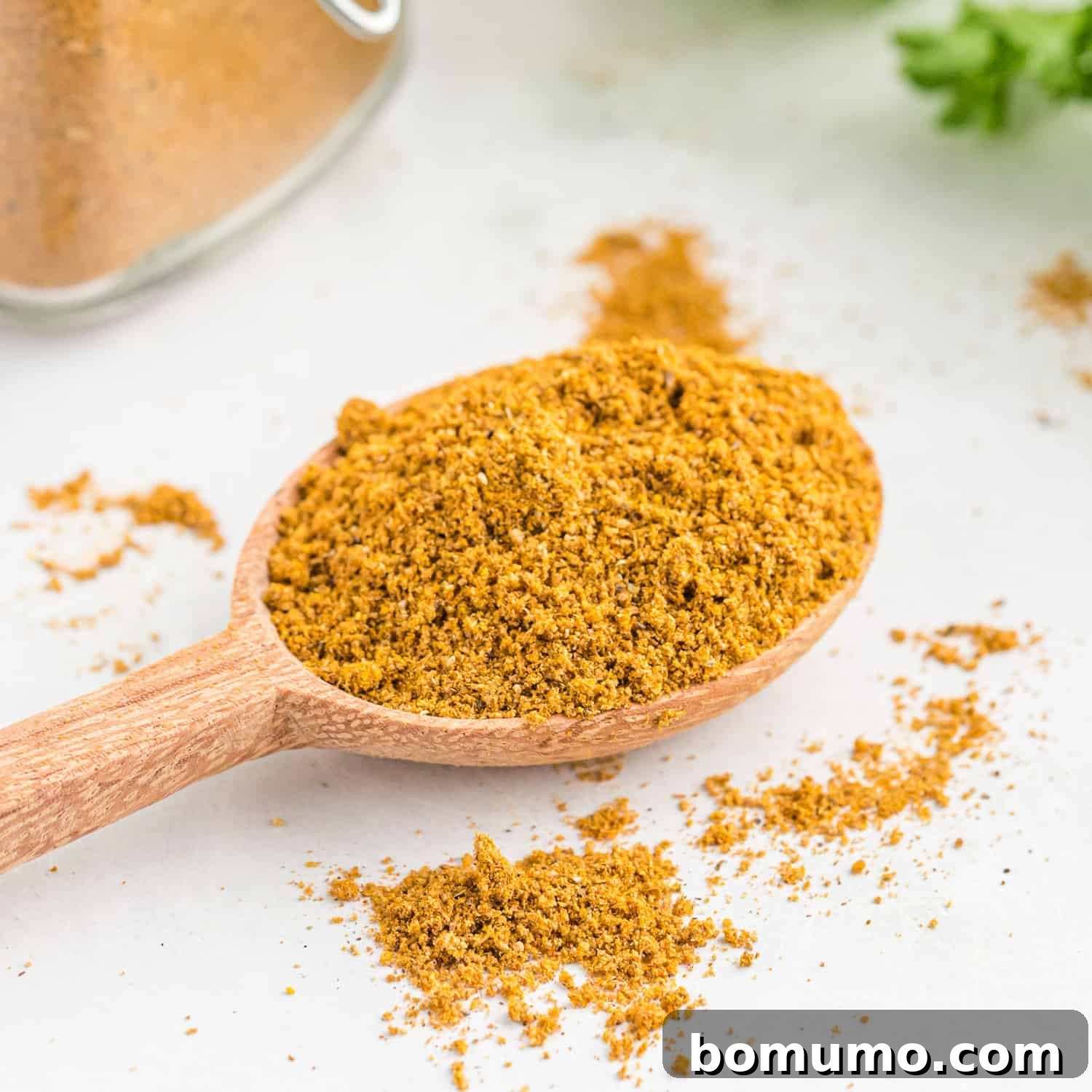
Unlock a world of vibrant flavor and captivating aroma right in your own kitchen with a homemade curry powder blend. This versatile spice mix, fragrant and mildly spicy, has the power to transform ordinary ingredients into extraordinary dishes. Forget store-bought options that often lack depth or contain unwanted additives; crafting your own special blend of ten essential spices ensures a fresh, potent, and perfectly balanced seasoning for curries, soups, salads, roasted vegetables, and so much more. Embrace the culinary journey of making this irresistible staple from scratch, and elevate every meal with its unique character.
Recipe Overview: Crafting Your Own Curry Powder
Why you’ll love it: This homemade spice blend is incredibly versatile, adding a rich, complex flavor to an array of dishes. Keeping it on hand ensures you’re always ready to infuse meals with delightful warmth and aromatic depth.
How long it takes: A mere 5 minutes to assemble.
Equipment you’ll need: Standard measuring spoons and a small, airtight jar for storage.
Yields: Approximately 2/3 cup of exquisite curry powder.
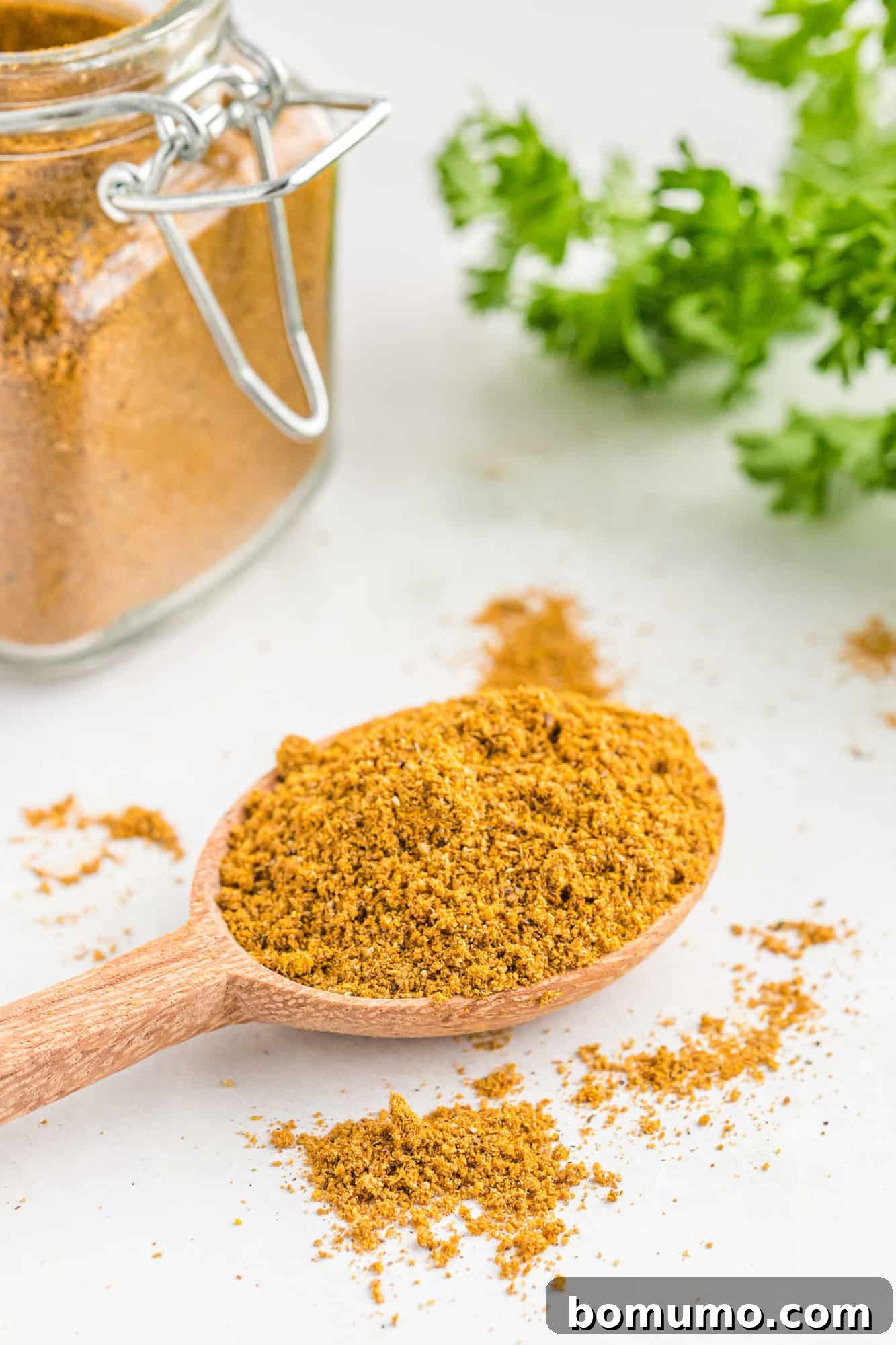
My journey into making homemade curry powder began, rather unexpectedly, out of a moment of pure culinary frustration. I was deep in the process of developing a copycat Panera squash soup recipe, a personal favorite known for its comforting richness. Everything was going smoothly until I reached for the curry powder, only to find my pantry utterly bare. Has this ever happened to you? That infuriating moment when you’re in the flow of cooking, only to discover a crucial ingredient is missing? It’s enough to make any home chef sigh in exasperation!
But as the old adage goes, necessity is indeed the mother of invention. Instead of abandoning my soup or making an emergency grocery run, I quickly turned to research. A few minutes of searching revealed that I had most of the individual ground spices needed to create my own blend. With a newfound determination, I meticulously measured and mixed, and soon enough, I had a vibrant, aromatic curry powder ready to infuse my squash soup. The soup was a resounding success, and my homemade blend proved to be far superior to anything I had previously bought (you can find the squash soup recipe link below if you’re curious!).
Since that serendipitous discovery, homemade curry powder has become a cornerstone in my kitchen. It’s not just for curries; this harmonious blend of spices has a remarkable ability to enliven a vast array of dishes. From adding a warming note to hearty winter soups and bright summer salads to elevating roasted vegetables, vinaigrettes, and marinades, its versatility is truly unmatched. Of course, it also serves as the perfect foundation for authentic and delicious curry dishes.
The Allure of This Homemade Spice Blend
While I don’t claim to be a curry expert, I can confidently say that I know what tastes good, and this particular curry powder blend is a testament to that. Through careful experimentation and numerous adjustments, I’ve refined this recipe to achieve a perfect balance of flavors – a blend that I genuinely love and believe you will too. The journey to creating your ideal spice mix is a rewarding one, and the result is a product that far surpasses generic store-bought alternatives in both freshness and depth.
For those familiar with my culinary philosophy, you’ll know my passion for creating homemade spice and seasoning blends. There’s an undeniable satisfaction in knowing exactly what goes into your food. This control is especially important for my family, as my children manage severe food allergies. By making my own blends, I eliminate concerns about hidden additives, preservatives, or ambiguous “natural flavors” that can trigger allergic reactions. This commitment to pure, wholesome ingredients ensures peace of mind and, most importantly, delicious and safe meals.
Among my collection of homemade blends, my taco seasoning remains a perennial favorite, gracing everything from weeknight dinners to festive gatherings. Since perfecting that blend, I’ve continued to expand my repertoire of seasoning mixes, and this curry powder is a proud addition. You’ll find links to some of my other popular spice creations later in this post, inviting you to explore even more ways to enhance your cooking with homemade goodness.
Ready to embark on this simple yet transformative culinary adventure? Making your own curry powder, or any spice blend for that matter, requires no mysterious alchemy. If you can confidently wield a measuring spoon, you are already well on your way to becoming a spice blending pro! The process is straightforward, incredibly satisfying, and the vibrant flavors you’ll create are truly priceless.
Essential Ingredients for Your Homemade Curry Powder
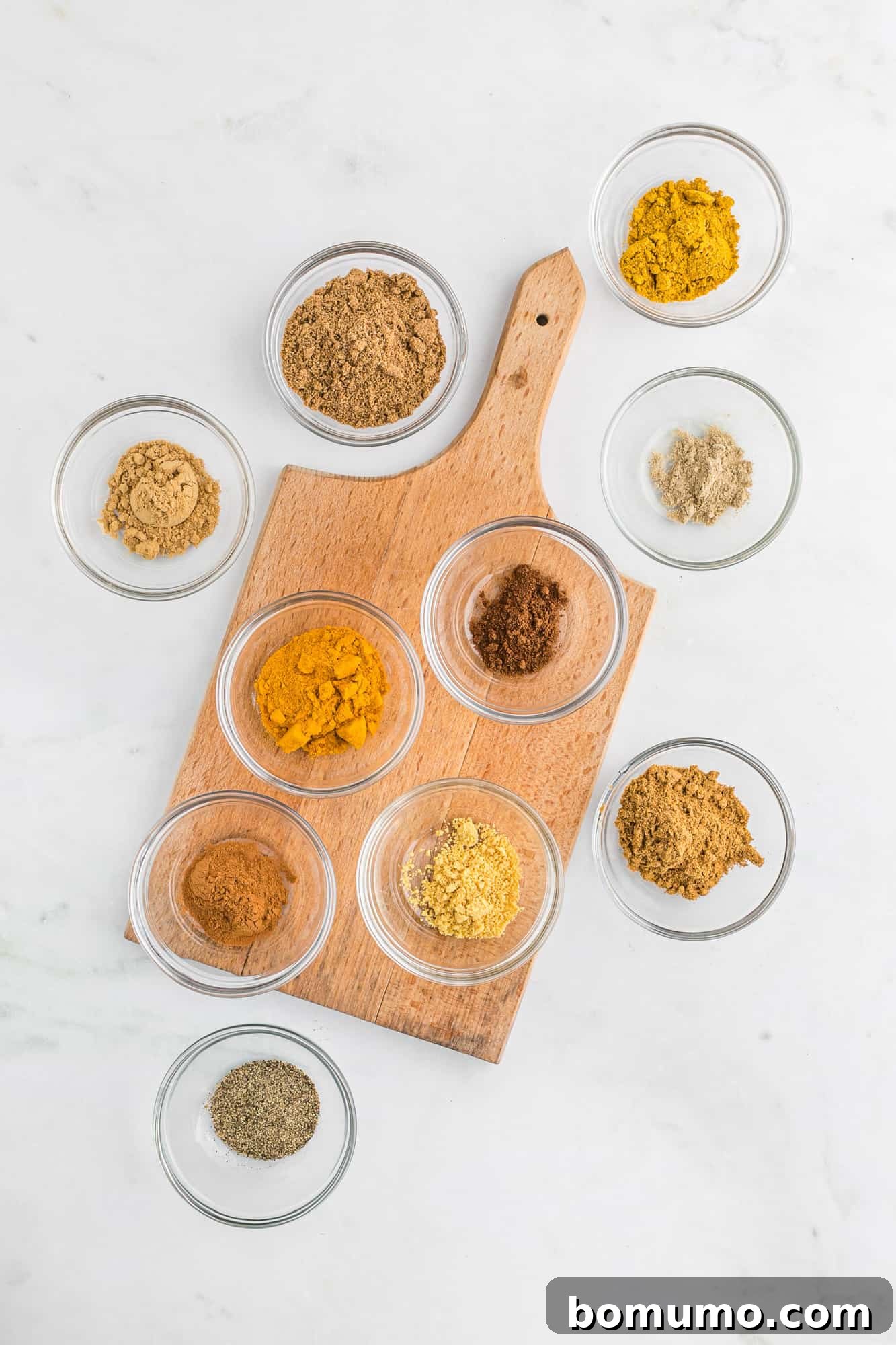
This exquisite curry powder blend is crafted from ten carefully selected ground spices, each contributing its unique character to the harmonious whole. Here’s a closer look at what you’ll need and the flavor profile each spice brings:
- Coriander: This spice forms the aromatic heart of our curry powder. Derived from the seeds of the coriander plant, it offers a distinct lemony, slightly floral, and sweet-spicy flavor. Interestingly, its leaves are cilantro, but their taste profiles are remarkably different.
- Cumin: A classic partner to coriander in many global cuisines, ground cumin seeds provide an earthy, warm, and slightly peppery undertone. Its robust flavor adds depth and complexity, essential to the traditional curry profile.
- Turmeric: Recognizable by its brilliant yellow hue, turmeric is a staple in curries and celebrated for its anti-inflammatory properties. Beyond its health benefits, it imparts a subtle musky, earthy flavor and, of course, that iconic golden color to any dish it graces.
- Ground Ginger: Offering a warm, pungent, and subtly sweet spice, ground ginger is a versatile ingredient used in both savory and sweet preparations worldwide. The powdered form is milder than fresh ginger root, providing a gentle warmth without overwhelming the other spices.
- Dry Mustard: This pale yellow powder, ground from round yellow mustard seeds, is a latent flavor powerhouse. It remains flavorless until activated by liquid, at which point it releases a sharp, piquant warmth that beautifully complements the other spices.
- Fenugreek Powder (Ground Fenugreek Seeds): While the raw seeds can be quite bitter, when ground and cooked within a spice blend, fenugreek transforms. It imparts a unique bittersweet, almost burnt sugar or maple-like aroma, adding a layer of sophisticated depth to the curry.
- Ground Black Pepper: A universally loved spice, ground black pepper, made from dried black peppercorns, contributes a familiar warm and spicy kick. It adds a vibrant zest and subtle heat that enhances the overall pungency of the blend.
- Ground Cinnamon: A comforting and versatile spice, cinnamon is derived from the inner bark of trees and is widely used in both sweet and savory dishes. Its sweet, woody, and slightly citrusy notes add an unexpected warmth and fragrant complexity to the curry powder.
- Ground Cloves: Characterized by their dark brown color and intensely potent flavor, ground cloves are deeply aromatic and sweet, with a hint of bitterness. Used sparingly, they contribute a distinctive, warm, and slightly medicinal note that is integral to many traditional spice blends.
- Ground Cardamom: A highly prized spice, often referred to as the “Queen of Spices,” cardamom can be purchased as whole pods, seeds, or ground powder. It boasts a complex, aromatic profile that is floral, citrusy, and slightly piney, making it a cornerstone in Indian, Arabic, and Middle Eastern cuisines.
Crafting Your Perfect Curry Powder: A Simple Guide
Creating your own spice blend is a remarkably straightforward process that requires minimal effort and delivers maximum flavor impact. Gather all your chosen spices, line them up on your counter, grab your trusty measuring spoons, and get ready to mix!
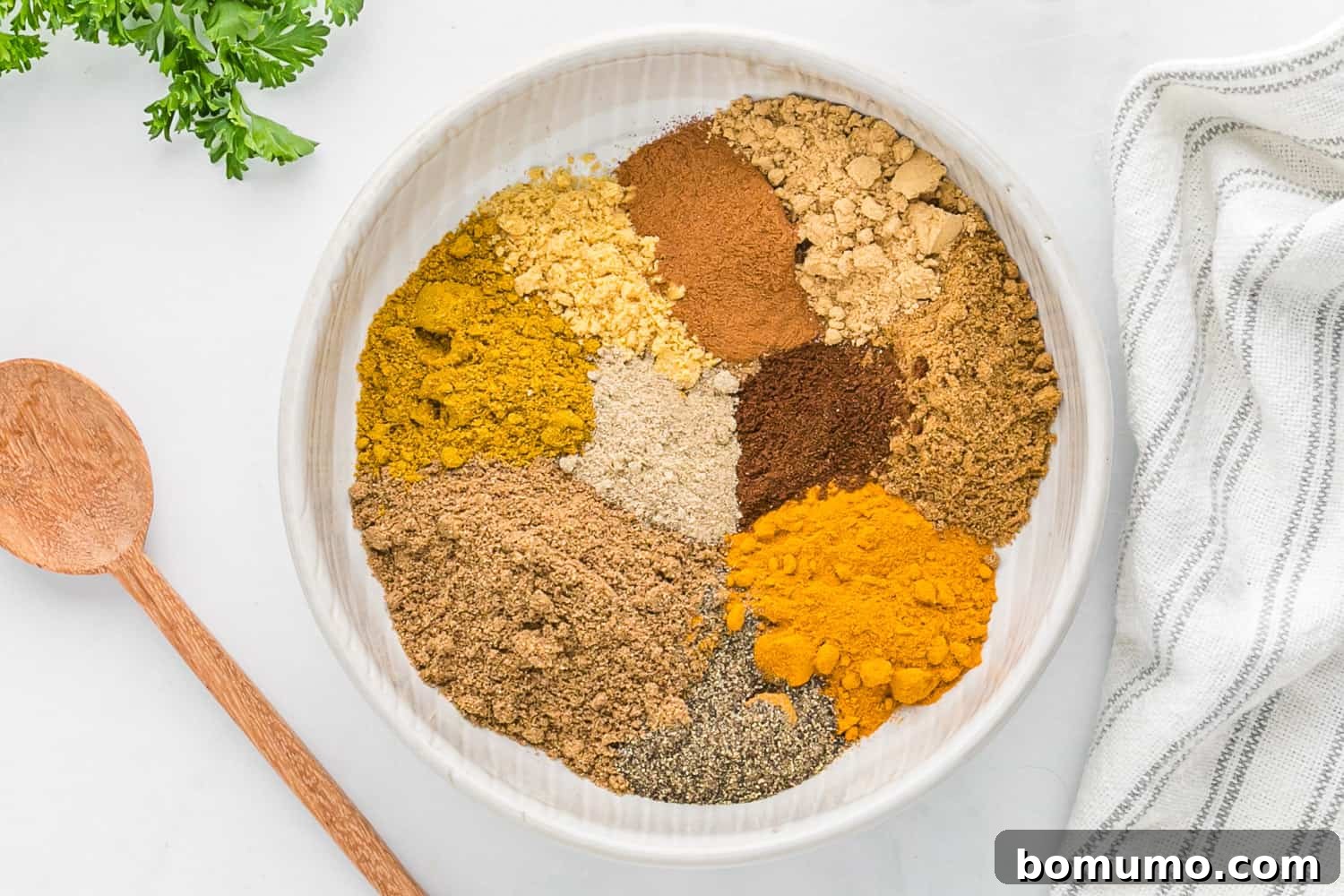
Pro Tip for Seamless Blending!
It’s incredibly easy to lose track when working through a list of ten different spices. To ensure you don’t double-measure or miss an ingredient, try this simple trick: Arrange all your spice jars on your left side. After you measure each spice into your mixing bowl or jar, securely replace its cover and move the jar to your right side. This visual system helps keep you organized and makes the blending process smooth and error-free.
Once all your spices are measured, combine them in a small bowl or, even better, directly into a clean, dry glass jar with a tight-fitting lid. Recycled jam or pickle jars are perfect for this purpose, just ensure they are thoroughly cleaned and completely dry to prevent moisture from compromising the freshness of your spices. Give them a good stir or shake until all the individual spices are uniformly distributed, creating a beautiful, harmonious blend.
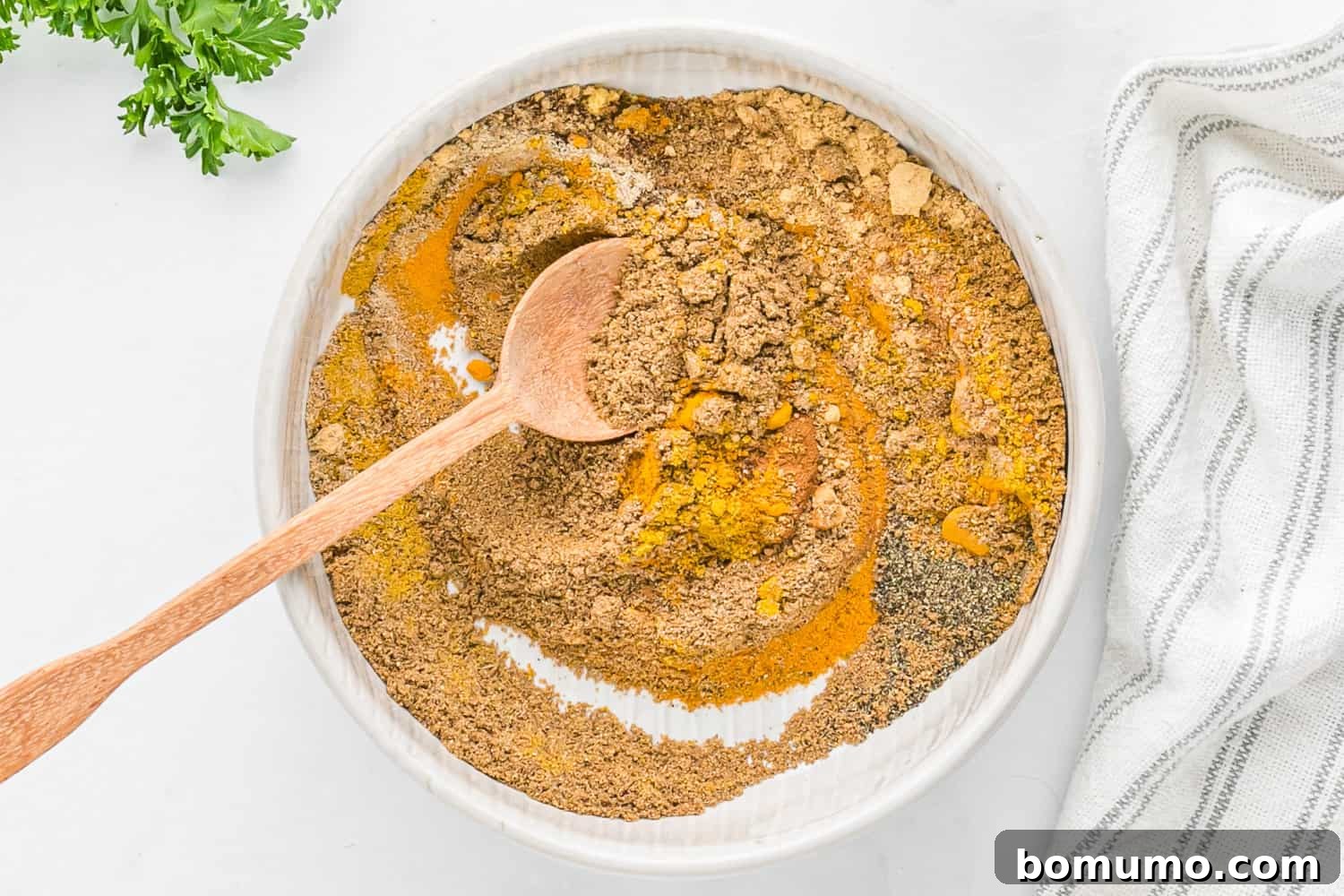
Unleashing the Versatility of Your Homemade Curry Powder
Once you have your homemade curry powder, the culinary possibilities are endless. This blend is not just for traditional curry dishes; its complex flavor profile makes it a fantastic addition to a wide variety of meals. Here are some inspiring ways to incorporate this aromatic spice into your cooking:
- Begin with a classic: Use it to create a hearty and flavorful vegetarian curry with cauliflower and chickpeas. Its robust flavor base will truly shine.
- Elevate your soups: Curry powder is exceptional in creamy vegetable soups. It adds an incredible depth to squash or carrot soups, like a comforting pumpkin curry soup, a delicious Copycat Panera squash soup, a traditional mulligatawny soup, or a rich creamy carrot soup.
- Infuse Moroccan flair: Many Moroccan dishes share similar spice profiles with curry. Substitute the spices listed in recipes for this blend when making slow cooker Moroccan chicken thighs or a rustic Moroccan stew with butternut squash and chickpeas for an authentic and aromatic twist.
- Reimagine chicken salad: Transform everyday chicken salad into something extraordinary with the addition of curry powder. Curried chicken salad offers a delightful balance of savory and subtly spicy notes, perfect for sandwiches or lettuce wraps.
- Brighten your vinaigrettes: Stir a dash of curry powder into your homemade white wine vinaigrette. This simple addition will make your salads sing with an unexpected layer of exotic flavor.
- Enhance marinades: Curry powder adds a complex and intriguing flavor to meat and vegetable marinades. Incorporate it into a honey mustard marinade for chicken or an Asian chicken marinade for a unique twist.
- Season roasted vegetables: For an easy side dish, sprinkle curry powder over your favorite roasted vegetables before cooking. It pairs exceptionally well with naturally sweet vegetables like sweet potatoes, carrots, or cauliflower, bringing out their inherent flavors with a warm, spiced edge.
Frequently Asked Questions About Curry Powder
Garam masala is a distinctive spice blend widely used in Indian cooking. In Hindi, “garam” translates to “warm,” and “masala” means “spice mix,” aptly describing its warming nature. The exact composition of garam masala varies significantly by region in India and by individual family recipes, but it typically consists of whole spices that are roasted, cooled, and then freshly ground just before use. Common ingredients include black pepper, cinnamon, cloves, cardamom, nutmeg, and cumin. Importantly, garam masala is usually added towards the end of cooking to preserve its delicate aroma. Curry powder, on the other hand, is a British invention. It was created to approximate the flavors of Indian cuisine for Western palates and is not traditionally found in Indian cooking. Its primary ingredients are coriander, cumin, fenugreek, and turmeric, with turmeric being responsible for its characteristic bright yellow color. Unlike garam masala, curry powder is often added earlier in the cooking process to allow its flavors to meld.
Absolutely not. The world of curry powders is incredibly diverse, reflecting regional preferences and individual culinary styles. You’ll find a vast spectrum of blends, ranging from very mild to intensely spicy. Different brands, and certainly different home cooks, will have their unique ratios and selection of spices, resulting in distinct flavor profiles. Some may emphasize sweet notes with more cinnamon and cloves, while others might lean into earthy tones with a higher proportion of cumin and coriander. The blend we’ve crafted here is a beautifully balanced, mild curry powder, designed to be versatile and appealing to a wide range of tastes.
It’s a common misconception that all dishes labeled “curry” inherently contain curry powder, but this is far from the truth. The term “curry” refers to a wide array of saucy, spiced dishes found across Asian cuisines, from India to Thailand and beyond. Many traditional Indian curries, for instance, are flavored not with pre-blended curry powder, but with fresh curry leaves, a completely different ingredient that offers a unique, aromatic, citrusy flavor. Thai curries, on the other hand, often rely on complex curry pastes made from fresh ingredients like chilies, lemongrass, galangal, and shrimp paste, which tend to be much hotter and more pungent than most powdered blends. So, while curry powder can certainly be used to make delicious curry dishes, it’s just one of many ways to achieve that signature spiced flavor.
Personalizing Your Curry Powder: Customization Tips
Consider this carefully balanced blend of ten spices as your excellent starting point. After you’ve tried it a few times and become familiar with its core flavor profile, you might feel inspired to make some personal adjustments. The beauty of homemade spice blends is the freedom to tailor them precisely to your taste preferences. Here are some ideas to make this curry powder truly your own:
- Spice it up: This recipe yields a mild curry powder, designed to be broadly appealing. If you crave more heat and enjoy boldly spicy foods, feel free to incorporate ground red pepper (cayenne or chili powder) to your desired level of intensity. Start with a quarter teaspoon and gradually increase until you hit that perfect fiery note.
- Embrace garlic’s embrace: If you’re a garlic enthusiast, a teaspoon (or even more!) of garlic powder can be a wonderful addition to this blend. It will infuse your curry powder with a savory, pungent depth that enhances many dishes.
- Substitution savvy: While the coriander, cumin, turmeric, and fenugreek form the essential foundation of this curry blend and are best kept, you have a bit more flexibility with some of the other spices. If you’re missing ground cloves or cardamom, for example, you could slightly increase the quantities of other aromatic spices like cinnamon or ginger to compensate. For the black pepper, red pepper can be a good substitute, but remember it will significantly increase the heat level of your blend.
- Add your signature spice: If there’s a particular spice that you consider indispensable in your curries, don’t hesitate to include it! Fennel seeds and caraway seeds, known for their sweet, anise-like flavors, are commonly found in many traditional curry powders, especially those that start with whole, roasted spices. Experimenting with these additions can lead to delightful new discoveries.
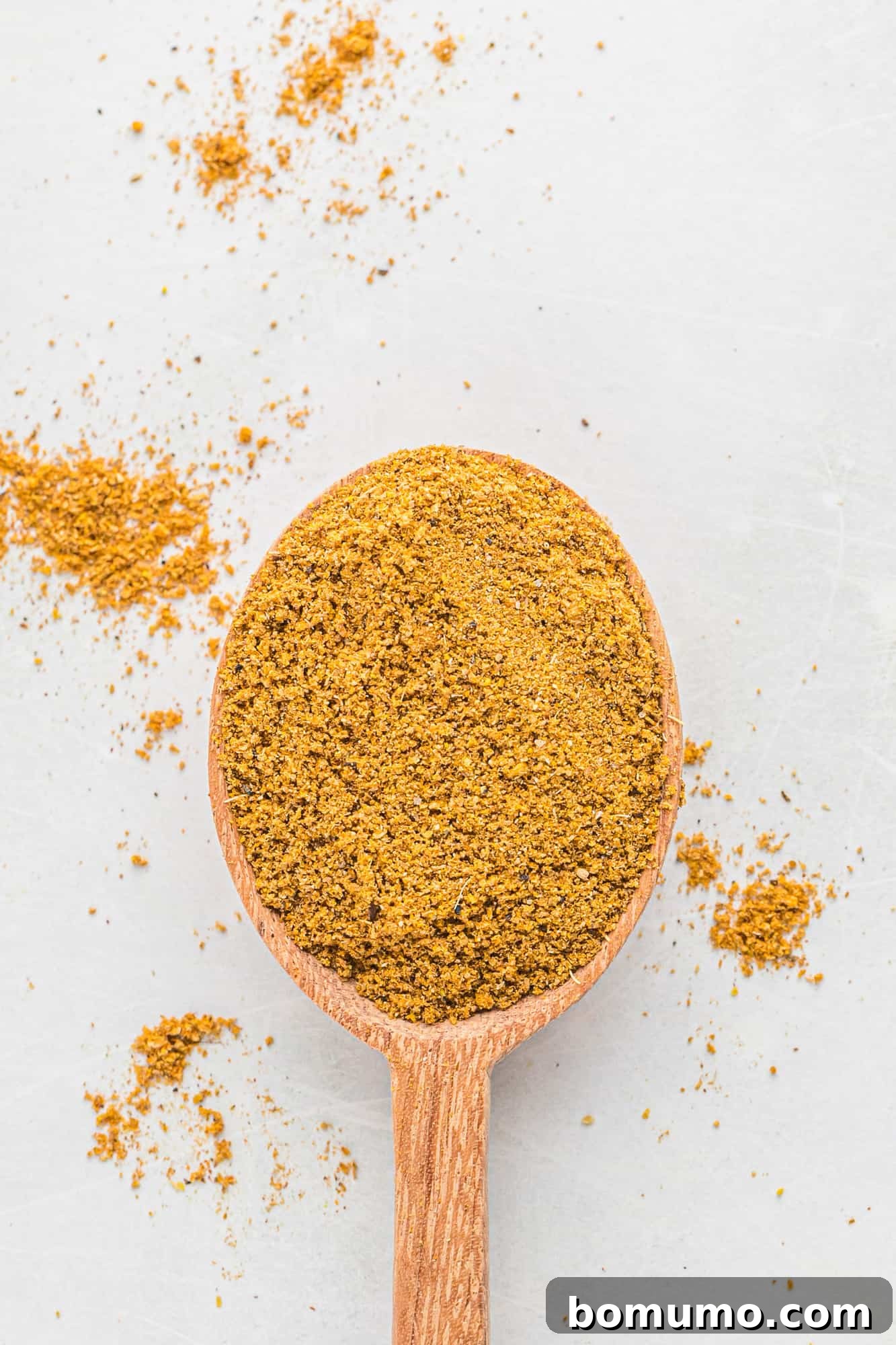
Maximizing Freshness: Storage Tips
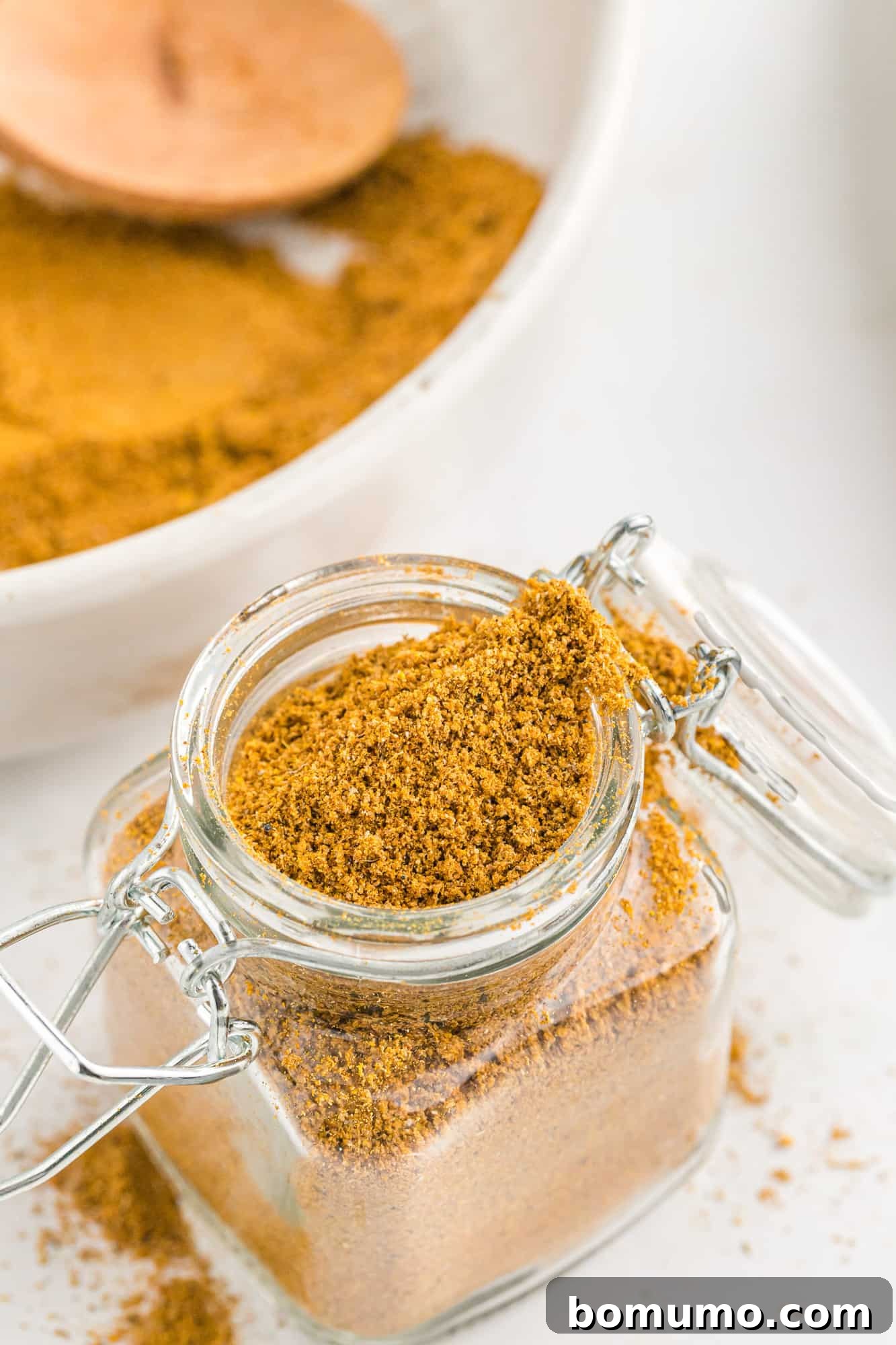
To preserve the vibrant aroma and potency of your homemade curry powder, proper storage is key. Always store your blend in a tightly sealed, airtight jar. This will protect it from moisture and air, which are the primary culprits in diminishing spice flavor over time. For optimal freshness, keep the jar in a cool, dark location such as a pantry or a cupboard. Avoid storing it on the countertop where it’s exposed to light, or near your stove where heat fluctuations can quickly degrade the spices. When stored correctly, your curry powder will maintain its peak flavor and aroma for up to two to three years, ready to infuse your meals with delightful warmth whenever inspiration strikes.
More Homemade Seasoning and Spice Blends
Beef Stew Seasoning Mix Recipe {all-natural}
Apple Pie Spice – so easy to make!
Chili Seasoning Recipe
Homemade Pumpkin Pie Spice Recipe
Homemade Curry Powder
★
★
★
☆
Ingredients
- 5 tablespoons ground coriander
- 2 tablespoons ground cumin
- 1 tablespoon ground turmeric
- 2 teaspoons ground fenugreek seeds (fenugreek powder)
- 1 ½ teaspoons ground ginger
- 1 teaspoon dry mustard
- 1 teaspoon ground black pepper
- 1 teaspoon ground cinnamon
- ½ teaspoon ground cloves
- ½ teaspoon ground cardamom
Instructions
-
Combine all measured ingredients in a small bowl or directly into an airtight container. Mix thoroughly until all spices are evenly distributed.
-
Store your freshly made curry powder in a tightly sealed jar in a cool, dark place until you are ready to use it.
Notes
- This recipe yields approximately ⅔ cup, which is about 32 teaspoons of curry powder.
- For optimal flavor and shelf life, store your homemade curry powder in a tightly sealed container in a cool, dark location, such as a pantry or cupboard. Avoid storing it on your countertop or near heat sources. It will remain potent and flavorful for up to 3 years.
- This blend creates a mild curry powder. If you prefer a spicier kick, consider substituting some of the ground black pepper with ground red pepper (cayenne or chili powder) to taste. Start with a small amount and adjust as desired.
- For those who enjoy the robust flavor of garlic, adding 1 teaspoon of garlic powder to the blend will enhance its savory depth.
Nutrition
Nutrition information is automatically calculated, so should only be used as an approximation.