
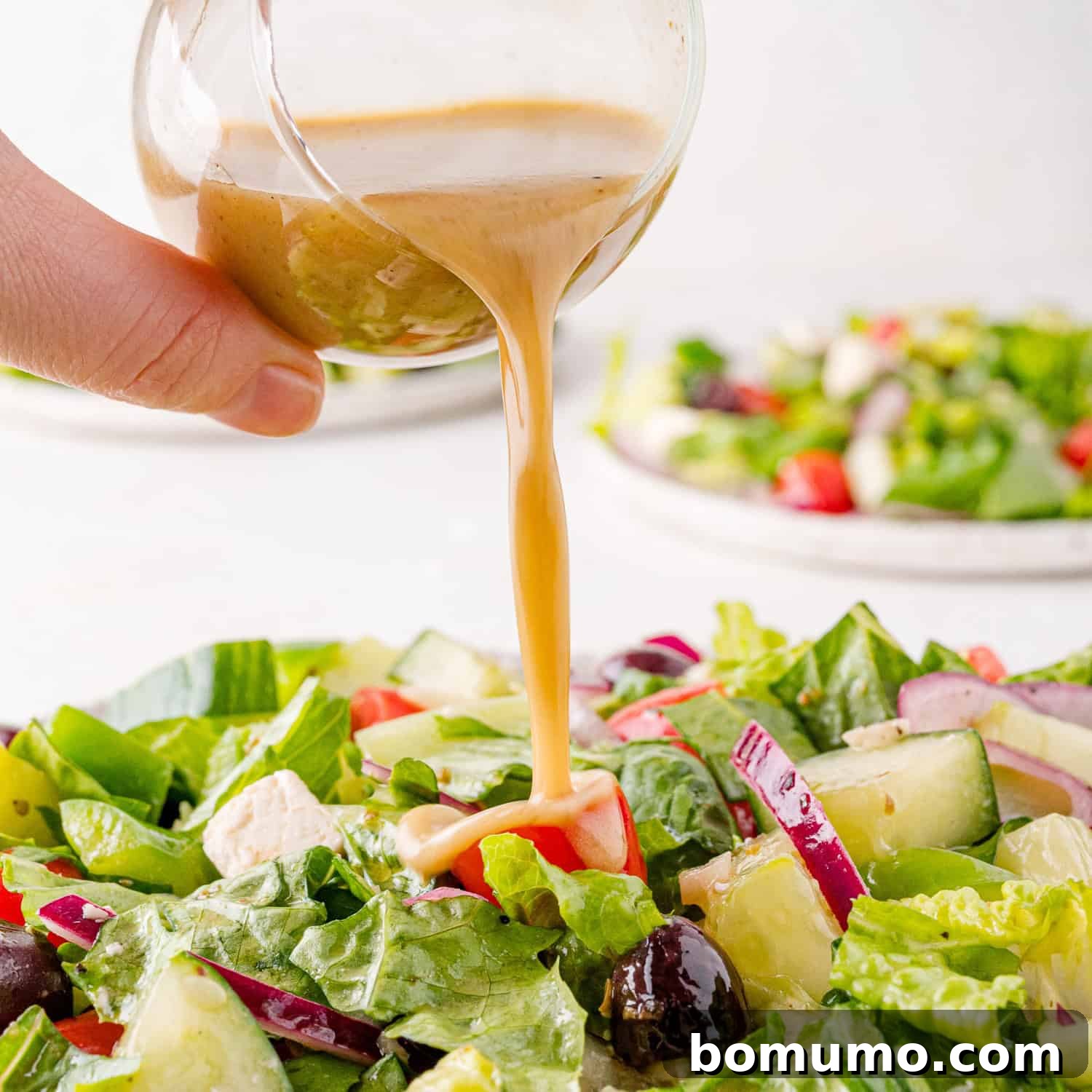
Recipe Overview
Why you’ll love it: This Greek salad dressing is incredibly versatile and goes beyond traditional Greek salads! Use it to infuse a vibrant burst of flavor into any vegetables, greens, or mixed salads. Whether you prefer a creamy texture or a classic vinaigrette, this recipe can be easily adapted to your preference.
How long it takes: 5 minutes
Equipment you’ll need: A simple bowl or a jar with a tight-fitting lid
Servings: 8
Pin this now to find it later
Pin It
Homemade Greek Salad Dressing: A Mediterranean Kitchen Essential
There’s something undeniably captivating about the vibrant flavors of a classic Greek salad. But what truly elevates it from a simple mix of fresh ingredients to an unforgettable culinary experience? The answer lies in its dressing. That iconic red wine vinaigrette isn’t just an accompaniment; it’s the heart and soul of the dish, providing the perfect balance of tang, herbaceousness, and rich olive oil that defines Greek cuisine.
Forget store-bought alternatives laden with unknown ingredients and artificial flavors. Crafting your own Greek salad dressing at home is incredibly simple, takes mere minutes, and guarantees a superior taste that will transform not just your salads but a myriad of other dishes. This easy recipe embodies the “platonic ideal” of Greek dressing, featuring high-quality olive oil, robust red wine vinegar, pungent garlic, and aromatic oregano – a combination that delivers that unmistakable Greek zest in every drop.
The Magic of Homemade Greek Dressing: Why It’s Superior
Making your own Greek salad dressing offers several compelling advantages that make it a staple in any kitchen. From the purity of ingredients to its incredible versatility, this homemade concoction is a true culinary game-changer.
Everyday Ingredients, Extraordinary Flavor
One of the most appealing aspects of this Greek dressing recipe is its reliance on readily available ingredients. You likely already have everything you need in your pantry and refrigerator, making it incredibly convenient to whip up a batch whenever inspiration strikes. This ease of access is a stark contrast to the often-complex ingredient lists of many homemade recipes, allowing for spontaneous culinary creativity.
Furthermore, choosing your own ingredients means you have complete control over their quality. You can opt for premium extra virgin olive oils and authentic red wine vinegars, which contribute far more flavor and offer better nutritional value than the cheaper oils, water, and excessive sugars and salts commonly found in commercial dressings. Homemade means saying goodbye to unnecessary additives and embracing pure, unadulterated taste.
Creamy or Classic: Your Choice, Your Texture
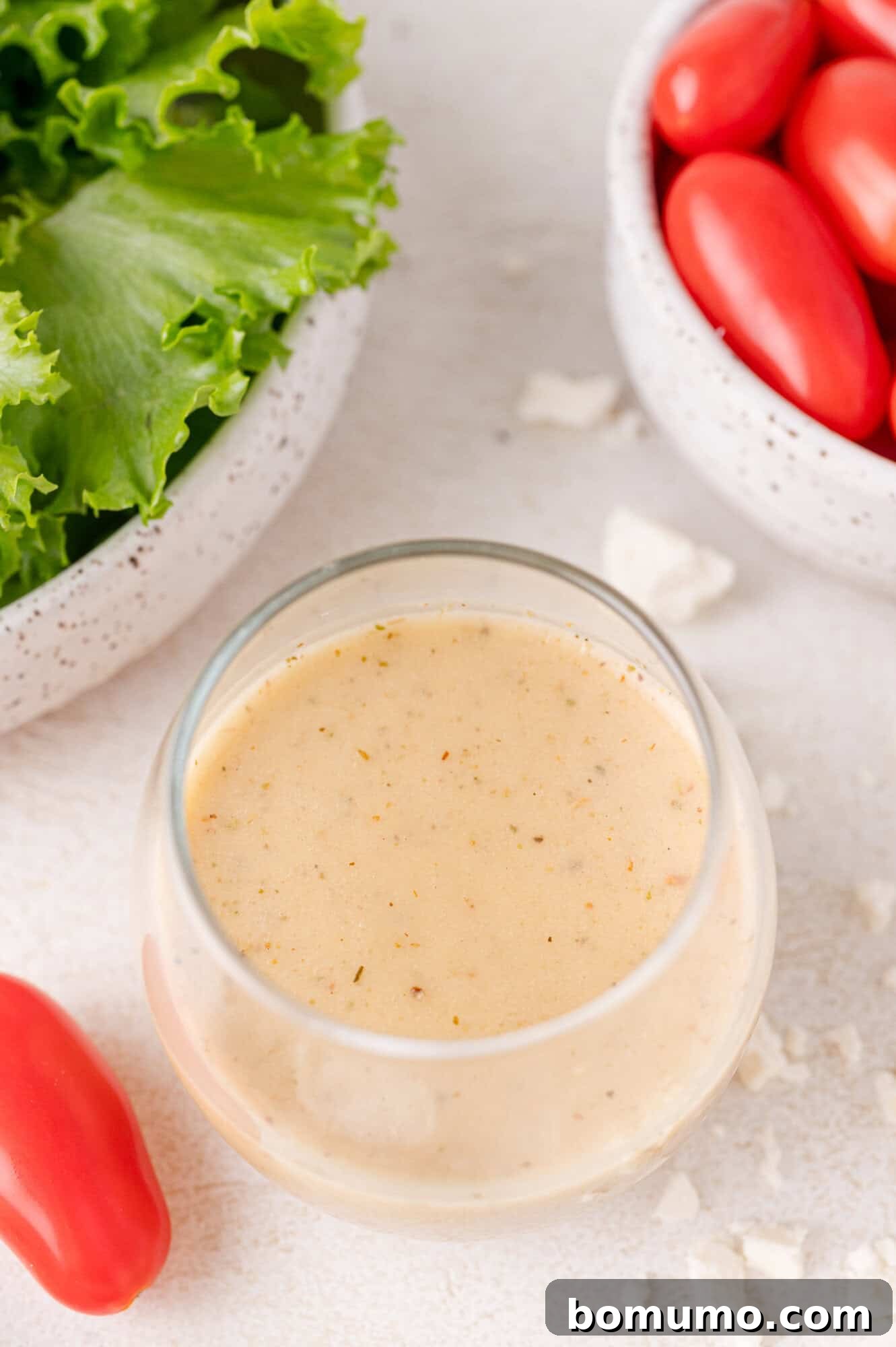
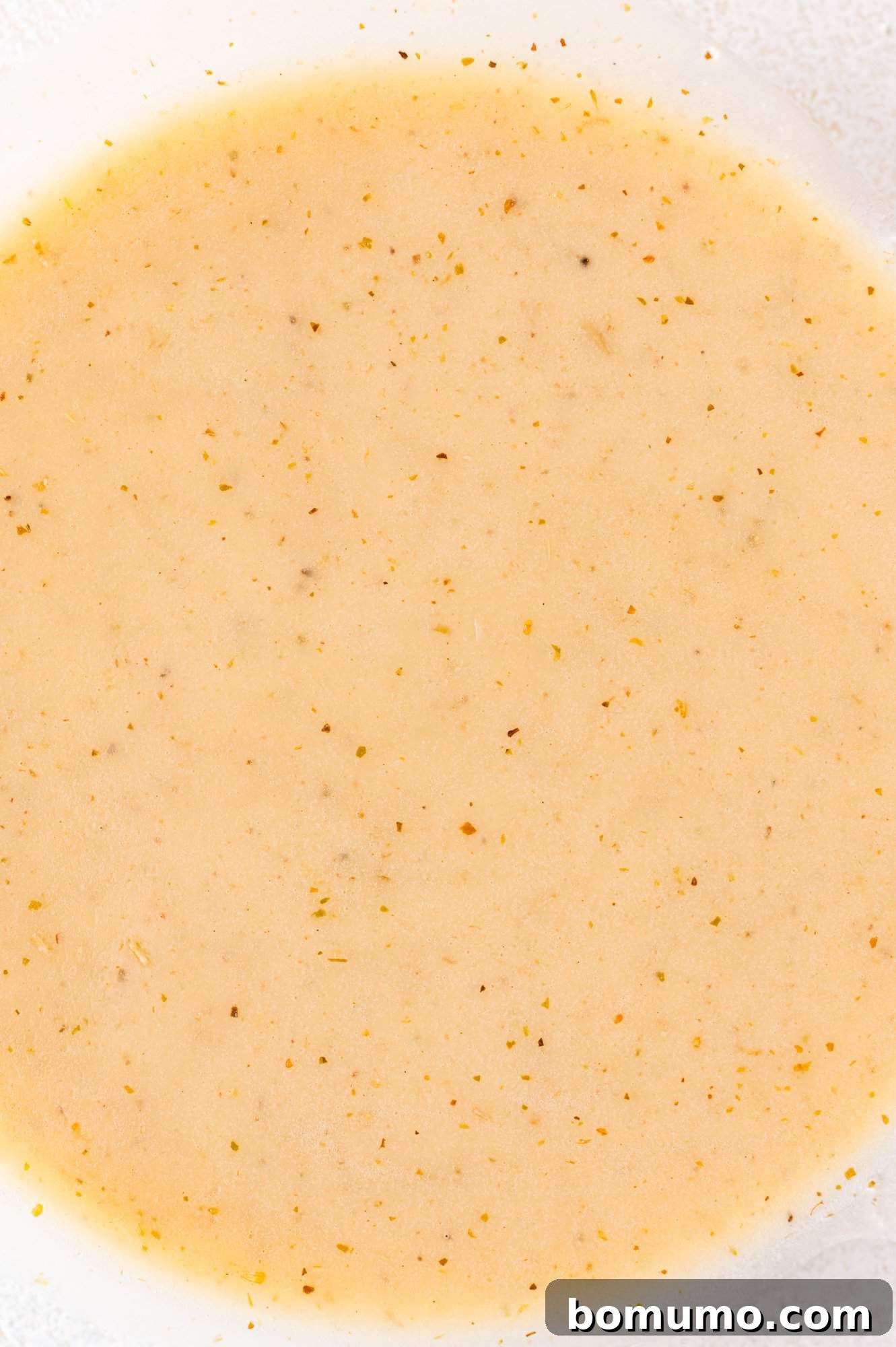
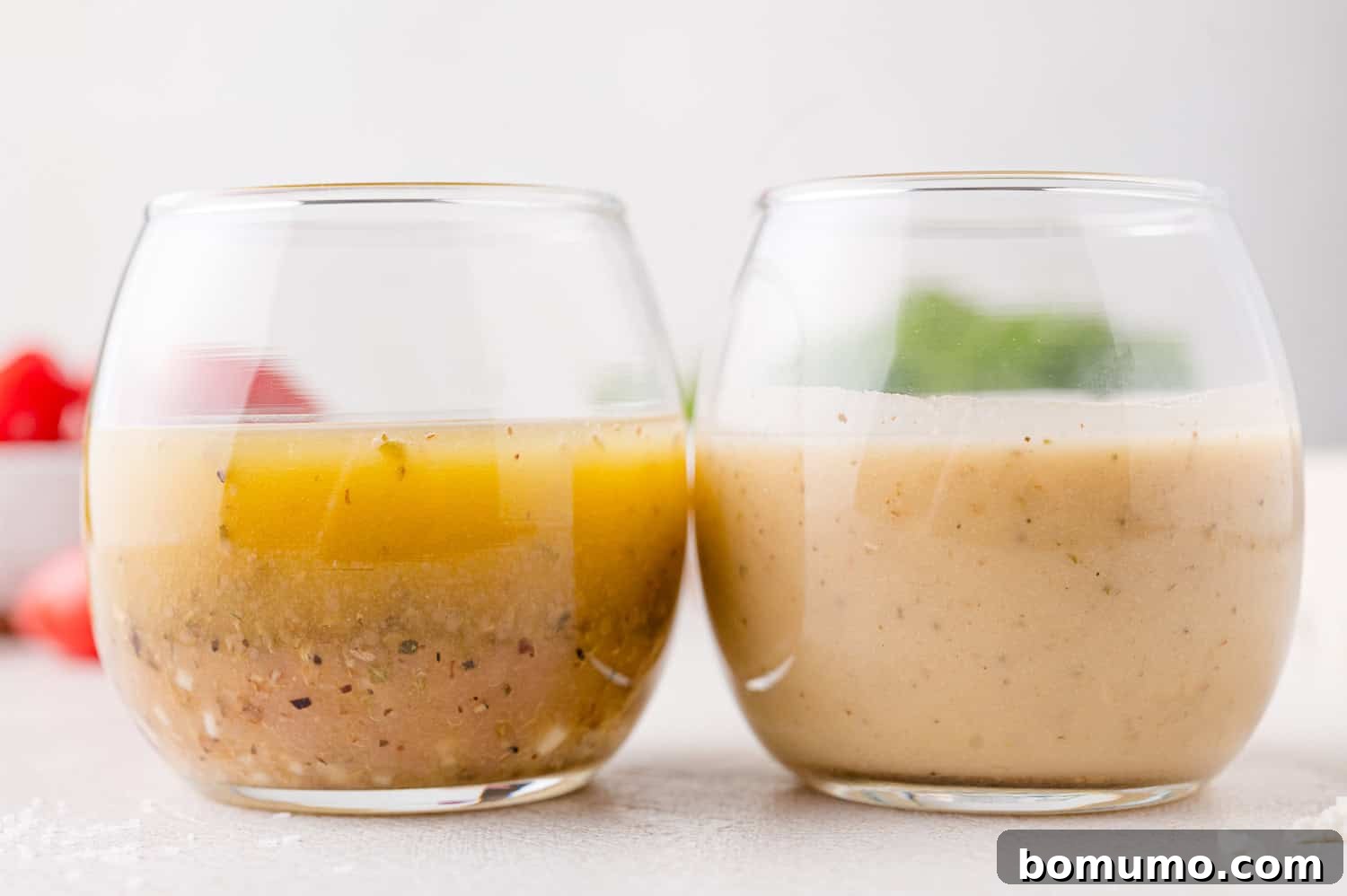
Traditional Greek salad dressing typically boasts a vinaigrette-like consistency, thin and bright. However, if you’re a fan of creamier dressings, this recipe offers a simple solution. By emulsifying the ingredients with a blender – whether a standard blender or a hand-held stick blender – you can achieve a wonderfully creamy texture. This method creates a rich, smooth dressing without the need for additional dairy products like mayonnaise or yogurt, making it a fantastic option for those seeking a dairy-free creamy alternative.
A Culinary Multitasker for Every Meal
While “Greek salad dressing” might suggest a singular purpose, its applications extend far beyond a bowl of greens. This flavorful concoction is a true multitasker in the kitchen. It excels as a vibrant marinade, infuses roasted vegetables with Mediterranean charm, forms the base for quick and healthy bean salads, and much more. Its balanced acidity and aromatic herbs make it suitable for a wide array of dishes, ensuring that no drop goes to waste. Discover a wealth of creative uses for this versatile dressing later in this post, transforming everyday meals into something special.
Crafting Perfection: Essential Ingredient Notes
The secret to an exceptional Greek salad dressing lies in understanding and appreciating each core ingredient. Here’s a closer look at what makes them indispensable and how to choose the best for your homemade dressing.
- Extra Virgin Olive Oil: This is arguably the most critical component, and a prime opportunity to use a truly good, high-quality olive oil. Opt for extra virgin olive oil that displays a distinct greenish hue and possesses a fruity, slightly peppery flavor. The quality of your olive oil will significantly impact the overall taste and richness of your dressing. Cheaper oils can leave an unpleasant aftertaste, so invest in a good one for the best results.
- Red Wine Vinegar: While many dressing recipes allow for interchangeable vinegars, red wine vinegar is non-negotiable for an authentic Greek salad dressing. Its sharp, tangy, and slightly fruity notes are characteristic of Mediterranean cuisine and provide the essential acidity that brightens the entire dressing. Do not substitute with white vinegar or apple cider vinegar if you aim for true Greek flavor.
- Garlic: Freshly minced garlic provides a pungent, aromatic kick that is a hallmark of Greek flavors. The acidity of the red wine vinegar helps to mellow the raw garlic’s intensity, creating a harmonious blend. For those who prefer a subtler garlic presence, a half teaspoon of garlic powder can be an excellent substitute, offering flavor without the sharp bite of fresh cloves.
- Dried Oregano: Another absolute must for Greek dressing, dried oregano contributes that earthy, slightly bitter, and deeply aromatic profile that instantly transports you to the Mediterranean. It’s distinct from other common herbs and essential for the authentic taste. Ensure your dried oregano is fresh and fragrant for maximum impact.
- Dijon Mustard: Although not traditionally found in every Greek dressing recipe, Dijon mustard plays a dual role here. Its subtle tang and mild spice add a “hidden oomph” that rounds out the flavors beautifully. More importantly, Dijon acts as a natural emulsifier, helping to bind the oil and vinegar together to create a smooth, unified dressing that doesn’t quickly separate.
- Salt and Pepper: These fundamental seasonings are crucial for balancing and enhancing all the other flavors. I highly recommend using coarse kosher salt for its clean taste and better control over seasoning. Similarly, freshly ground black pepper offers superior aroma and flavor compared to pre-ground varieties. If using fine table salt or pre-ground pepper, remember to reduce the quantities slightly, as they are more concentrated.
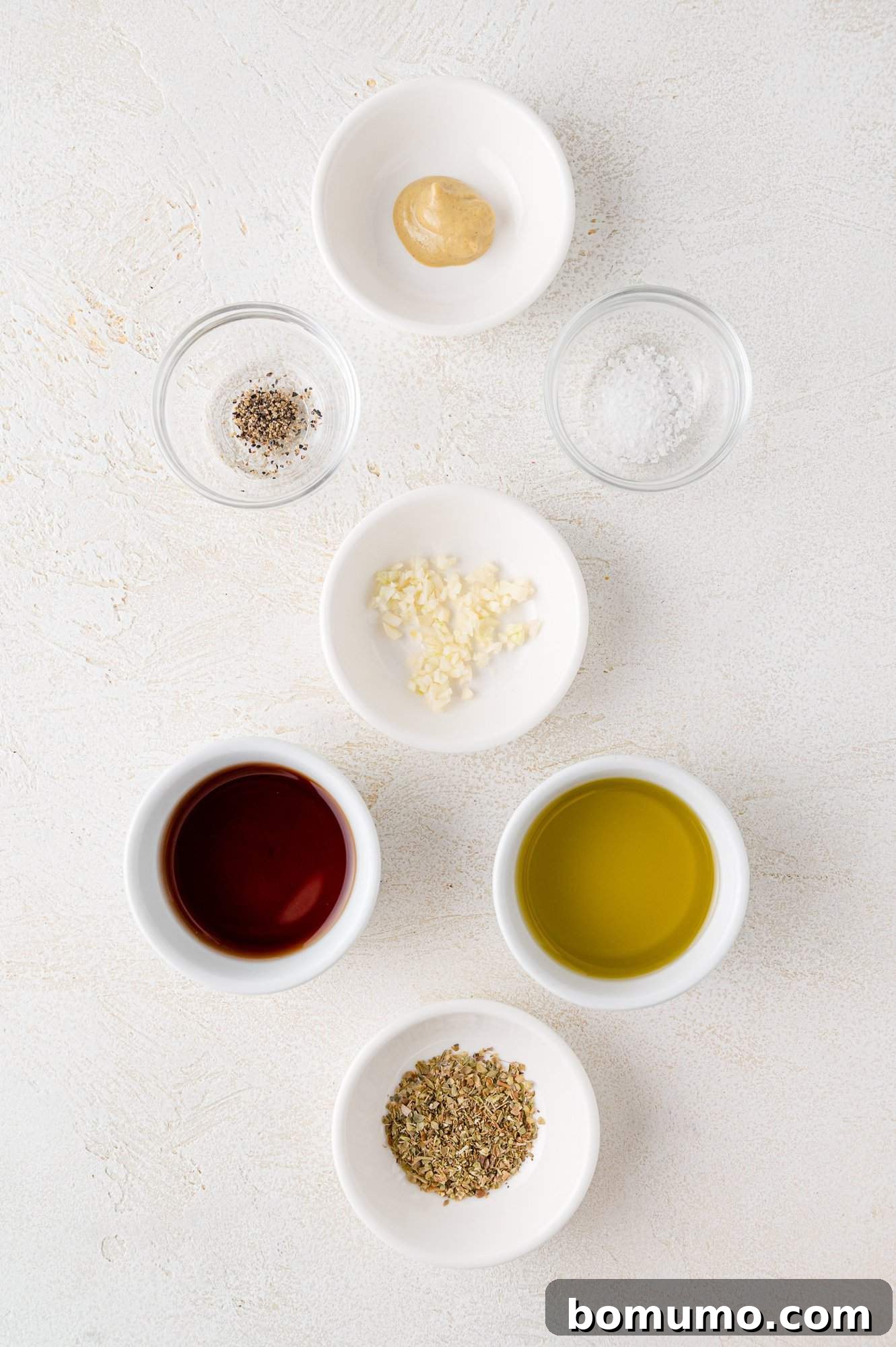
How to Effortlessly Make Greek Salad Dressing
Creating this flavorful Greek dressing is surprisingly straightforward and requires minimal effort. Here’s a simple, step-by-step guide to achieving delicious results every time.
Step 1: Combine All Ingredients
Begin by gathering all your measured ingredients. Add the extra virgin olive oil, red wine vinegar, minced garlic, dried oregano, Dijon mustard, kosher salt, and coarse ground black pepper into a small bowl or a jar with a secure, tight-fitting lid. Using a jar is often preferred for ease of shaking, while a bowl allows for whisking.
Step 2: Emulsify for Perfect Consistency
The key to a well-integrated dressing is proper emulsification, which means blending the oil and vinegar until they are uniformly combined and no longer separate.
If you are using a bowl, take a small whisk and vigorously whisk the ingredients together for about 30 seconds to a minute. Continue until the mixture appears homogenous and slightly thickened.
If you opt for a jar, simply screw the lid on tightly and shake the jar vigorously for about 30-60 seconds. The force of the shaking will cause the oil and vinegar to emulsify, resulting in a smooth, cohesive dressing.
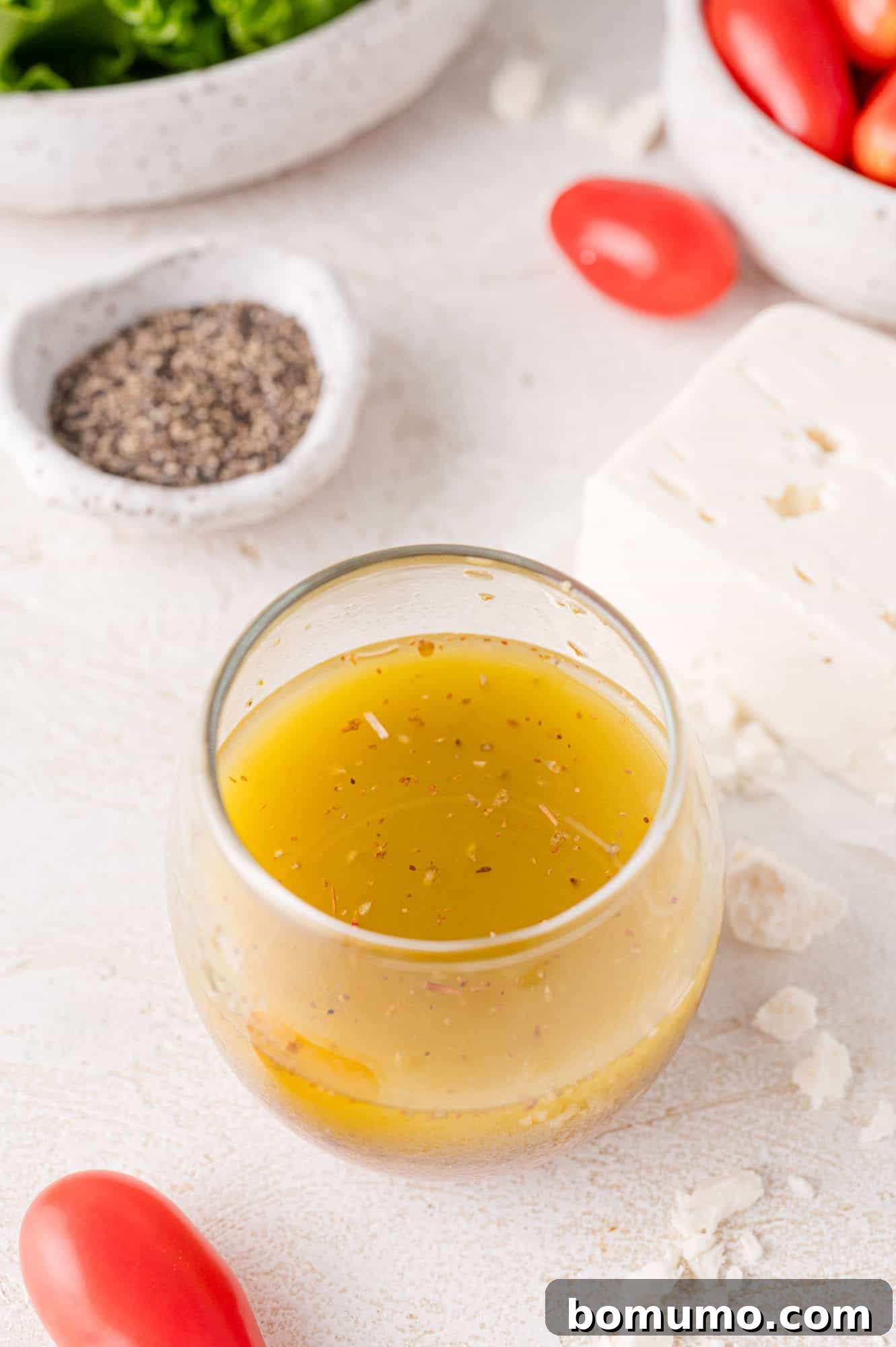
For a truly creamy dressing, consider using a mini blender or an immersion (stick) blender. Pour all ingredients into the blender container and blend briefly until the dressing is smooth and creamy. This method yields a wonderfully rich texture, as showcased in the comparison photos below. You’ll notice how the blended version becomes visibly thicker and opaque compared to the simply whisked or shaken vinaigrette.
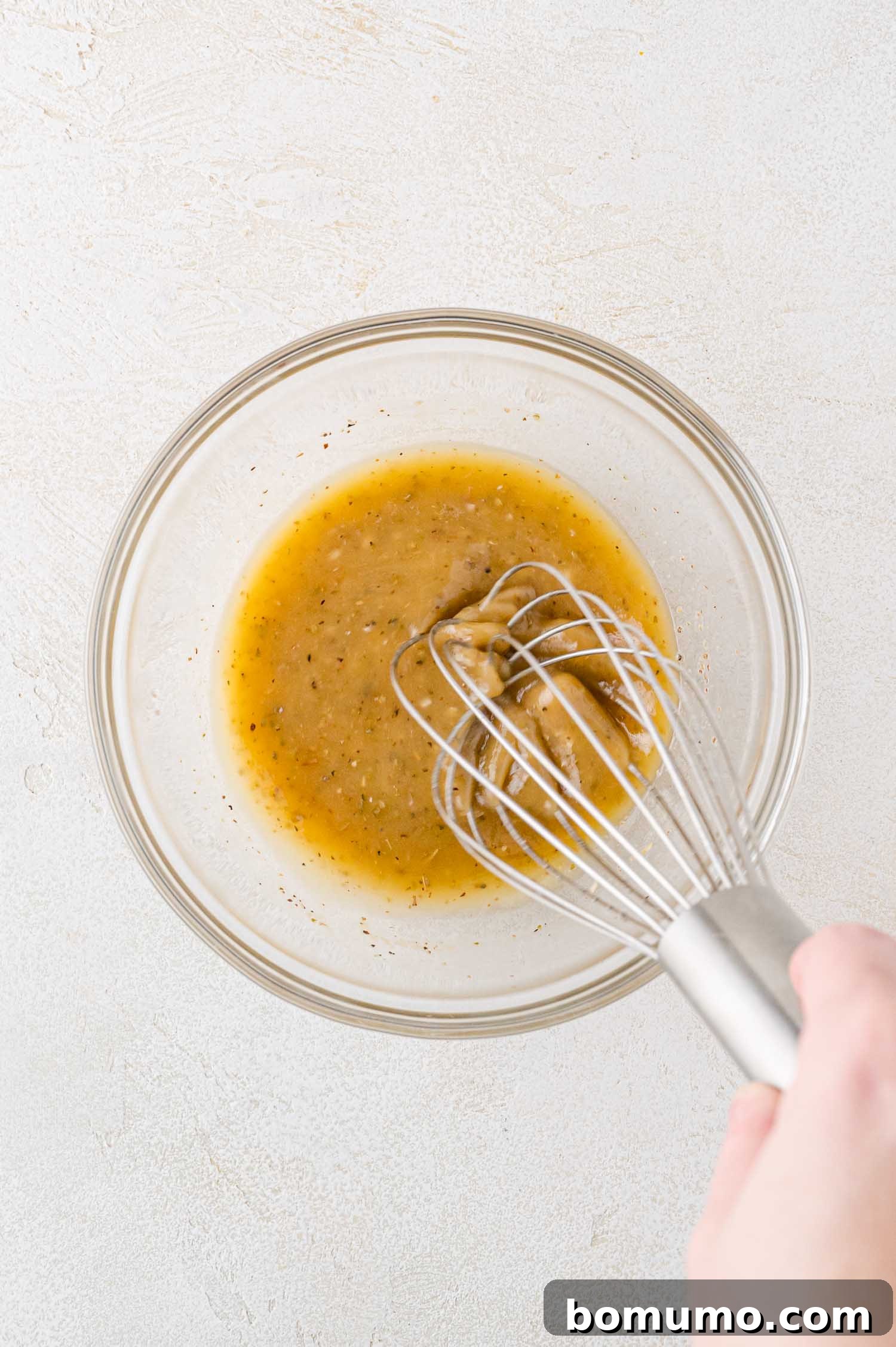
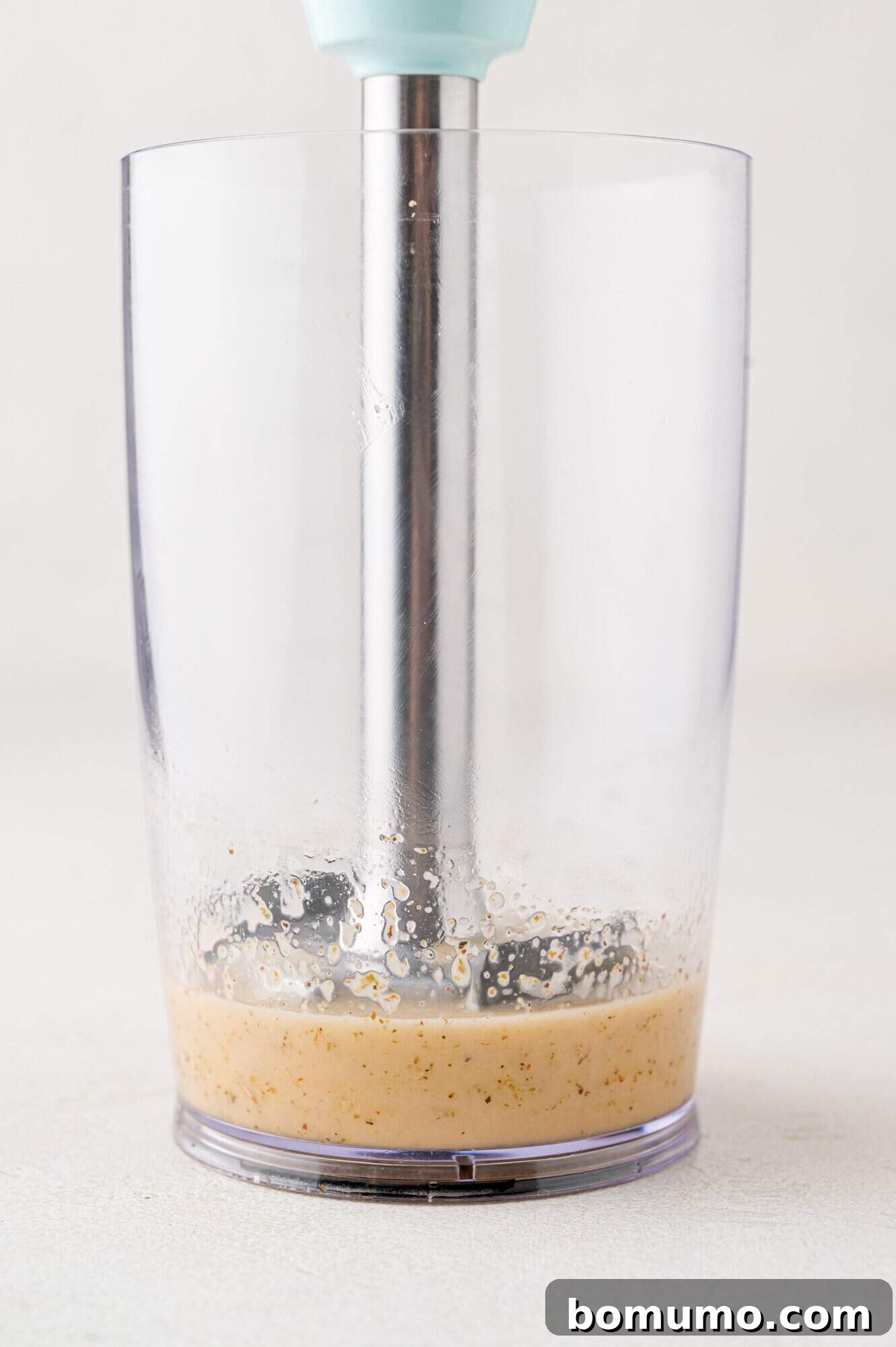
Step 3: Serve Immediately or Store for Later
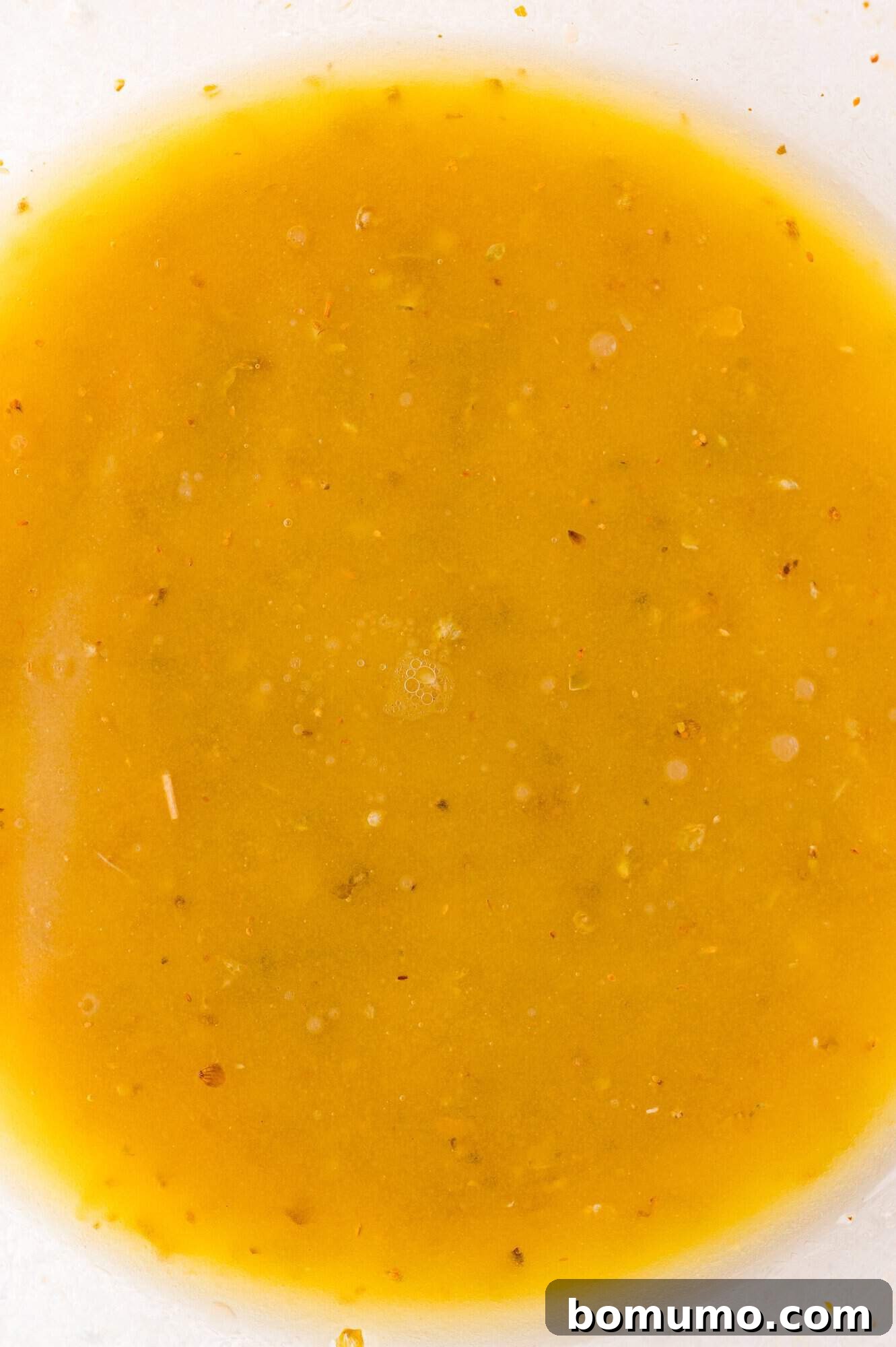
Once your dressing is perfectly emulsified, it’s ready to be used. Drizzle it generously over your favorite salad or store it in the refrigerator until you need it. Remember to give it another quick whisk or shake before each use, as some separation might occur naturally over time.
Customize Your Dressing: Exciting Variations
This classic Greek salad dressing recipe serves as a fantastic base, but don’t hesitate to experiment with variations to perfectly match your palate or the dish you’re preparing.
- A Zesty Lemon Twist: Many Greek dressing recipes incorporate fresh lemon juice for an added layer of bright, citrusy tang. If you appreciate a more vibrant acidity, substitute 1 tablespoon of freshly squeezed lemon juice for 1 tablespoon of the red wine vinegar. This simple swap will introduce a refreshing lift to your dressing, particularly delightful in warmer months.
- Sweetness to Balance the Tang: If you find the dressing a bit too tart or prefer a slightly sweeter profile, it’s easy to adjust. Incorporate about ½ teaspoon of granulated sugar or honey. Start with this amount and add more to taste, stirring until fully dissolved. The touch of sweetness can beautifully balance the sharpness of the vinegar and mustard.
- The Fresh Herb Advantage: While dried oregano is traditional and convenient, fresh herbs can add an incredible depth and brightness. If you have fresh oregano growing in your garden or leftover from another recipe, finely mince it and use 1 ½ teaspoons in place of the dried variety. Remember that fresh herbs are generally less potent than their dried counterparts, hence the slightly increased quantity. You can also experiment with other fresh herbs like dill or parsley for different nuances.
Beyond the Bowl: Versatile Uses for Greek Salad Dressing
Don’t relegate this incredible homemade dressing solely to Greek salads! Its robust flavor profile makes it an incredibly versatile ingredient, capable of enhancing a wide variety of dishes and adding a touch of Mediterranean flair to your everyday cooking.
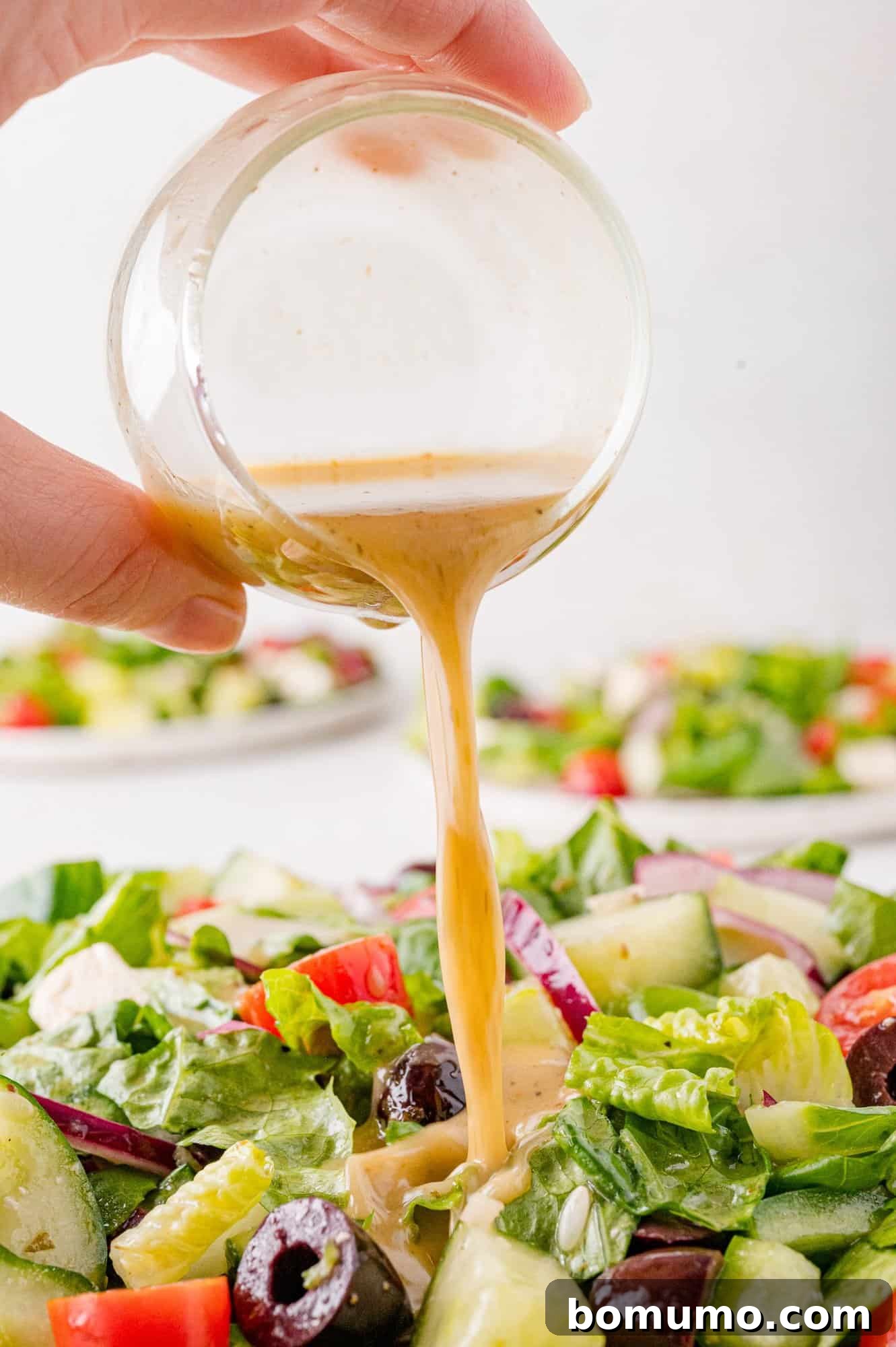
- The Quintessential Greek Salad: The most obvious, yet always delightful, application is dressing a classic Greek salad. Combine crisp romaine lettuce, crunchy cucumbers, juicy cherry tomatoes, briny Kalamata olives, and creamy feta cheese. A generous drizzle of this homemade dressing brings all these elements together into a refreshing and satisfying meal.
- Flavorful Marinade: Elevate your proteins by using this dressing as a marinade for chicken, fish, or even pork. The vinegar tenderizes the meat while the herbs and garlic infuse it with delicious flavor. Simply combine your chosen protein with the dressing in a shallow dish, cover, and refrigerate for at least an hour (or up to 4 hours for chicken, 30 minutes for delicate fish) before cooking. For an alternative, also consider a yogurt-based Greek chicken marinade, known for its superb tenderizing properties.
- Roasted Vegetable Enhancer: Transform ordinary roasted vegetables into a vibrant side dish. Toss bell peppers, zucchini, eggplant, red onions, or even broccoli florets with the Greek dressing before roasting them in the oven. The dressing caramelizes beautifully, creating tender, flavorful vegetables. Alternatively, roast your vegetables plain and then toss them with the dressing right before serving for a fresher, brighter taste. It works wonders on air fryer eggplant, grilled zucchini, or roasted broccoli.
- Quick & Healthy Bean Salads: For a speedy and nutritious lunch or side dish, mix together drained and rinsed chickpeas or cannellini beans with chopped fresh vegetables (like bell peppers, red onion, and cucumber), crumbled feta, and a generous amount of Greek salad dressing. This creates a vibrant and satisfying bean salad, similar to a chopped Greek salad but with a heartier base.
- Irresistible Pasta Salad: Create a delicious Greek-inspired pasta salad that’s perfect for potlucks or meal prep. Cook and cool your favorite short pasta (like rotini or orzo), then toss it with the Greek dressing, sliced Kalamata olives, halved cherry tomatoes, crumbled feta cheese, and diced cucumbers. It’s a crowd-pleasing dish that’s bursting with flavor.
- Fresh Vegetable Dip: If you’ve made the creamy version of this dressing, it doubles as an excellent dip for raw veggies, pita bread, or even spread inside a roasted vegetable wrap. Its rich texture and tangy flavor make it a more exciting alternative to standard dips.
- Flavorful Grain Bowls: Drizzle this dressing over warm or cold grain bowls featuring quinoa, farro, or couscous, combined with roasted vegetables, chickpeas, and a protein of choice.
- Sandwich and Wrap Spread: Use it as a zesty spread for sandwiches, wraps, or even homemade pita pockets filled with grilled chicken and fresh veggies.
Storage
Storage
Proper storage ensures your homemade Greek salad dressing remains fresh and flavorful. Refrigerate the dressing in an airtight jar or container for up to a week. Before each use, always give it a good whisk or shake, as the oil and vinegar may naturally separate. If the dressing solidifies slightly in the refrigerator due to the olive oil, simply let it sit at room temperature for 10 to 15 minutes before serving to return it to its pourable consistency.
More Dressing Recipes
Creamy Avocado Dressing
Homemade Thousand Island Dressing
Catalina Dressing
White Wine Vinaigrette Recipe – so easy!
Greek Salad Dressing Recipe
Rachel Gurk
5 minutes
5 minutes
8

Ingredients
-
¼
cup
extra virgin olive oil
-
3
tablespoons
red wine vinegar -
1
garlic clove, minced
(see note) -
½
teaspoon
dried oregano
-
½
teaspoon
Dijon mustard -
¼
teaspoon
kosher salt
-
⅛
teaspoon
coarse ground black pepper, more to taste
Instructions
-
Combine all ingredients in a small bowl or jar with a tight-fitting lid. Whisk or shake vigorously until completely combined (emulsified). For a creamier dressing, you can also blend the ingredients – see notes below for details. Serve immediately, or refrigerate until ready to use. Before serving from the refrigerator, whisk or shake again to re-emulsify.¼ cup extra virgin olive oil,
3 tablespoons red wine vinegar,
1 garlic clove, minced,
½ teaspoon dried oregano,
½ teaspoon Dijon mustard,
¼ teaspoon kosher salt,
⅛ teaspoon coarse ground black pepper, more to taste
Notes
- Garlic: For a less assertive garlic flavor, you may substitute ½ teaspoon of garlic powder for the fresh garlic.
- Creamy Greek Salad Dressing: To achieve a smooth and creamy texture, combine all ingredients in a blender container. Blend briefly until completely smooth. A hand-held stick blender works exceptionally well for this purpose.
- Storage: Store the dressing in an airtight jar or container in the refrigerator for up to one week. Before serving, whisk or shake well. If the dressing solidifies when chilled, allow it to come to room temperature for 10 to 15 minutes to liquefy before using.
Video
Nutrition
Serving: 1 tablespoon,
Calories: 62kcal,
Carbohydrates: 0.3g,
Protein: 0.1g,
Fat: 7g,
Saturated Fat: 1g,
Polyunsaturated Fat: 1g,
Monounsaturated Fat: 5g,
Sodium: 77mg,
Potassium: 6mg,
Fiber: 0.1g,
Sugar: 0.01g,
Vitamin A: 3IU,
Vitamin C: 0.1mg,
Calcium: 3mg,
Iron: 0.1mg
Nutrition information is automatically calculated and should be used as an approximation only.
Did You Make This?
Share a comment and rating below! I love hearing what you think!