
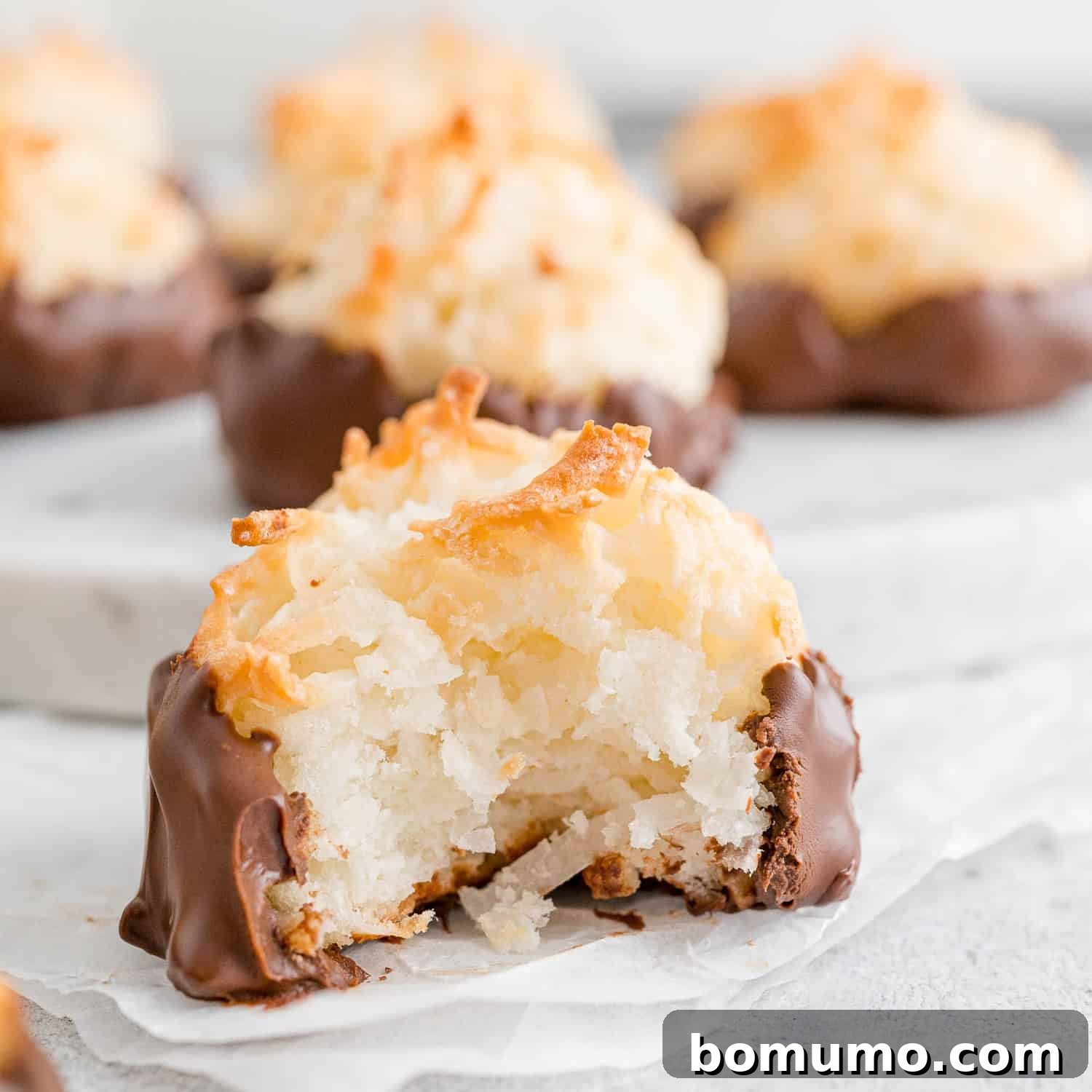
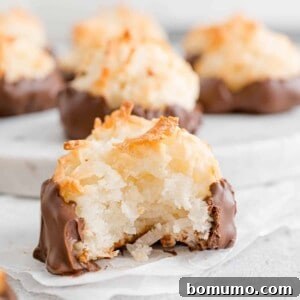
Delight in the sweet simplicity of homemade **coconut macaroons**, a classic confection beloved for its irresistible chewiness and rich coconut flavor. These incredibly easy-to-make cookies are a perfect treat for any occasion, offering a delightful escape to a tropical paradise with every bite. Elevate your macaroons to an extraordinary dessert by generously dipping them in a luxurious coating of rich, semi-sweet chocolate.
Recipe Highlights
Why You’ll Love This Recipe: This simplified recipe delivers intensely flavorful coconut macaroons with minimal effort and a short ingredient list. If the thought of a Mounds candy bar makes your mouth water, you’re about to discover your new favorite cookie.
Preparation & Bake Time: Just 45 minutes from start to finish!
Essential Equipment: A spacious mixing bowl, reliable baking pans, and parchment paper for easy cleanup.
Yield: This recipe graciously provides 2 dozen delectable macaroons, perfect for sharing or savoring over time.
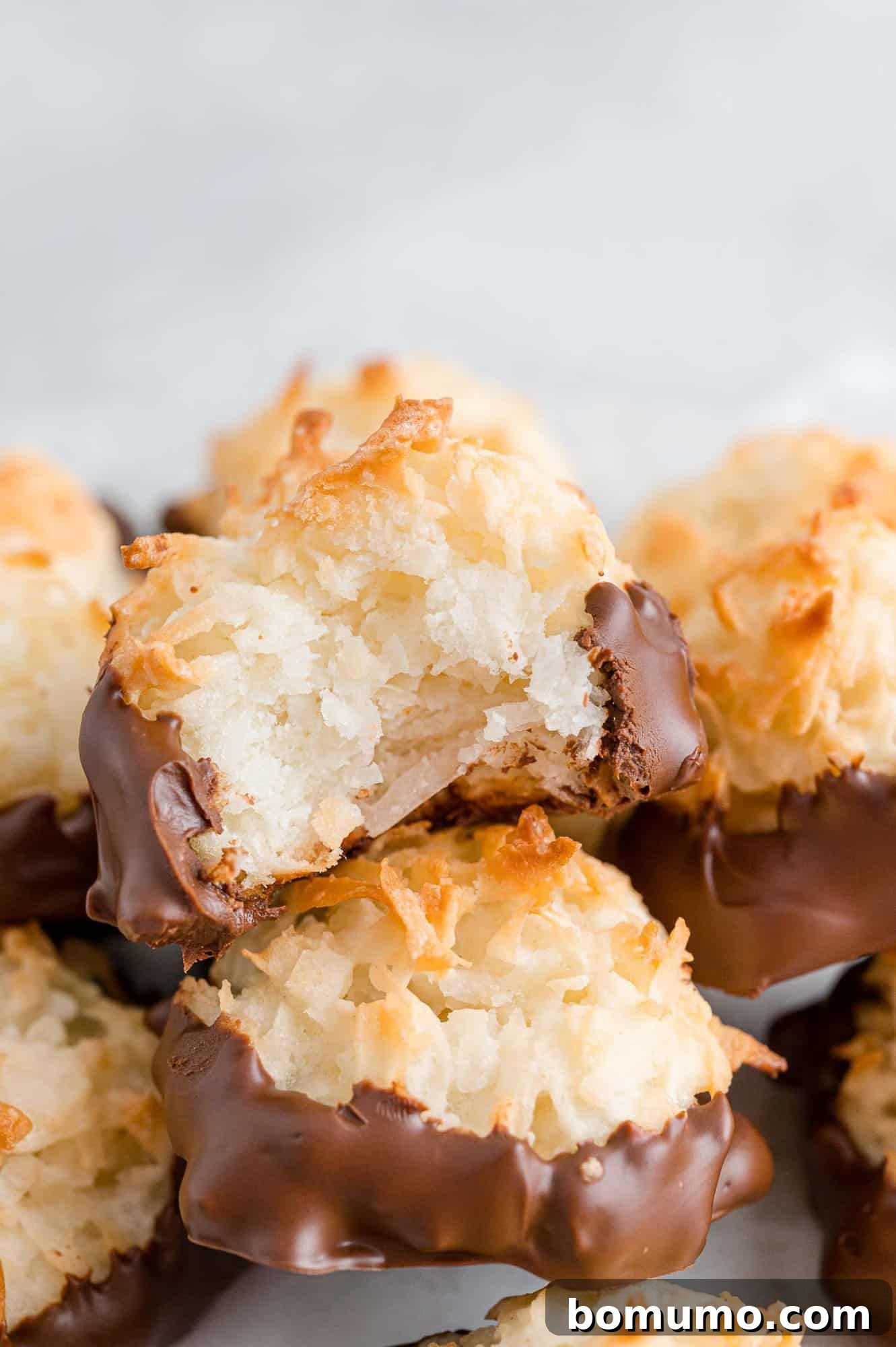
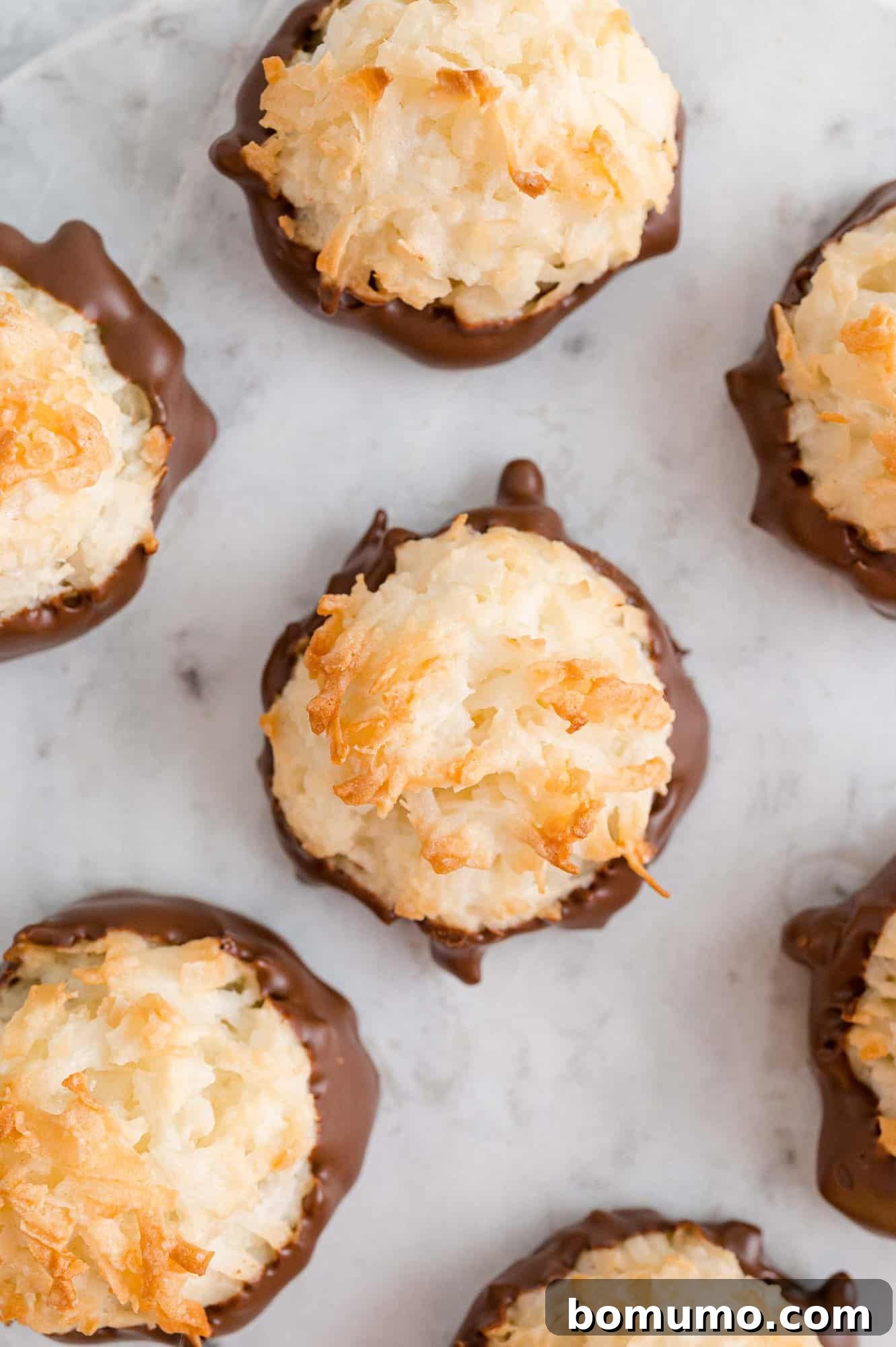
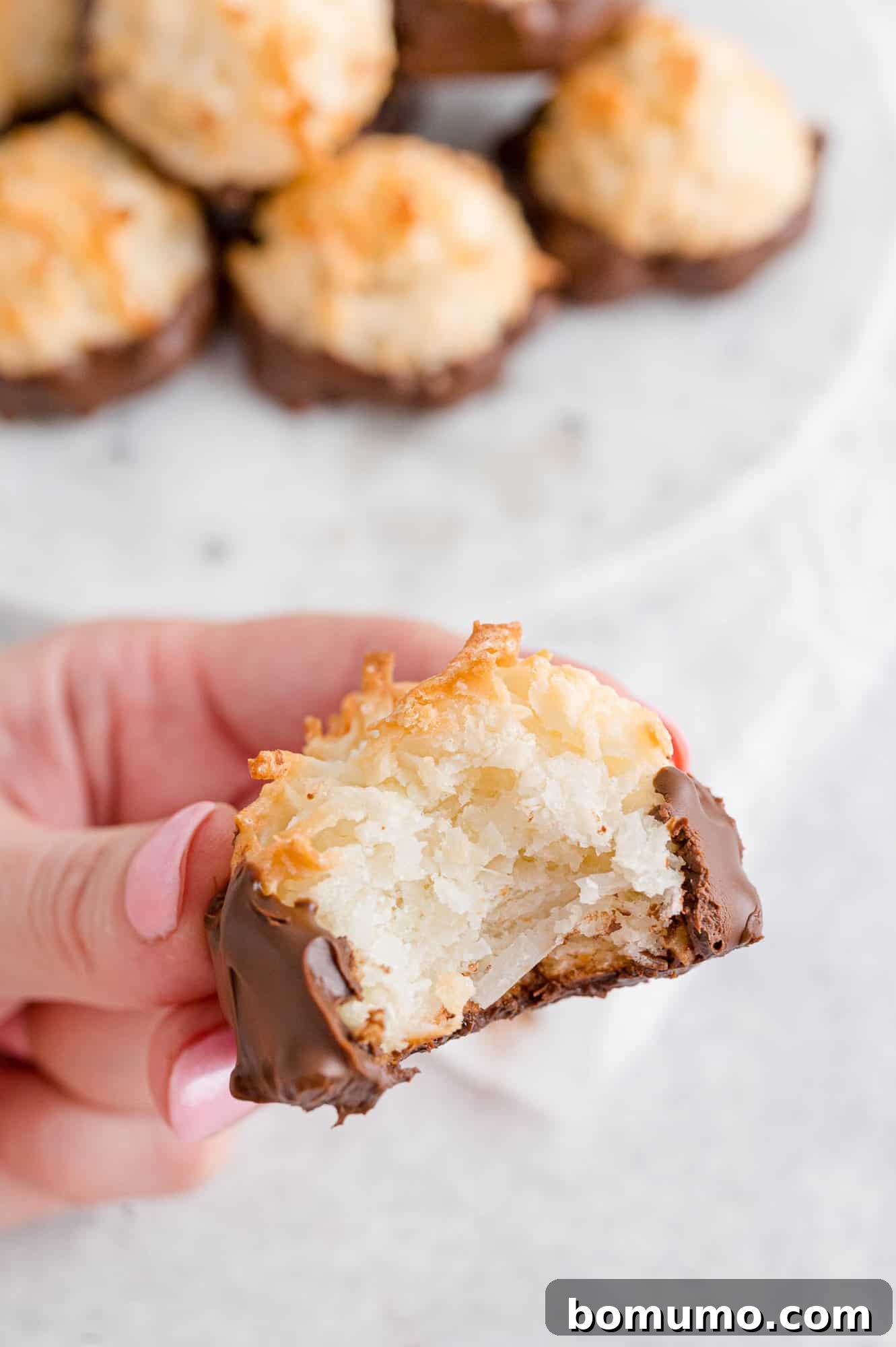
Calling all coconut connoisseurs! Prepare to be captivated by these exquisite treats. Imagine dainty, golden-edged mounds of sweet, toasted coconut, each embraced by a lavish blanket of rich, dark chocolate. Classic macaroons are not just unique in their texture and taste; they are also remarkably simple to prepare, making them a universally cherished dessert. Their distinctive chewiness and delightful aroma make them a standout in any cookie assortment.
Beyond their incredible flavor, coconut macaroons can be a surprisingly mindful choice for a sweet indulgence. Our recipe for these good-sized macaroons, complete with their optional chocolate coating, comes in at approximately 139 calories per cookie. This makes them a more substantial and satisfying option compared to many other cookies. You’ll often find that just one is enough to curb your sweet cravings, offering a truly gratifying experience without the urge to overindulge. It’s a testament to their satisfying nature!
Is Coconut Good For You? Exploring the Health Benefits
Often debated, coconut’s nutritional profile is quite interesting. According to Healthline, both coconut meat and coconut oil offer a range of health benefits. Botanically, coconuts are classified as a fruit, growing on the versatile coconut palm. While they are notably high in saturated fat, it’s important to understand that this fat differs from other types. Coconut contains medium-chain triglycerides (MCTs), which your body can process more efficiently, potentially using them for energy rather than storing them as fat.
Beyond fats, coconuts are a powerhouse of essential nutrients. They are rich in powerful antioxidants, which help combat oxidative stress in the body. You’ll also find an abundance of vital minerals such as manganese, copper, and iron, crucial for various bodily functions. Furthermore, coconuts are an excellent source of dietary fiber, promoting digestive health and contributing to a feeling of fullness. Eaten in moderation, both coconut meat and oil can be a healthy and beneficial addition to a balanced diet, offering unique advantages to your well-being.
If your love for coconut extends beyond just cookies, be sure to explore other delightful recipes. Our creamy coconut rice is an addictively delicious side dish that transports you to a culinary paradise. For another cookie craving, my crispy coconut oatmeal cookies offer a wonderfully textured and flavorful experience. And for savory delights, air fryer coconut shrimp remains a consistently popular and easy-to-prepare favorite that always impresses.
About This Perfect Coconut Macaroon Recipe
Our commitment to culinary excellence means every recipe is meticulously developed and tested. This coconut macaroon recipe is no exception, having been **kitchen tested** multiple times to guarantee flawless results for you. Our initial attempts, like any good baking experiment, presented their challenges, but through careful tweaking and refinement, we’ve perfected this recipe. Our goal is to remove any potential obstacles, ensuring that your homemade macaroons turn out perfectly every single time, giving you confidence in the kitchen.
One key improvement in our recipe focuses on **less sugar**. Many traditional macaroon recipes call for an entire can of sweetened condensed milk, which contains a substantial 185 grams of sugar per 12-ounce can. Given that sweetened flaked coconut already contributes a significant amount of sweetness, we found this to be excessive. Our optimized recipe thoughtfully substitutes this with just ⅓ cup (approximately 67 grams) of granulated sugar. This reduction allows the natural, delicate flavor of the coconut to shine through, resulting in a perfectly balanced sweetness that isn’t overpowering.
For those with dietary considerations, you’ll be pleased to know that these delicious cookies are naturally **dairy-free**. Our recipe consciously avoids milk, butter, or any other dairy products. The core ingredients include wholesome coconut, a touch of flour, sugar, vanilla, and egg whites. If you opt for the decadent chocolate coating, simply ensure you select dairy-free chocolate chips, which are widely available from many trusted brands, making this treat accessible to a broader audience.
These **make-ahead** friendly coconut macaroons are wonderfully sturdy and hold up exceptionally well, making them an ideal candidate for meal prep or gifting. They also freeze beautifully, allowing you to prepare a batch in advance and enjoy them whenever a craving strikes. While most people adore the sweet, chewy goodness of macaroons, we understand that there are a few adamant coconut haters out there! For those individuals, delightful alternatives like our chewy chocolate chip cookies or classic pecan pralines might be a more fitting choice.
Essential Ingredients for Perfect Macaroons
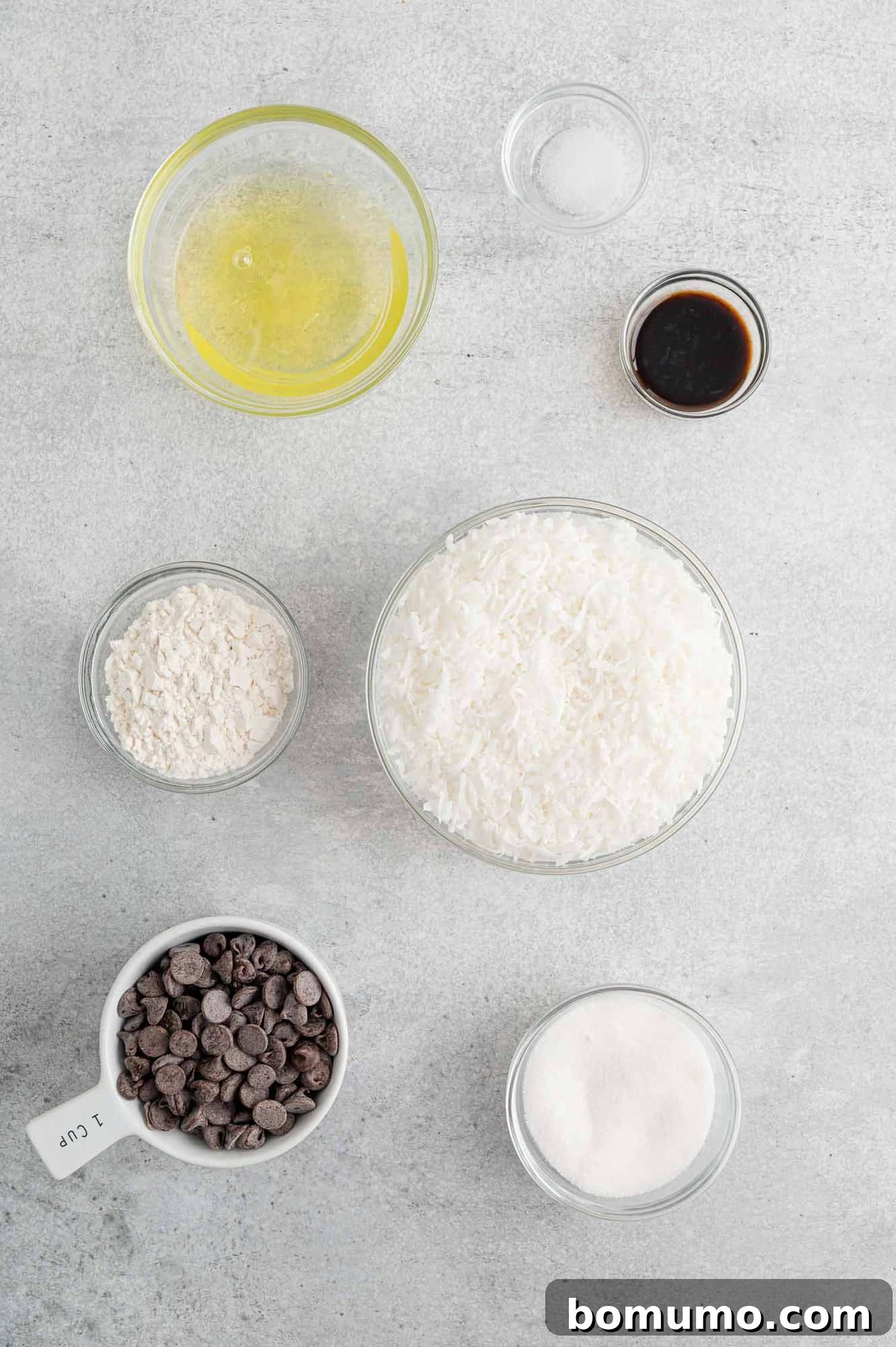
Crafting the perfect batch of coconut macaroons starts with selecting quality ingredients. Here’s a detailed look at what you’ll need:
- Sweetened Flaked Coconut: The star of our show! You’ll need a 14-ounce bag of sweetened flaked coconut. This ingredient forms the bulk of your cookies, so its quality is paramount. Ensure your coconut is fresh, moist, and soft for the best texture and flavor. Avoid dry, brittle coconut.
- Egg Whites: These act as the essential binder, holding the coconut mixture together and giving the macaroons their characteristic structure. Using only egg whites, rather than whole eggs, contributes to the lovely light and white interior of the cookies. For optimal results, ensure your egg whites are at room temperature, as they emulsify more effectively, creating a smoother, more cohesive batter.
- All-Purpose Flour: You’ll only need a small amount—just one-third cup of all-purpose flour. This helps to bind the ingredients and contributes to the cookies’ chewy texture. Because the quantity is minimal, these cookies can be a good option for those who are slightly sensitive to gluten but can tolerate a small amount.
- Granulated Sugar: As mentioned, our recipe uses only one-third cup of granulated sugar. This modest amount is intentional, allowing the natural sweetness from the flaked coconut to truly shine through without being overwhelmed by excessive added sugar. The result is a perfectly balanced sweetness that appeals to all palates.
- Pure Vanilla Extract: Vanilla is crucial for enhancing the overall flavor profile of the macaroons, adding a warm, aromatic depth. We highly recommend using pure vanilla extract for its superior flavor. As an alternative, vanilla bean paste can be substituted one-to-one, and it will introduce delightful tiny brown flecks of vanilla bean to your cookies. While imitation vanilla is less expensive, it typically lacks the complex flavor of its pure counterpart. However, if your aesthetic goal is a super white macaroon, clear vanilla extract (which is an imitation product) might be a deliberate choice. Note that our process photos illustrate macaroons made with pure vanilla, while the final, baked images feature the clear vanilla extract version, showcasing the visual difference.
- Salt: A mere pinch of salt plays a vital role in balancing the sweetness and enhancing all the other flavors in the macaroons. It prevents the cookies from tasting flat or bland, elevating them from simply sweet to truly delicious.
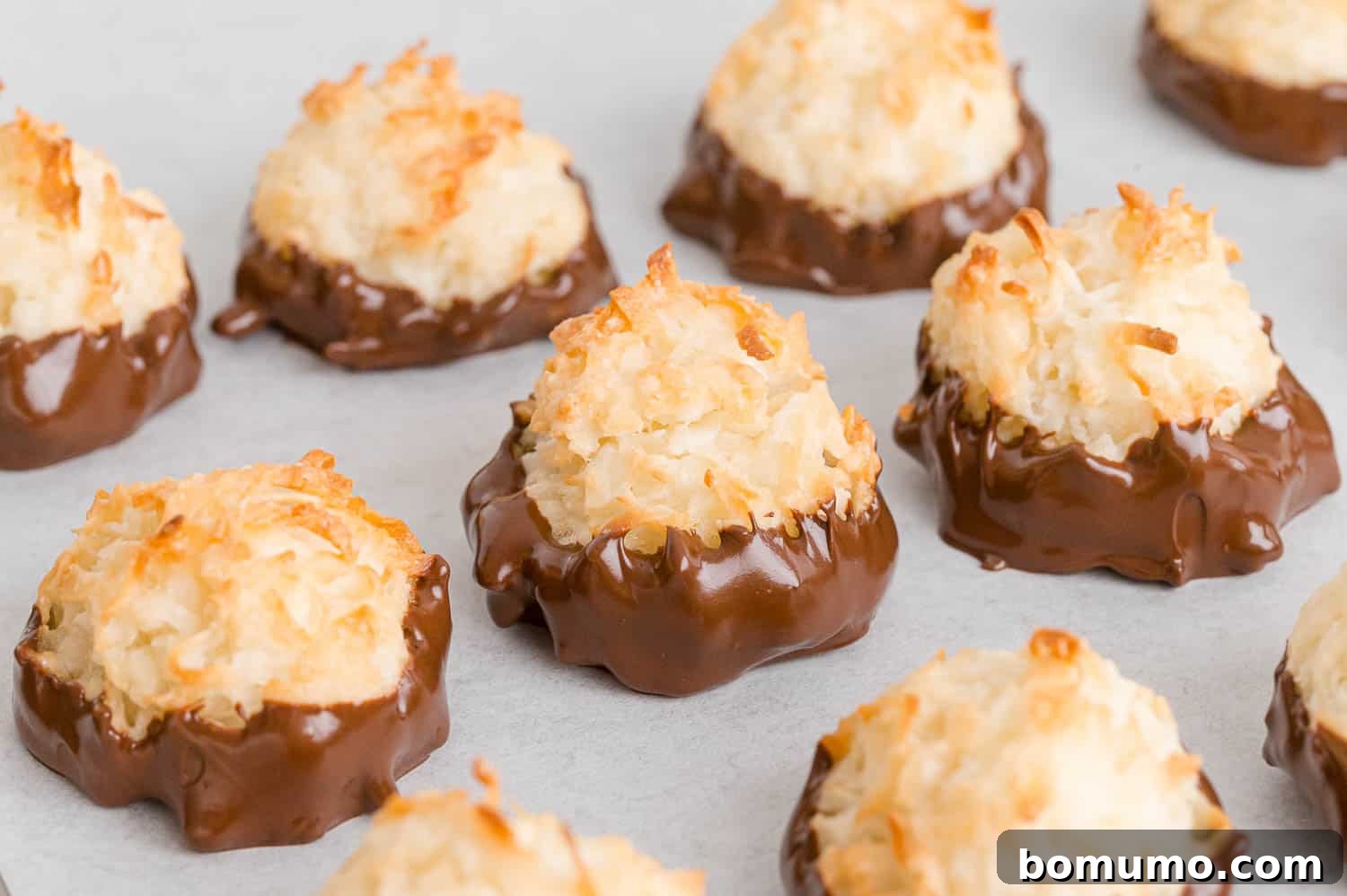
- Semi-Sweet Chocolate Chips: The chocolate coating is entirely optional, but it’s a game-changer! The combination of rich semi-sweet chocolate and sweet coconut is utterly irresistible and visually appealing. For a unique presentation, consider drizzling the melted chocolate decoratively over the tops of the macaroons instead of a full dip. Remember to choose dairy-free chocolate chips if you’re keeping the recipe dairy-free.
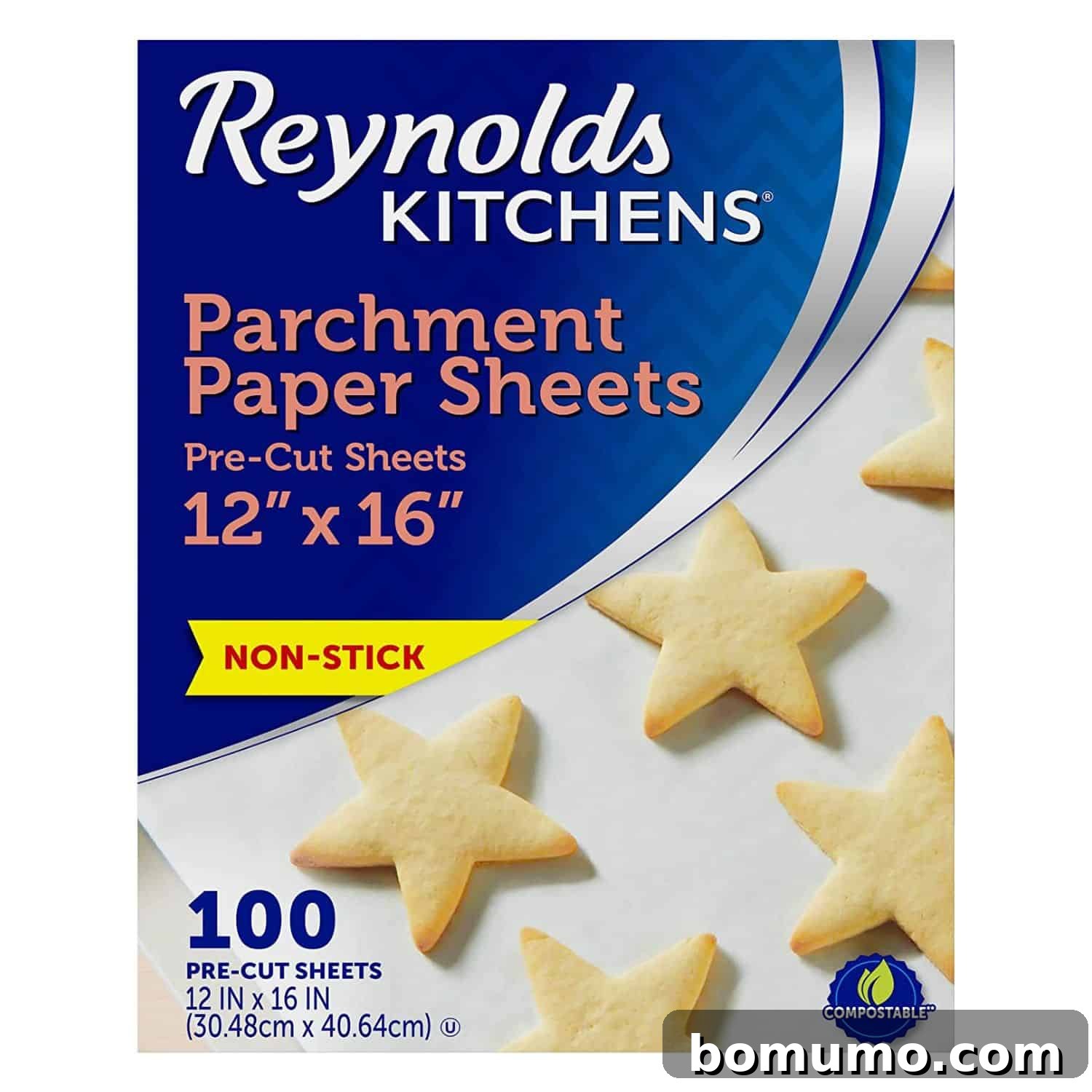
The Importance of Parchment Paper in Baking
Parchment paper is an indispensable tool in any baker’s kitchen, specifically designed to withstand the rigors of baking. This specialized paper is treated to be nonstick, grease-resistant, and heat-proof, making it suitable for oven and even microwave use. It’s readily available in convenient rolls or pre-cut sheets, and you can find it in both bleached (white) and unbleached (brown) varieties. Its versatility extends beyond just lining baking sheets; it’s perfect for rolling out dough, creating decorative piping bags, or even wrapping food for cooking en papillote. Using parchment paper ensures your macaroons won’t stick, promotes even baking, and makes cleanup incredibly simple.
Is parchment paper the same as waxed paper? An Important Distinction
This is a frequently asked and very important question in the kitchen, and the answer is a definitive no. Parchment paper and waxed paper are not interchangeable, particularly when it comes to baking in the oven. Waxed paper is coated with paraffin wax, which is not heat-safe. If exposed to high oven temperatures, the wax will melt, potentially fusing to your food and baking sheets, and can even catch fire, posing a significant safety hazard. Always ensure you are using genuine parchment paper for baking applications to guarantee safety and successful results.
How to Create Irresistible Coconut Macaroons
Baking these delightful coconut macaroons is a straightforward and rewarding process. Follow these simple steps to achieve perfectly chewy, golden-edged cookies:
- Prepare Your Workspace: Begin by preheating your oven to 325ºF (160ºC). While the oven comes to temperature, prepare two standard baking sheets by lining them generously with parchment paper. This crucial step will prevent sticking and ensure effortless cleanup after baking.
- Combine Dry Ingredients: In a large mixing bowl, combine the sweetened flaked coconut, granulated sugar, all-purpose flour, and salt. Use your hands or a spoon to thoroughly toss and mix these dry ingredients, ensuring that any clumps of coconut are broken up and everything is evenly distributed. This ensures a consistent texture throughout your macaroons.
- Incorporate Wet Ingredients: Add the room-temperature egg whites and pure vanilla extract to the bowl with the dry mixture. Stir vigorously with a sturdy spoon or spatula until everything is well combined. The mixture won’t resemble traditional cookie dough; it will be quite sticky and thick. If necessary, don’t hesitate to use your clean hands to thoroughly work the egg whites and vanilla into the coconut mixture, ensuring every flake is coated. This manual mixing helps to fully bind the ingredients.
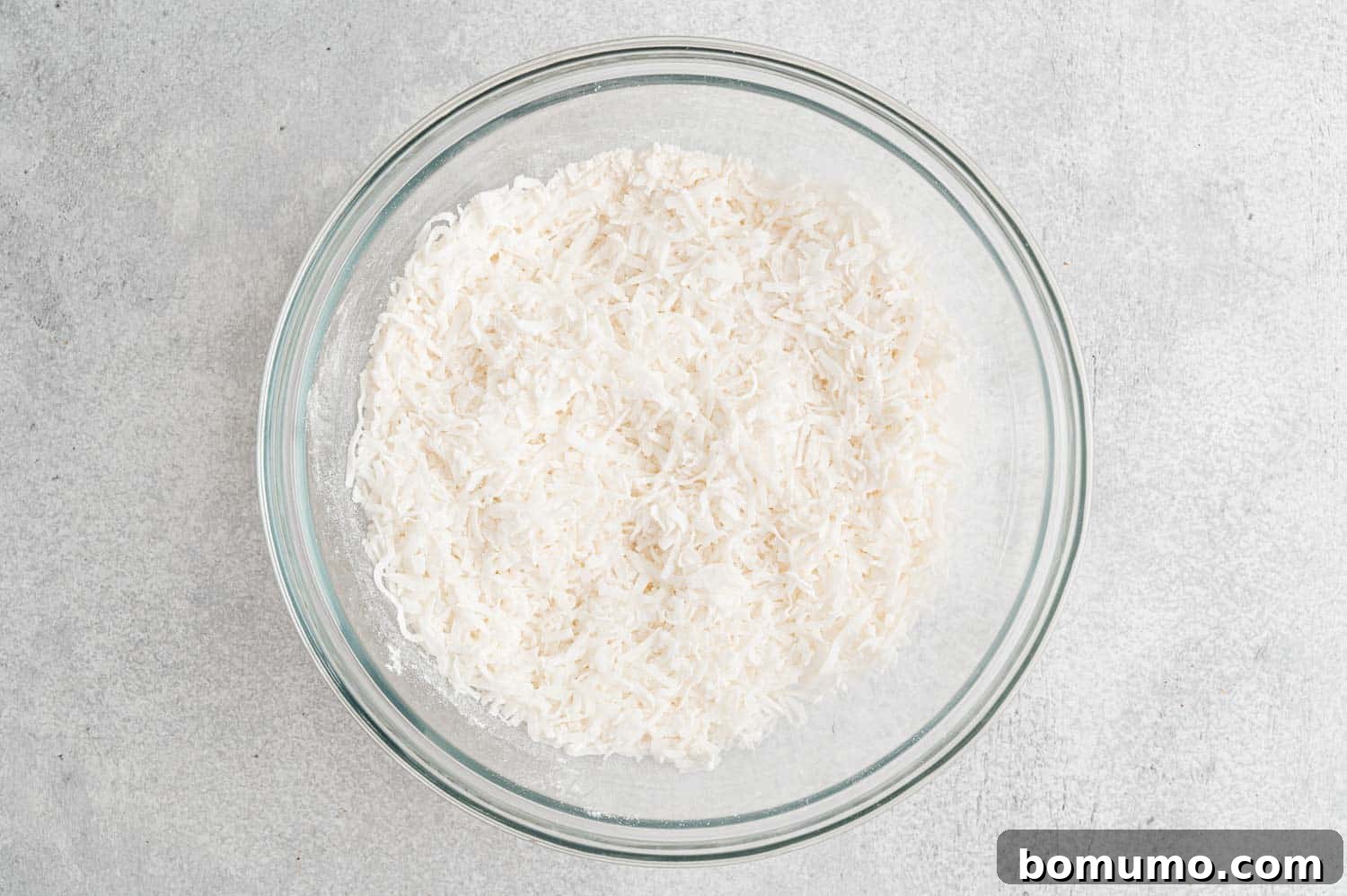
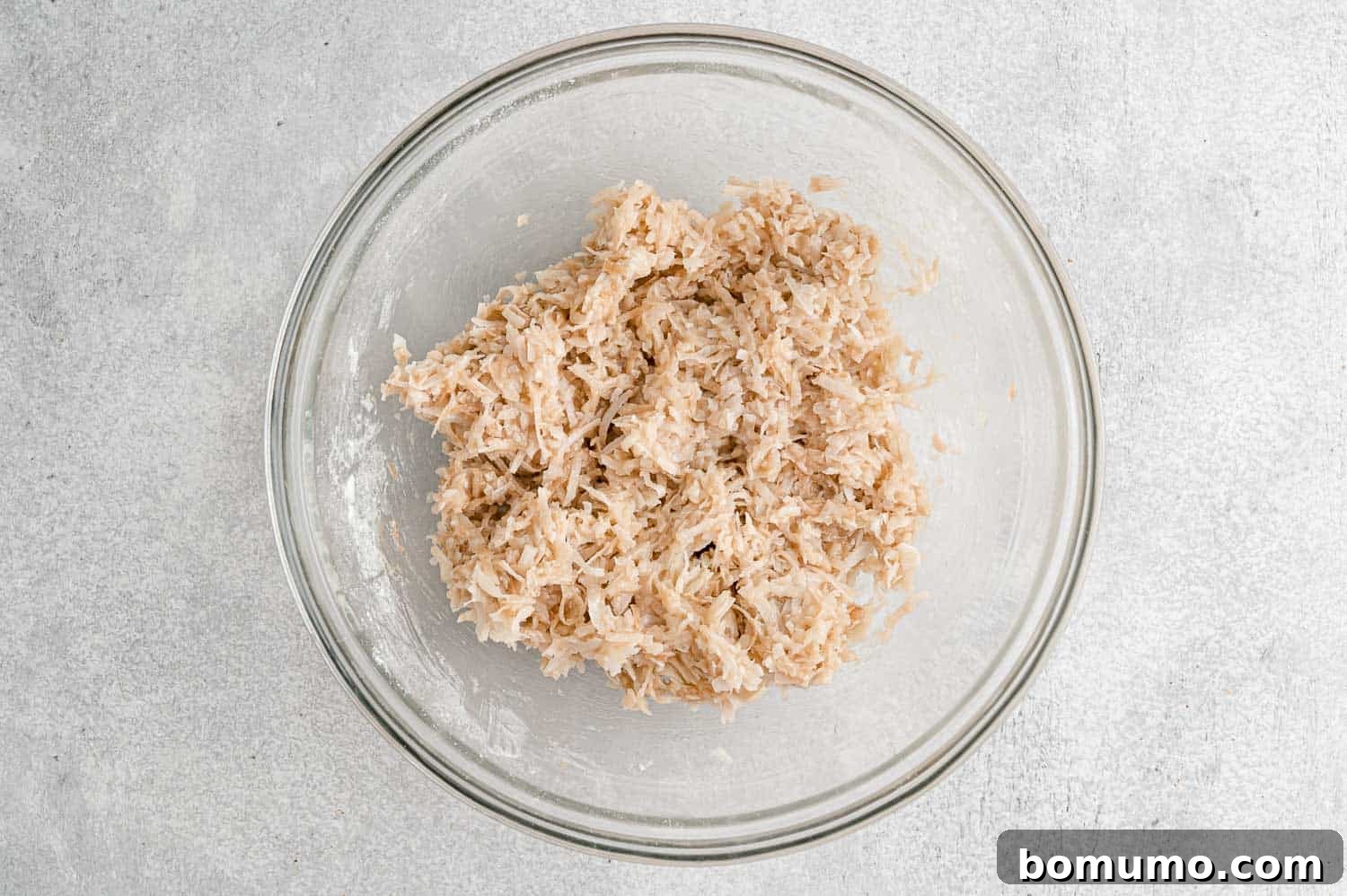
- Form the Macaroons: For uniformly sized cookies, use a cookie dough scoop that holds approximately 2 tablespoons of mixture. Scoop out heaping portions of the coconut batter and gently but firmly press the mixture into the scoop to create a nice, rounded, golf-ball-sized shape. This firm pressing helps the macaroons hold their shape during baking and achieve that classic mounded appearance.
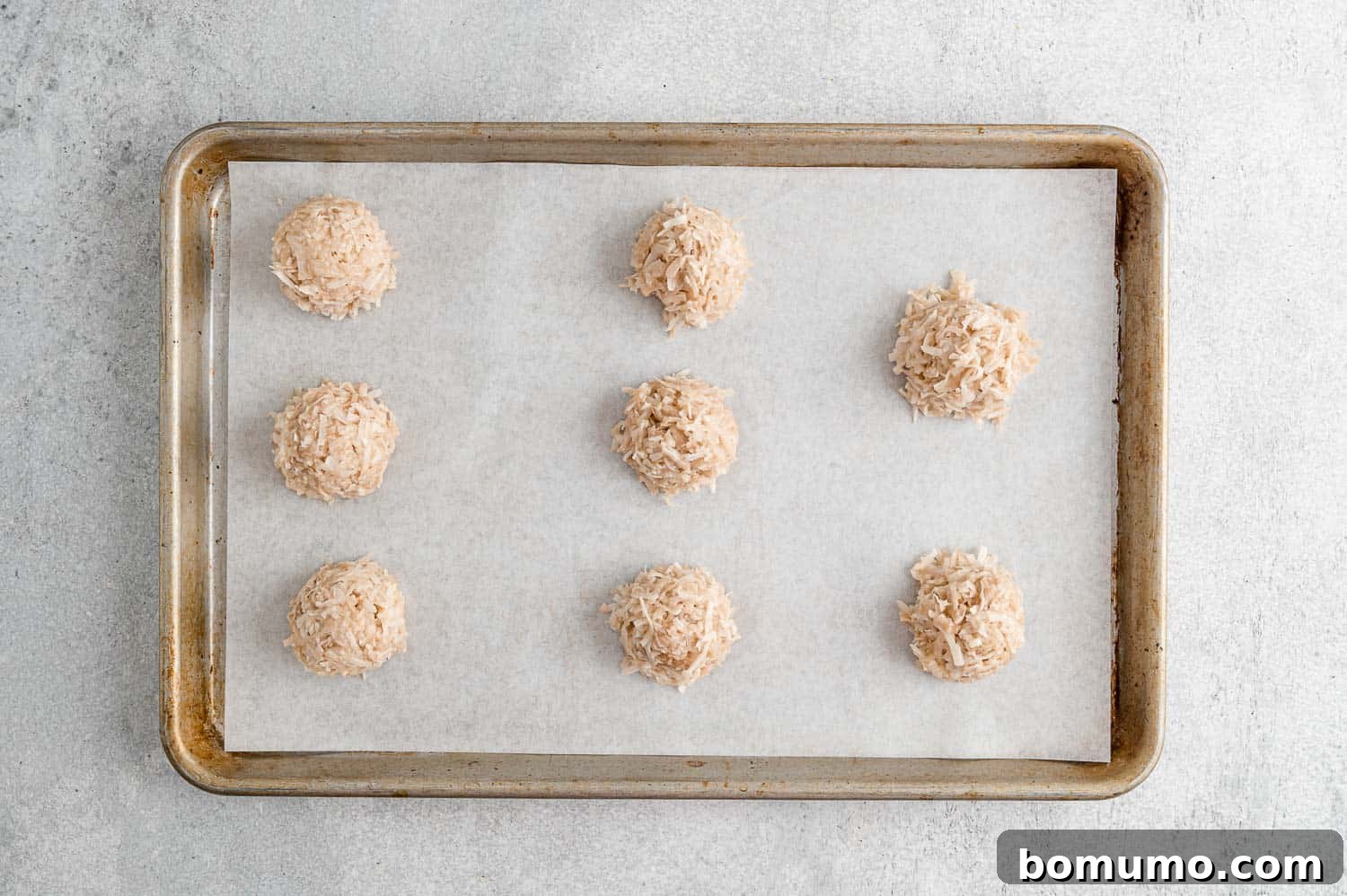
A Note on Vanilla Choices: The preceding photo showcases macaroons prepared using pure vanilla extract, which imparts a subtle off-white hue. For those desiring a strikingly whiter appearance in their finished cookies, consider using imitation (clear) vanilla extract. The photo below illustrates the visual difference, demonstrating the pristine white color achieved with clear vanilla extract. All subsequent photos in this guide feature macaroons made with clear vanilla extract.
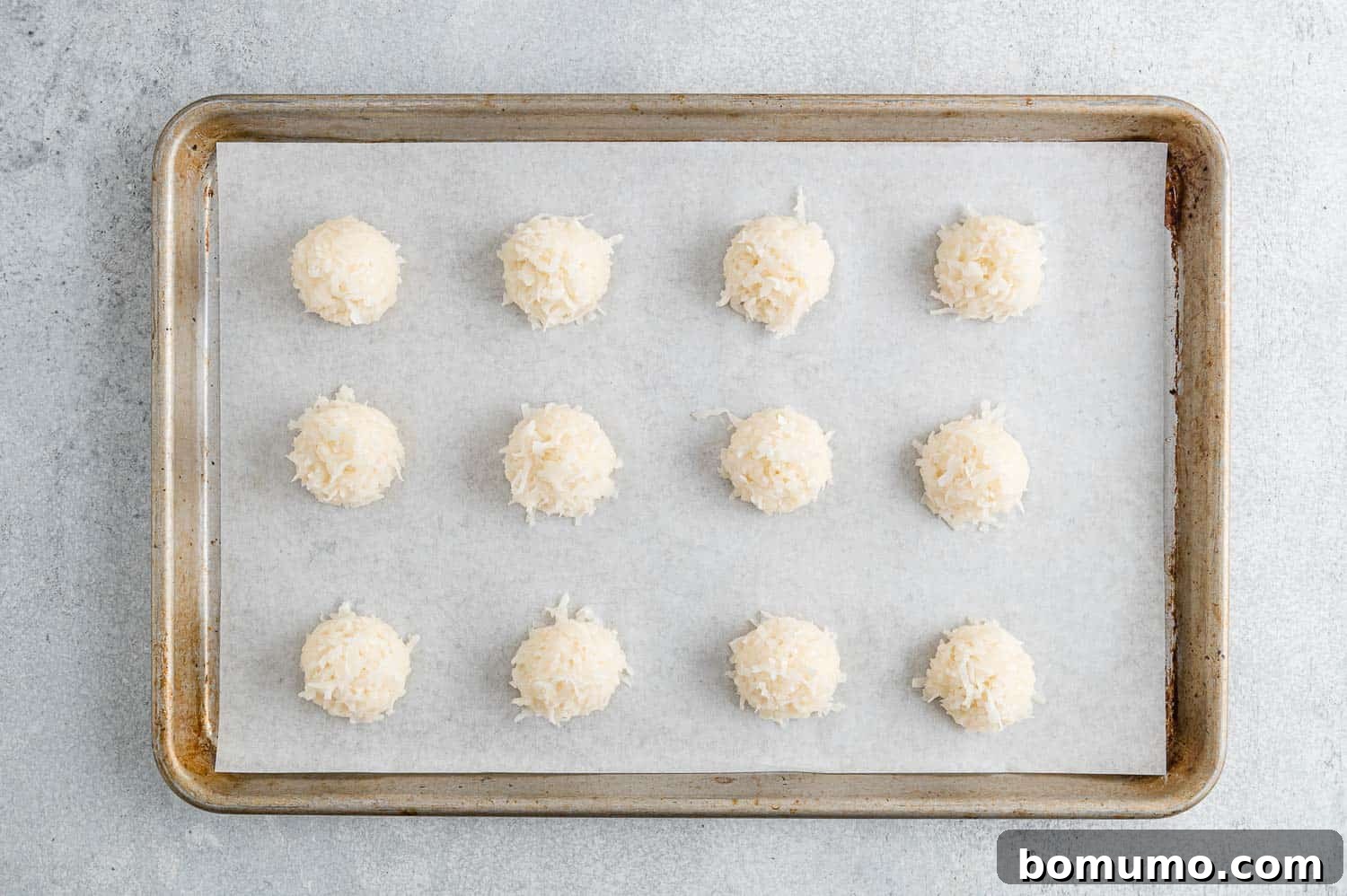
- Bake to Golden Perfection: Carefully place the formed coconut balls onto the prepared baking sheets. Since these cookies do not spread significantly during baking, you can arrange them relatively close together without concern. Place the baking sheets in the preheated oven and set a timer for 15 minutes. Once the timer rings, carefully rotate the baking sheets—turning them front to back and switching their positions within the oven (top rack to bottom rack, and vice versa). Continue baking for an additional 10 minutes, or until the edges of the macaroons turn a beautiful light golden brown. This two-stage baking ensures even browning.
- Cool Completely: Remove the baking sheets from the oven and allow the macaroons to cool completely on the sheets. This step is crucial; attempting to move them too soon can cause them to break apart, as they firm up as they cool.
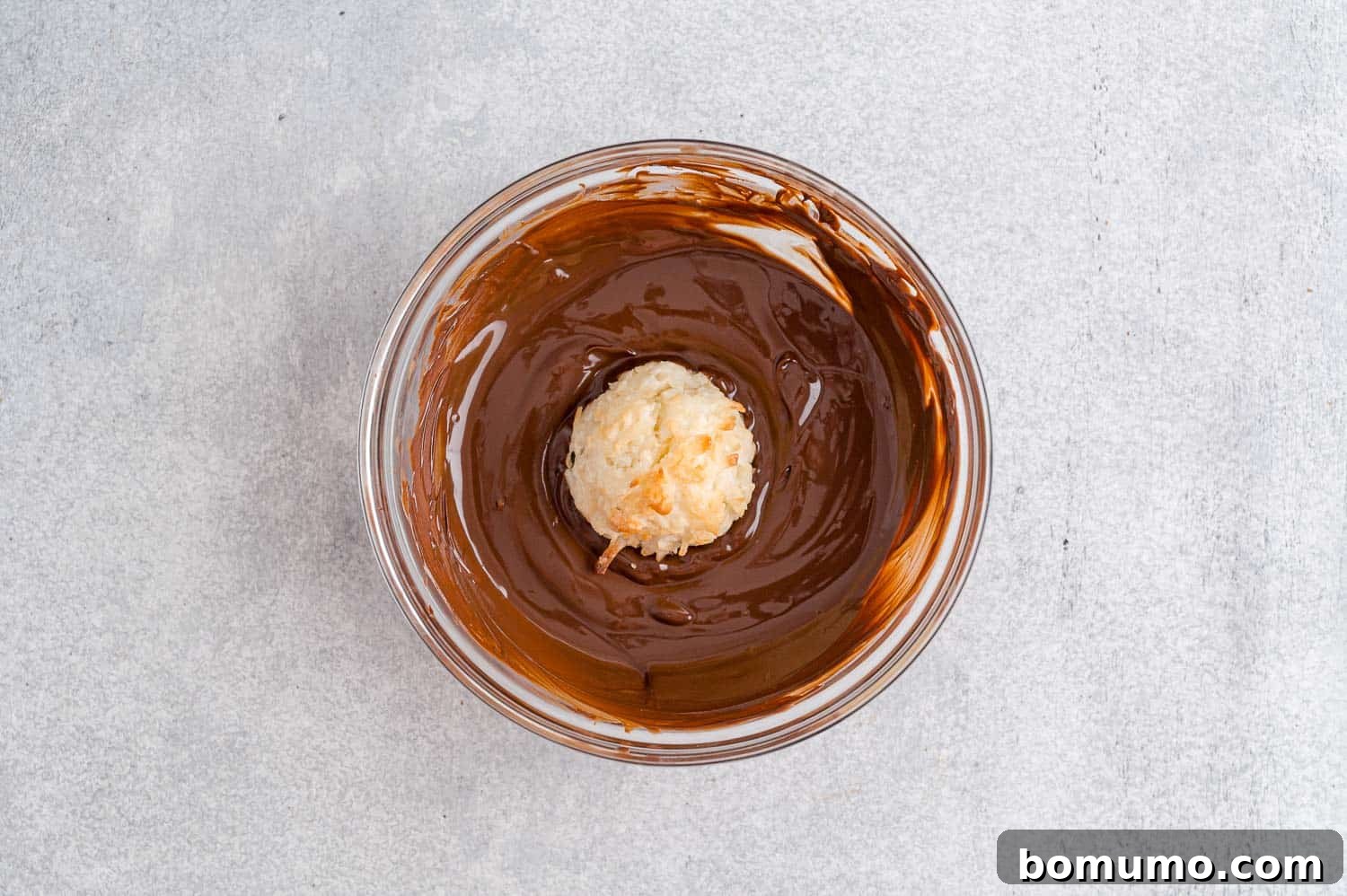
- Optional Chocolate Dip: If you desire a luscious chocolate coating, melt the semi-sweet chocolate chips. This can be done using a double boiler for a gentle melt or in 30-second intervals in the microwave, stirring thoroughly after each interval to prevent scorching. Be very careful not to overheat the chocolate, as it can seize. Once melted and smooth, carefully dip the bottom of each cooled coconut macaroon into the rich chocolate. Allow any excess chocolate to drip off for a clean finish, then return the dipped cookie to the parchment-lined baking sheet.
- Allow Chocolate to Set: It will take some time for the chocolate to fully harden. If you’re short on time or eager to enjoy your treats, you can place the baking sheets with the chocolate-dipped macaroons in the refrigerator to speed up the setting process. Once the chocolate is firm to the touch, transfer the finished cookies to an airtight container for storage, or indulge in them immediately!
Frequently Asked Questions (FAQs)
Frequently Asked Questions (FAQs)
While their names sound strikingly similar, macaroons and macarons are distinctly different pastries, both in ingredients and appearance.
A macaroon (pronounced: mack-a-ROON) is a delightful, mounded cookie primarily crafted from shredded or flaked coconut, often bound with egg whites and sugar. These chewy, rustic cookies can be plain or enhanced with a dip in chocolate. They are known for their dense, moist, and slightly irregular texture.
A macaron (pronounced: mack-a-ROHN) is an elegant, delicate sandwich cookie. It consists of two smooth, meringue-based shells made from almond flour and egg whites, typically filled with a creamy ganache, buttercream, or jam. Macarons are famed for their vibrant pastel colors, delicate “feet” (the ruffled edge at the base of the shell), and a crisp exterior yielding to a soft, slightly chewy interior. They are a staple of French patisseries.
Both flaked and shredded coconut originate from dried coconut meat, but their processing results in noticeable differences in appearance and texture, which can impact a recipe’s outcome.
Flaked coconut is characterized by larger, flatter, and wider pieces of coconut meat, resembling small flakes or even thin shavings. These larger pieces offer a more substantial chew and visual appeal in baked goods.
Shredded coconut, on the other hand, is cut into thinner, finer, and more string-like strands, similar to finely grated cheese. It tends to integrate more seamlessly into batters, providing a more uniform distribution of coconut flavor and a less pronounced texture.
Both types are dried before packaging and typically have a shelf life of four to six months when stored at room temperature in an airtight container. Due to their distinct textures, flaked coconut and shredded coconut are generally not interchangeable in recipes unless specifically stated, as substituting one for the other can significantly alter the final texture of your dish.
Optimal Storage Tips for Coconut Macaroons
Optimal Storage Tips for Coconut Macaroons
To ensure your delicious coconut macaroons retain their perfect chewy texture and fresh flavor, proper storage is key. Always allow the cookies to **cool completely** on the baking sheets before attempting to store them. Any residual heat, no matter how slight, can create condensation inside sealed containers, leading to soggy cookies and potential spoilage.
For short-term enjoyment, coconut macaroons can be stored at **room temperature** in a tightly covered, airtight container for up to three to five days. Place them in a cool, dry spot away from direct sunlight.
For extended freshness, refrigerate your macaroons for up to a week. Again, an airtight container is essential to prevent them from absorbing odors from other foods in the refrigerator. The cool temperature will help maintain their texture and prevent them from drying out too quickly.
Macaroons also **freeze exceptionally well**, allowing you to prepare large batches and enjoy them over several months. To freeze, arrange the fully cooled macaroons in a single layer on a baking sheet and flash freeze them until solid (about 1-2 hours). Once frozen, transfer them to a freezer-safe, airtight container or a heavy-duty freezer bag. For best results and to prevent sticking, place sheets of parchment paper or waxed paper between layers of cookies. When properly stored, frozen macaroons will maintain their quality for up to three months. Thaw them at room temperature or in the refrigerator before serving.
More Delicious Cookie Recipes
Perfect M&M Cookies
Brigadeiros (Brazilian Fudge Balls)
Lofthouse Cookies – flavor & frosting options!
Gingersnaps
Classic Coconut Macaroons Recipe
Rachel Gurk
20 mins
25 mins
45 mins
24 servings
Ingredients
- 1 bag (14 oz.) sweetened flaked coconut
- ⅓ cup granulated sugar
- ⅓ cup all-purpose flour
- ¼ teaspoon salt
- 3 large egg whites, at room temperature
- 2 teaspoons pure vanilla extract (or clear imitation vanilla for whiter cookies)
- 1 cup semi-sweet chocolate chips, optional (ensure dairy-free if needed)
Instructions
- Preheat oven to 325ºF (160ºC). Line two large baking sheets with parchment paper.
- In a medium bowl, combine the sweetened flaked coconut, granulated sugar, all-purpose flour, and salt. Use your hands or a spoon to break up any clumps of coconut and ensure all dry ingredients are well mixed.
- Stir in the room-temperature egg whites and pure vanilla extract. Mix thoroughly until all the coconut is coated and the mixture becomes cohesive and sticky. You may need to use your hands to fully incorporate the ingredients.
- Using a 2-tablespoon cookie scoop, form the coconut mixture into uniformly sized balls, approximately the size of a golf ball. Lightly press the mixture into the scoop to achieve a nice round shape. Place the formed balls evenly spaced on the prepared baking sheets.
- Bake for 15 minutes. After this time, rotate the baking sheets (turn them front to back and switch their positions in the oven, e.g., top to bottom). Continue baking for another 10 minutes, or until the macaroons are lightly golden brown around the edges.
- Remove from the oven and allow the macaroons to cool completely on the baking sheets. They will firm up as they cool.
- If desired, prepare the chocolate coating. Melt the semi-sweet chocolate chips over a double boiler or in a microwave-safe bowl in 30-second increments, stirring well after each increment. Be careful not to overheat the chocolate.
- Dip the bottom of each completely cooled macaroon into the melted chocolate. Allow any excess chocolate to drip off, then return the cookie to a clean parchment-lined baking sheet. To speed up the hardening process, you can refrigerate the dipped macaroons until the chocolate is firm.
- Once the chocolate has set, transfer the macaroons to an airtight container for storage or serve immediately.
Notes
- For an alternative presentation, instead of fully dipping the macaroons, you can drizzle the melted chocolate decoratively over the tops of the baked cookies. Another option is to dip just one side of the macaroon into the chocolate.
Nutrition Information
Calories: 139kcal,
Carbohydrates: 17g,
Protein: 2g,
Fat: 8g,
Saturated Fat: 6g,
Polyunsaturated Fat: 0.1g,
Monounsaturated Fat: 1g,
Trans Fat: 0.01g,
Cholesterol: 0.5mg,
Sodium: 79mg,
Potassium: 111mg,
Fiber: 2g,
Sugar: 12g,
Vitamin A: 4IU,
Calcium: 7mg,
Iron: 1mg
Nutrition information is automatically calculated and should be considered an approximation.
Did You Make This?
Share a comment and rating below! We love hearing what you think!