
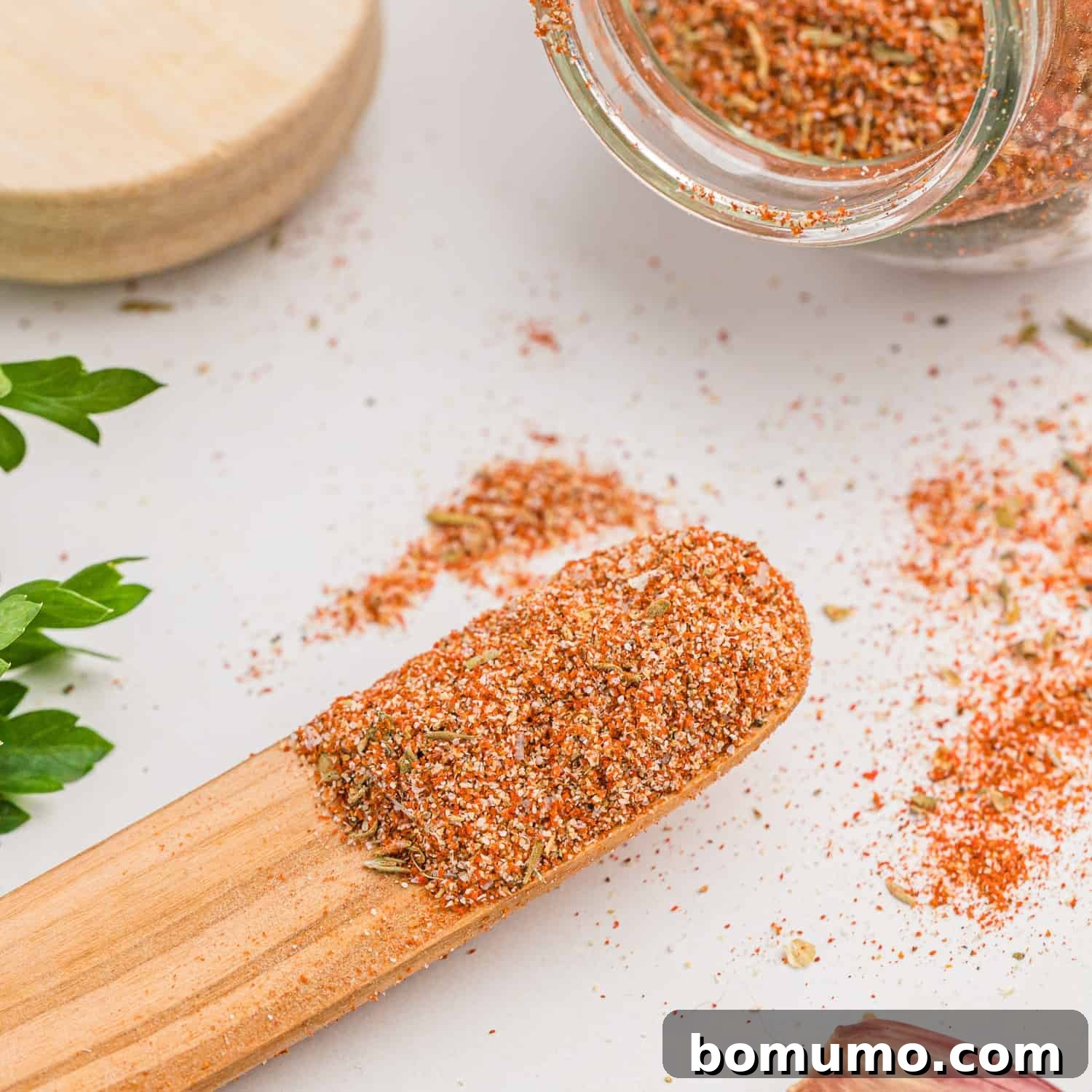
Homemade Cajun Seasoning: Spice Up Your Cooking!
Why you’ll love it: Elevate your dishes with a flavorful kick! This homemade Cajun seasoning combines cayenne pepper, spices, herbs, and garlic for a savory blend you’ll reach for again and again. It’s perfect for pasta, meats, vegetables, and more.
Prep time: 5 minutes
You’ll need: A small container with a tight lid, measuring spoons
Yields: Approximately ¾ cup
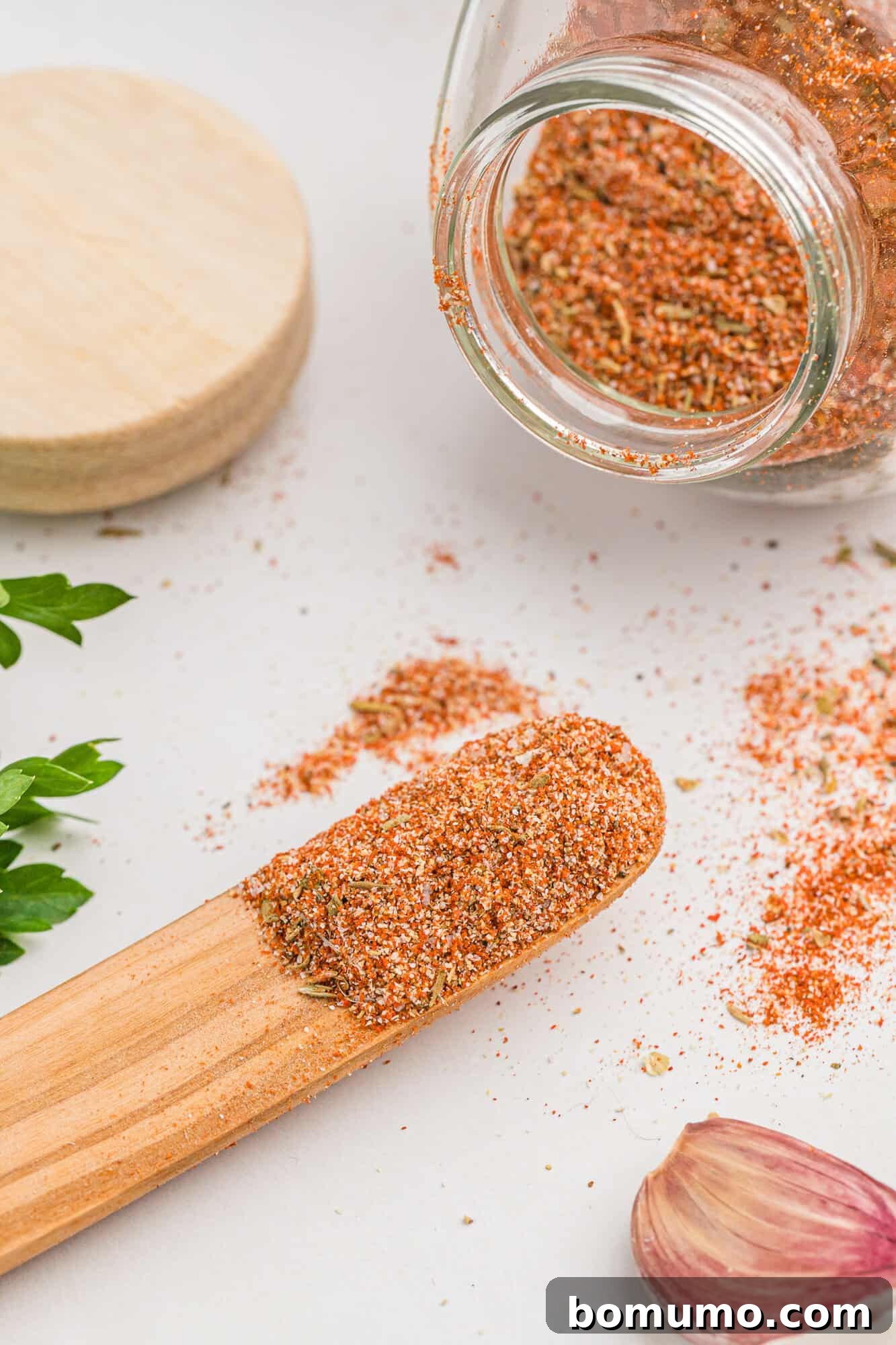
Cajun cuisine, born in the southern United States, particularly Louisiana, boasts a rich heritage influenced by French, Spanish, and West African cultures. It’s known for its use of smoked meats, rice, and the “holy trinity” of green peppers, onions, and celery. For a deeper dive into Cajun history and food, explore this article on Wikipedia.
Perhaps you’re familiar with jambalaya, a vibrant mix of smoked meats, vegetables, and often seafood like shrimp or crawfish. Cajun seasoning, with its blend of cayenne pepper and other spices, is key to this regional favorite.
But the uses of Cajun seasoning extend far beyond. It’s a star ingredient in dishes like creamy Cajun chicken pasta, a quick and easy one-pot pasta recipe. Classic Southern staples such as Jambalaya and Hoppin’ John also get their distinctive flavor from Cajun spices. Read on to discover even more ways to enjoy this versatile seasoning!
What Makes This Cajun Seasoning Special?
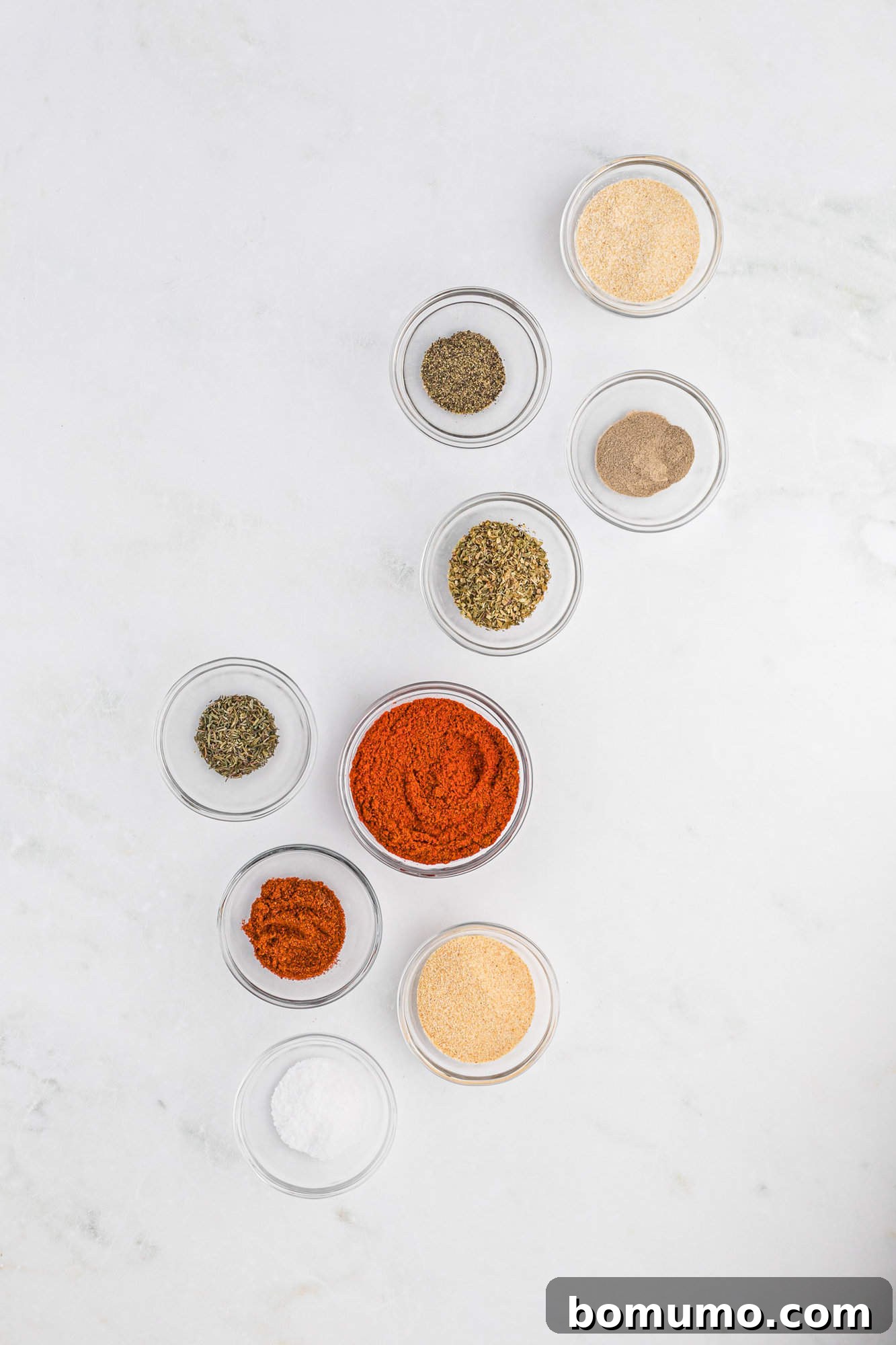
A Burst of Pepper Flavor: If you’ve tried Cajun seasoning before, you know it’s all about the peppers! Some blends even include dried red and green bell peppers. My version features paprika (made from sweet peppers), black pepper, white pepper, and cayenne pepper, each contributing its unique flavor profile. Garlic and onion, along with salt, thyme, and oregano, round out this flavorful mix.
Customize It to Your Taste: There are as many Cajun seasoning recipes as there are cooks! Feel free to adjust my recipe to suit your preferences. Don’t worry, you won’t hurt my feelings! But, you might just find that this Cajun seasoning hits the spot, just as it is. I hope you do!
Not Overly Spicy: This Cajun seasoning has a pleasant kick, but it won’t overwhelm your palate. (You’ll also love my popular taco seasoning and fajita seasoning!) If you like it hot, go ahead and increase the cayenne pepper to your liking.
Cooking Tip
Even if you have most of the spices and herbs for this seasoning in your pantry, don’t forget to check their expiration dates. While expired herbs and spices aren’t unsafe, they lose flavor, color, and potency over time.
Ingredient Spotlight
- Paprika: Made from sweet red peppers, paprika adds a vibrant red hue and mild flavor. It forms the base of this seasoning. Be sure to use sweet paprika, not smoked, for this recipe.
- Onion Powder: Made from dehydrated onions ground into a fine powder, onion powder is a staple in many seasoning blends.
- Garlic Powder: Similar to onion powder, garlic powder is dehydrated garlic ground into a fine powder, without added salt.
- Dried Oregano: Either regular or Mexican oregano works well here. Dried aromatics like oregano and thyme provide an herbal balance to the blend.
- Dried Thyme: Note the measurements; you’ll use much less thyme than oregano. Thyme has delicate leaves and a more potent flavor.
- Kosher Salt: Kosher salt has larger granules than table salt and typically lacks additives like iodine. For a salt-free seasoning, omit the salt.
- White Pepper: This blend uses three types of pepper. White pepper is milder than black pepper. While both come from the pepper plant, they are harvested and processed differently, creating distinct flavor notes.
- Black Pepper: I prefer coarsely ground black pepper, as finely ground pepper can become airborne and cause sneezing.
- Cayenne Pepper: Made from finely ground dried red cayenne peppers, cayenne pepper provides significant heat. Adjust the amount based on your spice preference.
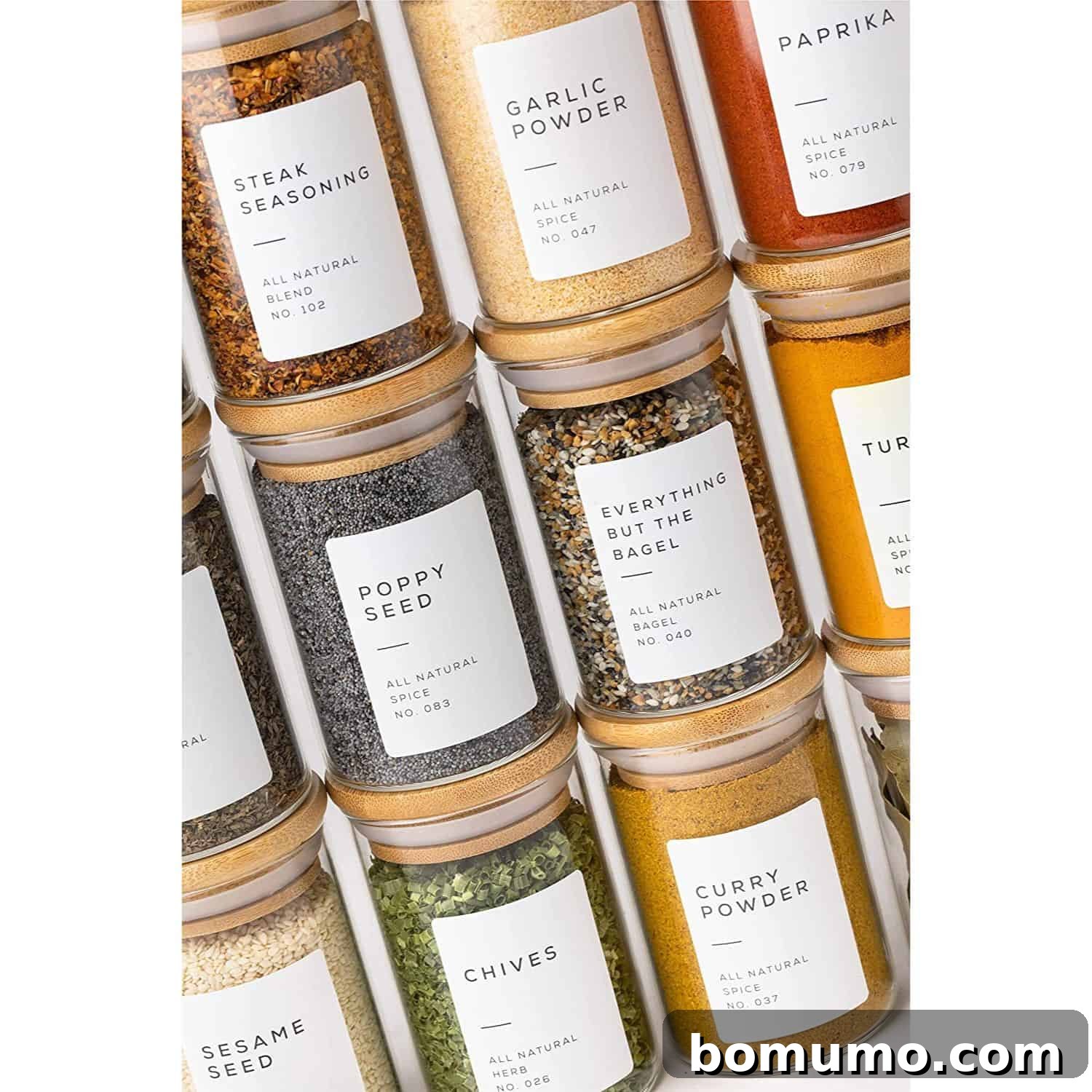
Spice Jar Solutions
If you enjoy creating your own seasonings and spice blends, consider investing in a set of small jars for storage.
How to Make Homemade Cajun Seasoning
You’ll need a small jar or container with a tight-fitting lid. Recycled jars work great if they’re spotlessly clean and completely dry. Choose a jar with an opening large enough to accommodate a measuring spoon.
While it’s simple to make your own seasoning, distractions can lead to mistakes. A text message, a toddler needing attention, or a barking dog can derail your focus. To avoid this, I arrange all the spices and herbs on the counter, usually to the left if I’m right-handed. As I add each ingredient, I move it to the right, creating a group of “I’ve already used you!” spices. It helps me stay on track.
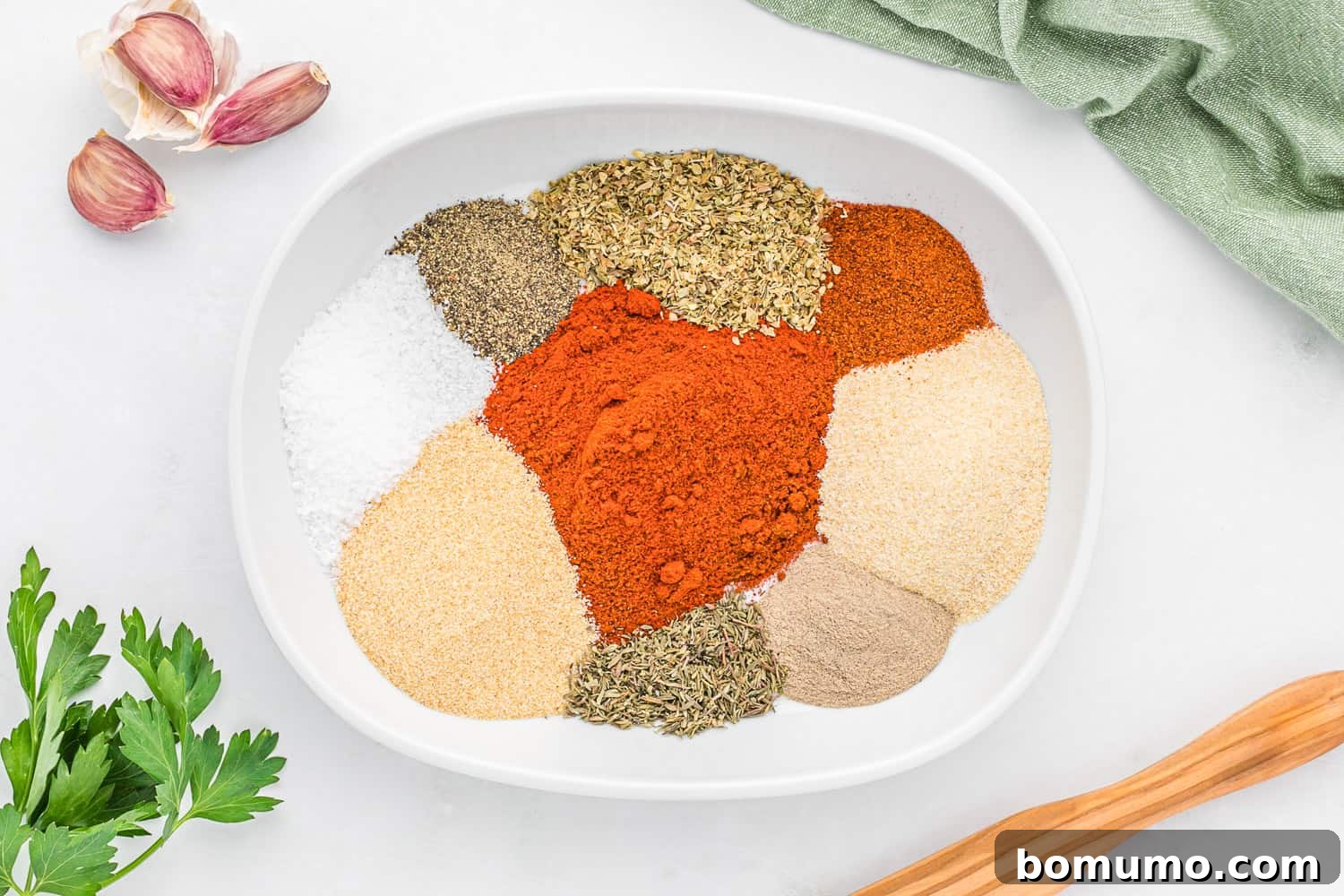
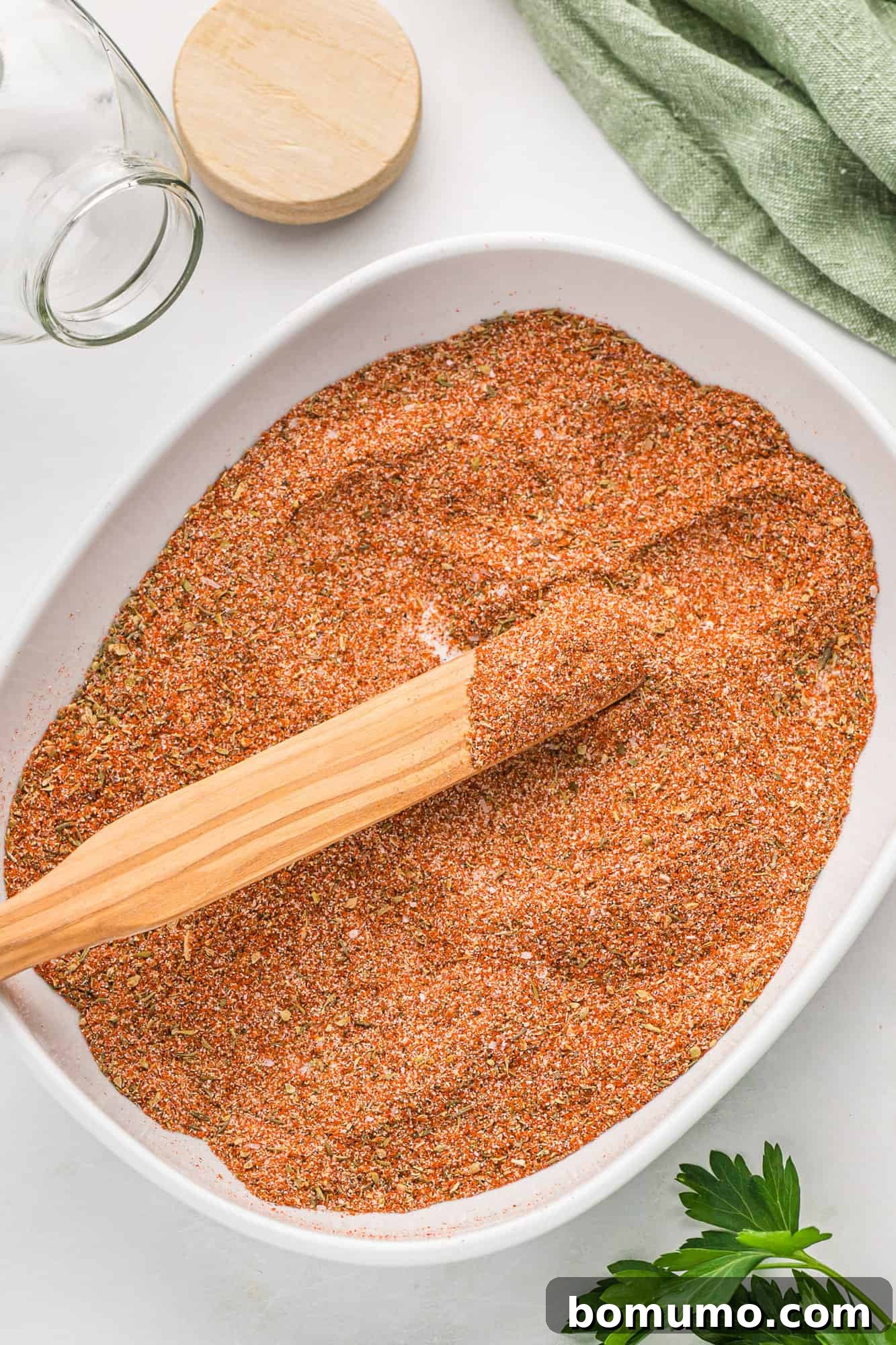
Carefully measure the ingredients into the jar. Seal the jar and shake well to combine.
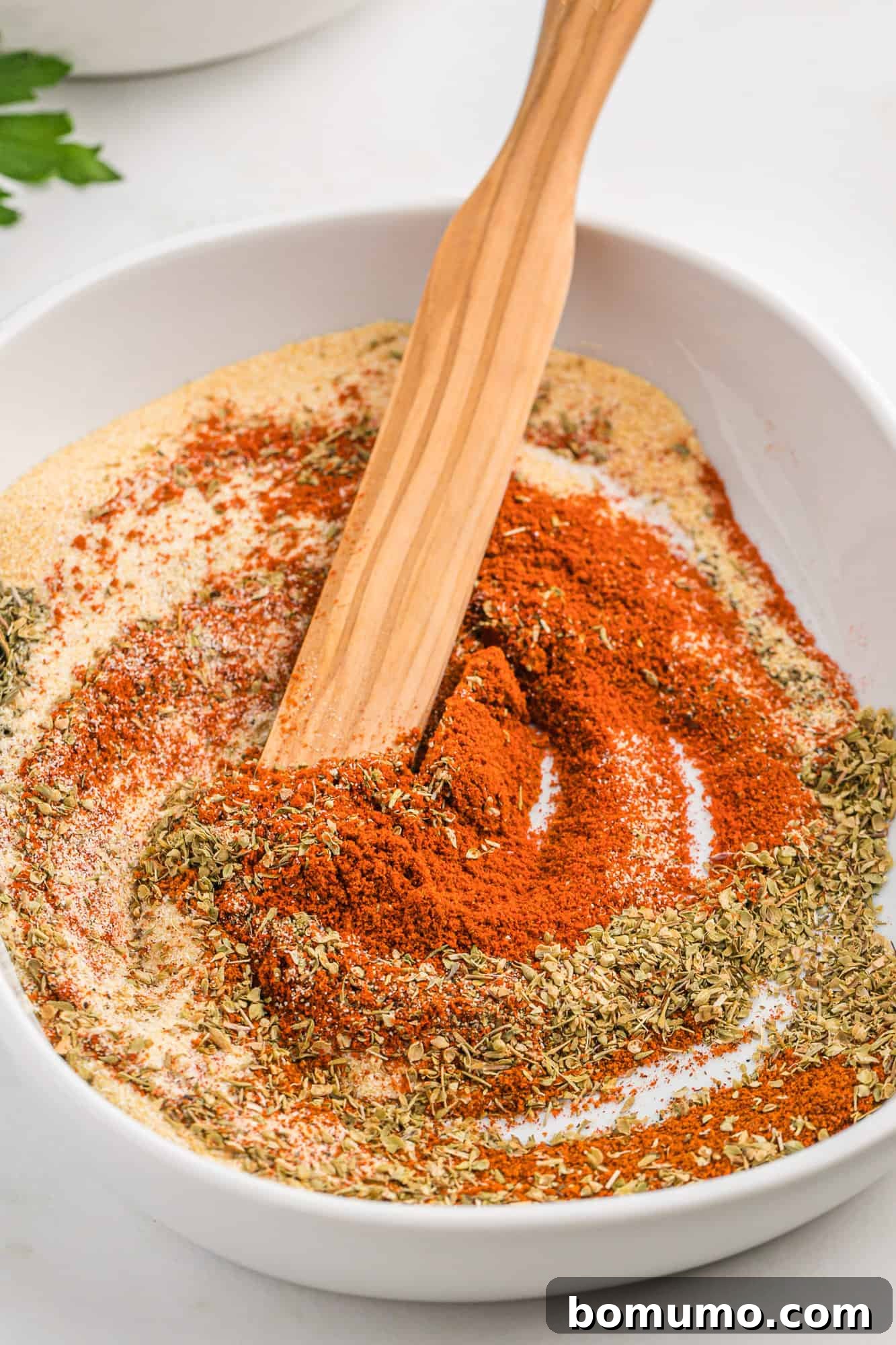
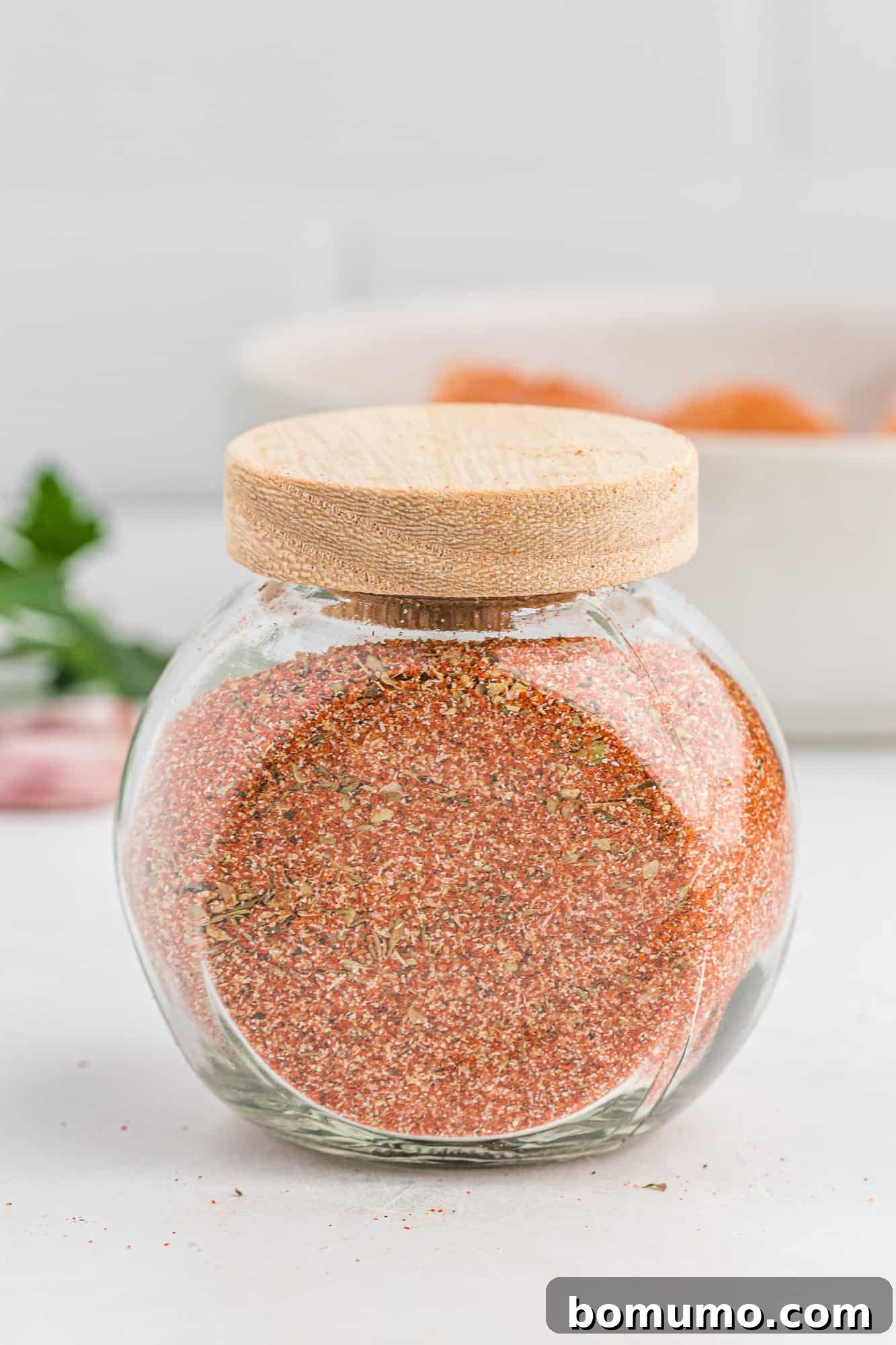
And that’s it! Your Cajun seasoning is ready to use. You can also mix the spices in a bowl and then transfer them to a jar if that’s easier.
Ways to Use Cajun Seasoning
Cajun seasoning is a flavor booster, perfect for any dish where you want to add some Southern flair. Here are a few ideas:
- Cajun Mayonnaise: Stir it into plain mayonnaise for a spicy Cajun mayo. It’s delicious on burgers, sandwiches, or as a dipping sauce for French fries or chicken tenders.
- Spicy Eggs: Enhance scrambled eggs or deviled eggs with a sprinkle of Cajun seasoning.
- Pasta: Season pasta dishes or mac and cheese. Try my one-pot Cajun chicken pasta recipe.
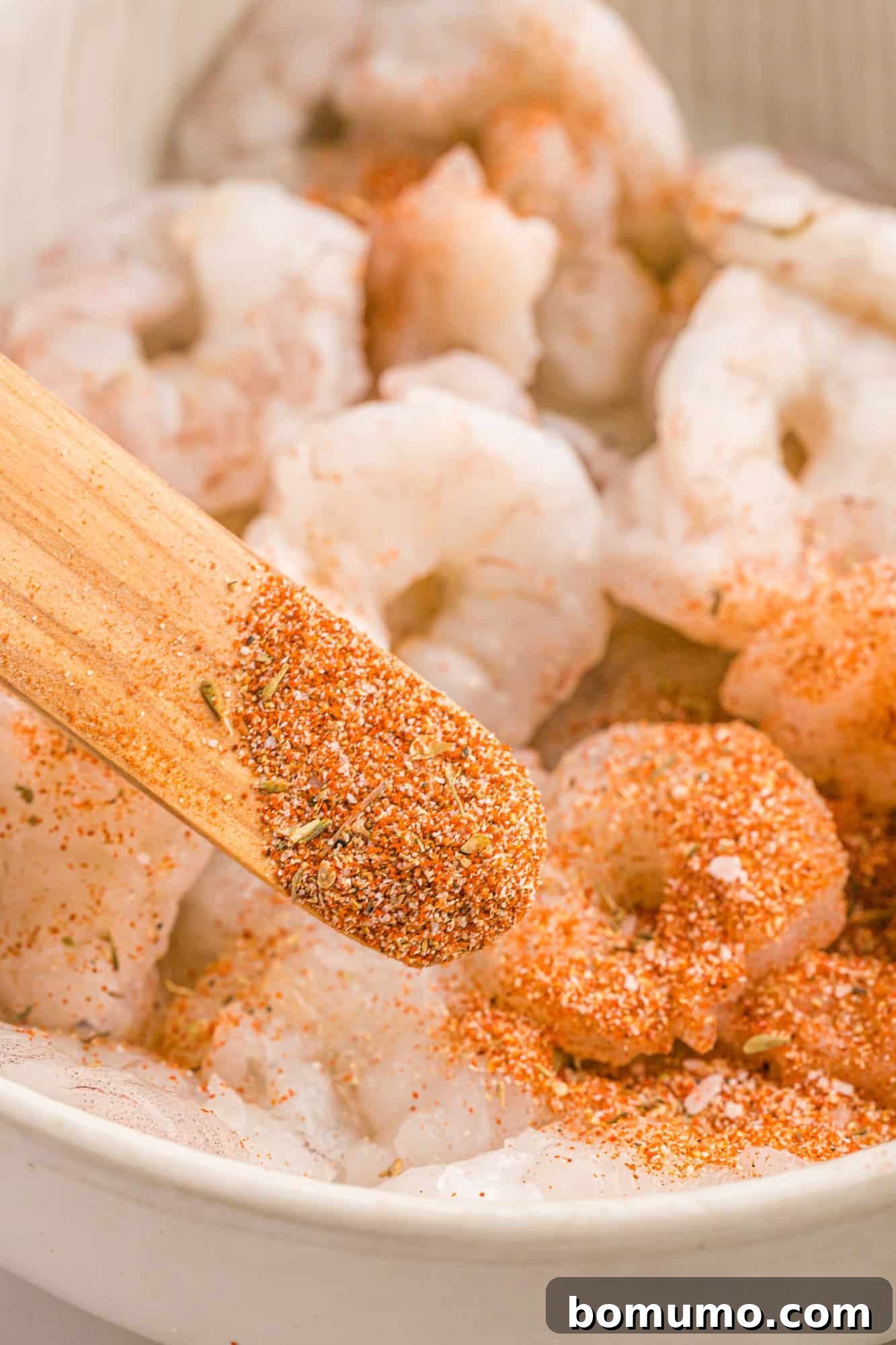
- Jambalaya & Shrimp: Make classic jambalaya or simply stir-fry shrimp with Cajun seasoning and a little oil.
- Cajun Marinade: Create a marinade with the 3:1 formula: 3 parts oil, 1 part acid (vinegar, citrus juice, etc.) and add the seasoning to taste.
- Bean Soup Boost: Add it to homemade bean soup, such as bean and bacon soup or hoppin’ John (black-eyed peas and rice).
FAQs
FAQs
While both seasonings have roots in Louisiana, they have subtle differences. Cajun seasoning tends to be spicier, with a generous amount of red paprika and peppers. Creole seasoning is often milder, with added aromatics such as thyme, basil, or oregano. There’s often overlap between the two, and they can sometimes be used interchangeably.
Old Bay is a brand of seasoning commonly used for seafood. It contains bay leaves as a key ingredient, along with many other herbs and spices. It is not the same as Cajun seasoning, which has a spicier, peppery flavor profile.
Recipe Variations
- Smoky: For a smokier flavor, substitute smoked paprika for some or all of the regular paprika.
- Adjust the Heat: Increase or decrease the amount of cayenne pepper to control the spice level.
- Salt-Free: Simply omit the salt from the blend.
- Blackening Seasoning: Another popular Cajun-style seasoning is blackening seasoning. Try it on blackened chicken; it also works well with steak, pork, or salmon.
Storage Tips
Storage Tips
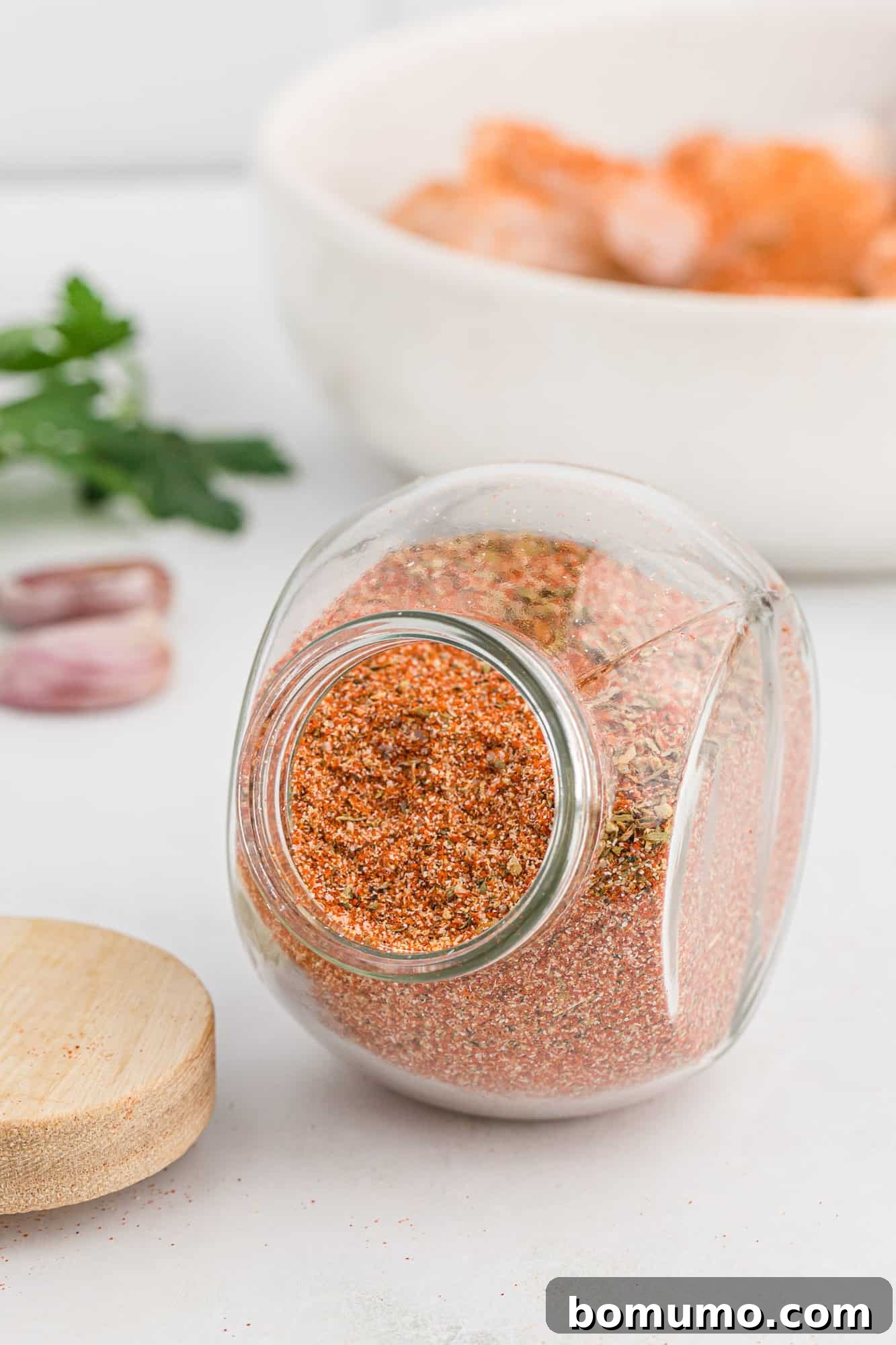
Store your homemade Cajun seasoning in a small jar with a tight-fitting lid or a similar airtight container. Like all spices and dried herbs, keep it in a cupboard away from direct light and heat. If stored correctly, it will stay fresh for up to two years or even longer.
Always use a dry measuring spoon when taking seasoning from the jar to prevent moisture from entering, which can cause clumping or spoilage.