
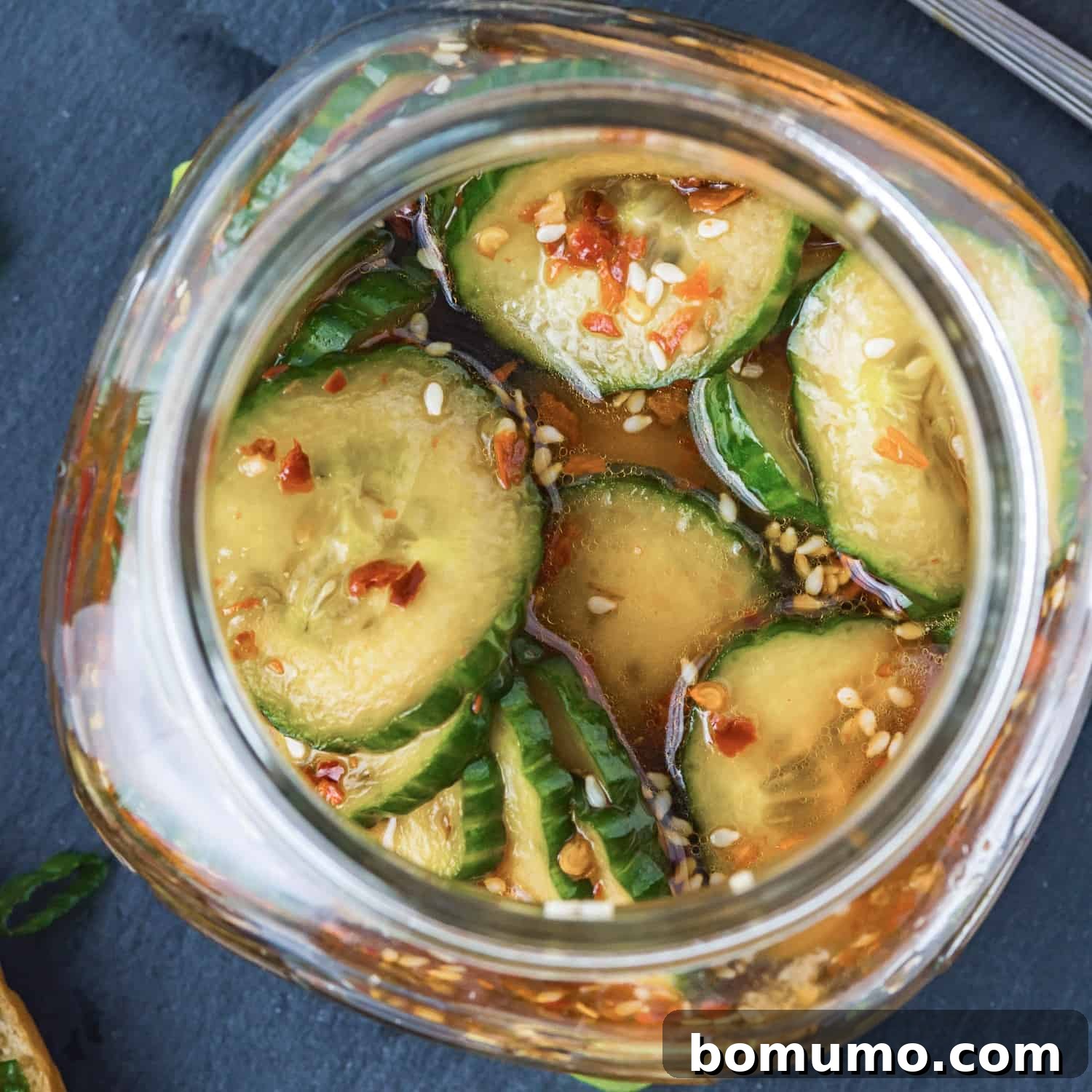
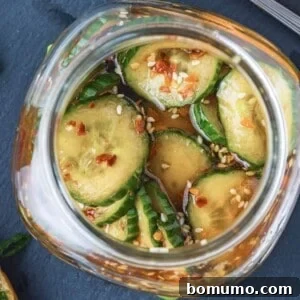
Experience a vibrant burst of flavor with these spicy Korean pickles, often known as Oi Muchim. Crisp, tangy, sweet, and wonderfully spicy, they’re not just a side dish but a zesty adventure for your palate. Perfect for elevating your favorite sandwiches like sloppy Joes and hamburgers, or simply enjoyed as a refreshing, spicy snack, these quick refrigerator pickles are incredibly easy to make and require no canning whatsoever!
Recipe Snapshot
Why you’ll love it: These are quick pickles, meaning they’re ready to enjoy almost immediately. No complicated canning or special equipment needed, just fresh, vibrant flavor straight from your fridge.
How long it takes: A mere 15 minutes of active time, including resting.
Equipment you’ll need: A sharp knife and a mixing bowl.
Servings: Yields 6 delightful servings.
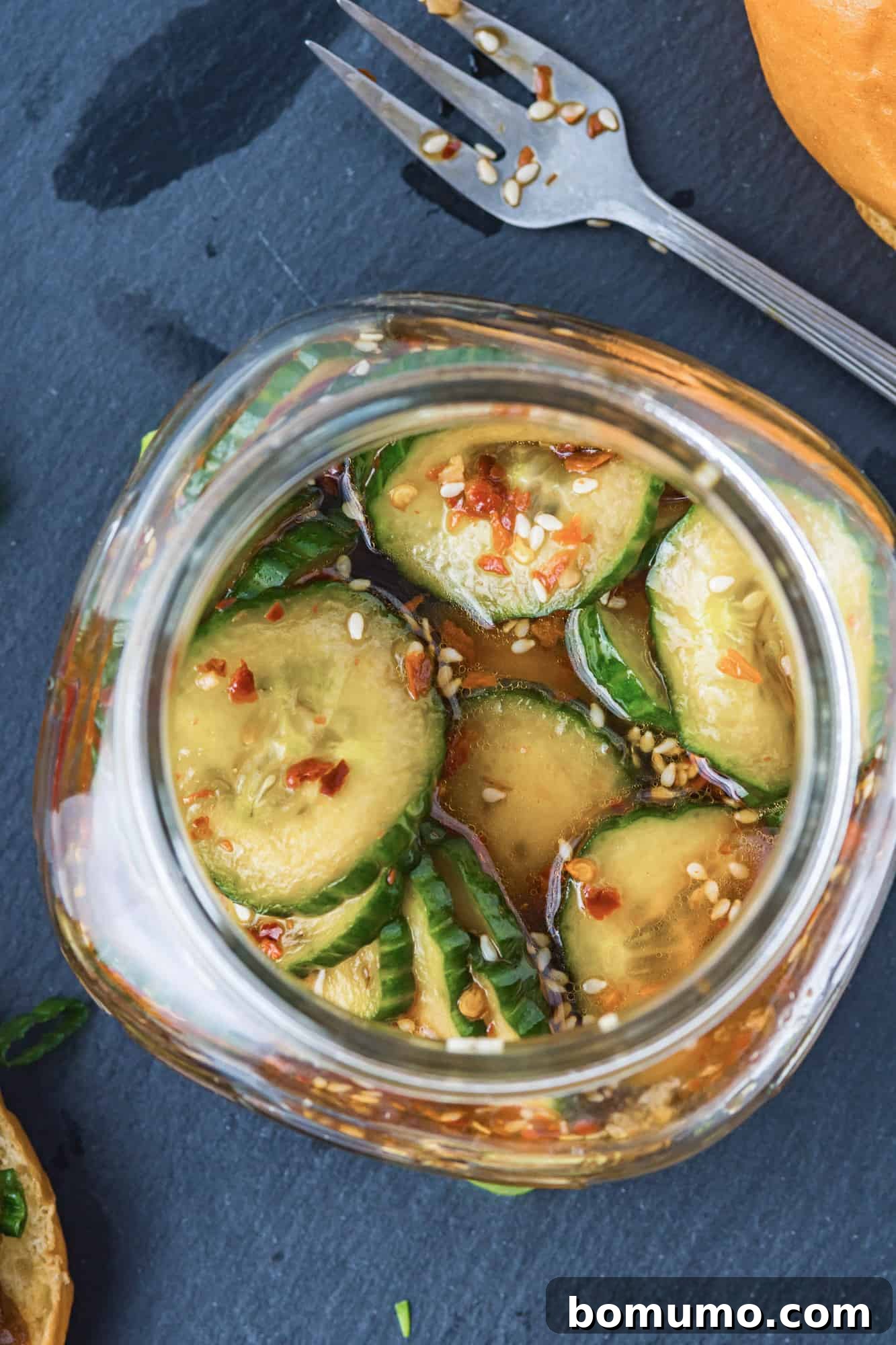
Spicy Korean pickles, known as *Oi Muchim* (오이무침), are truly a taste sensation that awakens the senses. Each bite delivers a delightful interplay of peppery heat, savory garlic, a hint of sweetness, and a refreshing tang. These unique attributes make them an indispensable accompaniment in Korean cuisine, often gracing the table alongside hearty dishes like Korean sloppy Joes, savory bulgogi, or as a vibrant addition to bibimbap and other rice bowls. The vibrant flavors and satisfying crunch of Oi Muchim provide a perfect counterpoint to richer main courses, cleansing the palate and inviting another bite.
The distinctive character of these Korean pickled cucumbers comes from a generous amount of red pepper flakes. The key ingredient here is gochugaru, a culinary cornerstone in Korean cooking. This coarsely ground dried chili pepper is celebrated for its unique flavor profile, which is notably less fiery than many other chili powders. Instead, gochugaru offers a complex blend of sweet, smoky, and moderately spicy notes, making it versatile for various dishes without overwhelming the palate. Its bright red color also lends an appealing hue to the pickles, making them as visually delightful as they are delicious.
Gochugaru or Gochujang? Clarifying the Difference
It’s common to wonder about the distinction between gochugaru and gochujang, as both are prominent in Korean cuisine. While they share the same origin—the taeyangcho red chili pepper—they are fundamentally different in form and application. Gochugaru is a dried, coarsely ground chili powder, used as a spice to impart both heat and nuanced flavor. In contrast, gochujang is a thick, fermented chili paste that incorporates additional ingredients like glutinous rice, soybeans, and salt, resulting in a rich, savory, and complex flavor profile with a deep umami character. Dishes like traditional kimchi and many Korean-style coleslaws typically feature gochugaru for its specific spice and color, whereas gochujang is often used in sauces, marinades, and stews.
These Korean-style pickles are remarkably simple to prepare, falling into the category of “quick pickles.” This means they bypass the labor-intensive and time-consuming canning process associated with shelf-stable preserves. Instead, these pickles are ready to eat in as little as 15 minutes, with 10 of those minutes being a crucial “resting” period for the flavors to meld. The convenience doesn’t end there; you can easily store a jar of these vibrant pickles in your refrigerator for at least two weeks, ensuring you always have a crunchy, zesty element on hand. They are perfect for snacking, adding a fresh side to any meal, or creatively enhancing your culinary repertoire in countless ways.
What Exactly Is a Quick Pickle?
The world of pickling offers diverse methods, and quick pickles stand out for their simplicity and immediate gratification. Unlike traditional pickles that are hot-water bath canned for shelf stability and long-term storage, quick pickles are made and stored directly in the refrigerator. This method sidesteps the need for specialized canning equipment and techniques, making it incredibly accessible for home cooks.
They are easy to make: The beauty of quick pickles lies in their straightforward preparation. The basic process involves slicing fresh vegetables, submerging them in a flavorful brine, and allowing them to marinate for a short period. This method of pickling vegetables is a time-honored tradition across many cultures, serving not only as a means of preservation but also as a fantastic way to infuse ordinary vegetables with exciting new flavors and textures. The minimal effort required makes quick pickling a perfect entry point for anyone curious about making their own preserves.
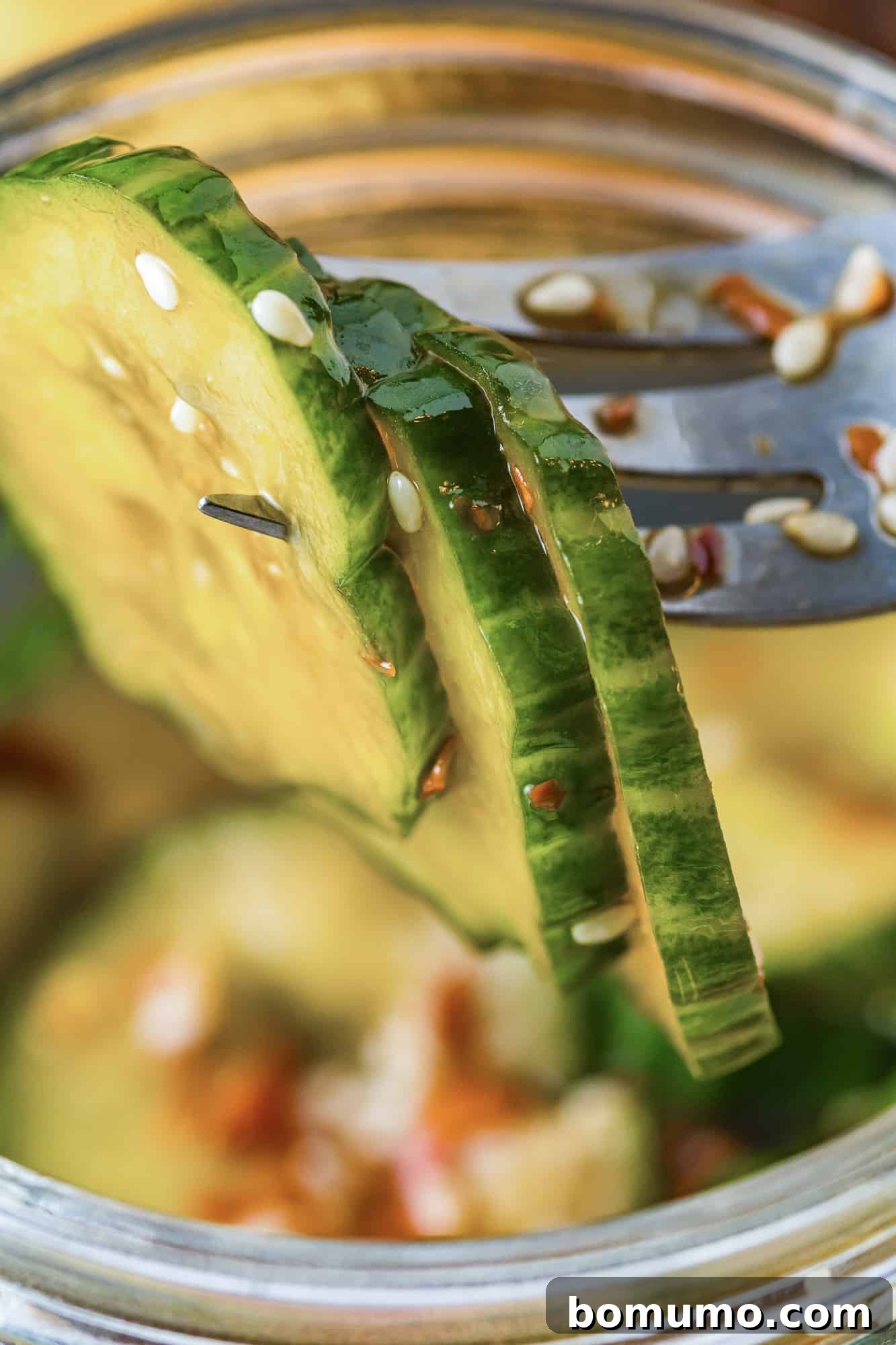
Quick pickles offer a superior sensory experience: One of the most compelling reasons to embrace quick pickling is the resulting quality of the product. These pickles are renowned for their remarkably crisper texture, which often surpasses that of their canned counterparts. They retain a fresher, more vibrant taste and their natural bright colors remain intact, enhancing both the appeal and nutritional value of the vegetables. Most vegetables and even some fruits are excellent candidates for quick pickling, and when stored properly, they will maintain their exquisite flavor and texture for up to a month in the refrigerator.
Incredibly versatile: Here at Rachel Cooks, we’ve explored the expansive potential of quick pickling beyond traditional dill pickles. The method lends itself beautifully to a wide array of produce, from crisp asparagus spears to crunchy cauliflower florets. Pickled red onions, in particular, have become a staple in many kitchens, including mine, for their ability to brighten almost any dish. I use them to top everything from creamy avocado toast to cheesy nachos, and even to add a zesty kick to scrambled eggs. Their tangy crunch is also fantastic in a refreshing veggie wrap. Beyond these, the bright pink strips of pickled turnips are a classic Middle Eastern condiment, often found garnishing a smooth bowl of hummus, showcasing just how diverse and integral quick pickles are in global cuisine.
Essential Ingredients for Perfect Korean Pickles
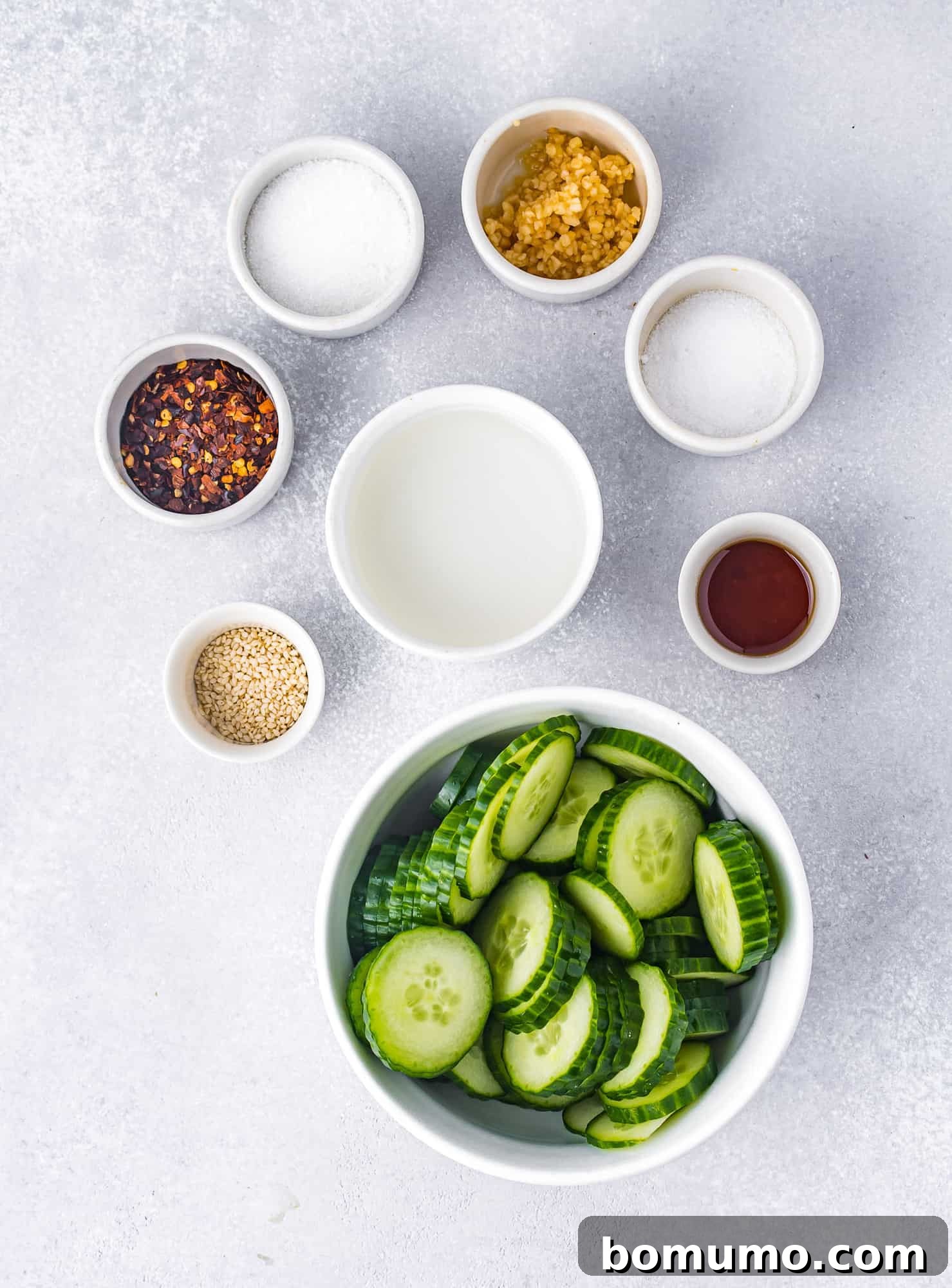
Creating these delightful spicy Korean cucumber pickles relies on a few key ingredients, each playing a vital role in achieving their signature flavor and texture. Here’s a closer look at what you’ll need and why:
- English Cucumber: For the best results, seek out tender-skinned cucumbers such as English, Persian, hot house, seedless, or Armenian varieties. These cucumbers are usually wrapped in plastic because they lack the waxy coating found on conventional garden cucumbers, making their skins more delicate and pleasant to eat without peeling. If only garden cucumbers are available, it’s advisable to remove the peeling for a more tender pickle. Additionally, if the cucumber contains a large amount of seeds, scooping them out can prevent a watery brine and ensure a crisper end product.
- Kosher Salt: The recipe specifies 2 teaspoons of kosher salt, which might seem substantial initially. However, it’s important to remember that this salt is integral to the brine, and you won’t consume the entire brine. Furthermore, kosher salt has a coarser grain than fine table salt, meaning less salt fits into a teaspoon measure. If you opt to use fine salt, reduce the amount slightly to avoid over-salting the pickles. Salt helps draw out excess moisture from the cucumbers, contributing to their crispness.
- Garlic: Fresh garlic is highly recommended for its pungent, aromatic flavor. About one large clove, finely minced, should suffice, but feel free to adjust the quantity to match your personal preference for garlicky intensity. Pre-minced garlic from a jar can also be used for convenience.
- Gochugaru (Korean Chili Flakes): This is the star ingredient that imparts the characteristic spicy, slightly sweet, and smoky flavor to your Korean pickles. Gochugaru, a unique Korean chili powder, is distinct from regular crushed red pepper flakes. It offers a more nuanced heat profile and depth of flavor. For more in-depth information on gochugaru, explore resources like Chili Pepper Madness. If gochugaru is difficult to source, standard crushed red pepper flakes can be used as a substitute, though the flavor profile will be slightly different.
- Rice Wine Vinegar: Also commonly labeled as rice vinegar, this ingredient provides the essential tangy and acidic base for the pickle brine. It’s crucial to select *unseasoned* rice wine vinegar, as seasoned varieties often contain added sugar and salt that can throw off the carefully balanced flavors of this recipe.
- Granulated Sugar: A touch of granulated white sugar is vital for balancing the sharp tang of the vinegar and the fiery kick of the chili flakes. It rounds out the flavor profile, creating a harmonious blend of sweet, sour, and spicy.
- Toasted Sesame Oil: Dark brown toasted sesame oil is a non-negotiable ingredient, adding a profound nutty aroma and a rich umami depth to the pickles. Ensure you use *toasted* sesame oil, identifiable by its dark color and strong fragrance. If your sesame oil is very light or clear, it is likely untoasted and will not provide the same complex flavor.
- Sesame Seeds (Optional): A sprinkle of toasted sesame seeds not only enhances the nutty flavor and adds a pleasant textural crunch but also contributes to the visual appeal of the finished dish, making it even more inviting.
Sourcing Gochugaru
If you’re having trouble finding gochugaru in your local grocery store, look for it in Asian specialty markets. It may also be labeled as Korean-style red pepper, Korean chili powder, or Korean chili flakes. Its distinctive flavor is truly worth seeking out for authentic results.
How To Make Easy Korean Pickles (Oi Muchim)
Making these quick Korean pickles is a breeze, requiring minimal effort for maximum flavor. Follow these simple steps to create a batch of crisp, spicy, and utterly delicious Oi Muchim:
Step 1: Prep the Cucumber. Start by thoroughly washing and drying your English cucumber. Using a sharp knife or a mandoline for precision, thinly slice the cucumber into uniform rounds, aiming for about 1/8 inch thick. The thickness can be adjusted to your preference: thinner slices will absorb the brine more quickly and become softer, while thicker slices will retain more of their crisp bite. Place all the sliced cucumbers into a non-reactive bowl, such as one made of glass or stainless steel, to prevent any metallic flavors from leaching into the pickles.
Step 2: Make the Flavorful Brine. In a separate small bowl, combine all the remaining ingredients for the brine: kosher salt, minced garlic, rice wine vinegar, granulated sugar, gochugaru, and toasted sesame oil. Whisk these ingredients vigorously until the sugar and salt have completely dissolved, creating a well-integrated, aromatic mixture. This brine is the heart of your pickles, bringing together all the sweet, sour, salty, and spicy notes.
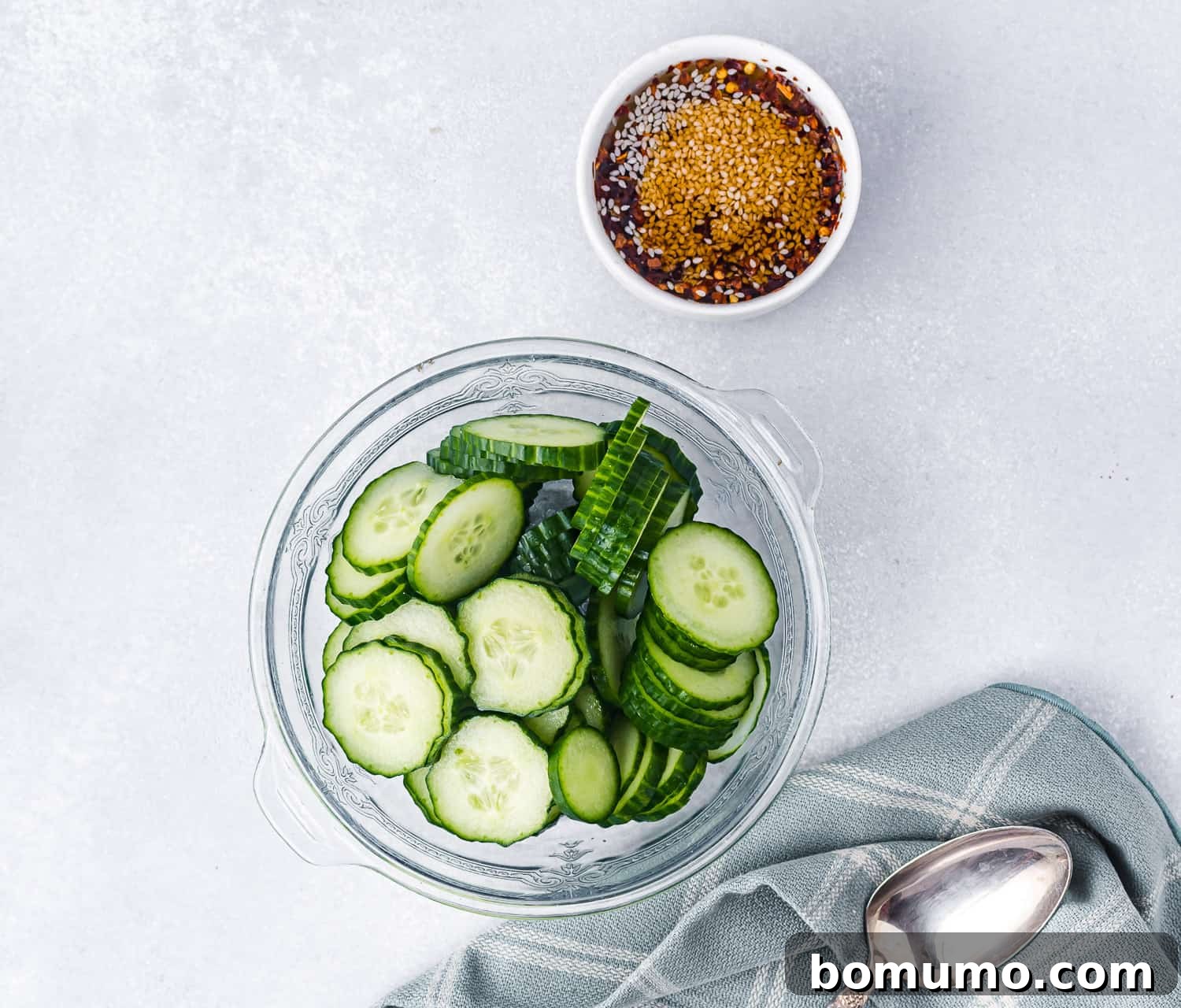
Step 3: Combine and Rest. Pour the freshly prepared brine over the sliced cucumbers in the non-reactive bowl. Using a spoon or your hands, gently toss the cucumbers to ensure every slice is thoroughly coated with the vibrant brine. Once coated, allow the pickles to set and marinate for at least 10 minutes at room temperature. This resting period is crucial for the cucumbers to begin absorbing the complex flavors of the brine. For an even more profound flavor development, especially if you’re not serving them immediately, cover the bowl and transfer it to the refrigerator. The longer they rest, the more intensely flavorful the pickles will become.
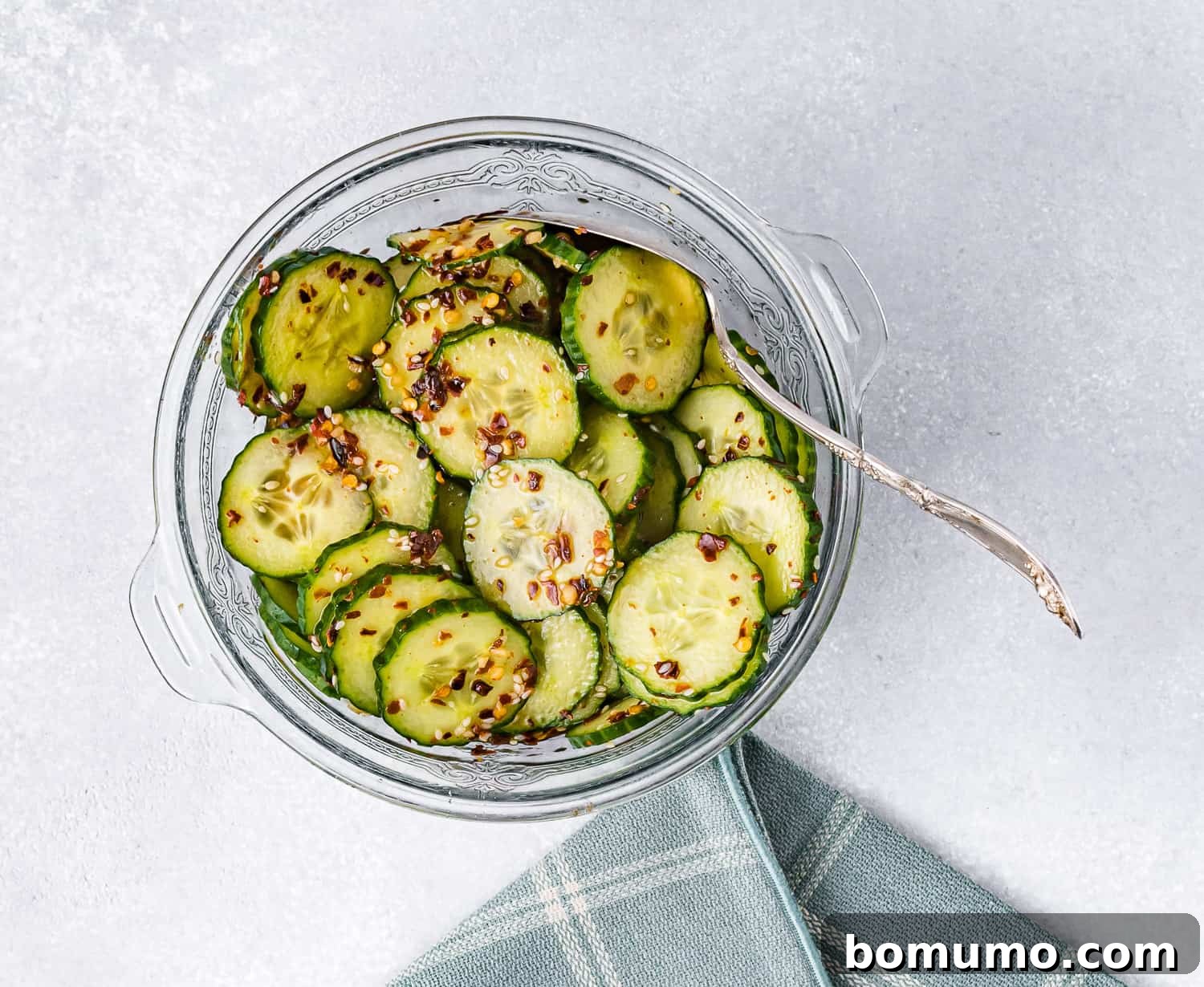
Once prepared, these delicious Korean cucumber pickles can be stored in an airtight container in the refrigerator for up to two weeks. This makes them an ideal make-ahead component for various meals or a constant delightful snack.
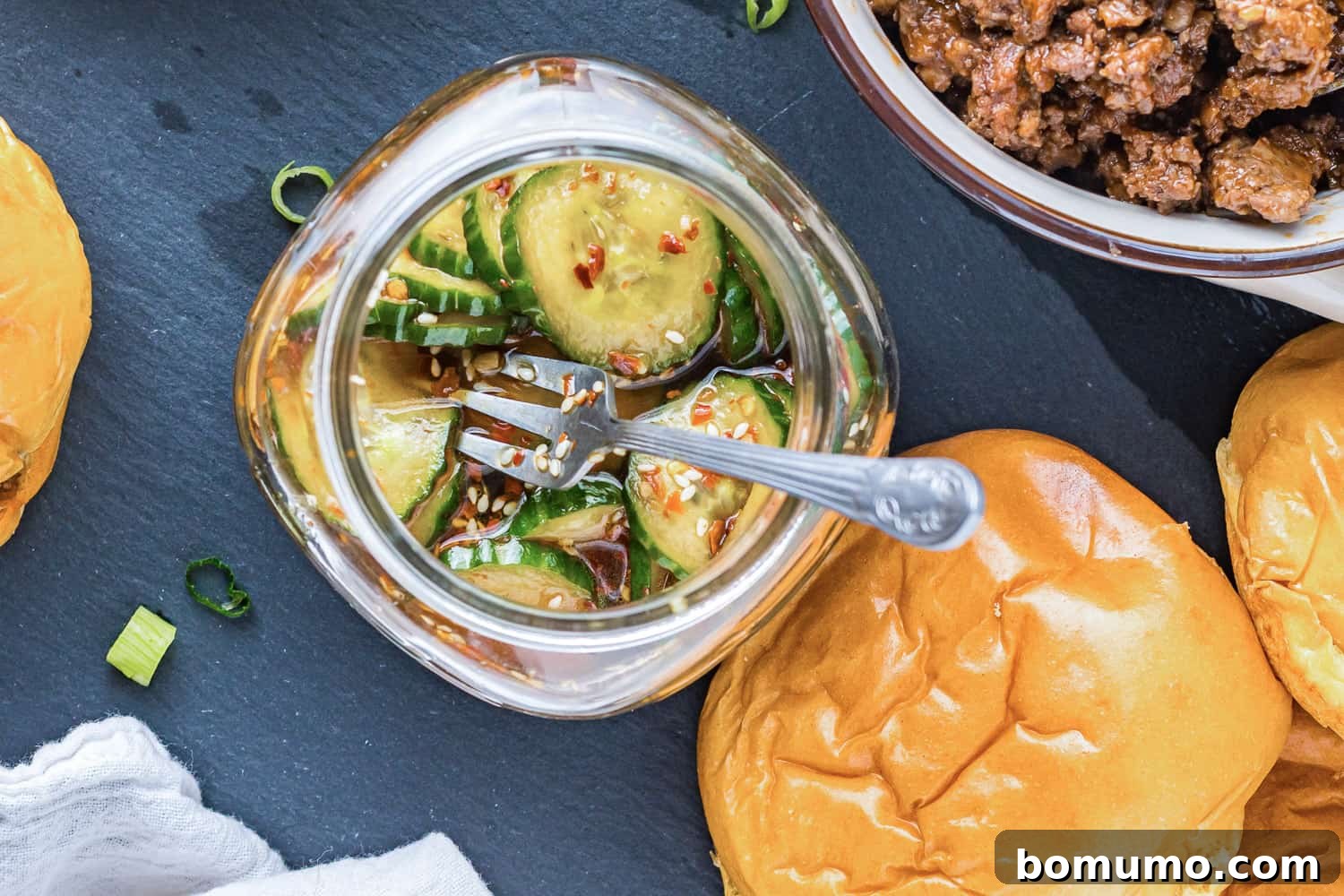
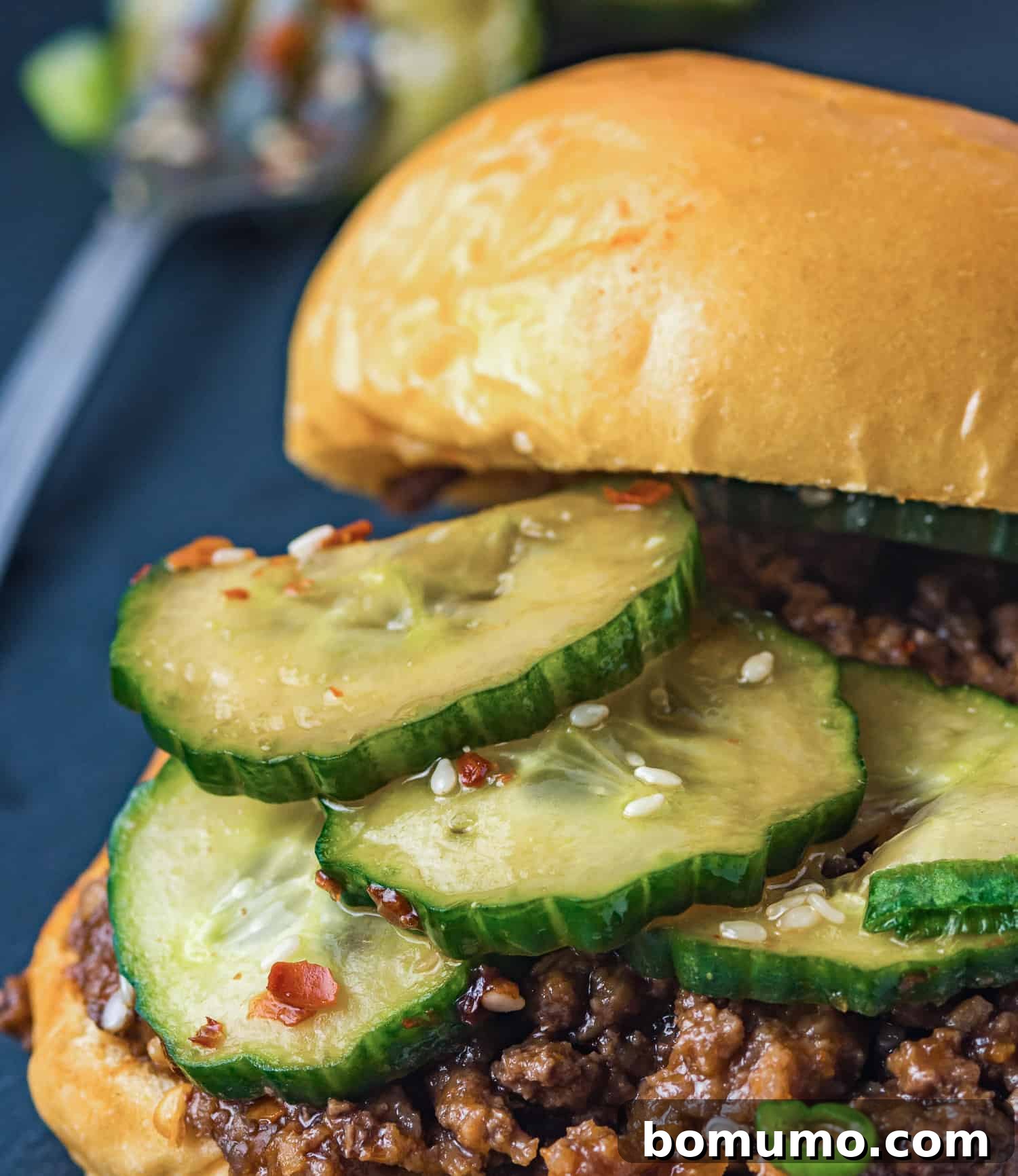
These versatile Korean pickles are truly fantastic with a wide range of dishes. Naturally, they pair wonderfully with American classics like sloppy Joes or piled high on juicy burgers, adding a vibrant crunch and spicy kick. Beyond that, consider serving them alongside grilled chicken marinated in a savory Asian chicken marinade for a complete and balanced meal. They’re also an excellent topping for lighter options like turkey burgers or hearty black bean burgers. To make it a truly memorable meal, accompany your pickles with a refreshing, crunchy Asian coleslaw and perfectly crispy air fryer French fries. Don’t limit yourself – these pickles are also phenomenal in rice bowls, tacos, or as a lively side dish to almost any main course.
FAQs
For authentic Korean pickles, tender-skinned varieties like English, Persian, or Japanese cucumbers are ideal. These cucumbers are long, slender, and typically have small, edible seeds, often appearing light green. They are prized for their crisp, sweet flesh and lack the bitterness sometimes found in other varieties. Their delicate texture makes them perfect for absorbing the spicy brine, yielding a satisfying crunch in every bite. Korean cucumber salad (Oi Muchim) uses these same qualities for its refreshing taste.
In cooking, “sweating” refers to drawing out excess moisture from vegetables. For cucumbers, this is usually achieved by salting them. To sweat cucumbers, you would mix the sliced cucumber with a portion of the salt in a colander and let it sit over a sink or bowl for 20-30 minutes. The salt draws out water, which helps prevent the pickles from becoming watery and can enhance their crispness. After sweating, you would gently pat the cucumbers dry with paper towels. While not strictly necessary for this quick pickle recipe, sweating can be a good technique to employ if you desire an extra-crisp texture or are using a cucumber variety known to be particularly watery.
Korean pickled cucumbers, or Oi Muchim, are characterized by their fresh, zesty, and complex flavor. They offer a prominent tang and acidity from the rice wine vinegar, beautifully balanced by the underlying sweetness of sugar. The signature spicy kick comes from gochugaru, providing a moderate, smoky heat. Fresh garlic adds a pungent depth, while toasted sesame oil infuses the pickles with a rich, nutty umami. The combination creates a dynamic flavor profile that hits all the key taste sensations – sweet, sour, salty, bitter (from a hint of chili), and umami – making them irresistibly delicious and highly addictive.
These quick Korean pickles are best enjoyed fresh, but they can be stored in an airtight container in the refrigerator for up to two weeks. For optimal flavor and crunch, try to consume them within the first week. Always check for any signs of spoilage, such as a cloudy liquid, off-smell, or mold, and discard if present.
Absolutely! The beauty of homemade pickles is the ability to customize them to your taste. If you prefer a milder pickle, reduce the amount of gochugaru by half or even omit it entirely for a non-spicy version. For those who love extra heat, feel free to increase the gochugaru to your desired level, or even add a pinch of hotter chili flakes if you dare.
Customize Your Korean Pickles: Make It Your Own
This recipe provides a fantastic foundation for spicy Korean pickles, but it’s also wonderfully adaptable to your personal taste and what you have on hand. Feel free to experiment and make these quick pickles truly your own:
- Spices and Seasoning Choices: The spice level is entirely in your hands. As mentioned, you can easily adjust the amount of gochugaru to make it milder or hotter. If gochugaru isn’t available, or if you prefer a different kind of heat, crushed red pepper flakes make a suitable substitute, though the flavor profile will differ slightly. For garlic lovers, feel free to increase the minced garlic to two cloves or more. You could also introduce other aromatics like a tiny pinch of grated fresh ginger for an added layer of warmth and zest, or thinly sliced green onions for a milder onion flavor.
- Pickle Different Vegetables: If you find yourself enamored with this vibrant brine, don’t stop at cucumbers! This versatile pickling liquid works beautifully with a variety of other vegetables. Consider pickling thinly sliced radishes for a peppery crunch, red onions for a sweet and tangy bite, or even carrots and daikon radish for a colorful and robust mix. Bell peppers, zucchini, or even green beans can also be surprisingly delicious when quick-pickled with this Korean-inspired brine.
- Explore More Cucumber Salads: If you’re looking for different ways to enjoy fresh cucumbers, there’s a world of cucumber salads to explore. Try this refreshing cucumber salad with onions and a classic vinegar dressing for a lighter, non-spicy option. For an elegant presentation and creamy texture, our cucumber ribbon salad with a yogurt herb dressing offers a delightful contrast. Each offers a unique spin on enjoying this versatile vegetable.
Make-Ahead Magic
One of the best qualities of these quick Korean pickles is that they are actually *better* when made ahead of time. While they are delicious after just 10 minutes of resting, allowing them to marinate for at least an hour, or even overnight, significantly deepens their flavor. This extra time gives the cucumber slices ample opportunity to fully absorb all the vibrant, spicy, and tangy notes of the brine, resulting in a more complex and satisfying pickle. This makes them an ideal candidate for meal prepping; you can prepare a batch on the weekend and enjoy them throughout the week.
Storage Tips
To maintain their crispness and vibrant flavor, these refrigerator pickles should always be stored in a tightly covered jar or container in the refrigerator. They will keep well for up to two weeks. For the best quality, aim to consume them within the first week. Before serving, always give them a quick visual check and a sniff. Discard the pickles immediately if you notice the liquid appears cloudy, if there’s any unpleasant or “off” smell, or if you see any signs of mold. Proper storage ensures you can enjoy these delicious pickles safely and maximize their freshness.
More Quick Pickle Inspirations
Refrigerator Dill Pickles – Quick and Easy
Easy Pickled Red Onions Recipe
Pickled Asparagus Recipe – 10 minutes hands-on!
Pickled Vegetables – spicy or not!
Easy Korean Pickles Recipe
Ingredients
- 1 large English cucumber (about 1 lb.), thinly sliced (⅛ inch thick)
- 2 teaspoons kosher salt
- 1 teaspoon minced garlic (1 large clove), optional
- 1 tablespoon gochugaru, or to taste (or ½ teaspoon crushed red pepper flakes)
- ¼ cup rice wine vinegar
- 2 tablespoons granulated sugar
- 1 teaspoon toasted sesame oil
- 1 teaspoon toasted sesame seeds, optional
Instructions
-
Place the thinly sliced cucumber rounds in a non-reactive mixing bowl (glass or stainless steel).
-
In a separate small bowl, combine the kosher salt, minced garlic, gochugaru, rice wine vinegar, granulated sugar, and toasted sesame oil. Stir well until the sugar and salt are fully dissolved and the brine is thoroughly mixed.
-
Pour the prepared brine over the cucumber slices. Toss gently to ensure all the cucumber pieces are evenly coated with the flavorful liquid.
-
Allow the pickles to stand at room temperature for at least 10 minutes before serving to allow flavors to meld. For a deeper flavor, cover and refrigerate until ready to serve. If desired, sprinkle with toasted sesame seeds just before serving.
Notes
- While these pickles can be served immediately, they truly shine after sitting for at least an hour or, even better, overnight in the refrigerator. This allows the cucumbers to fully absorb the rich flavors of the brine.
- Serve these versatile pickles as a vibrant side dish, a topping for hamburgers or Korean sloppy Joes, or simply enjoy them as a refreshing, spicy snack.
- Store any leftover pickles in an airtight container in the refrigerator for up to 2 weeks. Discard if the liquid becomes cloudy or if an off-smell develops.
Nutrition
Nutrition information is automatically calculated, so should only be used as an approximation.